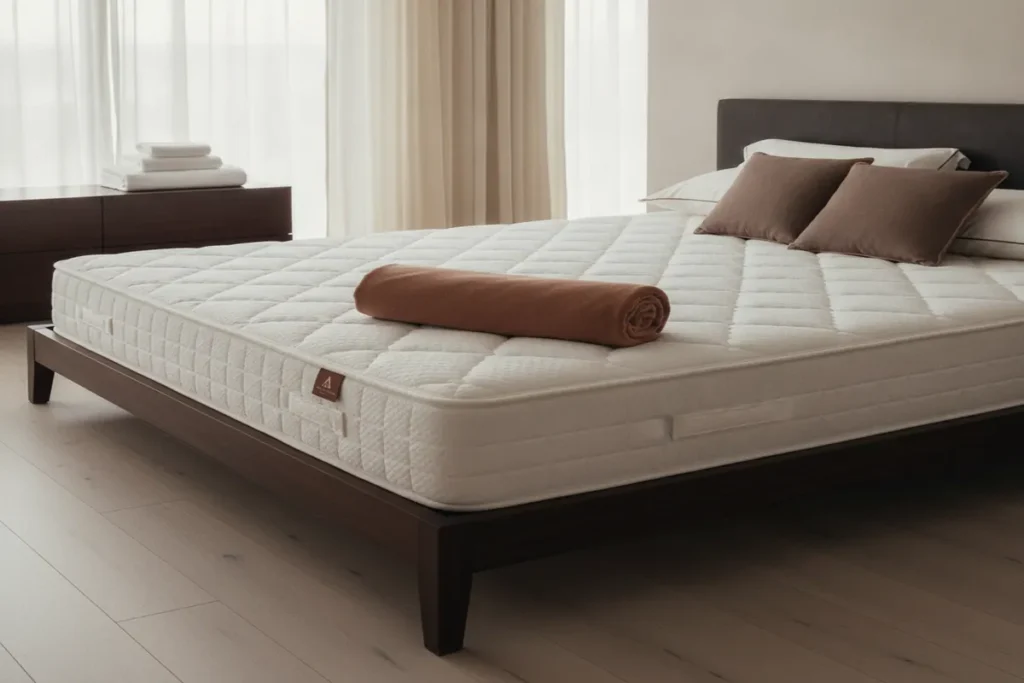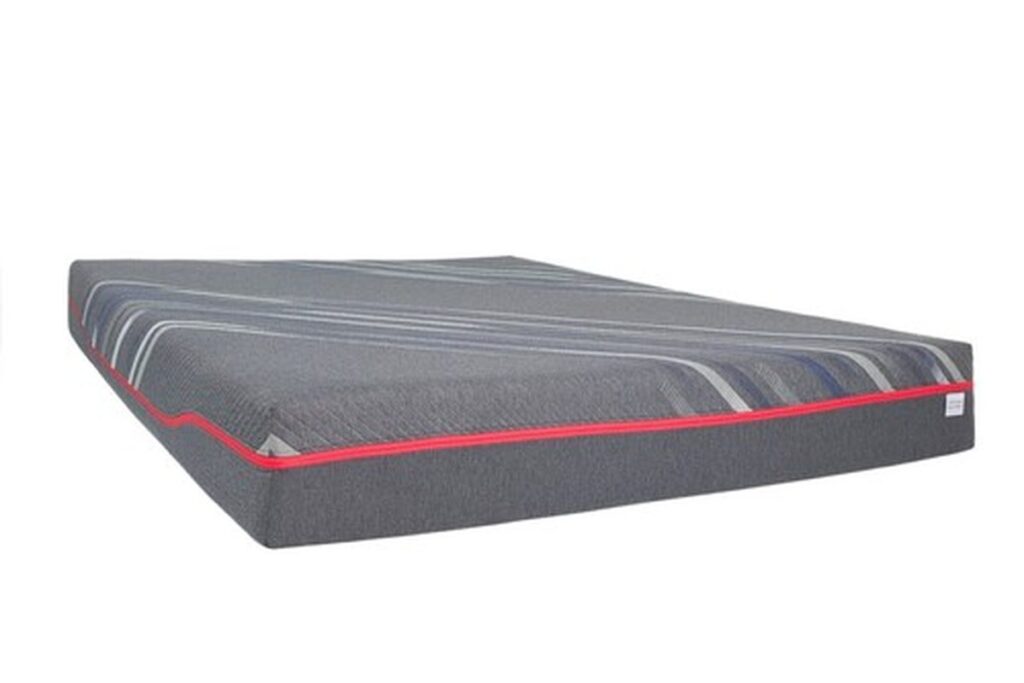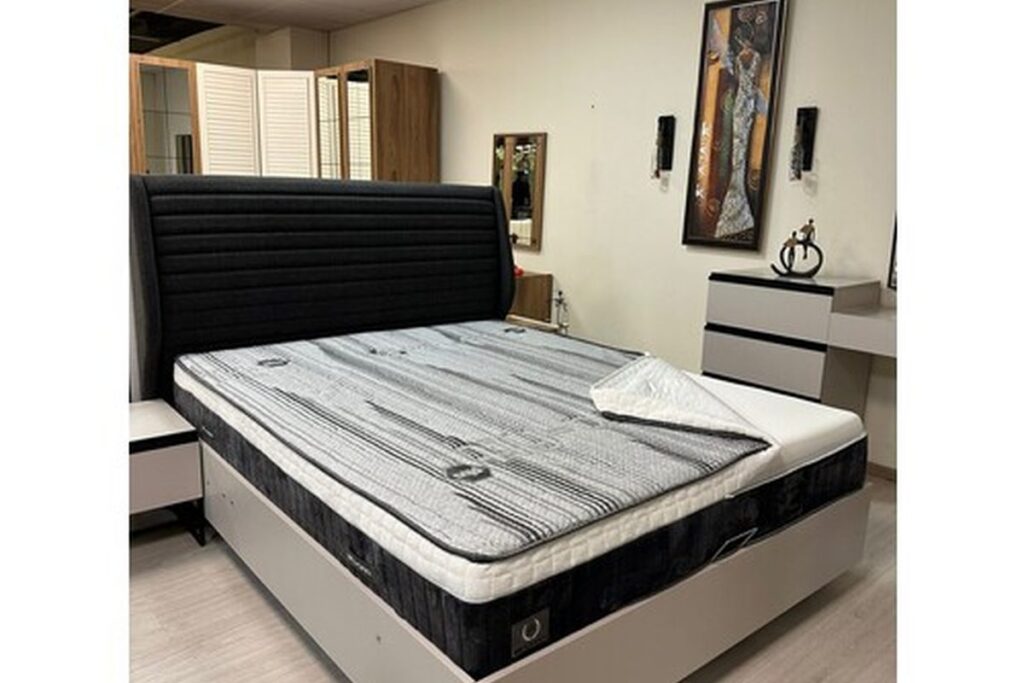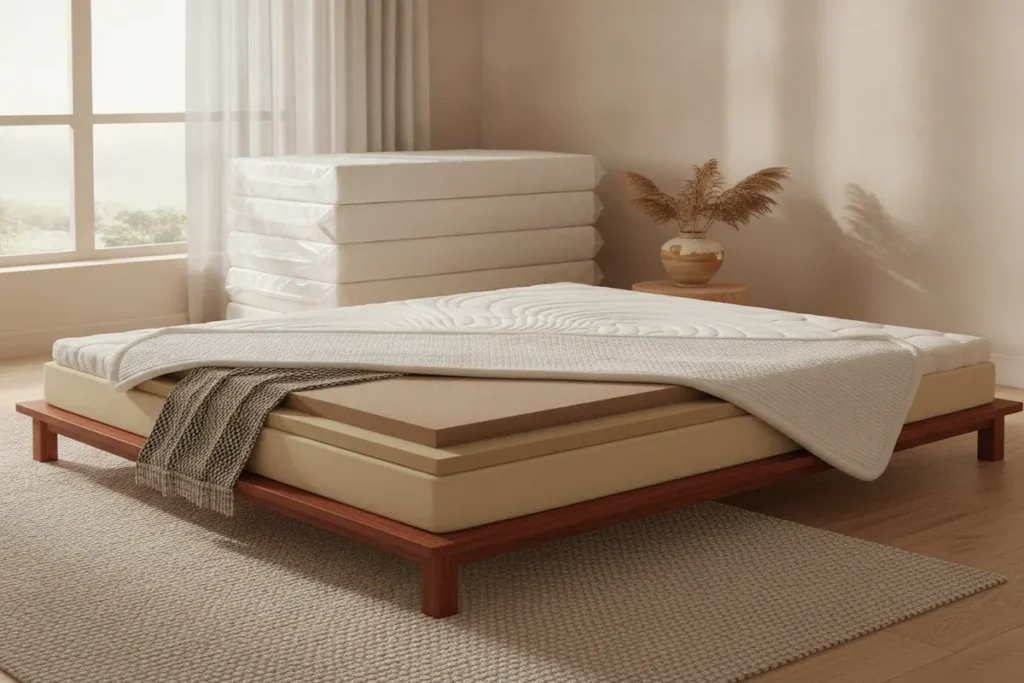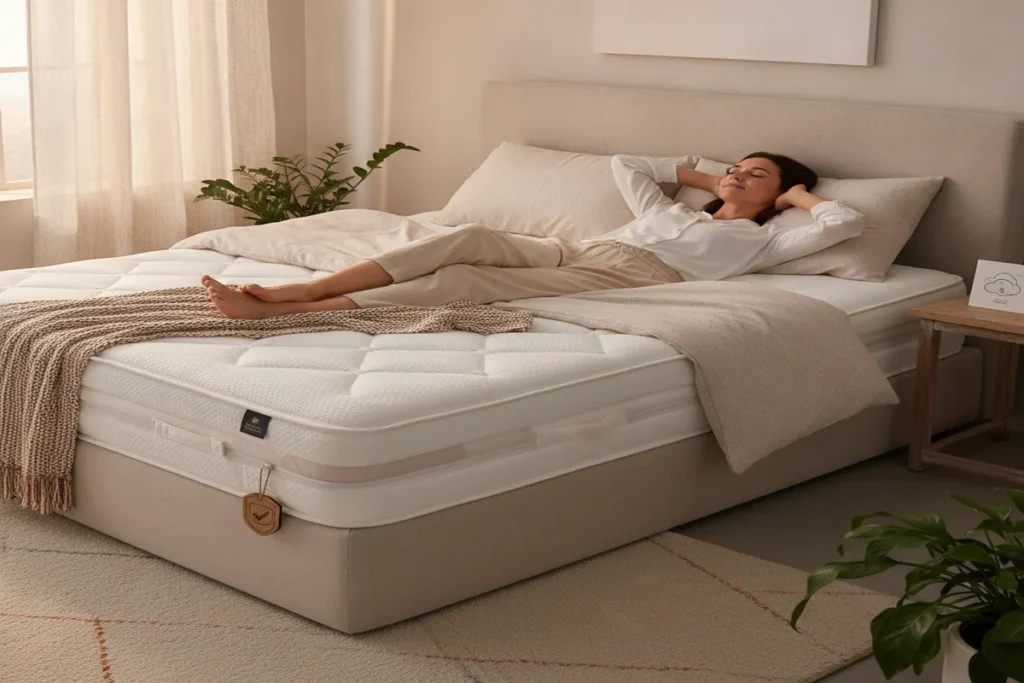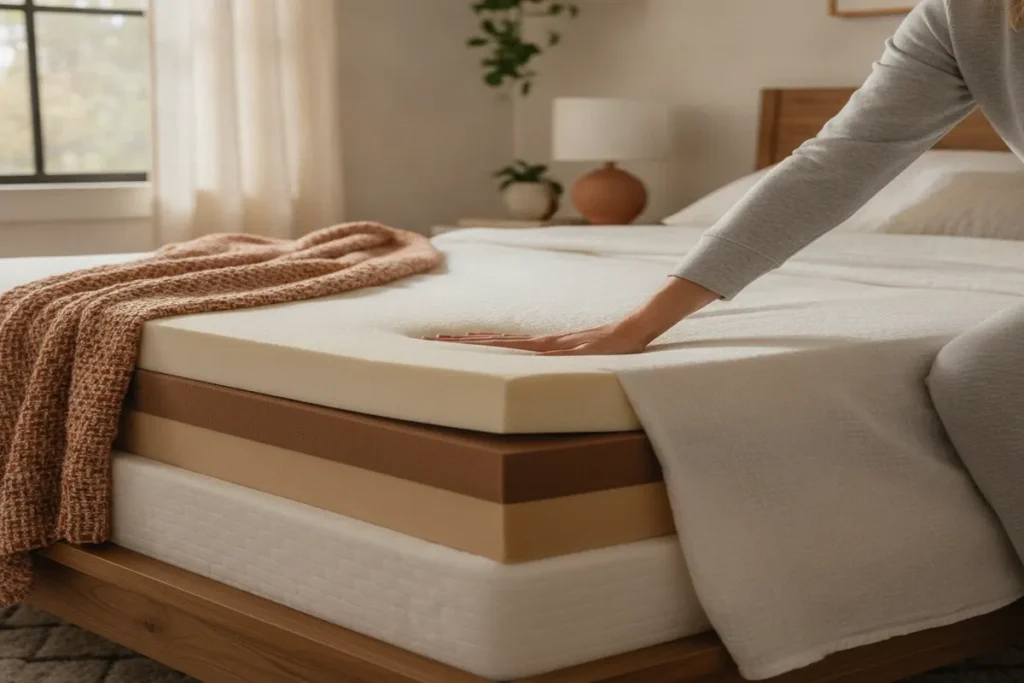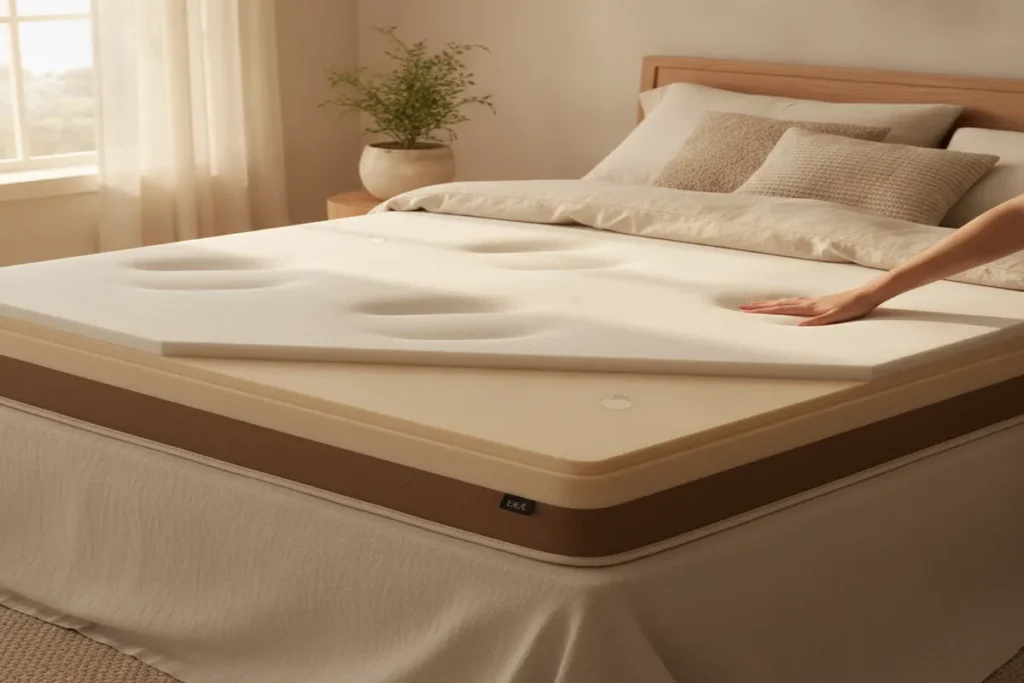

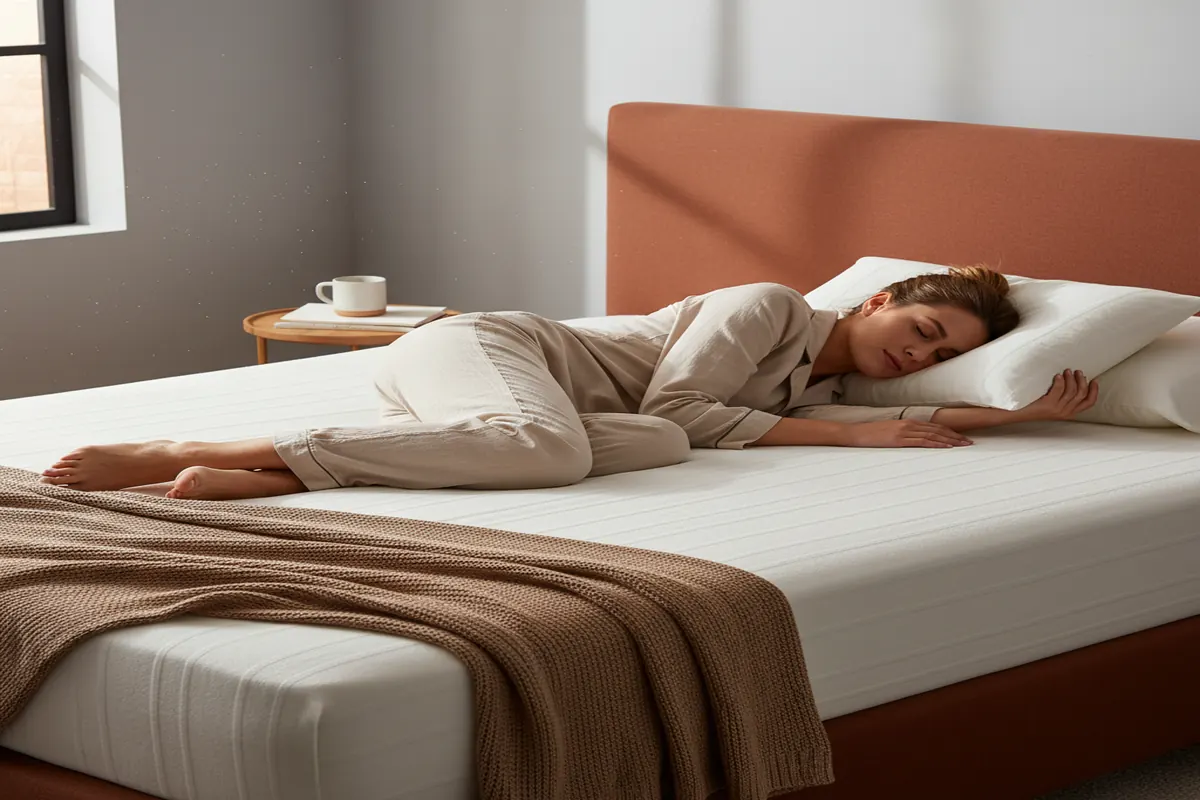
For side sleepers, a foam mattress stands out as an excellent choice, providing the critical balance of contouring support and pressure relief needed to maintain healthy spinal alignment. These mattresses excel at cradling the body’s curves, particularly the hips and shoulders, which bear the most weight in this position, thereby preventing pressure point pain and promoting a more restorative, pain-free sleep experience. The right foam type and firmness level are paramount for ensuring optimal comfort and support tailored to individual needs.
Quick Summary
- Foam mattresses excel for side sleepers by offering superior pressure relief at hips and shoulders
- Memory foam and latex are top choices, each with distinct benefits
- Optimal firmness depends on body type, but generally medium-soft to medium is preferred
- Proper spinal alignment is crucial to prevent pain and improve sleep quality
Why are Foam Mattresses Often Recommended for Side Sleepers?
Side sleeping is one of the most common sleep positions, yet it presents unique challenges for mattress selection. The body’s weight is concentrated on narrower areas like the hips and shoulders, making these zones prone to pressure buildup and misalignment if the mattress is too firm or lacks adequate contouring. Foam mattresses, particularly memory foam and latex foam, are uniquely suited to address these issues.
Here’s why foam mattresses are a top recommendation for side sleepers:
-
Exceptional Pressure Relief: Foam mattresses, especially memory foam, excel at distributing body weight evenly, cushioning the prominent pressure points of the hips and shoulders. This prevents the discomfort and pain that can arise from prolonged pressure on these areas.
-
Superior Spinal Alignment: A quality foam mattress contours precisely to the natural curve of the spine, filling the gaps at the waist and lower back. This keeps the spine in a neutral alignment, reducing the risk of back pain and stiffness. Achieving this alignment is critical for overall sleep health.
-
Motion Isolation: Many foam mattresses absorb motion exceptionally well. This is a significant benefit for side sleepers who share a bed, as movements from a partner are less likely to disturb their sleep.
-
Adaptability to Body Shape: Foam adapts to your unique body shape and temperature, providing a personalized sleeping surface that supports every curve and crevice. This dynamic adaptation ensures consistent support throughout the night, even if you shift positions slightly.
-
Durability and Longevity: High-density foam mattresses are built to last, maintaining their supportive properties over many years, which is a key factor in ensuring consistent comfort and value. Sinyora Yatak‘s Turkish Mattress Lifespan often exceeds expectations due to quality materials and construction.
What Types of Foam Mattresses Offer the Best Support for Side Sleepers?
When exploring foam mattresses for side sleepers, two primary types consistently rise to the top: memory foam and latex foam. Each offers distinct characteristics that cater to different preferences and needs. Understanding these differences is crucial for making an informed decision.
Memory Foam Mattresses (Visco Foam)
Memory foam, often referred to as Visco foam, is renowned for its ability to soften and conform to the body in response to heat and pressure. This creates a deeply cradling sensation, making it a favorite for side sleepers seeking ultimate pressure relief.
- Key Features for Side Sleepers:
- Deep Contouring: Molds perfectly around the hips and shoulders, distributing weight evenly and virtually eliminating pressure points.
- Excellent Motion Isolation: Ideal for couples, as movement on one side of the bed is barely felt on the other.
- Spinal Alignment: The conforming nature helps maintain the natural curvature of the spine, crucial for preventing back pain.
- Visco Foam Mattress from Sinyora Yatak exemplifies these qualities, offering a luxurious and supportive sleep surface.
Latex Foam Mattresses
Latex foam provides a different kind of support. While it also contours to the body, it offers a more buoyant and responsive feel compared to memory foam. It comes in natural, synthetic, and blended forms.
- Key Features for Side Sleepers:
- Responsive Support: Offers a “bouncier” feel than memory foam, making it easier to change positions. It still contours but springs back more quickly.
- Good Pressure Relief: While not as deep-cradling as memory foam, latex still provides excellent pressure relief, especially for those who prefer not to sink too deeply into the mattress.
- Durability: Natural latex is incredibly durable and can last for many years, often outlasting other foam types.
- Temperature Regulation: Often sleeps cooler than traditional memory foam due to its open-cell structure, which allows for better airflow.
- Consider a Latex Foam Mattress for a naturally resilient and breathable option.
Comparison: Memory Foam vs. Latex Foam for Side Sleepers
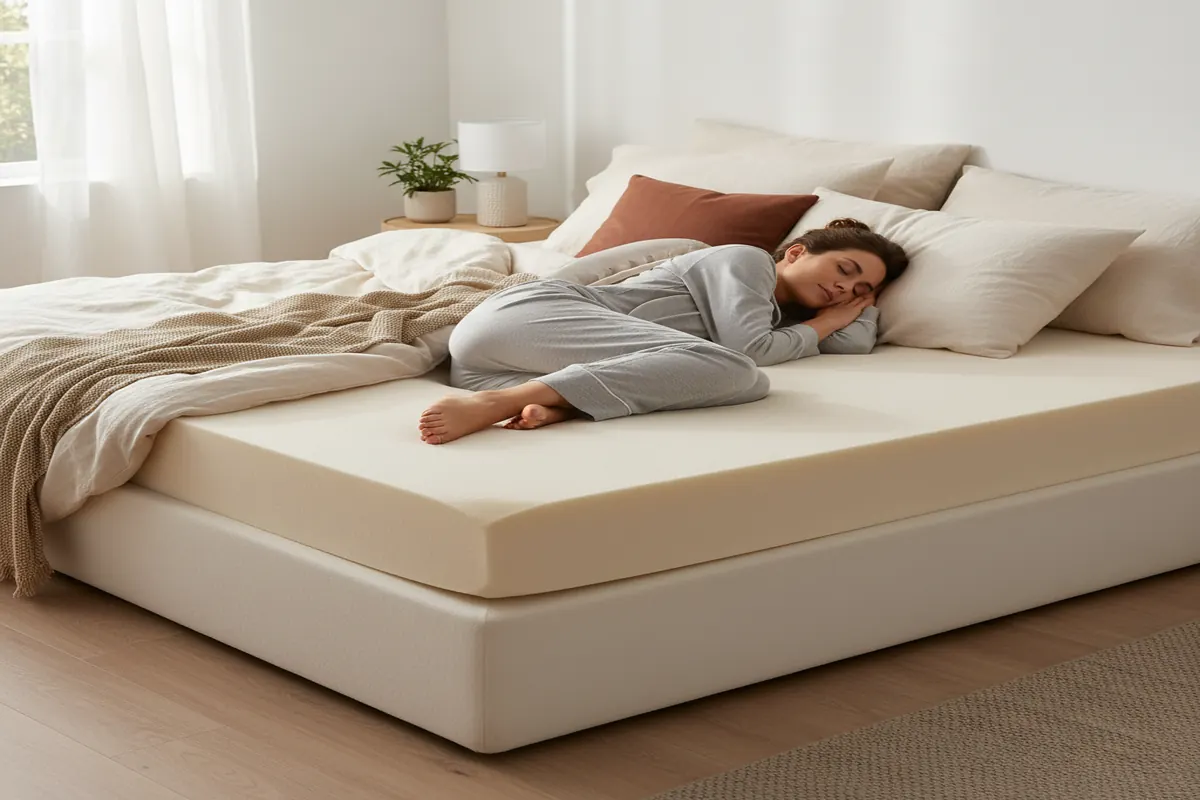
To help you decide, here’s a direct comparison:
How Does Firmness and Density Impact a Side Sleeper’s Comfort?
The firmness and density of a foam mattress are perhaps the most critical factors for a side sleeper’s comfort and health. Choosing the wrong combination can lead to misalignment and pain, negating the benefits of foam altogether.
Understanding Firmness for Side Sleepers
For side sleepers, the ideal firmness level is typically medium-soft to medium. This range allows enough give for the shoulders and hips to sink in slightly, while still providing adequate support to keep the spine straight.
-
Too Firm: If a mattress is too firm, the shoulders and hips won’t sink in enough, leading to painful pressure points. This forces the spine into an unnatural curve, often resulting in shoulder, hip, or lower back pain.
-
Too Soft: Conversely, a mattress that is too soft will allow the hips and shoulders to sink too deeply, causing the mid-section of the body to sag. This also misaligns the spine, creating a “hammock” effect that can lead to significant back pain.
Expert Insight:
“Industry experts confirm that the sweet spot for side sleepers lies in a mattress that is soft enough to cushion prominent joints like the shoulders and hips, yet firm enough to prevent the torso from sinking too far, thus maintaining optimal spinal alignment from head to tailbone.”
The Role of Density
Density refers to how much material is packed into the foam, measured in pounds per cubic foot (PCF). It’s often mistaken for firmness, but they are distinct. Density primarily impacts durability and how the mattress feels over time.
-
Low Density Foam (under 3.5 PCF): Tends to be softer and less durable. It might offer initial comfort but can break down quickly, leading to sagging and loss of support.
-
Medium Density Foam (3.5-5.0 PCF): A good balance of comfort and durability. Often found in high-quality memory foam mattresses, providing excellent pressure relief and lasting support.
-
High Density Foam (over 5.0 PCF): Very durable and supportive. Can feel firmer initially but offers excellent longevity and consistent support.
For side sleepers, a medium to high-density foam mattress is generally recommended, particularly for the comfort layers, to ensure long-term pressure relief and support without premature sagging. This is a hallmark of quality Turkish Foam Mattress construction.
Avoiding Common Mistakes When Choosing a Foam Mattress for Side Sleepers
Selecting the perfect foam mattress requires careful consideration, and it’s easy to fall into common pitfalls. Being aware of these mistakes can save you discomfort, time, and money.
-
Mistake 1: Prioritizing “Softness” Over Support: Many side sleepers assume softer is always better for pressure relief. While some softness is crucial, excessive softness leads to insufficient support and spinal misalignment.
- Solution: Focus on a balanced feel – one that allows hips and shoulders to sink slightly but keeps the spine neutral. Look for mattresses with a medium-soft to medium firmness rating.
-
Mistake 2: Ignoring Body Type and Weight: A mattress that feels perfect for a lighter individual might be too soft for someone heavier, and vice-versa.
- Solution: Heavier individuals (over 230 lbs) often require slightly firmer foam or a hybrid foam mattress with stronger base support to prevent excessive sinking. Lighter individuals (under 130 lbs) may need a softer top layer to engage the pressure-relieving properties of the foam.
-
Mistake 3: Overlooking Mattress Toppers and Pillows: Even the best mattress can’t correct poor support from an old pillow or a mattress that’s “almost right.”
- Solution: Consider a Visco Topper or Latex Topper to fine-tune the feel of your existing mattress. Invest in a supportive Visco Pillow or Latex Pillow (Natural) that keeps your head and neck aligned with your spine when side sleeping. Sinyora Yatak’s Pillow Collection offers specialized options like Visko Pillows Neck Support and Latex Pillows Neck Support.
-
Mistake 4: Not Checking for Certifications: Foam quality varies widely. Low-quality foams can off-gas unpleasant odors and contain harmful chemicals.
- Solution: Look for certifications like CertiPUR-US (for polyurethane foams) or GOLS/GOTS (for organic latex) to ensure the foam is free from harmful substances and meets strict emissions standards.
-
Mistake 5: Rushing the Decision and Not Utilizing Sleep Trials: A mattress feels different after 20 minutes in a showroom compared to 20 nights at home.
- Solution: Always choose a mattress with a generous sleep trial (ideally 90-120 nights). This allows your body to adjust and gives you ample time to assess comfort and support in your own sleep environment.
Considering Your Body Type and Sleep Habits for Optimal Foam Mattress Selection
The “best” foam mattress for side sleepers isn’t a one-size-fits-all answer. Your unique body type and specific sleep habits play a significant role in determining what will offer you the most comfortable and supportive sleep.
Tailoring Firmness to Your Body Weight
-
Lightweight Sleepers (Under 130 lbs):
- Preference: Often require a softer foam mattress to allow enough sinkage for pressure relief at the shoulders and hips. If the mattress is too firm, they won’t activate the contouring properties of the foam, leading to pressure points.
- Recommendation: Look for medium-soft to medium firmness (around 4-5 on a 1-10 firmness scale, with 10 being firmest).
-
Average Weight Sleepers (130-230 lbs):
- Preference: Typically find the widest range of mattresses comfortable. A balanced medium firmness is often ideal, providing both contouring and support.
- Recommendation: Medium firmness (around 5-6 on the firmness scale) is usually a safe and comfortable bet. This allows for adequate sinkage without compromising spinal alignment.
-
Heavier Sleepers (Over 230 lbs):
- Preference: Need more robust support to prevent excessive sinkage and maintain spinal alignment. A mattress that is too soft will bottom out for them, leading to discomfort and pain.
- Recommendation: A medium-firm foam mattress (around 6-7 on the firmness scale) or a hybrid mattress with a sturdy coil base and a supportive foam top layer. High-density foams are crucial here for durability and consistent support.
Addressing Specific Sleep Habits and Concerns
-
Side Sleepers with Back Pain: If you experience back pain as a side sleeper, your primary concern should be spinal alignment.
- Action: Choose a mattress that perfectly balances pressure relief with robust support. Memory foam can be excellent here due to its conforming properties. Consider a Visco Foam Mattress for its ability to cradle and align. Ensure your pillow supports your neck to maintain alignment with the rest of your spine.
-
Side Sleepers Who Toss and Turn: If you frequently change positions, a more responsive foam like latex foam might be preferable.
- Action: Latex’s quicker response time makes it easier to move without feeling “stuck” in the mattress.
-
Hot Sleepers: Some foams can retain heat.
- Action: Look for open-cell memory foam, gel-infused memory foam, or Latex Foam Mattresses which naturally sleep cooler. Pairing with breathable bedding can also help.
-
Couples with Different Preferences:
- Action: A medium-firm foam mattress that offers good motion isolation is often a good compromise. Consider models with zoned support that offer different firmness levels in various sections.
Which Features Should You Prioritize for Pain-Free Side Sleeping?
Achieving truly pain-free sleep as a side sleeper goes beyond just choosing a foam mattress; it involves prioritizing specific features that directly address the unique needs of this position.
Here’s a practical checklist of features to prioritize:
-
Optimal Pressure Relief:
- What to look for: A top comfort layer (often memory foam or soft latex) that allows hips and shoulders to sink in without resistance. This is paramount for preventing aches in these common pressure points.
- Why it matters: Prevents nerve compression and improves blood circulation, leading to fewer aches and less numbness.
-
Excellent Spinal Alignment:
- What to look for: A mattress that contours to the natural S-curve of your spine, supporting the waist and keeping the spine straight from neck to tailbone. A medium-soft to medium firmness is generally key.
- Why it matters: Misalignment is a primary cause of back pain, neck pain, and stiffness. Proper alignment ensures your body rests in a neutral, restorative position.
-
Targeted Support Layers:
- What to look for: A multi-layered foam construction with a softer top layer for comfort and a firmer, high-density base layer for foundational support. Some mattresses offer zoned support with varying firmness in different areas (e.g., softer for shoulders, firmer for hips).
- Why it matters: The base layer prevents sagging and ensures the mattress remains supportive over time, while the comfort layers provide the necessary cushioning.
-
Temperature Regulation:
- What to look for: Open-cell foam designs, gel infusions, graphite infusions, or Latex Foam Mattresses which naturally dissipate heat.
- Why it matters: Overheating can disrupt sleep, even on an otherwise comfortable mattress. Staying cool enhances sleep quality.
-
Durability and High-Quality Materials:
- What to look for: High-density foams (3.5 PCF or higher for memory foam), CertiPUR-US certified foams, and reputable brands.
- Why it matters: A durable mattress maintains its shape and supportive properties longer, ensuring consistent comfort and preventing premature sagging that can lead to pain. Sinyora Yatak prides itself on durable Turkish Mattresses.
-
Motion Isolation:
- What to look for: Mattresses with excellent motion dampening properties, typical of most memory foam.
- Why it matters: If you share a bed, minimizing motion transfer ensures your partner’s movements don’t disturb your sleep, contributing to a more restful night.
By prioritizing these features, side sleepers can significantly increase their chances of finding a foam mattress that delivers truly pain-free and restorative sleep.
Beyond the Mattress: Enhancing Your Side Sleeping Experience
While the right foam mattress is foundational, achieving the ultimate comfortable and pain-free side sleeping experience often involves optimizing other elements of your sleep environment. These complementary products and practices can significantly enhance the benefits of your mattress.
The Critical Role of Your Pillow
For side sleepers, the pillow is almost as important as the mattress itself for maintaining spinal alignment.
-
Pillow Loft and Firmness:
- What to look for: A pillow with sufficient loft (height) and firmness to fill the gap between your head and the mattress, keeping your head and neck aligned with your spine.
- Recommendation: Visco Pillows Neck Support or Latex Pillows Neck Support are excellent choices as they contour to your neck’s natural curve while providing firm, consistent support. Avoid pillows that are too thin (causing your head to drop) or too thick (pushing your head upwards).
-
Pillow Material:
- Memory foam pillows offer excellent contouring and support, adapting to your head and neck.
- Latex pillows provide resilient, hypoallergenic support with good breathability.
- Explore Sinyora Yatak’s Pillow Collection for a range of supportive options.
Mattress Toppers for Fine-Tuning Comfort
If your current mattress is “almost right” but needs a slight adjustment in feel, a foam mattress topper can be a cost-effective solution.
-
When to Use a Topper:
- Your mattress is slightly too firm, and you need more cushioning for pressure points.
- You want to add an extra layer of plushness without buying a new mattress.
- You want to enhance the pressure-relieving qualities of a spring or hybrid mattress.
-
Types of Foam Toppers:
- Visco Topper: Adds a significant layer of memory foam contouring and pressure relief, ideal for softening a firm mattress.
- Latex Topper: Offers responsive cushioning and a cooler sleep surface, great for adding bounce and support.
- Sponge Topper Mattress: A more basic foam topper for general cushioning.
-
Sinyora Yatak’s Topper Collection provides excellent options to customize your sleep surface.
Additional Side Sleeping Accessories
-
Knee Pillow: Placing a small pillow between your knees can prevent your top leg from pulling your spine out of alignment and reduce pressure on your hips and lower back.
-
Adjustable Bed Base: An Adjustable Bed Base and Headboard can allow you to slightly elevate your head and feet, which some side sleepers find enhances comfort and reduces pressure on the lower back. This also opens up possibilities for reading or relaxing in bed.
-
Breathable Bedding: Opt for natural, breathable fabrics like cotton or Tencel for sheets and mattress protectors to complement the cooling features of modern foam mattresses.
By considering these elements in conjunction with your foam mattress, you can create a truly optimized sleep sanctuary that supports pain-free and restful side sleeping.
How to Test and Evaluate a Foam Mattress for Side Sleepers
Choosing a mattress without proper evaluation is like buying shoes without trying them on. For side sleepers, the testing process needs to be specific to ensure the mattress meets your unique support and pressure relief requirements.
The In-Store Test: More Than Just a Lie-Down
While online shopping is convenient, an in-store test can provide initial insights.
-
Lie Down in Your Actual Sleep Position: Don’t just sit or lie on your back. Spend at least 10-15 minutes lying on your side, mimicking your typical sleep posture.
-
Assess Spinal Alignment: Have someone observe your spine from behind. It should appear relatively straight, from your neck down to your tailbone. If your hips or shoulders are sinking too much, or not enough, the alignment is off.
-
Feel for Pressure Points: Pay close attention to your shoulders and hips. Do you feel any undue pressure or discomfort? The foam should contour and cushion these areas, not push against them.
-
Check for Responsiveness: Try changing positions. Does the mattress allow you to move easily, or do you feel “stuck”? This is especially important for side sleepers who shift throughout the night.
The At-Home Sleep Trial: The Ultimate Test
This is where the real evaluation happens. Most reputable mattress companies, including Sinyora Yatak, offer generous sleep trials (e.g., 90-120 nights) because it takes time for your body to adjust to a new sleep surface.
-
Give it Time: Expect an adjustment period of a few weeks. Your body needs to adapt to the new support system.
-
Monitor Your Body: Keep a sleep journal. Note any changes in pain (e.g., back, neck, hip, shoulder pain), comfort level, and overall sleep quality.
-
Evaluate Pressure Relief: Are your shoulders and hips feeling cushioned and pain-free in the morning? This is the primary benefit you’re seeking.
-
Check for Spinal Alignment (Ongoing): Observe how you feel when you wake up. Stiffness or new aches can indicate a misalignment issue.
-
Temperature Regulation: Are you sleeping too hot or too cold? Modern foam mattresses offer improved cooling, but individual preferences vary.
-
Motion Isolation (for couples): Is your partner’s movement disturbing you less?
-
Consider a Topper (if needed): If the mattress is slightly too firm, a Visco Topper or Latex Topper during the trial period can help you decide if a minor adjustment is all you need.
Remember, the goal is to find a mattress that provides both comfort and therapeutic support for your unique side-sleeping needs, leading to truly restorative sleep.
Expert Insight
“The most critical factor for side sleepers choosing a foam mattress is the delicate balance between pressure relief and foundational support. A mattress must be soft enough to allow the shoulders and hips to sink in comfortably, preventing painful pressure points, yet firm enough to maintain a perfectly straight spinal alignment. Compromising on either aspect can lead to chronic discomfort and disrupt the restorative benefits of sleep.”
Key Terms
-
Pressure Relief: The ability of a mattress to distribute body weight evenly, reducing pressure on prominent points like shoulders and hips.
-
Spinal Alignment: Maintaining the natural curvature of the spine (neutral position) during sleep to prevent back and neck pain.
-
Density (Foam): The weight of foam per cubic foot (PCF), indicating its durability and support level, not necessarily its firmness.
-
ILD (Indentation Load Deflection): A measure of foam firmness; a higher ILD number means a firmer foam.
-
Motion Isolation: The mattress’s ability to absorb movement, preventing disturbances from a partner’s shifts.
How Can You Upgrade to More Comfortable Sleep with Sinyora Yatak?
At Sinyora Yatak, we understand the specific needs of side sleepers and are dedicated to crafting mattresses that deliver unparalleled comfort and support. Our expertise in Turkish Mattresses means we combine traditional craftsmanship with innovative foam technologies to create sleep solutions designed for optimal spinal alignment and pressure relief. Whether you’re seeking the deep contouring of a Visco Foam Mattress or the resilient support of a Latex Foam Mattress, our Mattress Collection offers a diverse range of options tailored to your body type and preferences. We believe that what makes Turkish Mattresses Special is not just the quality of materials, but the meticulous attention to detail in construction, ensuring every side sleeper finds their perfect match. Explore our Buying Guides for more in-depth information, or Contact Us for Support to speak with a sleep specialist who can guide you through our Shop All Products and help you find the ideal Turkish Mattress for Side Sleepers. We also offer Mattress Wholesale in Turkiye and Ship Turkish Mattresses Internationally, bringing our superior sleep solutions directly to your doorstep.
Frequently Asked Questions
Q: Can a foam mattress help with back pain for side sleepers?
Q: Do foam mattresses sleep hot?
Q: How long do foam mattresses typically last?
Q: Do I need a special bed base for a foam mattress?
Q: What is the best memory foam mattress topper for side sleepers?
Q: How do I know if a foam mattress is too firm or too soft for me as a side sleeper?