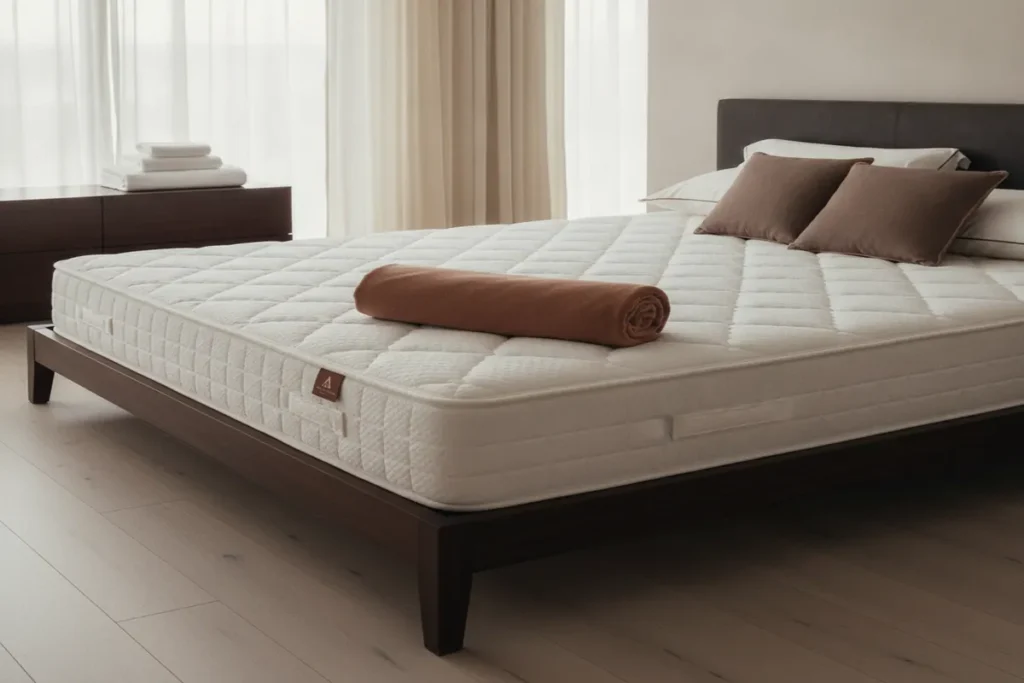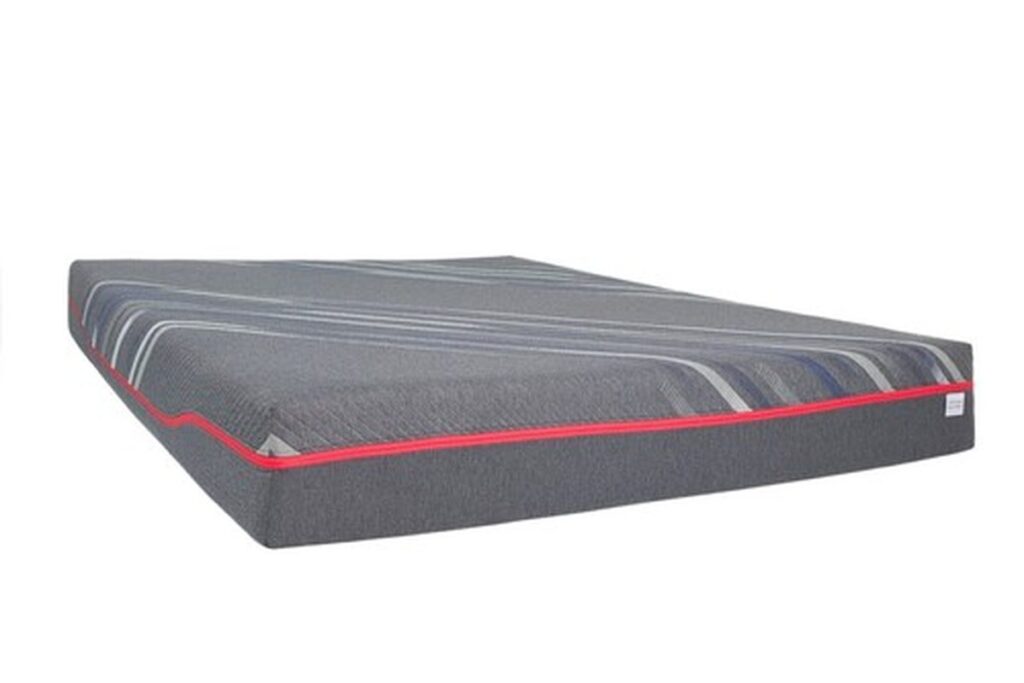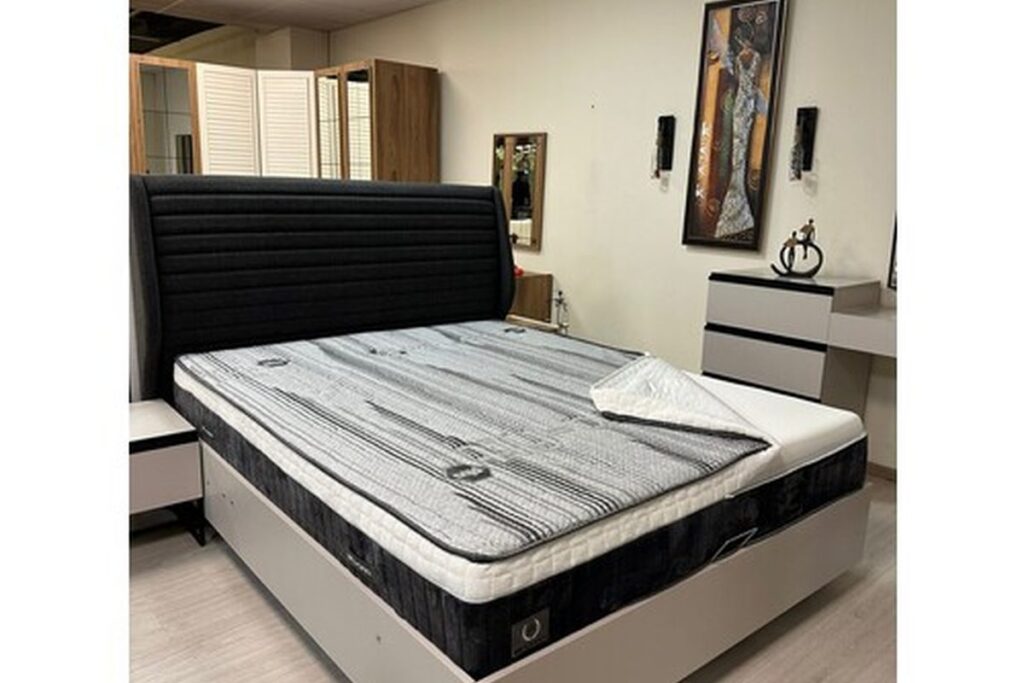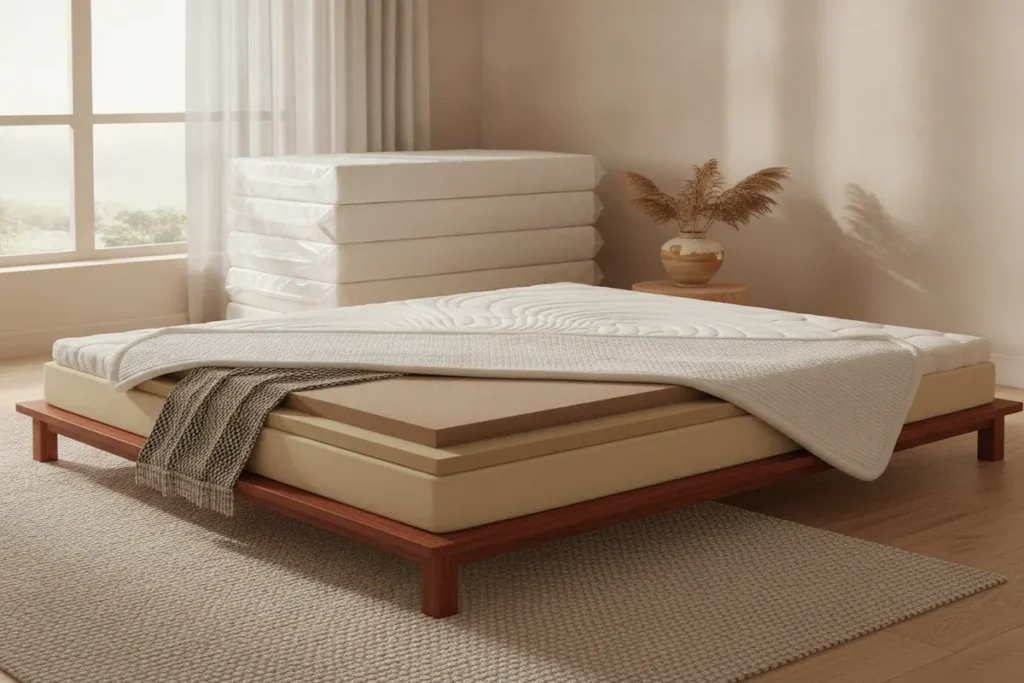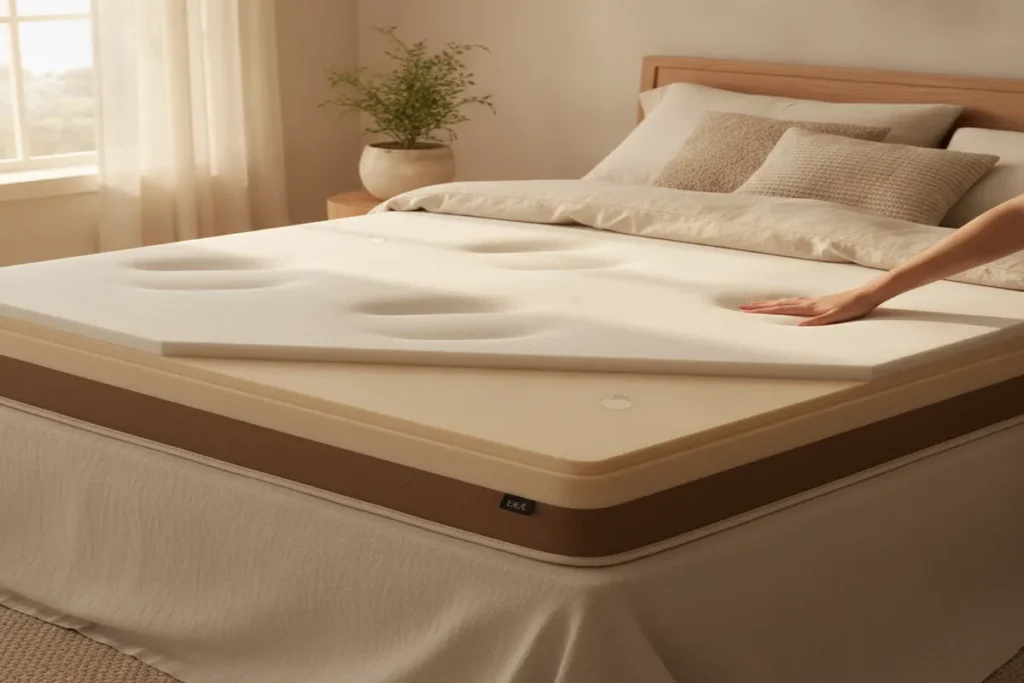

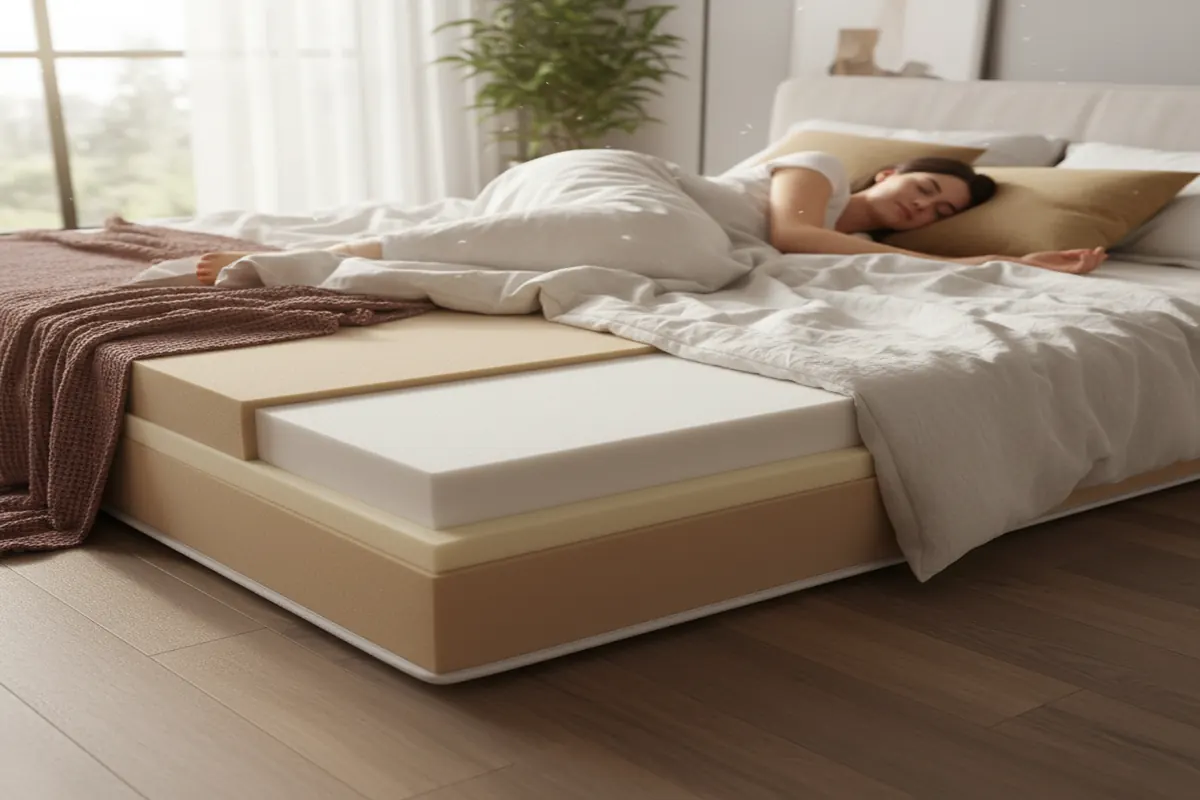
A foam mattress is a type of mattress constructed entirely or primarily from various layers of polyurethane foam, viscoelastic foam (memory foam), latex foam, or a combination thereof, rather than traditional spring coils. Renowned for its ability to contour closely to the body, a foam mattress provides exceptional pressure relief, minimizes motion transfer, and offers adaptable support across different sleeping positions. This construction makes it a popular choice for those seeking personalized comfort and undisturbed sleep.
Quick Summary
- Foam mattresses are made from various polymer foams for contouring support
- they excel at pressure relief and motion isolation, ideal for many sleepers
- common types include memory foam, gel foam, and latex foam, each with unique properties
- proper selection involves considering density, firmness, and sleeping position
What Exactly is a Foam Mattress and How Does It Differ?
At its core, a foam mattress relies on advanced polymer technology to create a supportive and conforming sleep surface. Unlike traditional spring mattresses that use metal coils for support and bounce, foam mattresses achieve their structure and performance through the density and responsiveness of their foam layers. This fundamental difference leads to distinct sleep experiences, making foam a preferred choice for many modern sleepers.
The primary function of a foam mattress is to distribute body weight evenly, reducing pressure points that can lead to discomfort and tossing and turning. This is achieved through the material’s inherent ability to mold to the sleeper’s unique shape, providing targeted support where it’s most needed.
Here’s a comparison of key characteristics between foam and traditional spring mattresses:
Choosing between these two fundamentally different constructions often comes down to personal preference for feel, support, and specific sleep needs. Sinyora Yatak, for instance, offers both, ensuring every sleeper can find their ideal match. You can explore our diverse [Mattress Collection] to see the full range.
Unpacking the Layers: What is a Foam Mattress Made Of?
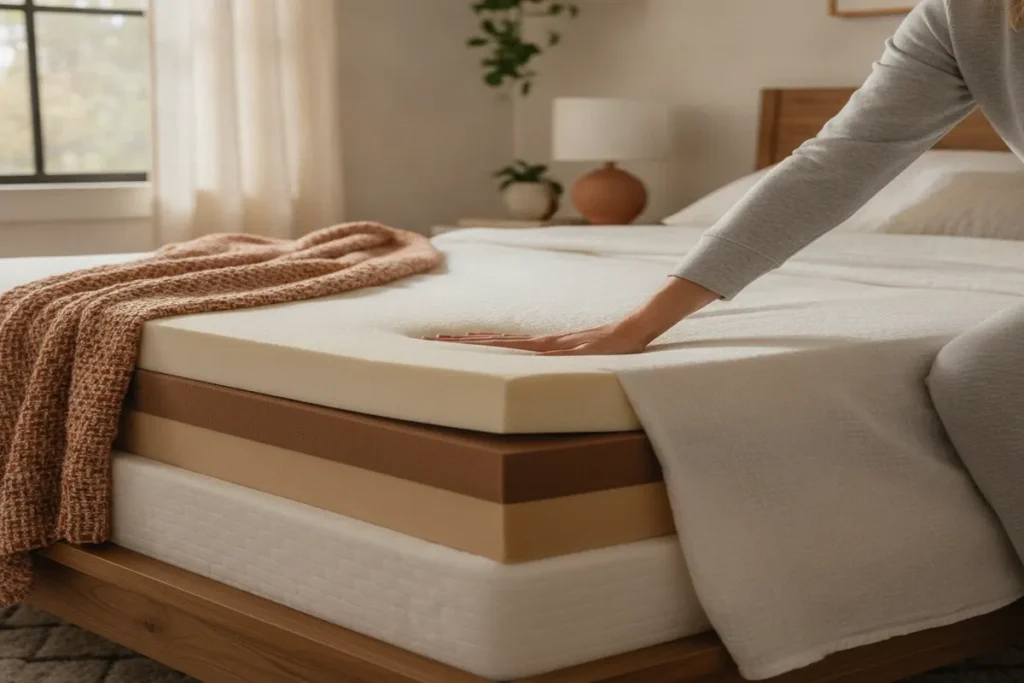
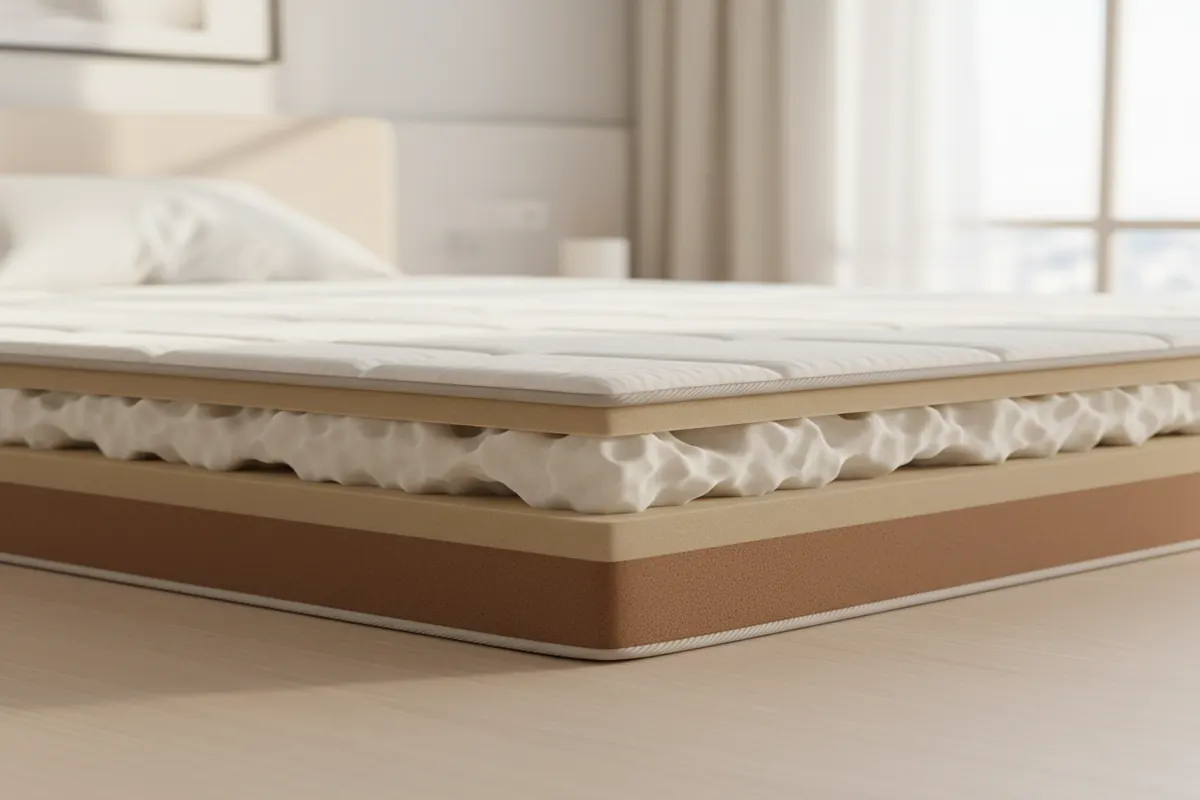
Understanding what a foam mattress is made of reveals the science behind its comfort and support. Unlike a simple block of foam, most modern foam mattresses are engineered with multiple layers, each serving a specific purpose. These layers work in concert to provide a balanced sleep surface that combines contouring comfort with foundational support. The term “foam mattress materials” encompasses a variety of polymer foams, each with distinct characteristics.
The Core Components of Foam Mattresses
Typically, a foam mattress will feature:
-
Comfort Layer(s): These are the top layers, designed to provide immediate softness, pressure relief, and contouring. They are often made from softer, lower-density foams.
-
Transition Layer(s): Situated between the comfort and support layers, these layers offer gradual firmness, preventing a feeling of “bottoming out” and ensuring smooth weight distribution.
-
Support Core: This is the densest and firmest layer, providing structural integrity, deep compression support, and preventing sagging. It acts as the foundation for the entire mattress.
Key Types of Foam Used in Mattresses
The specific types of foam used in these layers largely dictate the mattress’s feel, performance, and price.
1. Memory Foam (Viscoelastic Foam)
Memory foam mattress is perhaps the most well-known type of foam. Developed by NASA, its unique viscoelastic properties allow it to soften and conform to body heat and pressure, cradling the sleeper. This provides exceptional pressure relief and superior motion isolation.
-
Characteristics: Slow response to pressure, “hugging” sensation, excellent for pain relief.
-
Variations:
- Traditional Memory Foam: Can retain body heat, leading to warmer sleep for some.
- Gel Foam Mattress: Infused with gel particles, beads, or swirls to dissipate heat more effectively. This helps regulate temperature, making the sleep surface cooler.
- Open-Cell Memory Foam: Designed with a more porous structure to improve airflow and reduce heat retention compared to traditional memory foam.
- Plant-Based Memory Foam: Incorporates plant-derived oils to reduce petroleum content, often resulting in a more breathable and quicker-responding foam.
-
Sinyora Yatak’s Offering: We feature Visco Foam Mattresses and Visco Toppers that leverage advanced memory foam technology for adaptive comfort.
2. Polyurethane Foam (Polyfoam)
This is the most common type of foam used in mattresses and is often referred to as “sponge mattress” in some regions due to its soft, porous texture. Polyfoam can be found in various densities and firmness levels, serving as comfort layers, transition layers, or even the primary support core in some models.
-
Characteristics: Versatile, responsive, more affordable than memory foam or latex.
-
Variations:
- Conventional Polyfoam: Basic, less dense, often used in budget mattresses or as base layers.
- High-Density Polyfoam (HD Polyfoam): More durable and supportive, used in higher-quality base layers.
- High-Resilience Polyfoam (HR Polyfoam): Offers better elasticity, responsiveness, and durability, often used in higher-end comfort or transition layers.
- Cold Foam Mattress: A type of HR polyfoam produced using a cold curing process. This results in a highly elastic, breathable, and durable foam with an open-cell structure, offering excellent support and temperature regulation. Sinyora Yatak utilizes advanced cold foam in some of its designs for enhanced breathability and longevity.
3. Latex Foam
Derived from the sap of rubber trees (natural latex) or synthetically produced, latex foam offers a unique blend of responsiveness, durability, and breathability.
-
Characteristics: Bouncier than memory foam, excellent pressure relief, very durable, naturally resistant to dust mites and mold.
-
Types:
- Natural Latex: Harvested from rubber trees, processed via Dunlop or Talalay methods. Dunlop is denser, Talalay is softer and more consistent.
- Synthetic Latex: Made from petrochemicals, mimicking natural latex properties.
- Blended Latex: A combination of natural and synthetic latex.
-
Sinyora Yatak’s Offering: Our Latex Foam Mattress and Latex Topper options provide a natural, resilient, and hypoallergenic sleep solution.
Each foam type brings its own set of advantages to the construction of a mattress. The expertise of a manufacturer like Sinyora Yatak lies in combining these materials strategically to create a mattress that delivers optimal support, comfort level, and durability for a wide range of sleepers.
Who Benefits Most? What is a Foam Mattress Good For?
Foam mattresses, with their diverse range of materials and constructions, cater to a broad spectrum of sleepers, offering tailored benefits that enhance sleep quality. Understanding “what is a foam mattress good for” involves recognizing its strengths in addressing common sleep concerns and accommodating various preferences.
Key Benefits and Ideal Users
-
Exceptional Pressure Relief: The contouring nature of foam, especially memory foam, allows it to distribute body weight evenly, alleviating pressure on joints like hips, shoulders, and knees.
- Ideal for: Side sleepers, individuals with arthritis, fibromyalgia, back pain, or other chronic pain conditions. The mattress cradles the body, maintaining spinal alignment and reducing discomfort. Our Turkish Mattress for Side Sleepers are often foam-based for this reason.
-
Superior Motion Isolation: Foam absorbs movement rather than transferring it across the bed. This means if one partner shifts or gets out of bed, the other is less likely to feel it.
- Ideal for: Couples, especially those with different sleep schedules or restless partners.
-
Hypoallergenic Properties: Many foam types, particularly natural latex, are naturally resistant to dust mites, mold, and mildew, making them a healthier choice for allergy sufferers.
- Ideal for: Individuals with allergies or asthma seeking a cleaner sleep environment.
-
Durability and Longevity: High-quality foam mattresses are designed to withstand years of use without significant sagging, maintaining their supportive properties.
- Ideal for: Those looking for a long-term investment in their sleep health. Sinyora Yatak’s commitment to quality ensures a substantial Turkish Mattress Lifespan for our products.
-
Customizable Firmness and Support: With various foam densities and types, manufacturers can create mattresses ranging from plush soft to extra firm, catering to almost any preference.
- Ideal for: Anyone seeking a specific comfort level or support tailored to their body type and sleeping position.
Potential Disadvantages and Considerations
While foam mattresses offer numerous benefits, it’s also important to consider potential drawbacks:
-
Heat Retention: Traditional, dense memory foam can sometimes trap body heat. However, advancements like gel infusions, open-cell structures, and cold foam mattress technology have largely mitigated this issue.
-
“Sinking In” Feeling: Some sleepers dislike the feeling of sinking into a memory foam mattress, preferring to sleep “on top” of the bed. Latex foam offers a bouncier, more “on top” feel while still providing contouring.
-
Off-Gassing: New foam mattresses may emit a temporary, harmless odor (off-gassing) when first unboxed. This typically dissipates within a few days in a well-ventilated room.
-
Weight: Foam mattresses, especially those with high-density layers, can be heavy, making them challenging to move or rotate.
When considering a foam mattress, weigh these factors against your personal preferences and specific needs. The right foam mattress can be a transformative investment in your sleep quality and overall well-being.
Understanding Foam Toppers and Pads: What’s the Difference and When Do You Need Them?
The terms “what is a foam mattress topper” and “what is a foam mattress pad” are often used interchangeably, but they refer to distinct products with different functions. While both are designed to enhance your sleep surface, understanding their differences is crucial for making an informed choice. These accessories offer a cost-effective way to modify the feel of your existing mattress without investing in an entirely new one.
Foam Mattress Toppers
A foam mattress topper is a substantial layer of foam, typically 2 to 4 inches thick, designed to significantly alter the feel, comfort, or support of your existing mattress. They are placed directly on top of your mattress and beneath your fitted sheet.
-
Purpose:
- Add Softness: Make a too-firm mattress softer and more plush.
- Enhance Support/Pressure Relief: Provide additional contouring and pressure point relief, especially if your current mattress is lacking.
- Extend Mattress Lifespan: Protect an aging mattress from further wear, or temporarily improve the feel of a mattress that’s not quite ready for replacement.
-
Materials: Toppers come in various foam types, including:
- Memory Foam Toppers (Visco Toppers): Offer deep contouring and superior pressure relief, ideal for those seeking the signature “hug” of memory foam. This directly answers “what is a memory foam mattress topper.”
- Latex Toppers: Provide responsive support, durability, and breathability.
- Polyfoam Toppers (Sponge Topper Mattress): More affordable, offering a basic layer of cushioning.
-
When to Use: When your mattress is still structurally sound but its comfort level is no longer ideal – it’s too firm, too soft, or you need extra pressure relief.
Foam Mattress Pads
A foam mattress pad is a much thinner layer, usually less than 2 inches thick, often resembling a quilted cover. While some pads may contain a thin layer of foam, their primary purpose is different from a topper.
-
Purpose:
- Minor Comfort Adjustment: Provide a slight increase in plushness or softness, but not a significant change in feel.
- Protection: Act as a barrier against spills, stains, dust mites, and allergens, extending the cleanliness and life of your mattress.
- Hygiene: Easy to remove and wash, contributing to a fresher sleep environment.
-
Materials: Often made from cotton, wool, or synthetic fibers, sometimes with a thin foam layer for light cushioning.
-
When to Use: When you need basic mattress protection, a slight comfort boost, or an easily washable layer to keep your sleep surface hygienic.
Key Differences at a Glance
Both toppers and pads serve valuable roles in optimizing your sleep setup. If you’re looking for a substantial change in comfort or support, a Sinyora Yatak Visco Topper or Latex Topper is the way to go. If protection and a slight plushness are your main goals, a quality mattress pad will suffice.
Common Pitfalls and How to Avoid Them When Buying a Foam Mattress
Navigating the world of foam mattresses can be complex, with numerous types, densities, and firmness levels. Many buyers make common mistakes that lead to dissatisfaction or a less-than-optimal sleep experience. As an expert, I’ll guide you through these pitfalls and offer practical advice on how to avoid them, ensuring you make a smart investment in your sleep.
1. Focusing Solely on Firmness Without Considering Density
-
The Mistake: Many people mistakenly equate firmness with support or durability. A mattress can be firm but low-density, leading to quick breakdown and poor support over time. Conversely, a soft mattress can be very high-density and supportive.
-
How to Avoid: Understand that density (measured in pounds per cubic foot – PCF) is a key indicator of foam quality and durability, especially for memory foam and polyfoam. Higher density generally means better support, durability, and pressure relief, regardless of firmness.
- Practical Tip: Aim for memory foam comfort layers of at least 3.5 PCF and polyfoam support cores of at least 1.8 PCF for good quality. Don’t be swayed by “firm” labels alone; ask about density.
2. Neglecting Your Primary Sleeping Position
-
The Mistake: Choosing a mattress that isn’t suited to how you primarily sleep can lead to misaligned spines, pressure points, and discomfort.
-
How to Avoid:
- Side Sleepers: Need softer foam layers to allow shoulders and hips to sink in, maintaining spinal alignment. Medium-soft to medium-firm is often ideal.
- Back Sleepers: Require a balance of support and contouring to keep the spine naturally aligned. Medium-firm is typically a good starting point.
- Stomach Sleepers: Need a firmer surface to prevent the hips from sinking too far, which can strain the lower back. Firm to extra-firm is usually best.
- Practical Tip: Spend at least 15-20 minutes in your primary sleeping position during a mattress trial to assess how your spine aligns and pressure points feel. Sinyora Yatak offers specialized guidance for different sleeping positions, including our [Turkish Mattress for Side Sleepers].
3. Ignoring the Trial Period and Return Policy
-
The Mistake: Rushing a decision or overlooking the importance of a home trial. A few minutes in a showroom can’t replicate a full night’s sleep.
-
How to Avoid: Always prioritize mattresses with generous home trial periods (e.g., 90-120 nights). Read the Return Policy carefully, including any fees or conditions. It takes time for your body to adjust to a new mattress, and for the mattress itself to “break in.”
- Practical Tip: Give your new mattress at least 30 nights before deciding if it’s right for you. Keep all packaging if a return is a possibility.
4. Overlooking Temperature Regulation Features
-
The Mistake: Assuming all foam mattresses sleep hot. While traditional memory foam can retain heat, many modern foam mattresses are engineered for cooling.
-
How to Avoid: Look for specific cooling technologies:
- Gel-infused foam: Helps draw heat away from the body.
- Open-cell foam: More breathable structure.
- Cold foam mattresses: Naturally more breathable and elastic due to their manufacturing process.
- Latex foam: Inherently more breathable than dense memory foam.
- Practical Tip: If you tend to sleep hot, prioritize mattresses with these features. Consider pairing with breathable bedding and a quality mattress protector.
5. Not Checking for Certifications and Material Transparency
-
The Mistake: Buying a foam mattress without understanding its chemical composition or safety standards.
-
How to Avoid: Look for certifications like CertiPUR-US (for polyurethane foams), which ensures foams are made without harmful chemicals like ozone depleters, mercury, lead, and formaldehyde. For latex, look for certifications like GOLS (Global Organic Latex Standard) or Oeko-Tex.
- Practical Tip: Reputable brands like Sinyora Yatak will openly share information about their materials and certifications, demonstrating their commitment to quality and safety.
By avoiding these common pitfalls, you can significantly increase your chances of finding a foam mattress that provides years of comfortable, supportive, and healthy sleep.
Choosing Your Ideal Foam Mattress: Key Factors and Sinyora Yatak’s Approach
Selecting the perfect foam mattress is a personal journey, yet certain objective criteria can guide your decision. Beyond avoiding common mistakes, a systematic approach focused on your individual needs and the mattress’s characteristics will lead to the best outcome. Here, we outline the key factors to consider and how Sinyora Yatak’s expertise in Turkish mattress manufacturing aligns with these principles.
Practical Checklist for Foam Mattress Selection
Use this checklist to evaluate potential foam mattresses:
-
Identify Your Primary Sleeping Position:
- Side Sleeper: Prioritize pressure relief; aim for medium-soft to medium-firm.
- Back Sleeper: Seek balanced support and contouring; medium-firm is often ideal.
- Stomach Sleeper: Needs firm support to prevent hip sinkage; firm to extra-firm.
- Combination Sleeper: Look for responsive foams (like latex or responsive polyfoam) that allow easy movement, typically medium firmness.
-
Determine Your Preferred Comfort Level and Firmness:
- Soft: For lightweight individuals or those who love a deeply cradling feel.
- Medium: A good balance of support and cushioning, suitable for most sleepers.
- Firm: For heavier individuals, stomach sleepers, or those who prefer a solid, unyielding surface.
- Sinyora Yatak Insight: Our diverse range, including the Avant-Garde Bed and [Cashmere Bed], offers varying firmness levels, ensuring a perfect match for individual preferences.
-
Consider Your Body Weight:
- Lighter Individuals (under 130 lbs): May find firmer mattresses too hard; generally prefer softer foams for adequate contouring.
- Average Weight (130-230 lbs): Have the widest range of options; medium firmness is often a safe bet.
- Heavier Individuals (over 230 lbs): Need denser, firmer foams for adequate support and durability to prevent premature sagging.
-
Evaluate Foam Type and Construction:
- Memory Foam: Excellent pressure relief, motion isolation, “hugging” feel. Good for pain sufferers.
- Gel Foam: Memory foam with added cooling properties.
- Cold Foam: Highly elastic, breathable, durable polyfoam for balanced support and airflow.
- Latex Foam: Responsive, durable, breathable, natural option, good for allergies.
- Sinyora Yatak Insight: We offer specialized options like the [Visco Foam Mattress] and [Latex Foam Mattress], each crafted with specific sleep benefits in mind.
-
Look for Quality Indicators (Density & ILD):
- Density: Higher density (3.5+ PCF for memory foam, 1.8+ PCF for polyfoam base) indicates better durability and support.
- ILD (Indentation Load Deflection): Measures firmness. Lower ILD = softer, Higher ILD = firmer.
- Sinyora Yatak Insight: Our commitment to using premium, high-density foams in our Construction Mattress ensures long-lasting support and comfort.
-
Assess Temperature Regulation:
- If you sleep hot, prioritize mattresses with gel infusions, open-cell designs, copper, graphite, or latex foam. A cold foam mattress is also an excellent choice for temperature neutrality.
-
Check for Certifications:
- Ensure foams are CertiPUR-US certified for safety and low VOC emissions. Latex should ideally have GOLS or Oeko-Tex certifications.
-
Understand the Warranty and Trial Period:
- A good foam mattress should come with at least a 10-year warranty. A 90-120 night sleep trial is standard for reputable brands. Review Sinyora Yatak’s comprehensive [Warranty Information] and [Return Policy].
Sinyora Yatak’s Commitment to Quality
As a leading Turkish Mattresses manufacturer, Sinyora Yatak prides itself on combining traditional craftsmanship with modern foam technology. Our approach focuses on:
-
Premium Materials: Sourcing high-grade, certified foams that meet stringent international standards. This ensures that every Sinyora Yatak mattress delivers consistent quality and performance.
-
Expert Engineering: Designing multi-layered foam systems that provide optimal ergonomic support, pressure relief, and temperature regulation.
-
Diverse Range: Offering a wide selection from the adaptive embrace of memory foam to the resilient bounce of latex, ensuring we have the best foam mattress brands experience for every sleeper.
-
Value and Durability: We believe in creating products that not only offer immediate comfort but also stand the test of time, reflecting the superior quality that [What Makes Turkish Mattresses Special]. Our options, including those suitable for Mattress Wholesale in Turkiye and [Ship Turkish Mattresses Internationally], are built for global standards.
By considering these factors and exploring Sinyora Yatak’s expertly crafted foam mattresses, you can confidently choose a sleep solution that truly elevates your rest.
Caring for Your Foam Mattress: Maximizing Lifespan and Performance
Investing in a high-quality foam mattress, like those from Sinyora Yatak, is a step towards superior sleep. To ensure this investment provides years of comfort and support, proper care and maintenance are essential. Unlike traditional spring mattresses, foam mattresses have specific requirements that, when met, significantly extend their lifespan and maintain their performance.
Essential Care Tips for Your Foam Mattress
-
Provide Proper Support:
- Foundation: Foam mattresses require a solid, flat, and sturdy foundation to prevent sagging and ensure proper support. This could be a slatted bed base (with slats no more than 3 inches apart), a platform bed, or a box spring designed for foam mattresses.
- Avoid Old Box Springs: An old, sagging box spring will compromise the support of even the best foam mattress.
- Sinyora Yatak Insight: Explore our [Bed Base and Headboard] options designed to perfectly complement our mattresses.
-
Use a Mattress Protector:
- Protection: A high-quality, breathable mattress protector is crucial. It shields your mattress from spills, stains, dust mites, allergens, and body oils, which can degrade foam over time.
- Breathability: Choose a protector that is waterproof but also breathable to maintain the mattress’s temperature regulation properties.
- Practical Tip: This is a non-negotiable accessory for extending the life and hygiene of your foam mattress.
-
Rotation, Not Flipping:
- Rotation: Most foam mattresses are designed with specific top and bottom layers and should not be flipped. Instead, rotate your foam mattress 180 degrees head-to-foot every 3-6 months. This helps distribute wear evenly and prevent body impressions.
- Why No Flipping: Flipping would place the firm support core on top, compromising comfort and support.
- Sinyora Yatak Insight: Our mattresses are engineered for optimal top-side comfort, so regular rotation is key to maintaining consistent feel.
-
Spot Clean Spills Immediately:
- Gentle Cleaning: If spills occur, blot the area immediately with a clean cloth. Use a mild soap and water solution (or a specialized mattress cleaner) sparingly, applying it to the cloth, not directly to the mattress.
- Avoid Saturation: Do not saturate the foam, as moisture can lead to mold and mildew growth and degrade the foam.
- Thorough Drying: Allow the cleaned area to air dry completely before replacing bedding. A fan can help speed up the process.
-
Ensure Adequate Ventilation:
- Airflow: Periodically remove all bedding and allow your mattress to air out for a few hours, especially after cleaning or if you live in a humid environment. This helps dissipate moisture and keeps the mattress fresh.
- Off-Gassing: For new foam mattresses, ensure good ventilation during the initial off-gassing period by keeping windows open.
-
Avoid Jumping or Rough Treatment:
- Preserve Integrity: While durable, foam mattresses are not designed for rough play. Excessive force or jumping can compromise the integrity of the foam layers and lead to premature wear or damage.
By following these simple yet effective care guidelines, you can significantly prolong the life and maintain the luxurious comfort of your Sinyora Yatak foam mattress, ensuring you enjoy restful sleep for many years to come. For more detailed instructions, refer to our comprehensive [Care and Maintenance] guide.
Expert Insight
“The evolution of foam technology has revolutionized the mattress industry, moving beyond simple polyurethane to sophisticated multi-layered systems. Industry experts emphasize that the true innovation lies in combining different foam densities and compositions – such as viscoelastic, gel-infused, and high-resilience cold foams – to achieve a synergistic effect. This approach delivers precise ergonomic support and superior pressure distribution, which is paramount for restorative sleep and spinal health.”
Key Terms
-
Viscoelasticity: The property of memory foam (Visco Foam) that allows it to deform under pressure and slowly return to its original shape. It gives memory foam its characteristic “sinking in” and contouring feel.
-
Density (PCF): Measured in pounds per cubic foot (PCF), density indicates the amount of material in a given volume of foam. Higher density generally correlates with greater durability, support, and quality in foam mattresses.
-
ILD (Indentation Load Deflection): A measure of foam firmness. It represents the force (in pounds) required to indent a 4-inch thick foam sample by 25% using a 50-square-inch plate. A lower ILD indicates a softer foam, while a higher ILD indicates a firmer foam.
-
Open-Cell Structure: A type of foam manufacturing where the internal cells are interconnected, allowing for greater airflow and breathability. This design helps dissipate heat, making the foam sleep cooler.
-
Off-Gassing: The temporary odor released by new foam products, resulting from the breakdown of volatile organic compounds (VOCs). It is typically harmless and dissipates within a few days in a well-ventilated space.
How Can You Upgrade to More Comfortable Sleep with Sinyora Yatak?
At Sinyora Yatak, we believe that superior sleep is the foundation of a healthy, productive life. Our meticulously crafted foam mattresses, inspired by generations of Turkish expertise, are designed to deliver unparalleled comfort, support, and durability. Whether you’re seeking the adaptive embrace of a Visco Foam Mattress, the natural resilience of a Latex Foam Mattress, or the balanced support of an advanced Cold Foam Mattress, Sinyora Yatak has an expertly engineered solution for you.
We understand that choosing a mattress is a significant decision, which is why we offer a diverse Mattress Collection to cater to every preference and sleeping style. Experience the difference that premium materials, thoughtful design, and a commitment to quality can make. Explore our range, read our [Buying Guides], and discover [What Makes Turkish Mattresses Special]. If you have specific needs or questions, our dedicated [Customer Service] team is ready to assist. Invest in your sleep, invest in a Sinyora Yatak foam mattress today. You can [Shop All Products] or directly [Contact Us for Support] to begin your journey to truly restorative sleep.
Frequently Asked Questions
Q: What is the main difference between a foam mattress and a spring mattress?
Q: Are foam mattresses good for back pain?
Q: Do foam mattresses sleep hot?
Q: How long does a foam mattress last?
Q: Can I use a foam mattress on any bed frame?
Q: What is the difference between a memory foam mattress and a gel foam mattress?