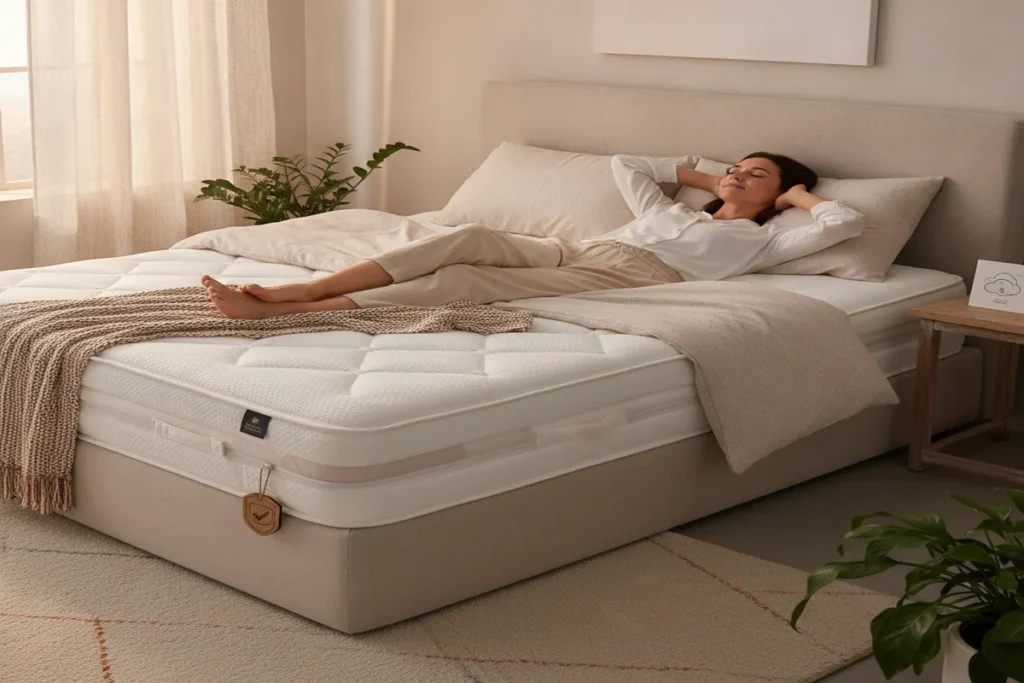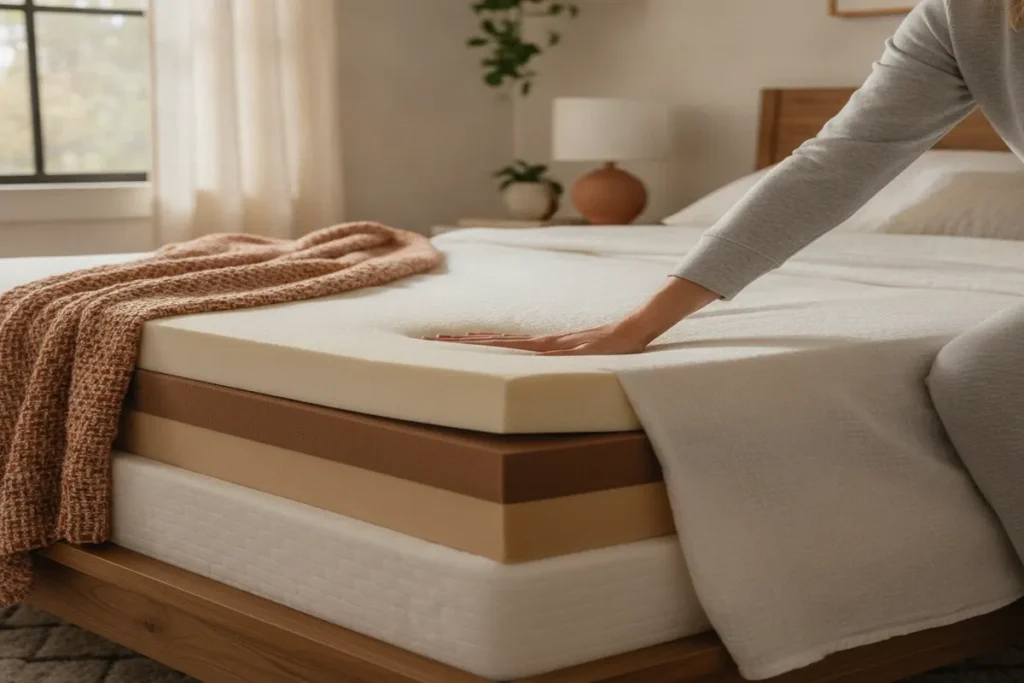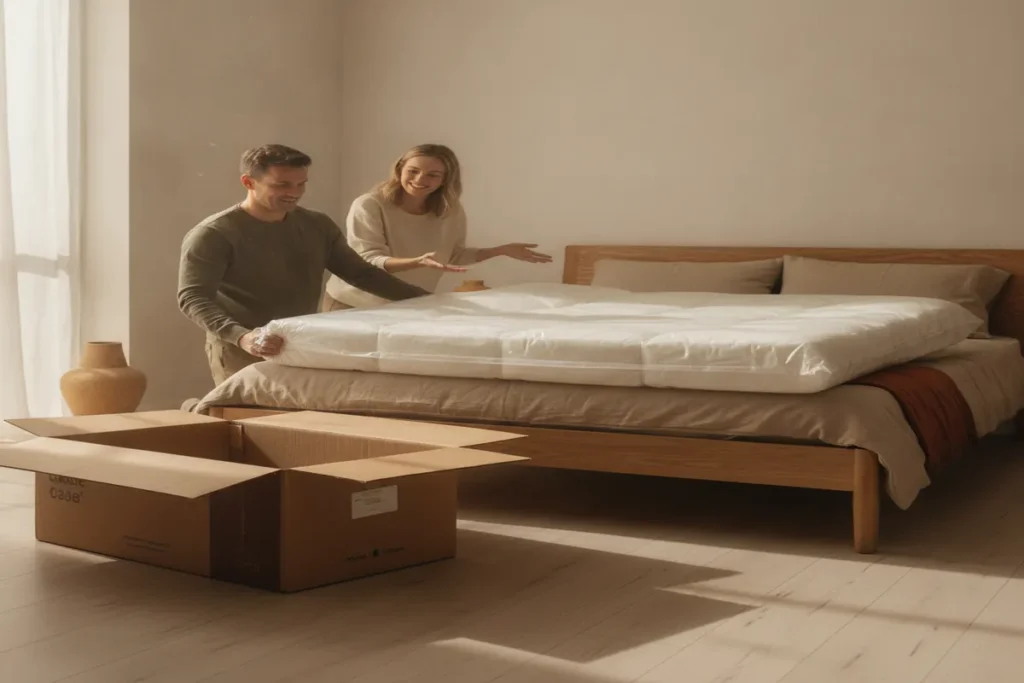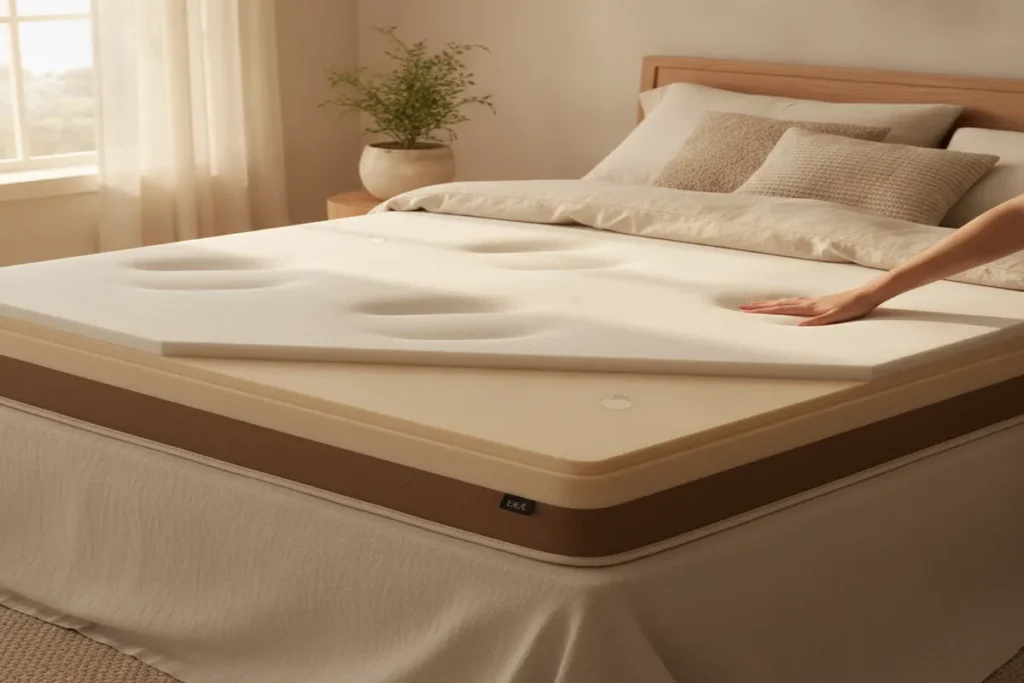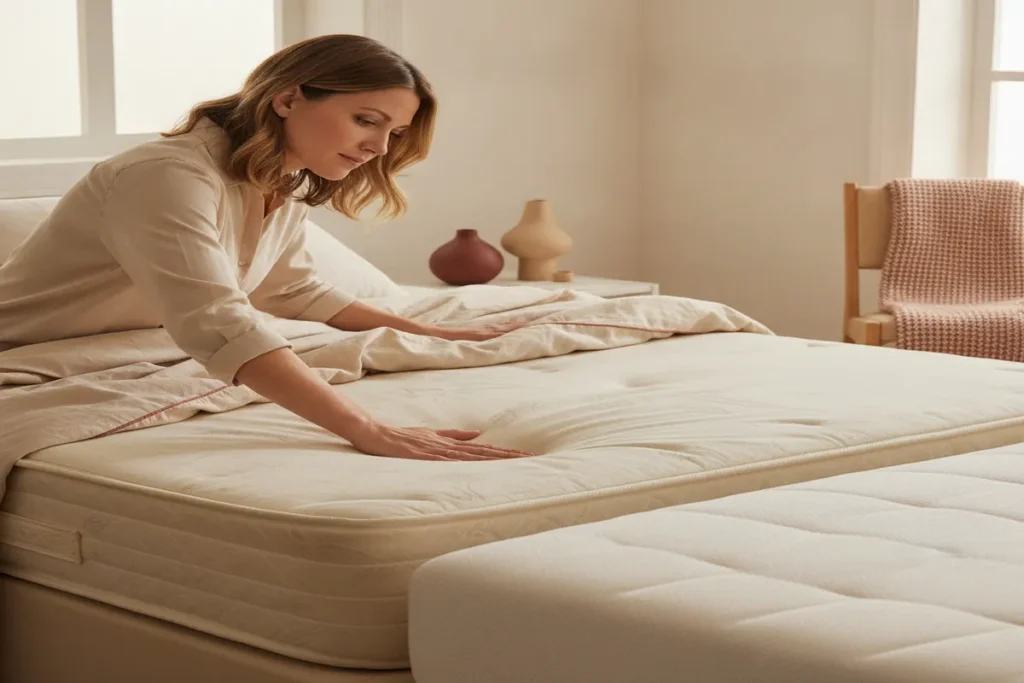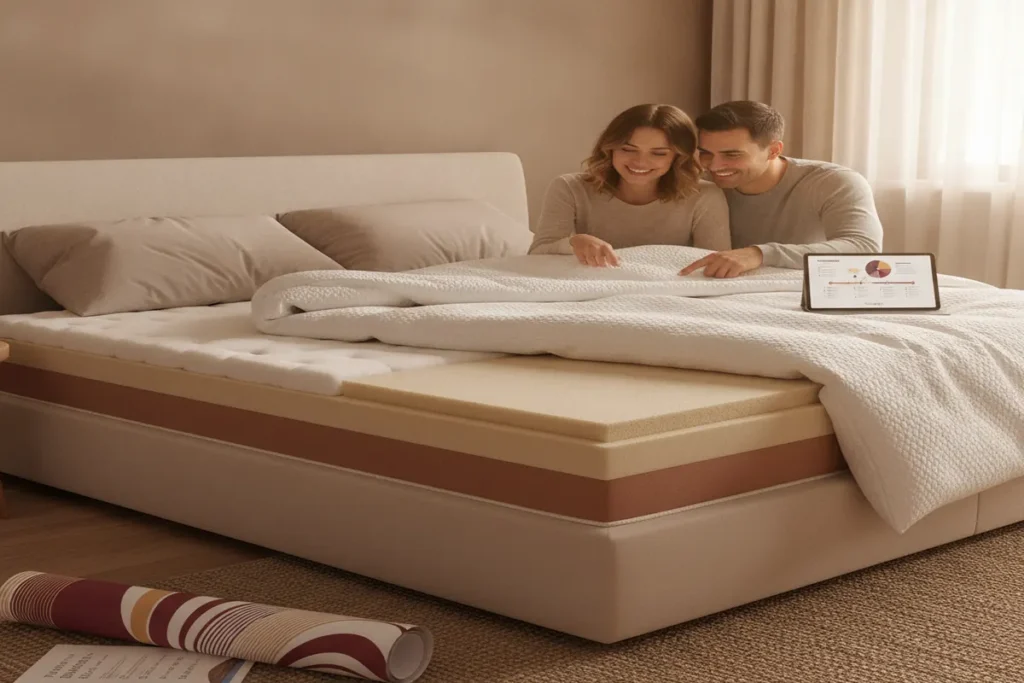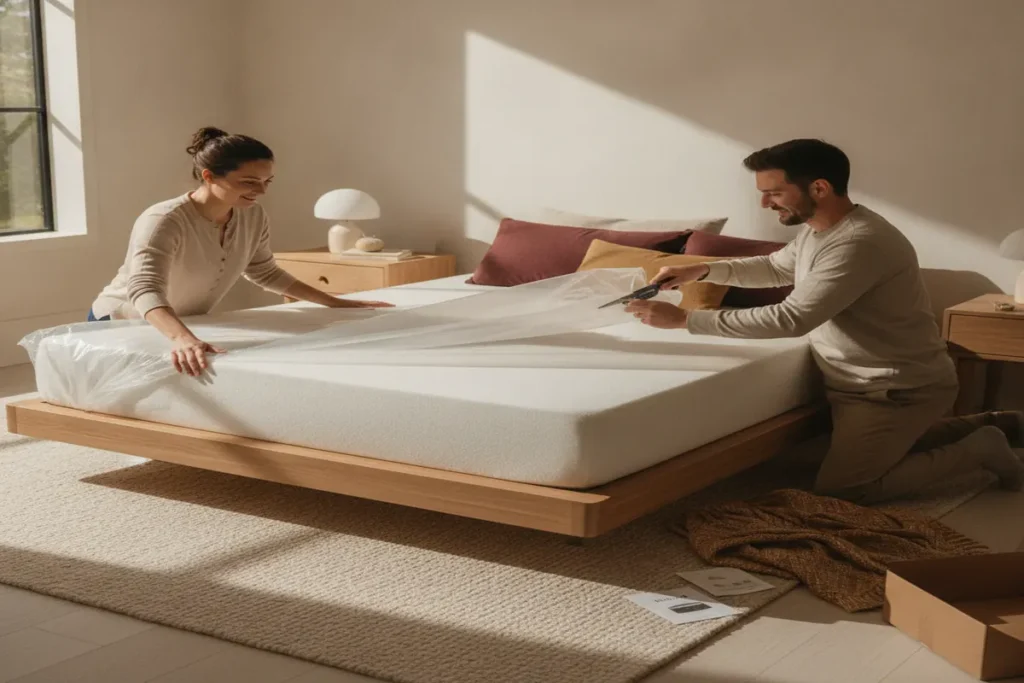

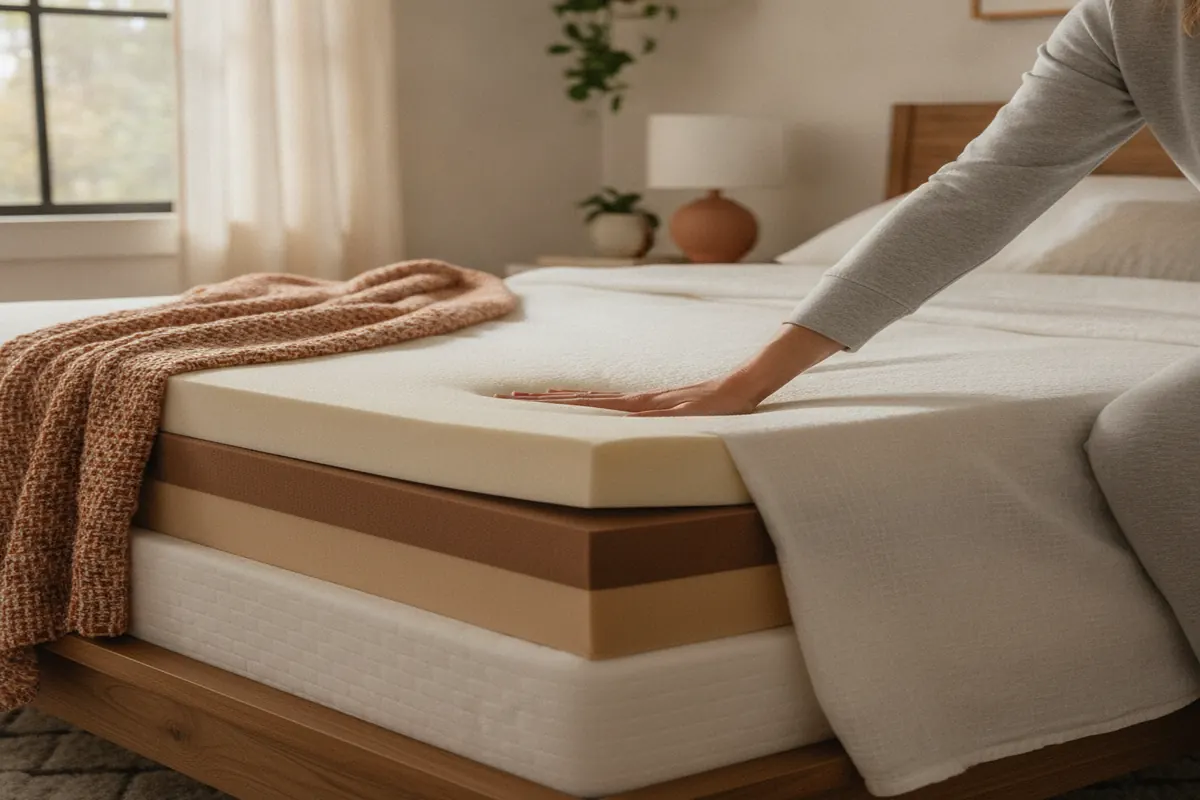
Effectively testing a foam mattress before purchase involves a systematic evaluation of its core attributes—firmness, support, pressure relief, motion isolation, and temperature regulation—either through brief in-store visits or extended home trials. The goal is to ensure the mattress aligns perfectly with your unique body type, sleep position, and comfort preferences, thereby preventing costly returns and promoting long-term sleep quality. Understanding the nuances of each testing method is crucial for making an informed decision that truly impacts your nightly rest.
Quick Summary
- Evaluate foam mattresses by understanding firmness, support, and pressure relief
- Choose between brief in-store tests and extended home trials based on your needs
- Pay close attention to motion isolation and temperature regulation during testing
- Thoroughly review return policies and potential fees for home trials
What Does “Testing a Foam Mattress Before Buying” Truly Mean?
“Testing a foam mattress before buying” is more than just lying down for a few minutes; it’s a deliberate, multi-faceted process designed to assess how a mattress will perform for you over time. It means actively engaging with the mattress to understand its specific responses to your body, anticipating how it will contribute to or detract from your sleep quality. This critical step is often overlooked, yet it’s the single most important factor in preventing buyer’s remorse and ensuring a sound investment in your sleep health.
The objective is not merely to find a comfortable mattress, but to identify one that provides optimal spinal alignment, pressure point relief, and undisturbed rest. Given that foam mattresses, particularly those made from Visco Foam Mattress (memory foam) or Latex Foam Mattress, can have distinct characteristics in terms of sinkage, responsiveness, and thermal properties, a thorough test is indispensable.
Key elements you should be actively evaluating during any foam mattress test include:
-
Firmness & Support: How does the mattress feel initially, and does it maintain proper spinal alignment when you lie in your typical sleep position? Firmness is subjective, but support is objective—your spine should remain neutral.
-
Pressure Relief: Does the foam contour to your body, alleviating pressure points in areas like hips, shoulders, and lower back? This is a hallmark of quality foam.
-
Motion Isolation: If you share a bed, how well does the mattress absorb movement, preventing disturbances from a partner’s tossing and turning?
-
Temperature Regulation: Does the mattress feel excessively warm or cool? While difficult to fully assess in a showroom, it’s a critical consideration for foam, which can sometimes retain heat.
-
Edge Support: How firm and supportive are the edges of the mattress? This is important for those who sleep near the edge or use the bed for sitting.
A true test goes beyond superficial comfort, delving into the practical implications of daily use to guarantee the mattress will meet your needs for years to come, contributing positively to your Sleep Health Blog.
In-Store vs. Home Trial: Which Foam Mattress Testing Method Suits You?
The decision between testing a foam mattress in a retail showroom or opting for an extended home trial period is pivotal, and each method offers distinct advantages and disadvantages. Your personal circumstances, time constraints, and specific sleep needs will largely dictate which approach is most suitable.
Understanding the Differences: A Comparison
When an In-Store Test is Sufficient
An in-store test is ideal for those who:
-
Have a clear idea of their preferred firmness: If you’re simply confirming a known preference (e.g., you always sleep well on a medium-firm Foam Mattress).
-
Are replacing a similar mattress: If your current mattress is foam and you’re looking for a direct upgrade with similar characteristics.
-
Are on a tight budget: Avoiding potential return shipping fees or restocking charges associated with home trials.
-
Prioritize immediate gratification: You want to buy and take home a mattress the same day.
When testing in-store, prioritize these actions:
-
Wear comfortable clothes: Avoid restrictive attire.
-
Spend at least 15-20 minutes on each mattress: Lie in your typical sleep positions (back, side, stomach).
-
Bring your partner: If you share a bed, both of you should test together to assess motion transfer.
-
Ask about the materials: Inquire about the type of foam (e.g., Visco Foam Mattress, Latex Foam Mattress), density, and construction.
When a Home Trial is Indispensable
A home trial is generally the superior method, especially for:
-
First-time foam mattress buyers: The feel of foam, particularly memory foam, can be vastly different from traditional spring mattresses (Turkish Foam Mattress vs Spring). It takes time to adjust.
-
Individuals with specific pain points or health conditions: Back pain, arthritis, or other issues require sustained support assessment.
-
Couples: Real-world motion isolation cannot be accurately gauged in a store.
-
Those sensitive to temperature: Foam mattresses can vary widely in their ability to regulate heat.
-
Anyone seeking absolute certainty: A few weeks of sleeping on a mattress is the only way to truly know if it’s the right fit.
-
Buying online: Most online retailers like Sinyora Yatak offer generous home trials because you can’t test in person.
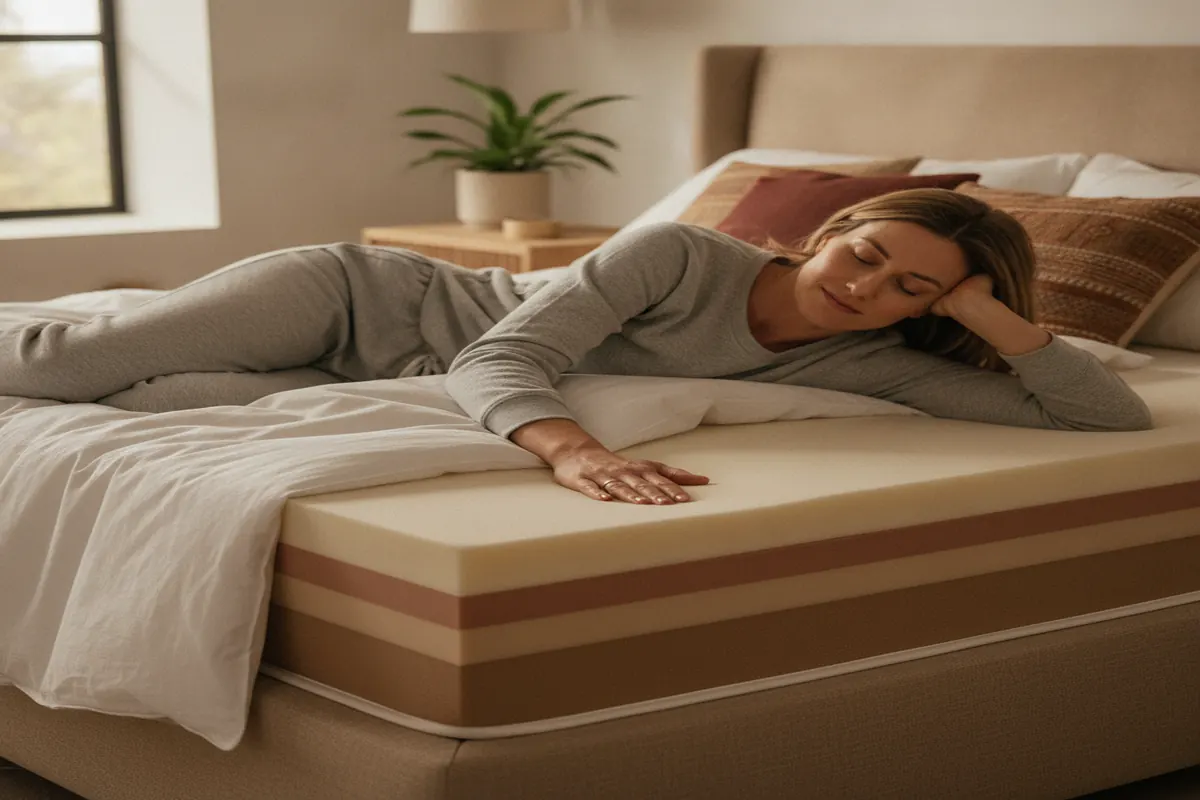
It’s crucial to understand that your body needs time to adjust to a new mattress, often 3-4 weeks. This “break-in” period is where a home trial truly shines, allowing you to experience the mattress under real-world conditions.
What are the Main Benefits of Thorough Foam Mattress Testing?
Engaging in a comprehensive testing process for a foam mattress offers a multitude of benefits that extend far beyond simply finding a comfortable bed. It’s an investment in your long-term health, finances, and overall quality of life. As a significant purchase, a mattress dictates a substantial portion of your daily well-being for years to come.
Here are the primary advantages of a thorough testing approach:
-
Personalized Fit and Optimal Support: Every individual has a unique body shape, weight distribution, and preferred sleep position. A proper test allows you to find a mattress that perfectly contours to your curves, maintains optimal spinal alignment, and provides customized support where you need it most. For instance, a Turkish Mattress for Side Sleepers might be specifically designed for pressure relief at the shoulders and hips, which only a real test can confirm.
-
Preventing Costly and Inconvenient Returns: Mattress returns can be a significant hassle, often involving repackaging, coordinating pickup, and sometimes incurring fees. A diligent testing process dramatically reduces the likelihood of needing a return, saving you time, effort, and potential expenses.
-
Ensuring Long-Term Sleep Quality and Health: The initial “wow” factor of a new mattress can fade quickly if it doesn’t truly support your body. Thorough testing helps you identify a mattress that will contribute to consistent, restorative sleep night after night, leading to improved mood, cognitive function, and physical health. Poor sleep, conversely, can exacerbate health issues.
-
Identifying Specific Issues Early: Testing allows you to pinpoint potential problems like inadequate pressure relief, excessive sinkage, or poor motion isolation before they become chronic sleep disruptors. This foresight is invaluable, especially for couples or individuals with sensitive joints.
-
Building Confidence in Your Investment: A high-quality mattress is a substantial financial commitment (How Much Does a Turkish Mattress Cost). Through comprehensive testing, you gain confidence that you’re making a wise investment that will deliver comfort and support for its entire Turkish Mattress Lifespan. This peace of mind is priceless.
-
Understanding Material Performance: Foam mattresses vary widely by type (e.g., Visco Foam Mattress, Latex Foam Mattress). Testing helps you understand how different foam densities, layers, and compositions interact with your body, clarifying the real-world feel versus theoretical descriptions.
-
Avoiding “Mattress Adjustment Period” Misconceptions: While there is an adjustment period for any new mattress, a thorough initial test helps differentiate between true incompatibility and normal adaptation. You’ll know if a mattress is fundamentally wrong for you versus just needing a few weeks to break in.
Ultimately, a well-executed testing strategy empowers you to choose a mattress that truly enhances your sleep and overall well-being, transforming your bedroom into a sanctuary of rest.
Key Criteria for Evaluating a Foam Mattress During Testing
When you’re actively testing a foam mattress, whether in a showroom or during a home trial, it’s crucial to have a clear checklist of criteria to systematically evaluate its performance. This structured approach helps move beyond subjective “feel” to objective assessment, ensuring you cover all essential aspects.
Here’s a practical checklist and guidance on how to assess each point:
-
Assess Initial Firmness and Comfort Layer:
- How to test: Lie down in your primary sleep position immediately. Note the initial softness or firmness. Does it feel too hard, too soft, or “just right”? Pay attention to the top comfort layers—do they cradle you gently or feel too resistant?
- What to look for: A balance where you feel cushioned but not “stuck.” For Visco Foam Mattress, expect a slow contour; for Latex Foam Mattress, a quicker, bouncier response.
-
Evaluate Core Support and Spinal Alignment:
- How to test: Spend at least 10-15 minutes in each of your typical sleep positions. Have a partner or salesperson observe your spine from the side while you’re lying down.
- What to look for: Your spine should maintain a natural, neutral alignment, similar to standing posture. There should be no noticeable sagging in the hips or shoulders, indicating good lumbar support. This is critical for preventing back pain.
-
Check for Pressure Point Relief:
- How to test: Focus on common pressure points: shoulders, hips, and knees (especially for side sleepers), and the lower back (for back sleepers). Lie still and notice if any areas feel compressed or develop numbness.
- What to look for: The mattress should distribute your body weight evenly, cushioning these areas without creating hot spots or discomfort. A good foam mattress should alleviate pressure, not create it.
-
Test Motion Isolation (Crucial for Couples):
- How to test: If testing with a partner, have one person lie still while the other shifts positions or gets in and out of bed. If alone, try rolling from one side to the other.
- What to look for: Minimal transfer of movement. A high-quality foam mattress, particularly memory foam, excels at absorbing motion, meaning your partner’s movements shouldn’t disturb your sleep. This is a key differentiator from many traditional Bonnel Spring Mattress systems.
-
Monitor Temperature Regulation:
- How to test: While challenging in a showroom, during a home trial, pay close attention to how warm or cool you feel throughout the night. Does the mattress trap heat, or does it dissipate it effectively?
- What to look for: Modern foam mattresses often incorporate cooling technologies (e.g., gel infusions, open-cell designs, breathable covers). Note any discomfort related to heat retention.
-
Assess Edge Support:
- How to test: Sit on the edge of the mattress, then lie near the edge.
- What to look for: The edges should feel supportive and not collapse significantly. Good edge support prevents you from feeling like you’re rolling off and maximizes the usable sleep surface. This is particularly important for larger beds or if you often sit on the edge.
-
Consider Responsiveness and Ease of Movement:
- How to test: Try changing positions frequently (e.g., rolling from your back to your side).
- What to look for: How quickly does the foam respond and adapt to your new position? Some foams, like traditional memory foam, can have a slower response, making it harder to move. Latex foam, conversely, is typically much more responsive.
-
Note Any Off-Gassing (New Mattress Odor):
- How to test: Immediately upon unboxing a new foam mattress, note any chemical odor.
- What to look for: Most new foam mattresses will have some degree of off-gassing, especially Visco Foam Mattress. This is usually harmless and dissipates within a few days to a couple of weeks in a well-ventilated room. While not a performance criterion, it’s a comfort factor.
By systematically going through this checklist, you transform your mattress test from a casual lie-down into a rigorous evaluation, significantly increasing your chances of finding the perfect foam mattress for your sleep needs.
Common Pitfalls to Avoid When Testing Foam Mattresses
Even with the best intentions, it’s easy to make mistakes during the foam mattress testing process that can lead to an unsuitable purchase. Being aware of these common pitfalls can help you navigate the decision-making journey more effectively and ensure you select a mattress that truly meets your needs.
Here are the most frequent errors and how to avoid them:
-
Rushing the Process:
- Pitfall: Spending only a few minutes on a mattress in-store, or making a quick judgment during a home trial without giving your body time to adjust.
- Avoid: In-store, dedicate at least 15-20 minutes to each mattress, lying in all your typical sleep positions. For a home trial, commit to at least 3-4 weeks of consistent sleep before making a final decision. Your body needs time to decompress and adapt.
-
Testing in Unnatural Positions or Attire:
- Pitfall: Lying on a mattress in your coat and shoes, or in positions you never actually sleep in.
- Avoid: Dress comfortably, similar to your sleepwear. Remove bulky items. Replicate your actual sleep positions as closely as possible, including bringing your favorite pillow (or testing Sinyora Yatak’s Visco Pillow or Latex Pillow (Natural) options).
-
Ignoring Your Partner’s Needs:
- Pitfall: Only one person tests the mattress, or neglecting to assess motion isolation if you share a bed.
- Avoid: Both partners must test the mattress together. Pay close attention to how movements on one side affect the other. What feels good to one person might be terrible for another.
-
Over-reliance on Sales Pitches or Online Reviews Alone:
- Pitfall: Believing everything a salesperson says without personal verification, or trusting reviews from people with vastly different body types or sleep preferences.
- Avoid: Use sales information and reviews as a starting point, but always prioritize your own body’s feedback. A mattress is a highly personal item.
-
Forgetting Your Current Mattress’s Flaws:
- Pitfall: Not clearly identifying what you dislike about your current mattress (e.g., too soft, too firm, hot, poor edge support).
- Avoid: Before you start testing, make a list of your current mattress’s shortcomings. This helps you focus on what to avoid and what improvements to look for in a new mattress.
-
Not Thoroughly Reading Return Policies and Warranties:
- Pitfall: Assuming all home trials are “free” or that warranties cover everything.
- Avoid: Always read the fine print for Return Policy and Warranty Information. Understand any potential restocking fees, return shipping costs, or conditions for return (e.g., mattress must be clean, original packaging). Know what the warranty covers and, more importantly, what it doesn’t.
-
Testing While Tired or Exhausted:
- Pitfall: When overly tired, almost any mattress can feel comfortable, leading to a skewed perception.
- Avoid: Try to test mattresses when you are rested and can make an objective assessment.
-
Focusing Only on Firmness, Not Support:
- Pitfall: Confusing firmness (how hard or soft a mattress feels) with support (its ability to keep your spine aligned). A firm mattress can still lack proper support, and a soft mattress can be very supportive.
- Avoid: Always prioritize spinal alignment. Your body should feel evenly supported, regardless of the initial feel. This often means looking at the mattress’s core construction layers, not just the top comfort layer.
-
Ignoring the Base or Foundation:
- Pitfall: Testing a mattress on an unsuitable base, or forgetting that your old base might not be compatible with a new foam mattress.
- Avoid: Ensure you’re testing on a suitable foundation (e.g., a slatted base with proper spacing, a solid platform). Foam mattresses often require consistent support. Sinyora Yatak offers compatible Bed Base and Headboard options.
By consciously avoiding these common errors, you’ll significantly enhance your chances of finding the perfect foam mattress that truly delivers on its promise of superior sleep.
Understanding Trial Periods and Return Policies: What’s the Real Cost of Testing?
The modern mattress market, especially for foam mattresses sold online, has revolutionized the testing process with generous home trial periods. However, “testing” isn’t always entirely free, and understanding the associated policies is crucial to avoid unexpected costs or frustrations. The real cost of testing isn’t just the sticker price of the mattress, but the potential fees and logistical hurdles involved if you decide it’s not the right fit.
Navigating Home Trial Periods
Most direct-to-consumer mattress brands, including many offering Turkish Mattresses, provide trial periods ranging from 100 nights to a full year (365 nights). This extended period allows your body ample time to adjust and for you to experience the mattress through various seasons and situations.
However, don’t mistake a “free trial” for a “no-hassle return.” Here’s what to look for:
-
Trial Length: Ensure the trial is long enough for genuine assessment (at least 30-60 nights, ideally longer).
-
Minimum Sleep Period: Some companies require you to sleep on the mattress for a minimum number of nights (e.g., 30 nights) before initiating a return, to allow for the adjustment period.
-
Return Window: Understand the exact dates during which you can initiate a return.
Potential “Costs” and Considerations for Returns
While you typically get a full refund for the mattress price, indirect costs or complexities can arise:
-
Restocking Fees: Some retailers, though less common in the direct-to-consumer foam mattress market, might charge a restocking fee for returns. Always check the Return Policy carefully.
-
Return Shipping Fees: While many companies offer free returns, some may charge for return shipping, especially for international orders or if you’re outside their standard service area. Be explicit about this before purchase.
-
Charitable Donation Requirements: Many brands, especially those focused on sustainability, require you to arrange for the mattress to be donated to a local charity or disposed of responsibly. While the brand might facilitate this, it can still involve some effort on your part.
-
Condition of Return: Mattresses typically must be returned in good, clean condition, free from stains or damage. Using a mattress protector during your trial is highly recommended to safeguard this.
-
Original Packaging: Some companies require the original packaging, which can be difficult to retain for a large item. Clarify this upfront.
-
Base/Foundation Compatibility: Ensure your existing bed base is suitable for a foam mattress. Using an improper base can void warranties and affect comfort. Sinyora Yatak recommends using one of its supportive Bed Base and Headboard options for optimal performance.
-
“Where Can You Buy Foam Mattress Online?” — A Policy Checkpoint: When buying online, the retailer’s policies are your testing process. This is where you’ll find the details on trial periods, returns, and warranties. Look for companies with transparent, customer-friendly policies, like Sinyora Yatak’s commitment to satisfaction outlined in our Customer Service and Return Policy sections. For Mattress Wholesale in Turkiye or Ship Turkish Mattresses Internationally, specific shipping and return logistics may apply, which should be clarified with the vendor.
Practical Steps to Navigate Trial Periods:
-
Read the Full Return Policy: Don’t just skim. Understand every clause about refunds, fees, and logistics.
-
Document Everything: Keep copies of your purchase receipt, tracking numbers, and any communication with customer service.
-
Use a Mattress Protector: This is non-negotiable. It protects the mattress from spills and stains, ensuring it remains in returnable condition.
-
Give it Time: Don’t rush to return after a few nights. Allow your body the full adjustment period before making a final judgment.
-
Understand the Warranty: Beyond the trial, familiarise yourself with the Warranty Information to know what’s covered for the long term, especially regarding sagging or defects.
By being proactive and informed about trial periods and return policies, you can enjoy the benefits of a home trial with minimal risk and maximum peace of mind.
Ensuring Long-Term Comfort: What to Look for Beyond Initial Feel
While the initial feel of a foam mattress is important, true satisfaction comes from its ability to deliver consistent comfort and support over its entire lifespan. Many people make the mistake of only focusing on the immediate “comfort” during testing, overlooking critical factors that determine a mattress’s durability and long-term performance. To ensure your investment pays off for years, you need to look deeper.
Beyond the “Love at First Lie”
A mattress might feel great for 20 minutes in a showroom, or even for the first few nights of a home trial. But foam mattresses, especially, can change over time. Their long-term performance is tied to their construction quality and the density of their materials.
Here’s what to scrutinize for enduring comfort and support:
-
Material Density and Quality:
- Foam Density: For memory foam (Visco Foam Mattress), higher density generally correlates with greater durability and support. Look for at least 3-5 lbs/cubic foot for the comfort layers and 1.8 lbs/cubic foot for the base layers. Lower density foams can soften and sag prematurely.
- Latex Quality: If considering Latex Foam Mattress, inquire about whether it’s natural, synthetic, or a blend. Natural latex (Dunlop or Talalay) is renowned for its exceptional durability, resilience, and consistent support.
- Layer Construction: Understand how different layers of foam are combined. A well-designed foam mattress will have firmer, supportive base layers and softer, pressure-relieving comfort layers working in harmony. This is key to its structural integrity over time, much like the thoughtful design of our Construction Mattress.
-
Brand Reputation and Manufacturing Standards:
- Track Record: Choose brands with a proven history of quality and customer satisfaction. Sinyora Yatak, for example, prides itself on What Makes Turkish Mattresses Special and our commitment to durability.
- Certifications: Look for certifications like CertiPUR-US for foam, which ensures it’s made without harmful chemicals and meets strict emissions standards. This indicates a commitment to health and quality.
-
Edge Support Integrity:
- Durability: While you test edge support initially, consider if it feels like it will hold up. Weak edge support can lead to premature sagging along the perimeter, reducing the usable sleep surface over time.
- Reinforcement: Some foam mattresses have reinforced edges to combat this, which is a good sign for longevity.
-
Warranty Coverage and Terms:
- Sagging: A strong warranty (typically 10-25 years) should cover significant body impressions or sagging (usually 0.75-1.5 inches, not associated with the foundation). This is a direct indicator of the manufacturer’s confidence in the mattress’s durability.
- Prorated vs. Non-Prorated: Understand if the warranty is prorated (meaning you pay a percentage of the cost for replacement over time) or non-prorated (full replacement).
-
Consistency of Feel:
- Temperature Sensitivity: Some foam mattresses, particularly traditional memory foam, can become firmer in colder rooms and softer in warmer ones. While often a feature, consider if this variability will suit your preferences.
- “Breaking In” Period: All new mattresses have a break-in period where they soften slightly. Distinguish this natural softening from premature degradation.
Signs of a Well-Constructed Foam Mattress for Longevity:
-
High-density base foam: Provides the foundational support that prevents overall sagging.
-
Thoughtful layering: Different foam types and densities are strategically placed to offer both comfort and durable support.
-
Robust cover materials: A durable, breathable cover protects the foam layers and contributes to the mattress’s overall lifespan.
-
Clear material specifications: Reputable brands will openly share information about foam densities and types.
By evaluating these factors during your testing phase, you move beyond the fleeting sensation of initial comfort and make a truly informed decision about a foam mattress that will provide exceptional sleep for years, fulfilling its Turkish Mattress Lifespan.
Expert Insight
“The most common mistake consumers make when buying a mattress is underestimating the power of the home trial. While an in-store test provides a crucial first impression, a mattress’s true compatibility with your body, especially a foam mattress, only reveals itself after weeks of consistent sleep in your own environment. Industry experts confirm that this extended interaction is invaluable for assessing long-term comfort, support, and critical factors like motion isolation and temperature regulation.”
Key Terms
-
Firmness: The subjective feel of a mattress’s surface, describing how hard or soft it is to the touch.
-
Support: The ability of a mattress to maintain proper spinal alignment by evenly distributing body weight, regardless of its firmness.
-
Motion Isolation: A mattress’s capacity to absorb movement from one area, preventing it from transferring to other parts of the bed, crucial for undisturbed sleep with a partner.
-
Off-gassing: The release of volatile organic compounds (VOCs) from new foam products, resulting in a distinct, temporary odor that typically dissipates within a few days or weeks.
-
Trial Period: An extended window (e.g., 100-365 nights) during which a customer can test a mattress at home and return it for a refund if unsatisfied.
A short comparison to help you make a better decision.
How Can You Upgrade to More Comfortable Sleep with Sinyora Yatak?
After understanding the critical nuances of testing foam mattresses, you’re now equipped to make an informed decision that prioritizes your sleep health. At Sinyora Yatak, we believe that superior sleep begins with superior craftsmanship and materials. As a leading manufacturer of Turkish Mattresses, we combine centuries of expertise with modern innovation to create foam mattresses that offer unparalleled comfort, support, and durability.
Explore our diverse Mattress Collection, featuring a range of Foam Mattress options, including advanced Visco Foam Mattress for adaptive pressure relief and natural Latex Foam Mattress for responsive, breathable support. Each Sinyora Yatak mattress is meticulously designed to cater to various sleep preferences and body types, ensuring optimal spinal alignment and motion isolation.
Whether you’re seeking the plush embrace of our Cashmere Bed or the innovative engineering of our Avant-Garde Bed, you’ll find a Sinyora Yatak mattress that feels custom-made for you. We stand behind the quality and longevity of our products, offering transparent Warranty Information and a dedicated Customer Service team ready to assist you.
Don’t compromise on your sleep. Visit our Shop All Products section or delve into our Buying Guides to discover why What Makes Turkish Mattresses Special and how a Sinyora Yatak mattress can transform your nights into truly restorative experiences. For those looking to enhance their entire sleep system, explore our Pillow Collection and Topper Collection, including Sponge Topper Mattress, Latex Topper, and Visco Topper, designed to complement your new mattress perfectly.
Upgrade to the Sinyora Yatak difference today – where comfort, quality, and expertise converge for your ultimate sleep sanctuary. Contact Us for Support to find your ideal sleep solution.
Frequently Asked Questions
Q: How long should I test a foam mattress in-store?
Q: What’s the ideal firmness for a foam mattress?
Q: Do all foam mattresses have off-gassing?
Q: Can I test a foam mattress with a partner?
Q: What’s the difference between memory foam and latex foam?
Q: What if I don’t like my foam mattress after the home trial?