





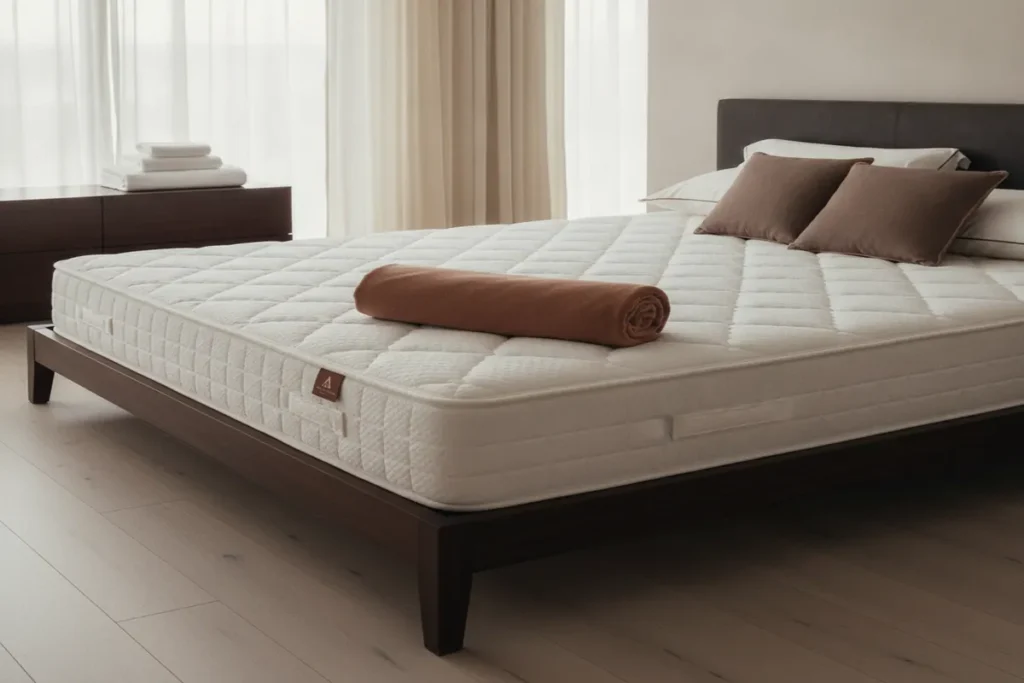
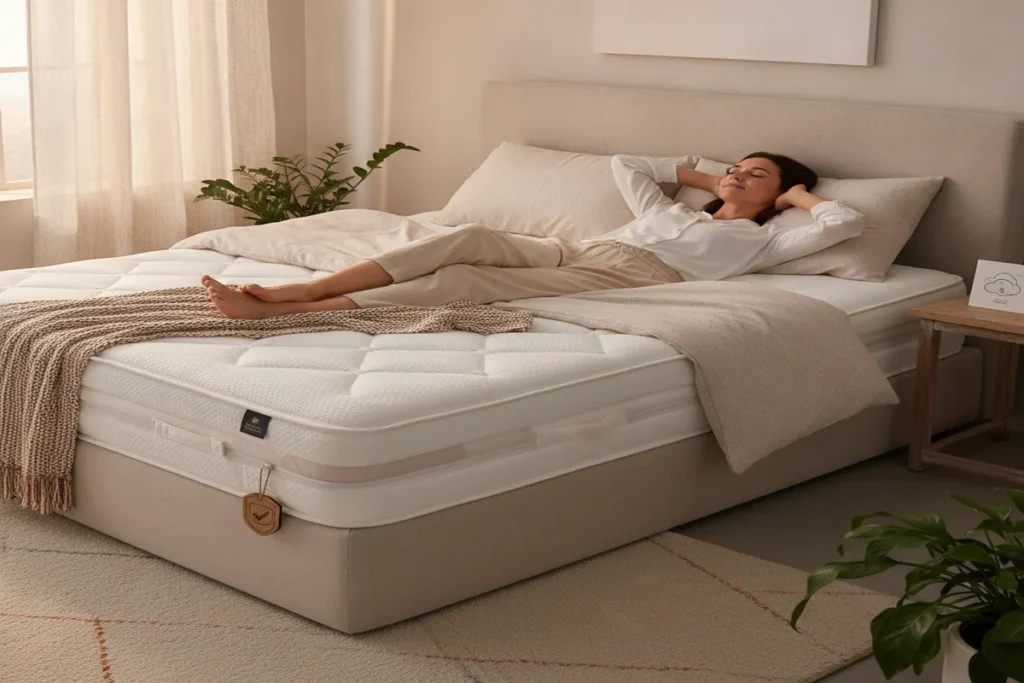
Achieving truly restorative sleep hinges on the symbiotic relationship between your mattress and your pillow. The right pillow is not merely an accessory but a critical component that ensures proper spinal alignment, cradles your head and neck, and relieves pressure points, directly complementing the support and comfort provided by your mattress. This synergy prevents common sleep-related discomforts like neck pain and headaches, ultimately enhancing your overall sleep quality and well-being. Selecting a pillow tailored to your unique sleep style and body type is paramount for a holistic sleep experience.
Quick Summary
- The right pillow ensures optimal spinal alignment, complementing your mattress for pressure relief and enhanced sleep quality
- Pillow choice should match your dominant sleep position (side, back, stomach) and body type
- Modern pillow technologies like cooling gels and adjustable loft offer tailored comfort for 2026 sleep needs
- Understanding pillow firmness, loft, and material is crucial for avoiding neck pain and restless nights
Why is Your Pillow Choice as Important as Your Mattress?
While a high-quality mattress forms the foundation of a good night’s sleep, an improperly chosen pillow can undermine even the most advanced sleep system. Your pillow plays a crucial role in maintaining the natural curve of your cervical spine, ensuring it remains in a neutral position throughout the night. This alignment is vital for preventing strain, muscle tension, and nerve compression that can lead to chronic neck pain, headaches, and shoulder discomfort.
Here’s why your pillow choice demands equal attention:
-
Optimal Spinal Alignment: A pillow’s primary function is to fill the gap between your head and neck and the mattress, keeping your spine straight from your tailbone to your skull. Without this, your neck can be forced into unnatural angles.
-
Pressure Point Relief: Just as a mattress relieves pressure on your hips and shoulders, a well-matched pillow dissipates pressure around your head and neck, promoting better circulation and reducing tossing and turning.
-
Personalized Comfort: Everyone has a unique physique and preferred sleeping position. A pillow that caters to these individual needs significantly enhances overall comfort, allowing for deeper, uninterrupted sleep.
-
Synergy with Mattress Firmness: A soft mattress might require a firmer pillow to prevent your head from sinking too deeply, while a firm mattress might pair better with a softer, conforming pillow to cradle your neck. They work in tandem, not in isolation.
What Are the Key Types of Pillows and Their Unique Benefits?
The market offers a diverse range of pillow materials, each with distinct characteristics that cater to different sleep preferences and needs. Understanding these options is the first step in finding your perfect match.
Here’s a breakdown of common pillow types and their suitability:
Sinyora Yatak offers a range of specialized pillows, including Visco Pillow, Visko Pillows Neck Support, Latex Pillow (Natural), and Latex Pillows Neck Support, designed to pair seamlessly with our diverse mattress collection.

How Do You Match Pillow Firmness and Loft to Your Sleep Position?
Selecting the correct firmness and loft (height) is paramount for achieving proper spinal alignment. Your dominant sleeping position dictates these choices more than any other factor.
Matching Loft to Your Sleep Position:
-
Side Sleepers:
- Loft: High (4-6 inches or more).
- Firmness: Medium to firm.
- Rationale: A higher, firmer pillow is needed to fill the significant gap between your head, shoulder, and the mattress. This keeps your head level with your spine, preventing your neck from drooping. Look for Visko Pillows Neck Support or Latex Pillows Neck Support which offer robust support.
-
Back Sleepers:
- Loft: Medium (3-5 inches).
- Firmness: Medium.
- Rationale: The pillow should cradle the natural curve of your neck without pushing your head too far forward or letting it drop too low. It should support your neck while allowing your head to rest comfortably. A Visco Pillow or a medium-loft latex pillow can be ideal.
-
Stomach Sleepers:
- Loft: Low (1-3 inches) or flat.
- Firmness: Soft.
- Rationale: To minimize strain on the neck, a stomach sleeper needs a very thin or even no pillow. The goal is to keep the head as close to the mattress as possible to prevent excessive arching of the spine. A soft Fiber Pillow or a very thin feather pillow is often preferred.
Considering Body Type and Mattress Firmness:
-
Larger Body Types: May require a higher loft and firmer pillow to provide adequate support and prevent the head from sinking too much, especially for side sleepers.
-
Smaller Body Types: Might need a lower loft and softer pillow to avoid pushing the head upwards.
-
Softer Mattresses: Your body sinks more into a soft mattress, potentially reducing the gap between your head and the bed. You might need a slightly lower loft pillow than you would with a firm mattress.
-
Firmer Mattresses: With less body sinkage, a firmer mattress often requires a pillow with a higher loft to adequately fill the space and maintain alignment.
What Common Mistakes Should You Avoid When Choosing a Pillow?
Even with the best intentions, it’s easy to make missteps when selecting a pillow. Avoiding these common mistakes can save you from restless nights and recurring neck pain.
Here are the pitfalls to watch out for:
-
Ignoring Your Mattress Firmness: One of the most significant oversights is choosing a pillow in isolation. Your mattress dictates how much your body sinks, which in turn affects the gap your pillow needs to fill. A pillow that works on a firm mattress might be too high on a plush one.
-
Focusing Solely on Price: While budget is a factor, prioritizing the cheapest option often leads to a quick decline in support and comfort, costing you more in the long run (and impacting your sleep health). Investing in a quality pillow is an investment in your well-being.
-
Not Considering Your Primary Sleep Position: Many people claim to be “combo sleepers,” but usually, one position dominates. Identify your most frequent sleep position and choose a pillow designed for that. A pillow for side sleepers will likely be detrimental to a stomach sleeper.
-
Neglecting Material Breathability: Pillows that trap heat can disrupt sleep, especially for hot sleepers. Overlooking materials like breathable latex, cooling gel-infused memory foam, or natural fibers can lead to discomfort.
-
Keeping a Pillow for Too Long: Pillows have a lifespan. Over time, they lose their loft and support, becoming breeding grounds for allergens. Many people use pillows far beyond their effective life, compromising hygiene and support.
-
Not Trying Before Buying (if possible): While not always feasible online, if you have the chance, test a pillow for a few minutes. Lie down in your typical sleep position and assess how it feels. Many online retailers like Sinyora Yatak offer generous trial periods, which is an excellent alternative.
-
Assuming One Pillow Fits All: A couple sharing a bed may have different body types, sleep positions, and preferences. What works for one person may not work for the other. Invest in individual pillows tailored to each sleeper.
How Do Modern Pillow Technologies Enhance Your Sleep Experience in 2026?
The sleep industry is constantly innovating, and pillows are no exception. In 2026, advancements in material science and smart technology are offering more personalized and effective sleep solutions. These innovations address common sleep disruptors like heat retention, inconsistent support, and the inability to customize.
Here’s how modern pillow technologies are reshaping the sleep landscape:
-
Cooling Gel Infusions & Phase-Change Materials: A major breakthrough for hot sleepers. These materials absorb and dissipate body heat, maintaining a consistently cool sleep surface throughout the night. Sinyora Yatak’s advanced foam pillows often incorporate these features for enhanced comfort.
-
Adjustable Loft and Fill: Many contemporary pillows feature shredded memory foam, micro-fiber, or even micro-coil inserts that can be added or removed. This allows users to precisely customize the loft and firmness to their exact preference, adapting to changes in sleep position or even mattress type.
-
Ergonomic and Zoned Support: Beyond basic contouring, some pillows are designed with specific zones of varying firmness or height to provide targeted support for the head, neck, and shoulders, promoting superior spinal alignment. Visko Pillows Neck Support exemplify this specialized design.
-
Sustainable and Hypoallergenic Materials: With increasing environmental awareness, natural latex (like Sinyora Yatak’s Latex Pillow (Natural)), organic cotton, and recycled fibers are gaining popularity. These materials are not only eco-friendly but also naturally resistant to dust mites and allergens, crucial for sensitive sleepers.
-
Smart Pillows with Integrated Sensors: While still emerging, some high-tech pillows incorporate sensors to track sleep patterns, snoring, and even adjust their height or firmness automatically in response to movement. This provides personalized data and proactive comfort adjustments.
-
Advanced Ventilation Systems: Beyond just “perforated foam,” modern pillows feature intricate internal air channels and open-cell structures that significantly improve airflow, preventing heat buildup and maintaining a fresh sleep environment.
Why is Pillow Hygiene and Longevity Crucial for Sustained Comfort?
Even the perfect pillow won’t provide lasting comfort if it’s not properly maintained or replaced when necessary. Pillow hygiene and understanding its lifespan are essential for both sleep quality and overall health.
Here’s why diligent care and timely replacement matter:
-
Allergen Accumulation: Over time, pillows absorb sweat, skin cells, and body oils, creating an ideal environment for dust mites, mold, and mildew. This can trigger allergies, asthma, and skin irritations, severely impacting sleep quality and respiratory health.
-
Loss of Support and Loft: With daily use, pillow fills compress and break down, losing their ability to provide adequate support and maintain their original loft. A flat, lumpy pillow cannot keep your spine aligned, leading to neck pain and discomfort.
-
Odor Prevention: Regular cleaning prevents unpleasant odors from accumulating due to sweat and bacteria, contributing to a fresher, more inviting sleep environment.
-
Extension of Lifespan: While pillows aren’t forever, proper care can significantly extend their effective life, ensuring you get the most out of your investment before needing a replacement.
-
Maintaining Mattress Hygiene: A clean pillow contributes to the overall hygiene of your bed, preventing the transfer of allergens and oils to your mattress.
Practical Steps for Pillow Care and Longevity:
-
Use a Pillow Protector: Always use a washable, zippered pillow protector under your pillowcase. This acts as a barrier against dust mites, allergens, and moisture, significantly prolonging your pillow’s life.
-
Wash Pillowcases Regularly: Change and wash your pillowcases at least once a week, or more frequently if you have allergies or skin sensitivities.
-
Clean Your Pillow (if washable): Check the care label! Many fiber and some foam pillows can be machine washed (gentle cycle, mild detergent) or spot cleaned. Ensure thorough drying to prevent mold. Latex and memory foam often require spot cleaning only.
-
Fluff Daily: For fiber, feather, and some shredded foam pillows, daily fluffing helps redistribute the fill, restore loft, and maintain even support.
-
Aerate Regularly: If possible, occasionally air your pillows outdoors on a sunny, dry day to help remove moisture and refresh them.
-
Know When to Replace:
- The Fold Test: Fold your pillow in half. If it doesn’t spring back to its original shape, it’s lost its support.
- Lumps and Bumps: If your pillow is consistently lumpy or flat despite fluffing, it’s time for a new one.
- Persistent Odor/Stains: If odors or stains persist after cleaning, it’s a sign of deep-seated issues.
- Allergy Flare-ups: Increased allergy symptoms at night can indicate an old, allergen-filled pillow.
- General Guideline: Most pillows should be replaced every 1-3 years, depending on material and quality. Latex pillows tend to last longer (3-5 years or more).
Expert Insight
“The integration of a supportive pillow with a compatible mattress is fundamental to musculoskeletal health during sleep. Industry experts confirm that achieving a neutral spinal alignment from head to pelvis is not just about comfort; it’s a preventative measure against chronic pain and a catalyst for true restorative rest, impacting everything from mood to metabolic function.”
Key Terms
-
Loft: The height or thickness of a pillow when lying flat, crucial for filling the gap between your head/neck and the mattress.
-
Firmness: The density and resistance of a pillow, indicating how much it compresses under weight.
-
Hypoallergenic: Materials designed to minimize the risk of allergic reactions by resisting dust mites, mold, and other common allergens.
-
Spinal Alignment: The maintenance of the natural curves of your spine in a straight, neutral line from head to tailbone during sleep.
-
Pressure Points: Areas of the body where weight is concentrated, leading to discomfort or reduced circulation if not adequately supported.
How Can You Upgrade to More Comfortable Sleep with Sinyora Yatak?
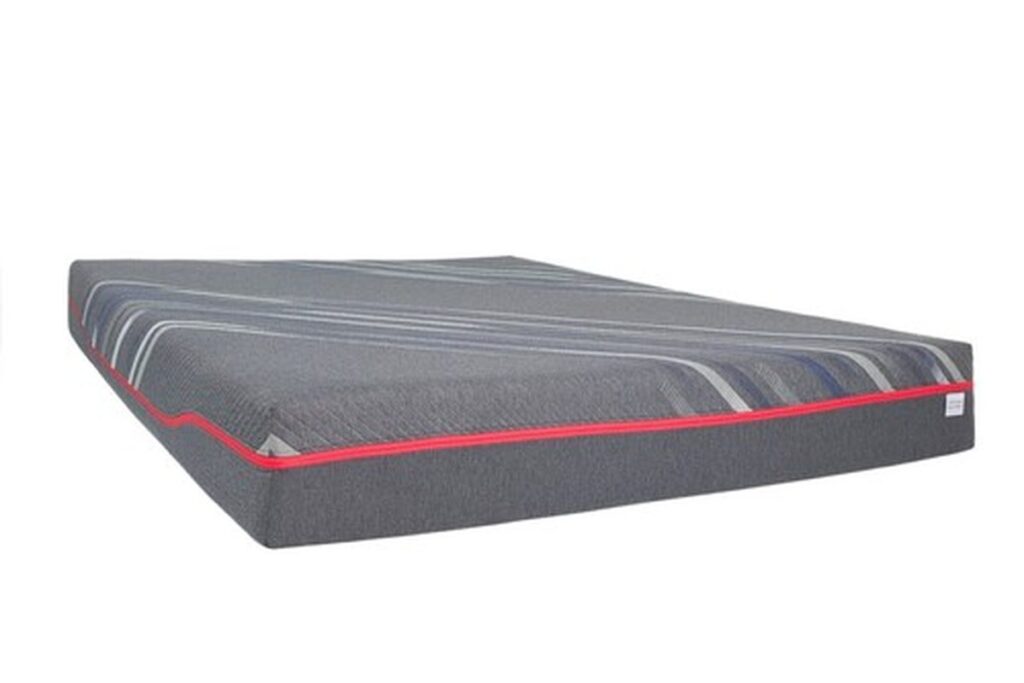
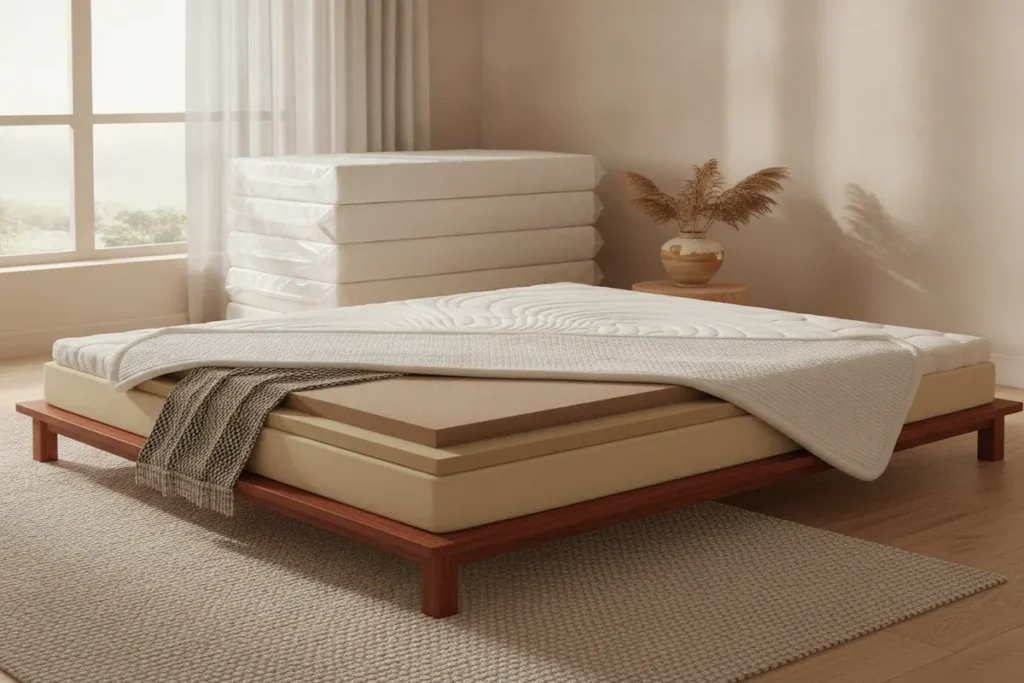
Ready to experience the transformative power of a perfectly paired mattress and pillow? Sinyora Yatak is dedicated to crafting sleep solutions that cater to your unique needs, combining traditional Turkish quality with modern sleep science. Explore our extensive Mattress Collection, featuring options like Pocket Coils Mattress, Visco Foam Mattress, and Latex Foam Mattress, each designed for superior support and comfort. Then, complete your sleep sanctuary with our specialized Pillow Collection, including Visco Pillow for contouring comfort and Latex Pillow (Natural) for breathable, hypoallergenic support. Whether you’re a side sleeper needing robust neck support or a back sleeper seeking gentle cradling, Sinyora Yatak has the ideal pillow to complement your mattress and elevate your sleep experience. Contact us today to discover the Sinyora Yatak difference and achieve the restful nights you deserve.
Frequently Asked Questions
Q: What is the primary role of a pillow in sleep?
Q: How do I choose the right pillow firmness?
Q: When should I replace my pillow?
Q: Can a good pillow help with neck pain?
Q: What are the benefits of Sinyora Yatak’s specialized pillows?
Q: How does a pillow complement a Sinyora Yatak mattress?
Help: FAQs · Sleep Science · Sleep Resources · Privacy Policy







2 thoughts on “How the Right Pillow Optimally Complements Your Sinyora Yatak Mattress”