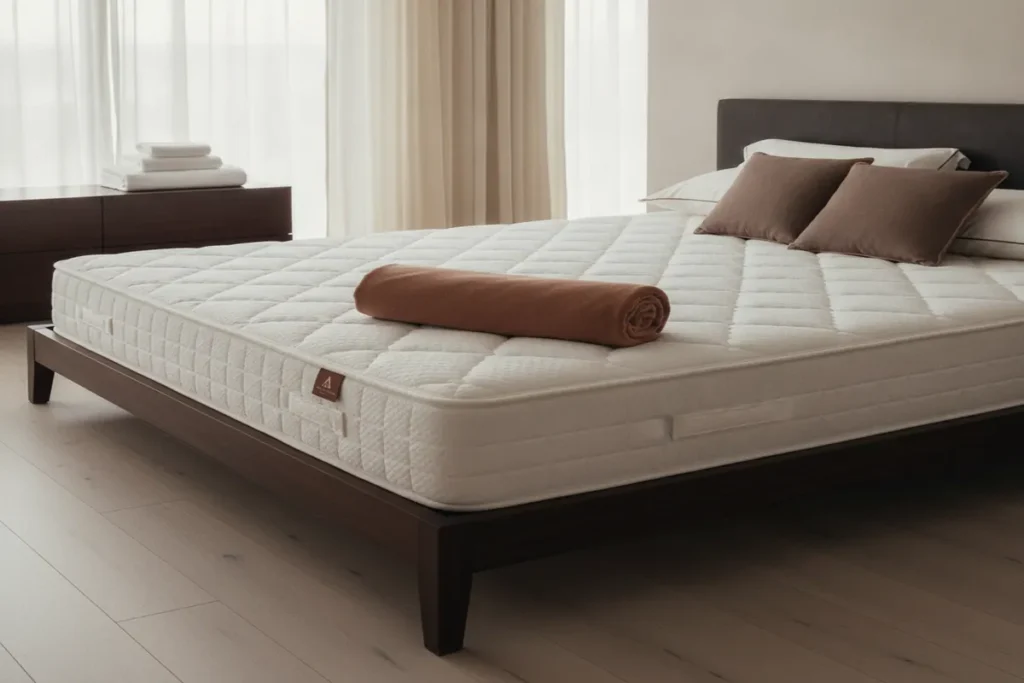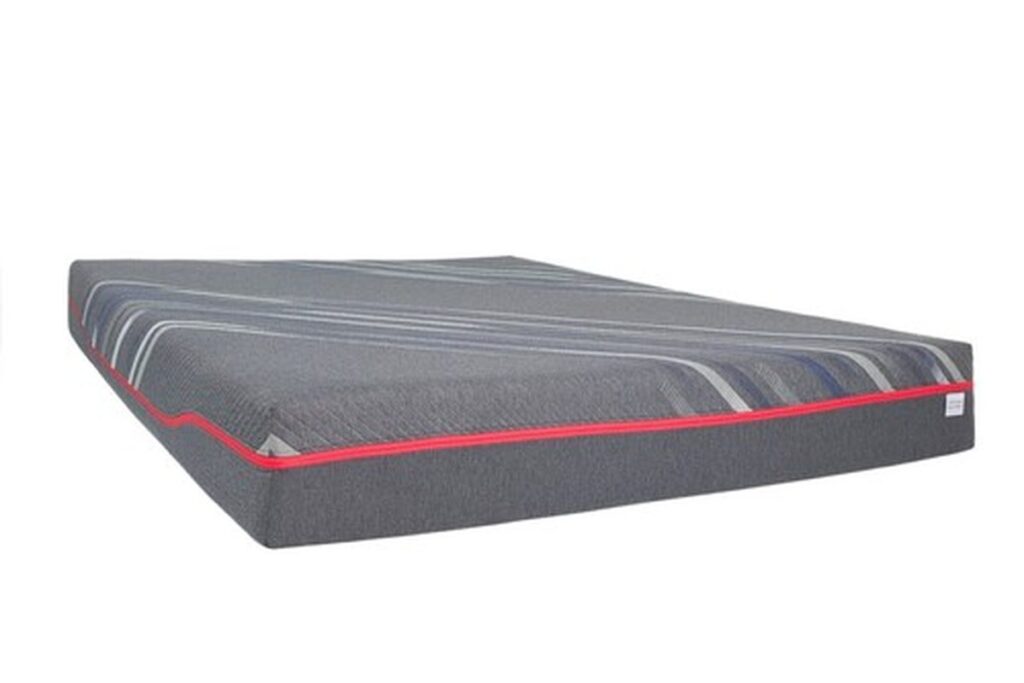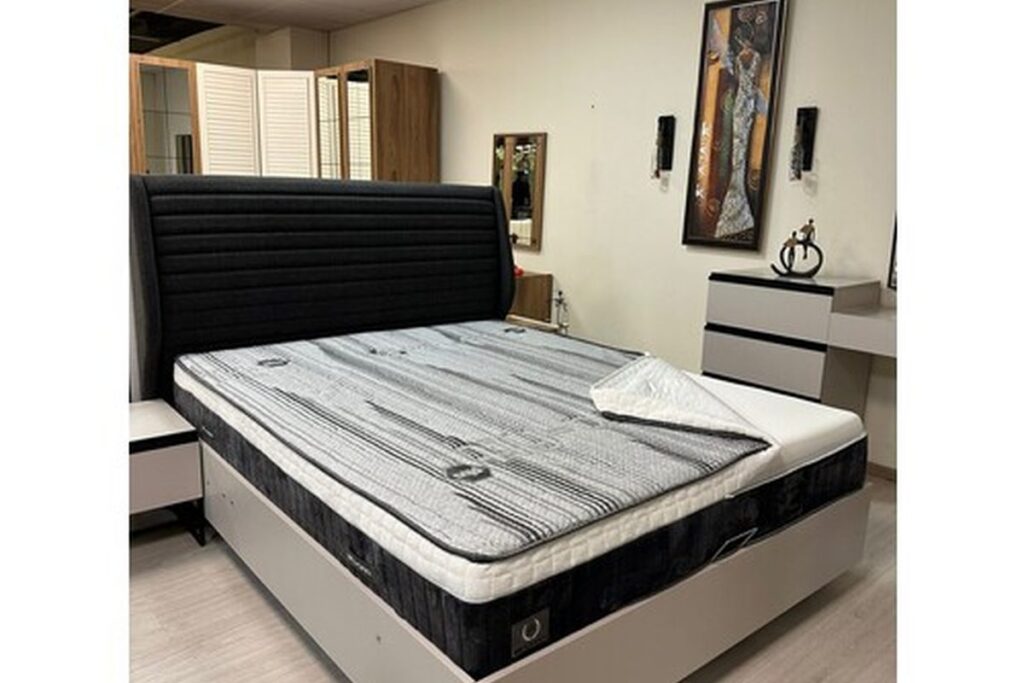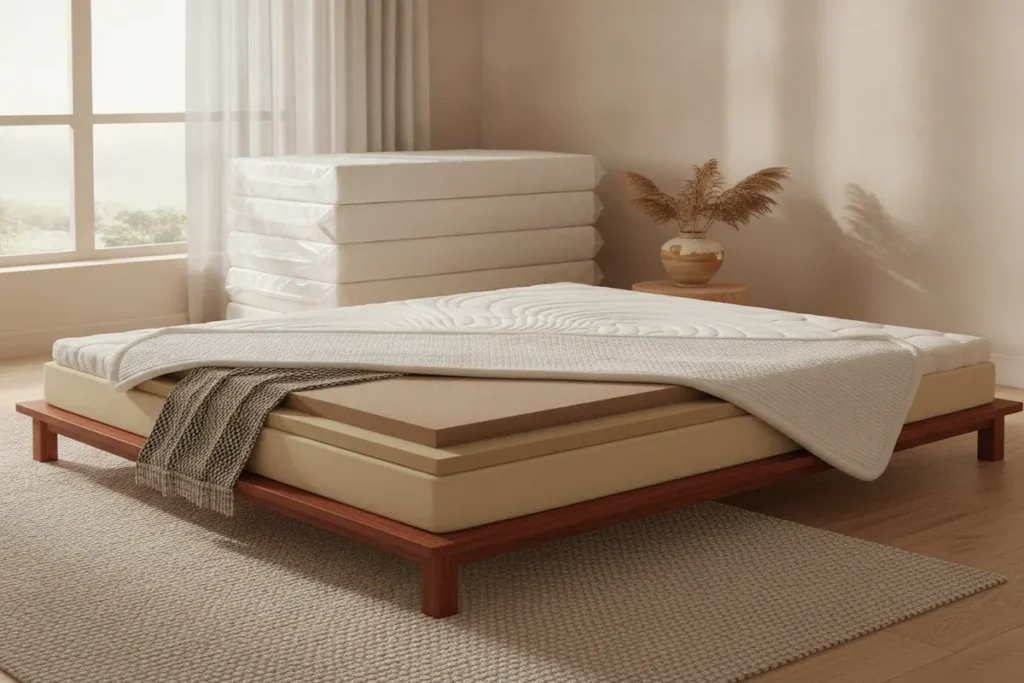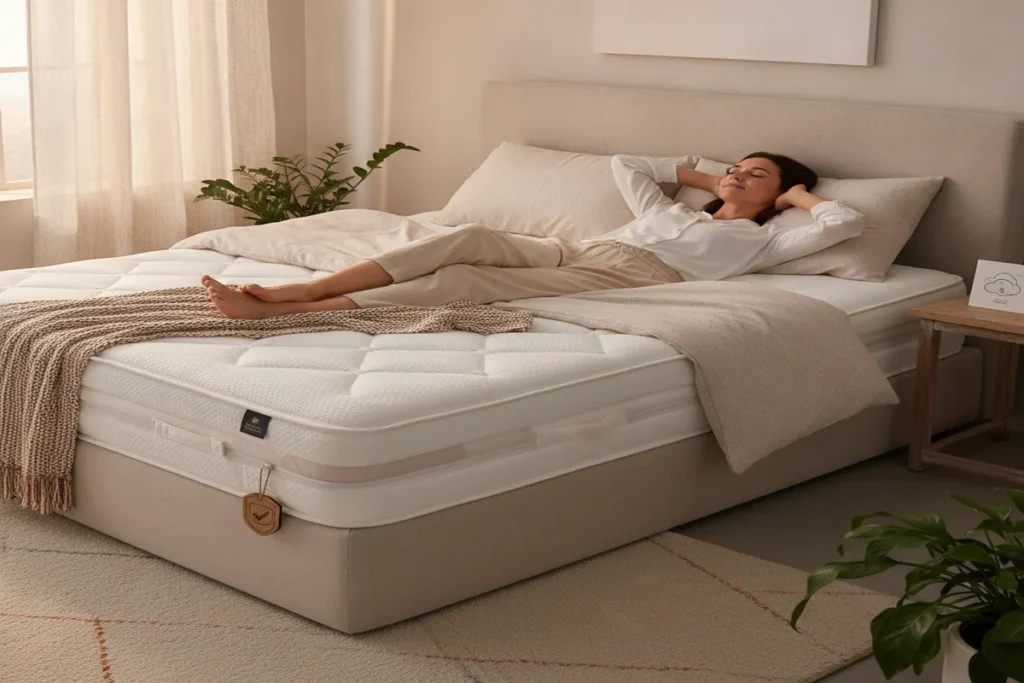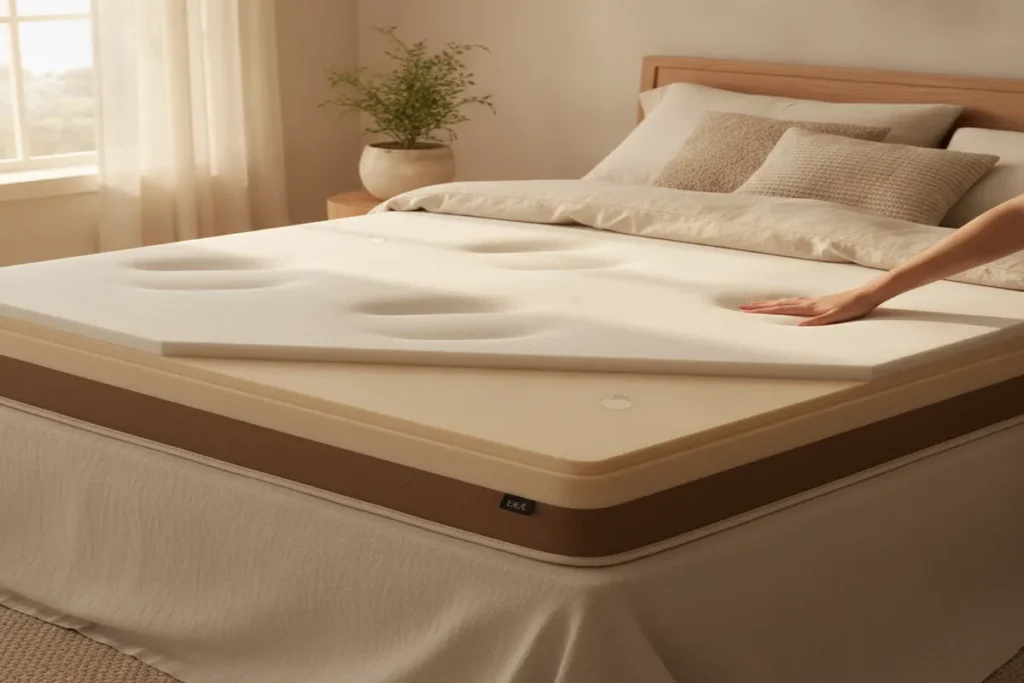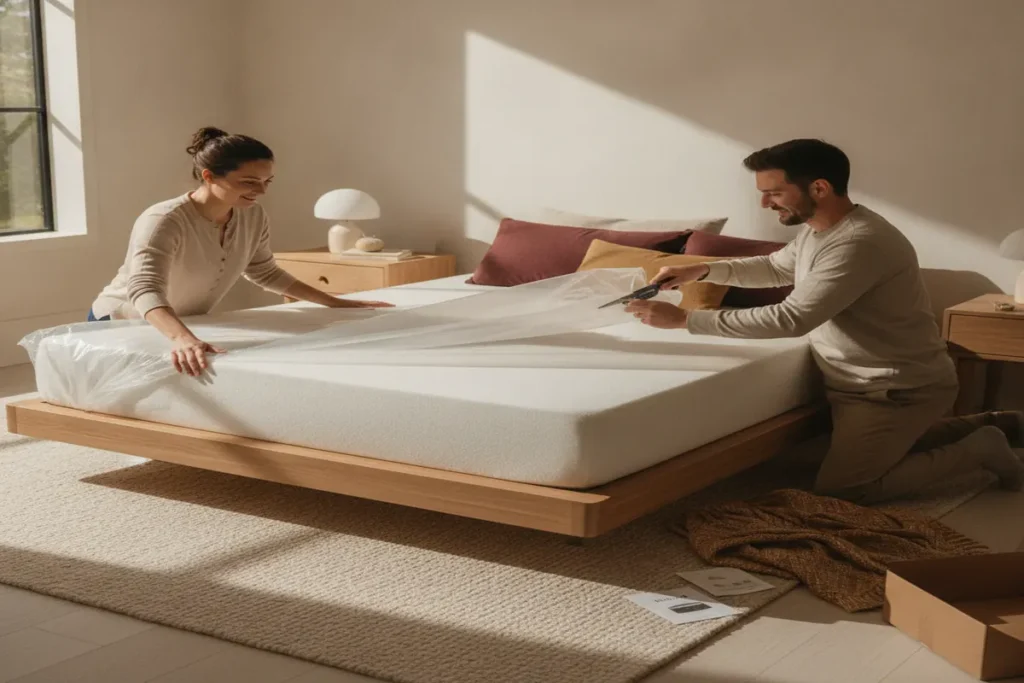

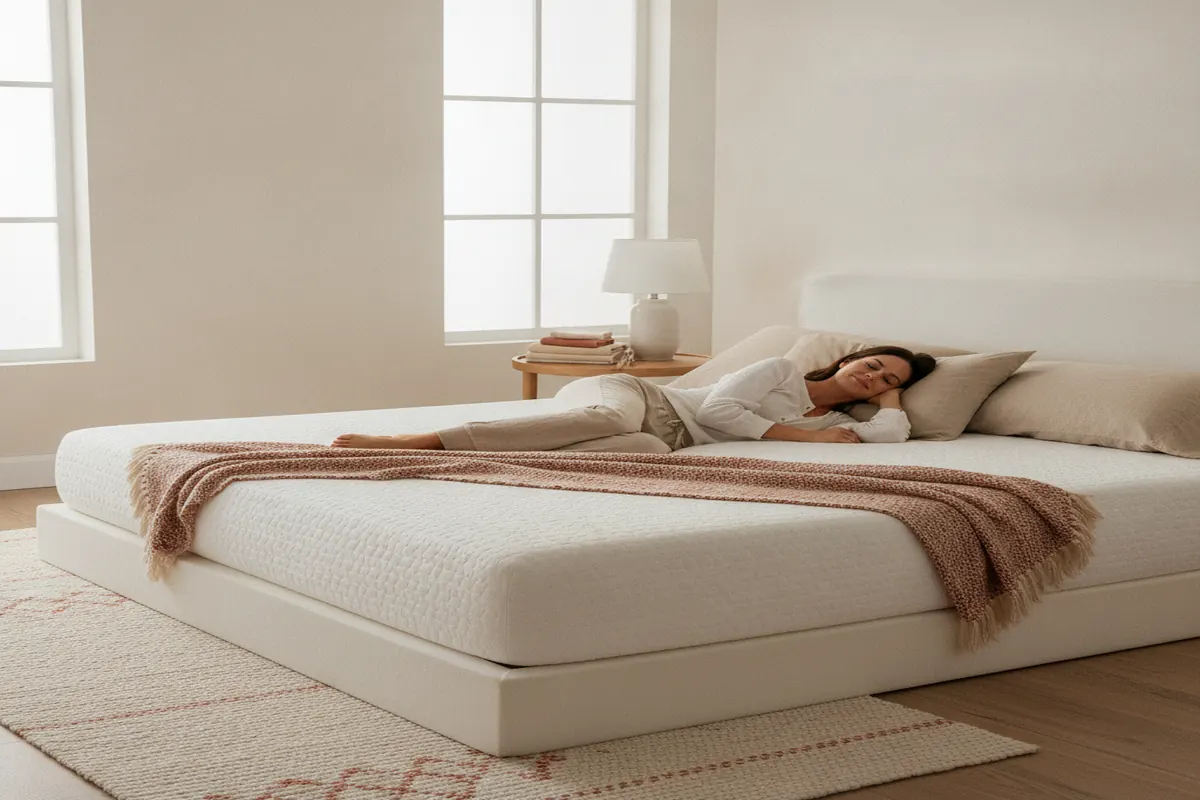
Choosing the best foam mattress for guest rooms involves balancing universal comfort, durability, and budget-friendliness. The ideal choice typically features a medium-firm feel to accommodate various sleep preferences, good motion isolation to prevent disturbances, and sufficient density for longevity, even with intermittent use. Prioritize options that offer temperature regulation and minimal off-gassing to ensure a pleasant and welcoming sleep environment for every visitor, making their stay truly comfortable.
Quick Summary
- Choose a guest room foam mattress balancing comfort, durability, and affordability
- prioritize medium-firmness for universal appeal
- consider foam density and ILD for longevity and support
- compare memory foam, latex, and polyfoam for ideal feel
How to Choose the Best Foam Mattress for Guest Rooms?
Selecting the perfect foam mattress for your guest room isn’t just about finding a comfortable bed; it’s about curating an inviting experience for your visitors. Unlike your primary mattress, a guest bed needs to appeal to a wide range of body types, sleep positions, and personal preferences, all while offering durability without breaking the bank. As specialists in sleep solutions, we emphasize a balanced approach.
Here are the critical factors to consider when making your selection:
-
Universal Comfort & Support: Aim for a medium-firm mattress (typically 5-7 on a 1-10 firmness scale, where 10 is firmest). This firmness level is generally preferred by the broadest range of sleepers, offering a good balance of contouring comfort for side sleepers and adequate support for back and stomach sleepers. It prevents guests from sinking in too much or feeling like they’re sleeping on a board.
-
Durability & Longevity: Even if used intermittently, a guest room mattress should withstand years of use. Look for high-density foams (e.g., 3.5 lbs/cu.ft. or higher for memory foam). Higher density translates to better support and a longer lifespan, resisting premature sagging or impressions. This ensures your investment continues to provide comfort for many guests to come. (Related: Turkish Mattress Lifespan)
-
Motion Isolation: Foam mattresses excel at isolating motion, a crucial feature if guests are sharing the bed. This prevents one sleeper’s movements from disturbing the other, ensuring uninterrupted rest. Memory foam and latex foam are particularly effective here.
-
Temperature Regulation: Foam can sometimes retain heat. For guest comfort, especially in warmer climates or for guests who sleep hot, prioritize foams infused with cooling gels, graphite, copper, or open-cell structures. Breathable covers are also a significant plus.
-
Off-Gassing (VOCs): New foam mattresses can emit a distinct chemical odor known as off-gassing, caused by volatile organic compounds (VOCs). While generally harmless, it can be unpleasant for guests. Look for CertiPUR-US® certified foams, which guarantee low VOC emissions. Allow sufficient time for the mattress to air out before a guest’s arrival.
-
Mattress Thickness: For adult guests, a mattress thickness of at least 8-10 inches is recommended for adequate support and comfort. Thicker foam layers allow for better pressure relief and a more luxurious feel.
-
Size Considerations: Match the mattress size to your guest room’s dimensions and typical guest needs. Queen is the most popular choice for versatility, offering ample space for couples or single sleepers. Twin or Full are suitable for smaller rooms or single guests.
-
Budget: Determine a realistic budget. While it’s tempting to economize, remember that a comfortable guest experience is invaluable. You can find excellent quality foam mattresses that balance performance and price. (Related: How Much Does a Turkish Mattress Cost)
Before making a final decision, consider your guest room’s existing decor and any specific needs your frequent guests might have. A well-chosen mattress is the cornerstone of great hospitality.
Memory Foam vs. Other Foam Types: Which is Best for Your Guest Room?
When it comes to foam mattresses, the landscape extends beyond just memory foam. Understanding the distinct characteristics of different foam types is crucial for selecting the best foam mattress for guest rooms. Each offers a unique feel, varying levels of support, and different price points, impacting overall guest comfort and the longevity of your investment.
Let’s compare the most common foam types:
Memory Foam (Visco Foam)
Memory foam, also known as Visco Foam Mattress, is renowned for its body-conforming properties. It softens in response to body heat and pressure, cradling the sleeper and relieving pressure points.
-
Pros for Guest Rooms:
- Excellent Pressure Relief: Ideal for guests with joint pain or those who prefer a “hug” sensation.
- Superior Motion Isolation: Minimizes disturbances from a partner’s movements.
- Durability: High-density memory foam can be very long-lasting.
-
Cons for Guest Rooms:
- Heat Retention: Traditional memory foam can trap heat, though newer formulations with gel or open-cell designs mitigate this.
- Slow Response Time: Can make changing positions slightly more difficult for some.
- Off-Gassing: May have a stronger initial odor.
Latex Foam
Latex foam is derived from rubber trees (natural latex) or synthetic compounds. It offers a buoyant, responsive feel that’s distinct from memory foam’s contouring hug.
-
Pros for Guest Rooms:
- Responsive & Bouncy: Easier to move around on, making it suitable for active sleepers.
- Naturally Cooling: Open-cell structure allows for better airflow, reducing heat retention.
- Highly Durable: Often outlasts other foam types, resisting impressions and sagging.
- Hypoallergenic: Naturally resistant to dust mites and mold, a plus for allergy-prone guests.
-
Cons for Guest Rooms:
- Higher Price Point: Generally more expensive than memory foam or polyfoam.
- Weight: Can be very heavy, making setup and moving challenging.
- Less Contour: Offers less of a “hug” than memory foam, which some guests prefer. (Related: Latex Foam Mattress)
Polyfoam (Polyurethane Foam)
Polyfoam is a versatile and cost-effective foam used in many mattresses, often as a base layer or comfort layer. It comes in various densities and firmness levels.
-
Pros for Guest Rooms:
- Affordability: Generally the most budget-friendly option.
- Variety: Available in a wide range of firmness and density levels.
- Lighter Weight: Easier to move and set up.
-
Cons for Guest Rooms:
- Lower Durability: Lower-density polyfoam can break down faster and develop impressions.
- Less Pressure Relief: Doesn’t contour as deeply as memory foam or latex.
- Less Motion Isolation: Can transfer more motion than specialized foams.
Here’s a comparison table to help you decide:
For the best memory foam mattress for guest room applications, look for a medium-firm density (around 3.5-5 lbs/cu.ft.) with cooling infusions. If budget allows, a natural latex foam mattress provides exceptional durability and a naturally cool sleep surface, making it an excellent long-term investment for any guest room.
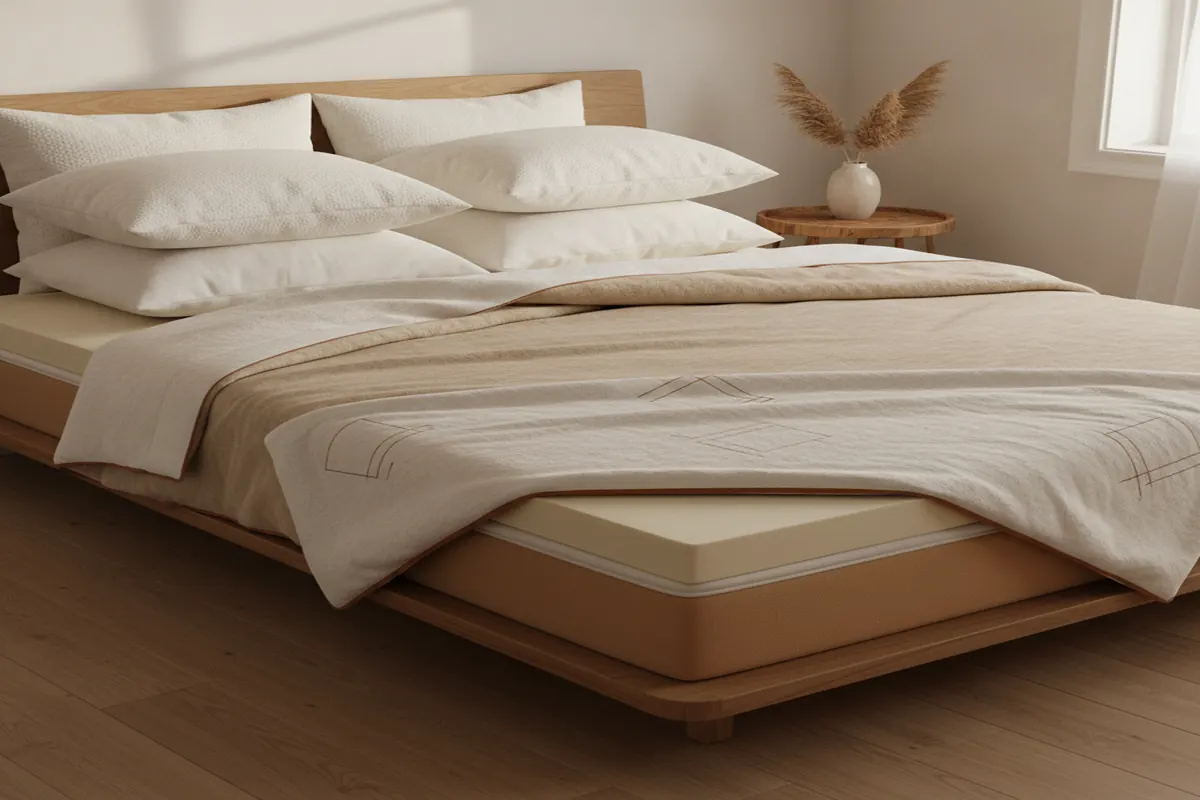
Unpacking Quality Factors: What Makes a Foam Mattress Truly Guest-Worthy?
Beyond the basic type of foam, several nuanced quality factors differentiate a truly superior guest room mattress from a merely adequate one. As seasoned mattress specialists, we know that these details significantly impact both the immediate comfort of your guests and the long-term value of your purchase. Understanding these elements is key to identifying the best foam mattress for guest rooms quality factors.
Here’s what to scrutinize:
-
Foam Density (lbs/cu.ft.): This is arguably the most critical indicator of a foam mattress’s quality and durability.
- Memory Foam: Aim for 3.5 lbs/cu.ft. or higher for comfort layers, and 1.8 lbs/cu.ft. or higher for support layers. Higher densities resist impressions and sagging, ensuring consistent support over time.
- Latex Foam: Natural latex typically ranges from 4.0 to 5.5 lbs/cu.ft. for comfort layers and higher for support. Its inherent resilience contributes to its impressive durability.
- Polyfoam: For support cores, look for polyfoam with a density of at least 1.8 lbs/cu.ft. Lower densities are common in budget mattresses but will break down faster.
- Expert Tip: Don’t confuse firmness with density. A high-density foam can be soft, and a low-density foam can be firm, depending on its composition and ILD.
-
ILD (Indentation Load Deflection) Rating: ILD measures a foam’s firmness. It indicates the force, in pounds, required to compress a 4-inch thick foam sample by 25%.
- Lower ILD (10-20): Softer, more plush feel, good for comfort layers.
- Medium ILD (20-30): Balanced feel, often found in transitional layers, ideal for universal comfort in guest rooms.
- Higher ILD (30+): Firmer, more supportive, typically used in base layers.
- For guest rooms, a medium ILD in the comfort layers combined with a higher ILD in the support core offers the best all-around comfort.
-
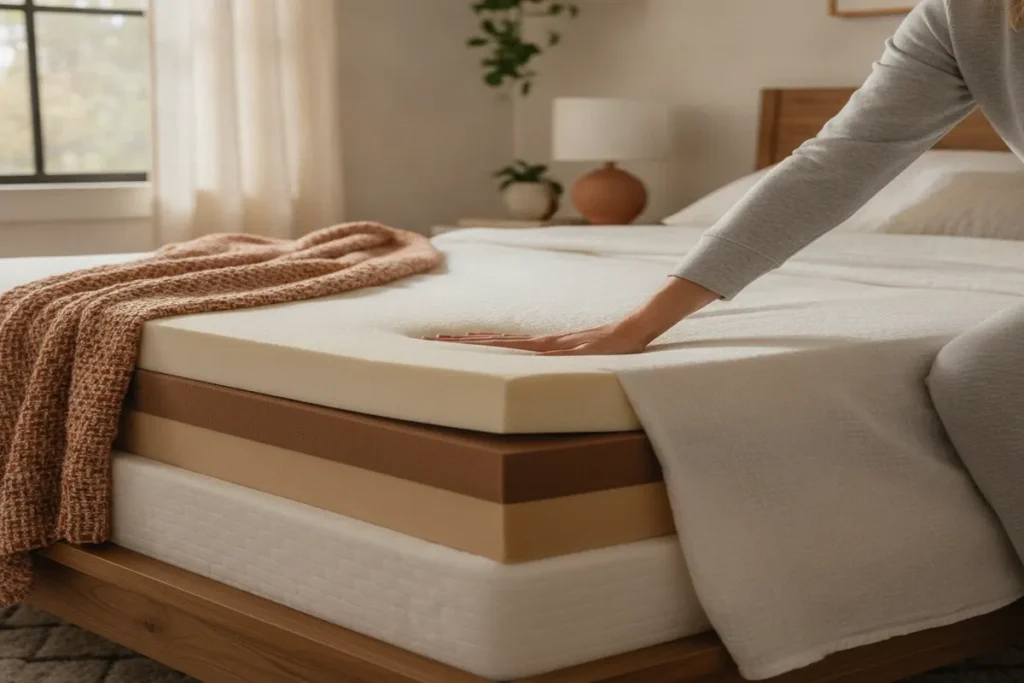
Mattress Construction & Layering: A high-quality foam mattress isn’t just one block of foam. It’s usually a sophisticated stack of different foam layers, each serving a purpose.
- Comfort Layer: Often softer memory foam or latex for pressure relief.
- Transition Layer: A slightly firmer foam to provide gradual support and prevent “bottoming out.”
- Support Core: A high-density polyfoam or firmer latex that forms the foundation of the mattress, ensuring proper spinal alignment.
- Sinyora Yatak’s Construction Mattress designs exemplify this thoughtful layering for optimal support and comfort.
-
Cover Material: The mattress cover plays a role in breathability, feel, and durability.
- Look for covers made from breathable fabrics like organic cotton, Tencel, or blends that wick away moisture.
- Some covers incorporate phase-change materials for enhanced cooling.
- A removable, washable cover is a significant advantage for hygiene in a guest room.
-
Certifications: Certifications provide assurance about the materials used and their safety.
- CertiPUR-US®: Guarantees foams are made without ozone depleters, heavy metals, formaldehyde, phthalates, and have low VOC emissions. Essential for foam mattresses.
- OEKO-TEX® Standard 100: Certifies textiles are free from harmful substances.
- GOTS (Global Organic Textile Standard) / GOLS (Global Organic Latex Standard): For mattresses with organic cotton or natural latex components.
By focusing on these quality factors, you’re not just buying a mattress; you’re investing in a consistently comfortable and healthy sleep environment for all your future guests.
Common Pitfalls When Buying a Guest Room Foam Mattress (And How to Dodge Them)
Even with the best intentions, it’s easy to stumble into common traps when purchasing a foam mattress for a guest room. As seasoned experts, we’ve seen these mistakes lead to uncomfortable guests, wasted money, and premature mattress replacement. Understanding these pitfalls and knowing how to avoid them is crucial for securing the best foam mattress for guest rooms that genuinely meets expectations.
Here are the most frequent missteps and our advice on how to sidestep them:
-
Underestimating Universal Comfort Needs:
- Mistake: Choosing a mattress that’s too soft or too firm based on your personal preference. While you might love a plush cloud, your guests might need more support, and vice-versa.
- Dodge: Always opt for a medium-firm mattress (5-7 on a 1-10 scale). This firmness level is the most universally appealing, providing a good balance of pressure relief and support for diverse body types and sleep positions.
-
Prioritizing Price Over Durability:
- Mistake: Purchasing the cheapest foam mattress available, often made with low-density foams that quickly sag and break down, even with intermittent use.
- Dodge: Invest in a mattress with high-density foam layers (e.g., 3.5+ lbs/cu.ft. for memory foam comfort layers, 1.8+ lbs/cu.ft. for polyfoam support cores). A slightly higher upfront cost for quality foam will save you money in the long run by extending the mattress’s lifespan. (Related: Turkish Mattress Lifespan)
-
Ignoring Temperature Regulation:
- Mistake: Buying a traditional, dense memory foam mattress without considering its potential to trap heat, leading to uncomfortably warm nights for guests.
- Dodge: Look for foam mattresses with cooling technologies, such as gel infusions, open-cell designs, graphite, copper, or breathable covers. Latex foam is also an excellent naturally cooling option.
-
Neglecting Proper Support for the Mattress:
- Mistake: Placing a new foam mattress on an old, sagging box spring or an inadequate bed frame that doesn’t offer proper support. This can void warranties and cause the mattress to prematurely sag.
- Dodge: Ensure your guest room bed base provides a solid, even surface. For foam mattresses, a slatted base (with slats no more than 3 inches apart) or a solid platform foundation is ideal. (Related: Bed Base and Headboard)
-
Forgetting About Off-Gassing:
- Mistake: Setting up a new foam mattress just hours before guests arrive, exposing them to potentially strong chemical odors from off-gassing.
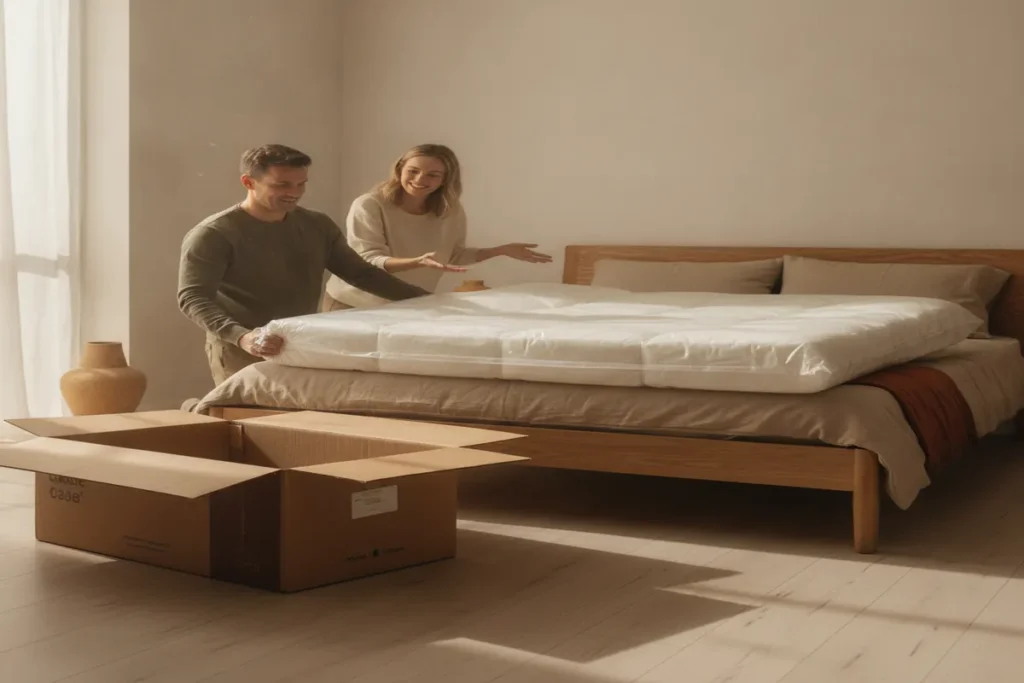
- Dodge: Plan ahead. Unbox and air out your new foam mattress in a well-ventilated area for at least 24-72 hours before guests arrive. Look for CertiPUR-US® certified foams to minimize VOCs.
-
Overlooking Essential Accessories:
- Mistake: Providing a comfortable mattress but neglecting quality pillows, protectors, and sheets.
- Dodge: Enhance the guest experience with a complete sleep setup. Include a waterproof mattress protector (crucial for hygiene and extending mattress life), quality pillows suitable for various sleep positions (e.g., Visco Pillow or Latex Pillow (Natural)), and soft, breathable sheets. (Related: Pillow Collection, Care and Maintenance)
By being mindful of these common errors, you can confidently choose a guest room foam mattress that consistently impresses your visitors and stands the test of time.
Balancing Comfort and Budget: Finding an Affordable Foam Mattress for Guest Rooms
The question of “how much should I spend on a guest room mattress” often arises, and rightly so. While you want your guests to be comfortable, you might not want to invest as heavily as you would in your primary bedroom. The good news is that finding an affordable best foam mattress for guest rooms doesn’t mean sacrificing comfort entirely. It’s about smart shopping and understanding where to find value.
Here’s how to navigate the budget landscape without compromising guest satisfaction:
-
Establish a Realistic Budget Range:
- Entry-Level (Under $400 – Queen Size): These typically feature basic polyfoam or lower-density memory foam. They’re suitable for very occasional use (e.g., once or twice a year). Expect less durability and potentially less advanced cooling features.
- Mid-Range ($400 – $800 – Queen Size): This is the sweet spot for many guest rooms. You’ll find good quality layered foam mattresses with medium-density memory foam or responsive polyfoam, often with some cooling infusions and CertiPUR-US® certification. This range offers a solid balance of comfort and durability.
- Premium ($800+ – Queen Size): While not strictly “affordable,” this category includes high-density memory foam, natural latex, or advanced hybrid foam models (like Sinyora Yatak’s Avant-Garde Bed if it incorporates substantial foam layers). These offer superior comfort, durability, and advanced features like targeted support and exceptional temperature regulation. Consider this if your guest room is frequently used or if you prioritize luxury.
-
Strategies for Finding Value and Affordability:
- Shop During Sales Events: Major holidays (Black Friday, Cyber Monday, President’s Day, Memorial Day) are prime times for mattress discounts. Seasonal sales can offer significant savings on quality foam mattresses.
- Consider Mattress Toppers: If your existing guest bed is a little too firm but otherwise in good condition, a high-quality foam topper can dramatically enhance comfort without replacing the entire mattress. Sinyora Yatak offers excellent options like the Visco Topper or Latex Topper which can extend the life and improve the feel of an older mattress. (Related: Topper Collection)
- Opt for Direct-to-Consumer Brands: Online mattress companies often cut out middlemen, allowing them to offer competitive prices for comparable quality. Brands like Nectar (known for their Nectar Memory Foam Mattress) and Leesa are popular examples, but Sinyora Yatak offers direct purchasing with the added benefit of Turkish craftsmanship.
- Prioritize Core Features: Focus your budget on the most critical elements: adequate foam density for support and durability, and a medium-firm feel. You might forgo advanced cooling features or ultra-plush covers if budget is extremely tight, but never compromise on the core support.
- Explore Turkish Mattress Options: Sinyora Yatak specializes in high-quality Turkish mattresses. Our direct model and expertise in foam manufacturing allow us to offer exceptional value. Turkish mattresses are known for their craftsmanship and durability, providing a premium feel often at a more accessible price point than comparable Western brands. (Related: What Makes Turkish Mattresses Special, Mattress Wholesale in Turkiye)
By strategically allocating your budget and being aware of these purchasing tactics, you can ensure your guests enjoy a restful night’s sleep on a quality foam mattress that respects your financial plan.
Top Recommendations: The Best Foam Mattresses for Guest Rooms in 2026
After evaluating quality factors, foam types, and budget considerations, it’s time to pinpoint specific recommendations for the best foam mattress for guest rooms. Our expertise at Sinyora Yatak, combined with industry insights, allows us to guide you toward choices that excel in universal comfort, durability, and value.
When making a recommendation for a guest room, we prioritize a medium-firm feel and robust construction that will satisfy most sleepers.
Here are our top picks, designed to meet varying needs and budgets:
-
Sinyora Yatak Visco Foam Mattress (Medium-Firm): The Balanced Universal Choice
- Why it’s Recommended: Our Visco Foam Mattress is specifically engineered with guest comfort in mind. It features a responsive, medium-firm Visco (memory foam) layer that contours gently for pressure relief without excessive sinkage, ensuring guests can move easily. The high-density support core guarantees durability and proper spinal alignment for a wide range of body types. We integrate advanced open-cell foam technology to mitigate heat retention, a common memory foam concern.
- Ideal For: Homeowners seeking a high-quality, durable foam mattress that offers excellent pressure relief and motion isolation, suitable for all sleep positions. It’s a reliable choice that ensures consistent positive feedback from guests.
- Key Features:
- Medium-firm feel (approx. 6.5/10) for broad appeal.
- Advanced Visco foam for contouring comfort and pressure relief.
- High-density support foam for long-term durability.
- Breathable cover and open-cell structure for temperature regulation.
- Sinyora Yatak Edge: Crafted with the renowned quality and attention to detail inherent in Turkish mattress manufacturing, offering exceptional value. (Related: Visco Foam Mattress, What Makes Turkish Mattresses Special)
-
Sinyora Yatak Latex Foam Mattress (Medium): The Durable & Hypoallergenic Upgrade
- Why it’s Recommended: For those who prioritize natural materials, exceptional durability, and a naturally cool sleep surface, our Latex Foam Mattress is an outstanding choice. It provides a buoyant, responsive feel that offers robust support and excellent pressure relief without the “stuck” feeling of traditional memory foam. Its inherent hypoallergenic properties are a significant plus for guests with allergies.
- Ideal For: Guest rooms with frequent visitors, those seeking a truly long-lasting investment, or hosts who want to offer a premium, natural sleep experience.
- Key Features:
- Medium firmness (approx. 6/10) with a responsive bounce.
- Natural latex for superior durability and eco-friendliness.
- Excellent natural temperature regulation and airflow.
- Naturally resistant to dust mites and mold.
- Sinyora Yatak Edge: Combines the resilience of natural latex with our commitment to quality craftsmanship. (Related: Latex Foam Mattress)
-
Sinyora Yatak Sponge Topper Mattress (Paired with a Firm Base): The Economical Comfort Solution
- Why it’s Recommended: If your guest room already has a firm, supportive mattress that simply lacks comfort, our Sponge Topper Mattress offers an incredibly cost-effective way to upgrade the sleep experience. This high-density polyfoam topper adds a significant layer of plushness and pressure relief, transforming a basic bed into a welcoming haven.
- Ideal For: Budget-conscious hosts looking to enhance an existing mattress’s comfort without purchasing an entirely new unit. Perfect for occasional guest use.
- Key Features:
- Adds a substantial comfort layer (e.g., 2-4 inches thick).
- High-density sponge foam for durable plushness.
- Economical solution for improving existing beds.
- Sinyora Yatak Edge: Made with quality Turkish foam, ensuring better resilience than generic toppers. (Related: Sponge Topper Mattress, Topper Collection)
While industry giants like Nectar Memory Foam Mattress (known for its deep contouring) and Leesa (balancing comfort with support) are popular, Sinyora Yatak provides comparable or superior quality foam options, often with the unique benefits of Turkish manufacturing excellence and direct-to-consumer value. Our focus remains on crafting durable, comfortable, and supportive sleep solutions that make every guest feel truly at home.
Ensuring Lasting Comfort: Care and Maintenance for Your Guest Room Foam Mattress
Investing in the best foam mattress for guest rooms is only half the battle; proper care and maintenance ensure it continues to provide exceptional comfort for years to come. Unlike your personal mattress, a guest room mattress might experience varied use patterns and needs specific attention to hygiene and longevity. Consistent maintenance protects your investment and guarantees a fresh, inviting sleep surface for every visitor.
Here’s a practical guide to keeping your guest room foam mattress in top condition:
-
Utilize a High-Quality Mattress Protector (Mandatory):
- This is non-negotiable for a guest room. A waterproof and breathable mattress protector shields against spills, stains, dust mites, and allergens. It’s far easier to wash a protector than to clean a mattress.
- Action: Purchase a protector with a good warranty and ensure it fits snugly.
-
Regular Rotation, Not Flipping:
- Most foam mattresses are designed with specific comfort and support layers, meaning they should not be flipped. However, rotating the mattress 180 degrees every 3-6 months helps distribute wear evenly.
- Action: Mark your calendar to rotate the mattress regularly, especially after periods of consecutive use.
-
Promptly Address Spills and Stains:
- Even with a protector, accidents can happen. Address spills immediately to prevent them from setting.
- Action: Gently blot (do not rub) spills with a clean cloth. For stains, use a mild soap and water solution or a specialized mattress cleaner, applying sparingly. Air dry thoroughly. (Related: Care and Maintenance)
-
Ensure Adequate Ventilation:
- Foam mattresses benefit from airflow to prevent moisture buildup and reduce off-gassing.
- Action: Whenever possible, strip the bed and allow the mattress to air out for a few hours. Open windows in the guest room periodically.
-
Vacuum Regularly:
- Use the upholstery attachment of your vacuum cleaner to gently clean the mattress surface every few months. This removes dust, dead skin cells, and allergens.
- Action: Add mattress vacuuming to your seasonal cleaning routine.
-
Protect During Storage (If Applicable):
- If you store your guest mattress for extended periods, ensure it’s in a clean, dry, and climate-controlled environment. Cover it with a breathable mattress bag to protect against dust and moisture.
- Action: Avoid storing foam mattresses on their side for long periods, as this can cause foam compression.
By following these simple yet effective care tips, your foam mattress will remain a comfortable and hygienic haven, ready to welcome guests with the promise of a refreshing night’s sleep for many years.
Expert Insight
“The true measure of a guest room mattress isn’t its price tag, but its ability to provide consistent, neutral comfort for almost anyone who sleeps on it. A medium-firm foam mattress with excellent motion isolation and reliable support is a hospitality essential. Prioritizing certified materials and a robust construction not only ensures guest satisfaction but also extends the life of your investment, proving that thoughtful selection is paramount.”
Key Terms
-
Foam Density: A measure of foam quality, expressed in pounds per cubic foot (lbs/cu.ft.). Higher density generally indicates better durability and support.
-
ILD (Indentation Load Deflection): A metric indicating a foam’s firmness. It measures the force required to indent a foam sample by 25%. Lower ILD means softer foam, higher ILD means firmer foam.
-
Off-Gassing: The release of volatile organic compounds (VOCs) from new foam products, often resulting in a noticeable odor. CertiPUR-US® certification indicates low VOC emissions.
-
Motion Isolation: The ability of a mattress to absorb movement, preventing disturbances from a partner’s tossing and turning. Foam mattresses typically excel at this.
-
CertiPUR-US®: A certification program for polyurethane foams used in bedding and upholstered furniture. It ensures foams meet rigorous standards for content, emissions, and durability.
How Can You Upgrade to More Comfortable Sleep with Sinyora Yatak?
At Sinyora Yatak, we believe every guest deserves a truly restorative night’s sleep, and every host deserves peace of mind. Our meticulously crafted Turkish foam mattresses are designed to deliver universal comfort, exceptional durability, and superior value, making them the ideal choice for your guest room. From our contouring Visco Foam Mattresses to our resilient Latex Foam options, each product embodies centuries of Turkish textile expertise combined with modern sleep technology.
Elevate your guest experience and invest in lasting comfort. Explore our diverse Mattress Collection today, or consider our luxurious Topper Collection for an instant comfort upgrade. For specific needs, discover our Visco Foam Mattress or Latex Foam Mattress – each promises a sleep experience your guests will rave about. Contact us for personalized guidance, and let Sinyora Yatak transform your guest room into a haven of hospitality.
Frequently Asked Questions
Q: What firmness level is best for a guest room foam mattress?
Q: How often should I replace a guest room foam mattress?
Q: Are foam mattresses for guest rooms prone to sleeping hot?
Q: Do I need a special bed base for a foam mattress in a guest room?
Q: Can I use a mattress topper to improve an older guest room mattress?
Q: What certifications should I look for when buying a foam mattress for a guest room?
Help: FAQs · Sleep Science · Sleep Resources · Privacy Policy