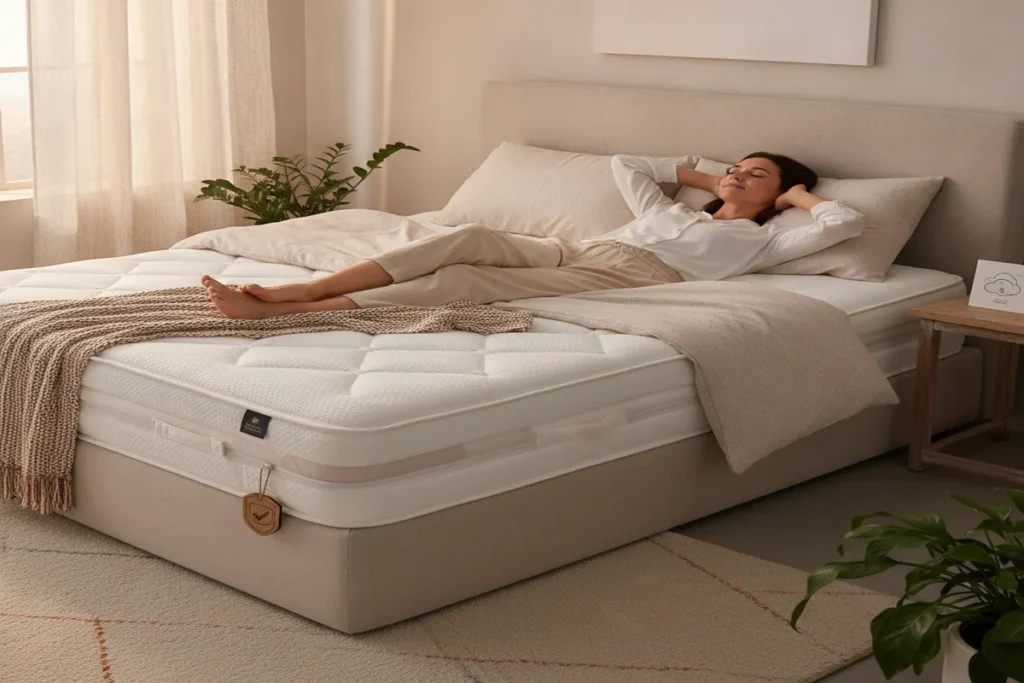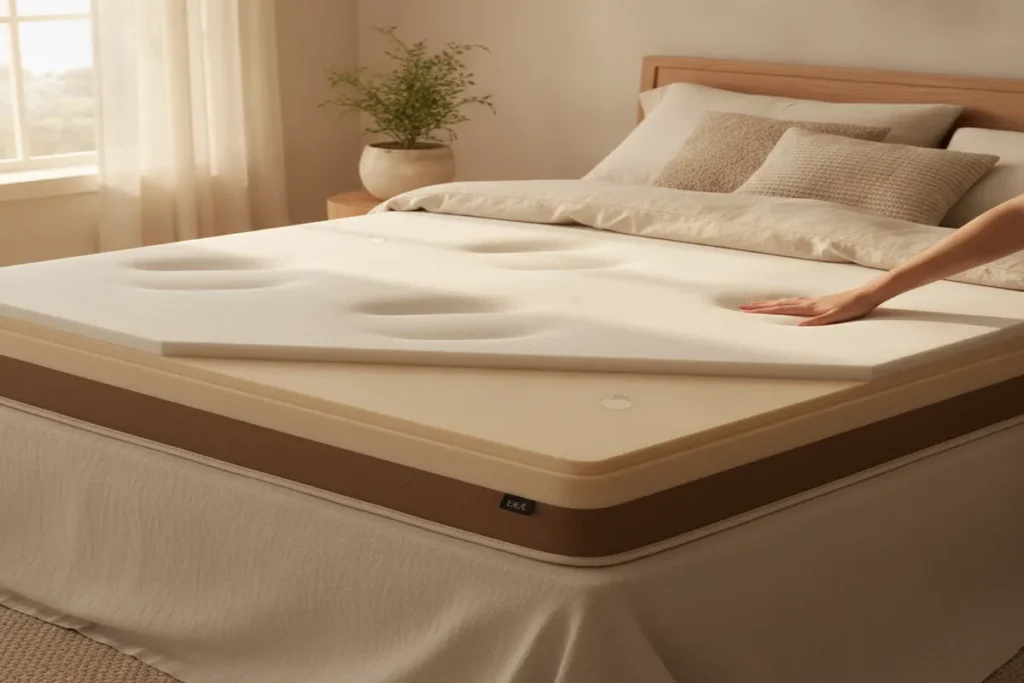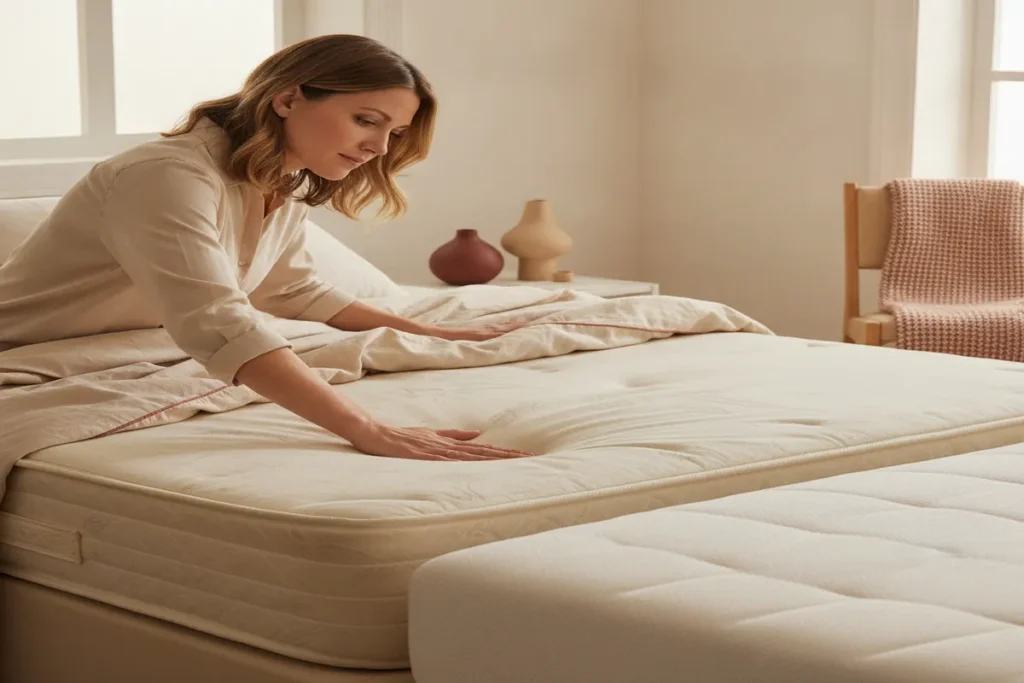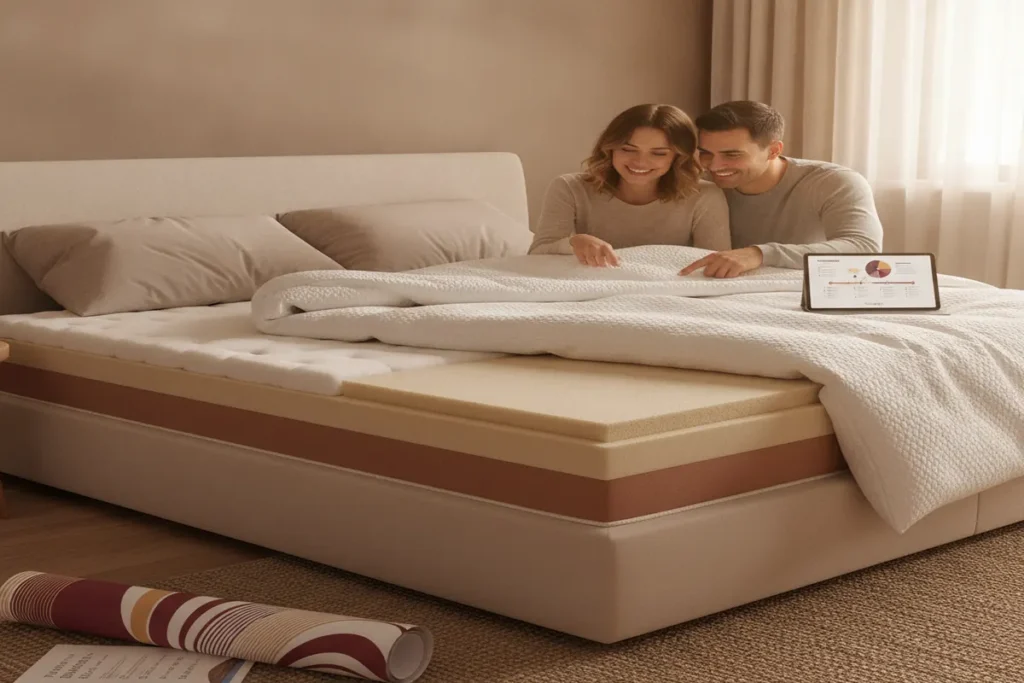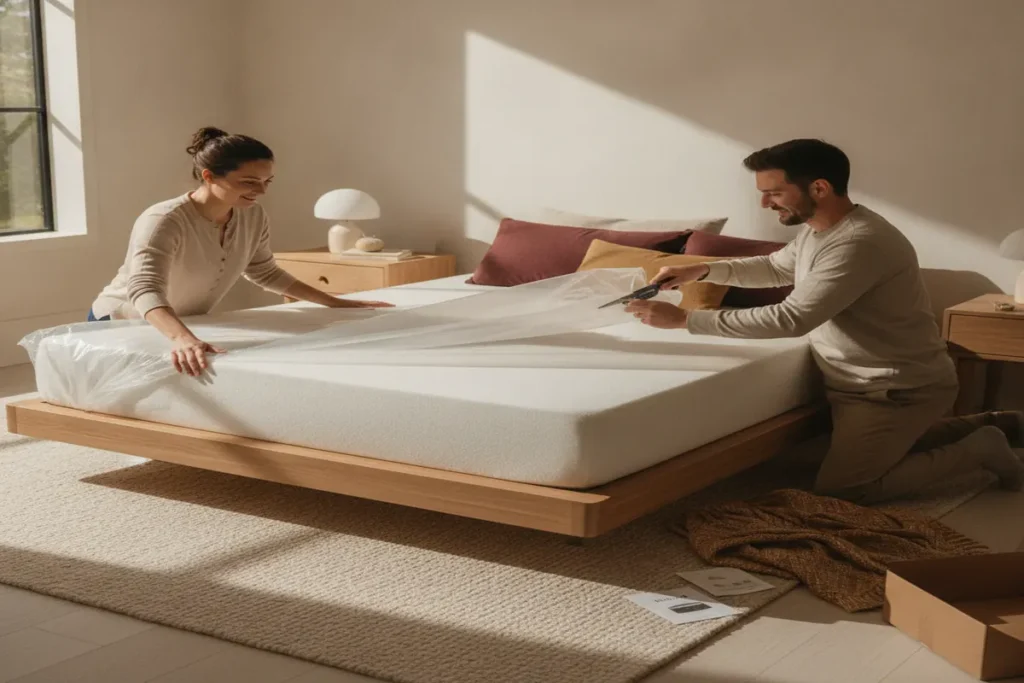

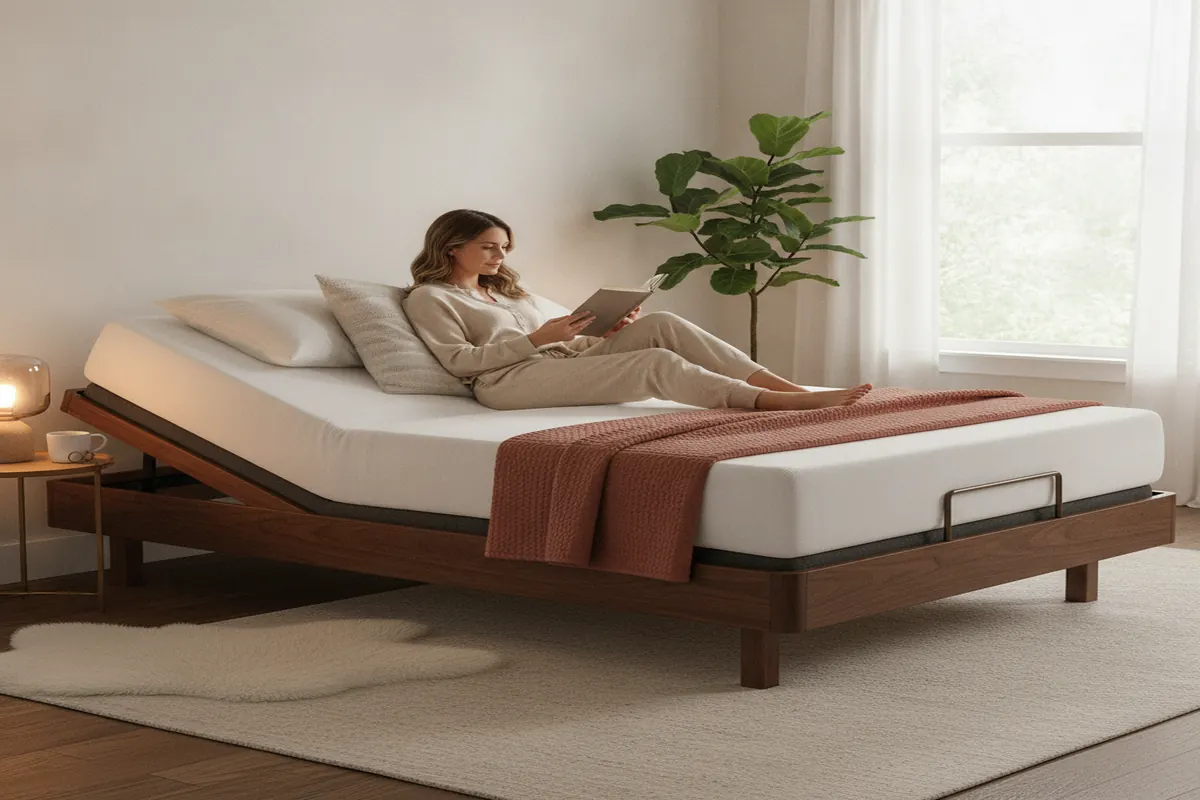
Choosing the best foam mattress for an adjustable bed frame requires prioritizing flexibility, support, and durability to accommodate dynamic positions without compromising comfort or mattress integrity. The ideal choice typically involves memory foam or latex foam mattresses, which naturally conform to the bed’s movements while providing consistent pressure relief and spinal alignment. Look for medium-firm options with high-density foam layers and a robust construction designed specifically for articulation, ensuring both longevity and an optimal sleep experience.
Quick Summary
- Opt for flexible foam mattresses like memory foam or latex for adjustable beds
- Prioritize density, ILD rating, and responsiveness for support and longevity
- Always check for certifications like CertiPUR-US for safety and quality
- Match mattress firmness and features to your personal sleep style and health needs
Why Foam Reigns Supreme for Adjustable Bed Frames: Flexibility Meets Support
When it comes to adjustable bed frames, not all mattresses are created equal. Traditional innerspring mattresses, with their rigid coil systems, often struggle to articulate smoothly with the bed’s movements, leading to premature wear, reduced comfort, and even damage to the mattress structure. This is precisely where foam mattresses excel, offering a unique blend of flexibility and consistent support that makes them the top-rated best foam mattress for adjustable bed frames.
Here’s why foam is the undisputed champion for adjustable bases:
-
Superior Flexibility: Foam mattresses, especially those made from memory foam or latex, are inherently pliable. They can bend and contour seamlessly with the various positions of an adjustable bed without creating gaps, lumps, or stress points. This ensures uniform support across your body, regardless of the bed’s angle.
-
Consistent Support: Unlike spring mattresses where gaps can form between coils when bent, foam maintains continuous contact with your body. This translates to consistent pressure relief and spinal alignment, crucial for therapeutic benefits and overall sleep quality.
-
Enhanced Durability: Mattresses explicitly designed for adjustable bases are engineered to withstand repeated flexing. High-quality foam, particularly denser varieties, retains its shape and supportive properties over years of use, preventing sagging and breakdown often seen in less compatible mattress types.
-
Motion Isolation: Foam’s ability to absorb motion is a significant advantage, especially for couples. When one partner adjusts their side of the bed or moves during sleep, the foam minimizes disturbance to the other, promoting uninterrupted rest.
-
Customization Potential: Foam mattresses come in a wide range of firmness levels and material compositions, allowing for precise customization to individual comfort preferences and health needs. Whether you need extra lumbar support, pressure point relief, or a specific feel, there’s a foam mattress designed to deliver.
This inherent compatibility makes foam the go-to choice for anyone looking to maximize the benefits of an adjustable bed, providing a truly customized and comfortable sleep experience.
What Key Factors Define a Top-Rated Foam Mattress for Adjustable Frames?
Selecting the best foam mattress for adjustable bed frames quality factors involves a nuanced understanding of materials, construction, and certification. To ensure you invest in a mattress that performs optimally and lasts, consider these critical elements:
-
Foam Type and Composition:
- Memory Foam (Visco Foam): Known for its excellent contouring and pressure-relieving properties. High-density memory foam adapts to your body’s shape, providing personalized support and motion isolation. It’s particularly beneficial for those with joint pain or who prefer a “hugging” sensation. Sinyora Yatak‘s Visco Foam Mattress collection is designed with this in mind.
- Latex Foam: Offers a more responsive, buoyant feel than memory foam, while still providing exceptional flexibility and pressure relief. Natural latex is durable, hypoallergenic, and breathable, making it an excellent choice for those seeking an eco-friendly option with a slightly bouncier feel. Explore Sinyora Yatak’s Latex Foam Mattress for natural comfort.
- High-Density Polyfoam: Often used as a base layer in foam mattresses, polyfoam provides essential structural support and durability. Its density is key to preventing sagging and maintaining the mattress’s integrity over time.
- Gel-Infused Foam: Many foam mattresses incorporate gel infusions to help dissipate heat, addressing a common concern with traditional memory foam. This enhances breathability and helps regulate sleep temperature.
-
Mattress Thickness and Density:
- Thickness: For adjustable beds, a mattress between 10-14 inches is generally ideal. Thinner mattresses (under 8 inches) might lack sufficient support and cushioning, while excessively thick ones (over 14 inches) can be too rigid to flex properly with the bed’s mechanisms.
- Density: This is crucial for durability and support. Higher density foam (e.g., 4-5+ lbs/cu.ft for memory foam) indicates a more durable and supportive mattress that will resist impressions and maintain its shape over time. Lower density foams are often less expensive but may break down faster.
-
ILD (Indentation Load Deflection) Rating:
- ILD measures a foam’s firmness. A higher ILD indicates a firmer foam. For adjustable beds, a medium to medium-firm feel (typically ILD 18-24 for comfort layers, higher for support cores) offers the best balance of flexibility and support. It allows the mattress to contour while preventing excessive sinkage.
-
Certifications:
- Always look for certifications like CertiPUR-US® for foam mattresses. This ensures the foam is made without harmful chemicals, heavy metals, formaldehyde, and phthalates, and has low VOC (Volatile Organic Compound) emissions for indoor air quality. This is a critical factor for health-conscious consumers.
-
Edge Support:
- While not as critical as in traditional mattresses, good edge support in a foam mattress can prevent premature breakdown around the perimeter and make it easier to get in and out of bed. Some foam mattresses feature reinforced edges for this purpose.
By meticulously evaluating these quality factors, you can confidently select a foam mattress that not only complements your adjustable bed frame but also delivers superior comfort, support, and longevity.
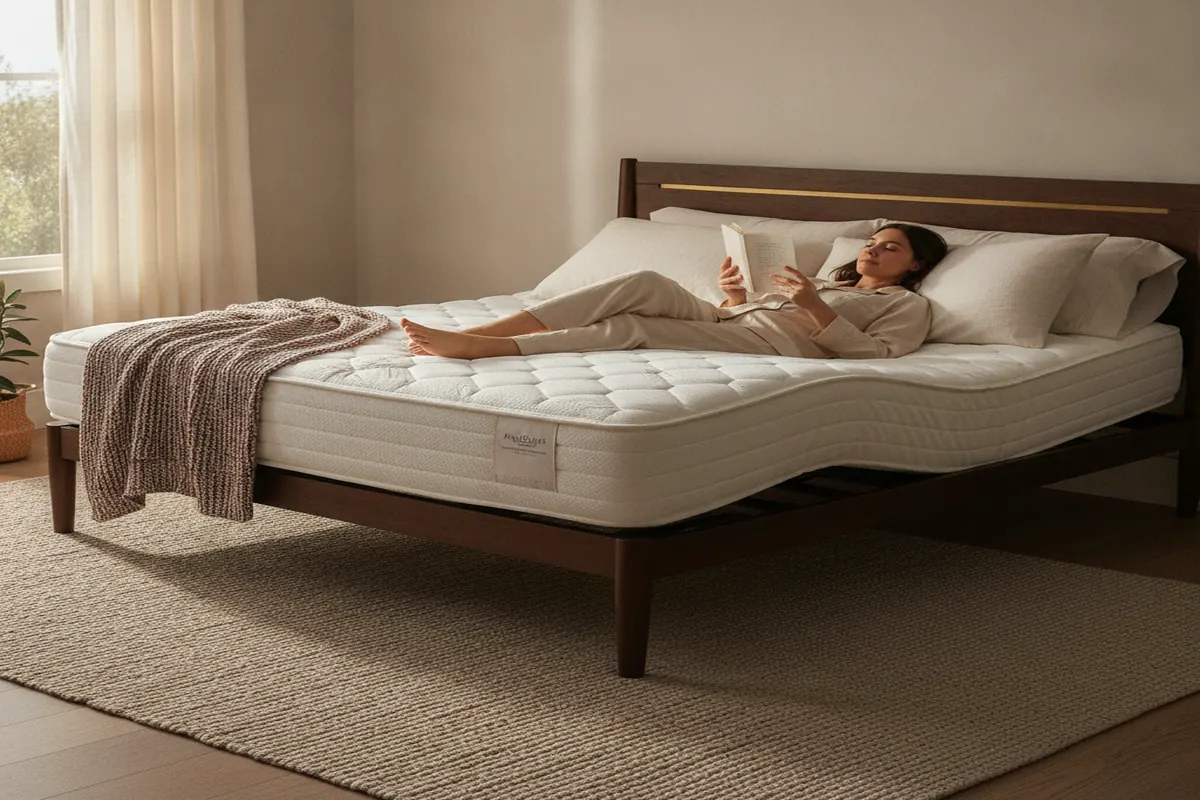
Best Memory Foam Mattress for Adjustable Bed Frame: What to Look For?
Memory foam mattresses are a perennial favorite for adjustable beds due to their unique ability to conform precisely to the body’s curves and the bed’s contours. When seeking the best memory foam mattress for adjustable bed frame, focus on these specific attributes to ensure optimal performance and lasting comfort.
Ideal Characteristics of Memory Foam for Adjustable Bases
-
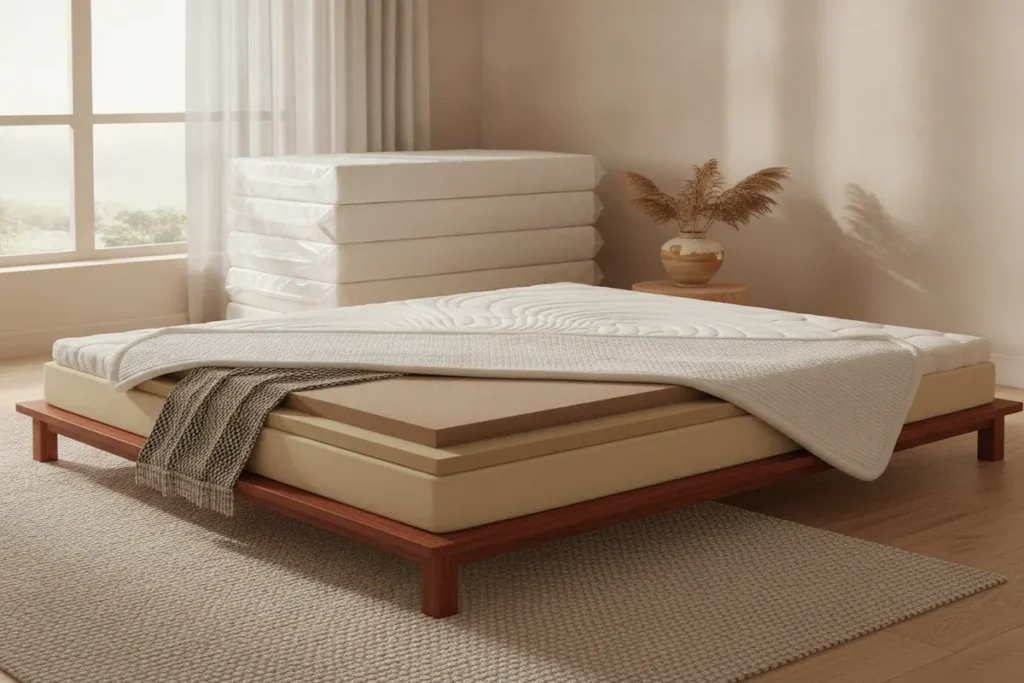
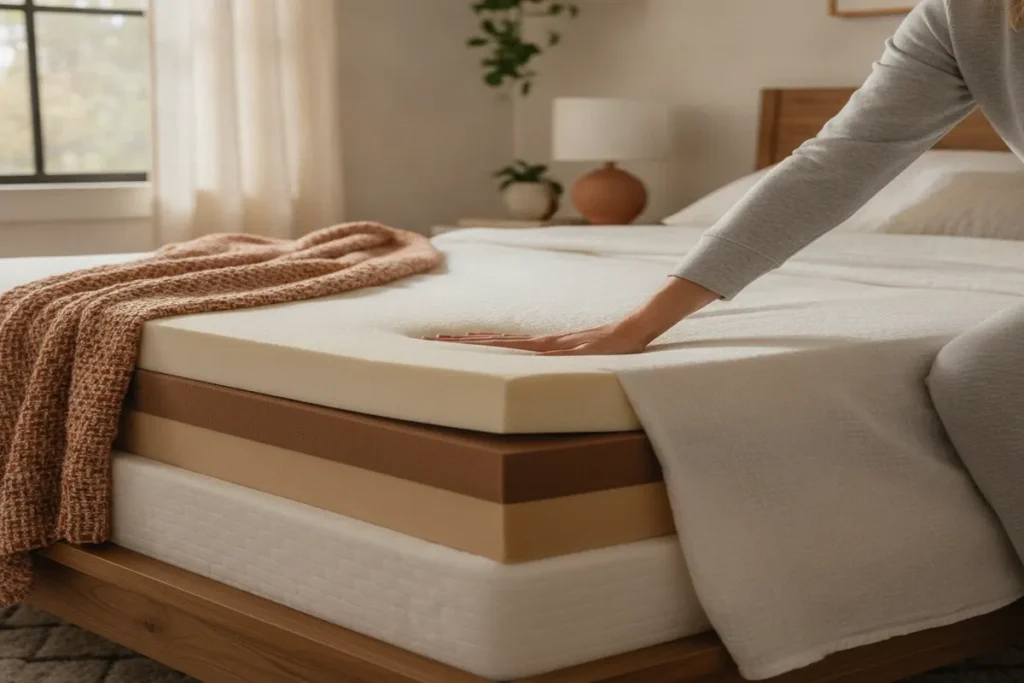
Multi-Layer Construction: The most effective memory foam mattresses for adjustable beds feature multiple layers of foam with varying densities.
- Comfort Layer: A top layer of softer, lower-density memory foam (often 2-4 inches thick) provides immediate pressure relief and body contouring.
- Transition Layer: A slightly firmer, higher-density memory foam or polyfoam layer helps distribute weight evenly and prevents you from sinking too deeply into the base.
- Support Core: A dense, supportive polyfoam base layer (typically 6+ inches) is crucial for the mattress’s overall stability, durability, and ability to withstand the bending motions of an adjustable frame. This core must be robust yet flexible.
-
Responsiveness and Recovery Time: While memory foam is known for its slow response, an ideal mattress for an adjustable bed should still recover relatively quickly once pressure is removed. This prevents a “stuck” feeling and allows for easier repositioning, both by the sleeper and the bed frame.
-
Temperature Regulation: Traditional memory foam can sometimes retain heat. Look for advanced cooling technologies such as:
- Gel Infusions: Absorbs and dissipates heat.
- Open-Cell Structure: Engineered foam with larger, more open cells that allow for better airflow.
- Phase-Change Materials (PCMs): Materials woven into the cover or foam that absorb and release heat to maintain a consistent temperature.
- Copper or Graphite Infusions: These materials are thermally conductive and help draw heat away from the body.
-
Motion Isolation Excellence: Memory foam’s inherent property of absorbing motion is a huge benefit for couples using an adjustable bed. Each partner can adjust their side or move without disturbing the other, ensuring undisturbed sleep.
-
Compatibility with Bed Frame Mechanisms: Confirm that the mattress explicitly states compatibility with adjustable bases. This often means the foam layers are designed to flex without tearing or compromising the mattress’s internal structure. A warranty that covers use on an adjustable base is a strong indicator of this.
Who Benefits Most from a Memory Foam Mattress on an Adjustable Bed?
-
Side Sleepers: The contouring nature of memory foam cradles hips and shoulders, providing excellent pressure relief.
-
Back Sleepers: Supports the natural curve of the spine, preventing back pain.
-
Individuals with Joint Pain or Arthritis: The pressure-relieving properties can significantly reduce discomfort.
-
Couples: Superior motion isolation ensures undisturbed sleep for both partners.
-
Those Seeking a “Hugging” or “Cradling” Feel: Memory foam provides a unique sensation of being enveloped by the mattress.
Sinyora Yatak’s Visco Foam Mattress range offers various firmness levels and cooling technologies, providing excellent choices for those specifically seeking the benefits of memory foam for their adjustable bed.
Comparing Foam Types: Which Offers the Ideal Flexibility and Support?
Understanding the differences between various foam types is crucial for making an informed decision about the best foam mattress for adjustable bed frames comparison. Each type offers a distinct feel and performance profile, impacting flexibility, support, and overall sleep experience.
Here’s a comparison of the most popular foam types suitable for adjustable beds:
Which Foam Type is Right for Your Adjustable Bed?
-
For Deep Pressure Relief & Motion Isolation: Memory Foam is unparalleled. If you love the feeling of being cradled and need targeted relief for pressure points, a high-quality memory foam mattress is an excellent choice. Sinyora Yatak offers a range of Visco Foam Mattresses designed for this exact purpose.
-
For Responsiveness, Natural Materials & Cooler Sleep: Latex Foam stands out. Its natural elasticity makes it incredibly durable and responsive, providing excellent support without the deep sink of memory foam. It’s also naturally breathable, making it a great option for hot sleepers. Consider a Latex Foam Mattress from Sinyora Yatak for a natural, bouncy feel.
-
For Balanced Support & Affordability: While usually a component rather than a standalone mattress for adjustable beds, High-Density Polyfoam is crucial in the support core of most foam mattresses. It provides the necessary structure and durability. If you’re on a tighter budget, a well-constructed polyfoam mattress can work, but may not offer the same level of contouring or longevity as memory or latex.
Ultimately, the best foam type depends on your personal preferences for feel, support needs, and any specific concerns like heat retention or allergies. Many top-rated mattresses combine different foam layers (e.g., memory foam over a polyfoam base, or latex over a high-density polyfoam core) to leverage the benefits of each material.
Common Pitfalls: What Mistakes to Avoid When Choosing Your Adjustable Bed Mattress?
Navigating the market for an adjustable bed mattress can be tricky, and certain missteps can lead to discomfort, premature mattress wear, or an invalidated warranty. Avoiding these common mistakes is crucial for securing the best foam mattress for adjustable bed frames and ensuring a satisfying sleep experience.
Key Mistakes to Sidestep:
-
Ignoring Mattress Compatibility:
- Mistake: Assuming any foam mattress will work with an adjustable base.
- Why it’s a pitfall: Not all foam mattresses are designed to flex repeatedly. Mattresses that are too thick, too firm, or have rigid internal components can be damaged, crack, or lose their supportive properties when bent.
- How to avoid: Always confirm that the mattress is explicitly labeled “adjustable base friendly” or “compatible with adjustable bed frames.” Check the manufacturer’s specifications and warranty details.
-
Overlooking Firmness and Thickness:
- Mistake: Choosing a mattress that’s too firm or too thick.
- Why it’s a pitfall: An overly firm mattress won’t contour properly, creating gaps between your body and the mattress in elevated positions, leading to poor support and pressure points. A mattress that’s too thick (e.g., over 14 inches) might struggle to bend, putting undue stress on the bed’s motor and potentially damaging the mattress.
- How to avoid: Aim for a medium to medium-firm feel (depending on your preference) and a thickness between 10-14 inches for optimal flexibility and support.
-
Forgetting About Density and Quality:
- Mistake: Prioritizing price over foam density and quality.
- Why it’s a pitfall: Low-density foam (especially memory foam under 3.5 lbs/cu.ft) will break down quickly, sag, and lose its supportive properties, especially with the added stress of an adjustable base. This leads to poor spinal alignment and a short mattress lifespan.
- How to avoid: Invest in high-density foams. For memory foam, look for 4 lbs/cu.ft or higher in comfort layers, and even denser polyfoam in the support core. Check for CertiPUR-US® or other relevant certifications to ensure material quality and safety.
-
Neglecting Temperature Regulation:
- Mistake: Choosing memory foam without considering its heat retention properties.
- Why it’s a pitfall: Traditional, closed-cell memory foam can trap body heat, leading to an uncomfortably warm sleep, especially in elevated positions where more body surface is in contact with the mattress.
- How to avoid: Opt for memory foam infused with cooling gels, copper, or graphite, or look for open-cell memory foam or latex, which are naturally more breathable. Consider a mattress with a breathable cover.
-
Not Checking the Warranty:
- Mistake: Failing to read the fine print of the mattress warranty.
- Why it’s a pitfall: Some mattress warranties become void if the mattress is used on an adjustable base not approved by the manufacturer. This leaves you unprotected if issues arise.
- How to avoid: Explicitly confirm that the mattress warranty covers use with an adjustable bed frame. This is a critical step to protect your investment.
-
Underestimating the Importance of a Proper Bed Frame:
- Mistake: Assuming any adjustable bed frame will do, or not checking its quality.
- Why it’s a pitfall: A flimsy or poorly designed adjustable bed frame can affect the mattress’s performance, cause uneven wear, or even break down, negating the benefits of a good mattress.
- How to avoid: Ensure you choose a robust, well-constructed adjustable bed frame that can handle the weight of your mattress and body, and has smooth, reliable articulation. (More on this in the next section.)
By being mindful of these common pitfalls, you can make a more informed decision and select a foam mattress that truly enhances your adjustable bed experience.
How to Match Your Sleep Style with the Right Foam Mattress Firmness and Features?
Your unique sleep style, body type, and any specific health concerns are paramount in determining the ideal foam mattress for your adjustable bed. A mattress that feels perfect for a side sleeper might be uncomfortable for a stomach sleeper, even on an adjustable base. This section provides a practical checklist to help you align your personal needs with the best foam mattress for adjustable bed frames.
Decision Framework: Matching Mattress to Sleeper
-
Identify Your Primary Sleep Position:
- Side Sleepers: Need significant pressure relief at the shoulders and hips to keep the spine aligned.
- Recommended: Softer to medium-firm memory foam or plush latex. The contouring ability is key here. Look for mattresses with a thick comfort layer. Consider a Turkish Mattress for Side Sleepers from Sinyora Yatak.
- Back Sleepers: Require a balance of support and contouring to maintain the natural curve of the spine.
- Recommended: Medium-firm memory foam or medium-firm latex. The mattress should fill the lumbar curve without allowing the hips to sink too deeply.
- Stomach Sleepers: Need a firmer surface to prevent the hips from sinking, which can strain the lower back.
- Recommended: Medium-firm to firm latex or high-density polyfoam. While adjustable beds are less common for stomach sleepers, if you do sleep this way, focus on robust support.
- Combination Sleepers: Need a mattress that is responsive enough to allow easy movement between positions.
- Recommended: Medium-firm latex or a responsive memory foam. The quick recovery of latex is often preferred for combination sleepers.
- Side Sleepers: Need significant pressure relief at the shoulders and hips to keep the spine aligned.
-
Consider Your Body Weight:
- Lighter Individuals (under 130 lbs): Often prefer softer mattresses to get adequate contouring and pressure relief. A mattress that’s too firm won’t compress enough under their weight.
- Average Individuals (130-230 lbs): Typically find medium-firm mattresses most comfortable, offering a good balance of support and cushioning.
- Heavier Individuals (over 230 lbs): Need firmer, higher-density foams to prevent excessive sinkage and ensure long-term support and durability. Look for thicker mattresses with robust support cores to prevent bottoming out.
-
Address Specific Health Concerns:
- Back Pain/Joint Pain: Memory foam excels at pressure relief and spinal alignment. The ability of an adjustable bed to elevate legs or the head can further alleviate pain.
- Acid Reflux/Snoring: An adjustable base with head elevation, combined with a conforming foam mattress, is highly beneficial.
- Circulation Issues: Elevating the legs can improve circulation, and a pressure-relieving foam mattress will prevent constrictive pressure points.
- Allergies: Latex (especially natural latex) and CertiPUR-US® certified foams are often good choices as they are naturally hypoallergenic and resistant to dust mites. Sinyora Yatak’s Latex Foam Mattress is a great consideration.
-
Evaluate Mattress Features:
- Cooling Technology: If you sleep hot, prioritize gel-infused memory foam, open-cell foam, copper/graphite infusions, or naturally breathable latex.
- Edge Support: While less critical for adjustable beds, good edge support can make getting in and out of bed easier and prevent premature sagging at the perimeter.
- Motion Isolation: Essential for couples. Memory foam is typically superior, but some latex blends also offer good motion dampening.
By systematically working through this checklist, you can zero in on a foam mattress for your adjustable bed that not only fits your frame but also perfectly aligns with your personal comfort and health requirements, maximizing your sleep quality.
Beyond the Mattress: What is the Best Bed Frame for an Adjustable Bed?
While selecting the ideal foam mattress is paramount, the performance and longevity of your entire sleep system heavily rely on choosing the best bed frame for an adjustable bed. It’s not just about aesthetics; the frame’s construction, compatibility, and features play a crucial role.
Key Considerations for Your Adjustable Bed Frame:
-
Compatibility with Mattress Type:
- Ensure the adjustable frame is designed to support the specific foam mattress you’ve chosen. Most modern adjustable bases are universally compatible with foam mattresses (memory, latex, polyfoam) and hybrid mattresses.
- Avoid using traditional innerspring or rigid coil mattresses, as they are not designed to flex and can be damaged.
-
Weight Capacity and Durability:
- Weight Capacity: Check the maximum weight limit of the adjustable bed frame. This includes the combined weight of the mattress, sleepers, and any bedding. A robust frame should support at least 600-850 lbs for a queen size.
- Construction Materials: Look for heavy-duty steel or robust metal frames. These provide the necessary stability and durability to withstand constant adjustments and the weight of the mattress and occupants.
- Motor Quality: The motor is the heart of an adjustable bed. Opt for frames with quiet, powerful, and reliable motors, preferably with a good warranty. Dual motors (one for head, one for foot) often offer smoother, independent adjustments.
-
Features and Customization:
- Head and Foot Articulation: Most adjustable beds offer independent head and foot elevation. Look for models that provide a wide range of angles to find your perfect comfort zone.
- Zero Gravity Position: A popular feature that elevates both the head and feet to mimic the feeling of weightlessness, often recommended for relieving back pain and improving circulation.
- Lumbar Support: Some advanced frames offer targeted lumbar support adjustments, which can be highly beneficial for back pain sufferers.
- Massage Functions: Integrated massage features can add a luxurious touch and aid relaxation.
- Under-Bed Lighting: Useful for navigating in the dark without disturbing a partner.
- USB Charging Ports: Convenient for charging devices bedside.
- Memory Presets: Allows you to save your favorite positions for quick recall.
- Wall-Hugger Design: This feature keeps the head of the bed close to the wall as it articulates, ensuring your nightstand remains within reach.
-
Foundation and Support:
- Adjustable bed frames typically serve as their own foundation, eliminating the need for a separate box spring or traditional bed base.
- Ensure the frame provides even and consistent support across the entire mattress surface to prevent sagging and ensure proper articulation. Slat systems should be closely spaced.
-
Noise Level:
- A quiet motor is essential for undisturbed sleep. Read reviews to gauge the noise level of the frame’s mechanism during operation.
-
Installation and Setup:
- Consider whether the frame requires professional assembly or if it’s designed for easy DIY setup. Many modern adjustable bases are designed for tool-free assembly.
By carefully evaluating these factors, you can select an adjustable bed frame that not only complements your foam mattress but also elevates your entire sleep system, providing years of reliable comfort and functionality. For those seeking integrated solutions, Sinyora Yatak offers durable Bed Base and Headboard options that can accommodate various adjustable mechanisms, ensuring a cohesive and stylish bedroom setup.
Understanding Durability and Warranty for Long-Term Adjustable Bed Performance
Investing in an adjustable bed and a compatible foam mattress is a significant decision for your sleep health. To ensure this investment provides lasting comfort and value, a deep understanding of durability and warranty coverage is absolutely essential. These factors are critical to gauging the long-term performance and protection of your top-rated best foam mattress for adjustable bed frames.
Key Aspects of Mattress Durability
The lifespan of a foam mattress on an adjustable base is directly tied to the quality of its materials and construction.
-
Foam Density: This is the single most important indicator of a foam mattress’s durability.
- Memory Foam: Look for comfort layers with densities of at least 4 lbs/cu.ft and support layers of 5 lbs/cu.ft or higher. Lower densities (e.g., 2.5-3.5 lbs/cu.ft) will likely soften and sag much faster, especially with the repeated flexing of an adjustable base.
- Latex Foam: Natural latex is inherently one of the most durable mattress materials, often lasting 15-20 years. Its resilience allows it to maintain shape and support exceptionally well under dynamic stress.
- Polyfoam (Base Layers): The high-density polyfoam used in the core of most foam mattresses should be at least 1.8-2.0 lbs/cu.ft to provide stable, long-lasting support.
-
Construction Quality:
- Multi-Layer Design: Mattresses with thoughtfully engineered layers of varying densities and firmness will perform better and last longer. The top layers provide comfort, while the base layers provide durable support.
- Adhesives: High-quality, non-toxic adhesives used to bind layers together contribute to the mattress’s structural integrity over time.
- Cover Material: A durable, stretch-knit cover designed to move with the mattress and resist pilling or tearing is important.
-
Heat and Humidity Management: Excessive heat and humidity can degrade foam over time. Mattresses with good breathability (e.g., open-cell foams, gel infusions, natural latex, or breathable covers) will maintain their properties longer.
Navigating Mattress and Adjustable Base Warranties
A comprehensive warranty is your safeguard against manufacturing defects and premature wear. However, it’s crucial to understand the specifics.
-
Mattress Warranty Coverage:
- Compatibility Clause: The absolute first thing to check: Does the mattress warranty explicitly cover use with an adjustable bed frame? Many warranties are voided if the mattress is used on an incompatible base. Sinyora Yatak mattresses are designed with this compatibility in mind, but always confirm.
- Defects Covered: Typically covers manufacturing defects like premature sagging (often a specified depth, e.g., 1 inch or more), unraveling seams, or foam breakdown. Normal softening over time is usually not covered.
- Prorated vs. Non-Prorated:
- Non-Prorated: The manufacturer fully replaces or repairs the mattress at no cost (excluding shipping) during this period. This is the most favorable type of coverage.
- Prorated: After an initial non-prorated period, you pay a percentage of the original purchase price for repair or replacement, which increases with time.
- Length: A good foam mattress warranty typically ranges from 10 to 20 years. A longer non-prorated period is always better.
- Transportation Costs: Be aware that you might be responsible for shipping costs for warranty claims.
-
Adjustable Bed Frame Warranty Coverage:
- Frame Structure: Covers defects in the metal frame and structural components.
- Motors and Electronics: This is critical, as motors are complex mechanical parts. Look for a warranty that specifically covers these components for a reasonable duration (e.g., 3-5 years for parts, sometimes longer for the frame).
- Remote Control: Often covered for a shorter period.
- Prorated Sections: It’s common for adjustable base warranties to have different coverage periods for different components (e.g., 1 year for electronics, 3 years for parts, 20 years for the frame). Understand these tiers.
Practical Checklist for Warranty & Durability:
-
Read Both Warranties: Carefully review the warranty for both the mattress and the adjustable base before purchase.
-
Confirm Compatibility: Ensure the mattress warranty explicitly permits use on an adjustable base.
-
Understand Claim Process: Know what documentation (proof of purchase, photos) is required for a claim.
-
Protect Your Investment: Use a high-quality mattress protector to prevent stains and spills, which can void warranties.
-
Regular Maintenance: Follow manufacturer guidelines for mattress rotation (if applicable) and adjustable base care.
By prioritizing high-density, quality foam and understanding the nuances of both mattress and adjustable base warranties, you’ll ensure your Sinyora Yatak sleep system provides exceptional comfort and support for many years to come, truly making it the best foam mattress for adjustable bed frames in the long run.
Expert Insight
“The synergy between a well-designed foam mattress and a responsive adjustable bed frame is transformational for sleep health. Industry experts confirm that the key lies in selecting foams with proven elasticity and density that can withstand repeated articulation without compromising their structural integrity or supportive qualities. This dynamic interaction not only enhances comfort and pressure relief but also extends the lifespan of both components, offering a truly customized and therapeutic sleep environment.”
Key Terms
-
ILD (Indentation Load Deflection): A measurement indicating the firmness of foam. It represents the force (in pounds) required to indent a 4-inch thick foam sample by 25% of its original thickness. Higher ILD means firmer foam.
-
CertiPUR-US®: A certification program for foam used in mattresses and upholstered furniture. It ensures the foam is made without ozone depleters, PBDEs, mercury, lead, heavy metals, formaldehyde, and phthalates, and has low VOC (Volatile Organic Compound) emissions for indoor air quality.
-
Motion Isolation: The ability of a mattress to absorb movement at one point without transferring it across the surface, crucial for undisturbed sleep, especially for couples.
-
Pressure Relief: The mattress’s capacity to evenly distribute body weight, reducing concentrated pressure on sensitive areas like hips, shoulders, and lower back, which can alleviate pain and improve circulation.
-
Adjustable Base Compatibility: A mattress feature indicating it is specifically designed and tested to bend and articulate smoothly with an adjustable bed frame without damage or loss of structural integrity.
A short comparison to help you make a better decision.
How Can You Upgrade to More Comfortable Sleep with Sinyora Yatak?
At Sinyora Yatak, we understand that finding the perfect sleep system for your adjustable bed frame is about more than just a mattress – it’s about investing in your daily well-being. Our expertly crafted Foam Mattress collection, including our renowned Visco Foam Mattress and Latex Foam Mattress options, is meticulously designed to offer the superior flexibility, contouring support, and lasting durability required for dynamic adjustable bases. As a leading Mattress Wholesale in Turkiye with the capability to Ship Turkish Mattresses Internationally, we bring centuries of Turkish textile expertise into every product.
Whether you seek the deep pressure relief of memory foam or the responsive buoyancy of natural latex, Sinyora Yatak provides solutions engineered for exceptional comfort and performance. Explore our Mattress Collection to find options optimized for adjustable frames, ensuring proper spinal alignment, reduced pressure points, and enhanced sleep quality in any position. Our commitment to quality, backed by rigorous testing and certifications, means you can trust Sinyora Yatak to deliver a sleep experience that truly transforms your nights. Contact Us for Support today or visit our Shop All Products page to discover how Sinyora Yatak can help you achieve the ultimate in customized, comfortable sleep.
Frequently Asked Questions
Q: Can any foam mattress be used with an adjustable bed frame?
Q: How thick should a foam mattress be for an adjustable bed?
Q: Is memory foam or latex better for an adjustable bed?
Q: What firmness level is best for a foam mattress on an adjustable bed?
Q: Do adjustable beds damage mattresses?
Q: How long do foam mattresses last on an adjustable bed?
Help: FAQs · Sleep Science · Sleep Resources · Privacy Policy