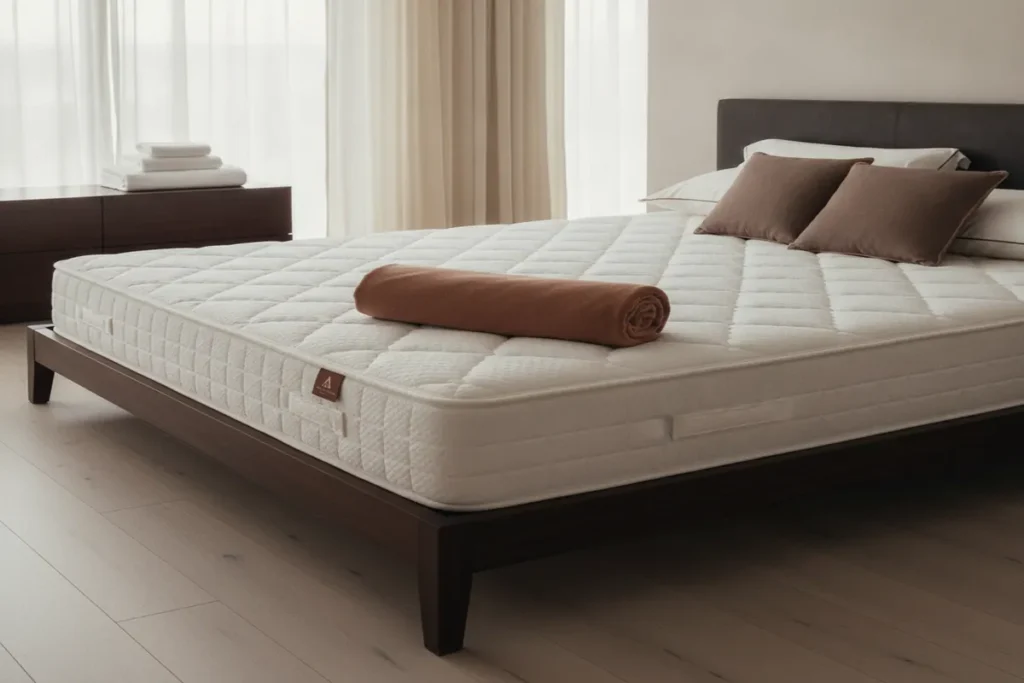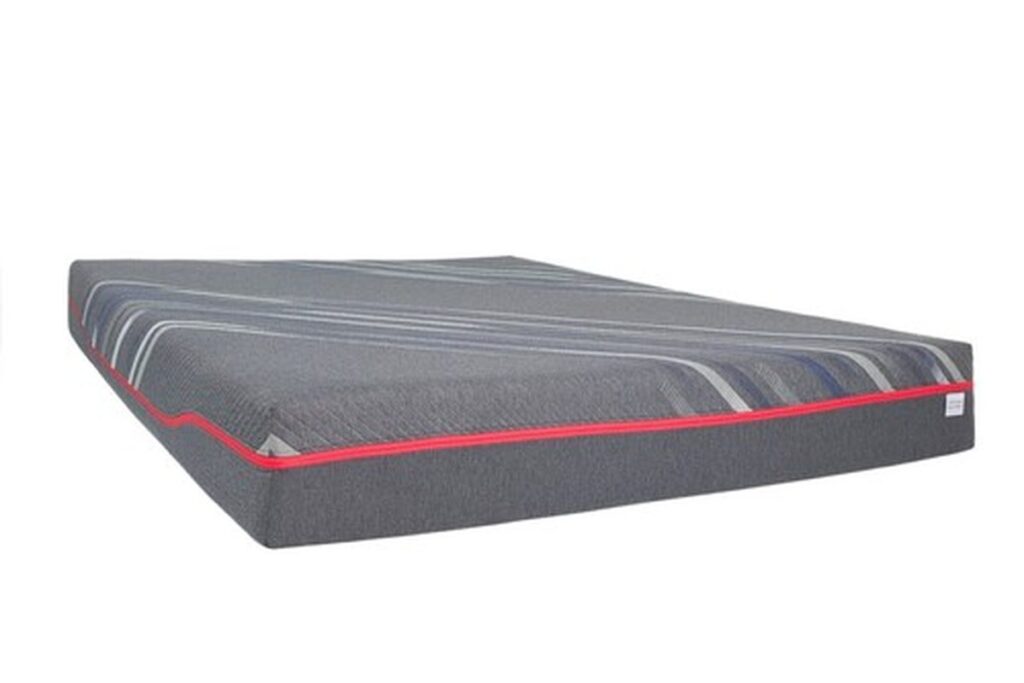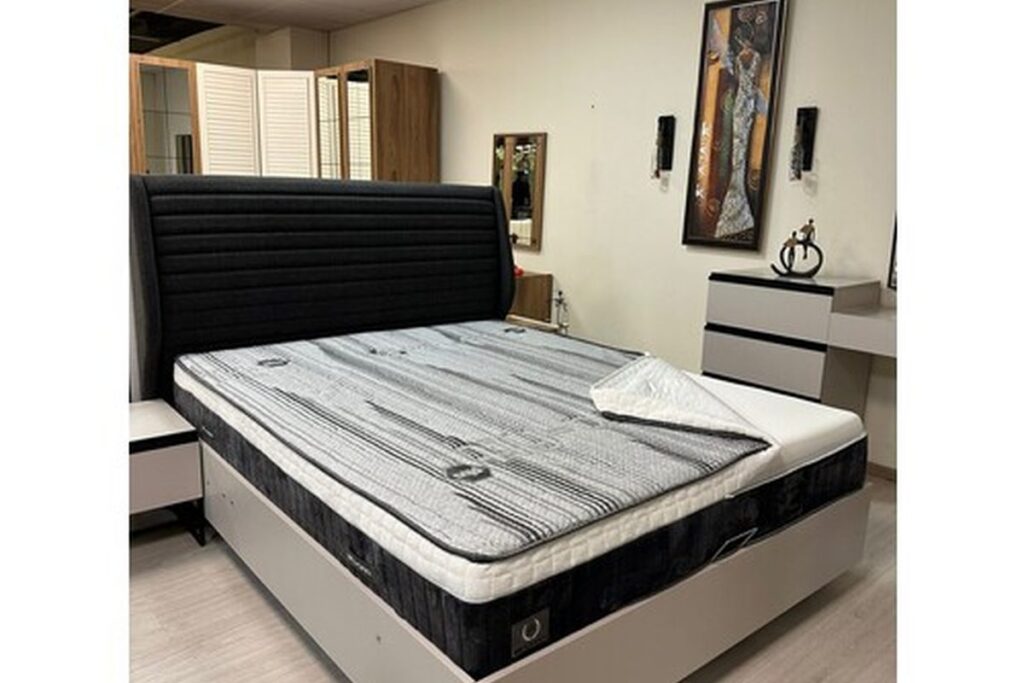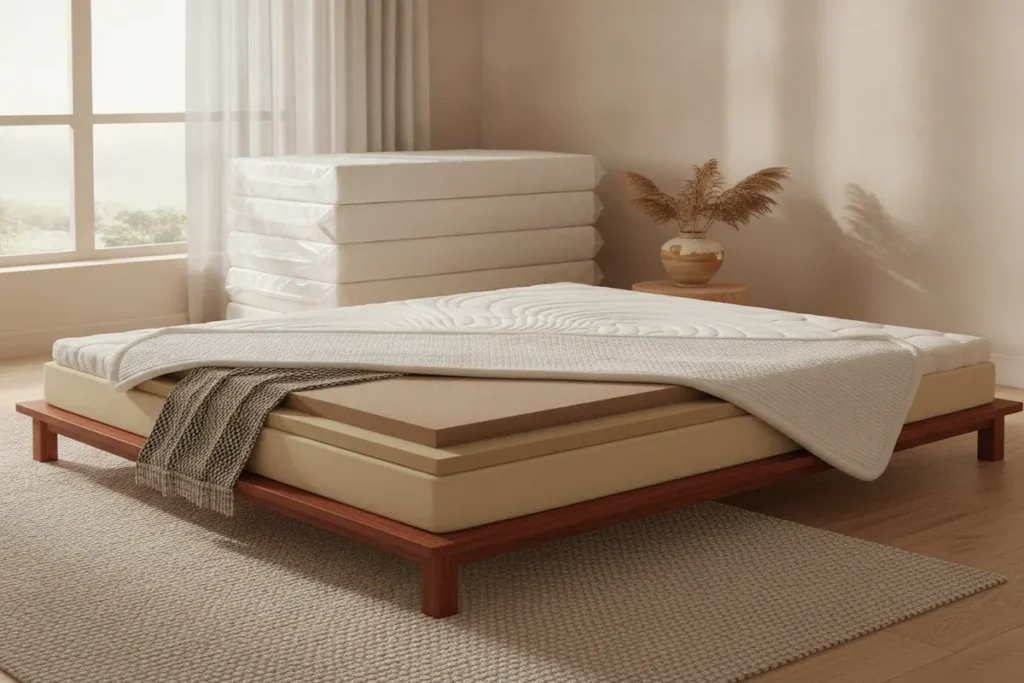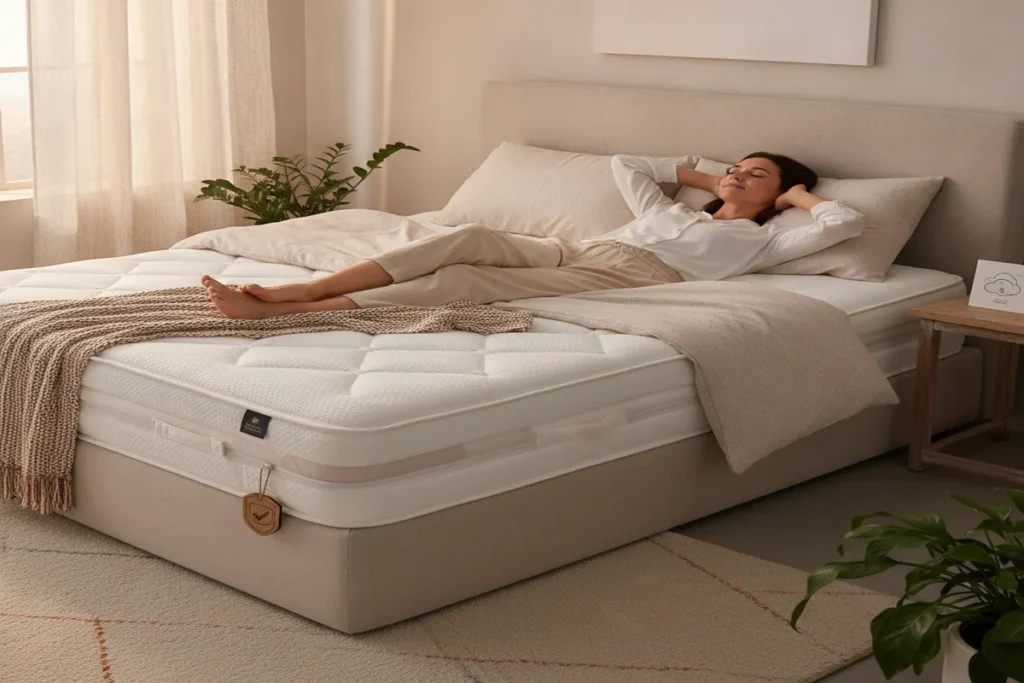

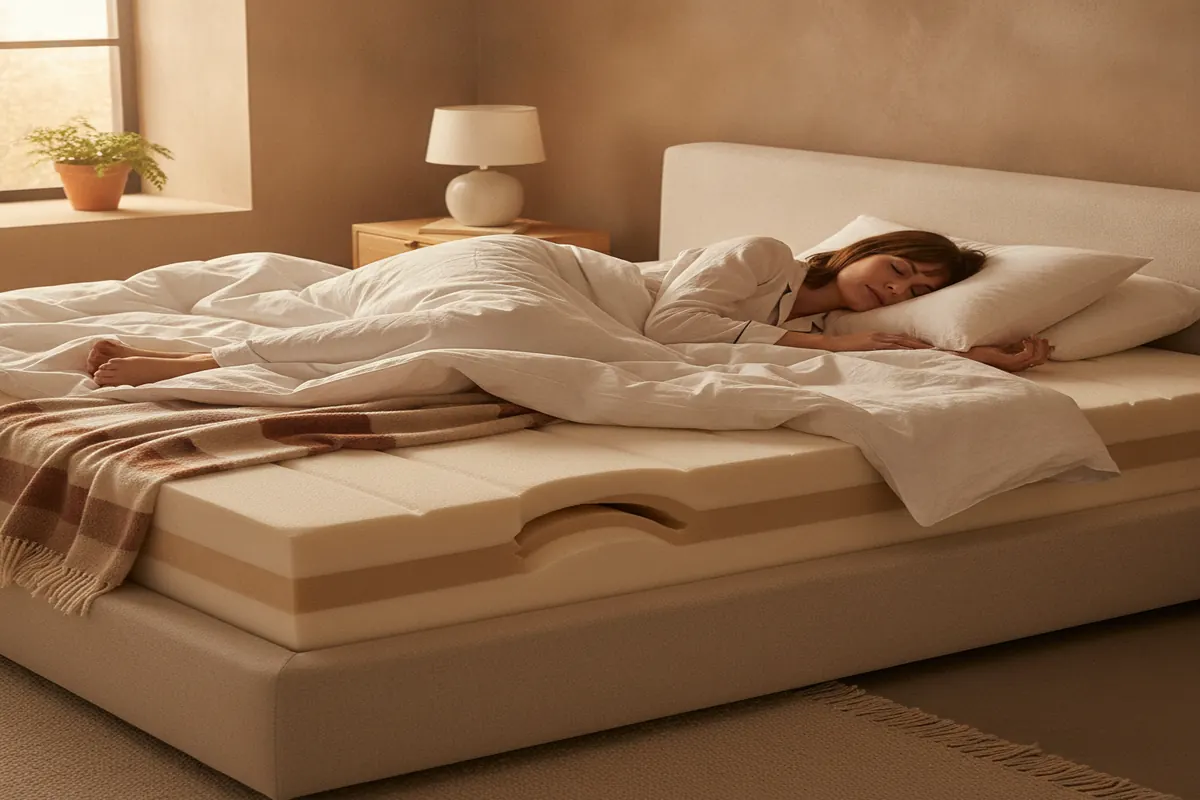
A foam mattress can be a highly worthwhile investment for those seeking superior pressure relief, excellent motion isolation, and conforming comfort tailored to their body. Its value hinges on selecting the right type and density to match individual sleep preferences, body weight, and any specific health concerns. While initial costs can vary, the long-term benefits in sleep quality, durability, and reduced discomfort often justify the expenditure, making it a smart choice for many sleepers in 2026.
Quick Summary
- Foam mattresses offer superior pressure relief, motion isolation, and contouring comfort
- their worth depends on individual sleep needs, budget, and material preference
- key factors include density, firmness, heat regulation, and durability for long-term satisfaction
- while generally a sound investment, specific types like memory foam or latex suit different sleep styles
What Makes Foam Mattresses a Worthwhile Investment for Your Sleep?
Foam mattresses have revolutionized the sleep industry, moving far beyond basic sponge designs to offer sophisticated solutions for diverse sleep needs. Their core appeal lies in their ability to adapt to the body’s contours, providing a personalized sleep surface that traditional spring mattresses often cannot replicate. This adaptability translates into several key benefits that make them a compelling choice for many sleepers.
-
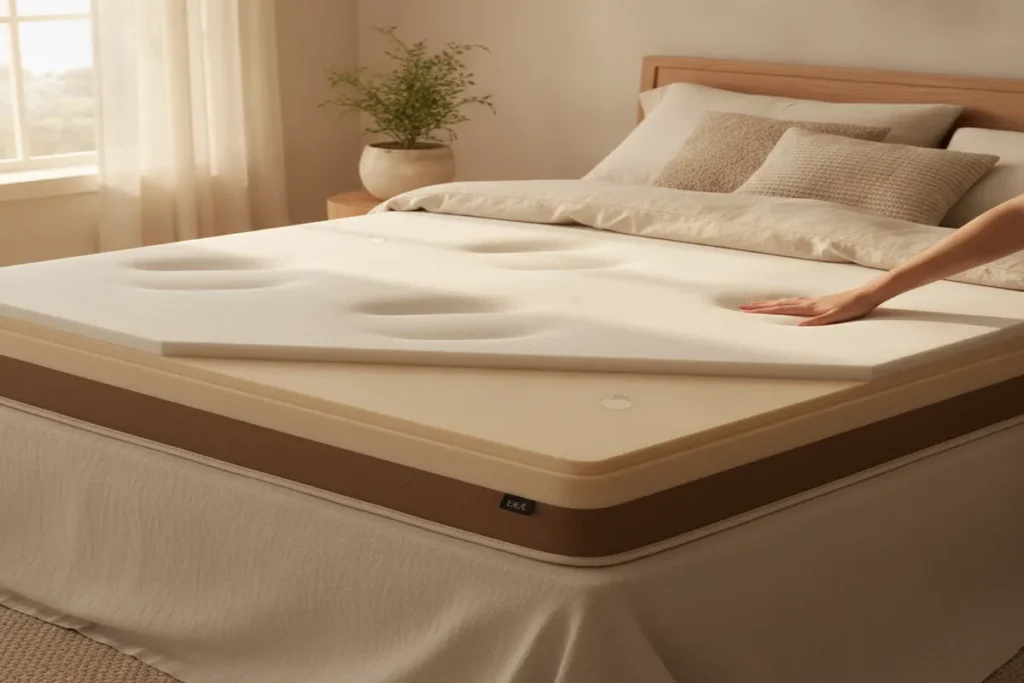
Exceptional Pressure Relief: Foam, particularly Visco Foam Mattress (memory foam), excels at distributing body weight evenly. This significantly reduces pressure points on areas like hips, shoulders, and knees, which can alleviate aches and pains and improve circulation.
-
Superior Motion Isolation: If you share your bed, a foam mattress can be a game-changer. The material absorbs movement, meaning you’re less likely to be disturbed by a partner shifting or getting in and out of bed. This is a primary reason why many couples find foam mattresses to be a worthwhile investment.
-
Contouring Support: Foam mattresses cradle the body, filling in the natural curves of the spine. This can promote proper spinal alignment, which is crucial for preventing back pain and ensuring restorative sleep.
-
Hypoallergenic Properties: Many foam types are naturally resistant to dust mites and allergens, making them a healthier choice for individuals with allergies or asthma.
-
Durability and Longevity: High-quality foam mattresses, especially Latex Foam Mattress types, are known for their impressive durability. They resist sagging and indentations better than many traditional spring mattresses, offering a consistent comfort level for years. Our Turkish Mattress Lifespan guide details how proper care can extend this even further.
Investing in a foam mattress is often an investment in your overall health and well-being. The enhanced comfort and support can lead to deeper, more restful sleep, which positively impacts mood, cognitive function, and physical recovery.
Foam Mattress Types: Understanding Your Core Options
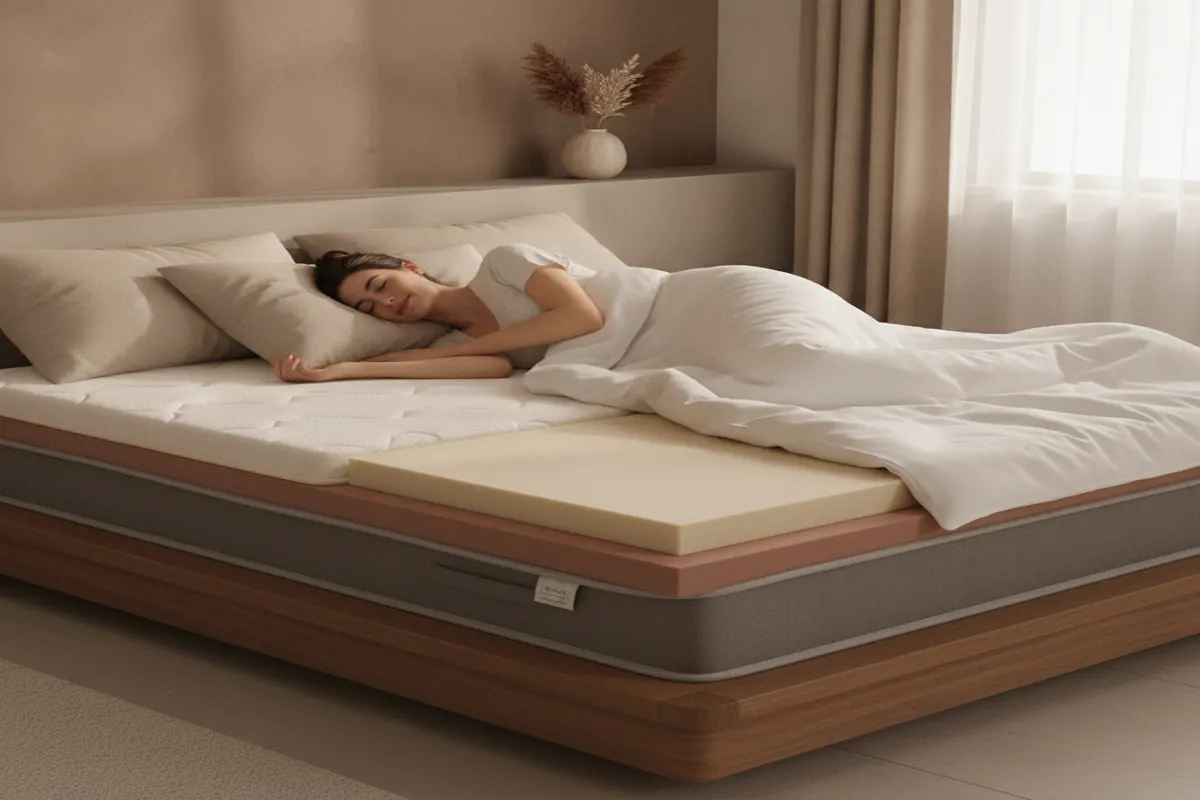
The term “foam mattress” encompasses a variety of materials, each with distinct characteristics that cater to different preferences and budgets. Understanding these differences is crucial for determining if a foam mattress is worth it for your specific needs. Here’s a breakdown of the most common types you’ll encounter in 2026:
Memory Foam (Visco Foam)
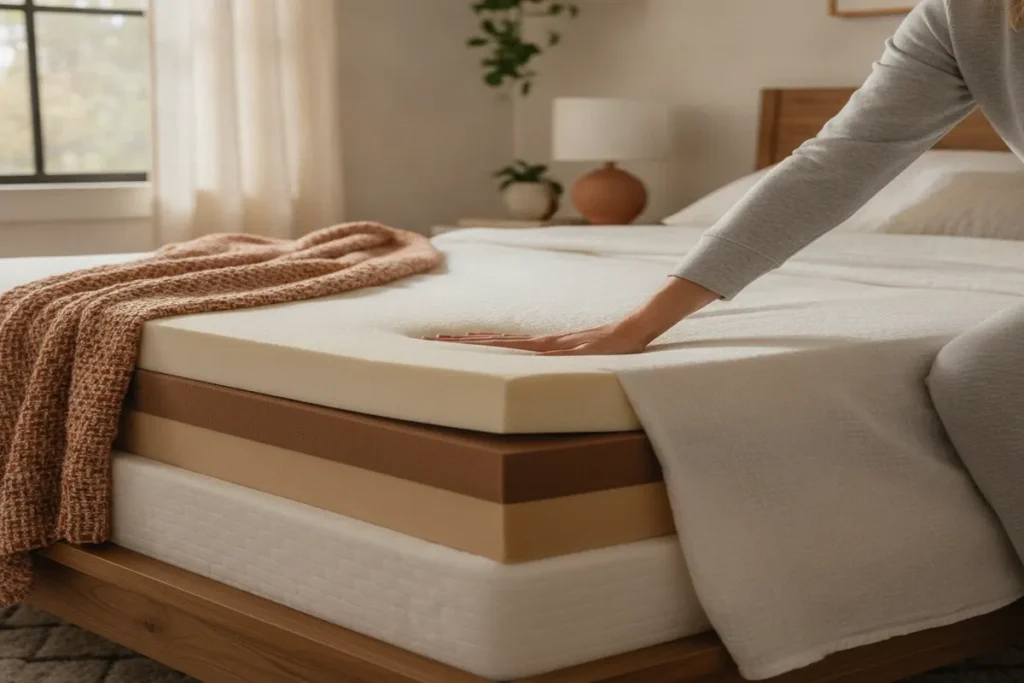
Memory foam, or Visco Foam Mattress, is renowned for its signature body-conconforming properties. It softens with body heat, molding precisely to your shape and providing a “hugged” sensation. This makes it exceptional for pressure relief and motion isolation. Newer generations incorporate cooling gels, open-cell structures, or copper infusions to mitigate the traditional issue of heat retention.
Latex Foam
Latex Foam Mattress offers a different kind of comfort. It’s known for its buoyancy, responsiveness, and natural breathability. Latex provides a more “on top of the bed” feel compared to memory foam’s “in the bed” sensation. Natural latex is also highly durable, eco-friendly, and inherently hypoallergenic. It’s an excellent choice for those seeking resilient support and a quicker response time.
Polyfoam (Polyurethane Foam)
Polyfoam is the most common and least expensive type of foam. It’s used in many mattresses as a comfort layer or base. While it offers cushioning and support, it generally doesn’t provide the same level of pressure relief, durability, or contouring as memory foam or latex. However, advancements have led to higher-density, more resilient polyfoams that offer better performance. This is often found in our Sponge Topper Mattress for added comfort layers.
Understanding these distinctions helps you weigh the pros and cons against your personal priorities, ensuring that if you decide a foam mattress is worth it, you’re choosing the right kind.
The Smart Buyer’s Checklist: Key Factors When Choosing a Foam Mattress
Deciding if a foam mattress is worth it requires careful consideration of several factors beyond just the material type. A smart buyer evaluates how a mattress performs across key criteria that directly impact sleep quality and longevity. This checklist will guide you through the essential elements to assess before making your purchase.
1. Evaluate Your Sleep Style and Firmness Needs
Your preferred sleep position is perhaps the most critical factor in determining the ideal mattress firmness.
-
Side Sleepers: Need softer to medium-firm mattresses (like our Turkish Mattress for Side Sleepers) that allow shoulders and hips to sink in, maintaining spinal alignment and relieving pressure. Memory foam often excels here.
-
Back Sleepers: Benefit from medium-firm mattresses that provide ample lumbar support, keeping the spine in its natural curve without excessive sinking. Both memory foam and latex can work well.
-
Stomach Sleepers: Require a firmer mattress to prevent the hips from sinking too deeply, which can strain the lower back. Firmer polyfoam or latex options are often better.
-
Combination Sleepers: Need a responsive mattress that allows for easy movement. Latex foam or a responsive memory foam with a quicker recovery time is ideal.
2. Consider Mattress Density and Durability
Density, measured in pounds per cubic foot (PCF), is a key indicator of a foam mattress’s quality and durability.
-
Memory Foam: Look for densities of 3.5 PCF or higher for comfort layers and 1.8 PCF or higher for base layers to ensure good durability and support.
-
Latex Foam: Natural latex is inherently dense and durable. Higher density often means firmer support.
-
Polyfoam: While generally less dense, higher-density polyfoams (1.8+ PCF) will offer better longevity than lower-density options.
Practical Tip: Higher density usually correlates with better durability and support, but also higher cost and potentially more heat retention (for memory foam). Always balance density with firmness and material type.
3. Assess Heat Regulation Properties
One of the most common concerns with foam mattresses, especially traditional memory foam, is heat retention. In 2026, manufacturers have made significant strides to address this.
-
Cooling Technologies: Look for mattresses infused with gel, copper, graphite, or phase-change materials.
-
Open-Cell Structure: Modern foams are often designed with more open cells to improve airflow.
-
Latex Foam: Natural latex is naturally more breathable due to its open-cell structure.
-
Hybrid Options: A Pocket Coils Mattress with foam comfort layers can offer the best of both worlds – the support and airflow of springs with the contouring of foam.
4. Understand Off-Gassing and Certifications
“Off-gassing” refers to the faint, new-product smell that can emanate from new foam mattresses. While generally harmless, it can be bothersome to some.
-
Certifications: Look for certifications like CertiPUR-US (for polyurethane foams) or OEKO-TEX (for textiles and latex). These ensure the foam is free from harmful chemicals, heavy metals, and low VOC (Volatile Organic Compounds) emissions.
-
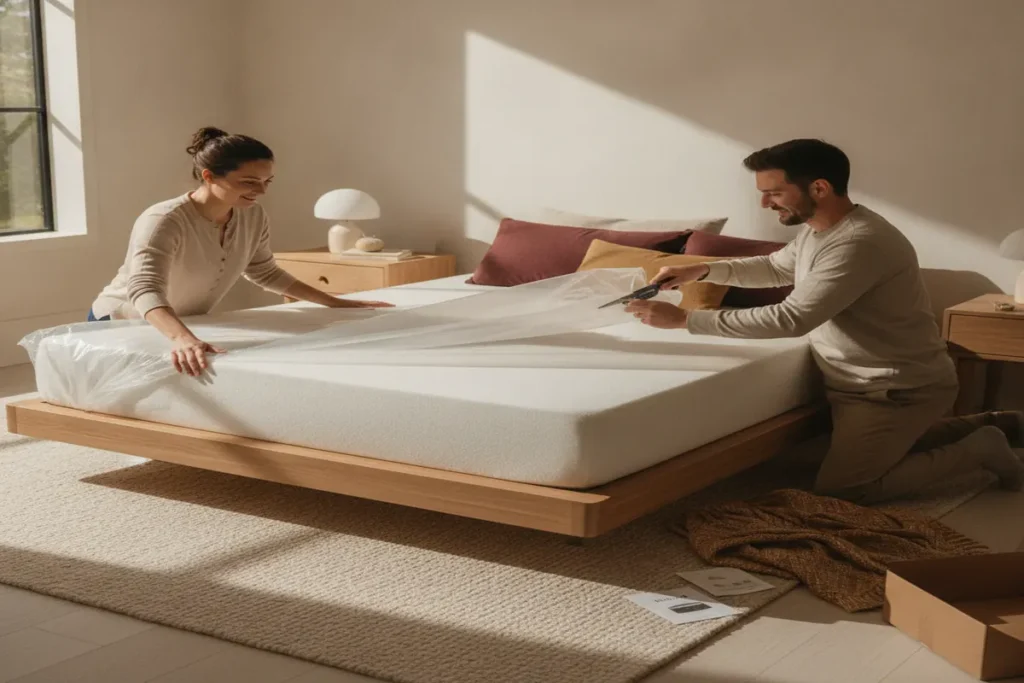
Ventilation: Allow your new mattress to air out in a well-ventilated room for a few days after unboxing.
5. Review Warranty, Trial Period, and Return Policy
A significant investment like a mattress warrants robust consumer protection.
-
Sleep Trial: Most reputable brands offer a sleep trial (e.g., 90-120 nights) allowing you to test the mattress at home. This is crucial for foam mattresses, as their feel takes time to adjust to.
-
Warranty: A good warranty (typically 10-25 years) covers manufacturing defects and significant sagging. Understand what voids the warranty (e.g., improper base, stains). Our Warranty Information page provides details on Sinyora Yatak products.
-
Return Policy: Know the process, any fees involved, and if you’re responsible for return shipping. Our Return Policy offers clear guidelines.
By systematically evaluating these factors, you can confidently determine if a foam mattress is worth it for your unique needs and make an informed decision that leads to years of comfortable sleep.
Addressing Common Concerns: Heat, Durability, and Off-Gassing
While foam mattresses offer compelling benefits, prospective buyers often have valid concerns. As an expert in the field, I can attest that significant advancements have been made to address these, making modern foam mattresses a far cry from their early counterparts. Understanding these issues and their solutions is key to a smart purchase.
Overcoming Heat Retention
Historically, Visco Foam Mattress (memory foam) had a reputation for sleeping hot. This was largely due to its dense, closed-cell structure trapping body heat. However, 2026 models incorporate several innovative technologies:
-
Gel Infusions: Tiny gel beads or swirls within the foam absorb and dissipate heat.
-
Open-Cell Foam: Manufacturing processes now create foams with a more open-cell structure, allowing for greater airflow compared to traditional memory foam.
-
Phase-Change Materials (PCMs): These materials are designed to absorb and release heat as your body temperature fluctuates, actively regulating the sleep surface temperature.
-
Copper and Graphite: Infusions of these materials enhance thermal conductivity, drawing heat away from the body.
-
Hybrid Designs: Combining foam comfort layers with a Pocket Coils Mattress base significantly improves airflow through the spring unit, providing a cooler sleep environment.
What to Avoid: Be wary of generic “cooling foam” claims without specific technology mentioned. Always inquire about the actual cooling mechanisms.
Ensuring Long-Term Durability
The lifespan of a foam mattress is a common concern, especially given the investment. While lower-quality polyfoams might sag prematurely, high-density memory foam and latex foam offer impressive longevity.
-
Density is Key: As discussed, higher density foam (3.5 PCF+ for memory foam comfort layers, 1.8+ PCF for base foams) is directly correlated with durability. It means more material per cubic foot, making it more resistant to compression and sagging.
-
Latex Foam’s Resilience: Natural latex, particularly Dunlop and Talalay processes, is inherently one of the most durable mattress materials available, often lasting 15-20 years or more with proper care.
-
Proper Support: Using the correct bed base is crucial. A slatted base with slats no more than 3 inches apart, or a solid platform base, prevents sagging and supports the mattress evenly. Our Bed Base and Headboard options are designed for optimal mattress support.
-
Rotation: Regularly rotating your mattress (not flipping, unless it’s designed to be flippable) helps distribute wear evenly and extends its life. Refer to our Care and Maintenance guide for specific tips.
Common Mistake: Assuming all foam mattresses are equally durable. Always check the foam’s density specifications and material type.
Managing Off-Gassing Odors
The “new mattress smell” or off-gassing is a temporary phenomenon caused by Volatile Organic Compounds (VOCs) released from the foam. While the smell can be unpleasant, modern manufacturing standards and certifications have made it largely harmless.
-
CertiPUR-US Certification: This is the gold standard for polyurethane foams (memory foam and polyfoam), ensuring they are made without ozone depleters, PBDEs, mercury, lead, heavy metals, formaldehyde, and phthalates, and have low VOC emissions for indoor air quality.
-
Natural Latex: Natural latex mattresses generally have a milder, sometimes sweet, scent that dissipates quickly.
-
Ventilation: The most effective way to manage off-gassing is to unbox the mattress in a well-ventilated room and allow it to air out for several days before using it. Opening windows and running a fan can speed up the process.
By addressing these concerns head-on with informed choices and proper care, you can confidently conclude that a foam mattress is worth it for a comfortable and healthy sleep environment.
Matching Foam Mattresses to Your Sleep Style and Needs
Choosing a foam mattress isn’t a one-size-fits-all decision; its worth is deeply tied to how well it aligns with your unique sleep style, body type, and any specific health considerations. A mattress that’s perfect for a side sleeper with back pain might be entirely unsuitable for a stomach sleeper who runs hot.
Who Benefits Most from a Foam Mattress?
-
Individuals with Joint Pain or Arthritis: The pressure-relieving capabilities of memory foam, especially, can significantly reduce discomfort by cushioning sensitive areas.
-
Couples: The excellent motion isolation in most foam mattresses means less disturbance from a partner’s movements, leading to more uninterrupted sleep.
-
Side Sleepers: Foam mattresses, particularly medium-soft to medium-firm options, allow the shoulders and hips to sink in adequately, maintaining crucial spinal alignment. Our Turkish Mattress for Side Sleepers is often praised for this exact reason.
-
Those Seeking Deep Contouring: If you enjoy the feeling of your mattress molding to your body, memory foam provides that signature “hug.”
-
Allergy Sufferers: Many foam types are naturally hypoallergenic and resistant to dust mites, making them a healthier choice for sensitive individuals.
When Might Another Option Be Better?
-
Very Heavy Individuals (over 250 lbs): While high-density foams exist, heavier individuals might find better long-term support and durability from a Pocket Coils Mattress or a robust hybrid mattress that combines foam with strong springs.
-
Those Who Prefer a Very Bouncy Feel: If you love the traditional springy feel of an innerspring mattress, a pure foam mattress might feel too still. A Latex Foam Mattress offers more bounce than memory foam, but still less than springs. A hybrid could be a good compromise.
-
Budget-Conscious Buyers with Minimal Needs: For a very tight budget, a basic Bonnel Spring Mattress might be more accessible, though it won’t offer the same pressure relief or motion isolation.
-
Extreme Hot Sleepers (without cooling features): If you consistently overheat and choose a basic, dense memory foam without any cooling technologies, you might find it uncomfortable. Always prioritize cooling features if heat is a concern.
Practical Decision Framework:
-
Identify Your Primary Sleep Position: (Side, Back, Stomach, Combo) This dictates the ideal firmness.
-
Consider Your Body Weight: Lighter individuals might prefer softer foams; heavier individuals need higher density and firmer support.
-
Address Pain Points: Do you have back pain, joint issues, or pressure sensitivity? Foam’s contouring can be highly beneficial.
-
Evaluate Partner Disturbance: Is motion isolation a priority for shared sleep?
-
Assess Your Temperature Preference: Do you tend to sleep hot or cold? Factor in cooling technologies.
-
Determine Your Budget: This will narrow down your foam type options (e.g., polyfoam vs. latex).
By applying this framework, you can objectively determine if a foam mattress is worth it for your specific circumstances and which type will deliver the most satisfying sleep experience.
Unpacking the Cost: What to Expect from Foam Mattress Pricing
The question of “is foam mattress worth it prices” is complex, as the cost can vary dramatically based on material, brand, size, and incorporated technologies. While you can find foam mattresses at almost any price point, understanding what drives these costs will help you assess value and set realistic expectations for your investment in 2026.
Factors Influencing Foam Mattress Prices:
-
Type of Foam:
- Polyfoam: Generally the most affordable, often found in entry-level mattresses or as base layers.
- Memory Foam (Visco Foam): Mid-range to high-end, with prices increasing based on density, cooling technologies, and special infusions.
- Latex Foam: Typically the most expensive, especially natural latex, due to the raw material cost, processing, and superior durability.
-
Density and Quality: Higher-density foams use more material and offer better durability and support, leading to higher prices. A low-cost foam mattress might use lower-density foams that degrade faster.
-
Construction and Layers: Mattresses with multiple distinct foam layers, specialized transition layers, or advanced base foams will cost more than simpler, single-layer designs.
-
Cooling Technologies: Mattresses featuring gel infusions, open-cell designs, phase-change materials, or copper/graphite will command a higher price due to the added research, materials, and manufacturing complexity.
-
Brand Reputation and Marketing: Established brands with extensive R&D, customer service, and marketing efforts often have higher price points. However, this can also mean better warranties and trial periods.
-
Size: Larger sizes (Queen, King, California King) naturally cost more than smaller sizes (Twin, Full).
-
Origin and Certifications: Mattresses with certifications like CertiPUR-US or OEKO-TEX, especially those from reputable international manufacturers like Sinyora Yatak (see What Makes Turkish Mattresses Special), might have a slightly higher cost reflecting quality assurance and ethical sourcing.
Price Ranges (Estimated for 2026, Queen Size):
-
Budget-Friendly ($300 – $700): Primarily polyfoam or basic, lower-density memory foam. Suitable for guest rooms, occasional use, or those with very limited budgets. Durability might be a concern for daily use.
-
Mid-Range ($700 – $1,500): Good quality memory foam or blends, often with some cooling features or a responsive polyfoam base. This is where many excellent value options lie, offering a balance of comfort and durability. Many Sinyora Yatak foam options fall into this range, providing premium Turkish Foam Mattress vs Spring alternatives.
-
Premium ($1,500 – $3,000+): High-density memory foam with advanced cooling, natural latex, or sophisticated hybrid designs. These offer exceptional durability, specialized support, and luxurious comfort features.
Is the Higher Price Worth It?
Often, yes. While a higher price doesn’t always guarantee a better mattress, in the foam category, it generally correlates with:
-
Increased Durability: A more expensive, high-density foam mattress will likely last significantly longer, offsetting the initial cost over time.
-
Enhanced Comfort and Support: Premium foams offer superior pressure relief and spinal alignment.
-
Better Temperature Regulation: Advanced cooling technologies are typically found in higher-priced models.
-
Superior Materials and Certifications: Less off-gassing, healthier materials, and better construction.
Think of a mattress as a long-term investment in your health. Spending a bit more upfront on a quality foam mattress that meets your needs can save you money on replacements and improve your quality of life through better sleep. Consider exploring our How Much Does a Turkish Mattress Cost guide for insights into value.
Where to Find Quality Foam Mattresses: Online and International Options
The landscape for purchasing foam mattresses has broadened considerably, offering consumers more choices than ever before. In 2026, you’re not just limited to local showrooms; a vast array of high-quality options are available online, including specialized international providers like Sinyora Yatak. Knowing where to look and what to expect from different purchasing channels is key to a successful acquisition.
Online Retailers and Direct-to-Consumer Brands:
The rise of bed-in-a-box companies has made purchasing foam mattresses incredibly convenient. Many reputable brands operate exclusively online, cutting out retail markups and passing savings on to the consumer.
-
Pros:
- Convenience: Shop from home, often with free shipping.
- Value: Often more competitive pricing due to lower overheads.
- Extensive Selection: A wider variety of foam types, firmness levels, and cooling technologies.
- Generous Sleep Trials: Most offer risk-free in-home trials (e.g., 100-365 nights) to ensure satisfaction.
- Detailed Reviews: Access to numerous foam mattress worth it reviews from verified buyers.
-
Cons:
- Can’t Try Before You Buy: Relies on reviews and specifications.
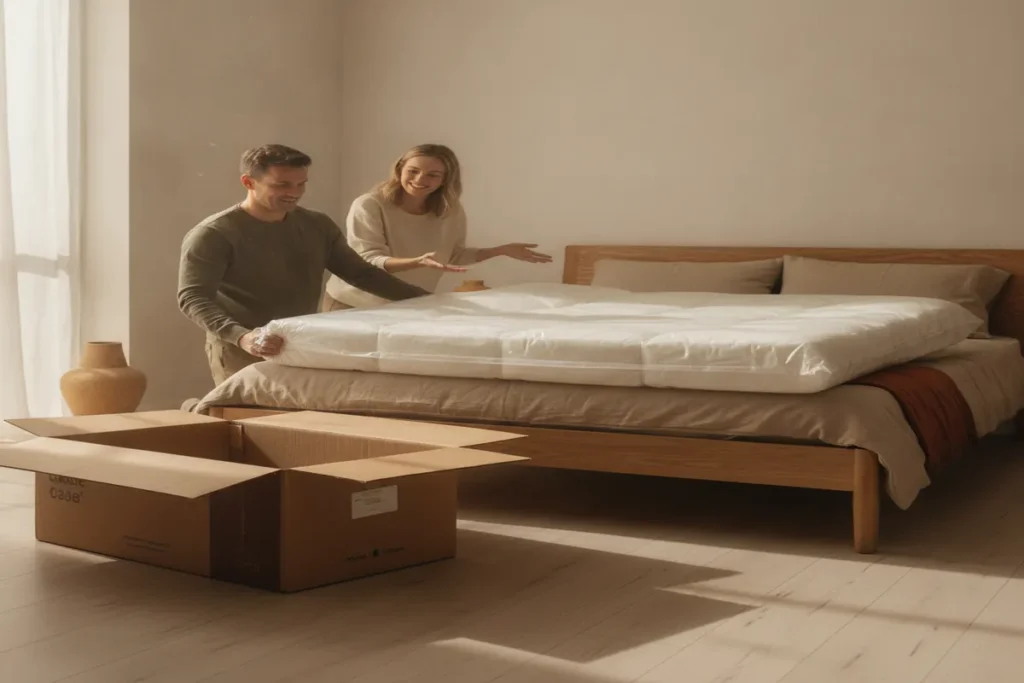
- Unboxing: Mattresses arrive compressed and require unboxing and expansion, which can be heavy.
-
What to Look For:
- Clear specifications on foam density and layers.
- Certifications (CertiPUR-US, OEKO-TEX).
- Comprehensive warranty and return policies.
- Responsive customer service (Contact Us for Support).
Brick-and-Mortar Stores:
Traditional mattress showrooms still offer the advantage of “try before you buy,” allowing you to feel different foam types and firmness levels in person.
-
Pros:
- Physical Testing: Lie on various models to gauge comfort and support.
- Sales Assistance: Knowledgeable staff can guide you (though sometimes commission-driven).
- Immediate Delivery: Sometimes available for in-stock models.
-
Cons:
- Higher Prices: Due to retail overheads.
- Limited Selection: Fewer brands and models than online.
- Pressure to Buy: Sales tactics can be overwhelming.
International Specialists: Sinyora Yatak and Turkish Mattresses
For those seeking unique quality and craftsmanship, international manufacturers like Sinyora Yatak offer distinct advantages, especially with our focus on Turkish Mattresses.
-
Turkish Craftsmanship: Turkish mattresses are known for their high-quality materials, meticulous construction, and often blend traditional techniques with modern foam technologies.
-
Specialized Offerings: We provide a range of foam options including Visco Foam Mattress and Latex Foam Mattress, often with unique comfort layers like those found in our Cashmere Bed or Avant-Garde Bed.
-
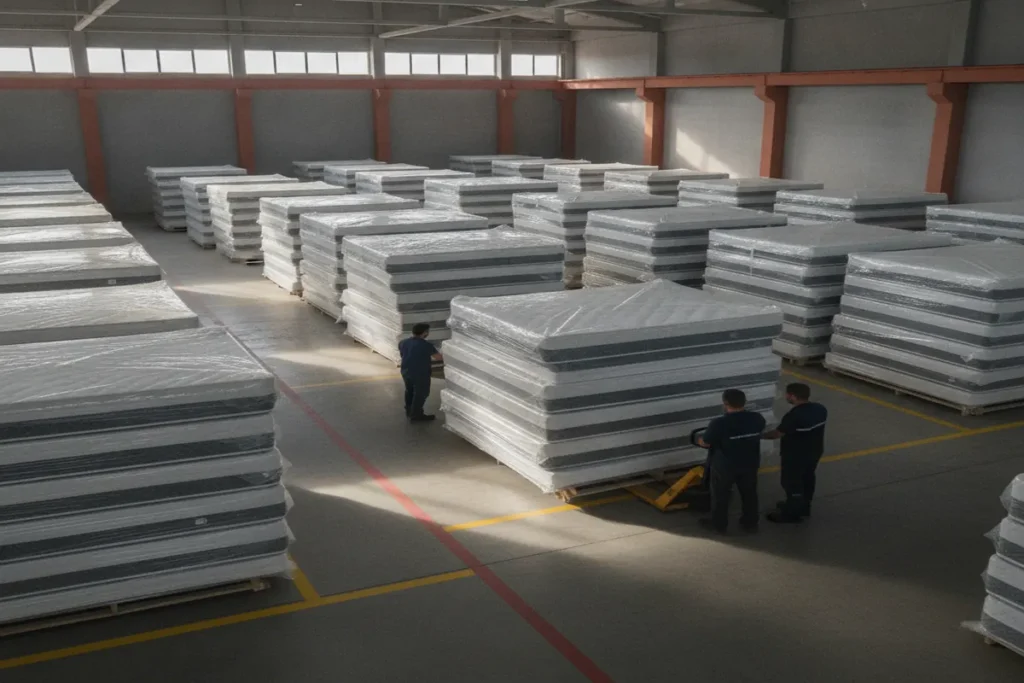
International Shipping: Sinyora Yatak is equipped to Ship Turkish Mattresses Internationally, making our premium products accessible globally. We also offer Mattress Wholesale in Turkiye for larger orders.
-
Unique Value Proposition: Our mattresses often combine premium materials with competitive pricing, offering exceptional value.
-
Direct-to-Consumer Advantage: Even with international shipping, purchasing directly from a manufacturer like Sinyora Yatak can often provide a better product for the price compared to local options.
Actionable Advice: Before committing to a purchase, whether online or in-store, compare prices, read foam mattress worth it reviews, and thoroughly understand the trial and warranty terms. For international buyers, consider the shipping costs and delivery times. Our Shop All Products page and Mattress Collection are excellent starting points for exploring Sinyora Yatak’s foam offerings.
Maximizing Your Foam Mattress Lifespan: Care and Maintenance Tips
Investing in a foam mattress is a commitment to better sleep, and to ensure that investment pays off for years to come, proper care and maintenance are essential. Unlike traditional spring mattresses, foam requires specific attention to maintain its integrity, comfort, and hygienic properties. These practical tips will help you maximize your foam mattress’s lifespan and ensure it remains a worthwhile purchase.
1. Provide Adequate Support
The foundation beneath your foam mattress is critical. Improper support can lead to premature sagging and void your warranty.
-
Solid Platform or Slatted Base: Foam mattresses perform best on a solid platform or a slatted base with slats no more than 2-3 inches apart. This ensures even weight distribution and prevents the foam from pushing through gaps, which can cause indentations.
-
Avoid Old Box Springs: Traditional box springs, especially those with wide gaps, are generally unsuitable for foam mattresses as they don’t provide sufficient, uniform support.
-
Check Your Bed Frame: Ensure your bed frame is sturdy and has a center support beam for larger sizes (Queen, King) to prevent bowing. Our Bed Base and Headboard options are designed for optimal foam mattress support.
2. Protect Your Mattress
A good quality mattress protector is non-negotiable for a foam mattress.
-
Waterproof and Breathable: Choose a protector that shields against spills, stains, and allergens without compromising the mattress’s breathability. This is vital for maintaining hygiene and preventing moisture damage that can break down foam over time.
-
Extend Warranty: Many mattress warranties require the use of a protector to remain valid, as stains often void coverage.
3. Rotate Regularly
While most foam mattresses don’t need flipping, regular rotation helps distribute wear evenly.
-
Every 3-6 Months: Rotate your mattress 180 degrees (head to foot) every three to six months, especially during the first year of ownership. This helps prevent permanent body indentations in one area and ensures consistent support across the entire surface.
-
Consult Manufacturer Guidelines: Always check the specific recommendations from Sinyora Yatak in our Care and Maintenance guide for your particular model.
4. Clean and Ventilate
Keeping your foam mattress clean and aired out contributes to both hygiene and durability.
-
Spot Clean Spills Immediately: Use a mild soap and water solution, or a specialized mattress cleaner, dabbing gently. Avoid saturating the foam, as it can be difficult to dry and may lead to mildew.
-
Vacuum Regularly: Use a vacuum cleaner with an upholstery attachment to remove dust, dead skin cells, and allergens from the mattress surface every few months.
-
Air Out Your Mattress: Occasionally strip the bed linens and allow the mattress to air out for a few hours. This helps dissipate moisture and odors.
-
Sunlight (Cautiously): If possible, exposing the mattress to indirect sunlight for a short period can help sanitize it, but avoid prolonged direct sunlight which can degrade foam.
5. Avoid Jumping and Heavy Objects
Foam mattresses are designed for sleeping, not for high-impact activities.
-
Prevent Damage: Jumping on the bed can put undue stress on the foam layers and internal structure, potentially causing premature damage or indentations.
-
Heavy Concentrated Weight: Avoid placing very heavy, concentrated objects on the mattress for extended periods, as this can compress the foam permanently.
By following these simple yet effective care tips, your foam mattress from Sinyora Yatak will continue to provide exceptional comfort and support, proving its worth as a durable and beneficial investment in your sleep health for many years.
Expert Insight
“The evolution of foam technology in mattresses has been transformative, moving beyond basic support to highly specialized materials that actively enhance sleep quality. Modern foams, particularly advanced memory foam and natural latex, are engineered not just for comfort but for targeted pressure relief, superior motion isolation, and increasingly, effective temperature regulation. The key for consumers in 2026 is to look beyond generic ‘foam’ labels and understand the specific density, composition, and certifications of the materials used. A truly worthwhile foam mattress is a blend of scientific innovation and quality craftsmanship, designed to meet the unique physiological demands of the sleeper.”
Key Terms
-
Visco Foam (Memory Foam): A viscoelastic polyurethane foam that responds to body heat and pressure, molding to the sleeper’s shape to provide contouring support and pressure relief.
-
Latex Foam: A resilient foam made from natural rubber sap or synthetic compounds, known for its buoyancy, durability, and natural breathability.
-
Motion Isolation: The ability of a mattress to absorb movement, preventing disturbances from a partner shifting or getting in and out of bed.
-
Pressure Relief: The mattress’s capacity to distribute body weight evenly, reducing stress on sensitive pressure points like hips, shoulders, and knees.
-
Density: A measure of the foam’s weight per cubic foot (PCF), indicating its durability, support, and overall quality. Higher density generally means a more durable and supportive foam.
A short comparison to help you make a better decision.
How Can You Upgrade to More Comfortable Sleep with Sinyora Yatak?
At Sinyora Yatak, we believe that choosing the right mattress is fundamental to your well-being. If you’ve determined that a foam mattress is worth it for your needs, we invite you to explore our exquisite Mattress Collection, where Turkish craftsmanship meets cutting-edge foam technology. From the contouring embrace of our Visco Foam Mattress to the responsive support of our Latex Foam Mattress, we offer solutions designed for every sleep preference. Experience the difference of premium materials, thoughtful construction, and a heritage of comfort. Whether you’re seeking the innovative design of our Avant-Garde Bed or the specialized support of a Visko Pillows Neck Support to complement your new mattress, Sinyora Yatak is your partner in achieving truly restorative sleep. Visit our Shop All Products today and take the first step towards upgrading your sleep sanctuary.
Frequently Asked Questions
Q: How long do foam mattresses typically last?
Q: Do foam mattresses really sleep hot?
Q: Is a foam mattress good for back pain?
Q: Can I use a foam mattress on any bed frame?
Q: What is “off-gassing” and is it harmful?
Q: What’s the difference between memory foam and latex foam?
Help: FAQs · Sleep Science · Sleep Resources · Privacy Policy