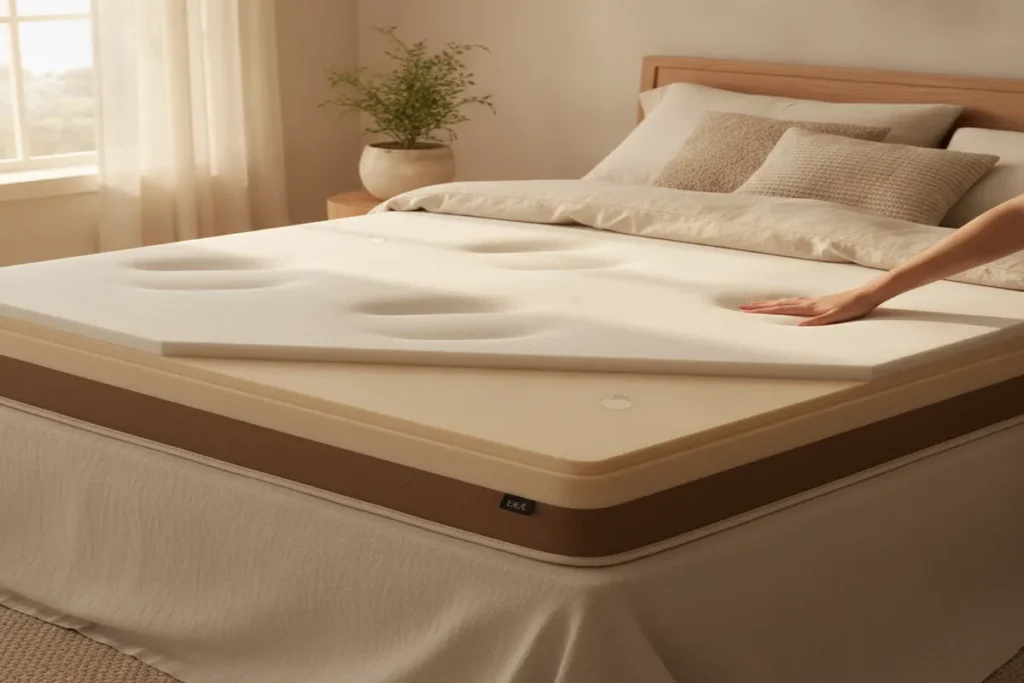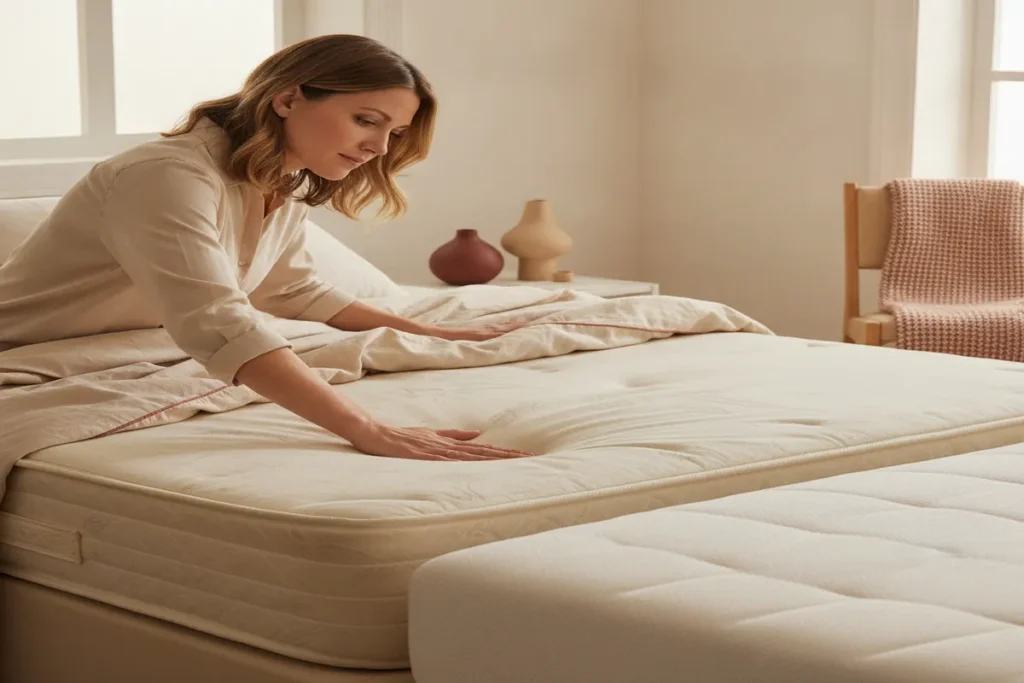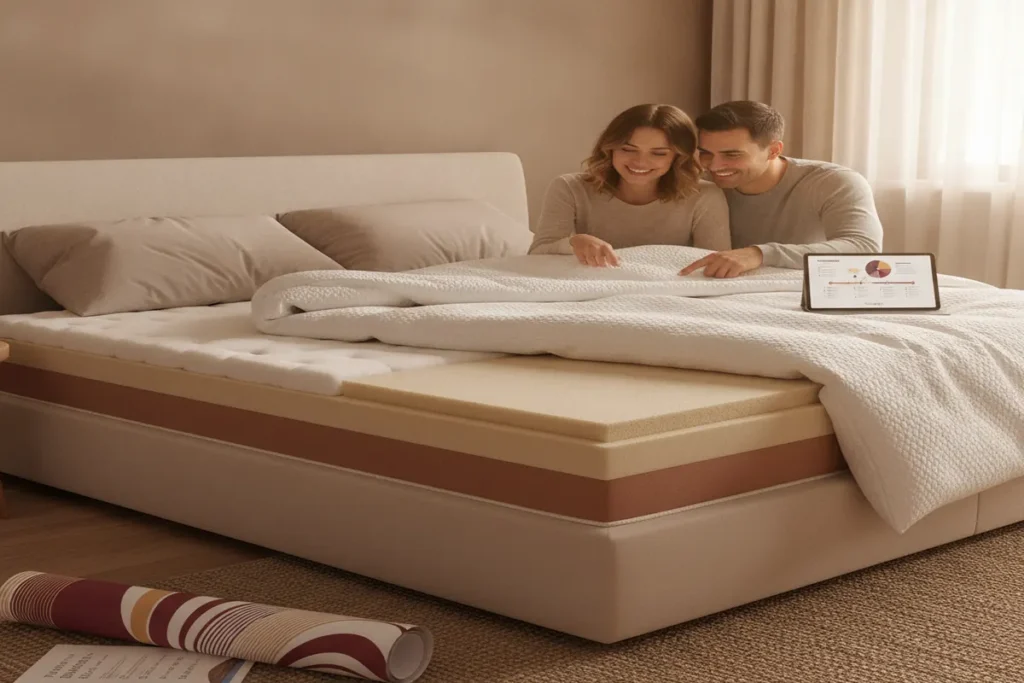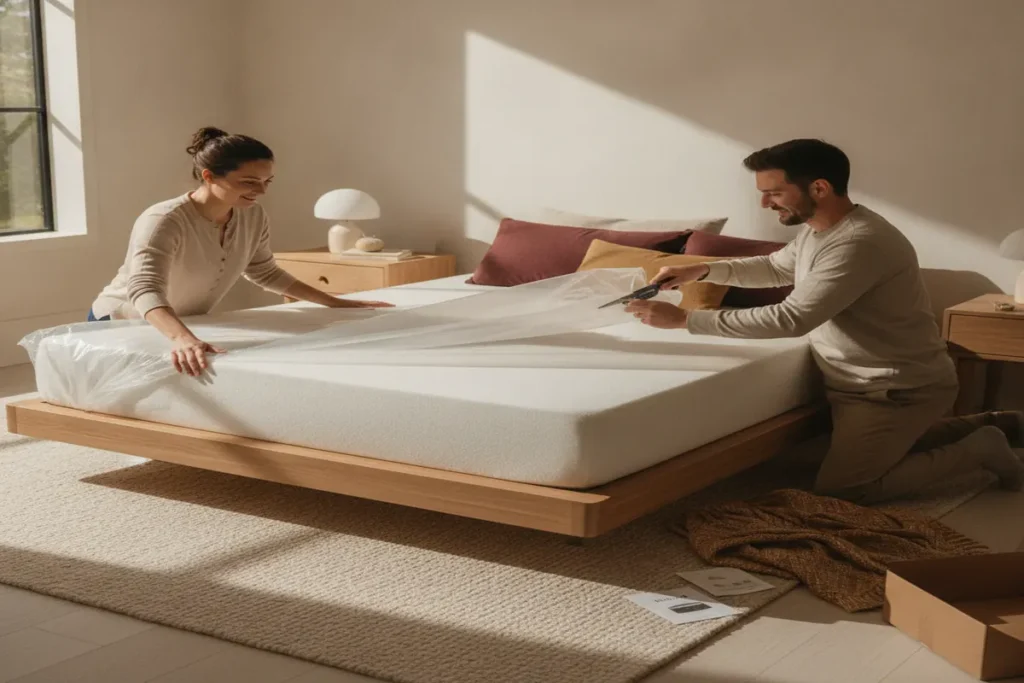

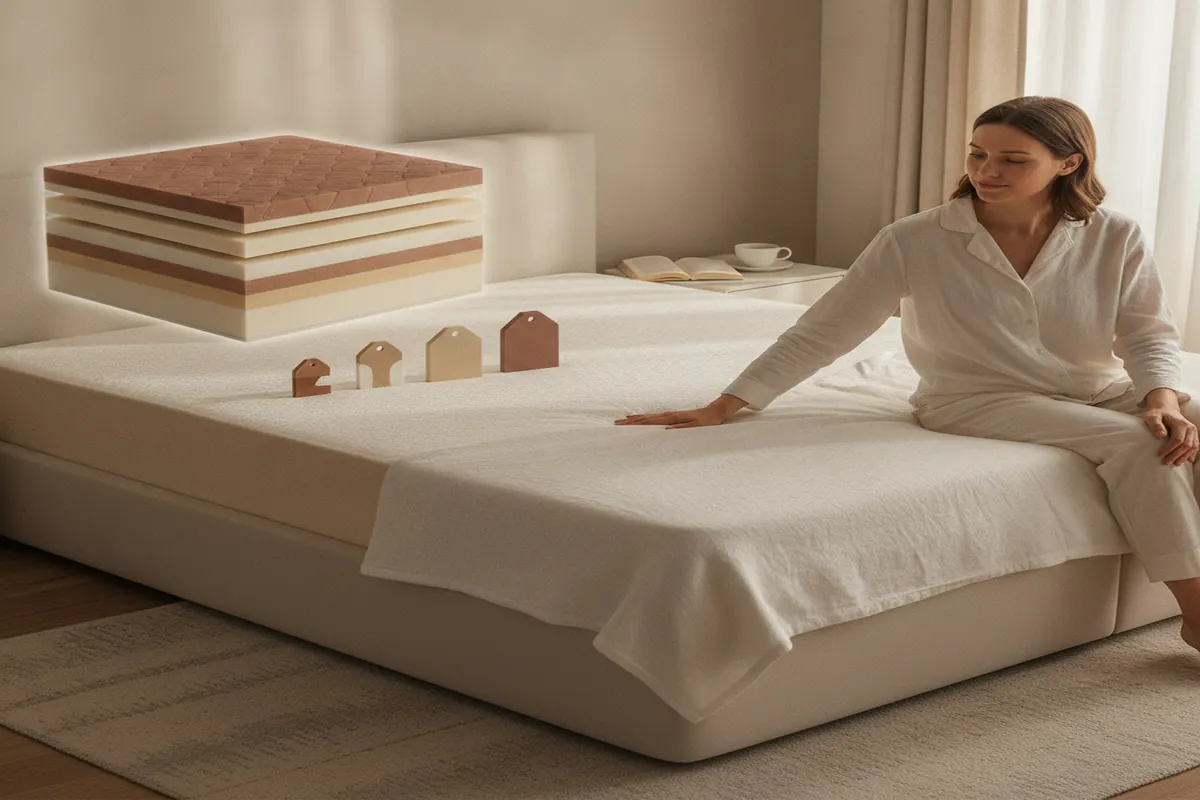
Understanding the foam mattress price range and value is crucial for making an informed purchase that aligns with your budget and sleep needs. While prices can vary significantly—typically from $300 for basic models to over $3000 for luxury options—true value encompasses not just the initial cost, but also durability, comfort, support, and health benefits over time. A discerning buyer focuses on material quality, density, certifications, and warranty to ensure their investment delivers superior sleep and long-term satisfaction.
Quick Summary
- Foam mattresses range from $300 to over $3000, varying by material quality, density, brand, and certifications
- Value is determined by balancing cost with durability, comfort, and health benefits tailored to individual needs
- Entry-level foam offers basic support, while premium options provide advanced pressure relief and longevity
- Key buying factors include foam type, density, thickness, warranty, and return policies
Understanding the True Value of a Foam Mattress: Beyond the Price Tag
When evaluating a foam mattress price range and value, it’s essential to look past the sticker price and consider what you’re truly getting for your money. Value isn’t just about affordability; it’s about the return on investment in your sleep health and comfort. A cheap mattress might save you money upfront, but if it sags quickly, causes pain, or needs frequent replacement, its true value diminishes rapidly. Conversely, a higher-priced mattress that offers superior support, durability, and a longer lifespan can be a far better long-term investment.
Key components that influence both price and value include:
-
Material Quality and Type: Different types of foam (memory foam, latex foam, polyfoam) have varying costs and performance characteristics. High-density foams generally last longer and provide better support.
-
Construction and Layers: The number of foam layers, their density, and how they are engineered for support, comfort, and cooling significantly impact the mattress’s overall quality and price.
-
Brand Reputation and Research & Development: Established brands often invest heavily in R&D, leading to innovative foam technologies and better-tested products, which can justify a higher price point.
-
Certifications: Certifications like CertiPUR-US or OEKO-TEX ensure the foam is free from harmful chemicals, adding to the mattress’s health value.
-
Warranty and Return Policy: A generous warranty (10+ years) and a fair return policy indicate a manufacturer’s confidence in their product’s durability and can add significant long-term value.
Ultimately, assessing value means weighing the initial cost against the projected lifespan, comfort, and health benefits the mattress will provide. A well-chosen foam mattress can alleviate pressure points, reduce motion transfer, and promote better spinal alignment, contributing directly to improved sleep quality and overall well-being.
Demystifying Foam Mattress Costs: A Tiered Price Guide
The foam mattress price range and value can be broadly categorized into three tiers, each offering different levels of quality, features, and expected lifespan. Understanding these tiers helps set realistic expectations and guides your budget allocation.
Entry-Level Foam Mattresses (Budget-Friendly)
-
Price Range: $300 – $800 (Queen size)
-
Characteristics: Typically uses lower-density polyfoam or basic memory foam. Often thinner with fewer comfort layers. May lack advanced cooling features or specialized support zones.
-
Value Proposition: Offers basic comfort and support for temporary use, guest rooms, or individuals with lighter body weights. A good starting point for those on a very strict budget.
-
Lifespan: 3-5 years.
-
Considerations: May experience quicker sagging, less effective pressure relief, and potential off-gassing.
Mid-Range Foam Mattresses (Balanced Value)
-
Price Range: $800 – $1800 (Queen size)
-
Characteristics: Features higher-density memory foam, blended latex, or a combination of foam types. Often includes targeted support layers, cooling technologies (gel infusions, open-cell foam), and thicker profiles.
-
Value Proposition: Strikes a good balance between price and performance. Provides enhanced comfort, better pressure relief, and improved durability compared to budget options. Ideal for most sleepers seeking a long-term solution without breaking the bank.
-
Lifespan: 6-8 years.
-
Considerations: Offers a significant upgrade in sleep quality for a reasonable investment. Look for certifications and a solid warranty.
Premium Foam Mattresses (Luxury & Performance)
-
Price Range: $1800 – $3000+ (Queen size)
-
Characteristics: Utilizes high-quality, high-density natural latex, advanced proprietary memory foams, or complex multi-layer designs. Often includes zoned lumbar support, advanced temperature regulation, and superior motion isolation. May feature organic or eco-friendly materials.
-
Value Proposition: Delivers exceptional comfort, superior durability, and advanced features designed for optimal sleep health. A long-term investment for those prioritizing luxurious feel, specific health needs, and maximum lifespan.
-
Lifespan: 8-12+ years.
-
Considerations: While expensive, these mattresses often come with the longest warranties and best return policies, reflecting their quality and longevity.
Here’s a comparison table summarizing the typical characteristics of different foam types, influencing their price and value:
(Prices are estimates for a Queen size mattress and can vary based on brand, thickness, and promotions in 2026.)
Key Criteria for Choosing the Right Foam Mattress Value for Your Home
Choosing the best foam mattress price range and value requires a systematic approach, focusing on specific criteria that directly impact your sleep experience and the longevity of your investment. Don’t let marketing jargon overshadow these fundamental aspects.
1. Foam Type and Density
The type of foam and its density are paramount. Density, measured in pounds per cubic foot (PCF), indicates how much material is packed into the foam. Higher density generally means better durability and support, but also a higher price.
-
Memory Foam (Visco Foam Mattress): Known for its contouring and pressure-relieving properties.
- Low Density (2.5-3.5 PCF): Softer, less durable, quicker to respond. Good for light sleepers.
- Medium Density (3.5-5.0 PCF): Balanced comfort and support, good durability. Most common.
- High Density (5.0+ PCF): Very durable, excellent support, slower response. Ideal for heavier individuals or those needing firm support.
-
Latex Foam (Latex Foam Mattress): Offers a more buoyant feel than memory foam, with natural elasticity and durability. Available as natural, synthetic, or blended latex. Natural latex, especially Dunlop or Talalay, is highly durable and hypoallergenic.
-
Polyfoam: The most common and least expensive foam. Used as base layers or in lower-cost comfort layers. Density still matters; higher density polyfoam is more supportive.
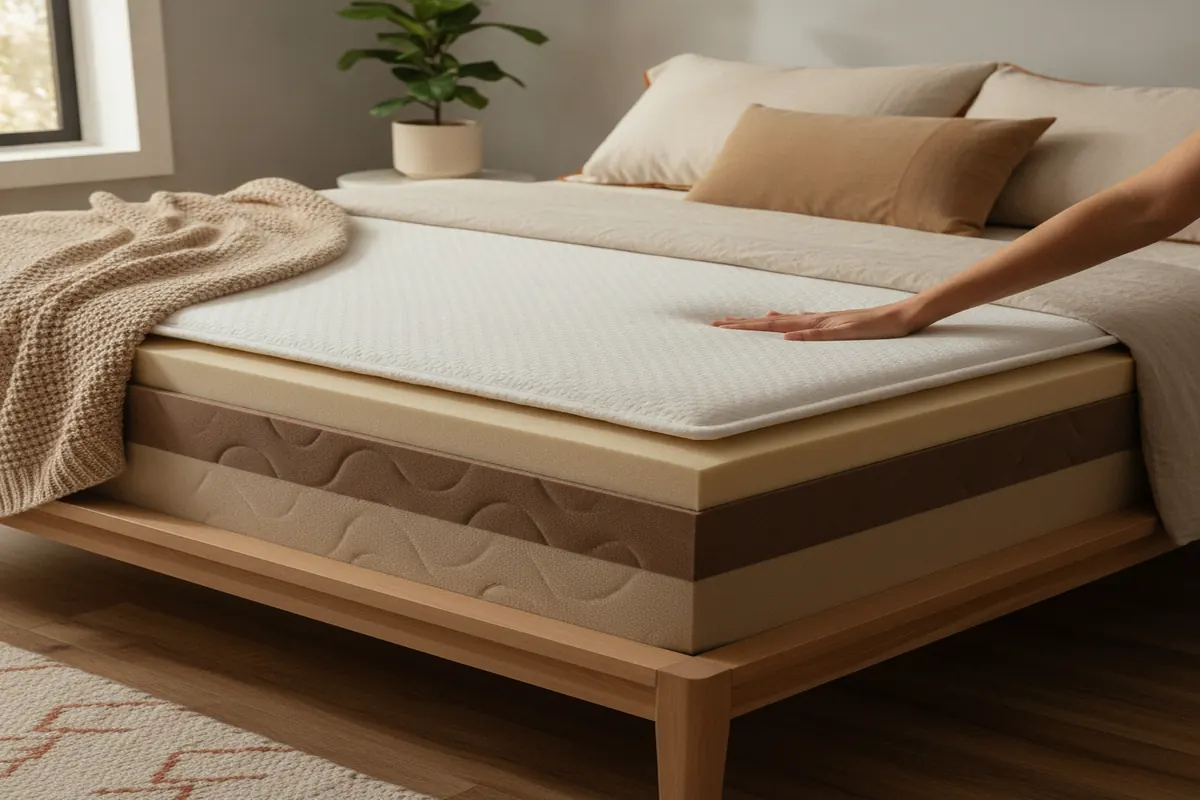
2. Mattress Thickness and Layer Construction
A thicker mattress doesn’t always mean better quality, but the composition of its layers is critical.
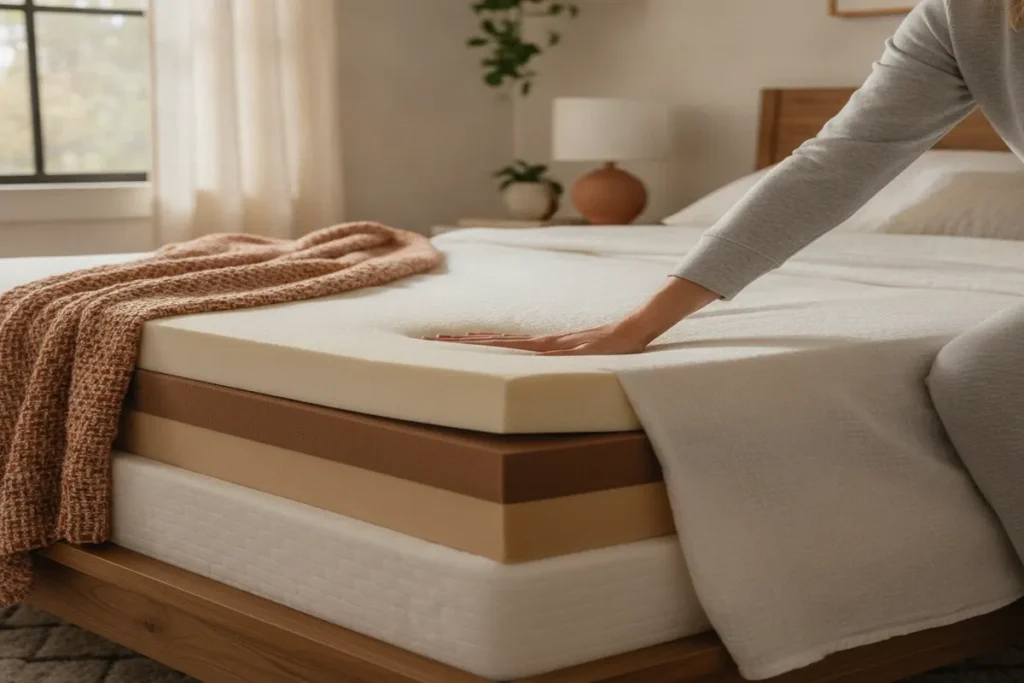
-
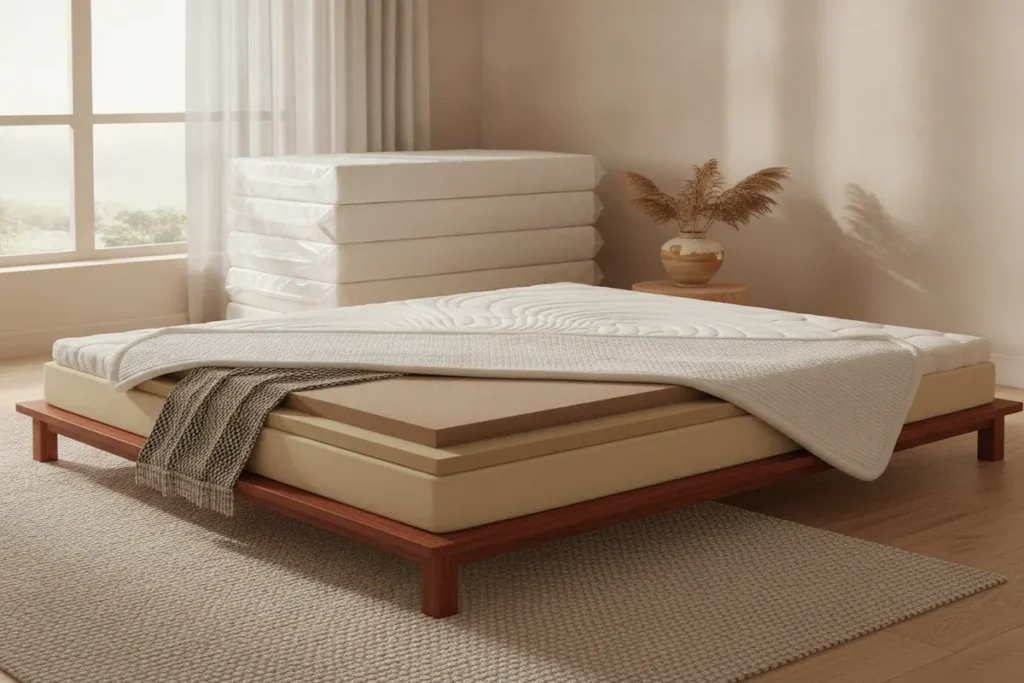
Base Layer: Typically a high-density polyfoam or firm latex, providing foundational support and preventing sagging. This layer should be at least 6-8 inches thick for proper support.
-
Transition Layer(s): Medium-density foams that bridge the gap between the firm base and soft comfort layers, ensuring smooth pressure distribution.
-
Comfort Layer(s): Softer foams (memory foam, latex, gel foam) that contour to your body, relieve pressure, and provide plushness. These layers are usually 2-4 inches thick.
A well-designed multi-layer system ensures both initial comfort and long-term structural integrity.
3. Firmness Level and Sleeping Position
The ideal firmness depends entirely on your preferred sleeping position and body weight.
-
Side Sleepers: Need softer to medium-firm mattresses to allow shoulders and hips to sink in, maintaining spinal alignment. Look for excellent pressure relief.
-
Back Sleepers: Benefit from medium-firm to firm mattresses that support the natural curve of the spine.
-
Stomach Sleepers: Require firmer mattresses to prevent the hips from sinking too low, which can strain the lower back.
-
Combination Sleepers: A medium-firm mattress or a responsive foam like latex often works best.
4. Heat Regulation
Foam mattresses, especially traditional memory foam, can sometimes trap heat. Look for features designed to mitigate this:
-
Open-Cell Foam: Engineered with a more porous structure to allow better airflow.
-
Gel Infusions: Gel particles or beads mixed into foam to absorb and dissipate heat.
-
Graphite or Copper Infusions: These materials are thermally conductive and can help draw heat away from the body.
-
Perforations or Channels: Holes or channels in the foam layers to promote air circulation.
-
Breathable Covers: Tencel, cotton, or other breathable fabrics can enhance cooling.
5. Certifications and Health Considerations
For peace of mind and health, check for certifications:
-
CertiPUR-US: Ensures the foam is made without harmful chemicals (e.g., ozone depleters, heavy metals, formaldehyde) and has low VOC (Volatile Organic Compound) emissions.
-
OEKO-TEX Standard 100: Certifies that textiles and fabrics are free from harmful substances.
-
Global Organic Latex Standard (GOLS): For natural latex, guaranteeing organic origin and processing.
These certifications indicate a commitment to safer, healthier materials, adding significant value to your purchase.
Common Pitfalls to Avoid When Assessing Foam Mattress Value
Navigating the foam mattress market can be tricky, and several common mistakes can lead to buyer’s remorse. Being aware of these pitfalls will help you make a smarter, more valuable investment in your sleep.
1. Falling for “Too Good to Be True” Deals
While everyone loves a bargain, an extremely low-priced foam mattress often comes with compromises. Mattresses significantly below the typical entry-level range (e.g., a queen for under $300) are likely made with very low-density, poor-quality polyfoam that will quickly degrade, offer inadequate support, and off-gas unpleasant odors. These are false economies.
-
Avoid: Unbranded mattresses with suspiciously low prices and no clear material specifications.
-
Look for: Transparent material lists, density specifications, and reputable brand names.
2. Ignoring Density and Focusing Only on Thickness
Many consumers mistakenly believe that a thicker mattress automatically means better quality. While thickness contributes to comfort, it’s the density of the foam layers that truly dictates durability, support, and pressure relief. A thick mattress made with low-density foam will sag faster than a thinner one with high-density foam.
-
Mistake: Buying a 14-inch mattress with 2.0 PCF foam thinking it’s superior to a 10-inch mattress with 4.0 PCF foam.
-
Correction: Always inquire about the density of the core and comfort layers. Higher density foams (especially in the support core) are key for longevity.
3. Overlooking the Importance of a Strong Warranty and Return Policy
A mattress is a significant investment, and a comprehensive warranty protects against manufacturing defects and premature sagging. A generous trial period (e.g., 100 nights or more) allows you to test the mattress in your home environment, which is crucial for foam mattresses that take time to break in.
-
Pitfall: Opting for a mattress with a short warranty (less than 10 years) or a restrictive return policy.
-
Solution: Prioritize brands offering at least a 10-year non-prorated warranty and a risk-free trial period. Understand the warranty’s terms regarding sag depth (usually 0.75-1.5 inches for a claim).
4. Neglecting Your Sleeping Position and Body Type
One-size-fits-all rarely applies to mattresses. A mattress that’s perfect for a lightweight side sleeper will likely be unsuitable for a heavier stomach sleeper. Incorrect firmness can lead to poor spinal alignment, aches, and pains.
-
Error: Buying a plush memory foam mattress as a stomach sleeper, leading to hip sinkage and lower back pain.
-
Guidance: Match the mattress firmness and foam type to your primary sleeping position and body weight. Heavier individuals generally need firmer, denser foams for adequate support.
5. Not Researching Certifications and Off-Gassing
New foam mattresses can sometimes emit a “new mattress smell” (off-gassing) due to VOCs. While generally harmless, prolonged or strong off-gassing can be a concern for sensitive individuals. Lack of certifications might mean the foam contains harmful chemicals.
-
Omission: Not checking for CertiPUR-US or OEKO-TEX certifications.
-
Recommendation: Always look for these certifications to ensure the foam is free from harmful substances and has low VOC emissions. Allow new mattresses to air out in a well-ventilated room for a few days.
By avoiding these common mistakes, you can significantly improve your chances of finding a foam mattress that provides excellent value, lasting comfort, and healthy sleep for years to come.
Unpacking the Core Benefits of Investing in a Quality Foam Mattress
Investing in a high-quality foam mattress, particularly from the mid-range to premium segments, offers a multitude of benefits that directly contribute to better sleep and overall well-being. These advantages are where the true foam mattress price range and value become apparent.
-
Superior Pressure Relief: Foam mattresses, especially memory foam and latex, excel at conforming to the body’s curves. This even distribution of body weight eliminates pressure points, making them ideal for individuals with joint pain, arthritis, or those who frequently wake up with aches. This contouring support helps alleviate discomfort in the hips, shoulders, and lower back.
-
Exceptional Motion Isolation: One of the most celebrated features of foam mattresses is their ability to absorb motion. If you share your bed with a partner, their movements are significantly dampened, preventing disturbances to your sleep. This is particularly beneficial for light sleepers or those with different sleep schedules.
-
Customized Support and Spinal Alignment: Quality foam adapts to your unique body shape, providing personalized support that helps maintain proper spinal alignment. This reduces strain on your back and neck, promoting a healthier sleeping posture. Different foam densities and layered constructions can target specific support needs.
-
Hypoallergenic Properties: Many foam types, particularly natural latex and high-density memory foam, are naturally resistant to dust mites, mold, and mildew. This makes them an excellent choice for allergy sufferers, contributing to a cleaner and healthier sleep environment. Look for certifications like OEKO-TEX for added assurance.
-
Durability and Longevity: While budget foam mattresses may sag quickly, a well-constructed foam mattress with high-density layers offers impressive durability. Premium latex mattresses, for example, can last 15 years or more, outperforming many traditional spring mattresses. This longevity translates to better long-term value, as you won’t need to replace your mattress as frequently.
-
Silent Operation: Unlike spring mattresses that can develop squeaks over time, foam mattresses are inherently silent. This creates a peaceful sleep environment, free from disruptive noises.
These benefits collectively highlight why a thoughtful investment in a quality foam mattress is not just a purchase, but an upgrade to your daily life and long-term health.
Matching Foam Mattress Value to Specific Needs and Budgets
Choosing the perfect foam mattress involves aligning its inherent value with your specific needs and budgetary constraints. The foam mattress price range and value recommendations are highly personal, but certain scenarios lend themselves to particular types of foam mattresses.
For Budget-Conscious Buyers (Under $800)
If your budget is tight, focus on getting the best possible foundational support.
-
Recommendation: Look for high-density polyfoam mattresses or entry-level memory foam (around 3.0-3.5 PCF) from reputable online brands. These often cut out middlemen costs.
-
What to Prioritize: A minimum of 8-10 inches thickness with a solid base layer. Check for CertiPUR-US certification.
-
Example: A simple, firm polyfoam mattress can be an excellent affordable foam mattress price range and value option for a guest room or a child’s bed where extreme durability or advanced features aren’t critical.
-
Internal Link: Consider exploring options like the Sponge Topper Mattress to enhance comfort on a more basic bed without a full mattress replacement.
For Balanced Comfort and Durability (Mid-Range: $800 – $1800)
This is the sweet spot for many buyers seeking a good balance of features, comfort, and longevity.
-
Recommendation: Medium-density memory foam (3.5-5.0 PCF) with gel infusions for cooling, or blended latex mattresses. Look for multi-layer designs that combine different foam types for optimal support and pressure relief.
-
What to Prioritize: A 10-12 inch profile, robust warranty, and a generous sleep trial. Excellent for couples due to motion isolation.
-
Example: A Visco Foam Mattress with a cooling gel layer and a firm polyfoam base would provide excellent pressure relief and temperature regulation for most sleepers.
-
Internal Link: Our Foam Mattress collection offers various options in this range, including our Turkish Foam Mattress vs Spring comparison to help make an informed choice.
For Premium Experience and Long-Term Investment (Over $1800)
If you prioritize ultimate comfort, maximum durability, and specific health benefits, the premium range offers unparalleled value.
-
Recommendation: High-density natural latex mattresses (Dunlop or Talalay), advanced proprietary memory foams with complex zoned support systems, or hybrid foam mattresses combining pocket coils with premium foam layers.
-
What to Prioritize: Organic certifications (GOLS for latex), advanced cooling technologies, and the longest warranties (15+ years).
-
Example: A Latex Foam Mattress made with 100% natural Talalay latex offers exceptional responsiveness, durability, and a naturally hypoallergenic sleep surface. This is a top foam mattress price range and value for home option for those seeking the best.
-
Internal Link: Explore our Mattress Collection for our most luxurious and specialized options, including Cashmere Bed and Avant-Garde Bed models.
Special Considerations:
-
Sleep Health Concerns: For those with chronic back pain or specific orthopedic needs, investing more in a mattress with targeted lumbar support or adjustable firmness can offer significant health value. Consult Sleep Health Blog for more insights.
-
Heavier Individuals: Need higher density foams (5.0+ PCF memory foam or firm latex) to prevent premature sagging and ensure adequate support.
-
Hot Sleepers: Prioritize open-cell foams, gel infusions, or natural latex, which is inherently more breathable than traditional memory foam.
By carefully considering these recommendations against your personal profile, you can ensure that your investment in a foam mattress truly delivers optimal value for your specific needs.
Navigating the Online Market: Where to Find the Best Foam Mattress Deals
The online marketplace has revolutionized how consumers buy mattresses, often providing better foam mattress price range and value compared to traditional brick-and-mortar stores. However, smart shopping is essential to ensure you’re getting a genuine deal.
Advantages of Buying Foam Mattresses Online:
-
Lower Prices: Online retailers often have lower overheads (no physical showrooms, fewer sales staff) which translates to more competitive pricing.
-
Wider Selection: Access to a vast array of brands, foam types, and firmness levels that might not be available locally.
-
Convenience: Shop from home, read reviews, and compare specifications at your own pace.
-
Extended Sleep Trials: Most online brands offer risk-free in-home trial periods, usually 100 nights or more, allowing you to truly test the mattress.
-
Direct-to-Consumer Value: Many brands operate on a direct-to-consumer model, cutting out middlemen and passing savings directly to you.
Practical Checklist for Online Mattress Shopping:
-
Read Customer Reviews: Look for consistent feedback on comfort, durability, and customer service. Pay attention to reviews from people with similar body types and sleeping preferences.
-
Verify Certifications: Ensure the mattress has CertiPUR-US for foam safety and OEKO-TEX for fabric safety.
-
Understand Warranty and Return Policy:
- Warranty: Aim for at least a 10-year non-prorated warranty. Understand what constitutes a defect and the minimum sag depth for a claim.
- Trial Period: A minimum of 100 nights is standard. Clarify return shipping costs, restocking fees, and the condition the mattress must be in for a return.
-
Check Shipping and Delivery: Confirm if shipping is free, if white-glove delivery (setup and old mattress removal) is available, and estimated delivery times.
-
Compare Specifications, Not Just Price: Look at foam density, layer composition, and cooling features across different models and brands. A slightly higher price for better density often means better value in the long run.
-
Look for Sales and Promotions: Online retailers frequently offer discounts, especially around holidays. Sign up for newsletters to get alerts.
-
Customer Service: Test their customer service responsiveness before buying. A good support team is invaluable if issues arise.
Where to Buy Online:
-
Brand-Specific Websites: Many popular foam mattress brands (like Sinyora Yatak) sell directly from their own websites, often offering the best deals and full product information.
-
Large Online Retailers: Major e-commerce platforms also carry a wide range of foam mattresses, sometimes with competitive pricing and streamlined logistics.
When buying online, remember that the goal is to find the best foam mattress price range and value recommendations that align with your personal sleep needs. Don’t rush the decision; thorough research will pay off with years of comfortable sleep.
Expert Insight
“The real ‘value’ of a foam mattress isn’t just its initial cost, but how well it supports your body, alleviates pressure, and maintains its integrity over its lifespan. A mattress that prevents back pain and improves sleep quality is priceless, even if it carries a higher upfront cost. Always prioritize density, material quality, and a solid warranty over a rock-bottom price.” — Industry experts confirm that thoughtful investment in sleep health yields significant long-term returns.
Key Terms
-
Density (PCF): Measured in pounds per cubic foot, indicating the amount of material in the foam. Higher density generally means better durability and support.
-
ILD (Indentation Load Deflection): A measure of foam firmness. A higher ILD number indicates a firmer foam.
-
Off-Gassing: The release of volatile organic compounds (VOCs) from new foam, often resulting in a distinct odor that typically dissipates within a few days.
-
CertiPUR-US: A certification program for polyurethane foam used in bedding and upholstered furniture, ensuring it meets strict standards for content, emissions, and durability.
-
Motion Isolation: The ability of a mattress to absorb movement, preventing disturbances from a partner’s tossing and turning.
How Can You Upgrade to More Comfortable Sleep with Sinyora Yatak?
At Sinyora Yatak, we understand that finding the perfect foam mattress price range and value is about more than just cost—it’s about investing in your health and well-being. As a leading manufacturer of high-quality Turkish mattresses, we combine generations of expertise with innovative foam technologies to offer unparalleled comfort and support. Whether you’re seeking the contouring embrace of a Visco Foam Mattress for pressure relief, the buoyant responsiveness of a Latex Foam Mattress for natural support, or a specialized solution like our 4 Seasons Bed, we have a mattress engineered for your specific needs. Explore our Mattress Collection to discover how our commitment to quality materials, superior craftsmanship, and sustainable practices delivers exceptional value and a truly restorative sleep experience. We invite you to Shop All Products and experience the Sinyora Yatak difference, backed by robust warranties and dedicated Customer Service.
Frequently Asked Questions
Q: What is the typical lifespan of a foam mattress?
Q: Are expensive foam mattresses always better value?
Q: How does foam density affect a mattress’s price and value?
Q: Can I find an `affordable foam mattress price range and value` that is still good quality?
Q: What certifications should I look for in a foam mattress?
Q: How do I ensure I’m getting good value for my foam mattress purchase?
Help: FAQs · Sleep Science · Sleep Resources · Privacy Policy