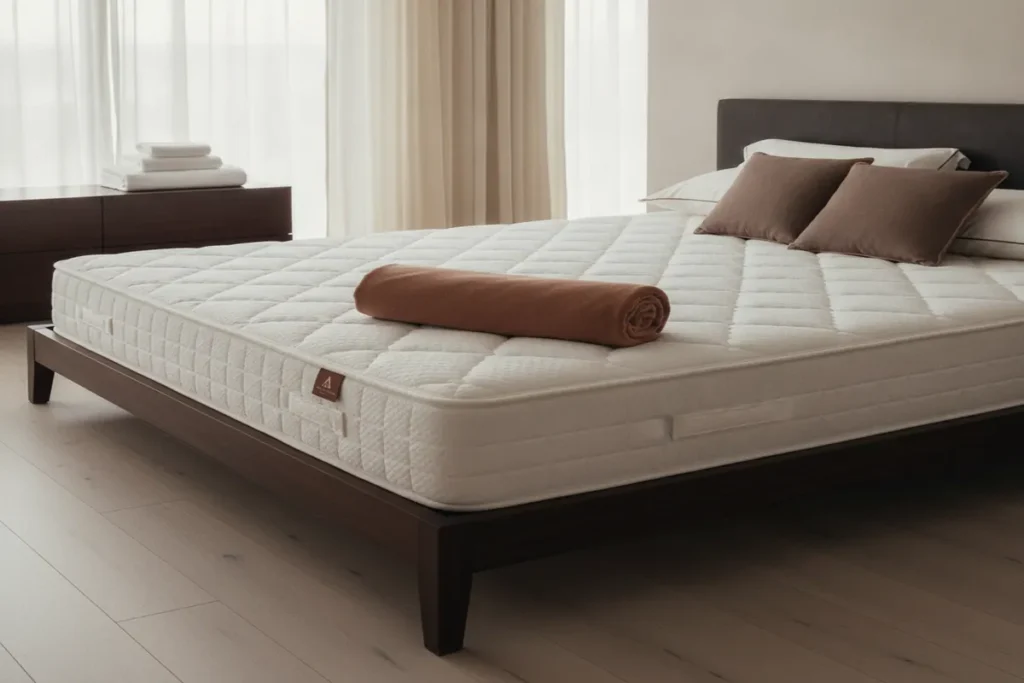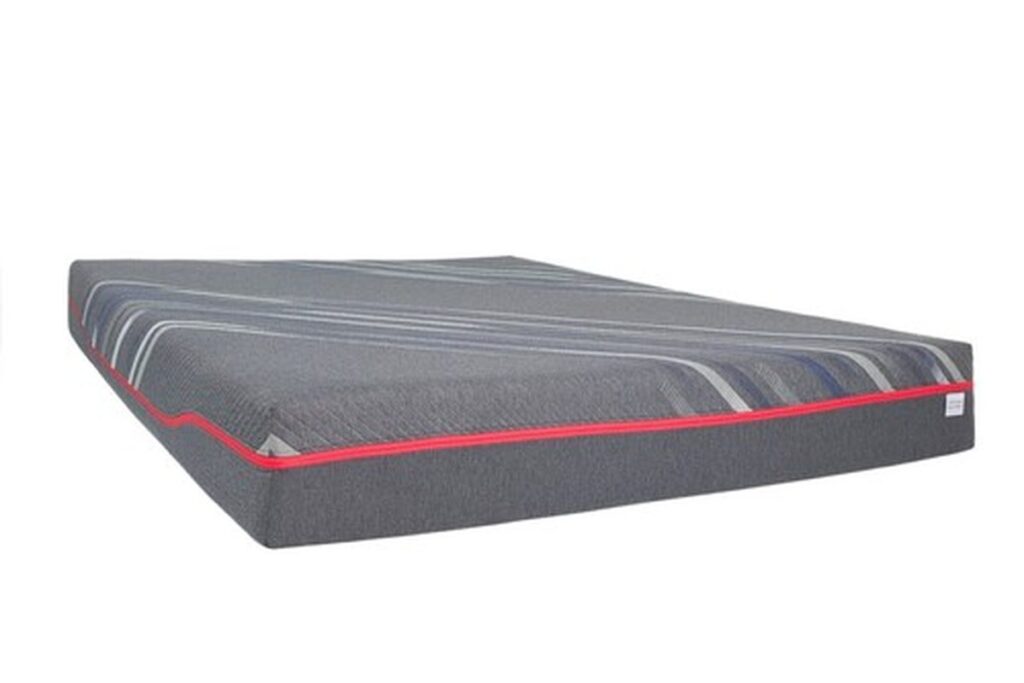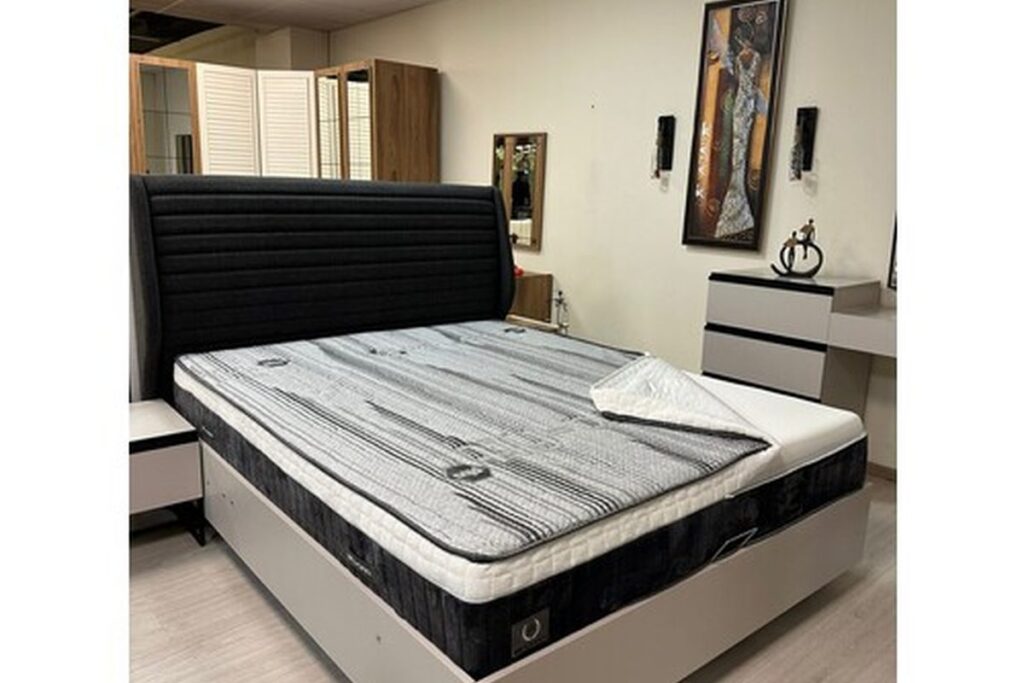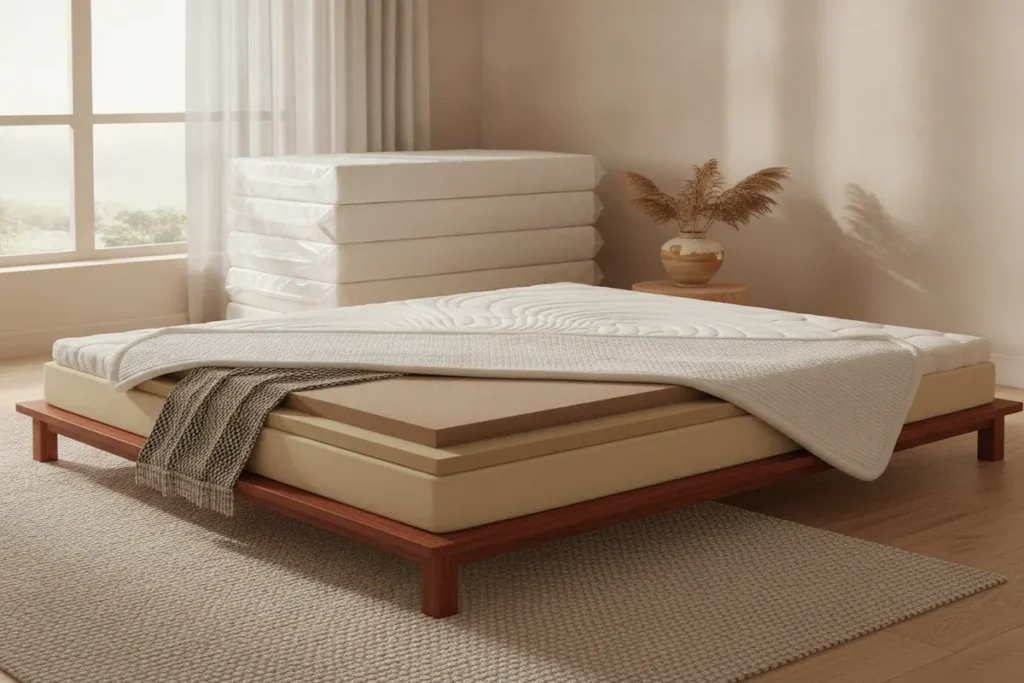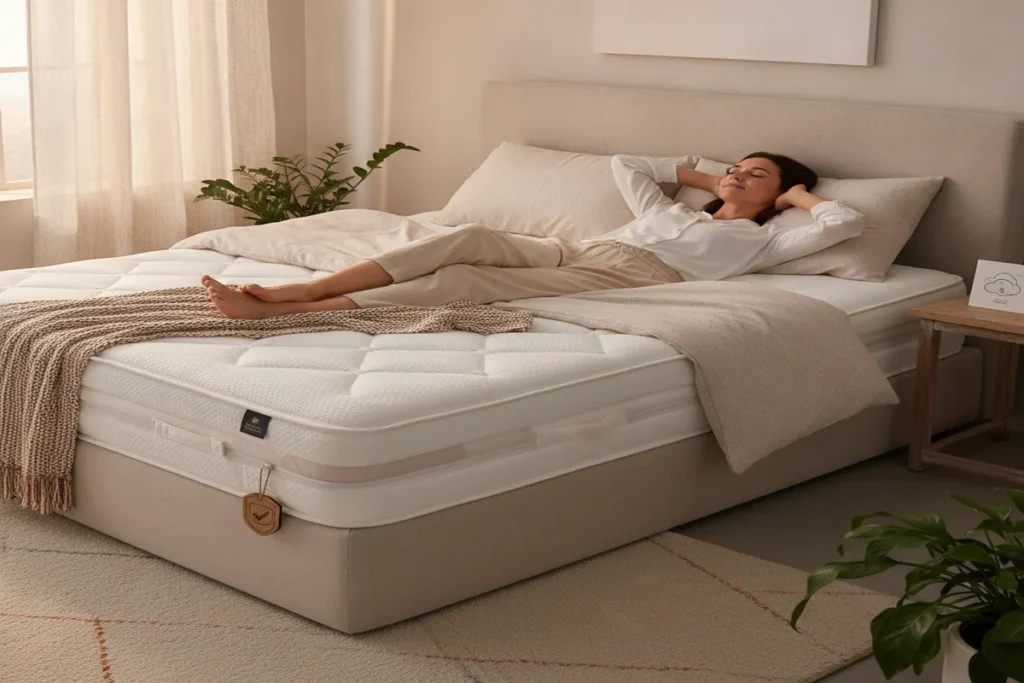

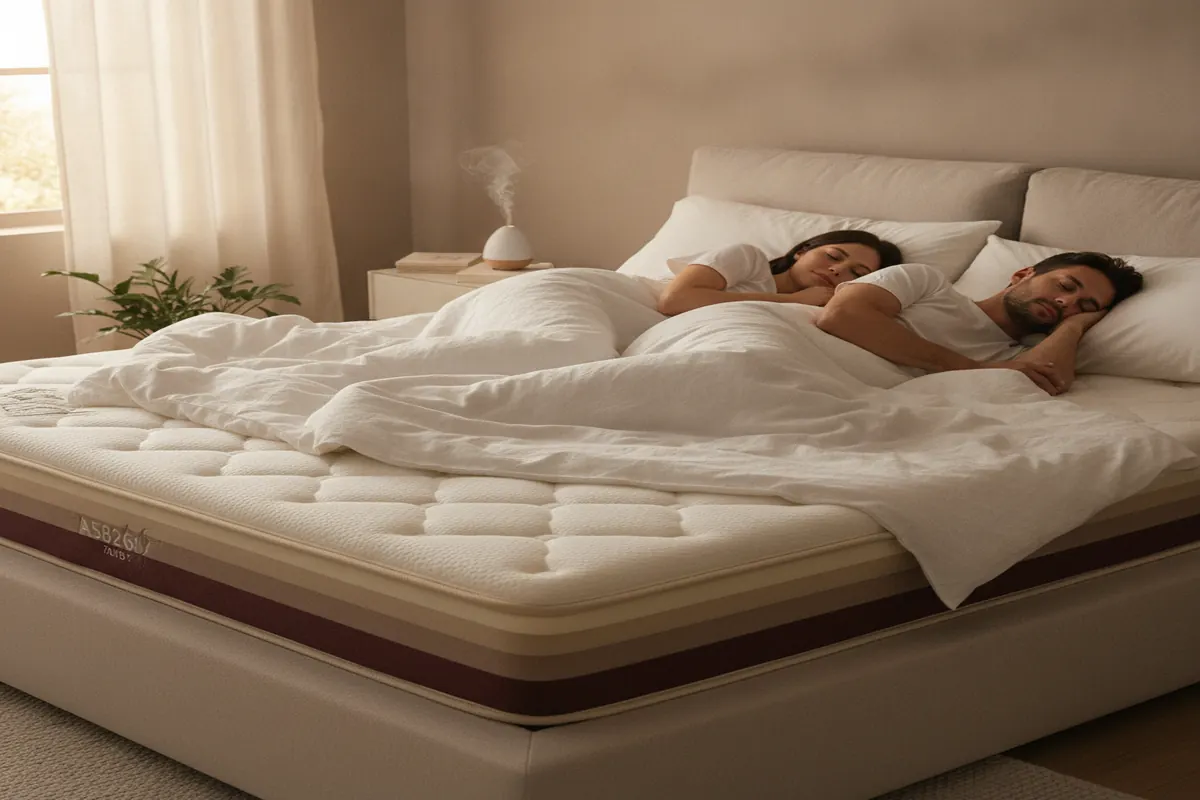
Choosing the best foam mattress for snoring reduction involves understanding how proper spinal alignment and head elevation can open airways. High-quality memory foam and natural latex mattresses excel at contouring to your body, supporting the head and neck, and promoting optimal sleeping positions—especially for side sleepers—thereby minimizing the collapsed airway issues that often lead to snoring. Prioritize medium-firm options with advanced cooling features and consider mattresses specifically designed to alleviate pressure points for maximum effectiveness.
Quick Summary
- Foam mattresses can significantly reduce snoring by improving spinal alignment
- memory foam and latex foam offer excellent contouring and support
- key factors include firmness, density, and cooling technology
- compare foam, hybrid, and latex to find your best fit
What is the Best Foam Mattress for Snoring Reduction?
The “best” foam mattress for snoring reduction isn’t a one-size-fits-all answer, but it generally points towards mattresses that offer superior pressure relief, excellent spinal alignment, and consistent support. These qualities are paramount because snoring often results from obstructed airways, which can be exacerbated by poor sleeping posture and an unsupportive mattress.
For effective snoring reduction, we typically recommend two primary types of foam mattresses:
-
High-Density Memory Foam Mattresses:
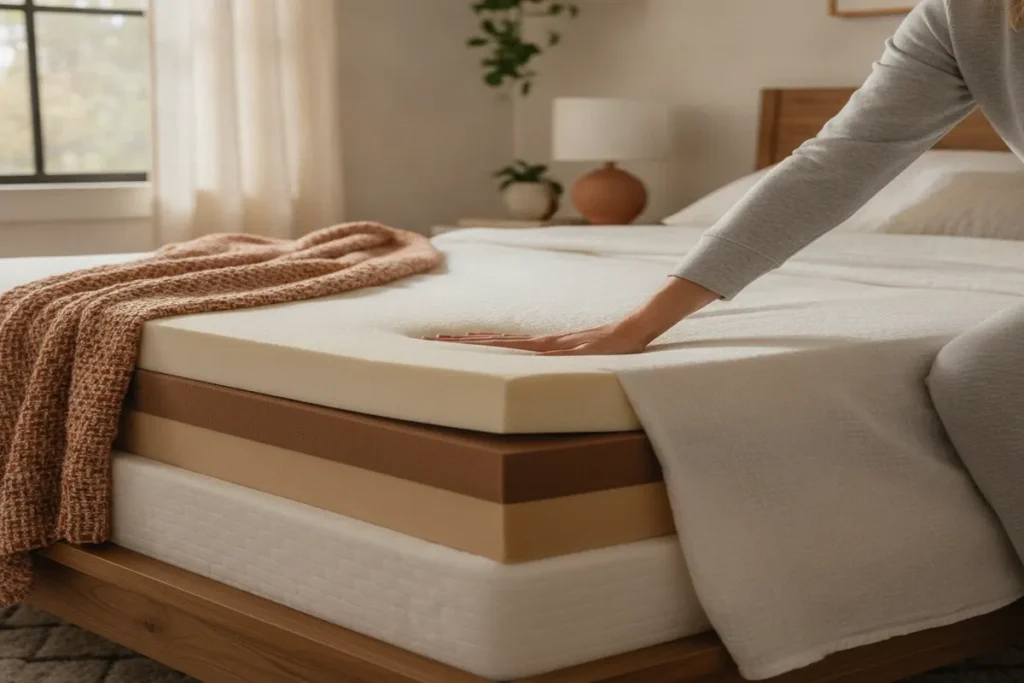
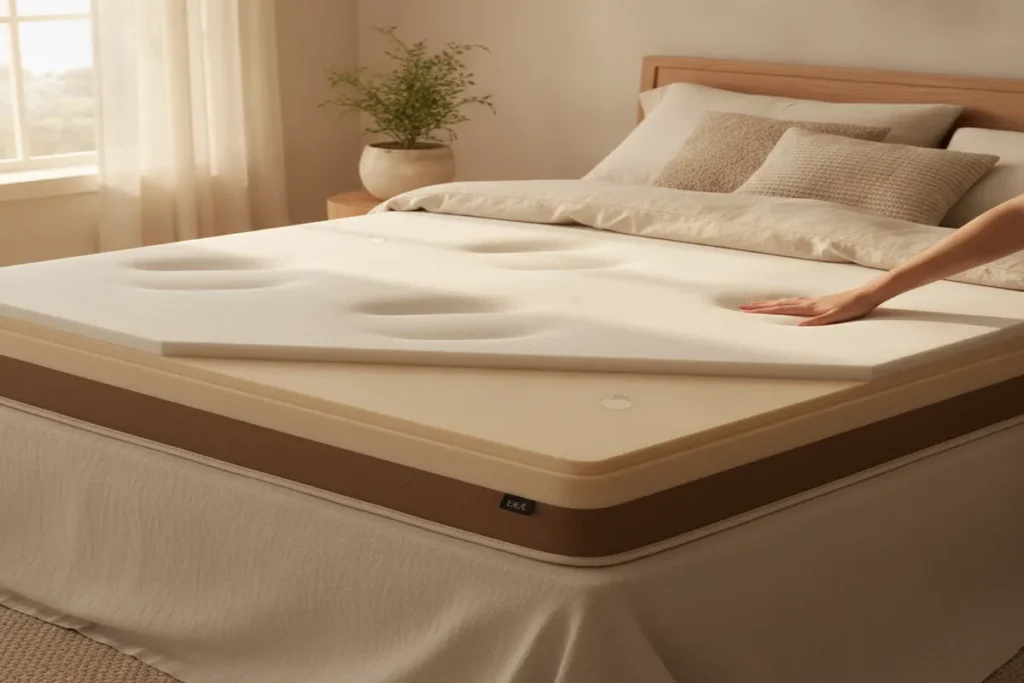
- Mechanism: Memory foam is renowned for its ability to conform precisely to the body’s contours. This personalized support cradles the head, neck, and shoulders, maintaining a neutral spinal alignment. When the spine is properly aligned, particularly for side sleepers, the airways are less likely to collapse, which is a common cause of snoring.
- Benefits:
- Exceptional Pressure Relief: Distributes body weight evenly, reducing pressure points that might cause you to shift into snore-inducing positions.
- Spinal Alignment: Promotes a natural curve of the spine, keeping the neck and head in an optimal position for clear breathing.
- Motion Isolation: Minimizes disturbances from a partner’s movements, contributing to deeper, more restorative sleep for both individuals.
- Considerations: Traditional memory foam can sometimes retain heat. Look for newer formulations with gel infusions, open-cell structures, or copper to enhance cooling.
- Internal Link: For those interested in this specific material, our Visco Foam Mattress page provides more detailed insights into its properties and benefits.
-
Natural Latex Foam Mattresses:
- Mechanism: Latex foam, derived from rubber trees, offers a buoyant yet supportive feel. It contours to the body without the deep “hug” of memory foam, providing responsive support that helps maintain proper posture throughout the night. Its natural elasticity allows for easy repositioning, which can be beneficial if you tend to shift frequently.
- Benefits:
- Responsive Support: Offers a balance of contouring and lift, keeping the spine aligned and airways open.
- Durability: Latex is known for its long lifespan and ability to retain its shape and support over many years.
- Breathability: Naturally more breathable than traditional memory foam, making it a good choice for hot sleepers.
- Hypoallergenic: Inherently resistant to dust mites, mold, and mildew, contributing to a healthier sleep environment.
- Considerations: Latex mattresses can be heavier and often come with a higher price tag.
- Internal Link: Explore our Latex Foam Mattress offerings to understand the natural benefits of this material.
Sinyora Yatak’s Recommendation: For optimal snoring reduction, prioritize a mattress that offers a medium-firm feel. This provides sufficient support to prevent sinking and maintain alignment, without being so hard that it creates pressure points. Look for advanced foam technologies that address common issues like heat retention, ensuring a comfortable and uninterrupted night’s sleep. Many of our Foam Mattress options incorporate these features, crafted with Turkish quality and expertise.
How Do Specific Foam Types Contribute to Snoring Reduction?
The effectiveness of a foam mattress in reducing snoring largely hinges on its ability to support your body in a way that keeps your airways open. Different foam types achieve this through distinct material properties and structural characteristics.
Here’s a breakdown of how the most common foam types work to combat snoring:
-
Memory Foam (Viscoelastic Foam):
- How it helps: Memory foam reacts to body heat and pressure, softening and molding precisely to your unique shape. This creates a custom cradle that supports the natural curvature of your spine, especially your neck and head. For side sleepers, this means the head is elevated just enough, and the spine remains straight, preventing the collapse of soft tissues in the throat that lead to snoring. For back sleepers, it ensures the head isn’t pushed too far forward or back, maintaining an open airway.
- Key features for snoring:
- Superior Contouring: Adapts to every curve, maintaining optimal neck and head alignment.
- Pressure Point Relief: Reduces the need to toss and turn, keeping you in a stable, snore-reducing position.
- Motion Isolation: Minimizes disturbance from a partner, allowing for deeper, more stable sleep.
- Internal Link: Our Visco Foam Mattress is designed with these principles to offer superior comfort and support.
-
Latex Foam (Natural or Synthetic):
- How it helps: Latex foam offers a more buoyant and responsive feel compared to memory foam. It provides immediate push-back, supporting your body without the deep sink. This “floating” sensation helps maintain consistent spinal alignment throughout the night, even as you shift positions. Its natural elasticity ensures that the mattress quickly adapts, preventing prolonged periods in positions that might trigger snoring.
- Key features for snoring:
- Responsive Support: Adapts quickly to movement, continuously supporting the spine and head.
- Durability & Resilience: Maintains its supportive properties over many years, preventing sagging that could lead to poor posture.
- Breathability: Natural open-cell structure promotes airflow, keeping you cool and comfortable, which can also aid in uninterrupted sleep.
- Internal Link: Discover the benefits of natural support with our Latex Foam Mattress.
-
High-Density Polyfoam (Polyurethane Foam):
- How it helps: While not as contouring as memory foam or as responsive as latex, high-density polyfoam serves as a crucial support core in many foam mattresses. Its firmness prevents excessive sinking, ensuring the upper layers can effectively do their job of aligning the spine. A solid polyfoam base prevents the mattress from sagging over time, which is critical for long-term snoring reduction.
- Key features for snoring:
- Stable Base: Provides foundational support to prevent sinking and maintain overall mattress integrity.
- Firmness Options: Can be engineered to various firmness levels, allowing for customized support.
- Cost-Effectiveness: Often used to provide robust support at a more accessible price point.
Expert Insight:
“Proper spinal alignment, particularly for the neck and head, is the cornerstone of effective snoring reduction through mattress choice. A mattress that allows the head to be slightly elevated and the spine to remain neutral, especially when side sleeping, can significantly open the upper airway, reducing vibrational sounds associated with snoring. This is where contouring foam materials truly shine.” – Industry experts confirm that mattress design plays a critical role in airway management during sleep.
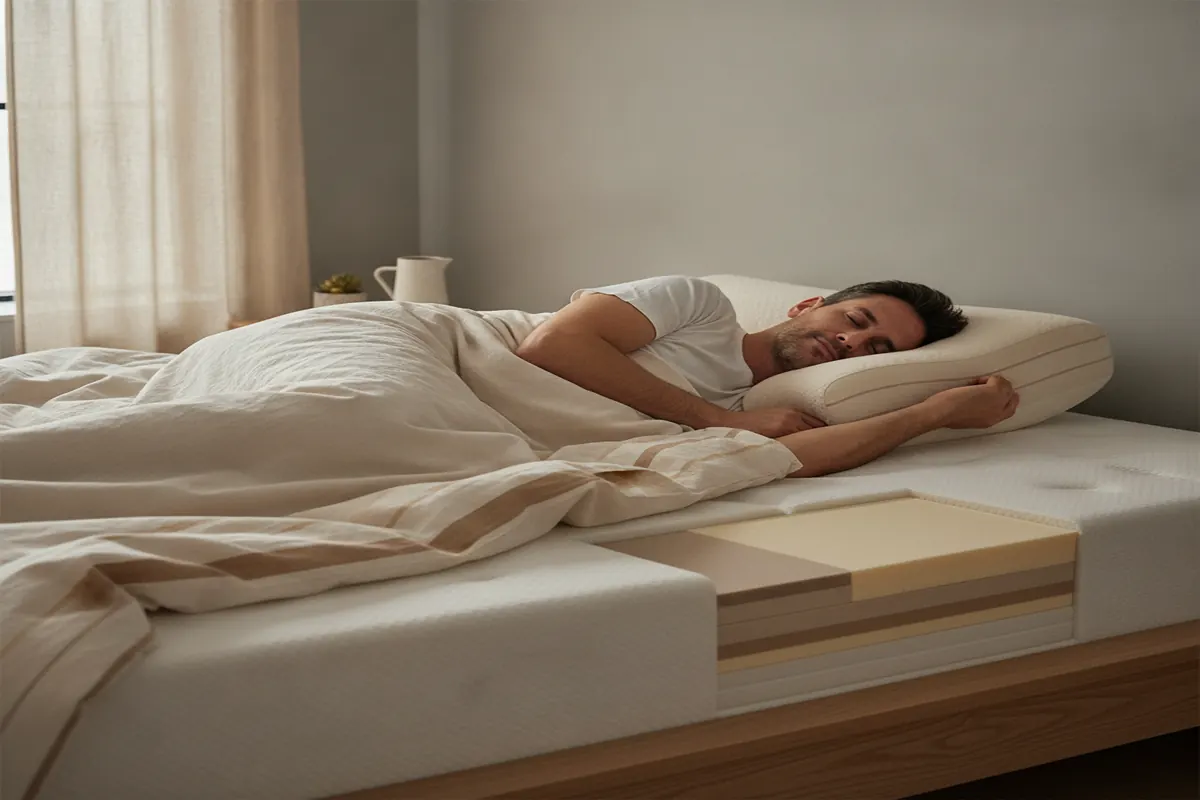
Choosing Your Ideal Snore-Reducing Mattress: Key Criteria for Informed Decisions
Selecting the best foam mattress for snoring reduction requires a careful evaluation of several critical factors. Beyond just the foam type, you need to consider how the mattress interacts with your body, your sleep habits, and your environment.
Here’s a practical checklist to guide your decision:
-
Firmness Level:
- Importance: This is perhaps the most crucial factor. A mattress that’s too soft allows your body to sink too deeply, misaligning your spine and potentially constricting your airways. One that’s too firm can create pressure points, leading to discomfort and restless sleep.
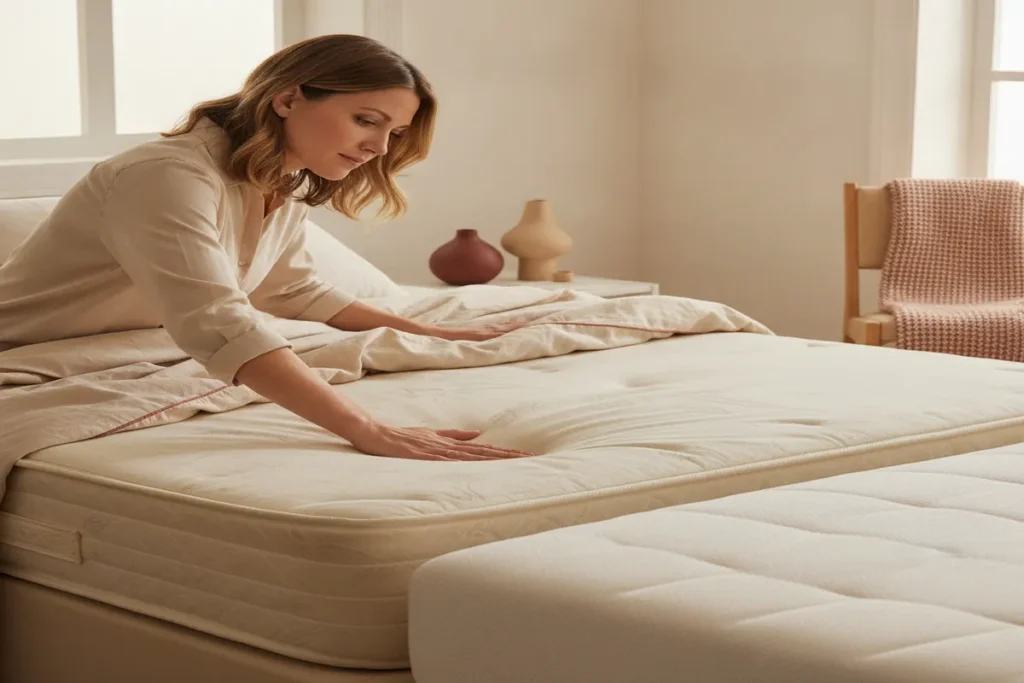
- Recommendation: Most experts recommend a medium-firm to firm mattress for snoring reduction. This range provides adequate support to keep your spine, neck, and head in a neutral position, particularly beneficial for side sleeping.
- Practical Tip: Test different firmness levels if possible, or opt for mattresses with a generous trial period.
-
Material Composition & Density:
- Memory Foam: Look for high-density memory foam (4-5 lbs/cu. ft. or higher) for better durability and support. Ensure it includes cooling technologies (gel, copper, open-cell structure) to mitigate heat retention.
- Latex Foam: Consider natural Talalay or Dunlop latex for superior responsiveness, durability, and breathability. Density in latex relates more to firmness, so focus on comfort and support.
- Polyfoam Core: A high-density polyfoam base is essential for the longevity and structural integrity of any foam mattress.
-
Spinal Alignment & Pressure Relief:
- Goal: The mattress should contour to your body’s natural curves, supporting the lumbar region and keeping your spine in a straight line from head to hips, especially if you’re a side sleeper.
- How to check: Read reviews from side sleepers and look for mattresses praised for their ergonomic support and pressure-relieving capabilities.
-
Cooling Properties:
- Impact on Snoring: Overheating can disrupt sleep, causing you to toss and turn or wake up. Disrupted sleep can exacerbate snoring.
- Features to look for: Gel-infused memory foam, copper infusions, open-cell foam structures, breathable covers (e.g., Tencel, cotton, cashmere).
- Internal Link: Our Cashmere Bed and 4 Seasons Bed are designed with enhanced breathability and temperature regulation in mind.
-
Motion Isolation:
- Importance: If you share your bed, a mattress with excellent motion isolation prevents your partner’s movements from disturbing your sleep. Uninterrupted sleep is crucial for maintaining consistent sleep positions and reducing snoring.
- Benefit: Memory foam is generally superior for motion isolation.
-
Trial Period & Warranty:
- Trial Period: A minimum 90-night sleep trial is highly recommended. It takes time for your body to adjust to a new mattress and to truly assess its impact on your snoring.
- Warranty: Look for a comprehensive warranty (10 years or more) that covers sagging or manufacturing defects, indicating the manufacturer’s confidence in their product.
-
Certifications:
- Health & Safety: Check for certifications like CertiPUR-US (for foam without harmful chemicals) or GOLS/GOTS (for organic latex/textiles), ensuring a safe and healthy sleep environment.
By systematically evaluating these criteria, you can make an informed decision that addresses both your comfort needs and your goal of snoring reduction. Remember, the best investment is one that genuinely improves your sleep quality.
Foam vs. Hybrid vs. Latex: Which Mattress Type Truly Helps with Snoring?
When seeking the best foam mattress for snoring reduction, it’s essential to understand how different mattress constructions compare. While foam mattresses are excellent, hybrid and pure latex options also offer distinct advantages that might be better suited for certain sleepers. Let’s break down the key differences and their implications for snoring.
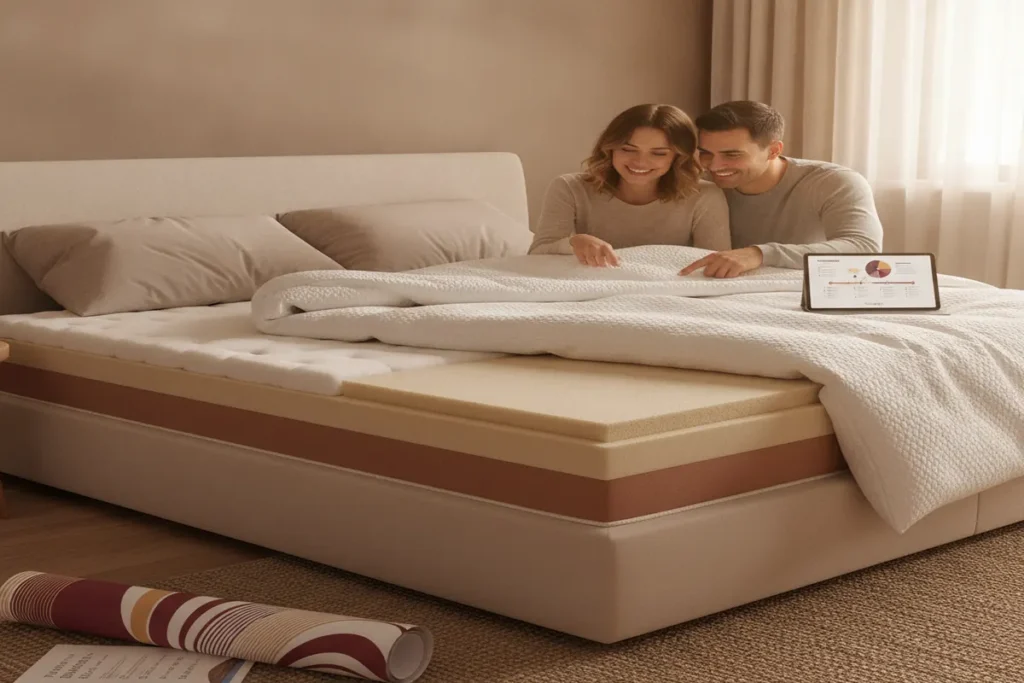
Here’s a comparison to help you weigh your options:
Detailed Analysis for Snoring Reduction:
-
Foam Mattresses (Memory Foam, Polyfoam):
- Pros for Snoring: As discussed, memory foam excels at contouring to your body, maintaining optimal spinal alignment, and reducing pressure points that might cause you to shift into snore-inducing positions. High-density polyfoam provides a stable base. This is particularly beneficial for side sleepers as it keeps the head and neck aligned with the rest of the spine.
- Cons: Traditional memory foam can sleep hot, which can disrupt sleep and potentially exacerbate snoring. Look for cooling features.
- Internal Link: Our Sponge Topper Mattress can also enhance the contouring feel of your existing bed.
-
Latex Foam Mattresses:
- Pros for Snoring: Latex offers a unique blend of contouring and buoyancy. It supports the spine effectively while allowing for easier movement, which can prevent you from getting “stuck” in a position that encourages snoring. Its natural breathability also contributes to a cooler sleep environment.
- Cons: Can be expensive, and some find the buoyant feel takes getting used to.
- Internal Link: Explore the natural benefits of our Latex Foam Mattress.
-
Hybrid Mattresses (Foam + Coils):
- Pros for Snoring: Hybrids combine the best of both worlds: the contouring comfort and pressure relief of foam (memory foam or latex) with the responsive support and airflow of innerspring coils. The coil layer provides targeted support and prevents sagging, while the foam layers cradle your body. The open structure of the coils also promotes better air circulation, addressing the heat retention issue sometimes found in all-foam beds.
- Cons: Can be heavier and more expensive than all-foam options. Motion transfer is generally better than innerspring but not always as isolated as pure memory foam.
- Internal Link: Our Pocket Coils Mattress and Bonnel Spring Mattress collections demonstrate our expertise in spring-based support systems, often paired with high-quality foam layers.
-
Adjustable Air Beds:
- Pros for Snoring: While not strictly “foam mattresses,” adjustable air beds deserve mention due to their exceptional ability to combat snoring. They allow you to customize the firmness on each side of the bed and, crucially, to elevate the head of the bed, which is a highly effective method for opening airways and reducing snoring.
- Cons: Significantly more expensive, often complex, and may not offer the same deep contouring feel as high-quality memory foam.
Conclusion: For dedicated snoring reduction, high-quality memory foam, latex foam, and hybrid mattresses are all strong contenders. Your ideal choice will depend on your personal preferences for feel, cooling, and budget. If you need customizable head elevation, an adjustable air bed is unparalleled, but typically used with foam or hybrid mattresses on top.
Common Pitfalls: What to Avoid When Buying a Foam Mattress for Snoring
Navigating the market for the best foam mattress for snoring reduction can be tricky, and many buyers fall into common traps that undermine their efforts. Being aware of these pitfalls can save you money, time, and, most importantly, improve your sleep quality.
Here’s what to watch out for and how to avoid these common mistakes:
-
Ignoring Firmness Requirements:
- Mistake: Opting for a mattress that’s too soft because it feels plush in the showroom, or too firm thinking it’s always better for support.
- Why it’s a pitfall: A mattress that’s too soft allows your hips and shoulders to sink excessively, misaligning your spine and constricting your airways. A mattress that’s too firm can create pressure points, leading to discomfort, tossing, turning, and potentially even more snoring as you seek a comfortable position.
- How to avoid: Aim for a medium-firm to firm mattress, especially if you’re a side sleeper or back sleeper. Pay attention to how your spine aligns when lying down.
-
Overlooking Cooling Technology:
- Mistake: Purchasing a traditional memory foam mattress without considering its heat retention properties.
- Why it’s a pitfall: Overheating during sleep can disrupt your sleep cycle, cause restlessness, and lead to waking up. Disrupted sleep can exacerbate snoring and make it harder to maintain a snore-reducing position.
- How to avoid: Prioritize foam mattresses with advanced cooling features like gel infusions, copper, graphite, open-cell designs, or breathable covers.
-
Failing to Check for Certifications:
- Mistake: Buying a foam mattress without verifying its material certifications.
- Why it’s a pitfall: Low-quality foam can off-gas unpleasant odors (VOCs) and contain harmful chemicals that can affect indoor air quality and your health.
- How to avoid: Look for certifications like CertiPUR-US for polyurethane foams, ensuring they are made without ozone depleters, heavy metals, formaldehyde, or phthalates. For latex, look for GOLS (Global Organic Latex Standard).
-
Not Utilizing the Sleep Trial:
- Mistake: Making a quick decision and not taking full advantage of the mattress’s in-home sleep trial period.
- Why it’s a pitfall: It takes time—often weeks—for your body to adjust to a new mattress and for you to truly assess its effectiveness in reducing snoring. A quick test in a store is insufficient.
- How to avoid: Only purchase from brands offering a minimum 90-night sleep trial. Give yourself ample time to sleep on the mattress consistently before making a final judgment.
-
Ignoring Your Sleeping Position:
- Mistake: Choosing a mattress without considering your primary sleeping position.
- Why it’s a pitfall: Different sleeping positions require different levels of support and contouring. For instance, a side sleeper needs more pressure relief at the shoulders and hips than a back sleeper.
- How to avoid: Research mattresses specifically recommended for your sleeping position. Side sleepers often benefit most from medium-firm foam or hybrid mattresses that provide adequate cushioning for pressure points while maintaining spinal alignment.
-
Focusing Solely on Price:
- Mistake: Opting for the cheapest foam mattress available, or assuming the most expensive is always the best.
- Why it’s a pitfall: Very cheap foam mattresses often use low-density materials that sag quickly, losing their supportive properties and negating any snoring reduction benefits. Conversely, a high price doesn’t always guarantee the best fit for your specific needs.
- How to avoid: View a mattress as an investment in your health. Balance cost with quality, durability, and features relevant to snoring reduction. Look for value, not just the lowest price.
By being diligent and avoiding these common errors, you can significantly increase your chances of finding the best foam mattress for snoring reduction that genuinely improves your sleep and reduces snoring.
Understanding the Investment: How Much Does a Quality Snore-Reducing Foam Mattress Cost?
Investing in a quality foam mattress for snoring reduction is an investment in your health and the peace of your household. The cost can vary significantly based on material, brand, size, and advanced features. Understanding these price tiers will help you set a realistic budget.
Here’s a breakdown of what you can expect to pay for a foam mattress designed to reduce snoring:
-
Entry-Level Foam Mattresses (Primarily Polyfoam, Basic Memory Foam):
- Price Range: $300 – $800 (Queen size)
- What to expect: These often feature a basic layer of memory foam over a polyfoam core. They can offer some initial pressure relief and support, but the foam density might be lower, leading to quicker degradation and less effective long-term support for snoring reduction. Cooling features are usually minimal.
- Suitability: Best for those on a very tight budget or for guest rooms where long-term snoring reduction isn’t the primary concern. Might not offer the sustained spinal alignment needed for chronic snoring.
-
Mid-Range Foam Mattresses (Quality Memory Foam, Blended Latex):
- Price Range: $800 – $1,500 (Queen size)
- What to expect: This category offers a significant jump in quality. You’ll find higher-density memory foams, often with gel infusions or open-cell structures for improved cooling. Some may incorporate blended latex or more advanced layering. These mattresses provide better durability, more consistent spinal alignment, and superior pressure relief, making them a solid choice for snoring reduction.
- Suitability: An excellent balance of quality and value for most individuals seeking effective snoring relief without breaking the bank. Many reputable brands fall into this category.
- Internal Link: Our Foam Mattress collection offers various options that fit within this quality and price segment, crafted with Turkish expertise.
-
Premium Foam Mattresses (Natural Latex, Advanced Memory Foam, Hybrid Combinations):
- Price Range: $1,500 – $3,000+ (Queen size)
- What to expect: This segment includes mattresses made from high-quality natural latex (Talalay or Dunlop), advanced multi-layer memory foam systems with superior cooling and targeted support, and high-end hybrid models. These mattresses offer exceptional durability, precise contouring for optimal spinal alignment, and the most effective temperature regulation. They are built to last and provide consistent snoring reduction over many years.
- Suitability: Ideal for those with chronic snoring issues, specific sleep health needs, or anyone prioritizing the highest level of comfort, support, and longevity.
- Internal Link: For those considering a luxurious and highly supportive option, our Avant-Garde Bed collection embodies premium craftsmanship and materials.
Factors Influencing Cost:
-
Material Quality: Natural latex is generally more expensive than synthetic latex or memory foam. Higher-density foams cost more.
-
Layering & Construction: Mattresses with multiple specialized foam layers, zoned support, or hybrid constructions (foam + pocket coils) tend to be pricier.
-
Brand Reputation & Technology: Established brands with proprietary foam technologies or unique designs often command higher prices.
-
Size: Larger sizes (King, California King) will naturally cost more than smaller sizes (Twin, Full).
-
Added Features: Organic certifications, advanced cooling covers, or smart features can also increase the price.
Making a Smart Investment:
When considering the cost, remember that a mattress is a long-term investment (typically 7-10 years). Divide the total cost by the number of nights you’ll sleep on it to see its true daily value. Prioritize quality and features that directly address snoring reduction and your personal comfort needs over simply finding the lowest price. A good mattress can significantly improve your sleep quality and overall well-being.
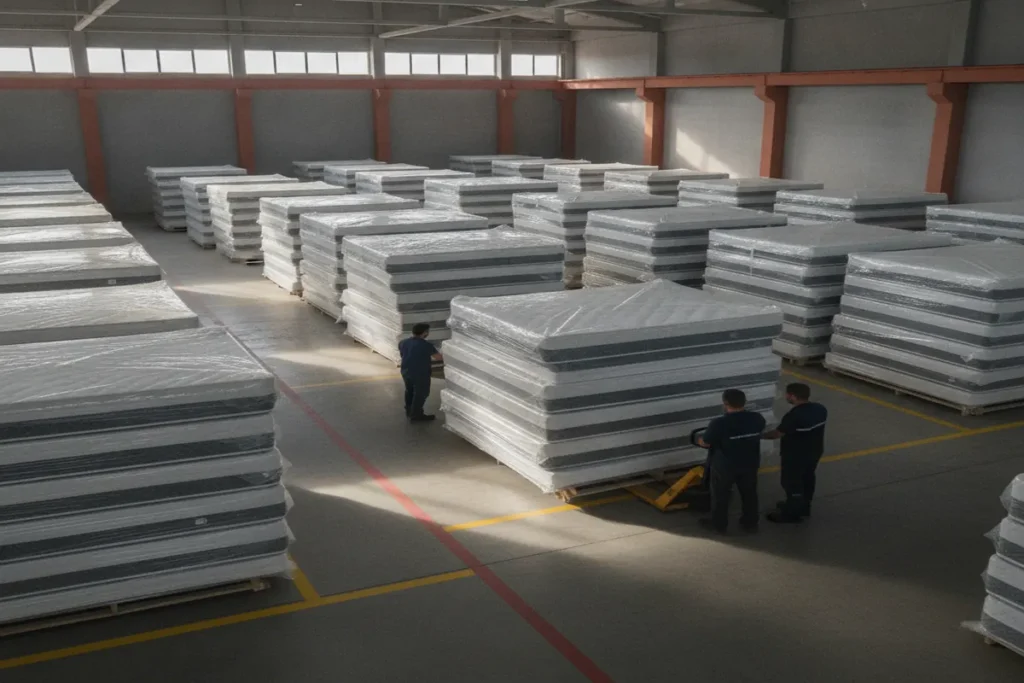
For those looking at bulk purchases or international shipping, exploring options like Mattress Wholesale in Turkiye or Ship Turkish Mattresses Internationally might offer value.
Where to Confidently Purchase Your Best Foam Mattress for Snoring Reduction Online?
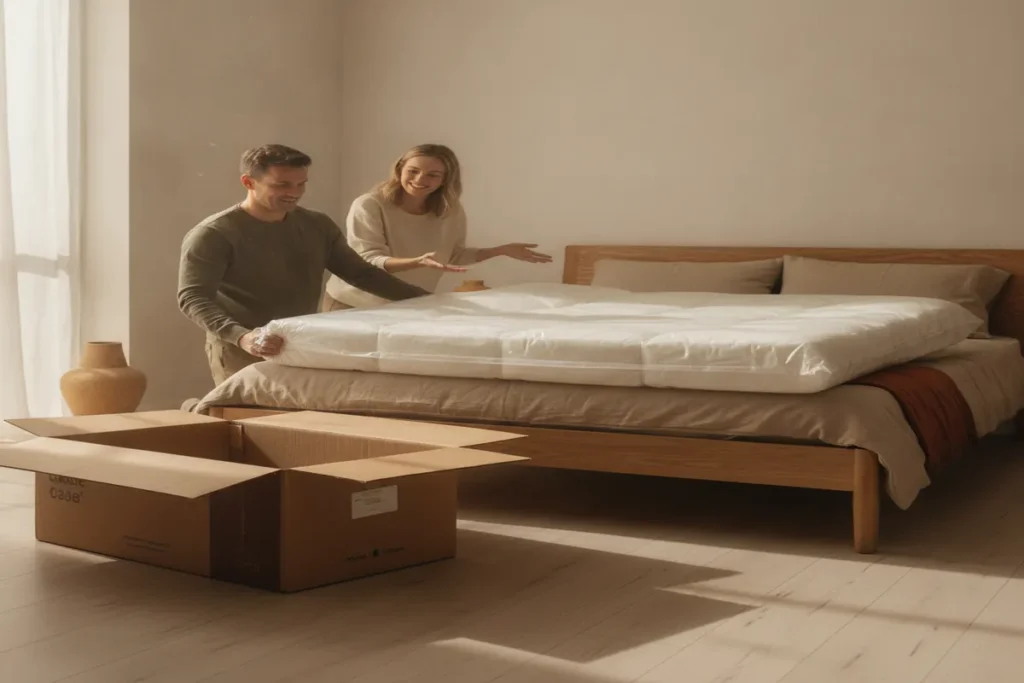
In today’s market, buying the best foam mattress for snoring reduction online offers unparalleled convenience, selection, and often better pricing than traditional brick-and-mortar stores. However, making a confident purchase requires knowing where to look and what guarantees to prioritize.
Here’s a guide to purchasing your snore-reducing foam mattress online:
-
Direct-to-Consumer (DTC) Brands:
- Why choose them: Many innovative foam mattress companies operate exclusively online, cutting out middlemen and often passing savings directly to the customer. They typically offer generous sleep trials (100+ nights), robust warranties, and excellent customer service.
- What to look for:
- Clear product specifications: Detailed information on foam density, layers, and cooling technologies.
- Transparent policies: Easy-to-understand return policies, trial periods, and warranty coverage.
- Customer reviews: Look for reviews specifically mentioning snoring reduction or improved breathing.
- Examples: Many well-known mattress-in-a-box brands fall into this category.
- Internal Link: Sinyora Yatak, as a manufacturer, offers a direct path to high-quality sleep solutions. Our Shop All Products page is your starting point.
-
Reputable Online Retailers/Marketplaces:
- Why choose them: These platforms offer a vast selection from various brands, allowing for easy comparison shopping. They often have robust customer protection policies.
- What to look for:
- Seller ratings: Ensure the individual seller or brand has high ratings and positive feedback.
- Product filters: Utilize filters for material type (memory foam, latex, hybrid), firmness, and features (cooling, pressure relief).
- Return process: Understand the marketplace’s specific return policy, as it can sometimes differ from the brand’s direct policy.
-
Manufacturer Websites (Like Sinyora Yatak):
- Why choose them: Buying directly from the manufacturer ensures you’re getting authentic products, direct support, and often the best pricing due to fewer intermediaries. You also benefit from the manufacturer’s deep expertise in their own products.
- What to look for:
- Detailed product pages: Comprehensive information on materials, construction, and benefits, often with diagrams.
- Direct customer service: Access to experts who know the products inside and out.
- Exclusive offers: Manufacturers often have unique promotions or bundles.
- Internal Link: Our Mattress Collection and Pillow Collection showcase our full range, designed with your sleep health in mind. For specific inquiries, our Contact Us for Support page is always available.
Key Considerations for Online Purchase:
-
Sleep Trial: This is non-negotiable. It allows you to test the mattress in your home for an extended period, which is crucial for determining its effectiveness for snoring reduction.
-
Warranty: A strong warranty (typically 10+ years) protects your investment against manufacturing defects and premature sagging.
-
Shipping & Delivery: Check if shipping is free, if white-glove delivery (setup and old mattress removal) is available, and what the estimated delivery time is.
-
Return Policy: Understand the process for returns, including any fees or requirements for packaging.
-
Customer Support: Ensure the company offers accessible and responsive customer service for any questions or issues.
By focusing on these points and choosing reputable online sources, you can confidently purchase the best foam mattress for snoring reduction that meets your needs and helps you achieve quieter, more restorative sleep. Don’t forget to explore our Buying Guides for more detailed advice.
Expert Insight
“The relationship between mattress support and snoring severity is often underestimated. A common mistake is focusing solely on pillows for snoring, when in fact, the entire sleep surface plays a critical role. For many snorers, particularly side sleepers, a mattress that provides consistent, neutral spinal alignment from head to toe can be more effective than any pillow alone in preventing airway collapse. It’s about creating a stable foundation for the entire body to maintain an open airway.” – Sleep health specialists emphasize the holistic approach to sleep posture.
Key Terms
-
Spinal Alignment: The natural, healthy curvature of the spine, maintained when the head, neck, and back are in a straight line, crucial for open airways during sleep.
-
Motion Transfer: The degree to which movement on one part of the mattress can be felt on another part, minimized by foam mattresses for undisturbed sleep.
-
Off-Gassing: The release of volatile organic compounds (VOCs) from new foam products, often resulting in a temporary odor, which CertiPUR-US certification helps mitigate.
-
Side Sleeping: A common sleep position that can be beneficial for snoring reduction when supported by a mattress that properly aligns the spine and head.
-
Viscoelastic Foam: Another term for memory foam, highlighting its properties of both viscosity (resistance to flow) and elasticity (ability to return to original shape).
How Can You Upgrade to More Comfortable Sleep with Sinyora Yatak?
If you’re ready to transform your nights and significantly reduce snoring, Sinyora Yatak offers a curated selection of premium foam mattresses engineered for superior comfort and support. Our Turkish craftsmanship combines traditional quality with modern sleep science, ensuring each mattress, from our contouring Visco Foam to our responsive Latex Foam, provides the optimal spinal alignment crucial for open airways. We understand that finding the best foam mattress for snoring reduction is a critical step towards better health, which is why we meticulously design our products for durability, breathability, and unparalleled support. Explore our diverse Mattress Collection, learn What Makes Turkish Mattresses Special, and discover why a Sinyora Yatak mattress is your ultimate upgrade to quieter, more restorative sleep. For personalized guidance or to discuss international shipping options, our dedicated Customer Service team is ready to assist.
Frequently Asked Questions
Q: Can a foam mattress completely eliminate snoring?
Q: Is memory foam or latex foam better for snoring reduction?
Q: What firmness level should I look for in a foam mattress for snoring?
Q: Do I need a special pillow if I get a foam mattress for snoring?
Q: How long does it take to adjust to a new foam mattress for snoring reduction?
Q: Can a foam mattress help if my snoring is due to sleep apnea?
Help: FAQs · Sleep Science · Sleep Resources · Privacy Policy