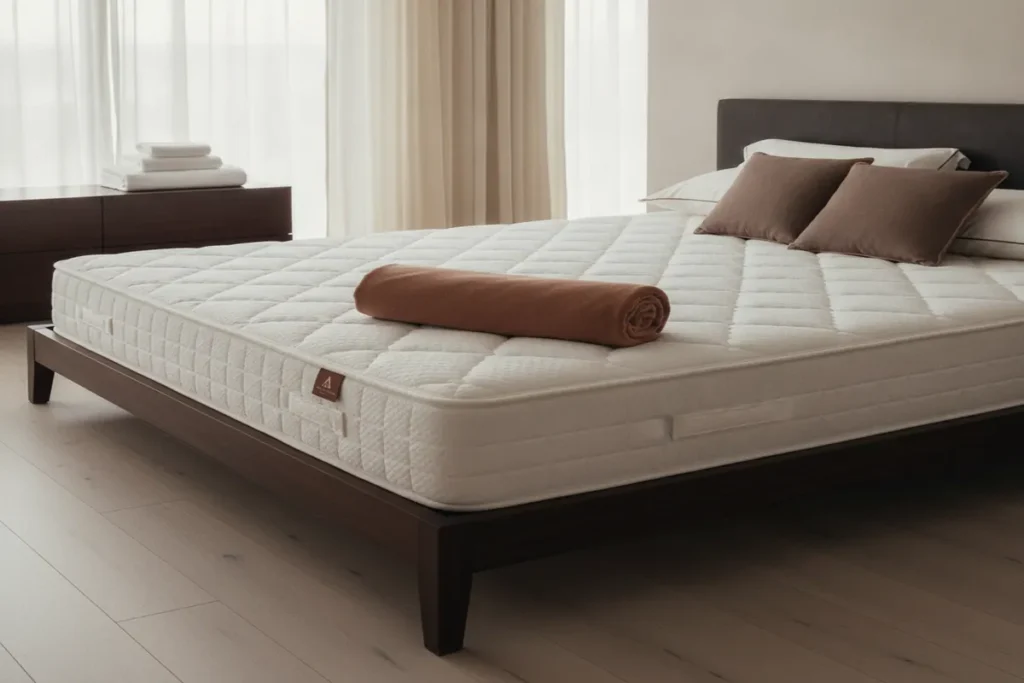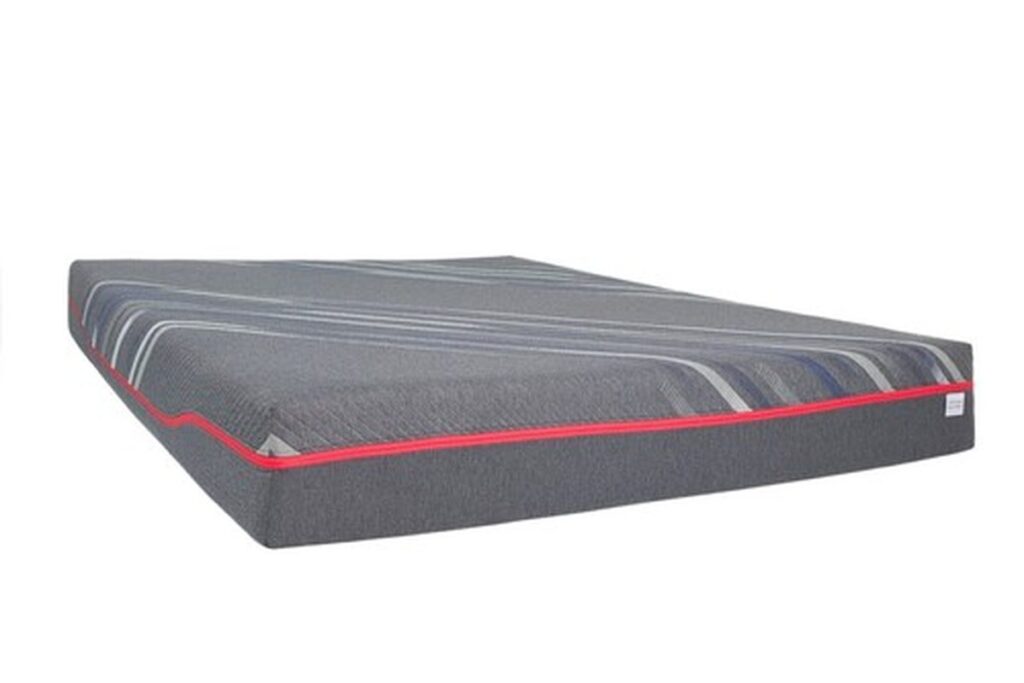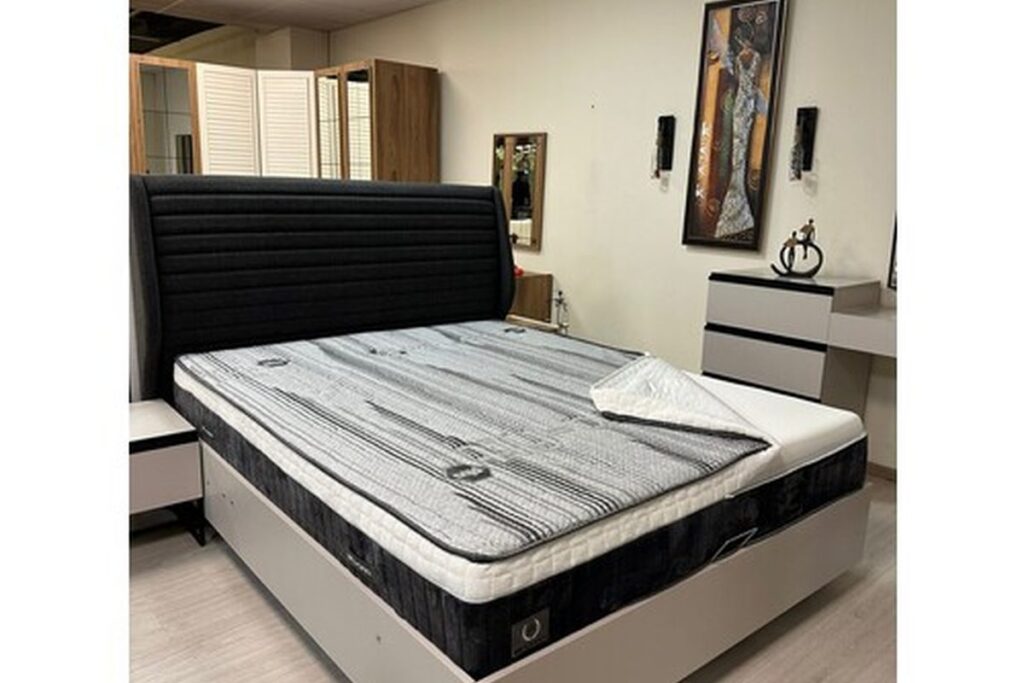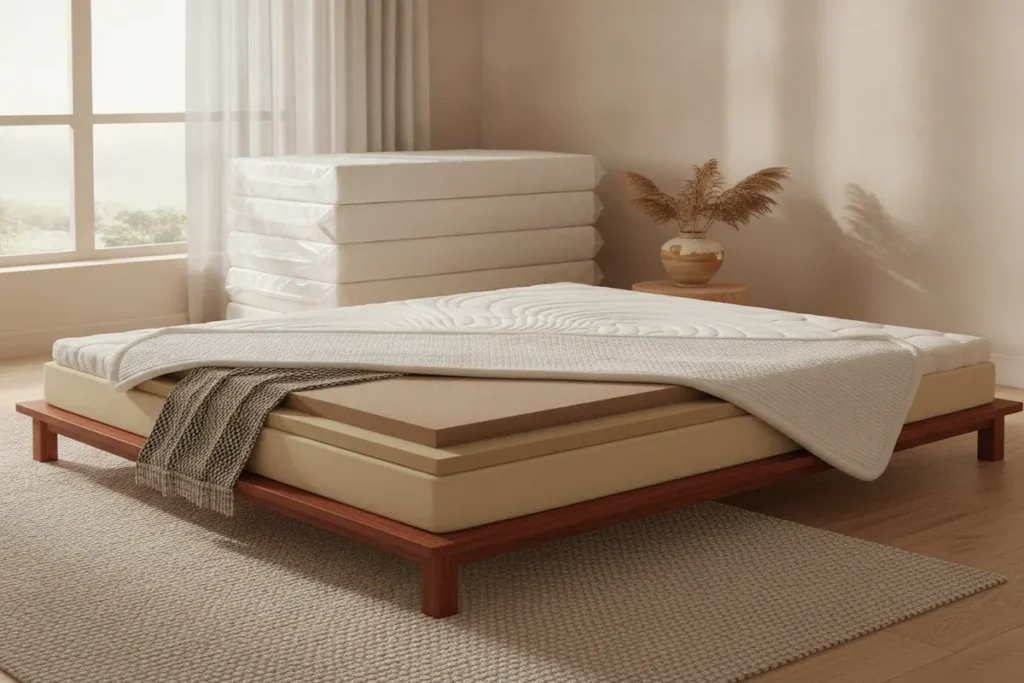

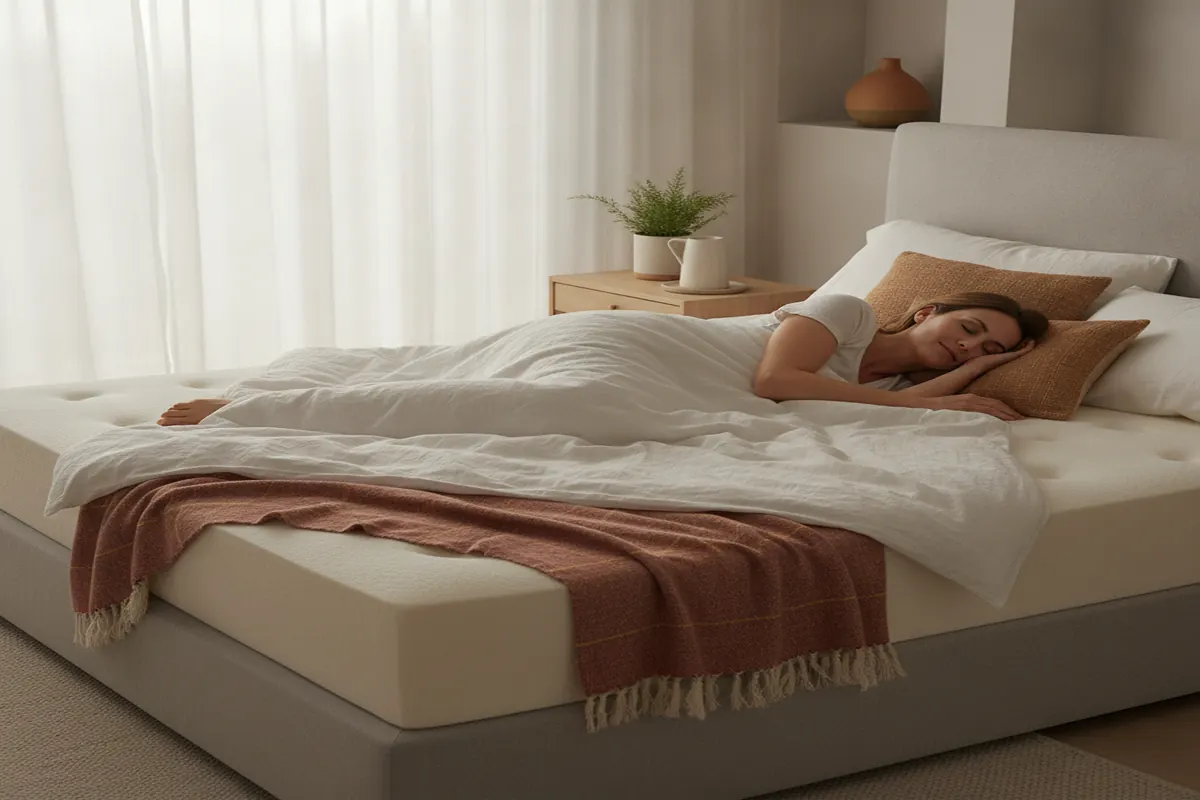
For individuals struggling with insomnia and seeking to significantly improve their sleep quality, a foam mattress can be a transformative investment. The best foam mattresses for these challenges are expertly engineered to provide superior pressure relief, exceptional motion isolation, and consistent support, creating an undisturbed sleep environment. Options like high-density memory foam and natural latex foam excel at conforming to the body, alleviating pressure points, and minimizing disturbances, which are crucial for falling asleep faster and experiencing deeper, more restorative sleep cycles.
Quick Summary
- Selecting the best foam mattress for insomnia and sleep quality involves prioritizing pressure relief, motion isolation, and proper support
- memory foam and latex foam are top contenders, each offering distinct benefits for different sleep needs
- key factors include firmness, density, cooling features, and certification for health and safety
- expect prices to vary widely, but focus on value that aligns with durability and performance
Why Prioritize a Foam Mattress for Insomnia and Enhanced Sleep Quality?
Insomnia and poor sleep quality often stem from discomfort, inadequate support, or disruptions during the night. Foam mattresses are uniquely positioned to address these issues, offering a suite of benefits that can significantly improve your sleep experience. Unlike traditional innerspring mattresses, foam structures adapt to your body, providing a tailored sleep surface that promotes relaxation and minimizes tossing and turning.
Here are the main benefits that make foam mattresses an excellent choice for improving sleep:
-
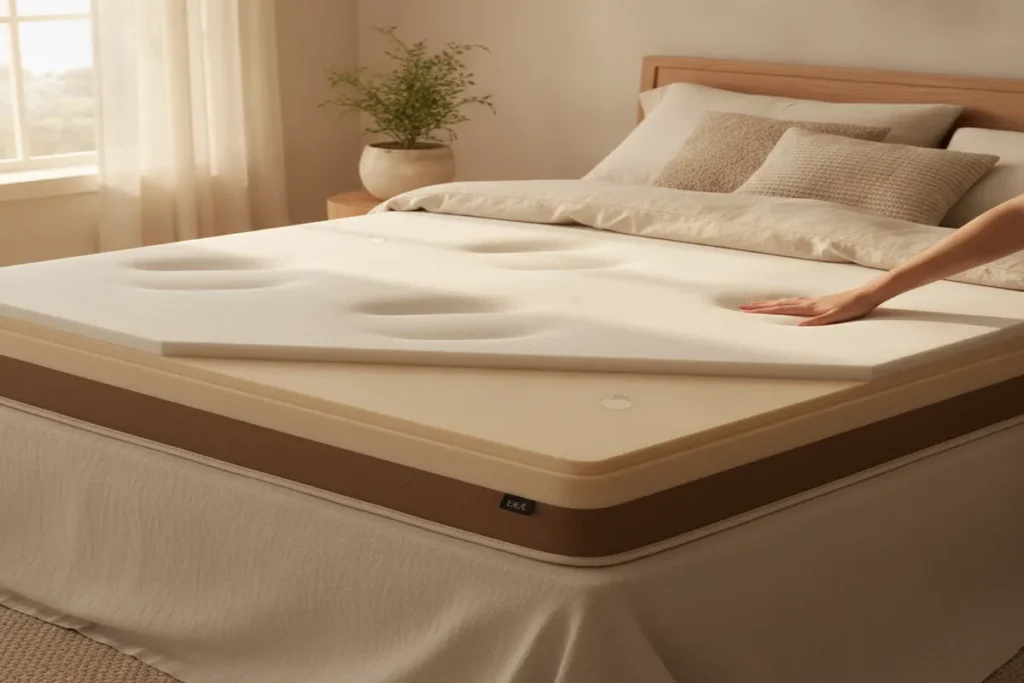
Superior Pressure Relief: Foam mattresses, especially Memory Foam Mattress varieties, excel at cradling the body’s natural curves. This even weight distribution alleviates pressure points in the shoulders, hips, and back, which are common sources of discomfort that can keep insomniacs awake. Reduced pressure leads to less pain and improved circulation, allowing for deeper relaxation.
-
Exceptional Motion Isolation: One of the most significant advantages for couples or those easily disturbed is foam’s ability to absorb motion. When one person moves, the other is far less likely to feel it. This motion isolation is critical for uninterrupted sleep, preventing awakenings that can prolong bouts of insomnia.
-
Contouring Support and Alignment: Foam mattresses conform closely to your body, filling the gaps that can occur with firmer surfaces. This personalized contouring ensures proper spinal alignment, which is vital for reducing back pain and promoting a comfortable sleeping posture throughout the night. Consistent support helps maintain this alignment, preventing aches that disrupt sleep.
-
Hypoallergenic Properties: Many foam mattresses, particularly those made from natural Latex Foam Mattress, are inherently resistant to dust mites, mold, and mildew. This makes them an ideal choice for sleepers with allergies or asthma, as reduced allergens in the sleep environment can prevent nighttime respiratory issues that interfere with sleep.
-
Durability and Longevity: High-quality foam mattresses are designed to last, maintaining their support and comfort for many years. This long-term performance ensures a consistent sleep surface, preventing the dips and sags that can develop in lower-quality mattresses and lead to discomfort over time.
-
Noise-Free Operation: Unlike spring mattresses that can develop squeaks and creaks over time, foam mattresses are virtually silent. This quiet operation contributes to a peaceful sleep environment, free from mechanical noises that could potentially disturb sensitive sleepers.
Understanding Foam Mattress Types: Which is Best for Your Sleep Needs?
Choosing the right foam mattress for insomnia and sleep quality begins with understanding the distinct characteristics of the primary foam types. While all foam mattresses offer pressure relief and motion isolation, their composition, feel, and performance can vary significantly.
Memory Foam Mattresses
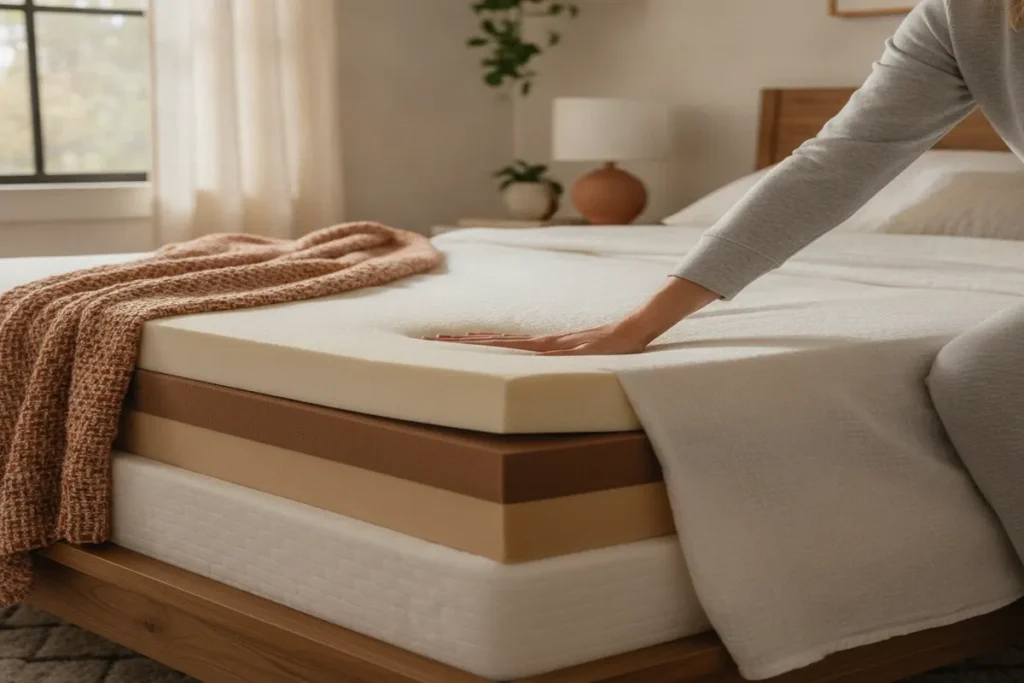
Memory foam, or viscoelastic foam, is renowned for its ability to soften and conform to your body in response to heat and pressure. It offers a distinct “hug” sensation, cradling you deeply.
-
Pros:
- Excellent pressure point relief, ideal for side sleepers and those with joint pain.
- Superior motion isolation, minimizing disturbances from a partner.
- Conforms to the body, promoting spinal alignment.
-
Cons:
- Can sometimes retain heat, though newer designs incorporate cooling technologies like gel infusions or open-cell structures.
- May have a slow response time, making it feel like you’re sinking.
- Initial “off-gassing” odor is possible, though it typically dissipates quickly.
-
Best For: Side sleepers, individuals with chronic pain, couples, and those who prefer a deeply conforming feel. Brands like Leesa Original Mattress and Novosbed are well-known for their memory foam offerings.
Latex Foam Mattresses
Latex foam is derived from the sap of rubber trees (natural latex) or synthetically produced. It offers a bouncier, more responsive feel than memory foam, with excellent durability and natural cooling properties.
-
Pros:
- More responsive and buoyant feel, making it easier to move around.
- Naturally breathable, offering better cooling than traditional memory foam.
- Highly durable and long-lasting.
- Naturally hypoallergenic and resistant to dust mites and mold.
-
Cons:
- Often more expensive than memory foam.
- Heavier than other mattress types, making it harder to move.
- Less motion isolation than memory foam, though still good.
-
Best For: Hot sleepers, those who prefer a bouncier feel, individuals with allergies, and eco-conscious buyers. Sinyora Yatak offers high-quality Latex Foam Mattress options.
Hybrid Foam Mattresses
Hybrid mattresses combine layers of foam (memory foam, latex, or polyfoam) with an innerspring support core, often featuring Pocket Coils Mattress. This construction aims to marry the benefits of both worlds.
-
Pros:
- Offers a balance of contouring comfort from foam and robust support from coils.
- Improved airflow due to the coil layer, enhancing cooling.
- Excellent edge support and responsiveness.
-
Cons:
- Can be more expensive due to complex construction.
- May have less motion isolation than a pure foam mattress.
- Heavier than all-foam options.
-
Best For: Sleepers who want the pressure relief of foam but prefer the traditional bounce and breathability of springs.
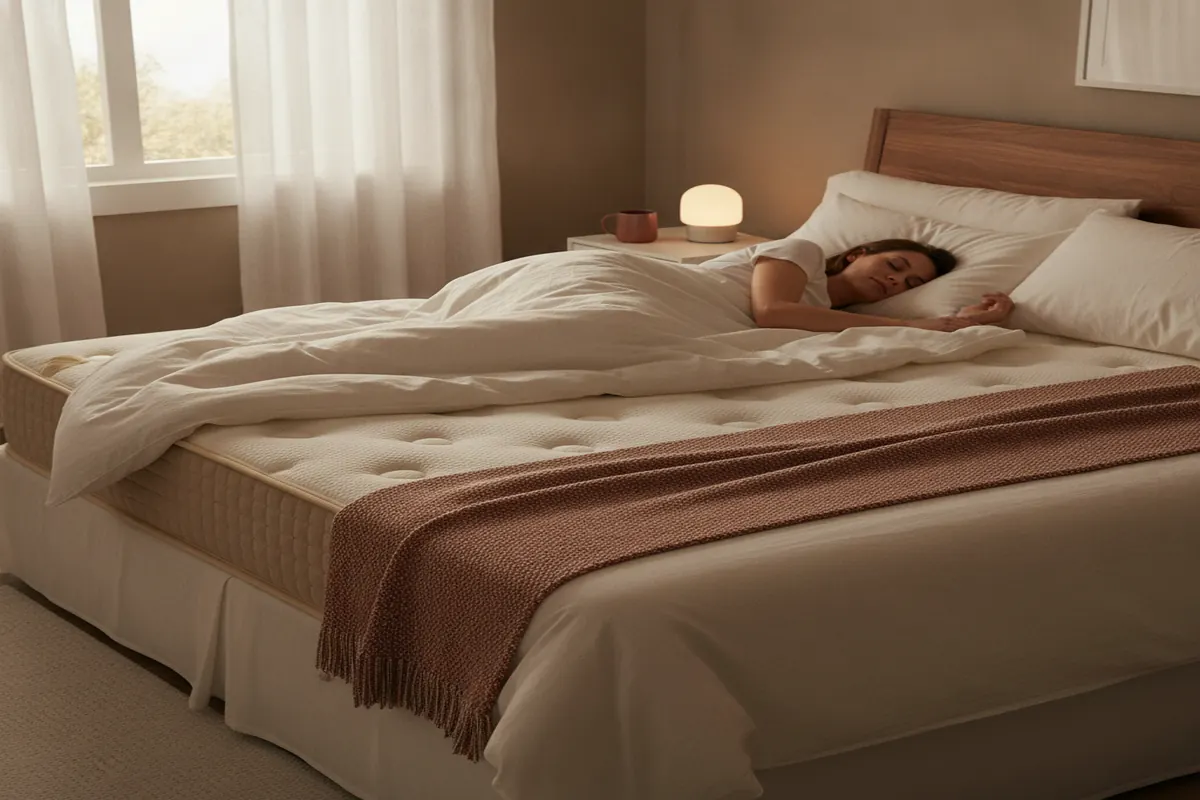
To help you compare, here’s a quick overview:
Key Factors to Consider When Choosing Your Ideal Foam Mattress
Selecting the best foam mattress for insomnia and sleep quality requires a thoughtful evaluation of several critical factors beyond just the foam type. These elements directly impact comfort, support, and your ability to achieve restorative sleep.
1. Firmness Level
The ideal firmness is highly subjective and depends on your sleeping position and body weight.
-
Side Sleepers: Typically require a softer to medium-firm mattress (4-6 out of 10 on the firmness scale) to allow shoulders and hips to sink in, maintaining spinal alignment and relieving pressure points. A mattress that’s too firm can cause pressure buildup.
-
Back Sleepers: Generally do well with a medium-firm mattress (5-7) that supports the natural curve of the spine without allowing excessive sinking.
-
Stomach Sleepers: Often need a firmer mattress (6-8) to prevent the hips from sinking too deeply, which can lead to lower back strain.
-
Heavier Individuals: May require a firmer mattress (7-9) to ensure adequate support and prevent excessive sinking, regardless of sleeping position.
-
Lighter Individuals: Might find a softer mattress (3-5) more comfortable, as they don’t exert enough pressure to activate the pressure-relieving properties of firmer foams.
2. Foam Density and Quality
Density refers to the weight of the foam per cubic foot, not its firmness. Higher density generally correlates with greater durability and support.
-
Low Density (under 3.5 lbs/cu ft): Softer, less durable, quicker to break down.
-
Medium Density (3.5-5.0 lbs/cu ft): Good balance of comfort and durability, common in quality memory foam.
-
High Density (over 5.0 lbs/cu ft): Most durable, longest-lasting, excellent support. Often found in premium mattresses like Sinyora Yatak’s Visco Foam Mattress for superior longevity.
Always look for certifications like CertiPUR-US for memory foam or GOLS/GOTS for natural latex, which ensure the foam is free from harmful chemicals and manufactured responsibly.
3. Cooling Features
Traditional memory foam can retain body heat, a major concern for hot sleepers and a potential trigger for restlessness. Look for mattresses with integrated cooling technologies:
-
Gel Infusions: Gel beads or swirls added to foam layers help dissipate heat.
-
Open-Cell Structure: More breathable foam structure allows for better airflow.
-
Phase-Change Materials (PCMs): Fabrics or infusions that absorb and release heat to regulate temperature.
-
Copper Infusions: Copper is a natural thermal conductor and can help draw heat away from the body.
-
Latex Foam: Naturally more breathable and cooler than memory foam.
-
Hybrid Designs: The coil layer in hybrid mattresses allows for significant airflow.
4. Support Core
While foam layers provide comfort, the support core is crucial for the mattress’s overall stability and longevity.
-
High-Density Polyfoam: A common and effective base layer in all-foam mattresses, providing foundational support.
-
Pocketed Coils: In hybrid mattresses, individually wrapped coils offer targeted support, superior airflow, and excellent responsiveness. Sinyora Yatak’s Pocket Coils Mattress are designed for optimal support.
5. Edge Support
Good edge support prevents the feeling of rolling off the bed and allows you to utilize the entire mattress surface. This is particularly important for those who sleep near the edge or use the bed for sitting. Look for mattresses with reinforced foam edges or robust coil perimeters in hybrids.
6. Trial Period and Warranty
A generous in-home trial period (typically 90-365 nights) allows you to test the mattress in your own environment. A solid warranty (usually 10-25 years) protects your investment against manufacturing defects. Always review the terms carefully.
Your Decision Framework Checklist:
-
Sleeping Position: (Side, Back, Stomach) influences ideal firmness.
-
Body Weight: Affects how much you sink and the required support.
-
Temperature Preference: Hot sleeper? Prioritize cooling features.
-
Motion Sensitivity: Share your bed? Motion isolation is key.
-
Allergies: Consider natural latex or hypoallergenic covers.
-
Budget: Determine your spending range, but prioritize quality for long-term health.
-
Trial & Warranty: Ensure favorable terms for peace of mind.
Navigating the Cost: How Much Should You Expect to Pay for Quality Foam?
The cost of a best foam mattress for insomnia and sleep quality can vary significantly, reflecting differences in materials, construction, brand reputation, and added features. While it’s tempting to opt for the lowest price, remember that a mattress is an investment in your health and well-being.
-
Entry-Level Foam Mattresses (e.g., polyfoam, basic memory foam): Expect to pay roughly $400 – $800 for a queen size. These often use lower-density foams, may have fewer advanced cooling features, and typically come with shorter warranties. While they offer basic pressure relief, their durability and long-term support might be compromised.
-
Mid-Range Foam Mattresses (e.g., gel-infused memory foam, blended latex, quality polyfoam bases): Prices generally range from $800 – $1,500 for a queen. This category offers a good balance of comfort, support, and durability. You’ll find better cooling technologies, higher foam densities, and more reputable brands. Many popular direct-to-consumer brands fall into this range.
-
Premium Foam Mattresses (e.g., high-density memory foam, natural latex, advanced hybrid designs): For a queen size, these can cost anywhere from $1,500 – $3,000+, or even more for ultra-luxury models. These mattresses feature the highest quality materials, superior certifications (e.g., GOLS certified latex, CertiPUR-US HD foam), advanced cooling systems, and often thicker comfort layers. They are built for exceptional durability, comfort, and specialized support. Sinyora Yatak’s premium Foam Mattress and Latex Foam Mattress offerings are positioned in this category, providing lasting value.
Factors Influencing Price:
-
Foam Type: Natural latex is generally more expensive than memory foam or polyfoam due to its sourcing and processing.
-
Density: Higher density foam costs more but offers better durability and support.
-
Thickness: Thicker mattresses, especially those with multiple comfort layers, tend to be pricier.
-
Cooling Technologies: Advanced cooling features (gel, phase-change materials, copper) add to the cost.
-
Certifications: Certifications (CertiPUR-US, GOLS, GOTS) ensure quality and safety but can slightly increase the price.
-
Brand Reputation: Established brands often command higher prices due to their R&D, customer service, and proven track record.
Expert Tip on Value:
Instead of focusing solely on the upfront cost, consider the cost per night over the mattress’s lifespan. A $1,500 mattress lasting 10 years costs $0.41 per night, while a $700 mattress lasting 5 years costs $0.38 per night. The more durable, higher-quality option often provides superior comfort and health benefits for a negligible difference in daily cost, making it a better long-term investment for addressing insomnia.
Common Pitfalls to Avoid When Buying a Foam Mattress for Better Sleep
Choosing the ideal foam mattress for improving sleep quality can be a complex decision, and several common mistakes can derail your efforts. Being aware of these pitfalls will help you make a more informed and satisfying purchase.
1. Overlooking Firmness for Your Sleep Position & Body Type
One of the most frequent errors is selecting a mattress that’s either too soft or too firm for your specific needs. A mattress that’s too soft allows excessive sinking, misaligning the spine and causing back pain. Conversely, a mattress that’s too firm creates pressure points, leading to discomfort and restless nights.
-
Avoid: Impulse buying based on general reviews.
-
Instead: Refer to your sleeping position and body weight. If you’re a side sleeper, prioritize pressure relief in the shoulders and hips. If you’re a stomach sleeper, ensure enough firmness to keep your hips elevated. Always cross-reference with the Firmness Level guidelines discussed earlier.
2. Ignoring Heat Retention Issues
Traditional memory foam is notorious for trapping heat, which can be a significant problem for hot sleepers and those prone to night sweats, exacerbating insomnia. Assuming all foam mattresses are hot is also a mistake, as modern innovations have largely addressed this.
-
Avoid: Purchasing a basic memory foam mattress without checking for cooling features if you tend to sleep hot.
-
Instead: Actively seek out mattresses with cooling features like gel infusions, open-cell designs, copper, or choose naturally breathable Latex Foam Mattress or hybrid options. Read user reviews specifically mentioning temperature regulation.
3. Neglecting Certifications and Material Quality
Some lower-cost foam mattresses may contain harmful chemicals or have poor durability due to low-quality materials. These can off-gas unpleasant odors or break down quickly, leading to sagging and reduced support.
-
Avoid: Buying a mattress without checking for recognized certifications.
-
Instead: Prioritize foam mattresses with CertiPUR-US certification for memory foam and polyfoam, ensuring they are made without ozone depleters, heavy metals, formaldehyde, and have low VOC (Volatile Organic Compound) emissions. For latex, look for GOLS (Global Organic Latex Standard) or GOTS (Global Organic Textile Standard) for organic covers. These certifications are a strong indicator of material quality and safety.
4. Skipping the Trial Period and Warranty Review
A mattress feels different after a few minutes in a showroom versus several nights in your home. Not taking advantage of a trial period or failing to understand the warranty can lead to regret if the mattress isn’t a good fit or develops issues.
-
Avoid: Assuming all mattresses come with a trial or that warranties are all-encompassing.
-
Instead: Always confirm the trial period (aim for at least 90 nights) and understand the return policy. Carefully read the warranty information to know what’s covered (e.g., sagging depth, manufacturing defects) and for how long. Sinyora Yatak provides comprehensive warranty and return policies for customer confidence.
5. Underestimating the Importance of a Proper Foundation
Even the best foam mattress can underperform if placed on an inadequate foundation. Sagging box springs, slatted bases with too much space between slats, or uneven surfaces can compromise the mattress’s support and shorten its lifespan.
-
Avoid: Using an old, unsupportive box spring or a slatted base with wide gaps.
-
Instead: Ensure your mattress foundation provides solid, even support. For foam mattresses, a solid platform bed or a slatted foundation with slats no more than 2-3 inches apart is ideal. You can explore Sinyora Yatak’s Bed Base and Headboard options for compatible support.
By consciously avoiding these common pitfalls, you can significantly increase your chances of finding a foam mattress that truly enhances your sleep quality and helps combat insomnia.
Top Foam Mattress Recommendations for Insomnia and Enhanced Sleep
When seeking the best foam mattress for insomnia and sleep quality, certain brands and types consistently rise to the top for their proven comfort, support, and innovative features. While personal preference is paramount, these recommendations offer a strong starting point, often praised for their ability to deliver restorative sleep.
Leading Brands and Their Offerings:
-
Sinyora Yatak’s Visco Foam Mattress:
- Why it’s great for insomnia: Sinyora Yatak specializes in high-quality Turkish mattresses, and their Visco Foam Mattress is engineered for superior contouring and pressure relief. It adapts precisely to the body, eliminating pressure points that can disrupt sleep. The high-density visco foam also provides excellent motion isolation, making it ideal for couples.
- Key Features: Advanced visco-elastic foam, often combined with cooling technologies and robust support layers. Designed for durability and consistent performance over time, reflecting What Makes Turkish Mattresses Special.
- Best For: Individuals seeking deep pressure relief, couples, and those who appreciate a luxurious, conforming feel. Explore Sinyora Yatak’s Mattress Collection for more details.
-
Leesa Original Mattress:
- Why it’s great for insomnia: The Leesa Original is a popular all-foam mattress known for its balanced feel. It combines a top layer of breathable foam with a contouring memory foam layer and a dense support base. This construction provides pressure relief without the excessive “sink” often associated with traditional memory foam, offering a comfortable surface that helps reduce tossing and turning.
- Key Features: Avena foam for breathability and bounce, memory foam for pressure relief, high-density foam base for support.
- Best For: Most sleeping positions, particularly back and side sleepers, and those who want a balanced feel that’s not too soft or too firm.
-
Novosbed (Memory Foam):
- Why it’s great for insomnia: Novosbed is acclaimed for its high-quality, ultra-dense memory foam, available in three distinct firmness options (Soft, Medium, Firm). This allows for a highly customized feel, ensuring optimal spinal alignment and pressure relief tailored to individual needs. Its exceptional motion isolation is a major plus for undisturbed sleep.
- Key Features: High-density memory foam, available in multiple firmness levels, often with a Comfort+ Layer system for post-purchase firmness adjustment.
- Best For: Sleepers who know their preferred firmness level, those seeking deep pressure relief and superior motion isolation, and individuals with specific pain points.
-
Silk & Snow Mattress (Memory Foam or Hybrid):
- Why it’s great for insomnia: Silk & Snow offers both all-foam and hybrid options, both designed with sleep quality in mind. Their memory foam mattress features a top layer infused with silver, which is naturally antimicrobial and can help regulate temperature. The hybrid option provides the contouring of foam with the added support and breathability of pocketed coils.
- Key Features: Silver-infused memory foam (all-foam), individually wrapped coils (hybrid), organic cotton cover.
- Best For: Those seeking antimicrobial benefits, combination sleepers, and individuals looking for excellent support with pressure relief.
Considerations for Your Home:
When bringing a new foam mattress into your home, especially for sleep issues, consider:
-
Room Size: Ensure the mattress fits comfortably in your bedroom.
-
Foundation Compatibility: As discussed, a proper bed base is crucial. Sinyora Yatak offers various Bed Base and Headboard options.
-
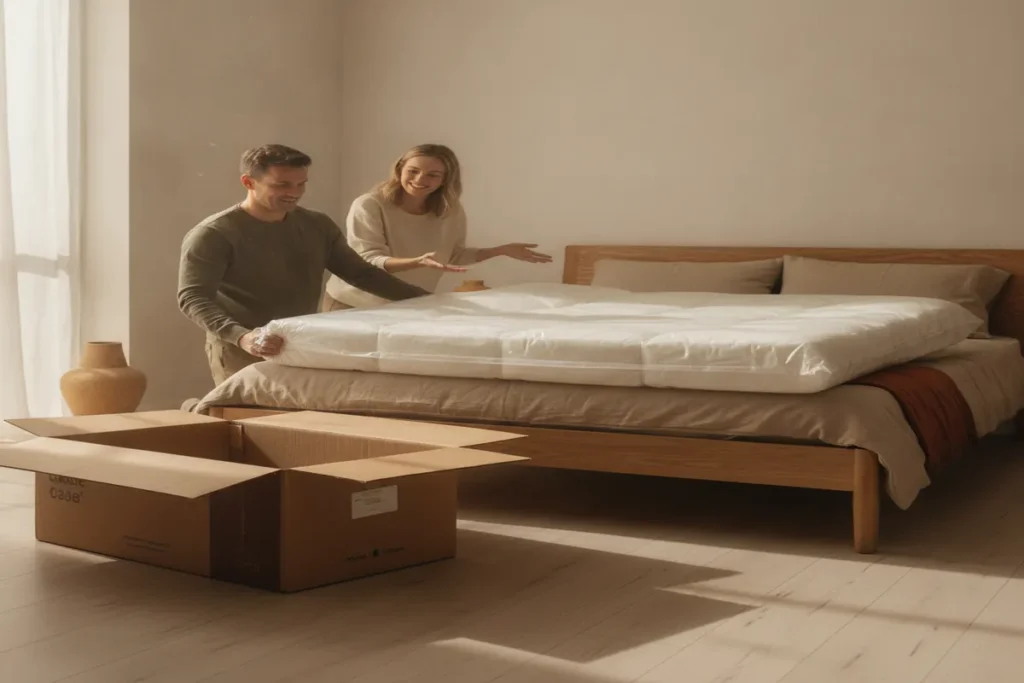
Delivery and Setup: Many online brands offer convenient bed-in-a-box delivery. Check if white-glove delivery or old mattress removal is available if needed.
-
Off-Gassing: Be prepared for a mild, temporary odor upon unboxing, especially with new memory foam. Allow for ventilation.
By evaluating these top recommendations against your personal sleep needs and the factors outlined earlier, you can confidently choose a foam mattress that will serve as a foundation for significantly improved sleep quality and a lasting solution for insomnia.
Expert Insight
“The right mattress is a fundamental pillar of sleep health, particularly for those battling insomnia. It’s not just about comfort; it’s about creating a supportive, pressure-relieving, and undisturbed environment that signals to the body it’s safe to relax and enter restorative sleep. Foam mattresses, with their unique ability to conform and isolate motion, have become a cornerstone in modern sleep science for this very reason.”
— Industry experts confirm that a tailored sleep surface is crucial for addressing sleep disorders.
Key Terms
-
Memory Foam: A viscoelastic polyurethane foam that softens and molds to the body in response to heat and pressure, offering deep contouring and pressure relief.
-
Latex Foam: A natural or synthetic foam derived from rubber, known for its responsiveness, durability, and natural breathability.
-
Motion Isolation: The ability of a mattress to absorb movement, preventing disturbances from transferring across the bed.
-
Pressure Relief: The mattress’s capacity to distribute body weight evenly, reducing pressure points that can cause discomfort or pain.
-
Firmness Level: The subjective measure of how soft or hard a mattress feels, typically rated on a scale of 1 (softest) to 10 (firmest).
-
CertiPUR-US: A certification program for polyurethane foams used in bedding and upholstered furniture, ensuring they meet rigorous standards for emissions, content, and durability.
How Can You Upgrade to More Comfortable Sleep with Sinyora Yatak?
If you’re ready to transform your sleep and effectively combat insomnia, Sinyora Yatak offers a curated selection of premium Turkish foam mattresses designed with your ultimate comfort and well-being in mind. Our expertise in crafting high-quality sleep solutions ensures that every mattress provides the perfect blend of support, pressure relief, and durability essential for restorative sleep.
Explore our Foam Mattress collection, including our advanced Visco Foam Mattress and naturally breathable Latex Foam Mattress, each engineered to address specific sleep needs. Whether you seek the deep contouring embrace of memory foam or the buoyant, hypoallergenic properties of latex, Sinyora Yatak has an option tailored for you. Visit our Shop All Products page or dive into our Mattress Collection to discover the difference that authentic Turkish craftsmanship can make to your sleep quality. For personalized guidance, our Customer Service team is ready to assist you in finding the perfect mattress solution.
Frequently Asked Questions
Q: How long does it take to adjust to a new foam mattress?
Q: Can a foam mattress help with specific pain points like back or joint pain?
Q: Are all foam mattresses hot?
Q: How do I choose the right firmness for my foam mattress?
Q: What is the average lifespan of a quality foam mattress?
Q: Can I use an old box spring with a new foam mattress?
Help: FAQs · Sleep Science · Sleep Resources · Privacy Policy