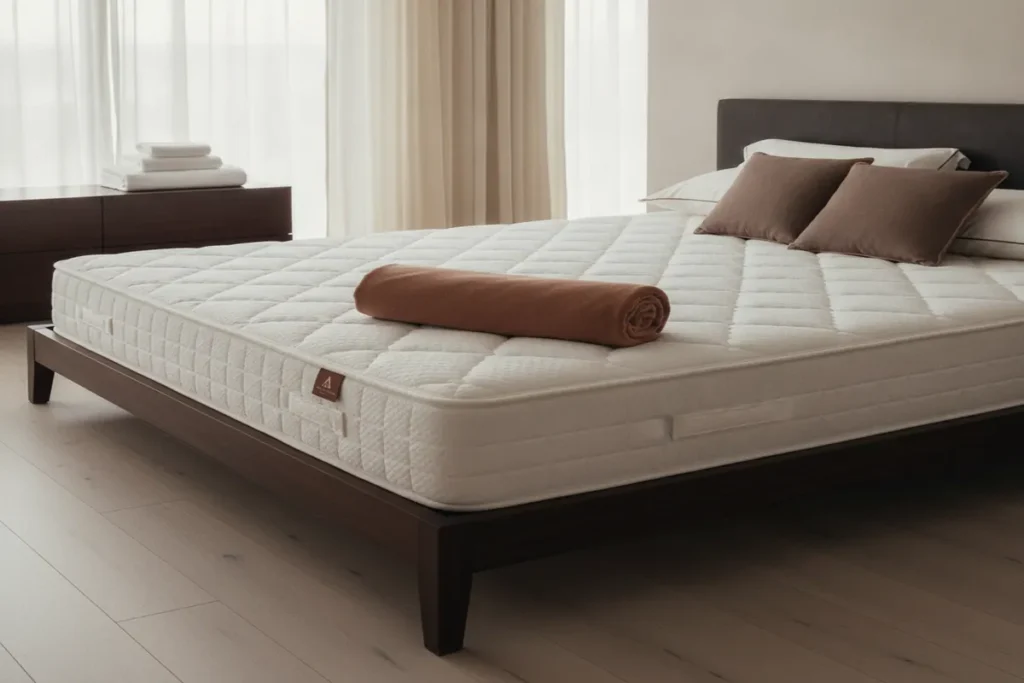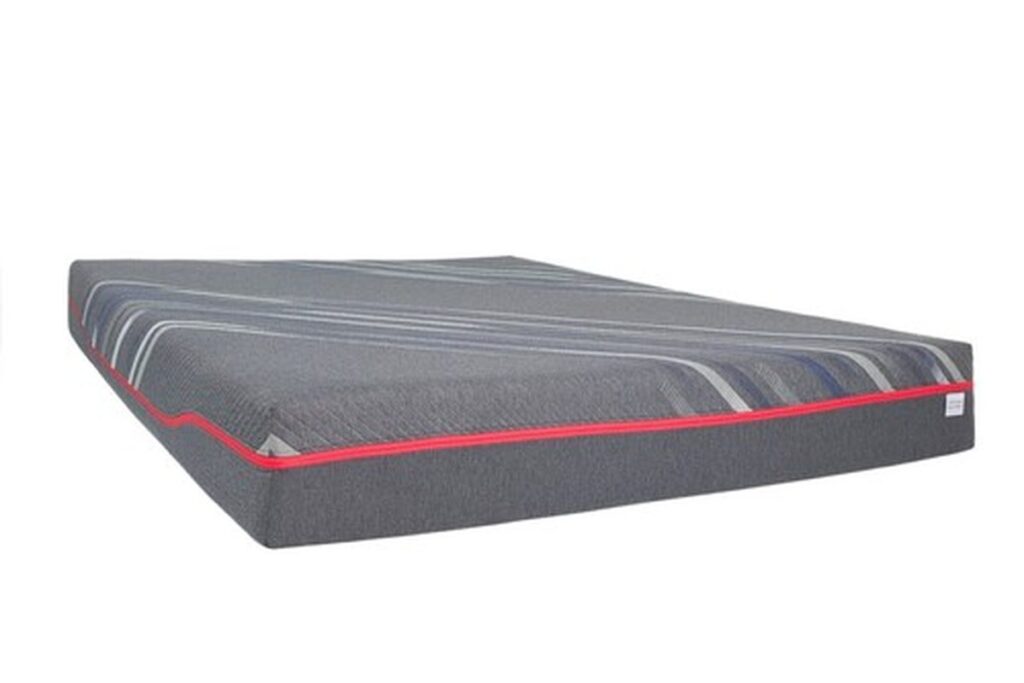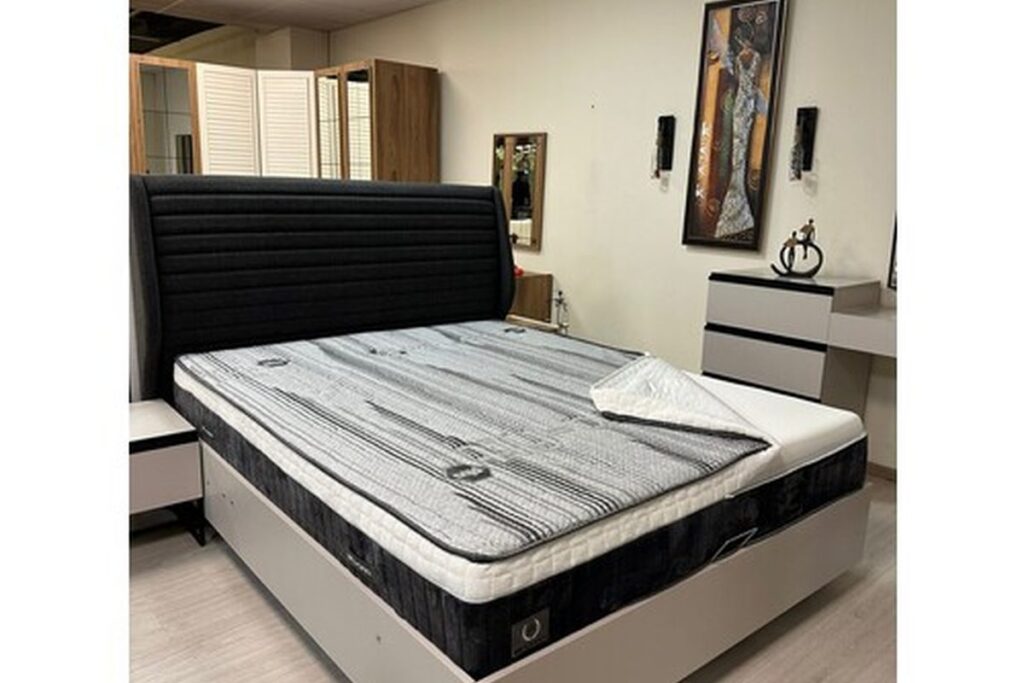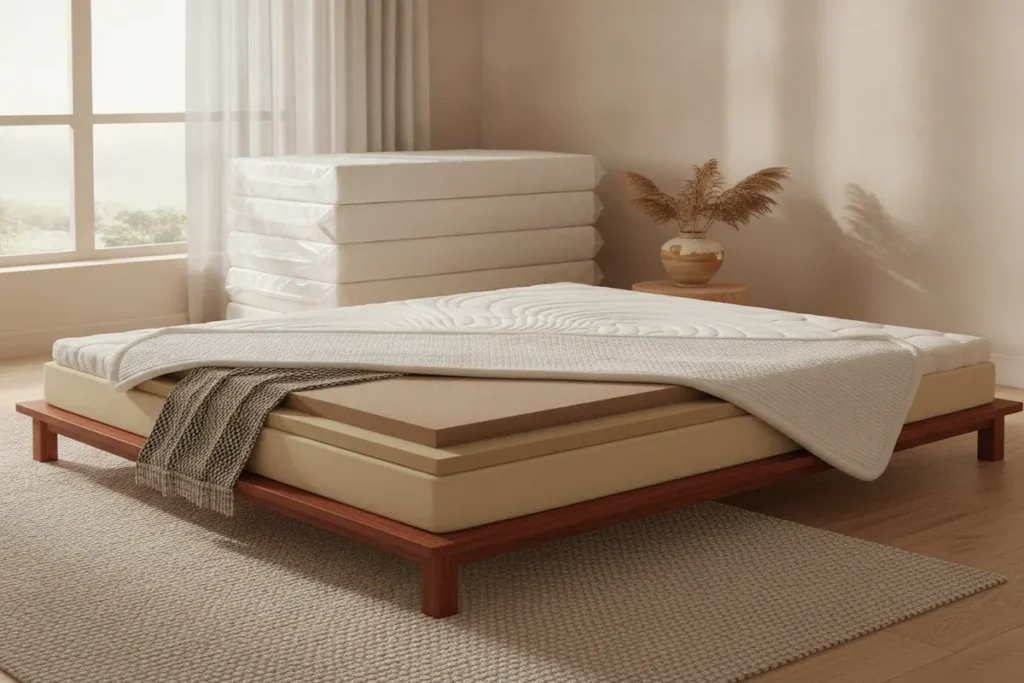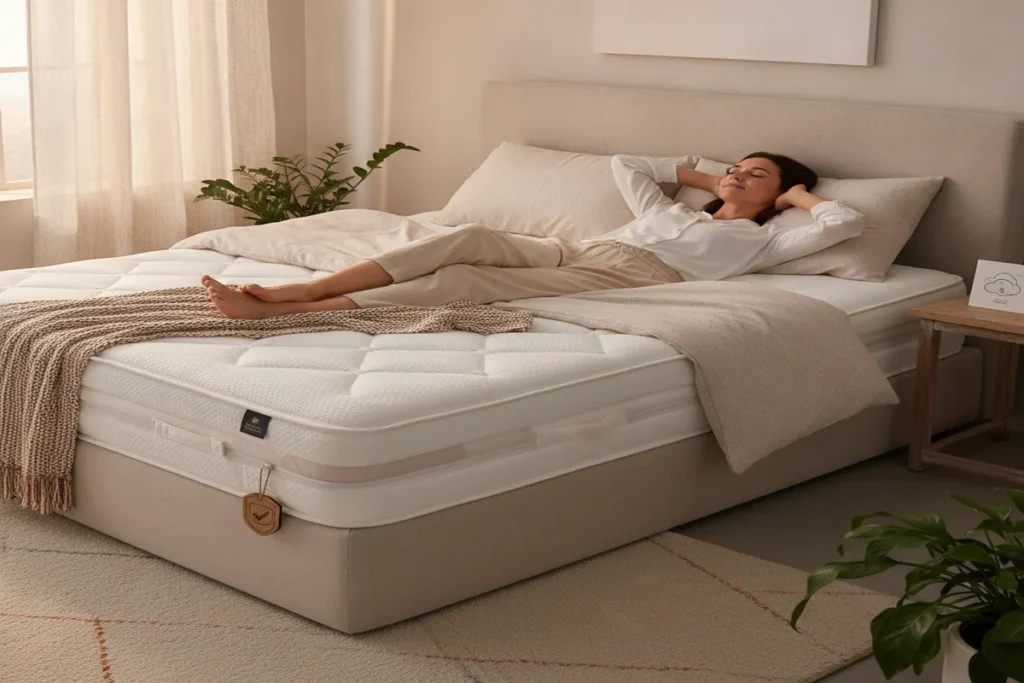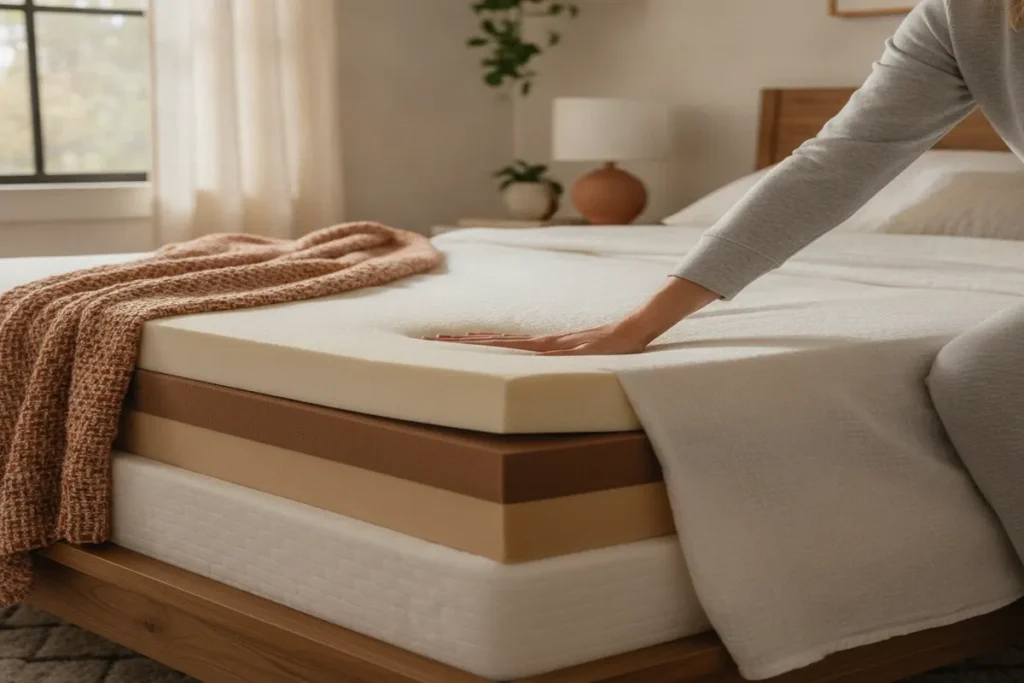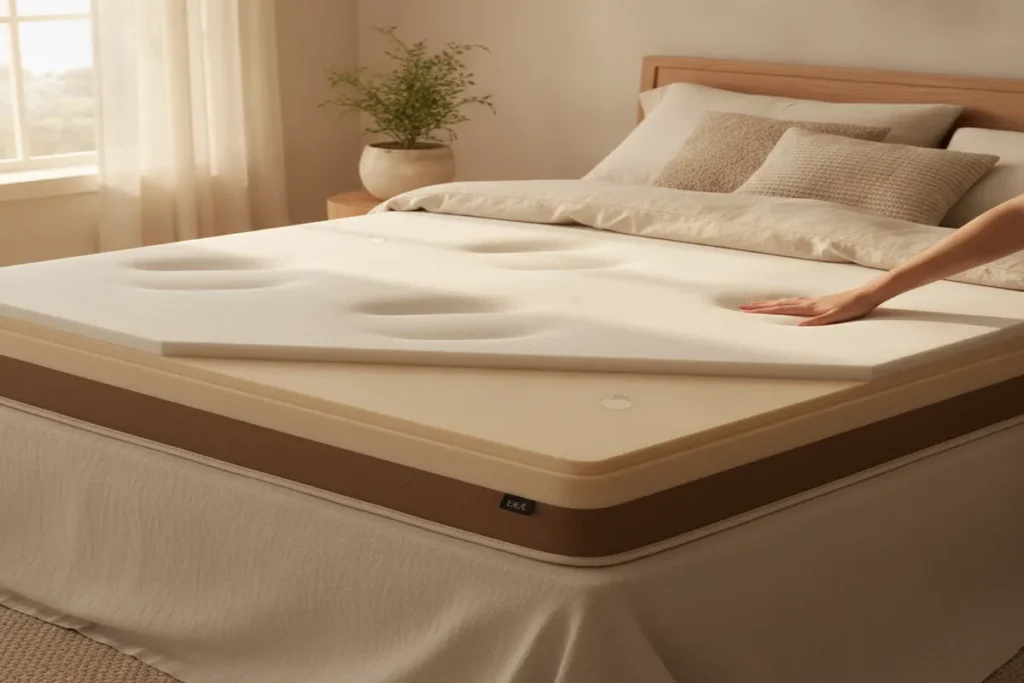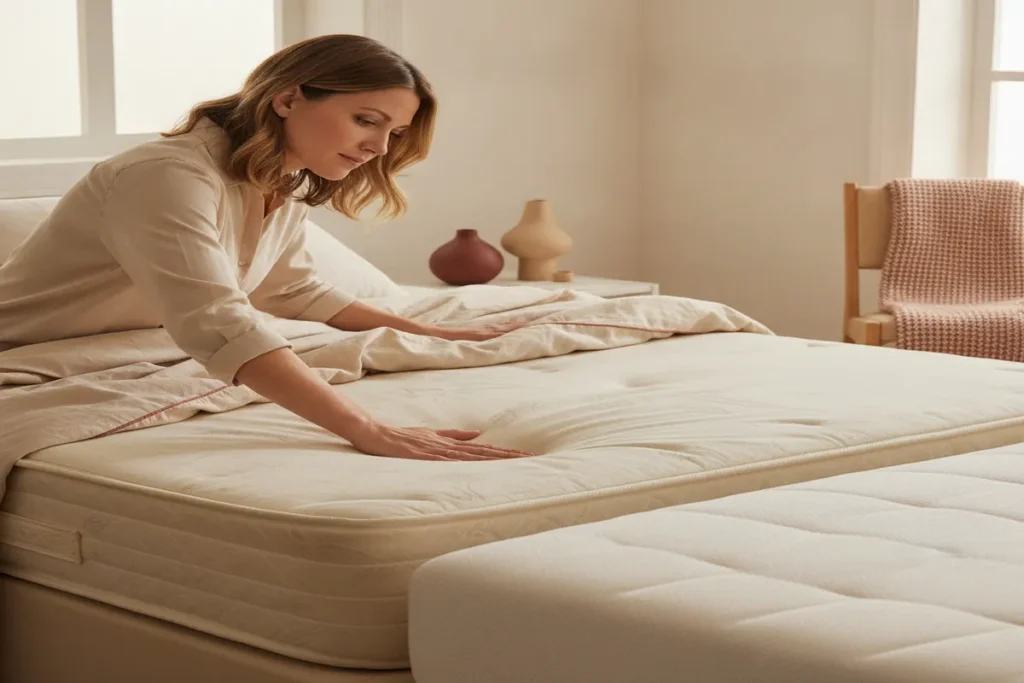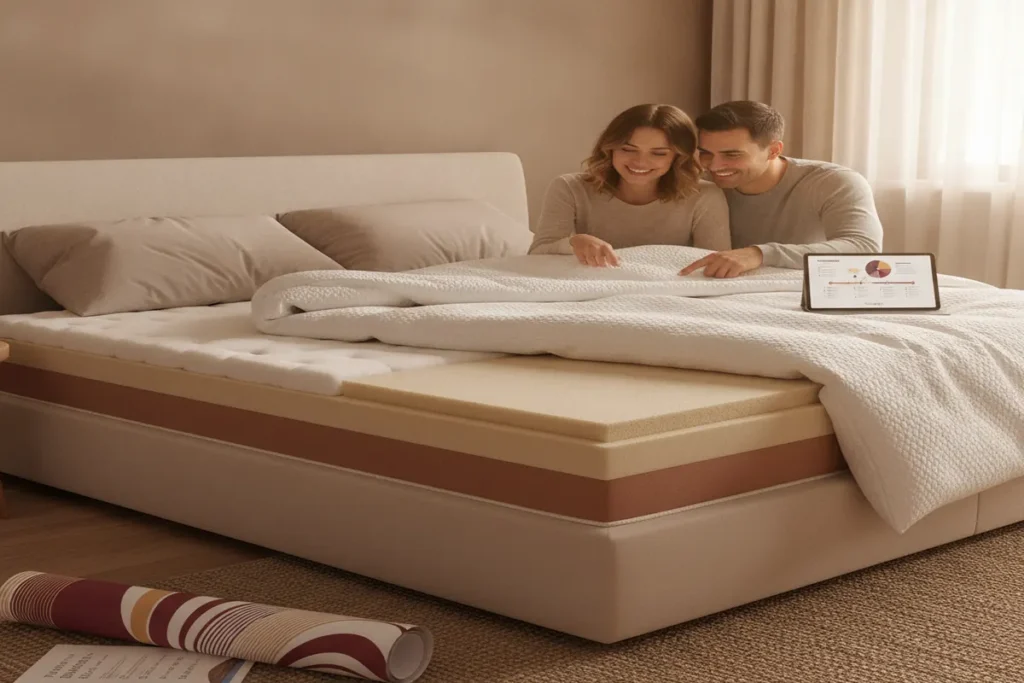


For individuals experiencing neck and shoulder pain, the best foam mattress typically combines superior pressure relief with robust support to maintain optimal spinal alignment. Visco foam (memory foam) and latex foam are consistently recommended due to their ability to contour precisely to the body’s natural curves, cradling sensitive areas and distributing weight evenly. This targeted support alleviates pressure points that often exacerbate pain, promoting restorative sleep and reducing discomfort upon waking. Selecting the right foam type, density, and firmness level is paramount for effective pain management.
Quick Summary
- Memory foam and latex mattresses excel in pressure relief for neck and shoulder pain
- optimal firmness and density are crucial for spinal alignment
- consider your sleeping position and body weight for personalized support
- proper pillow pairing is essential for comprehensive pain relief
What is the Best Foam Mattress for Neck and Shoulder Pain Relief?
When targeting neck and shoulder pain, the “best” foam mattress isn’t a one-size-fits-all product but rather a strategic choice based on specific foam properties. The objective is to find a mattress that provides both exceptional pressure relief and adequate support to keep your spine, neck, and shoulders in a neutral alignment throughout the night.
Here are the top foam types considered most effective for neck and shoulder pain:
-
Memory Foam (Visco Foam):
- Mechanism: Memory foam, or Visco Foam Mattress as it’s often called, is renowned for its viscoelastic properties. It softens in response to body heat and pressure, molding precisely to your unique shape. This creates a custom cradle that evenly distributes weight, eliminating pressure points on the neck and shoulders.
- Benefits: Excellent contouring, superior pressure relief, motion isolation, and adaptability to various sleeping positions. It fills the gaps between your body and the mattress, especially crucial for side sleepers who need support for the head and neck.
- Considerations: Can sometimes retain heat (though modern formulations often include cooling technologies). Requires a moment to rebound.
- Ideal for: Side sleepers, individuals with significant pressure point pain, those seeking a deeply conforming feel.
-
Latex Foam:
- Mechanism: Latex Foam Mattress options are known for their responsiveness and buoyant support. Derived from rubber trees (natural latex) or synthesized (synthetic latex), latex foam offers a springier feel than memory foam while still providing excellent contouring. It pushes back against your body, offering a floating sensation.
- Benefits: Hypoallergenic, highly durable, naturally breathable (especially natural latex), responsive support that prevents a “stuck” feeling, and consistent pressure relief without excessive sinking.
- Considerations: Can be heavier and often more expensive than other foam types. The feel is distinct and might not suit everyone who prefers the deep hug of memory foam.
- Ideal for: Back sleepers, combination sleepers, those seeking a balance of contouring and responsiveness, individuals with allergies, and those prioritizing natural materials.
-
High-Density Polyfoam (Base Layer):
- Mechanism: While not typically used as the primary comfort layer for pain relief, high-density polyfoam forms the crucial support core of most foam mattresses. It provides the foundational stability that prevents sagging and ensures the mattress maintains its structural integrity.
- Benefits: Offers essential deep support, contributes to overall mattress durability, and prevents the softer comfort layers from bottoming out.
- Considerations: On its own, polyfoam lacks the pressure-relieving qualities necessary for specific neck and shoulder pain relief. It must be paired with effective comfort layers.
- Ideal for: The essential support layer in any quality foam mattress.
For optimal relief, a mattress combining a plush, conforming top layer of memory foam or latex with a sturdy high-density polyfoam base is often the most effective design. This layered approach ensures both surface comfort and foundational support.
How Do You Choose the Best Foam Mattress for Neck and Shoulder Pain?
Choosing the right foam mattress for neck and shoulder pain involves a careful evaluation of several critical factors. It’s not just about selecting “foam,” but understanding the nuances of foam types, firmness, and how they interact with your body and sleeping habits.
Key Criteria for Mattress Selection:
-
Firmness Level:
- Medium-Firm is Often Ideal: For most individuals with neck and shoulder pain, a medium to medium-firm mattress (around 5-7 on a 10-point scale) strikes the best balance. It’s soft enough to cushion pressure points but firm enough to prevent excessive sinking and maintain spinal alignment. Too soft, and you might sink too deeply, misaligning your spine; too firm, and it can create new pressure points.
- Consider Body Weight: Lighter individuals might prefer a slightly softer mattress (e.g., medium) to achieve adequate contouring, while heavier individuals often require a firmer option (e.g., medium-firm to firm) for sufficient support and to prevent bottoming out.
-
Pressure Relief:
- High Priority: This is paramount for neck and shoulder pain. Look for foams known for excellent pressure distribution. Memory foam excels here, as does responsive latex. The goal is to eliminate any points where your body feels “pushed against” the mattress.
- Testing: When possible, lie on the mattress for at least 15-20 minutes in your typical sleeping position to assess how well it relieves pressure around your shoulders and neck.
-
Support & Spinal Alignment:
- Crucial for Pain Prevention: A good mattress should keep your spine in a neutral, straight line from your head down to your hips. This means your neck shouldn’t be craned upwards or downwards, and your shoulders shouldn’t feel jammed.
- Even Weight Distribution: The mattress should support your body’s heaviest parts (hips and shoulders) while allowing lighter parts to sink just enough for alignment.
- Layered Construction: Mattresses with multiple foam layers, combining softer comfort layers with firmer support layers, typically offer the best balance.
-
Sleeping Position:
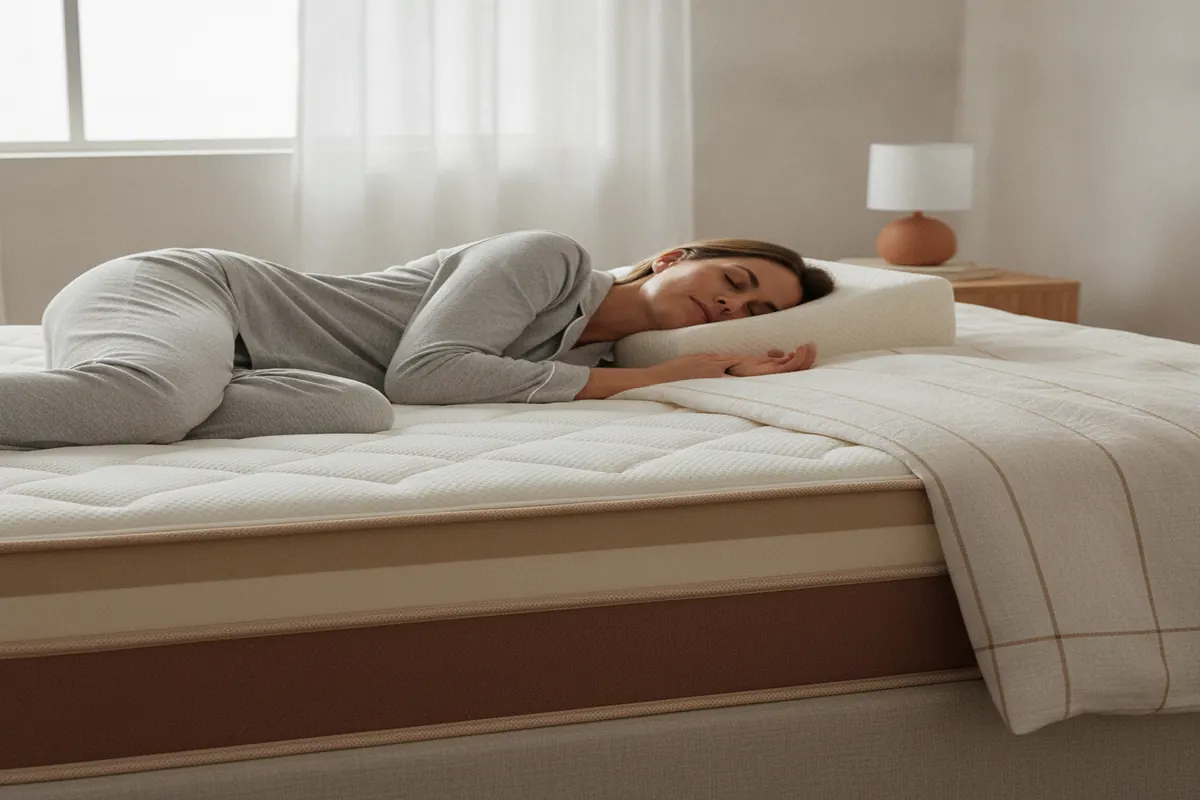
- Side Sleepers: Need a softer top layer to allow the shoulders and hips to sink adequately, preventing pressure buildup. A medium-soft to medium firmness is often best. The mattress must fill the gap between your head and shoulder to support your neck. Consider a specialized Turkish Mattress for Side Sleepers designed for this support.
- Back Sleepers: Require a medium-firm surface to support the natural curve of the spine without creating a gap at the lower back or forcing the shoulders too far back.
- Stomach Sleepers: Typically need a firmer mattress to prevent the hips from sinking too low, which can strain the lower back and neck. This position is generally not recommended for those with neck pain.
-
Density of Foam:
- Memory Foam: Higher density (4-5 lbs/cu.ft. or more) generally means better durability and contouring, but can also feel firmer and retain more heat. Lower density (3-4 lbs/cu.ft.) is softer, more breathable, but may not last as long.
- Latex Foam: Measured in ILD (Indentation Load Deflection). Higher ILD means firmer. For comfort layers, 19-24 ILD is often soft, 25-29 ILD is medium, and 30+ ILD is firm.
Decision Framework for Your Purchase:
-
Identify Your Primary Sleeping Position: Are you a side, back, or stomach sleeper? This dictates initial firmness requirements.
-
Assess Your Current Pain Points: Where exactly is the neck and shoulder pain? Is it dull ache, sharp pain, stiffness? This helps prioritize pressure relief vs. firm support.
-
Consider Your Body Weight: Lighter individuals need less firmness for contouring; heavier individuals need more firmness for support.
-
Research Foam Types: Understand the difference between memory foam (deep hug, excellent pressure relief) and latex (responsive, buoyant support, durable).
-
Read Reviews and Testimonials: Look for reviews from people with similar body types and pain issues.
-
Check Trial Periods and Warranties: A generous sleep trial (90-120 nights) is crucial, as it takes time for your body to adjust. A strong Warranty Information also signals manufacturer confidence.
Remember that a good Pillow Collection is just as important as the mattress. A supportive pillow, such as a Visko Pillows Neck Support or Latex Pillows Neck Support, must complement your mattress to maintain proper neck alignment.
Understanding the Cost: How Much Does a High-Quality Foam Mattress for Pain Relief Typically Cost?
The investment in a high-quality foam mattress designed for neck and shoulder pain relief can vary significantly based on brand, materials, technology, size, and origin. While the upfront cost might seem substantial, viewing it as an investment in your long-term health and sleep quality is essential.
Factors Influencing Foam Mattress Prices:
-
Type of Foam:
- Memory Foam: Generally ranges from mid-tier to high-tier. Basic memory foam mattresses can start around $700-$1,200 for a queen size. Higher-end models with advanced cooling technologies, multiple foam layers, or specialized densities can easily reach $1,500-$3,000+.
- Latex Foam: Often the most expensive due to the natural material and complex manufacturing process. A queen-size natural Latex Foam Mattress can cost anywhere from $1,500 to $4,000+, depending on whether it’s blended or 100% natural, and the production method (Talalay vs. Dunlop). Synthetic latex is usually more affordable but lacks some of the natural benefits.
- Hybrid Foam Mattresses: These combine foam layers with an innerspring base (e.g., Pocket Coils Mattress). They offer a blend of support and comfort, with prices typically similar to higher-end memory foam or mid-range latex options, from $1,200 to $3,500+.
-
Density and Quality of Foam: Higher density foams generally cost more due to the amount of material used and their enhanced durability and support characteristics. Premium foams engineered for specific therapeutic benefits also command a higher price.
-
Brand Reputation and Technology: Established brands with a reputation for quality and innovation often have higher price points. Proprietary cooling gels, open-cell structures, zoned support, and advanced manufacturing processes contribute to increased costs.
-
Size: As expected, larger sizes (King, California King) will be more expensive than smaller ones (Twin, Full, Queen).
-
Origin and Craftsmanship: Mattresses, particularly those from regions known for quality textiles and craftsmanship like Turkish mattresses, may reflect this in their pricing. For instance, How Much Does a Turkish Mattress Cost can vary, but their reputation for quality often provides excellent value.
General Price Ranges (Queen Size, 2026 Estimates):
Note: These are estimates for queen-size mattresses and can fluctuate based on sales, promotions, and specific retailer pricing. Always check best foam mattress for neck and shoulder pain prices from reputable sellers.
While it’s tempting to opt for the cheapest option, remember that a mattress for pain relief is an investment. Sacrificing quality for a lower price can lead to continued discomfort and potentially needing to replace the mattress sooner. Look for brands that offer transparent pricing, clear material descriptions, and strong warranties.
Beyond Pain Relief: What Are the Main Benefits of a Specialized Foam Mattress?
A specialized foam mattress, particularly one chosen to alleviate neck and shoulder pain, offers a cascade of benefits that extend far beyond simple pain management. These advantages contribute to overall well-being, improved sleep quality, and a healthier lifestyle.
Comprehensive Benefits of Therapeutic Foam Mattresses:
-
Superior Pressure Point Relief: This is the cornerstone benefit. By conforming to your body’s curves, foam mattresses, especially memory foam and latex, distribute weight evenly. This eliminates the concentrated pressure points that lead to aches in the shoulders, neck, hips, and lower back. Reduced pressure means less tossing and turning, leading to deeper, more restorative sleep.
-
Optimal Spinal Alignment: Maintaining a neutral spine is crucial for preventing and alleviating pain. Specialized foam mattresses support the natural curvature of your spine, ensuring your head, neck, and back remain aligned. This prevents unnatural postures that can strain muscles and ligaments, particularly in the neck and shoulders.
-
Reduced Motion Transfer: Foam mattresses, especially memory foam, are excellent at isolating motion. If you share a bed, you won’t feel your partner’s movements as they shift or get in and out of bed. This undisturbed sleep significantly improves sleep quality for both individuals.
-
Hypoallergenic Properties: Many foam mattresses, particularly natural latex and high-quality synthetic foams, are naturally resistant to dust mites, mold, and mildew. This makes them an excellent choice for allergy sufferers, contributing to a cleaner, healthier sleep environment.
-
Durability and Longevity: High-density foam mattresses, especially latex, are known for their exceptional durability. They resist sagging and impressions better than many traditional spring mattresses, meaning your investment will provide consistent support and comfort for many years. This translates to better long-term value and fewer mattress replacements.
-
Customized Comfort: With a wide range of foam types, densities, and firmness levels, you can find a foam mattress that perfectly matches your individual comfort preferences and support needs. This personalization is key to addressing specific pain issues.
-
Improved Blood Circulation: By eliminating pressure points, foam mattresses can improve blood flow throughout the body. This is particularly beneficial for individuals who experience numbness or tingling in their extremities or those who need to remain in one position for extended periods.
-
Quiet Operation: Unlike spring mattresses that can develop squeaks over time, foam mattresses are inherently quiet. This silent operation contributes to a more peaceful and uninterrupted sleep experience.
-
Temperature Regulation (with modern foams): While early memory foams had a reputation for heat retention, modern foam mattresses often incorporate cooling technologies. These include open-cell structures, gel infusions, copper, graphite, or phase-change materials designed to dissipate heat and regulate sleep temperature, ensuring comfortable sleep.
-
Versatility with Bed Bases: Foam mattresses are highly versatile and compatible with various bed bases, including adjustable bases, which can be particularly beneficial for individuals needing to elevate their head or feet for comfort or specific health conditions.
In essence, a carefully chosen foam mattress for neck and shoulder pain transforms your bed into a therapeutic sleep system, actively contributing to pain reduction, improved sleep, and overall physical recovery and well-being.
Common Pitfalls: What Should You Check Before Buying to Avoid Mattress Regret?
Investing in a new mattress, especially one to alleviate chronic pain, is a significant decision. To ensure you make the best choice and avoid common pitfalls, a thorough pre-purchase checklist is essential. Many consumers rush this process, leading to “mattress regret” and continued discomfort.
Critical Checks Before Your Purchase:
-
Don’t Rely Solely on Online Reviews (Without Context): While reviews are helpful, remember that comfort is subjective. A mattress that’s “perfect” for a 120-pound back sleeper might be disastrous for a 250-pound side sleeper. Look for reviews from people with similar body types, sleeping positions, and pain issues as yours.
-
Verify the Foam’s Density and Certifications:
- Density: For memory foam, aim for at least 3.5-4 lbs/cu.ft. in comfort layers for durability and support. Lower densities may feel soft initially but can sag quickly.
- Certifications: Look for certifications like CertiPUR-US® for memory and polyfoams, ensuring they are made without harmful chemicals, heavy metals, formaldehyde, and have low VOC (Volatile Organic Compound) emissions. For latex, look for GOLS (Global Organic Latex Standard) or Oeko-Tex Standard 100 for natural latex.
-
Understand the Trial Period and Return Policy:
- Minimum 90-Night Trial: It takes at least 30 nights for your body to fully adjust to a new mattress. A trial period of 90-120 nights is ideal.
- Clear Return Process: What are the return fees? Is pickup included? Do you need to keep the original packaging? Read the fine print carefully, especially for online purchases. Sinyora Yatak‘s Return Policy is designed for customer satisfaction, but knowing the specifics beforehand is always wise.
-
Don’t Underestimate the Importance of Your Pillow: A new mattress can only do so much if your pillow isn’t supporting your neck correctly. Your pillow must fill the gap between your head and shoulder to keep your neck aligned with your spine. If you’re switching mattress firmness, you might need a new pillow. Explore options like our Visko Pillows Neck Support or Latex Pillows Neck Support.
-
Check for Zoned Support: Some high-quality foam mattresses incorporate zoned support, meaning different areas of the mattress have varying firmness levels. This can be incredibly beneficial for targeted pressure relief in the shoulders and hips while providing firmer support for the lumbar region.
-
Consider Your Weight and Partner’s Weight: The ideal firmness changes based on weight. If you share a bed and have significantly different body weights or preferences, a split firmness option (if available) or a medium-firm mattress that balances both needs might be necessary.
-
Evaluate Edge Support: If you sit on the edge of your bed or sleep close to the edge, poor edge support can lead to premature sagging and a feeling of rolling off. While foam mattresses typically have less robust edge support than some innerspring models, higher-density foams can offer better perimeter stability.
-
Understand Heat Retention Potential: While many modern foams are engineered for cooling, some individuals are more sensitive to heat. If you tend to sleep hot, prioritize mattresses with open-cell foam, gel infusions, copper, or graphite layers for enhanced thermal regulation.
-
Don’t Forget the Foundation: Your new mattress needs proper support. Ensure your existing bed base is in good condition and compatible with a foam mattress. Sagging or inadequate foundations can negate the benefits of a good mattress and void your Warranty Information. Consider a new Bed Base and Headboard if yours is old or unsuitable.
By meticulously checking these points, you can significantly reduce the risk of mattress regret and ensure your new foam mattress truly delivers the neck and shoulder pain relief you’re seeking.
Finding Your Perfect Fit: Where Can You Buy the Best Foam Mattress for Neck and Shoulder Pain Online?
The online marketplace offers an unprecedented selection of foam mattresses, making it easier than ever to find the perfect solution for neck and shoulder pain. However, the sheer volume of choices can be overwhelming. Knowing where to look and what to prioritize in an online retailer is key.
Navigating the Online Mattress Market:
-
Direct-to-Consumer Brands: Many companies specialize in selling mattresses directly to consumers online. This model often results in better pricing (by cutting out middlemen) and generous trial periods. These brands typically offer detailed product descriptions, customer reviews, and responsive Customer Service.
-
Specialty Sleep Retailers: Online retailers that focus solely on sleep products often have curated selections and expert advice. They may carry a broader range of foam types and firmness options, catering specifically to therapeutic needs.
-
Manufacturer Websites (Like Sinyora Yatak): Buying directly from the manufacturer, such as through Sinyora Yatak, offers several advantages:
- Authenticity: You’re guaranteed genuine products directly from the source.
- Expert Knowledge: Direct access to detailed product specifications, material sourcing, and unique manufacturing processes (e.g., What Makes Turkish Mattresses Special).
- Direct Support: Streamlined customer service, warranty claims, and return processes.
- Specific Recommendations: Manufacturers can often guide you to the exact mattress in their Mattress Collection that addresses your specific pain points, like our Visco Foam Mattress or Latex Foam Mattress options.
What to Look for in an Online Retailer:
-
Transparent Product Information: Clear details on foam types, densities, layer construction, and certifications (e.g., CertiPUR-US®, GOLS). Avoid sites that are vague about materials.
-
Comprehensive Customer Reviews: Look for a high volume of reviews, and pay attention to comments regarding pain relief, support, and durability from users with similar needs.
-
Generous Sleep Trial: A minimum of 90 nights is standard. This allows your body to adjust and ensures the mattress is truly a good fit. Understand the Return Policy and any associated fees.
-
Strong Warranty: A 10-year warranty is standard for quality mattresses, covering defects and premature sagging. Always check the Warranty Information.
-
Responsive Customer Support: The ability to easily reach customer service via chat, email, or phone for questions about products, shipping, or returns is crucial. Our Contact Us for Support is readily available.
-
Clear Shipping and Delivery Information: Understand delivery times, whether setup is included (white glove delivery), and if old mattress removal is offered. For international customers, check Ship Turkish Mattresses Internationally details.
-
Secure Payment Options: Ensure the website uses secure encryption for transactions.
When searching for “top rated best foam mattress for neck and shoulder pain,” prioritize sites that provide detailed information and a robust support system. Sinyora Yatak, for example, offers a diverse Mattress Collection crafted with high-quality Turkish foams, designed with comfort and support in mind. Our commitment to craftsmanship and material quality means you’re investing in a product built for lasting relief. Explore our Buying Guides for more in-depth advice tailored to your needs.
Expert Insight
“The relationship between a mattress and spinal health, particularly concerning the neck and shoulders, is undeniable. A common mistake we observe is patients choosing a mattress based solely on perceived softness or firmness without considering the critical balance needed for neutral spinal alignment. Memory foam and latex are excellent choices, but their effectiveness hinges on the right density and firmness for an individual’s body weight and preferred sleeping position. It’s not just about comfort; it’s about therapeutic support that allows the muscles to relax and discs to decompress overnight.”
Key Terms
-
Visco Foam (Memory Foam): A polyurethane foam treated with chemicals to make it viscoelastic, meaning it softens and conforms to body heat and pressure, providing excellent pressure relief and motion isolation.
-
Latex Foam: A highly durable and responsive foam made from the sap of rubber trees (natural latex) or synthesized. It offers buoyant support and good pressure relief without the deep hug of memory foam.
-
Spinal Alignment: The natural, neutral positioning of the spine, where the ears, shoulders, and hips are in a relatively straight line, crucial for preventing pain and promoting healthy posture.
-
Pressure Relief: The ability of a mattress to distribute body weight evenly, reducing concentrated pressure on sensitive areas like the shoulders and hips, which can cause pain and discomfort.
-
Firmness Level: A subjective measure of how soft or hard a mattress feels, typically rated on a scale of 1-10 (1 being softest, 10 being firmest). Optimal firmness is crucial for balancing comfort and support.
How Can You Upgrade to More Comfortable Sleep with Sinyora Yatak?
Are you ready to transform your sleep and finally alleviate persistent neck and shoulder pain? Sinyora Yatak offers a meticulously crafted range of foam mattresses designed with your therapeutic needs in mind. Our commitment to superior Turkish craftsmanship and high-quality materials ensures you receive a mattress that provides both exceptional pressure relief and unwavering support. Explore our Visco Foam Mattress options for that signature conforming comfort or our Latex Foam Mattress for responsive, buoyant support. Each mattress in our Mattress Collection is engineered to promote optimal spinal alignment and reduce pressure points, paving the way for truly restorative sleep. Don’t let discomfort dictate your nights; visit Shop All Products today and discover how Sinyora Yatak can help you achieve the pain-free, comfortable sleep you deserve. Remember to complement your mattress with our specialized Visko Pillows Neck Support or Latex Pillows Neck Support for comprehensive relief.
Frequently Asked Questions
Q: Can a foam mattress truly help with chronic neck and shoulder pain?
Q: What firmness level is generally recommended for neck and shoulder pain?
Q: Is memory foam or latex foam better for pain relief?
Q: How long does it take to adjust to a new foam mattress for pain relief?
Q: Do foam mattresses sleep hot, and will that affect my pain?
Q: Should I also get a new pillow with my foam mattress?
Help: FAQs · Sleep Science · Sleep Resources · Privacy Policy