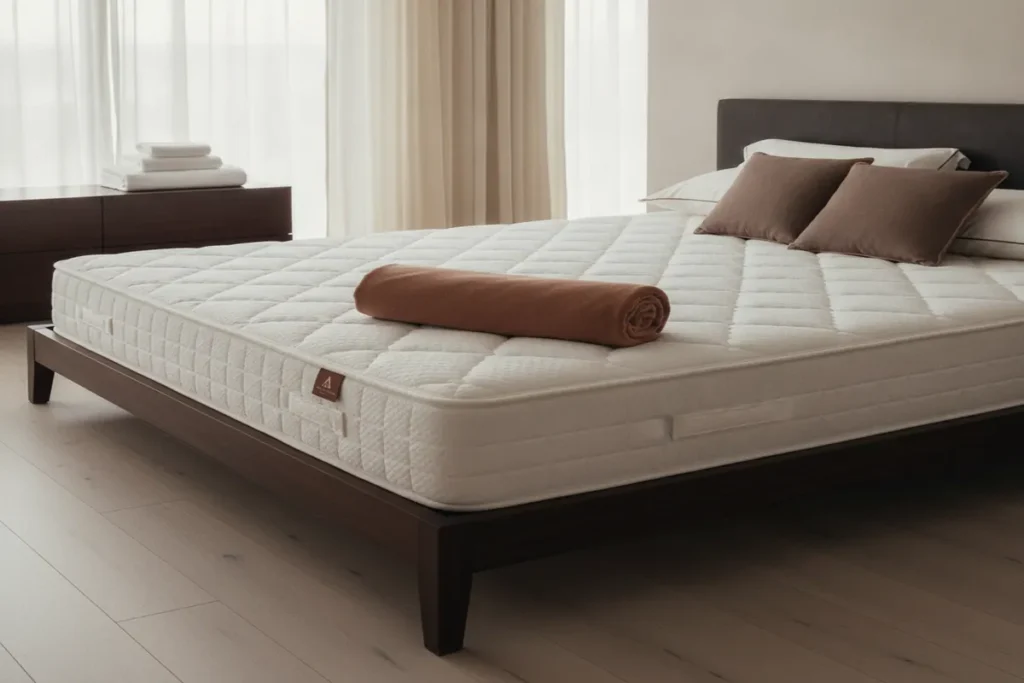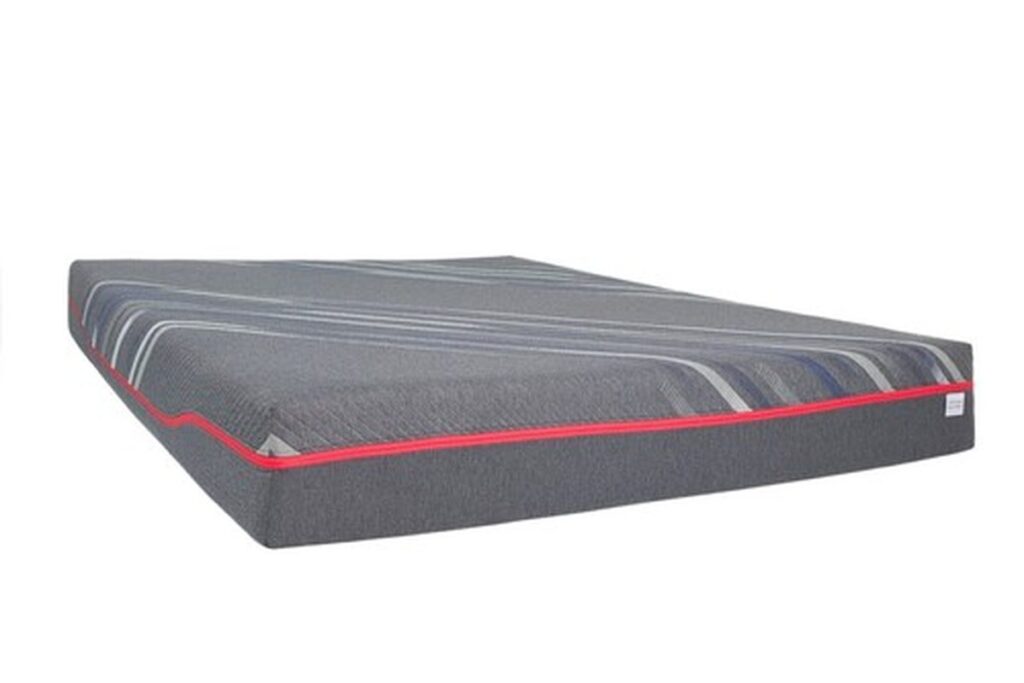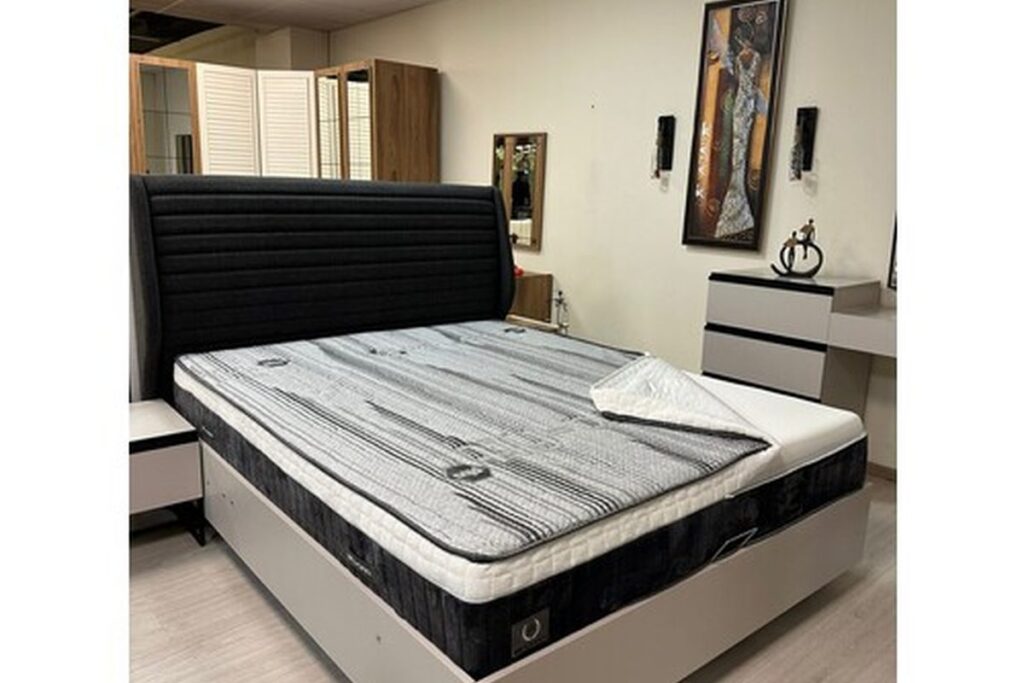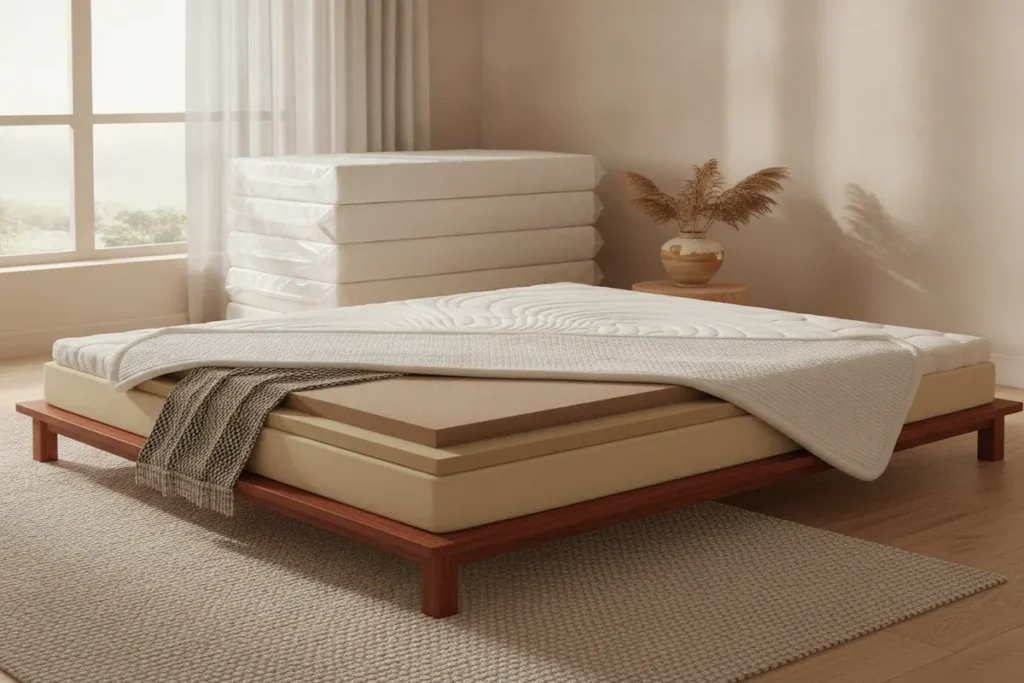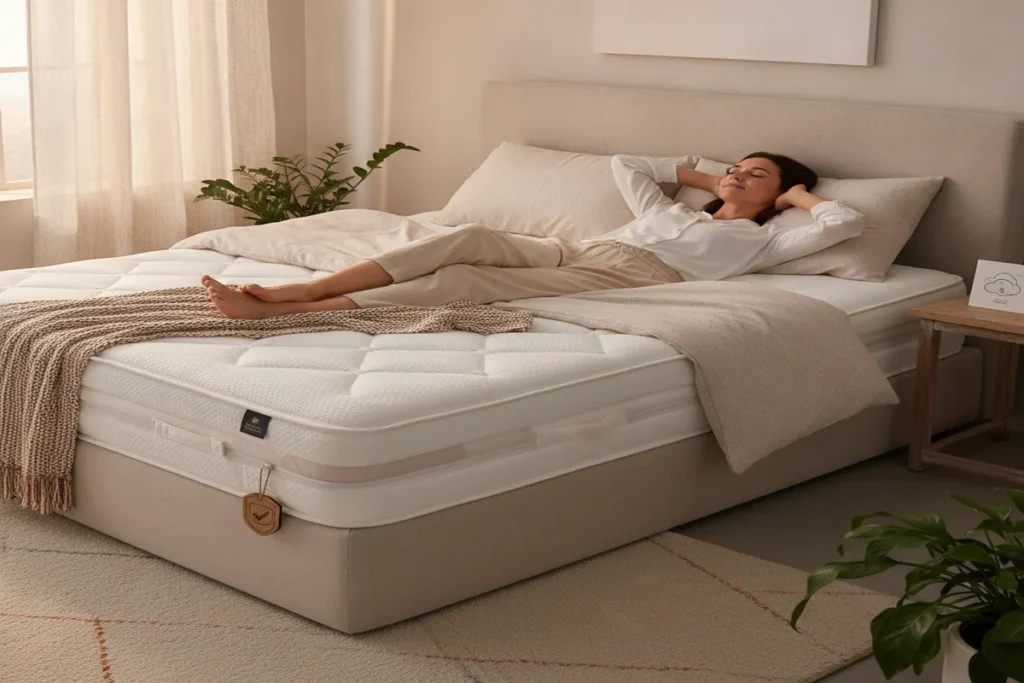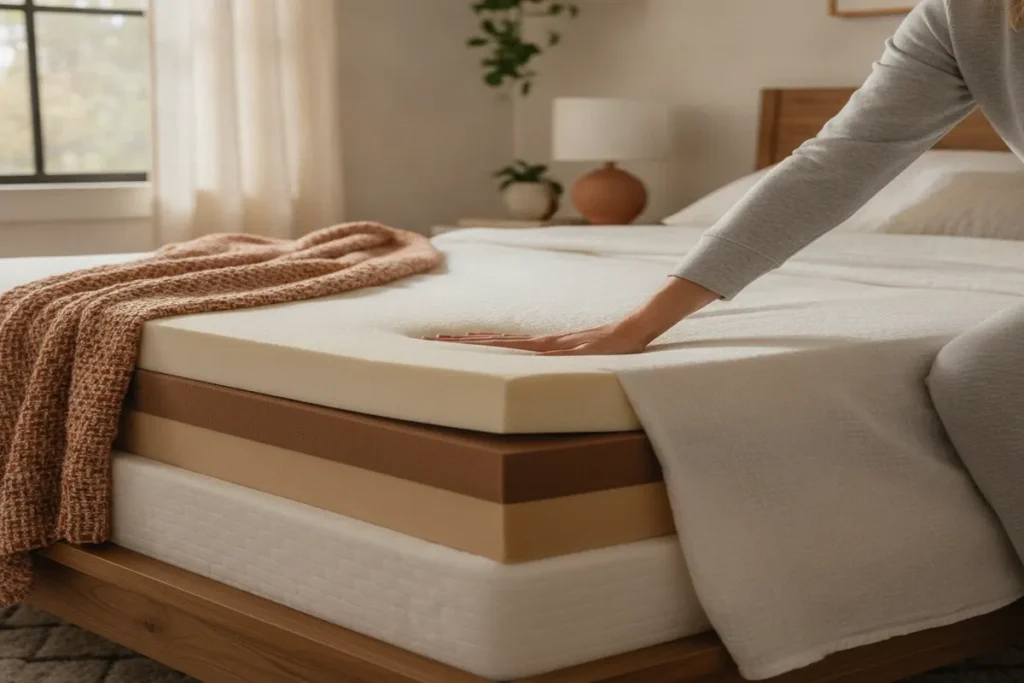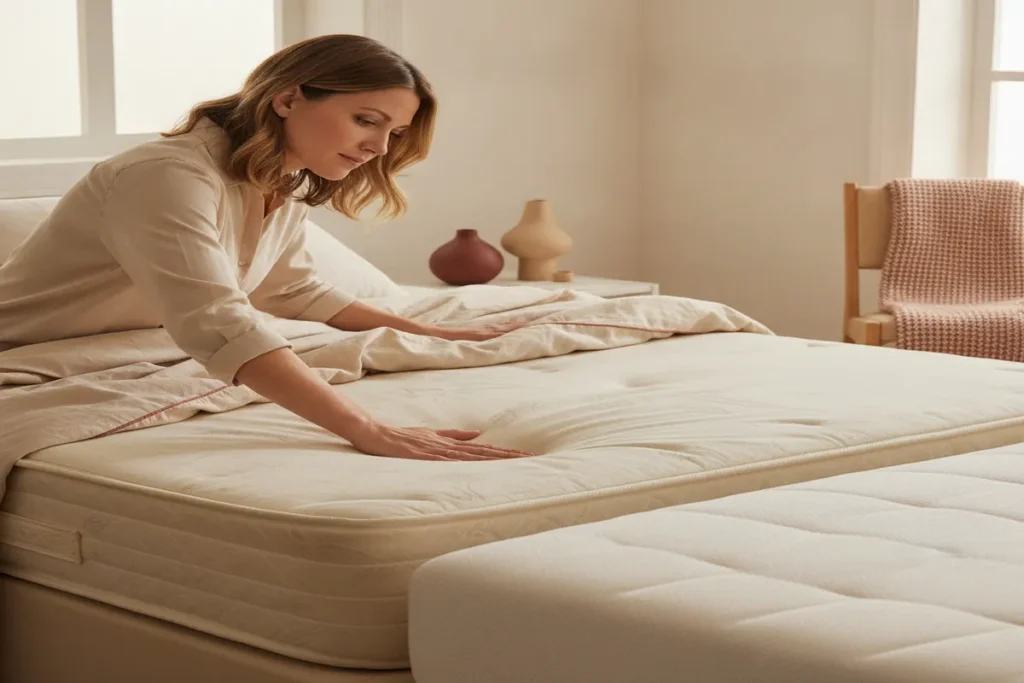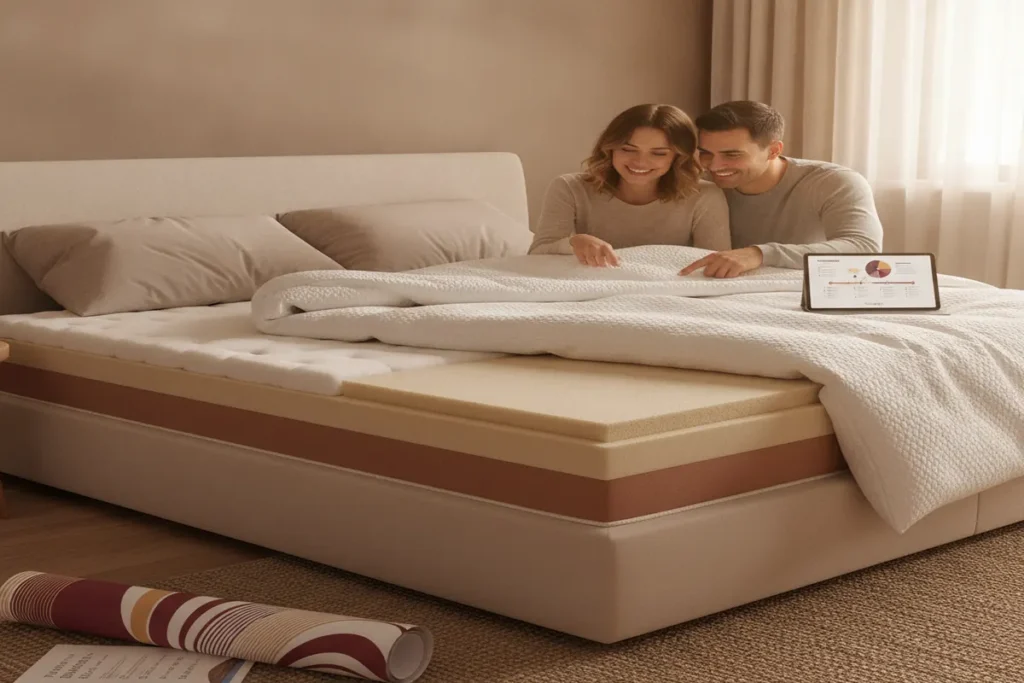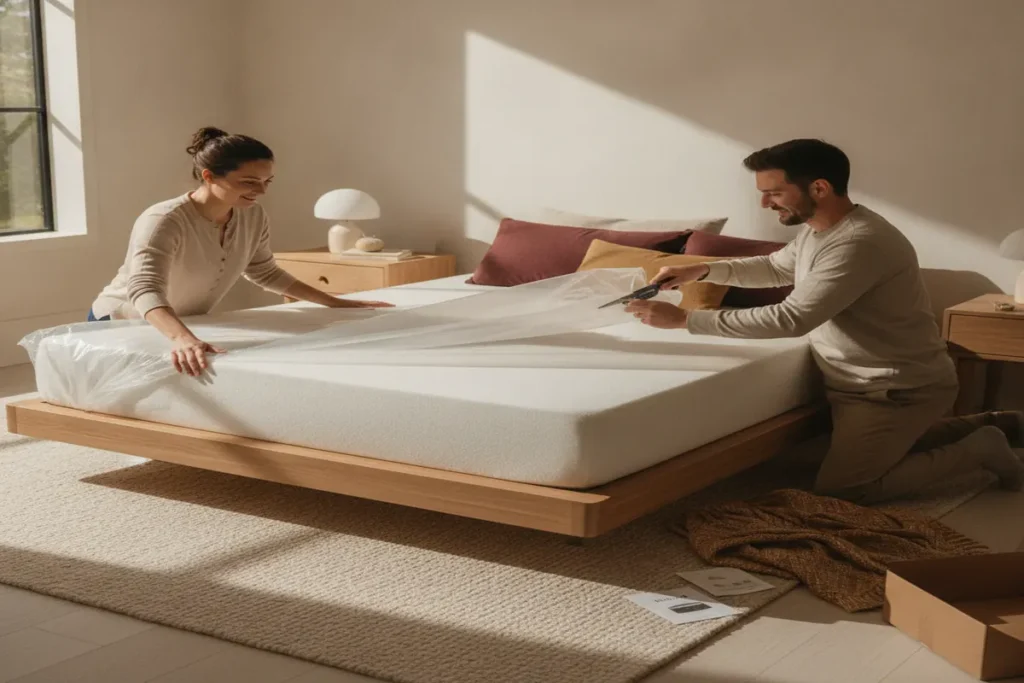

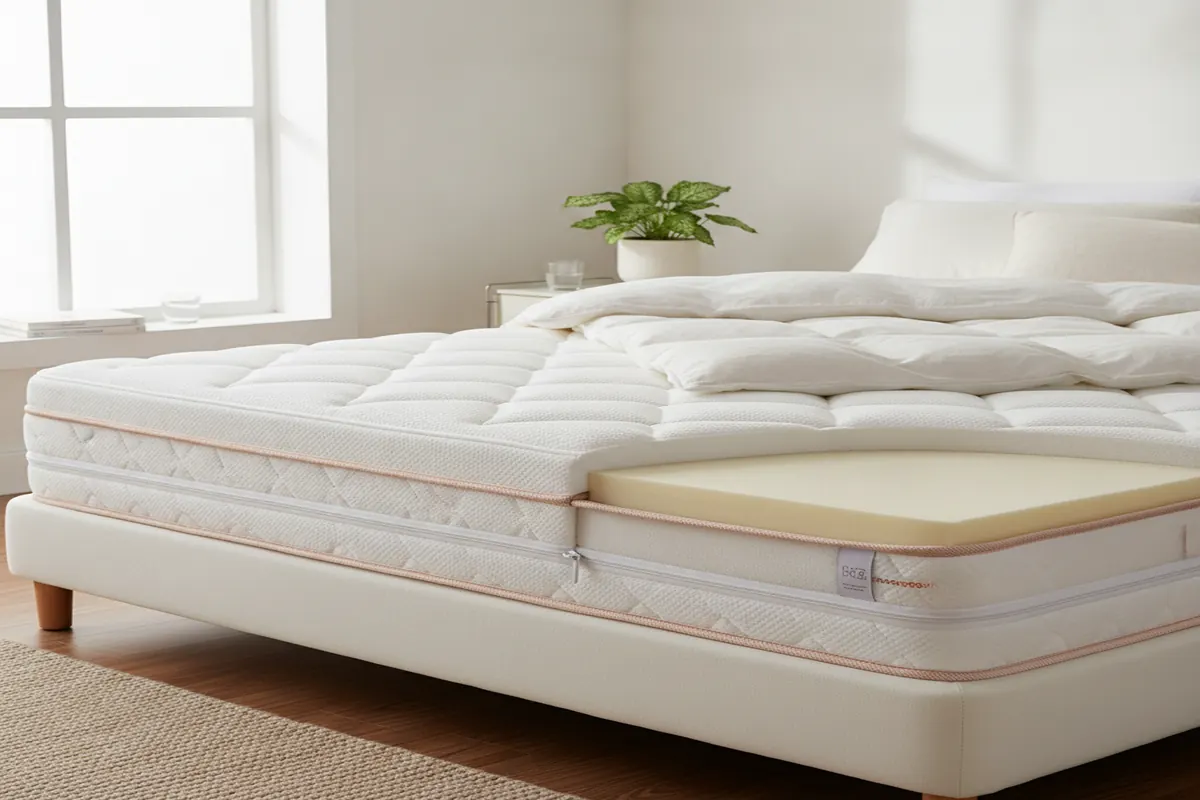
For individuals battling allergies and dust mites, the best foam mattress is typically a hypoallergenic memory foam or natural latex mattress. These options are superior due to their dense, solid internal structure, which inherently resists dust mite colonization and prevents allergen accumulation. Key factors include certified materials (like CertiPUR-US or GOLS), excellent breathability to deter mold, and ideally, a removable, washable cover to maintain a pristine sleep surface, ensuring a healthier and more comfortable sleep environment.
Quick Summary
- Hypoallergenic foam mattresses, especially dense memory foam or natural latex, are ideal for allergy and dust mite sufferers due to their inhospitable structure
- look for certifications like CertiPUR-US or GOLS for material safety
- prioritize breathability, a washable cover, and proper mattress care to maintain a healthy sleep environment
- natural latex generally offers superior breathability and durability for long-term allergy relief
What Makes a Foam Mattress “Hypoallergenic” for Allergy Sufferers?
The term “hypoallergenic” isn’t just a marketing buzzword; it refers to materials or products less likely to cause an allergic reaction. For foam mattresses, this quality stems from several critical design and material properties that actively deter common bedroom allergens, primarily dust mites, mold, and pet dander. Understanding these attributes is foundational to selecting the right mattress.
-
Dense, Solid Structure: Unlike traditional innerspring mattresses with open coils that create ample space for dust mites to thrive and allergens to settle, high-quality foam mattresses (especially memory foam and latex) have a much denser, more uniform structure. This significantly reduces internal air pockets, making the environment far less hospitable for dust mites to burrow and multiply.
-
Material Composition:
- Memory Foam (Visco Foam Mattress): Composed of polyurethane, memory foam’s viscoelastic properties allow it to contour closely to the body while maintaining a dense core. High-density memory foam is particularly effective at blocking allergens. It’s crucial to look for foams free from harmful chemicals that could trigger sensitivities.
- Natural Latex (Latex Foam Mattress): Derived from the sap of rubber trees, natural latex inherently possesses antimicrobial and antifungal properties. Its open-cell structure, while still dense, also allows for superior airflow compared to some memory foams, which helps regulate temperature and prevent moisture buildup – a key deterrent for mold and mildew.
-
Resistance to Moisture and Mold: Foam mattresses, especially natural latex, often exhibit better breathability than traditional mattresses, which helps to prevent the accumulation of moisture. Moisture is a breeding ground for mold and mildew, common allergens that can exacerbate respiratory issues. A well-ventilated foam mattress minimizes this risk.
-
Certifications for Safety and Purity: True hypoallergenic claims are often backed by third-party certifications. These ensure the foam is free from specific harmful chemicals, heavy metals, formaldehyde, phthalates, and low VOC (Volatile Organic Compound) emissions, which can also be allergy triggers for sensitive individuals.
- CertiPUR-US: For polyurethane foams (memory foam), this certification guarantees the foam is made without ozone depleters, PBDE flame retardants, mercury, lead, heavy metals, formaldehyde, and has low VOC emissions.
- OEKO-TEX Standard 100: Certifies that textiles and fabrics used in the mattress (including covers) are free from harmful substances.
- GOLS (Global Organic Latex Standard) and GOTS (Global Organic Textile Standard): For natural latex and organic cotton covers, these certifications ensure the materials are organically grown and processed, minimizing exposure to pesticides and harsh chemicals.
By focusing on these attributes, you can discern genuinely hypoallergenic foam mattresses from those with superficial claims, laying the groundwork for a truly allergy-friendly sleep system.
Memory Foam vs. Latex: Which is the Superior Choice for Allergy Relief?
When selecting a foam mattress specifically for allergy and dust mite relief, the primary contenders are memory foam and latex. Both offer significant advantages over traditional innerspring mattresses, but their distinct characteristics make one potentially more suitable depending on individual priorities and sensitivities. Understanding their differences is key to making an informed decision.
Here’s a detailed comparison:
When to Choose Memory Foam:
-
Pressure Relief: If you require significant pressure point relief, memory foam excels at cradling the body and distributing weight evenly. This can be particularly beneficial for side sleepers or those with joint pain. (Consider our Visco Foam Mattress for superior contouring).
-
Motion Isolation: Memory foam is excellent at absorbing motion, making it ideal for couples where one partner’s movements might disturb the other.
-
Budget-Conscious: While still an investment, quality memory foam can be more affordable than natural latex, offering excellent hypoallergenic properties at a slightly lower price point.
-
Initial Off-Gassing Tolerance: While CertiPUR-US certified foams have low VOCs, a slight initial odor is possible. If you can air out the mattress for a few days, this usually isn’t an issue.
When to Choose Natural Latex:
-
Superior Breathability: For those who sleep hot or live in humid climates, natural latex’s inherent breathability is a significant advantage, actively preventing heat and moisture buildup. This further inhibits mold and mildew growth.
-
Natural & Eco-Friendly Preference: If you prioritize natural materials and sustainability, natural latex (especially GOLS certified) is an excellent choice.
-
Exceptional Durability: Natural latex mattresses are renowned for their longevity, often outlasting memory foam, making them a wise long-term investment.
-
Responsive Support: Latex offers a unique buoyant feel, providing support without the “sinking” sensation of memory foam. It’s easier to move around on and offers excellent spinal alignment. (Explore our Latex Foam Mattress for natural resilience).
-
Minimal Off-Gassing: Natural latex has very little to no off-gassing, making it a preferred choice for individuals with extreme chemical sensitivities.
Both memory foam and natural latex are robust choices for allergy sufferers. Your decision will ultimately hinge on your personal preference for feel, temperature regulation needs, budget, and commitment to natural materials.
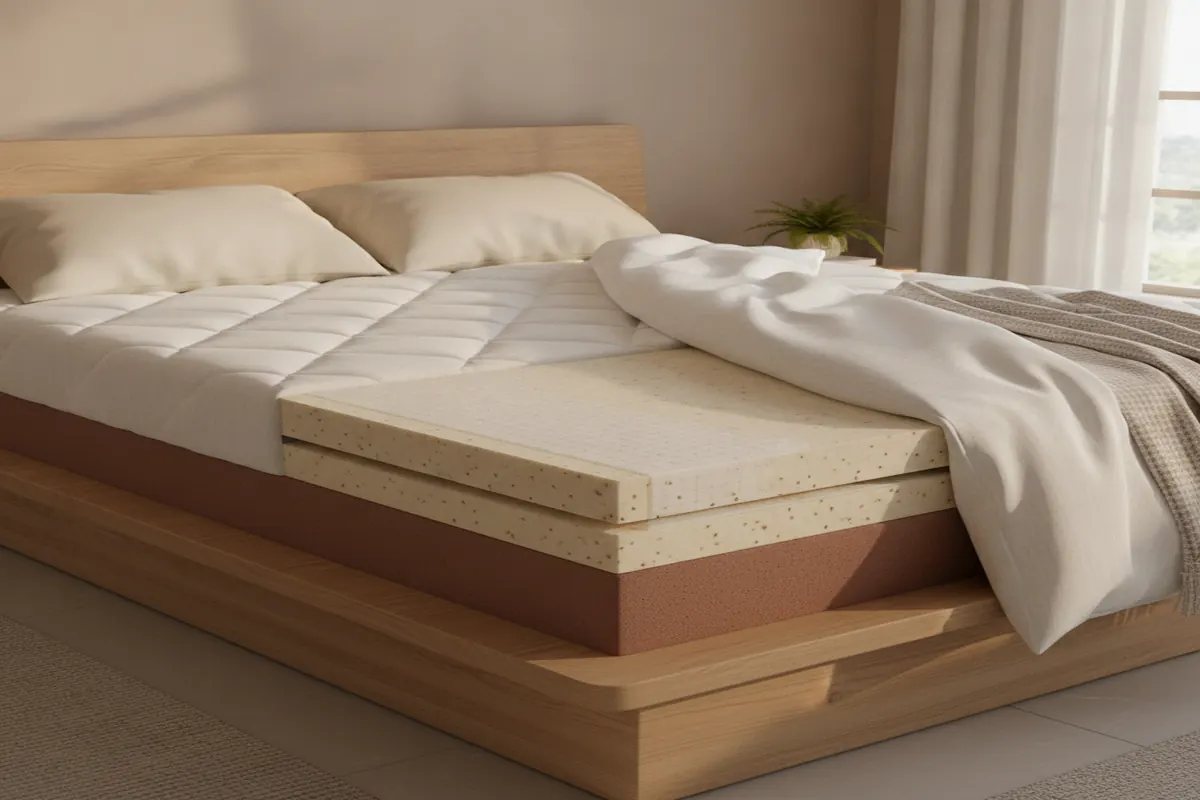
Key Factors for Choosing the Best Anti-Allergy Foam Mattress
Selecting the optimal foam mattress for allergy and dust mite relief goes beyond simply picking “foam.” It requires a discerning eye for specific features and certifications that collectively create a truly inhospitable environment for allergens. This isn’t just about comfort; it’s about investing in your long-term health and sleep quality.
Here’s a practical checklist of criteria to prioritize:
-
1. Material Quality and Certifications:
- CertiPUR-US (for Memory Foam): This is non-negotiable for polyurethane foams. It ensures the foam is made without harmful chemicals, low VOCs, and is better for indoor air quality.
- GOLS (Global Organic Latex Standard) or Oeko-Tex Standard 100 (for Latex): For natural latex, GOLS guarantees organic sourcing and processing, while Oeko-Tex ensures the final product is free from harmful substances.
- GOTS (Global Organic Textile Standard) (for Covers): If the mattress has an organic cotton or other natural fiber cover, GOTS certification ensures the fabric is organically grown and processed.
- Why it matters: These certifications provide independent verification that the materials are safe, clean, and less likely to trigger chemical sensitivities, which can often be mistaken for or exacerbate existing allergies.
-
2. Density and Firmness:
- High-Density Foam: Denser foams (e.g., 4-5 lbs/cu ft for memory foam) are more effective at resisting dust mite penetration and tend to be more durable.
- Appropriate Firmness: While personal preference plays a role, a medium-firm to firm mattress generally provides better support and maintains its structure over time, preventing sags that can create dust traps.
- Practical Tip: Don’t confuse firmness with density. A dense foam can still be soft, but its compact structure is what deters mites.
-
3. Breathability and Temperature Regulation:
- Open-Cell Structure: Look for memory foams with “open-cell” designs or gel infusions, which are engineered to dissipate heat more effectively than traditional memory foam.
- Natural Latex: Inherently breathable due to its open-cell structure.
- Why it matters: Excessive heat and moisture create a perfect breeding ground for mold, mildew, and bacteria. A breathable mattress helps maintain a dry, cool sleep surface, critical for allergy prevention.
-
4. Removable, Washable Cover:
- This is a game-changer for allergy sufferers. A zippered cover that can be removed and machine-washed in hot water (above 130°F / 54°C) is essential for eliminating dust mites and their allergens.
- Consider: Look for covers made from hypoallergenic materials like organic cotton or Tencel, which are also breathable.
-
5. Edge Support and Durability:
- Strong Edges: Good edge support prevents premature sagging, which can create crevices where dust and mites can accumulate.
- Long-Term Investment: A durable mattress maintains its supportive and hypoallergenic properties for longer, reducing the need for frequent replacement. Our Turkish Mattress Lifespan guide highlights the longevity of quality craftsmanship.
-
6. Warranty and Trial Period:
- A robust warranty (10+ years) indicates the manufacturer’s confidence in the product’s durability.
- A generous in-home trial period (30-100 nights) allows you to thoroughly test the mattress for comfort and allergy response without commitment. This is particularly important as allergies can take time to manifest or improve.
By carefully evaluating these factors, you can confidently choose a foam mattress that actively contributes to an allergy-free and restful sleep environment. For more guidance, consult our comprehensive Buying Guides.
Common Mistakes to Avoid When Buying an Allergy-Friendly Mattress
Navigating the market for an allergy-friendly mattress can be tricky, with many pitfalls that can lead to disappointment or, worse, exacerbate your allergy symptoms. As an expert, I’ve seen these errors repeatedly. Avoiding them will save you time, money, and crucially, improve your sleep health.
Here are the most common mistakes and how to steer clear of them:
-
1. Assuming All “Foam” is Created Equal:
- Mistake: Believing any foam mattress will inherently be hypoallergenic. Many budget foams use fillers or have a less dense structure that can still harbor mites. Some also contain high VOCs, leading to chemical sensitivities.
- Correction: Always verify the type of foam (memory foam, natural latex, hybrid with foam layers) and its density. Prioritize certifications like CertiPUR-US for memory foam or GOLS for natural latex.
-
2. Ignoring Mattress Certifications:
- Mistake: Overlooking vital certifications like CertiPUR-US, OEKO-TEX, or GOLS. These aren’t just badges; they’re independent assurances of material purity and safety.
- Correction: Make certifications a non-negotiable part of your buying criteria. They are your best defense against harmful chemicals and ensure the materials are truly allergy-friendly.
-
3. Forgetting About Your Pillows and Bedding:
- Mistake: Investing in a great anti-allergy mattress but keeping old, non-hypoallergenic pillows and bedding. Pillows are often the biggest culprits for dust mite accumulation due to direct contact with skin and hair.
- Correction: Upgrade your entire sleep system. Invest in hypoallergenic pillows (e.g., Latex Pillow (Natural) or Visco Pillow) and pillow protectors, as well as dust-mite-proof mattress encasements and washable bedding. Explore our Pillow Collection for suitable options.
-
4. Neglecting Proper Mattress Care:
- Mistake: Believing an “allergy-friendly” mattress requires no maintenance. Even the best mattress needs regular care to maintain its hypoallergenic properties.
- Correction: Regularly vacuum your mattress, wash removable covers according to instructions, and use a high-quality, zippered dust-mite-proof mattress protector. Consult our Care and Maintenance guide for detailed instructions.
-
5. Prioritizing Price Over Health:
- Mistake: Opting for the cheapest foam mattress available. While an affordable option might seem appealing, it often means lower density, fewer certifications, and less durable materials, compromising its effectiveness against allergies.
- Correction: View an allergy-friendly mattress as an investment in your health. A higher upfront cost often translates to superior materials, better certifications, and longer-lasting relief. Consider the long-term benefits of improved sleep and reduced allergy symptoms. Our How Much Does a Turkish Mattress Cost guide can help set realistic expectations.
-
6. Overlooking Off-Gassing and Chemical Sensitivities:
- Mistake: Not considering the potential for off-gassing, especially with conventional memory foam. While often harmless, the initial chemical smell (VOCs) can be a temporary trigger for highly sensitive individuals.
- Correction: If you’re particularly sensitive, prioritize natural latex mattresses or CertiPUR-US certified memory foams. Always unbox and air out new mattresses in a well-ventilated space for at least 24-72 hours before sleeping on them.
-
7. Skipping the Trial Period:
- Mistake: Purchasing a mattress without a trial period or ignoring the importance of using it for the full trial duration.
- Correction: A trial period is crucial for assessing both comfort and how your allergies react to the new mattress. Give your body and your allergies time to adjust and respond.
By being aware of these common missteps, you can approach your mattress purchase with confidence and ensure you’re truly investing in a healthier sleep environment.
Beyond the Mattress: Creating a Complete Allergy-Free Sleep Environment
While selecting the right foam mattress is a monumental step towards mitigating allergies and dust mites, it’s just one component of a holistic strategy. Dust mites don’t just live in mattresses; they thrive in various parts of the bedroom. To truly create an allergy-friendly sanctuary, you must address the entire sleep environment.
Here’s how to extend your efforts beyond the mattress:
-
1. Invest in High-Quality Mattress and Pillow Encasements:
- Purpose: These are zippered, tightly woven covers that completely encase your mattress, pillows, and even box springs. They act as a physical barrier, preventing dust mites from entering or escaping, and blocking allergens from reaching you.
- Key Features: Look for encasements made from breathable, allergen-proof fabric with a pore size smaller than 6 microns.
- Action: Encase all mattresses and pillows immediately after purchase. For pillows, consider our Pillow Collection for options that pair well with encasements.
-
2. Wash Bedding Frequently and at High Temperatures:
- Frequency: Wash sheets, pillowcases, and blankets at least once a week.
- Temperature: Use hot water (at least 130°F or 54°C) to effectively kill dust mites and wash away their allergens. If hot water isn’t suitable for certain fabrics, a hot dryer cycle (at least 15 minutes at 130°F) can also be effective.
- Consider: Hypoallergenic bedding materials like tightly woven cotton or bamboo can also help.
-
3. Control Humidity Levels:
- Dust Mite Preference: Dust mites thrive in high humidity (above 50%).
- Solution: Use a dehumidifier in your bedroom, especially during humid months, to keep humidity levels below 50%. An air conditioner can also help reduce humidity.
-
4. Regular Cleaning and Dusting:
- Vacuuming: Use a vacuum cleaner with a HEPA filter on carpets, rugs, and upholstered furniture in the bedroom at least once a week. If possible, remove carpets entirely and opt for hard flooring.
- Dusting: Damp-dust surfaces regularly to trap allergens rather than scattering them into the air.
- Curtains: Wash curtains frequently or opt for blinds that are easier to clean.
-
5. Consider Air Purification:
- HEPA Filters: An air purifier with a HEPA filter can help remove airborne allergens like pollen, pet dander, and dust mite particles, improving overall air quality in your bedroom.
- Placement: Place the purifier strategically to maximize its effectiveness.
-
6. Manage Pet Dander (if applicable):
- Keep Pets Out: Ideally, keep pets out of the bedroom, especially if you have pet allergies.
- Regular Grooming: If pets must be in the bedroom, groom them frequently and use pet wipes to reduce dander.
-
7. Evaluate Mattress Toppers:
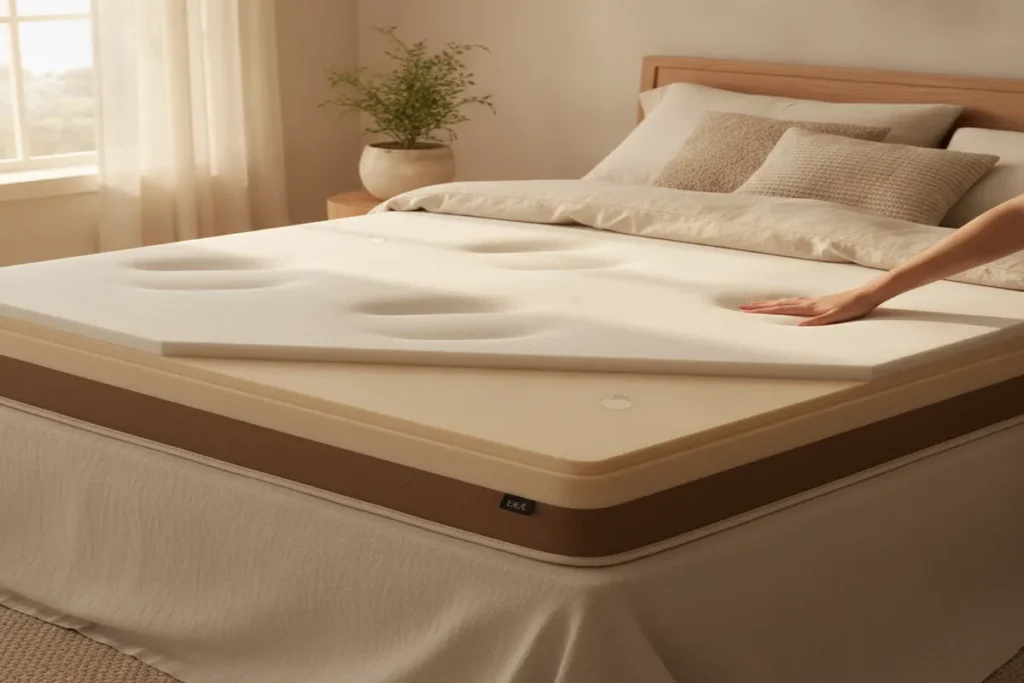
- If your existing mattress isn’t fully allergy-proof but is still in good condition, a hypoallergenic foam topper can provide an extra layer of protection and comfort. Look for Sponge Topper Mattress, Latex Topper, or Visco Topper options with washable covers. This can be a cost-effective interim solution.
By systematically addressing each of these areas, you create a robust defense against allergens, transforming your bedroom into a true haven for restful, allergy-free sleep, complementing the benefits of your chosen foam mattress.
Understanding the Cost: How Much Should You Budget for an Allergy-Friendly Foam Mattress?
Investing in an allergy-friendly foam mattress is a decision that impacts both your health and your wallet. While the upfront cost can vary significantly, it’s essential to view this as a long-term investment in your well-being. The price reflects the quality of materials, the presence of certifications, and the advanced manufacturing processes that make a mattress genuinely effective against allergens.
Here’s a breakdown of what to expect and how to budget:
-
1. Entry-Level Hypoallergenic Foam Mattresses (Approx. $500 – $1,000 for a Queen Size):
- What to Expect: These are typically basic memory foam mattresses with CertiPUR-US certification. They offer a good starting point for allergy relief but might not have the highest density, most advanced cooling features, or most durable covers.
- Trade-offs: May have less advanced breathability, potentially shorter lifespan compared to premium options, and less luxurious covers.
- Best For: Those on a tighter budget looking for fundamental dust mite and allergen protection.
-
2. Mid-Range Hypoallergenic Foam Mattresses (Approx. $1,000 – $2,000 for a Queen Size):
- What to Expect: This category offers a broader range of high-quality memory foam options, including open-cell designs, gel infusions for cooling, and more durable, often removable and washable covers. You’ll also start seeing more affordable natural latex blends or hybrid mattresses with foam comfort layers.
- Benefits: Improved breathability, better pressure relief, enhanced durability, and more comprehensive certifications.
- Best For: Individuals seeking a balance between cost and performance, desiring better comfort and longevity.
-
3. Premium Natural Latex & Advanced Foam Mattresses (Approx. $2,000 – $4,000+ for a Queen Size):
- What to Expect: This segment includes 100% natural latex mattresses (often GOLS certified), highly advanced multi-layer memory foam systems, and luxury hybrid mattresses featuring significant foam components. These mattresses boast superior breathability, exceptional durability, and often come with premium organic covers.
- Benefits: Unparalleled durability (12-15+ years), superior temperature regulation, minimal off-gassing, and the highest level of natural allergen resistance.
- Best For: Those prioritizing natural materials, maximum longevity, superior comfort, and the absolute best in allergy protection.
- Consider: Our Latex Foam Mattress and Visco Foam Mattress are crafted with these premium standards in mind, reflecting Turkish quality and durability.
Factors Influencing Cost:
-
Material Type: Natural latex is generally more expensive than memory foam due to its sourcing and processing.
-
Density & Layers: Mattresses with higher density foams and more complex layering systems (e.g., multiple foam types, transition layers) will cost more.
-
Certifications: Extensive third-party certifications (GOLS, GOTS, CertiPUR-US, OEKO-TEX) add to the cost but guarantee quality and safety.
-
Brand Reputation & Technology: Established brands and those with proprietary foam technologies often command higher prices.
-
Size: Larger mattresses (King, California King) will naturally cost more than smaller sizes (Twin, Full).
-
Features: Additional features like advanced cooling technologies, specialized covers, or adjustable bases will increase the total price.
While the initial investment for a high-quality, allergy-friendly foam mattress might seem substantial, consider its impact on your daily comfort, sleep quality, and overall health. Over its lifespan, the cost per night is often minimal, making it a worthwhile expenditure for allergy sufferers. For a broader understanding of pricing, you might find our article on How Much Does a Turkish Mattress Cost insightful.
Making Your Purchase: Where to Find the Best Foam Mattress for Allergies Online
Once you’ve identified the ideal foam mattress type and key features for your allergy needs, the next step is finding a reputable source to make your purchase. The online marketplace offers unparalleled convenience and selection, but knowing where to look and what to prioritize is crucial for a successful and satisfying experience.
Here’s a practical guide to buying your allergy-friendly foam mattress online:
-
1. Research Reputable Direct-to-Consumer Brands:
- Many high-quality foam mattress brands operate primarily online, cutting out traditional retail overhead. This often translates to better value for the consumer.
- Look for brands specializing in foam mattresses (memory foam, latex, or hybrid) with clear information on their materials, certifications, and manufacturing processes.
- Sinyora Yatak is a prime example, offering a diverse Mattress Collection crafted with quality Turkish materials and expertise, available for international shipping.
-
2. Prioritize Brands with Transparent Material Sourcing and Certifications:
- A trustworthy brand will prominently display its certifications (CertiPUR-US, GOLS, OEKO-TEX) on its product pages. This transparency is a strong indicator of commitment to quality and health.
- Be wary of brands that are vague about foam types, density, or chemical content.
-
3. Scrutinize Customer Reviews and Testimonials:
- Genuine customer reviews offer invaluable insights into real-world performance, comfort, durability, and, importantly, the mattress’s effectiveness for allergy sufferers.
- Look for patterns in feedback regarding off-gassing, temperature regulation, and how the mattress has impacted users with similar allergy concerns.
-
4. Evaluate Trial Periods and Return Policies:
- One of the biggest advantages of online mattress shopping is the generous in-home trial period (typically 30 to 365 nights). This allows you to test the mattress in your own environment, crucial for assessing long-term comfort and allergy response.
- Understand the return process: Are returns free? Is pickup arranged? What are the conditions for a full refund? Our Return Policy is designed for customer satisfaction.
-
5. Understand the Warranty:
- A strong warranty (10+ years is standard for quality foam mattresses) protects your investment against manufacturing defects and premature sagging.
- Read the fine print to understand what is covered and what might void the warranty. Check our Warranty Information for details.
-
6. Consider Shipping and Delivery Options:
- Most online mattress companies offer free shipping within their target regions.
- For international customers, verify shipping costs and delivery timelines. Sinyora Yatak proudly Ship Turkish Mattresses Internationally, bringing quality sleep solutions worldwide.
-
7. Don’t Forget Customer Support:
- A responsive and knowledgeable customer service team can make a huge difference, especially if you have specific questions about materials, allergies, or need assistance with your order.
- Test their responsiveness before purchasing via chat, email, or phone. Our Contact Us for Support page is always available.
-
8. Explore Hybrid Options:
- While this guide focuses on foam, some Hybrid Mattresses combine foam comfort layers with pocketed coils, offering the best of both worlds: foam’s allergy resistance and coils’ enhanced airflow and support. This can be an excellent choice for allergy sufferers who prefer a bouncier feel or need additional support. Our Pocket Coils Mattress options are worth considering.
By following these guidelines, you can confidently navigate the online market to find the ideal allergy-friendly foam mattress that meets your needs for comfort, support, and a healthier night’s sleep. Explore our Shop All Products page to see the range of Sinyora Yatak options available.
Expert Insight
“The bedroom is often the primary battleground for allergy sufferers, with the mattress being a major allergen reservoir. Shifting from traditional spring mattresses to dense, hypoallergenic foam options like natural latex or CertiPUR-US certified memory foam is not merely a comfort upgrade; it’s a fundamental health intervention. Coupled with vigilant bedding hygiene and environmental controls, this choice can dramatically reduce allergen exposure, leading to profound improvements in sleep quality and daytime well-being.” – Industry experts confirm that a strategic approach to sleep surfaces is vital for allergy management.
Key Terms
-
Hypoallergenic Mattress: A mattress designed with materials and construction that are less likely to cause an allergic reaction or harbor allergens like dust mites, mold, and pet dander.
-
Dust Mites: Microscopic arachnids that thrive in warm, humid environments, feeding on dead skin cells. Their waste products and decaying bodies are common triggers for allergies and asthma.
-
Memory Foam (Visco Foam): A viscoelastic polyurethane foam that responds to body heat and pressure, contouring to the sleeper’s shape for pressure relief and support. Its dense structure naturally resists dust mites.
-
Natural Latex: A durable, resilient foam derived from the sap of rubber trees (Hevea brasiliensis). It is inherently antimicrobial, resistant to dust mites, and highly breathable due to its open-cell structure.
-
CertiPUR-US: A certification program for polyurethane foams used in bedding and upholstered furniture. It ensures foams are made without harmful chemicals, heavy metals, and have low VOC emissions for indoor air quality.
-
Off-gassing: The release of volatile organic compounds (VOCs) into the air, typically from newly manufactured products like mattresses. While most VOCs are harmless, some can cause temporary irritation or trigger sensitivities.
How Can You Upgrade to More Comfortable Sleep with Sinyora Yatak?
At Sinyora Yatak, we understand that truly restful sleep is a cornerstone of health, especially for those managing allergies and dust mites. Our commitment to superior Turkish craftsmanship, innovative design, and premium materials ensures that every mattress we create is more than just a place to sleep – it’s a sanctuary.
We invite you to experience the Sinyora Yatak difference:
-
Explore Our Hypoallergenic Foam Mattresses: Dive into our specialized range, including the contouring support of our Visco Foam Mattress and the natural resilience and breathability of our Latex Foam Mattress. Each is engineered with dense, quality foams that inherently resist allergens and dust mites, promoting a cleaner sleep environment.
-
Benefit from Turkish Quality: Discover What Makes Turkish Mattresses Special – a legacy of durability, comfort, and meticulous attention to detail that translates into a longer-lasting, more effective allergy solution.
-
Complete Your Allergy-Friendly Sanctuary: Enhance your sleep with our Pillow Collection, featuring hypoallergenic options like our Visco Pillow and Latex Pillow (Natural), designed to complement your anti-allergy mattress.
-
Global Access to Superior Sleep: No matter where you are, Sinyora Yatak is dedicated to bringing you the best. Learn how we Ship Turkish Mattresses Internationally and transform your sleep.
Ready to invest in your health and rediscover the joy of truly restorative, allergy-free sleep? Visit our Mattress Collection today to find the perfect Sinyora Yatak foam mattress that combines luxurious comfort with unparalleled protection against allergens. Your journey to a healthier night’s sleep starts here.
Frequently Asked Questions
Q: Are all memory foam mattresses hypoallergenic?
Q: How often should I clean my allergy-friendly mattress?
Q: Can a mattress topper help with allergies?
Q: What certifications should I look for when buying an allergy-friendly foam mattress?
Q: How long do allergy-friendly foam mattresses last?
Q: Is natural latex always better than synthetic for allergies?
Help: FAQs · Sleep Science · Sleep Resources · Privacy Policy