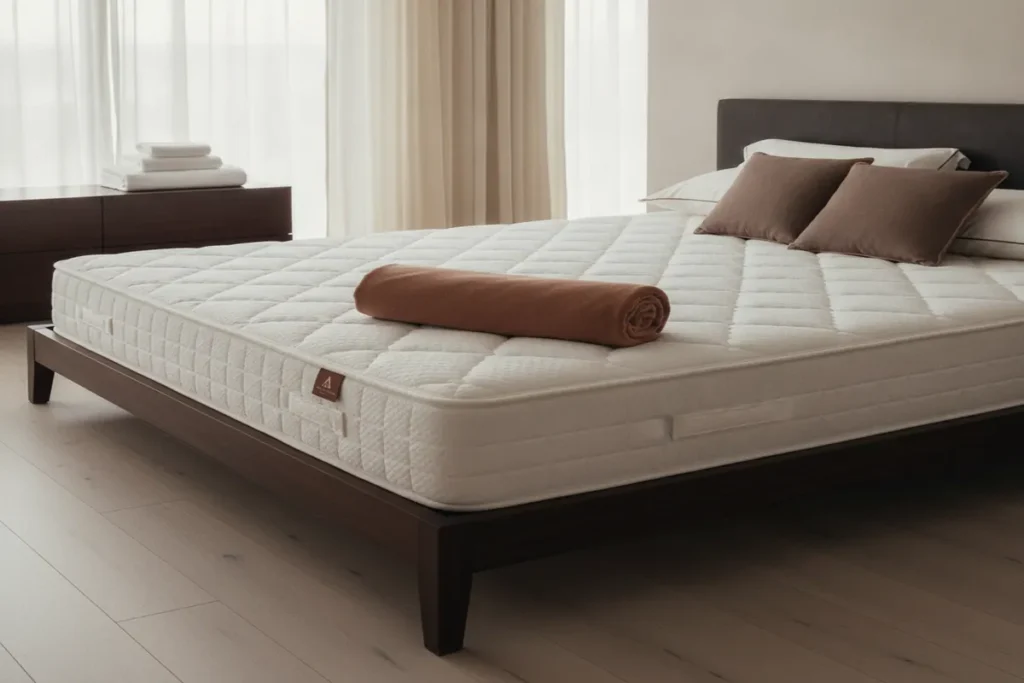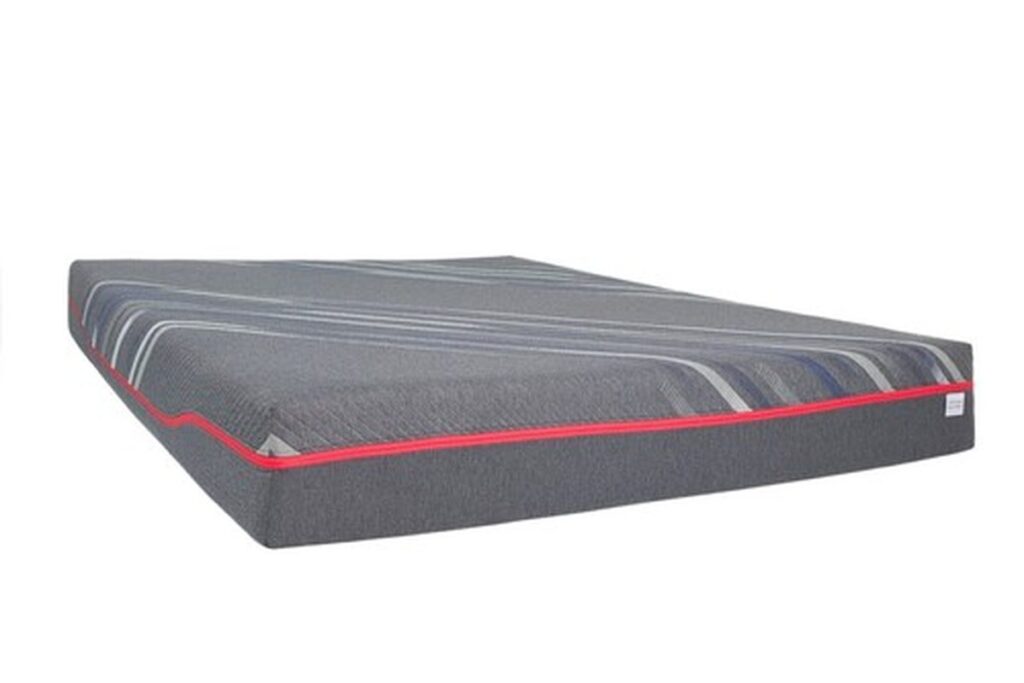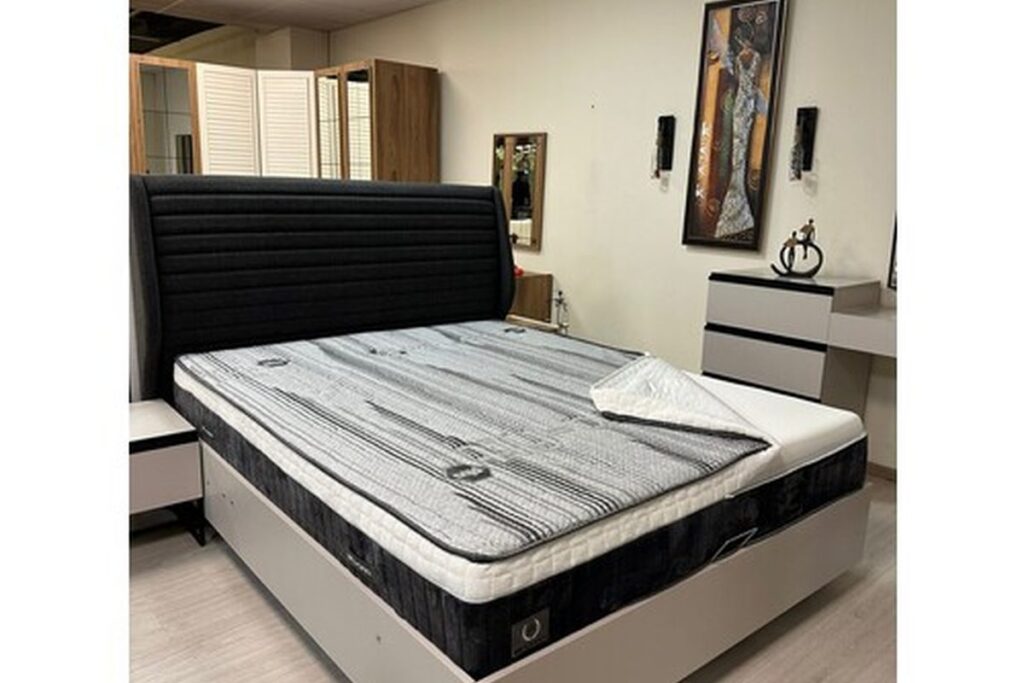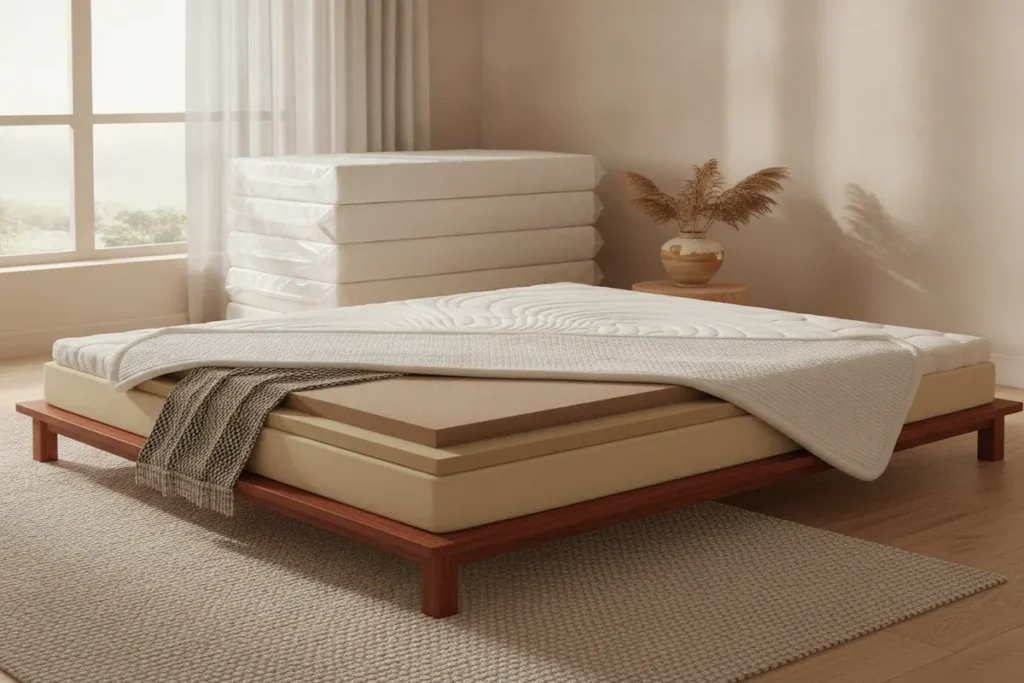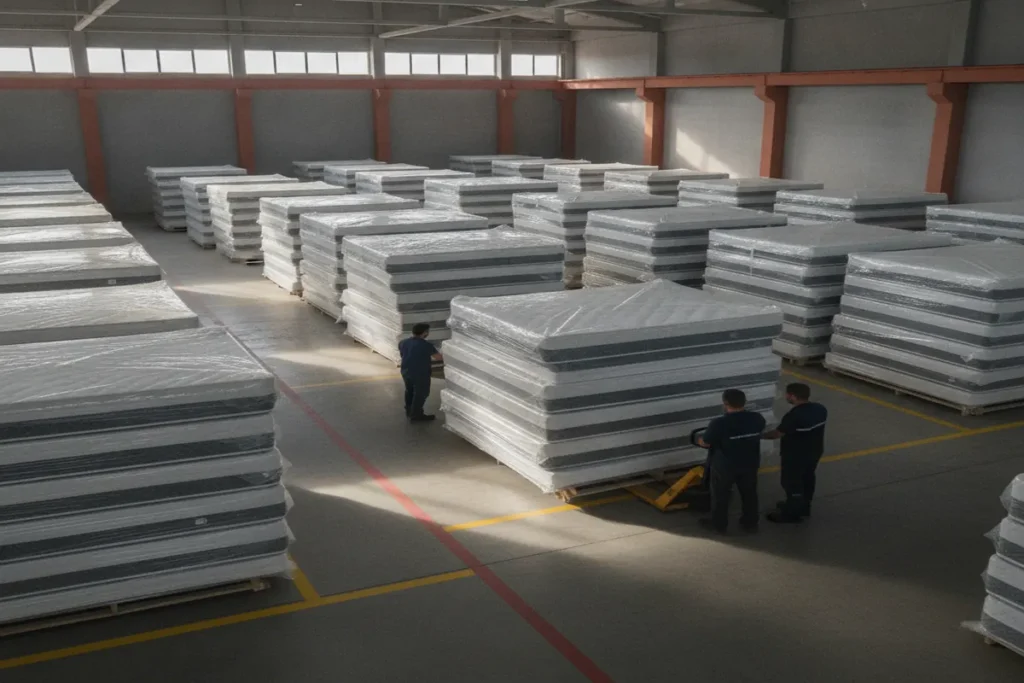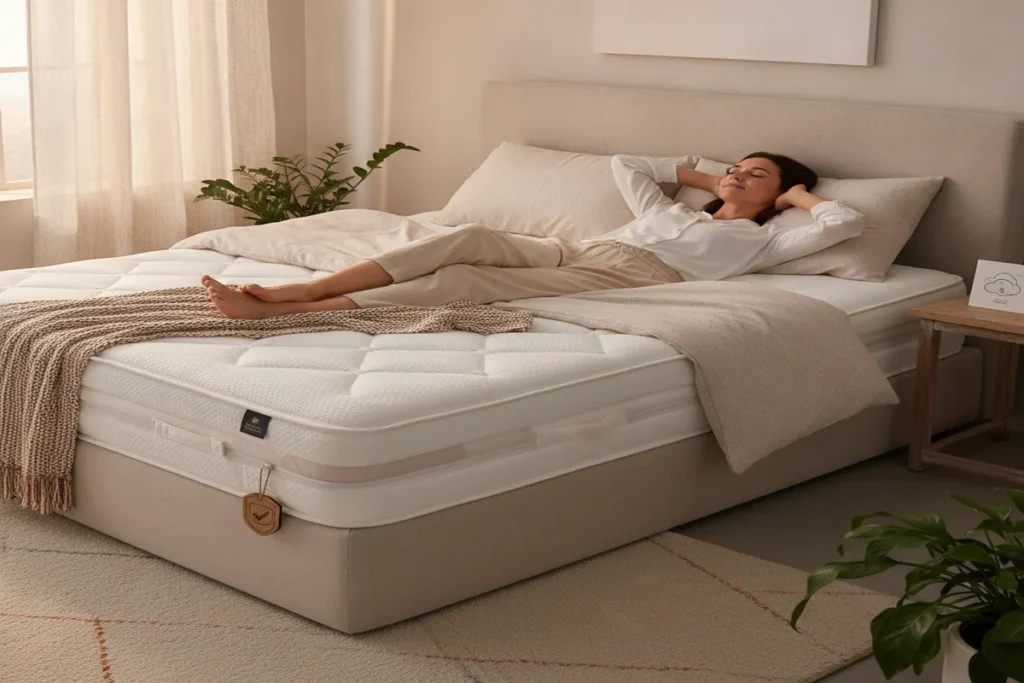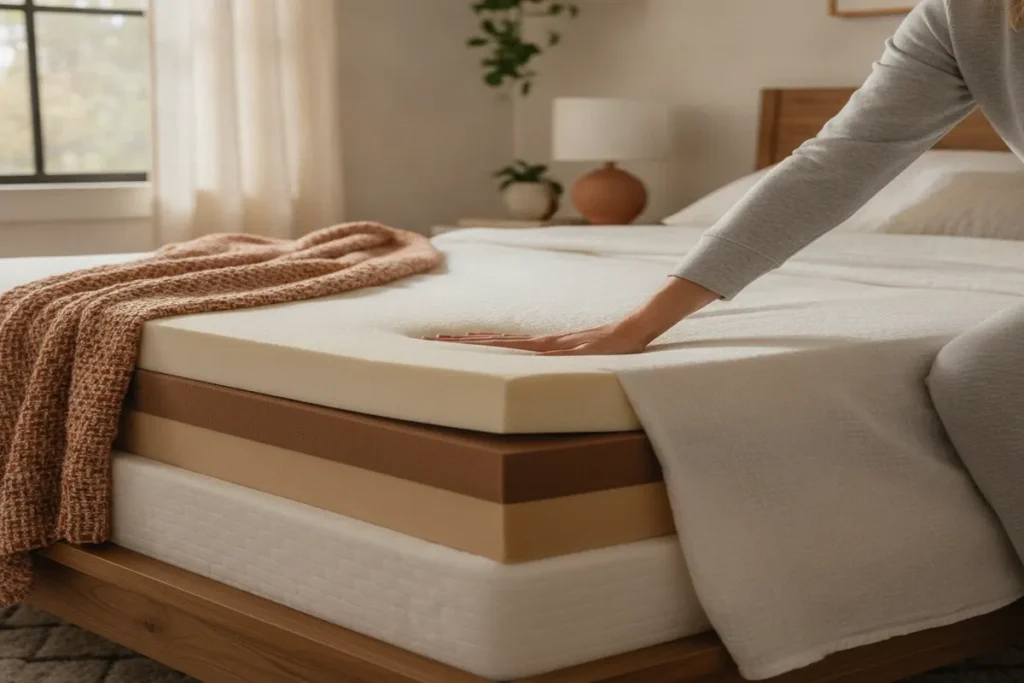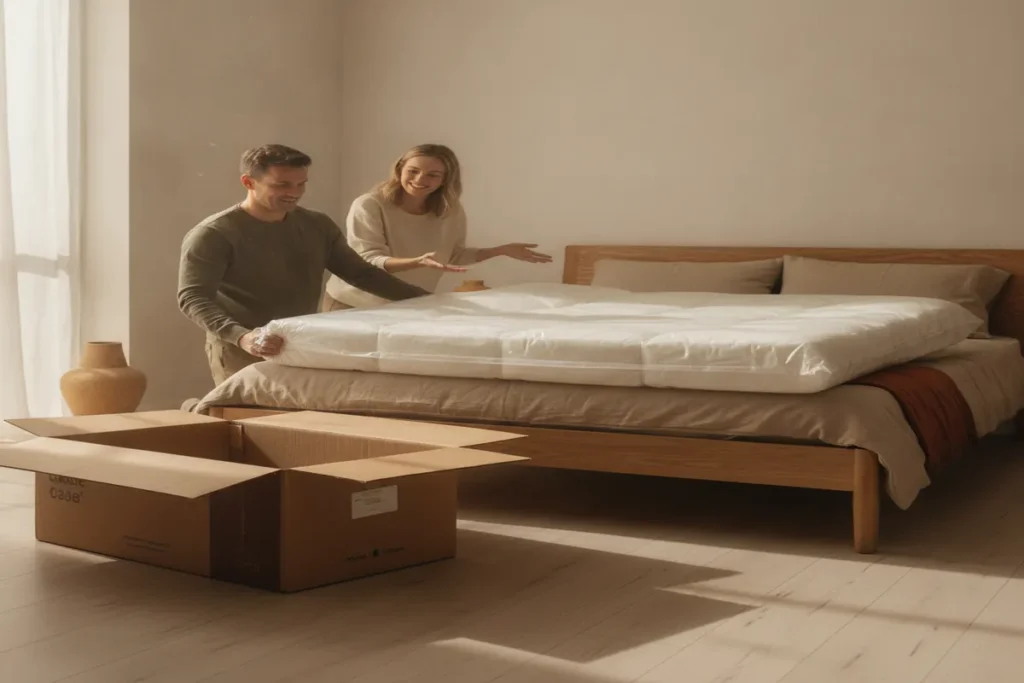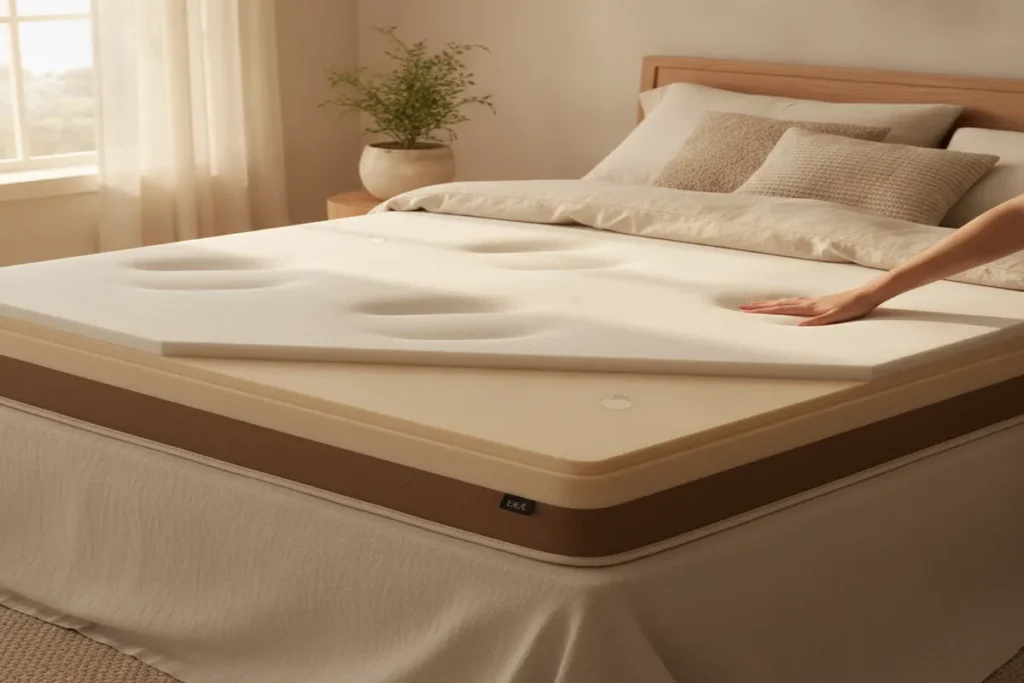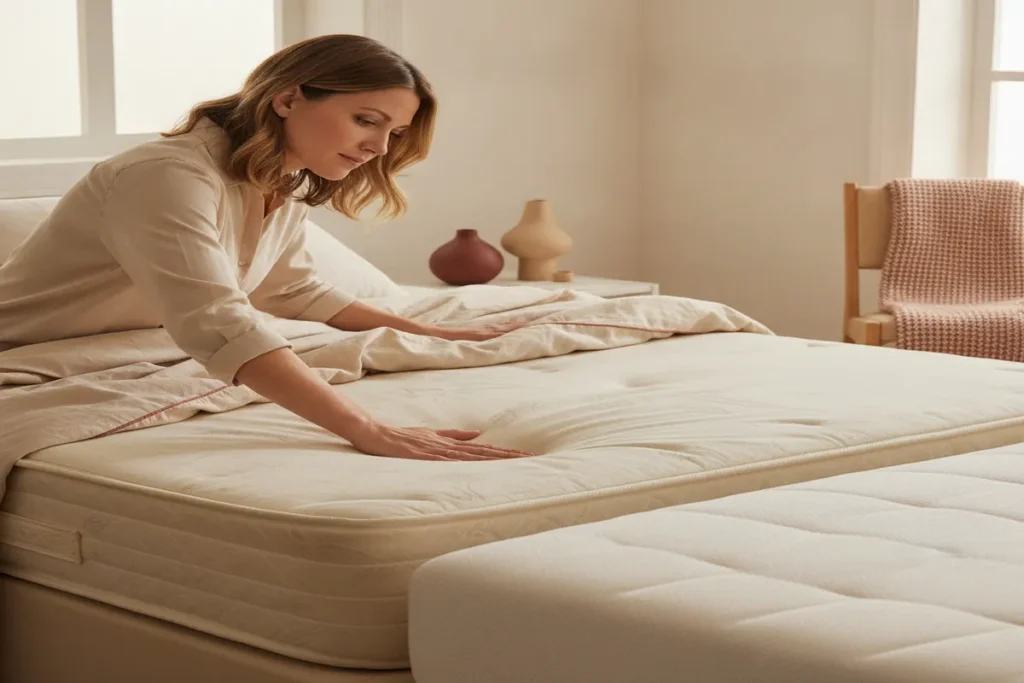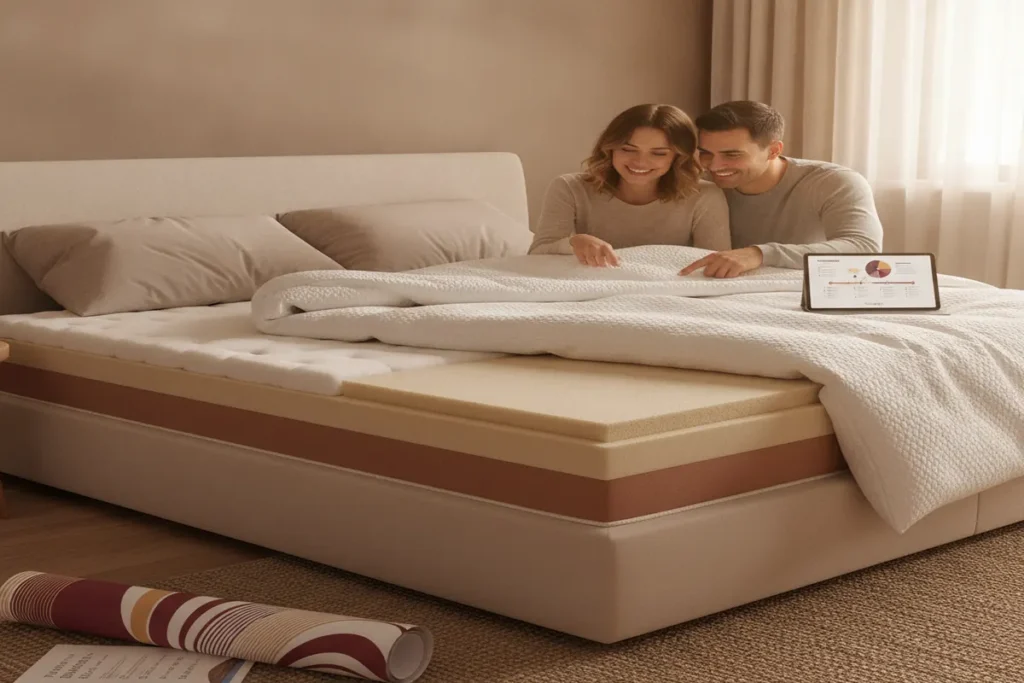

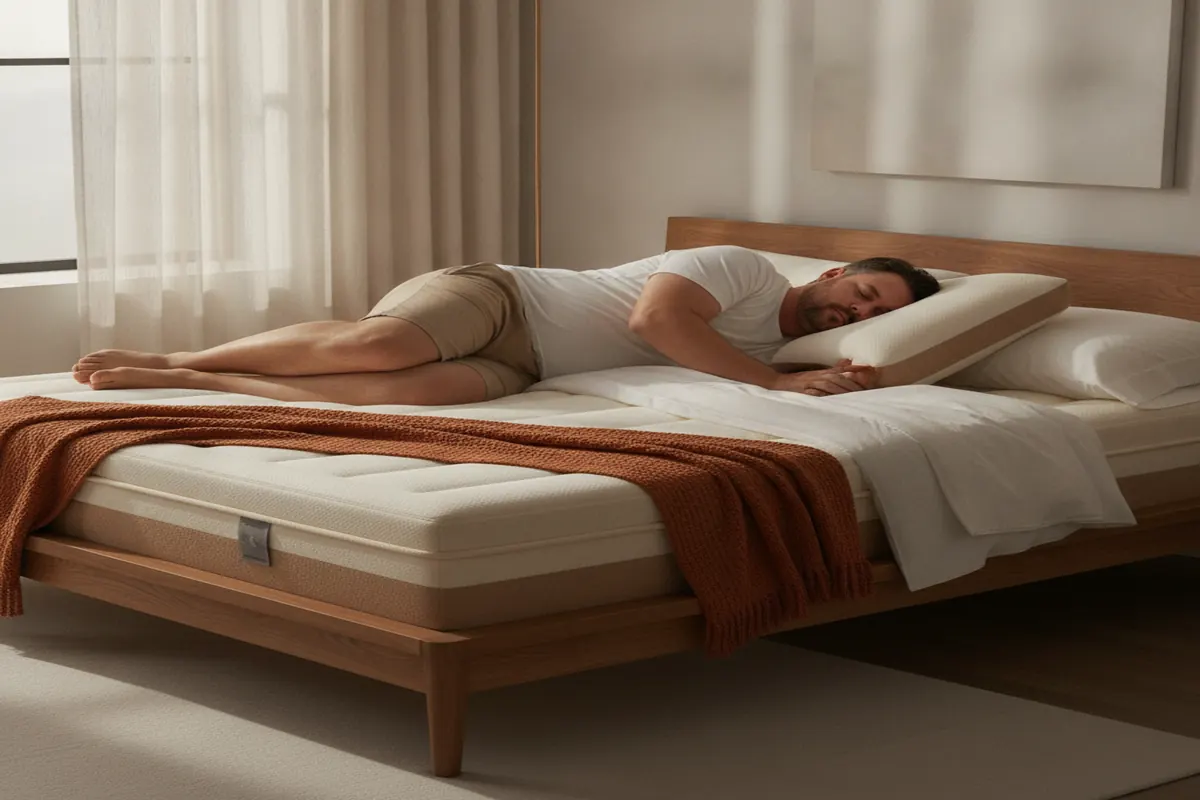
For individuals weighing over 100kg, selecting the best foam mattress is not just about comfort, but critically about support, durability, and preventing premature sagging. The ideal foam mattress for heavy people features high-density foam layers, typically with a core density of 4.0 PCF (pounds per cubic foot) or higher, ensuring robust weight distribution, superior spinal alignment, and long-term resilience against body impressions. This specialized construction is essential to provide the necessary support that standard foam mattresses often lack for heavier individuals.
Quick Summary
- High-density foam mattresses are crucial for heavy individuals, preventing sagging and ensuring proper spinal alignment
- look for foams with a density of 4.0 PCF or higher for durability and support
- prioritize mattresses with robust core layers and excellent edge support for stability
- consider advanced cooling technologies like open-cell or gel-infused foams to manage heat retention
What Makes a Foam Mattress Ideal for Heavy Individuals Over 100kg?
Choosing the right mattress for a heavier body weight is fundamentally different from selecting one for average sleepers. For individuals over 100kg, a mattress must offer a delicate balance of deep support, robust durability, and effective pressure relief without succumbing to premature wear. Foam mattresses, when specifically engineered for this demographic, excel in several key areas:
-
Superior Pressure Relief: High-density foam conforms to the unique curves of a heavier body, distributing weight more evenly. This reduces pressure points on areas like shoulders, hips, and knees, which can be particularly vulnerable to discomfort or pain with inadequate support. Unlike spring mattresses that can create pressure points with individual coils, foam cradles the body, promoting better blood circulation and reducing tossing and turning.
-
Excellent Spinal Alignment: A well-constructed foam mattress for heavier individuals prevents the body from sinking too deeply, which can throw the spine out of alignment. The resilient foam layers ensure that the spine maintains its natural curvature, whether sleeping on the back, side, or stomach. This is crucial for preventing chronic back pain and stiffness.
-
Reduced Motion Transfer: Foam’s inherent ability to absorb motion is a significant advantage, especially for couples where one or both partners are heavier. The dense material isolates movement, meaning that one person’s shifting or getting in and out of bed won’t disturb the other, leading to more uninterrupted sleep.
-
Enhanced Durability: Standard foam mattresses often break down quickly under heavier loads, leading to sagging and loss of support. Mattresses designed for individuals over 100kg utilize significantly denser and more resilient foams. This increased density allows the mattress to withstand greater compression over time, maintaining its structural integrity and comfort for many years. This directly addresses the best foam mattress for heavy people over 100kg quality factors by focusing on longevity.
-
Hypoallergenic Properties: Many foam mattresses, particularly those made from latex, are naturally resistant to dust mites, mold, and mildew. This makes them an excellent choice for individuals with allergies or asthma, contributing to a healthier sleep environment.
In essence, an ideal foam mattress for a heavier individual is a finely tuned system of high-performance materials designed to provide unwavering support and lasting comfort, transforming the sleep experience from challenging to truly restorative.
How to Choose the Right High-Density Foam Mattress for Your Body Type and Sleep Style?
Selecting the ideal high-density foam mattress involves a nuanced understanding of how different foam properties interact with a heavier body and specific sleep preferences. It’s not a one-size-fits-all decision, but rather a tailored approach that considers density, firmness, cooling, and construction.
Key Evaluation Criteria for Heavy Sleepers:
-
Foam Density (The Non-Negotiable Factor):
- Core Support Layer: For individuals over 100kg, the most critical factor is the density of the foam, especially in the core support layers. Look for high-density foams with a minimum of 4.0 PCF (pounds per cubic foot) for polyfoam and memory foam. For latex, densities are often measured differently (ILD – Indentation Load Deflection), but generally, a denser, firmer latex is preferable.
- Impact: Higher density foam provides superior support, resists body impressions, and significantly prolongs the mattress’s lifespan. Lower density foams will quickly break down, leading to sagging and inadequate support.
-
Firmness Level (Personal Preference Meets Support Needs):
- While many assume “firmer is always better” for heavier individuals, this isn’t entirely true. A mattress that is too firm can create pressure points, especially for side sleepers.
- General Guideline: Most heavy sleepers find comfort and support in the medium-firm to firm range (6-8 on a 1-10 firmness scale). This allows for some contouring for pressure relief without excessive sinking.
- Sleep Position:
- Side Sleepers: May prefer a slightly softer top layer (medium-firm) to cushion shoulders and hips, preventing pressure build-up, but still require a very dense core for alignment.
- Back/Stomach Sleepers: Typically benefit from firmer options to keep the spine consistently aligned and prevent the hips from sinking too low.
-
Cooling Technology (Addressing a Common Foam Mattress Concern):
- Heavier individuals naturally retain and generate more body heat, making cooling a paramount concern with foam mattresses.
- Key Features to Look For:
- Open-Cell Foam: Engineered with a more porous structure to allow air to flow through.
- Gel-Infused Foam: Incorporates gel beads or swirls to absorb and dissipate heat.
- Phase-Change Materials (PCMs): Fabrics or layers that absorb and release heat to regulate temperature.
- Copper Infusion: Copper is a good thermal conductor and can draw heat away from the body.
- Breathable Covers: Tencel, cotton, or other moisture-wicking fabrics can significantly improve airflow.
- Hybrid Models: Consider hybrid models that combine foam layers with pocket coils mattress systems. The coils provide excellent airflow, complementing the pressure relief of foam.
-
Mattress Construction and Layering:
- Support Core: This is the foundation. It must be made of very high-density polyfoam or a robust pocketed coil system (in hybrids). This layer bears the brunt of the weight.
- Transition Layer: Often a slightly softer, yet still dense, foam that bridges the firm support core and the softer comfort layer. This prevents bottoming out.
- Comfort Layer: This top layer provides the initial contouring and pressure relief. For heavy sleepers, even this layer should be relatively dense to prevent excessive sinkage and maintain support.
- Edge Support: Crucial for heavier individuals. Strong edge support prevents the feeling of rolling off the bed and allows for full use of the mattress surface. Look for reinforced foam perimeters or robust coil systems in hybrids.
By meticulously evaluating these factors, you can confidently navigate the market and identify a foam mattress that truly meets the unique demands of a heavier body, ensuring years of supportive and comfortable sleep.
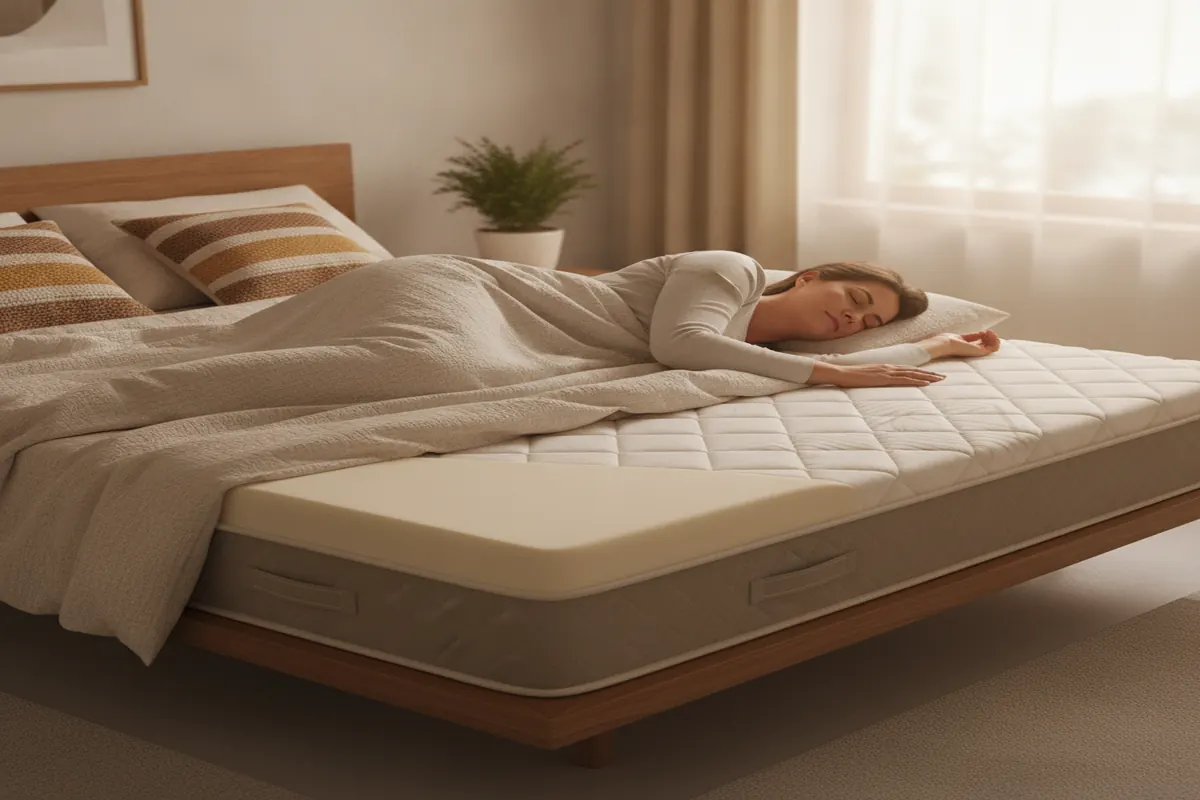
Understanding Foam Types: Memory Foam vs. Latex vs. High-Density Polyfoam for Heavier Sleepers
When searching for the best foam mattress for heavy people over 100kg, understanding the distinct properties of different foam types is crucial. Each offers a unique blend of support, durability, and feel, making certain types more suitable for specific needs.
Here’s a breakdown:
Detailed Considerations for Each Foam Type:
-
Memory Foam (Visco Foam Mattress):
- Pros: Unparalleled pressure relief, excellent motion isolation. For heavier individuals, high-density memory foam (4.0 PCF and above) is essential. It conforms closely to the body, distributing weight evenly and relieving pressure points, which can be a godsend for those with joint pain.
- Cons: Traditional memory foam can sleep hot. Look for advanced cooling features like gel infusions, copper, graphite, or an open-cell structure to mitigate heat retention. The slow response time might make it harder for some heavier individuals to change positions.
- Best For: Side sleepers, those with chronic pain, and anyone who loves a deep, conforming hug.
- Sinyora Yatak Relevance: Our Visco Foam Mattress options often incorporate advanced designs to enhance breathability and support, making them suitable for a wide range of sleepers, including those over 100kg when selected with appropriate density.
-
Latex Foam (Natural or Synthetic):
- Pros: Highly durable, very responsive, and naturally breathable. Latex offers a buoyant feel, lifting the sleeper rather than allowing them to sink deeply. This makes repositioning easier for heavier individuals. Natural latex is also inherently hypoallergenic and resistant to dust mites.
- Cons: Can be expensive, especially 100% natural latex. The bounciness might not appeal to those who prefer the deep contouring of memory foam.
- Best For: All sleep positions, those who prefer a responsive and buoyant feel, individuals prone to overheating, and allergy sufferers.
- Sinyora Yatak Relevance: Our Latex Foam Mattress options provide exceptional durability and support, making them a strong contender for heavier sleepers seeking a natural and resilient sleep surface. We also offer Latex Topper options to customize firmness.
-
High-Density Polyfoam:
- Pros: Cost-effective and provides excellent foundational support. It’s often used in the core layers of foam and hybrid mattresses. For heavier individuals, the support core must be high-density (2.0 PCF minimum for comfort layers, but 4.0 PCF+ for durable support cores).
- Cons: Less conforming and pressure-relieving than memory foam or latex when used as a comfort layer. Lower density polyfoam can break down quickly under heavy loads.
- Best For: As a robust, durable support core in a layered mattress system, offering stability and preventing sagging. It’s rarely recommended as the primary comfort layer for heavy individuals unless combined with other foams.
Ultimately, the top rated best foam mattress for heavy people over 100kg often combines these foam types in a sophisticated layering system. For example, a high-density polyfoam core for foundational support, topped with a dense layer of latex for responsiveness, and finished with a gel-infused memory foam for pressure relief. This multi-layered approach leverages the strengths of each material to create a truly supportive and durable sleep surface.
Beyond Firmness: Key Durability and Support Factors to Prioritize
While firmness is often the first characteristic people consider, for heavy individuals, it’s merely one piece of a larger puzzle. The true test of a foam mattress for someone over 100kg lies in its durability and sustained support. These factors are paramount to prevent premature sagging, ensure proper spinal alignment, and guarantee a long-lasting investment.
Critical Durability and Support Factors:
-
Foam Density (Again, It’s That Important!):
- We cannot overstate this: density is the single most important indicator of a foam mattress’s durability for heavy sleepers. For memory foam and polyfoam, look for densities of 4.0 PCF (pounds per cubic foot) or higher in comfort layers and 2.0 PCF or higher in base layers. For latex, while PCF isn’t always the primary metric, look for high-quality, dense latex types like Dunlop, which is generally denser and more durable than Talalay.
- Why it matters: Higher density foam contains more material per cubic foot, making it more resistant to compression and body impressions over time. It’s the structural integrity that prevents the mattress from breaking down prematurely under sustained heavy use.
-
Mattress Thickness and Layering:
- Overall Thickness: A mattress for heavier individuals should generally be thicker, ideally 10-14 inches or more. This allows for multiple layers of foam, each contributing to support and comfort without bottoming out.
- Layer Composition: Look for a robust support core (the thickest layer) made of very high-density foam or a strong coil system (in hybrids). This core provides the primary resistance against sagging. Transition layers should also be dense enough to prevent the sleeper from feeling the firmer base directly.
-
Edge Support:
- This is often overlooked but critical for heavier individuals. Strong edge support ensures the perimeter of the mattress doesn’t collapse when you sit on it or sleep near the edge.
- What to look for:
- Reinforced Foam Edges: A denser foam perimeter encasing the mattress core.
- High-Gauge Coils: In hybrid mattresses, stronger coils around the perimeter provide superior edge support.
- Benefits: Prevents the feeling of rolling off, expands the usable sleep surface, and makes getting in and out of bed easier and safer.
-
ILD (Indentation Load Deflection) for Firmness Assessment:
- While density speaks to durability, ILD measures firmness. It’s the force required to indent a foam sample by 25%.
- How it applies: Higher ILD numbers indicate firmer foam. For heavy sleepers, comfort layers might have an ILD in the 20-30 range for pressure relief, while support layers could be 30-40+ ILD. Understanding this helps ensure the different layers provide the right balance of contouring and support.
-
Certifications and Quality Assurance:
- Look for certifications like CertiPUR-US® for polyfoam and memory foam, which ensures foams are made without harmful chemicals and meet strict standards for content, emissions, and durability.
- For latex, look for certifications like Global Organic Latex Standard (GOLS) for organic natural latex or OEKO-TEX® Standard 100 for general textile safety. These certifications provide an independent verification of material quality and safety.
- Sinyora Yatak’s Commitment: We pride ourselves on using high-quality, certified foams in our Mattress Collection, ensuring both safety and long-lasting performance.
By focusing on these often-underestimated factors of density, construction, edge support, ILD, and certifications, you’re not just buying a foam mattress; you’re investing in a durable, supportive sleep system capable of providing consistent comfort for years to come, even under significant weight.
Common Pitfalls: What to Avoid When Buying a Foam Mattress for Heavier Weights
Navigating the mattress market can be tricky, and for heavier individuals, certain missteps can lead to a costly, uncomfortable, and short-lived purchase. Being aware of these common pitfalls will help you make a more informed decision and truly find the best foam mattress for heavy people over 100kg.
Mistakes to Steer Clear Of:
-
Prioritizing Price Over Density:
- The Mistake: Opting for the cheapest foam mattress available, especially one that doesn’t explicitly state its foam densities.
- Why It’s a Pitfall: Lower-priced foam mattresses almost invariably use lower-density foams. While they might feel comfortable initially, they will quickly break down, sag, and lose support under a heavier load, leading to discomfort, poor spinal alignment, and the need for premature replacement. This ends up being more expensive in the long run.
- Better Approach: View a high-quality, high-density foam mattress as an investment in your health and comfort. Always inquire about foam densities (PCF for polyfoam/memory foam) and prioritize those meeting or exceeding 4.0 PCF for comfort layers and 2.0+ PCF for support cores.
-
Assuming “Firm” Automatically Means “Supportive”:
- The Mistake: Believing that any firm mattress will provide adequate support for a heavier body.
- Why It’s a Pitfall: Firmness and support are related but distinct. A mattress can feel very firm due to low-quality, rigid foam that offers no contouring, leading to pressure points and discomfort. True support comes from high-density, resilient foams that conform to the body while maintaining spinal alignment.
- Better Approach: Seek a mattress that offers both firmness and contouring. The ideal is a medium-firm to firm feel that still allows for some pressure relief, preventing a “sleeping on a board” sensation.
-
Ignoring Cooling Features:
- The Mistake: Overlooking the importance of cooling technology in foam mattresses.
- Why It’s a Pitfall: Foam, especially traditional memory foam, can retain heat. Heavier individuals naturally generate and retain more body heat, making this a significant comfort issue. Waking up hot and sweaty can severely disrupt sleep quality.
- Better Approach: Actively seek out foam mattresses with advanced cooling technologies. Look for terms like “open-cell foam,” “gel-infused memory foam,” “phase-change material covers,” or consider Latex Foam Mattress options which are naturally more breathable. Hybrid models with coil bases also offer superior airflow.
-
Neglecting Edge Support:
- The Mistake: Not checking for robust edge support, especially when buying online.
- Why It’s a Pitfall: Poor edge support means the perimeter of the mattress will compress significantly when you sit on it or sleep close to the edge. This reduces the usable sleep surface and can make getting in and out of bed difficult or even unsafe for heavier individuals.
- Better Approach: Look for mattresses with reinforced foam perimeters or, in the case of hybrids, stronger coils around the edges. Read reviews specifically mentioning edge support for heavier users.
-
Skipping the Warranty and Return Policy Review:
- The Mistake: Not thoroughly reading the warranty terms and understanding the return policy before purchasing.
- Why It’s a Pitfall: Mattresses used by heavier individuals are subject to more stress. A good warranty should cover significant sagging (e.g., indentations of 1 inch or more) without requiring a deep body impression. A generous sleep trial (e.g., 90-120 nights) is essential to ensure the mattress is truly suitable for your body over time.
- Better Approach: Understand what the warranty covers, especially regarding body impressions. Ensure the return policy is clear, includes free returns, and allows ample time to test the mattress. Sinyora Yatak provides clear Warranty Information and Return Policy details for customer peace of mind.
By consciously avoiding these common purchasing errors, heavy individuals can significantly increase their chances of finding a foam mattress that provides lasting comfort, support, and value.
Decoding the Price Tag: How Much Should You Expect to Invest in a Premium Foam Mattress?
The cost of a high-quality foam mattress for individuals over 100kg can vary significantly, reflecting the specialized materials, advanced construction, and enhanced durability required. Understanding these price tiers and what drives them will help you budget realistically for the best foam mattress for heavy people over 100kg.
Price Range and What Influences It:
Typically, a premium foam mattress designed for heavy individuals will fall into a higher price bracket than a standard mattress. You can expect to invest anywhere from €800 to €2500+ (or equivalent in USD/GBP) for a queen or king-sized model, with variations based on brand, materials, and features.
Factors Influencing Cost:
-
Foam Density and Quality: This is the primary cost driver. High-density foams (4.0 PCF+ memory foam/polyfoam, or dense natural latex) are more expensive to produce due to the greater amount of raw material used. These foams offer superior durability and support, justifying the higher price.
-
Foam Type:
- High-Density Polyfoam: Generally the most affordable, often used for base layers.
- Memory Foam: Mid-range to high, with advanced gel-infused or open-cell options costing more.
- Natural Latex Foam: Often the most expensive due to its natural origin, complex processing, and exceptional durability/responsiveness.
-
Mattress Construction and Layering:
- Thickness: Thicker mattresses (12-14+ inches) with more layers tend to be pricier as they use more material.
- Complex Layering: Mattresses with multiple specialized layers (e.g., a high-density polyfoam core, a latex transition layer, and a gel memory foam comfort layer) are more expensive than simpler, two-layer designs.
- Edge Support: Mattresses with reinforced edge support systems (e.g., denser foam encasement or stronger perimeter coils in hybrids) add to the manufacturing cost.
-
Cooling Technologies: Advanced cooling features like phase-change material covers, intricate open-cell designs, or unique infusions (copper, graphite) increase the mattress’s price.
-
Brand Reputation and Warranty: Established brands with a proven track record of quality and generous, comprehensive warranties (e.g., 10-20 years) often command higher prices. This reflects their confidence in product longevity and customer service.
-
Certifications: Mattresses with certifications like CertiPUR-US® or GOLS demonstrate a commitment to quality and safety, which can also influence pricing.
Is the Investment Worth It?
For individuals over 100kg, investing in a premium, specialized foam mattress is almost always worthwhile. Consider the following:
-
Health Benefits: Proper spinal alignment, reduced pressure points, and improved sleep quality can significantly impact overall health, reducing aches, pains, and fatigue.
-
Longevity: A mattress designed for heavier bodies will last significantly longer than a standard mattress, often doubling its lifespan. This means fewer replacements and a better return on investment over time.
-
Comfort and Support: The difference in comfort and support from a correctly chosen mattress is transformative, leading to more restorative sleep every night.
-
Safety: Robust edge support and stable construction enhance safety when getting in and out of bed.
While the initial outlay for a specialized foam mattress might seem substantial, the long-term benefits in terms of health, comfort, and durability make it a sound investment. Sinyora Yatak believes in transparent pricing for our Mattress Collection, ensuring you understand the value behind every Turkish-made mattress designed for lasting comfort. You can also explore our How Much Does a Turkish Mattress Cost guide for more insights.
Your Buying Checklist: Ensuring You Get the Best Foam Mattress Online
Buying a mattress online offers convenience and often better value, but for individuals over 100kg, it requires extra diligence. This checklist will guide you through the essential steps and considerations to ensure you make the right choice for the best foam mattress for heavy people over 100kg without the benefit of an in-store test.
Practical Checklist for Online Mattress Shopping:
-
Verify Foam Densities:
- Action: Look for product specifications that explicitly state the PCF (pounds per cubic foot) for each foam layer.
- Target: Aim for comfort layers of 4.0 PCF+ (memory/polyfoam) and support cores of 2.0 PCF+ (polyfoam). For latex, seek high-quality, dense varieties.
- Red Flag: If densities aren’t listed or are vague (“high-density foam”), proceed with caution or contact customer service directly.
-
Confirm Mattress Thickness and Layering:
- Action: Ensure the mattress is at least 10-14 inches thick, with a substantial support core (6+ inches).
- Target: Look for a multi-layered design that balances pressure relief with deep support.
- Consider: Foam Mattress options with clear layer descriptions are ideal.
-
Evaluate Edge Support:
- Action: Read customer reviews specifically mentioning edge support, especially from other heavier users. Look for descriptions of reinforced perimeters.
- Target: A mattress that maintains its structure when sitting on the side or sleeping near the edge.
-
Prioritize Cooling Features:
- Action: Check for specific cooling technologies: gel infusions, open-cell foam, copper, graphite, or breathable covers (e.g., Tencel).
- Target: Features that actively dissipate heat and promote airflow.
- Consider: Visco Foam Mattress with cooling tech or Latex Foam Mattress for natural breathability.
-
Review Warranty and Return Policy:
- Action: Thoroughly read the Warranty Information (especially regarding sag depth) and Return Policy.
- Target: A warranty of at least 10 years that covers body impressions of 1 inch or more. A sleep trial of at least 90-120 nights with free returns.
- Crucial: Ensure there are no hidden fees for returns or exchanges.
-
Check Certifications:
- Action: Look for CertiPUR-US® (for polyfoam/memory foam) or GOLS/OEKO-TEX® (for latex).
- Target: These third-party certifications assure that the foams are safe, durable, and free from harmful chemicals.
-
Read User Reviews (with a critical eye):
- Action: Focus on reviews from individuals with similar body types and sleep preferences. Pay attention to comments on long-term durability, support, and heat retention.
- Target: Consistent positive feedback on durability and support for heavier sleepers.
-
Understand Shipping and Delivery:
- Action: Confirm shipping costs, delivery times, and whether white-glove delivery (setup and old mattress removal) is available.
- Target: Clear, transparent shipping details. Sinyora Yatak offers Ship Turkish Mattresses Internationally with detailed logistics.
-
Compare Brands and Models:
- Action: Don’t settle for the first option. Compare several Mattress Collection models from reputable brands known for catering to heavier individuals.
- Target: A brand that specializes in high-quality, durable mattresses. Sinyora Yatak’s About Us section highlights our expertise in What Makes Turkish Mattresses Special.
By meticulously going through this checklist, you can confidently navigate the online mattress market, ensuring you select a foam mattress that provides the specialized support and durability required for a heavy individual, leading to years of restful sleep.
Expert Insight
“For individuals over 100kg, the emphasis shifts from general comfort to engineered support. The core principle for a durable foam mattress is density – not just firmness. A mattress might feel firm initially, but if it lacks high-density foam (typically 4.0 PCF or higher for memory and polyfoam), it will inevitably sag prematurely, compromising spinal alignment and leading to discomfort. This is why investing in purpose-built mattresses with robust, high-density foam layers and strong edge support is paramount; it’s the difference between temporary relief and long-term restorative sleep.” – Industry experts confirm that specialized construction is non-negotiable for heavier sleepers.
Key Terms
-
PCF (Pounds Per Cubic Foot): A measurement of foam density. Higher PCF indicates more material per cubic foot, leading to greater durability and support, especially crucial for heavy individuals.
-
ILD (Indentation Load Deflection): Measures the firmness of foam. It’s the force (in pounds) required to indent a 4-inch thick foam sample by 25%. Higher ILD means firmer foam.
-
Sagging: The undesirable depression or indentation that forms in a mattress over time, indicating a loss of support and foam integrity. It’s a common issue with lower-density foams under heavier loads.
-
Pressure Relief: The ability of a mattress to distribute body weight evenly, reducing concentrated force on sensitive areas like hips, shoulders, and knees, thereby preventing pain and improving circulation.
-
Spinal Alignment: The maintenance of the natural curvature of the spine (S-shape) during sleep, which is essential for preventing back pain and ensuring restorative rest.
A short comparison to help you make a better decision.
How Can You Upgrade to More Comfortable Sleep with Sinyora Yatak?
At Sinyora Yatak, we understand that exceptional sleep is not a luxury, but a necessity, especially for those requiring specialized support. Our commitment to traditional Turkish craftsmanship, combined with cutting-edge material science, allows us to engineer mattresses that meet the rigorous demands of heavy individuals over 100kg.
We invite you to explore our Mattress Collection, where you’ll find meticulously designed foam mattresses crafted with the highest density foams, ensuring unparalleled durability and steadfast support. From our resilient Latex Foam Mattress options, renowned for their natural buoyancy and breathability, to our innovative Visco Foam Mattress designs featuring advanced cooling technologies and deep pressure relief, Sinyora Yatak offers solutions built to last.
Experience the Sinyora Yatak difference: superior materials, expert construction, and a dedication to your long-term sleep health. Our Buying Guides provide further insights, and our responsive Customer Service team is ready to assist you. With Ship Turkish Mattresses Internationally, your journey to truly supportive and comfortable sleep is just a click away. Upgrade to a Sinyora Yatak mattress today – where durability meets luxurious comfort, night after night.
Frequently Asked Questions
Q: Will a foam mattress sag quickly if I weigh over 100kg?
Q: Is a firm foam mattress always the best choice for heavy people?
Q: How do foam mattresses designed for heavy individuals manage heat?
Q: Can I use a foam mattress designed for heavy people on any bed base?
Q: What kind of warranty should I look for in a foam mattress for heavy use?
Q: How long should a high-quality foam mattress last for a heavy person?
Help: FAQs · Sleep Science · Sleep Resources · Privacy Policy