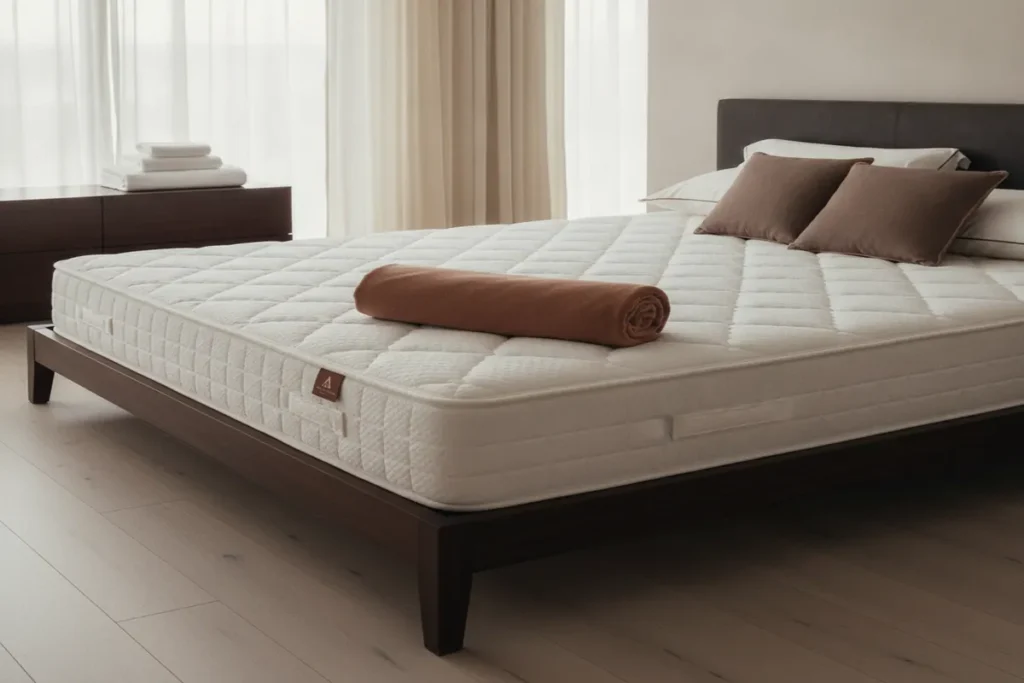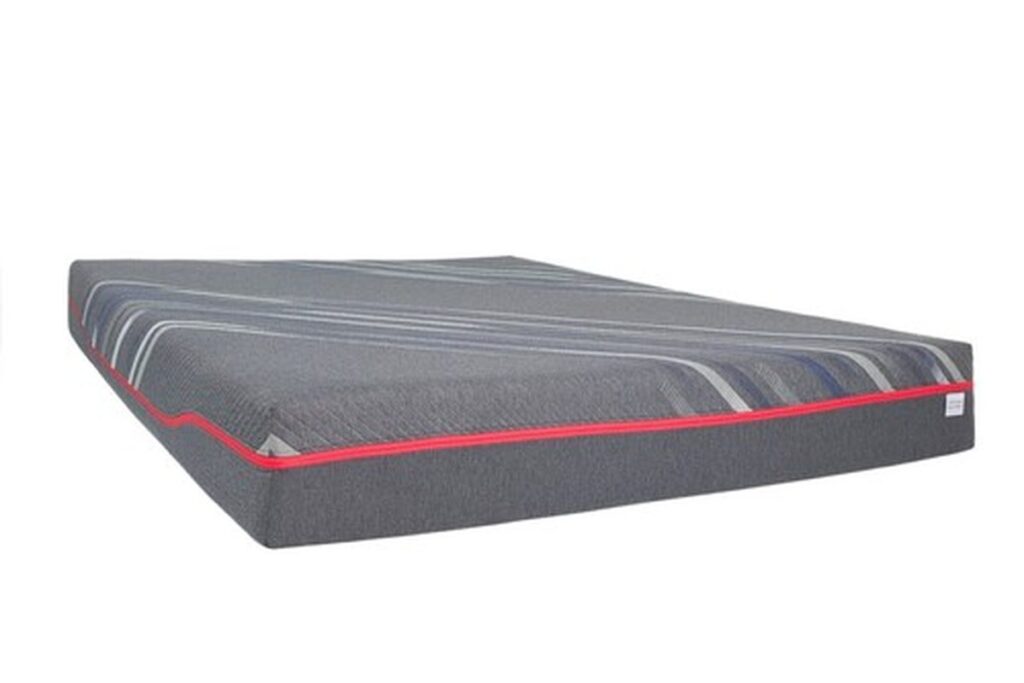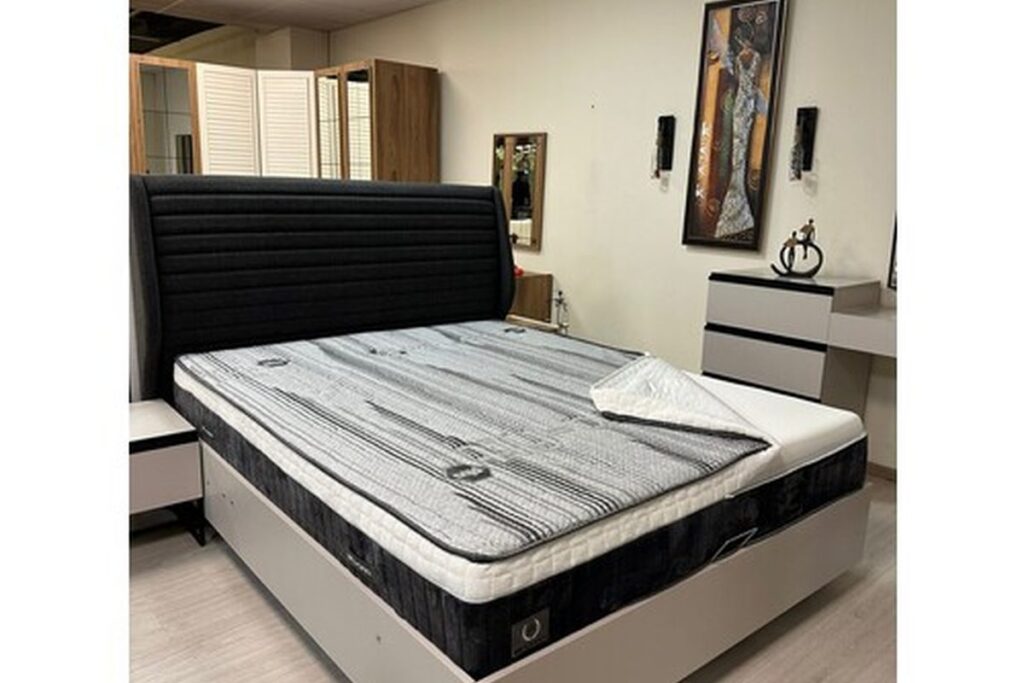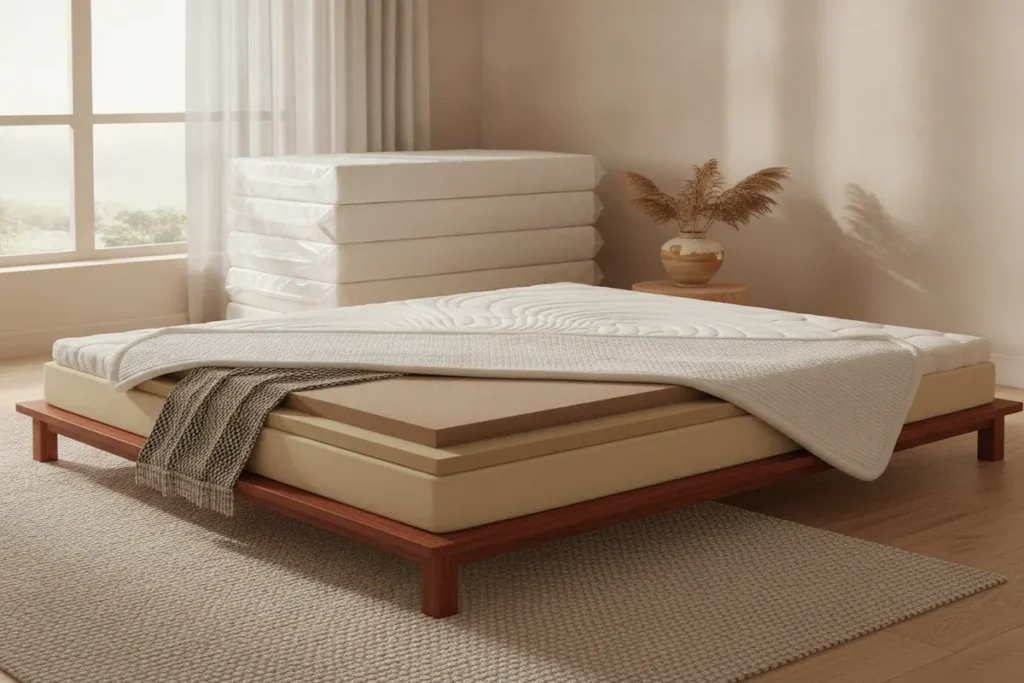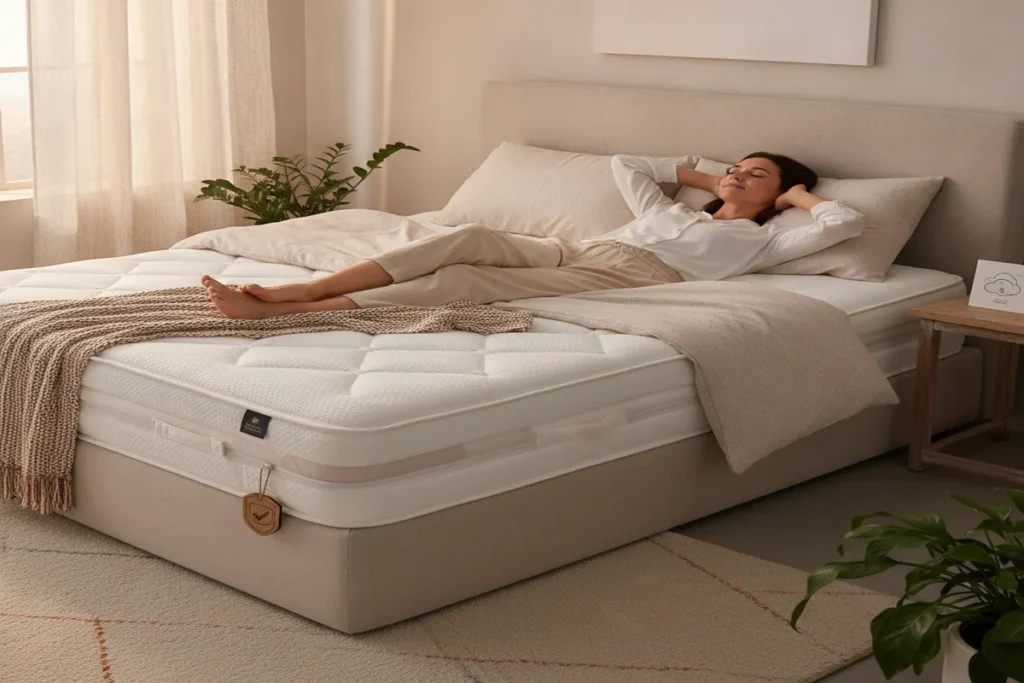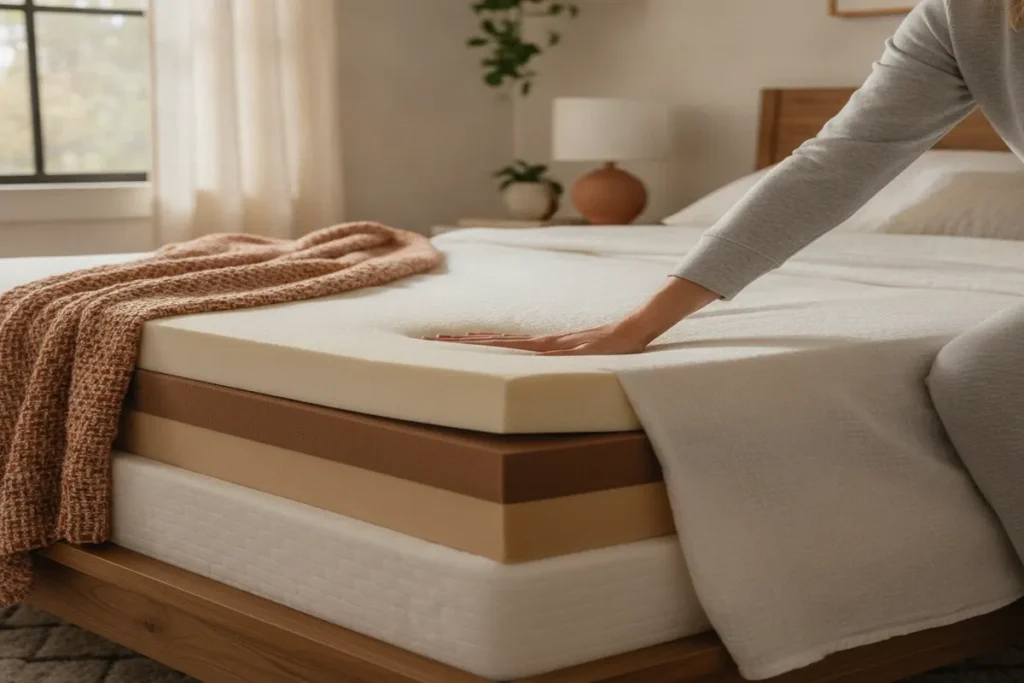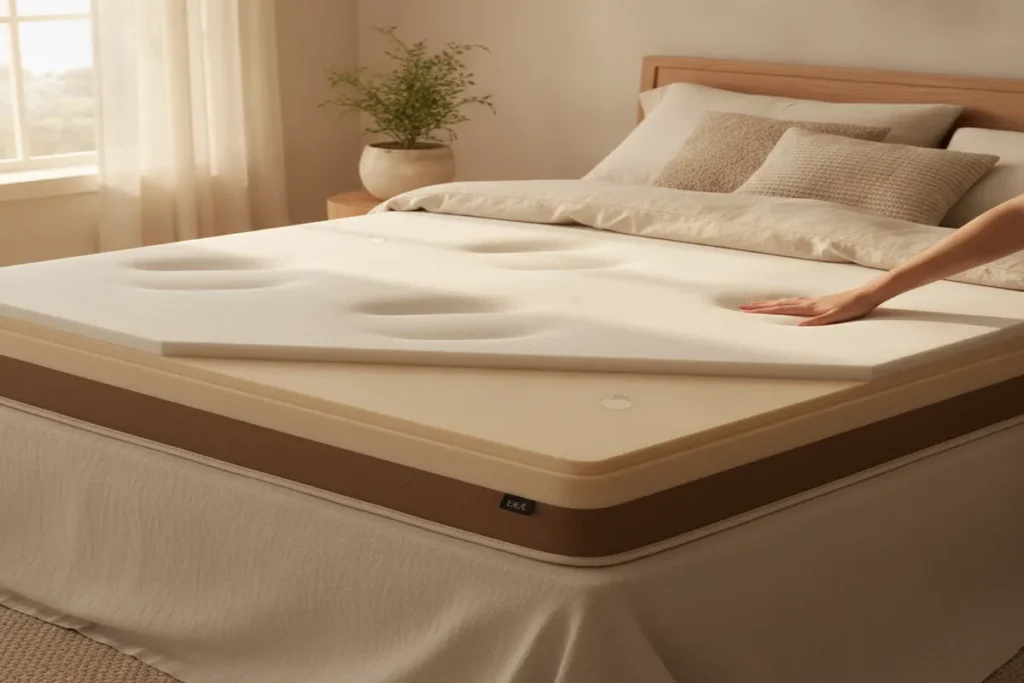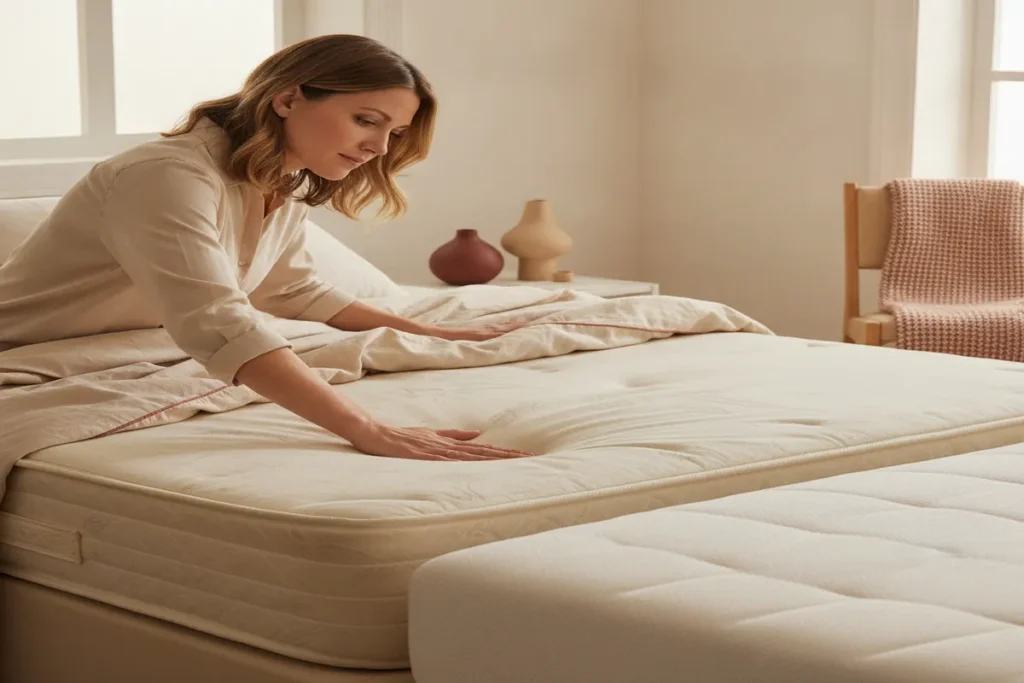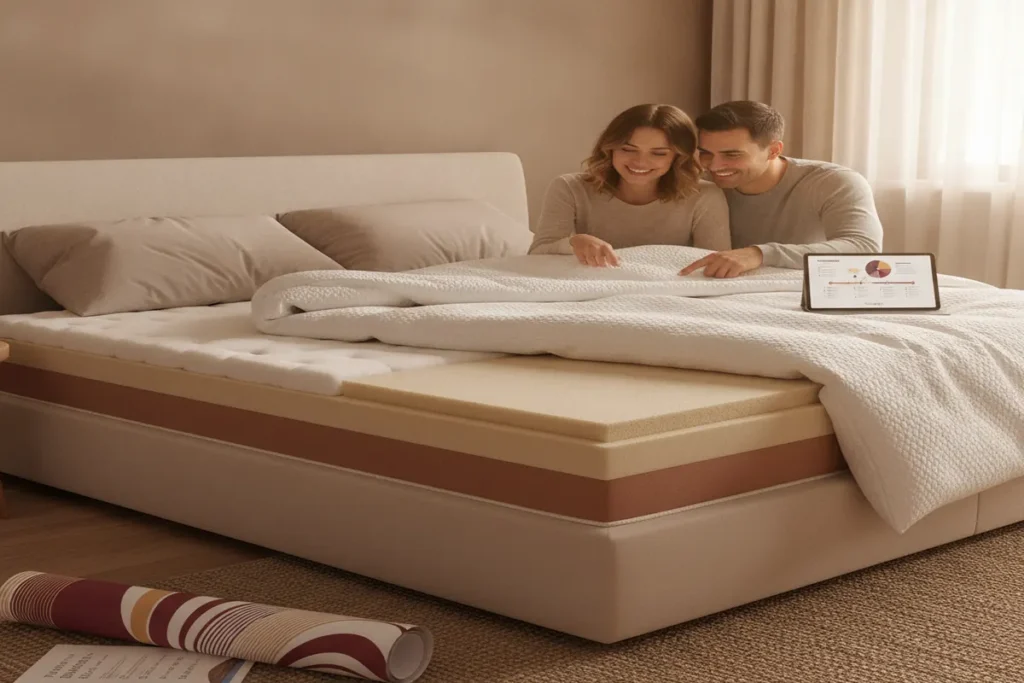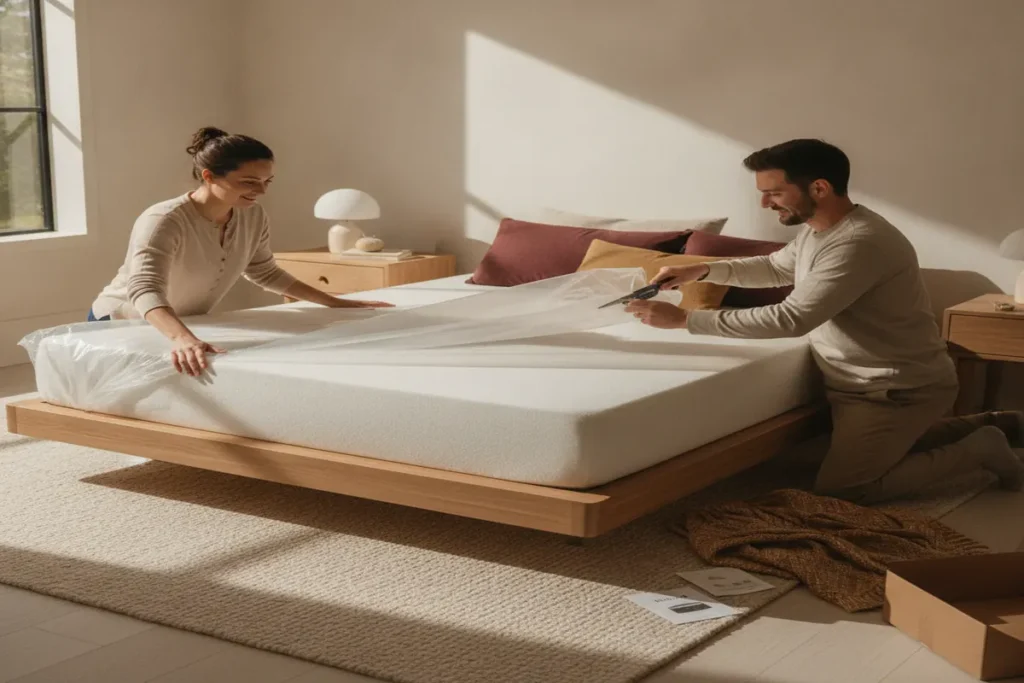

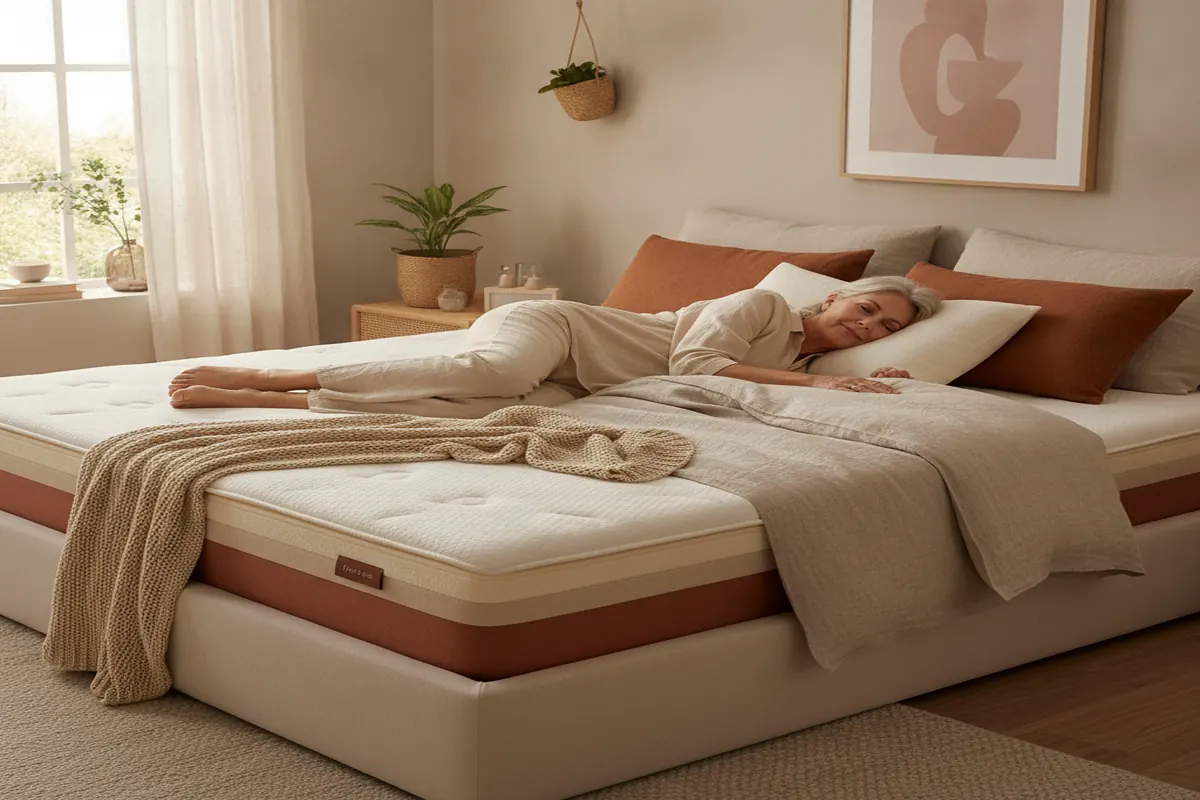
The best foam mattress for arthritis and joint pain is typically a high-density memory foam or natural latex foam mattress, engineered to provide exceptional pressure relief, conforming support, and proper spinal alignment. These materials distribute body weight evenly, reducing stress on sensitive joints and alleviating pain points. Optimal choices often feature a medium-firm feel to ensure a balance between cushioning comfort and robust support, promoting restorative sleep for individuals managing chronic pain conditions.
Quick Summary
- For arthritis and joint pain, the best foam mattress offers optimal pressure relief and support
- high-density memory foam or natural latex foam are top choices
- look for medium-firmness to balance cushioning and spinal alignment
- consider material quality, temperature regulation, and a substantial trial period
How to Select the Ideal Foam Mattress for Arthritis and Joint Pain Relief
Choosing the right mattress is a critical decision for anyone living with arthritis or joint pain. It’s not just about comfort; it’s about therapeutic support that can significantly impact daily mobility, pain levels, and overall sleep quality. As specialists in sleep solutions, we emphasize a holistic approach, considering how different foam types interact with the body’s unique needs.
Here are the key criteria to guide your selection:
-
Pressure Relief Capability: This is paramount. A mattress must cradle the body’s natural curves, especially around the hips, shoulders, and knees, to prevent pressure points from intensifying pain.
- Memory foam excels here, molding precisely to your shape.
- Latex foam offers a more buoyant, generalized pressure distribution.
-
Support and Spinal Alignment: While pressure relief focuses on cushioning, proper support ensures your spine remains neutrally aligned, regardless of your sleeping position. This prevents new aches and reduces strain on existing painful joints.
- A medium-firm mattress is often recommended for a balanced approach, preventing sinking too deeply or lying on a surface that’s too hard.
-
Material Quality and Density: Higher density foam generally indicates better durability and more consistent support over time.
- Look for foams with a density of 4-5 lbs/cu.ft. for memory foam, or natural latex certifications.
-
Temperature Regulation: Foam mattresses, especially traditional memory foam, can sometimes retain heat. For those with inflammatory arthritis, overheating can exacerbate discomfort.
- Gel-infused memory foam, open-cell memory foam, or latex foam (which is naturally more breathable) are excellent choices to mitigate heat retention.
-
Motion Isolation: If you share a bed, motion isolation is crucial. A good foam mattress will absorb movement, preventing your partner’s shifting from disturbing your sleep and potentially aggravating your pain.
- Memory foam is particularly effective at minimizing motion transfer.
-
Durability and Longevity: Investing in a high-quality mattress means it will maintain its supportive properties for years, which is essential for consistent pain management.
- Turkish Mattresses, especially those from Sinyora Yatak, are renowned for their robust construction and use of premium materials, offering exceptional longevity. You can learn more about Turkish Mattress Lifespan on our blog.
-
Edge Support: Strong edge support prevents premature sagging and provides a stable surface for getting in and out of bed, which can be particularly helpful for individuals with mobility issues.
When considering these factors, remember that personal preference plays a significant role. What feels perfect for one person might not for another. This is why trial periods are so important.
Understanding Foam Mattress Types: Which is Best for Your Pain?
Not all foam is created equal, especially when addressing specific health concerns like arthritis and joint pain. The primary types of foam mattresses each offer distinct characteristics that can either alleviate or, in some cases, worsen your condition. Understanding these differences is key to making an informed choice.
Memory Foam Mattresses (Visco Foam Mattresses)
Memory foam, often referred to as Visco Foam Mattress by Sinyora Yatak, is celebrated for its unique viscoelastic properties. It softens in response to body heat and pressure, molding precisely to your contours. This creates a custom sleep surface that distributes weight evenly.
-
Pros for Arthritis:
- Superior Pressure Relief: Unmatched ability to cradle joints, reducing pressure points.
- Excellent Motion Isolation: Ideal for couples, preventing disturbances.
- Custom Contouring: Adapts to individual body shape, promoting spinal alignment.
-
Cons for Arthritis:
- Heat Retention: Traditional memory foam can trap heat, though newer gel-infused or open-cell designs mitigate this.
- “Stuck” Feeling: Some users report feeling “stuck” in the mattress, making repositioning difficult.
-
Best For: Individuals with widespread joint pain, fibromyalgia, or those who prefer a deeply conforming feel. Side sleepers often find memory foam particularly beneficial for hip and shoulder alignment.
Latex Foam Mattresses
Latex foam mattresses are made from either natural rubber tree sap (Natural Latex Pillow) or synthetic latex. They offer a more buoyant and responsive feel than memory foam, providing support without the deep contouring hug.
-
Pros for Arthritis:
- Responsive Support: Offers immediate push-back, making it easier to move and reposition.
- Durability: Among the most durable mattress materials, maintaining shape and support for many years.
- Breathability: Natural latex is inherently more breathable, aiding in temperature regulation.
- Hypoallergenic: Naturally resistant to dust mites and mold, beneficial for allergy sufferers.
-
Cons for Arthritis:
- Higher Cost: Natural latex mattresses can be more expensive.
- Less Conforming: Does not hug the body as closely as memory foam, which some prefer for pressure relief.
-
Best For: Those seeking responsive support, durability, and a cooler sleep. Good for back and stomach sleepers, and individuals who need easier mobility in bed.
Hybrid Foam Mattresses
Hybrid mattresses combine a support core of innerspring coils (often Pocket Coils Mattress or Bonnel Spring Mattress) with comfort layers of foam (memory foam, latex, or both). This design aims to leverage the best of both worlds.
-
Pros for Arthritis:
- Balanced Feel: Combines the responsive support of coils with the pressure relief of foam.
- Improved Airflow: Coil layers allow for better air circulation, addressing heat concerns.
- Good Edge Support: Often superior edge support compared to all-foam mattresses.
-
Cons for Arthritis:
- Higher Cost: Generally more expensive due to complex construction.
- Motion Transfer: Can have slightly more motion transfer than all-foam options, depending on coil type.
-
Best For: Individuals who want the benefits of foam but prefer a more traditional mattress feel with added bounce and breathability.
Here’s a comparison table to help visualize the differences:
Sinyora Yatak offers a range of mattresses, including Foam Mattress options that leverage advanced Visco Foam Mattress and Latex Foam Mattress technologies to meet diverse needs, including those with joint pain.
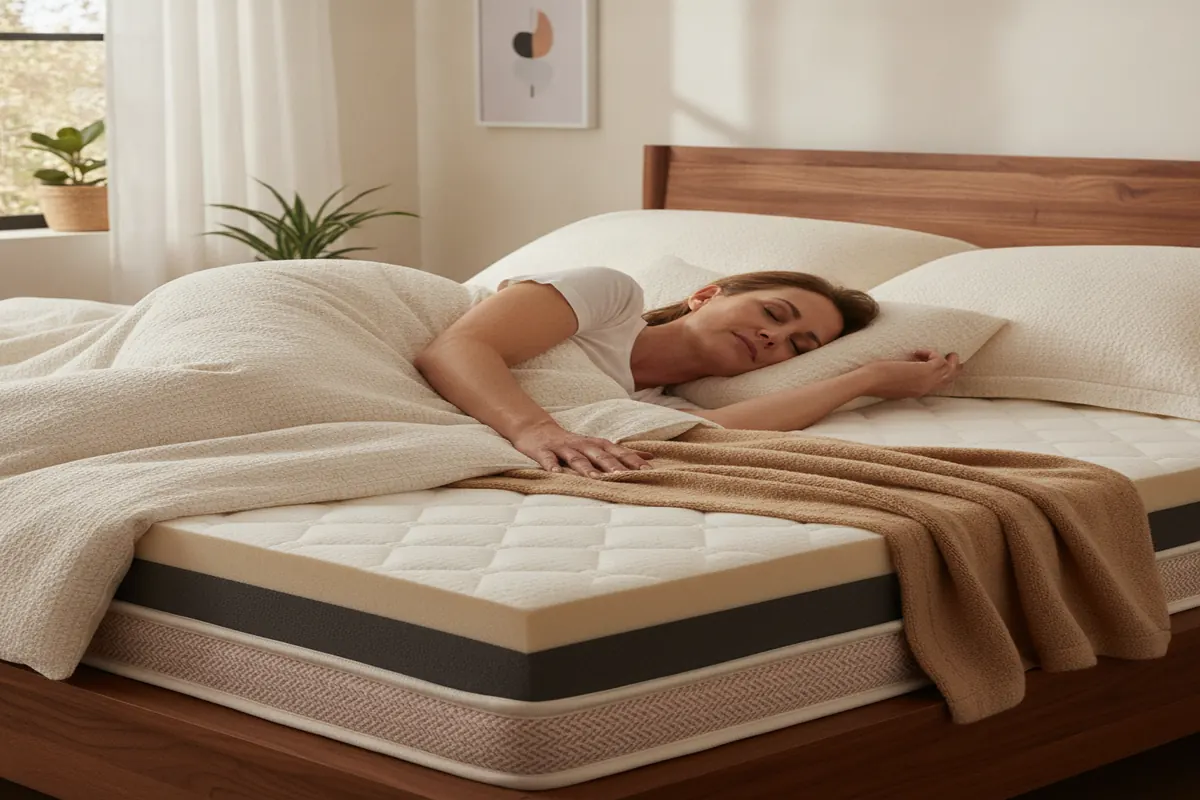
The Core Benefits of a Specialized Foam Mattress for Joint Health
Investing in a foam mattress specifically designed with joint health in mind offers far more than just a comfortable place to sleep. For individuals managing arthritis, fibromyalgia, or general joint pain, these benefits translate directly into improved quality of life.
Here’s how a specialized foam mattress can transform your sleep and well-being:
-
Significant Pain Reduction: The primary benefit. By conforming to your body’s unique shape, specialized foam mattresses evenly distribute weight, eliminating pressure points that aggravate inflamed joints. This means less tossing and turning, and fewer painful awakenings.
-
Improved Spinal Alignment: A well-supported spine is crucial for overall body alignment. Foam mattresses, particularly those with targeted support zones, help maintain the natural curvature of your spine, reducing strain on ligaments and muscles that contribute to back and neck pain. This can be especially beneficial for alleviating stiffness.
-
Enhanced Sleep Quality: When pain is minimized and comfort is maximized, the depth and duration of your sleep naturally improve. Better sleep quality allows the body to undergo crucial restorative processes, aiding in tissue repair and reducing inflammation.
-
Reduced Morning Stiffness: Many individuals with arthritis experience debilitating morning stiffness. A mattress that provides consistent, gentle support throughout the night can prevent joints from seizing up, making it easier and less painful to get out of bed.
-
Better Blood Circulation: By removing pressure points, a high-quality foam mattress promotes unrestricted blood flow. Improved circulation is vital for healing and can help reduce swelling and discomfort in affected joints.
-
Long-Term Durability and Consistent Support: Unlike traditional spring mattresses that can develop dips and sags, high-density foam mattresses maintain their supportive properties over many years. This ensures consistent therapeutic benefits without the need for frequent replacement. Our Turkish Mattress Lifespan is a testament to this durability.
-
Hypoallergenic Properties: Many foam types, particularly natural latex, are naturally resistant to dust mites, mold, and mildew. This creates a healthier sleep environment, which can be particularly beneficial for those with inflammatory conditions who may also have allergies.
These benefits collectively contribute to a more restful night’s sleep, which in turn positively impacts mood, energy levels, and the ability to manage chronic pain throughout the day.
Common Mistakes to Avoid When Buying a Foam Mattress for Joint Pain
Navigating the mattress market can be overwhelming, and for those with arthritis or joint pain, a wrong choice can have significant consequences. As experienced specialists, we’ve observed several common pitfalls buyers encounter. Avoiding these can save you discomfort, time, and money.
-
Mistake 1: Prioritizing “Softness” Over Support.
- Why it’s a mistake: A mattress that’s too soft might feel comfortable initially but will allow your body to sink too deeply, misaligning your spine and exacerbating joint pain. It lacks the necessary push-back to keep your body in a neutral position.
- What to do instead: Seek a medium-firm mattress. This provides the ideal balance of cushioning for pressure relief and robust support for spinal alignment.
-
Mistake 2: Ignoring the Importance of a Proper Bed Base.
- Why it’s a mistake: Even the best foam mattress needs a solid foundation. An old, sagging box spring or an incompatible Bed Base and Headboard can undermine the mattress’s support and lead to premature wear.
- What to do instead: Ensure your bed base is firm, flat, and provides adequate support for a foam mattress (e.g., slatted bases with narrow gaps or a solid platform).
-
Mistake 3: Overlooking Temperature Regulation.
- Why it’s a mistake: Traditional memory foam can retain body heat, which can be uncomfortable for anyone, but particularly problematic for individuals with inflammatory conditions where heat can worsen symptoms.
- What to do instead: Consider newer foam technologies like gel-infused memory foam, open-cell memory foam, or natural latex, which are designed for better airflow and cooling. Explore our 4 Seasons Bed options that offer versatile temperature control.
-
Mistake 4: Not Taking Advantage of Trial Periods.
- Why it’s a mistake: You can’t truly know if a mattress is right for you after just a few minutes in a showroom. It takes weeks for your body to adjust and for you to assess its long-term comfort and pain-relieving properties.
- What to do instead: Always choose a mattress that comes with a substantial home trial period (e.g., 90-120 nights). Pay attention to the return policy and any associated fees.
-
Mistake 5: Relying Solely on Price or Brand Name.
- Why it’s a mistake: A high price doesn’t guarantee suitability, nor does a low price always mean poor quality. Similarly, a popular brand might not have the specific features you need for joint pain.
- What to do instead: Focus on the mattress’s specifications – foam density, firmness level, material composition, and certifications – in relation to your individual pain points and sleeping habits. Read best foam mattress for arthritis and joint pain reviews from other users with similar conditions.
-
Mistake 6: Neglecting Mattress Certifications.
- Why it’s a mistake: Many foam mattresses contain synthetic materials. Certifications like CertiPUR-US® (for foams) or GOLS/GOTS (for organic latex/textiles) ensure the mattress is free from harmful chemicals and meets strict health and environmental standards.
- What to do instead: Always check for relevant certifications, especially if you have sensitivities or prefer natural materials. Sinyora Yatak is committed to quality and safety standards.
By consciously avoiding these common errors, you’ll be much better positioned to select a foam mattress that genuinely supports your joint health and contributes to a more restful, pain-free sleep.
What Factors Influence the Cost of a High-Quality Foam Mattress for Arthritis?
Understanding the pricing structure of foam mattresses specifically designed for arthritis and joint pain is crucial for budgeting and identifying true value. The cost can vary significantly, ranging from a few hundred to several thousand dollars, depending on a combination of factors. Knowing what drives these prices helps you make an informed investment.
Here’s a breakdown of the key factors influencing best foam mattress for arthritis and joint pain prices:
-
Type of Foam Material:
- Memory Foam (Visco Foam): Generally ranges from mid-tier to high-tier. Higher density memory foam, gel-infused, or open-cell varieties designed for cooling will typically be more expensive than basic memory foam due to advanced manufacturing processes and material costs.
- Latex Foam: Often the most expensive option, especially natural or organic latex. The harvesting and processing of natural latex are more labor-intensive, and its durability and eco-friendly properties command a premium. Synthetic latex is usually more affordable.
- Hybrid Mattresses: Since they combine foam layers with advanced coil systems (Pocket Coils Mattress), hybrids tend to be on the higher end of the price spectrum.
-
Foam Density and Quality:
- Higher density foam (e.g., 4-5 lbs/cu.ft. for memory foam) uses more material and is more durable, offering consistent support and pressure relief over time. This translates to a higher price point.
- Lower density foams are less durable and will break down faster, offering less long-term value, even if cheaper upfront.
-
Mattress Thickness and Layers:
- Thicker mattresses, especially those with multiple comfort and support layers, will cost more due to the increased volume of materials and complex construction. A typical high-quality foam mattress for pain relief will have at least 10-12 inches of thickness.
-
Brand Reputation and Research & Development:
- Established brands with a strong reputation for quality, customer service, and significant investment in research and development (like Sinyora Yatak) may have higher prices. This often reflects superior materials, innovative designs, and comprehensive warranties.
-
Certifications and Eco-Friendliness:
- Mattresses with certifications like CertiPUR-US® (for foam safety) or GOLS/GOTS (for organic latex/textiles) often come with a higher price tag. These certifications guarantee that the materials meet strict health, safety, and environmental standards, which adds to manufacturing costs.
-
Size:
- Naturally, larger mattresses (King, California King) will cost more than smaller sizes (Twin, Full) due to the greater amount of material used.
-
Warranty and Trial Periods:
- Mattresses offering longer warranties (e.g., 10-20 years) and extended home trial periods (e.g., 100+ nights) often reflect a manufacturer’s confidence in their product, which can be factored into the price.
-
Origin and Manufacturing:
- Mattresses sourced from regions known for quality craftsmanship and materials, such as Turkish Mattresses, may have a price that reflects these advantages, including international shipping costs if applicable. Sinyora Yatak offers Mattress Wholesale in Turkiye and Ship Turkish Mattresses Internationally, which impacts overall pricing for international customers.
While it’s tempting to opt for the cheapest option, remember that a mattress for arthritis and joint pain is an investment in your health. Prioritizing quality and features that directly address your pain points will yield better long-term comfort and potentially lower healthcare costs down the line.
Where to Find and Evaluate Top Foam Mattresses for Arthritis Online
The digital marketplace offers an unparalleled selection of foam mattresses, making it easier than ever to research, compare, and purchase the perfect sleep solution for arthritis and joint pain. However, this vastness also requires a strategic approach to ensure you find a reputable product that meets your specific needs.
Here’s a practical guide on where and how to evaluate top foam mattresses online:
-
Direct-to-Consumer Brand Websites:
- Why: Many high-quality foam mattress brands, including Sinyora Yatak, operate primarily online. Buying directly often means better pricing (cutting out retail markups), access to the fullest product range, and comprehensive information straight from the manufacturer.
- What to look for: Detailed product specifications (foam type, density, layer composition, firmness level), certifications (CertiPUR-US, GOLS/GOTS), clear warranty information, and generous home trial periods. Check their Mattress Collection and specific foam options like Visco Foam Mattress and Latex Foam Mattress.
- Actionable Tip: Sinyora Yatak’s website provides extensive details on What Makes Turkish Mattresses Special, including materials and craftsmanship, which is crucial for informed decision-making.
-
Reputable Online Retailers:
- Why: Large online platforms can offer a wide array of brands and models, sometimes with competitive pricing and streamlined delivery options.
- What to look for: Filter options for firmness, material type, and specific health concerns. Pay close attention to customer best foam mattress for arthritis and joint pain reviews and ratings, focusing on feedback from individuals with similar conditions. Ensure the retailer honors the manufacturer’s warranty and trial period.
-
Specialty Sleep Product Marketplaces:
- Why: These platforms often curate products specifically for health conditions or niche preferences. They might offer expert advice or comparison tools.
- What to look for: User-generated content, community forums, and expert guides that provide deeper insights into how different mattresses perform for arthritis or joint pain.
Evaluating Online Information and Reviews: A Checklist
When reading best foam mattress for arthritis and joint pain reviews or product descriptions, use this checklist to cut through the noise:
-
Review Authenticity: Look for verified purchases. Be wary of overly enthusiastic or generic reviews.
-
Specificity of Pain Relief: Do reviewers mention specific joint pain (e.g., hip, shoulder, back) and how the mattress helped (or didn’t)? This is more valuable than general comfort statements.
-
Longevity and Sagging: Do long-term reviews mention durability, or report sagging and loss of support over time? This is critical for consistent pain management.
-
Temperature Neutrality: Do users report issues with overheating or praise the mattress’s cooling properties?
-
Firmness Perception: Remember that firmness is subjective. Look for a consensus or compare against mattresses you’ve personally tried.
-
Company Responsiveness: How does the brand (or retailer) respond to negative reviews or customer service inquiries? This indicates their commitment to customer satisfaction.
Finally, consider the logistical aspects:
-
Shipping and Delivery: Does the company offer free shipping? What are the delivery times, especially for international orders? Sinyora Yatak provides Ship Turkish Mattresses Internationally.
-
Return Policy: Understand the trial period duration, return process, and any associated fees. This is your safety net.
-
Warranty: A robust warranty (e.g., 10+ years) is a sign of a manufacturer’s confidence in their product’s durability.
By combining thorough research with a critical eye for reviews and a clear understanding of your needs, you can confidently find and purchase the best foam mattress online to alleviate your arthritis and joint pain.
Expert Insight
“The right mattress is not a luxury for those with arthritis; it’s a therapeutic necessity. We consistently see that patients who prioritize a supportive, pressure-relieving sleep surface report significantly reduced morning stiffness and improved overall pain management. The key lies in selecting a material that cradles the body without allowing excessive sinkage, maintaining neutral spinal alignment throughout the night. Memory foam and natural latex, specifically, have demonstrated superior capabilities in this regard, offering the targeted support and comfort crucial for joint health.” – Industry experts confirm that a tailored sleep environment is paramount for chronic pain management.
Key Terms
-
Visco Foam Mattress: Another term for memory foam, known for its viscoelastic properties, allowing it to conform to the body in response to heat and pressure, providing excellent pressure relief.
-
Latex Foam Mattress: A mattress made from latex (natural or synthetic rubber), characterized by its buoyant, responsive feel, durability, and natural breathability.
-
Pressure Relief: The ability of a mattress to distribute body weight evenly, reducing concentrated force on sensitive areas like hips, shoulders, and knees, thereby alleviating pain.
-
Spinal Alignment: The maintenance of the spine’s natural curvature during sleep, crucial for preventing back pain and reducing strain on joints and muscles.
-
Motion Isolation: The capacity of a mattress to absorb movement, preventing disturbances from a partner’s tossing and turning from transferring across the bed.
A short comparison to help you make a better decision.
How Can You Upgrade to More Comfortable Sleep with Sinyora Yatak?
At Sinyora Yatak, we understand the profound impact that a truly supportive and comfortable mattress can have on individuals living with arthritis and joint pain. Our commitment to traditional Turkish craftsmanship, combined with modern sleep technology, allows us to create foam mattresses uniquely suited to your needs. From our advanced Visco Foam Mattress designs that offer unparalleled pressure relief to our resilient Latex Foam Mattress options providing buoyant support, each product in our Mattress Collection is engineered for superior joint health and restorative sleep.
We invite you to explore our specialized foam mattresses, which are crafted using high-density materials and thoughtful construction to ensure optimal spinal alignment, reduced pressure points, and long-lasting durability. Consider enhancing your sleep system further with our Visko Pillows Neck Support or Latex Pillows Neck Support, designed to complement our mattresses for complete head-to-toe comfort. Experience the Sinyora Yatak difference – a blend of luxurious comfort, therapeutic support, and the enduring quality of Turkish manufacturing, delivered directly to your home. For personalized guidance or to understand our Mattress Wholesale in Turkiye and Ship Turkish Mattresses Internationally services, please Contact Us for Support.
Frequently Asked Questions
Q: Is a firm or soft foam mattress better for arthritis?
Q: Can a foam mattress help with specific joint pain like hip or shoulder pain?
Q: How long does a foam mattress for arthritis typically last?
Q: Are there any specific foam mattress brands recommended for arthritis?
Q: Do foam mattresses for arthritis sleep hot?
Q: What if I try a foam mattress and it doesn’t help my arthritis?
Help: FAQs · Sleep Science · Sleep Resources · Privacy Policy