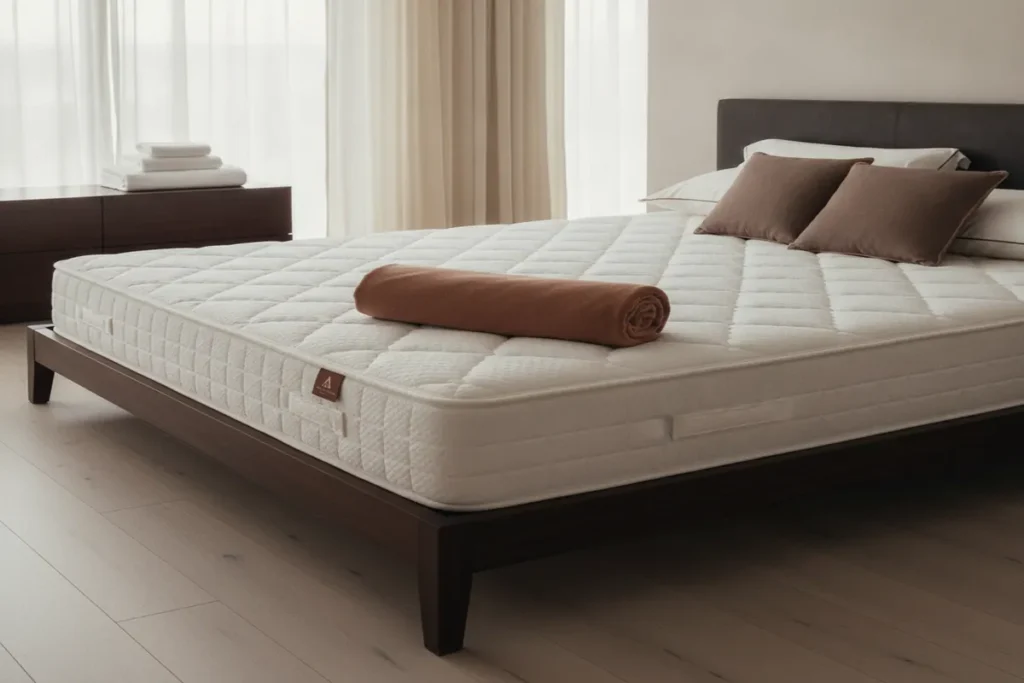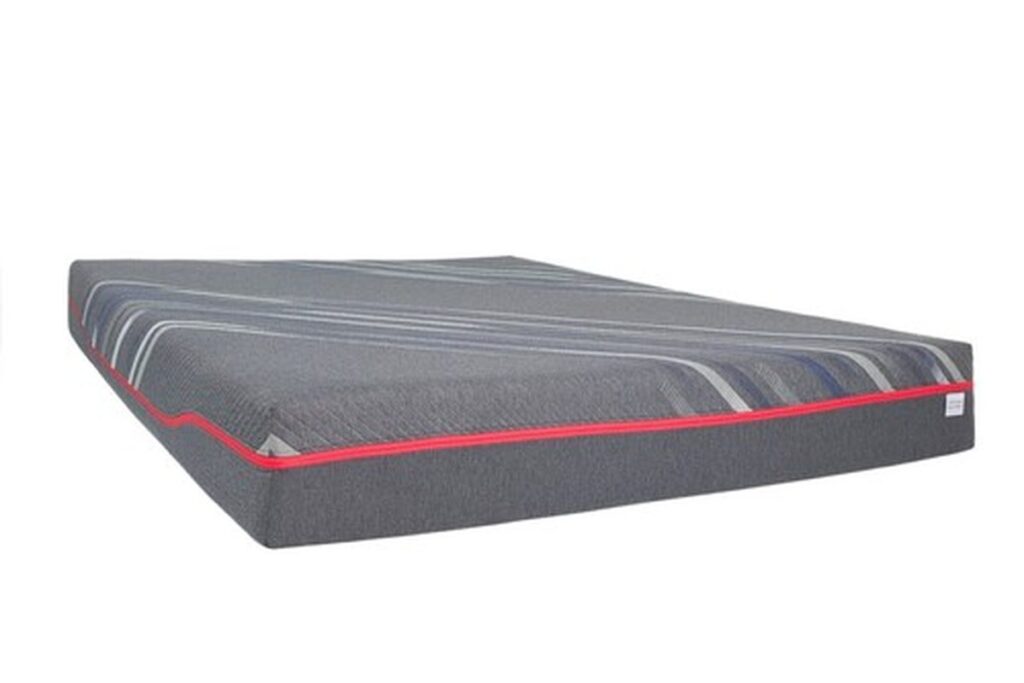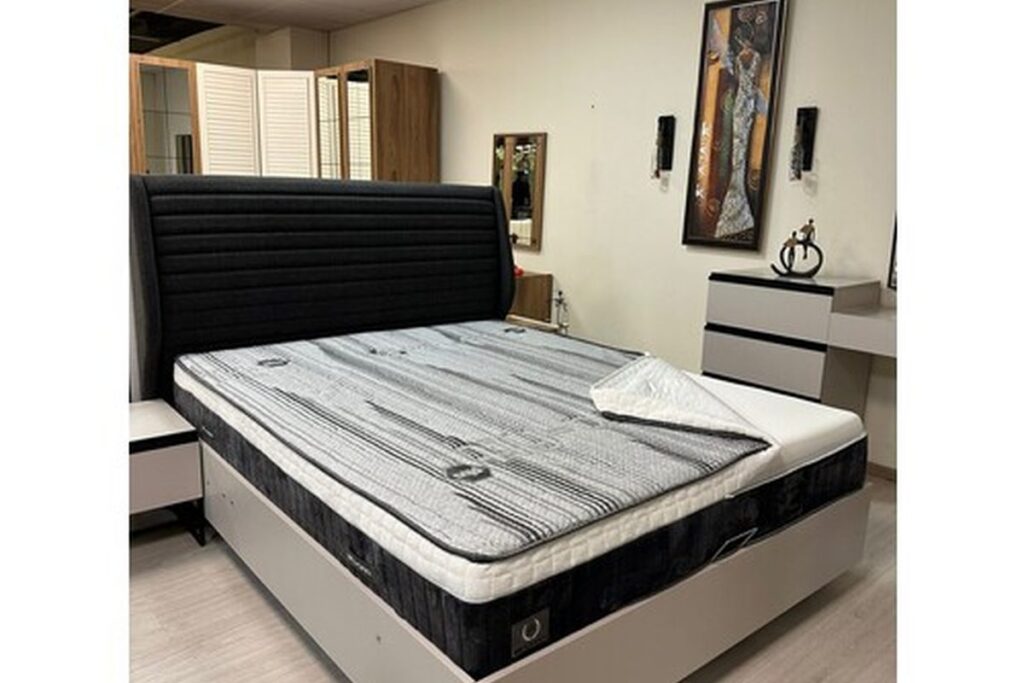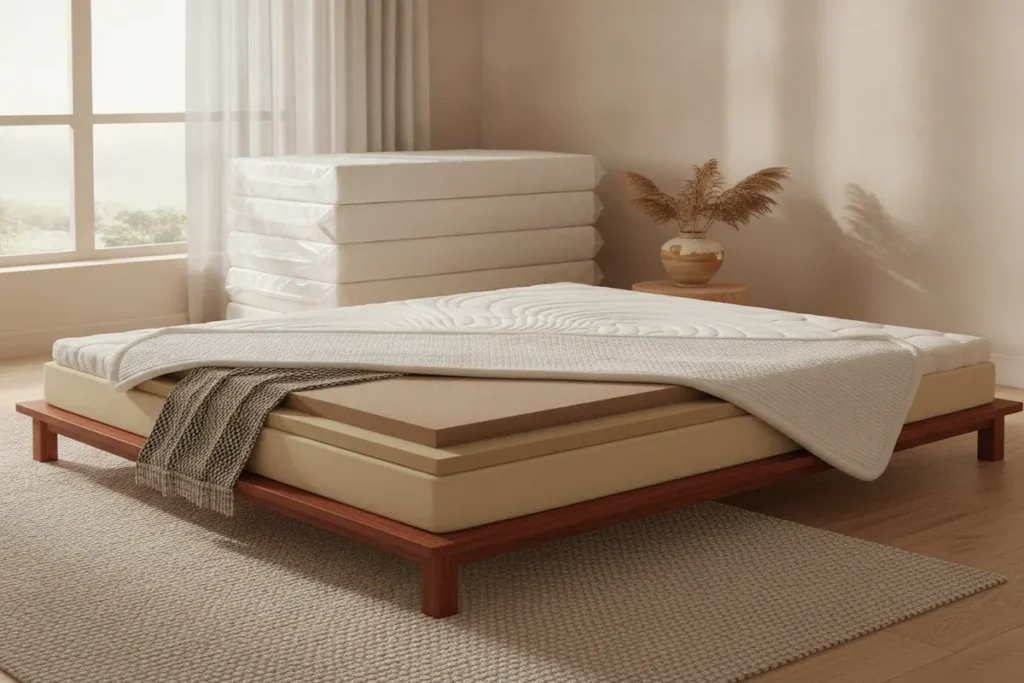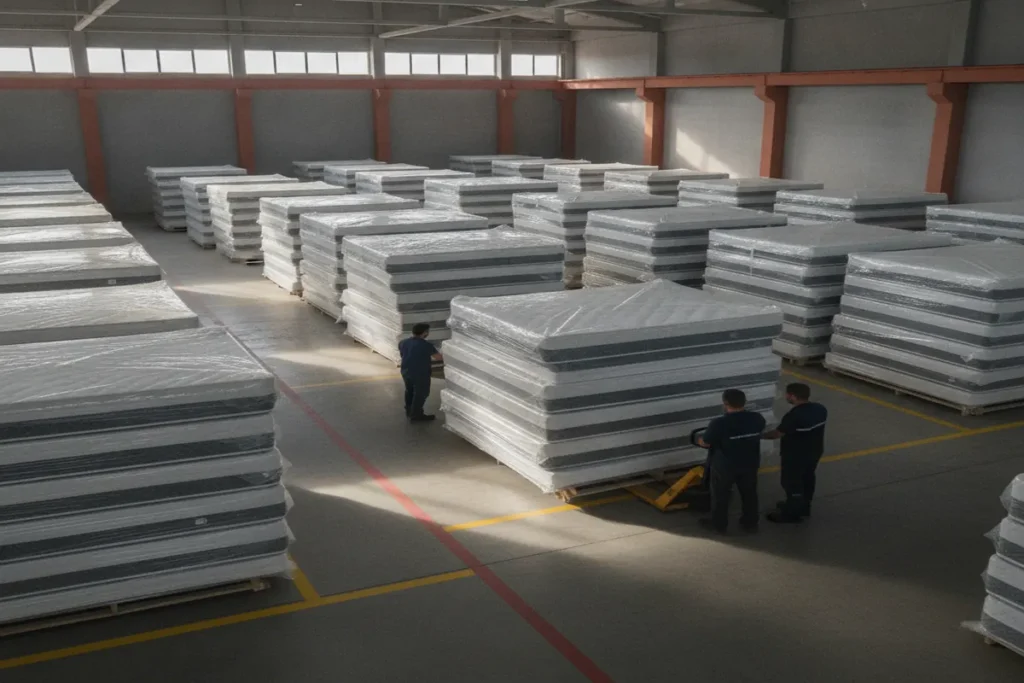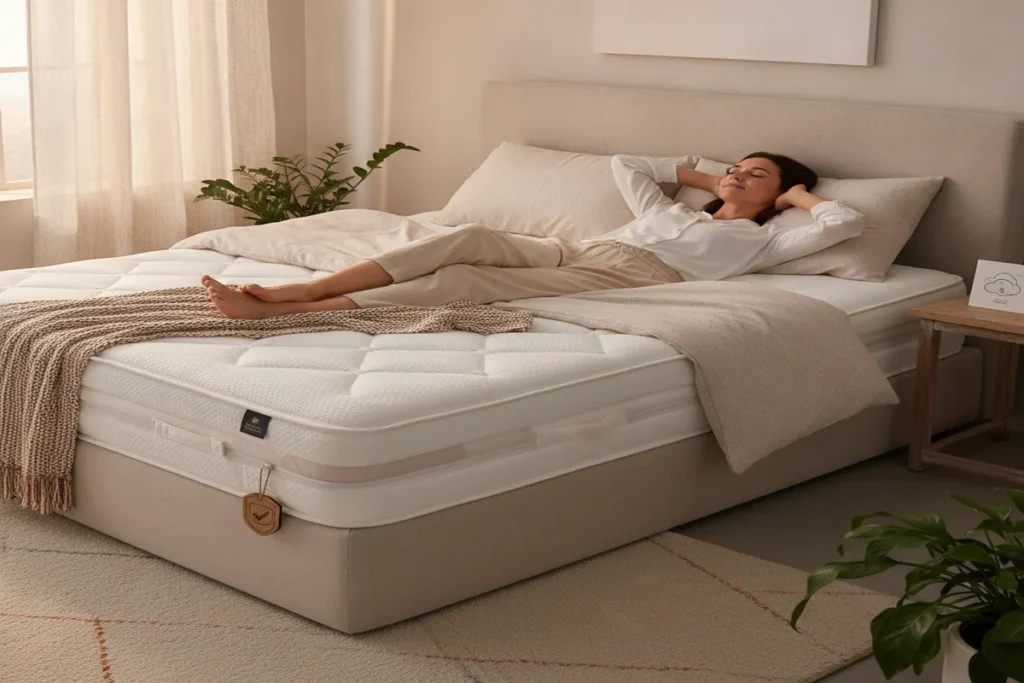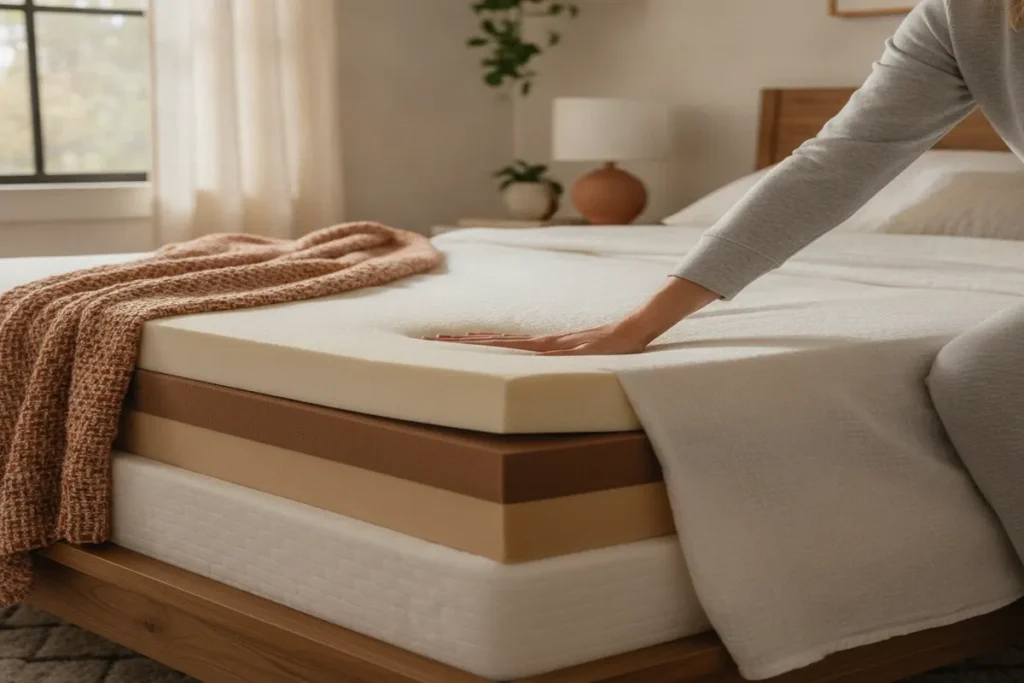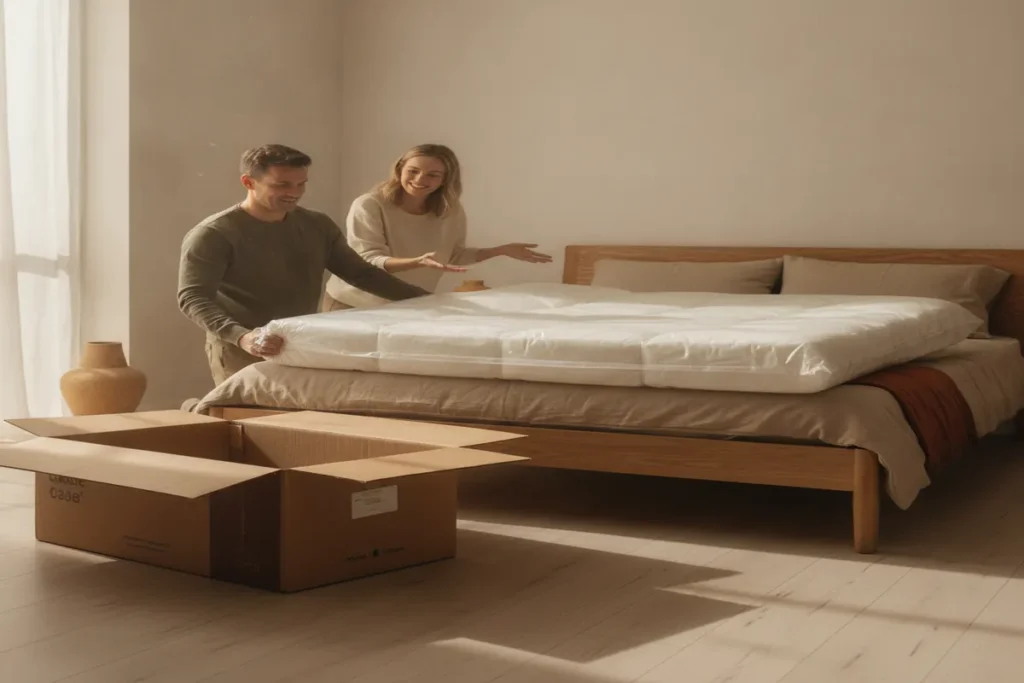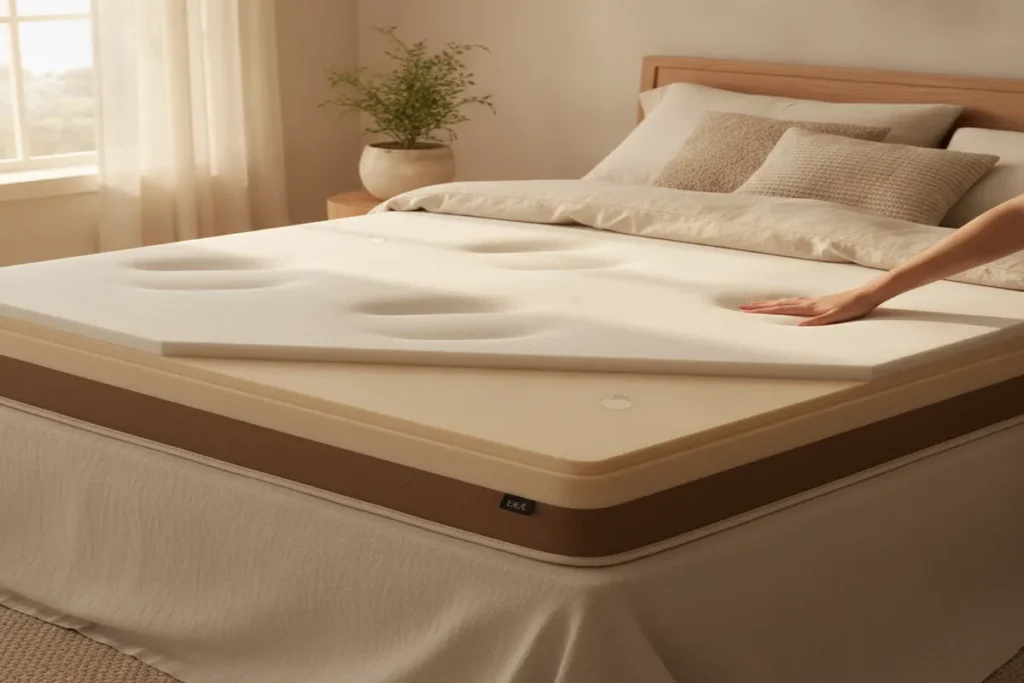

Choosing the right foam for your mattress is crucial for achieving optimal comfort and support, directly impacting sleep quality and overall well-being. In 2026, the market offers diverse “sponge” options, from resilient high-density foams to contouring memory foam and naturally responsive latex, each engineered to meet specific sleep preferences and needs. Understanding the unique properties of these materials—including density, firmness, durability, and cooling capabilities—empowers you to make an informed decision that ensures a restorative sleep environment tailored to your body and lifestyle.
Quick Summary
- Custom foam mattresses offer personalized comfort and support tailored to any dimension
- Foam types like HD36 Regular, Lux Regular, and Super Soft provide varied firmness and resilience
- Key factors for selection include density, thickness, motion isolation, and cooling properties
- As of 2026, advanced foam technologies enhance durability and sleep health benefits
What are the Top Foam Options for Mattresses and Their Core Benefits in 2026?
As we navigate 2026, the landscape of mattress foam technology continues to evolve, offering increasingly sophisticated options for personalized comfort and support. When we talk about the “sponge” inside a mattress, we’re referring to a diverse range of polyurethane foams, memory foams, and natural latex, each with distinct characteristics that cater to different sleepers. Sinyora Yatak leverages advanced materials to ensure superior quality and lasting comfort in all its products, from the Mattress Collection to Sponge Topper Mattresses.
Here are the leading foam options and their primary benefits:
-
HD36 Regular Foam (High-Density Foam):
- Benefit: Known for its excellent durability and firm support. This foam maintains its shape and resilience over time, making it a cost-effective choice for long-term use. It’s often used as a base layer in many mattresses.
- Ideal for: Those seeking robust support and a firmer feel, or as a foundational layer in multi-layered mattresses.
-
Lux Regular Foam:
- Benefit: Offers a balanced blend of comfort and support, often slightly softer than HD36 but still highly resilient. It provides good pressure relief without sacrificing essential support.
- Ideal for: Sleepers who desire a medium-firm feel, offering a comfortable embrace without sinking too deeply.
-
Super Soft Foam:
- Benefit: Designed for plush comfort and immediate pressure relief. This foam conforms gently to the body, providing a soft landing without excessive sinkage, often used in comfort layers.
- Ideal for: Individuals who prefer a very soft sleeping surface and excellent cushioning, particularly side sleepers who need contouring for shoulders and hips.
-
Visco Foam (Memory Foam):
- Benefit: Renowned for its unique ability to contour precisely to the body’s shape, distributing weight evenly and relieving pressure points. It excels in motion isolation, making it ideal for couples. Modern visco foams often incorporate cooling technologies to mitigate heat retention.
- Ideal for: Those with back pain or joint issues, side sleepers, and couples sensitive to movement. Sinyora Yatak offers specialized Visco Foam Mattresses and Visco Toppers.
-
Latex Foam (Natural or Synthetic):
- Benefit: Offers a distinctive bouncy yet supportive feel. Natural latex is highly durable, hypoallergenic, and provides excellent breathability, leading to a cooler sleep. It contours without the “sinking” feeling of memory foam.
- Ideal for: Environmentally conscious buyers, sleepers who prefer a responsive and slightly firmer feel, and those needing robust support with good pressure relief. Sinyora Yatak features Latex Foam Mattresses and Latex Toppers.
How Do Different Foam Types Compare for Comfort, Support, and Durability?
Understanding the nuances between various foam types is crucial for making an informed decision. While all foams aim to provide comfort and support, their methods and characteristics differ significantly. This comparison table highlights the key distinctions across popular foam options available in 2026.
What Key Factors Should You Consider When Choosing Mattress Foam in 2026?
Selecting the ideal foam for your mattress or topper involves more than just picking a “soft” or “firm” option. In 2026, a thoughtful approach considers several critical factors that impact both immediate comfort and long-term satisfaction. Here’s a practical framework to guide your decision:
-
Density (Durability & Support):
- What it is: Density refers to how much material is packed into a given volume of foam, measured in kilograms per cubic meter (kg/m³) or pounds per cubic foot (lb/ft³). It’s the most reliable indicator of a foam’s quality and durability, not its firmness.
- Why it matters: Higher density typically means a more durable foam that resists sagging and indentations over time. For example, Sinyora Yatak’s HD36 Regular Foam is denser, offering superior longevity.
- Consideration: For a primary mattress, aim for foams with a density of 1.8 lb/ft³ (30 kg/m³) or higher for good durability. Toppers can have slightly lower densities.
-
Firmness (Comfort & Pressure Relief):
- What it is: Firmness, measured by Indentation Force Deflection (IFD) or Indentation Load Deflection (ILD), indicates how much force is required to indent the foam by a certain percentage. A higher ILD means a firmer foam.
- Why it matters: This is subjective and depends on your personal preference and sleep position.
- Side Sleepers: Often require softer foams (lower ILD) to cradle shoulders and hips, preventing pressure points.
- Back Sleepers: Benefit from medium-firm foams that support the natural curve of the spine.
- Stomach Sleepers: Generally need firmer foams to prevent the hips from sinking too low, which can strain the lower back.
- Consideration: Test different firmness levels if possible. Don’t confuse density with firmness; a dense foam can be soft, and a less dense foam can be firm.
-
Thickness (Overall Feel & Support Depth):
- What it is: The height of the foam layer. Custom foam mattresses can range from 6 cm (approx. 2.5 inches) to 40-45 cm (approx. 16-18 inches).
- Why it matters: Thicker foams generally offer more cushioning depth and can better distribute weight, especially for heavier individuals. For toppers, thickness dictates the level of comfort transformation.
- Consideration: Ensure the combined thickness of your mattress layers provides adequate support and comfort for your body weight and sleep position.
-
Motion Isolation (For Couples):
- What it is: The ability of the foam to absorb movement, preventing disturbances from transferring across the bed.
- Why it matters: High motion isolation is a key benefit for couples, ensuring one partner’s movements don’t disrupt the other’s sleep. Visco Foam (Memory Foam) is particularly excellent in this regard.
- Consideration: If you share your bed, prioritize foams known for superior motion isolation.
-
Cooling Properties (Temperature Regulation):
- What it is: The foam’s ability to dissipate heat and maintain a neutral sleep temperature. Traditional memory foam can sometimes retain heat.
- Why it matters: Overheating can significantly disrupt sleep. Modern foams often incorporate open-cell structures, gel infusions, or graphite to enhance cooling. Latex foam is naturally more breathable.
- Consideration: If you tend to sleep hot, look for foams explicitly marketed with cooling features or consider natural latex.
-
Customization Options:
- What it is: The ability to tailor foam dimensions and thicknesses to specific needs.
- Why it matters: Custom foam mattresses are ideal for unique bed frames (like RVs or antique beds), specific support requirements, or creating a truly personalized sleep experience. Sinyora Yatak specializes in custom sizes.
- Consideration: Provide precise dimensions in inches (rounding up) when ordering custom foam to ensure a perfect fit.
How Can You Ensure Quality and Longevity for Your Foam Mattress Investment?
Investing in a quality foam mattress means expecting it to provide comfort and support for years to come. In 2026, ensuring longevity goes beyond initial purchase; it involves understanding quality indicators and adopting proper care routines.
-
Understanding Quality Indicators:
- Density is Key: As mentioned, density (e.g., HD36, Lux) is the most accurate predictor of a foam’s durability and ability to resist sagging. Higher density foams generally last longer.
- Certifications: Look for certifications like CertiPUR-US (for polyurethane foams) or OEKO-TEX (for latex), which ensure the foam is free from harmful chemicals and meets stringent health and environmental standards.
- Reputable Manufacturers: Purchase from companies with a track record of quality and customer satisfaction, like Sinyora Yatak, which prides itself on Turkish craftsmanship and rigorous quality assurance.
-
Common Mistakes to Avoid:
- Confusing Firmness with Density: A firm mattress isn’t necessarily a dense, durable one. A low-density firm foam will break down faster than a high-density soft foam. Always inquire about density.
- Ignoring Warranty Information: A strong warranty (e.g., 10-20 years) indicates a manufacturer’s confidence in their product’s durability. Understand what the warranty covers (e.g., sagging depth) and what voids it.
- Skipping a Mattress Protector: This is a simple but critical step to protect against spills, stains, and allergens, extending the life of your foam.
-
Essential Care and Maintenance Tips:
- Use a Proper Foundation: Ensure your foam mattress rests on a solid, supportive foundation (e.g., a slatted base with slats no more than 3 inches apart, or a solid platform bed). An inadequate base can lead to premature sagging.
- Rotate Regularly: While foam mattresses don’t need flipping, rotating them 180 degrees every 3-6 months can help distribute wear evenly, especially for single sleepers or those with significant weight differences.
- Spot Clean Only: For spills, blot immediately with a mild detergent and water solution. Avoid saturating the foam, as it can be difficult to dry completely and may lead to mold or mildew.
- Air Out Periodically: Remove bedding and allow the mattress to air out for a few hours once a month to prevent moisture buildup and refresh the material.
- Avoid Harsh Chemicals: Do not use strong cleaning agents, as they can degrade the foam structure.
By prioritizing density, checking for certifications, and adhering to simple care routines, you can significantly extend the lifespan of your foam mattress, ensuring it continues to provide optimal comfort and support for its full intended duration.
Who Benefits Most from Custom Foam Mattresses and Specific Foam Types?
The beauty of modern foam technology lies in its versatility, allowing for highly personalized sleep solutions. Understanding specific use cases helps align the right foam with the right sleeper or situation.
-
Custom Foam Mattresses are Ideal For:
- Unique Bed Frames: Antique beds, odd-sized RV beds, boat berths, or custom-built platforms where standard mattress sizes simply won’t fit. This flexibility ensures a perfect fit without gaps or overhangs.
- Specific Support Needs: Individuals with unique body contours, medical conditions requiring precise support, or those who need varying firmness zones within a single mattress.
- DIY Projects: Creating custom seating cushions, pet beds, or replacing specific foam layers in existing furniture.
- Budget-Conscious Customization: Sometimes, a custom foam piece can revive an old mattress or create a new sleep surface more affordably than a full custom spring mattress.
-
Specific Foam Types for Specific Sleepers/Needs:
- Side Sleepers:
- Visco Foam (Memory Foam): Its exceptional contouring ability provides deep pressure relief for shoulders and hips, aligning the spine.
- Super Soft Foam: Offers a plush, immediate cushioning effect, ideal for those who prefer sinking into their mattress.
- Latex Foam: Provides buoyant contouring that supports curves without excessive sinkage, offering excellent pressure relief.
- Back Sleepers:
- Lux Regular Foam: Offers a balanced medium-firm feel that supports the natural curvature of the spine without creating pressure points.
- Medium-Firm Visco Foam: Can provide excellent spinal alignment by conforming to the back’s shape.
- Stomach Sleepers:
- HD36 Regular Foam: Its firm support prevents the hips from sinking too deeply, which can strain the lower back.
- Firmer Lux Regular Foam: Offers enough resistance to keep the body aligned.
- Couples (Motion Isolation):
- Visco Foam (Memory Foam): Unparalleled in absorbing movement, ensuring minimal disturbance from a partner’s tossing and turning.
- Pocket Coils Mattress: While not foam, Sinyora Yatak’s Pocket Coils Mattress offers excellent motion isolation when combined with foam comfort layers.
- Hot Sleepers:
- Latex Foam: Naturally breathable with an open-cell structure that promotes airflow, making it a cooler option.
- Gel-Infused or Open-Cell Visco Foam: Modern advancements in memory foam address heat retention, offering cooler sleep.
- Those with Back Pain or Joint Issues:
- Visco Foam (Memory Foam): Its pressure-relieving conformity is often recommended by chiropractors for alleviating pain by evenly distributing body weight.
- Latex Foam: Provides a supportive yet cushioning surface that can help alleviate pressure points.
- Side Sleepers:
What Common Mistakes Should You Avoid When Buying a Foam Mattress?
Navigating the mattress market in 2026 can be complex, with numerous options and marketing claims. Avoiding common pitfalls will ensure you make a smart, long-lasting investment in your sleep health.
-
Mistake 1: Prioritizing Firmness Over Density:
- Why it’s a mistake: As discussed, firmness is about feel, while density is about durability. A seemingly “firm” low-density foam will sag much faster than a “soft” high-density foam. Many assume firm equals durable, which isn’t always true.
- How to avoid it: Always ask for the foam’s density (kg/m³ or lb/ft³). For a primary mattress, aim for a density of at least 30 kg/m³ (1.8 lb/ft³) for good longevity.
-
Mistake 2: Not Considering Your Sleep Position:
- Why it’s a mistake: Your sleep position dictates where your body needs the most support and pressure relief. A mattress perfect for a back sleeper can cause pain for a side sleeper.
- How to avoid it: Understand your dominant sleep position (side, back, stomach) and choose a foam type and firmness level that aligns with it. Side sleepers need softer foams, stomach sleepers need firmer, and back sleepers often do best with medium-firm.
-
Mistake 3: Ignoring the Foundation:
- Why it’s a mistake: A foam mattress needs consistent, even support. An old, sagging box spring or a slatted bed base with wide gaps between slats can cause the foam to sag prematurely, voiding warranties.
- How to avoid it: Ensure your bed base is solid or has slats no more than 3 inches apart. Consider upgrading your Bed Base and Headboard if it’s inadequate.
-
Mistake 4: Overlooking Heat Retention Issues:
- Why it’s a mistake: Some traditional foams, especially older memory foam formulations, can trap body heat, leading to uncomfortable night sweats.
- How to avoid it: If you’re a hot sleeper, specifically look for foams with cooling properties like gel infusions, open-cell designs, or naturally breathable materials like latex.
-
Mistake 5: Not Taking Advantage of Trial Periods:
- Why it’s a mistake: A few minutes in a showroom isn’t enough to assess a mattress. It takes several weeks for your body to adjust and for you to truly know if a mattress is right.
- How to avoid it: Choose retailers, like Sinyora Yatak, that offer a generous in-home trial period. This allows you to test the mattress in your actual sleep environment.
-
Mistake 6: Forgetting About Off-Gassing:
- Why it’s a mistake: New foam mattresses can emit a temporary, harmless odor (off-gassing) due to volatile organic compounds (VOCs). While generally not harmful, it can be unpleasant for sensitive individuals.
- How to avoid it: Unpack your new mattress in a well-ventilated room for a few days before sleeping on it. Look for CertiPUR-US certified foams, which have lower VOC emissions.
Expert Insight
“The evolution of foam technology in mattresses has been driven by a relentless pursuit of personalized comfort and sustainable solutions. As of 2026, we’re seeing a significant shift towards foams that not only offer superior pressure relief and support but also actively manage temperature and boast enhanced durability. The key for consumers is to look beyond generic marketing and delve into specifics like foam density, ILD ratings, and third-party certifications. These technical details are the true indicators of a mattress’s long-term performance and its ability to deliver truly restorative sleep, rather than just initial softness.”
– Industry experts confirm that focusing on material science and certifications is paramount for informed mattress selection.
Key Terms
-
Density: A measure of a foam’s mass per unit volume, indicating its durability and quality (e.g., kg/m³). Higher density generally means greater longevity.
-
ILD (Indentation Load Deflection): A metric indicating a foam’s firmness. It measures the force required to indent a foam sample by 25% of its original thickness.
-
Motion Isolation: The ability of a mattress to absorb movement at one point, preventing it from disturbing other areas of the bed. Crucial for couples.
-
Off-Gassing: The release of volatile organic compounds (VOCs) into the air from new products, including foam mattresses, which can produce a temporary odor.
-
CertiPUR-US: A certification program for polyurethane foams used in bedding and upholstered furniture, ensuring they meet rigorous standards for emissions, content, and durability.
How Can You Upgrade to More Comfortable Sleep with Sinyora Yatak?
At Sinyora Yatak, we understand that quality sleep is the cornerstone of a healthy life. Our extensive range of Turkish mattresses and toppers is meticulously crafted to provide unparalleled comfort, support, and durability, leveraging the very “top sponge” options available in 2026. Whether you’re seeking the contouring embrace of a Visco Foam Mattress, the responsive support of a Latex Foam Mattress, or the foundational resilience of our HD36 and Lux Regular foam options, we have a solution tailored for you. Explore our Mattress Collection, Pillow Collection, and Topper Collection, including Sponge Topper Mattresses, to find your perfect match. With a commitment to Turkish craftsmanship and international shipping, Sinyora Yatak makes it easy to experience the difference of a truly restorative night’s sleep. Contact Us for Support or visit our website to begin your journey to upgraded sleep comfort.
Frequently Asked Questions
Q: What is the “Top Sponge for Mattress Options” and why is it important for comfort and support?
Q: How do you choose the best foam for your mattress in 2026?
Q: How much does a mattress with high-quality foam typically cost in 2026?
Q: What are the main benefits of choosing a foam mattress over a traditional spring mattress?
Q: What should you check before buying a foam mattress to ensure quality and durability?
Q: Where can you buy high-quality foam mattresses or toppers online from Sinyora Yatak?
Help: FAQs · Sleep Science · Sleep Resources · Privacy Policy