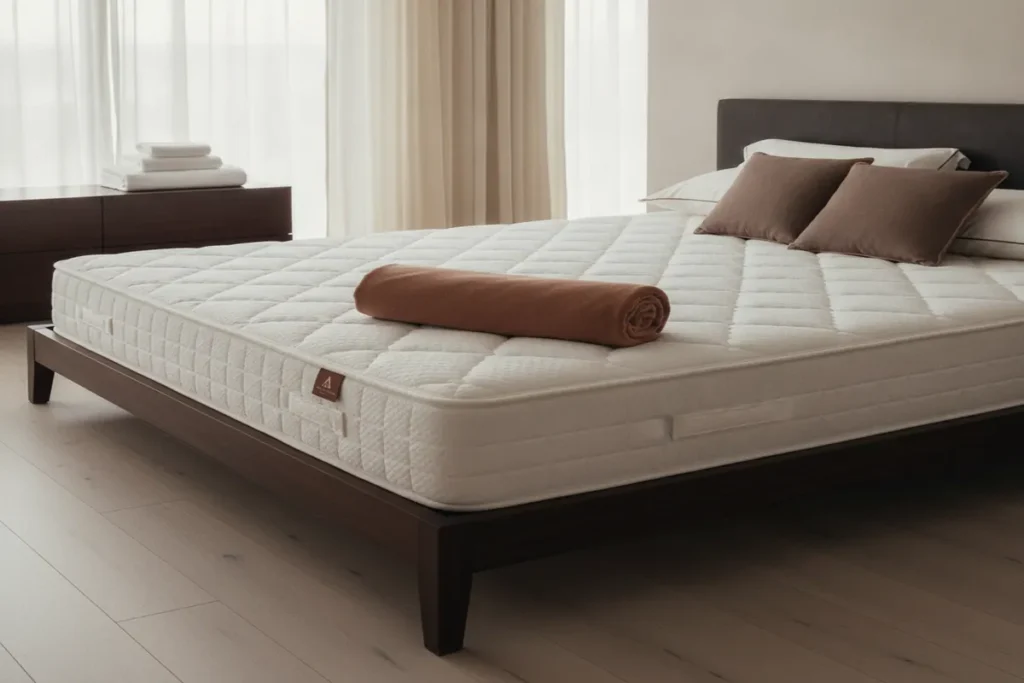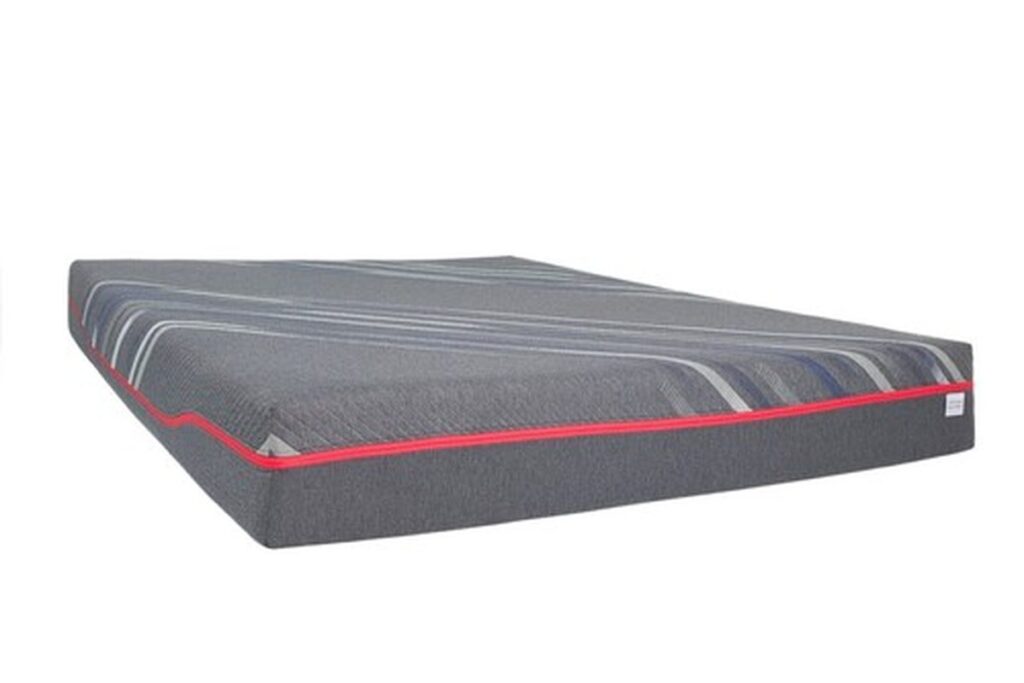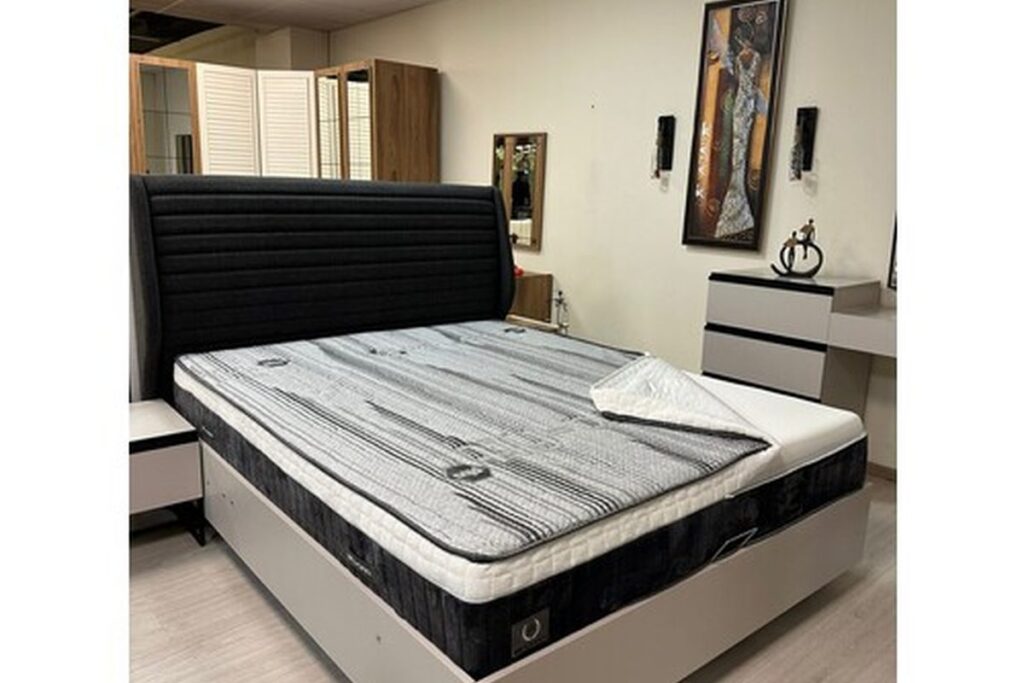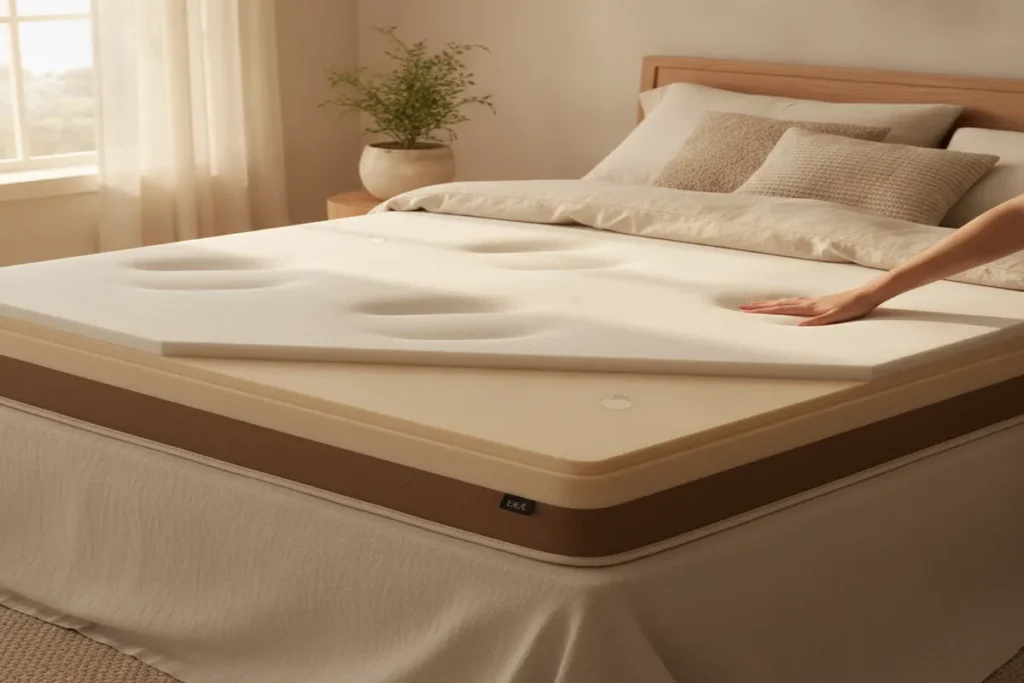

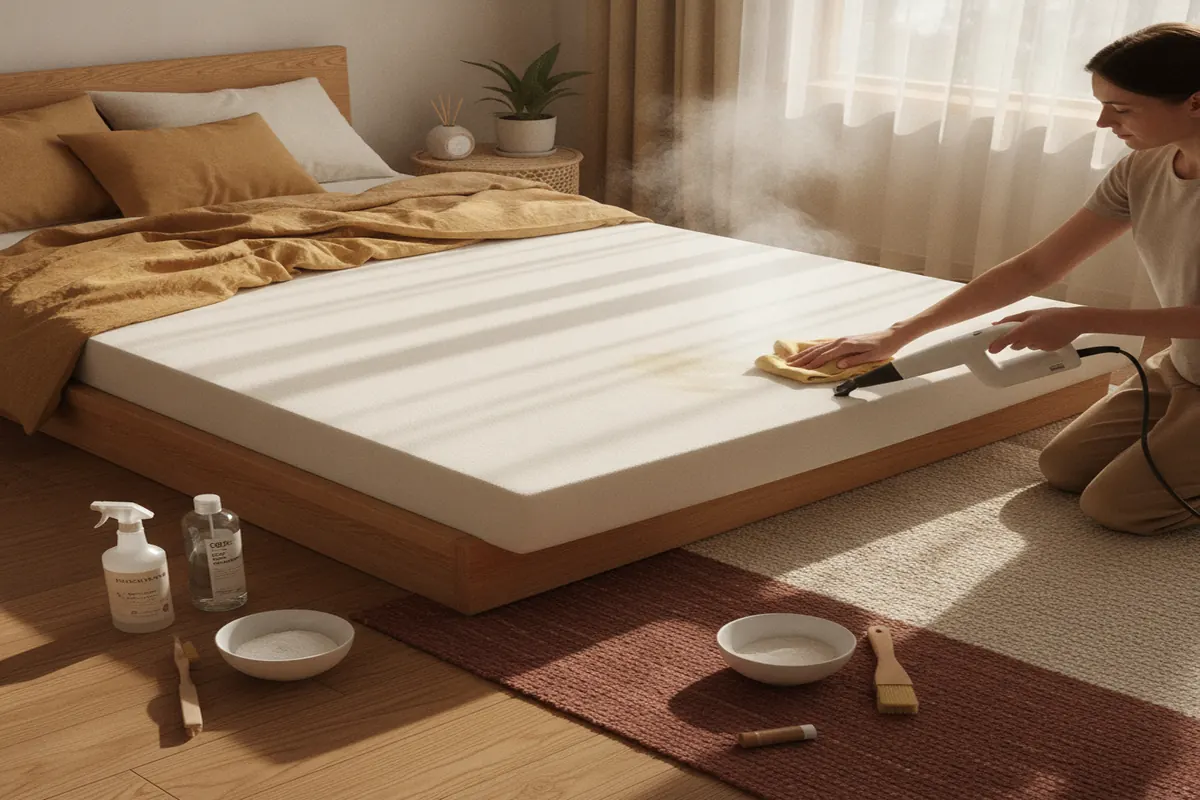
Maintaining a clean foam mattress is crucial for hygiene, comfort, and extending its lifespan. Proper cleaning involves a delicate balance of tackling stains and odors without damaging the foam’s integrity, which is highly susceptible to harsh chemicals and excessive moisture. This guide provides expert-backed methods to ensure your foam mattress remains a fresh and supportive foundation for restorative sleep.
Quick Summary
- Clean foam mattresses properly by spot treating stains
- neutralizing odors with baking soda
- vacuuming regularly
- ensuring complete drying to prevent mildew
How to Properly Clean Your Foam Mattress: A Step-by-Step Guide for Lasting Freshness
Cleaning a foam mattress effectively requires a systematic approach that prioritizes gentle yet thorough treatment. Unlike traditional spring mattresses, foam cannot be saturated with water, making careful spot treatment and drying paramount. Follow these steps for a comprehensive clean that preserves your mattress’s quality.
-
Prepare Your Mattress and Workspace:
- Strip the Bed: Remove all bedding, including sheets, mattress protectors, and pillows. Wash them according to their care instructions.
- Vacuum Thoroughly: Use a brush attachment on your vacuum cleaner to go over the entire surface of the mattress. Pay special attention to seams and crevices where dust mites, dead skin cells, and debris accumulate. This initial vacuuming is vital for removing dry particles before introducing any moisture.
-
Spot Treat Stains (The Gentle Approach):
- Identify the Stain Type: Different stains respond best to different treatments. For most organic stains (blood, urine, sweat), an enzymatic cleaner or a mild solution of dish soap and cold water works well.
- Create a Cleaning Solution: Mix a small amount of mild dish soap (e.g., 1 teaspoon) with 2 cups of cold water. For tougher stains, a 1:1 ratio of white vinegar and water can be effective, but always patch test first.
- Dab, Don’t Rub: Dip a clean white cloth or sponge into your chosen solution, wring it out until it’s barely damp, and gently dab the stained area. Work from the outside of the stain inward to prevent spreading. Avoid scrubbing aggressively, as this can push the stain deeper into the foam.
- Rinse (Minimal Moisture): Use a separate clean, damp cloth (water only) to dab away any soap residue. Again, ensure the cloth is only slightly damp.
-
Neutralize Odors with Baking Soda:
- Sprinkle Liberally: Once spot treatments are complete (and the areas are as dry as possible), generously sprinkle baking soda over the entire mattress surface. For persistent odors, focus on the affected areas.
- Let It Sit: Allow the baking soda to sit for several hours, ideally 8-24 hours. The longer it sits, the more effectively it absorbs odors and moisture. For a deeper refresh, consider placing the mattress near a sunny window (if possible) during this time, as UV rays can help sanitize and deodorize.
- Vacuum Again: After the allotted time, thoroughly vacuum all the baking soda from the mattress. Ensure no residue remains.
-
Ensure Complete Drying:
- Air Dry is Key: This is perhaps the most critical step for foam mattresses. Any residual moisture can lead to mildew and mold growth, which can destroy the foam and pose health risks.
- Ventilate the Room: Open windows, use fans, or run a dehumidifier to circulate air around the mattress.
- Never Use Direct Heat: Avoid using hair dryers or direct sunlight for accelerated drying, as excessive heat can damage the foam’s structure.
- Flip and Repeat (if needed): If the mattress was significantly damp, you might need to flip it and repeat the drying process on the underside, ensuring both sides are completely dry before making the bed.
-
Protect for Future Freshness:
- Use a Mattress Protector: A high-quality, waterproof mattress protector is your best defense against spills, stains, and allergens. This simple addition can significantly reduce the frequency and intensity of future cleaning. Sinyora Yatak offers various Mattress Collection options, many of which pair perfectly with protective covers to extend their Turkish Mattress Lifespan.
What Makes Cleaning a Memory Foam Mattress Different? (And How to Adapt Your Approach)
Memory foam, a type of viscoelastic polyurethane foam, has unique properties that require specific considerations during cleaning. Its dense, open-cell structure, while excellent for support and pressure relief, can also trap moisture and odors if not cleaned correctly. Understanding these differences is key to maintaining your Visco Foam Mattress.
-
Density and Moisture Retention: Memory foam is denser than standard foam, meaning it can absorb and retain more moisture. This makes thorough drying even more critical. Incomplete drying is the single biggest risk factor for mold and mildew in memory foam.
-
Sensitivity to Harsh Chemicals: Memory foam is particularly sensitive to harsh chemicals, strong detergents, and solvents. These can break down the foam’s cellular structure, leading to crumbling, loss of elasticity, and reduced lifespan. Bleach, ammonia-based cleaners, and even some enzymatic cleaners (if too concentrated) should be avoided.
-
Structural Integrity: The viscoelastic properties that give memory foam its contouring ability can be compromised by excessive heat or rough handling. Scrubbing vigorously or attempting to machine wash a memory foam topper can damage its delicate structure.
Adapting Your Cleaning Approach for Memory Foam:
When cleaning a memory foam mattress, emphasis should be placed on minimal moisture, gentle application, and extended drying times.
-
Prioritize Spot Cleaning: Focus solely on the affected areas. Avoid “washing” the entire surface with liquid.
-
Dilute Solutions Heavily: Use even more diluted cleaning solutions than you would for standard foam. A few drops of mild soap in a large bowl of water is usually sufficient.
-
Blot, Don’t Rub or Soak: Always blot stains gently with a barely damp cloth. Never pour liquid directly onto the foam.
-
Enzymatic Cleaners (Use with Caution): While effective for organic stains, ensure any enzymatic cleaner is specifically labeled safe for memory foam or heavily dilute it. Always perform a patch test in an inconspicuous area first.
-
Extended Drying Time: Plan for at least 24-48 hours of drying time for memory foam, especially after a significant spill. Use fans, open windows, and a dehumidifier to accelerate the process. Do not rush it.
-
Mattress Protectors are Non-Negotiable: For memory foam, a high-quality, breathable, waterproof mattress protector is an absolute essential. It acts as a barrier, preventing liquids and allergens from ever reaching the foam, making routine cleaning much simpler.
By understanding these nuances, you can ensure your memory foam mattress retains its supportive qualities and remains fresh for years to come.
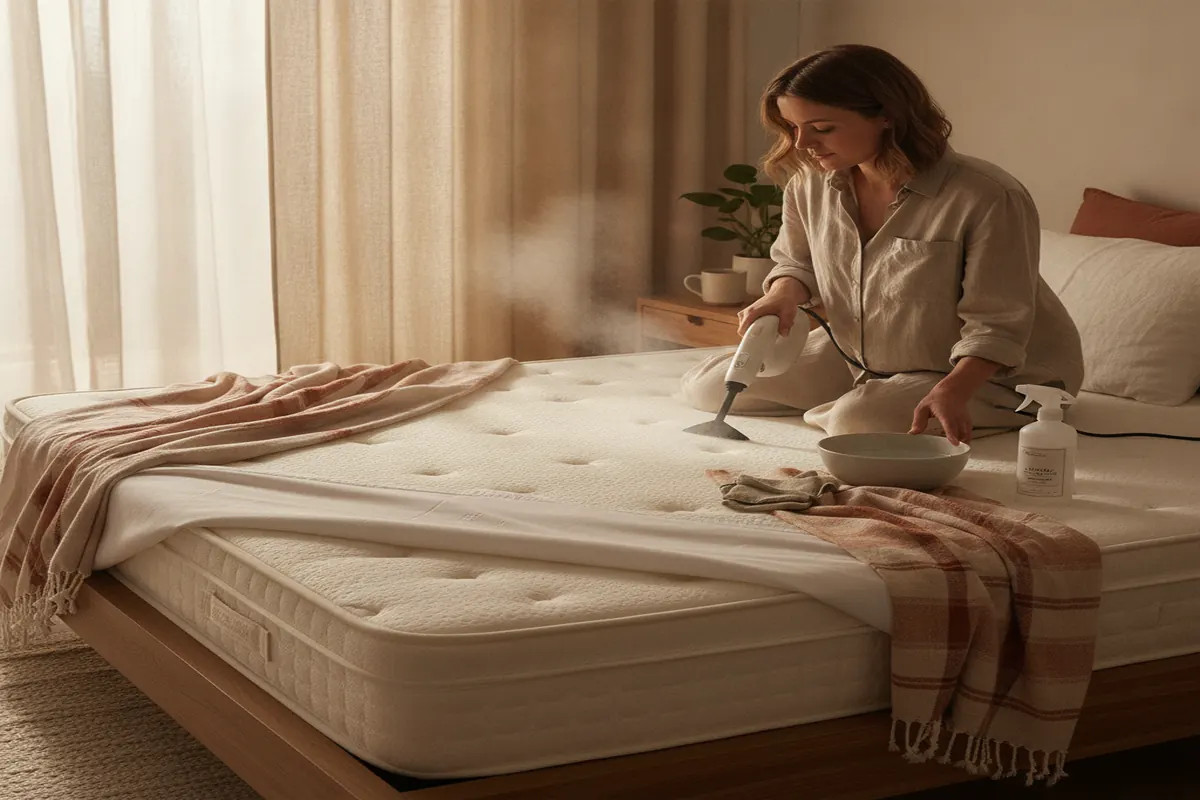
When to Deep Clean Your Foam Mattress (And the Right Way to Do It)
While regular spot cleaning and vacuuming keep your foam mattress fresh, there are times when a more intensive deep clean is necessary. This isn’t a weekly or monthly task, but rather an occasional intervention for significant issues or as part of a seasonal refresh.
Signs It’s Time for a Deep Clean:
-
Persistent Odors: If baking soda and vacuuming aren’t fully eliminating lingering smells (e.g., from sweat, pet accidents, or spills that soaked in).
-
Large or Multiple Stains: When numerous or widespread stains make spot treatment impractical, or if a significant spill has occurred.
-
Allergy Flare-ups: If you notice increased allergy symptoms, a deep clean can help remove accumulated dust mites, pet dander, and other allergens embedded in the foam.
-
Seasonal Refresh: Many people opt for a deep clean once or twice a year, typically during spring cleaning or before winter, to maintain overall hygiene.
The Right Way to Deep Clean Your Foam Mattress (Emphasizing Dryness):
Deep cleaning a foam mattress still relies on the principles of minimal moisture and thorough drying, but with a more comprehensive application.
-
Initial Prep & Vacuum:
- Strip the bed completely.
- Thoroughly vacuum the entire mattress surface, including sides and crevices, using a brush attachment.
-
Gentle Surface Cleaning (Not Soaking):
- Mix a solution of mild dish soap (1-2 tablespoons) with 1 gallon of warm (not hot) water. You can also add 1 cup of white vinegar for extra deodorizing power.
- Crucial Technique: Dip a large, clean microfiber cloth or sponge into the solution, then wring it out extremely thoroughly. It should be barely damp, not dripping.
- Wipe Sections: Work in small sections, gently wiping the surface of the mattress. Do not rub aggressively or press down hard, which could push moisture deep into the foam. The goal is to clean the surface, not saturate the core.
- Rinse (Minimal): With a second clean cloth, dampened only with plain water and wrung out, wipe over the same sections to remove soap residue.
-
Address Stubborn Stains/Odors (Targeted):
- For any remaining stubborn stains or deep-seated odors, follow the spot treatment steps outlined in the general cleaning guide (using enzymatic cleaners or vinegar solutions, always patch testing).
-
Baking Soda Deodorization (Intensified):
- Once the surface cleaning is complete and the mattress feels mostly dry to the touch, liberally sprinkle baking soda over the entire mattress.
- Let it sit for at least 24 hours, or even longer (up to 48 hours), to absorb any residual moisture and deep-set odors.
- Ensure good ventilation during this time.
-
Final Vacuuming and Drying:
- Thoroughly vacuum all the baking soda from the mattress.
- Extended Drying Period: This is the most critical phase. Allow the mattress to air dry completely for at least 24-72 hours. Use multiple fans directed at the mattress, open windows, and a dehumidifier if possible.
- Flip and Dry: If the mattress is reversible or has been exposed to significant moisture, flip it and ensure the underside also dries completely.
- Test for Dryness: Before making the bed, press down firmly on various areas of the mattress. If you feel any coolness or dampness, continue drying. Any trapped moisture will lead to mold.
Deep cleaning is an investment of time, primarily due to the extensive drying process. However, when done correctly, it can significantly refresh your mattress and contribute to a healthier sleep environment.
Choosing the Right Cleaning Products & Tools for Your Foam Mattress
Selecting appropriate cleaning products and tools is paramount to effectively clean your foam mattress without causing damage. The wrong choices can lead to discoloration, structural breakdown, or the growth of mold and mildew. Here’s a guide to making informed decisions.
Essential Cleaning Tools:
-
Vacuum Cleaner with Upholstery Attachment: Indispensable for removing dry debris, dust mites, and baking soda. A powerful suction is key.
-
Clean White Microfiber Cloths/Sponges: White cloths prevent dye transfer. Microfiber is highly absorbent yet gentle. Keep several on hand for cleaning and rinsing.
-
Spray Bottle: For mixing and applying diluted cleaning solutions in a fine mist, ensuring minimal moisture.
-
Fans/Dehumidifier: Absolutely critical for drying. Air circulation and moisture removal are vital for foam.
-
Rubber Gloves: Protect your hands from cleaning solutions.
Recommended Cleaning Products (and what to avoid):
Important Considerations for Product Selection:
-
Always Patch Test: Before applying any cleaning solution to a visible area, test it on an inconspicuous part of your mattress (e.g., the underside or a corner) and let it dry completely. Check for discoloration or damage.
-
Read Labels Carefully: Prioritize products labeled “foam-safe,” “upholstery cleaner,” or “enzyme cleaner for pet stains” (ensuring it’s foam-friendly).
-
Avoid Harsh Chemicals: Never use bleach, ammonia, strong acidic or alkaline cleaners, dry-cleaning fluids, or any product containing petroleum distillates. These will damage your foam mattress, void warranties, and can leave harmful residues.
-
Minimal Moisture: Regardless of the product, the golden rule for foam mattresses is minimal moisture. Dampen cloths, don’t soak them.
By carefully selecting your tools and products, you can effectively clean your foam mattress and ensure its longevity and hygienic condition.
Common Mistakes to Avoid When Cleaning Foam Mattresses
Cleaning a foam mattress incorrectly can lead to irreversible damage, mold growth, and a shortened lifespan. As specialists in mattress care, we’ve identified several common pitfalls that diligent owners should actively avoid.
-
Using Too Much Water or Soaking the Foam:
- Mistake: Many people treat foam like a fabric that can be doused and scrubbed. Foam is highly absorbent, and once water penetrates deep into the core, it’s incredibly difficult to dry completely.
- Consequence: Trapped moisture creates a perfect breeding ground for mold, mildew, and bacteria, leading to foul odors, mattress degradation, and potential health issues.
- Correction: Always use minimal moisture. Dampen cloths, don’t soak them. Blot, don’t pour. Drying is more important than the initial wetting.
-
Employing Harsh Chemicals (Bleach, Ammonia, Strong Detergents):
- Mistake: Reaching for aggressive household cleaners to tackle tough stains.
- Consequence: These chemicals can break down the foam’s cellular structure, causing it to become brittle, crumble, or lose its supportive properties. They can also cause discoloration, leave toxic residues, and emit harmful fumes.
- Correction: Stick to mild dish soap, white vinegar, baking soda, and foam-safe enzymatic cleaners. Always dilute solutions heavily and patch test.
-
Not Drying the Mattress Completely:
- Mistake: Rushing the drying process or assuming the mattress is dry because the surface feels dry.
- Consequence: As mentioned, this is the primary cause of mold and mildew. Foam can feel dry on the surface while still being damp internally.
- Correction: Allow ample drying time (24-72 hours). Use fans, open windows, and dehumidifiers. Never use direct heat (hair dryers, irons) as it can damage foam. Ensure the mattress is completely dry before putting sheets back on.
-
Scrubbing Stains Vigorously:
- Mistake: Applying aggressive force when trying to remove a stain.
- Consequence: Scrubbing can push the stain deeper into the foam, spread it, and even damage the foam’s delicate structure, leading to pilling or premature wear.
- Correction: Always blot stains gently from the outside in. Patience and repeated dabbing are more effective than brute force.
-
Ignoring a Mattress Protector:
- Mistake: Believing a mattress doesn’t need protection or using a non-waterproof cover.
- Consequence: Without a waterproof protector, your mattress is vulnerable to spills, sweat, body oils, and allergens, making cleaning a much more frequent and difficult task.
- Correction: Invest in a high-quality, breathable, waterproof mattress protector from day one. It’s the best preventative measure against most cleaning woes. Sinyora Yatak offers various Mattress Collection options that benefit greatly from proper protection.
-
Using a Steam Cleaner Directly on Foam:
- Mistake: Thinking steam will sanitize and clean foam effectively.
- Consequence: Steam introduces significant heat and moisture directly into the foam, which can lead to structural damage (melting or weakening) and, crucially, saturation that is almost impossible to dry completely, inevitably leading to mold.
- Correction: Steam cleaners are generally not recommended for direct use on foam mattresses. If used at all, it should be with extreme caution, from a distance, and immediately followed by intense drying protocols, but it’s best to avoid.
By being aware of these common mistakes and adopting correct cleaning practices, you can ensure your foam mattress remains clean, hygienic, and lasts for its intended lifespan.
Extending Your Foam Mattress Lifespan: Proactive Care Tips Beyond Cleaning
While knowing how to clean foam mattress properly is essential, proactive care is equally vital for maximizing its longevity and maintaining its comfort. Integrating these habits into your routine will significantly reduce the need for intensive cleaning and ensure your Sinyora Yatak mattress provides years of supportive sleep.
Proactive Care Checklist:
-
Invest in a High-Quality Mattress Protector (Always!):
- Why: This is your primary defense against spills, stains, dust mites, allergens, and body oils. A waterproof, breathable protector acts as a barrier, keeping your mattress pristine underneath.
- Action: Purchase one immediately if you don’t have one. Wash it regularly (every 1-2 months) according to its care instructions.
-
Rotate Your Mattress Regularly:
- Why: Even the most durable foam can develop slight indentations over time from consistent pressure points. Rotating helps distribute wear evenly.
- Action: Rotate your mattress 180 degrees (head to foot) every 3-6 months. Most foam mattresses are not designed to be flipped, but rotation is still beneficial. (Check your specific Sinyora Yatak mattress instructions; some Turkish Foam Mattress vs Spring models might have different recommendations).
-
Vacuum Your Mattress Regularly:
- Why: Prevents the buildup of dust mites, dead skin cells, and allergens that can compromise hygiene and contribute to odors.
- Action: Once a month, strip your bed and vacuum the entire surface of the mattress using an upholstery attachment.
-
Ensure Proper Support:
- Why: An inadequate foundation (e.g., old box spring, widely spaced slats) can cause foam to sag prematurely, reducing its supportive qualities and potentially leading to discomfort.
- Action: Use a sturdy, flat foundation or a bed base with closely spaced slats (no more than 2-3 inches apart). Sinyora Yatak offers durable Bed Base and Headboard options designed to provide optimal support.
-
Aerate Your Mattress Frequently:
- Why: Allows moisture from sweat and body heat to evaporate, preventing odors and discouraging mold growth.
- Action: Whenever you change your sheets, leave the mattress uncovered for an hour or two with windows open to allow for air circulation.
-
Address Spills Immediately:
- Why: Fresh stains are much easier to remove than dried, set-in ones. Quick action prevents liquids from soaking deep into the foam.
- Action: Blot (don’t rub) spills immediately with a clean, dry cloth. Then proceed with spot treatment as outlined in the cleaning guide.
-
Avoid Eating and Drinking in Bed:
- Why: Minimizes the risk of spills and crumbs attracting pests or staining the mattress.
- Action: Designate your bed for sleep and relaxation, not dining.
-
Follow Manufacturer’s Care Instructions:
- Why: Your specific Sinyora Yatak mattress (e.g., Visco Foam Mattress, Latex Foam Mattress) may have unique recommendations for care.
- Action: Always refer to the care label or Care and Maintenance section on the Sinyora Yatak website for specific advice tailored to your product.
By diligently following these proactive care tips, you not only extend the life of your foam mattress but also ensure a consistently cleaner, healthier, and more comfortable sleep environment.
DIY vs. Professional Foam Mattress Cleaning: Which Option Suits Your Needs and Budget?
When faced with significant stains, persistent odors, or simply a desire for a thorough refresh, you might wonder whether to tackle the cleaning yourself or call in the professionals. Both DIY and professional cleaning services have distinct advantages and disadvantages in terms of clean foam mattress prices, effort, and effectiveness. Making the right choice depends on your specific situation, budget, and comfort level.
Comparison Table: DIY vs. Professional Foam Mattress Cleaning
When DIY Cleaning Makes Sense:
-
Budget Constraints: You’re looking for the most cost-effective option.
-
Minor Issues: You’re dealing with small, fresh spills, light surface stains, or mild odors.
-
Routine Maintenance: For regular freshening and prevention, DIY is perfectly adequate.
-
Time on Your Hands: You have the time and patience to meticulously follow cleaning and drying instructions.
-
Preventative Care: You consistently use a mattress protector, reducing the likelihood of severe issues.
When Professional Cleaning is the Better Choice:
-
Significant Stains: Large, old, or deeply embedded stains (e.g., pet urine that has soaked through).
-
Persistent Odors: Odors that return even after multiple DIY attempts with baking soda and ventilation.
-
Allergy or Asthma Concerns: Professionals can offer deeper allergen removal and sanitization.
-
Time-Saving: You prefer to outsource the labor and expertise.
-
High-Value Mattress: For a premium mattress like those from Sinyora Yatak’s Mattress Collection, investing in professional care can help preserve its value and extend its Turkish Mattress Lifespan.
-
Lack of Confidence: If you’re unsure about proper techniques or worried about damaging your mattress.
-
Warranty Considerations: Some mattress warranties might recommend professional cleaning for certain issues.
Ultimately, the decision hinges on the severity of the cleaning challenge and your personal resources. For routine care, DIY methods are effective and economical. However, for serious issues or peace of mind, professional cleaning offers a deeper, more reliable solution.
Expert Insight
“The single most critical factor in successfully cleaning any foam mattress, especially memory foam, is ensuring it dries completely. All the meticulous spot treatment and deodorizing efforts are undone if even a hint of moisture remains, creating an ideal environment for mold and mildew. Plan for extensive drying time, prioritize ventilation, and never rush this crucial step.” — Industry experts confirm that proper drying is paramount for foam mattress longevity and hygiene.
Key Terms
-
Foam Mattress: A mattress primarily constructed from various types of foam, such as polyurethane foam, memory foam, or latex foam, known for contouring and pressure relief.
-
Viscoelastic Foam (Memory Foam): A type of polyurethane foam that reacts to body heat and pressure, conforming closely to the sleeper’s shape to provide personalized support.
-
Enzymatic Cleaner: A cleaning solution containing enzymes that break down organic matter (like urine, blood, sweat), effectively neutralizing odors and stains at their source.
-
Mildew: A type of fungus that grows in damp, warm conditions, often appearing as a black, white, or gray fuzzy growth, and can cause odors and degrade mattress materials.
-
Mattress Protector: A removable covering that encases the mattress, protecting it from spills, stains, allergens, dust mites, and general wear and tear, significantly extending its life and cleanliness.
How Can You Upgrade to More Comfortable Sleep with Sinyora Yatak?
At Sinyora Yatak, we believe a truly clean mattress is just one component of exceptional sleep. Beyond proper care, the foundation of your rest lies in the quality of your sleep surface. If you’re looking to elevate your comfort, explore our diverse Mattress Collection, crafted with superior Turkish craftsmanship and materials. Whether you’re seeking the contouring support of a Visco Foam Mattress, the natural resilience of a Latex Foam Mattress, or the innovative design of our Pocket Coils Mattress, Sinyora Yatak offers a solution tailored to every sleep preference. We also provide luxurious Pillow Collection options, like Visco Pillow and Latex Pillow (Natural), to complete your sleep system. Invest in the unparalleled comfort and durability that makes What Makes Turkish Mattresses Special, and discover how Sinyora Yatak can transform your nights. Visit our Shop All Products page or learn more about Buying Guides to find your perfect sleep upgrade today.
Frequently Asked Questions
Q: Can I use a steam cleaner on my foam mattress?
Q: How often should I clean my foam mattress?
Q: What should I do if my foam mattress gets soaked?
Q: Can I wash my foam mattress cover in the washing machine?
Q: How can I prevent my foam mattress from getting dirty or stained?
Q: What’s the best way to remove urine smell from a foam mattress?
Help: FAQs · Sleep Science · Sleep Resources · Privacy Policy