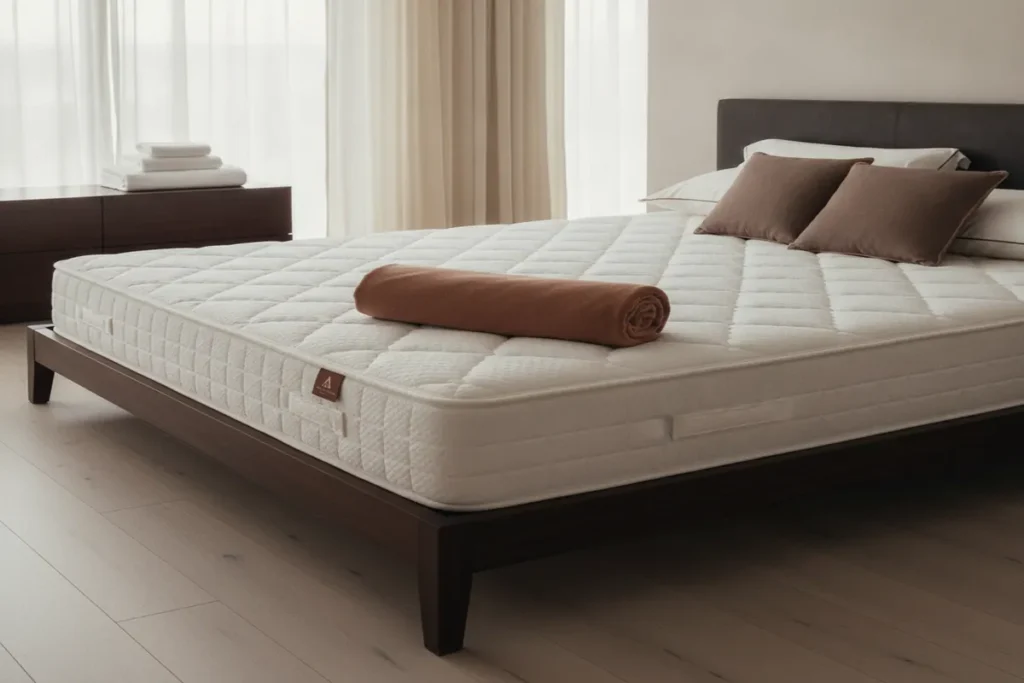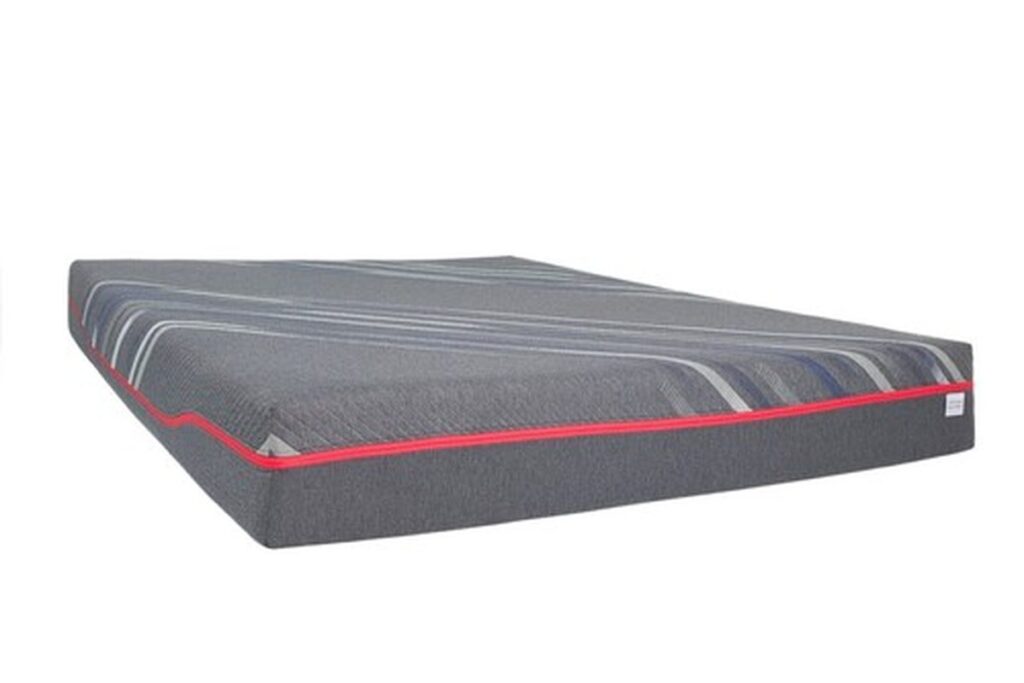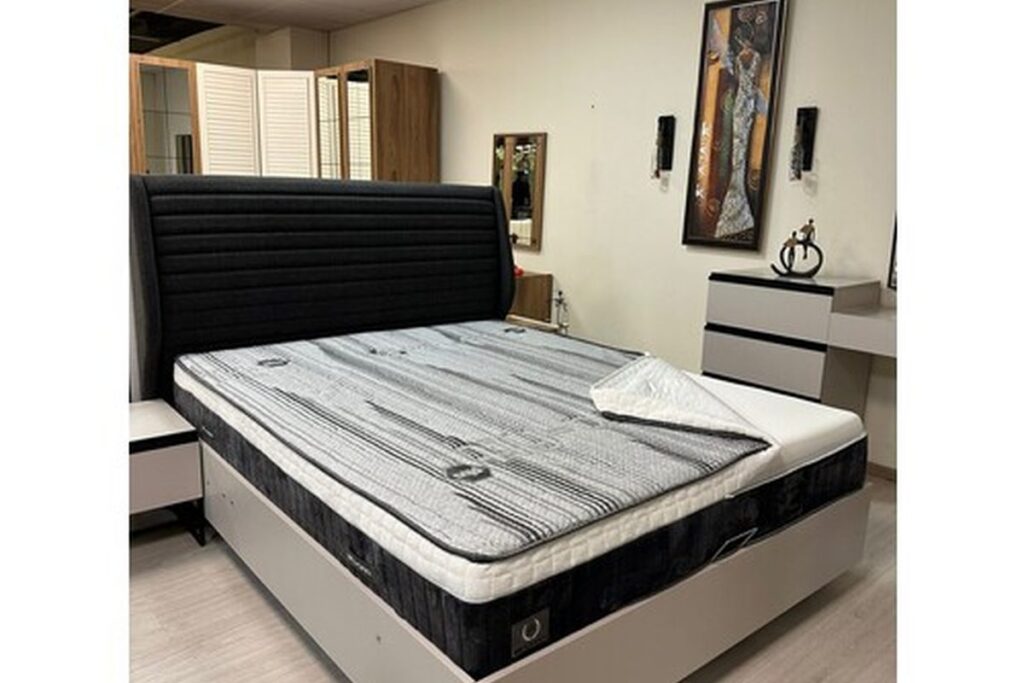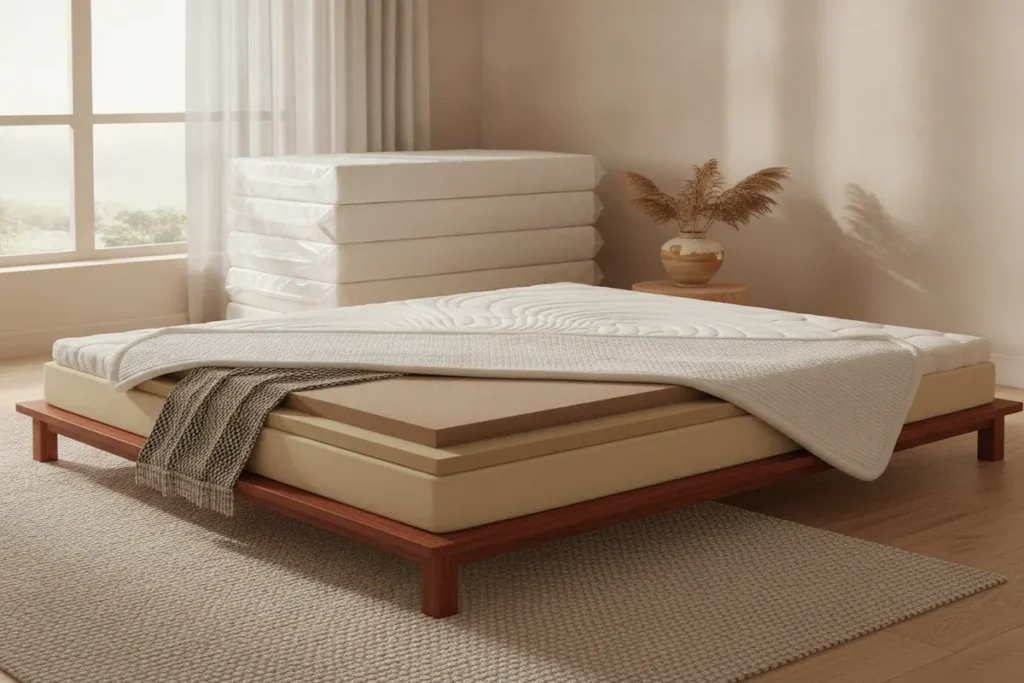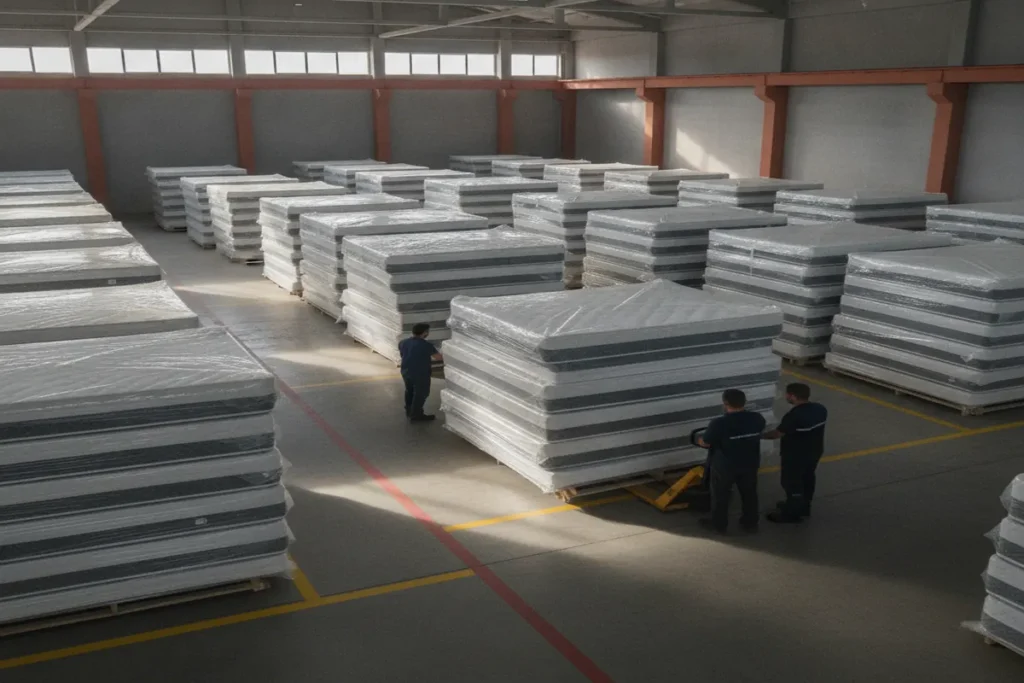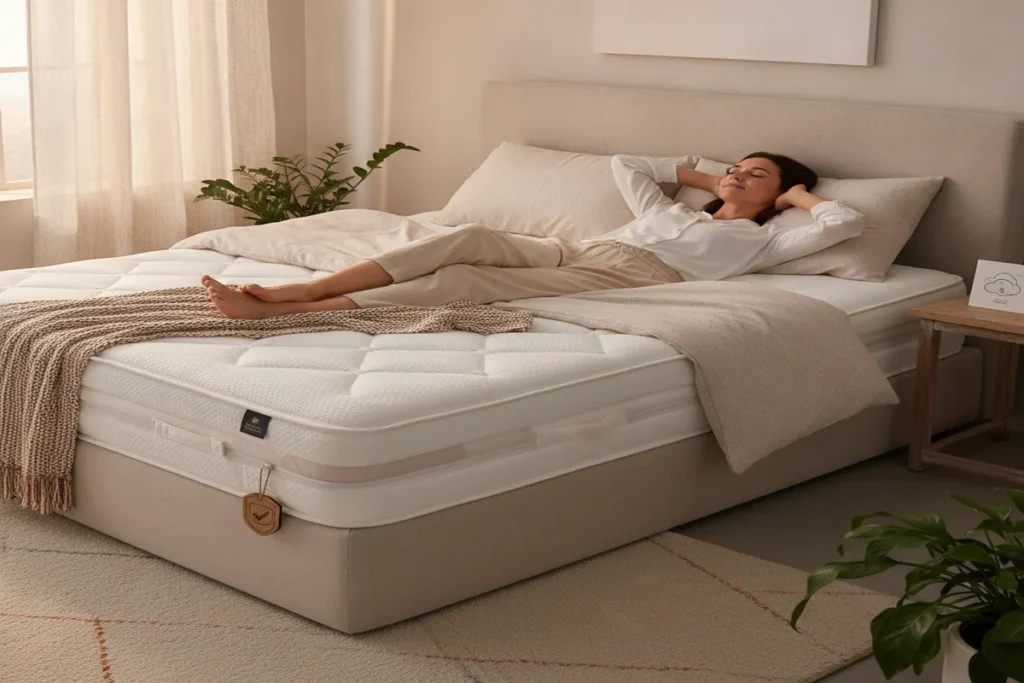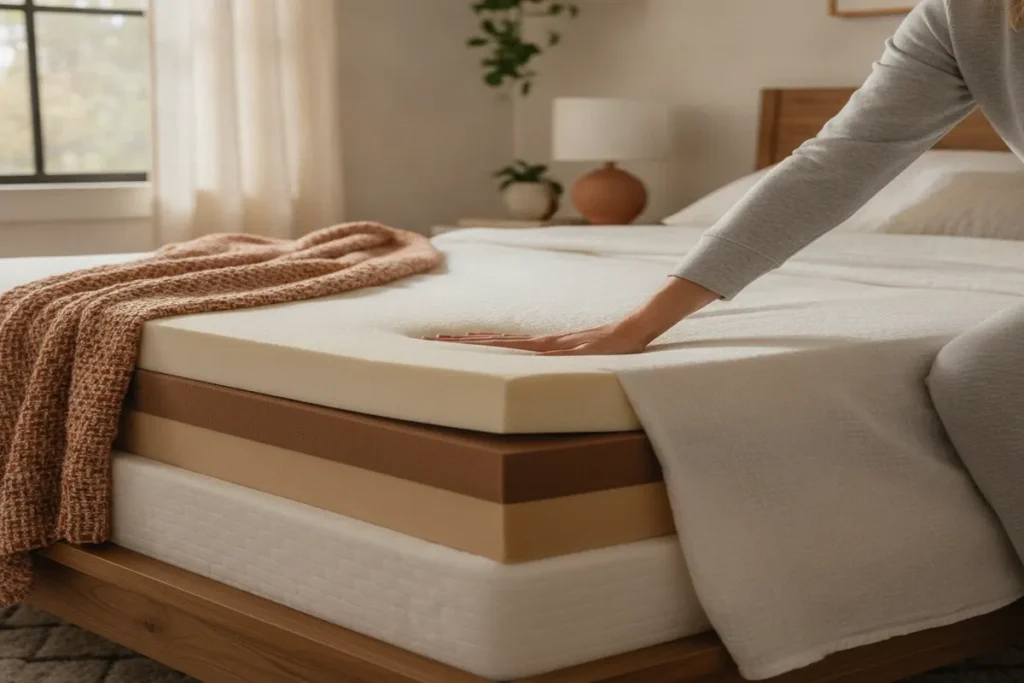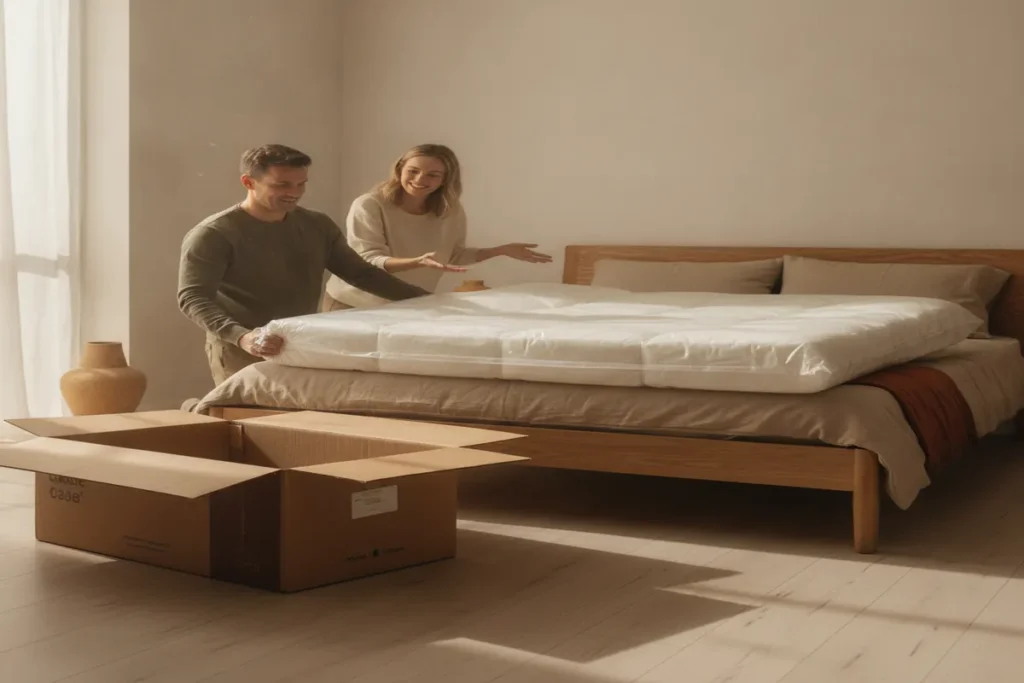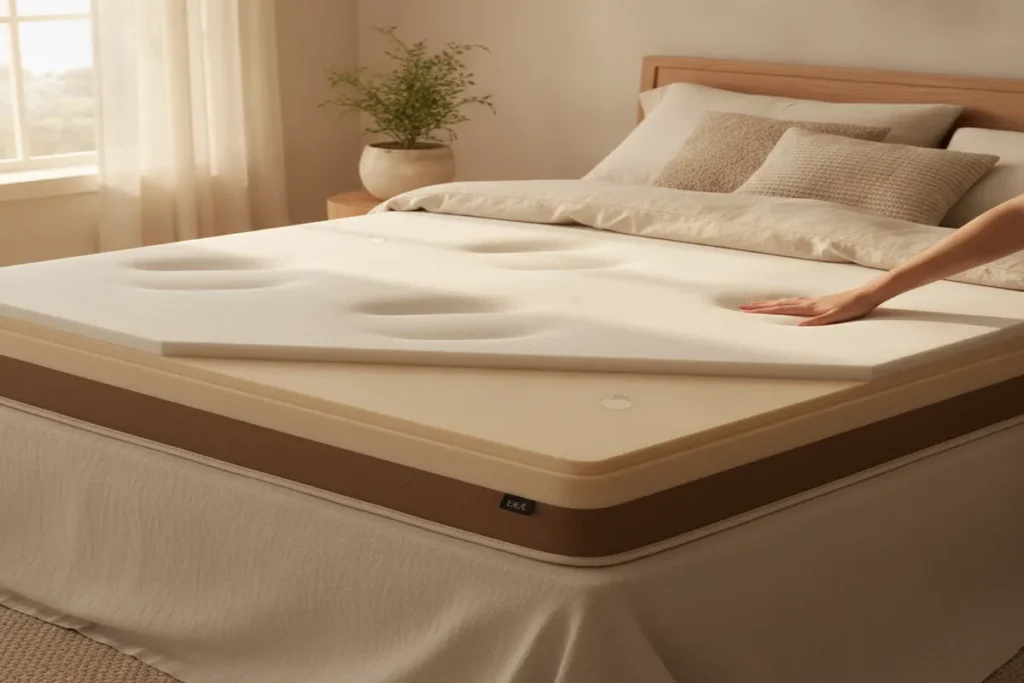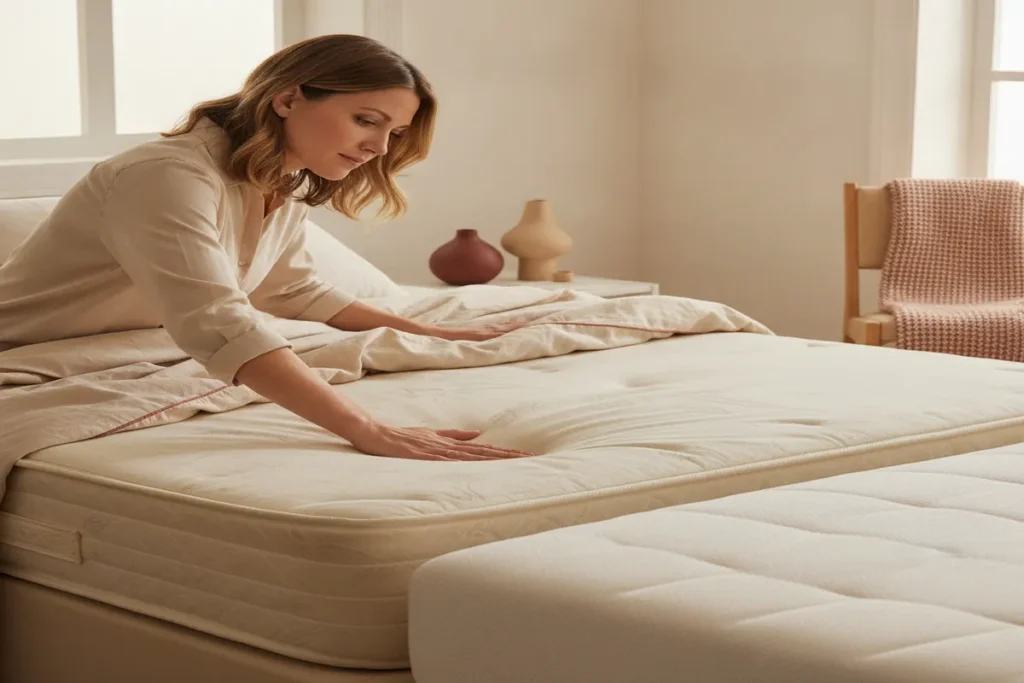

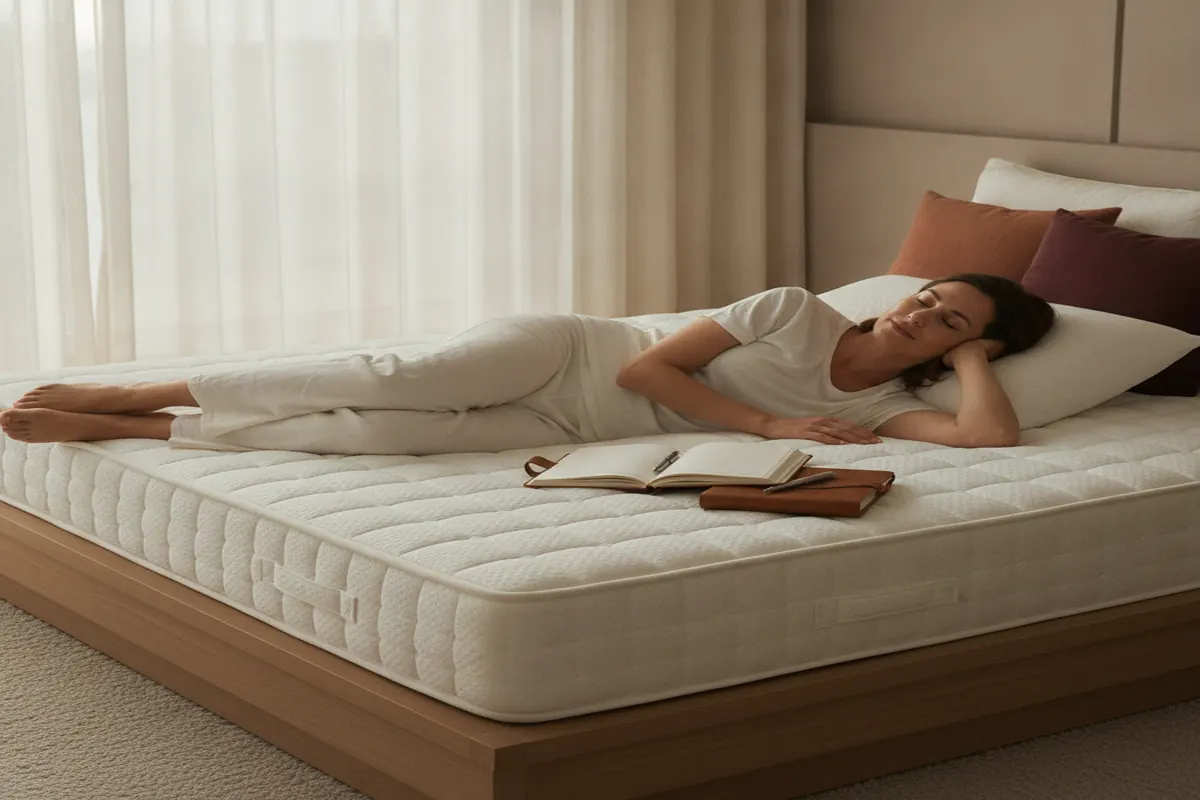
A foam mattress typically lasts between 7 to 10 years, though this can extend to 15 years or more for high-quality latex foam. The exact lifespan hinges on the type of foam, its density, the quality of materials, user body weight, and consistent care. Understanding these variables is crucial for both maximizing your mattress investment and ensuring sustained sleep quality. A smart buyer considers these factors to align mattress choice with personal longevity expectations.
Quick Summary
- Foam mattress lifespans vary by type, typically 7-10 years for memory foam and 10-15+ years for latex
- Key longevity factors include foam density, material quality, user weight, and proper care
- Recognize signs like sagging, discomfort, or persistent odors as indicators for replacement
- Extend mattress life with a supportive base, regular rotation, and protective covers
How Long Does a Foam Mattress Truly Last? Understanding the Lifespan Spectrum
When asking “how long does a foam mattress last” or “how many years does a foam mattress last,” it’s important to recognize that foam isn’t a singular material. The term “foam mattress” encompasses a range of constructions, each with its own inherent durability and expected lifespan. Generic polyurethane foam, often found in budget models or as a base layer, will naturally have a shorter lifespan than specialized memory foam or natural latex.
Here’s a general breakdown of foam mattress lifespans:
-
Polyurethane Foam (Sponge Mattress): Often referred to as a “sponge mattress” or conventional foam, these are typically the least expensive and have the shortest lifespan. Expect 5-7 years before significant softening or sagging occurs. Their open-cell structure makes them less dense and prone to quicker degradation.
-
Memory Foam (Visco Foam Mattress): A popular choice for its contouring properties, a good quality memory foam mattress (or Visco Foam Mattress) generally lasts 7-10 years. High-density memory foam tends to hold up longer than lower-density versions. The quality of the base foam layer also plays a significant role in overall durability.
-
Gel Foam Mattress: Often a type of memory foam infused with gel particles for cooling, these mattresses share a similar lifespan to standard memory foam, typically 7-10 years. The gel infusion primarily affects temperature regulation, not necessarily structural longevity.
-
Latex Foam Mattress: Widely considered the most durable foam option, both natural and synthetic latex mattresses can last 10-15 years or even longer. Natural latex, derived from rubber trees, is particularly resilient and resistant to sagging. Its elastic properties allow it to retain shape exceptionally well.
Understanding these distinctions helps set realistic expectations for your investment. A “how long does a foam bed last” query needs to be qualified by the specific foam type underpinning its construction.
What’s the Lifespan of Different Foam Mattress Types — And Which Suits You Best?
The specific composition of your foam mattress is the single biggest predictor of its longevity and performance. Different foam types offer unique benefits and drawbacks, directly impacting how long they maintain their supportive and comfortable properties. Choosing the right type isn’t just about initial comfort, but also about how well it meets your long-term needs.
Comparing Foam Mattress Lifespans and Characteristics
When you’re evaluating “how long does a memory foam mattress last” versus “how long does a latex foam mattress last,” the distinction is clear: latex generally offers superior durability and resilience. However, memory foam still provides excellent pressure relief that many find indispensable.
What About Toppers and Pads?
The question “how long does a foam mattress topper last” or “how long does a foam mattress pad last” is also common. Toppers and pads are designed to extend the life of an existing mattress or add an extra layer of comfort.
- Foam Toppers (Sponge Topper Mattress, Visco Topper, Latex Topper): These typically last 3-5 years. Their lifespan is shorter because they are thinner and bear direct body weight without the full structural support of a complete mattress. They are an excellent way to refresh an aging mattress or customize comfort, but they are not a permanent solution for a truly worn-out bed. Sinyora Yatak offers various Topper Collection options like Sponge Topper Mattress, Visco Topper, and Latex Topper to enhance your existing sleep surface.
Beyond the Label: Key Factors That Dictate Your Foam Mattress’s Real Lifespan
While the type of foam provides a baseline, several other critical elements contribute to, or detract from, the actual longevity of your mattress. Overlooking these can lead to premature wear and a shorter-than-expected lifespan, regardless of the initial quality.
Crucial Longevity Factors:
-
Foam Density: This is arguably the most important factor for durability. Higher density foam (measured in pounds per cubic foot, PCF) means more material packed into the same space, leading to greater resilience and resistance to impressions.
- Low Density (under 3 PCF): Shorter lifespan, quicker softening.
- Medium Density (3-5 PCF): Good balance of comfort and durability, typical for quality memory foam.
- High Density (5+ PCF): Excellent durability, longer lifespan, often found in premium memory foam and latex.
- Expert Tip: Don’t confuse density with firmness. A high-density foam can still be soft, and a low-density foam can feel firm initially but break down quickly.
-
Material Quality & Construction: Beyond just density, the overall quality of the foam formulation and the mattress construction matters. Are there multiple layers? How are they bonded? Is the cover durable? A reputable manufacturer like Sinyora Yatak uses high-grade foams and robust construction techniques to ensure longevity.
-
User Body Weight & Distribution: Heavier individuals or couples will exert more pressure on the mattress, potentially accelerating wear. A mattress with higher density foam and stronger support layers is essential for heavier users to maintain its integrity over time.
-
Usage Patterns: A mattress used nightly by multiple people will wear out faster than one used occasionally in a guest room. Constant pressure and friction contribute to foam degradation.
-
Supportive Foundation: An inadequate or old foundation (box spring, slatted base) can severely compromise your mattress’s lifespan. A foam mattress requires a solid, even, and firm support base to prevent sagging and maintain its structural integrity. Slats should be no more than 2-3 inches apart.
-
Environmental Factors: Humidity, temperature fluctuations, and direct sunlight can all impact foam over time, potentially leading to faster breakdown or mildew growth.
Understanding these factors allows you to make an informed decision when evaluating “how long does a foam mattress last quality factors” and ensuring your chosen mattress aligns with your lifestyle and expectations.
When Is It Time to Say Goodbye? Recognizing the Clear Signs Your Foam Mattress Needs Replacing
Even the highest quality foam mattress won’t last forever. Recognizing the signs of wear and knowing when to replace your mattress is crucial not just for comfort, but for your overall health and sleep quality. Ignoring these indicators can lead to aches, pains, and restless nights.
Undeniable Indicators for Mattress Replacement:
-
Visible Sagging or Indentations: This is the most obvious sign. If your mattress has permanent body impressions, dips, or sags in areas where you typically sleep, it’s no longer providing adequate support. This is particularly noticeable in memory foam, where the foam may lose its ability to “bounce back.”
-
Waking Up with Aches and Pains: If you consistently wake up with back pain, neck stiffness, or general body aches that weren’t present before, your mattress is likely failing to support your spine correctly. This is a clear indicator that the foam has lost its ergonomic properties.
-
Increased Discomfort While Lying Down: You might find yourself tossing and turning more, struggling to find a comfortable position, or feeling pressure points that weren’t there before. The once-comfortable cushioning has likely broken down.
-
Persistent Odors: Over time, mattresses can accumulate sweat, skin cells, and dust mites, leading to unpleasant odors that don’t dissipate. While cleaning can help, a persistent, stale smell often indicates deep-seated issues that are difficult to remove.
-
Worsening Allergies or Asthma: An aging mattress can become a haven for dust mites, mold, and allergens, exacerbating respiratory issues and allergies. If your symptoms worsen at night, your mattress could be the culprit.
-
Noise (from the base or internal components): While foam mattresses are generally silent, if you have a hybrid foam mattress (e.g., Pocket Coils Mattress with foam layers) or an old bed base, new squeaks or creaks can signal a breakdown in support structures.
-
You Sleep Better Elsewhere: If you consistently get better, more comfortable sleep in a hotel bed or a guest bed, it’s a strong sign that your own mattress is no longer serving its purpose. Sinyora Yatak’s Hotel Mattress options are designed for superior comfort and durability, providing a benchmark for what good sleep should feel like.
Don’t wait until your mattress is completely unusable. Proactive replacement based on these signs can prevent sleep deprivation and chronic pain, directly impacting your quality of life.
Maximizing Your Investment: Practical Tips to Extend Your Foam Mattress’s Life
While no mattress lasts forever, proper care and maintenance can significantly extend its useful life, ensuring you get the most out of your investment. These practical steps can help delay the onset of sagging and preserve the comfort and support of your foam mattress.
A Checklist for Foam Mattress Longevity:
-
Use a Proper, Supportive Foundation:
- Ensure your bed frame has a solid, flat surface or closely spaced slats (no more than 2-3 inches apart).
- Avoid old box springs designed for innerspring mattresses, as they often lack the firm, even support foam mattresses require. A sturdy Bed Base and Headboard from Sinyora Yatak can provide ideal support.
-
Rotate Your Mattress Regularly:
- For foam mattresses that are symmetrical, rotate it 180 degrees (head to foot) every 3-6 months. This distributes wear evenly across the surface.
- Note: Most foam mattresses are not designed to be flipped. Check manufacturer guidelines.
-
Invest in a Quality Mattress Protector:
- A waterproof and breathable mattress protector shields your mattress from spills, sweat, allergens, and dust mites. This is critical for hygiene and preventing internal degradation.
-
Keep Your Mattress Clean:
- Vacuum your mattress regularly (every 1-3 months) using an upholstery attachment to remove dust and allergens.
- Spot clean spills immediately with a mild detergent and water, dabbing gently. Avoid saturating the foam. Allow it to air dry completely.
-
Avoid Jumping or Excessive Weight on the Mattress:
- Rough treatment can damage the internal foam structure, leading to premature sagging or breakdown.
-
Allow for Air Circulation:
- Occasionally remove bedding to let the mattress air out, especially after cleaning or in humid environments. This helps prevent moisture buildup and mildew.
-
Follow Manufacturer’s Care Instructions:
- Always refer to the specific care instructions provided by Sinyora Yatak or your mattress manufacturer. These guidelines are tailored to your mattress’s unique materials and construction. You can find general Care and Maintenance advice on our website.
-
Consider Body Weight and Mattress Pairing:
- If you or your partner are heavier, choose a mattress specifically designed for higher weight capacities, often featuring higher density foams or reinforced support layers.
By adhering to these simple yet effective practices, you can significantly extend “how long a foam mattress can last” for you, ensuring years of comfortable and supportive sleep.
Avoiding Premature Wear: What Common Mistakes Shorten Your Foam Mattress’s Life?
Many common habits and oversights can inadvertently shorten the lifespan of your foam mattress, leading to earlier replacement than necessary. Being aware of these pitfalls can save you money and ensure your mattress provides optimal comfort for its intended duration.
Common Mistakes That Accelerate Mattress Wear:
-
Using an Inadequate or Old Foundation: This is perhaps the most critical mistake. A worn-out box spring, a sagging slatted frame, or a bed base with too few slats will not provide the uniform support a foam mattress needs. This causes the mattress to sag prematurely, voiding warranties and leading to discomfort.
-
Skipping a Mattress Protector: Failing to use a waterproof mattress protector exposes your foam to sweat, body oils, spills, and allergens. These can degrade the foam, create unhygienic conditions, and foster mold or mildew growth, all of which shorten lifespan.
-
Not Rotating the Mattress: Consistent pressure on the same spots leads to uneven wear and permanent body impressions. Neglecting regular rotation (for symmetrical mattresses) concentrates wear, causing specific areas to break down faster.
-
Ignoring Spills and Stains: Allowing liquids to soak into the foam can cause irreversible damage, leading to material breakdown, odors, and potential mold growth. Prompt and proper spot cleaning is essential.
-
Using Harsh Cleaning Chemicals: Strong detergents, bleach, or chemical cleaners can break down the foam cells, leading to deterioration and a shortened lifespan. Always opt for mild, pH-neutral cleaners and minimal moisture.
-
Allowing Pets to Sleep on the Mattress Without Protection: Pet dander, accidents, and sharp claws can all damage a mattress. While we love our furry friends, a protective layer is crucial if they share your bed.
-
Not Considering Body Weight: If a mattress is not rated for the combined weight of its users, it will break down much faster. Always check the manufacturer’s weight recommendations, especially for couples or heavier individuals.
-
Purchasing a Low-Density Foam Mattress for Everyday Use: While budget-friendly, very low-density foam mattresses are simply not built for long-term daily use. They soften and sag quickly, leading to dissatisfaction and the need for early replacement.
-
Ignoring Manufacturer’s Warranty and Care Instructions: The warranty often outlines specific requirements for proper use and care. Failing to adhere to these can not only shorten your mattress’s life but also void your warranty, leaving you without recourse if issues arise.
By actively avoiding these common mistakes, you can significantly prolong the life of your foam mattress, ensuring it continues to support your sleep and your health for years to come.
Choosing Wisely: A Buyer’s Checklist for Long-Lasting Foam Mattress Value
Selecting a new foam mattress is an investment in your sleep and well-being. To ensure you’re making a smart purchase that stands the test of time, a systematic approach focused on quality, suitability, and support is key. This checklist will guide you through the essential criteria for a long-lasting foam mattress.
Your Smart Buyer’s Checklist for Foam Mattress Longevity:
-
Identify Your Preferred Foam Type and Its Lifespan:
- Polyurethane (Sponge): Budget-friendly, shortest lifespan (5-7 years).
- Memory Foam (Visco Foam): Good pressure relief, moderate lifespan (7-10 years). Consider Visco Foam Mattress.
- Gel Foam: Cooling properties, similar to memory foam lifespan (7-10 years).
- Latex Foam (Natural/Synthetic): Most durable, longest lifespan (10-15+ years). Explore Latex Foam Mattress.
- Decision Point: Balance your budget with your desired longevity and comfort profile.
-
Prioritize Foam Density:
- Memory Foam: Look for 3-5 PCF for comfort and durability. Higher is better for heavier individuals.
- Polyurethane Base Foam: Ensure the base layer is also of sufficient density to prevent premature sagging.
- Action: Ask for density specifications. Reputable brands will provide this information.
-
Assess Overall Material Quality and Construction:
- Certifications: Look for certifications like CertiPUR-US for foam (ensures no harmful chemicals) or GOLS/GOTS for natural latex (organic standards).
- Cover Material: A durable, breathable cover (e.g., organic cotton, Tencel) contributes to overall mattress integrity and comfort.
- Layer Composition: Understand the different layers and their purpose. A well-designed mattress has layers for comfort, transition, and support.
-
Consider Your Body Weight and Sleep Habits:
- Heavier Individuals/Couples: Opt for higher density foams and mattresses specifically designed for robust support to prevent premature breakdown.
- Sleep Position: Side sleepers often benefit from softer, contouring foam (like memory foam) for pressure relief, while back and stomach sleepers may need firmer support. Sinyora Yatak offers Turkish Mattress for Side Sleepers.
- Trial Period: A generous trial period (e.g., 100 nights) allows you to test the mattress in your own home.
-
Evaluate the Warranty:
- A good foam mattress should come with a warranty of at least 10 years, covering manufacturing defects and significant sagging (usually over 1 inch).
- Read the fine print: Understand what voids the warranty (e.g., using an improper foundation, stains).
- Sinyora Yatak provides clear Warranty Information for all its products.
-
Ensure You Have a Suitable Foundation:
- A new foam mattress requires a solid, even, and firm support base.
- If your current foundation is old or inadequate, factor in the cost of a new one.
-
Read Reviews and Seek Expert Advice:
- Look for consistent feedback on durability and customer satisfaction.
- Consult with sleep specialists or experienced sales associates.
By meticulously going through this “how long does a foam mattress last buying guide,” you’ll be equipped to choose a mattress that not only provides immediate comfort but also delivers lasting value and restorative sleep for years to come.
Turkish Foam Mattresses: A Legacy of Durability and Comfort
Sinyora Yatak, deeply rooted in the rich tradition of Turkish craftsmanship, offers foam mattresses that embody both durability and exceptional comfort. When considering “how long does a foam mattress last,” it’s worth exploring the unique aspects that make Turkish mattresses, particularly foam varieties, a distinguished choice.
Turkish mattress manufacturing has a long-standing reputation for quality, often combining traditional techniques with modern sleep technology. Sinyora Yatak leverages this heritage to produce foam mattresses that stand apart.
What Makes Turkish Foam Mattresses Special?
-
Premium Foam Formulations: Sinyora Yatak utilizes high-quality foams, including advanced Visco Foam Mattress and resilient Latex Foam Mattress options. These are selected for their density, longevity, and ability to provide consistent support and comfort over many years. Our foams are often sourced with careful consideration for their durability and ecological footprint.
-
Robust Construction: Beyond the foam itself, the overall construction of a Sinyora Yatak foam mattress is engineered for resilience. This includes multi-layered designs that optimize pressure relief and support, durable fabric covers, and reinforced edges. This meticulous approach contributes directly to a longer Turkish Mattress Lifespan.
-
Tailored Comfort: We understand that comfort is subjective. Our range, from the contouring feel of Visco Foam Mattress to the responsive bounce of Latex Foam Mattress, is designed to cater to diverse sleep preferences and body types. This ensures that the mattress not only lasts but continues to provide the right kind of comfort for you.
-
Value and Accessibility: Sinyora Yatak offers Mattress Wholesale in Turkiye and can Ship Turkish Mattresses Internationally, making high-quality, durable foam mattresses accessible globally. Our commitment is to provide premium sleep solutions that represent excellent long-term value.
-
Innovation in Sleep: While respecting tradition, we also embrace innovation. Our 4 Seasons Bed and Avant-Garde Bed concepts, for instance, demonstrate our commitment to evolving mattress design to meet contemporary needs, offering features like adaptable comfort layers and enhanced breathability for year-round comfort.
Choosing a Sinyora Yatak foam mattress means investing in a product where the answer to “how long does a foam mattress last” is consistently on the higher end of the spectrum, backed by the expertise and quality assurance inherent in Turkish mattress production. We believe in crafting sleep experiences that endure.
Expert Insight
“The longevity of a foam mattress is less about the label ‘foam’ and more about the specific type and density of the materials used. High-density memory foam and natural latex consistently outperform generic polyfoam in terms of durability and resistance to sagging. Investing in a mattress with certified, high-quality materials and a robust construction is the single most effective way to ensure a longer lifespan and sustained orthopedic support.” – Industry experts confirm that material quality is paramount for mattress durability.
Key Terms
-
Foam Density: A measure of how much material is packed into a specific volume of foam (e.g., pounds per cubic foot). Higher density generally indicates greater durability and support, regardless of firmness.
-
Memory Foam (Visco Foam): A viscoelastic polyurethane foam that softens in response to body heat and pressure, conforming closely to the body for pressure relief and motion isolation.
-
Latex Foam: A resilient foam made from the sap of rubber trees (natural latex) or synthetic polymers. Known for its durability, responsiveness, breathability, and hypoallergenic properties.
-
Mattress Topper: A thin layer of material, typically 1-4 inches thick, placed on top of a mattress to add comfort, support, or extend the life of an existing mattress.
-
Sagging: The undesirable depression or indentation that forms on a mattress surface over time due to body weight and material degradation, leading to reduced support and discomfort.
How Can You Upgrade to More Comfortable Sleep with Sinyora Yatak?
Ready to experience the lasting comfort and durability a premium foam mattress can offer? Sinyora Yatak provides a curated selection of foam mattresses engineered for exceptional support and longevity, designed to meet the diverse needs of sleepers worldwide. Whether you’re seeking the contouring embrace of a Visco Foam Mattress or the responsive resilience of a Latex Foam Mattress, we have a solution crafted with Turkish expertise.
Explore our Mattress Collection to find beds that promise years of restorative sleep, backed by rigorous quality standards and thoughtful design. From the innovative Avant-Garde Bed to our specialized Turkish Mattress for Side Sleepers, we prioritize your comfort and health. Don’t forget to browse our Pillow Collection and Topper Collection to complete your sleep sanctuary. With Sinyora Yatak, upgrading to superior sleep is a seamless journey towards waking up refreshed, every single day. Visit our Shop All Products or Contact Us for Support to begin your journey to better sleep.
Frequently Asked Questions
Q: What is the average lifespan of a foam mattress?
Q: How can I tell if my foam mattress needs to be replaced?
Q: Does foam density affect how long a mattress lasts?
Q: Can a mattress topper extend the life of my foam mattress?
Q: Is there a difference in lifespan between memory foam and latex foam?
Q: What is the best way to care for my foam mattress to make it last longer?
Help: FAQs · Sleep Science · Sleep Resources · Privacy Policy