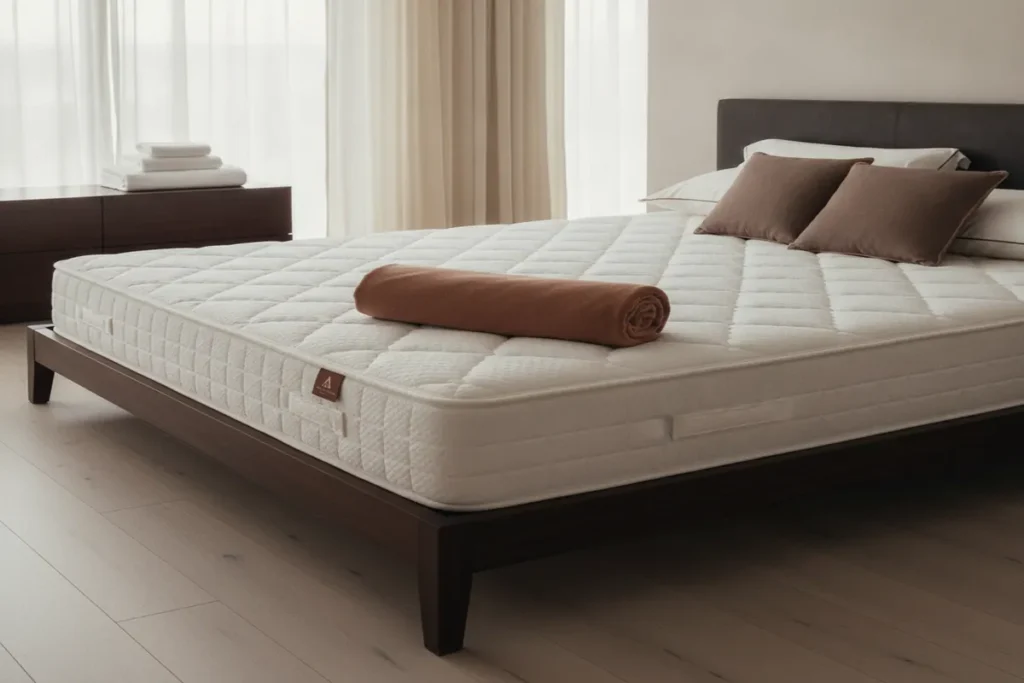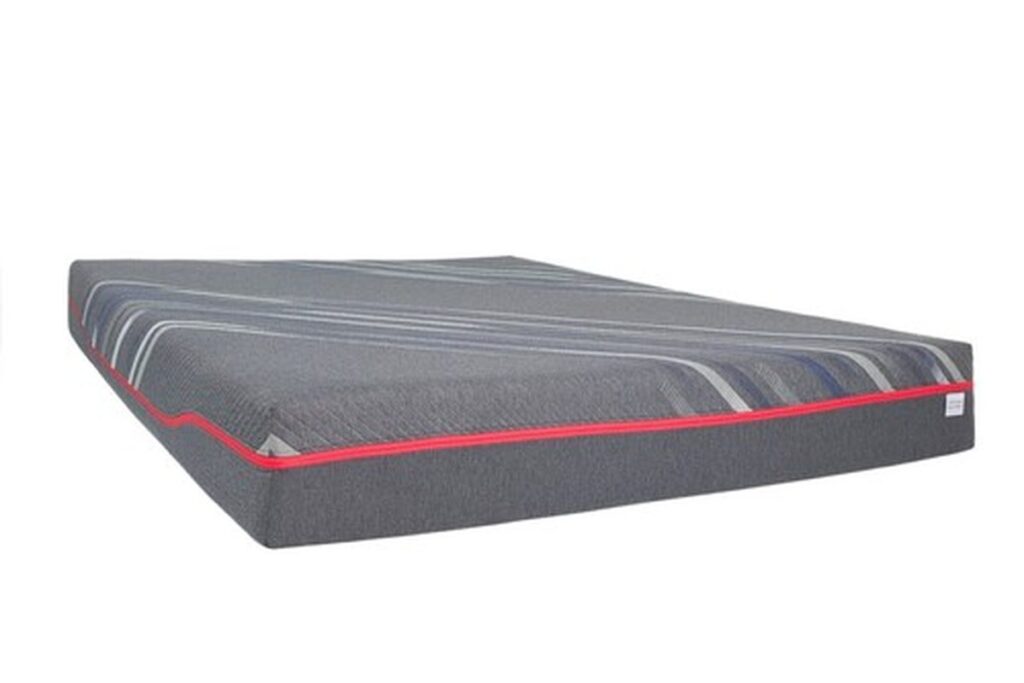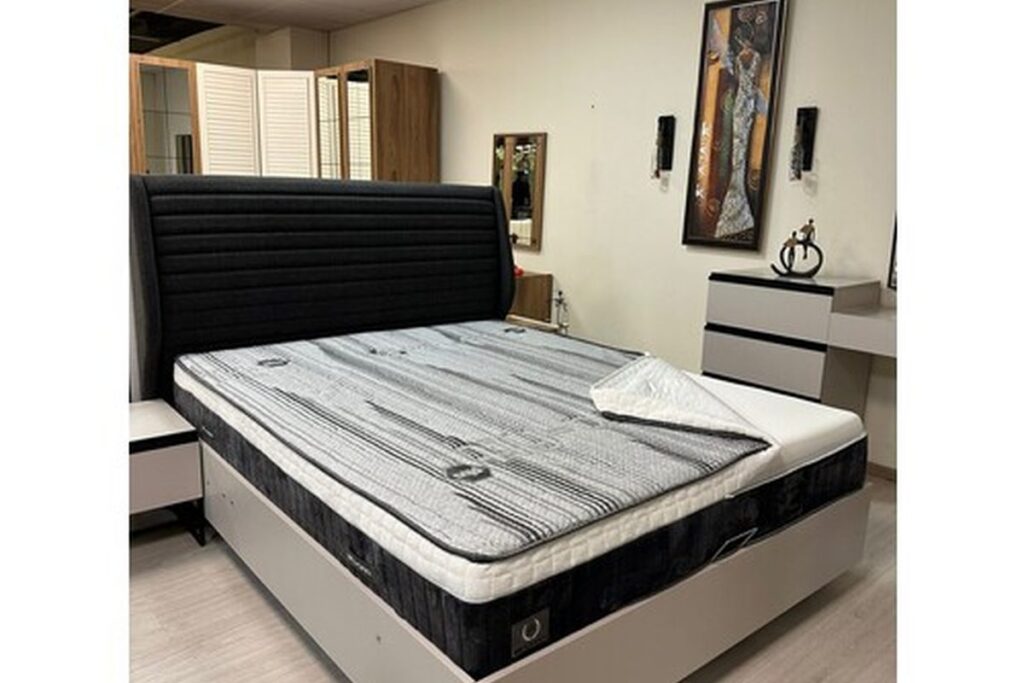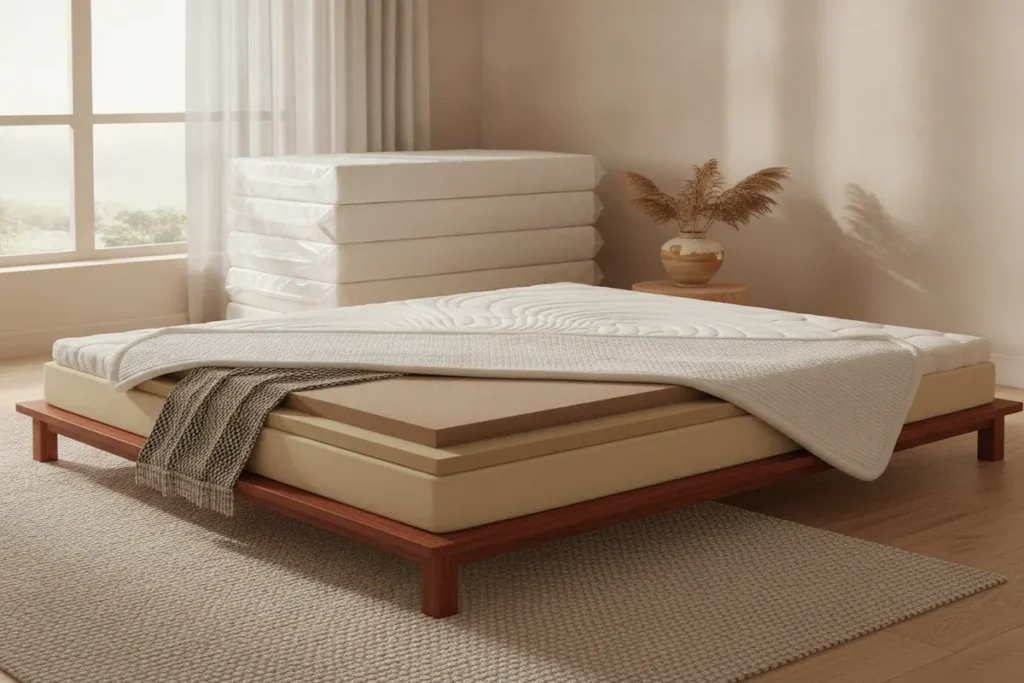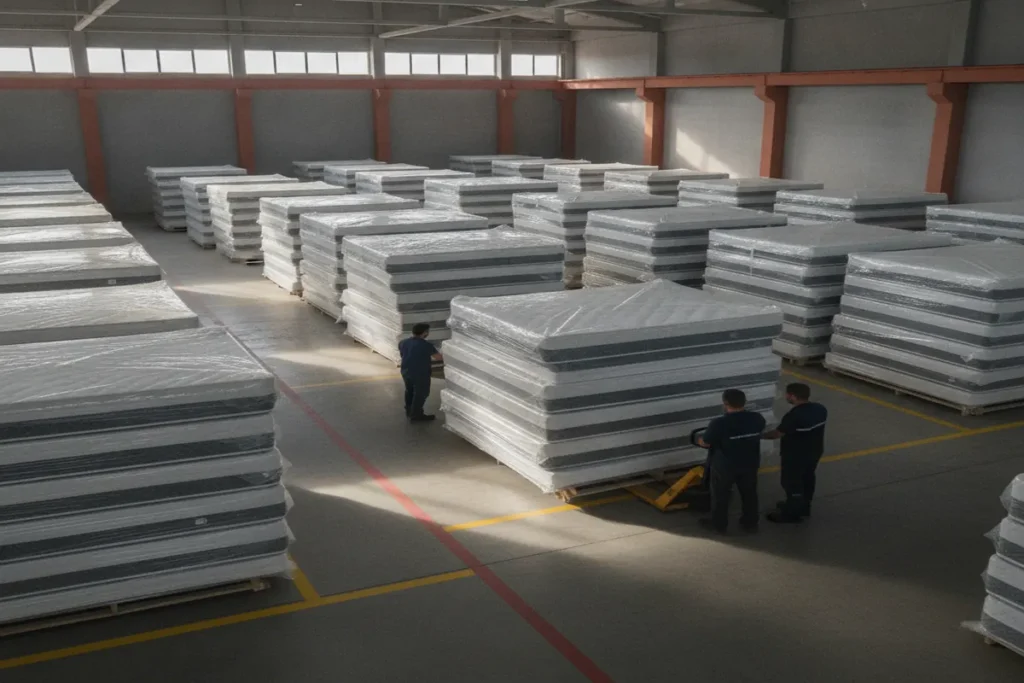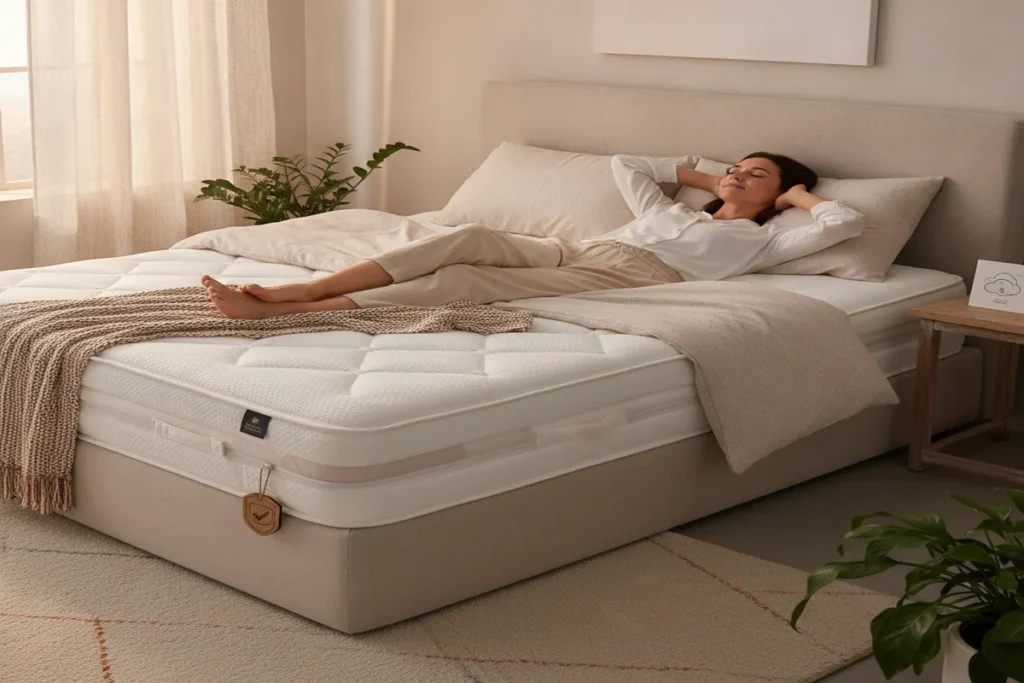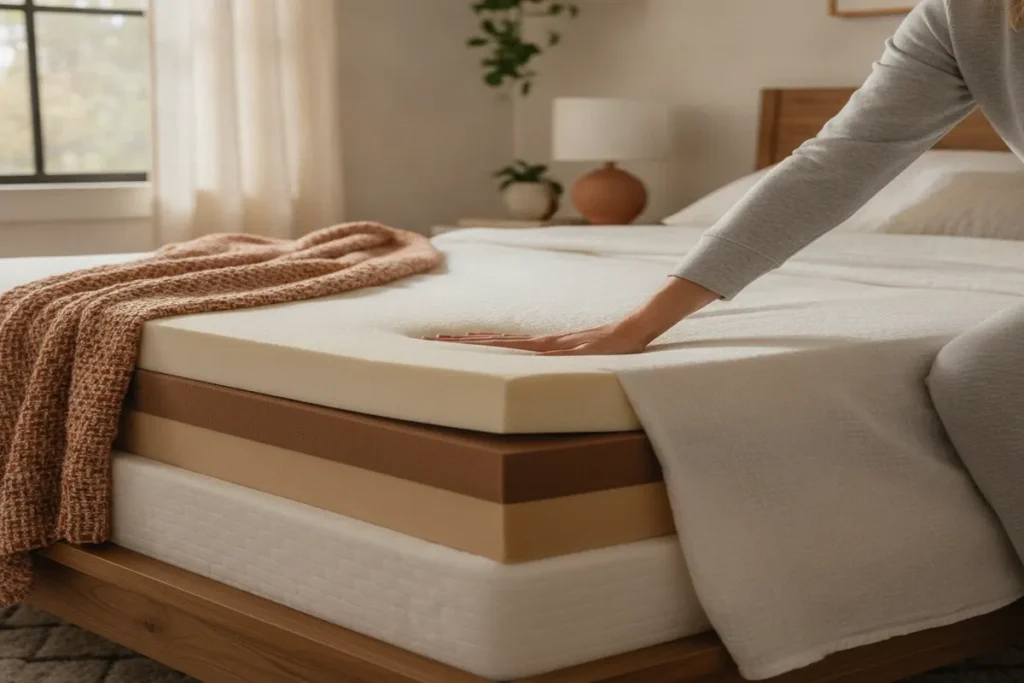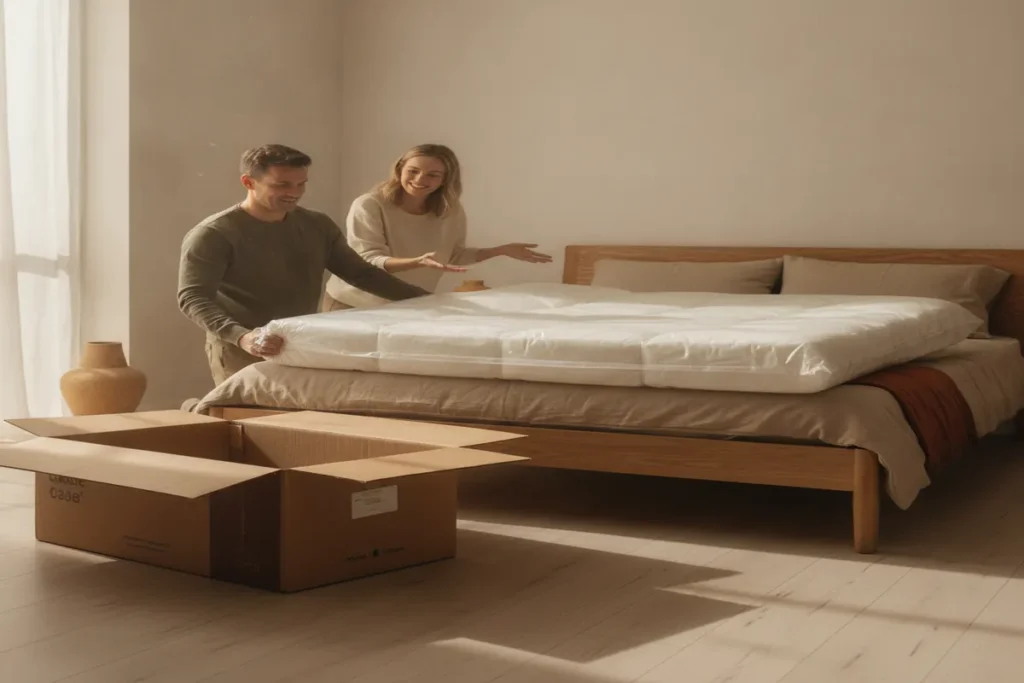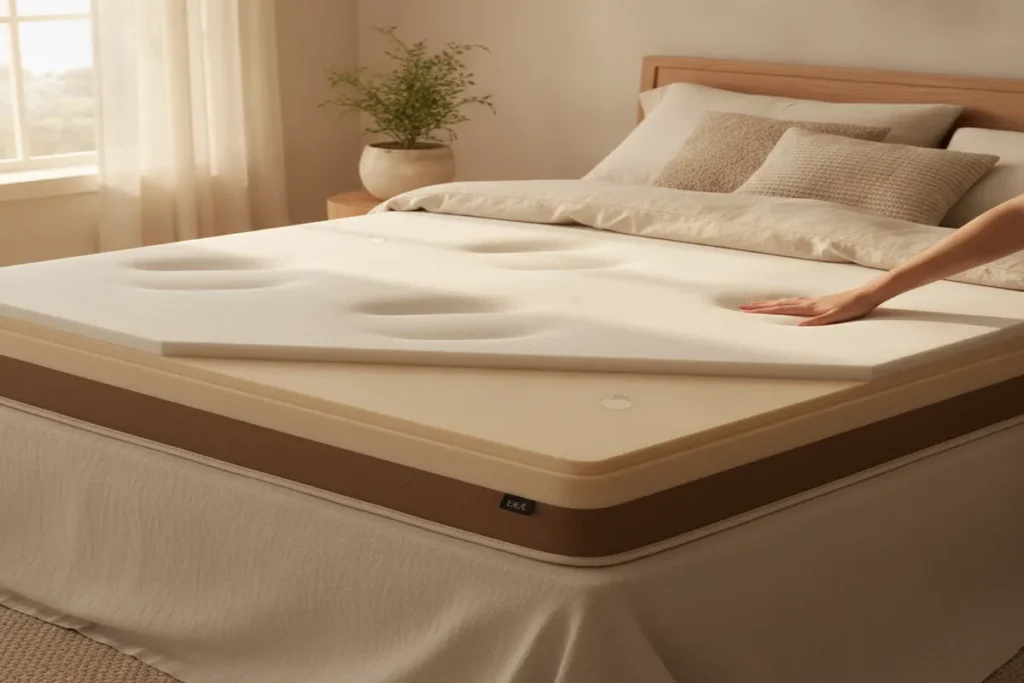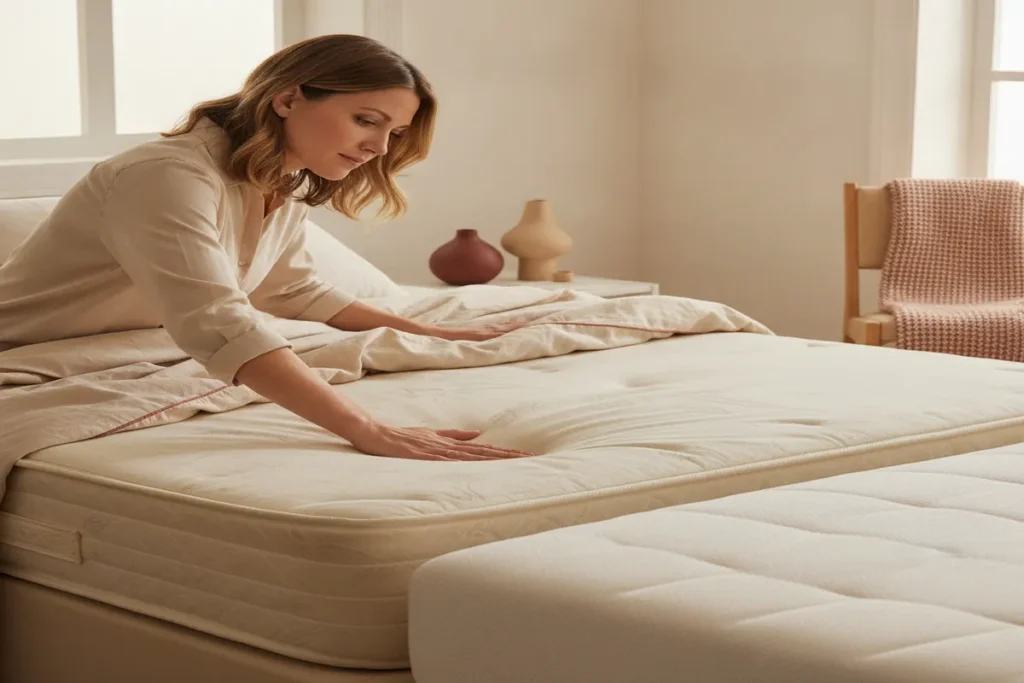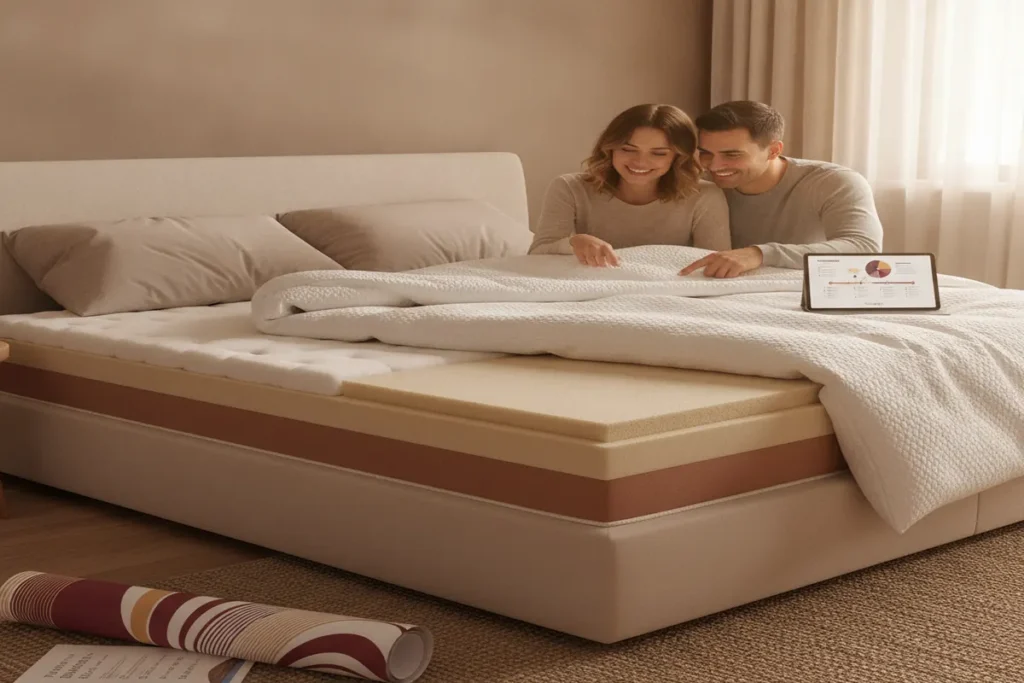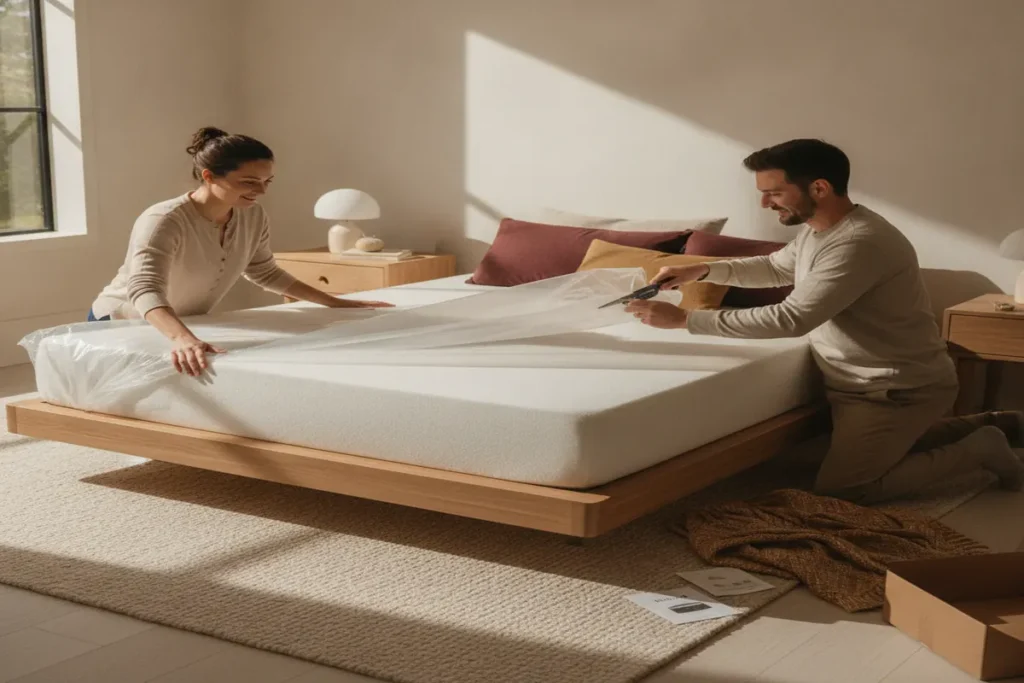

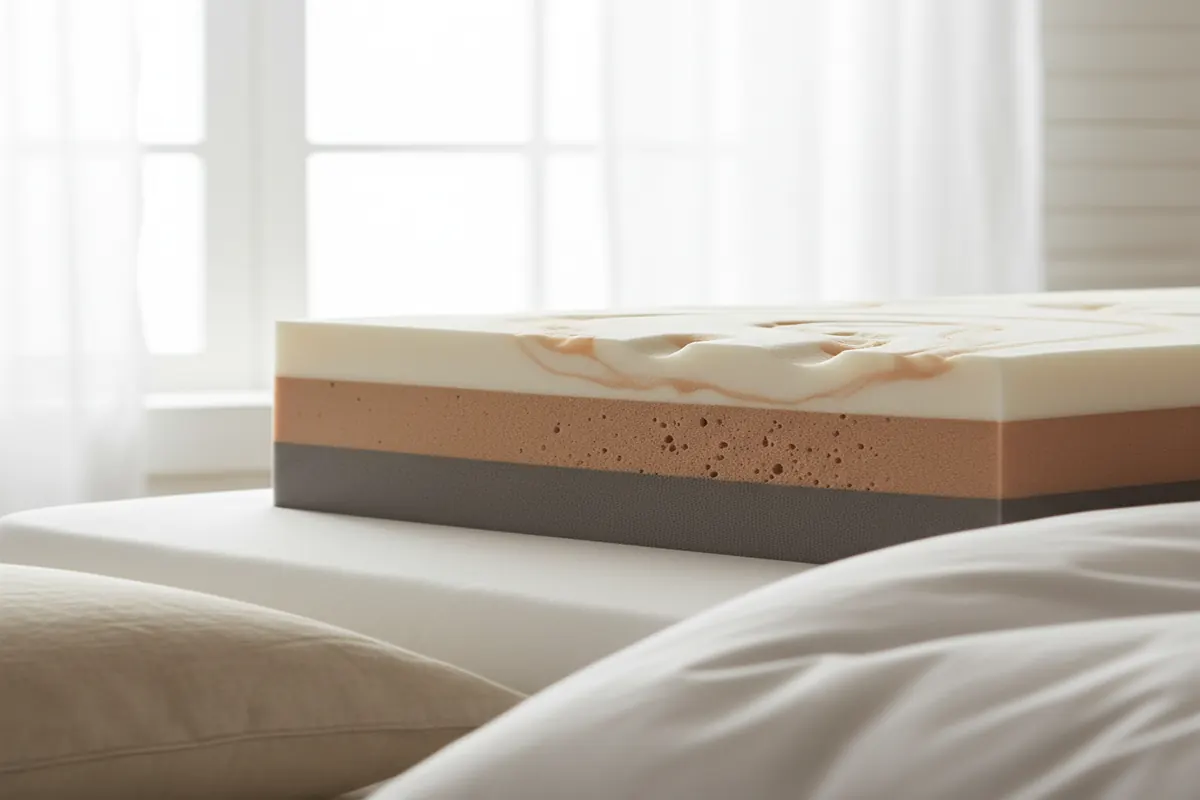
A foam mattress is a bedding solution primarily constructed from various types of viscoelastic or polyurethane foams, designed to conform to the sleeper’s body, distribute weight evenly, and provide pressure relief. Its defining features include superior motion isolation, adaptable support that cradles the body, and often a denser construction compared to traditional spring mattresses. These characteristics contribute to a distinctive sleeping experience focused on personalized comfort and reduced disturbance.
Quick Summary
- Foam mattresses offer contouring support and motion isolation
- diverse materials like memory foam and latex provide varied comfort
- choosing involves assessing firmness, density, and cooling properties
- benefits include pressure relief and durability
What Exactly Defines a Foam Mattress and What Are Its Core Features?
At its heart, a foam mattress is defined by its construction, relying entirely or predominantly on layers of foam rather than springs or coils for support and comfort. This fundamental design choice allows for unique properties that differentiate it significantly from conventional innerspring beds. The evolution of foam technology has led to a diverse category, but certain core features remain consistent across most high-quality foam mattresses.
The Defining Characteristics of Foam Mattresses:
-
Adaptive Support & Contouring: Unlike springs that push back with uniform force, foam molds to the unique curves of your body. This contouring action supports the natural alignment of your spine, hips, and shoulders, reducing pressure points. This is particularly noticeable with memory foam, which softens in response to body heat and weight, creating a custom cradle.
-
Superior Motion Isolation: One of the most celebrated features of foam mattresses is their ability to absorb movement. When one sleeper shifts or gets out of bed, the disturbance is localized, preventing motion transfer that could wake a partner. This makes foam mattresses an excellent choice for couples.
-
Pressure Point Relief: By distributing body weight over a larger surface area, foam mattresses significantly alleviate pressure on sensitive areas like the hips, shoulders, and lower back. This can lead to reduced aches and pains, particularly beneficial for side sleepers and individuals with joint issues.
-
Durability and Longevity: High-density foams are known for their resilience and ability to retain their shape over many years. While initial costs might be higher, a well-constructed foam mattress can offer a longer lifespan than many traditional spring counterparts, especially those with lower coil counts.
-
Hypoallergenic Properties: Many foam mattresses, particularly those made from latex, are naturally resistant to dust mites, mold, and mildew. This makes them a healthier choice for individuals with allergies or asthma, contributing to a cleaner sleep environment.
Understanding these foundational features is the first step in appreciating why foam mattresses have become such a popular choice in modern sleep.
Navigating the World of Foam: How to Choose the Right Foam Mattress for Your Needs
Choosing the ideal foam mattress goes beyond simply picking one off the shelf; it requires a thoughtful assessment of your personal sleep habits, body type, and preferences. With a myriad of options available, from memory foam to latex and various hybrid constructions, identifying the “right” one involves understanding key selection criteria.
Essential Criteria for Selecting Your Foam Mattress:
-
Firmness Level: This is perhaps the most subjective yet critical factor.
- Soft: Ideal for side sleepers and lighter individuals who need deep contouring to relieve pressure on shoulders and hips.
- Medium: A popular choice for couples and those who switch positions, offering a balance of support and comfort.
- Firm: Preferred by back and stomach sleepers, heavier individuals, or those with back pain who need robust support to keep the spine aligned.
- Practical Tip: Don’t confuse firmness with support. A supportive mattress keeps your spine aligned, regardless of its surface feel. A soft mattress can still be very supportive.
-
Foam Type and Material Composition: The type of foam significantly impacts feel, durability, and specific benefits.
- Memory Foam (Visco Foam Mattress): Known for deep contouring, pressure relief, and excellent motion isolation. Can sometimes retain heat, though newer open-cell or gel-infused versions mitigate this.
- Latex Foam (Latex Foam Mattress): Offers a bouncier, more responsive feel than memory foam, with good pressure relief and natural cooling properties. Available in natural (from rubber trees) and synthetic forms. Natural latex is highly durable and hypoallergenic.
- Polyurethane Foam (Polyfoam): Often used as a base layer or transition layer in many foam mattresses. It’s more responsive than memory foam but less conforming. Its density varies greatly, impacting durability.
- Hybrid Foam Mattresses: Combine layers of different foams (e.g., memory foam over latex, or polyfoam) to achieve specific feels and benefits, often with a spring core for added bounce and breathability.
-
Density (for Memory Foam and Polyfoam): Measured in pounds per cubic foot (PCF).
- Low Density (3.0-4.0 PCF): Softer, quicker response, less durable.
- Medium Density (4.0-5.0 PCF): Good balance of comfort, support, and durability.
- High Density (5.0+ PCF): More durable, excellent support and contouring, slower response, can feel warmer.
- Decision Implications: Higher density generally means better durability and support, but also a higher price point and potentially a slower “hug.”
-
Cooling Technology: Traditional memory foam can trap heat. Look for features like:
- Open-cell foam: More breathable cell structure.
- Gel infusions: Designed to draw heat away from the body.
- Copper or graphite infusions: Also help dissipate heat.
- Phase-change materials: Absorb and release heat to regulate temperature.
- Perforations or air channels: Enhance airflow within the foam layers.
-
Edge Support: Some all-foam mattresses can feel less supportive at the edges, leading to a “roll-off” sensation. If you frequently sit on the edge of your bed or share the bed, consider models with reinforced edge support.
-
Certifications: Look for certifications like CertiPUR-US (for polyurethane foams, ensuring no harmful chemicals) or GOLS/GOTS (for organic latex and textiles, respectively). These ensure the materials meet specific health and environmental standards.
By carefully considering these factors in relation to your individual needs, you can confidently select a foam mattress that promises years of comfortable, restorative sleep. For those interested in premium, handcrafted options, exploring the Mattress Collection at Sinyora Yatak, including our specialized Visco Foam Mattress and Latex Foam Mattress offerings, can provide excellent starting points.
Understanding Foam Mattress Materials: Beyond Just Memory Foam and Latex
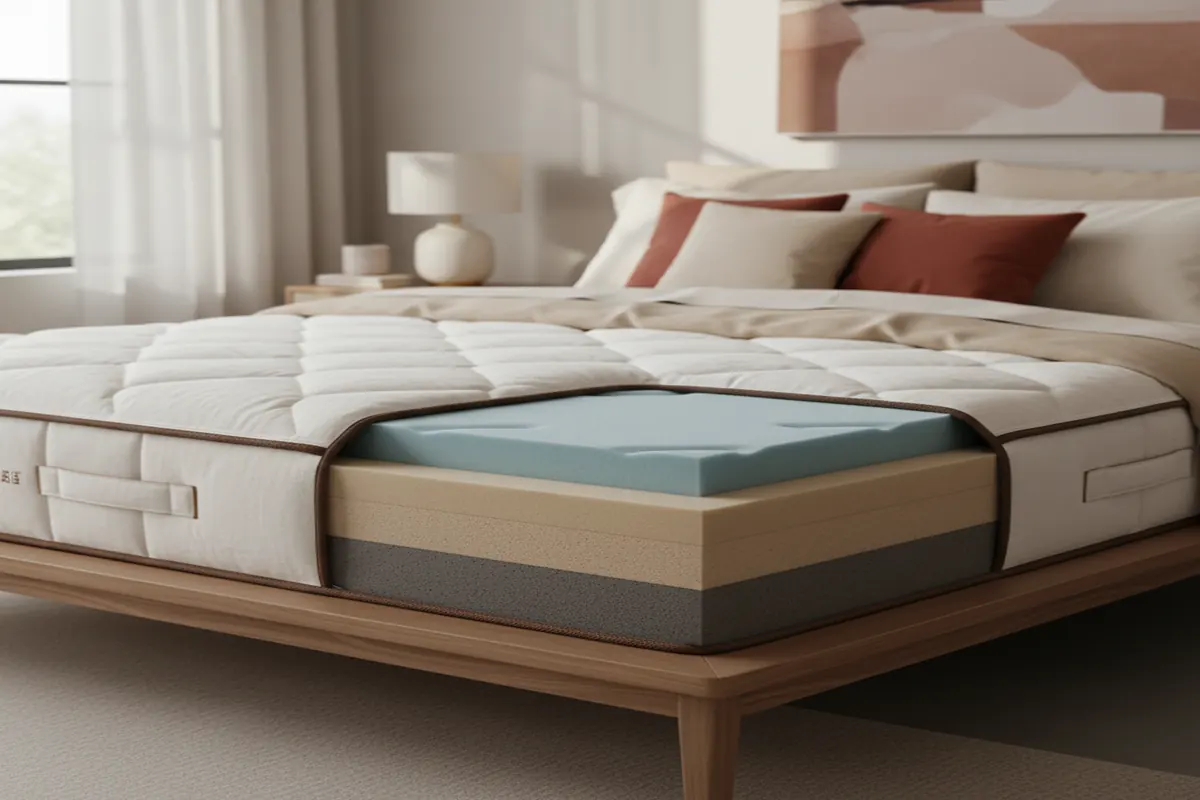
While memory foam and latex are the most prominent players in the foam mattress arena, the world of foam materials is far more nuanced. A deep dive into these materials reveals why different foam mattresses offer such varied experiences in terms of comfort, support, durability, and even temperature regulation.
Key Foam Mattress Materials and Their Characteristics:
Here’s a breakdown of the primary foam types you’ll encounter, along with their distinct properties:
-
Memory Foam (Viscoelastic Foam): Developed by NASA, Visco Foam Mattress is renowned for its ability to soften and mold to the body in response to heat and pressure. This creates a deeply conforming “hug” that excels at pressure relief and motion isolation. Modern advancements like open-cell structures, gel infusions, and copper/graphite particles have significantly improved its breathability, addressing the common complaint of heat retention.
-
Latex Foam: Derived from the sap of rubber trees (natural latex) or synthetically produced, Latex Foam Mattress offers a distinct feel. It’s highly responsive, meaning it springs back quickly, providing a more buoyant and “on-the-bed” feel compared to memory foam’s “in-the-bed” sensation. Natural latex is inherently durable, hypoallergenic, and breathable, making it an excellent choice for those seeking a healthier and more resilient sleep surface.
-
Polyurethane Foam (Polyfoam): Often the unsung hero, polyfoam forms the foundational layers of many foam mattresses. It’s a petroleum-based foam that comes in various densities and firmness levels. While it doesn’t offer the unique contouring of memory foam or the bounce of latex, high-density polyfoam provides essential durable support, acting as a stable base for more specialized comfort layers. It’s a cost-effective material that contributes to the overall structure and feel.
-
Gel-Infused & Other Specialty Foams: These are typically variations of memory foam with added materials to enhance specific properties, primarily cooling. Gel beads, copper, or graphite particles are mixed into the foam to draw heat away from the body, making the mattress feel cooler. These innovations allow sleepers to enjoy the pressure-relieving benefits of memory foam without overheating.
Understanding these material differences empowers you to make an informed decision, ensuring your chosen foam mattress aligns perfectly with your desired sleep experience. Sinyora Yatak utilizes high-quality foam materials in our Foam Mattress collection, including premium Visco and Latex options, to deliver exceptional comfort and durability.
Achieving Optimal Comfort: What to Expect from a Foam Mattress and How to Assess Your Comfort Level
The promise of optimal comfort is a primary driver for choosing a foam mattress. This comfort is a multifaceted experience, influenced by the unique properties of foam, how it interacts with your body, and your individual preferences. Understanding what to expect can help you set realistic expectations and effectively assess your comfort level.
The Foam Mattress Comfort Experience:
-
Pressure Relief: This is where foam mattresses truly shine. The ability of foam to conform to your body’s curves means that weight is distributed more evenly, alleviating pressure on common hot spots like hips, shoulders, and the lower back. This can lead to a significant reduction in morning aches and pains, making it particularly beneficial for individuals with chronic pain, arthritis, or those who sleep primarily on their side.
-
Spinal Alignment: By filling the gaps created by your body’s natural curves, a well-chosen foam mattress helps maintain proper spinal alignment. This is crucial for preventing back pain and ensuring restorative sleep. The contouring properties ensure that your spine remains in a neutral position, whether you’re a side, back, or even stomach sleeper (though stomach sleepers often need a firmer surface).
-
Motion Isolation (Undisturbed Sleep): For couples, the peace of mind that comes with minimal motion transfer is invaluable. Foam absorbs movement at the source, meaning your partner’s tossing and turning won’t disrupt your sleep. This contributes significantly to overall sleep quality and comfort, especially if one partner is a restless sleeper.
-
Temperature Regulation (with modern foams): While early memory foams had a reputation for sleeping hot, modern foam mattresses have made significant strides. Innovations like open-cell structures, gel infusions, copper, and phase-change materials are designed to dissipate heat, ensuring a cooler and more comfortable sleep surface. When assessing comfort, consider whether you tend to sleep warm and prioritize models with advanced cooling technologies.
-
Durability of Feel: High-quality foam mattresses are designed to maintain their comfort and support characteristics over many years. Unlike innerspring mattresses that can develop sagging or squeaks, good foam will resist body impressions and continue to provide consistent support, contributing to long-term comfort.
How to Assess Your Comfort Level: A Practical Checklist
When evaluating a foam mattress, either in a showroom or during an in-home trial, focus on these points:
-
Initial Feel: Lie down in your preferred sleeping position for at least 15-20 minutes. Does it feel immediately comfortable, or too firm/soft?
-
Spinal Alignment Check: Have someone observe your spine while you lie on your side and back. Is it relatively straight? No noticeable dips or arches?
-
Pressure Point Test: Pay attention to your hips, shoulders, and lower back. Do you feel any undue pressure? Or do they feel cradled and supported?
-
Movement Test: If applicable, have a partner lie down and move around. Do you feel their movements? Or is the motion isolated?
-
Temperature Perception: Does the mattress feel cool, neutral, or warm after a few minutes? If you tend to sleep hot, this is crucial.
-
Edge Support: Sit on the edge of the mattress. Do you feel stable, or like you’re sliding off?
-
Transition Test: How easy is it to change positions? Does the foam recover quickly enough for you? (Latex is faster than traditional memory foam).
Remember, comfort is personal. A mattress that feels perfect for one person might not for another. Take advantage of generous home trial periods offered by reputable brands like Sinyora Yatak to ensure your chosen Foam Mattress truly delivers the optimal comfort you deserve for better sleep.
Investing in Your Sleep: What Factors Influence Foam Mattress Cost and Value?
The cost of a foam mattress can vary widely, from a few hundred to several thousand dollars. Understanding the factors that drive these price differences is crucial for making an informed investment in your sleep. It’s not just about the sticker price, but the long-term value and the quality of sleep you’ll receive.
Key Factors Influencing Foam Mattress Cost:
-
Type of Foam Material:
- Polyfoam: Generally the most affordable. Used in entry-level mattresses or as base layers in more expensive ones.
- Memory Foam: Mid-range to high-end, depending on density, infusions (gel, copper), and proprietary technologies. High-density, advanced memory foams will cost more.
- Natural Latex: Often the most expensive due to the cost of raw materials (rubber tree sap) and the specialized manufacturing process. Synthetic latex is typically less expensive.
- Hybrid Mattresses: Combining foam layers with pocketed coils (e.g., Pocket Coils Mattress) can also be in the mid-to-high price range, reflecting the complexity of construction and the benefits of multiple materials.
-
Foam Density and Quality: Higher density foams (especially for memory and polyfoam) generally mean more material, greater durability, and superior support, which translates to a higher price. Quality also encompasses the purity of materials (e.g., CertiPUR-US certified foams) and the consistency of the manufacturing process.
-
Mattress Construction and Layers:
- Number of Layers: Mattresses with multiple distinct layers for support, transition, and comfort often cost more due to increased material use and design complexity.
- Layer Thickness: Thicker comfort layers, especially if made from premium foams, will add to the price.
- Proprietary Technologies: Brands often develop unique foam formulations or layering systems (e.g., specialized cooling channels, zoned support) that increase R&D costs and, subsequently, the retail price.
-
Brand Reputation and Warranty: Established brands with a reputation for quality and customer service, often backed by longer warranties (e.g., 10-25 years), tend to have higher prices. You’re paying for trust, reliability, and after-sales support.
-
Size: Larger sizes (Queen, King, California King) naturally cost more than smaller sizes (Twin, Full) due to the increased material usage.
-
Origin and Manufacturing: Mattresses manufactured in regions known for high-quality standards, such as Turkish Mattresses, may reflect those standards in their pricing. Handcrafted elements or specialized production processes also contribute.
-
Retail Channel: Buying directly from a manufacturer online often cuts out middlemen, potentially leading to better prices compared to traditional brick-and-mortar stores. However, online models often include the cost of shipping and generous trial periods.
Assessing Value vs. Just Price:
-
Long-Term Durability: A more expensive, high-quality foam mattress that lasts 10-15 years often offers better long-term value than a cheaper one needing replacement in 5-7 years.
-
Health and Well-being: Consider the impact of better sleep on your overall health, mood, and productivity. The investment in a quality mattress can pay dividends in these areas.
-
Trial Periods and Warranty: A generous home trial (e.g., 100 nights or more) and a comprehensive warranty reduce your risk and ensure you’re satisfied with your purchase.
-
Specific Needs: If you have specific sleep issues (e.g., chronic pain, overheating), investing in a mattress designed to address those needs, even if it’s pricier, can be invaluable.
While it’s tempting to opt for the cheapest option, remember that a mattress is a long-term investment in your health and daily comfort. Sinyora Yatak offers premium Turkish Foam Mattress options that balance superior craftsmanship with competitive pricing, ensuring excellent value. You can explore our How Much Does a Turkish Mattress Cost guide for more insights.
Common Pitfalls to Avoid When Buying a Foam Mattress
The journey to finding the perfect foam mattress can be exciting, but it’s also fraught with potential missteps that can lead to disappointment. As an expert, I’ve observed several common pitfalls buyers encounter. Being aware of these can save you time, money, and the frustration of an uncomfortable sleep experience.
What Mistakes Do People Make When Choosing a Foam Mattress and How to Avoid Them?
-
Prioritizing Price Over Quality and Suitability:
- Mistake: Choosing the cheapest foam mattress available without considering the quality of materials, density, or suitability for your body type and sleep position. This often leads to premature sagging, inadequate support, and poor sleep.
- Avoid: View your mattress as an investment in your health. Research foam densities (especially for memory foam), material certifications (like CertiPUR-US), and construction quality. A slightly higher initial investment in a well-made mattress often pays off in durability and consistent comfort.
-
Ignoring Your Sleep Position and Body Type:
- Mistake: Assuming a universally “comfortable” mattress exists, or picking a firmness level based on a friend’s recommendation rather than your own needs.
- Avoid: Understand that different sleep positions require different firmness levels.
- Side Sleepers: Generally need softer to medium-soft foams for pressure relief on hips and shoulders.
- Back Sleepers: Benefit from medium-firm mattresses that support the lumbar curve.
- Stomach Sleepers: Often require firmer support to prevent the hips from sinking too low, which can strain the lower back.
- Consider your body weight too; heavier individuals generally need firmer, denser foams for adequate support.
-
Not Understanding Foam Types Beyond “Memory Foam”:
- Mistake: Believing all foam mattresses are the same as traditional memory foam, leading to disappointment if you dislike the “sink-in” feel or heat retention.
- Avoid: Educate yourself on the different types of foam: memory foam (visco foam), latex foam, polyfoam, and various infused/hybrid options. Each offers a unique feel and set of benefits. If you prefer a bouncier, cooler sleep, latex might be a better fit. If deep contouring is paramount, modern gel-infused memory foam could be ideal.
-
Skipping the Trial Period or Misusing It:
- Mistake: Making a snap decision in a showroom after only a few minutes, or not taking full advantage of the home trial period (e.g., returning it too early or too late).
- Avoid: Most reputable mattress companies offer generous home trial periods (e.g., 100 nights). Use this time wisely. It takes your body 3-4 weeks to adjust to a new mattress. Sleep on it every night, in your usual positions. Pay attention to how you feel each morning. Understand the return policy and any associated fees beforehand.
-
Neglecting Essential Support (Bed Base):
- Mistake: Placing a new foam mattress on an old, unsupportive, or inappropriate bed base (e.g., a sagging box spring not designed for foam). This can void your warranty and compromise the mattress’s performance.
- Avoid: Foam mattresses generally require a solid, flat surface or a slatted base with slats no more than 2-3 inches apart. Check the manufacturer’s recommendations for the appropriate Bed Base and Headboard to ensure proper support and ventilation.
-
Ignoring Off-Gassing Concerns:
- Mistake: Being unprepared for or alarmed by the “new mattress smell” (off-gassing) that can occur with some foam products.
- Avoid: Understand that off-gassing is common, especially with memory foam, and is generally harmless. Look for CertiPUR-US certified foams, which are made without harmful chemicals. Allow the mattress to air out in a well-ventilated room for 24-72 hours before use.
By proactively addressing these common pitfalls, you can significantly improve your chances of selecting a foam mattress that provides lasting comfort and truly enhances your sleep quality.
Where to Find Your Ideal Foam Mattress: Online Shopping and What to Look For
The landscape of mattress shopping has dramatically shifted, with online retailers now dominating a significant portion of the market. While traditional showrooms still exist, buying a foam mattress online offers unparalleled convenience, selection, and often, better value. However, navigating the digital marketplace requires a strategic approach.
The Benefits and Strategy of Buying Foam Mattresses Online:
-
Wider Selection: Online stores typically offer a much broader range of foam types, firmness levels, and brands than any single physical showroom. This allows you to compare numerous options side-by-side.
-
Competitive Pricing: Without the overheads of brick-and-mortar stores, online retailers can often offer more attractive pricing, frequent sales, and bundled deals (e.g., mattress + Visco Pillow or Latex Pillow (Natural)).
-
Convenience: Shop from the comfort of your home, anytime. Your mattress is usually delivered directly to your door, often with “bed-in-a-box” compression for easy handling.
-
Generous Home Trial Periods: To compensate for the inability to “test” a mattress in person, most reputable online brands offer extensive, risk-free home trial periods (e.g., 100 nights, 120 nights, or even a full year). This allows you to truly assess the mattress’s comfort and suitability in your own sleep environment.
What to Look For When Buying a Foam Mattress Online:
-
Detailed Product Descriptions: A good online listing will provide comprehensive information on:
- Foam Layers: Specific types of foam (memory, latex, polyfoam), their order, and thickness.
- Density: For memory and polyfoam layers, look for density measurements (PCF) to gauge quality and durability.
- Cooling Features: Details on gel infusions, open-cell structure, copper, or other temperature-regulating technologies.
- Certifications: Presence of CertiPUR-US, GOLS/GOTS, or other relevant certifications.
-
Customer Reviews and Testimonials: Read reviews from verified purchasers, paying attention to comments on firmness, support, motion isolation, cooling, and overall satisfaction. Look for patterns in feedback.
-
Clear Warranty and Return Policies:
- Warranty: Understand the length and what it covers (e.g., sagging depth, manufacturing defects).
- Trial Period: Note the duration, any required break-in period, and if there are return fees or specific return procedures.
-
Shipping and Delivery Information:
- Cost: Is shipping free, or are there additional charges?
- Delivery Time: How long will it take to receive your mattress?
- White Glove Service: Does the company offer old mattress removal or in-home setup for an extra fee?
-
Customer Service Accessibility: Check if the company offers easy ways to contact them (phone, chat, email) for questions before and after purchase.
-
Internal Linking Opportunities: While browsing, look for related products that might enhance your sleep setup, such as a suitable Bed Base and Headboard, Sponge Topper Mattress, or specialized Visko Pillows Neck Support.
Sinyora Yatak provides a seamless online shopping experience for our premium Mattress Collection, including a wide array of Foam Mattress options. We offer detailed product information, transparent policies, and dedicated Customer Service to assist you in finding and purchasing your ideal Turkish mattress, with options for Ship Turkish Mattresses Internationally.
Expert Insight
“The modern foam mattress is a testament to continuous innovation in sleep science. What began as a NASA-developed material has evolved into a diverse category, offering unparalleled pressure relief and motion isolation. The key for consumers in 2026 is to look beyond generic terms like ‘memory foam’ and delve into the specifics of density, open-cell structures, and material certifications. The right foam mattress isn’t just about comfort; it’s about optimizing spinal health and ensuring truly restorative sleep, tailored to individual needs.” – Industry experts on sleep technology trends.
Key Terms
-
Viscoelastic Foam: Also known as memory foam, this material responds to body heat and pressure, conforming closely to the sleeper’s shape for pressure relief and motion isolation.
-
Latex: A resilient foam derived from rubber tree sap (natural) or synthetic compounds, known for its bouncy feel, durability, and natural breathability.
-
Density: A measure of how much material is packed into a given volume of foam, expressed in pounds per cubic foot (PCF). Higher density generally indicates greater durability and support.
-
ILD (Indentation Load Deflection): A measurement indicating the firmness of foam. It represents the force (in pounds) required to indent a 4-inch thick foam sample by 25%. Higher ILD means firmer foam.
-
Off-Gassing: The release of volatile organic compounds (VOCs) from new foam products, resulting in a distinct “new mattress smell.” This is typically harmless and dissipates with ventilation.
How Can You Upgrade to More Comfortable Sleep with Sinyora Yatak?
Ready to experience the transformative comfort and support of a premium foam mattress? Sinyora Yatak, with our heritage of Turkish craftsmanship, offers an exquisite range of foam mattresses meticulously designed for superior sleep. Whether you seek the cradling embrace of Visco Foam Mattress or the responsive buoyancy of Latex Foam Mattress, our collection is engineered to meet diverse sleep needs and preferences.
We understand that a mattress is a significant investment in your well-being. That’s why every Sinyora Yatak foam mattress combines high-quality, certified materials with expert construction, ensuring lasting durability, optimal spinal alignment, and unparalleled pressure relief. Explore our Mattress Collection to discover options tailored for every sleeper, including specialized designs like the 4 Seasons Bed for adaptable comfort.
Beyond mattresses, enhance your sleep sanctuary with our complementary Pillow Collection and Topper Collection, featuring Visco Topper and Latex Topper options for an extra layer of personalized comfort. For those interested in the unique benefits of Turkish craftsmanship, delve into What Makes Turkish Mattresses Special or compare Turkish Foam Mattress vs Spring.
Take the next step towards truly restorative sleep. Visit our Shop All Products page or Contact Us for Support to find your perfect Sinyora Yatak foam mattress today. Elevate your sleep, elevate your life.
Frequently Asked Questions
Q: What is the average lifespan of a foam mattress?
Q: Can a foam mattress help with back pain?
Q: Do foam mattresses sleep hot?
Q: How do I care for my foam mattress?
Q: Is off-gassing from a new foam mattress harmful?
Q: Can I use a foam mattress on any bed frame?