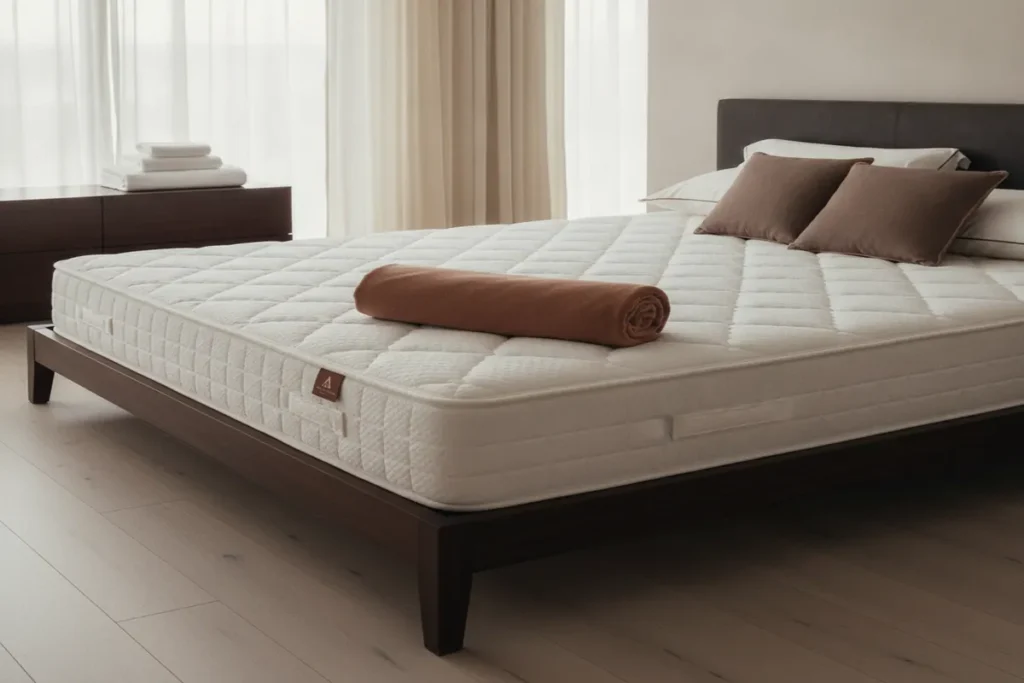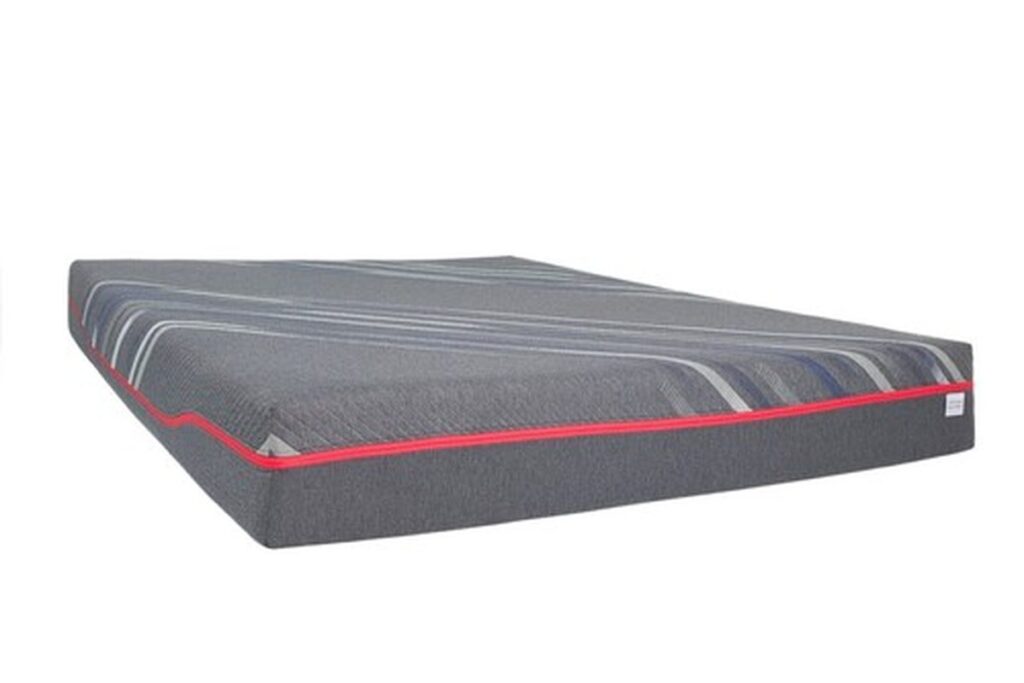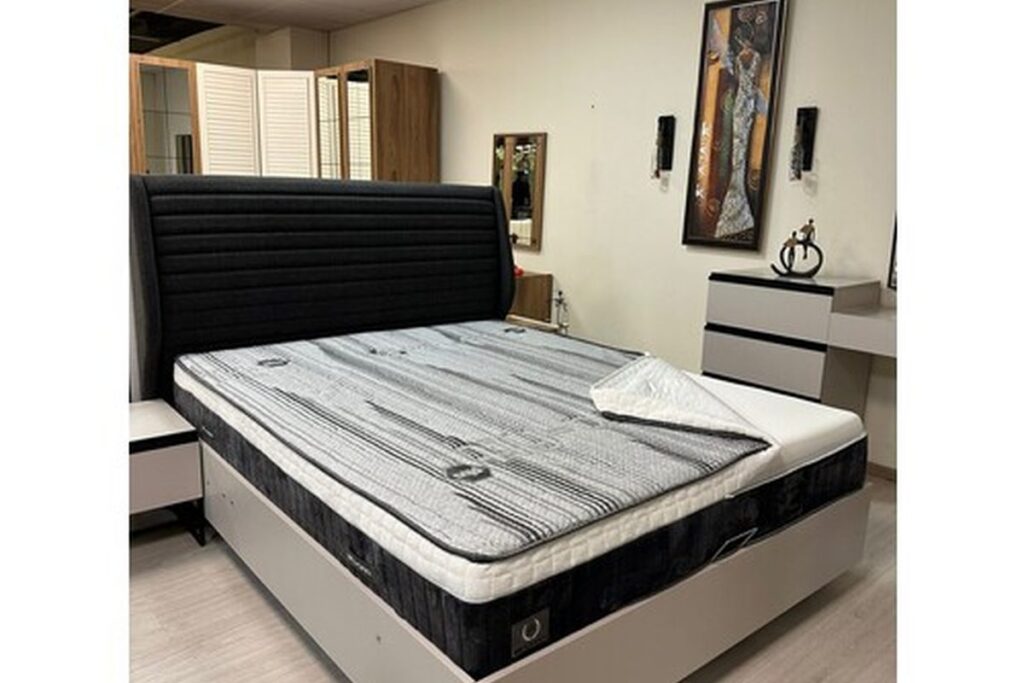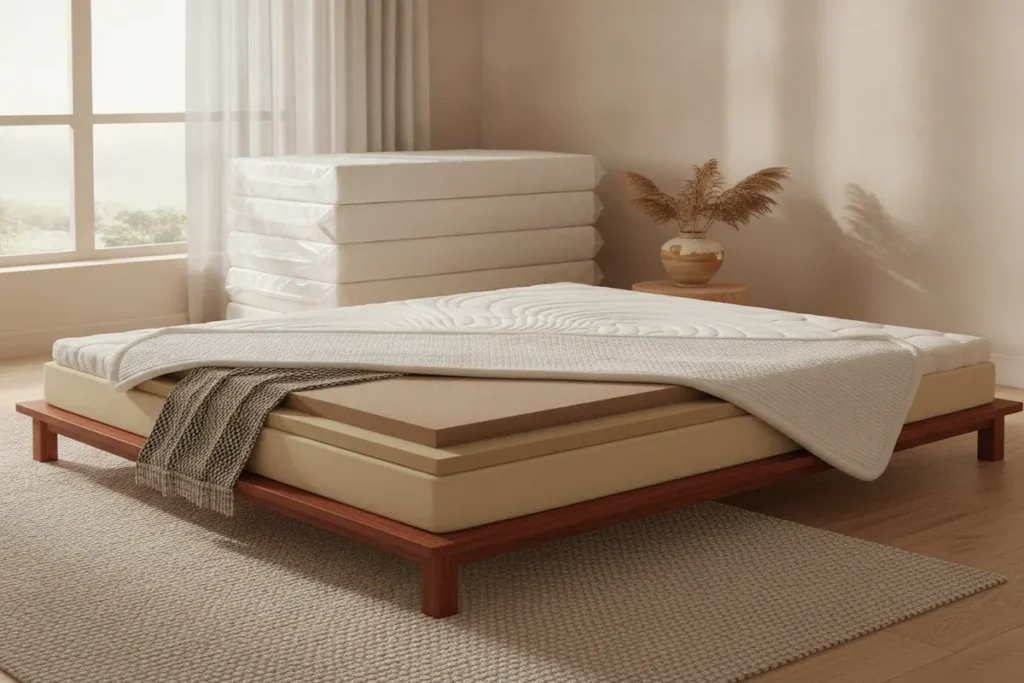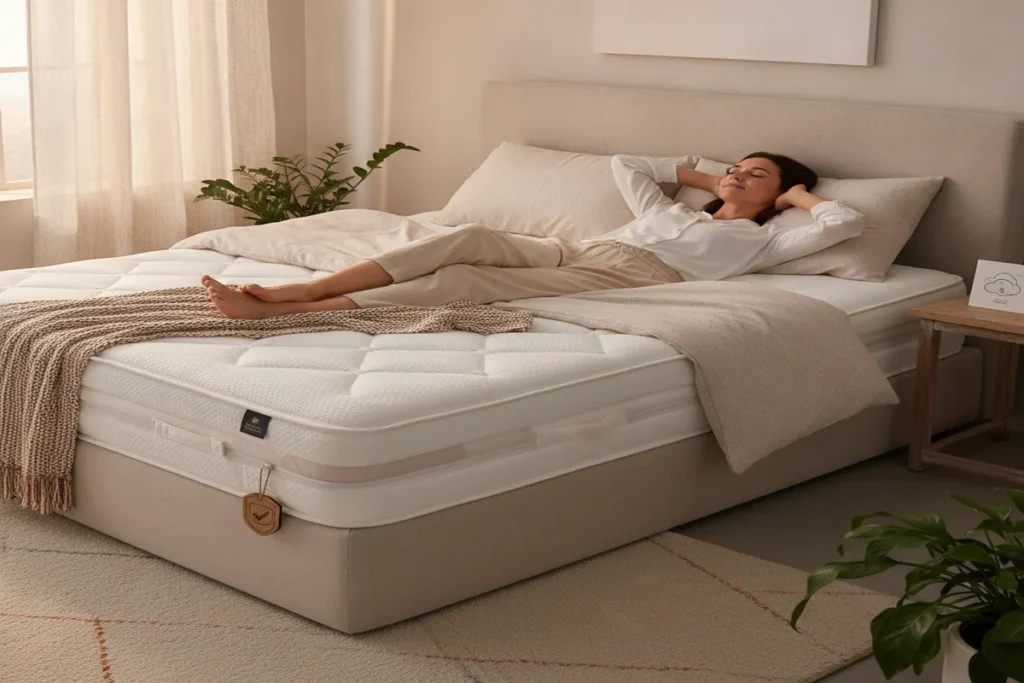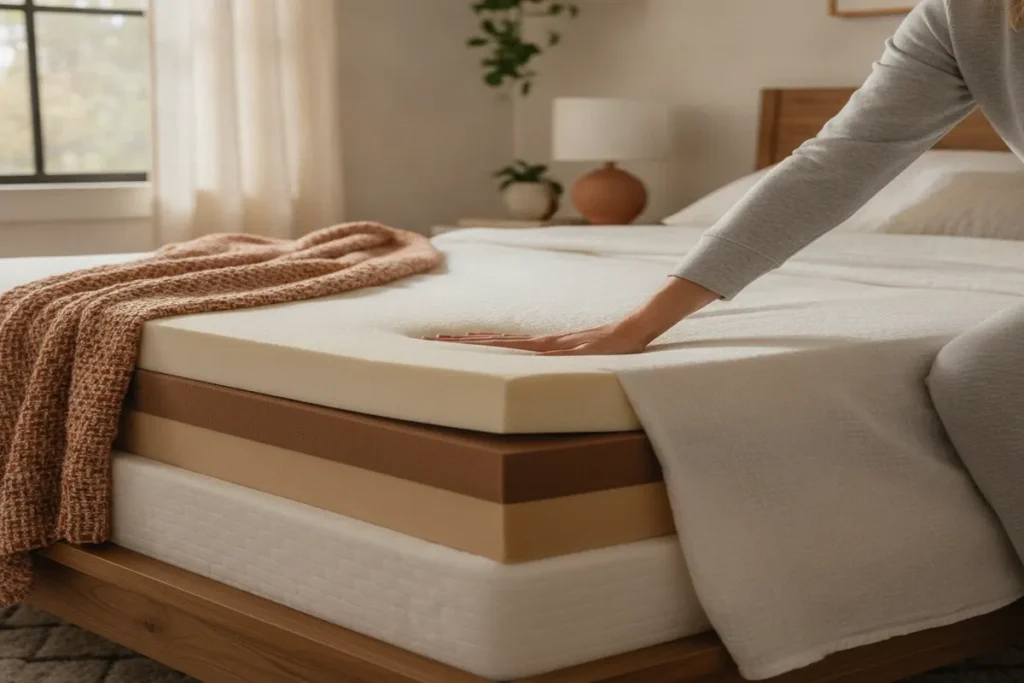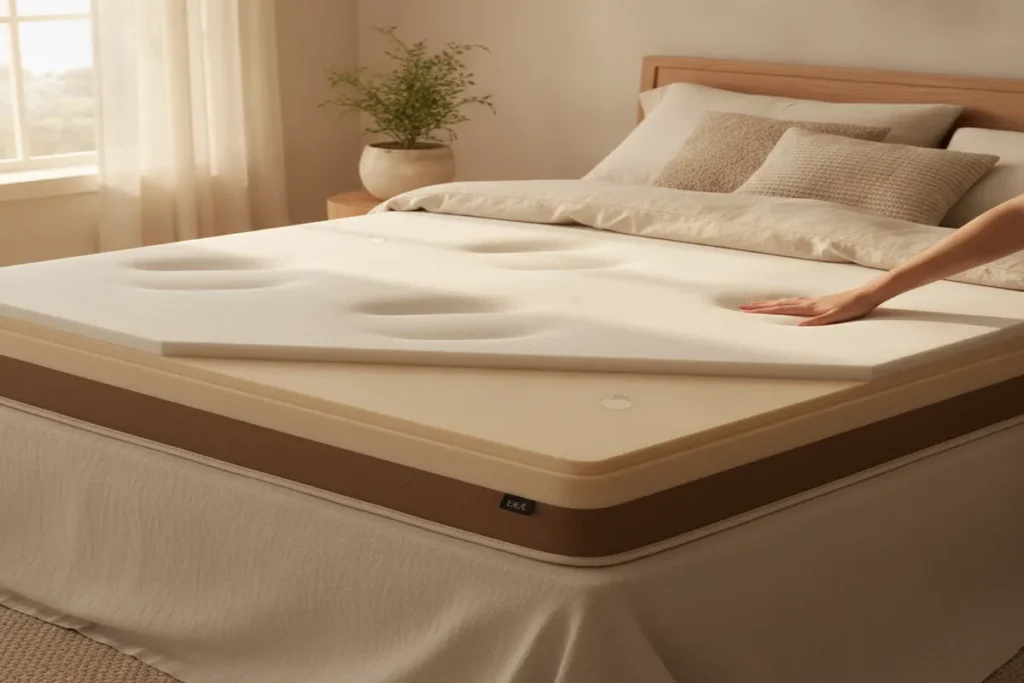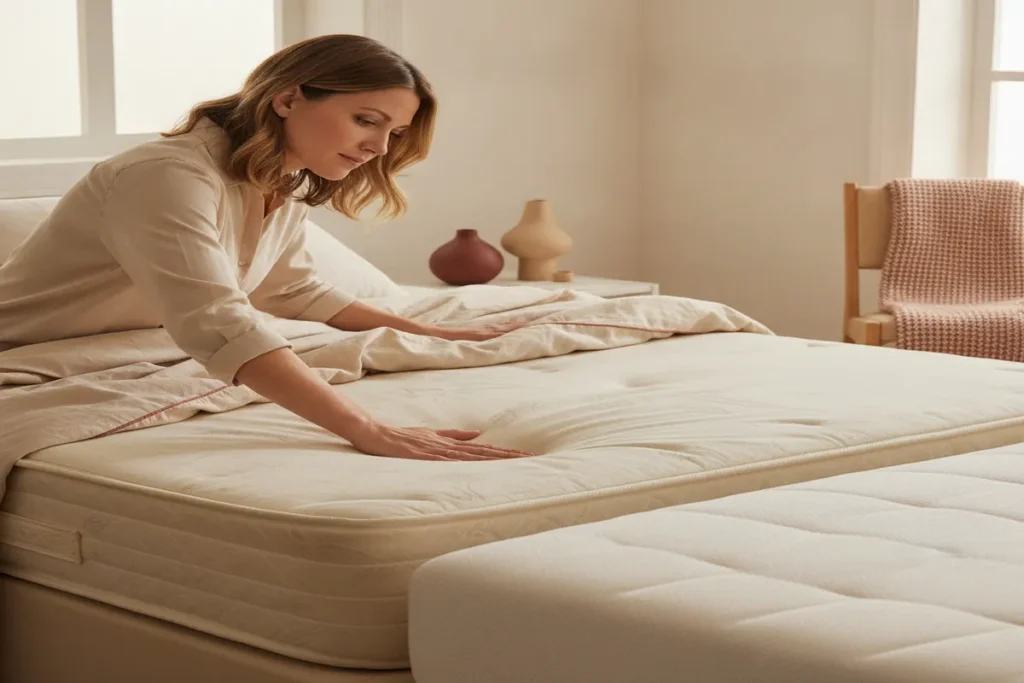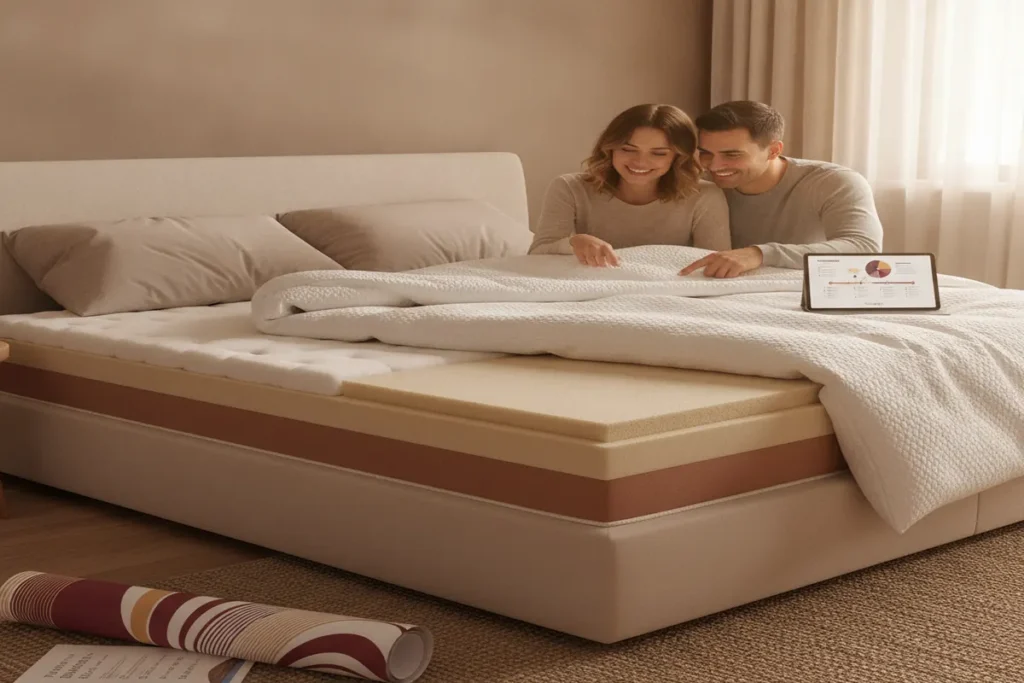

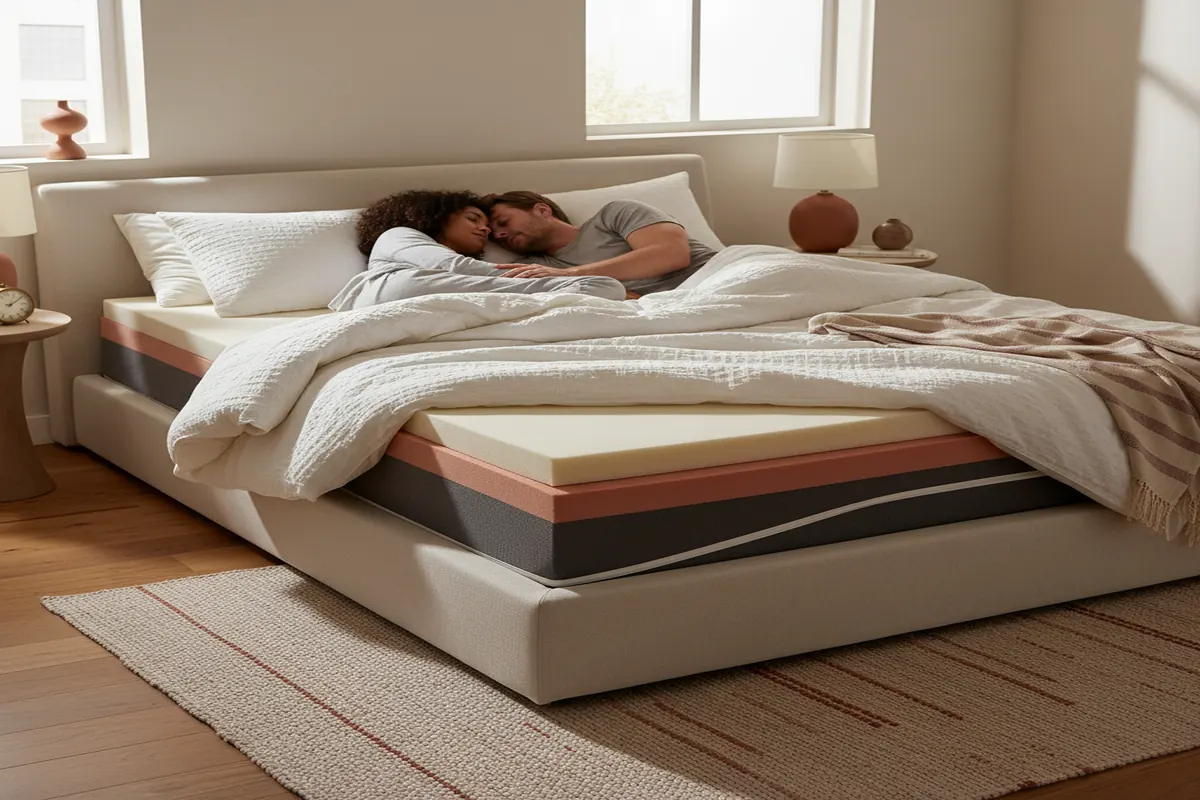
A foam mattress for couples is specifically engineered to address the unique challenges of shared sleep, primarily by minimizing motion transfer between partners and providing individualized pressure relief. Unlike traditional spring mattresses, foam designs—especially those using advanced memory foam or latex—absorb movement at the source, ensuring that one partner’s tossing and turning doesn’t disturb the other’s sleep. This specialized construction fosters a more harmonious sleep environment, adapting to different body types and sleeping positions while maintaining consistent support across the entire surface.
Quick Summary
- Foam mattresses for couples excel in motion isolation, preventing partner disturbance
- they offer superior pressure relief, conforming to individual body contours
- diverse foam types like memory and latex cater to varied preferences and support needs
- choosing involves considering firmness, temperature regulation, and durability for shared comfort
What Exactly is a Foam Mattress Designed for Couples?
At its core, a foam mattress for couples is a sleep surface constructed primarily from various layers of foam, meticulously designed to optimize comfort and support for two individuals. While all foam mattresses offer certain benefits, those tailored for couples prioritize features that mitigate common issues arising from shared sleep. The innovation lies in the material’s inherent ability to contour and absorb, creating a personalized sleep zone for each person without compromise.
The fundamental elements that define a couple-centric foam mattress include:
-
Motion Isolation: This is arguably the most critical feature. Foam, particularly Visco Foam Mattress (memory foam), excels at absorbing kinetic energy. When one partner shifts position, the foam beneath them compresses and immediately recovers, preventing the ripple effect that can travel across a spring mattress and wake the other person. This means less disturbance and more uninterrupted sleep for both.
-
Pressure Relief: Foam mattresses conform closely to the body’s curves, distributing weight evenly and relieving pressure points. For couples, this is vital because two different body types and weights can create varying pressure zones. The foam adapts to each individual, cradling hips, shoulders, and spines, regardless of their preferred sleeping position or physique.
-
Supportive Core: Beneath the comfort layers, high-density polyfoam or even a Latex Foam Mattress core provides essential structural support, preventing sagging and ensuring proper spinal alignment. This support is crucial for maintaining the mattress’s integrity and comfort over time, especially under the combined weight of two sleepers.
-
Material Variety: While “foam” is a broad term, couple-friendly mattresses often integrate different foam types to achieve a balance of comfort, support, and responsiveness. These can include:
- Memory Foam (Visco Foam): Known for its excellent contouring and motion isolation. It softens with body heat, molding precisely to each sleeper.
- Latex Foam: Offers a more buoyant feel than memory foam, with responsive support and natural durability. It also tends to sleep cooler.
- High-Density Polyfoam: Used in support layers for durability and foundational stability.
Understanding these foundational aspects helps couples appreciate why a specialized foam mattress can be a transformative upgrade for their shared sleep experience.
Why Do Couples Choose Foam Mattresses? Exploring the Core Benefits
For partners sharing a bed, the benefits of a well-chosen foam mattress extend far beyond mere comfort. These advantages directly address the most common sleep disruptors in a shared sleeping environment, fostering deeper, more restorative rest for both individuals.
Here are the main benefits that draw couples to foam mattresses:
-
Superior Motion Isolation: This is the hallmark of foam mattresses for couples. The viscoelastic properties of memory foam, or the dense structure of latex, prevent movement from transferring across the bed. If one partner gets up for a midnight snack or shifts positions frequently, the other remains undisturbed, leading to significantly better sleep quality.
-
Personalized Pressure Relief: Foam mattresses contour to the unique shape of each body, distributing weight evenly and alleviating pressure points in the shoulders, hips, and lower back. This is particularly beneficial for couples with different body types or sleeping preferences, as the mattress adapts to each individual independently.
-
Excellent Spinal Alignment: By conforming to the natural curves of the spine, foam mattresses help maintain proper alignment, reducing the likelihood of waking up with aches and pains. This individualized support is crucial for both partners to wake up feeling refreshed and pain-free.
-
Reduced Noise: Unlike traditional innerspring mattresses that can develop squeaks and creaks over time, foam mattresses are inherently quiet. The absence of metal components means a silent sleep surface, contributing to a tranquil bedroom environment.
-
Hypoallergenic Properties: Many foam mattresses, especially those made with natural latex or certified memory foams, are resistant to dust mites, mold, and mildew. This makes them an excellent choice for couples with allergies or asthma, promoting a healthier sleep environment.
-
Durability and Longevity: High-quality foam mattresses are built to last, maintaining their support and comfort for many years. This durability ensures that the investment in a couple-friendly mattress continues to pay dividends in consistent, comfortable sleep. Sinyora Yatak, for instance, focuses on robust construction, contributing to a superior Turkish Mattress Lifespan.
-
Versatility for Various Sleeping Positions: Whether you or your partner are side sleepers, back sleepers, or stomach sleepers, foam mattresses adapt. The conforming nature provides cushioning for side sleepers, support for back sleepers, and prevents excessive sinkage for stomach sleepers, making it a versatile choice for diverse needs.
These compelling advantages explain why foam mattresses have become a preferred choice for couples seeking to optimize their shared sleep experience and improve overall well-being.

Navigating the Options: Types of Foam Mattresses Best Suited for Partners
When selecting a foam mattress for couples, understanding the different types of foam available is crucial. Each type offers a unique feel, set of benefits, and potential drawbacks, making the choice highly personal. As specialists in sleep solutions, we recognize that what works for one couple may not be ideal for another, emphasizing the importance of informed decision-making.
Here are the primary types of foam mattresses suitable for couples:
Memory Foam (Visco Foam) Mattresses
Memory foam, or viscoelastic foam, is renowned for its body-conforming properties. It softens in response to body heat and pressure, molding precisely to your contours.
-
Pros for Couples: Exceptional motion isolation, superior pressure relief, deep cradling comfort. Ideal for couples with different body weights or those sensitive to movement.
-
Cons for Couples: Can sometimes retain heat (though newer gels and open-cell designs mitigate this), slower response time, may feel too soft for some.
-
Ideal For: Couples seeking ultimate motion isolation and pressure relief, those with joint pain, and side sleepers.
-
Internal Link: Visco Foam Mattress**
Latex Foam Mattresses
Latex foam, derived from rubber trees (natural latex) or synthetic compounds, offers a more buoyant and responsive feel than memory foam.
-
Pros for Couples: Excellent durability, good motion isolation (though slightly less than memory foam), responsive support, naturally hypoallergenic, often sleeps cooler.
-
Cons for Couples: Can be heavier and more expensive, firm feel might not suit everyone.
-
Ideal For: Couples who prefer a bouncier, more responsive feel, those with allergies, and sleepers who tend to overheat.
-
Internal Link: Latex Foam Mattress (Natural), Latex Topper**
Polyfoam Mattresses (High-Density Polyurethane Foam)
Polyfoam is a general term for polyurethane foam. In couple’s mattresses, it’s typically used in the support core or as a transition layer. High-density polyfoam provides robust support and durability.
-
Pros for Couples: Good foundational support, generally more affordable, can be combined with other foams for balanced feel.
-
Cons for Couples: Lower-density polyfoams may offer less motion isolation and pressure relief than specialty foams, can break down faster.
-
Ideal For: Budget-conscious couples, or as a sturdy base layer in a multi-layered foam mattress.
Hybrid Mattresses (Foam + Coils)
While not purely foam, hybrid mattresses combine foam comfort layers (memory, latex, or polyfoam) with an innerspring support core, often featuring individually wrapped Pocket Coils Mattress.
-
Pros for Couples: Best of both worlds – the support and breathability of coils with the comfort and pressure relief of foam. Excellent edge support, good bounce.
-
Cons for Couples: Can be more expensive, motion isolation is good but not always as absolute as pure memory foam.
-
Ideal For: Couples who want the contouring of foam but also the traditional bounce and strong edge support of springs.
-
Internal Link: Pocket Coils Mattress, Construction Mattress**
Here’s a comparative overview to help you decide:
Choosing the right type depends on your specific needs, body types, and shared preferences. A Sinyora Yatak specialist can guide you through our Mattress Collection to find the perfect match.
How to Choose the Ideal Foam Mattress for You and Your Partner
Selecting a foam mattress for two requires a thoughtful approach, balancing individual preferences with shared needs. It’s not just about finding a comfortable bed, but a sleep sanctuary that caters to both partners equally. As experts, we guide couples through key considerations and a practical decision framework to ensure a harmonious choice.
Key Considerations for Couples:
-
Sleeping Positions:
- Side Sleepers: Need softer foam that cradles shoulders and hips to maintain spinal alignment. Memory foam or a softer latex is often ideal. Internal Link: Turkish Mattress for Side Sleepers**
- Back Sleepers: Require a medium-firm surface that supports the lumbar curve without excessive sinkage. Medium-firm memory foam or balanced latex often works well.
- Stomach Sleepers: Need a firmer surface to prevent the hips from sinking too deeply, which can strain the lower back. Firmer polyfoam or latex layers are usually preferred.
-
Body Types and Weights:
- Lighter Individuals: May find very firm mattresses uncomfortable as they don’t sink enough to activate pressure relief. Softer foams are generally better.
- Heavier Individuals: Need denser, more supportive foams to prevent bottoming out and ensure durability. High-density memory foam or firm latex is crucial.
- Significant Weight Disparity: A mattress with excellent motion isolation and balanced support layers becomes paramount to accommodate both without compromise.
-
Firmness Preference: This is highly subjective. One partner might prefer a plush feel, while the other needs firm support. Solutions include:
- Split Firmness: Some manufacturers offer mattresses with different firmness levels on each side.
- Medium-Firm Compromise: A medium-firm mattress often provides a good balance, offering enough contouring for comfort and sufficient support for spinal alignment for most.
-
Temperature Regulation: Foam mattresses, especially traditional memory foam, can sometimes retain heat. Look for:
- Open-cell memory foam: Designed with a more porous structure to improve airflow.
- Gel-infused foam: Gel particles help dissipate heat.
- Latex foam: Naturally more breathable and cooler than memory foam.
- Hybrid designs: Incorporate coils for enhanced airflow.
-
Responsiveness vs. Hug:
- Memory Foam: Offers a deep “hug” and slow response.
- Latex Foam: Provides a quicker response and a more “on-the-bed” feel.
- Consider which sensation you both find more comfortable for ease of movement and overall feel.
Practical Checklist for Couples:
-
Discuss Your Individual Needs: Before you even start looking, sit down with your partner and list your non-negotiables: firmness, sleeping position, any pain points, temperature preferences.
-
Prioritize Motion Isolation: If one partner is a restless sleeper, this should be at the top of your list. Test it by having one person lie down while the other moves.
-
Evaluate Pressure Relief: Lie in your typical sleeping positions for at least 10-15 minutes. Pay attention to your shoulders, hips, and lower back. Do you feel cradled without sinking excessively?
-
Consider Mattress Type: Based on your discussion, narrow down to memory foam, latex, or hybrid.
-
Check for Certifications: Look for certifications like CertiPUR-US (for foam safety) or OEKO-TEX (for textiles) to ensure materials are safe and free from harmful chemicals.
-
Understand Trial Periods and Warranties: A generous home trial (e.g., 100 nights) allows you to test the mattress in your own environment. A solid warranty (10+ years) protects your investment.
-
Read Reviews from Other Couples: Pay attention to reviews specifically mentioning motion isolation, pressure relief for different body types, and temperature regulation.
-
Set a Budget: Quality foam mattresses are an investment. Knowing your price range helps narrow options. Internal Link: How Much Does a Turkish Mattress Cost**
By systematically addressing these points, couples can confidently choose a foam mattress that supports both their individual and shared sleep needs, leading to a more comfortable and restful night.
Common Pitfalls: What to Avoid When Buying a Couple’s Foam Mattress
Even with the best intentions, couples can make common mistakes when purchasing a foam mattress that can lead to dissatisfaction and wasted investment. As seasoned specialists, we frequently see these errors and want to equip you with the knowledge to avoid them.
Here are the most common pitfalls and how to steer clear of them:
-
Ignoring Firmness Differences Between Partners:
- Mistake: One partner dictates the firmness, or couples opt for a generic “medium” without considering individual needs. A mattress too soft for one and too firm for the other will lead to discomfort.
- Avoid: Openly discuss and compromise. If there’s a significant disparity, consider split firmness options, a medium-firm mattress with excellent contouring, or a Topper Collection to adjust one side slightly.
-
Overlooking Temperature Regulation:
- Mistake: Assuming all foam mattresses sleep hot. While traditional memory foam can retain heat, newer technologies have addressed this. Not checking for cooling features can lead to uncomfortable nights, especially for warm sleepers.
- Avoid: Prioritize mattresses with gel infusions, open-cell foam structures, graphite, copper, or natural latex. Hybrid mattresses with coil bases also offer superior airflow.
-
Neglecting Trial Periods and Warranties:
- Mistake: Rushing into a purchase without understanding the trial period or warranty terms. A mattress might feel great in a showroom but perform differently at home over several weeks.
- Avoid: Always choose mattresses with a generous home trial (ideally 90-120 nights). This allows both partners to fully adjust and assess comfort. Thoroughly read the Warranty Information and Return Policy to understand coverage and conditions.
-
Not Checking Certifications:
- Mistake: Buying a foam mattress without verifying its certifications, potentially exposing yourselves to harmful chemicals or off-gassing.
- Avoid: Look for certifications like CertiPUR-US for polyurethane foams, ensuring they are made without ozone depleters, heavy metals, formaldehyde, and have low VOC (Volatile Organic Compound) emissions. For latex, look for OEKO-TEX or GOLS (Global Organic Latex Standard).
-
Choosing the Wrong Thickness or Density:
- Mistake: Opting for a mattress that’s too thin or made with low-density foams, especially for heavier couples. This can lead to premature sagging and inadequate support.
- Avoid: For couples, a mattress typically needs to be at least 10 inches thick, with higher density foams in the support layers. Heavier couples should look for even thicker mattresses (12+ inches) and higher density ratings for foam layers (e.g., 4-5 lbs/cu.ft for memory foam).
-
Ignoring Edge Support:
- Mistake: Forgetting that couples often utilize the entire surface of the bed. Poor edge support can lead to a feeling of rolling off, reducing the usable sleep area.
- Avoid: Look for foam mattresses with reinforced edges, often achieved with denser foam perimeter walls. Hybrid mattresses typically excel in this area due to their coil systems.
-
Failing to Communicate Openly:
- Mistake: One partner making the decision unilaterally, or not openly discussing discomfort or preferences during the trial period.
- Avoid: Make the mattress selection a collaborative effort. Regularly check in with each other about comfort, support, and overall sleep quality during the trial.
By being aware of these common pitfalls and proactively addressing them, couples can make a confident and lasting investment in a foam mattress that truly enhances their shared sleep experience.
Understanding the Investment: What Does a Quality Foam Mattress for Couples Cost?
The price of a quality foam mattress for couples can vary significantly, reflecting factors such as material composition, brand reputation, size, and additional features. While it’s an investment, understanding the cost breakdown helps couples make an informed decision that balances budget with desired comfort and durability.
Factors Influencing the Cost:
-
Type of Foam:
- Memory Foam (Visco Foam): Generally ranges from mid-tier to premium, depending on density, cooling technologies, and brand. High-density memory foam or specialized cooling gels will increase the price.
- Latex Foam: Often the most expensive due to its natural origin, durability, and production process. Natural Dunlop latex is typically more affordable than Talalay latex.
- Polyfoam: As a primary comfort layer, it’s usually the most budget-friendly, but its cost will increase when used as a high-density, durable support core in premium mattresses.
- Hybrid (Foam + Coils): Tends to be at the higher end of the spectrum due to the combination of complex coil systems and multiple foam layers.
-
Mattress Size: Larger sizes like King or California King for couples will naturally cost more than a Queen or Full size.
-
Layer Construction and Thickness: Mattresses with more layers, specialized transition foams, or greater overall thickness (e.g., 12-14 inches vs. 8-10 inches) will command a higher price.
-
Brand and Origin: Established brands with a reputation for quality, innovation, and customer service often have higher price points. Mattresses from regions known for quality, such as Turkish Mattresses, may reflect this in their pricing due to superior materials and craftsmanship.
-
Certifications and Eco-Friendliness: Mattresses with specific certifications (e.g., organic, low VOC) or those marketed as eco-friendly often come with a premium due to the cost of sourcing sustainable materials and certification processes.
-
Additional Features: Cooling technologies, reinforced edge support, specialized covers (e.g., phase-change material, cashmere), and adjustable bases can all add to the total cost.
General Price Ranges (for a Queen Size, as of 2026):
-
Entry-Level All-Foam (Polyfoam dominant): $500 – $1,000
- These are often simpler constructions, suitable for guest rooms or couples on a very tight budget. May offer basic motion isolation and pressure relief but might lack long-term durability or advanced cooling.
-
Mid-Range Memory Foam or Blended Foam: $1,000 – $2,000
- This segment offers a good balance of features, including better motion isolation, pressure relief, and some cooling technologies. Many popular online brands fall into this category.
-
Premium Latex or High-End Hybrid/Memory Foam: $2,000 – $4,000+
- This is where you’ll find top-tier natural latex, advanced hybrid designs, and memory foam with cutting-edge cooling and support systems. These offer superior durability, comfort, and specialized features tailored for discerning couples.
Value Proposition vs. Initial Cost:
It’s essential to view a mattress as a long-term investment in health and well-being. A cheaper mattress might save money upfront but could lead to poor sleep, discomfort, and premature replacement. A higher-quality foam mattress, while a larger initial outlay, often provides:
-
Extended Durability: Lasting 8-15 years, reducing the frequency of replacement.
-
Consistent Comfort and Support: Maintaining its shape and performance over time.
-
Better Sleep Quality: Directly impacting energy levels, mood, and overall health for both partners.
Sinyora Yatak offers a range of high-quality Mattress Collection options, including foam designs, that represent excellent value for their craftsmanship and materials. We believe in transparency regarding How Much Does a Turkish Mattress Cost and encourage customers to consider the long-term benefits of a superior sleep solution. Exploring our Shop All Products page can provide specific pricing for our current offerings.
What Key Features Should Couples Prioritize in a Foam Mattress?
Beyond the general type of foam, specific features within a foam mattress design are paramount for couples. Prioritizing these elements ensures that the mattress effectively addresses the unique dynamics of shared sleep, leading to a truly harmonious and restorative experience. Drawing from our expertise, we highlight the non-negotiable features for couples.
Here’s a breakdown of the key features to prioritize:
-
1. Exceptional Motion Isolation:
- Why it’s crucial: This is the number one concern for most couples. It ensures that one partner’s movements (tossing, turning, getting in or out of bed) do not disturb the other.
- What to look for: High-density memory foam (Visco Foam) excels here. Latex foam also performs very well. Test this in-store or during a home trial by having one person lie down while the other moves around.
-
2. Balanced Pressure Relief and Support:
- Why it’s crucial: Each partner has different pressure points and support needs based on their body shape, weight, and sleeping position. The mattress must contour effectively to both simultaneously.
- What to look for: Multi-layered foam constructions with a softer comfort layer (like memory foam) over a firmer, supportive base. The mattress should cradle curves without letting you “bottom out” to the firm core.
-
3. Effective Temperature Neutrality:
- Why it’s crucial: Foam can sometimes trap heat. If either partner is a warm sleeper, this can severely disrupt sleep.
- What to look for: Mattresses featuring cooling technologies such as:
- Gel-infused memory foam
- Open-cell foam structures for better airflow
- Graphite or copper infusions to draw heat away
- Natural latex foam, which is inherently more breathable
- Breathable covers made from materials like Tencel, cotton, or even Cashmere Bed materials.
-
4. Strong Edge Support:
- Why it’s crucial: Couples often utilize the entire surface of the mattress, especially in smaller sizes. Weak edges can make you feel like you’re rolling off, reducing usable sleep space and making it difficult to sit on the edge.
- What to look for: Reinforced foam perimeters or, in hybrid models, stronger coils around the mattress edge. This ensures consistent support from edge-to-edge.
-
5. Durability and Density:
- Why it’s crucial: A mattress for two experiences more stress than one for a single sleeper. High-density foams ensure the mattress maintains its support, comfort, and shape over its lifespan, preventing premature sagging.
- What to look for: Check the density ratings of the foam layers. For memory foam, look for at least 4 lbs/cu.ft in comfort layers and 1.8 lbs/cu.ft for polyfoam support cores. High-quality latex is naturally dense and durable. Internal Link: Turkish Mattress Lifespan**
-
6. Responsiveness (Ease of Movement):
- Why it’s crucial: While contouring is good, some couples prefer a mattress that doesn’t make them feel “stuck.” Ease of movement is important for changing positions, intimacy, and getting in/out of bed.
- What to look for: Latex foam offers a quicker response. Hybrid mattresses with pocket coils beneath foam layers also provide more bounce. Even some modern memory foams are engineered for quicker recovery.
-
7. Certifications and Material Safety:
- Why it’s crucial: Ensuring the mattress is free from harmful chemicals is vital for a healthy sleep environment for both partners.
- What to look for: CertiPUR-US for polyurethane foams, OEKO-TEX for textiles, and GOLS/GOTS for organic latex/cotton.
By focusing on these critical features, couples can confidently navigate the vast market of foam mattresses and select one that provides optimal comfort, support, and undisturbed sleep for both. Sinyora Yatak’s Construction Mattress philosophy emphasizes these very principles in our designs.
Expert Insight
“The essence of a truly great foam mattress for couples lies in its ability to create two distinct, yet harmonious, sleep experiences on a single surface. It’s not just about minimizing movement; it’s about providing each individual with tailored pressure relief and support without imposing a compromise on their partner. The advancements in foam technology, particularly in temperature regulation and responsive layering, have made this ideal more attainable than ever before.”
— Industry experts confirm that thoughtful design is key for shared sleep comfort.
Key Terms
-
Motion Isolation: The ability of a mattress to absorb movement at the point of impact, preventing vibrations from transferring across the bed and disturbing a sleeping partner.
-
Pressure Relief: The mattress’s capacity to distribute body weight evenly, reducing concentrated pressure on sensitive areas like shoulders, hips, and knees.
-
Visco Foam (Memory Foam): A type of polyurethane foam that softens in response to body heat and pressure, conforming closely to the sleeper’s shape for deep cradling and excellent motion isolation.
-
Latex Foam: A resilient and durable foam made from rubber tree sap (natural) or synthetic materials, offering a buoyant feel, good pressure relief, and natural breathability.
-
Firmness Level: A subjective measure of how soft or hard a mattress feels, typically ranging from plush/soft to extra-firm, influencing support and comfort.
How Can You Upgrade to More Comfortable Sleep with Sinyora Yatak?
At Sinyora Yatak, we understand that a truly exceptional sleep experience for couples stems from intelligent design and superior Turkish craftsmanship. Our extensive Mattress Collection is meticulously engineered to address the unique needs of partners, ensuring undisturbed, supportive, and restorative sleep every night. From our advanced Visco Foam Mattress for unparalleled motion isolation to our naturally responsive Latex Foam Mattress options, we offer tailored solutions designed for shared comfort. Explore our range, including the innovative Construction Mattress designs, and discover how Sinyora Yatak combines traditional quality with modern sleep technology. Whether you’re seeking the perfect blend of support and contouring, enhanced durability, or specialized cooling features, our experts are ready to guide you. Visit our Shop All Products page or Contact Us for Support to find the ideal foam mattress that transforms your shared sleep into a haven of tranquility and comfort. Experience the Sinyora Yatak difference – where every night is an invitation to deeper, more harmonious rest.
Frequently Asked Questions
Q: What is the biggest advantage of a foam mattress for couples?
Q: Can foam mattresses accommodate different sleeping positions for couples?
Q: Do foam mattresses sleep hot for couples?
Q: How do we choose the right firmness level for a foam mattress if we have different preferences?
Q: What should we look for to ensure a foam mattress for couples is durable?
Q: Where can we buy a high-quality foam mattress for couples online?