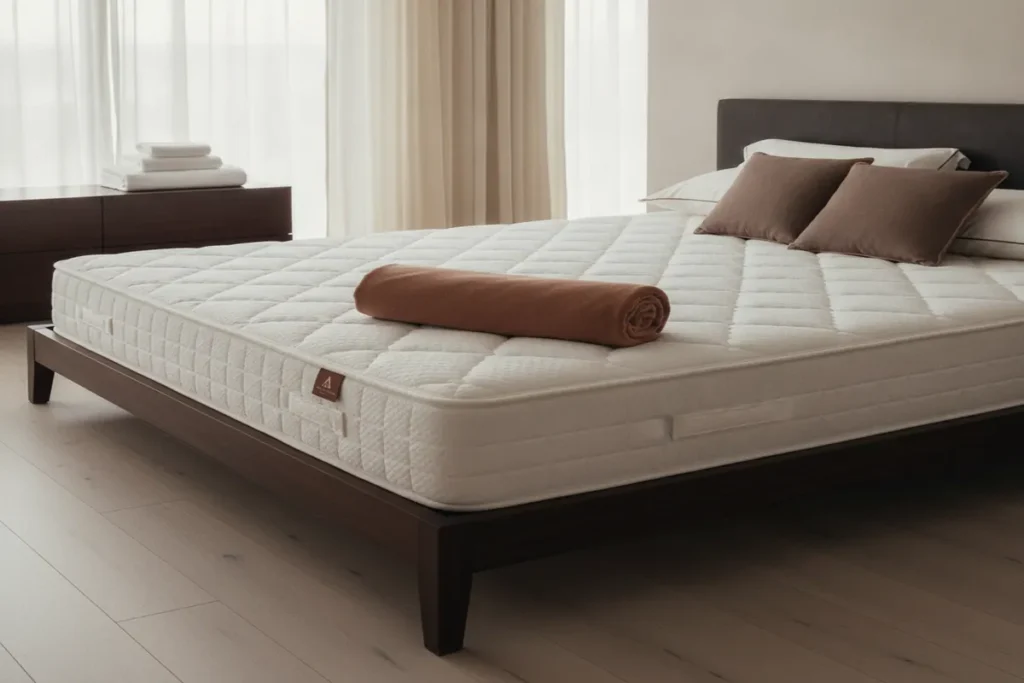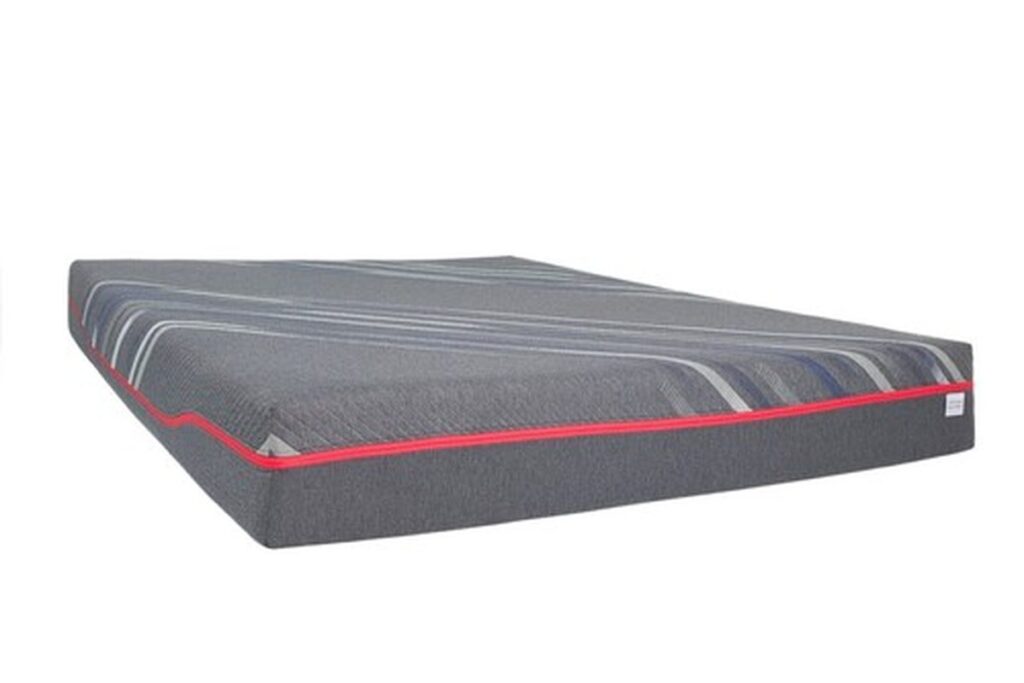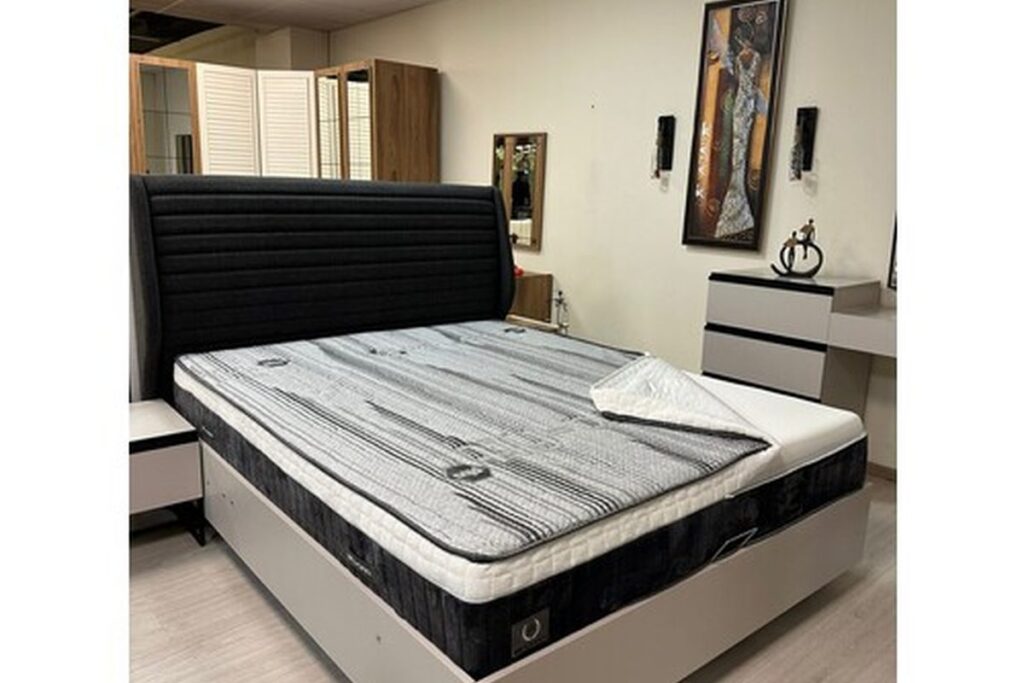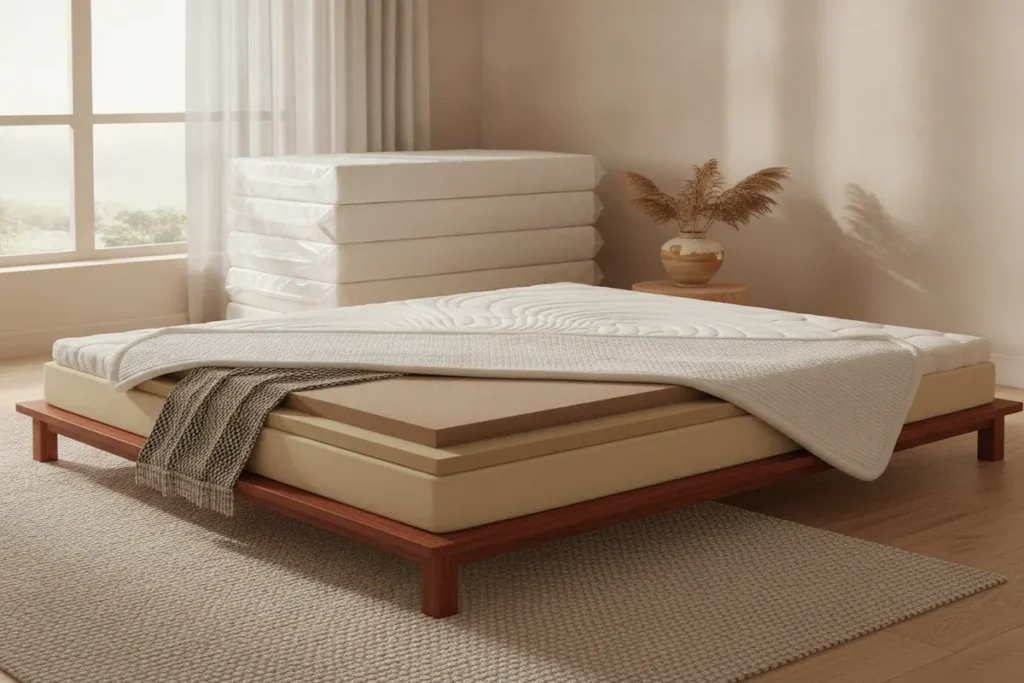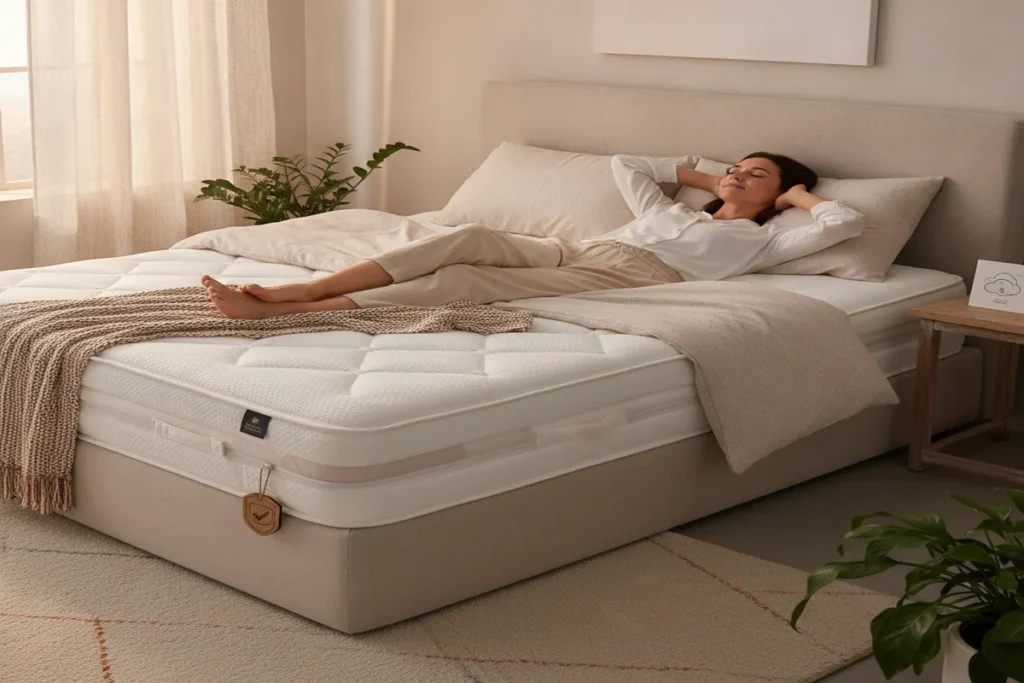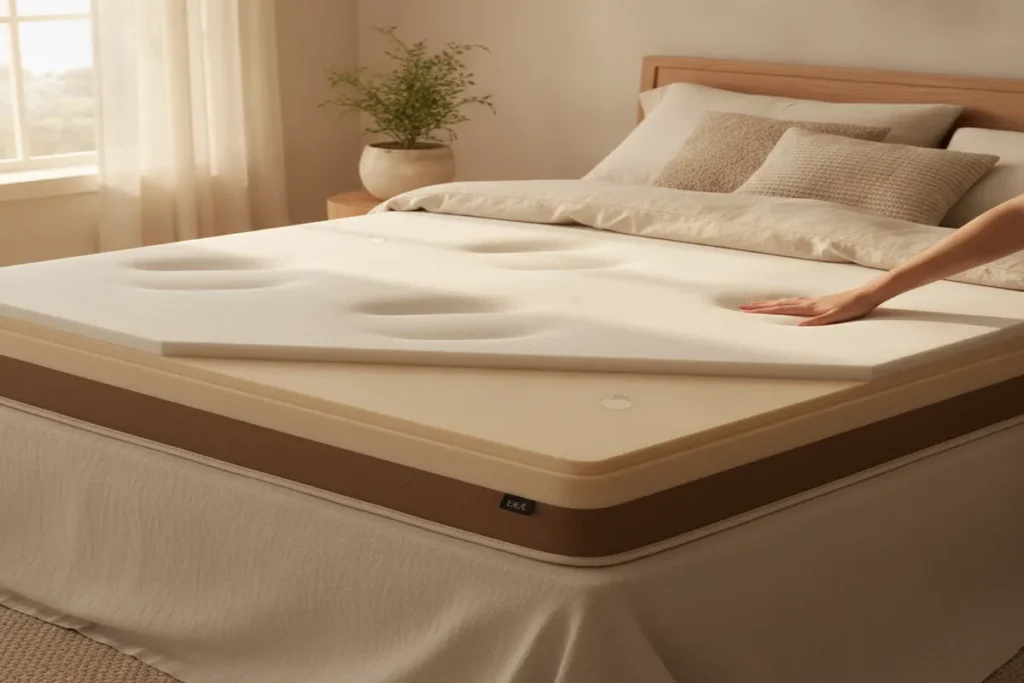

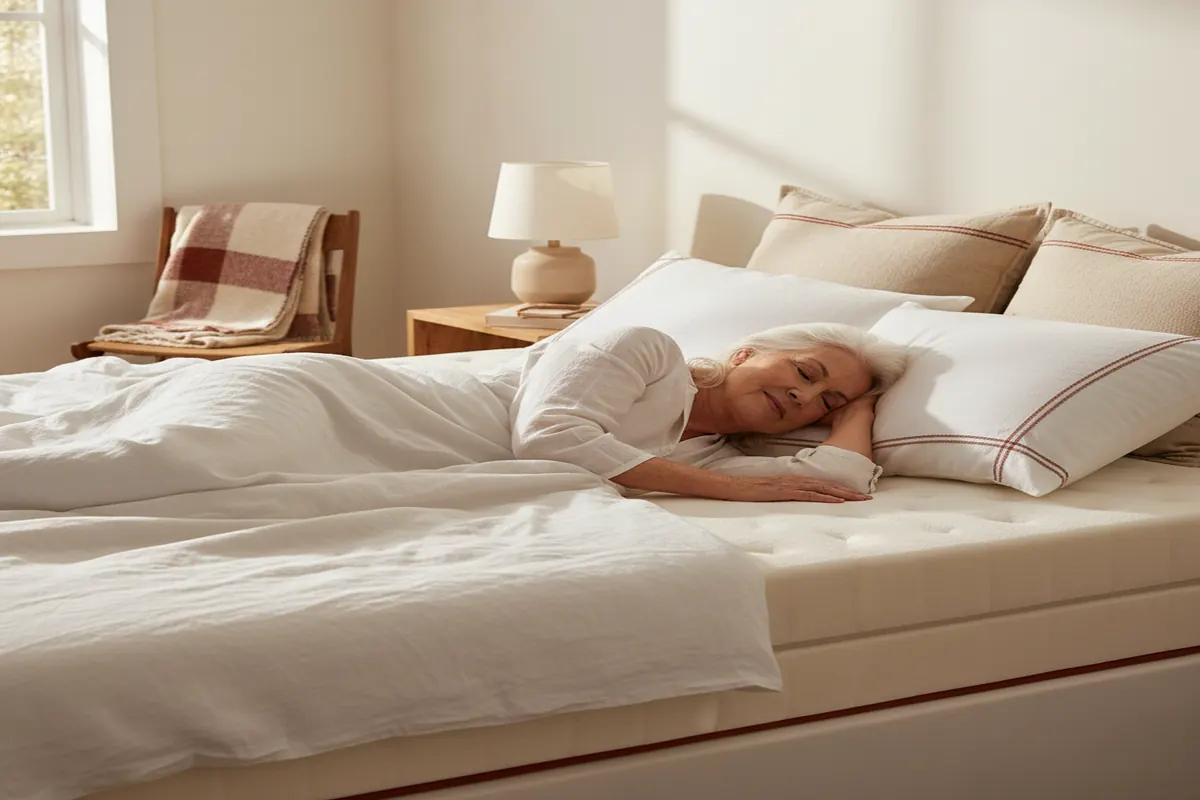
A foam mattress for the elderly is a specialized sleep surface designed to address the unique physiological needs and comfort requirements of older adults. It primarily consists of layers of viscoelastic foam, latex foam, or other specialized polyfoams that contour to the body, distribute weight evenly, and alleviate pressure points. This design significantly matters because it enhances sleep quality, reduces chronic pain, improves circulation, and supports safer mobility, directly contributing to the overall health and independence of seniors.
Quick Summary
- Foam mattresses offer superior pressure relief and contouring for elderly sleepers
- They reduce joint pain and improve circulation, crucial for senior health
- Memory foam and latex foam are top choices, each with distinct benefits
- Proper selection considers density, firmness, and edge support for mobility
Why Are Foam Mattresses Particularly Beneficial for Older Adults?
As individuals age, their bodies undergo various changes that can profoundly impact sleep quality and comfort. Bone density decreases, joints become stiffer, and skin can become more fragile. These factors make traditional innerspring mattresses, which can create pressure points, less suitable. Foam mattresses, particularly those engineered with advanced materials, offer a transformative solution by directly addressing these age-related challenges.
Here’s why foam mattresses are an excellent choice for the elderly:
-
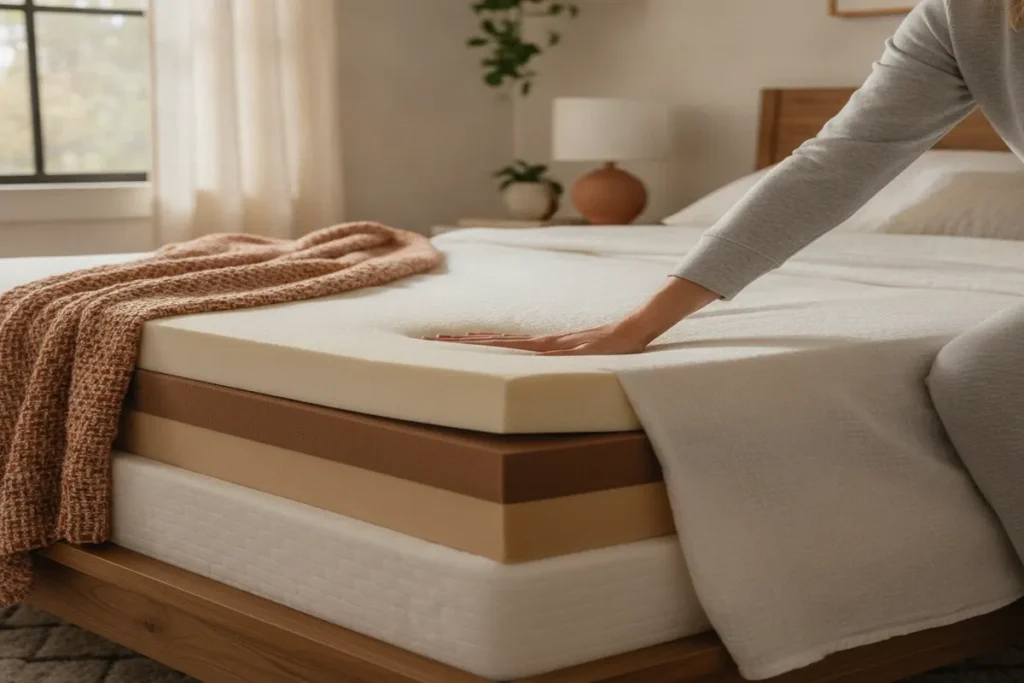
Superior Pressure Relief: One of the most critical benefits is their ability to alleviate pressure points. Foam, especially viscoelastic foam (memory foam), molds to the body’s unique shape, distributing weight evenly across the entire surface. This reduces strain on sensitive areas like hips, shoulders, and heels, which can be prone to bedsores or discomfort in older adults.
-
Enhanced Support and Spinal Alignment: While conforming to the body, a well-designed foam mattress also provides robust support, maintaining the natural curvature of the spine. This helps mitigate back and neck pain, common complaints among seniors, by preventing sagging and ensuring proper alignment throughout the night.
-
Reduced Motion Transfer: Foam mattresses excel at isolating motion. If an elderly individual shares a bed, their partner’s movements are less likely to disturb their sleep, leading to more uninterrupted rest.
-
Hypoallergenic Properties: Many foam mattresses are naturally resistant to dust mites and allergens, creating a healthier sleep environment. This is particularly beneficial for seniors who may have respiratory sensitivities or allergies.
-
Durability and Longevity: High-quality foam mattresses, especially those made with dense Latex Foam Mattress or advanced Visco Foam Mattress technologies, offer excellent durability, maintaining their supportive properties for years. Sinyora Yatak, for instance, focuses on robust construction to ensure a long Turkish Mattress Lifespan.
How Do Different Foam Types Meet the Needs of Older Sleepers?
When considering a foam mattress for elderly, it’s important to understand that “foam” isn’t a single material. There are distinct types, each offering unique benefits that cater to specific needs. Understanding these differences is key to making an informed choice, addressing questions like “best memory foam mattress for elderly” or “what is a good mattress for seniors.”
Understanding Your Options: Memory Foam vs. Latex Foam
Best Memory Foam Mattress for Elderly Considerations
When searching for the best memory foam mattress for elderly, focus on these attributes:
-
Density: Higher density foam (5-6 lbs/cu ft) generally offers better support and durability, crucial for maintaining spinal alignment over time.
-
Firmness Level: A medium-firm feel is often recommended. It’s soft enough for pressure relief but firm enough to prevent excessive sinking, which can make mobility issues worse.
-
Cooling Technology: Traditional memory foam can trap heat. Look for mattresses with gel infusions, open-cell structures, or breathable covers to regulate temperature. Sinyora Yatak’s Visco Foam Mattress options often incorporate advanced cooling features.
-
Edge Support: Robust edge support is vital for seniors. It provides a stable surface for sitting on the edge of the bed and helps prevent falls when getting in or out.
-
Certifications: Look for certifications like CertiPUR-US®, ensuring the foam is free from harmful chemicals.
Many premium brands, often exemplified by the feel of a Tempur-Pedic mattress for seniors, use high-density, high-quality viscoelastic foam that provides exceptional contouring and pressure relief. Sinyora Yatak’s advanced foam mattresses aim to deliver similar therapeutic benefits with superior Turkish craftsmanship.
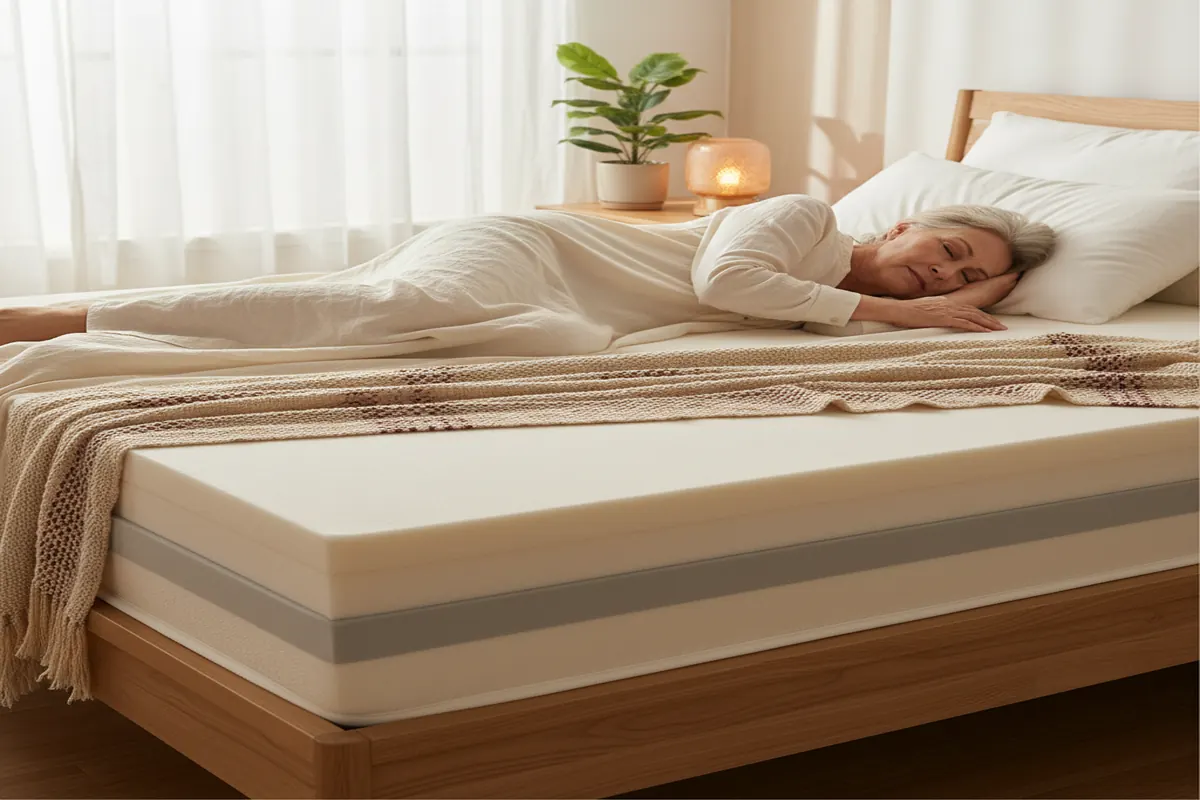
How to Choose the Best Foam Mattress for an Elderly Loved One: A Practical Guide
Selecting the ideal foam mattress for an elderly individual requires careful consideration beyond just the material type. It’s about matching the mattress’s features to their specific health conditions, sleep habits, and personal preferences. This section serves as a practical foam mattress for elderly buying tips checklist.
Key Decision Criteria for Senior Mattresses
Before making a purchase, evaluate these crucial factors:
-
Firmness Level:
- Medium-Firm: Often the sweet spot, providing adequate support without being too hard on joints. It allows for contouring while preventing excessive sinkage that can hinder movement.
- Medium-Soft: Suitable for very lightweight individuals or those with extreme pressure sensitivity, but ensure it still offers sufficient support.
- Firm: Generally not recommended for most seniors as it can create new pressure points, though some may prefer it for back and neck pain if they are heavier and need more robust support.
-
Pressure Relief Capabilities: This is paramount. Look for foams specifically designed to distribute weight and reduce stress on hips, shoulders, and other bony prominences. Descriptions often include terms like “adaptive,” “conforming,” or “pressure-sensitive.”
-
Edge Support: A firm edge is critical for safety and ease of use. It makes it easier for seniors to sit on the side of the bed, pivot, and stand up, reducing the risk of falls. It also increases the usable sleep surface.
-
Ease of Movement: Consider how easy it is to change positions on the mattress. While memory foam offers excellent contouring, very soft or low-density memory foam can make it difficult for individuals with limited mobility issues to turn over or get out of bed. Latex foam, with its buoyant nature, often facilitates easier movement.
-
Temperature Regulation: Overheating can disrupt sleep. Look for foam mattresses with features like open-cell designs, gel infusions, copper, or graphite to dissipate heat effectively.
-
Durability and Quality: Invest in a high-quality mattress that will maintain its support and comfort over time. Check for density specifications (especially for memory foam) and material certifications. Sinyora Yatak emphasizes durable construction in all its Mattress Collection.
-
Trial Period and Warranty: A generous trial period allows the senior to test the mattress in their home environment. A strong warranty indicates the manufacturer’s confidence in their product.
-
Mattress Height: Consider the overall height of the mattress when placed on a bed frame. For seniors, a bed that is too high or too low can make getting in and out difficult. An adjustable bed base can be a great companion for a foam mattress, allowing for personalized height and position adjustments.
Practical Checklist for Your Purchase
-
Assess the Senior’s Specific Needs: Do they have chronic pain (e.g., back and neck pain)? Mobility issues? Are they prone to overheating? What is their preferred sleeping position (side, back, stomach)?
-
Test in Person (if possible): If shopping locally, have the senior lie on different mattresses for at least 10-15 minutes in their typical sleeping position.
-
Read Reviews: Look for reviews from other seniors or caregivers that highlight aspects like pressure relief, ease of movement, and temperature control.
-
Consider an Adjustable Base: A foam mattress is often ideal for an Adjustable Bed base, which can elevate the head or feet, providing relief for conditions like acid reflux, sleep apnea, or swollen legs.
-
Factor in Budget: High-quality foam mattresses are an investment, but there are excellent options across various price points. Remember, the cheapest option may not provide the necessary support and comfort. Explore Sinyora Yatak’s Buying Guides for value.
Common Mistakes to Avoid When Buying a Foam Mattress for Elderly
Navigating the mattress market can be overwhelming, especially when the goal is to improve the quality of life for an elderly loved one. Avoiding common pitfalls can save time, money, and most importantly, prevent discomfort and potential health issues.
Here are the critical mistakes to steer clear of:
-
Prioritizing Price Over Quality and Suitability:
- The Mistake: Opting for the cheapest foam mattress without considering its density, material quality, or specific features.
- Why it’s a Problem: Low-quality foam quickly sags, loses support, and may contain harmful chemicals. This negates the benefits of a foam mattress and can worsen existing pain or create new pressure points. For seniors, a poor mattress can lead to disrupted sleep, increased pain, and even falls.
- The Solution: View a mattress as an investment in health. Focus on certifications (e.g., CertiPUR-US), reputable brands like Sinyora Yatak known for quality Turkish craftsmanship, and mattresses with adequate density for durability and support.
-
Ignoring Edge Support:
- The Mistake: Overlooking the firmness and stability of the mattress edges.
- Why it’s a Problem: Weak edges make it difficult and unsafe for seniors to get in and out of bed. It can lead to instability, increasing the risk of falls, which are a major concern for the elderly. Poor edge support also reduces the usable sleeping surface.
- The Solution: Actively inquire about or test the edge support. Look for reinforced edges, often found in higher-quality foam or hybrid mattresses.
-
Choosing the Wrong Firmness Level:
- The Mistake: Assuming “softer is better” for comfort or “firmer is better” for support without considering individual needs.
- Why it’s a Problem: A mattress that’s too soft can lead to excessive sinking, hindering movement and causing back and neck pain due to poor spinal alignment. One that’s too firm can create painful pressure points on hips and shoulders.
- The Solution: Aim for a medium-firm feel for most seniors. This offers a balance of contouring pressure relief and robust support. Always consider the individual’s weight, sleeping position, and any pre-existing pain conditions.
-
Failing to Account for Temperature Regulation:
- The Mistake: Buying a traditional memory foam mattress without considering its heat retention properties.
- Why it’s a Problem: Overheating can severely disrupt sleep, especially for seniors who may be more sensitive to temperature fluctuations.
- The Solution: Look for foam mattresses with cooling technologies like gel infusions, open-cell structures, copper, graphite, or natural Latex Foam Mattress options which are inherently cooler.
-
Not Utilizing Trial Periods:
- The Mistake: Purchasing a mattress without taking advantage of the offered in-home trial period.
- Why it’s a Problem: A few minutes in a showroom isn’t enough to determine long-term comfort and suitability. It takes time for the body to adjust to a new mattress and for the mattress to break in.
- The Solution: Always choose a mattress with a substantial trial period (e.g., 90-120 nights). This allows the senior to truly experience the mattress in their own sleep environment. Understand the return policy and any associated fees.
Comparing Foam Mattresses to Other Options for Seniors
While foam mattresses offer compelling benefits, it’s essential to understand how they stack up against other common mattress types to ensure you’re making the most informed decision for an elderly individual’s comfort and health.
Foam vs. Innerspring, Hybrid, and Latex Mattresses
-
Innerspring: Traditional innerspring mattresses, like a Bonnel Spring Mattress, use interconnected coils. While they offer good airflow and a bouncy feel, their primary drawback for seniors is the potential for creating pressure points and poor pressure relief. The coils can also lead to more motion transfer, disturbing sleep.
-
Hybrid: A Hybrid Mattress combines coils (like Pocket Coils Mattress) with layers of foam or latex. This construction aims to offer the best of both worlds: the responsive support of springs and the pressure-relieving comfort of foam. They can be a good compromise for seniors who find full foam mattresses too “sinking” but need more cushioning than an innerspring.
-
Latex: As discussed, latex mattresses are highly durable, responsive, and naturally cooler than many memory foams. They provide excellent support and pressure relief without the “stuck” feeling some associate with memory foam, making them a strong contender, particularly for those with mobility issues who need easier movement. Sinyora Yatak offers high-quality Latex Foam Mattress options.
Ultimately, the choice depends on the senior’s individual preferences, health conditions, and budget. For comprehensive pressure relief and motion isolation, foam (especially high-quality memory foam) often stands out.
Caring for Your Senior’s Foam Mattress: Longevity and Hygiene Tips
Once you’ve invested in a quality foam mattress for an elderly loved one, proper care and maintenance are crucial to ensure its longevity, maintain hygiene, and preserve its therapeutic benefits. A well-maintained mattress contributes significantly to a healthy sleep environment.
Essential Maintenance Practices
-
Use a Mattress Protector: This is non-negotiable for a senior’s mattress. A waterproof, breathable mattress protector shields the mattress from spills, accidents, dust mites, and allergens. This is particularly important for individuals with incontinence or those who consume liquids in bed.
-
Regular Cleaning:
- Vacuuming: Periodically vacuum the mattress surface using an upholstery attachment to remove dust, skin flakes, and pet dander.
- Spot Cleaning: For minor spills, blot immediately with a clean cloth and a mild detergent solution. Avoid saturating the foam, as it can be difficult to dry and may lead to mold or mildew.
- Airing Out: Every few months, strip the bed and allow the mattress to air out for several hours, ideally near an open window. This helps dissipate moisture and odors.
-
Proper Support: Ensure the foam mattress is placed on an appropriate foundation. Most foam mattresses require a solid, flat surface (like a platform bed or slatted foundation with narrow gaps) to prevent sagging and ensure even support. An old, sagging box spring is generally not suitable. Consider a sturdy Bed Base and Headboard from Sinyora Yatak.
-
Rotation (Not Flipping): Most foam mattresses are designed with specific top layers and should not be flipped. However, rotating the mattress 180 degrees every 3-6 months can help distribute wear evenly and extend its lifespan. Check the manufacturer’s guidelines for specific instructions.
-
Keep it Dry: Foam is susceptible to moisture. Avoid using steam cleaners directly on the mattress. If the mattress gets wet, dry it thoroughly as quickly as possible, using fans or a hairdryer on a cool setting.
-
Address Odors: New foam mattresses may have a slight “new mattress smell” (off-gassing), which typically dissipates within a few days or weeks. To speed up the process, air out the mattress in a well-ventilated room. For persistent odors, sprinkle baking soda over the surface, let it sit for several hours, then vacuum it up.
By following these care tips, you can ensure that the foam mattress continues to provide optimal comfort, pressure relief, and support for years, contributing to the senior’s overall well-being and sleep health. For more detailed guidance, refer to Sinyora Yatak’s Care and Maintenance section.
Expert Insight
“For seniors, a mattress isn’t just about comfort; it’s a critical component of their health infrastructure. A well-chosen foam mattress can dramatically improve circulation, reduce the risk of pressure ulcers, and provide the stable support necessary for independent mobility. It’s an investment that pays dividends in quality of life and reduced care burdens.” – Industry experts confirm that specialized sleep surfaces are essential for aging populations.
Key Terms
-
Viscoelastic Foam: Also known as memory foam, this material responds to body heat and pressure, conforming closely to the sleeper’s shape to provide personalized pressure relief and support.
-
Latex Foam: A resilient foam derived from rubber tree sap (natural) or synthetic compounds, known for its buoyancy, durability, and natural cooling properties.
-
Pressure Relief: The ability of a mattress to distribute body weight evenly, reducing concentrated pressure on sensitive areas like joints and bony prominences to prevent pain and improve circulation.
-
Edge Support: The firmness and stability around the perimeter of a mattress, crucial for seniors to safely sit on the edge and get in or out of bed without feeling like they might fall.
-
Mobility Issues: Challenges an individual faces with movement, such as difficulty turning over, sitting up, or getting in and out of bed, which can be exacerbated by a mattress that is too soft or lacks proper support.
A short comparison to help you make a better decision.
How Can You Upgrade to More Comfortable Sleep with Sinyora Yatak?
At Sinyora Yatak, we understand the profound impact a high-quality mattress has on the well-being of seniors. Our commitment to Turkish craftsmanship and innovative sleep technology ensures that our foam mattresses are designed not just for comfort, but for therapeutic support that directly addresses the needs of older adults. Whether you’re seeking the contouring comfort of a Visco Foam Mattress or the buoyant support of a Latex Foam Mattress, our Mattress Collection offers tailored solutions.
We encourage you to explore our specialized foam options, each engineered to provide exceptional pressure relief, optimal support for back and neck pain, and robust edge support to assist with mobility issues. Consider pairing your new mattress with our ergonomic Visco Pillow or Latex Pillow (Natural) for complete head and neck alignment. For added comfort and protection, browse our Topper Collection, including Sponge Topper Mattress and Visco Topper.
Investing in a Sinyora Yatak foam mattress is an investment in restorative sleep, enhanced health, and greater independence for your elderly loved one. For personalized advice, explore our Buying Guides or Contact Us for Support — our team is ready to help you find the perfect sleep solution. You can also learn more about What Makes Turkish Mattresses Special and our global reach to Ship Turkish Mattresses Internationally.
Frequently Asked Questions
Q: What is the ideal firmness for a foam mattress for the elderly?
Q: Can a foam mattress help with back pain in seniors?
Q: Do foam mattresses for the elderly get too hot?
Q: Is edge support important for an elderly person’s mattress?
Q: How long does a foam mattress for the elderly typically last?
Q: What should I consider if the elderly person has mobility issues?