
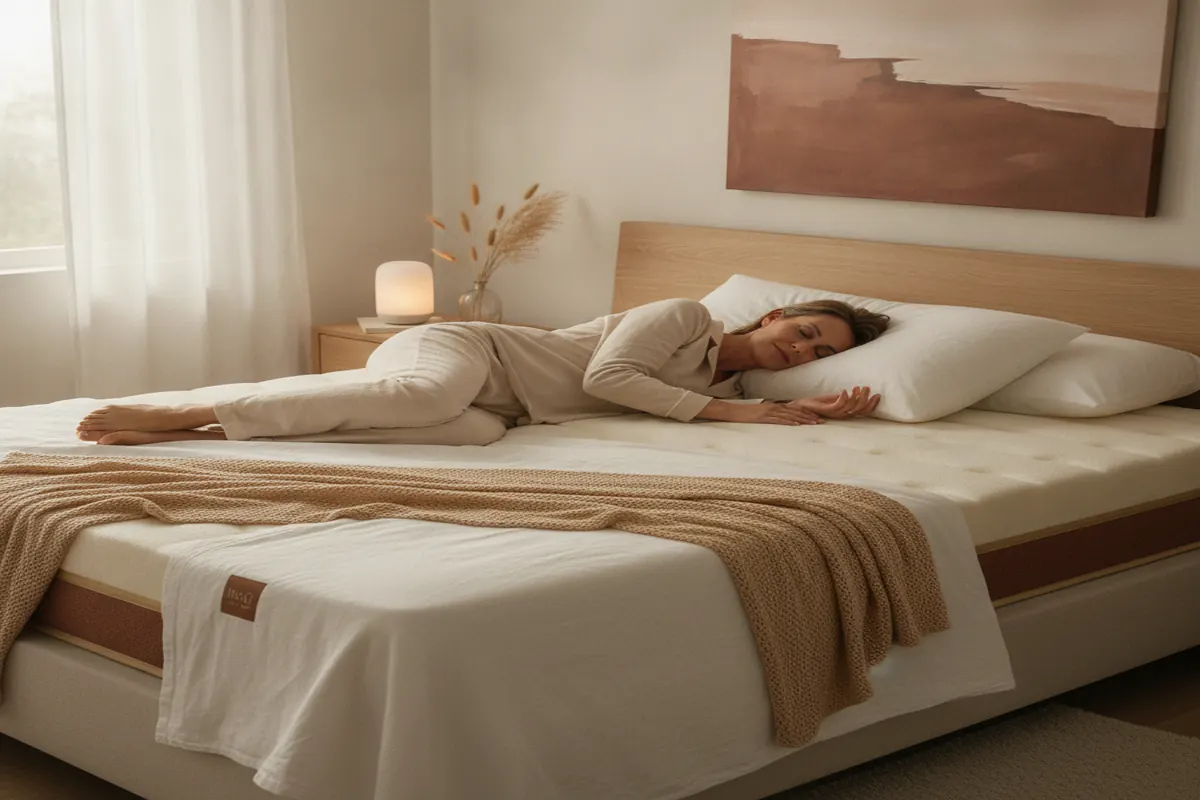
For those suffering from sciatica pain, selecting the right mattress is crucial for achieving restful sleep and alleviating discomfort. The best foam mattress for sciatica pain will offer a delicate balance of pressure relief, targeted support, and optimal spinal alignment, without exacerbating nerve compression. This guide will walk you through the essential factors and foam types, empowering you to make an informed decision for long-term comfort and pain management.
Quick Summary
- Choosing the best foam mattress for sciatica pain requires understanding foam types
- prioritizing pressure relief, support, and spinal alignment
- evaluating density and firmness
- considering budget and warranty
What is the Best Foam Mattress for Sciatica Pain?
The “best” foam mattress for sciatica pain is not a one-size-fits-all answer, but rather a carefully chosen sleep surface that addresses individual needs for pressure relief and spinal support. For most sciatica sufferers, the ideal foam mattress will excel in pressure-relieving capabilities while maintaining excellent spinal alignment. This typically points towards specialized memory foam mattress or latex foam mattress constructions.
Here’s why these foam types are often recommended:
-
Memory Foam (Visco Foam Mattress):
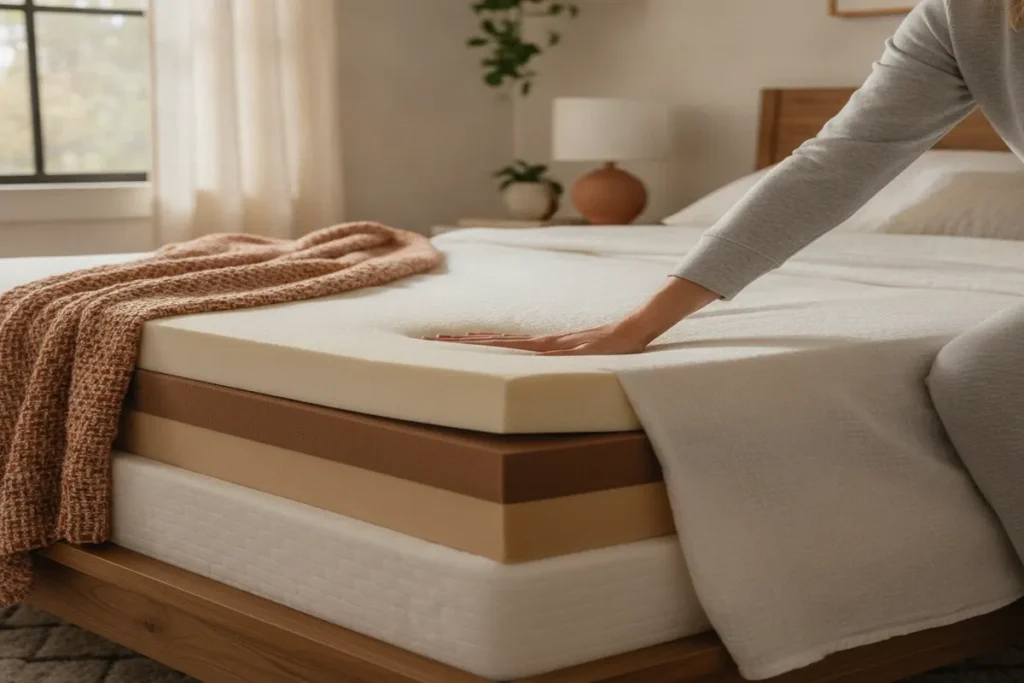
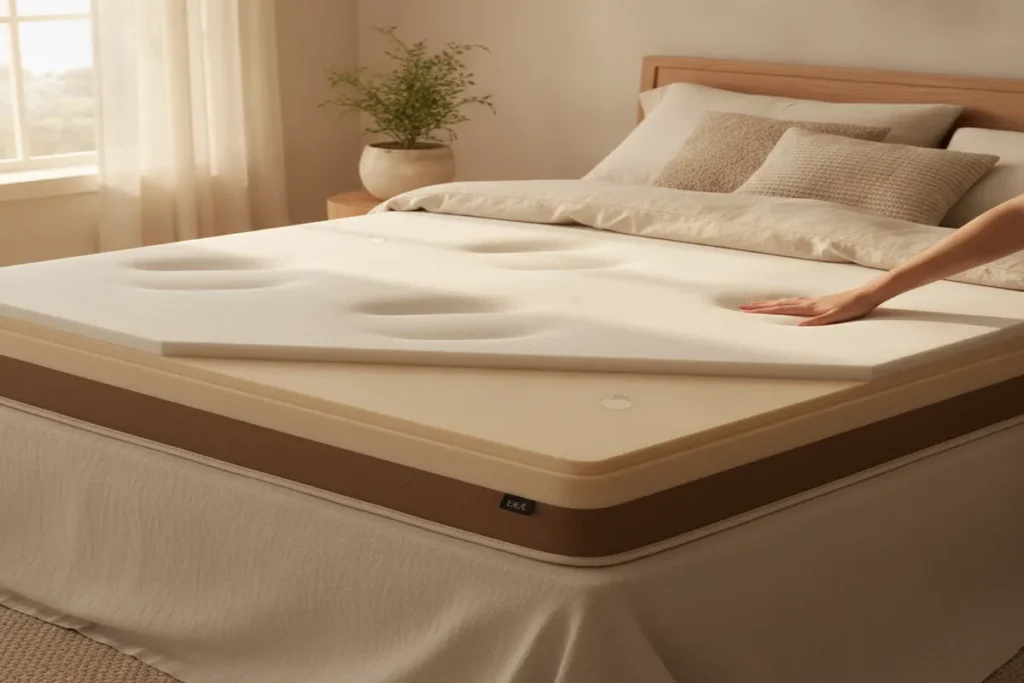
- Conforming Support: Molds precisely to the body’s curves, distributing weight evenly and reducing pressure points on the hips, lower back, and shoulders – common areas affected by sciatica.
- Motion Isolation: Minimizes transfer of movement, which is beneficial for partners and for preventing jarring movements that could aggravate sciatica.
- Pressure Relief: Its viscoelastic properties allow for deep contouring, cradling painful areas and often providing a sensation of weightlessness.
- Considerations: Traditional memory foam can sometimes retain heat, though newer generations incorporate cooling technologies.
-
Latex Foam Mattress:
- Responsive Support: Offers a buoyant, spring-like feel that pushes back against the body, providing excellent lumbar support without the “sinking” feeling of memory foam.
- Natural Resiliency: Highly durable and maintains its shape well over time, ensuring consistent support.
- Breathability: Naturally more breathable than many memory foams, aiding in temperature regulation.
- Hypoallergenic: Often a good choice for those with allergies due to its natural resistance to dust mites and mold.
- Considerations: Can be firmer than memory foam, and natural latex tends to be a more premium, expensive option.
While hybrid mattresses (combining foam layers with pocket coils) are also popular and offer a blend of support and comfort, a pure foam mattress (especially high-density memory foam or latex) can often provide more consistent, edge-to-edge pressure relief critical for sciatica. The key is to find a mattress that keeps your spine in its natural S-curve, whether you sleep on your back, side, or stomach.
Key Factors to Consider When Choosing a Foam Mattress for Sciatica Relief
Selecting a foam mattress specifically for sciatica requires a nuanced approach, focusing on attributes that directly impact nerve pain and spinal health. Beyond general comfort, several critical factors differentiate a good mattress from a truly therapeutic one for sciatica sufferers.
1. Optimal Firmness Level
The right firmness is paramount. A mattress that’s too soft allows the spine to sag, while one that’s too firm creates pressure points.
-
Medium-Firm: Often the sweet spot for sciatica relief. It provides enough give to cushion pressure points (like hips and shoulders) but sufficient resistance to keep the spine properly aligned.
-
Personal Preference: Body weight and sleep position also play a role. Heavier individuals might need slightly firmer support, while lighter individuals might find a medium-soft more comfortable. Side sleepers generally benefit from a slightly softer top layer to contour to the shoulders and hips, while back sleepers need consistent support across the entire back.
2. Superior Pressure Relief
This is non-negotiable for sciatica. The mattress must alleviate pressure on the sciatic nerve.
-
Contouring: Look for foams that contour closely to your body, distributing weight evenly and reducing stress on the lower back and hips. Memory foam is particularly adept at this.
-
Targeted Zones: Some advanced mattresses feature zoned support systems, offering different firmness levels in specific areas (e.g., softer for shoulders, firmer for lumbar).
3. Consistent Spinal Alignment
Maintaining a neutral spine is crucial to prevent nerve compression.
-
Support Core: A high-quality, dense foam base layer is essential for preventing sagging and providing foundational support.
-
Even Weight Distribution: The mattress should support the natural curves of your spine, from your neck to your tailbone, ensuring no part of your body sinks excessively.
4. Foam Density and Quality
Density is a key indicator of a foam mattress’s durability and support.
-
Memory Foam Density:
- Low (under 3.5 lbs/cu. ft.): Less durable, quicker to soften, less supportive for sciatica.
- Medium (3.5-5.0 lbs/cu. ft.): Good balance of comfort, support, and durability. Often ideal for sciatica.
- High (over 5.0 lbs/cu. ft.): Very durable, excellent pressure relief and support, but can be firmer and retain more heat.
-
Latex Foam Density: Measured differently, but higher density generally means greater durability and firmer support.
-
Certifications: Look for certifications like CertiPUR-US® for memory foam (ensures low VOCs and no harmful chemicals) or GOLS/GOTS for organic latex (ensures natural and organic materials).
5. Temperature Regulation
While not directly related to sciatica pain, overheating can disrupt sleep, which indirectly impacts pain management.
- Cooling Features: Many foam mattresses now incorporate cooling gels, open-cell structures, graphite, copper infusions, or breathable covers to dissipate heat. Latex foam is naturally more breathable.
By focusing on these specific factors, you can narrow down your options and identify a foam mattress that truly supports your recovery and provides lasting relief from sciatica pain.
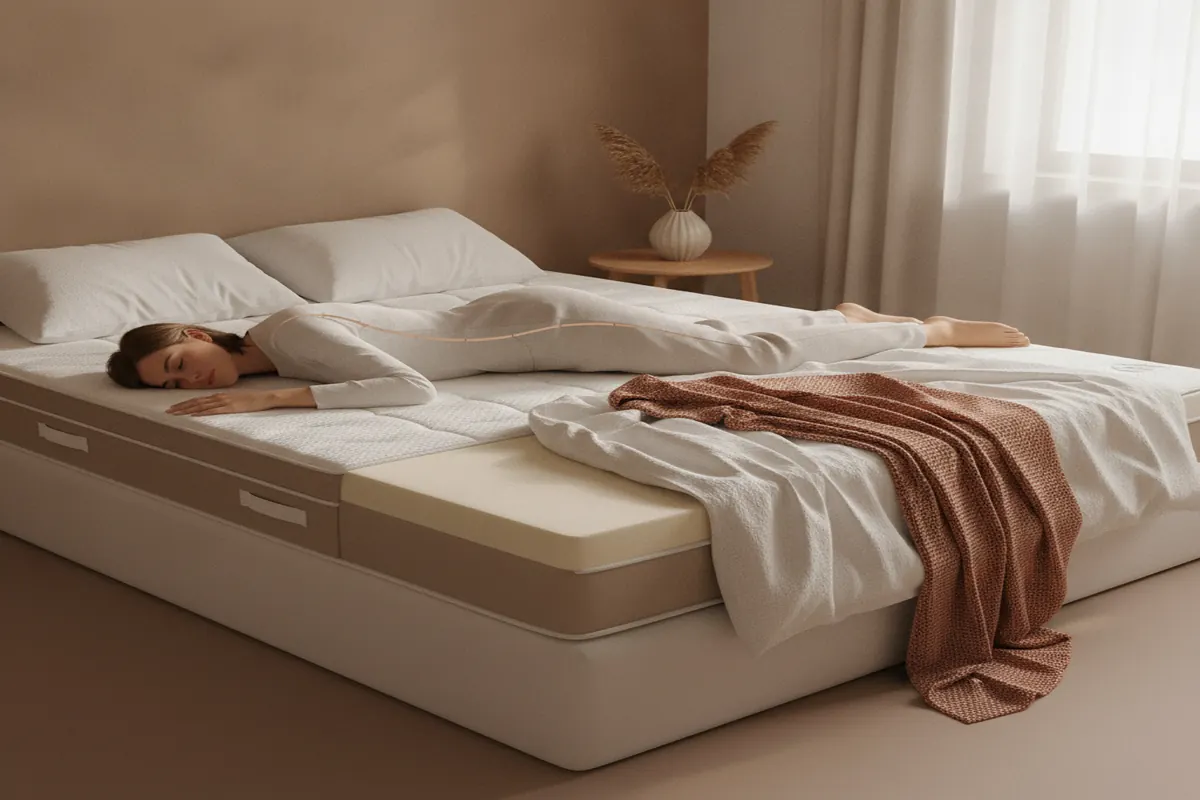
Comparing Different Foam Types: Which Offers Superior Sciatica Support?
When you’re actively comparing foam mattress options for sciatica, understanding the inherent characteristics of each foam type is vital. While both memory foam (often branded as Visco Foam Mattress) and latex foam can be excellent choices, their feel and performance differ significantly.
Here’s a detailed comparison to help you weigh the pros and cons for sciatica relief:
Deciding Between Memory Foam and Latex for Sciatica:
-
Choose Memory Foam if:
- You prioritize deep contouring and a “hugged” feeling.
- You are a side sleeper and need maximum pressure relief for hips and shoulders.
- You experience significant pressure points that need to be cradled.
- You want excellent motion isolation.
- You are sensitive to the bouncy feel of latex.
-
Choose Latex Foam if:
- You prefer a more responsive, buoyant feel that prevents you from sinking too deeply.
- You tend to sleep hot and need a naturally breathable material.
- You are a back or stomach sleeper and need consistent, robust support to maintain spinal alignment.
- You value natural, eco-friendly, and hypoallergenic materials.
- You are looking for exceptional durability and longevity.
Remember, the goal is to find a mattress that minimizes pressure on the sciatic nerve while keeping your spine in a neutral position throughout the night. Testing different firmness levels within your chosen foam type is always recommended.
Beyond Comfort: The Core Benefits of a Specialized Foam Mattress for Sciatica
Investing in a specialized foam mattress for sciatica isn’t just about temporary comfort; it’s about proactively managing pain, improving overall sleep quality, and enhancing your daily life. The benefits extend far beyond simply having a soft place to rest.
-
Targeted Pressure Relief: The primary benefit. High-quality foam, particularly memory foam and latex, excels at distributing body weight evenly. This reduces the intense pressure points that can aggravate the sciatic nerve, allowing for better blood circulation and reduced inflammation.
-
Optimal Spinal Alignment: A well-designed foam mattress supports the natural curvature of your spine, preventing it from sagging or arching unnaturally. This neutral alignment is crucial for decompressing the sciatic nerve and reducing strain on the lower back. Proper alignment helps muscles relax and recover overnight.
-
Reduced Morning Stiffness and Pain: By providing consistent support and pressure relief throughout the night, a specialized foam mattress can significantly reduce the stiffness, numbness, and sharp pain often experienced upon waking with sciatica.
-
Improved Sleep Quality: When pain is managed, sleep quality naturally improves. Deep, uninterrupted sleep is vital for the body’s healing processes, including nerve repair and muscle recovery. Better sleep also contributes to improved mood and cognitive function.
-
Enhanced Durability and Longevity: High-density foam mattresses, especially those made from latex or quality memory foam, are built to last. This means consistent support and comfort for many years, making it a valuable long-term investment in your health. Unlike traditional spring mattresses, quality foam is less prone to sagging in critical support areas over time.
-
Hypoallergenic Properties: Many foam mattresses, especially latex, are naturally resistant to dust mites, mold, and mildew. This creates a healthier sleep environment, which can be beneficial for overall well-being and for those with allergies or respiratory sensitivities.
-
Motion Isolation: For couples, the superior motion isolation of foam mattresses ensures that movements from one sleeper don’t disturb the other. This is particularly important if movement aggravates your sciatica, allowing for more stable, undisturbed sleep.
Expert Insight:
“Industry experts confirm that the efficacy of a mattress in alleviating sciatica pain hinges on its ability to strike a precise balance between conforming pressure relief and foundational spinal support. A mattress that allows the spine to maintain its natural curvature, free from excessive pressure points, is paramount for nerve decompression and restorative sleep.”
These benefits collectively contribute to a better quality of life, allowing individuals with sciatica to wake up feeling more refreshed, less painful, and better equipped to handle their day.
Common Mistakes to Avoid When Buying a Foam Mattress for Sciatica
Navigating the mattress market can be overwhelming, and making the wrong choice can exacerbate sciatica pain rather than relieve it. Being aware of common pitfalls will help you make a more informed and effective purchase.
-
Mistake 1: Prioritizing “Softness” Over Support: Many assume a softer mattress will be more comfortable for pain. While cushioning is important, a mattress that is too soft allows the spine to sink out of alignment, which can worsen sciatica.
- Solution: Focus on a medium-firm feel that offers both contouring pressure relief and robust support. Your spine should remain neutral, not sag.
-
Mistake 2: Ignoring Foam Density: Cheaper, lower-density foams might feel good initially but break down quickly, leading to sagging and uneven support.
- Solution: For memory foam, aim for a density of 3.5 lbs/cu. ft. or higher for the comfort layer, and 1.8 lbs/cu. ft. or higher for the support core. For latex, look for reputable brands and certifications. Higher density generally means better durability and consistent support over time.
-
Mistake 3: Not Checking the Return Policy and Sleep Trial: A mattress might feel great in a showroom for 10 minutes, but true comfort for sciatica takes weeks to assess.
- Solution: Only purchase from retailers offering a generous sleep trial (at least 90-120 nights) and a clear, hassle-free return policy. This allows your body to adjust and for you to truly evaluate its effectiveness for your sciatica.
-
Mistake 4: Overlooking Your Sleep Position: Different sleep positions require different support profiles.
- Solution:
- Side Sleepers: Need more contouring for hips and shoulders to keep the spine straight. A slightly softer top layer on a medium-firm base is often ideal.
- Back Sleepers: Require even support across the entire back to maintain the natural lumbar curve. Medium-firm is typically best.
- Stomach Sleepers: Need a firmer surface to prevent the hips from sinking too deeply, which can strain the lower back.
- Solution:
-
Mistake 5: Neglecting the Foundation: An old or inadequate bed base can undermine even the best new mattress, leading to sagging and poor support.
- Solution: Ensure your mattress foundation, box spring, or bed base is in excellent condition and provides proper support for your foam mattress. For most foam mattresses, a solid or slatted foundation with slats no more than 3 inches apart is recommended.
-
Mistake 6: Buying Solely Based on Price: While affordable best foam mattress for sciatica pain options exist, excessively cheap mattresses often compromise on foam quality, density, and durability, leading to premature sagging and inadequate support.
- Solution: View a mattress as an investment in your health. Set a realistic budget, but prioritize quality and features that directly address sciatica relief. Consider the long-term cost of pain versus the upfront investment.
By avoiding these common pitfalls, you significantly increase your chances of finding a foam mattress that genuinely provides relief and improves your quality of sleep.
Your Essential Checklist for Selecting the Right Sciatica Foam Mattress
Making a confident decision for a foam mattress for sciatica pain requires a systematic approach. Use this checklist to evaluate options and ensure you’re addressing all the critical aspects of effective pain relief and long-term comfort.
Before You Buy: Research & Self-Assessment
-
Understand Your Sciatica:
- What are your primary pain points (lower back, hip, leg)?
- What is your dominant sleep position (side, back, stomach)?
- Do you tend to sleep hot or cold?
- What is your body weight (this influences required firmness)?
-
Research Foam Types:
- Have you read up on memory foam mattress vs. latex foam mattress characteristics?
- Which type aligns better with your comfort preferences and support needs?
-
Set a Realistic Budget:
- What is your comfortable spending range? (Remember, quality is an investment.)
- Are you looking for affordable best foam mattress for sciatica pain options, and how do you balance cost with quality?
During Comparison: Key Evaluation Points
-
Firmness Level:
- Is it medium-firm, offering a balance of contouring and support?
- Does it keep your spine in neutral alignment when you lie on it?
- Does it feel too soft (causing sagging) or too firm (creating pressure points)?
-
Pressure Relief:
- Does the foam conform to your body curves, especially around the hips and shoulders?
- Does it alleviate pressure on your lower back and sciatic nerve?
-
Spinal Alignment:
- When lying down, does your spine feel straight and supported, regardless of sleep position?
- Does the mattress prevent your hips from sinking too deeply?
-
Foam Density & Quality:
- For memory foam, what are the density ratings of the comfort and support layers? (Aim for 3.5+ lbs/cu. ft. comfort, 1.8+ lbs/cu. ft. support).
- Are there relevant certifications (e.g., CertiPUR-US for memory foam, GOLS/GOTS for latex)?
- Does the brand specify the type of foam (e.g., open-cell memory foam, Talalay or Dunlop latex)?
-
Temperature Regulation:
- Does the mattress incorporate cooling features (gel infusions, open-cell design, breathable cover)?
- Is it naturally breathable (like latex)?
-
Edge Support:
- Does the mattress maintain its shape and support around the edges? (Important if you sit on the edge or sleep near it.)
-
Motion Isolation:
- If you share a bed, does the mattress effectively absorb motion?
-
Brand Reputation & Reviews:
- What do other sciatica sufferers say about this specific mattress?
- Does the brand have a history of quality and good customer service?
Before Finalizing Your Purchase: Practical Considerations
-
Sleep Trial:
- Is there a generous sleep trial (at least 90-120 nights)?
- Are there any hidden fees for returns or exchanges?
-
Warranty:
- What is the length and coverage of the warranty? (Typically 10-25 years).
- Does it cover sagging beyond a certain depth (e.g., 1 inch)?
-
Delivery & Setup:
- What are the delivery options? Is white glove delivery (setup and old mattress removal) available?
-
Internal Links Check: Consider exploring Sinyora Yatak‘s Mattress Collection and Buying Guides for more specific information and options, or if you’re interested in Turkish Foam Mattress vs Spring comparisons.
By diligently working through this checklist, you’ll gain clarity and confidence in selecting a foam mattress that truly supports your journey to better sleep and relief from sciatica pain.
Understanding the Cost: How Much Should You Budget for a Quality Sciatica Foam Mattress?
The cost of a foam mattress for sciatica pain can vary significantly, reflecting differences in foam type, density, construction, brand reputation, and added features. While it’s tempting to seek the affordable best foam mattress for sciatica pain, understanding what drives pricing will help you allocate your budget effectively without sacrificing the quality needed for therapeutic relief.
Factors Influencing Cost:
-
Foam Type:
- Polyfoam: Generally the least expensive, often used as a base layer or in budget mattresses. Less ideal for primary sciatica support.
- Memory Foam: Mid-range to high-end. Price depends on density, layers, and cooling technologies. A good quality memory foam mattress for sciatica typically starts around $800-$1,500 for a queen.
- Latex Foam: Often the most expensive due to natural sourcing and production processes. A high-quality latex mattress can range from $1,500 to $4,000+ for a queen.
-
Density and Quality: Higher density foams (both memory and latex) are more durable, offer superior support, and cost more. They use more material and have a longer lifespan.
-
Layer Construction: Mattresses with multiple specialized foam layers (e.g., a soft comfort layer, a transitional support layer, a firm base layer) tend to be more expensive than single-layer designs.
-
Cooling Technologies: Infusions like gel, copper, or graphite, or advanced open-cell structures, add to the manufacturing cost.
-
Brand and Origin: Established brands, especially those known for quality materials or specialized orthopedic designs, may command higher prices. For example, understanding What Makes Turkish Mattresses Special might highlight value in certain international options.
-
Size: Larger sizes (King, California King) will naturally cost more than smaller ones (Twin, Full, Queen).
Typical Price Ranges (Queen Size, USD):
-
Budget-Friendly ($400 – $800): You might find basic memory foam or polyfoam mattresses in this range. These can offer some pressure relief but may lack the density, durability, and advanced support required for consistent sciatica relief long-term. Exercise caution and thoroughly check reviews and specifications.
-
Mid-Range ($800 – $1,800): This is where many excellent memory foam and some entry-level blended latex options reside. You can expect good density, multiple comfort layers, and often some cooling features. This range often offers the best foam mattress for sciatica pain quality factors without breaking the bank.
-
Premium ($1,800 – $4,000+): High-end memory foam, pure natural latex, and advanced hybrid foam mattresses fall into this category. These offer superior durability, advanced support systems, luxurious comfort, and often extensive warranties. This is an investment in long-term health and sleep quality.
Investment Mindset:
Consider your mattress as a long-term investment in your health. A mattress that alleviates sciatica pain can prevent costly doctor visits, physical therapy, and lost productivity due to poor sleep. While a higher price doesn’t always guarantee quality, a suspiciously low price often signals compromises in materials and construction that will impact its effectiveness for sciatica. Aim for the best quality you can reasonably afford within the mid-range or premium tiers.
Navigating the Market: Where to Find the Best Foam Mattresses for Sciatica Online
The convenience and extensive selection of online shopping have made it the go-to for many mattress buyers, especially when seeking specialized solutions like a foam mattress for sciatica pain. However, knowing where to look and what to prioritize is key to a successful purchase.
Top Online Retailers and Brands
Many direct-to-consumer (DTC) brands have revolutionized the mattress industry, offering competitive pricing and generous trial periods.
-
Specialized Sleep Brands: Look for companies that focus specifically on sleep products and orthopedic support. Many offer detailed information about their foam layers, density, and certifications.
-
Reputable Online Marketplaces: Major online retailers often carry a wide selection of brands and offer customer reviews, which can be invaluable. However, always check the specific seller’s return policy.
-
Sinyora Yatak: As a manufacturer, Sinyora Yatak offers direct access to our Mattress Collection, including various foam options like Visco Foam Mattress and Latex Foam Mattress, designed with quality and support in mind. We also provide insights into What Makes Turkish Mattresses Special and offer options for Ship Turkish Mattresses Internationally.
What to Look For When Buying Online:
-
Comprehensive Product Descriptions:
- Layer Breakdown: The description should clearly detail each foam layer, including its type (memory, latex, polyfoam), density, and thickness.
- Firmness Rating: Look for a clear firmness scale (e.g., 1-10, with 10 being firmest) or descriptive terms like “medium-firm.”
- Cooling Features: If you sleep hot, ensure cooling technologies are explicitly mentioned.
-
Customer Reviews and Testimonials:
- Pay close attention to reviews from other individuals who suffer from back pain or sciatica. Look for recurring themes regarding pressure relief, support, and durability.
- Filter reviews by sleep position if possible.
-
Generous Sleep Trial and Return Policy:
- This is paramount for online mattress purchases. A minimum of a 90-night sleep trial is standard. Ensure the return process is straightforward and that there are no hidden fees for returns or exchanges.
- Check for a Warranty Information section to understand long-term coverage.
-
Certifications:
- CertiPUR-US®: For memory foam, this guarantees the foam is made without harmful chemicals, heavy metals, and has low VOCs.
- GOLS (Global Organic Latex Standard) or GOTS (Global Organic Textile Standard): For latex, these indicate organic and natural materials.
-
Customer Support:
- Evaluate the responsiveness and helpfulness of the company’s Customer Service. Can you easily reach them via chat, email, or phone for questions?
- A good company will have a clear Contact Us for Support page.
-
Delivery and Setup Options:
- Understand if the mattress ships “bed-in-a-box” (compressed) or fully expanded.
- Check for white glove delivery services if you need assistance with setup and old mattress removal.
By diligently checking these aspects, you can confidently buy best foam mattress for sciatica pain online, knowing you’ve made an informed decision backed by research and a safety net provided by the retailer. Remember to leverage available resources like Buying Guides and Blog posts from reputable sites to deepen your understanding before making a final choice.
Expert Insight
“The long-term success of a foam mattress in mitigating sciatica pain isn’t solely about its initial feel, but its sustained ability to provide consistent support and maintain structural integrity. A common oversight is neglecting the mattress’s core density and construction, which are far more indicative of its therapeutic longevity than superficial comfort layers. Prioritizing these fundamental quality factors is essential for lasting relief.”
Key Terms
-
Sciatica Pain: Pain radiating along the path of the sciatic nerve, which branches from your lower back through your hips and buttocks and down each leg. It typically affects only one side of your body.
-
Memory Foam (Visco Foam): A viscoelastic polyurethane foam that responds to body heat and pressure, conforming closely to the body’s shape for pressure relief and support.
-
Latex Foam: A durable, resilient foam made from the sap of rubber trees (natural latex) or synthetic compounds, known for its buoyant support, responsiveness, and breathability.
-
Spinal Alignment: The maintenance of the spine’s natural curvature (a gentle S-shape) when lying down, crucial for reducing pressure on nerves and discs.
-
Pressure Relief: The ability of a mattress to distribute body weight evenly, reducing concentrated pressure points that can restrict blood flow and aggravate painful areas.
How Can You Upgrade to More Comfortable Sleep with Sinyora Yatak?
At Sinyora Yatak, we understand that exceptional sleep is foundational to well-being, especially when managing conditions like sciatica. Our commitment to crafting high-quality Turkish Mattresses means we blend traditional expertise with modern sleep science. Explore our diverse Mattress Collection, featuring advanced Visco Foam Mattress and Latex Foam Mattress options specifically engineered to provide the nuanced support and pressure relief essential for sciatica sufferers. Discover the difference of materials, density, and craftsmanship designed to cradle your body, align your spine, and ensure you wake up refreshed and pain-free. We invite you to visit our Shop All Products page or contact our dedicated Customer Service team to find the perfect Sinyora Yatak solution for your unique sleep needs.
Frequently Asked Questions
Q: Can a foam mattress truly help with sciatica pain?
Q: What firmness level is best for sciatica?
Q: Is memory foam or latex foam better for sciatica?
Q: How often should I replace my foam mattress if I have sciatica?
Q: Are there specific certifications I should look for in a foam mattress for sciatica?
Q: Can I use a foam mattress topper to help with sciatica instead of buying a new mattress?
Help: FAQs · Sleep Science · Sleep Resources · Privacy Policy