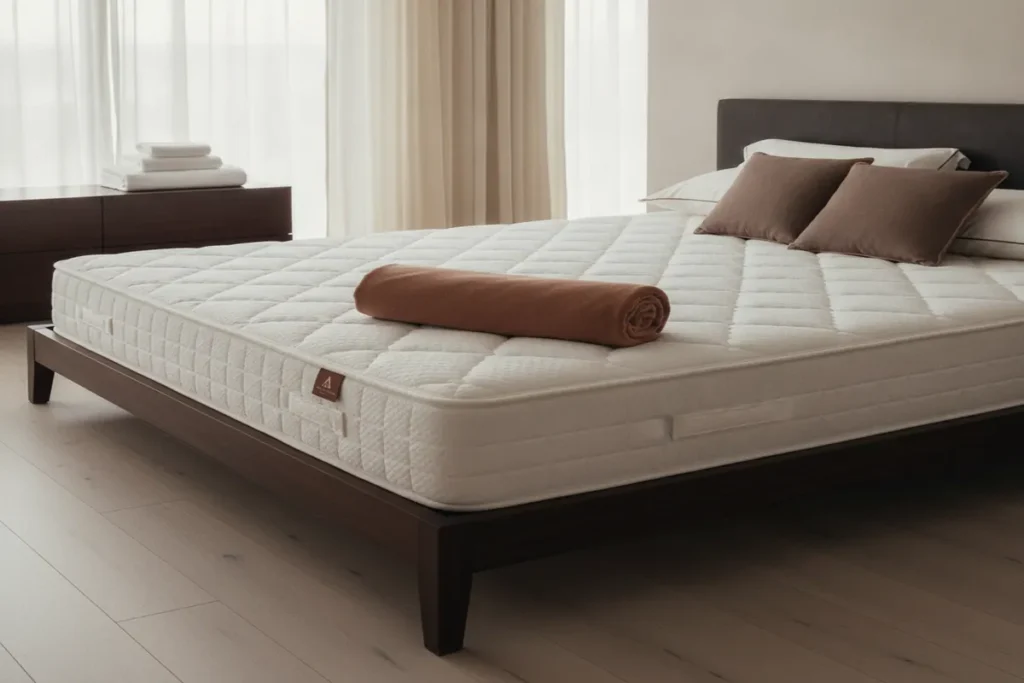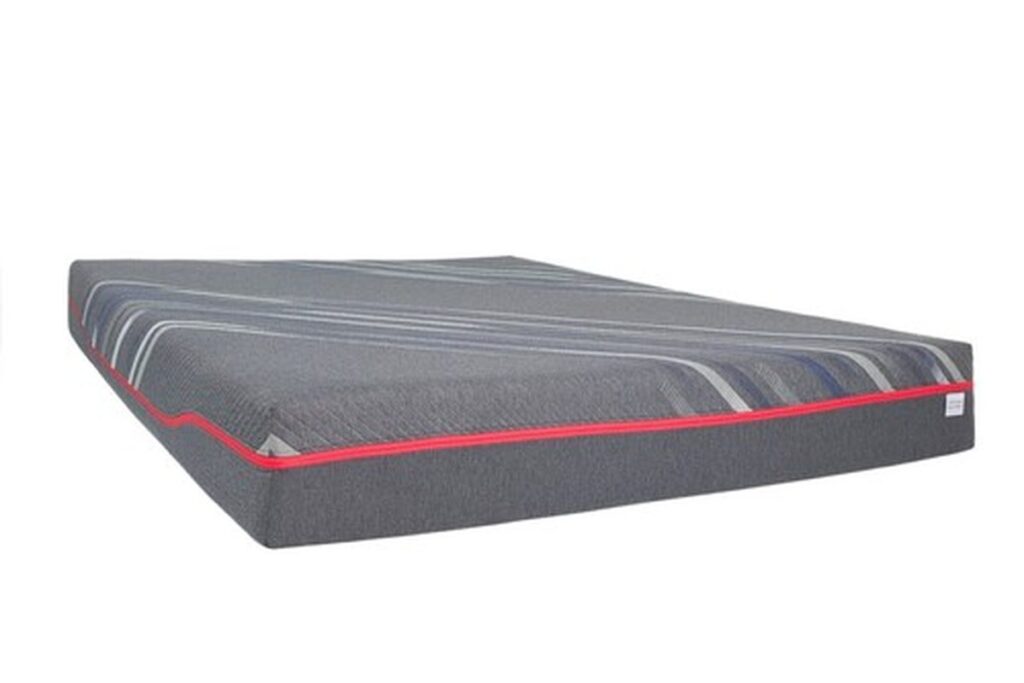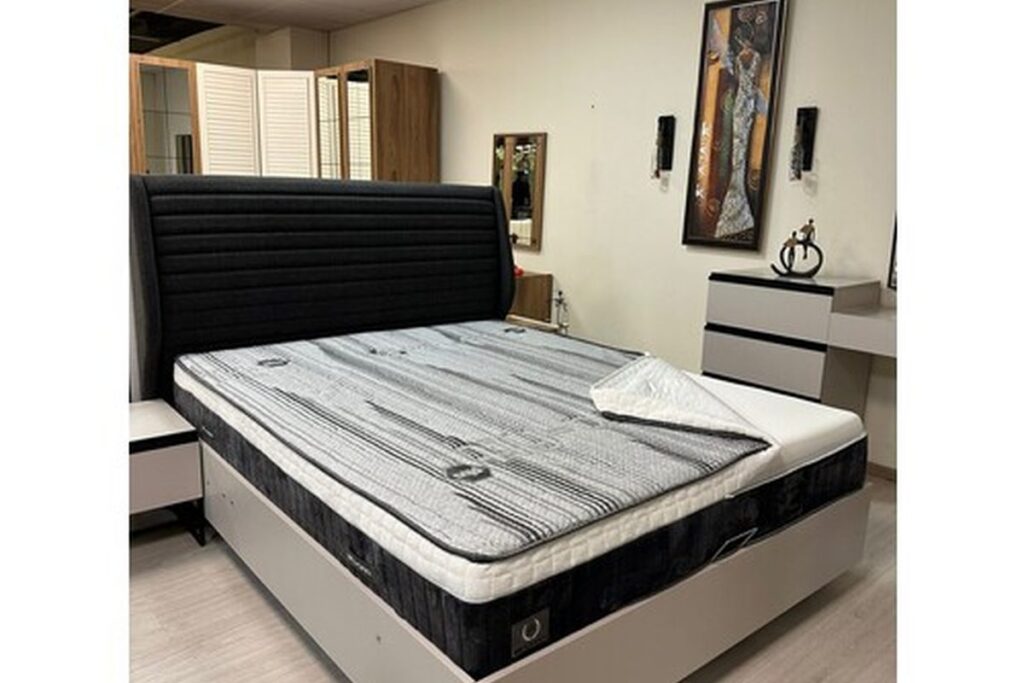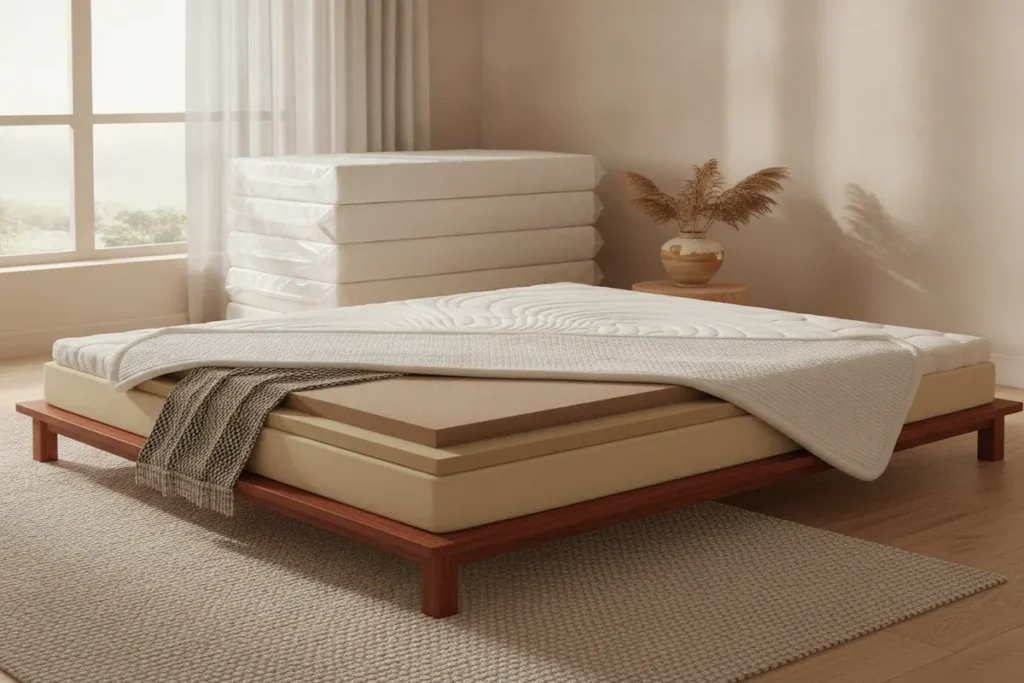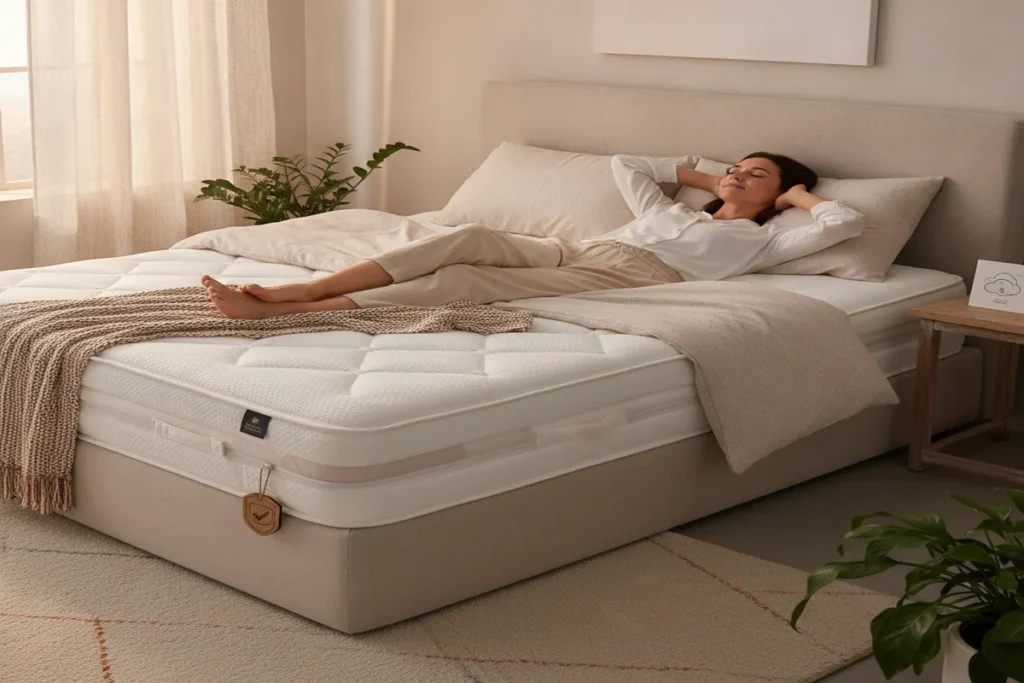

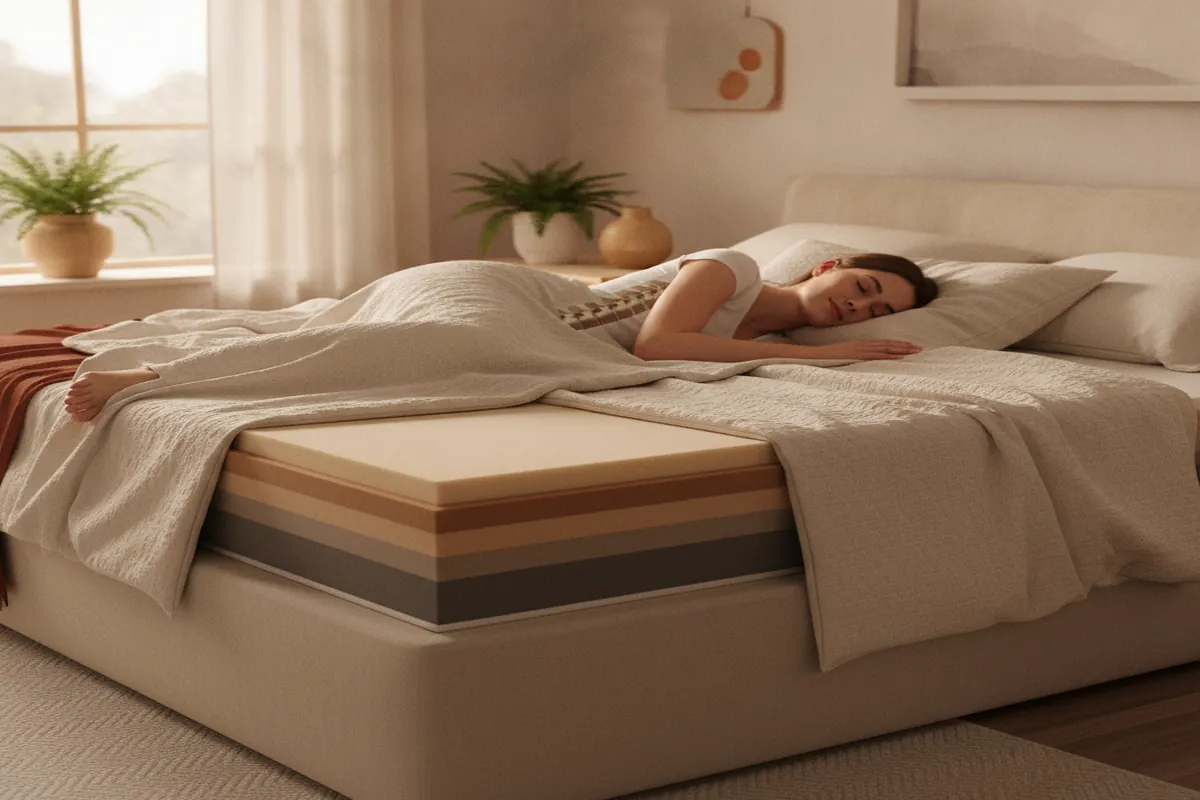
For individuals suffering from a herniated disc, selecting the right mattress is paramount to managing pain, promoting healing, and achieving restorative sleep. The best foam mattress for herniated disc relief typically offers a crucial balance of contouring pressure relief and robust, consistent spinal support. It effectively distributes body weight, minimizes pressure points that can exacerbate disc pain, and maintains the spine’s natural alignment throughout the night, making medium-firm memory foam or natural latex highly recommended.
Quick Summary
- Medium-firm memory foam or natural latex mattresses are optimal for herniated discs
- prioritize balanced support and pressure relief for spinal alignment
- evaluate firmness, material density, and sleep position
- avoid mattresses that are too soft or excessively firm
What Type of Foam Mattress Best Supports a Herniated Disc?
When navigating the complexities of back pain caused by a herniated disc, the type of foam in your mattress is a critical factor. Not all foams are created equal, and understanding their unique properties can significantly impact your comfort and recovery. The primary goal is to find a mattress that prevents the spine from sinking too much or being pushed out of alignment, while also cushioning sensitive areas.
Here are the key characteristics to prioritize in a foam mattress for herniated disc sufferers:
-
Balanced Firmness: Generally, a medium-firm feel is recommended. This provides enough resistance to keep the spine aligned but also enough give to cradle the body’s natural curves and relieve pressure points.
-
High Density: Denser foams offer better durability and more consistent support over time. For memory foam, look for densities typically above 4-5 lbs/cu.ft. For latex, 65-80 ILD (Indentation Load Deflection) for the core is a good starting point.
-
Excellent Pressure Relief: The mattress should contour to your body, distributing weight evenly and reducing stress on the affected disc and surrounding nerves.
-
Consistent Support: The support core of the mattress must be robust enough to prevent sagging, which can undo all the benefits of the comfort layers.
-
Quality Materials: Investing in high-quality foam ensures the mattress retains its supportive properties for longer.
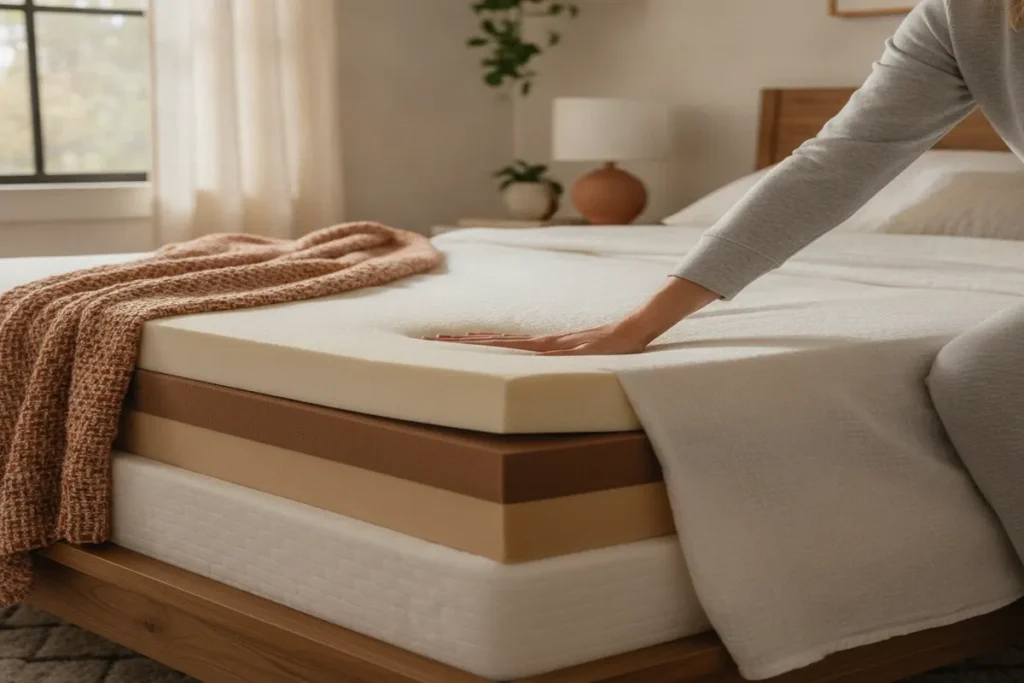
Memory Foam (Visco Foam): The Contouring Champion
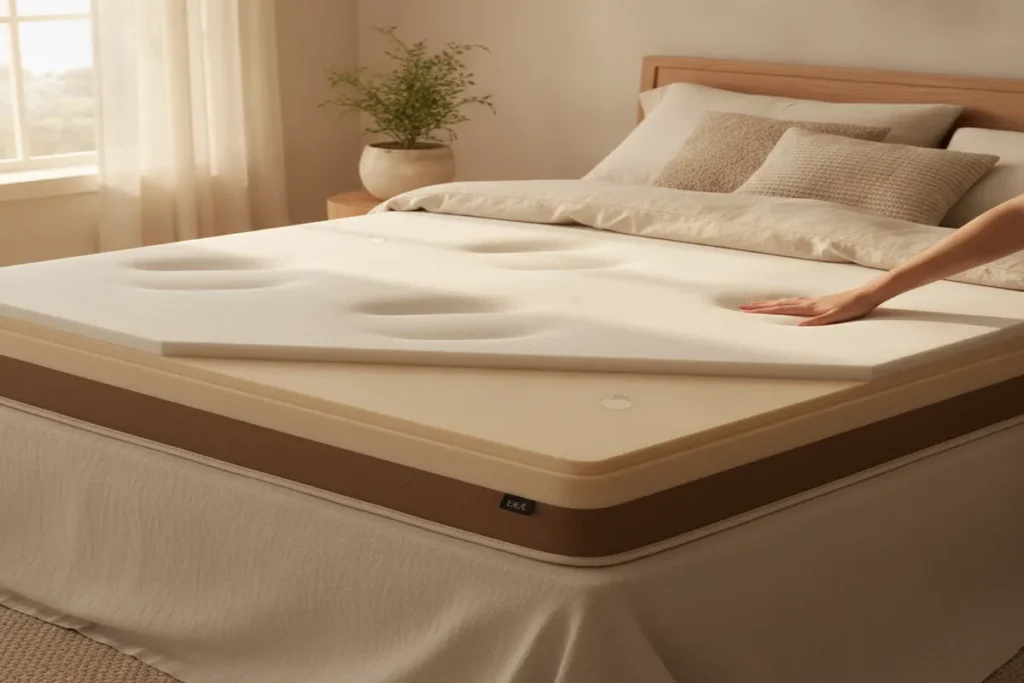
Memory foam, also known as Visco Foam, is renowned for its ability to conform precisely to the body’s shape. This “hug” sensation allows it to distribute body weight exceptionally well, reducing pressure points around the hips, shoulders, and lower back. For a herniated disc, this specific contouring can be invaluable, as it fills the lumbar curve and supports the spine in its natural S-shape.
-
Pros for Herniated Discs:
- Superior Pressure Relief: Molds to the body, alleviating stress on the compromised disc.
- Spinal Alignment: Helps maintain the natural curvature of the spine, reducing strain.
- Motion Isolation: Excellent at absorbing movement, beneficial for couples.
-
Considerations:
- Heat Retention: Traditional memory foam can trap heat, though newer designs (gel-infused, open-cell) mitigate this.
- Slower Response Time: Can make changing positions slightly more difficult for some.
Latex Foam: The Responsive Alternative
Latex foam is derived from rubber trees (natural latex) or synthetic compounds (synthetic latex), offering a different feel than memory foam. It provides a buoyant, responsive support that lifts the body rather than allowing it to sink deeply. This makes it easier to move around while still offering excellent pressure relief and spinal alignment.
-
Pros for Herniated Discs:
- Responsive Support: Offers a gentle lift that keeps the spine aligned without a “stuck” feeling.
- Durability: Natural latex is incredibly durable and long-lasting.
- Breathability: Generally sleeps cooler than traditional memory foam.
- Hypoallergenic: Natural latex is resistant to dust mites and mold.
-
Considerations:
- Higher Cost: Especially for natural latex, it tends to be more expensive.
- Weight: Latex mattresses can be quite heavy.
Polyfoam (High-Density Polyurethane Foam): The Foundation
While often used as the base layer in many foam mattresses, high-density polyfoam provides crucial foundational support. It’s less conforming than memory foam or latex but offers firm stability. In a well-constructed mattress for a herniated disc, polyfoam acts as the sturdy core, preventing sagging and ensuring the comfort layers perform optimally. It’s rarely recommended as a primary comfort layer for herniated discs due to its limited contouring.
Choosing between these foam types often comes down to personal preference for feel and budget, but both memory foam and latex can offer significant relief when properly selected. For more specific options, explore our Visco Foam Mattress and Latex Foam Mattress pages.
Key Criteria for Selecting the Right Foam Mattress When You Have a Herniated Disc
Selecting the ideal foam mattress for a herniated disc isn’t a one-size-fits-all decision; it requires careful consideration of several interconnected factors. Your unique body type, sleep habits, and the specific nature of your disc condition all play a role. Approaching this decision with a structured framework can help you make an informed choice that truly supports your recovery and enhances your sleep quality.
Here’s a practical checklist of criteria to guide your selection:
-
Optimal Firmness Level:
- Guidance: For most herniated disc sufferers, a medium-firm mattress is the sweet spot. It’s firm enough to keep your spine in a neutral alignment, preventing excessive sinking, yet soft enough to cushion pressure points.
- What to Avoid: Mattresses that are too soft allow your midsection to sink, creating a hammock effect that strains the lower back. Conversely, overly firm mattresses can push against the natural curve of your spine, leading to new pressure points and discomfort.
- Practical Tip: Firmness is subjective. What feels medium-firm to one person might feel different to another. Always check manufacturer firmness ratings (often on a scale of 1-10, aiming for 5-7) and user reviews.
-
Balanced Support and Pressure Relief:
- Guidance: The mattress must provide robust support to prevent spinal misalignment while simultaneously offering superior pressure relief to reduce stress on the affected disc. Foam excels here by conforming to your body.
- How it Works: Support keeps your spine straight; pressure relief reduces pain at contact points like hips and shoulders. A good foam mattress achieves both.
- Internal Link: Discover how Sinyora Yatak‘s Construction Mattress designs prioritize this balance.
-
Spinal Alignment:
- Guidance: This is arguably the most critical factor. When lying down, your spine should maintain a relatively straight line from your neck to your tailbone, especially if you’re a back sleeper, or a straight line across your body if you’re a side sleeper.
- Testing: Lie on your back and have someone check if your spine appears straight. For side sleepers, check if your hips and shoulders are properly cushioned, preventing your spine from curving unnaturally.
- Benefit: Proper alignment minimizes strain on the herniated disc, allowing it to heal and preventing further irritation.
-
Material Quality and Density:
- Guidance: High-density foams (whether memory foam or latex) are crucial for durability and consistent support. Lower density foams break down faster, leading to sagging and reduced support.
- Density Metrics: For memory foam, look for 4-5 lbs/cu.ft or higher. For latex, look at ILD ratings, with higher numbers indicating firmer latex.
- Why it Matters: A high-quality, dense foam will maintain its structural integrity and supportive properties for years, offering a better return on your investment in spinal health. Consider our Turkish Mattress Lifespan insights.
-
Temperature Regulation:
- Guidance: Foam mattresses, especially traditional memory foam, can sometimes retain heat. Look for innovations like gel infusions, open-cell structures, or natural latex which inherently sleeps cooler.
- Impact: Overheating can disrupt sleep, which is counterproductive to healing and pain management.
-
Edge Support:
- Guidance: Good edge support means the perimeter of the mattress is firm and supportive.
- Benefits: Makes it easier to get in and out of bed, prevents rolling off, and expands the usable sleep surface. This is particularly helpful for individuals with mobility issues due to back pain.
-
Motion Isolation:
- Guidance: If you share your bed, excellent motion isolation (where movement on one side doesn’t transfer to the other) is a significant benefit. Foam mattresses, especially memory foam, excel at this.
- Benefit: Minimizes disturbances, allowing for uninterrupted sleep, which is vital for recovery.
By diligently evaluating these criteria, you can confidently choose a foam mattress that provides the necessary therapeutic support for your herniated disc, leading to improved comfort and better sleep.
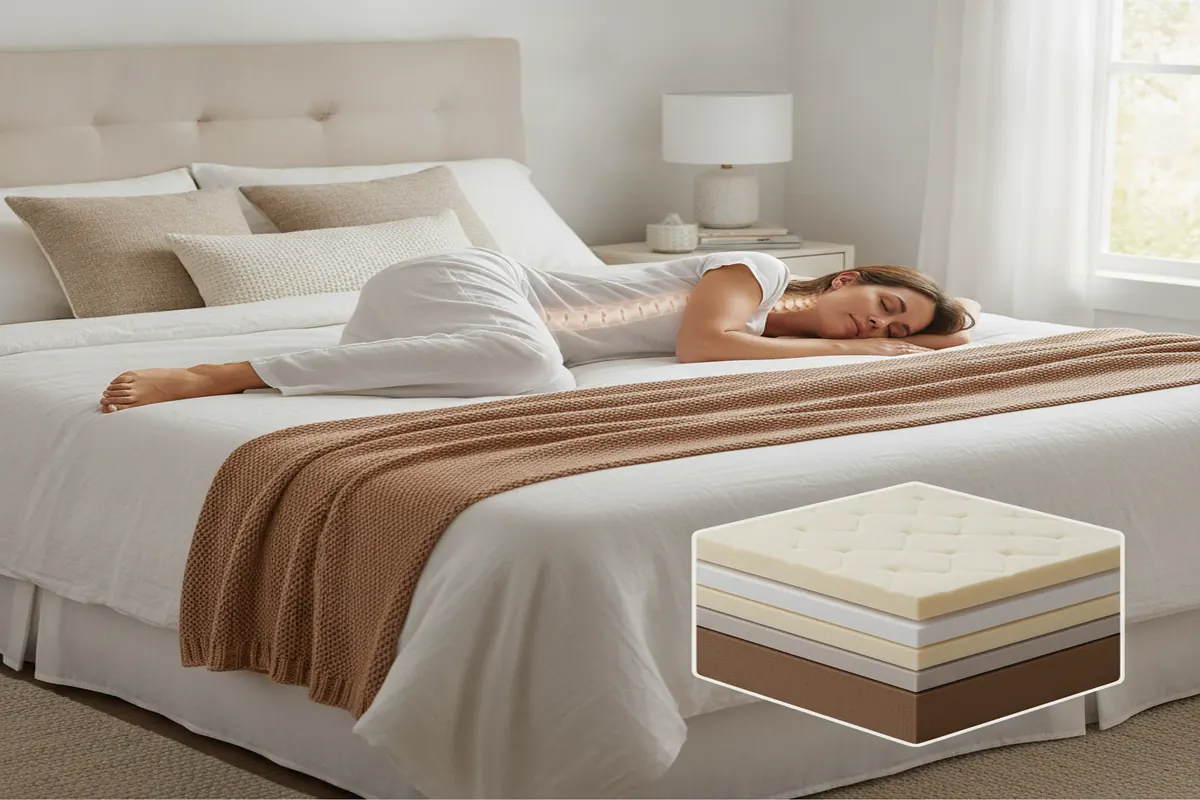
Memory Foam vs. Latex Foam: Which is Superior for Herniated Disc Sufferers?
The debate between memory foam and latex foam is ongoing, especially when considering specific health conditions like a herniated disc. Both are excellent choices for pressure relief and support, but their unique characteristics cater to different preferences and needs. Understanding these distinctions is key to making the optimal choice for your spinal health.
Here’s a side-by-side comparison to help you weigh your options:
For Herniated Disc Sufferers:
-
Choose Memory Foam if: You desire a mattress that truly cradles your body, offering a personalized “hug” that minimizes pressure points with extreme precision. If you tend to stay in one position for most of the night and value unparalleled motion isolation, memory foam could be your ideal choice. Modern Visco Foam Mattress options from Sinyora Yatak incorporate cooling technologies to address heat concerns.
-
Choose Latex Foam if: You prefer a more responsive, buoyant feel that makes it easier to change positions. If you sleep hot, prioritize natural materials, or value exceptional long-term durability, latex is a strong contender. The consistent, resilient support of a Latex Foam Mattress can be particularly beneficial for maintaining spinal alignment without feeling “stuck.”
Ultimately, both foam types can provide significant relief for a herniated disc. Your decision should hinge on your personal preference for the feel of the mattress, your budget, and any specific concerns like sleeping hot or desiring natural materials. Consider visiting a showroom or utilizing generous home trial periods to experience both firsthand.
Common Pitfalls to Avoid When Choosing a Foam Mattress for Back Pain
Navigating the mattress market can be overwhelming, and for someone with a herniated disc, making the wrong choice can exacerbate pain and hinder recovery. Many common mistakes can lead to discomfort, wasted money, and prolonged suffering. Being aware of these pitfalls can save you from a regrettable purchase and guide you toward a solution that genuinely supports your spinal health.
Here are the most common mistakes to avoid:
-
Choosing Too Soft a Mattress:
- Mistake: Believing that a softer mattress equates to more comfort for a sore back.
- Consequence: A mattress that is too soft allows your body, particularly your hips and midsection, to sink too deeply. This creates a “hammock” effect, misaligning your spine and placing increased strain on your herniated disc, leading to worsened pain.
- Solution: Aim for a medium-firm feel that provides resistance and keeps your spine level.
-
Opting for Excessive Firmness:
- Mistake: Assuming that “the firmer, the better” for back support.
- Consequence: While support is crucial, a mattress that is excessively firm can be just as detrimental as one that’s too soft. It may not allow for adequate contouring around your body’s natural curves (like the lumbar region), creating pressure points on your hips and shoulders and leading to discomfort and poor circulation.
- Solution: Seek a balance. A truly supportive mattress will still offer enough give to cushion your body.
-
Ignoring Trial Periods and Warranties:
- Mistake: Not taking advantage of a mattress company’s sleep trial or overlooking the warranty details.
- Consequence: A mattress feels different after a few minutes in a store versus several nights at home. Without a trial period, you’re stuck with a potentially unsuitable mattress. A poor warranty can leave you unprotected against manufacturing defects or premature sagging.
- Solution: Always choose a mattress with a substantial in-home trial (ideally 90-120 nights) and a comprehensive warranty. Review our Warranty Information and Return Policy for Sinyora Yatak.
-
Overlooking Material Density and Quality:
- Mistake: Focusing solely on the “foam” label without delving into the specifics of density and material composition.
- Consequence: Low-density foams (especially memory foam) break down quickly, leading to premature sagging and a loss of support. This can cause your herniated disc pain to return or worsen as the mattress degrades.
- Solution: Prioritize high-density foams. For memory foam, look for 4-5 lbs/cu.ft or higher. For latex, confirm it’s natural or high-quality synthetic.
-
Neglecting Your Sleep Position:
- Mistake: Buying a mattress without considering how your primary sleep position impacts your support needs.
- Consequence: Side sleepers need more contouring for hips and shoulders than back sleepers, while stomach sleepers require a firmer surface to prevent spinal arching. Ignoring this can lead to misalignment.
- Solution: Match your mattress firmness and foam type to your sleep position. We’ll delve deeper into this in a later section, but for now, consider our Turkish Mattress for Side Sleepers guide.
-
Not Considering Your Body Weight:
- Mistake: Assuming a mattress’s firmness rating will feel the same for everyone.
- Consequence: Lighter individuals may find a medium-firm mattress feels firmer, while heavier individuals might find it softer. This can lead to unexpected comfort issues.
- Solution: Account for your body weight. Heavier individuals generally need slightly firmer and denser foams for adequate support and durability.
By avoiding these common pitfalls, you significantly increase your chances of finding a foam mattress that truly provides the relief and support needed for a herniated disc, transforming your sleep and contributing to your overall well-being.
Navigating Foam Mattress Prices for Herniated Discs: What Influences Cost and Value?
When searching for the best foam mattress for herniated disc prices, it’s crucial to understand that cost is influenced by a range of factors beyond just the “foam” label. While a higher price often correlates with superior materials and construction, it doesn’t always guarantee the best fit for your specific needs. It’s about finding the optimal balance of quality, features, and value that addresses your pain effectively.
Understanding what drives foam mattress pricing can help you make a smart investment:
-
Material Composition and Quality:
- Natural Latex: Generally the most expensive foam type due to its natural origin, sustainable harvesting, and exceptional durability. Brands using 100% natural Talalay or Dunlop latex will command premium prices.
- High-Density Memory Foam (Visco Foam): More expensive than lower-density memory foams. The higher the density (measured in lbs/cu.ft), the more material used, the better the durability, and often the higher the price.
- Proprietary Foams: Some brands develop unique foam formulations (e.g., Tempur-Pedic’s proprietary TEMPUR material) which involve significant research and development, leading to higher costs. This directly addresses the query about best tempurpedic mattress for herniated disc; while Tempur-Pedic is a premium brand known for its specialized memory foam, its price reflects this innovation and brand recognition.
- Gel-Infused or Open-Cell Foams: These modifications to memory foam, designed to improve temperature regulation, often add to the cost.
-
Mattress Construction and Layers:
- Number of Layers: Mattresses with multiple distinct layers (comfort, transition, support) often cost more due to increased material and manufacturing complexity.
- Layer Thickness: Thicker comfort layers, especially if they are high-density memory foam or latex, contribute to a higher price.
- Zoned Support Systems: Mattresses with specific zones designed to provide varying levels of support (e.g., firmer in the lumbar region, softer at the shoulders) involve more intricate engineering and can increase cost.
-
Brand Reputation and Research & Development:
- Established brands with a long history and significant investment in R&D often have higher price points. They typically offer robust warranties, extensive customer support, and a reputation for quality.
- Sinyora Yatak leverages decades of Turkish mattress-making expertise, offering premium quality at competitive international prices. Learn more about What Makes Turkish Mattresses Special.
-
Certifications and Eco-Friendliness:
- Certifications like CertiPUR-US (for polyfoam and memory foam), GOLS (Global Organic Latex Standard), or GOTS (Global Organic Textile Standard) indicate adherence to strict environmental and safety standards. While reassuring, these certifications can add to the production cost.
-
Warranty and Trial Period:
- A generous warranty (10+ years) and a lengthy home trial period (90-120 nights) are factored into the overall price, offering peace of mind and demonstrating manufacturer confidence.
Finding Value for a Herniated Disc:
Instead of solely chasing the lowest price, focus on value. A cheaper mattress that sags within a few years or exacerbates your pain is a poor investment. A higher-priced mattress that provides consistent relief, lasts a decade, and comes with excellent customer support offers superior value.
-
Budgeting: Set a realistic budget, but be prepared to view a quality mattress as an investment in your health. Consider payment plans if available.
-
Compare Features: Don’t just compare prices; compare the types of foam, density, layer construction, and certifications between mattresses in a similar price range.
-
Read Reviews: Look for reviews specifically from individuals with back pain or herniated discs. The top rated best foam mattress for herniated disc will often have consistent positive feedback on pain relief and durability.
By understanding these cost drivers, you can make an informed decision that balances your budget with the critical need for effective spinal support, ultimately leading to better sleep and pain management.
Understanding Your Sleep Position: Tailoring Your Foam Mattress Choice for Herniated Disc Relief
Your preferred sleep position is a crucial, yet often overlooked, factor when choosing a foam mattress, especially when dealing with a herniated disc. Different positions create different pressure points and require specific types of support to maintain proper spinal alignment. Matching your mattress to your sleep style can significantly enhance comfort and aid in recovery.
Here’s how your sleep position influences the ideal foam mattress for you:
-
Side Sleepers:
- Challenge: Side sleepers need a mattress that allows their shoulders and hips to sink in just enough to keep the spine straight, preventing pressure buildup. If the mattress is too firm, the spine can curve upwards, straining the disc. If it’s too soft, the hips can sink too far, causing misalignment.
- Ideal Foam Mattress: A medium-soft to medium-firm foam mattress, typically with a thicker, more conforming comfort layer of memory foam or softer latex. This allows for contouring around the broader parts of the body while supporting the waist.
- Sinyora Yatak Tip: Explore our Turkish Mattress for Side Sleepers for options engineered to provide targeted pressure relief.
-
Back Sleepers:
- Challenge: Back sleepers need a mattress that supports the natural “S” curve of the spine, particularly in the lumbar region, without allowing the hips to sink too deeply or the shoulders to be unsupported.
- Ideal Foam Mattress: A medium-firm foam mattress is generally best. It should offer a balance of contouring to fill the lumbar curve and robust support to keep the entire spine in a neutral position. Both medium-firm memory foam and responsive latex work well.
- Key Focus: Ensuring the mattress doesn’t create a gap under your lower back or allow your hips to sag.
-
Stomach Sleepers:
- Challenge: This is often considered the most challenging position for individuals with a herniated disc, as it tends to flatten the natural curve of the spine and can strain the neck. The primary goal is to prevent the hips from sinking, which arches the lower back.
- Ideal Foam Mattress: A medium-firm to firm foam mattress is usually recommended. This provides enough resistance to keep the hips elevated and in line with the shoulders, preventing spinal hyperextension. Softer comfort layers should be minimal.
- Recommendation: If possible, stomach sleepers with herniated discs might consider transitioning to side or back sleeping with the aid of supportive pillows, as this position can often exacerbate disc issues.
-
Combination Sleepers:
- Challenge: Combination sleepers change positions frequently throughout the night, requiring a mattress that can adapt quickly and provide consistent support regardless of the orientation.
- Ideal Foam Mattress: A medium-firm mattress with good responsiveness is key. Latex foam, with its quicker response time, is often favored by combination sleepers as it allows for easier movement. Responsive memory foams (often open-cell or gel-infused) can also work.
- Focus: Look for a mattress that offers a good balance of contouring and ease of movement.
By understanding your primary sleep position and its specific support requirements, you can fine-tune your foam mattress choice to ensure optimal spinal alignment and minimize discomfort from a herniated disc.
The Sinyora Yatak Advantage: Why Our Turkish Foam Mattresses Offer Superior Spinal Relief
At Sinyora Yatak, we understand that a mattress is more than just a place to sleep; it’s an investment in your health and well-being, especially when dealing with conditions like a herniated disc. Our heritage of Turkish mattress craftsmanship, combined with modern foam technology, positions us to offer solutions specifically designed for superior spinal relief. When you choose a Sinyora Yatak foam mattress, you’re not just buying a product; you’re investing in decades of expertise and a commitment to restorative sleep.
Here’s why Sinyora Yatak foam mattresses stand out for those seeking relief from herniated disc pain:
-
Expert Craftsmanship & Quality Materials: Our Turkish mattresses are born from a rich tradition of meticulous crafting, ensuring every layer is precisely engineered for optimal support and durability. We use high-grade Visco Foam Mattress (memory foam) and Latex Foam Mattress materials, carefully selected for their ability to provide both conforming pressure relief and robust support. This commitment to quality ensures your mattress retains its therapeutic properties for years.
-
Engineered for Optimal Support and Pressure Relief: Sinyora Yatak foam mattresses are designed with spinal health as a priority. Our multi-layered foam constructions are specifically calibrated to:
- Maintain Natural Spinal Alignment: Preventing the hips from sinking too deeply or the lower back from arching unnaturally.
- Distribute Body Weight Evenly: Reducing concentrated pressure points that can irritate a herniated disc.
- Provide Targeted Support: Our foam structures can offer varying levels of firmness across the mattress, ensuring critical lumbar support while cushioning sensitive areas like shoulders and hips.
-
Durability and Longevity You Can Trust: Investing in a Sinyora Yatak foam mattress means investing in long-term relief. Our high-density foams are built to resist sagging and maintain their structural integrity, ensuring consistent support night after night. This durability is a hallmark of Turkish Mattress Lifespan and a crucial factor for sustained spinal health.
-
Variety for Personalized Comfort: We offer a diverse Mattress Collection to cater to various preferences and sleep needs. Whether you prefer the deep contouring of Visco Foam or the responsive buoyancy of Latex Foam, we have options designed to provide the specific support a herniated disc requires. From the luxurious feel of our Cashmere Bed to the advanced engineering of the Avant-Garde Bed, we blend comfort with therapeutic benefits.
-
International Accessibility: Sinyora Yatak is proud to Ship Turkish Mattresses Internationally, making our premium quality accessible worldwide. Whether you’re purchasing for personal use or looking for Mattress Wholesale in Turkiye, our commitment to customer service ensures a smooth experience.
-
Holistic Sleep Solutions: Beyond mattresses, we offer a Pillow Collection including Visko Pillows Neck Support and Latex Pillows Neck Support, designed to complement your mattress and ensure complete spinal alignment from head to toe. Our Topper Collection also provides options for adjusting the feel of your existing mattress.
Choosing Sinyora Yatak means choosing a partner in your journey toward better sleep and reduced back pain. We invite you to explore our products and experience the difference that expert Turkish craftsmanship and high-quality foam can make for your herniated disc. For any questions, our Customer Service team is ready to assist.
Expert Insight
“The foundation of effective herniated disc management during sleep lies in achieving neutral spinal alignment. This means selecting a mattress that is firm enough to prevent sagging, yet conforming enough to support the natural curves of the spine. Foam mattresses, particularly high-density memory foam and natural latex, are exceptionally well-suited to this task due to their ability to distribute pressure evenly and adapt to the body’s unique contours, thereby reducing stress on the intervertebral discs.” – Industry experts confirm that proper spinal alignment is non-negotiable for disc health.
Key Terms
-
Herniated Disc: A condition where the soft inner material (nucleus pulposus) of an intervertebral disc pushes through a tear in the tougher outer layer (annulus fibrosus), often compressing nearby nerves and causing pain. Also known as a bulging or slipped disc.
-
Visco Foam (Memory Foam): A type of polyurethane foam that reacts to body heat and pressure, conforming closely to the body’s shape to provide personalized support and pressure relief.
-
Latex Foam: A resilient and durable foam made from the sap of rubber trees (natural latex) or synthetic materials. It offers buoyant support, quick responsiveness, and good breathability.
-
Spinal Alignment: The natural, healthy curvature of the spine (an “S” shape when viewed from the side) that a mattress should help maintain during sleep to minimize strain and discomfort.
-
Pressure Relief: The ability of a mattress to distribute body weight evenly, reducing concentrated force on sensitive areas like hips, shoulders, and the lower back, thereby alleviating pain.
How Can You Upgrade to More Comfortable Sleep with Sinyora Yatak?
If you’re living with a herniated disc, the path to truly restorative sleep begins with a mattress that understands and supports your body’s unique needs. Sinyora Yatak offers a curated selection of premium foam mattresses, meticulously crafted in Turkey, designed to provide the precise balance of support and pressure relief essential for spinal health. Imagine waking up with less pain, feeling more refreshed, and ready to face the day.
We invite you to explore our Mattress Collection and discover the perfect foam mattress tailored for herniated disc relief. Whether you prefer the contouring embrace of our advanced Visco Foam Mattress or the responsive, natural feel of our Latex Foam Mattress, each product embodies our commitment to quality, durability, and your well-being. Don’t let disc pain dictate your sleep quality any longer. Visit Shop All Products today, or Contact Us for Support to speak with a sleep specialist who can guide you through our options and help you choose the ideal mattress to upgrade your sleep experience and provide the relief you deserve.
Frequently Asked Questions
Q: Is a firm or soft mattress better for a herniated disc?
Q: Can a new foam mattress really help with herniated disc pain?
Q: What is the ideal density for a foam mattress if I have a herniated disc?
Q: How long should I test a new mattress for my herniated disc before deciding?
Q: Are all memory foam mattresses good for herniated discs?
Q: Should I also consider a special pillow with my new foam mattress for a herniated disc?
Help: FAQs · Sleep Science · Sleep Resources · Privacy Policy