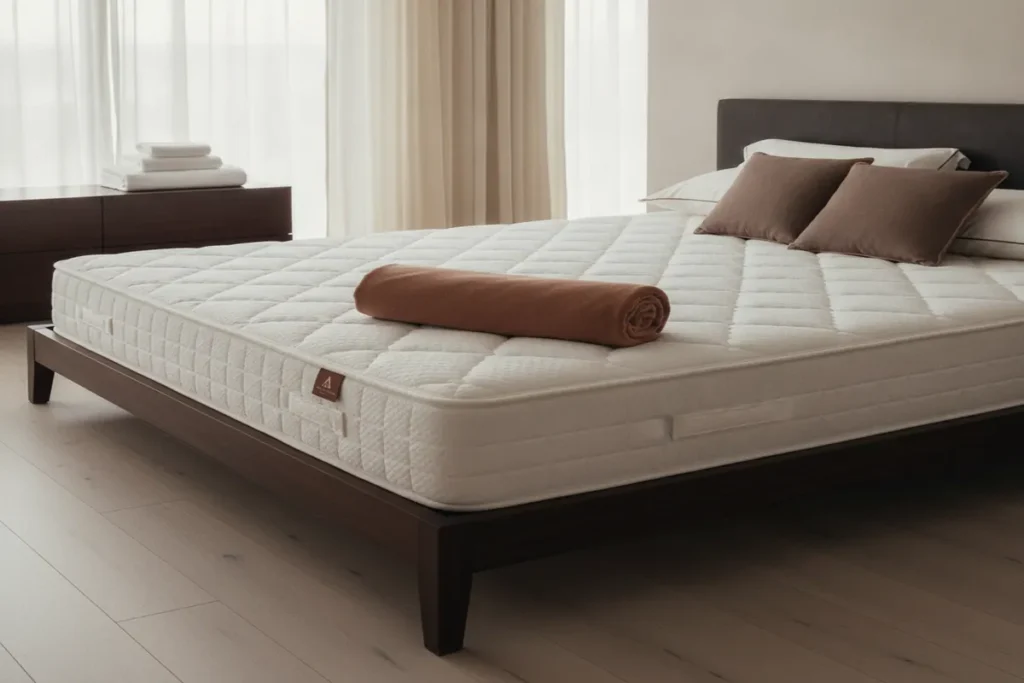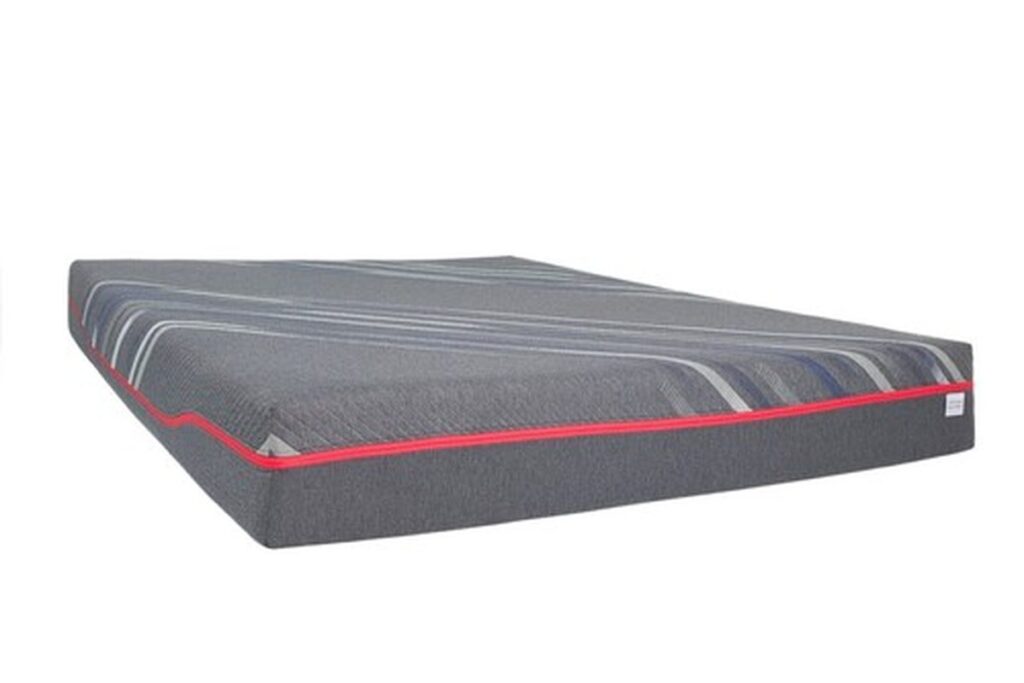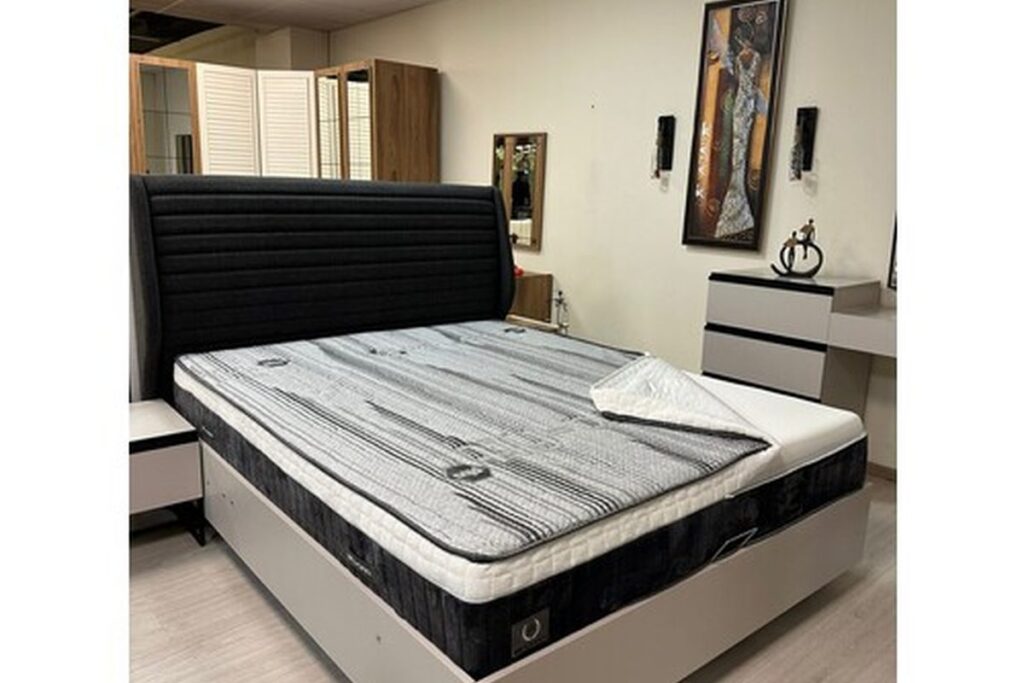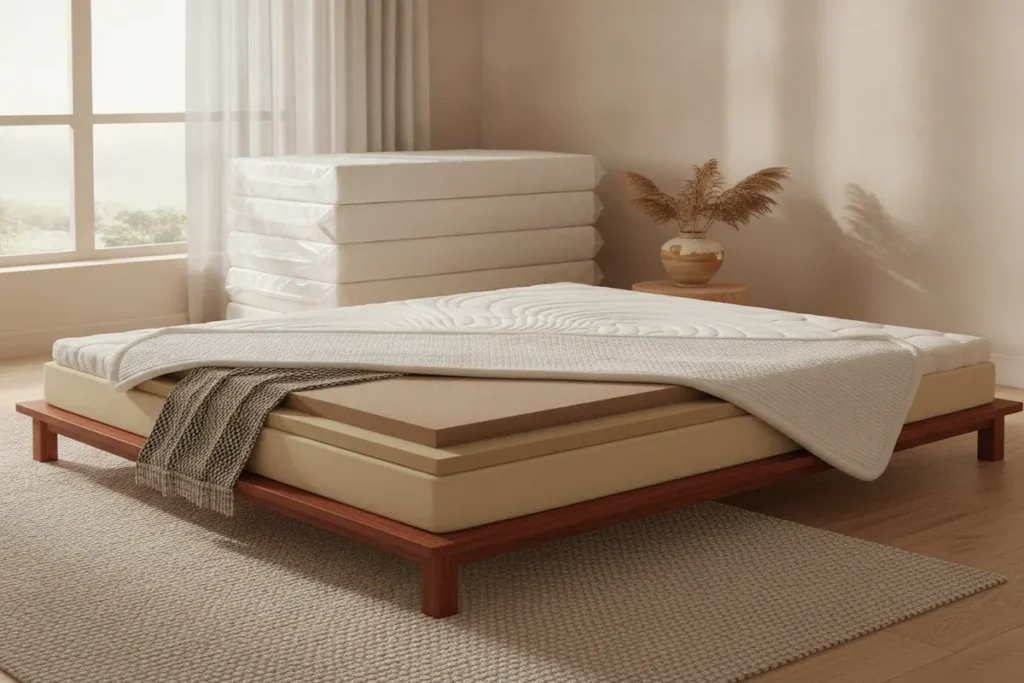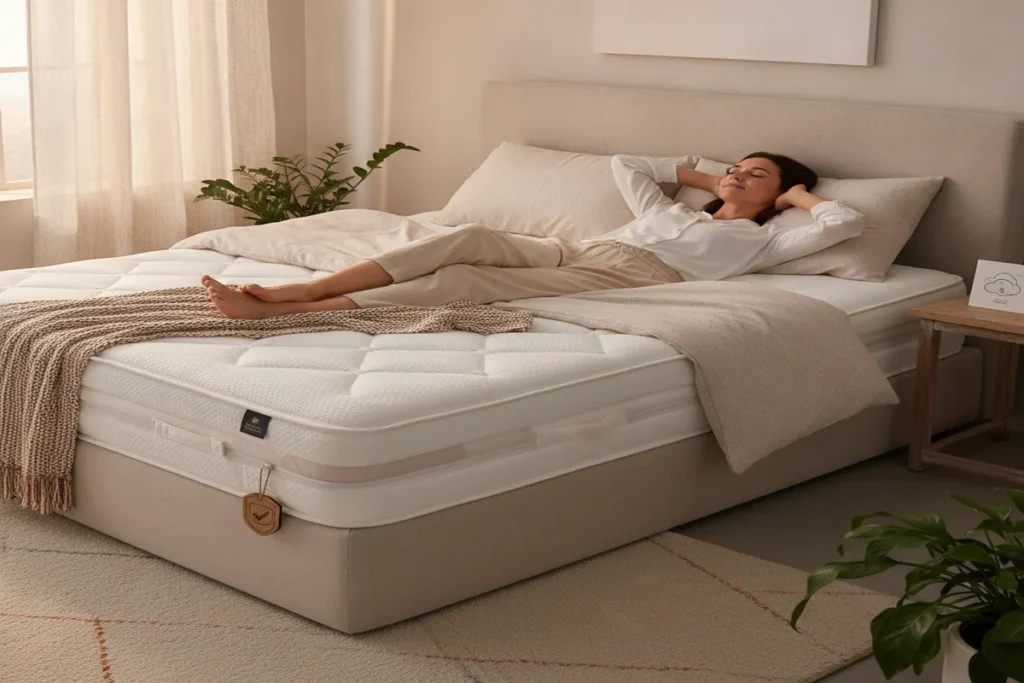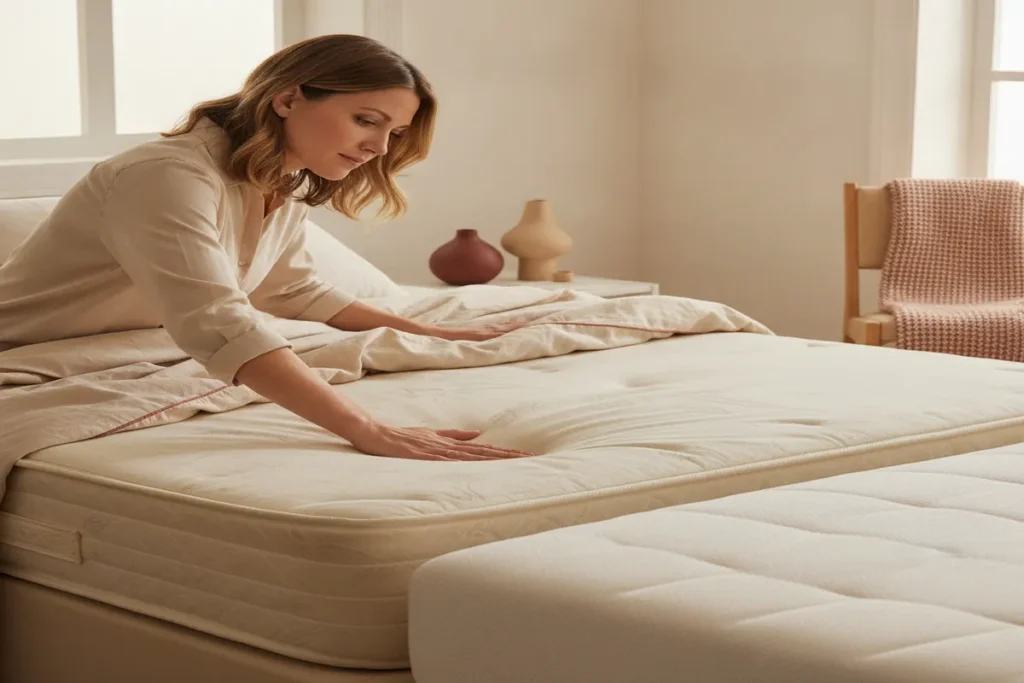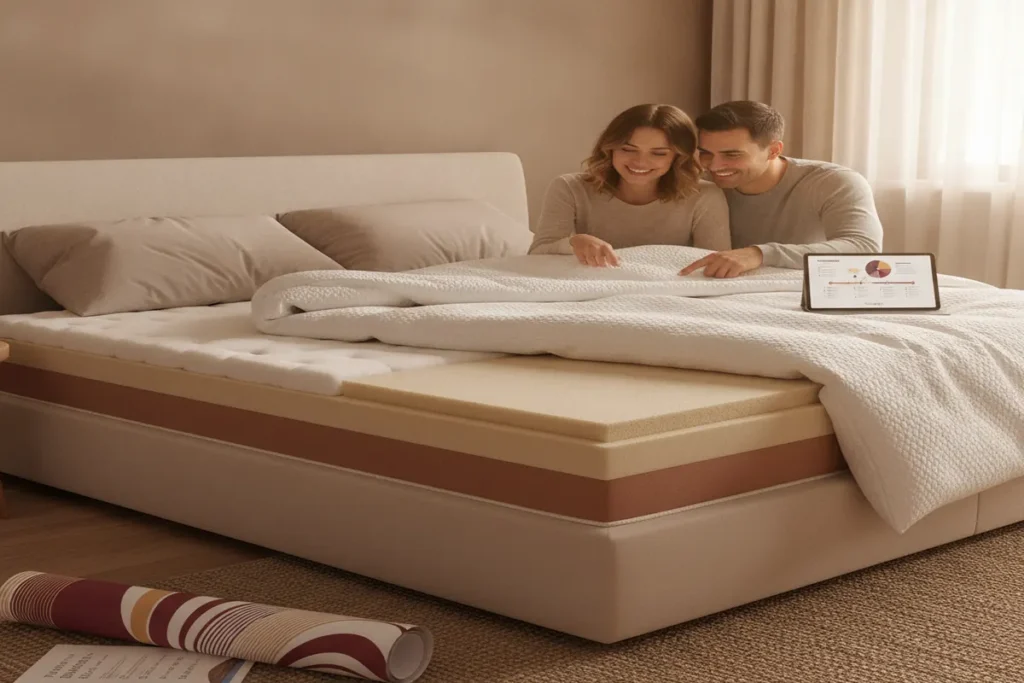

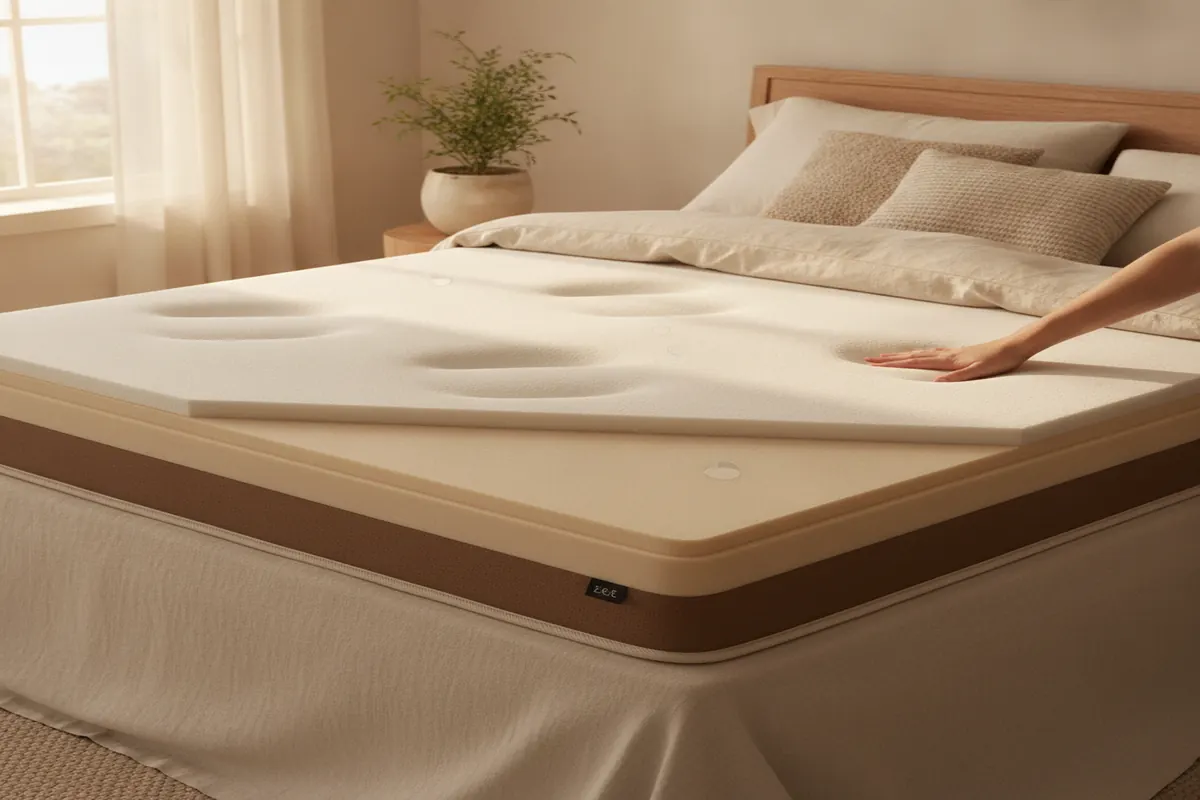
The foam mattress firmness scale is an industry-standard, yet often misunderstood, rating system that typically ranges from 1 to 10. It’s designed to help consumers gauge a mattress’s feel, from ultra-soft (1-3) to extra-firm (7-10), with medium-firm (4-6) being the most common choice. This scale is crucial because the right firmness directly impacts spinal alignment, pressure point relief, and overall sleep quality, making it a highly personal choice influenced by individual sleep position, body weight, and comfort preferences.
Quick Summary
- The foam mattress firmness scale is a subjective 1-10 rating, guiding sleepers to optimal support
- it’s crucial for spinal alignment and pressure relief
- material density and construction heavily influence perceived firmness
- choosing the right scale point depends on sleep position, body weight, and personal preference
What Exactly is the Foam Mattress Firmness Scale and How Does It Work?
At its core, the foam mattress firmness scale is a subjective guide, not a strictly regulated metric, used by manufacturers to communicate the feel and support level of their mattresses. While there isn’t one universal, globally enforced standard, the 1-10 scale is widely adopted across the mattress industry, including by leading brands and specialized producers like Sinyora Yatak.
Here’s a breakdown of what each range typically signifies:
-
1-3 (Soft to Ultra-Soft): These mattresses offer significant contouring and a plush, “sink-in” feel. They are often chosen by individuals seeking deep pressure relief, particularly side sleepers who need ample cushioning for their shoulders and hips. The foam compresses easily under minimal weight.
-
4-6 (Medium-Soft to Medium-Firm): This is the most popular range, aiming for a balance between contouring comfort and supportive lift. A medium-firm mattress (around 5-6) is often considered ideal for a wide variety of sleepers, including couples with different preferences, as it accommodates multiple sleep positions and body types without feeling too soft or too hard.
-
7-10 (Firm to Extra-Firm): Mattresses in this range provide substantial support with minimal sinkage. They are typically preferred by back and stomach sleepers, who require a flatter sleeping surface to maintain proper spinal alignment. Heavier individuals also often find firmer mattresses more supportive and durable.
It’s important to remember that this scale is a general guideline. A “medium-firm” from one brand might feel slightly different from another’s, due to variations in foam composition, density, and construction techniques. Understanding the underlying materials is key to interpreting the number.
How Do You Choose the Right Foam Mattress Firmness for Your Sleep Style?
Selecting the optimal foam mattress firmness is a highly personal decision, deeply intertwined with your unique sleep style, body weight, and any specific health considerations. It’s about finding the sweet spot where your spine remains aligned, and pressure points are adequately cushioned.
Here’s a practical framework to guide your choice:
-
Side Sleepers:
- Need: Significant pressure relief for shoulders and hips, which bear the most weight.
- Ideal Firmness: Soft to Medium-Soft (3-5). This allows the mattress to contour deeply to the body’s curves, preventing painful pressure points and maintaining spinal alignment.
- Consider: A Visco Foam Mattress or Latex Foam Mattress can offer excellent pressure relief and conforming properties. Sinyora Yatak’s Turkish Mattress for Side Sleepers is specifically engineered with this need in mind.
-
Back Sleepers:
- Need: A balance of support and contouring to maintain the natural curve of the spine without creating gaps or excessive sinkage.
- Ideal Firmness: Medium-Firm to Firm (5-7). This range provides enough support to keep the hips from sinking too far, while still offering comfort for the lower back.
-
Stomach Sleepers:
- Need: A firm surface to prevent the hips from sinking too low, which can overextend the lower back and cause pain.
- Ideal Firmness: Firm to Extra-Firm (6-8). A firmer mattress keeps the body on a more even plane, promoting better spinal alignment.
-
Combination Sleepers:
- Need: Versatility and responsiveness to easily change positions throughout the night.
- Ideal Firmness: Medium to Medium-Firm (4-6). This offers a good balance of comfort and support without making it difficult to move.
-
Body Weight Considerations:
- Lighter Individuals (<130 lbs): Often perceive mattresses as firmer than average. They typically need softer mattresses (3-5) to experience sufficient contouring and pressure relief.
- Average Individuals (130-230 lbs): Generally find the medium firmness range (4-6) most comfortable and supportive.
- Heavier Individuals (>230 lbs): Tend to sink deeper into mattresses and require firmer options (6-8+) to achieve adequate support and maintain spinal alignment. They also benefit from higher-density foams for durability.
Remember, the goal is to find a mattress that supports your natural spinal curve in your preferred sleeping position. If you’re waking up with aches, particularly in your back or neck, your current mattress firmness might be incorrect.
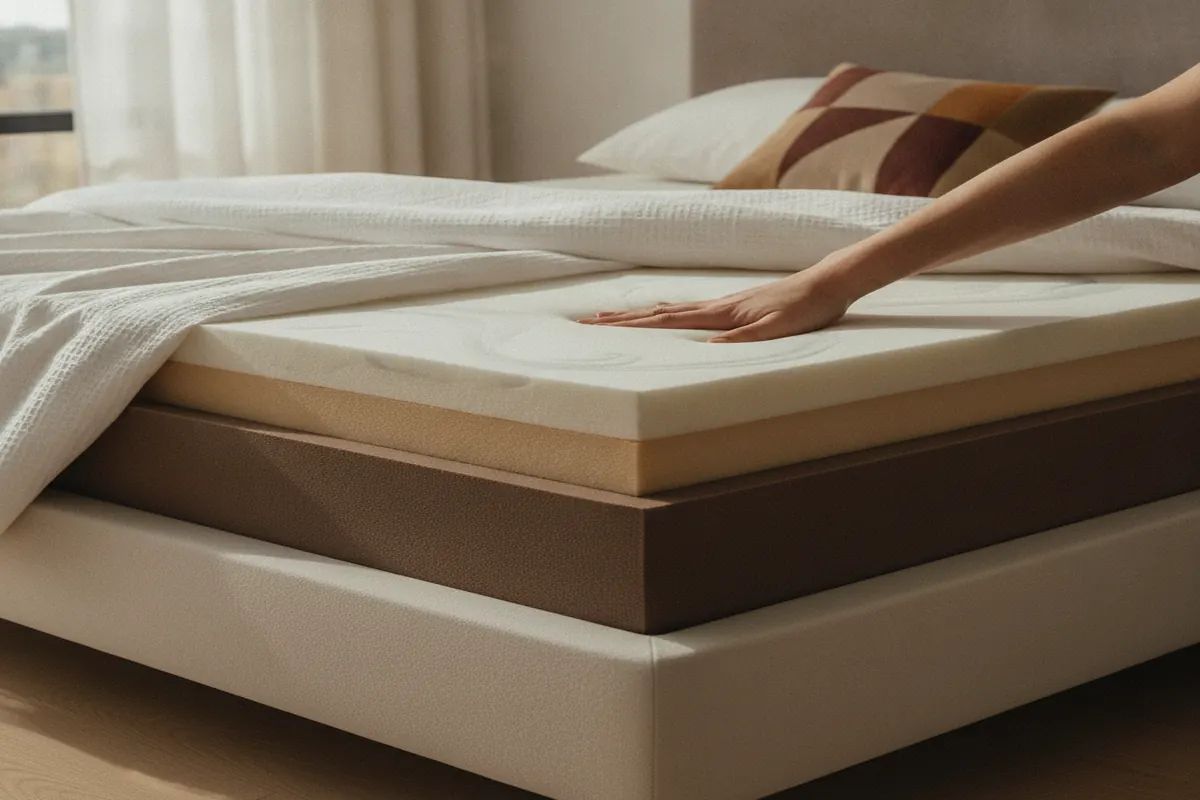
Beyond the Number: How Foam Mattress Materials Impact Firmness and Comfort
While the 1-10 scale provides a quick reference, the true nature of a foam mattress’s firmness and comfort is dictated by its underlying materials and construction. It’s not just about how hard or soft it feels initially, but how it supports, contours, and responds over time.
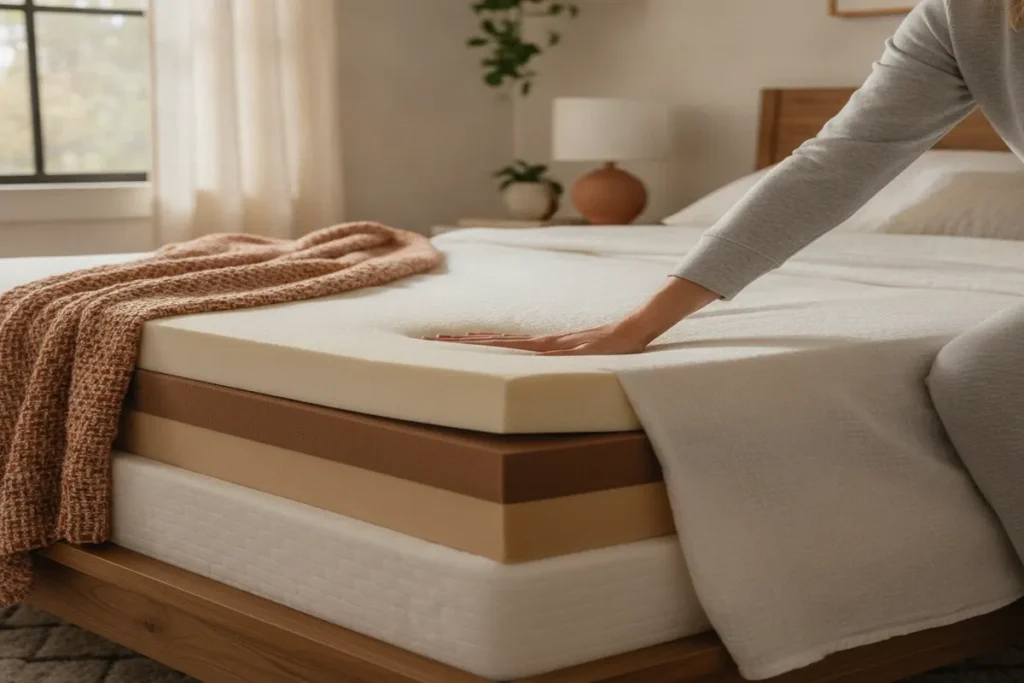
Understanding Foam Types and Their Contribution to Firmness
Different types of foam bring distinct characteristics to the firmness profile:
-
Memory Foam (Visco Foam): Known for its viscoelastic properties, memory foam softens with body heat and pressure, contouring precisely to your shape.
- Firmness Impact: Can range from soft to firm. Higher density memory foams often feel firmer initially but offer deeper contouring once warmed. The slower response time can make it feel “stuck” for some.
- Comfort Level: Excellent pressure relief, motion isolation, and a unique “hug” sensation. Sinyora Yatak’s Visco Foam Mattress options exemplify this.
-
Latex Foam: Derived from rubber trees (natural latex) or synthetically produced, latex is inherently more buoyant and responsive than memory foam.
- Firmness Impact: Available in a wide range, from soft to very firm. Its natural elasticity provides a more “on top” feel.
- Comfort Level: Offers a resilient, supportive feel with good pressure distribution and excellent breathability. Our Latex Foam Mattress combines this with durable construction.
-
Polyurethane Foam (Polyfoam): A common base or transition layer, polyfoam comes in various densities and firmness levels.
- Firmness Impact: Highly versatile, used to create different support zones and firmness transitions within a mattress. Higher density polyfoam generally means greater durability and support.
- Comfort Level: Less conforming than memory foam, but provides a more immediate response. Often forms the core of many foam mattresses.
-
High-Density Foam: While not a specific foam type, high-density refers to the amount of material per cubic foot.
- Firmness Impact: Higher density foams are generally more durable and can contribute to a firmer, more supportive feel, regardless of whether it’s memory foam, latex, or polyfoam. Density is a key indicator of quality and longevity.
- Comfort Level: Provides robust support and helps prevent premature sagging.
Firmness vs. Density: A Crucial Distinction
It’s a common misconception that firmness and density are interchangeable. They are related but distinct:
-
Firmness: How hard or soft a mattress feels when you lie on it (the 1-10 scale). It’s about initial feel and resistance to compression.
-
Density: The amount of material packed into a given volume of foam, measured in pounds per cubic foot (PCF).
- Impact: Higher density foam generally means a more durable mattress that maintains its support and feel for longer. It also often correlates with better support for heavier individuals. A high-density foam can be soft or firm, depending on its chemical composition.
For example, a soft, high-density memory foam will still feel plush but will likely last longer and provide better underlying support than a soft, low-density memory foam.
Here’s a comparison of common foam types and their typical characteristics:
Understanding these material nuances allows you to look beyond just the firmness number and make a more informed decision about the overall feel, support, and longevity of your foam mattress.
Understanding the Investment: How Much Does Foam Mattress Firmness Influence Price?
The question of how much foam mattress firmness scale explained costs isn’t straightforward because firmness itself doesn’t directly dictate price. Instead, the cost is primarily driven by the quality, type, and quantity of the materials used to achieve that specific firmness level, alongside brand reputation, manufacturing processes, and included features.
Here’s a breakdown of factors influencing the price:
-
Foam Type and Quality:
- Premium Foams: Mattresses featuring high-quality natural latex, advanced gel-infused memory foam, or proprietary high-density foams will naturally be more expensive. These materials offer superior durability, breathability, and performance. Sinyora Yatak’s commitment to quality materials, as highlighted in “What Makes Turkish Mattresses Special,” ensures a premium feel and lifespan.
- Standard Foams: Mattresses using basic polyurethane foam or lower-density memory foam tend to be more affordable. While they can still provide comfort, their lifespan and support may not match premium options.
-
Density: Higher density foams, regardless of their firmness, typically cost more. This is because they use more raw material per cubic foot, offering greater durability and support over time. A firm mattress made with high-density foam will generally cost more than a soft mattress made with low-density foam.
-
Construction Complexity:
- Layering: Mattresses with multiple distinct foam layers, each designed for a specific purpose (e.g., a soft comfort layer, a transitional support layer, a firm base layer), often incur higher manufacturing costs due to the complexity of design and assembly.
- Special Features: Additions like zoned support, cooling technologies (e.g., open-cell foam, gel infusions, phase-change materials), or reinforced edges also contribute to the overall price.
-
Brand and Origin: Established brands with strong reputations for quality and customer service, or those offering specialized products like Turkish Mattresses, may price their products higher. The origin of materials and manufacturing standards also play a role.
-
Size: Larger mattresses (King, California King) will always cost more than smaller ones (Twin, Full) due to the increased material and labor required.
Price Ranges (General Estimates for a Queen-Size Foam Mattress in 2026):
-
Budget-Friendly (Soft to Medium-Firm): $300 – $800
- Typically uses basic polyfoam or lower-density memory foam. Good for guest rooms or temporary solutions.
-
Mid-Range (Soft to Firm): $800 – $1,800
- Often features a blend of medium-density memory foam and polyfoam, or entry-level latex. Offers a good balance of comfort, support, and durability for everyday use.
-
Premium/Luxury (Soft to Extra-Firm): $1,800 – $4,000+
- Utilizes high-density memory foam, natural latex, advanced cooling technologies, and sophisticated multi-layer designs. These mattresses are built for exceptional comfort, support, and longevity. Sinyora Yatak’s Mattress Collection, including the Avant-Garde Bed or Cashmere Bed, would fall into this category, offering superior materials and craftsmanship.
When considering the cost, it’s essential to view a mattress as an investment in your sleep health and overall well-being. A higher upfront cost for a well-made, appropriately firm foam mattress can translate to years of comfortable, supportive sleep, potentially saving money on replacements and even healthcare in the long run.
What Are the Core Benefits of Selecting the Correct Foam Mattress Firmness?
Choosing the right foam mattress firmness isn’t just about fleeting comfort; it’s a foundational element of long-term health and restorative sleep. The benefits extend far beyond simply feeling good when you lie down.
Here are the primary advantages of getting your mattress firmness right:
-
Optimal Spinal Alignment: This is perhaps the most critical benefit. A mattress that is too soft allows your spine to sag, while one that is too firm can create pressure points that push your spine out of alignment. The correct firmness supports the natural “S” curve of your spine, from your neck down to your lower back, whether you’re a side, back, or stomach sleeper. This proper alignment is crucial for preventing chronic back pain, neck stiffness, and other musculoskeletal issues.
-
Superior Pressure Point Relief: Foam mattresses are renowned for their ability to distribute body weight evenly, reducing pressure on sensitive areas like shoulders, hips, and knees. The right firmness ensures that these pressure points are cushioned adequately without bottoming out (too soft) or experiencing excessive pressure (too firm). This relief improves blood circulation and reduces tossing and turning, leading to deeper, more uninterrupted sleep.
-
Reduced Aches and Pains: Many common morning aches – particularly in the back, neck, and joints – can be directly attributed to an unsuitable mattress firmness. By providing consistent, targeted support and cushioning, the correct firmness helps alleviate existing discomfort and prevents new pains from developing. This is especially vital for individuals with conditions like arthritis or fibromyalgia.
-
Enhanced Sleep Quality and Duration: When you’re truly comfortable and supported, your body can fully relax and enter deeper stages of sleep. This leads to more restorative sleep cycles, which are essential for cognitive function, mood regulation, immune health, and physical recovery. Less tossing and turning means more actual sleep time.
-
Improved Motion Isolation: Foam mattresses, especially memory foam, are excellent at isolating motion. A mattress with appropriate firmness for your body weight ensures that you and your partner won’t disturb each other with movements during the night, contributing to undisturbed sleep for both.
-
Greater Durability and Longevity: While firmness isn’t density, a mattress with the appropriate firmness for your body type, especially if it’s achieved through high-quality, dense foams, is less likely to sag prematurely. This means your investment will provide optimal support and comfort for a longer period, aligning with our insights on Turkish Mattress Lifespan.
Ultimately, selecting the correct foam mattress firmness is a proactive step towards achieving better Sleep Health, enhancing your daily energy, and improving your overall quality of life. It’s an investment that pays dividends every single night.
What Should You Check Before Buying a Foam Mattress Firmness Explained – And Common Mistakes to Avoid?
Navigating the foam mattress market can be overwhelming, but a systematic approach can help you avoid pitfalls and ensure you select the ideal firmness. Before committing to a purchase, consider these critical checks and be aware of common mistakes.
Essential Checklist Before Buying:
-
Understand Your Sleep Profile:
- Primary Sleep Position: Side, back, stomach, or combination? (As detailed in the “How Do You Choose…” section).
- Body Weight: Are you lighter, average, or heavier? This significantly impacts how you perceive firmness.
- Any Aches/Pains: Where do you currently experience discomfort? This can inform your firmness needs (e.g., lower back pain might suggest a need for firmer support).
-
Research Foam Types & Density:
- Don’t just look at the firmness number. Investigate the types of foam used (memory, latex, polyfoam) and their densities (PCF). Higher density generally indicates better durability and support.
- Consider: Sinyora Yatak offers detailed information on materials for products like our Visco Foam Mattress or Latex Foam Mattress.
-
Check for Certifications:
- Look for certifications like CertiPUR-US® (for polyfoam and memory foam) or GOLS/GOTS (for organic latex). These ensure the foams are made without harmful chemicals and meet strict standards for content, emissions, and durability.
-
Trial Period & Return Policy:
- This is non-negotiable for online purchases. A reputable brand should offer a generous home trial (e.g., 90-120 nights). Understand the Return Policy fully – are there return fees, or do you need to ship it back yourself?
-
Warranty Information:
- A good Warranty Information policy (typically 10+ years) protects against manufacturing defects and premature sagging. Understand what it covers and what voids it.
-
Read Customer Reviews (Carefully):
- Look for reviews from people with similar body types and sleep preferences. Pay attention to comments about initial feel, long-term support, and how the firmness held up over time. Remember, firmness perception is subjective.
-
Consider Toppers for Adjustability:
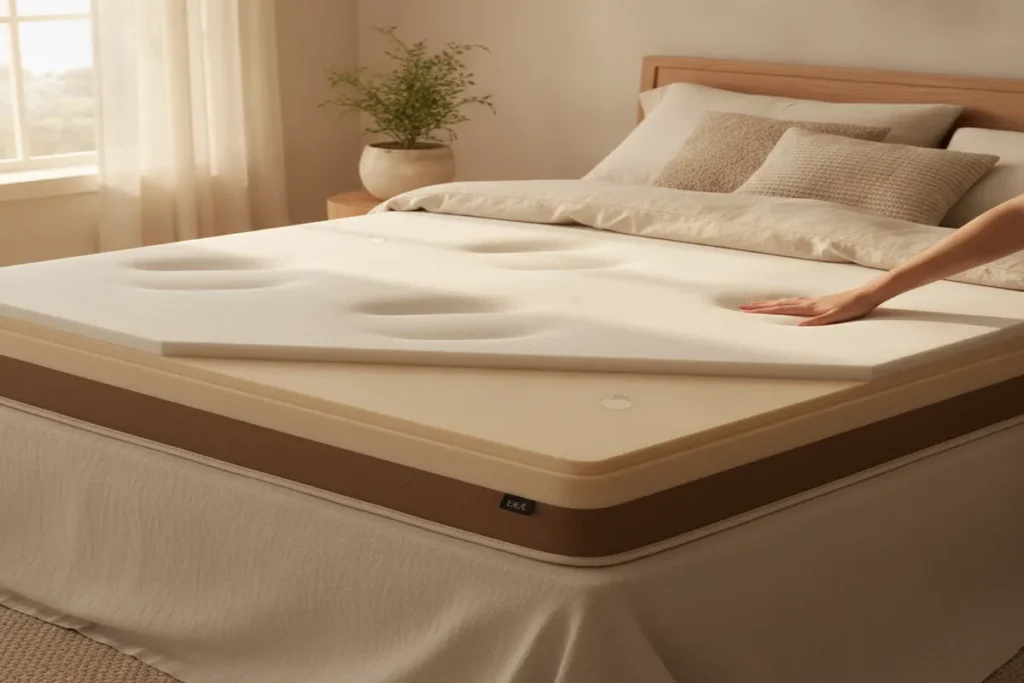
- If you’re unsure or want to fine-tune firmness, a Sponge Topper Mattress, Latex Topper, or Visco Topper can adjust the feel without replacing the entire mattress. This is a great way to soften a firm mattress or add a touch more support.
Common Mistakes to Avoid When Choosing Foam Mattress Firmness:
-
Relying Solely on the Firmness Number: As discussed, the 1-10 scale is subjective. One brand’s “medium-firm” might feel different from another’s. Always consider material composition and density.
-
Ignoring Your Body Weight: Lighter individuals often need softer mattresses to feel the contouring, while heavier individuals need firmer options for adequate support. Failing to account for this leads to either insufficient support or an overly hard feel.
-
Not Testing the Mattress for Long Enough: A quick lie-down in a showroom or even a few nights at home isn’t always enough. It takes time for your body to adjust to a new mattress and for the foam to fully break in. This is why trial periods are so important.
-
Buying Based on a Partner’s Preference Only: If you share a bed, compromise is key. A medium-firm mattress is often a good compromise, or consider a split-firmness option if available.
-
Confusing Firmness with Support: A very firm mattress can still lack proper support if it’s made with low-density, poor-quality foam that sags quickly. Conversely, a soft mattress can be highly supportive if it uses high-quality, dense materials that contour without bottoming out.
-
Overlooking the Base: The foundation or Bed Base and Headboard you use significantly impacts how a mattress feels and performs. An old, unsupportive base can make even a new, firm mattress feel saggy. Ensure your base is firm, flat, and provides adequate support for a foam mattress.
By meticulously checking these points and actively avoiding these common missteps, you significantly increase your chances of finding a foam mattress with the ideal firmness that supports your sleep for years to come.
Finding Your Perfect Match: Where Can You Confidently Buy Foam Mattresses Online?
The digital marketplace has revolutionized mattress shopping, offering unparalleled convenience, selection, and often, better value. When looking to buy foam mattress firmness explained online, the key is to prioritize reputable retailers and manufacturers that provide transparency, robust customer support, and favorable policies.
Here’s a guide to confidently making your online purchase:
-
Direct-to-Consumer Brands: Many specialized foam mattress companies operate exclusively online, cutting out middlemen to offer competitive pricing. These brands often provide:
- Extensive Product Information: Detailed specs on foam layers, density, and firmness ratings.
- Generous Home Trial Periods: Essential for foam mattresses, as firmness perception is subjective and requires time to assess in your own home.
- Direct Customer Support: Access to knowledgeable staff via chat, phone, or email for specific questions.
-
Established Online Retailers: Large e-commerce platforms often carry a wide array of mattress brands, offering convenience and sometimes competitive pricing. However, always verify the specific brand’s return and warranty policies, as these can vary even when purchased through a third-party site.
-
Specialized Manufacturers (Like Sinyora Yatak): For those seeking quality, craftsmanship, and unique value, purchasing directly from a manufacturer with a strong heritage can be highly beneficial.
- Sinyora Yatak is a prime example, offering a diverse Mattress Collection that includes various foam types, such as our Visco Foam Mattress and Latex Foam Mattress. We emphasize the quality of Turkish Mattresses, known for their durability and comfort.
- Advantages of Sinyora Yatak:
- Expertise: Deep knowledge of materials and construction.
- Quality Assurance: Direct control over manufacturing standards.
- International Shipping: We Ship Turkish Mattresses Internationally, bringing our craftsmanship directly to your door, no matter where you are.
- Customer Service: Direct access to our team for personalized support, from Buying Guides to Care and Maintenance advice. Our Contact Us for Support page is always available.
- Wholesale Options: For businesses, we also offer Mattress Wholesale in Turkiye.
Key Considerations for Online Purchase:
-
Shipping & Delivery: Understand the shipping costs, estimated delivery times, and whether “white glove” delivery (setup and old mattress removal) is an option. For international orders, customs and duties should be clarified.
-
Payment Options: Check for secure payment gateways and financing options if needed.
-
Customer Reviews & Ratings: While subjective, a high volume of positive reviews indicates general satisfaction. Look for patterns in feedback regarding firmness.
-
Website Clarity: A well-designed website with clear product descriptions, FAQs, and easy navigation (like our Shop All Products and Blog sections) enhances the buying experience.
By carefully evaluating these factors and choosing a reputable source, whether it’s a direct-to-consumer brand or a specialized manufacturer like Sinyora Yatak, you can confidently find a foam mattress with the perfect firmness to enhance your sleep.
Expert Insight
“The biggest mistake consumers make when choosing mattress firmness is assuming a higher number automatically means better support. True support comes from the quality and density of the foam layers, not just the initial ‘hard’ feel. A well-engineered medium-firm mattress with high-density foam can offer superior support and pressure relief compared to an extra-firm mattress made with lower quality, less resilient materials. Always prioritize material quality and how it aligns with your body’s specific needs and sleep posture over a single number.”
Key Terms
-
ILD (Indentation Load Deflection): A technical measurement of foam firmness, indicating how much force (in pounds) is required to compress a 4-inch foam sample by 25%. Higher ILD means firmer foam.
-
Density: The weight of foam per cubic foot (PCF). Higher density generally means more durable and supportive foam, regardless of its softness or firmness.
-
Memory Foam (Visco Foam): A viscoelastic polyurethane foam that softens with body heat and pressure, conforming closely to the body for pressure relief and motion isolation.
-
Latex Foam: A resilient foam derived from rubber trees (natural) or synthetic compounds, known for its buoyancy, responsiveness, and breathability.
-
Zoned Support: A mattress design where different sections (zones) of the mattress have varying firmness levels to provide targeted support to different body parts (e.g., softer for shoulders, firmer for hips).
How Can You Upgrade to More Comfortable Sleep with Sinyora Yatak?
At Sinyora Yatak, we understand that true comfort and restorative sleep are invaluable. As specialists in crafting high-quality Turkish Mattresses, we offer a curated selection designed to meet diverse firmness needs and sleep preferences. Whether you’re seeking the deep contouring of a Visco Foam Mattress, the buoyant support of a Latex Foam Mattress, or the balanced comfort of our 4 Seasons Bed, our collection is built with superior materials and expert craftsmanship. Explore our Mattress Collection today to discover options perfectly suited for side sleepers, back sleepers, or those needing robust support. With our commitment to quality, transparent Warranty Information, and convenient Ship Turkish Mattresses Internationally service, upgrading your sleep experience with Sinyora Yatak is a seamless journey towards unparalleled comfort and well-being. Visit Shop All Products or Contact Us for Support to begin your journey to better sleep.
Frequently Asked Questions
Q: Is a higher firmness number always better for back pain?
Q: How long does it take to adjust to a new foam mattress firmness?
Q: Can I change the firmness of my foam mattress after buying it?
Q: What is the ideal firmness for couples with different preferences?
Q: Does mattress density relate to firmness?
Q: How often should I replace my foam mattress based on firmness?