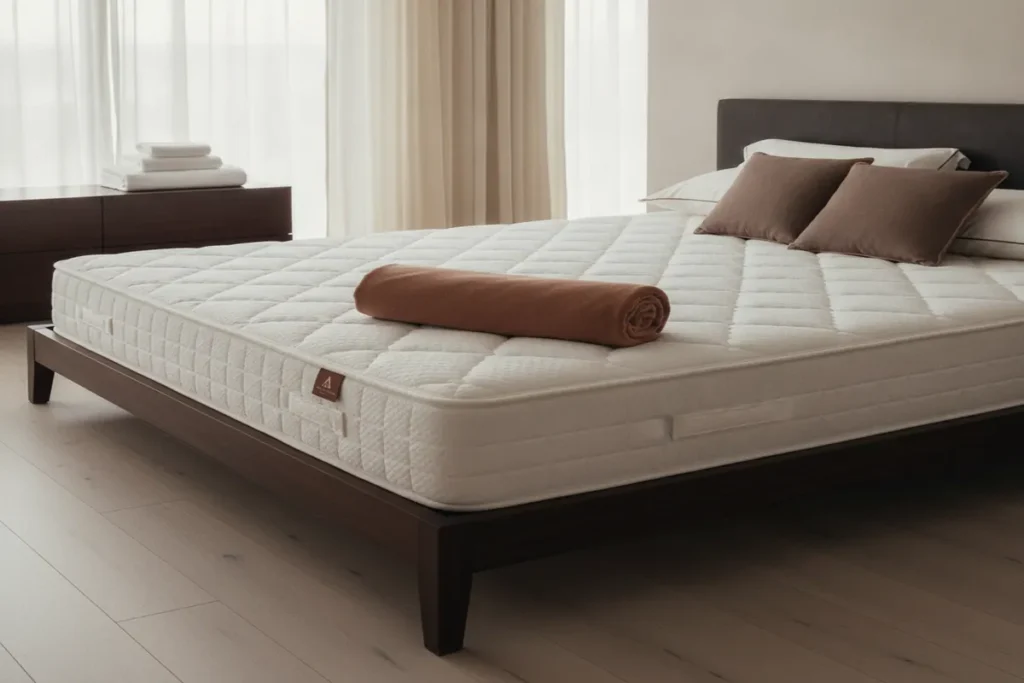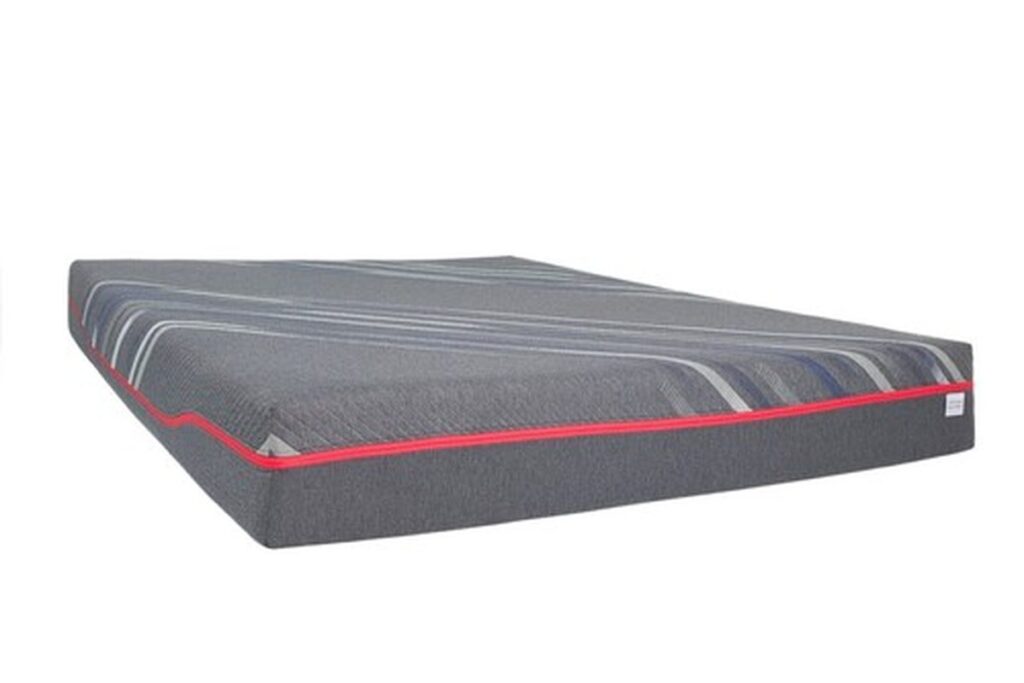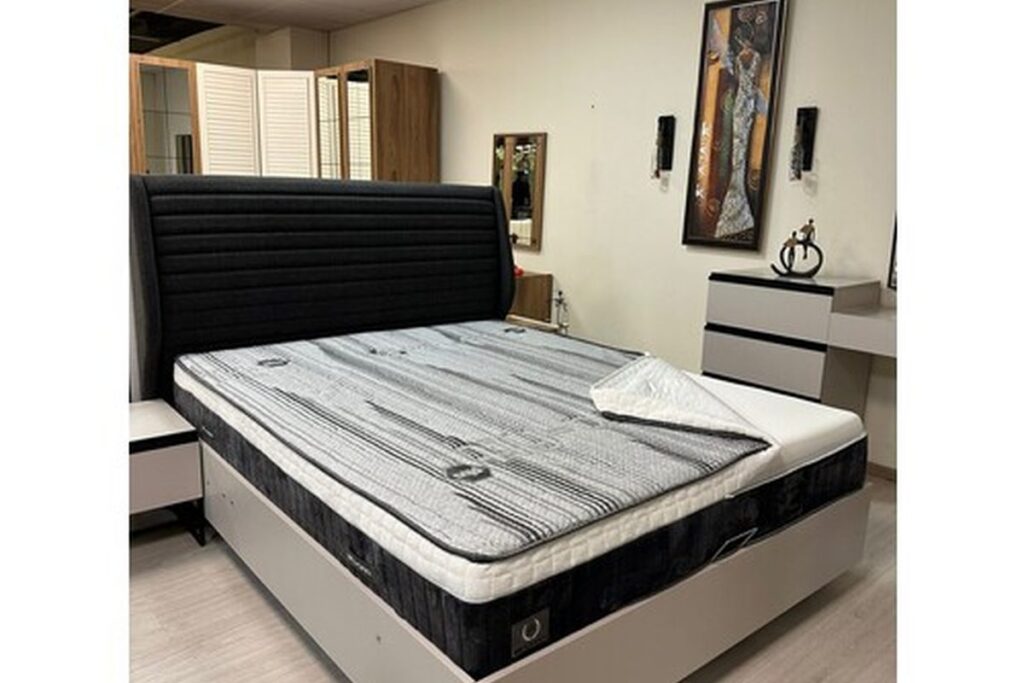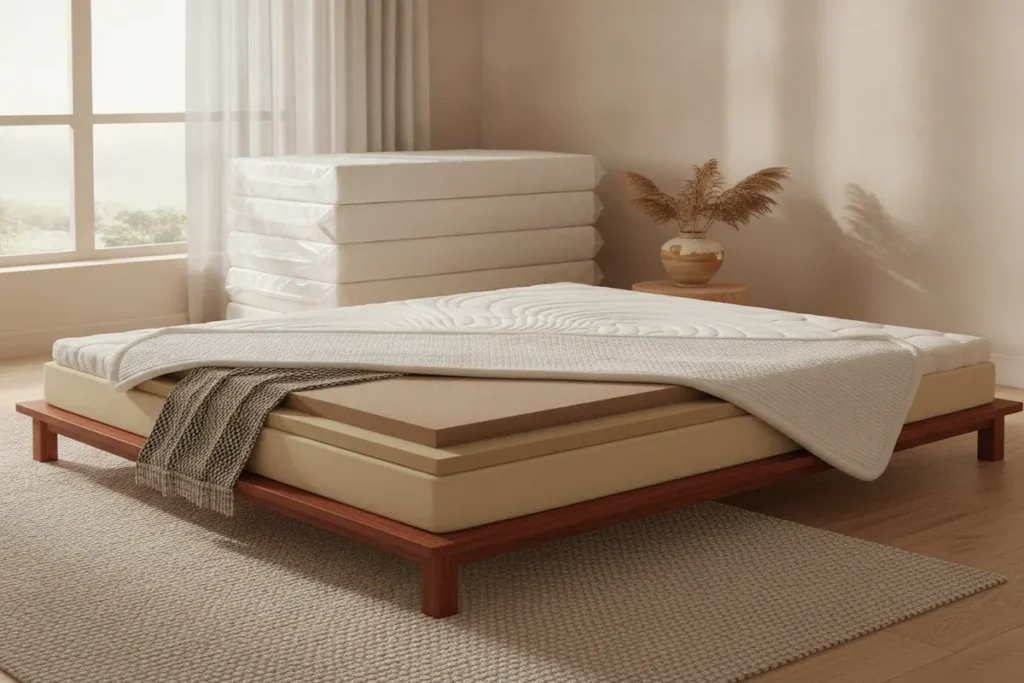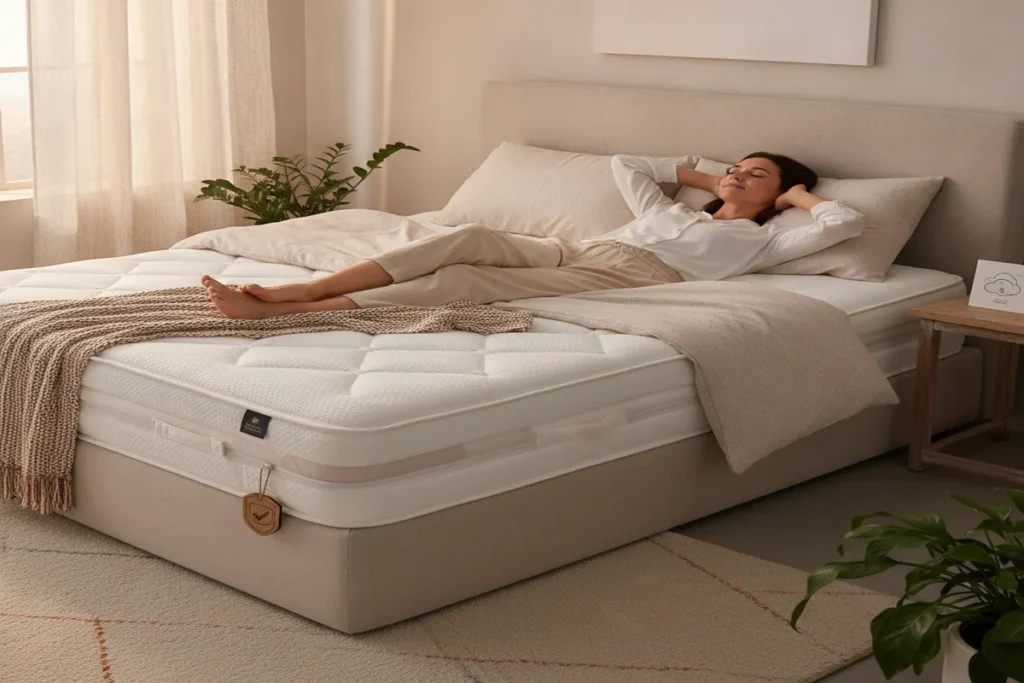

For millions of people worldwide, a good night’s sleep is often disrupted not by discomfort or noise, but by relentless allergy symptoms. Sneezing, itchy eyes, runny nose, and skin irritation can all be exacerbated by allergens lurking within your mattress.
If you’re an allergy sufferer, investing in the best mattress for allergies is not just about comfort, but about creating a healthier, more breathable sleep environment.
This ultimate guide will explore the top hypoallergenic mattress choices, the materials that make them effective, and everything else you need to know to wake up refreshed and symptom-free.
The Hidden Culprits: Why Your Mattress Can Trigger Allergies
Traditional mattresses can be a breeding ground for various allergens, primarily:
- Dust Mites: These microscopic creatures thrive in warm, humid environments and feed on dead skin cells. Mattresses provide an ideal habitat, and their droppings are a common trigger for allergies and asthma.
- Pet Dander: If you share your bed with pets, their dander can accumulate in your mattress, causing allergic reactions.
- Mold and Mildew: In humid conditions, mold and mildew can grow within mattress layers, particularly in materials that retain moisture.
- Chemical Off-gassing: Some synthetic mattress materials (like certain foams) can release Volatile Organic Compounds (VOCs) into the air, which can irritate sensitive respiratory systems and trigger chemical sensitivities.
Choosing the best mattress for allergies is a proactive step towards mitigating these issues and improving your overall sleep health.
Key Features of the Best Mattress for Allergies
When searching for a hypoallergenic mattress, prioritize these characteristics:
1. Naturally Allergen-Resistant Materials
Certain materials inherently deter common allergens:
- Natural Latex: Derived from the sap of rubber trees, natural latex is naturally resistant to dust mites, mold, and mildew. Its dense, yet breathable structure makes it difficult for allergens to penetrate and settle.
- Organic Wool: Wool is naturally hypoallergenic, moisture-wicking, and resistant to dust mites due to its unique fiber structure. It also acts as a natural flame barrier, eliminating the need for chemical flame retardants.
- Organic Cotton: Used for covers and comfort layers, organic cotton is breathable and free from pesticides and harmful chemicals that could trigger sensitivities.
2. Dense and Impermeable Structure
Mattresses with a very dense cell structure, like natural latex or high-density foams, create a less hospitable environment for dust mites to burrow and multiply.
3. Excellent Breathability and Moisture Wicking
Allergens like mold and dust mites thrive in humidity. A mattress that allows for good airflow and wicks away moisture will prevent their growth. Open-cell foams, natural latex, and well-ventilated designs are beneficial.
4. Chemical-Free and Low VOCs
Avoid mattresses that contain harsh chemicals, synthetic flame retardants, or emit high levels of VOCs. Look for certifications that guarantee low emissions and non-toxic materials.
5. Removable and Washable Covers
While not the mattress itself, a zippered, removable, and machine-washable mattress cover made from hypoallergenic materials (like organic cotton) is a significant bonus for maintaining cleanliness and reducing allergen buildup.
Read Also : Eco-Friendly Mattresses: Sustainable Choices for a Better Sleep
Top Hypoallergenic Mattress Types for Allergy Sufferers
Based on the above criteria, here are the top choices for the best mattress for allergies:
1. Natural Latex Mattresses
Why they’re great for allergies: Natural latex is inherently resistant to dust mites, mold, and mildew. Its open-cell structure promotes excellent airflow, preventing moisture buildup. Furthermore, certified natural latex is free from harsh chemicals and synthetic fillers.
- Pros: Highly durable, supportive, breathable, excellent motion isolation, naturally hypoallergenic.
- Cons: Can be more expensive, heavy, and some may detect a faint natural odor initially.
2. All-Foam Mattresses (with Certifications)
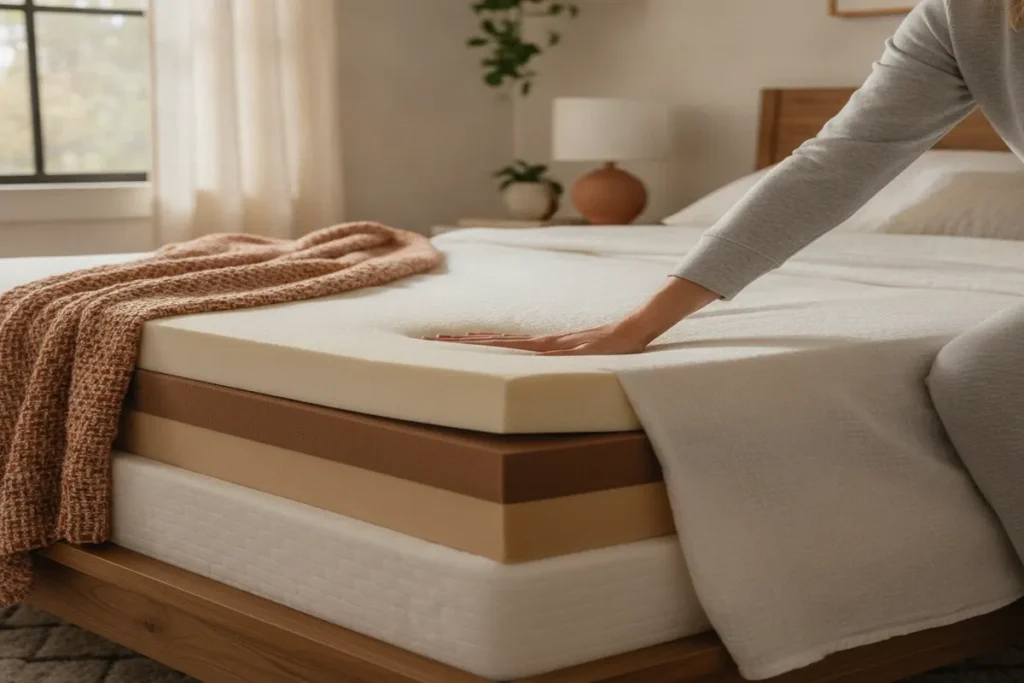
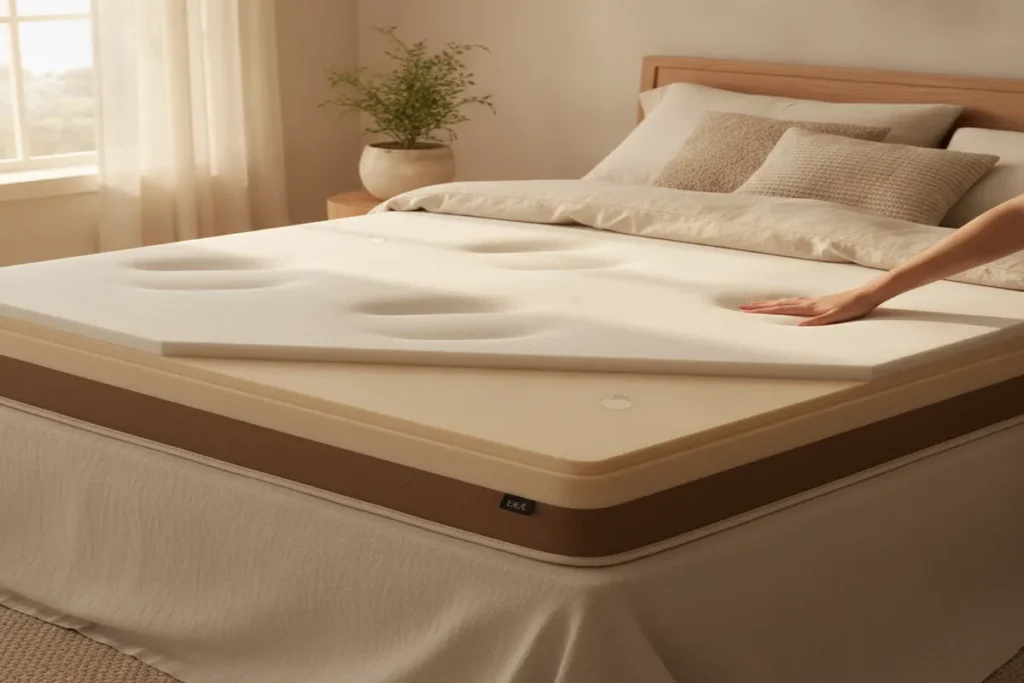
Why they’re great for allergies: High-density memory foam or polyfoam can be effective at deterring dust mites due to their dense structure, leaving less space for mites to inhabit. However, it’s crucial to choose foams that are certified low-VOC (e.g., CertiPUR-US).
- Pros: Good pressure relief, excellent motion isolation, many options available.
- Cons: Some can retain heat (look for gel-infused or open-cell options), and uncertified foams might off-gas chemicals.
3. Organic Innerspring/Hybrid Mattresses
Why they’re great for allergies: These combine the supportive bounce of coils (often recycled steel) with hypoallergenic comfort layers of organic cotton, wool, or natural latex. The open structure of the coils can allow for better airflow than some all-foam options.
- Pros: Good support, breathable, blend of materials for varied comfort.
- Cons: Can be heavier, and ensure all comfort layers are truly hypoallergenic.
Read Also : Eco-Friendly Mattress Options: Sustainable Sleep Solutions
What to Look for in Certifications for Hypoallergenic Mattresses
Certifications provide independent verification of a mattress’s claims. For allergy sufferers, these are particularly important:
- GOLS (Global Organic Latex Standard): Certifies natural latex as organic and ensures sustainable, non-toxic processing.
- GOTS (Global Organic Textile Standard): Ensures organic status for cotton and wool used in mattress covers and comfort layers.
- Oeko-Tex Standard 100: Tests for harmful substances in textiles, ensuring safety for human ecology.
- CertiPUR-US: Specifically for polyurethane foams, ensuring they are made without ozone depleters, heavy metals, formaldehyde, and have low VOC emissions.
- GREENGUARD Gold: Certifies products for low chemical emissions into indoor air.
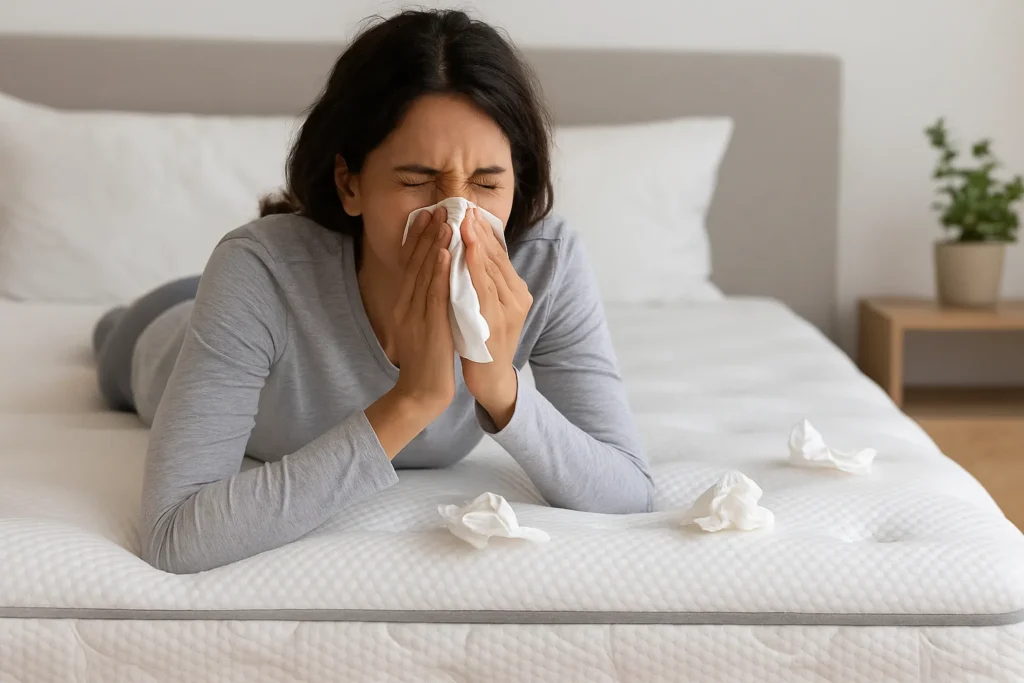
Beyond the Mattress: Creating an Allergy-Friendly Sleep Sanctuary
Even the best mattress for allergies is part of a larger picture. Complement your hypoallergenic mattress with these practices:
- Mattress Protectors: Invest in high-quality, zippered, dust-mite-proof mattress and pillow protectors. These create a barrier against allergens.
- Hypoallergenic Bedding: Choose pillows, duvets, and sheets made from hypoallergenic materials like organic cotton, silk, or specific synthetic fills designed to resist allergens.
- Regular Washing: Wash all bedding (sheets, pillowcases, duvet covers) weekly in hot water (at least 130°F / 54°C) to kill dust mites.
- Control Humidity: Keep your bedroom humidity below 50% using a dehumidifier if necessary, as dust mites and mold thrive in moist environments.
- Cleanliness: Regularly vacuum carpets and clean hard surfaces in your bedroom. Consider an air purifier with a HEPA filter.
- Pet-Free Zone: If possible, keep pets out of the bedroom, especially if you’re allergic to pet dander.
Read Also : The Ultimate Guide to Sustainable Mattresses : Everything You Need to Know About Eco-Friendly Sleep
Frequently Asked Questions (FAQ) about Best Mattress for Allergies
Can memory foam be hypoallergenic?
Yes, memory foam can be hypoallergenic in the sense that its dense structure makes it difficult for dust mites to penetrate. However, it’s crucial to choose CertiPUR-US certified memory foam to ensure it’s free from harmful chemicals and has low VOC emissions, which can also trigger sensitivities.
Is a firm or soft mattress better for allergies?
Mattress firmness doesn’t directly impact its hypoallergenic properties. Focus on the materials used (e.g., natural latex, organic wool) and certifications, rather than just firmness, for allergy relief. Choose firmness based on your comfort and support needs.
How often should I clean my mattress if I have allergies?
While you can’t “clean” the mattress interior, you should vacuum the surface of your mattress every 1-2 months. More importantly, wash all bedding weekly in hot water and use zippered, washable mattress and pillow protectors.
What are common signs that my mattress is triggering my allergies?
Waking up with sneezing, a runny nose, itchy eyes, skin rashes, or increased asthma symptoms, especially if these symptoms are worse in the morning or when you’re in bed, could indicate your mattress is an allergen source.
Are natural mattresses always hypoallergenic?
Most natural mattresses using materials like natural latex, organic wool, and organic cotton are inherently hypoallergenic due to the properties of these materials. However, always check for specific certifications to ensure no hidden synthetic fillers or harmful chemicals are used.
Conclusion: Breathe Easy, Sleep Soundly
Investing in the best mattress for allergies is a cornerstone of creating a healthier and more comfortable sleep environment. By prioritizing naturally allergen-resistant materials, seeking out crucial certifications, and adopting supportive bedroom hygiene practices, you can significantly reduce your exposure to common allergens. Say goodbye to restless, allergy-ridden nights and embrace the restorative, symptom-free sleep you deserve.
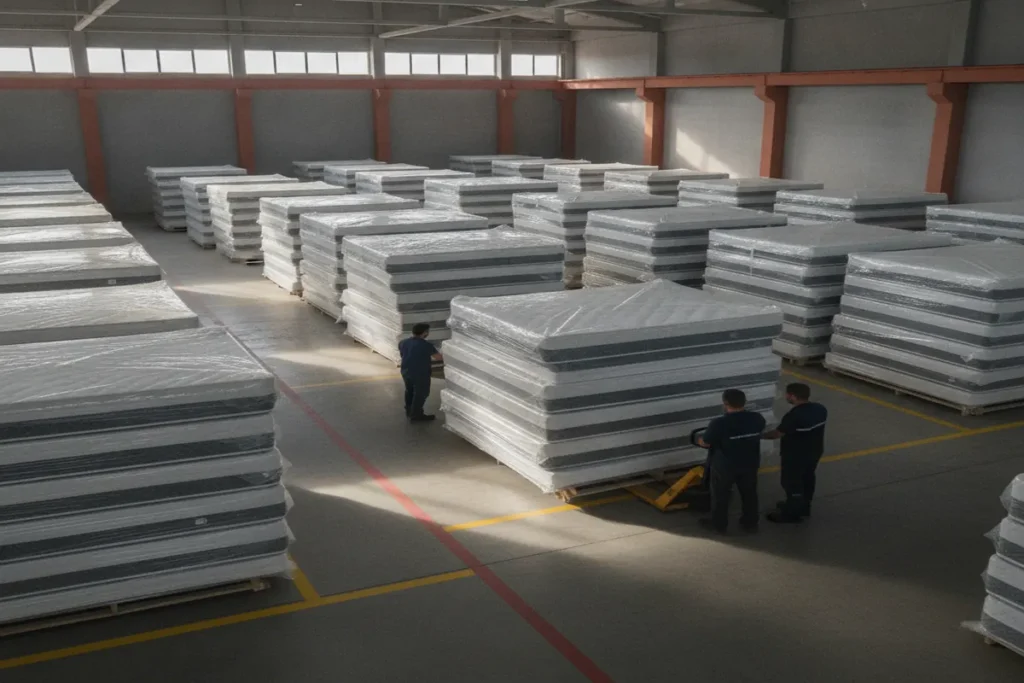
ABOUT SINYORA YATAK: For a Comfortable Sleep for Everyone
ased in Istanbul, Sinyora Yatak embarked on its journey in 2014 by manufacturing mattress fabric and expanded into producing a full range of bedding and mattresses in 2015 to meet the growing local market demand. Our company is committed to continuously developing its products, with a strong focus on quality, craftsmanship, and unparalleled customer satisfaction. In 2022, Sinyora significantly boosted its production capacity by 100%. We proudly operate two extensive furniture showrooms located in the FATİH and BEYLİKDÜZÜ ESKİDJİ BAZAAR areas, making our products easily accessible. By 2023, we further diversified our offerings by importing fur mattress fabric, rapidly becoming one of the most vital suppliers to the domestic market. Our reach has extended beyond Istanbul, establishing us as a prominent exporter of bedding and mattresses to markets outside Turkey.
Our Company Message: To deliver the first high-quality mattresses for everyone in the Middle East and Europe. Our Company Vision: By 2028, Sinyora Company aims to be the No. 1 company serving the internal market in Istanbul, achieving a monthly production of 5,000 mattresses, and exporting 50% of its production volume to foreign markets. This vision is encapsulated by our strategic goal: (28_1_5K_50%_50K).
At Sinyora Yatak, we firmly believe that sustainability is not merely a trend but a fundamental responsibility towards our planet and society. Consequently, we adhere to various environmentally friendly methods across all stages of mattress manufacturing, from the careful selection of raw materials to efficient waste disposal. Our sustainability initiatives include:
- Utilizing sustainable and renewable materials like organic foam and natural latex.
- Strictly avoiding harmful chemicals such as formaldehyde in our manufacturing processes.
- Implementing modern production techniques to minimize waste and actively recycling all recyclable materials.
- Employing energy-saving production methods and adhering to a policy of rationalizing energy consumption throughout our facilities.
- Collaborating with transportation companies that are dedicated to sustainable practices to reduce our carbon emissions.
- Supporting our community by employing local workers and actively participating in and supporting charities focused on environmental protection and sustainability awareness events.
At Sinyora Yatak, we distinguish ourselves from competitors through our unwavering commitment to quality, innovative product development, and sustainable manufacturing practices. We offer a diverse range of mattresses, including pocket spring, visco, natural latex, and orthopedic options, all designed to provide superior comfort and support. Our blend of traditional craftsmanship with modern technology ensures that every mattress meets the highest standards.
For more information, to explore our extensive product range, or to get a personalized quote, please don’t hesitate to reach out to us:
Phone: +90 538 039 73 46 Chat on WhatsApp Visit Our Contact Us Page
Sinyora Yatak: Experience the ultimate comfort and quality for a truly restful sleep!
Read Also : Innerspring vs Foam Mattress: Which Reigns Supreme for Your Sleep?
Secrets Behind the Comfort of Hotel Bed Mattresses
Top Mattress Manufacturers in Istanbul You Should Know
Help: FAQs · Sleep Science · Sleep Resources · Privacy Policy