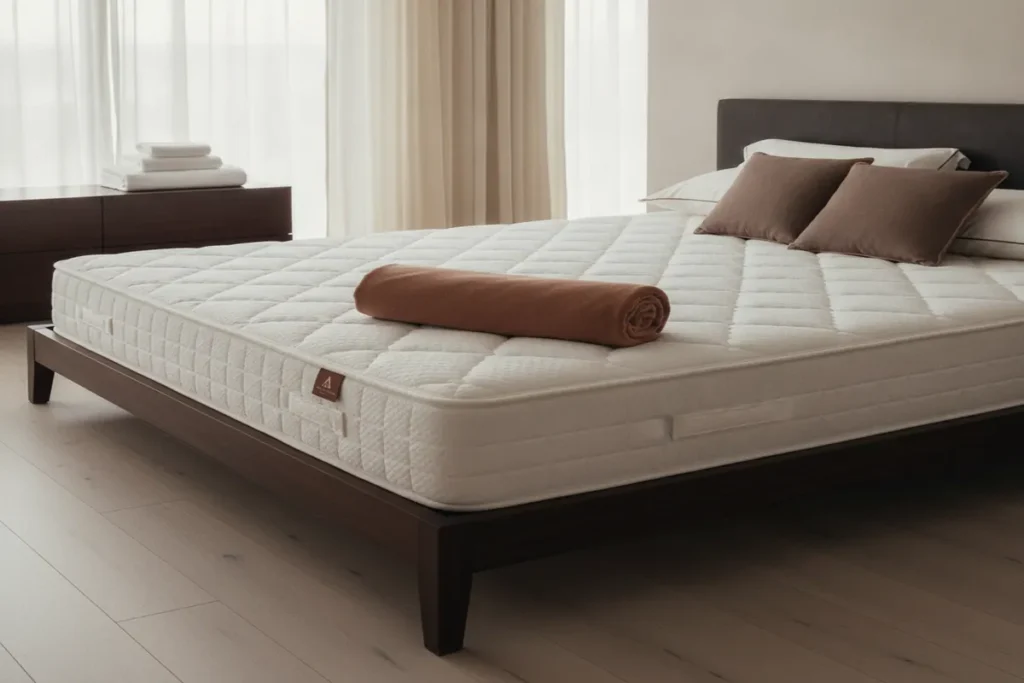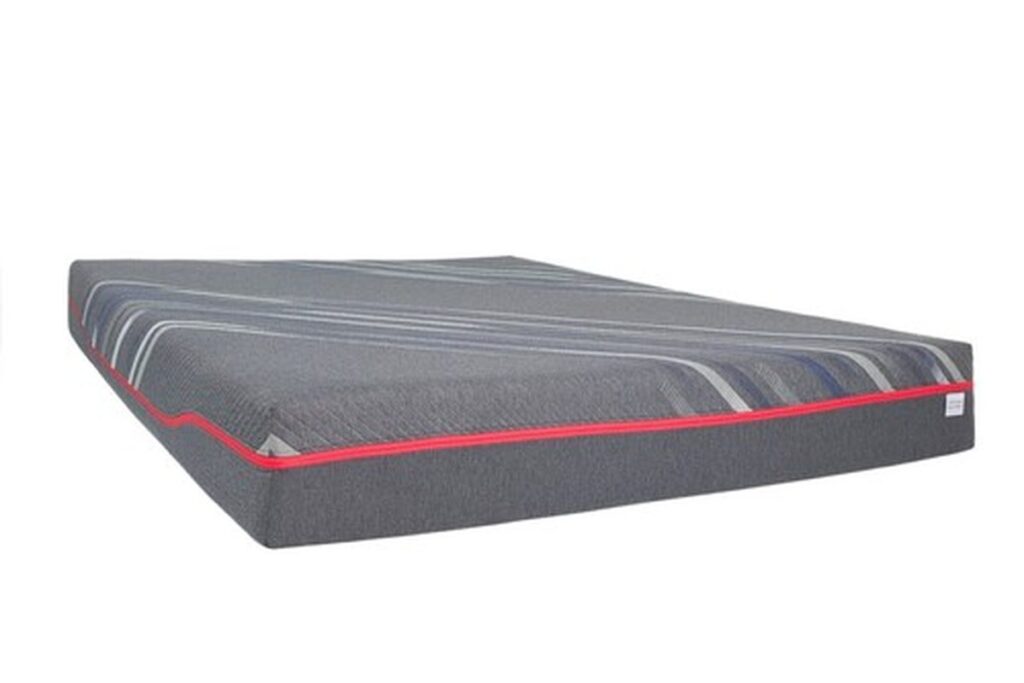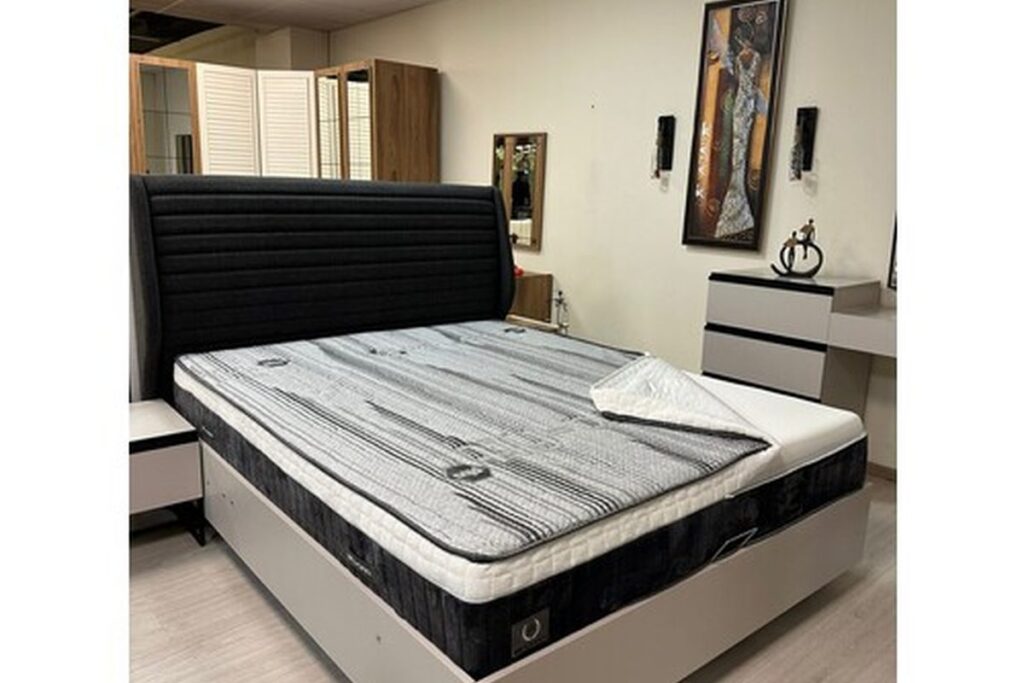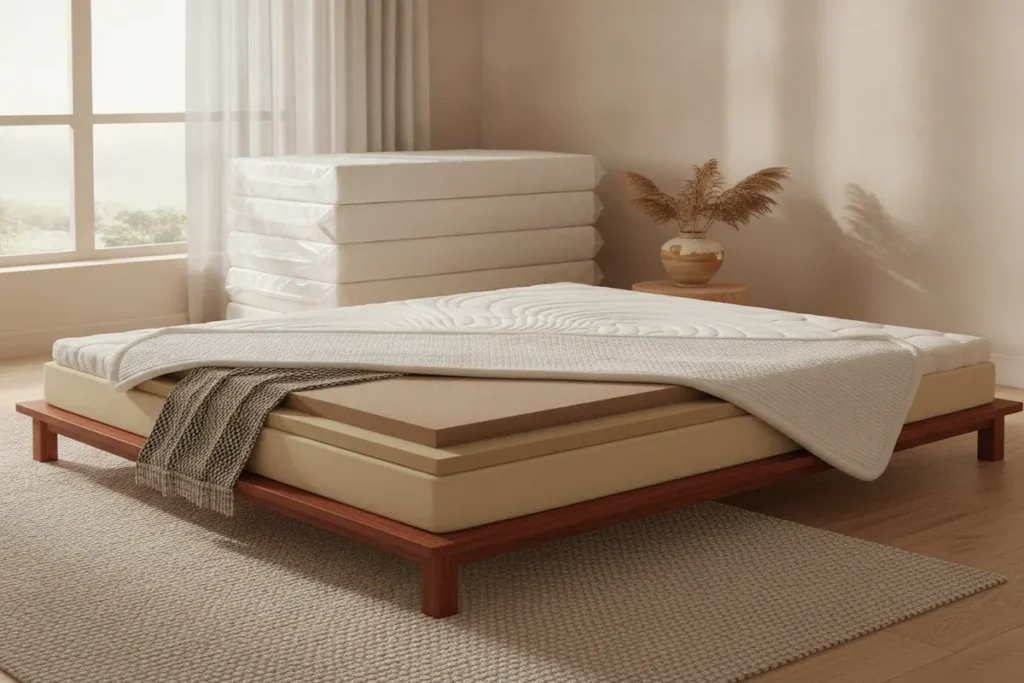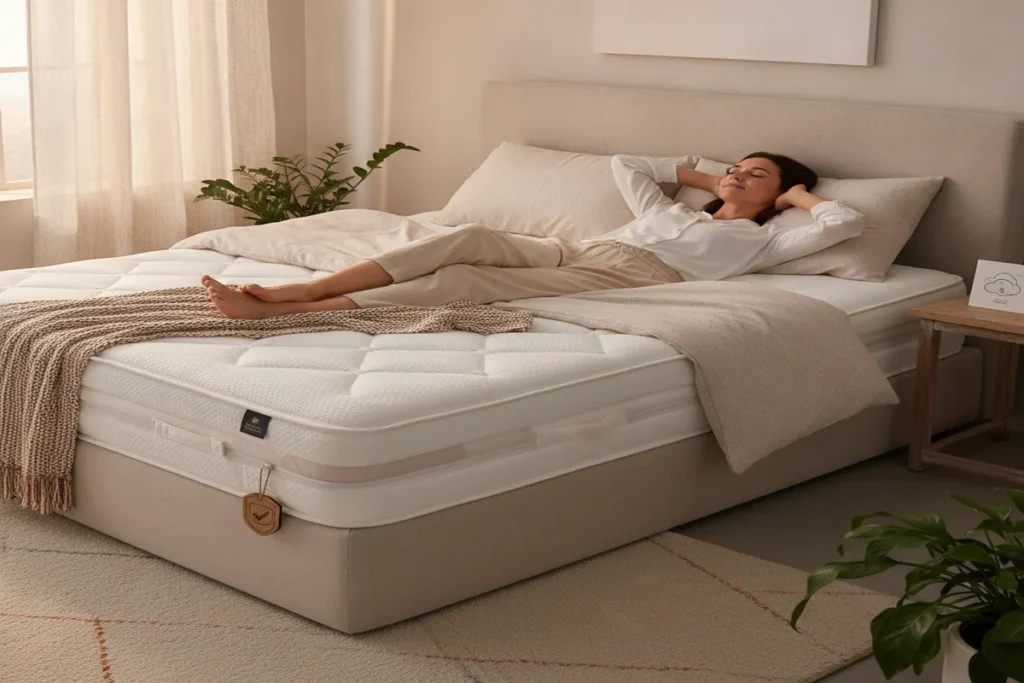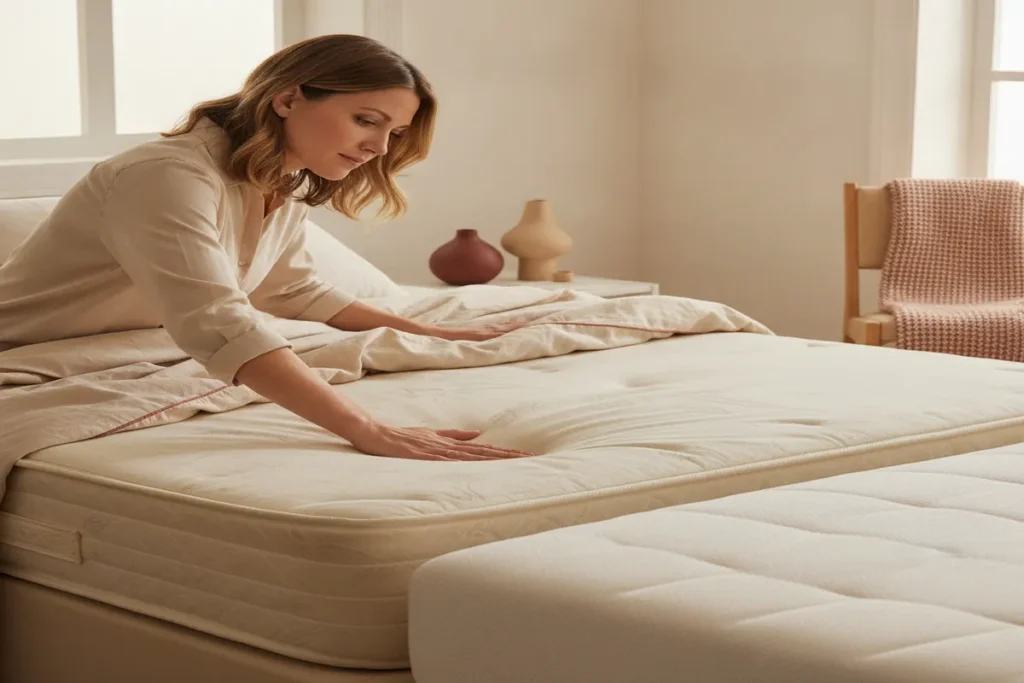

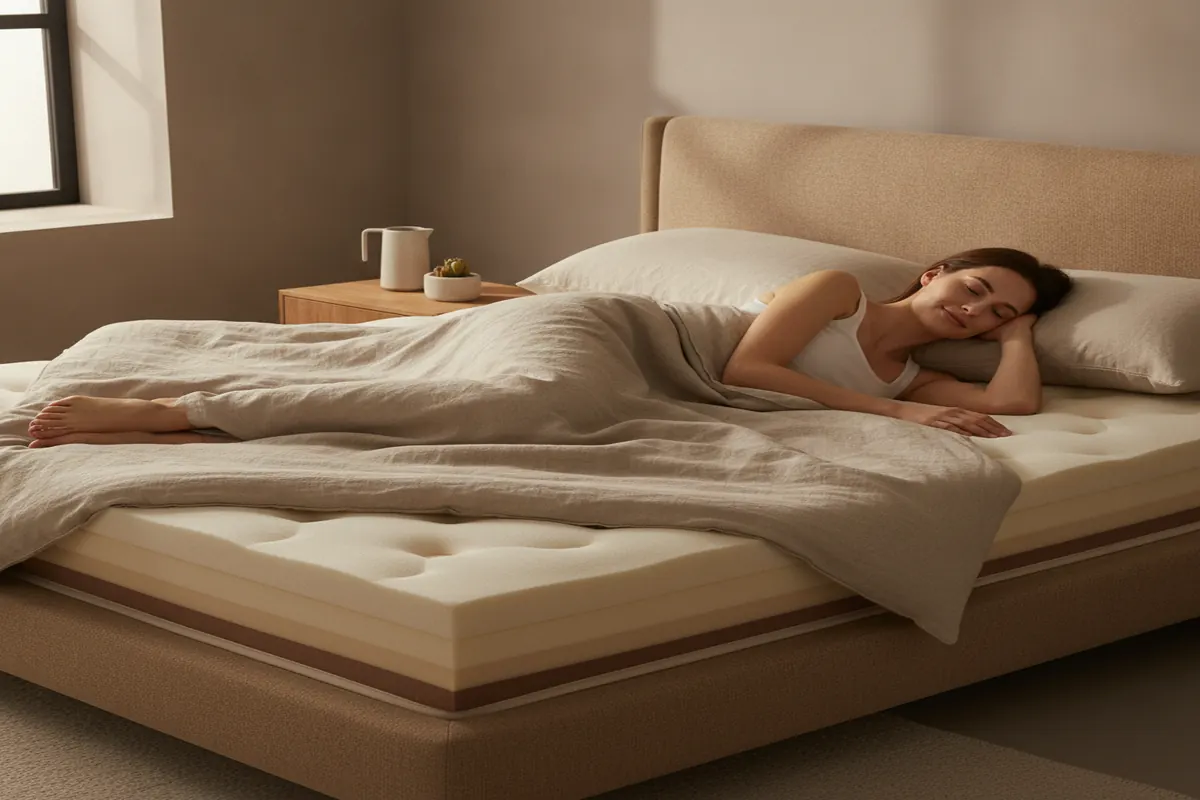
For individuals weighing under 60kg (approximately 132 pounds), selecting the right foam mattress is crucial for achieving truly restorative sleep. Unlike heavier sleepers, lightweight individuals often don’t exert enough pressure to properly compress firmer mattresses, leading to inadequate contouring, pressure points, and poor spinal alignment. The best foam mattress for lightweight people under 60kg will typically feature a softer feel, excellent pressure relief, and responsive contouring to cradle the body’s natural curves without allowing excessive sinkage.
Quick Summary
- Lightweight sleepers under 60kg require softer foam mattresses for adequate pressure relief
- Medium-soft to medium firmness (around 4-6 on a 1-10 scale) is typically ideal
- Look for foams with good contouring properties like memory foam or natural latex
- Density and ILD are crucial metrics for foam durability and feel
What Makes a Foam Mattress Ideal for Lightweight Sleepers Under 60kg?
Lightweight sleepers, often defined as those weighing less than 60kg, interact with mattresses differently than average or heavier individuals. Where a firmer mattress might provide ideal support for someone heavier, it can feel like sleeping on a board for a lighter person, failing to engage the comfort layers. This lack of engagement leads to several common sleep issues:
-
Insufficient Pressure Relief: Without adequate compression, the mattress won’t conform to the body’s curves, causing pressure to build up at points like hips, shoulders, and knees. This can lead to discomfort, tossing and turning, and even numbness.
-
Poor Spinal Alignment: If the mattress is too firm, it won’t allow the shoulders and hips to sink in enough, especially for side sleepers, causing the spine to fall out of alignment. This misalignment can manifest as back pain, neck stiffness, and general discomfort.
-
Reduced Comfort and Feel: The plush, cradling sensation often associated with foam mattresses is lost when a mattress is too firm for a lightweight individual. The sleeper remains “on top” of the mattress rather than sinking into its comfort layers.
The ideal foam mattress for this demographic addresses these challenges by offering:
-
Softer Initial Feel: A comfort layer that responds readily to minimal body weight.
-
Excellent Contouring: The ability to closely hug the body’s unique shape, distributing weight evenly and eliminating pressure points.
-
Responsive Support: While soft, the mattress must still provide underlying support to prevent bottoming out and maintain healthy spinal alignment.
-
Targeted Pressure Point Relief: Especially vital for side sleepers, ensuring shoulders and hips are cushioned without sinking excessively.
Essentially, the goal is to find a foam mattress that feels invitingly soft and adapts to your body without sacrificing essential support. This balance is key to unlocking the full benefits of foam technology for lightweight individuals.
Navigating Firmness and Density: The Core Choice for Lightweight Individuals
Understanding mattress firmness and foam density is paramount when selecting the best foam mattress for lightweight people under 60kg. These two properties dictate how a mattress feels and performs under lighter body weights.
Firmness Explained for Lightweight Sleepers
Mattress firmness is typically rated on a scale of 1 to 10, where 1 is extremely soft and 10 is extremely firm. For lightweight individuals, the sweet spot usually falls within the medium-soft to medium range (4-6 on the 1-10 scale).
-
1-3 (Very Soft): Generally too soft, even for lightweight sleepers, risking insufficient support and excessive sinkage.
-
4-6 (Medium-Soft to Medium): This range provides the optimal balance. It allows enough sinkage for contouring and pressure relief without compromising spinal alignment. Memory foam mattresses in this range are particularly effective at cradling the body.
-
7-8 (Medium-Firm): Might be suitable for lightweight back sleepers who prefer a slightly firmer feel, but can still cause pressure points for side sleepers.
-
9-10 (Very Firm): Almost always too firm for lightweight individuals, leading to the issues of poor contouring and pressure points discussed earlier.
Foam Density: A Critical Factor Beyond Firmness
Density refers to the weight of the foam per cubic foot, not its firmness. A higher density foam generally indicates greater durability and often better support, but it can also feel firmer or less immediately responsive. For lightweight sleepers, the density of the comfort layers is crucial:
-
Low-Density Foams (under 3.5 PCF): Often feel softer initially but may lack durability and responsiveness. Can be a good choice for comfort layers if paired with a supportive base.
-
Medium-Density Foams (3.5-5.0 PCF): A common sweet spot for memory foam, offering a good balance of contouring, pressure relief, and durability. This range is often ideal for lightweight sleepers, providing that “hug” without excessive sinkage.
-
High-Density Foams (over 5.0 PCF): Very durable and supportive, but can feel quite firm and slow to respond. Usually better suited for support layers or for heavier individuals.
When evaluating foam mattresses, consider the density of both the comfort layers (where you primarily interact with the mattress) and the support core (which provides the foundational support). A medium-density comfort layer combined with a higher-density support core often creates the perfect synergy for lightweight sleepers.
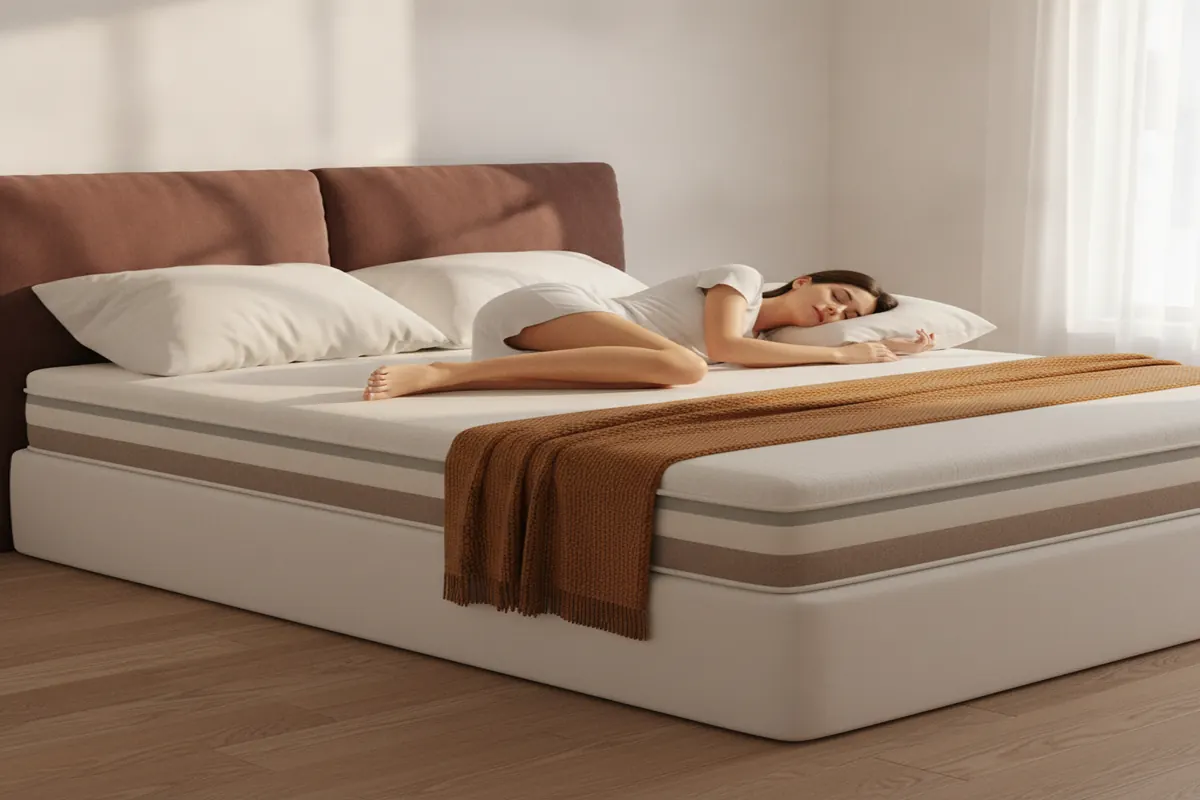
To illustrate the different foam types and their general suitability for lightweight sleepers, consider this comparison:
Essential Criteria: How to Choose Your Ideal Foam Mattress Under 60kg
Choosing the best foam mattress for lightweight people under 60kg involves evaluating several key criteria beyond just firmness and density. A structured approach ensures you cover all bases for a confident purchase.
Your Lightweight Mattress Selection Checklist:
-
Prioritize Pressure Relief: This is non-negotiable. The mattress must alleviate pressure points effectively.
- Action: Look for materials known for superior pressure relief, such as memory foam or responsive latex.
-
Ensure Proper Spinal Alignment: Your spine should remain neutral, whether you sleep on your back, side, or stomach.
- Action: Read reviews from lightweight sleepers, and consider your primary sleeping position.
-
Consider Your Preferred Sleeping Position:
- Side Sleepers: Need significant pressure relief at shoulders and hips. A softer mattress (4-5 on the firmness scale) with excellent contouring is crucial. Memory foam or softer latex options excel here.
- Back Sleepers: Require a balance of support and contouring to maintain the natural curve of the spine. A medium-soft to medium firmness (5-6) is often ideal.
- Stomach Sleepers: Need to prevent hips from sinking too far, which can strain the lower back. A slightly firmer medium (6) might be better to keep the body aligned, but still with some pressure relief for the front.
-
Evaluate Material Composition:
- Memory Foam: Excellent for deep contouring and pressure relief. Look for open-cell designs for better breathability.
- Latex Foam (Natural or Synthetic): More responsive and buoyant than memory foam, with good durability and temperature neutrality. Natural latex is also hypoallergenic.
- Polyfoam: Often used in support layers or as a transition layer. Quality varies, so ensure it’s high-density and durable.
- Hybrid Models: Combine foam layers with pocketed coils. Can offer a good balance of contouring from foam and responsive support from springs. Ensure the foam comfort layers are sufficient for your weight.
-
Motion Isolation: If you share your bed, how well the mattress absorbs motion is important. Foam mattresses generally excel at this.
-
Temperature Regulation: Some foam, especially traditional memory foam, can retain heat. Look for features like gel infusions, open-cell construction, or breathable covers if you tend to sleep hot. Latex foam is naturally more breathable.
-
Edge Support: Important for getting in and out of bed, and for those who use the full surface area. Many all-foam mattresses have less robust edge support than innerspring or hybrid models, but quality varies.
-
Durability and Warranty: A good foam mattress should last 7-10 years. Check the warranty terms carefully, especially for indentations or sagging.
When making your decision, remember that personal preference plays a significant role. What feels perfect to one lightweight sleeper might not to another. However, by adhering to these criteria, you can significantly narrow down your options and find a mattress that genuinely supports your unique needs.
Common Pitfalls to Avoid When Buying a Lightweight Foam Mattress
Even with the best intentions, it’s easy to make mistakes when purchasing a mattress, especially for a specific demographic like lightweight sleepers. Avoiding these common pitfalls will save you time, money, and ensure a better sleep experience.
-
Mistake 1: Opting for a “Universal Comfort” Mattress: Many brands market mattresses as suitable for “all sleepers.” While some may be versatile, a truly universal mattress rarely optimizes comfort for lightweight individuals. These often lean towards a medium-firm feel that won’t provide adequate contouring for someone under 60kg.
- Avoidance: Actively seek out mattresses specifically designed or recommended for lighter body types, or those with highly responsive comfort layers.
-
Mistake 2: Confusing Firmness with Support: A common misconception is that a firm mattress equals good support. For lightweight sleepers, a mattress can be very firm yet still lack proper support because it doesn’t allow the body to sink in enough to align the spine. Support comes from how well the mattress keeps your spine neutral, not just its initial hardness.
- Avoidance: Focus on mattresses that provide both contouring comfort and underlying support that maintains spinal alignment, not just a hard surface.
-
Mistake 3: Ignoring Material Specifications (ILD, Density): Relying solely on marketing terms like “plush” or “soft” can be misleading. Without understanding foam specifications like Indentation Load Deflection (ILD) for firmness and density for durability, you’re guessing.
- Avoidance: Ask for or look up the ILD of comfort layers (lower ILD for softer feel) and the density of the foams (medium-density for durability and contouring).
-
Mistake 4: Overlooking the Sleep Trial and Return Policy: A mattress feels different after a few minutes in a showroom than after several nights at home. A generous sleep trial is crucial, especially for lightweight sleepers who need time to adjust and assess pressure relief.
- Avoidance: Only purchase from retailers offering at least a 90-night sleep trial and a clear, hassle-free return policy. Understand any return fees or conditions upfront.
-
Mistake 5: Assuming All Memory Foam or Latex is the Same: There’s a vast range in quality and feel within foam types. Cheap memory foam can be hot and sink excessively, while high-quality versions offer excellent support and temperature regulation. Similarly, natural latex differs significantly from synthetic.
- Avoidance: Research reputable brands and specific product lines. Pay attention to material certifications (e.g., CertiPUR-US for foam, GOLS/GOTS for organic latex) which indicate quality and safety.
-
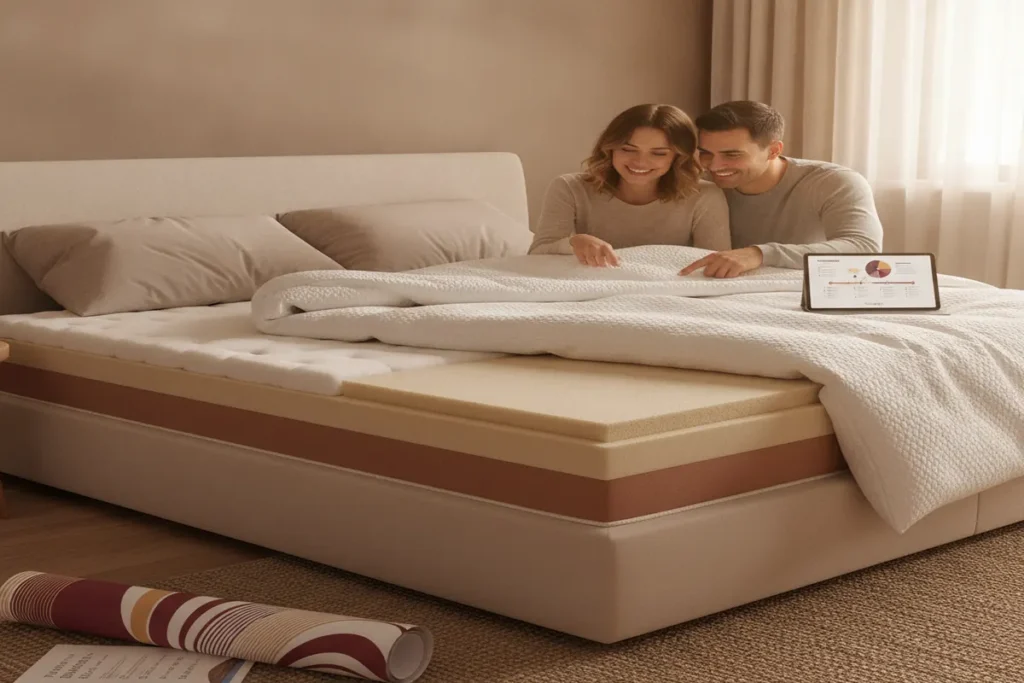
Mistake 6: Neglecting Your Sleeping Partner’s Needs: If you share a bed, their weight and preferences also matter. While you need a softer feel, your partner might need something different.
- Avoidance: Consider mattresses with zoned support or the option for split firmness, or compromise on a medium-soft feel that might work for both if the weight difference isn’t extreme.
By being aware of these common errors, lightweight sleepers can make a more informed decision and invest in a foam mattress that truly enhances their sleep quality.
Understanding the Investment: How Much Should a Quality Foam Mattress Cost?
The cost of a foam mattress for lightweight people under 60kg can vary significantly, influenced by factors such as materials, brand reputation, country of origin, and size. While it’s tempting to opt for the cheapest option, understanding the investment helps ensure you get value and comfort tailored to your needs.
Price Ranges for Quality Foam Mattresses (Queen Size, International Market)
-
Budget-Friendly Options (€300 – €700):
- Typically feature lower-density polyfoam or basic memory foam.
- May offer adequate comfort for a few years but might lack the durability and advanced pressure relief of higher-end models.
- Can be a good entry point for those on a tight budget, but careful research into specifications is essential.
- Consider: These might be suitable for guest rooms or temporary use, but long-term comfort for lightweight sleepers might be compromised.
-
Mid-Range Choices (€700 – €1,500):
- Often include medium-density memory foam or blended latex, sometimes with advanced cooling technologies.
- Offer a better balance of comfort, support, and durability.
- Many reputable bed-in-a-box brands fall into this category, providing excellent value.
- Recommendation: This is often the sweet spot for finding the best foam mattress for lightweight people under 60kg that offers both quality and affordability.
-
Premium Options (€1,500 – €3,000+):
- Feature high-quality, often natural or organic latex, high-density memory foam, intricate layering, and superior cooling features.
- Exceptional durability, advanced ergonomic support, and luxury feel.
- May come from specialized brands or luxury mattress manufacturers.
- Consider: These are long-term investments for those prioritizing natural materials, maximum durability, and an unparalleled sleep experience.
Affordable Options Without Compromising Comfort
The secondary keyword “affordable best foam mattress for lightweight people under 60kg” highlights a common desire. It is absolutely possible to find an excellent mattress without breaking the bank. Here’s how:
-
Look for Sales and Promotions: Mattress retailers frequently offer significant discounts, especially around holidays.
-
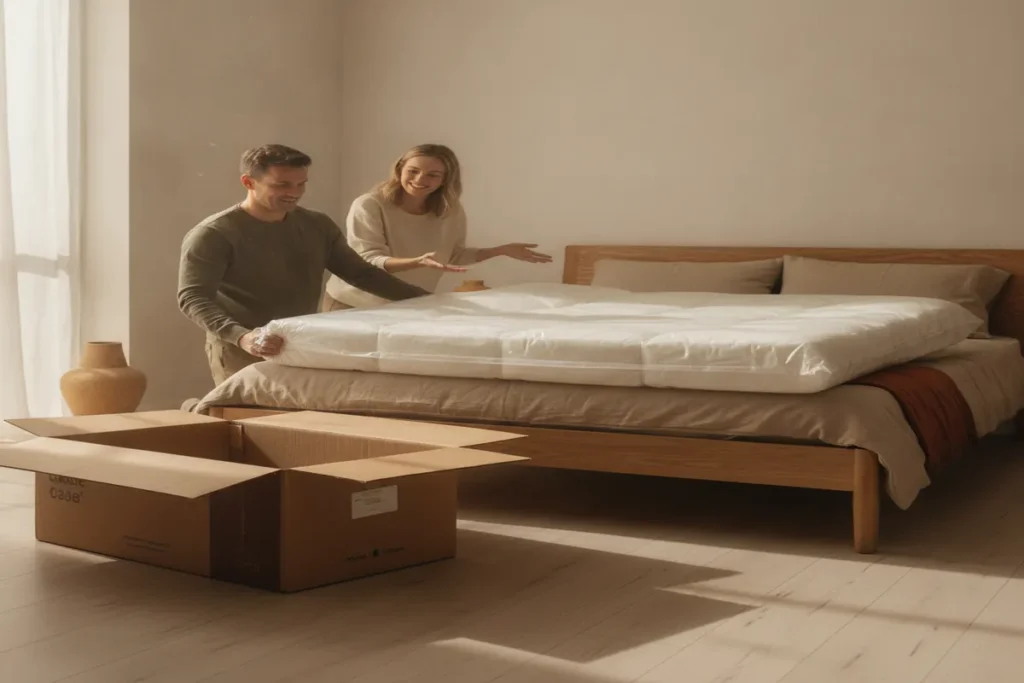
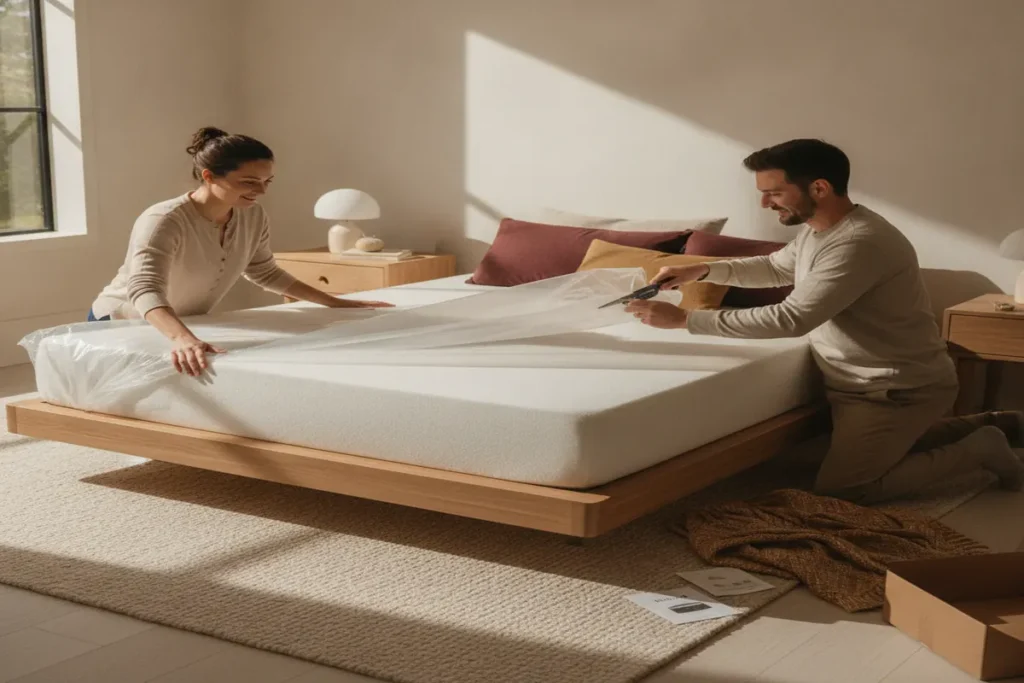
Consider Direct-to-Consumer Brands: Online bed-in-a-box companies cut out middlemen, often passing savings directly to the consumer. Many offer excellent foam and hybrid options.
-
Focus on Core Materials: Prioritize the quality of the primary comfort and support foams over excessive bells and whistles. A well-constructed medium-density memory foam mattress can be incredibly effective.
-
Read Reviews, But Verify: While reviews are helpful, always cross-reference them with product specifications and certifications to ensure the “value” is genuine.
-
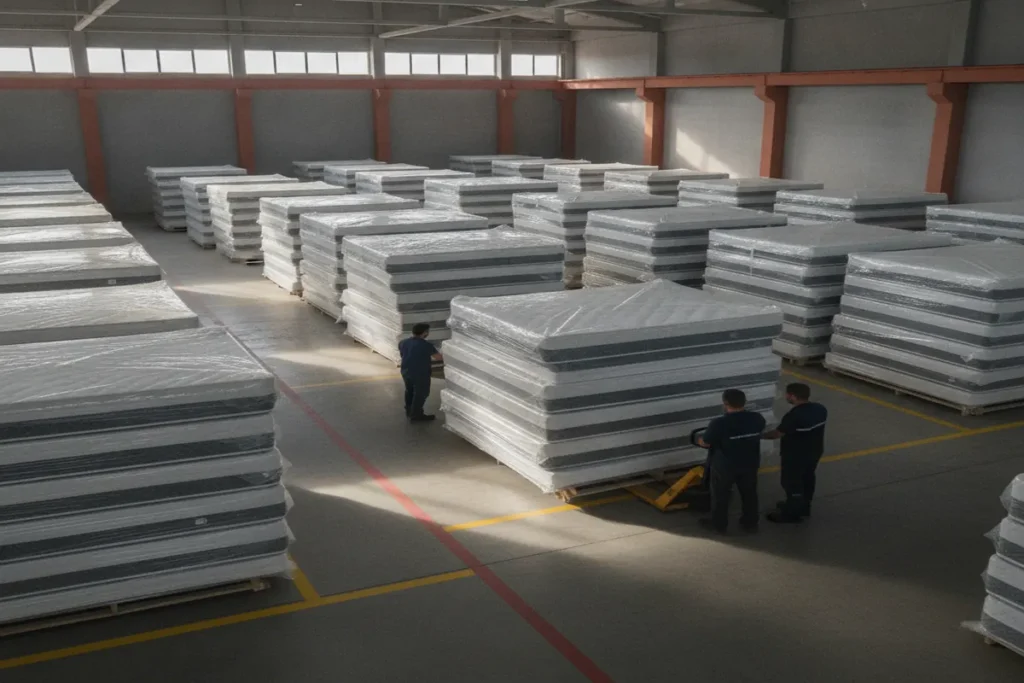
Turkish Mattresses for Value: Turkish manufacturers, like Sinyora Yatak, are renowned for producing high-quality mattresses using durable materials at competitive price points, often leveraging efficient production and direct shipping models. This can be an excellent avenue for finding an affordable best foam mattress for lightweight people under 60kg without sacrificing quality.
Ultimately, the goal is to find a mattress that provides the specific pressure relief and support needed for a lightweight body, within your budget. Don’t let price alone dictate your choice, but understand where value truly lies.
Beyond the Basics: Advanced Benefits for Lightweight Sleepers
While comfort and support are foundational, the best foam mattress for lightweight people under 60kg offers several advanced benefits that contribute to overall well-being and long-term satisfaction. These aspects elevate a good mattress to an exceptional one.
-
Enhanced Sleep Quality and Restoration: When a mattress perfectly conforms to a lightweight body, it minimizes pressure points and allows for uninterrupted sleep. This deep, restorative sleep is crucial for physical recovery, cognitive function, and mood regulation. By reducing tossing and turning, lightweight sleepers can spend more time in vital deep sleep and REM cycles.
-
Proactive Pain Prevention: Many individuals don’t realize their mattress is contributing to aches until it’s too late. A foam mattress that offers precise contouring and spinal alignment for a lightweight person can prevent common issues like lower back pain, shoulder stiffness, and hip discomfort before they even start. This is particularly important for individuals with sensitive joints or pre-existing conditions.
-
Superior Motion Isolation: For those sharing a bed, foam mattresses excel at absorbing motion. A lightweight sleeper is often more susceptible to being disturbed by a partner’s movements. High-quality memory foam or dense latex can significantly reduce motion transfer, ensuring both partners enjoy undisturbed sleep.
-
Hypoallergenic and Dust Mite Resistant Properties: Many foam mattresses, particularly those made from natural latex or high-density memory foam, are inherently resistant to dust mites, mold, and mildew. This creates a healthier sleep environment, which is a significant benefit for lightweight individuals who may have allergies or respiratory sensitivities.
-
Long-Term Durability and Consistent Performance: Investing in a quality foam mattress means consistent performance over many years. When materials like high-density memory foam or durable latex are used, the mattress retains its shape, support, and pressure-relieving capabilities without quickly forming body indentations. This means the tailored comfort for lightweight sleepers doesn’t degrade prematurely.
-
Temperature Regulation Innovation: While traditional foam sometimes gets a bad rap for heat retention, modern foam mattresses incorporate advanced cooling technologies. These include open-cell memory foam, gel infusions, phase-change materials, and breathable covers. For lightweight sleepers, who might not generate as much body heat as heavier individuals, these features ensure a consistently comfortable sleep temperature.
These advanced benefits underscore that choosing the right foam mattress is not just about momentary comfort, but about investing in sustained health, well-being, and truly transformative sleep.
Sinyora Yatak Recommendations: Finding Your Perfect Match Online
As Sinyora Yatak, we understand the unique needs of lightweight sleepers. Our expertise in Turkish mattress manufacturing allows us to craft foam mattresses that deliver the precise blend of comfort, support, and durability required for individuals under 60kg. We focus on high-quality materials and thoughtful construction to ensure optimal sleep.
When considering a Sinyora Yatak foam mattress for a lightweight person, we recommend focusing on models that emphasize contouring, pressure relief, and a medium-soft to medium firmness profile.
Recommended Sinyora Yatak Foam Mattress Types for Lightweight Sleepers:
-
Visco Foam Mattress (Memory Foam): Our Visco Foam Mattresses are engineered to provide exceptional pressure relief and contouring. For lightweight sleepers, the viscoelastic properties allow the foam to gently cradle the body, distributing weight evenly and eliminating pressure points. Look for models with a softer top layer that responds quickly to minimal body weight.
- Why it works: The slow-response nature of Visco foam ensures deep contouring without excessive sinkage for lighter individuals, promoting excellent spinal alignment, especially for side sleepers.
- Consider: If you tend to sleep hot, explore our Visco Foam options with enhanced breathability features.
- Explore: Visco Foam Mattress
-
Latex Foam Mattress: For lightweight sleepers seeking a more responsive and buoyant feel than memory foam, our Latex Foam Mattresses are an outstanding choice. Natural latex offers excellent pressure relief with a gentle push-back, making it easy to change positions while still contouring effectively.
- Why it works: Latex is naturally durable, hypoallergenic, and provides a “floating” sensation that many lightweight sleepers find incredibly comfortable, avoiding the feeling of being “stuck” often associated with some memory foams.
- Explore: Latex Foam Mattress
-
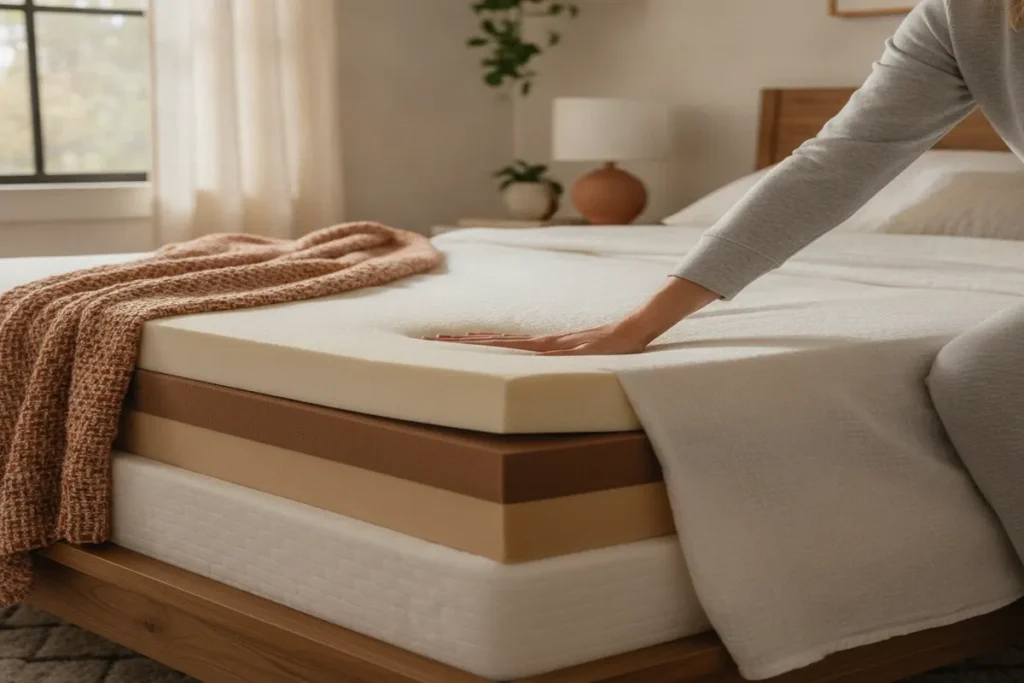
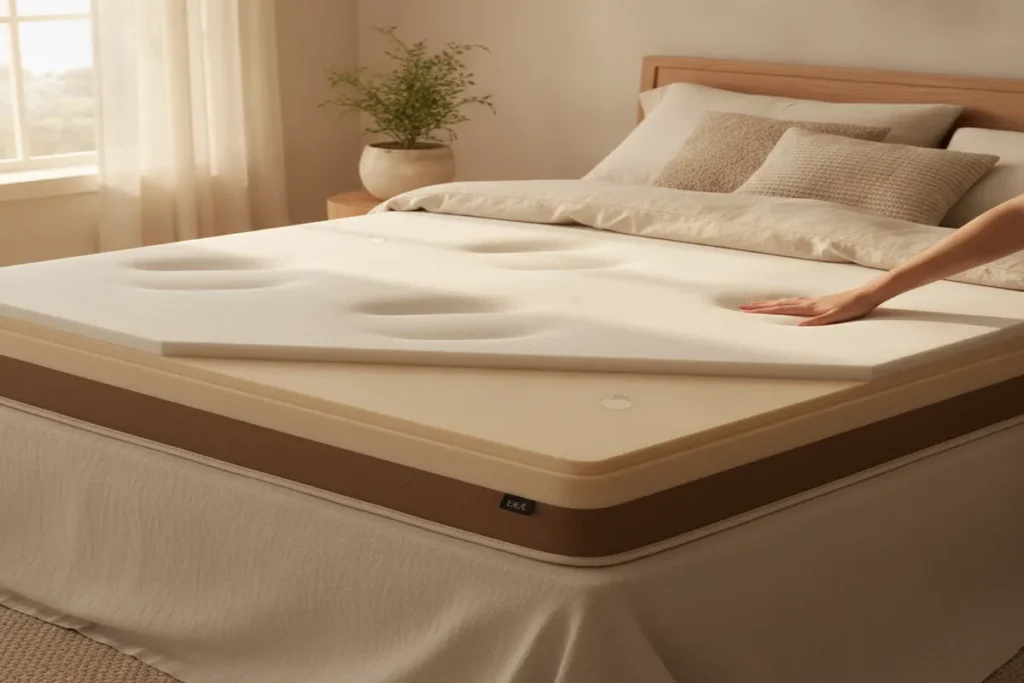
Sponge Topper Mattress (as an enhancement): If you already have a mattress that is too firm, a high-quality foam topper can be a cost-effective solution. Our Sponge Topper Mattresses, especially those with Visco or Latex foam, can add that crucial layer of softness and pressure relief needed by lightweight individuals.
- Why it works: A topper can transform an overly firm bed into a more accommodating sleep surface, allowing hips and shoulders to sink in appropriately.
- Explore: Sponge Topper Mattress, Visco Topper, Latex Topper
Why Choose Sinyora Yatak for Your Lightweight Mattress?
At Sinyora Yatak, we pride ourselves on:
-
Expert Craftsmanship: Leveraging decades of experience in Turkish mattress manufacturing to create durable and comfortable sleep solutions.
-
Quality Materials: Sourcing premium foams and fabrics to ensure longevity and consistent performance.
-
Value for Money: Offering competitive pricing without compromising on the quality and design that defines Turkish mattresses.
-
International Shipping: Making our superior sleep products accessible globally. Learn more about Ship Turkish Mattresses Internationally.
-
Customer-Centric Approach: Providing comprehensive support and guidance to help you make the best choice.
We invite you to explore our full Mattress Collection and discover why a Sinyora Yatak foam mattress could be the ideal choice for your comfortable, restorative sleep. For further insights into our craftsmanship, visit What Makes Turkish Mattresses Special.
Expert Insight
“For lightweight sleepers, the critical factor is often the mattress’s ability to ‘give’ under minimal pressure. A mattress that feels firm to an average-weight person will likely be uncomfortably rigid for someone under 60kg, leading to pressure points rather than relief. The ideal foam mattress for this group will have a softer comfort layer that still offers foundational support, ensuring both contouring and proper spinal alignment.” – Industry experts on mattress ergonomics for specific body types.
Key Terms
-
Indentation Load Deflection (ILD): A measure of foam firmness. A lower ILD (e.g., 10-20) indicates a softer foam, while a higher ILD (e.g., 30+) indicates a firmer foam. Crucial for lightweight sleepers to ensure comfort layers are soft enough.
-
Foam Density: Refers to the weight of foam per cubic foot. Higher density generally means greater durability and support, but not necessarily firmness. For lightweight sleepers, medium-density comfort foams often provide the best balance of contouring and longevity.
-
Contouring: The ability of a mattress to conform to the unique curves and shape of the body, distributing weight evenly and reducing pressure points. Essential for lightweight sleepers to achieve proper comfort and spinal alignment.
-
Pressure Relief: The mattress’s capacity to alleviate pressure build-up at contact points like shoulders, hips, and knees. A primary requirement for lightweight individuals to prevent discomfort and improve circulation.
-
Off-gassing: The release of volatile organic compounds (VOCs) from new foam products, which can cause a temporary odor. Look for CertiPUR-US certified foams to ensure low VOC emissions.
How Can You Upgrade to More Comfortable Sleep with Sinyora Yatak?
At Sinyora Yatak, we believe everyone deserves exceptional sleep, and for lightweight individuals, that means a mattress perfectly attuned to their specific needs. We meticulously craft our foam mattresses, including our popular Visco Foam and Latex Foam options, with the expertise of Turkish manufacturing to deliver unparalleled comfort and support. Choosing Sinyora Yatak means investing in a legacy of quality, innovative design, and a commitment to your well-being. Don’t settle for a mattress that leaves you feeling unsupported or with pressure points. Explore our tailored solutions, enjoy the benefits of durable, high-quality materials, and experience the difference a truly responsive foam mattress can make. Take the first step towards truly restorative sleep by browsing our Mattress Collection today, or learn more About Us and our dedication to superior sleep. For any questions, our Customer Service team is ready to assist you.
Frequently Asked Questions
Q: What firmness is best for lightweight sleepers under 60kg?
Q: Is memory foam good for lightweight people?
Q: How often should I replace my foam mattress?
Q: Can a mattress topper help if my mattress is too firm?
Q: What’s the difference between memory foam and latex for lightweight people?
Q: Do Turkish foam mattresses offer good value for lightweight sleepers?