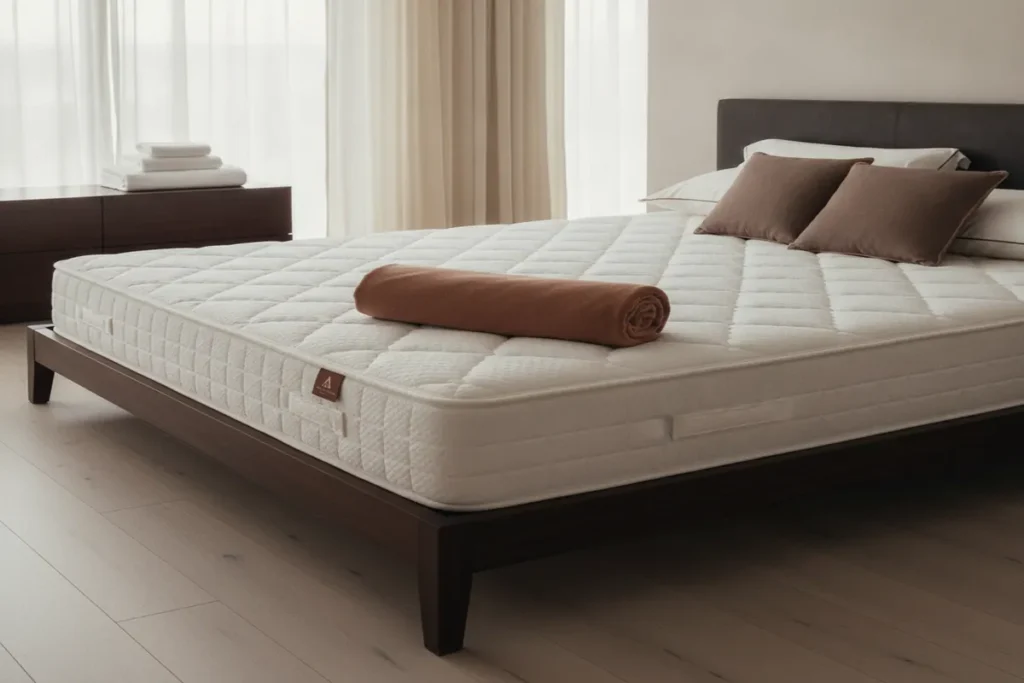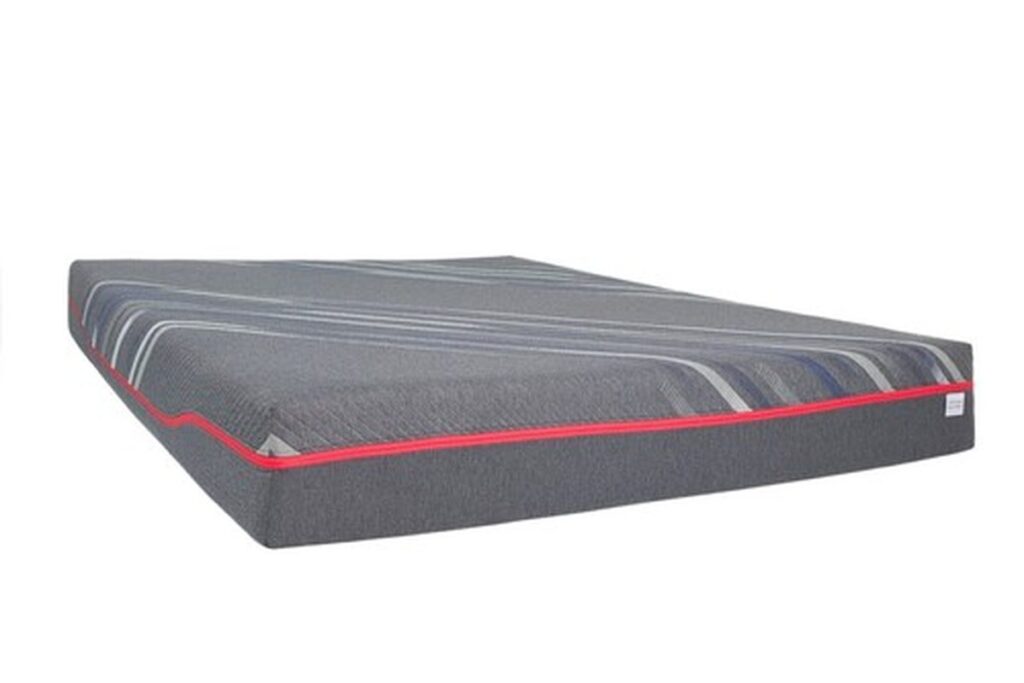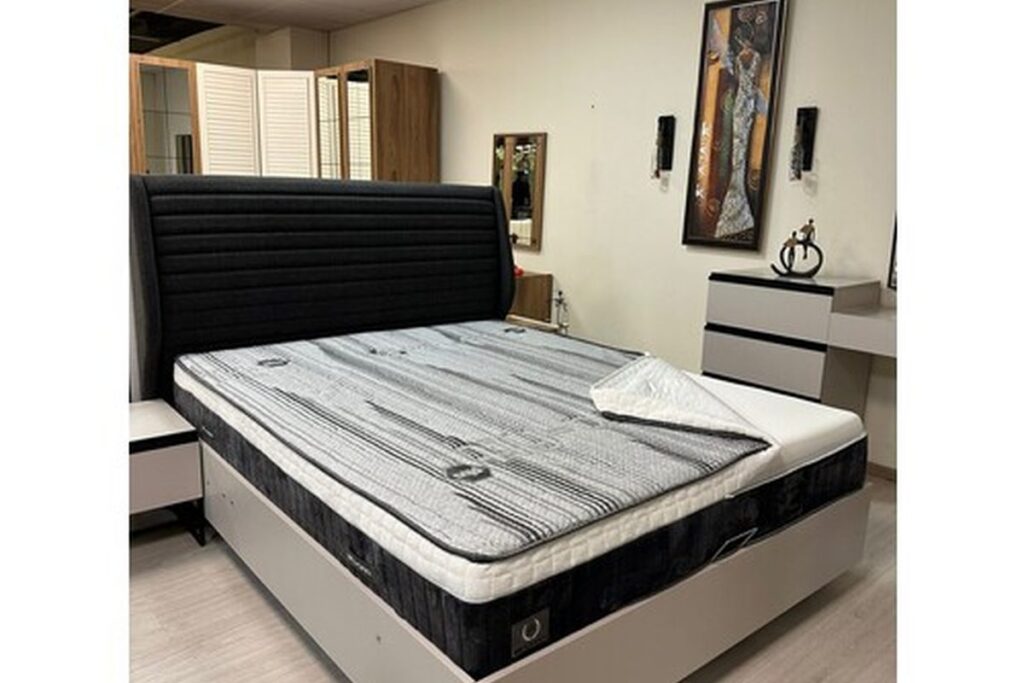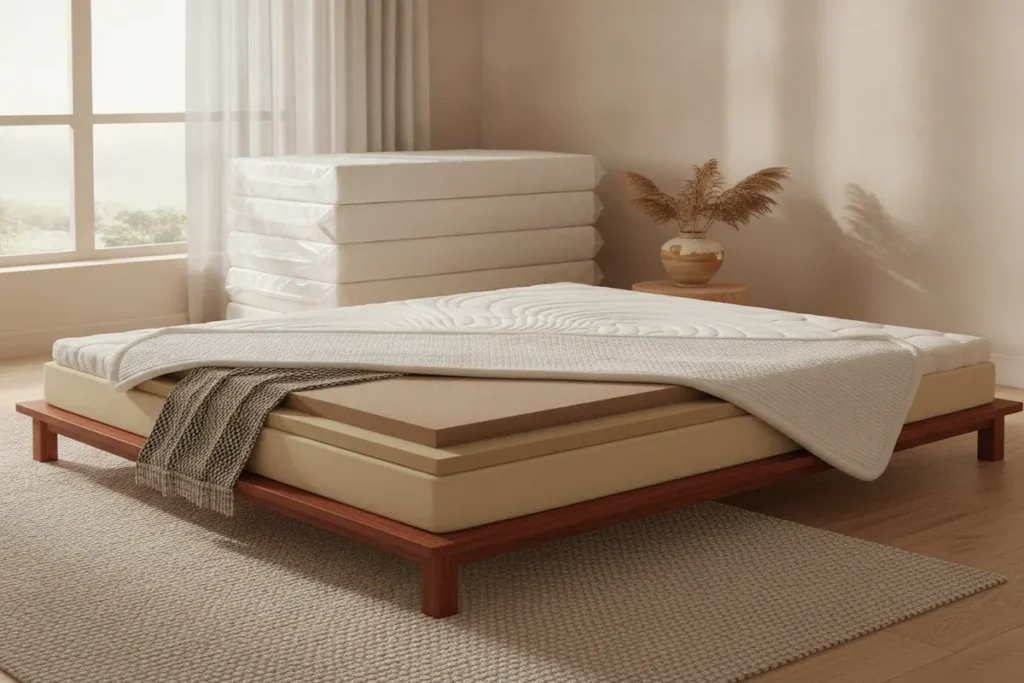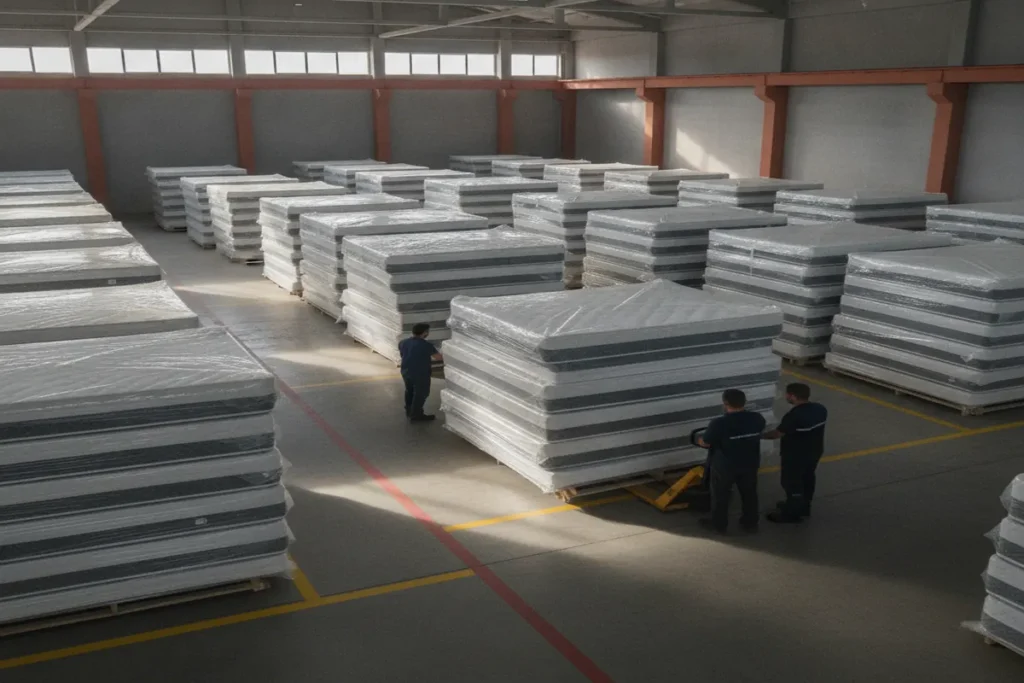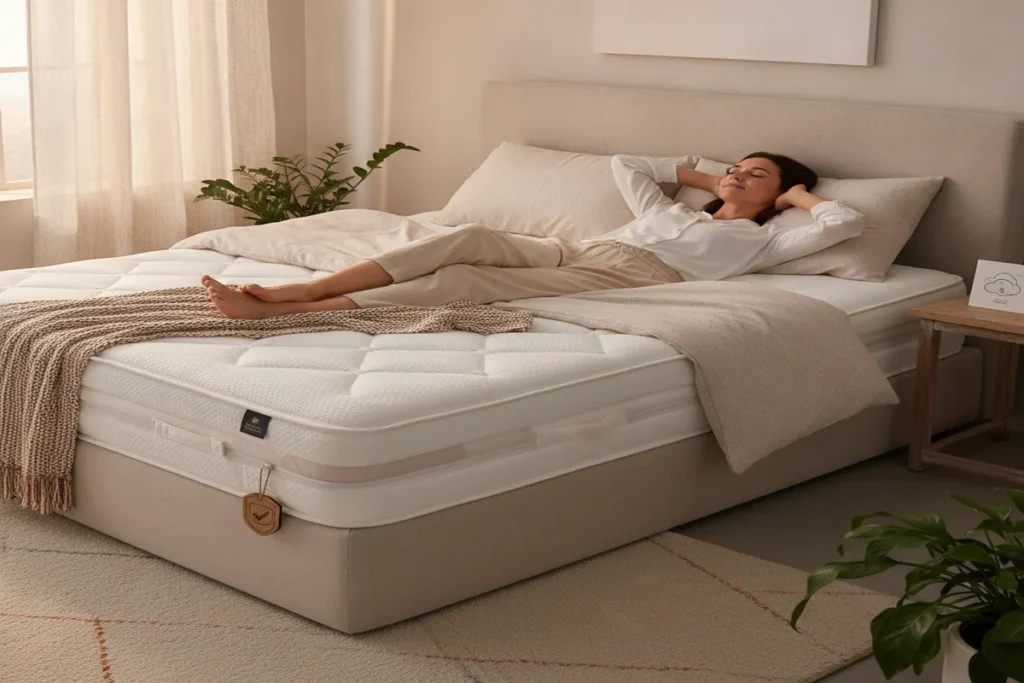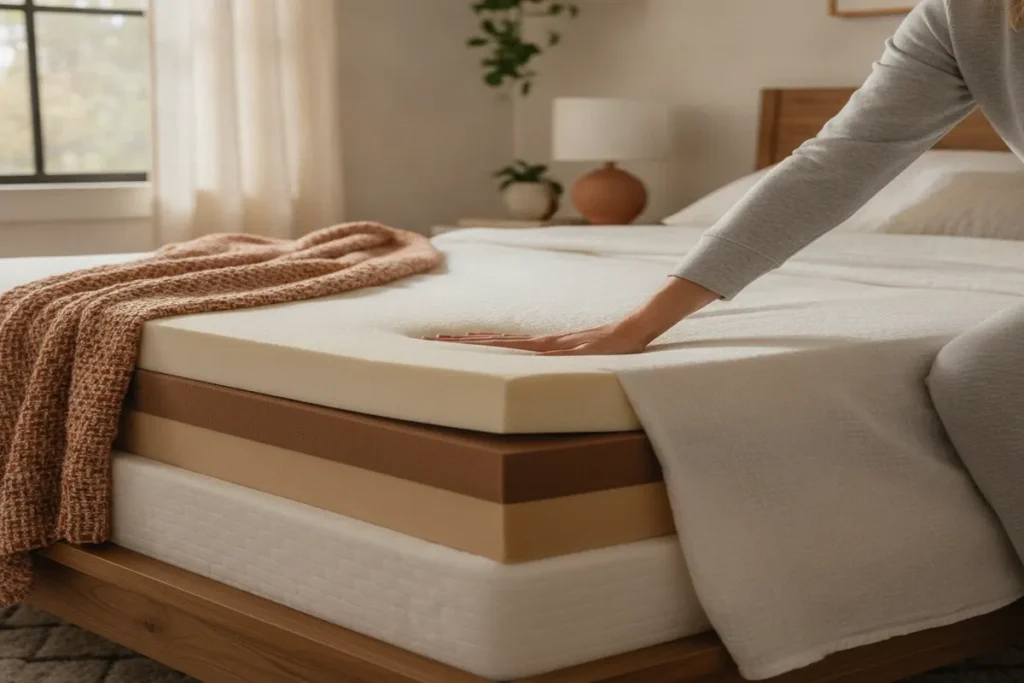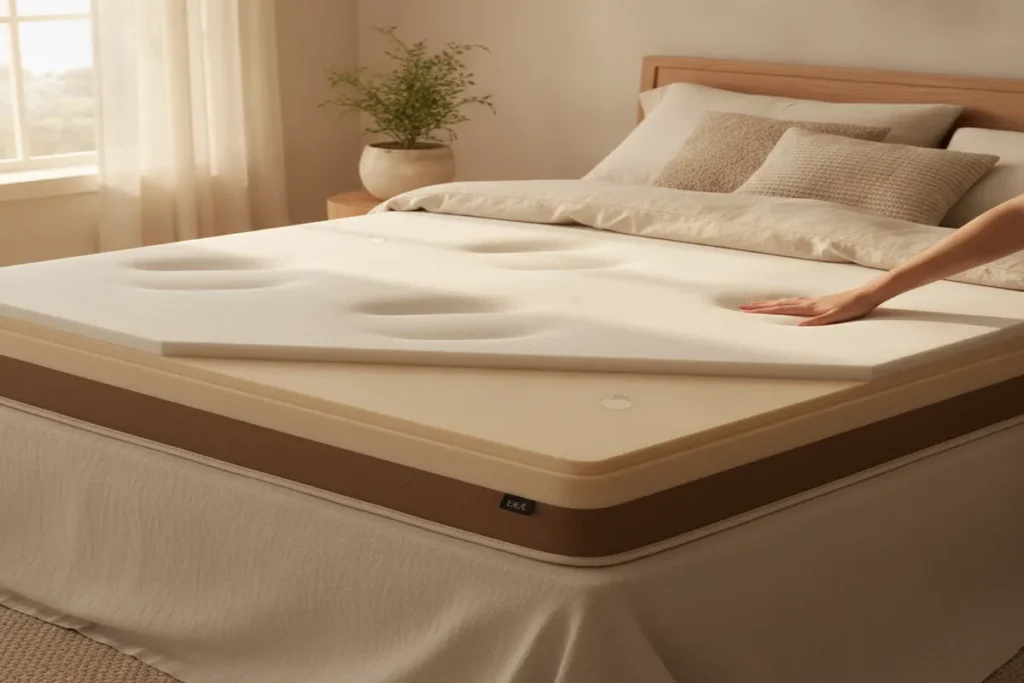

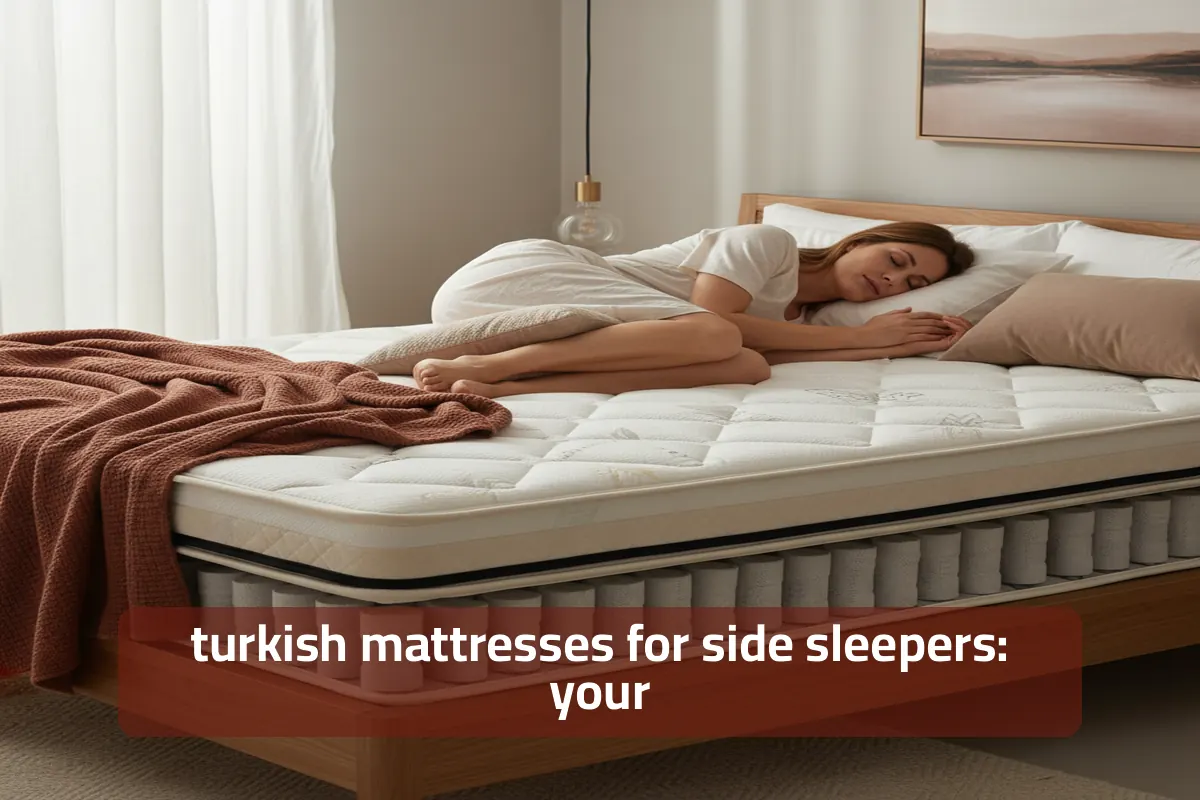
Yes, a Turkish mattress can be an exceptional choice for side sleepers, offering the critical blend of contouring comfort and supportive spinal alignment required for restorative rest. Known for their diverse material options, focus on balanced support, and often customizable designs, Turkish manufacturers, including Sinyora Yatak, are well-equipped to address the unique needs of those who sleep on their side, preventing common pressure point pain and ensuring proper posture throughout the night.
Quick Summary
- Turkish mattresses are excellent for side sleepers due to diverse materials like memory foam and latex
- they excel in pressure relief for hips and shoulders
- customization options allow for perfect spinal alignment
- look for medium-soft to medium-firmness based on body weight
Why is a Specialized Mattress Crucial for Side Sleepers in 2026?
Side sleeping, while beneficial for digestion and reducing snoring, places unique demands on a mattress. In 2026, with advancements in sleep science and material technology, the importance of a mattress tailored to this sleep position is more recognized than ever. Without the right support, side sleepers risk developing chronic pain in their shoulders, hips, and lower back.
Here’s what every side sleeper absolutely needs from their mattress:
- Superior Pressure Point Relief: When you lie on your side, your body weight is concentrated on narrower areas – primarily your shoulders and hips. A mattress must have sufficient give to cushion these points, preventing painful pressure buildup that can lead to numbness, tingling, and morning aches.
- Optimized Spinal Alignment: The goal is a neutral spine, replicating the alignment you have when standing upright. The mattress needs to allow your shoulders and hips to sink in just enough, while simultaneously providing robust support for the waist and lower back, filling the natural curve of your body.
- Too firm: Your shoulders and hips will remain elevated, causing your spine to curve upwards unnaturally.
- Too soft: Your heavier mid-section will sink too deeply, leading to a downward spinal curve.
- Contouring and Cushioning: The mattress should adapt to your body’s unique curves, not just compress under weight. This means filling in gaps like the waist area and providing a soft, enveloping feel around joints without sacrificing support. Modern materials excel at this, distributing weight evenly.
- Motion Isolation: Especially for couples, a mattress that minimizes motion transfer is key. Side sleepers are often more sensitive to disturbances, and a partner’s movements can easily disrupt their delicate spinal alignment.
What Unique Advantages Do Turkish Mattresses Offer Side Sleepers in 2026?
Turkish mattresses have earned a reputation for quality craftsmanship and innovative design, making them a standout choice for side sleepers in today’s market. Many Turkish manufacturers, like Sinyora Yatak, combine traditional expertise with cutting-edge sleep technology to create mattresses that truly cater to specific sleep needs.
Consider these distinct advantages when evaluating a Turkish mattress:
- Diverse & Advanced Material Options: Turkish manufacturers leverage a wide array of high-quality materials, often combining them for optimal performance.
- Memory Foam (Visco Foam): Excellent for contouring and pressure relief, memory foam molds to the body, distributing weight evenly around hips and shoulders. Sinyora Yatak’s Visco Foam Mattresses are designed for deep cradling.
- Natural Latex: Known for its responsiveness, durability, and natural elasticity, latex offers a buoyant feel that supports without excessive sinking. It’s also breathable, which is a significant plus for temperature regulation. Look for Sinyora Yatak’s Latex Foam Mattresses.
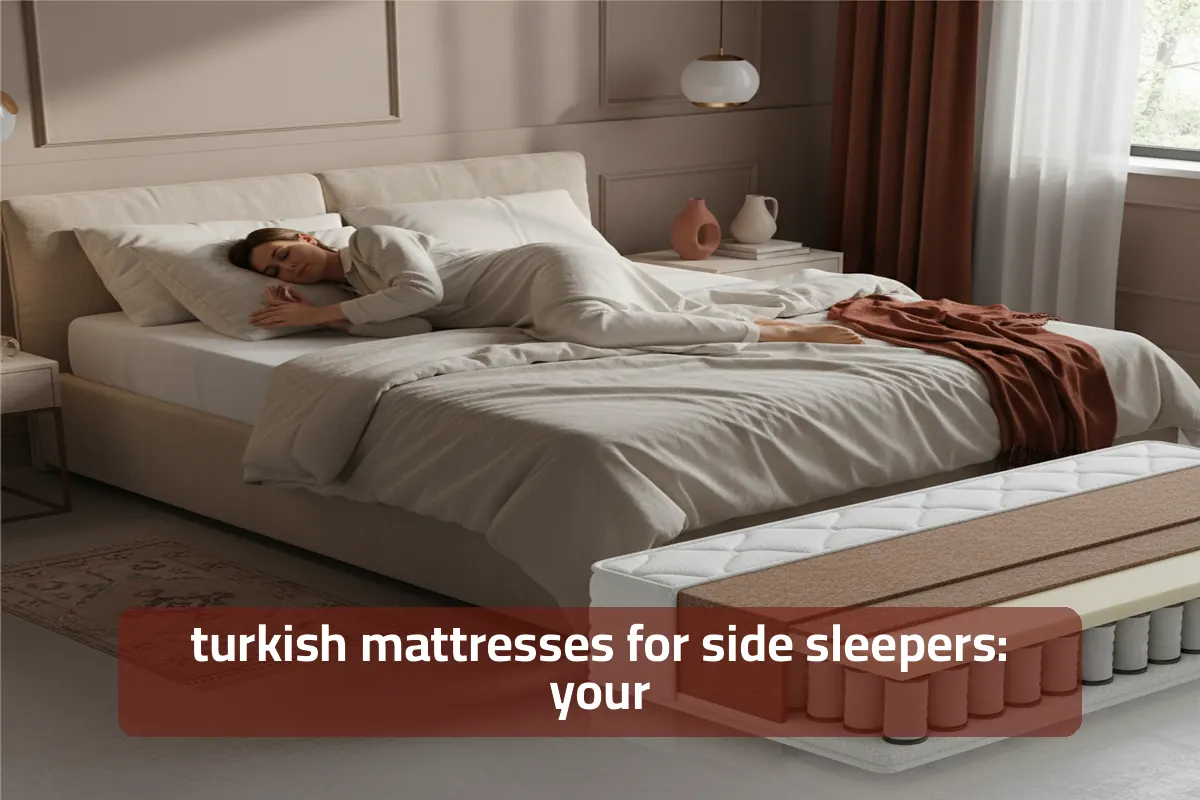
- Pocketed Coils: Individually wrapped coils provide targeted support and excellent motion isolation, adapting to body contours while maintaining firmness. This construction is often paired with foam or latex comfort layers.
- Hybrid Designs: Many Turkish mattresses combine pocketed coils with layers of memory foam or latex, offering the best of both worlds: the support of springs with the pressure relief of foam.
- Emphasis on Balanced Support and Comfort: Turkish craftsmanship often prioritizes creating mattresses that provide robust foundational support while integrating plush comfort layers. This balance is critical for side sleepers who need both deep contouring and firm underlying support to maintain spinal alignment.
- Customization Capabilities: This is a significant differentiator. Many Turkish companies, including Sinyora Yatak, offer custom-made mattresses. This means you can specify the exact firmness level, material combinations, and even zone-specific support to perfectly cradle your hips and shoulders while supporting your spine, making them an ideal “perfect fit” for side sleepers.
- Durability and Longevity: Turkish mattresses are often built with high-quality, dense materials and robust construction techniques, leading to a longer lifespan. This means a consistent level of comfort and support for many years, which is a smart investment for side sleepers who rely on consistent performance. Learn more about Turkish Mattress Lifespan.
How Do Turkish Mattress Materials Compare for Optimal Side Sleeper Comfort?
Choosing the right material is paramount for side sleepers. Turkish manufacturers offer excellent options, each with distinct benefits. Here’s a comparison to help you decide:
- Sinyora Yatak Recommendation: For side sleepers, Sinyora Yatak’s Visco Foam Mattresses (Memory Foam) or Latex Foam Mattresses are often top choices due to their superior pressure relief and contouring capabilities. Hybrid options incorporating pocket coils with these foams are also highly recommended for balanced support and comfort.
Which Firmness Level and Support Features Should Side Sleepers Prioritize?
Selecting the correct firmness is perhaps the single most important decision for a side sleeper. It’s a delicate balance that directly impacts both pressure relief and spinal alignment. The “ideal” firmness isn’t universal; it depends heavily on your body weight and personal preference.
Understanding Firmness for Side Sleepers:
- Lightweight Side Sleepers (under 130 lbs): Tend to prefer soft to medium-soft mattresses (3-5 on a 1-10 firmness scale, where 10 is firmest). They don’t have enough weight to compress firmer mattresses, which would lead to pressure points and improper spinal alignment.
- Average Weight Side Sleepers (130-230 lbs): Generally thrive on medium to medium-firm mattresses (5-7 on the firmness scale). This range offers sufficient contouring for hips and shoulders while providing ample support for the waist.
- Heavier Side Sleepers (over 230 lbs): Often require a medium-firm to firm mattress (7-8 on the firmness scale). They need more robust support to prevent excessive sinking, which can lead to spinal misalignment. However, the top layers must still offer substantial pressure relief.
Key Support Features to Look For:
- Zoned Support Systems: Many high-quality Turkish mattresses incorporate zoned support, meaning different areas of the mattress offer varying levels of firmness.
- Benefit for Side Sleepers: Softer zones for the shoulders and hips allow for deeper compression and pressure relief, while firmer zones for the lumbar region provide essential support, maintaining a neutral spinal alignment.
- Edge Support: A strong edge prevents sagging when you sit on the side of the bed and provides a larger usable sleep surface. For side sleepers who tend to sleep closer to the edge, good edge support is crucial for consistent comfort and safety.
- Thick Comfort Layers: Regardless of the core support system (coils or foam), the top comfort layers are where pressure relief happens. Look for mattresses with at least 2-4 inches of high-quality memory foam, latex, or plush polyfoam in the top layers.
- Breathable Materials: While not directly a support feature, breathability is vital for comfort. Materials like natural latex, open-cell memory foam, or pocketed coils (especially in hybrids) promote airflow, preventing overheating that can disrupt sleep.
What Common Mistakes Do Side Sleepers Make When Choosing a New Mattress?
Even with the best intentions, side sleepers often fall into common pitfalls when mattress shopping. Avoiding these mistakes can save you discomfort, money, and countless sleepless nights.
- Mistake 1: Prioritizing Firmness Above All Else (or going too soft).
- Why it’s wrong: While firmness is important, it must be balanced with pressure relief. A mattress that’s too firm will push against your shoulders and hips, causing pain. Conversely, a mattress that’s too soft will allow your mid-section to sink too far, creating a “hammock” effect and misaligning your spine.
- Solution: Focus on a medium feel with excellent contouring for most side sleepers, adjusting slightly based on body weight.
- Mistake 2: Not Considering Body Weight and Type.
- Why it’s wrong: A mattress that’s perfect for a lightweight individual will likely be too soft for a heavier person, and vice-versa. Your body mass dictates how much you’ll compress the mattress.
- Solution: Use the guidelines above to match firmness to your body weight. If you have broader shoulders or hips, you’ll need more contouring give in those areas.
- Mistake 3: Overlooking the Importance of a Good Pillow.
- Why it’s wrong: Even the best mattress can’t correct poor neck alignment. A pillow that’s too thin or too thick for a side sleeper will crane the neck upwards or downwards, causing neck and shoulder pain.
- Solution: Side sleepers need a thicker, firmer pillow that fills the gap between their head and the mattress, keeping the neck aligned with the spine. Sinyora Yatak offers Visco Pillows Neck Support and Latex Pillows Neck Support specifically designed for this.
- Mistake 4: Rushing the Decision and Not Utilizing Sleep Trials.
- Why it’s wrong: It takes time for your body to adjust to a new mattress, and for the mattress to break in. A quick lie-down in a showroom isn’t enough.
- Solution: Choose a company like Sinyora Yatak that offers a generous sleep trial (if applicable to international shipments) and take advantage of it. Give yourself at least 3-4 weeks to truly evaluate the mattress.
- Mistake 5: Ignoring Warranty and Return Policies.
- Why it’s wrong: A mattress is a significant investment. Not understanding the warranty or return policy can lead to frustration if issues arise or if the mattress simply isn’t the right fit.
- Solution: Always read the fine print. Understand what’s covered, what voids the warranty, and the terms for returns or exchanges.
A Side Sleeper’s Checklist: How to Find Your Perfect Turkish Mattress Fit in 2026
Navigating the world of mattresses can be overwhelming. Use this practical checklist, informed by 2026 sleep science and Turkish mattress expertise, to guide your decision-making process for finding the ultimate sleep surface.
- Assess Your Body Weight and Type:
- Under 130 lbs: Aim for soft to medium-soft (e.g., plush memory foam or softer latex).
- 130-230 lbs: Look for medium to medium-firm (e.g., balanced hybrid, medium latex, or memory foam).
- Over 230 lbs: Consider medium-firm to firm with substantial comfort layers (e.g., robust hybrid, dense latex).
- Consider broad shoulders/hips: You’ll need more give in those areas, so prioritize materials with deep contouring.
- Prioritize Pressure Point Relief:
- Does the mattress allow your shoulders and hips to sink in comfortably without bottoming out?
- Are there any feelings of pressure or discomfort after lying down for 10-15 minutes?
- Recommended materials: Visco Foam, Latex Foam, or hybrid mattresses with thick comfort layers.
- Confirm Spinal Alignment:
- Have someone observe your spine while you lie on your side. Is it straight and horizontal from neck to tailbone?
- Does the mattress fill the gap at your waist?
- Test: Lie on your side, then gently slide your hand under your waist. If there’s a significant gap, it’s too firm; if your hand struggles to get under, it might be too soft.
- Evaluate Material Composition:
- Memory Foam: For deep contouring and pain relief. Check for density (higher density generally means better durability).
- Latex: For responsive bounce, natural breathability, and durability. Look for natural or organic latex.
- Hybrid: For the best of both worlds – support from coils, pressure relief from foam/latex. Ensure comfort layers are substantial.
- Avoid: Traditional innerspring (Bonnel) mattresses if primary concern is pressure relief for side sleeping.
- Look for Zoned Support:
- Does the mattress specifically mention softer zones for shoulders/hips and firmer zones for lumbar? This is a huge benefit for side sleepers.
- Consider Customization Options:
- Does the manufacturer (like Sinyora Yatak) offer custom firmness levels or material combinations? This is the ultimate way to achieve a “perfect fit.”
- Don’t Forget Your Pillow:
- Choose a pillow specifically designed for side sleepers – typically thicker and firmer to keep your head and neck aligned with your spine. (e.g., Sinyora Yatak’s neck support pillows).
- Check for Certifications and Quality:
- Look for certifications (e.g., CertiPUR-US for foams, OEKO-TEX for textiles) that indicate material safety and quality.
- Research the brand’s reputation for craftsmanship and customer service.
- Understand Warranty and Trial Periods:
- Ensure a comprehensive warranty (at least 10 years) and a reasonable sleep trial (90-120 nights is standard) to test the mattress at home.
Expert Insight
“The biggest misconception for side sleepers is that a soft mattress automatically equals comfort. While pressure relief is paramount, true comfort for a side sleeper stems from a mattress that is soft enough to cradle the shoulders and hips, yet firm enough to support the lumbar curve and maintain spinal alignment. This delicate balance is often best achieved through carefully engineered hybrid designs or high-quality, zoned foam and latex mattresses.”
— Industry sleep experts confirm that balanced support is key for side sleepers.
Key Terms
- Pressure Point Relief: The ability of a mattress to distribute body weight evenly, preventing discomfort and pain where the body presses most heavily against the surface (e.g., shoulders, hips).
- Spinal Alignment: The maintenance of a neutral, straight line from the head to the tailbone while lying down, which is crucial for preventing back pain and promoting healthy sleep posture.
- Contouring: The way a mattress adapts and molds to the natural curves of your body, filling in gaps like the waist to provide full-body support.
- Motion Isolation: The capacity of a mattress to absorb movement, preventing disturbances from transferring across the bed, which is particularly beneficial for couples.
- Zoned Support: A mattress design feature where different areas of the mattress have varying firmness levels, offering targeted support and pressure relief to specific body parts.
How Can You Upgrade to More Comfortable Sleep with Sinyora Yatak?
At Sinyora Yatak, we understand the critical needs of side sleepers. Our extensive mattress collection is engineered with precision and Turkish craftsmanship to deliver the perfect balance of pressure relief and spinal support. Whether you prefer the deep contouring of our Visco Foam Mattresses, the responsive buoyancy of our Latex Foam Mattresses, or the dynamic support of our Pocket Coils Mattress in a hybrid design, we have an option tailored for you. Explore our Customization Capabilities to specify the ideal firmness and material blend for your unique body and sleep style. Don’t let another night of aches disrupt your rest. Visit our Mattress Collection or Contact Us for Support to discover how Sinyora Yatak can transform your sleep experience into truly restorative comfort.
Frequently Asked Questions
Q: What firmness is best for side sleepers?
Q: Can a Turkish mattress help with shoulder and hip pain for side sleepers?
Q: Are hybrid Turkish mattresses good for side sleepers?
Q: How often should a side sleeper replace their mattress?
Q: What type of pillow should a side sleeper use with a Turkish mattress?
Q: Can I customize the firmness of a Turkish mattress for side sleeping?
Help: FAQs · Sleep Science · Sleep Resources · Privacy Policy