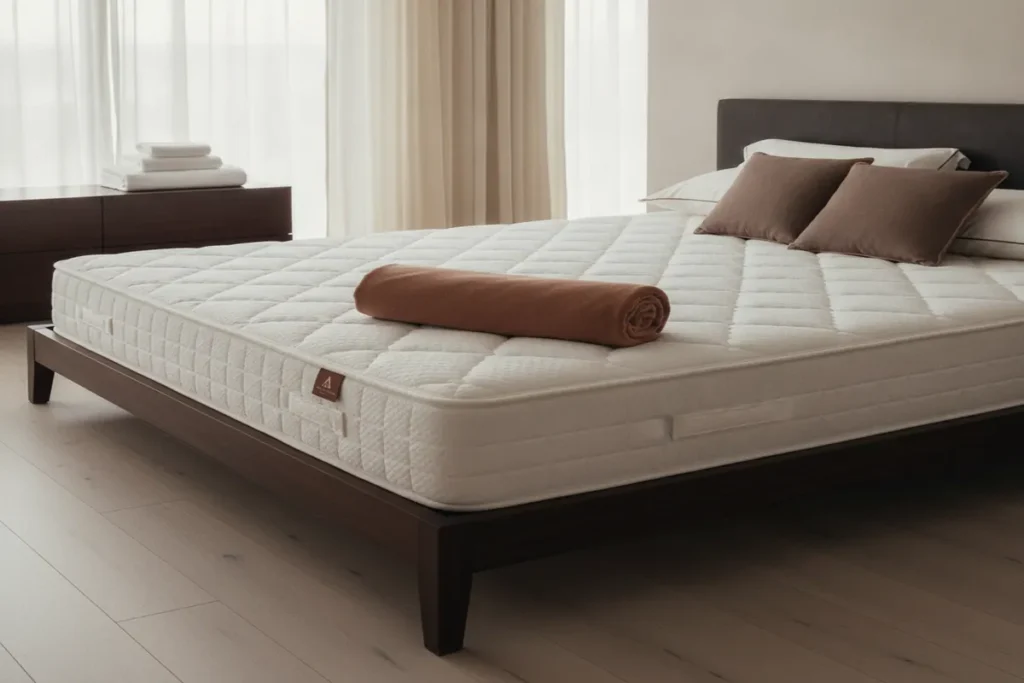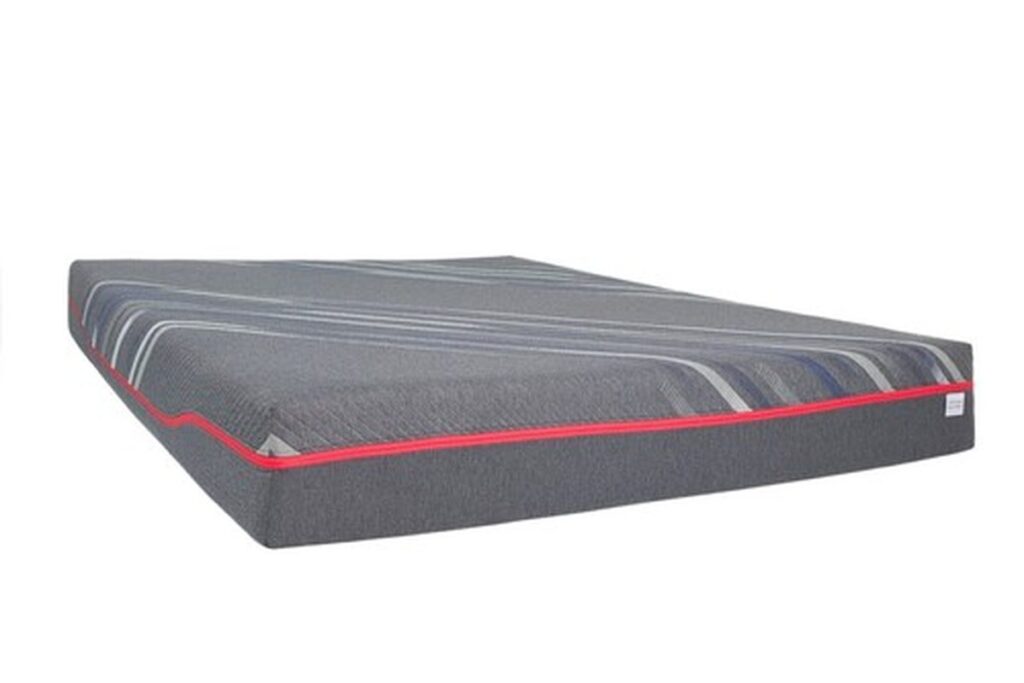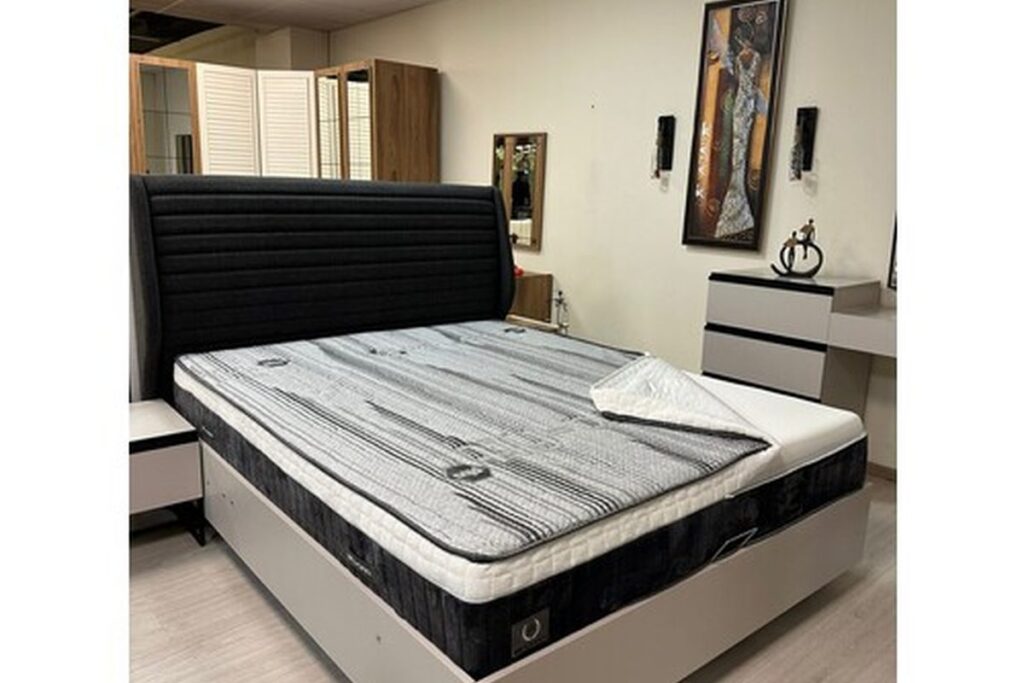

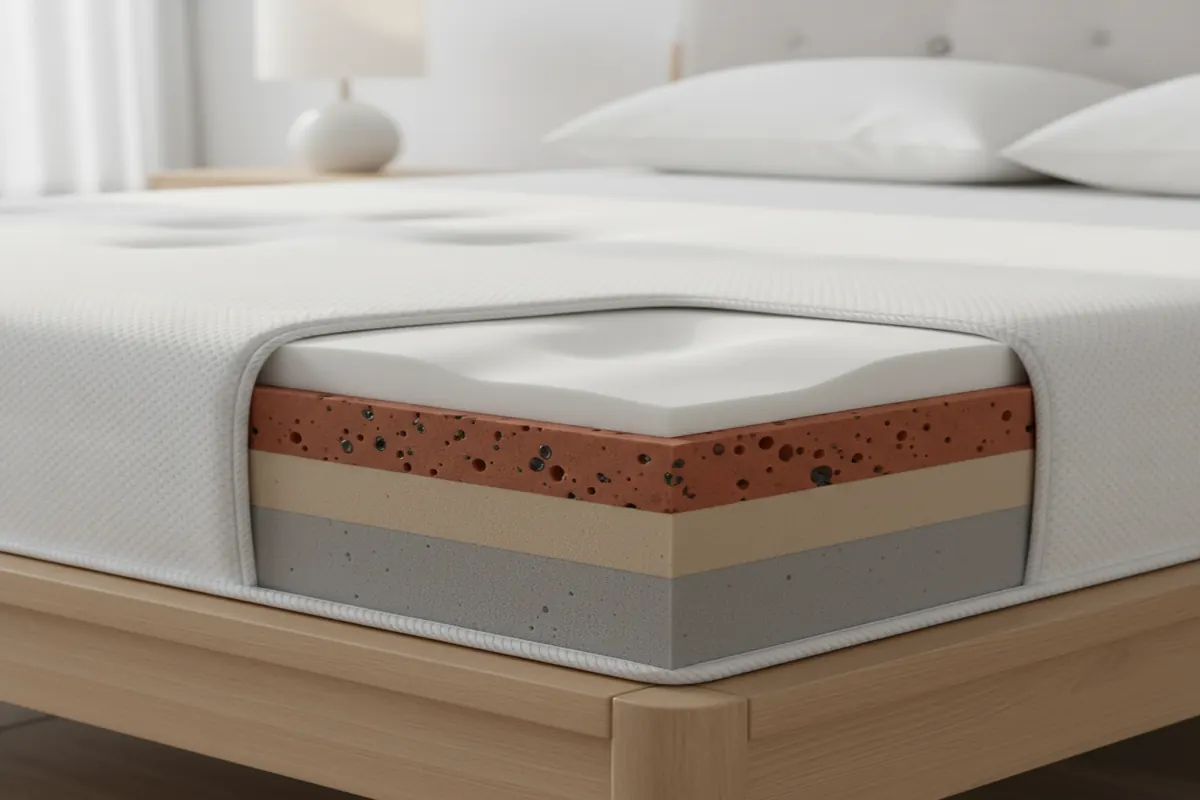
Foam mattress technology utilizes sophisticated polymer science to engineer sleep surfaces that offer exceptional comfort and support. At its core, this involves manipulating the density, elasticity, and cellular structure of materials like polyurethane, latex, and visco-elastic foams. These materials work by conforming to the body’s unique contours, evenly distributing weight, and significantly reducing pressure points, leading to superior pressure relief and motion isolation. Contemporary foam mattresses often integrate advanced features such as cooling gels, open-cell designs for enhanced airflow, and natural ingredients to address breathability, temperature regulation, and environmental concerns, ensuring a restorative sleep experience tailored to individual needs.
Quick Summary
- Foam mattress technology leverages advanced polymer science to create supportive and comfortable sleep surfaces
- it primarily involves varying densities and compositions of polyurethane, latex, or specialized visco-elastic foams
- these materials conform to the body, distribute weight evenly, and offer superior pressure relief and motion isolation
- modern advancements integrate cooling gels, open-cell structures, and natural additives to enhance breathability and sustainability
What is Foam Mattress Technology and Materials: Beyond the Basics
Foam mattress technology isn’t just about a soft surface; it’s a sophisticated blend of material science, engineering, and ergonomic design aimed at optimizing sleep health. At Sinyora Yatak, we understand that the magic happens at the molecular level, where various polymers are combined and processed to create foams with distinct properties. These properties dictate everything from how a mattress feels to how long it lasts and how well it supports your body throughout the night.
The primary materials driving foam mattress technology include:
-
Polyurethane Foam (Polyfoam): The most common and foundational foam type. Polyfoam serves as the base layer in many mattresses, providing essential support and structure. It comes in a wide range of densities and firmness levels, from soft comfort layers to firm support cores. Its versatility makes it a cost-effective yet reliable component in mattress construction.
-
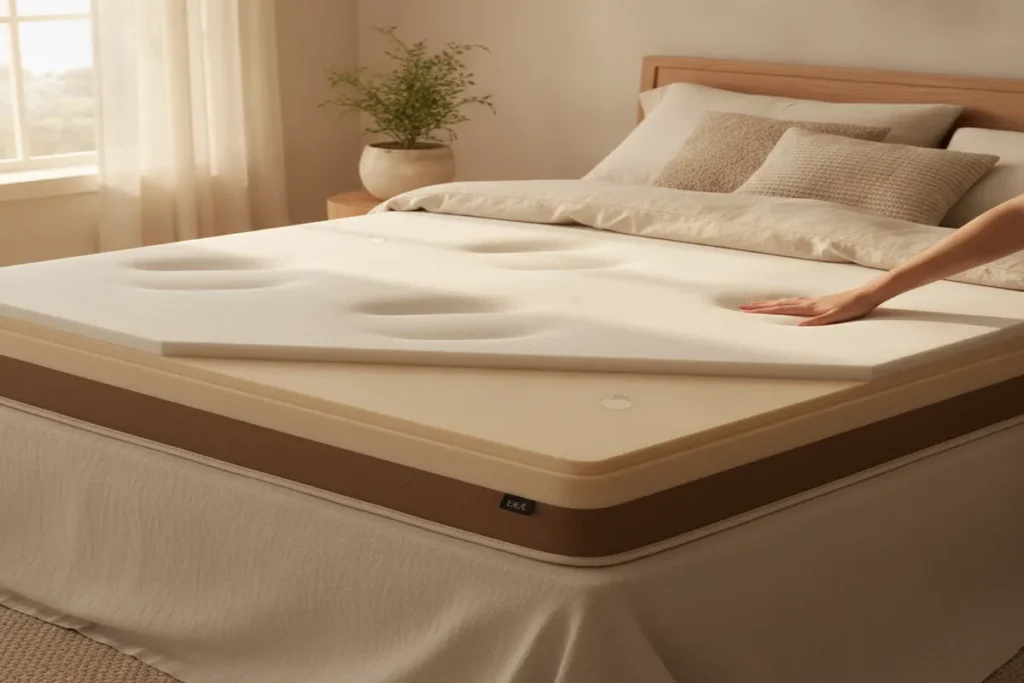
Visco-Elastic Foam (Memory Foam): Often referred to simply as memory foam, this material is renowned for its unique ability to soften and conform to body heat and pressure. Originally developed by NASA, memory foam cradles the sleeper, distributing weight evenly and reducing pressure points. Our Visco Foam Mattress line exemplifies this technology, offering personalized contouring and excellent motion isolation, which is ideal for couples.
-
Latex Foam: Derived from the sap of rubber trees (natural latex) or synthesized petrochemicals (synthetic latex), latex foam is celebrated for its buoyant support, durability, and responsiveness. Unlike memory foam, latex offers a quicker rebound, providing a floating sensation. It’s naturally breathable and often preferred by those seeking an eco-friendly option. Latex Foam Mattress options, including our Latex Pillow (Natural) and Latex Topper, highlight this material’s exceptional resilience and comfort.
Understanding the composition and structure of these materials is crucial for appreciating how they contribute to a mattress’s overall performance. For instance, the size and uniformity of the foam cells directly impact airflow, breathability, and durability. Closed-cell foams tend to be firmer and less breathable, while open-cell structures enhance air circulation and dissipate heat more effectively.
How Different Foams Contribute to Mattress Construction
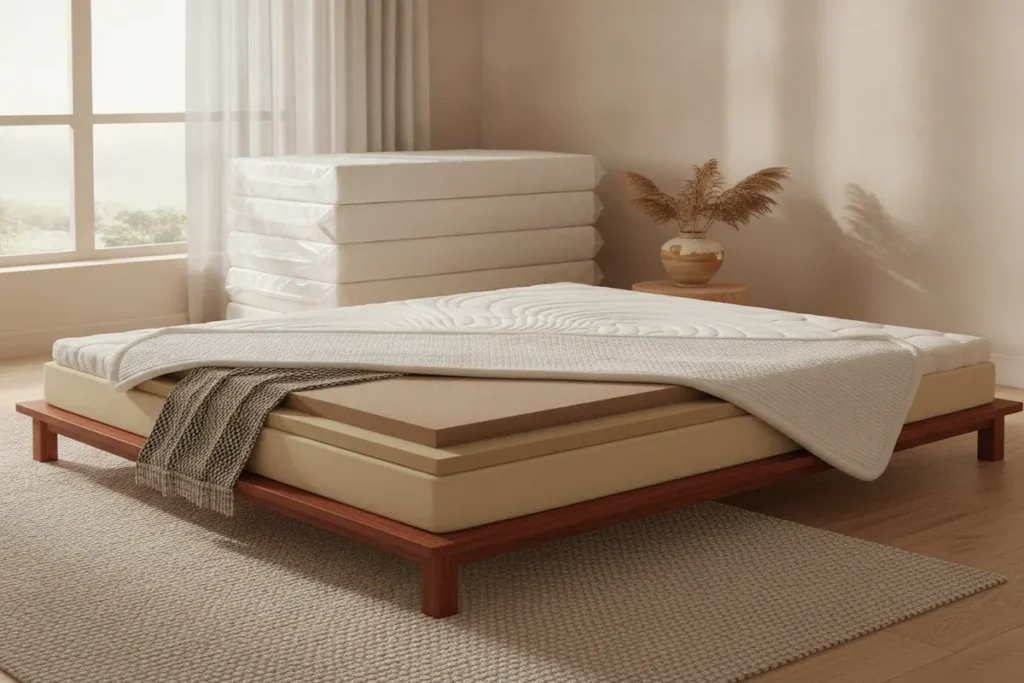
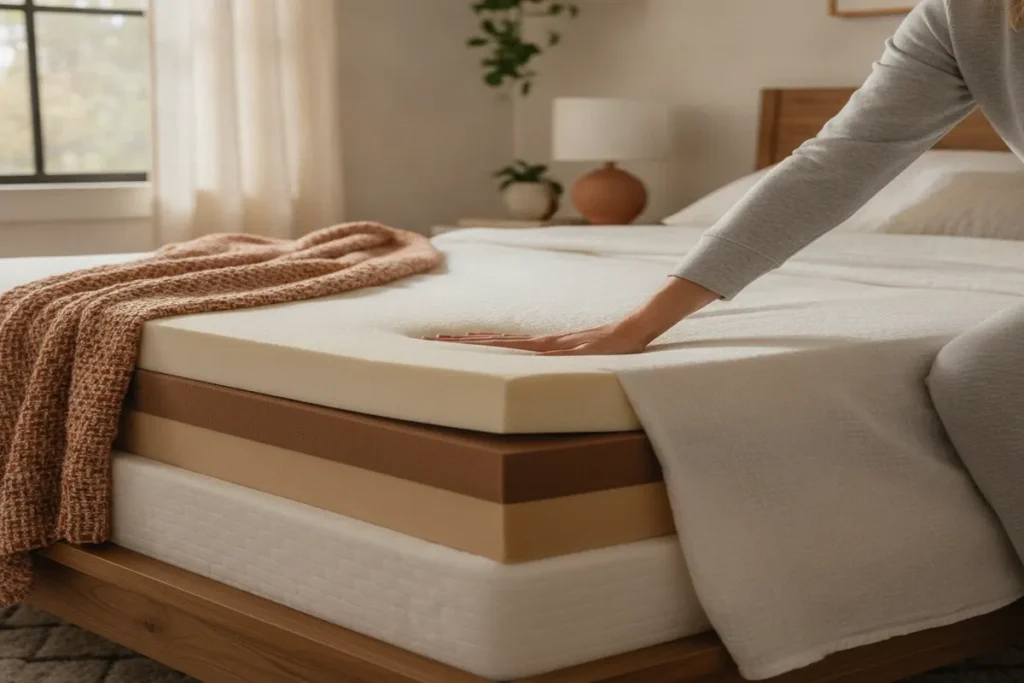
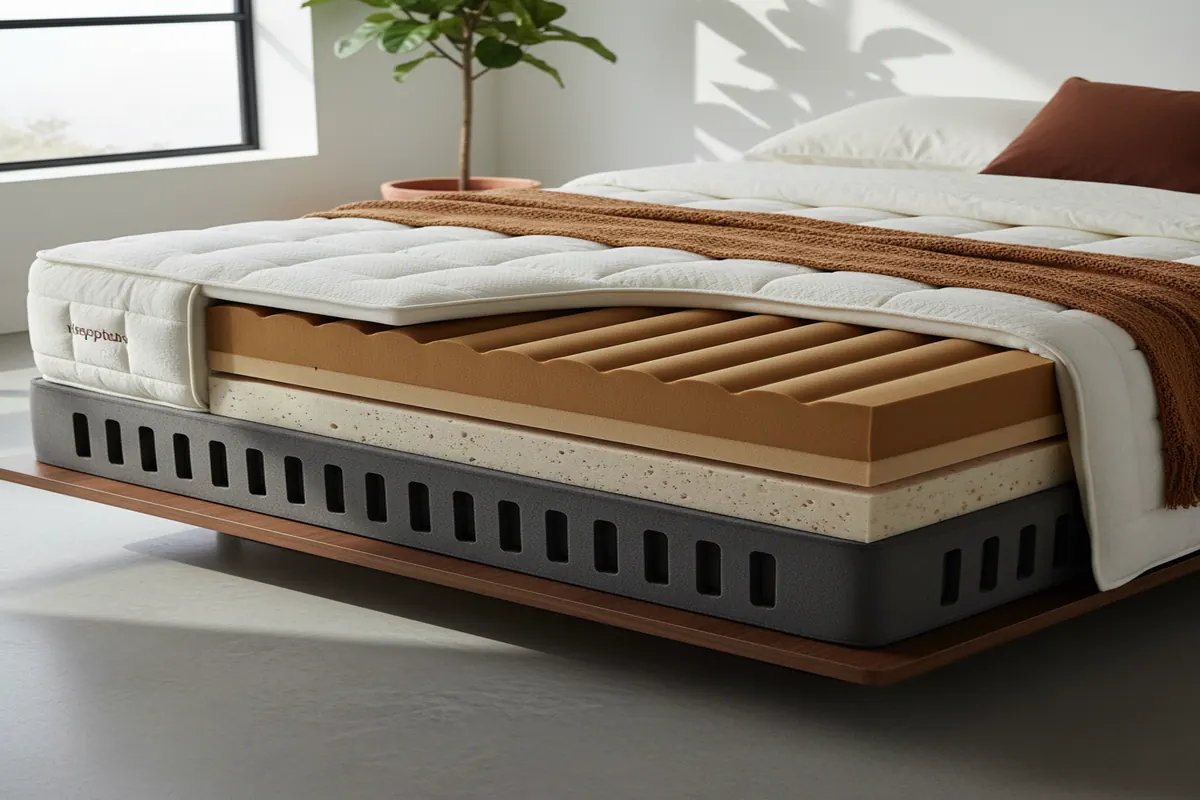
A modern foam mattress is rarely made from a single type of foam. Instead, it’s a carefully engineered stack of layers, each serving a specific purpose:
-
Comfort Layer: Typically the top layer, designed for immediate softness and pressure relief. This is often where memory foam or softer latex foam is used.
-
Transition Layer: Sits between the comfort and support layers, gradually transferring weight and preventing the sleeper from feeling “stuck” or bottoming out on the firmer base. This might be a medium-density polyfoam or a firmer latex.
-
Support Core: The foundational layer, usually made of high-density polyfoam or a robust latex. This layer provides the primary structural integrity and deep compression support for the entire mattress.
This layered approach allows manufacturers like Sinyora Yatak to fine-tune the foam mattress comfort level, balancing plushness with robust support and durability.
Unpacking Foam Mattress Comfort Levels: What Shapes Your Sleep Experience?
The concept of foam mattress comfort level is multifaceted, extending far beyond simple “soft” or “firm” labels. It encompasses a complex interplay of material properties, construction techniques, and individual physiological responses. A truly comfortable foam mattress provides not just a pleasant initial feel but sustained ergonomic support throughout the night, adapting to your movements and maintaining a neutral spinal alignment.
Key factors that define and influence the comfort level of a foam mattress include:
-
Density: This refers to the weight of the foam per cubic foot. Higher density generally equates to greater durability and often, but not always, a firmer feel. For instance, a high-density memory foam will offer more substantial body contouring and last longer than a lower-density variant.
-
Firmness (ILD Rating): Indentation Load Deflection (ILD) measures how much force is required to indent a foam sample by 25%. A higher ILD indicates a firmer foam. While density speaks to material quality and durability, ILD directly reflects the perceived firmness. A mattress can have high-density foam that feels soft (low ILD) or firm (high ILD), depending on its specific formulation.
-
Layering Strategy: As discussed, the combination and order of different foam types and densities create the overall feel. A soft memory foam top layer might be paired with a firmer polyfoam base to offer both plush comfort and robust support. This strategic layering is critical for achieving balanced comfort.
-
Cooling Technologies: Traditional foams, especially denser memory foams, can retain heat. To combat this, modern foam mattresses incorporate various cooling innovations:
- Open-Cell Structure: Enhances airflow through the foam, dissipating heat more effectively.
- Gel Infusions: Gel beads or swirls within the foam absorb and draw heat away from the body. Our Visco Foam Mattress often includes such advancements.
- Phase-Change Materials (PCMs): These materials react to body temperature, absorbing heat when you’re warm and releasing it when you cool down, helping to maintain a stable microclimate.
- Graphite or Copper Infusions: These materials are highly conductive, helping to pull heat away from the sleeping surface.
-
Ergonomic Support: A truly comfortable mattress supports the natural curves of your spine, preventing pressure build-up and promoting healthy posture. Foam’s ability to conform ensures personalized support, which is particularly beneficial for Turkish Mattress for Side Sleepers who need extra cushioning at the shoulders and hips, or for back sleepers requiring lumbar support.
Common Misconceptions About Foam Comfort
Many consumers mistakenly equate “softness” with “comfort.” While initial plushness can be appealing, a mattress that is too soft can lead to improper spinal alignment, resulting in aches and pains. True comfort comes from a balance of pressure relief and supportive alignment. Similarly, “firm” doesn’t necessarily mean “uncomfortable”; a firm mattress with adequate contouring can be incredibly supportive and comfortable for many, especially those who prefer a more stable sleeping surface.
Choosing the Right Foam Mattress: A Decision Framework for Optimal Support and Durability
Selecting the ideal foam mattress requires a thoughtful approach, considering more than just the initial feel. It’s about finding a sleep surface that aligns with your specific needs, promotes healthy sleep posture, and offers lasting value. This decision framework will guide you through the critical considerations.
Key Criteria for Evaluating Foam Mattresses
When exploring foam mattress technology and materials, prioritize these factors:
-
Sleep Position:
- Side Sleepers: Typically need softer foams (e.g., medium-soft memory foam, plush latex) to allow shoulders and hips to sink in, maintaining spinal alignment and relieving pressure points. Consider our Turkish Mattress for Side Sleepers for tailored support.
- Back Sleepers: Benefit from a medium-firm feel that supports the natural curve of the spine without creating pressure points. A balanced blend of memory foam and firm polyfoam is often ideal.
- Stomach Sleepers: Generally require a firmer mattress to prevent the hips from sinking too deeply, which can strain the lower back. Firmer polyfoam or dense latex options are often recommended.
-
Body Type and Weight:
- Lighter Individuals (under 130 lbs): May find even medium-firm mattresses feel quite firm. Softer comfort layers are often preferred to ensure adequate contouring.
- Average Individuals (130-230 lbs): Have the widest range of suitable options, with medium-firm being a popular choice for balanced support and comfort.
- Heavier Individuals (over 230 lbs): Need denser, more robust foams (high-density polyfoam, firm latex) to prevent premature sagging and ensure sufficient support. Look for higher ILD ratings in support layers.
-
Firmness Preference: This is highly personal. Some prefer a deeply cradling feel, others a more buoyant lift. Most manufacturers offer a firmness scale (e.g., 1-10, with 10 being the firmest). It’s crucial to try mattresses if possible or rely on detailed foam mattress review descriptions.
-
Temperature Sensitivity: If you tend to sleep hot, prioritize mattresses with advanced cooling technologies like gel infusions, open-cell designs, or graphite/copper. Latex foam is also naturally more breathable than traditional memory foam.
-
Motion Isolation: For couples, a mattress that minimizes motion transfer is essential. Memory foam excels at this, absorbing movement effectively. Latex also performs well, though generally less so than high-quality memory foam.
-
Durability and Longevity: Look for high-density foams, especially in the core layers. While initial cost might be higher, a durable mattress will maintain its support and comfort for many years, offering better long-term value. Our Turkish Mattress Lifespan is a testament to the quality materials we use.
-
Sustainability and Materials: For environmentally conscious buyers, natural latex, foams made with plant-based oils, and certified materials (e.g., CertiPUR-US for polyfoam, GOLS/GOTS for organic latex) are important considerations.
Practical Decision Checklist
Use this checklist to narrow down your options:
-
Identify your primary sleep position.
-
Determine your body type and weight.
-
Assess your firmness preference. (Do you like to sink in, float on top, or something in between?)
-
Consider if you sleep hot.
-
Evaluate motion isolation needs (especially if sharing a bed).
-
Set a budget range. (See the “Understanding Foam Mattress Costs” section for more.)
-
Research best foam mattress brands known for quality and customer service. (Sinyora Yatak, for instance, offers a range of high-quality Mattress Collection options.)
-
Look for certifications (e.g., CertiPUR-US, OEKO-TEX, GOLS/GOTS).
-
Check warranty and trial period. (A generous trial period allows you to test the mattress at home.)
-
Read foam mattress review from verified buyers.
By systematically evaluating these criteria, you can confidently choose a foam mattress that provides optimal support, comfort, and durability for your unique sleep needs.
Beyond the Label: Identifying Best Foam Mattress Brands and Avoiding Common Pitfalls
Navigating the vast market for foam mattresses can be overwhelming, with countless brands making bold claims. Identifying the best foam mattress brands requires a discerning eye, focusing on substance over marketing hype. Equally important is understanding common pitfalls that consumers often encounter, ensuring your investment leads to years of comfortable sleep rather than disappointment.
Hallmarks of Reputable Foam Mattress Brands
Truly exceptional brands distinguish themselves through transparency, material quality, and customer-centric practices. When evaluating brands, look for:
-
Material Transparency: Reputable brands clearly state the types of foam used (e.g., memory foam, latex, polyfoam), their densities, and ILD ratings for each layer. They don’t use vague terms like “high-performance foam” without further explanation. Sinyora Yatak, for example, is open about the construction of our Visco Foam Mattress and Latex Foam Mattress.
-
Certifications: Independent certifications are crucial for verifying material safety and quality.
- CertiPUR-US: Guarantees polyurethane foams are made without harmful chemicals (like ozone depleters, heavy metals, formaldehyde, phthalates) and have low VOC (Volatile Organic Compound) emissions for indoor air quality.
- OEKO-TEX Standard 100: Certifies textiles and fabrics are free from harmful substances.
- GOLS (Global Organic Latex Standard): For natural latex, ensuring organic origin and processing.
- GOTS (Global Organic Textile Standard): For organic cotton or wool covers.
-
Robust Warranty: A strong warranty (typically 10-20 years) indicates a manufacturer’s confidence in their product’s durability. Understand what the warranty covers (e.g., sagging depth) and what voids it. Our Warranty Information is clearly outlined for all Sinyora Yatak products.
-
Generous Home Trial Period: Since comfort is subjective, a risk-free home trial (usually 100 nights or more) is essential. This allows you to experience the mattress in your own sleeping environment before committing.
-
Positive Customer Reviews: Look for consistent patterns in foam mattress review from verified buyers, paying attention to comments on durability, customer service, and how the mattress performs over time. Be wary of brands with exclusively five-star reviews, as they may not be authentic.
-
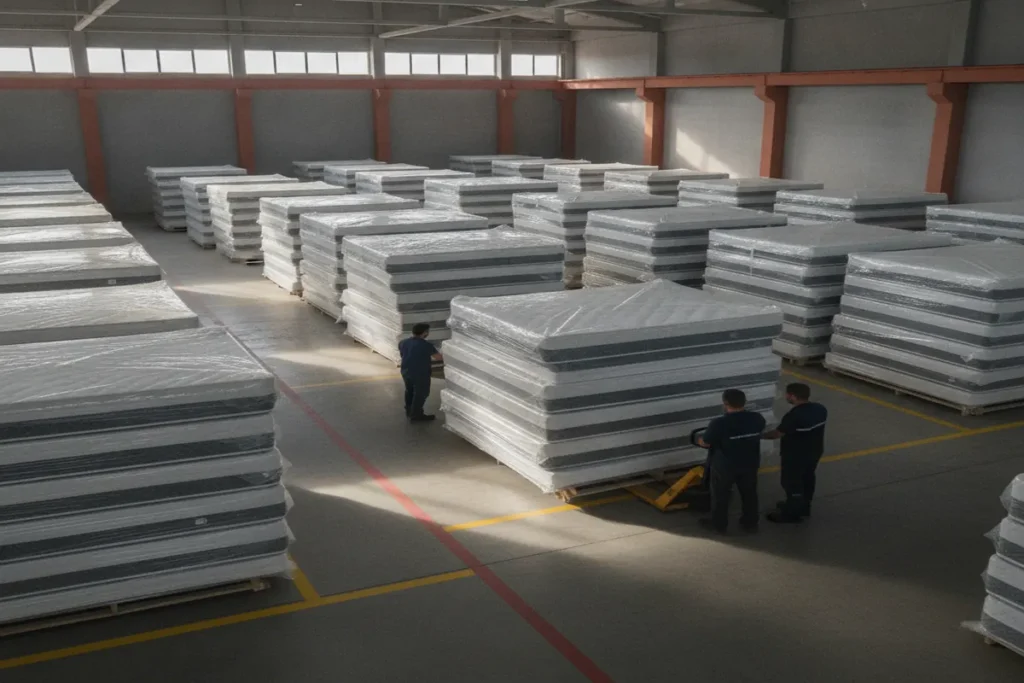
Established Manufacturing Processes: Brands with their own manufacturing facilities or long-standing partnerships often have better quality control. As a company specializing in Mattress Wholesale in Turkiye and Ship Turkish Mattresses Internationally, Sinyora Yatak prides itself on robust manufacturing standards.
Common Pitfalls to Avoid When Buying a Foam Mattress
-
Falling for “Too Good to Be True” Deals: Extremely low prices often indicate low-density, low-quality foams that will quickly lose their support and comfort. Remember, quality foam mattress technology is an investment.
-
Ignoring Density and ILD: Don’t just focus on firmness claims. Ask for density (lbs/cubic foot) for polyfoam and memory foam, and ILD for all foams. These metrics are objective indicators of quality and feel.
-
Over-relying on Initial Feel: A mattress can feel great for 5 minutes in a showroom but might not provide adequate support or comfort over an 8-hour sleep. This is why a home trial is vital.
-
Neglecting Edge Support: Some foam mattresses, especially older models, can lack robust edge support, making it feel like you might roll off the side or making it difficult to sit on the edge. Modern designs often incorporate reinforced edges.
-
Improper Foundation: Placing a foam mattress on an unsuitable foundation (e.g., old box spring with wide gaps) can compromise its support and potentially void the warranty. Always use a solid platform or slatted base with narrow gaps. Our Bed Base and Headboard options are designed to perfectly complement our mattresses.
-
Not Understanding Return Policies: Before purchasing, thoroughly read the return policy, including any restocking fees, shipping costs for returns, or mandatory break-in periods.
By being an informed consumer and focusing on these critical aspects, you can confidently select a best foam mattress brand that delivers on its promises and provides exceptional sleep.
Understanding Foam Mattress Costs: What Influences Pricing and Value?
The cost of foam mattress technology and materials can vary significantly, ranging from a few hundred to several thousand dollars. This wide spectrum is influenced by a multitude of factors, and understanding them is key to making a smart investment that aligns with both your budget and your sleep needs. It’s not just about the sticker price, but the overall value and longevity the mattress offers.
Key Factors Driving Foam Mattress Pricing
-
Material Composition and Quality:
- Type of Foam: Natural latex is generally the most expensive foam due to its complex harvesting and processing, followed by high-quality memory foam. Polyfoam is typically the most budget-friendly.
- Density: Higher-density foams, regardless of type, require more raw material and advanced manufacturing, leading to a higher cost. These also tend to be more durable.
- Special Infusions: Cooling gels, graphite, copper, or phase-change materials add to the manufacturing cost.
- Certifications: Achieving certifications like GOLS, GOTS, or CertiPUR-US involves rigorous testing and adherence to standards, which can also contribute to the price.
-
Mattress Construction and Layers:
- Number of Layers: Mattresses with multiple, distinct layers (comfort, transition, support) are more complex to design and assemble, increasing cost.
- Layer Thickness: Thicker comfort layers, especially if made from premium foams, will naturally cost more.
- Cover Material: High-quality covers made from organic cotton, Tencel, or specialized cooling fabrics (like those found in our Cashmere Bed line) add to the overall price.
-
Brand Reputation and R&D:
- Established Brands: Well-known brands with a history of innovation and customer satisfaction often command higher prices due to their investment in research and development, quality control, and marketing.
- Proprietary Technologies: Brands that develop their own unique foam formulations or cooling systems may price their products higher to reflect this intellectual property.
-
Manufacturing Processes and Location:
- Domestic vs. International: Manufacturing location can impact labor costs, shipping, and import duties. Turkish Mattresses from Sinyora Yatak, for instance, benefit from efficient Turkish manufacturing processes that balance quality and cost-effectiveness.
- Automation vs. Craftsmanship: Highly automated processes can reduce labor costs, while handcrafted elements may increase them.
-
Distribution Channels:
- Online vs. Retail: Online direct-to-consumer brands often have lower overheads (no showroom costs, fewer salespeople) and can pass those savings on to the consumer. Traditional retail stores typically have higher markups.
- Shipping and Logistics: The cost of shipping a large, heavy item like a mattress, especially Ship Turkish Mattresses Internationally, is factored into the final price.
-
Trial Periods and Warranties:
- Risk-Free Trials: Offering long trial periods and generous warranties adds a layer of cost for the manufacturer (handling returns, replacements), which is often built into the product price.
Foam Mattress Cost Comparison Table (Illustrative)
(Note: Prices are illustrative and can vary widely based on brand, features, and sales.)
Maximizing Value for Your Investment
Instead of solely focusing on the lowest price, consider the overall value proposition. A slightly higher initial investment in a quality foam mattress from a reputable brand like Sinyora Yatak can translate into:
-
Longer Turkish Mattress Lifespan: Fewer replacements over time.
-
Improved Sleep Health: Better support and comfort lead to more restorative sleep.
-
Enhanced Durability: The mattress maintains its shape and support for years.
-
Better Warranty Coverage: Protection against manufacturing defects.
For insights into specific price points for our offerings, you can always consult How Much Does a Turkish Mattress Cost on our website.
The Enduring Benefits of Advanced Foam Mattress Technology for Restorative Sleep
Advanced foam mattress technology and materials have revolutionized the sleep industry, moving beyond simple cushioning to offer a host of benefits that directly contribute to more restorative and healthier sleep. These advantages stem from the inherent properties of foam and the innovative ways manufacturers like Sinyora Yatak combine them.
Core Benefits of Modern Foam Mattresses
-
Exceptional Pressure Relief: This is arguably the most significant advantage of foam, particularly memory foam. By conforming precisely to the body’s curves, foam mattresses distribute weight evenly across the entire surface. This eliminates concentrated pressure points (e.g., hips, shoulders), which are common culprits for aches, pains, and tossing and turning on traditional spring mattresses. The result is improved circulation and a significant reduction in discomfort, making it ideal for those with joint pain or conditions like arthritis.
-
Superior Motion Isolation: For couples, the ability of foam to absorb movement is a game-changer. When one partner shifts or gets out of bed, the motion is localized, preventing disturbances to the other sleeper. This means fewer interruptions and more continuous, deep sleep. Our Visco Foam Mattress is particularly adept at this.
-
Ergonomic Support and Spinal Alignment: Foam mattresses, when properly chosen for firmness and density, provide excellent ergonomic support. They adapt to the natural curvature of the spine, maintaining optimal alignment for various sleep positions. This helps alleviate back and neck pain and promotes a healthier posture, crucial for overall well-being.
-
Hypoallergenic and Dust Mite Resistant: The dense structure of most foams, especially latex and memory foam, makes them naturally inhospitable to dust mites, allergens, and pet dander. This is a significant benefit for allergy sufferers and contributes to a cleaner, healthier sleep environment. Natural latex, in particular, boasts inherent antimicrobial properties.
-
Durability and Longevity: High-quality foam mattresses, especially those made with dense polyfoam or latex, are incredibly durable. They resist sagging and impressions much better than many traditional spring mattresses, retaining their supportive properties for many years. This contributes to a longer Turkish Mattress Lifespan and a better return on investment.
-
Noise-Free Operation: Unlike spring mattresses that can develop creaks and squeaks over time, foam mattresses are inherently silent. This contributes to a peaceful sleep environment, free from disruptive noises.
-
Temperature Regulation (with modern advancements): While early memory foams had a reputation for sleeping hot, modern foam mattress technology has largely overcome this. Infusions like gel, graphite, or copper, combined with open-cell structures and breathable covers, actively work to dissipate heat and regulate sleep temperature, ensuring a cool and comfortable night.
Why These Benefits Matter for Your Sleep Health
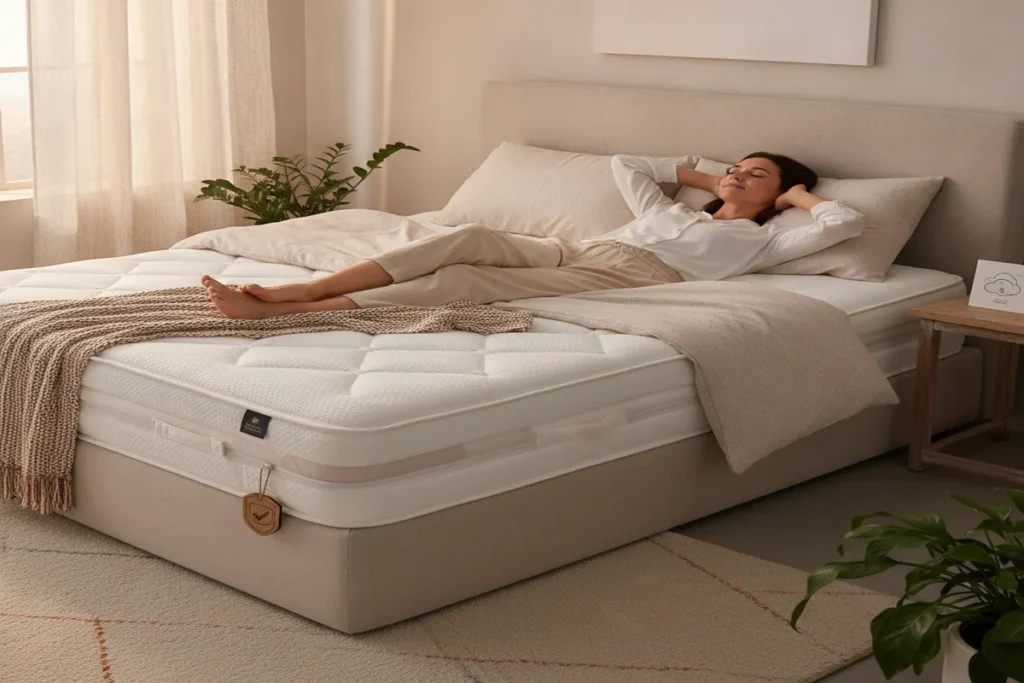
The cumulative effect of these benefits is a significant improvement in sleep quality. When you experience less pressure, fewer disturbances, proper spinal alignment, and a hygienic sleep environment, your body can fully engage in the restorative processes essential for physical and mental health. This means waking up feeling more refreshed, energized, and ready to tackle the day. Whether you’re considering a Foam Mattress for the first time or looking to upgrade, understanding these benefits underscores the profound impact this technology can have on your daily life.
Making an Informed Purchase: Your Checklist Before Buying a Foam Mattress Online
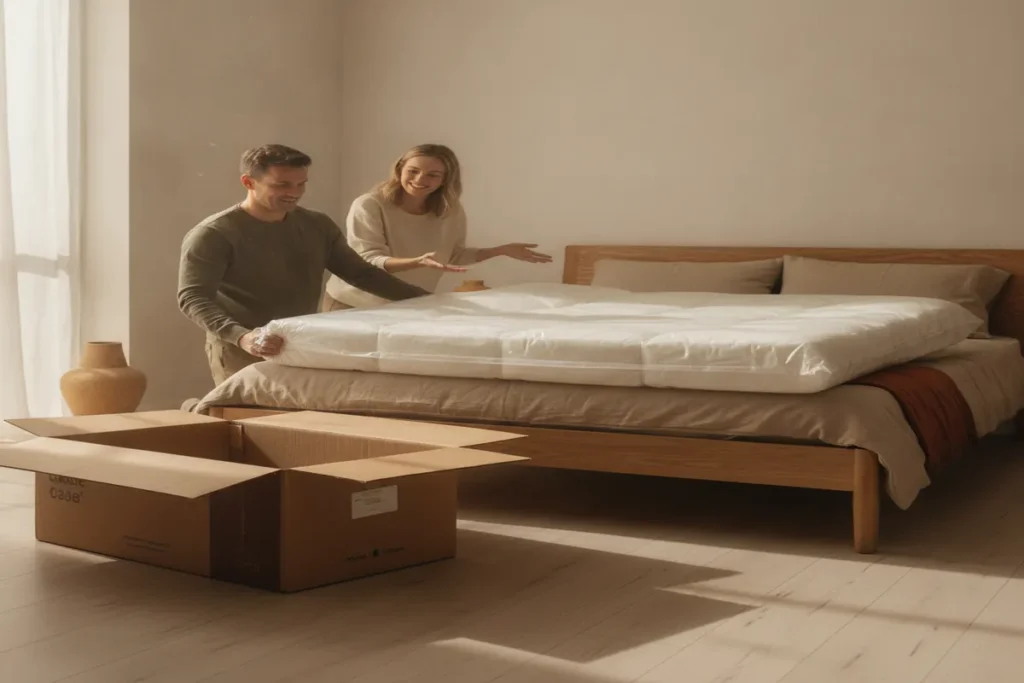
Buying a foam mattress online has become increasingly popular due to convenience, competitive pricing, and extensive selection. However, the absence of a physical showroom try-out means you need to be extra diligent in your research and evaluation. This practical checklist will help you make an informed decision when purchasing foam mattress technology and materials online, ensuring you select the right product from a trusted source like Sinyora Yatak.
Pre-Purchase Checklist for Online Foam Mattress Shopping
-
Understand Your Personal Sleep Needs:
- Sleep Position: Side, back, stomach, or combination? (Crucial for determining firmness and contouring needs.)
- Firmness Preference: Do you prefer soft, medium, or firm? Be realistic.
- Body Type & Weight: Heavier individuals need denser, more supportive foams.
- Temperature Sensitivity: Do you tend to sleep hot? Prioritize cooling features.
- Pain Points: Do you have back pain, joint issues, or pressure sensitivity? Memory foam or targeted support might be beneficial.
- Partner Considerations: Does motion isolation matter?
- Self-reflection is key here. Don’t skip this step.
-
Research Foam Types and Technologies:
- Memory Foam (Visco): Best for deep contouring, pressure relief, motion isolation. (See Visco Foam Mattress).
- Latex Foam: Responsive, durable, breathable, often eco-friendly. (See Latex Foam Mattress).
- Polyfoam: Supportive, versatile, often used as a base.
- Cooling Features: Gel infusions, open-cell designs, phase-change materials.
- Understand the pros and cons of each for your needs.
-
Scrutinize Product Specifications:
- Layer Breakdown: Look for detailed descriptions of each foam layer, including type, density (lbs/cu ft), and ILD (Indentation Load Deflection). Higher density generally means better durability.
- Mattress Height: Ensure it’s compatible with your existing Bed Base and Headboard and preferred aesthetic.
- Cover Material: Look for breathable, durable, and perhaps hypoallergenic fabrics.
-
Evaluate Brand Reputation and Trustworthiness:
- Read foam mattress review: Look for consistent feedback on comfort, durability, and customer service on independent review sites.
- Check for Certifications: CertiPUR-US (for polyfoam/memory foam), GOLS/GOTS (for organic latex/covers) are crucial for safety and quality.
- “About Us” Page: Learn about the company’s values, manufacturing practices, and experience (e.g., Sinyora Yatak’s commitment to What Makes Turkish Mattresses Special).
-
Understand the Purchase Terms:
- Home Trial Period: A minimum of 100 nights is standard. This is your chance to truly test the mattress.
- Return Policy: What are the conditions for returns? Are there any fees (restocking, shipping)? How is the mattress picked up?
- Warranty Information: What does it cover? How long does it last? What are the claim procedures? (Refer to Sinyora Yatak’s Warranty Information).
- Shipping & Delivery: What are the estimated delivery times? Is white glove delivery (setup and old mattress removal) an option?
-
Compare Value, Not Just Price:
- A slightly more expensive mattress with better materials, a longer warranty, and a generous trial period often offers superior long-term value.
- Consider the How Much Does a Turkish Mattress Cost in relation to its quality and features.
Where Can You Buy Foam Mattress Technology and Materials Online?
You can buy foam mattresses online from a variety of sources:
-
Direct-to-Consumer Brands: Many reputable brands operate exclusively online, cutting out middlemen to offer competitive pricing.
-
Large Online Retailers: Major e-commerce platforms often carry a wide selection of brands.
-
Specialty Mattress Retailers: Online stores dedicated specifically to mattresses, often offering expert advice and a curated selection.
For those seeking high-quality Turkish Foam Mattress options, Sinyora Yatak offers a comprehensive Mattress Collection directly through our website. Our platform provides detailed product information, customer reviews, and transparent policies to assist you in making your online purchase with confidence. Explore our Buying Guides for more in-depth assistance.
Expert Insight
“The evolution of foam mattress technology has fundamentally shifted our understanding of restorative sleep. What began as simple polyurethane has transformed into a sophisticated ecosystem of materials, each engineered to address specific physiological needs. The integration of phase-change materials, advanced cell structures, and even natural latex has moved us beyond mere comfort to truly therapeutic sleep surfaces that actively regulate temperature, alleviate pressure, and support spinal health. This isn’t just about a better night’s sleep; it’s about a foundational improvement in daily well-being.” — Industry experts confirm this trend in material science and sleep innovation.
Key Terms
-
Visco-Elastic Foam (Memory Foam): A type of polyurethane foam that responds to body heat and pressure, conforming closely to the sleeper’s shape for pressure relief and motion isolation.
-
Latex Foam: A durable, responsive foam made from either natural rubber tree sap or synthetic compounds, known for its buoyant feel, breathability, and hypoallergenic properties.
-
ILD (Indentation Load Deflection): A measurement of foam firmness, indicating the amount of force (in pounds) required to indent a 4-inch thick foam sample by 25%.
-
Density: A measure of a foam’s quality and durability, expressed as pounds per cubic foot (lbs/cu ft), indicating the amount of material packed into the foam. Higher density often correlates with greater longevity.
-
Open-Cell Foam: Foam with a cellular structure designed to promote airflow, enhancing breathability and reducing heat retention compared to traditional closed-cell foams.
A short comparison to help you make a better decision.
How Can You Upgrade to More Comfortable Sleep with Sinyora Yatak?
At Sinyora Yatak, we believe everyone deserves truly restorative sleep, and our advanced foam mattress technology and materials are engineered to deliver just that. From the contouring embrace of our Visco Foam Mattress to the buoyant support of our Latex Foam Mattress, each product in our Mattress Collection is crafted with precision and a deep understanding of sleep science. We combine the rich heritage of What Makes Turkish Mattresses Special with cutting-edge innovations, ensuring superior pressure relief, motion isolation, and optimal spinal alignment. Whether you’re a Turkish Mattress for Side Sleepers seeking plush comfort or need the robust support of a Construction Mattress for heavy use, our diverse range, including our Sponge Topper Mattress and specialized pillows like the Visko Pillows Neck Support, is designed to meet your unique needs. Explore our Shop All Products today and experience the Sinyora Yatak difference, backed by our commitment to quality, durability, and your ultimate sleep satisfaction. Our Buying Guides and Customer Service team are always ready to assist you in finding your perfect sleep solution.
Frequently Asked Questions
Q: What is the difference between memory foam and latex foam?
Q: Do foam mattresses sleep hot?
Q: How long does a foam mattress typically last?
Q: Can I use a foam mattress on any bed base?
Q: Are foam mattresses good for back pain?
Q: What certifications should I look for when buying a foam mattress?