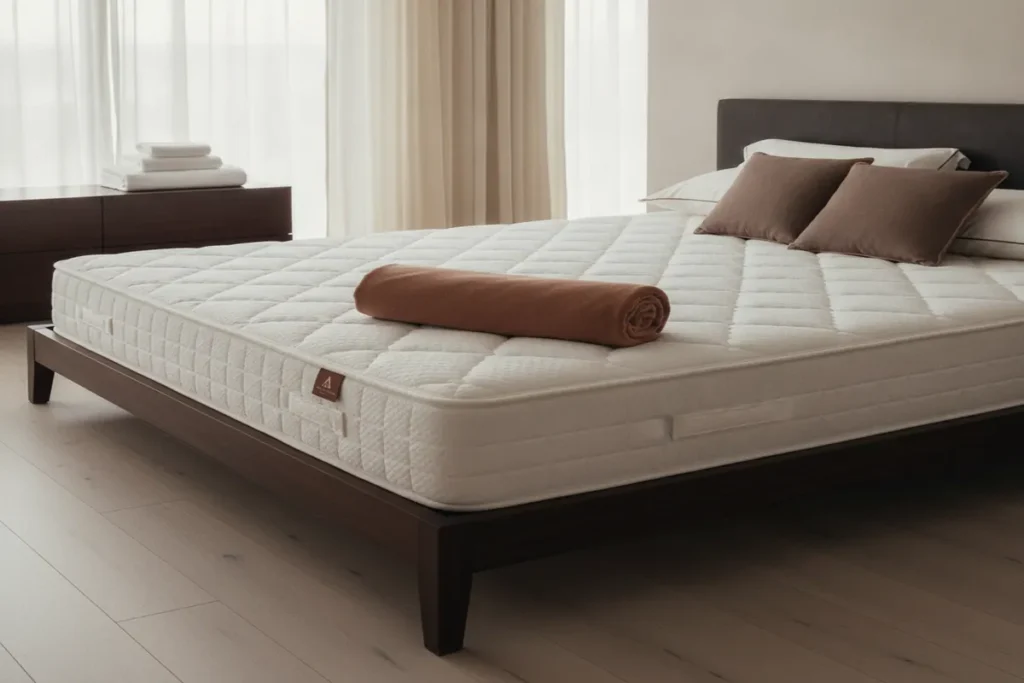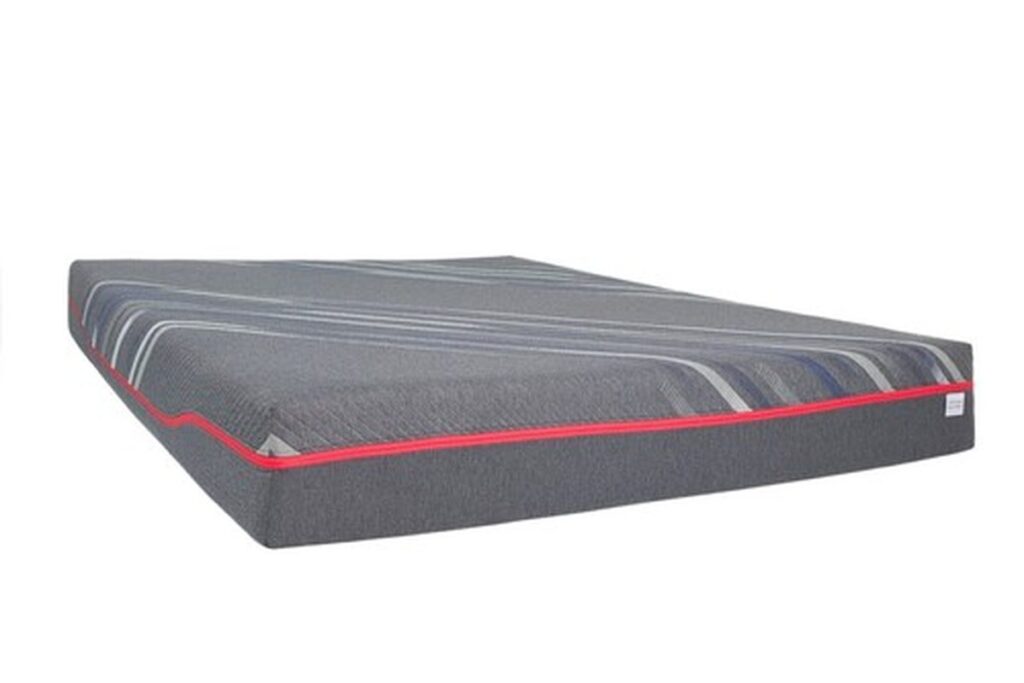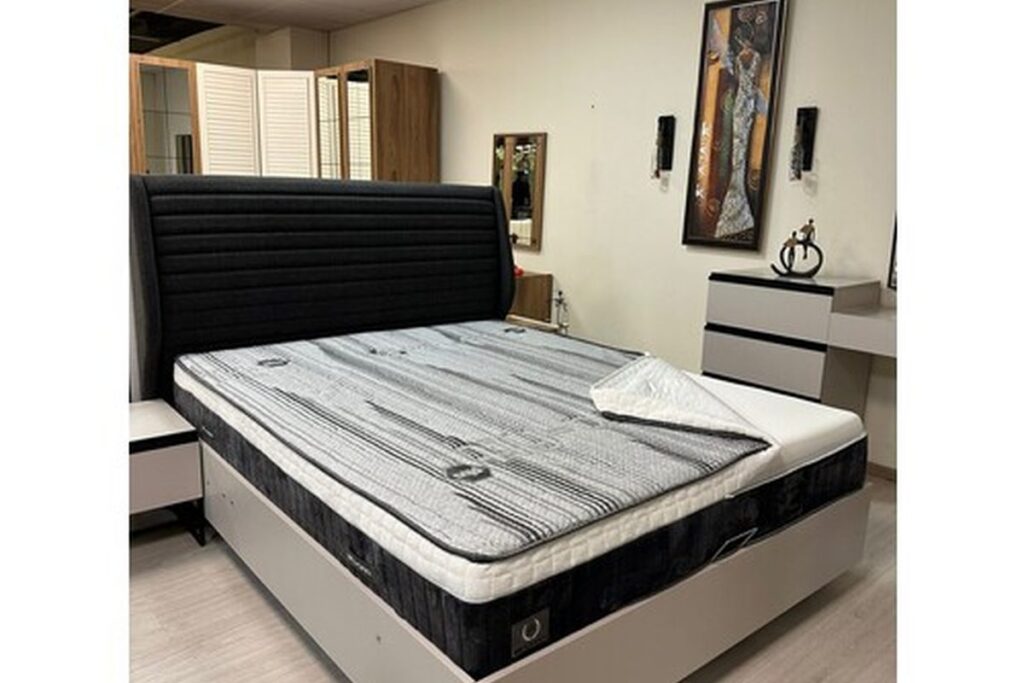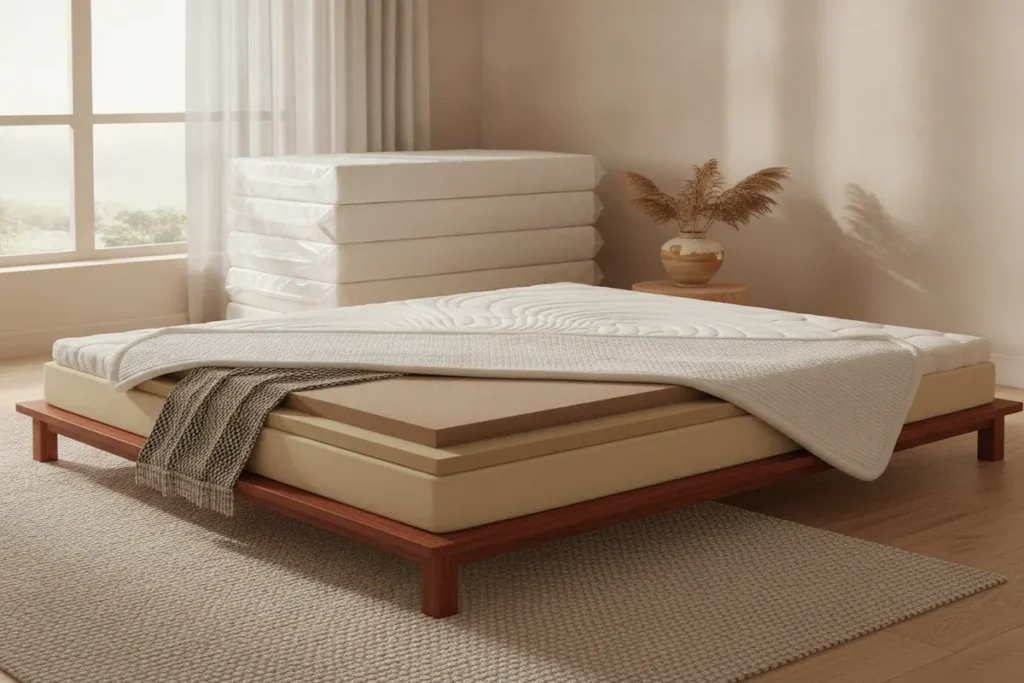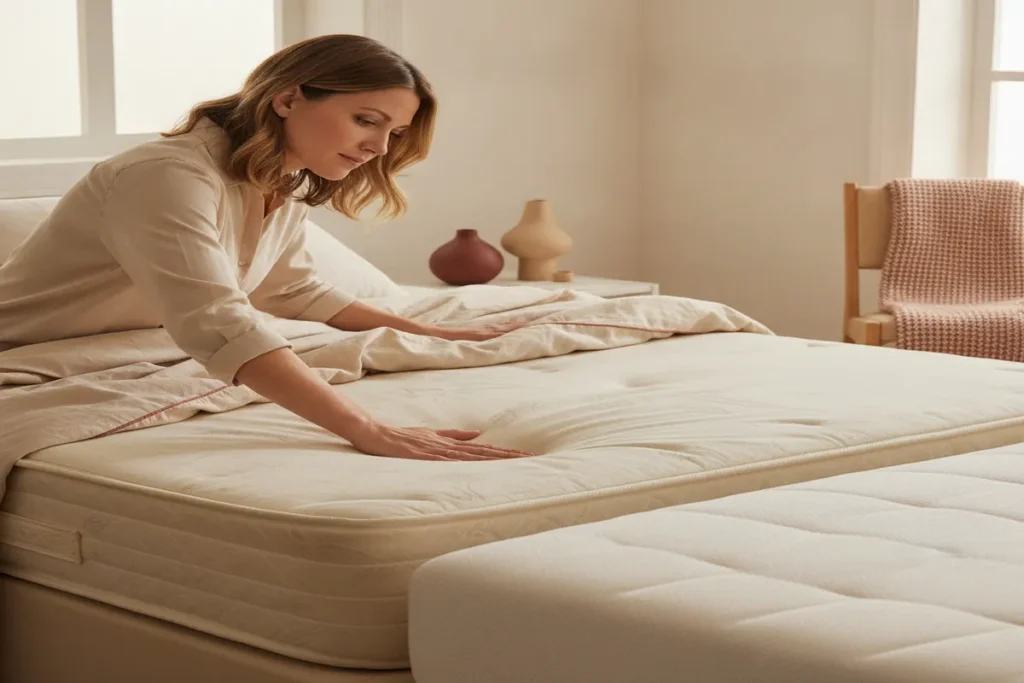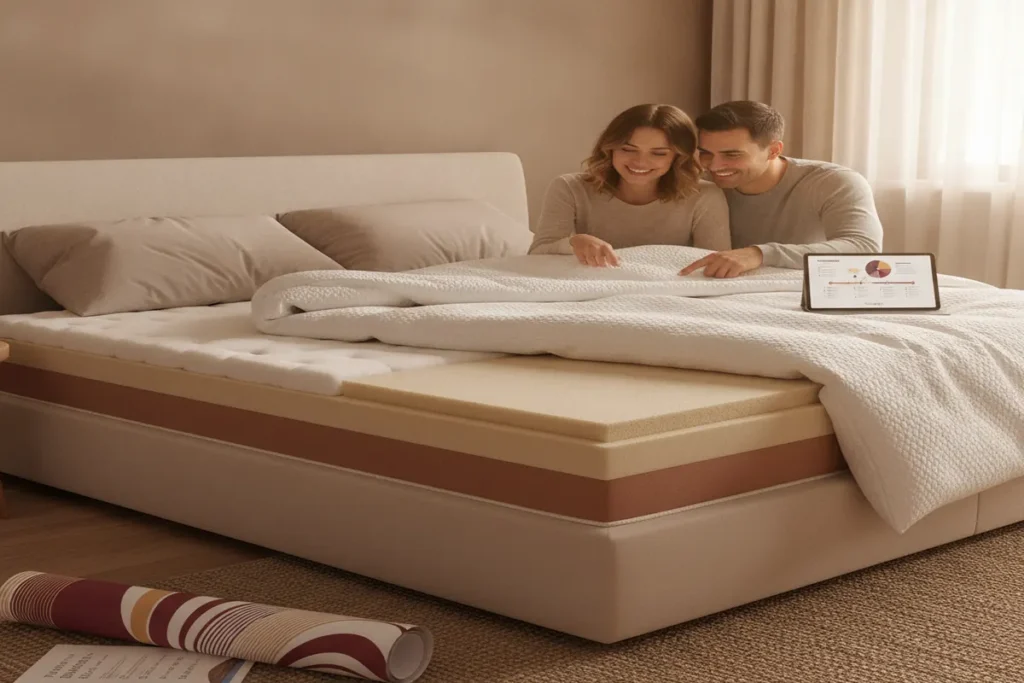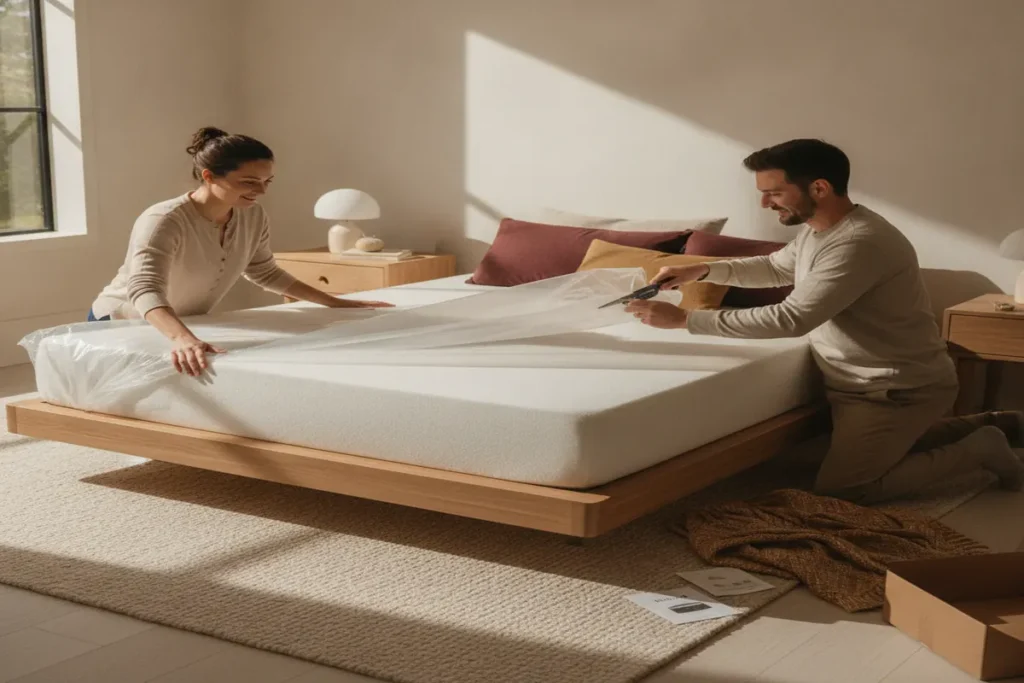

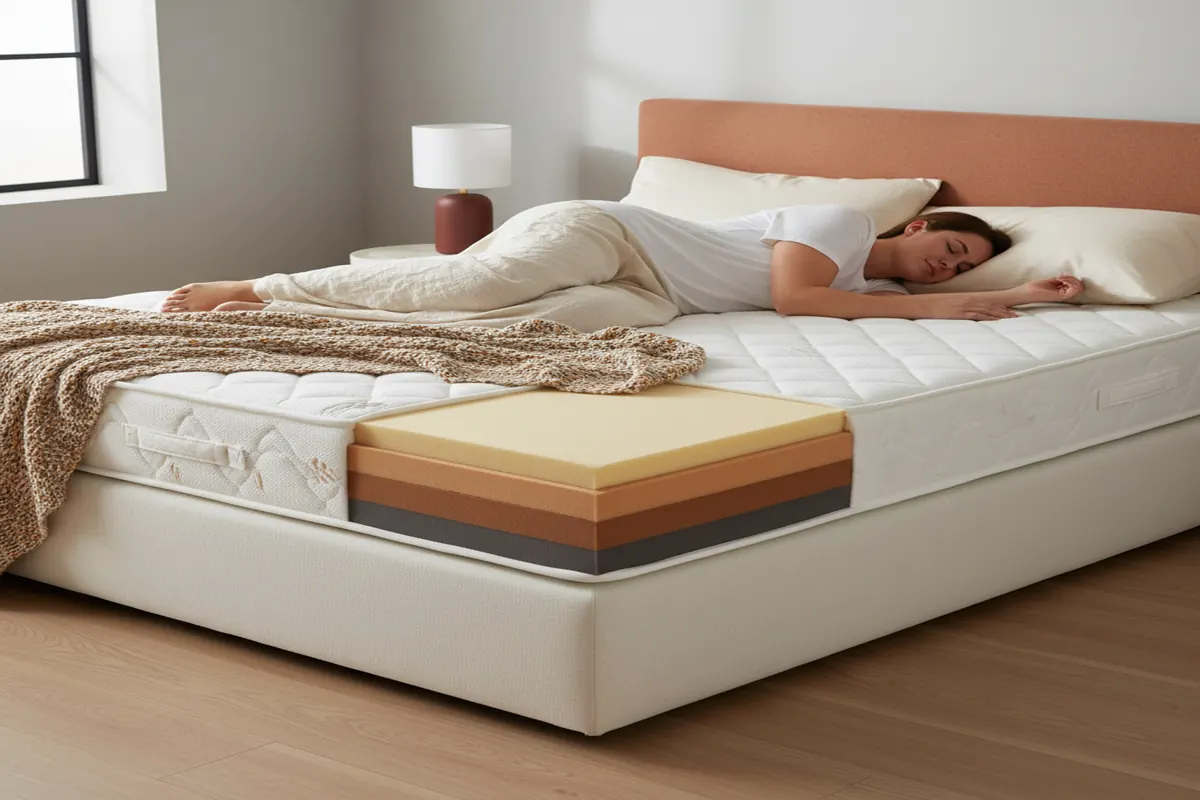
Foam mattresses designed for heavy people are uniquely engineered to provide superior support, exceptional durability, and optimal pressure relief for individuals with higher body weights. Unlike standard foam mattresses, they feature higher-density foams, increased firmness, and often multi-layered constructions that prevent premature sagging, maintain spinal alignment, and distribute weight more effectively. This specialized design ensures a consistently comfortable and supportive sleep surface that can withstand the added stress, promoting restorative sleep and extending the mattress’s lifespan.
Quick Summary
- Foam mattresses for heavy people are engineered with higher density and firmness to provide superior support and prevent premature sagging
- they offer enhanced pressure relief and spinal alignment crucial for heavier body weights
- specialized foam types like high-density polyfoam and latex foam are often combined for optimal performance
- these mattresses prioritize durability and robust edge support to maintain structural integrity over time
Why Do Heavy People Need a Specialized Foam Mattress?
Heavy individuals interact with a mattress differently than lighter sleepers, placing significantly more stress on its materials and structure. A standard foam mattress, while comfortable for many, often lacks the inherent resilience and density required to adequately support a heavier frame over time. This leads to common issues such as premature sagging, insufficient spinal alignment, and reduced comfort.
The core challenges heavy sleepers face with conventional mattresses include:
-
Inadequate Support: Standard foams can compress too easily under heavier loads, failing to provide the necessary push-back to keep the spine aligned. This often results in discomfort, aches, and pains, particularly in the back and joints.
-
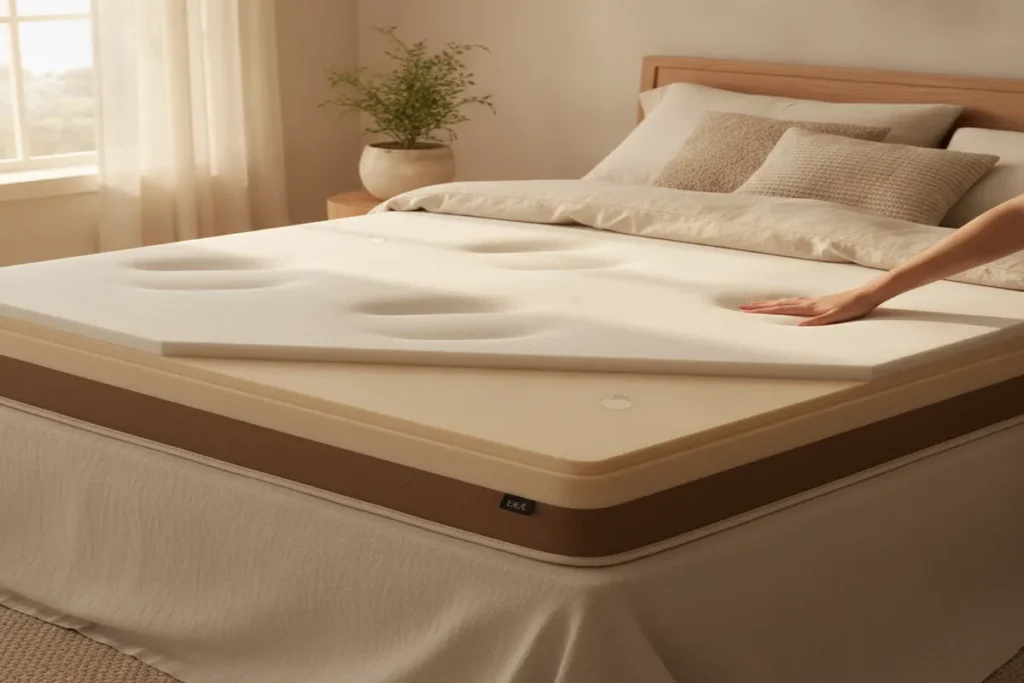
Premature Sagging: The constant, concentrated pressure from a heavier body can cause lower-density foams to break down rapidly. This leads to visible indentations and a “hammock” effect, compromising both comfort and support well before the mattress’s expected lifespan.
-
Reduced Durability: The materials in a conventional mattress are simply not designed to withstand the sustained stress from higher body weights. This accelerates wear and tear, necessitating frequent mattress replacements and increasing long-term costs.
-
Poor Pressure Distribution: While foam is known for pressure relief, if it’s too soft or low-density, a heavy person might “bottom out,” feeling the hard foundation beneath or experiencing concentrated pressure points rather than even distribution.
-
Heat Retention: Deeper sinkage can lead to more body contact with the foam, potentially trapping heat and causing uncomfortable night sweats.
Understanding these unique challenges underscores why specialized foam mattress for heavy people are not just a luxury, but a necessity for truly restorative and healthy sleep. They are built from the ground up to address these specific demands, offering a tailored solution for lasting comfort and support.
What Are the Core Benefits of Foam Mattresses for Heavier Sleepers?
When properly constructed, foam mattresses offer a range of significant advantages for heavy individuals, directly addressing the common issues faced with standard bedding. These benefits extend beyond initial comfort, impacting long-term sleep health and mattress longevity.
Key benefits include:
-
Exceptional Pressure Relief: High-density memory foam and latex foam conform closely to the body’s curves, distributing weight over a larger surface area. This significantly reduces pressure points on hips, shoulders, and lower back, which are often exacerbated by heavier body weights. This targeted relief can alleviate pain and promote better circulation.
-
Superior Spinal Alignment: The robust support structure of a specialized foam mattress prevents excessive sinkage, ensuring the spine remains in its natural, neutral alignment throughout the night. This is critical for preventing back pain and promoting overall musculoskeletal health, especially for those prone to discomfort.
-
Enhanced Durability and Sag Resistance: Built with higher-density foams and often reinforced layers, these mattresses are inherently more resistant to compression and breakdown. This means they maintain their shape, firmness, and supportive qualities for far longer than conventional mattresses, delaying the onset of sagging and extending the mattress’s functional lifespan. You can learn more about general mattress longevity in our Turkish Mattress Lifespan guide.
-
Excellent Motion Isolation: Foam is naturally adept at absorbing motion, a crucial feature for couples where one or both partners are heavier. The dense foam layers prevent movement from transferring across the bed, ensuring undisturbed sleep even if a partner shifts or gets up.
-
Robust Edge Support: Many specialized foam mattresses incorporate reinforced edges, often with higher-density foam rails. This prevents the feeling of rolling off the bed, provides a stable surface for sitting, and maximizes the usable sleep area, which is particularly beneficial for heavier individuals.
-
Hypoallergenic Properties: Many foam types, especially natural latex, are naturally resistant to dust mites, mold, and mildew, making them an excellent choice for allergy sufferers.
-
Quiet Operation: Unlike spring mattresses that can develop squeaks over time, foam mattresses operate silently, contributing to a peaceful sleep environment.
These combined benefits make a specialized foam mattress for heavy people a wise investment in long-term sleep quality and overall well-being.

Which Types of Foam Mattresses Offer the Best Support for Heavy Individuals?
When considering a foam mattress for heavier individuals, not all foam types are created equal. The key lies in density, resilience, and construction. While “foam mattress” is a broad term, specific types and their combinations offer distinct advantages for robust support and durability.
Here’s a breakdown of the most effective foam types and constructions:
1. High-Density Memory Foam
-
What it is: Memory foam (also known as visco-elastic foam) is celebrated for its body-conforming properties. For heavy people, it’s crucial to look for high-density memory foam (typically 5 PCF or higher) in the comfort layers, supported by even denser base foams.
-
Why it works for heavy people: High-density memory foam provides deep contouring without bottoming out. It offers excellent pressure relief by distributing weight evenly, and its denser structure is more resistant to premature body impressions and sagging.
-
Considerations: Can retain heat more than other foams, though modern formulations often incorporate cooling gels or open-cell designs.
2. Natural Latex Foam
-
What it is: Derived from rubber trees, latex foam is known for its responsive bounce, durability, and natural properties. It comes in two main types: Dunlop (denser, firmer) and Talalay (lighter, bouncier).
-
Why it works for heavy people: Latex foam offers a unique blend of contouring and resilient support. It pushes back against weight, preventing excessive sinkage while still relieving pressure. Its open-cell structure generally makes it cooler than traditional memory foam. Dunlop latex, in particular, is exceptionally durable and supportive for heavier loads.
-
Considerations: Can be more expensive than other foam types. Offers less of that “hug” feeling compared to memory foam.
3. High-Density Polyfoam (Polyurethane Foam)
-
What it is: Polyfoam serves as the foundational core in many foam mattresses. For heavy individuals, a high-density polyfoam (1.8 PCF or higher) is non-negotiable for the support layers.
-
Why it works for heavy people: It provides the critical structural integrity that prevents the mattress from collapsing under weight. It’s a cost-effective yet essential component for durability and overall support.
-
Considerations: Less pressure relief and contouring than memory foam or latex, hence its primary use as a base layer.
4. Hybrid Mattresses (Foam + Coils)
-
What it is: Hybrid mattresses combine the pressure-relieving comfort of foam layers (memory foam, latex, or polyfoam) with the robust support and airflow of an innerspring coil system, often with individually wrapped Pocket Coils Mattress.
-
Why it works for heavy people: This combination offers the best of both worlds. The coils provide deep, responsive support and excellent airflow, while the foam layers deliver contouring comfort and pressure relief. The robust coil system is particularly effective at supporting heavier weights without sagging, and strong edge support is common.
-
Considerations: Can be heavier and more expensive than all-foam options.
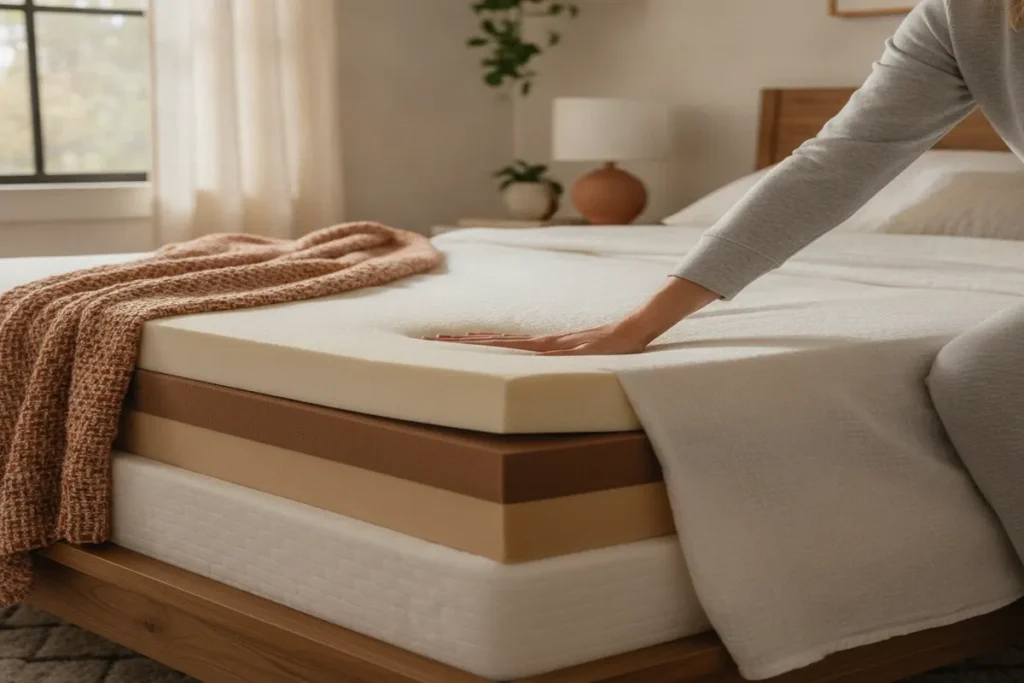
Choosing the right type often involves a multi-layered approach, where different foams are strategically combined to leverage their strengths. For example, a common robust construction might feature a dense polyfoam base, a transitional layer of firmer latex, and a top comfort layer of high-density, gel-infused memory foam. You can explore our Mattress Collection to see different foam and spring combinations.
Here’s a comparison of common foam types relevant to heavy individuals:
How Do You Choose the Right Foam Mattress for Your Body Type and Sleep Style?
Selecting the perfect foam mattress for a heavier individual isn’t a one-size-fits-all decision. It requires a careful evaluation of several key factors tailored to your specific body type, preferred sleep position, and personal preferences. This decision framework will guide you toward an optimal choice.
Here’s a practical checklist for making an informed decision:
-
1. Assess Foam Density (The Most Critical Factor):
- Comfort Layers (Top Layers): For memory foam, aim for at least 4-5 pounds per cubic foot (PCF). For latex, look for densities in the range of 75-95 kg/m³ (Dunlop) or 65-80 kg/m³ (Talalay). Lower densities will sag quickly.
- Support Core (Base Layers): The foundational polyfoam should be at least 1.8 PCF, ideally 2.0 PCF or higher. This is vital for long-term structural integrity.
-
2. Determine Firmness Level:
- General Rule: Heavier individuals typically require a firmer mattress than lighter individuals to prevent excessive sinkage and maintain spinal alignment.
- Side Sleepers: May need a medium-firm to firm mattress to allow hips and shoulders to sink slightly for pressure relief, while still getting ample support. A firmness level around 6-7 out of 10 (10 being firmest) is often suitable.
- Back Sleepers: Generally benefit from a firm mattress (7-8/10) to keep the spine perfectly aligned and prevent the lower back from sinking too deeply.
- Stomach Sleepers: Require the firmest support (8-9/10) to prevent the hips from sinking, which can strain the lower back.
- Consider ILD (Indentation Load Deflection): This measures foam firmness. For heavy sleepers, look for ILD values of 30-40+ for comfort layers and 40-50+ for support layers.
-
3. Evaluate Mattress Thickness:
- Minimum Recommendation: A mattress should be at least 10-12 inches thick for heavy individuals.
- Optimal Thickness: Many experts recommend 12-14 inches or more, especially for all-foam designs. This allows for sufficient comfort layers above a robust support core, ensuring you don’t “bottom out” and feel the foundation.
-
4. Prioritize Edge Support:
- Why it Matters: Strong edge support prevents the feeling of rolling off the bed, provides a stable surface for sitting, and maximizes the usable sleeping area. This is particularly important for heavier individuals who might compress edges more significantly. Look for reinforced foam perimeters or robust coil systems in hybrids.
-
5. Consider Cooling Features:
- Common Issue: Heavier bodies naturally generate more heat, and deeper sinkage into foam can exacerbate heat retention.
- Solutions: Look for gel-infused memory foam, open-cell foam structures, perforated latex, or hybrid designs with coil systems for superior airflow. Some mattresses incorporate phase-change materials or copper infusions.
-
6. Research Material Composition and Layering:
- Balanced Design: The best mattresses for heavy people often feature a strategic layering of different foam types. For instance, a firm polyfoam base, a resilient latex transition layer, and a high-density memory foam top for contouring.
- Avoid Thin Comfort Layers: Ensure the comfort layers (the top 2-4 inches) are not too thin; they need to be substantial enough to provide adequate pressure relief without quickly compressing.
-
7. Check the Warranty and Trial Period:
- Warranty: A good warranty (10+ years) should specifically address sagging and body impressions, usually covering indentations of 1 inch or more (some specify 0.75 inches). Read the fine print carefully regarding weight limits, as some warranties are voided if used by individuals exceeding certain weight thresholds on non-heavy-duty mattresses.
- Sleep Trial: Opt for mattresses with a generous in-home sleep trial (90-120 nights is common). This allows you to test the mattress thoroughly in your own environment before committing.
By systematically applying this checklist, you can confidently navigate the options and select a foam mattress for heavy people that truly meets your unique needs for support, comfort, and durability. For more guidance on finding the right fit, check our Buying Guides.
What Common Mistakes Should Heavy Sleepers Avoid When Buying a Foam Mattress?
Navigating the mattress market can be tricky, and for heavy sleepers, certain pitfalls can lead to discomfort, premature mattress failure, and wasted money. Being aware of these common mistakes can save you significant frustration and ensure a better investment in your sleep health.
Here are the critical mistakes to avoid:
-
1. Prioritizing Price Over Density and Durability:
- Mistake: Choosing a cheaper mattress with lower-density foams to save money upfront.
- Consequence: Lower-density foams (e.g., memory foam below 4 PCF, polyfoam below 1.8 PCF) will break down quickly under heavier loads, leading to rapid sagging, poor support, and the need for replacement much sooner. This “saving” often costs more in the long run.
- Expert Advice: View a quality mattress as an investment. Focus on the specifications of the foam (density, ILD) rather than just the price tag.
-
2. Assuming “Firm” Always Means “Supportive Enough”:
- Mistake: Believing that any mattress labeled “firm” will provide adequate support for a heavier body.
- Consequence: A mattress can feel firm initially due to a thin comfort layer over a soft core, or simply due to poor quality materials. True support comes from the density and resilience of the foam layers, not just the initial feel. A mattress that is too firm without adequate contouring can also create pressure points.
- Expert Advice: Look beyond the firmness rating. Investigate the underlying foam densities and the construction of the support core.
-
3. Neglecting Edge Support:
- Mistake: Overlooking the importance of reinforced edges, especially when sleeping with a partner or using the full surface area of the bed.
- Consequence: Weak edges can cause a feeling of rolling off, reduce the usable sleeping surface, and be the first area to break down, leading to premature sagging around the perimeter.
- Expert Advice: Specifically ask about edge support. For foam mattresses, look for higher-density foam rails around the perimeter or, in hybrids, a robust coil system with reinforced edge coils.
-
4. Not Considering Body Weight in Relation to Mattress Thickness:
- Mistake: Opting for a standard 8-10 inch thick mattress that might be suitable for lighter individuals.
- Consequence: Heavier individuals will sink deeper into the mattress. If the mattress isn’t thick enough, they can “bottom out,” feeling the hard bed frame beneath them, which negates the benefits of the foam and creates pressure points.
- Expert Advice: Aim for at least 12 inches of total mattress thickness, with a substantial support core, to ensure enough material to cushion and support your body effectively.
-
5. Skipping the Sleep Trial Period:
- Mistake: Buying a mattress without taking advantage of an in-home sleep trial.
- Consequence: A mattress might feel good for a few minutes in a showroom, but only sleeping on it for several weeks will reveal its true comfort, support, and suitability for your body. Returning a mattress can be difficult or costly if a trial isn’t offered.
- Expert Advice: Always choose a mattress that comes with a minimum 90-night sleep trial, allowing your body ample time to adjust and for you to evaluate its performance.
-
6. Ignoring Cooling Properties:
- Mistake: Not considering how foam type and mattress construction affect temperature regulation.
- Consequence: Heavier individuals tend to sleep hotter. If the mattress retains too much heat, it can lead to uncomfortable night sweats and disturbed sleep.
- Expert Advice: Look for features like gel infusions, open-cell foam, copper, graphite, or breathable covers in all-foam mattresses, or consider a hybrid for superior airflow.
By actively avoiding these common mistakes, heavy sleepers can make a much more informed and satisfactory purchase, leading to years of comfortable and supportive sleep.
Are There Regional Differences in Foam Mattress Recommendations for Heavy People?
While the fundamental principles of support, density, and durability for heavy sleepers remain universal, regional preferences, manufacturing standards, and market availability can introduce subtle differences in recommendations. Whether you’re searching for the best foam mattress for heavy people Canada or the best memory foam mattress for heavy people UK, the core advice largely holds true.
Here’s how regional context might influence your search:
-
Universal Principles First:
- High Density: Regardless of location, high-density foam (memory foam 4-5+ PCF, polyfoam 1.8+ PCF, latex 75+ kg/m³) is crucial.
- Firmness: Medium-firm to firm (6-9/10) is generally recommended for adequate support.
- Thickness: 12 inches or more is a good benchmark.
- Durability and Warranty: Look for robust construction and comprehensive warranties that specifically address sagging for heavier individuals.
-
Market Availability and Brand Presence:
- Local Brands: Each country or region will have its own prominent mattress brands and manufacturers. While the underlying science of foam support is global, the specific products available will vary. For example, brands popular in Canada might differ from those in the UK or the US.
- Sinyora Yatak‘s International Reach: As a Turkish manufacturer with Ship Turkish Mattresses Internationally capabilities, Sinyora Yatak offers high-quality foam mattresses designed with durability in mind, making them accessible globally. Our What Makes Turkish Mattresses Special guide highlights our commitment to quality materials and craftsmanship.
-
Certifications and Standards:
- Chemical Certifications: Different regions may have varying certifications for foam safety and emissions. For instance, CertiPUR-US (North America) and OEKO-TEX (global, prominent in Europe) ensure foams are made without harmful chemicals. While not directly related to support for heavy people, these are important for health and trust.
- Durability Testing: While not universally standardized for “heavy duty” specifically, reputable manufacturers will adhere to general durability testing that ensures their products meet expected lifespans.
-
Consumer Preferences:
- Firmness Preferences: Some regions historically prefer firmer mattresses (e.g., many Asian and Turkish markets), while others might lean towards slightly softer feels. However, for heavy sleepers, the need for robust support often overrides these general preferences.
- Material Preferences: While memory foam is globally popular, latex foam might have a stronger presence or preference in certain markets due to its natural origins and unique feel.
Key Considerations Regardless of Region:
-
Read Reviews from Heavy Sleepers: Focus on reviews from individuals with similar body types and weight ranges. These reviews will offer the most relevant insights into long-term performance and sag resistance.
-
Check Manufacturer’s Specifications: Always look for detailed specifications on foam density, ILD, and overall construction. Reputable brands will provide this information.
-
Understand Return Policies and Warranties: Ensure the warranty specifically covers issues relevant to heavier use (e.g., body impressions over 1 inch). A generous trial period is essential.
-
Consult Local Experts: If available, seeking advice from local mattress specialists who understand regional product offerings can be beneficial.
In essence, while the specific brands or models might change from Canada to the UK or elsewhere, the scientific principles behind a supportive and durable foam mattress for heavy people remain consistent. Focus on the core specifications and construction details rather than just brand names.
Maximizing Durability and Lifespan: Care Tips for Your Heavy-Duty Foam Mattress
Investing in a specialized foam mattress for heavier individuals is a commitment to better sleep and long-term comfort. To ensure your mattress delivers on its promise of durability and support for years to come, proper care and maintenance are essential. Neglecting these simple steps can significantly shorten its lifespan, even for the most robust designs.
Here’s a practical guide to prolonging the life of your heavy-duty foam mattress:
-
1. Use a Robust Foundation or Bed Base:
- Why it’s crucial: The foundation is the unsung hero of mattress support, especially for heavier sleepers. A weak or inadequate foundation will cause even the best mattress to sag prematurely.
- Recommendation: Opt for a Bed Base and Headboard with closely spaced slats (no more than 2-3 inches apart) or a solid platform foundation. If using a slatted base, ensure the slats are thick and sturdy, and consider adding a center support leg for queen and king sizes. Avoid old box springs that might not offer sufficient support for modern foam mattresses or heavier loads.
-
2. Rotate Your Mattress Regularly:
- Why it’s crucial: While foam mattresses don’t need flipping, rotating them helps distribute wear and tear more evenly.
- Recommendation: Rotate your mattress 180 degrees (head to foot) every 3-6 months. This ensures that different areas of the mattress bear the brunt of your weight over time, preventing localized compression and prolonging its uniform support.
-
3. Protect Your Mattress with a Quality Cover:
- Why it’s crucial: A waterproof and breathable mattress protector shields your mattress from spills, stains, dust mites, and allergens, all of which can degrade foam materials over time.
- Recommendation: Choose a protector that fits snugly and doesn’t alter the feel of the mattress. This is a small investment that yields significant protective benefits.
-
4. Address Spills and Stains Promptly:
- Why it’s crucial: Moisture can damage foam and encourage mold or mildew growth.
- Recommendation: Blot spills immediately with a clean, dry cloth. For stains, use a mild soap and water solution, dabbing gently (do not rub). Allow the area to air dry completely before replacing bedding. Avoid harsh chemicals or excessive moisture.
-
5. Ensure Adequate Ventilation:
- Why it’s crucial: Foam mattresses, especially denser ones, can benefit from airflow to prevent moisture buildup and keep them fresh.
- Recommendation: Occasionally remove all bedding and allow the mattress to air out for a few hours. If possible, open windows to improve room ventilation.
-
6. Avoid Jumping or Excessive Force:
- Why it’s crucial: Concentrated impact can damage foam cells and compromise the mattress’s structure.
- Recommendation: Treat your mattress with care. While built for durability, excessive force can still lead to localized breakdown.
-
7. Follow Manufacturer’s Cleaning Instructions:
- Why it’s crucial: Different foam types and covers may have specific cleaning requirements.
- Recommendation: Always refer to the care and maintenance instructions provided by the manufacturer. You can often find general guidelines in our Care and Maintenance section.
By adhering to these proactive care tips, you can significantly extend the life of your foam mattress for heavy people, ensuring it continues to provide the supportive and comfortable sleep you deserve for many years.
Expert Insight
“The fundamental principle for designing a mattress for heavier individuals is to prioritize material density and structural integrity above all else. A higher body mass exerts greater localized pressure and shear forces, which can quickly degrade conventional foams. Therefore, a truly supportive foam mattress for this demographic must feature a robust core of high-density polyfoam or resilient latex, often paired with equally dense comfort layers, to prevent premature compression and maintain crucial spinal alignment. Any compromise on density is a compromise on durability and long-term comfort.”
– Industry experts confirm that robust material specifications are non-negotiable for heavy-duty mattresses.
Key Terms
-
PCF (Pounds per Cubic Foot): A measure of foam density. Higher PCF indicates denser, more durable foam, crucial for supporting heavier body weights without premature sagging.
-
ILD (Indentation Load Deflection): A measure of foam firmness. It indicates how much weight is required to indent a foam sample by 25%. Higher ILD values mean firmer foam.
-
Sagging: The undesirable depression or indentation that forms on a mattress surface over time, typically due to the breakdown of foam materials under sustained pressure, compromising support and comfort.
-
Motion Isolation: The ability of a mattress to absorb movement, preventing it from transferring across the bed. This is particularly beneficial for couples, especially when one or both partners are heavier.
-
Edge Support: The structural integrity and firmness around the perimeter of a mattress. Good edge support prevents rolling off, maximizes the usable sleep surface, and provides stability when sitting on the edge.
How Can You Upgrade to More Comfortable Sleep with Sinyora Yatak?
At Sinyora Yatak, we understand that exceptional sleep is not a luxury, but a necessity, especially for those requiring specialized support. Our commitment to quality Turkish craftsmanship and innovative mattress technology means we design solutions that cater to diverse needs, including robust support for heavier individuals.
If you’re ready to experience the difference a truly supportive and durable foam mattress can make, explore our carefully curated collections. Our Foam Mattress range includes options specifically engineered with high-density materials and multi-layered constructions to provide the unwavering support and pressure relief essential for heavy sleepers. Consider our Visco Foam Mattress options for deep contouring and motion isolation, or our Latex Foam Mattress for resilient, buoyant support and natural breathability.
We invite you to:
-
Browse Our Mattress Collection: Discover a variety of mattresses designed with durability and comfort in mind.
-
Consult Our Buying Guides: Gain deeper insights to help you make the perfect choice.
-
Contact Us for Support: Our experienced team is ready to answer your questions and guide you to the ideal Sinyora Yatak mattress that will transform your nights.
Invest in a Sinyora Yatak mattress today and upgrade to the restorative, comfortable sleep you truly deserve.
Frequently Asked Questions
Q: What is the best foam mattress for heavy people?
Q: What is a good mattress for a heavy person?
Q: Is memory foam good for heavy people?
Q: How firm should a foam mattress be for a heavy person?
Q: How thick should a foam mattress be for a heavy person?
Q: How can I prevent my foam mattress from sagging if I’m a heavy person?