

Buying a foam mattress, while seemingly straightforward, is often fraught with common pitfalls that can lead to discomfort, dissatisfaction, and wasted money. The primary mistakes include overlooking the critical differences in foam materials like memory foam and latex, failing to match the mattress’s firmness and support to individual sleep needs, and not thoroughly vetting return policies or understanding break-in periods. Successfully navigating the market requires a keen understanding of foam density, material composition, and personal preferences, ensuring you invest in a mattress that genuinely supports restful sleep rather than becoming a source of regret.
Quick Summary
- Not understanding foam density is a common mistake
- neglecting trial periods can lead to discomfort
- overlooking return policies is a frequent pitfall
- prioritizing price over quality often results in poor sleep
What Are the Most Common Mistakes When Buying a Foam Mattress?
The journey to finding the perfect foam mattress can be surprisingly complex, and many buyers make similar, avoidable errors. These mistakes often stem from a lack of information or an over-reliance on marketing hype, leading to purchases that don’t meet expectations for comfort, support, or longevity. Understanding these common missteps is the first step toward making an informed decision.
Here are the most frequent mistakes buyers make:
-
Ignoring Foam Density and ILD Ratings: Many assume all foam is the same. However, foam density (measured in pounds per cubic foot – PCF) dictates durability and support, while ILD (Indentation Load Deflection) measures firmness. A low-density foam might feel soft initially but quickly lose support, while a high ILD foam could be too firm.
-
Neglecting Personal Sleep Style and Body Weight: A mattress ideal for a side sleeper might be terrible for a stomach sleeper. Similarly, a lighter individual may perceive a mattress as firmer than a heavier person. Failing to account for these personal factors often leads to an uncomfortable mattress.
-
Prioritizing Price Over Quality and Value: While budget is important, choosing the cheapest option often means compromising on materials and construction, leading to a mattress that sags prematurely or offers inadequate support.
-
Skipping the Trial Period and Return Policy Review: Foam mattresses, especially memory foam, require a break-in period. Many buyers rush to judge a mattress within a few nights or neglect to understand the terms for returns, leaving them stuck with an unsuitable product.
-
Falling for Marketing Gimmicks and Generic “Best Of” Lists: The mattress market is saturated with buzzwords and sponsored reviews. Relying solely on these without understanding the underlying technology or verifying claims can lead to purchasing an overhyped, underperforming mattress.
-
Overlooking Heat Retention Issues: Traditional memory foam can trap heat, which is a significant concern for hot sleepers. Not investigating cooling technologies or alternative foam types can result in uncomfortable, sweaty nights.
-
Ignoring Off-Gassing and Ventilation Needs: New foam mattresses, particularly those made with synthetic foams, can emit a chemical odor known as off-gassing. While usually harmless, it can be unpleasant and requires proper ventilation, which many buyers don’t consider.
How Do Foam Mattress Materials Impact Comfort and Durability?
The type of foam used in a mattress is perhaps the most critical factor determining its feel, support characteristics, and how long it will last. Understanding the distinctions between different foam materials is essential for avoiding common buying mistakes related to performance and longevity.
Different foam compositions offer distinct experiences:
-
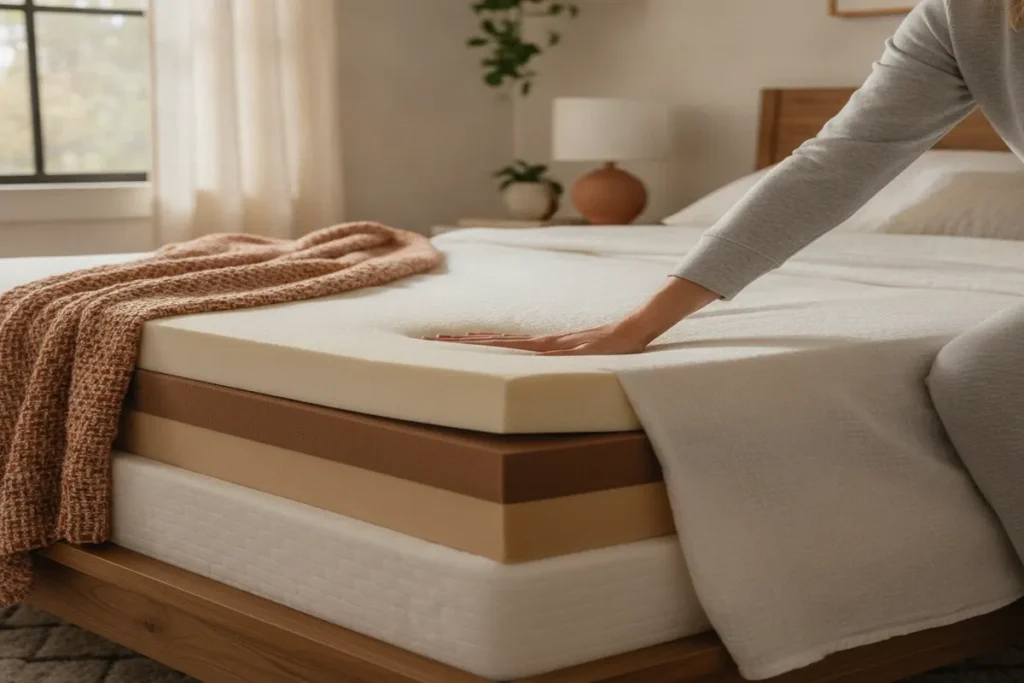
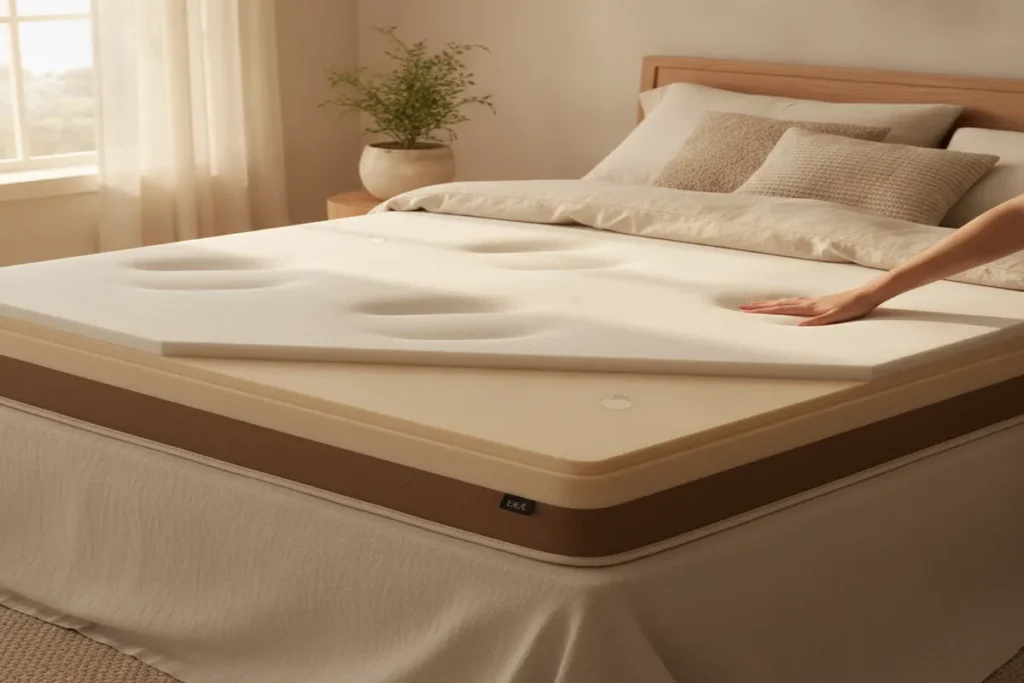
Memory Foam (Viscoelastic Foam): Known for its contouring, pressure-relieving properties, and excellent motion isolation. It softens with body heat, molding to your shape.
- Pros: Exceptional pressure relief, ideal for side sleepers and those with joint pain. Great motion isolation (you won’t feel your partner move).
- Cons: Can retain heat (though newer versions incorporate cooling gels or open-cell structures), may have a slow response time, and some experience off-gassing.
- Internal Link Opportunity: Learn more about our Visco Foam Mattress options.
-
Latex Foam: Derived from rubber trees (natural latex) or synthetically produced, latex foam offers a bouncier, more responsive feel than memory foam. It’s known for its durability and natural breathability.
- Pros: Highly durable, naturally hypoallergenic and resistant to dust mites, excellent responsiveness, good airflow for cooler sleep.
- Cons: Generally more expensive, can be heavier, and some may find it too firm or too bouncy.
- Internal Link Opportunity: Explore the benefits of a Latex Foam Mattress.
-
Polyurethane Foam (Polyfoam): Often used as a base layer or in comfort layers in more budget-friendly mattresses. It’s a petroleum-based foam that comes in various densities and firmness levels.
- Pros: Inexpensive, versatile in firmness, relatively lightweight.
- Cons: Less durable than memory or latex foam, can break down faster, and offers less specialized pressure relief or support.
Comparison of Common Foam Mattress Materials
Choosing the right material means aligning its inherent properties with your specific needs. For instance, if you’re a hot sleeper, a gel-infused memory foam or a natural latex mattress would be a better choice than traditional memory foam. If you need robust support and durability, latex often outperforms standard polyfoam.

Beyond Firmness: Understanding Your Ideal Foam Mattress Comfort Level
Many buyers mistakenly believe that “firmness” is the only metric for comfort. While crucial, it’s merely one piece of the puzzle. The true comfort level of a foam mattress is a holistic experience influenced by firmness, support, contouring, and how these elements interact with your body type and sleeping position. Failing to consider these nuances is a significant common mistake.
To truly understand your ideal comfort level, consider these factors:
-
Sleeping Position:
- Side Sleepers: Typically need a softer to medium-firm mattress that cradles the shoulders and hips, promoting spinal alignment. Too firm, and pressure points will develop.
- Internal Link Opportunity: Discover our Turkish Mattress for Side Sleepers.
- Back Sleepers: Generally prefer a medium-firm mattress that supports the natural curve of the spine without allowing the hips to sink too far.
- Stomach Sleepers: Often require a firmer mattress to prevent the hips from sinking too deeply, which can strain the lower back.
-
Body Weight:
- Lighter Individuals (under 130 lbs): May find even “medium-firm” mattresses too hard, needing softer options to experience adequate contouring and pressure relief.
- Average Individuals (130-230 lbs): Have the most options, typically finding comfort in medium to medium-firm mattresses.
- Heavier Individuals (over 230 lbs): Require a firmer, more supportive mattress with higher density foams to prevent premature sagging and ensure proper spinal alignment.
-
Support vs. Firmness:
- Support refers to how well the mattress keeps your spine aligned. A truly supportive mattress prevents sagging and distributes weight evenly.
- Firmness refers to the initial feel—how soft or hard the surface is. A mattress can be firm but unsupportive, or soft but highly supportive. Foam mattresses excel at balancing these, especially those with zoned support or high-density core layers.
-
Trial Period Importance: As mentioned, foam mattresses have a break-in period. It can take several weeks for your body to adjust to a new mattress and for the foam to fully decompress and soften to its intended feel. This is why a generous home trial is indispensable. Don’t make a judgment call after just a few nights.
Checklist for Determining Your Ideal Comfort Level
Use this checklist to guide your decision-making process:
-
Identify Your Primary Sleeping Position(s): Side, back, or stomach?
-
Note Your Body Weight: Are you lighter, average, or heavier?
-
Consider Any Aches or Pains: Do you have back pain, joint issues, or pressure points?
-
Evaluate Your Current Mattress: What do you like/dislike about its comfort level? Is it too soft, too firm, or lacking support?
-
Factor in Partner Preferences: If sharing, what are their needs? (Motion isolation becomes key for foam mattresses).
-
Prioritize Support Over Initial Softness: Ensure the mattress provides proper spinal alignment first, then consider surface comfort.
-
Look for Zoned Support: Some foam mattresses offer varying firmness zones to provide targeted support for different body parts.
Decoding Marketing Claims and Avoiding Pitfalls of “Best Brands”
The mattress industry is notoriously competitive, leading to a flood of marketing claims that can be confusing or misleading. A common mistake is blindly trusting “best common mistakes when buying foam mattress brands” lists or exaggerated features without critical evaluation. As an informed buyer, you need to look past the hype and understand what truly matters.
Here’s how to decode marketing and avoid common pitfalls:
-
“Universal Comfort” Claims: No mattress is truly “universally comfortable.” Comfort is highly subjective. A brand making this claim is likely trying to appeal to the broadest audience without specializing in specific needs.
-
Exaggerated Cooling Technologies: While gel infusions and open-cell foams do improve breathability, no foam mattress will feel “cold.” Manage expectations; they aim to mitigate heat retention, not provide active cooling like an air conditioner.
-
Proprietary Foam Names: Brands often create unique names for their foam types (e.g., “AirCell Foam,” “CloudComfort Memory”). These are usually variations of standard memory foam, latex, or polyfoam with slight modifications. Focus on the underlying material properties (density, ILD, composition) rather than just the fancy name.
-
“Orthopedic” or “Medical Grade” Labels: Unless backed by specific certifications from medical bodies, these terms are often used for marketing flair. A truly supportive mattress, regardless of label, is one that aligns your spine.
-
Focus on Certifications, Not Just Claims:
- CertiPUR-US: This certification ensures foams are made without harmful chemicals like ozone depleters, heavy metals, formaldehyde, and certain flame retardants. It also certifies low VOC (Volatile Organic Compound) emissions for indoor air quality.
- OEKO-TEX Standard 100: For textiles, this certifies that every component of the product has been tested for harmful substances.
- Global Organic Latex Standard (GOLS): For natural latex, this ensures the latex is organic and sustainably sourced.
-
Beware of “Lifetime Warranties”: Read the fine print. Most warranties cover manufacturing defects, not normal wear and tear or minor indentations. A “lifetime” warranty might only cover a small percentage of the original cost after a certain period or have stringent conditions for claims.
- Internal Link Opportunity: Always review our [Warranty Information] carefully.
-
Influencer Reviews vs. Verified Customer Feedback: While influencers can raise awareness, their reviews are often sponsored. Prioritize verified customer reviews, paying attention to consistent feedback regarding durability, support, and heat retention from a diverse range of users.
-
“Best Brand” Lists: Many “best brand” lists are affiliate-driven. Instead, focus on reputable manufacturers with a history of quality, transparent material sourcing, and strong customer service. Sinyora Yatak, for instance, focuses on quality [Mattress Collection] and [Pillow Collection] with clear material specifications.
What Should You Absolutely Check Before Committing to a Foam Mattress Purchase?
Before you click “buy” or finalize your purchase, a thorough pre-purchase checklist can save you from significant regret. Many buyers overlook crucial details that only become apparent after the mattress is in their home. This section outlines the essential checks to ensure your investment is sound.
The Essential Pre-Purchase Checklist for Foam Mattresses
-
Verify Foam Density and ILD for Each Layer:
- Why: Density directly correlates with durability and support. ILD indicates firmness. Don’t settle for vague terms like “high-quality foam.”
- Action: Ask for specific density (PCF) and ILD ratings for all foam layers. Higher density foams (e.g., 4-5+ PCF for memory foam, 70-90 kg/m³ for latex) generally mean better durability.
-
Confirm Material Composition and Certifications:
- Why: Ensures safety, environmental standards, and true material type.
- Action: Look for CertiPUR-US for polyfoams/memory foams, GOLS for organic latex, and OEKO-TEX for fabrics. Understand if “latex” is natural, synthetic, or a blend.
-
Understand the Trial Period and Return Policy:
- Why: Foam mattresses need a break-in period. A generous trial (90-120 nights) allows you to properly evaluate. A clear return policy protects your investment.
- Action: Ask about the minimum trial duration, return shipping costs, restocking fees, and whether the mattress needs to be in its original packaging. What happens to the old mattress?
- Internal Link Opportunity: Familiarize yourself with our [Return Policy].
-
Investigate Warranty Terms and Conditions:
- Why: A warranty protects against manufacturing defects, but the coverage varies wildly.
- Action: Understand what constitutes a “defect” (e.g., minimum sag depth), who pays for shipping if a claim is made, and how long the full vs. prorated coverage lasts.
- Internal Link Opportunity: Review Sinyora Yatak’s comprehensive [Warranty Information].
-
Assess Cooling Features (if applicable):
- Why: Foam, especially memory foam, can retain heat. If you’re a hot sleeper, this is critical.
- Action: Look for open-cell foam structures, gel infusions, copper, graphite, or phase-change materials in the comfort layers. Read reviews specifically from hot sleepers.
-
Consider the Mattress Height and Your Existing Bed Frame:
- Why: A very thick mattress might make your bed too high, and some foam mattresses require specific foundational support.
- Action: Measure your current bed height and ensure the new mattress fits your bed frame or Bed Base and Headboard. Foam mattresses typically require a solid, slatted, or adjustable base, not a traditional box spring.
-
Read Recent, Verified Customer Reviews:
- Why: Provides real-world insights into durability, comfort, and customer service.
- Action: Look for patterns in reviews – do many mention sagging, heat, or off-gassing? Pay attention to reviews from people with similar body types and sleep preferences.
-
Understand Delivery and Setup Logistics:
- Why: Foam mattresses, especially those shipped compressed, can be heavy and difficult to move.
- Action: Confirm if white-glove delivery (setup and old mattress removal) is included or available. What are the estimated delivery times?
- Internal Link Opportunity: Contact our [Customer Service] for delivery inquiries.
By systematically going through this checklist, you transform the abstract concept of a “good mattress” into concrete, verifiable criteria, significantly reducing the chance of buyer’s remorse.
Optimizing Your Investment: Understanding Foam Mattress Cost and Value
A common mistake when buying a foam mattress is focusing solely on the sticker price without understanding the underlying value proposition. The “cost” of a mattress extends beyond its initial purchase price to include its longevity, the quality of sleep it provides, and any associated long-term health benefits. A cheap mattress that needs replacing in five years might be more expensive in the long run than a higher-quality one that lasts fifteen.
Factors Influencing Foam Mattress Cost
The price of a foam mattress can vary widely, typically ranging from a few hundred dollars to several thousand. Key factors contributing to this variance include:
-
Material Quality and Type:
- Natural Latex: Generally the most expensive due to sourcing and processing.
- High-Density Memory Foam: Costs more than lower-density versions due to more raw material and better durability.
- Specialty Foams: Infusions (gel, copper, graphite), advanced open-cell structures, and proprietary blends can increase cost.
-
Construction and Layering:
- Mattresses with multiple distinct layers (e.g., a high-density support core, a transitional layer, and a plush comfort layer) often cost more due to complexity and varied materials.
- Zoned support systems, where different areas of the mattress have varying firmness, also add to the cost.
-
Brand Reputation and Research & Development:
- Established brands with a history of innovation and quality often command higher prices. Their investment in R&D for new foam technologies, cooling features, and ergonomic designs is factored into the price.
-
Origin and Manufacturing:
- Mattresses manufactured in countries with higher labor costs or stricter environmental regulations might be more expensive. Turkish mattresses, for example, are known for their quality and craftsmanship, offering excellent value.
- Internal Link Opportunity: Discover What Makes Turkish Mattresses Special.
-
Size: Larger sizes (Queen, King, California King) naturally cost more than smaller ones (Twin, Full).
-
Trial Period and Warranty: A generous trial period and robust warranty, while beneficial, are often reflected in the overall price, as they represent a commitment from the manufacturer.
Getting the Best Value for Your Investment
To avoid the mistake of overpaying or under-investing, consider these strategies for optimizing value:
-
Define Your Budget Range: Have a realistic range, but be flexible if a mattress offers significantly better durability or features for a slight increase.
-
Prioritize Durability: Look for higher density foams. While more expensive upfront, they last longer, reducing the frequency of replacement. A Turkish Mattress Lifespan often exceeds that of generic alternatives due to quality materials.
-
Match Features to Your Needs: Don’t pay for features you don’t need. If you’re not a hot sleeper, you might not need the most advanced cooling tech. If you sleep alone, motion isolation might be less critical.
-
Look for Sales and Promotions: Mattress companies frequently run sales. Timing your purchase can lead to significant savings.
-
Consider Direct-to-Consumer Brands: These often cut out middlemen, offering higher quality at more competitive prices.
-
Read Customer Reviews on Longevity: Look for feedback on how mattresses hold up over several years, not just the initial experience.
Understanding that a mattress is a long-term investment in your health and well-being helps shift the focus from merely “cost” to “value.”
Where to Find Quality Foam Mattresses Online and What to Look For
The digital marketplace has revolutionized mattress shopping, offering unparalleled convenience and choice. However, navigating the vast online landscape to find a quality foam mattress without making common mistakes requires a discerning eye. Knowing where to look and what specific attributes to prioritize is key.
Reputable Online Sources for Foam Mattresses
When shopping online, stick to established and reputable channels to ensure product quality and reliable customer service:
-
Direct-to-Consumer Brands (DTC): Many high-quality foam mattress brands operate exclusively online, shipping directly from the factory to your door. This often translates to better value as they cut out retail markups. Look for brands that offer transparent information about their foam layers and certifications.
-
Specialized Mattress Retailers Online: These retailers often carry a curated selection of various brands and types of mattresses, including a wide range of foam options. They can sometimes offer competitive pricing and bundling deals.
-
Manufacturer Websites: Purchasing directly from the manufacturer, like Sinyora Yatak, ensures you’re getting authentic products, direct access to their customer service, and often the most up-to-date information on their offerings.
- Internal Link Opportunity: Browse our Shop All Products or specifically our [Foam Mattress] collection.
-
Large E-commerce Platforms (with caution): While platforms like Amazon offer convenience, exercise caution. Ensure you’re buying directly from the brand’s official store on the platform or a verified reseller, and always check recent reviews.
What to Look for When Buying Online
When you can’t physically lie on a mattress, your online research becomes even more critical. Avoid the mistake of making a decision based solely on images or superficial descriptions.
-
Detailed Product Specifications:
- Layer Breakdown: The website should clearly list each foam layer, its type (memory, latex, polyfoam), density (PCF or kg/m³), and ILD.
- Materials: Information on any infusions (gel, copper), cover fabric (e.g., organic cotton, Tencel), and base materials.
-
Transparent Certifications: Look for badges like CertiPUR-US, GOLS, OEKO-TEX, which are easily verifiable and indicate quality and safety.
-
Comprehensive Customer Reviews:
- Quantity and Quality: A good number of recent reviews (hundreds to thousands) gives a better picture. Look for detailed reviews that mention specific sleeping positions, body types, and long-term experiences.
- Review Management: See how the company responds to negative reviews. Good customer service is a strong indicator.
-
Clear Policies (Trial, Warranty, Returns): These should be prominently displayed and easy to understand. Pay close attention to any clauses regarding return shipping or restocking fees.
-
Shipping and Delivery Information: What’s the estimated delivery time? Is it compressed in a box (bed-in-a-box) or full-service delivery? Does it ship internationally?
- Internal Link Opportunity: Sinyora Yatak offers Ship Turkish Mattresses Internationally.
-
Customer Support Accessibility: Can you easily reach them via phone, email, or chat? Test their responsiveness before purchasing.
- Internal Link Opportunity: Visit our [Contact Us for Support] page.
-
Educational Content: Reputable sites often provide buying guides, comparisons, and articles that help you understand their products and make an informed choice.
- Internal Link Opportunity: Check out our Buying Guides and [Blog] for more insights.
By meticulously evaluating these aspects, you can significantly reduce the risks associated with buying a foam mattress online and increase your chances of finding a product that truly meets your needs.
Expert Insight
“The biggest mistake consumers make when buying a foam mattress is underestimating the importance of the trial period. A mattress isn’t a pair of shoes you can judge in five minutes. It takes your body weeks to adjust to a new sleep surface, and the foam itself needs time to fully decompress and reach its intended firmness. Rushing this process or neglecting to understand the return policy is a surefire way to end up with buyer’s remorse. Always prioritize brands that offer a generous, no-hassle home trial.”
Key Terms
-
Foam Density: A measure of how much material is in a cubic foot of foam (pounds per cubic foot, PCF). Higher density generally indicates greater durability and support.
-
ILD (Indentation Load Deflection): A metric indicating foam firmness. It measures the force required to indent a foam sample by 25% of its original thickness. Higher ILD means a firmer foam.
-
Off-Gassing: The release of volatile organic compounds (VOCs) from a new foam mattress, resulting in a distinct chemical odor. This usually dissipates within a few days to weeks and is typically harmless.
-
Break-in Period: The initial period (typically 30-90 days) during which a new mattress softens slightly and your body adjusts to its feel and support characteristics.
-
Motion Isolation: The ability of a mattress to absorb movement, preventing disturbances from a partner’s tossing and turning. Foam mattresses, especially memory foam, excel at this.
How Can You Upgrade to More Comfortable Sleep with Sinyora Yatak?
At Sinyora Yatak, we understand the complexities of choosing the right mattress and are dedicated to helping you avoid common buying mistakes. As a leading manufacturer of high-quality Turkish mattresses, we combine generations of expertise with modern foam technology to craft sleep solutions tailored to your needs. Whether you’re seeking the contouring comfort of a [Visco Foam Mattress] or the responsive support of a [Latex Foam Mattress], our extensive [Mattress Collection] is designed for superior rest. We prioritize transparent material specifications, CertiPUR-US certified foams, and robust [Warranty Information] to ensure your peace of mind. Experience the difference of premium Turkish craftsmanship and elevate your sleep quality. Explore our range today and let us help you find the perfect foundation for truly restorative sleep, with convenient [Ship Turkish Mattresses Internationally] options available.
Frequently Asked Questions
Q: What is the ideal foam density for a durable foam mattress?
Q: How long does a foam mattress typically last?
Q: Is off-gassing from a new foam mattress harmful?
Q: Can I use my old box spring with a new foam mattress?
Q: How do I know if a foam mattress is too firm or too soft for me?
Q: Are foam mattresses good for hot sleepers?