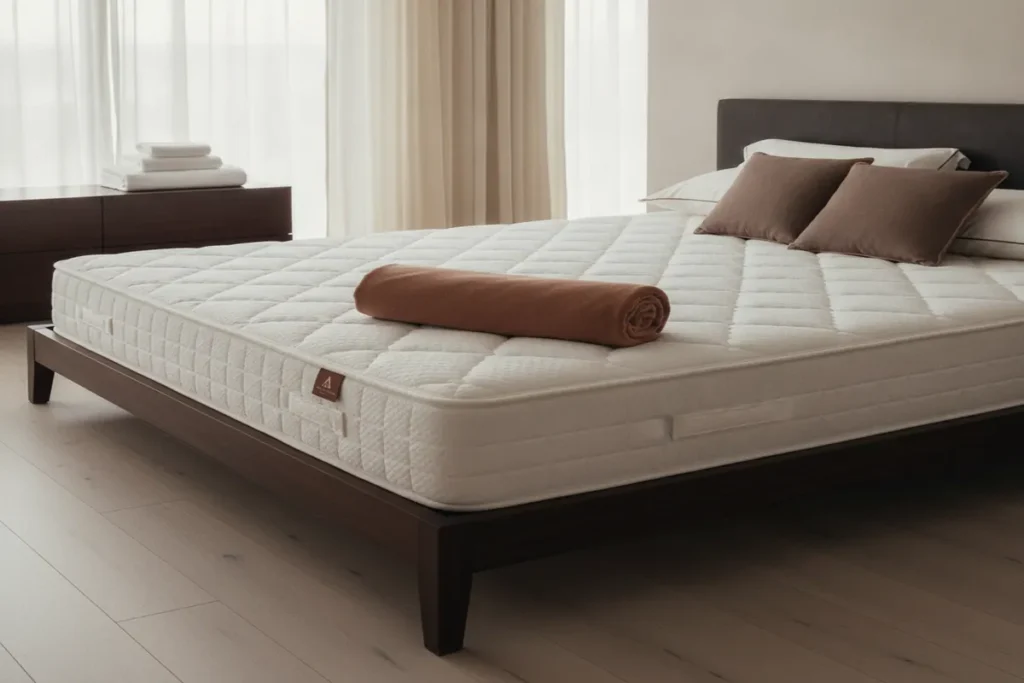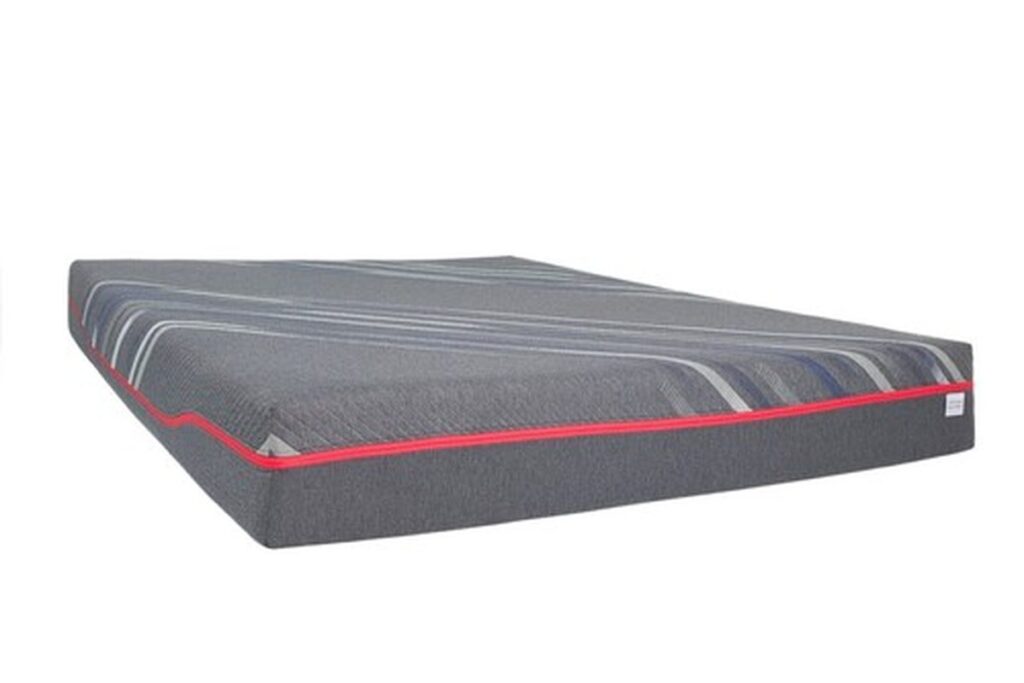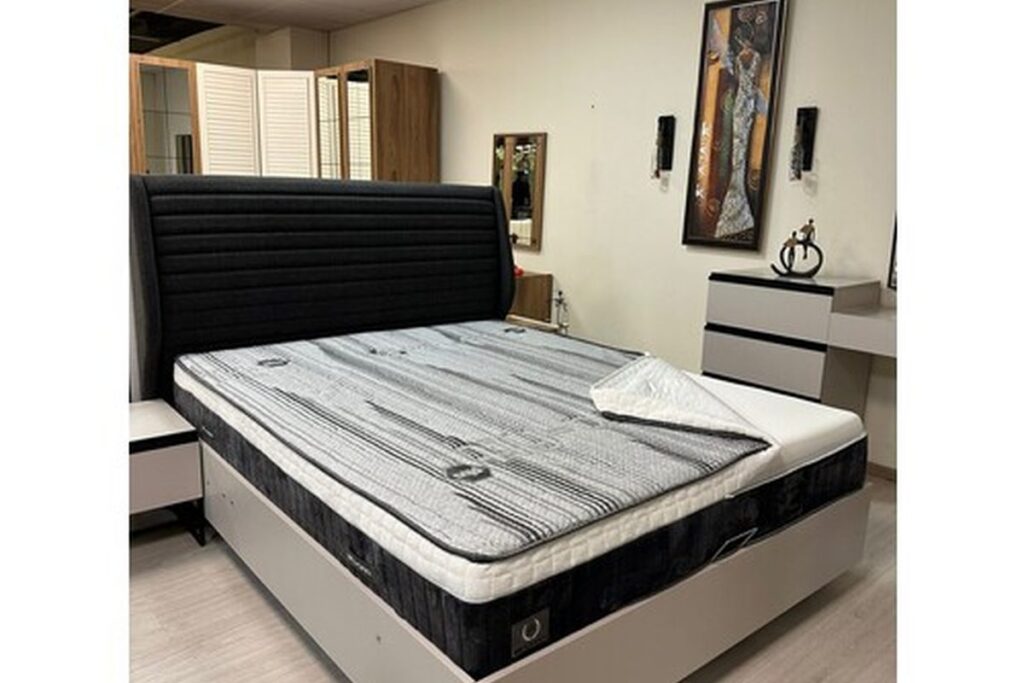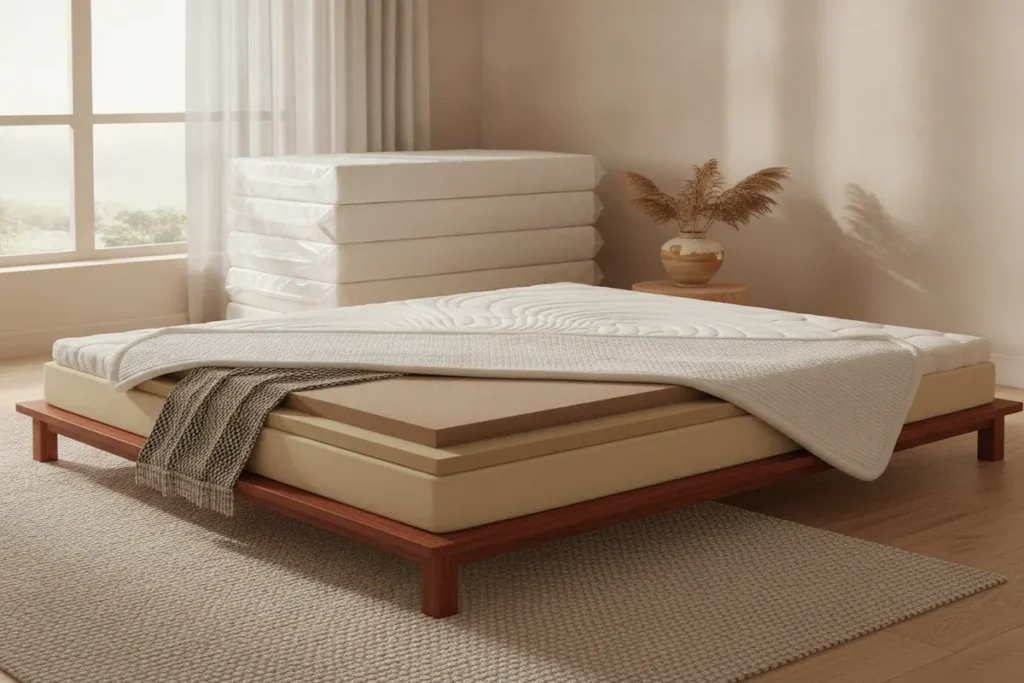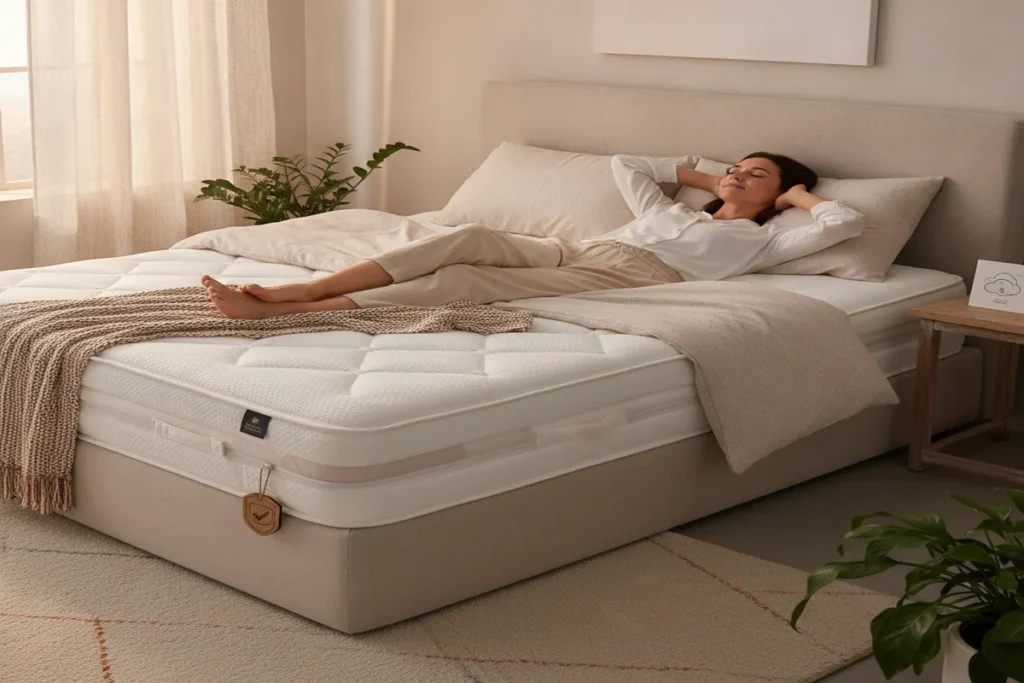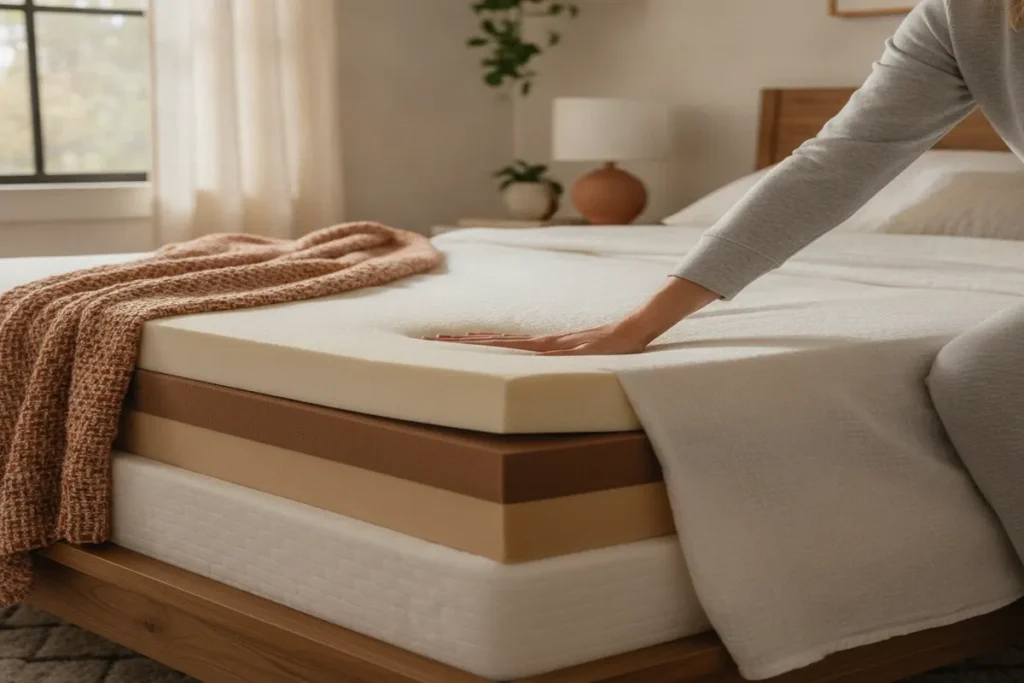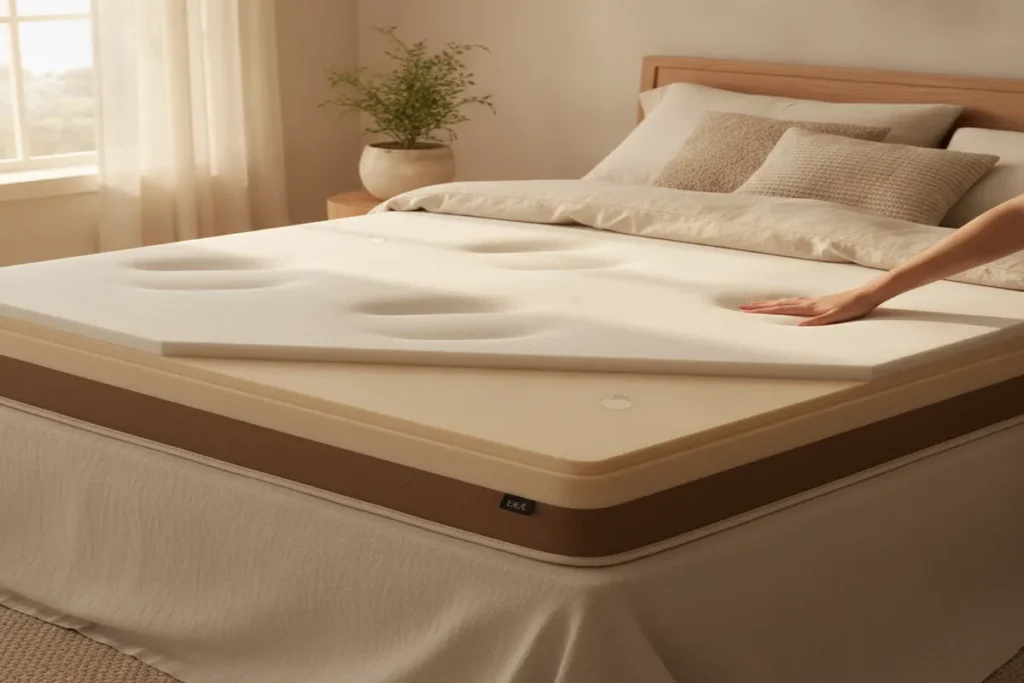

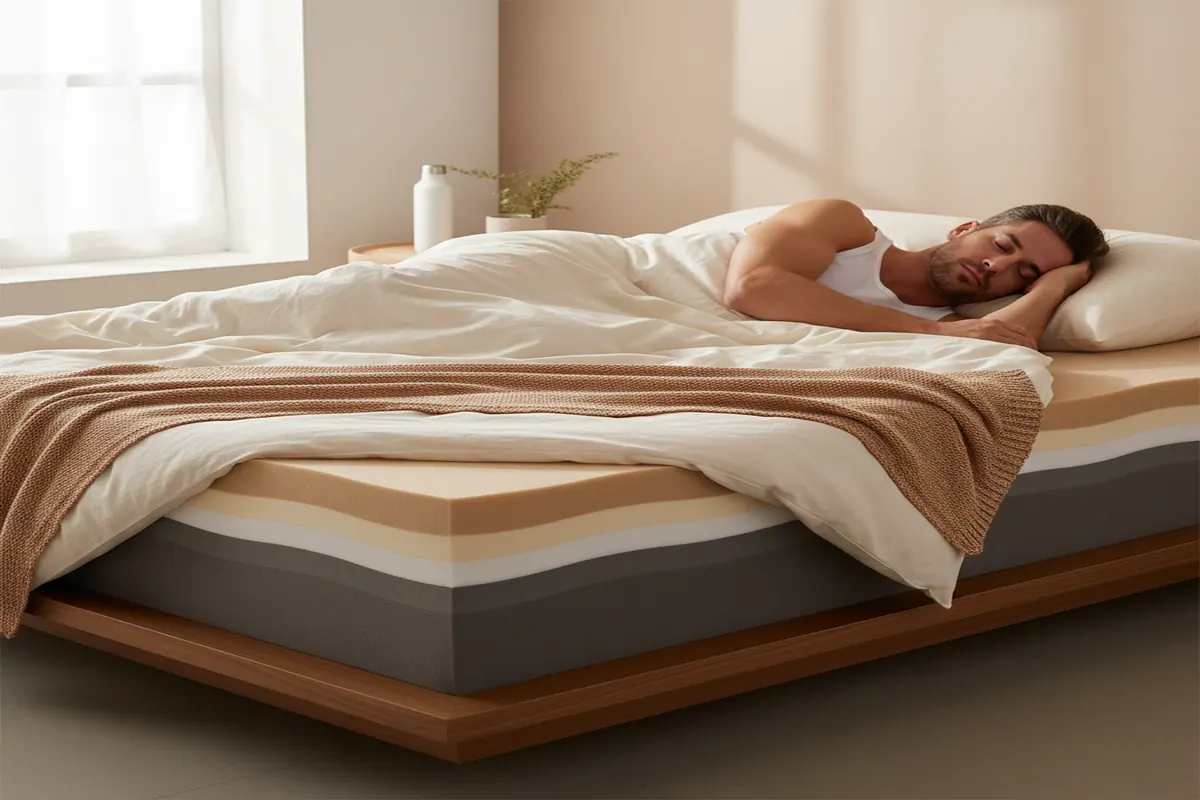
For athletes, sleep isn’t just rest; it’s a critical component of training, recovery, and performance optimization. A specialized foam mattress for athletes is engineered to meet these demanding needs, offering superior pressure relief, targeted support for joints and muscles, and advanced cooling capabilities. Unlike conventional mattresses, these designs focus on accelerating physical recovery, reducing soreness, enhancing restorative sleep cycles, and ultimately, boosting an athlete’s overall health and competitive edge.
Quick Summary
- Athletes require specialized foam mattresses for optimal recovery
- Key considerations include pressure relief, support, cooling, and durability
- Memory foam, latex foam, and high-density polyfoam offer distinct benefits
- Proper thickness and firmness are crucial for spinal alignment and joint health
Why Athletes Need Specialized Foam Mattresses for Peak Performance
Athletes push their bodies to the limit. Intense training sessions, competitions, and the constant demand for physical prowess place immense stress on muscles, joints, and the nervous system. During sleep, the body performs crucial repair work, regenerates tissues, and consolidates memories. A standard mattress often falls short in providing the specific conditions necessary for this high-level recovery.
A specialized foam mattress is designed with an athlete’s unique physiological requirements in mind, offering distinct advantages:
-
Accelerated Muscle Recovery: Deep, restorative sleep is when muscle repair and growth occur. Foam mattresses, particularly those with contouring properties, help reduce pressure points, allowing blood flow to circulate freely and deliver essential nutrients to fatigued muscles. This can significantly reduce post-exercise soreness and accelerate readiness for the next training session.
-
Targeted Joint Support and Spinal Alignment: Athletes, regardless of their sport, often deal with joint stress. A mattress that properly supports the spine and aligns the body can alleviate pressure on sensitive areas like hips, shoulders, and the lower back. High-density foams prevent sagging, maintaining a neutral spinal position crucial for preventing chronic pain and injury.
-
Enhanced Blood Circulation: By distributing body weight evenly, foam mattresses minimize pressure points that can restrict blood flow. Improved circulation during sleep aids in flushing out metabolic waste products (like lactic acid) and delivers oxygen and nutrients more efficiently to healing tissues.
-
Reduced Motion Transfer: Many athletes share a bed, and undisturbed sleep is paramount. Foam mattresses excel at isolating motion, meaning a partner’s movements won’t disrupt an athlete’s precious sleep cycles, ensuring consistent, deep rest.
-
Durability and Longevity: Given the heavier body mass and more active sleep patterns often associated with athletes, a mattress needs to withstand significant wear and tear. High-quality foam mattresses are engineered for resilience, maintaining their supportive properties over many years, which is a key factor in long-term performance.
Expert Insight:
“For an athlete, the mattress isn’t just a piece of furniture; it’s a recovery tool. Industry experts confirm that investing in a sleep surface that actively supports spinal alignment, reduces pressure points, and manages temperature can be as impactful on performance as nutrition or training protocols.”
Which Foam is Best for Athletes? Decoding Mattress Materials
The term “foam mattress” encompasses a variety of materials, each with unique characteristics. For athletes, understanding these differences is crucial for selecting a mattress that truly enhances recovery and performance.
Here’s a breakdown of the primary foam types and their suitability for athletes:
1. Memory Foam (Visco Foam)
-
Characteristics: Known for its excellent contouring and pressure-relieving properties. It softens with body heat, molding precisely to an athlete’s shape, cradling joints and muscles.
-
Pros for Athletes:
- Superior Pressure Relief: Ideal for alleviating pain in sensitive areas like hips, shoulders, and knees, common among athletes.
- Motion Isolation: Excellent for undisturbed sleep, especially for those sharing a bed.
- Deep Contouring: Provides a feeling of being “hugged,” which can be very comforting for sore muscles.
-
Cons for Athletes:
- Heat Retention: Traditional memory foam can trap heat, which is a major concern for athletes who often run hot.
- Slow Response Time: Can make changing positions difficult for some, feeling “stuck.”
-
Sinyora Yatak Specialization: Our Visco Foam Mattress options often incorporate advanced open-cell structures, gel infusions, or phase-change materials to mitigate heat retention, making them more suitable for athletes.
2. Latex Foam (Natural or Synthetic)
-
Characteristics: Derived from rubber trees (natural latex) or petroleum-based compounds (synthetic latex). It’s highly responsive, durable, and offers a buoyant feel.
-
Pros for Athletes:
- Excellent Responsiveness: Quick to adapt to movement, making it easier to change positions.
- Good Pressure Relief and Support: Offers a balance of contouring and firm support, without the “sinking” feeling of memory foam.
- Naturally Cooling (Natural Latex): Open-cell structure allows for better airflow compared to traditional memory foam.
- Hypoallergenic and Durable: Resistant to dust mites and mold, and extremely long-lasting.
-
Cons for Athletes:
- Higher Cost: Natural latex can be more expensive.
- Heavier: Can be difficult to move.
-
Sinyora Yatak Specialization: Our Latex Foam Mattress options are prized for their natural resilience and cooling properties, making them a top choice for athletes seeking a more responsive and breathable sleep surface.
3. Polyurethane Foam (Polyfoam)
-
Characteristics: The most common and least expensive foam type, often used as a base layer in mattresses. It varies greatly in density and quality.
-
Pros for Athletes:
- Versatile: Can be engineered for various firmness levels.
- Cost-Effective: More budget-friendly.
-
Cons for Athletes:
- Less Durable: Lower density polyfoams can break down faster.
- Less Pressure Relief: Doesn’t contour as well as memory foam or latex.
- Off-Gassing: Can have a stronger initial chemical odor.
-
Sinyora Yatak Specialization: We utilize high-density, resilient Sponge Topper Mattress options and base layers of polyfoam to ensure foundational support and durability without compromising on comfort.
4. Hybrid Mattresses (Foam + Coils)
-
Characteristics: Combine foam layers (memory foam, latex, or polyfoam) with an innerspring support system, often individually wrapped pocket coils.
-
Pros for Athletes:
- Best of Both Worlds: Offers the pressure relief of foam with the support, bounce, and airflow of coils.
- Excellent Edge Support: Coils provide a sturdy perimeter.
- Enhanced Cooling: Air circulates well through the coil layer.
-
Cons for Athletes:
- Higher Cost: Generally more expensive than all-foam options.
- Heavier: Can be difficult to move.
-
Sinyora Yatak Specialization: While this article focuses on foam, our Pocket Coils Mattress range, especially those with foam comfort layers, offers an excellent hybrid solution for athletes seeking robust support and superior airflow.
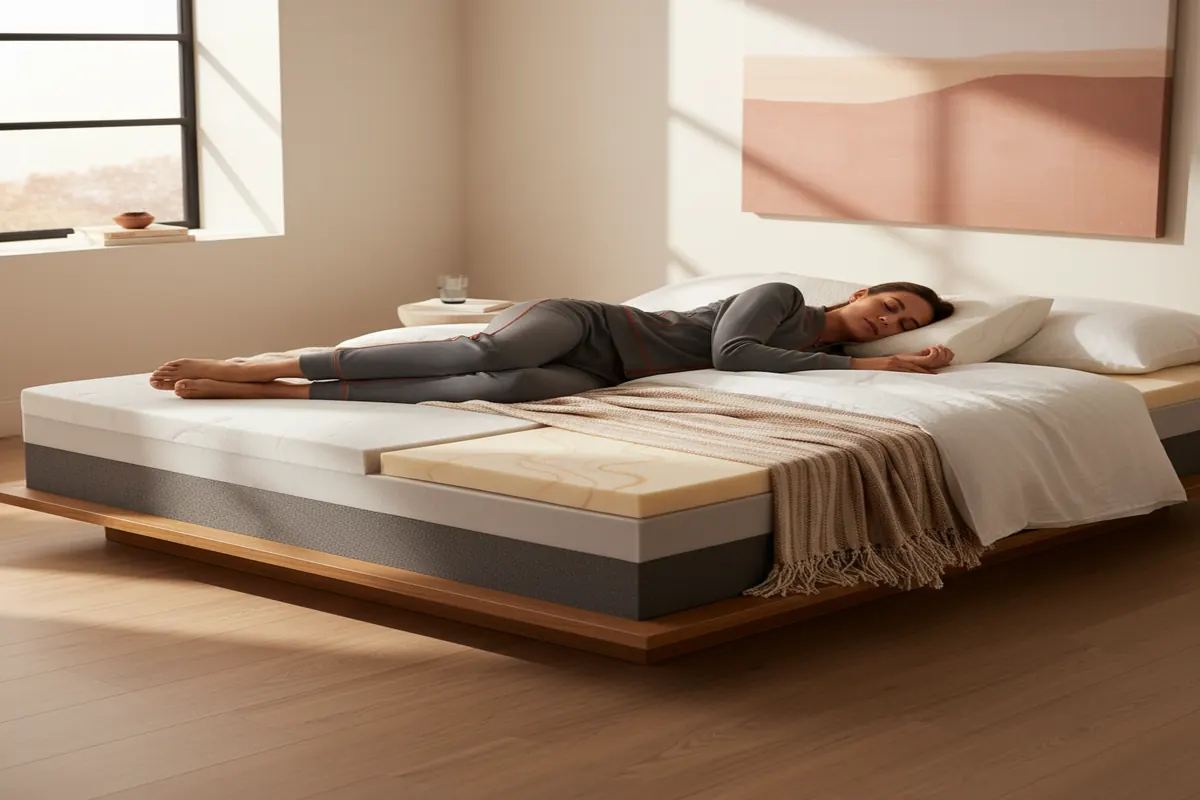
Here’s a comparative overview to help you decide:
How to Choose the Ideal Foam Mattress for Athletes: Key Buying Tips
Selecting the right foam mattress is a critical decision for an athlete’s health and performance. Beyond just foam type, several factors must be carefully considered.
1. Prioritize Firmness Level for Your Body and Sport
The ideal firmness isn’t one-size-fits-all. It depends on your body weight, sleep position, and specific needs.
-
Lighter Athletes (under 130 lbs / 60 kg): Often prefer softer to medium-firm mattresses to allow for adequate contouring and pressure relief.
-
Average Athletes (130-230 lbs / 60-105 kg): Typically find medium-firm to firm mattresses most comfortable, offering a balance of support and contouring.
-
Heavier Athletes (over 230 lbs / 105 kg): Generally require firmer mattresses to prevent excessive sinking and ensure proper spinal alignment. Brands like Plank or Bear often cater to this need for robust support.
-
Sport-Specific Needs: Endurance athletes might prioritize pressure relief for joints, while strength athletes might need firmer support to maintain spinal alignment.
2. Consider Your Primary Sleep Position
Your preferred sleeping posture significantly impacts where pressure points develop and how your spine aligns.
-
Side Sleepers: Need a mattress that contours well to the shoulders and hips to keep the spine straight. Medium-soft to medium-firm memory foam or latex is often ideal. Our Turkish Mattress for Side Sleepers guide offers more insights.
-
Back Sleepers: Require a balance of support and slight contouring to maintain the natural curve of the spine. Medium-firm to firm foam mattresses work well.
-
Stomach Sleepers: Need a firmer mattress to prevent the hips from sinking too deeply, which can strain the lower back. Firm polyfoam or latex options are often recommended.
3. Evaluate Cooling Features to Combat Overheating
Heat retention is a common concern with foam, especially memory foam. Athletes generate more body heat and need a mattress that actively dissipates it. Look for:
-
Open-Cell Foam: Allows for better airflow than traditional closed-cell foam.
-
Gel Infusions: Gel beads or layers absorb and dissipate heat.
-
Copper Infusions: Copper is a natural thermal conductor and can also have antimicrobial properties.
-
Phase-Change Materials (PCMs): These materials absorb and release heat to maintain a consistent surface temperature.
-
Breathable Covers: Tencel, cotton, or other moisture-wicking fabrics can significantly improve cooling.
4. Assess Pressure Relief and Support
These two factors are paramount for an athlete’s recovery.
-
Pressure Relief: The mattress should distribute your body weight evenly, reducing stress on joints and muscles. Test for areas where you feel “pinched” or unsupported.
-
Support: The mattress must keep your spine in a neutral alignment. A good foam mattress will support the heaviest parts of your body (hips, shoulders) without allowing them to sink excessively.
5. Durability and Material Quality
A mattress is a significant investment. For athletes, durability is even more important due to higher demands.
-
Density: Higher foam density generally correlates with better durability. Look for memory foam with a density of 4-5 lbs/cubic foot or higher, and latex foam that is 4 lbs/cubic foot or higher.
-
Certifications: Look for certifications like CertiPUR-US (for polyfoam and memory foam) or GOLS/GOTS (for organic latex) to ensure low VOCs and quality materials.
Practical Checklist for Athletes Buying a Foam Mattress:
-
Body Weight & Build: Matched firmness?
-
Primary Sleep Position: Adequate contouring/support for spinal alignment?
-
Heat Sensitivity: Specific cooling technologies included?
-
Injury/Pain Points: Does it offer targeted pressure relief for these areas?
-
Motion Isolation: Crucial if sharing a bed?
-
Responsiveness: Easy to move and change positions?
-
Trial Period & Warranty: A minimum 100-night trial is recommended, along with a robust warranty.
-
Budget: Balance quality with affordability.
-
Sinyora Yatak Options: Explore our Foam Mattress collection and consult our Buying Guides for detailed insights.
Optimizing Thickness and Firmness: How Thick Should a Foam Mattress Be for Athletes?
The thickness of a foam mattress isn’t just about plushness; it’s intricately linked to support, durability, and the overall sleep experience, especially for athletes. Similarly, firmness is a subjective but critical factor that directly impacts spinal alignment and pressure relief.
Understanding Mattress Thickness for Athletes
While there’s no single “perfect” thickness, certain ranges are generally recommended for athletes:
-
8-10 Inches (Mid-Range): This is often the minimum effective thickness for an all-foam mattress to provide adequate support and pressure relief for most average-weight athletes. It typically consists of a comfort layer (2-3 inches) and a substantial support core.
-
10-12 Inches (Optimal Range): Many athletes find this range ideal. It allows for thicker, more luxurious comfort layers (3-4 inches of memory foam or latex) combined with a robust support base. This provides deeper contouring without bottoming out, crucial for heavier athletes or those needing significant pressure relief.
-
12-14+ Inches (Premium/Luxury): These thicker mattresses often incorporate multiple specialized foam layers, offering enhanced comfort, precise zoning, and superior durability. While excellent, ensure the extra thickness translates to functional benefits (like more advanced cooling or targeted support zones) rather than just more material.
Key Considerations for Thickness:
-
Body Weight: Heavier athletes generally benefit from thicker mattresses (10+ inches) to prevent sinking too far and ensure the support layers can effectively bear their weight. Lighter athletes might find a slightly thinner mattress sufficient.
-
Foam Type: Memory foam often needs more thickness to provide its characteristic deep contouring compared to latex, which can offer excellent support even at slightly lower profiles due to its inherent density and responsiveness.
-
Layer Composition: It’s not just the total thickness, but how that thickness is distributed across comfort and support layers. A good balance ensures both plushness and foundational stability.
Decoding Firmness Ratings
Mattress firmness is typically rated on a scale of 1 to 10, where 1 is extremely soft and 10 is extremely firm. For athletes, the sweet spot usually falls between 5 and 7 (medium-firm to firm).
-
Soft (1-4): Generally not recommended for athletes as it can lead to excessive sinking, poor spinal alignment, and difficulty moving. Might be suitable for very lightweight individuals or those with specific medical conditions requiring extreme pressure relief.
-
Medium-Firm (5-7): This is the most popular range for athletes. It offers a balance of contouring and robust support.
- A medium-firm (5-6) feel provides good pressure relief for side sleepers and those with joint pain, while still offering adequate support for spinal alignment.
- A firm (7) feel is excellent for back and stomach sleepers, heavier athletes, or those who prefer a more “on top” of the mattress feel, ensuring optimal spinal alignment and preventing sagging.
-
Firm (8-10): While some athletes might prefer a very firm feel, extreme firmness can sometimes create new pressure points if it doesn’t allow for enough contouring. It’s best for very heavy individuals or those with specific orthopedic recommendations.
How to Determine Your Ideal Firmness:
-
Lie Down: Spend at least 15 minutes in your primary sleeping position.
-
Spinal Alignment Check: If you’re a side sleeper, your spine should be relatively straight. If you’re a back sleeper, there should be a gentle curve in your lower back, not a flat surface.
-
Pressure Points: Notice if you feel any discomfort or pressure in your shoulders, hips, or lower back.
-
Movement: Can you easily change positions without feeling “stuck”?
Remember, firmness is subjective. What feels firm to one person might feel medium to another. Always prioritize how your body feels and how well your spine is aligned.
Addressing the Heat: Why Do Some Foam Mattresses Make You Sweat, and How to Avoid It?
One of the most common complaints about traditional foam mattresses, especially older memory foam models, is their tendency to retain heat, leading to uncomfortable night sweats. For athletes, who often have higher metabolic rates and generate more body heat, this issue can severely disrupt restorative sleep and hinder recovery.
The Science Behind Heat Retention in Foam
The primary reason traditional foam mattresses can feel hot is their viscoelastic structure. Memory foam, in particular, is designed to conform closely to the body. While this provides excellent pressure relief, it also means:
-
Reduced Airflow: The dense, closed-cell structure of traditional memory foam traps body heat, as there’s little room for air to circulate and dissipate warmth.
-
Body Hug: The deep contouring effect means more of your body surface is in direct contact with the mattress, reducing the surface area available for heat to escape into the ambient air.
-
Heat Absorption: Foam materials absorb and store heat, slowly releasing it back to the sleeper, creating a “hot pocket” effect.
Advanced Solutions for a Cooler Sleep Experience
Fortunately, mattress manufacturers, including Sinyora Yatak, have made significant strides in developing cooling technologies to combat this issue. When choosing a foam mattress, especially as an athlete, prioritize models that incorporate these features:
-
Open-Cell Foam Structure: Modern memory foam is often manufactured with an “open-cell” structure. This means the foam has tiny, interconnected air pockets that allow for much greater airflow and heat dissipation compared to older, denser foams.
-
Gel Infusions: Gel beads, particles, or layers are incorporated into the foam. Gel has a higher thermal conductivity than foam, meaning it can draw heat away from the body and dissipate it more effectively. Some gel infusions also provide a cooler initial feel.
-
Copper Infusions: Copper is an excellent thermal conductor, quickly pulling heat away from the body. Additionally, copper has natural antimicrobial properties, which can help create a cleaner sleep environment.
-
Phase-Change Materials (PCMs): These advanced materials are designed to absorb and release heat to maintain a consistent surface temperature. They react to your body temperature, feeling cool when you’re hot and warm when you’re cool, actively regulating the microclimate around you.
-
Graphite and Carbon Infusions: Similar to copper, graphite and carbon are highly conductive materials that can efficiently draw heat away from the body.
-
Aerated or Zoned Designs: Some foam mattresses feature channels, perforations, or specific zones designed to enhance airflow and prevent heat buildup in critical areas.
-
Breathable Covers and Top Layers: The mattress cover plays a crucial role. Look for covers made from natural fibers like Tencel, organic cotton, or bamboo, which are known for their moisture-wicking and breathable properties. Even a thin layer of natural latex on top can add significant breathability.
-
Hybrid Designs: As mentioned earlier, hybrid mattresses combine foam comfort layers with an innerspring coil base. The open structure of the coils allows for superior airflow throughout the mattress, making them inherently cooler than all-foam alternatives. Our Turkish Foam Mattress vs Spring article delves deeper into these comparisons.
What to Avoid (Common Mistakes Leading to Overheating):
-
Dense, Traditional Memory Foam: Unless specifically marketed with advanced cooling, very dense, traditional memory foam without any infusions or open-cell technology is likely to sleep hot.
-
Non-Breathable Mattress Protectors: A thick, waterproof mattress protector made from non-breathable materials can negate all the cooling efforts of your mattress. Opt for breathable, thin protectors if needed.
-
Synthetic Bedding: Polyester sheets and heavy synthetic comforters can trap heat. Choose natural, breathable bedding materials.
By understanding these mechanisms and prioritizing mattresses with advanced cooling technologies, athletes can enjoy the pressure relief and support of foam without sacrificing a cool and comfortable sleep environment.
Beyond Memory Foam: Exploring Other Advanced Foam Types for Athletes
While memory foam (visco foam) is a popular choice, the world of advanced foams offers athletes even more tailored options. It’s crucial to look beyond just “memory foam” and understand the nuances of other specialized foam types that can significantly impact recovery and performance.
1. High-Resiliency (HR) Polyfoam
-
What it is: A higher-quality variant of polyurethane foam, characterized by its quick responsiveness and durability. It offers better support and longevity than standard polyfoam.
-
Pros for Athletes:
- Good Support: Provides a firm, stable base without the “quicksand” feel of some memory foams.
- Responsive: Allows for easy movement, which is beneficial for athletes who shift positions frequently or need to get in and out of bed quickly.
- Durability: More resilient than standard polyfoam, maintaining its shape and support over time.
- Breathability: Generally more breathable than traditional memory foam.
-
Cons for Athletes:
- Less Pressure Relief: Doesn’t contour as deeply as memory foam or latex, so pressure relief might be less targeted.
- Varying Quality: Quality can still vary between manufacturers.
-
Best For: Athletes who prefer a firmer, more responsive feel, or those looking for a durable and supportive base layer in a multi-layered mattress.
2. Copper-Infused Foam
-
What it is: Foam (often memory foam or polyfoam) infused with copper particles.
-
Pros for Athletes:
- Exceptional Cooling: Copper is a highly conductive material, efficiently drawing heat away from the body.
- Antimicrobial Properties: Copper is naturally antibacterial and antiviral, contributing to a cleaner, more hygienic sleep surface, which is beneficial for athletes prone to sweating.
- Improved Blood Flow: Some studies suggest copper may help improve circulation, aiding in muscle recovery.
-
Cons for Athletes:
- Higher Cost: Infused foams often come at a premium.
- Effectiveness Varies: The amount and distribution of copper can affect its efficacy.
-
Best For: Athletes who prioritize maximum cooling, hygiene, and potentially enhanced recovery benefits from copper.
3. Graphite-Infused Foam
-
What it is: Foam infused with graphite, another highly conductive material.
-
Pros for Athletes:
- Superior Heat Dissipation: Graphite excels at wicking heat away from the body, similar to copper.
- Durability: Can enhance the overall durability of the foam.
-
Cons for Athletes:
- Higher Cost: Often more expensive than standard foams.
-
Best For: Athletes who need advanced cooling and heat regulation, particularly those who consistently sleep hot.
4. Aerated or Zoned Foams
-
What it is: Foams with strategically placed perforations, cut-outs, or varying densities across the mattress surface.
-
Pros for Athletes:
- Targeted Support: Different zones can be firmer under the hips and softer under the shoulders, providing customized support for spinal alignment.
- Enhanced Airflow: Perforations allow air to circulate more freely, improving breathability and cooling.
- Pressure Relief: Zoned designs can offer superior pressure relief by adapting to different body parts.
-
Cons for Athletes:
- Complex Construction: Can be more expensive due to intricate manufacturing.
-
Best For: Athletes with specific pressure points, back pain, or those who benefit from customized ergonomic support. Our Avant-Garde Bed series often incorporates advanced zoning for optimal comfort.
The Rise of Hybrid Foam Mattresses
While not purely “foam,” hybrid mattresses are a crucial consideration for athletes. They combine the best attributes of foam (pressure relief, contouring) with the benefits of innerspring coils (support, bounce, superior airflow).
-
How they benefit athletes: The coil base in a hybrid mattress allows for excellent airflow, significantly reducing heat retention, a primary concern with all-foam options. The coils also provide robust, zoned support and a responsive feel, making it easier to move. The foam layers on top still deliver the essential pressure relief.
-
Sinyora Yatak Options: Our Hotel Mattress collection, for example, often features hybrid constructions designed for durability and universal comfort, which translates well to an athlete’s needs.
By exploring these advanced foam types and hybrid constructions, athletes can find a mattress that provides a truly customized and performance-enhancing sleep environment, going far beyond basic memory foam.
Common Mistakes Athletes Make When Buying a Foam Mattress
Even with the best intentions, athletes often fall into common traps when selecting a foam mattress. Avoiding these pitfalls can save you money, prevent discomfort, and ensure your investment genuinely supports your athletic journey.
-
Prioritizing Softness Over Support:
- Mistake: Many athletes equate a soft, plush mattress with comfort and pressure relief. While some softness is good, excessive softness can lead to improper spinal alignment, allowing the hips to sink too deeply and creating a “hammock” effect.
- Impact on Athletes: This can exacerbate back pain, lead to morning stiffness, and hinder recovery by placing undue stress on the spine and joints during sleep.
- Correction: Aim for a medium-firm to firm mattress (5-7 on a 1-10 scale) that provides a balance of contouring and robust support for your body weight and sleep position. Your body should feel cradled, not swallowed.
-
Ignoring Cooling Technology:
- Mistake: Overlooking or underestimating the importance of cooling features, especially when choosing memory foam.
- Impact on Athletes: Athletes naturally run hotter due to higher metabolism and intense physical activity. A hot mattress disrupts sleep cycles, prevents deep restorative sleep, and can lead to excessive sweating and discomfort.
- Correction: Actively seek out mattresses with advanced cooling features like open-cell foam, gel, copper, graphite, or phase-change material infusions. Consider breathable covers and potentially a hybrid foam-and-coil option.
-
Not Considering Durability and Foam Density:
- Mistake: Opting for cheaper, lower-density foam mattresses to save money.
- Impact on Athletes: Lower-density foams break down faster, lose their support, and develop impressions quickly. For athletes, who often have heavier body mass and place more stress on a mattress, this means a significantly shorter lifespan and compromised support.
- Correction: Invest in high-density foams (e.g., 4-5 lbs/cubic foot for memory foam, 4+ lbs/cubic foot for latex). While more expensive upfront, they offer superior durability and consistent support over many years, proving more cost-effective in the long run. Our Turkish Mattress Lifespan guide highlights the importance of quality materials.
-
Skipping the Trial Period:
- Mistake: Buying a mattress without taking advantage of a home trial period, or not giving the mattress enough time during the trial.
- Impact on Athletes: It takes time for your body to adjust to a new mattress, especially one with different support characteristics. A quick in-store test isn’t enough to assess long-term comfort and recovery benefits.
- Correction: Choose a brand that offers a generous in-home trial (ideally 100 nights or more). Commit to sleeping on the mattress for at least 30 days before making a final judgment. Use this period to truly assess its impact on your recovery, soreness, and sleep quality.
-
Neglecting Edge Support:
- Mistake: Not considering how well the mattress performs at its edges.
- Impact on Athletes: Poor edge support means the edges sag when you sit on them or sleep near them. This reduces the usable sleep surface, makes getting in and out of bed harder, and can be particularly problematic for athletes who might use the edge to sit and stretch.
- Correction: Look for foam mattresses with reinforced edges or consider hybrid options where the coil system provides excellent edge support.
By being aware of these common mistakes, athletes can make a more informed decision and select a foam mattress that truly enhances their rest and performance.
How Can You Upgrade to More Comfortable Sleep with Sinyora Yatak?
At Sinyora Yatak, we understand that an athlete’s sleep is their secret weapon. That’s why we meticulously craft our foam mattresses and sleep accessories with cutting-edge technology and premium materials, designed to meet the rigorous demands of active lifestyles. Our commitment to What Makes Turkish Mattresses Special ensures you receive not just a mattress, but a foundation for peak performance and unparalleled recovery.
Whether you’re seeking the deep pressure relief of our Visco Foam Mattress, the responsive buoyancy of our Latex Foam Mattress, or advanced cooling solutions in our 4 Seasons Bed series, Sinyora Yatak offers a curated selection built for durability, support, and restorative sleep. Explore our diverse Mattress Collection to find your perfect match, engineered to align your spine, soothe tired muscles, and regulate your body temperature for consistent, deep rest.
Don’t let inadequate sleep compromise your training or competitive edge. Visit our Shop All Products today, or dive deeper into our Buying Guides to discover why Sinyora Yatak is the preferred choice for athletes seeking to optimize their nightly recovery. For personalized assistance or Mattress Wholesale in Turkiye and Ship Turkish Mattresses Internationally inquiries, our Customer Service team is ready to help you invest in your performance.
Expert Insight
“The right sleep environment is non-negotiable for an athlete. A high-quality foam mattress, tailored to individual needs, provides the crucial foundation for muscle repair, hormonal balance, and mental clarity. It’s an investment in longevity and peak performance that pays dividends far beyond the bedroom.”
Key Terms
-
Visco Foam (Memory Foam): A type of polyurethane foam that reacts to body heat and pressure, contouring closely to the sleeper’s shape for excellent pressure relief.
-
Latex Foam: A highly durable and responsive foam, derived from rubber trees (natural) or synthetic compounds, known for its buoyant feel, breathability, and support.
-
Pressure Relief: The ability of a mattress to distribute body weight evenly, reducing concentrated pressure on sensitive areas like joints and hips.
-
Motion Isolation: The capacity of a mattress to absorb movement, preventing disturbances from a partner’s shifting during sleep.
-
Firmness Rating: A subjective scale (typically 1-10) indicating how hard or soft a mattress feels, crucial for matching support to body weight and sleep position.
Frequently Asked Questions
Q: What is the primary benefit of a foam mattress for athletes?
Q: How does a foam mattress help with athletic recovery?
Q: Do foam mattresses for athletes sleep hot?
Q: What thickness is best for an athlete’s foam mattress?
Q: Which type of foam is most durable for athletes?
Q: Can a foam mattress help prevent athletic injuries?