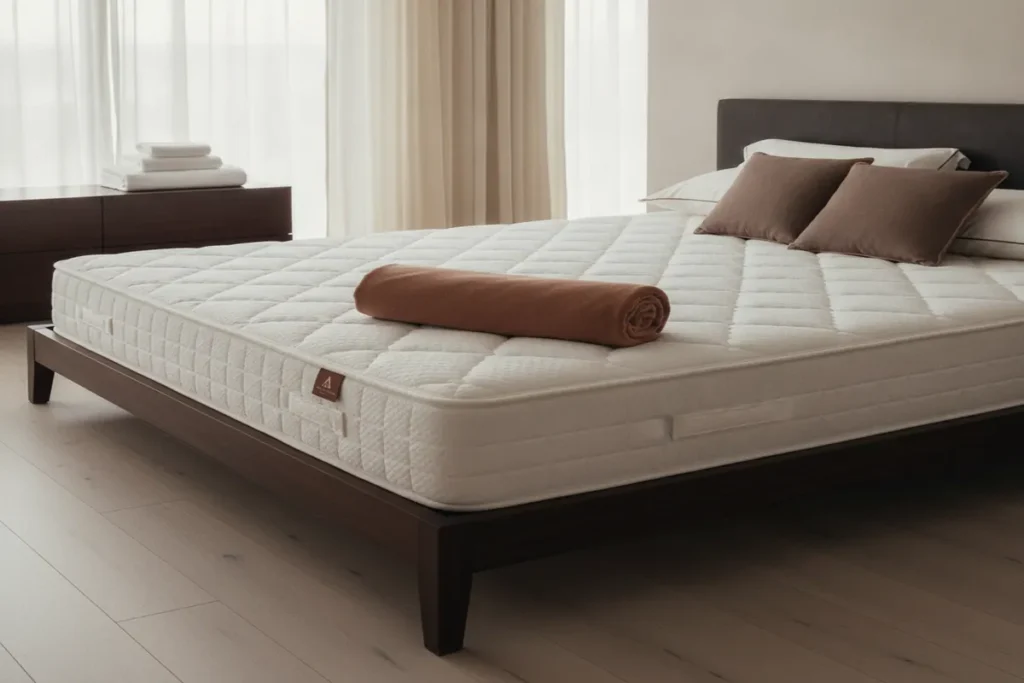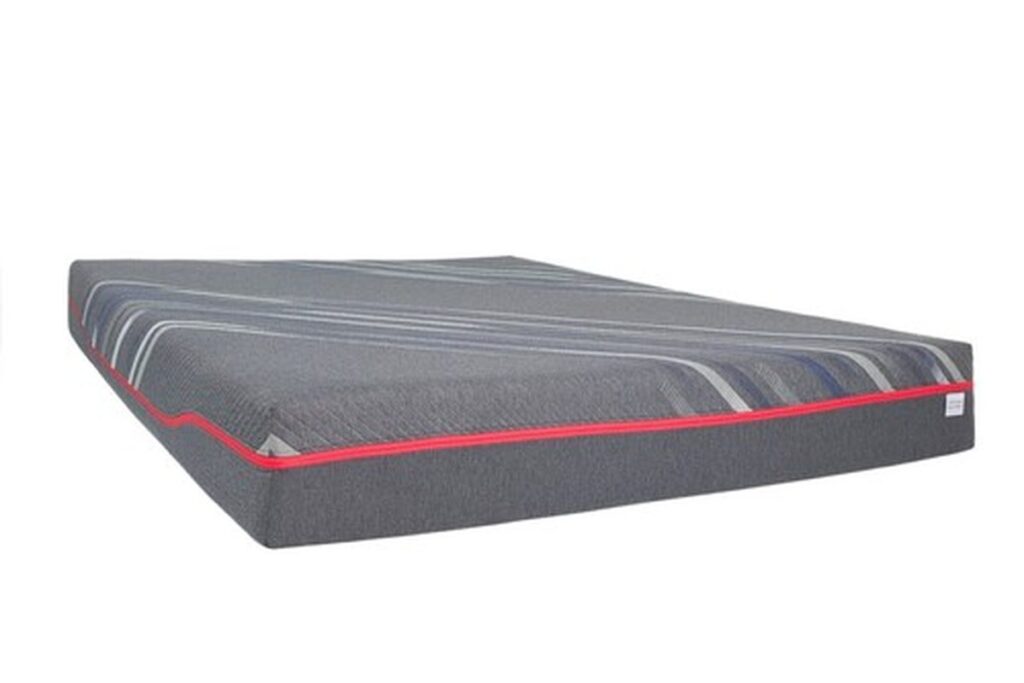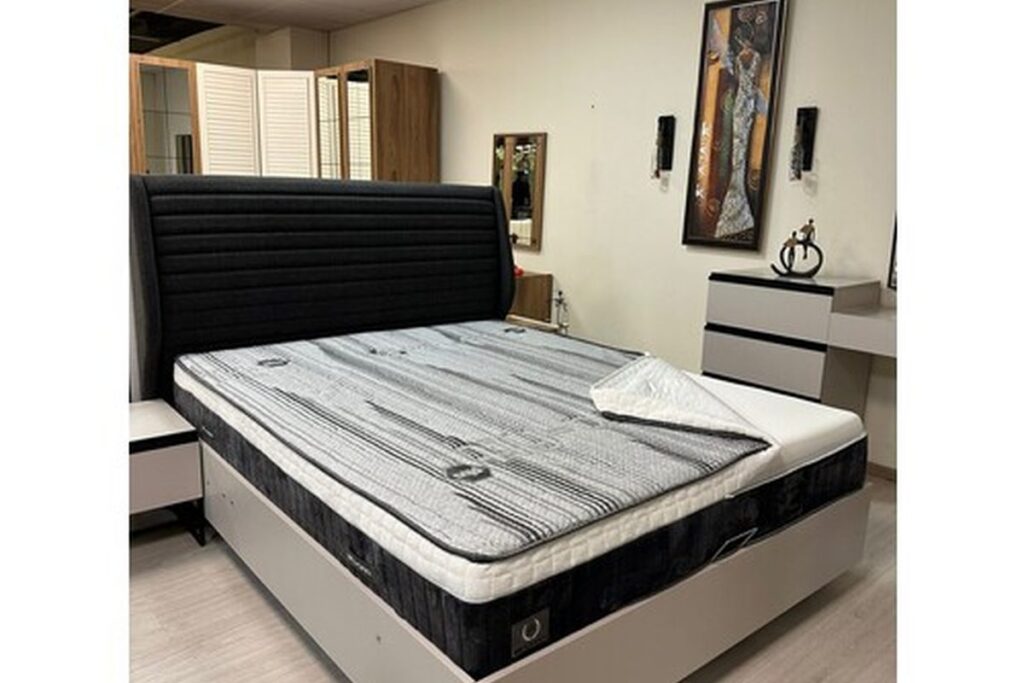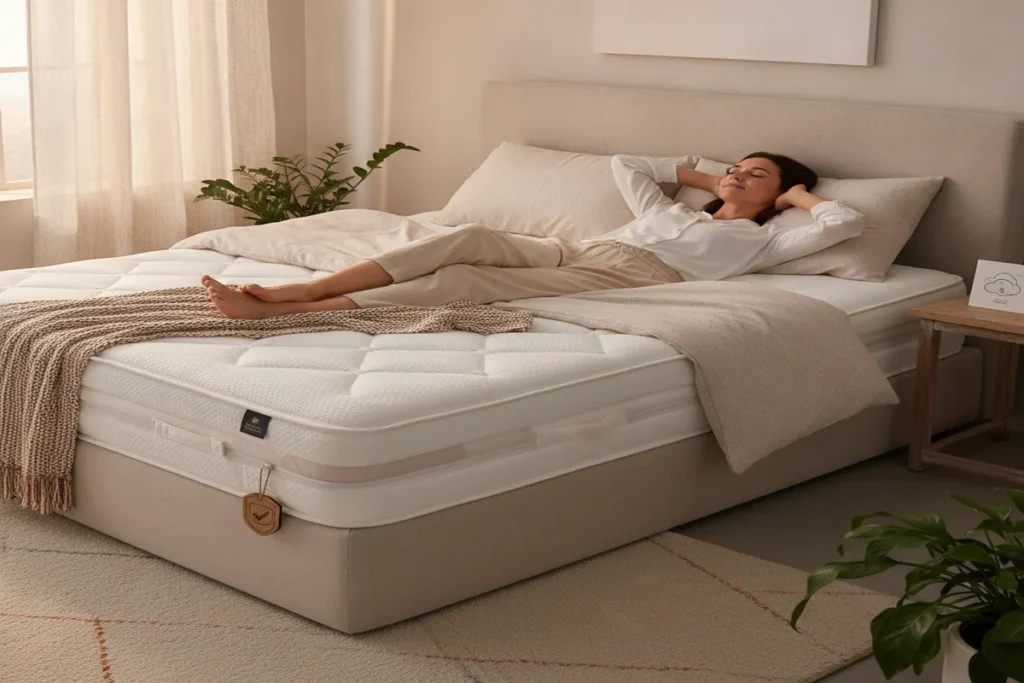

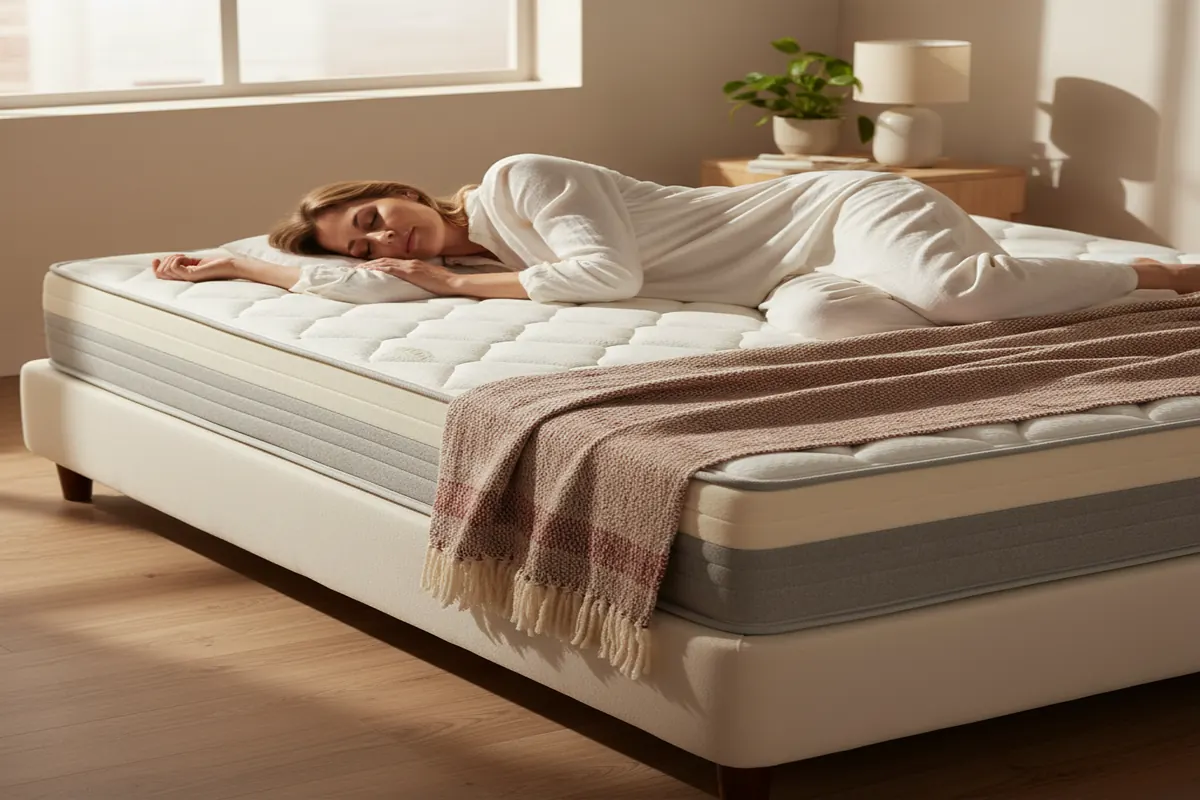
For individuals grappling with persistent back pain, a foam mattress for people with back pain offers a uniquely tailored solution, fundamentally different from traditional spring systems. Its distinguishing characteristic lies in its unparalleled ability to conform precisely to the body’s contours, cradling pressure points and maintaining optimal spinal alignment. This adaptive support distributes body weight evenly, alleviating stress on the lumbar region, hips, and shoulders, which are common culprits in back discomfort, ultimately promoting restorative sleep and reducing morning stiffness.
Quick Summary
- Foam mattresses excel at pressure relief and spinal alignment for back pain
- Memory foam and latex foam are primary choices, each with distinct properties
- Firmness level is crucial, tailored to sleep position and body type
- Avoiding common mistakes like incorrect firmness is key to relief
What Makes Foam Mattresses Uniquely Suited for Back Pain Relief?
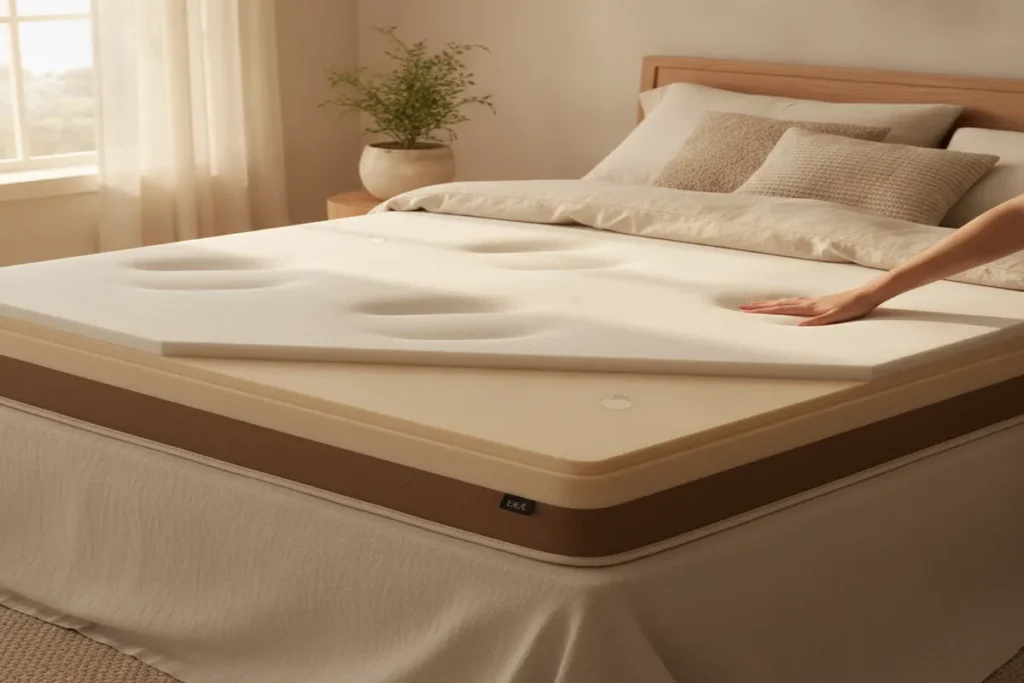
The core advantage of a foam mattress for back pain relief stems from its inherent material properties. Unlike innerspring mattresses that offer generalized support and can create pressure points where coils push against the body, foam dynamically responds to weight and heat, molding itself to the sleeper’s unique shape. This personalized contouring is critical for therapeutic support.
Here’s why foam stands out:
-
Superior Pressure Relief: Foam, especially memory foam mattress varieties, excels at absorbing pressure. When you lie down, the foam slowly compresses and adapts, distributing your body weight over a larger surface area. This significantly reduces pressure on sensitive areas like the hips, shoulders, and lower back, which are often aggravated by traditional mattresses. For those with chronic pain conditions, this can translate to fewer painful pressure points and improved circulation.
-
Optimal Spinal Alignment: Maintaining a neutral spinal alignment is paramount for back pain sufferers. A good foam mattress helps keep the spine in its natural S-curve, preventing it from sagging or arching unnaturally. This is achieved through the material’s ability to fill the gaps created by the body’s curves, providing consistent support from head to toe. Proper alignment reduces strain on ligaments, muscles, and discs, which can lead to long-term relief.
-
Motion Isolation: Many foam mattresses, particularly those with dense memory foam layers, offer excellent motion isolation. This means that movement on one side of the bed is minimally transferred to the other. For couples, this can be a significant benefit, as it prevents disturbances from a restless partner, allowing for uninterrupted sleep, which is crucial for the body’s healing process.
-
Durability and Consistent Support: High-quality foam mattresses are engineered for longevity, often maintaining their supportive properties for many years without significant sagging. This consistent support over time ensures that the therapeutic benefits for back pain continue to deliver night after night, unlike some traditional mattresses that can develop dips or soft spots. Sinyora Yatak‘s commitment to quality ensures our foam mattresses, including our Visco Foam Mattress and Latex Foam Mattress, provide durable, reliable support.
How Do Different Foam Mattress Types Impact Back Pain?
Not all foam mattresses are created equal, especially when addressing back pain. The primary types—memory foam, latex foam, and polyfoam—each possess distinct characteristics that influence their suitability for therapeutic support. Understanding these differences is key to choosing the best foam mattress for back pain.
Memory Foam Mattresses: The Contouring Champion
Memory foam, or viscoelastic foam, is renowned for its ability to soften and conform to the body in response to heat and pressure. This deep contouring provides exceptional pressure relief and spinal alignment, making it a popular choice for back pain sufferers.
-
Benefits for Back Pain:
- Personalized Support: Molds precisely to your body, distributing weight evenly and eliminating pressure points.
- Spinal Alignment: Fills the natural curves of the spine, maintaining a neutral position.
- Motion Isolation: Absorbs movement, ideal for couples.
-
Considerations:
- Can sometimes retain heat (though modern designs often incorporate cooling technologies).
- May have a slower response time, giving a “stuck” feeling for some.
-
Example: Brands like Tempur-Pedic (often synonymous with high-end memory foam, addressing “best Tempurpedic mattress for back pain”) and products like Novaform Serafina Pearl are well-known examples of quality memory foam constructions. Sinyora Yatak’s Visco Foam Mattress offers similar advanced contouring.
Latex Foam Mattresses: The Responsive Alternative
Latex foam is derived from rubber tree sap (natural latex) or synthetic compounds. It offers a more buoyant and responsive feel than memory foam, while still providing excellent pressure relief and support.
-
Benefits for Back Pain:
- Responsive Support: Adapts quickly to movement, preventing the “stuck” feeling.
- Even Pressure Distribution: Offers robust support that gently cradles the body without deep sinking.
- Durability and Breathability: Generally more durable and naturally cooler than traditional memory foam.
- Hypoallergenic: Natural latex is resistant to dust mites and mold, beneficial for allergy sufferers.
-
Considerations:
- Can be heavier and more expensive, especially natural latex.
- Some may prefer the deeper hug of memory foam.
-
Example: Sinyora Yatak’s Latex Foam Mattress leverages the natural resilience and supportive properties of latex for a firmer yet adaptive feel.
Polyfoam (Polyurethane Foam): The Versatile Foundation
Polyfoam is a general term for polyurethane foam, often used as a base layer or in comfort layers of varying densities. While less specialized than memory or latex foam, it plays a crucial role in the overall structure and support of many all-foam mattresses.
-
Benefits for Back Pain:
- Supportive Base: Provides foundational stability and prevents sagging, crucial for long-term spinal alignment.
- Cost-Effectiveness: Helps keep mattress prices accessible.
- Versatility: Can be engineered in various densities and firmness levels.
-
Considerations:
- On its own, it may not offer the same level of contouring or pressure relief as memory or latex foam.
- Quality varies significantly by density and manufacturing process.
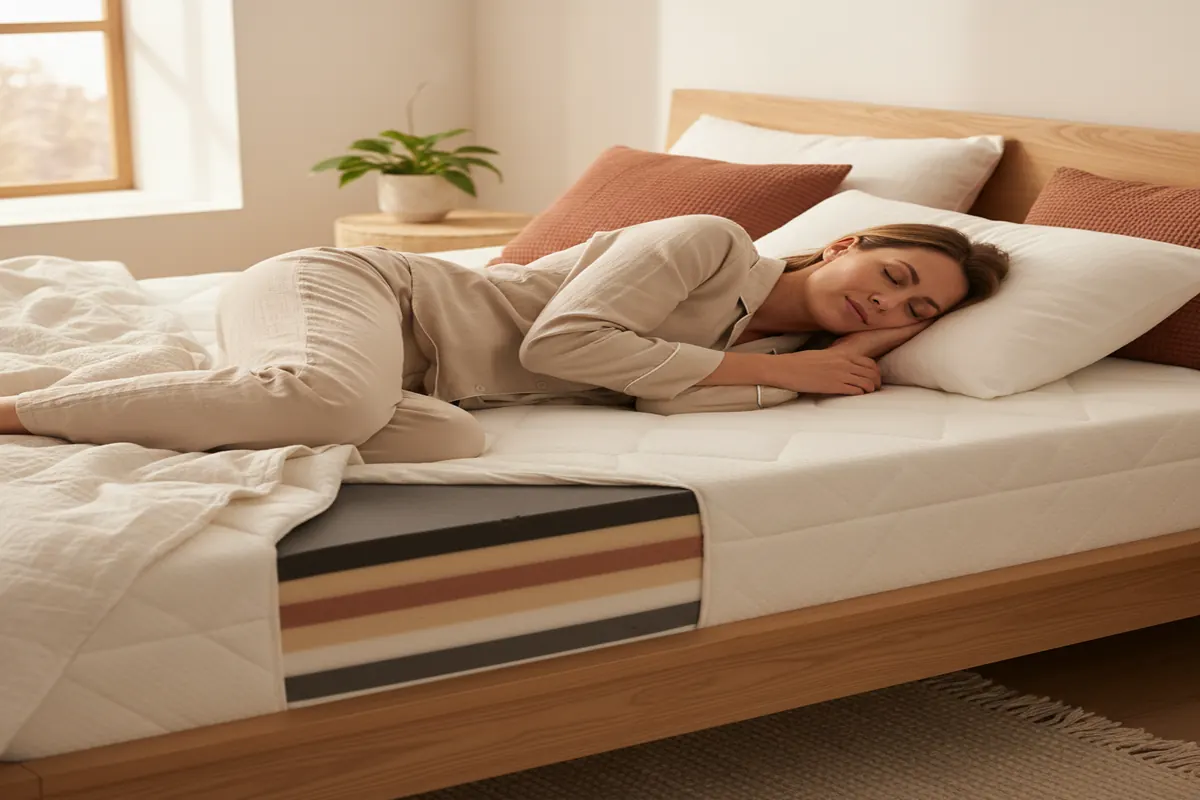
Here’s a comparison table to summarize their impact on back pain:
What Firmness Level is Best for Back Pain Sufferers and Specific Sleep Positions?
Choosing the correct firmness is perhaps the most critical decision for a foam mattress for people with back pain. There’s no universal “best” firmness; it’s highly individual, depending on your preferred sleep position, body weight, and the specific nature of your back pain (e.g., best foam mattress for lower back pain).
Understanding Firmness and Back Pain
Many believe a rock-hard mattress is best for back pain, but this is often a misconception. A mattress that’s too firm can create new pressure points, while one that’s too soft allows the spine to sag out of alignment. The ideal is a balance: supportive enough to keep the spine straight, but soft enough to cushion pressure points.
-
Medium-Firm is Often Ideal: For the majority of back pain sufferers, a medium-firm foam mattress strikes the right balance. It provides adequate support to prevent spinal misalignment while offering enough give to relieve pressure on the hips and shoulders.
-
Body Weight Matters:
- Lighter individuals (under 130 lbs): May find a medium-soft to medium mattress more comfortable, as they don’t sink as deeply to activate firmer layers.
- Average individuals (130-230 lbs): Medium-firm is generally the sweet spot.
- Heavier individuals (over 230 lbs): Often require a firmer mattress with denser foam layers to prevent excessive sinking and maintain proper support.
Firmness for Different Sleep Positions
Your dominant sleep position dictates where your body needs the most support and cushioning.
-
Side Sleepers:
- Challenge: The hips and shoulders bear the brunt of the body’s weight, requiring significant cushioning to prevent pressure buildup. If the mattress is too firm, the spine can curve unnaturally.
- Ideal Firmness: Medium to medium-firm. This allows the shoulders and hips to sink just enough to keep the spine aligned while providing adequate support to the waist. Look for a foam mattress for side sleepers with back pain that emphasizes contouring comfort layers. Sinyora Yatak offers specialized foam mattresses designed to cradle side sleepers.
-
Back Sleepers:
- Challenge: Maintaining the natural S-curve of the spine, especially in the lumbar region. A mattress that’s too soft can cause the lower back to sink, while one that’s too firm can create a gap under the lumbar area.
- Ideal Firmness: Medium-firm to firm. This range provides robust support that prevents the hips from sinking too deeply, keeping the spine in a neutral position. The foam should still contour sufficiently to support the lumbar curve.
-
Stomach Sleepers:
- Challenge: This position often exacerbates back pain because the hips tend to sink too far into the mattress, over-arching the lower back and straining the neck.
- Ideal Firmness: Firm. A firmer surface is crucial to keep the hips elevated and aligned with the shoulders, minimizing the arch in the lower back. Stomach sleepers should also consider a flatter pillow or no pillow to maintain neck alignment.
What Common Mistakes Should You Avoid When Choosing a Foam Mattress for Back Pain?
Selecting the right foam mattress for people with back pain is a significant investment in your health, and several common pitfalls can derail your efforts. Avoiding these mistakes will significantly increase your chances of finding lasting relief.
1. Choosing the Wrong Firmness Level
This is the most frequent and impactful mistake. As discussed, a mattress that’s too soft allows for excessive sinking, disrupting spinal alignment, particularly in the lower back. Conversely, a mattress that’s too firm can create pressure points on the hips and shoulders, leading to discomfort and poor circulation.
- How to Avoid:
- Don’t rely solely on online descriptions; try to test mattresses in person if possible.
- Consider your body weight and sleep position carefully.
- Prioritize mattresses with generous trial periods (e.g., 90-120 nights) to test it at home. Sinyora Yatak’s policies are designed to give you peace of mind.
2. Ignoring Your Primary Sleep Position
Each sleep position has unique support requirements. A mattress perfect for a back sleeper might be detrimental to a side sleeper.
- How to Avoid:
- Honestly assess your dominant sleep position (side, back, stomach).
- Research specific recommendations for your position when considering foam types and firmness. For instance, a Turkish Mattress for Side Sleepers might have particular foam arrangements.
3. Overlooking Mattress Construction and Layers
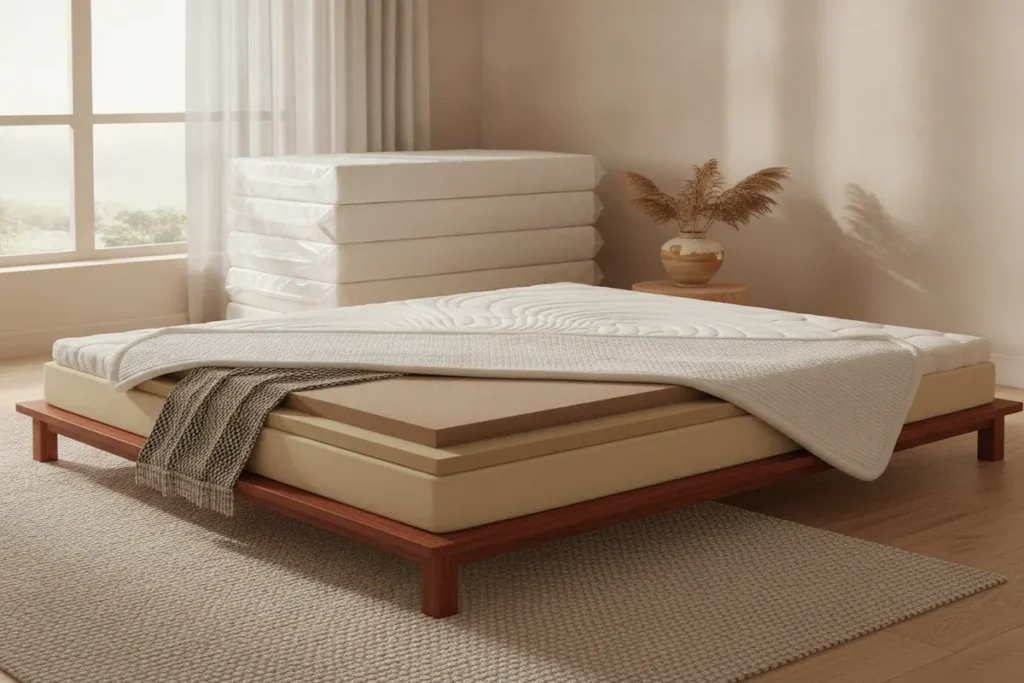
Many “foam mattresses” are not entirely uniform. They often consist of multiple layers of different foam types (e.g., memory foam comfort layer over a polyfoam support core). The quality and arrangement of these layers dramatically affect performance.
- How to Avoid:
- Look beyond the top layer. Inquire about the density and type of foam used in all layers. High-density foams generally offer better durability and support.
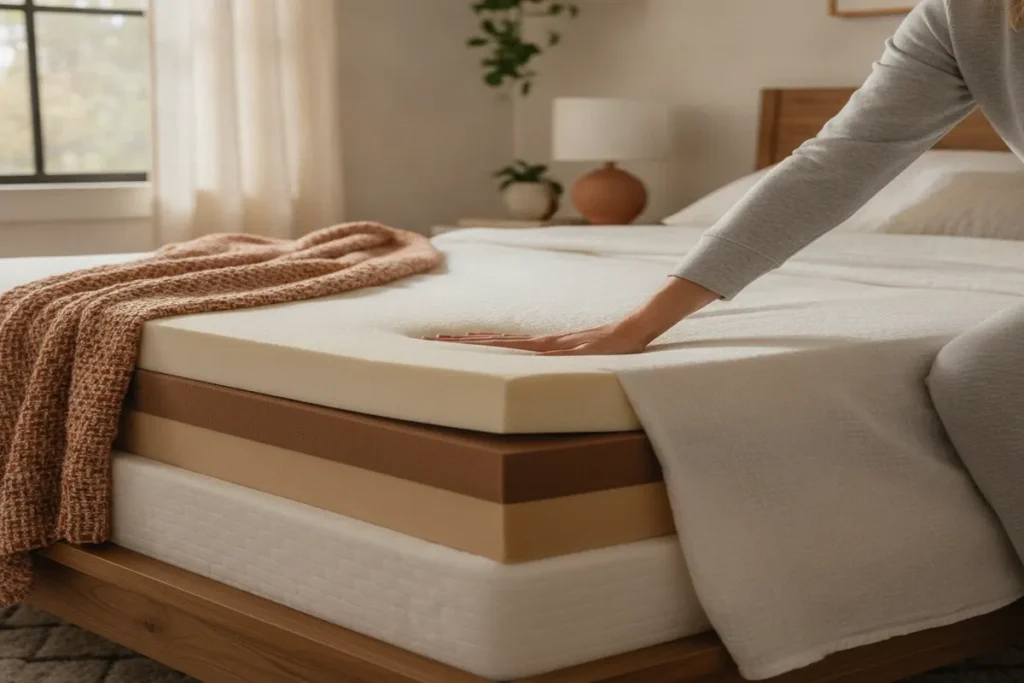
- Understand the role of each layer: comfort layers for pressure relief, transition layers for gradual support, and base layers for foundational stability. Sinyora Yatak provides detailed information on our Construction Mattress designs.
4. Not Considering Body Weight and Type
A mattress will respond differently to various body weights. A heavier individual will sink more deeply into the same mattress than a lighter person, requiring a firmer, more robust support system.
- How to Avoid:
- Look for manufacturers who provide firmness recommendations based on body weight.
- If you’re significantly heavier, prioritize mattresses with higher-density foams and a strong support core to prevent premature sagging.
5. Skipping the Trial Period and Warranty Information
A mattress feels different after a few nights than it does after a few minutes in a showroom. A generous trial period is essential for ensuring the mattress truly alleviates your back pain.
- How to Avoid:
- Always choose mattresses with at least a 90-night sleep trial.
- Read the Warranty Information and Return Policy carefully to understand what’s covered and your options if the mattress doesn’t work out. This builds trust and confidence in your purchase.
6. Neglecting Your Pillow
Even the perfect mattress can’t fix poor spinal alignment if your pillow isn’t right. A pillow that’s too high or too flat can strain your neck and upper back, negating the benefits of your mattress.
- How to Avoid:
- Consider a new pillow when you buy a new mattress.
- Choose a pillow that supports your head and neck in alignment with your spine, complementing your sleep position. Explore Sinyora Yatak’s Pillow Collection, including Visko Pillows Neck Support and Latex Pillows Neck Support.
How Do You Evaluate a Foam Mattress for True Spinal Alignment and Pressure Relief?
Evaluating a foam mattress for its therapeutic benefits requires a systematic approach beyond just lying on it for a few minutes. True spinal alignment and effective pressure relief are the hallmarks of a good foam mattress for people with back pain.
Here’s a practical checklist and decision framework to guide your evaluation:
Spinal Alignment Checklist:
-
Lie in Your Dominant Sleep Position: Spend at least 10-15 minutes in your usual sleeping posture.
-
Observe Your Spine (with help): Have a partner or friend observe your spine from behind.
- Side Sleepers: Your spine should appear relatively straight from your neck to your tailbone. There shouldn’t be a noticeable dip in your waist or an upward curve at your hips.
- Back Sleepers: Your spine should maintain its natural S-curve. Your lower back should feel supported, not excessively arched or flat.
-
Feel for Gaps: For back sleepers, slide your hand under your lower back. There should be minimal space, indicating the mattress is conforming to your lumbar curve. For side sleepers, check if the mattress supports the curve of your waist.
-
Check for Sagging: Ensure your hips aren’t sinking too far, which would cause your spine to bend unnaturally. This is particularly crucial for preventing lower back pain.
-
Neck Alignment: Pay attention to your head and neck. They should be in line with the rest of your spine, not tilted up or down. Your pillow plays a significant role here, so ensure you’re using one appropriate for your sleep position.
Pressure Relief Assessment:
-
Identify Pressure Points: Focus on areas that typically bother you: shoulders, hips, lower back, and knees.
-
Feel for “Pushback”: A good foam mattress should cradle these areas, not push against them. You shouldn’t feel any sharp points of pressure.
-
Even Weight Distribution: Imagine your body weight being evenly distributed across the entire surface of the mattress. There should be no sensation of specific body parts digging in.
-
Test Motion Isolation: If you share a bed, have your partner move around slightly. You should feel minimal disturbance, indicating good motion isolation which contributes to uninterrupted, restorative sleep.
-
Comfort Over Time: While difficult in a short test, a truly pressure-relieving mattress should feel comfortable and supportive, not just initially, but after extended periods. This is where a home trial becomes invaluable.
Decision Framework:
-
Initial Comfort: Does the mattress feel immediately comfortable and inviting?
-
Support vs. Cushioning: Does it offer a good balance? Is it firm enough to support but soft enough to cushion?
-
Spinal Alignment Test: Pass the visual and tactile spinal alignment checks for your sleep position.
-
Pressure Point Test: Are your typical pressure points alleviated? No sharp pains or undue pressure.
-
Edge Support (Optional but helpful): Can you sit or lie comfortably near the edge without feeling like you’ll roll off? This can extend the usable surface area of a queen size mattresses or larger.
-
Considerations for “Hot Sleepers”: If you tend to sleep hot, look for foam mattresses with cooling technologies (gel infusions, open-cell structure, phase-change materials) or consider Latex Foam Mattress options which are naturally cooler.
By following this comprehensive evaluation, you can move beyond subjective impressions and make a more informed decision about whether a specific foam mattress genuinely offers the therapeutic benefits you need for your back pain.
Understanding the Benefits of Foam Mattresses for Back Pain Beyond Immediate Relief
While immediate relief from aches and pains is the primary goal, the advantages of a quality foam mattress extend far beyond the initial comfort. For individuals with back pain, these long-term and broader benefits contribute significantly to overall well-being and quality of life.
1. Improved Sleep Quality and Duration
Chronic back pain often leads to fragmented sleep, as discomfort can cause frequent waking or difficulty falling asleep. A supportive foam mattress, by alleviating pain and promoting comfort, helps:
-
Reduce Tossing and Turning: Less discomfort means fewer position changes throughout the night.
-
Increase Deep Sleep Cycles: When the body is comfortable and aligned, it can spend more time in restorative deep sleep and REM cycles, which are crucial for physical and mental recovery.
-
Longer Sleep Duration: With fewer interruptions, individuals are more likely to achieve the recommended 7-9 hours of sleep.
2. Enhanced Daily Function and Productivity
The ripple effect of better sleep directly impacts waking hours:
-
Reduced Morning Stiffness: Proper spinal alignment and pressure relief prevent muscles and joints from stiffening overnight.
-
Increased Energy Levels: Restorative sleep boosts energy, allowing for more productive days.
-
Improved Mood and Cognitive Function: Better sleep reduces irritability and enhances focus, concentration, and problem-solving abilities. This can be particularly beneficial for managing chronic pain, as stress and fatigue can exacerbate symptoms.
3. Potential for Long-Term Spinal Health
Investing in a mattress that consistently supports proper spinal alignment can have preventative benefits:
-
Reduced Risk of Further Injury: By keeping the spine in a neutral position, a good foam mattress can help prevent exacerbation of existing conditions or the development of new issues.
-
Support for Posture: Consistent support can subtly reinforce good posture even when not sleeping, as the body becomes accustomed to proper alignment.
-
Muscle Relaxation: When the spine is properly supported, the surrounding muscles can fully relax and recover, reducing chronic tension and spasms often associated with back pain.
4. Hypoallergenic and Hygienic Properties
Many foam mattresses, particularly those made with latex or high-density memory foam, offer advantages for a healthier sleep environment:
-
Resistance to Allergens: Dense foam structures are less hospitable to dust mites, mold, and mildew compared to traditional innerspring mattresses with open coil systems. This is particularly beneficial for those with allergies or asthma, who often experience disrupted sleep.
-
Ease of Cleaning: While not directly washable, foam mattresses often pair well with protective covers that are easy to clean, maintaining a hygienic sleep surface.
By considering these broader benefits, it becomes clear that a quality foam mattress for people with back pain isn’t just a temporary fix but a foundational element for a healthier, more comfortable life.
Expert Insight
“The paradigm shift from generalized support to personalized contouring is what truly sets modern foam mattresses apart for back pain sufferers. It’s not just about firmness; it’s about the material’s intelligent response to individual body mechanics. Industry experts confirm that mattresses engineered with advanced viscoelastic or natural latex foams, which prioritize both dynamic pressure relief and consistent spinal alignment, are consistently recommended by chiropractors and physiotherapists as a crucial component of a holistic approach to managing chronic back pain.”
Key Terms
-
Memory Foam (Viscoelastic Foam): A type of polyurethane foam that softens and conforms to the body in response to heat and pressure, offering excellent pressure relief and contouring.
-
Latex Foam: A resilient and responsive foam, derived from rubber tree sap (natural) or synthetic materials, known for its buoyancy, durability, and breathability.
-
Spinal Alignment: The maintenance of the spine’s natural S-curve from neck to lower back, crucial for preventing and alleviating back pain.
-
Pressure Relief: The ability of a mattress to distribute body weight evenly, reducing concentrated force on sensitive areas like hips, shoulders, and the lumbar region.
-
All-Foam Mattress: A mattress constructed entirely from various layers of foam (e.g., memory foam, latex foam, polyfoam) without any innerspring coils.
A short comparison to help you make a better decision.
How Can You Upgrade to More Comfortable Sleep with Sinyora Yatak?
At Sinyora Yatak, we understand that quality sleep is not a luxury, but a necessity, especially for those managing back pain. Our meticulously engineered foam mattresses are designed with your therapeutic needs in mind, drawing on decades of expertise in mattress craftsmanship. If you’re ready to transcend restless nights and awaken to a pain-free morning, explore our specialized Mattress Collection.
Whether you’re seeking the deep contouring comfort of a Visco Foam Mattress or the responsive, breathable support of a Latex Foam Mattress, Sinyora Yatak offers solutions tailored to your unique requirements. Our commitment to using high-quality materials and innovative design ensures superior pressure relief and optimal spinal alignment, addressing the core issues of back pain. As a leading manufacturer in Turkiye, we pride ourselves on What Makes Turkish Mattresses Special, combining traditional craftsmanship with modern sleep science. We offer Mattress Wholesale in Turkiye and can Ship Turkish Mattresses Internationally, bringing our exceptional comfort directly to your home. Don’t let back pain dictate your life; invest in a Sinyora Yatak mattress and rediscover the profound difference truly restorative sleep can make. Visit our Shop All Products page or Contact Us for Support to find your perfect sleep solution today.
Frequently Asked Questions
Q: Is a firm foam mattress always better for back pain?
Q: How long does a foam mattress typically last for someone with back pain?
Q: Can a foam mattress help with lower back pain specifically?
Q: Are foam mattresses hot to sleep on, especially for back pain sufferers?
Q: What is the difference between memory foam and latex foam for back pain?
Q: Should I consider an **all-foam** mattress or one with a spring base for back pain?