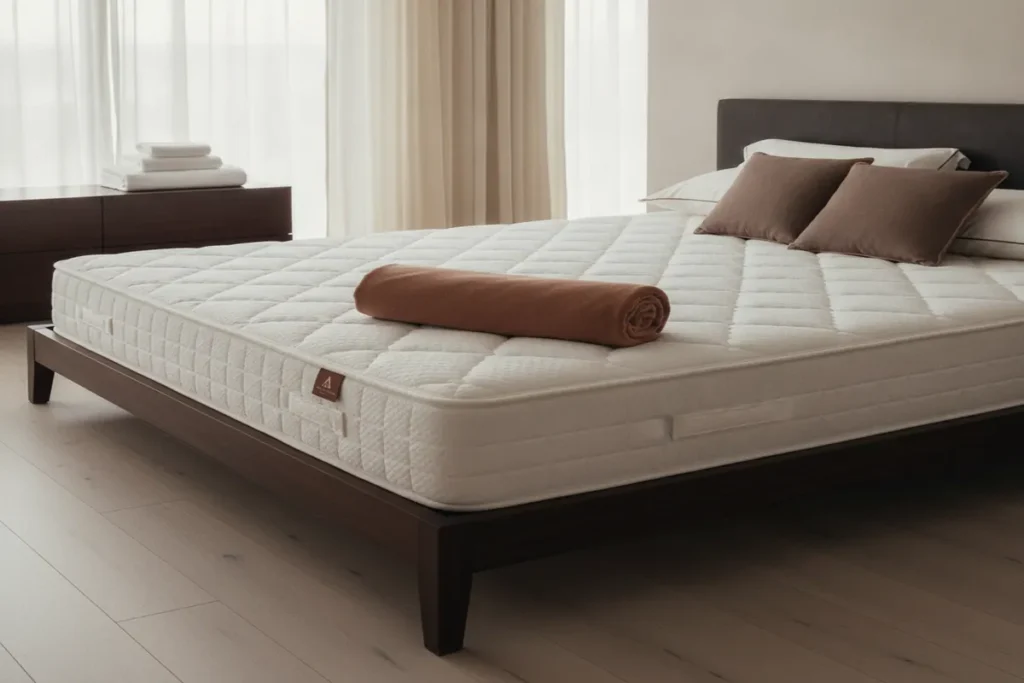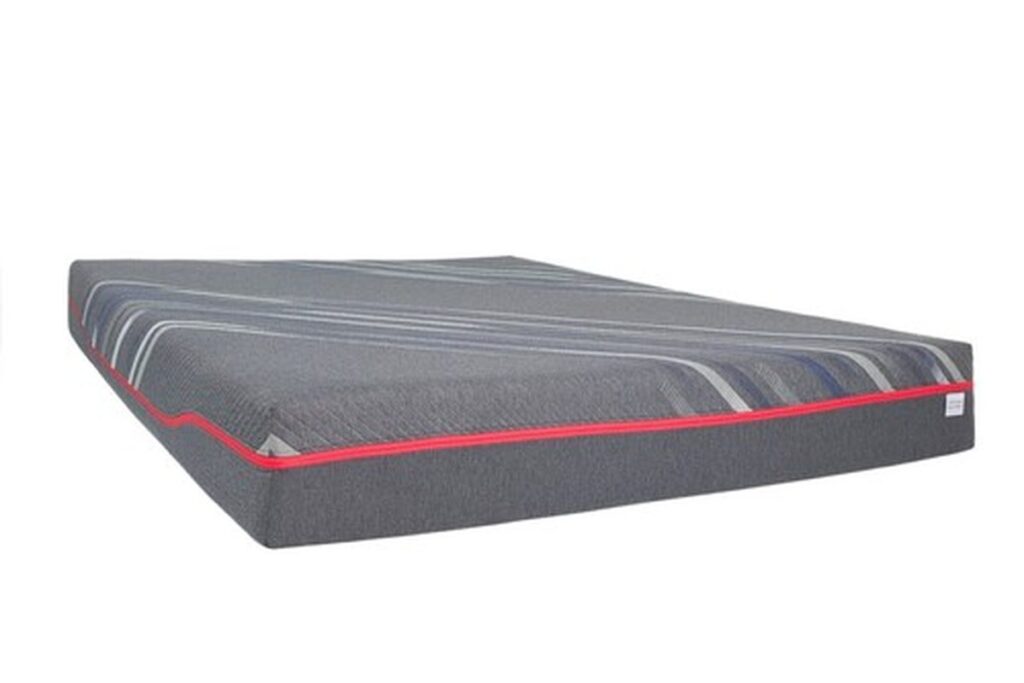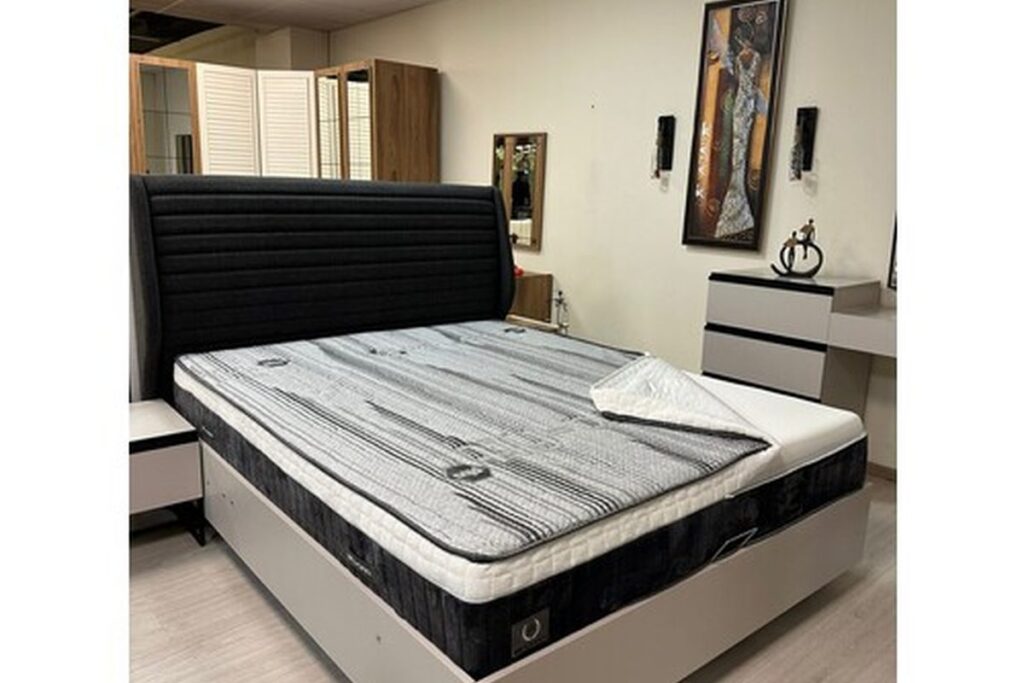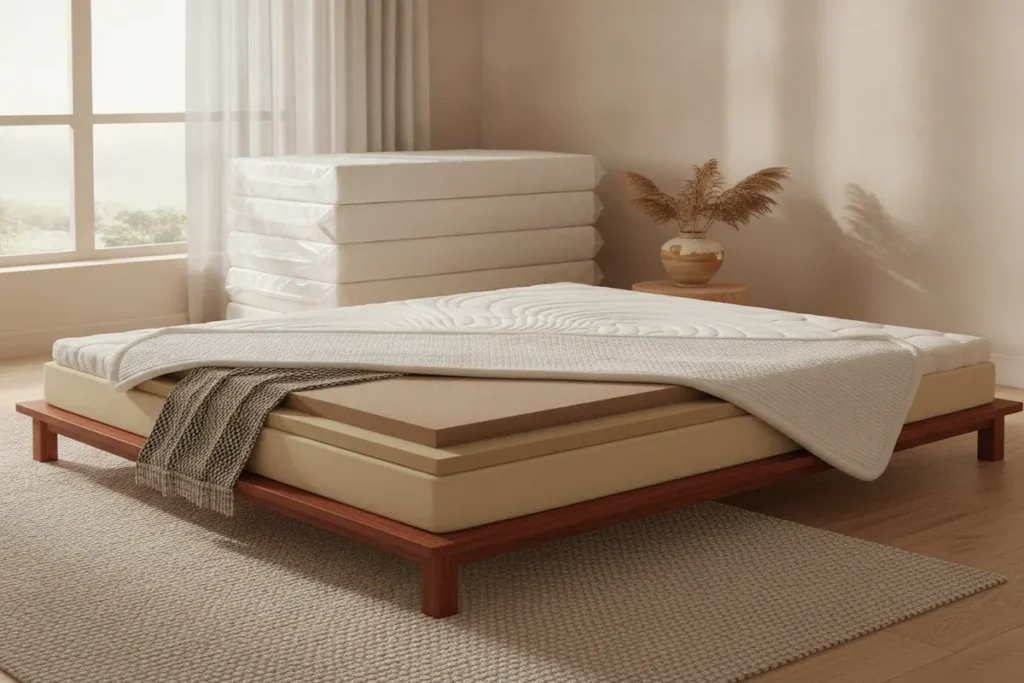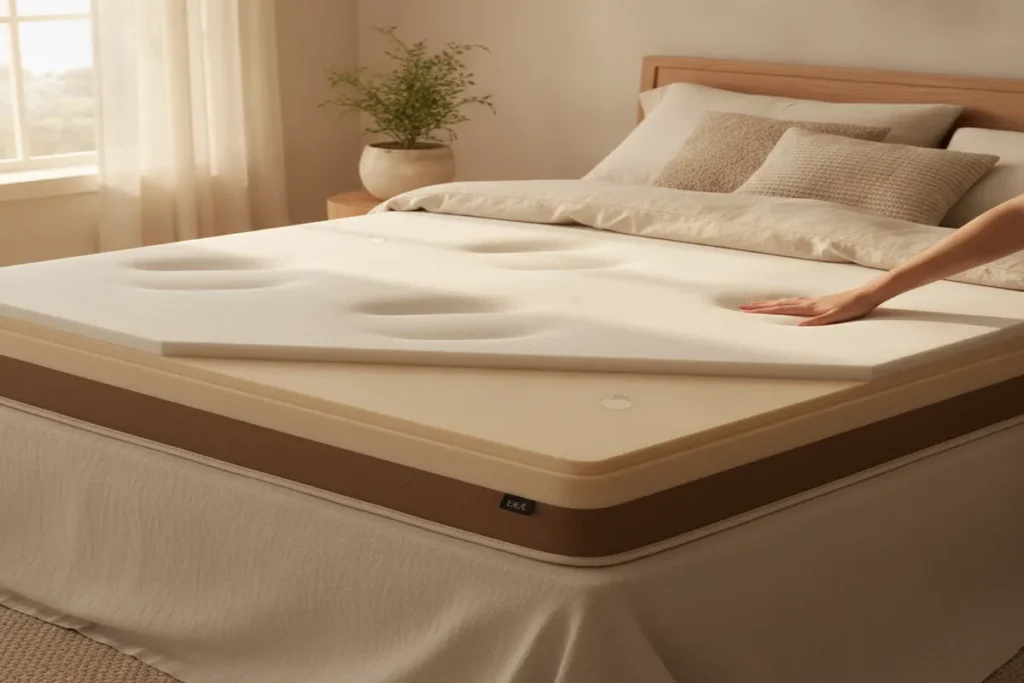

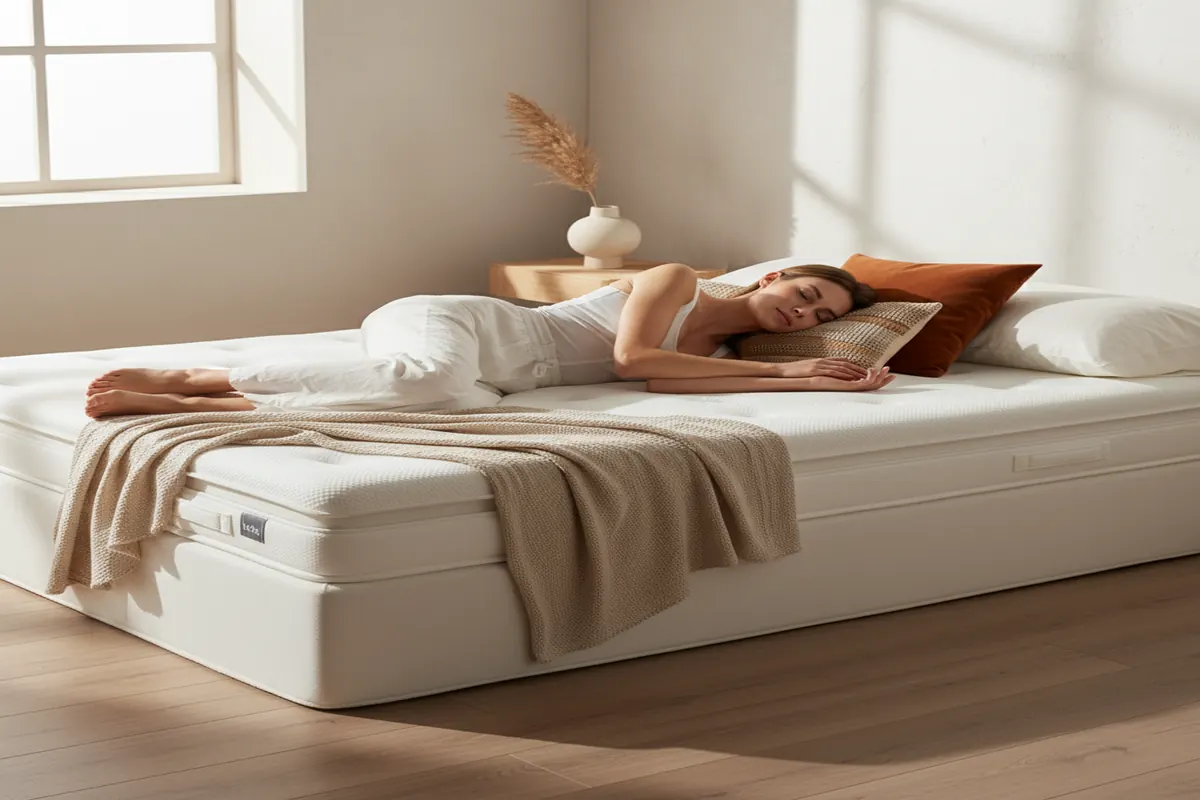
A foam mattress for lightweight people is specifically engineered to provide optimal comfort, support, and pressure relief for individuals who weigh under approximately 130 pounds (60 kg). Unlike standard mattresses designed for average weights, these specialized mattresses feature softer foam densities and responsive materials that allow lighter bodies to properly sink in and engage with the comfort layers. This ensures adequate contouring, spinal alignment, and the prevention of common issues like pressure points or feeling like you’re sleeping “on top” of the mattress rather than in it.
Quick Summary
- Lightweight individuals require specialized foam mattresses for proper support and pressure relief
- these mattresses typically feature softer foams and adaptive layers
- choosing involves considering foam type, firmness, and material quality
- they prevent common issues like pressure points and lack of contouring
What is a foam mattress designed for lightweight sleepers, and why does it matter?
A foam mattress for lightweight people is not just any foam mattress; it’s a carefully calibrated sleep surface designed to cater to the unique needs of individuals with lighter body weights. For someone who weighs less than 130 pounds, a mattress that feels “medium-firm” to an average-sized person might feel unyielding and excessively firm. This lack of proper give can lead to several sleep disturbances and discomforts.
Here’s why this specialization is crucial:
-
Weight Distribution: Lighter bodies exert less force on the mattress surface. A standard, firmer mattress won’t compress enough under a lightweight person, failing to activate its pressure-relieving layers.
-
Pressure Point Alleviation: Without adequate compression, weight isn’t distributed evenly. This leads to concentrated pressure points, particularly at the hips, shoulders, and knees, resulting in aches and pains.
-
Spinal Alignment: Proper spinal alignment is paramount for restorative sleep. A mattress that’s too firm for a lightweight sleeper can leave gaps between the body and the mattress, especially in the lumbar region, leading to poor posture and back pain. Conversely, one that’s too soft (though less common for lightweight sleepers if chosen correctly) can cause excessive sinking.
-
Contouring and Comfort: The primary benefit of foam is its ability to contour. For lightweight sleepers, this contouring needs to be gentle and immediate. Specialized foams react more readily to minimal pressure, cradling the body effectively.
These mattresses typically feature lower-density foams, softer ILD (Indentation Load Deflection) ratings, or specialized top layers that are more responsive to lighter pressure. This allows the sleeper to experience the full benefit of the mattress’s support and comfort systems, leading to deeper, more restorative sleep.
Why do lightweight individuals need specialized foam mattresses? The unique benefits.
Lightweight sleepers often encounter a common paradox: many mattresses are designed with the “average” sleeper in mind, which typically means someone weighing between 130 and 230 pounds. This oversight can lead to a less-than-ideal sleep experience for those with lighter bodies. Opting for a foam mattress specifically designed for this demographic unlocks a range of significant benefits that directly address these challenges.
Key advantages of a specialized foam mattress for lightweight individuals include:
-
Superior Pressure Relief: This is arguably the most critical benefit. Lighter bodies don’t exert enough force to properly compress standard foam layers, leaving pressure points unaddressed. Specialized softer foams allow the body to sink just enough to distribute weight evenly, reducing strain on joints like hips, shoulders, and knees. This gentle contouring prevents the “on top” feeling and cradles the body effectively.
-
Optimal Spinal Alignment: When a mattress is too firm, a lightweight person’s spine can remain misaligned, particularly for side sleepers whose hips and shoulders don’t sink adequately. A softer, more responsive foam mattress ensures that the natural curves of the spine are supported, promoting healthy alignment and reducing the risk of back pain.
-
Enhanced Comfort and Cradling: The goal is to feel enveloped and supported, not perched. These mattresses are engineered to provide a plush, inviting surface that adapts quickly to the body’s contours, offering a sense of immediate comfort and coziness.
-
Reduced Motion Transfer: Foam mattresses are inherently good at isolating motion. For lighter sleepers, especially those sharing a bed, this is a significant benefit. The softer foam layers absorb movement more effectively, meaning less disturbance from a restless partner.
-
Improved Sleep Quality: By addressing pressure points, ensuring spinal alignment, and providing superior comfort, a specialized foam mattress contributes directly to deeper, more uninterrupted sleep cycles. This translates to waking up feeling more refreshed and energized.
-
Greater Durability (for the right mattress): While some might assume softer means less durable, a well-constructed foam mattress designed for lightweight individuals uses high-quality, resilient foams that are appropriate for the intended weight. This ensures the mattress maintains its supportive properties over its lifespan without premature sagging, offering excellent Turkish Mattress Lifespan if sourced from quality manufacturers like Sinyora Yatak.
Choosing the right foam mattress means investing in sleep quality tailored to your specific physiological needs, ensuring that every night is truly restorative.
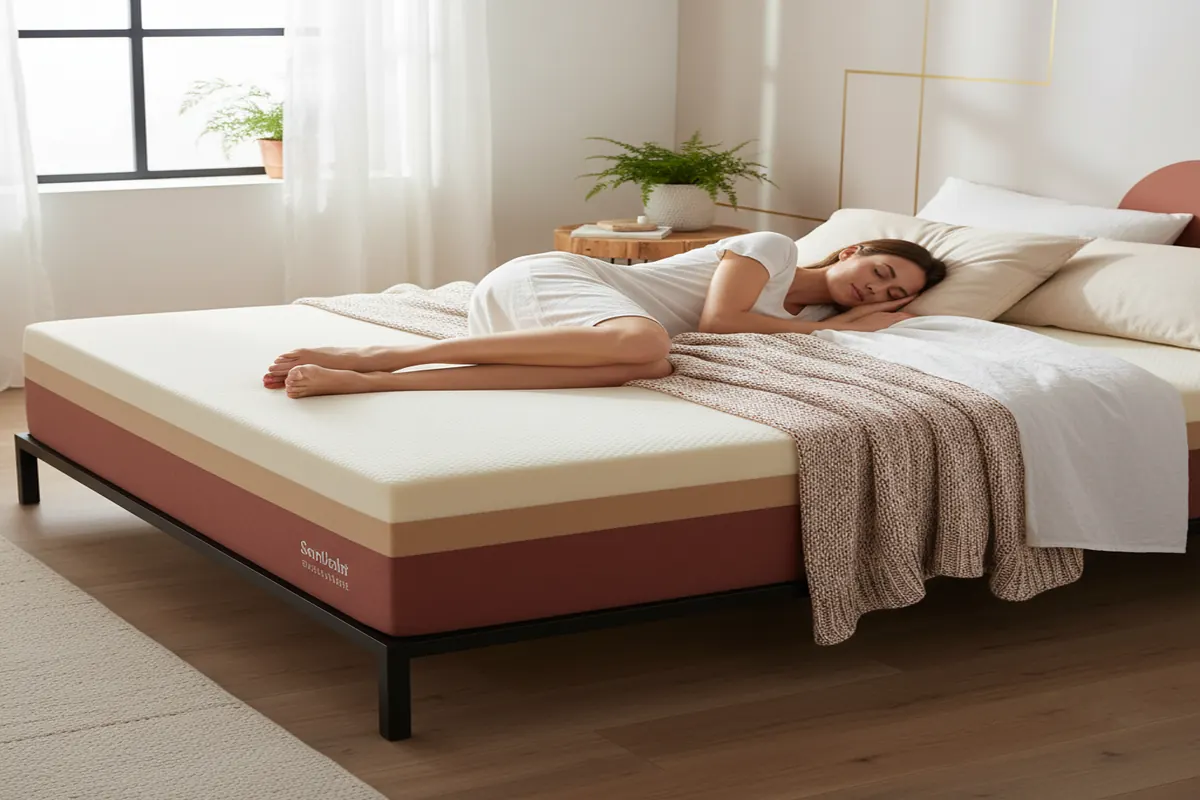
Choosing the ideal foam mattress: Key factors for lightweight bodies.
Selecting the perfect foam mattress when you have a lighter body weight requires a nuanced approach. It’s not simply about finding the softest option; it’s about finding the right balance of softness, support, and responsiveness that works with your specific sleep habits and preferences. Here’s a comprehensive guide to the key factors to consider:
1. Firmness Level: The Goldilocks Zone
For lightweight sleepers, firmness is paramount. The ideal range is typically softer than what an average-weight person would choose.
-
Soft to Medium-Soft: This is often the sweet spot. It allows enough sinkage for adequate pressure relief and contouring without feeling unsupportive.
-
Avoid anything labeled “firm” or “extra firm,” as these will likely feel like sleeping on a board, leading to pressure points and discomfort.
-
Consider your sleep position:
- Side Sleepers: Often require the softest options to allow hips and shoulders to sink deeply enough, maintaining spinal alignment. Explore Turkish Mattress for Side Sleepers for tailored options.
- Back Sleepers: Need a balance – soft enough for contouring, but firm enough to prevent the hips from sinking too much, keeping the spine in a neutral position.
- Stomach Sleepers: Even lightweight stomach sleepers need a slightly firmer feel than side sleepers to prevent excessive arching of the lower back. A medium-soft might still work, but ensure there’s enough pushback.
2. Foam Type and Layering
The type of foam significantly impacts feel, durability, and temperature regulation.
-
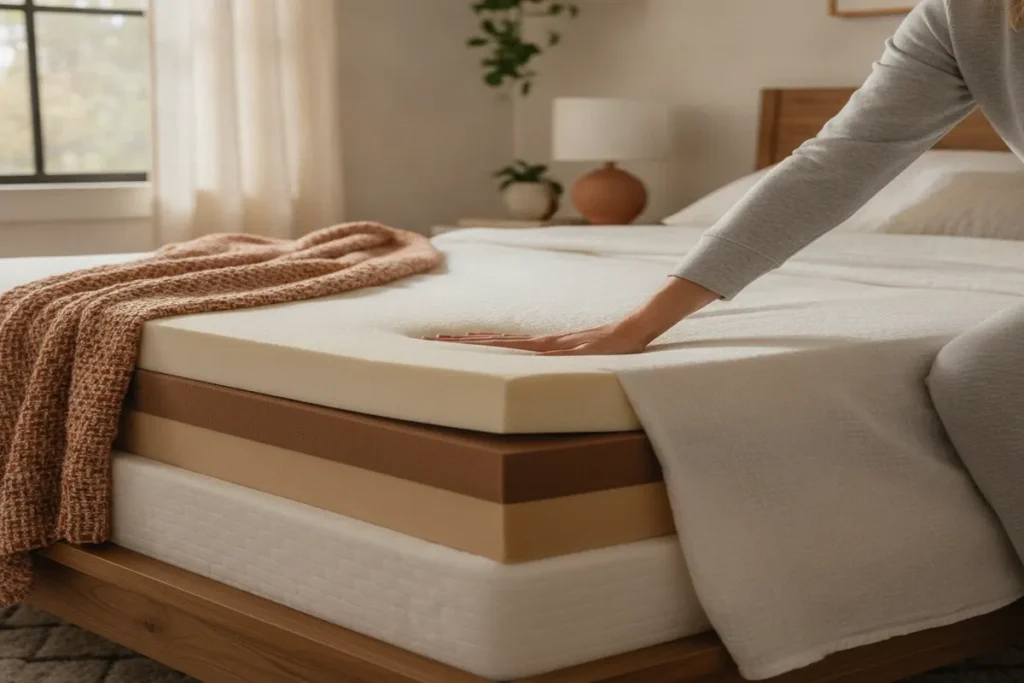
Memory Foam (Visco Foam Mattress): Known for its excellent contouring and pressure relief. For lightweight sleepers, look for lower-density memory foams or those with an open-cell structure for better responsiveness and less “stuck” feeling. A top layer of softer memory foam over a denser support core is ideal.
-
Latex Foam (Latex Foam Mattress): Offers a more buoyant and responsive feel than memory foam, with excellent durability and natural breathability. Natural latex can be an excellent choice for lightweight sleepers seeking gentle contouring without excessive sinkage. It’s often available in various firmness levels, making it adaptable.
-
Polyfoam: A versatile and often more affordable option. High-quality polyfoams can provide good support and comfort for lightweight individuals, especially when used in the comfort layers. Look for high-density polyfoam in the support core for durability.
-
Hybrid Mattresses: While the focus here is foam, a hybrid mattress with softer pocket coils and generous foam comfort layers can also be an excellent option. The coils provide targeted support and airflow, while the foam layers deliver the necessary pressure relief. Consider Pocket Coils Mattress options.
3. Material Quality and Density
Don’t confuse softness with low quality. High-quality, lower-density foams are still durable.
-
Density (for memory foam/polyfoam): For comfort layers, a density around 3-4 lbs/cubic foot can be ideal for lightweight sleepers. For the support core, higher densities (e.g., 1.8 lbs/cubic foot for polyfoam, 5+ lbs for memory foam) ensure longevity.
-
Certifications: Look for certifications like CertiPUR-US (for polyfoam/memory foam) or GOLS/GOTS (for organic latex) to ensure the foams are free from harmful chemicals.
4. Edge Support
While often overlooked, good edge support can be beneficial, especially for those who use the entire surface of the bed or sit on the edge. Stronger perimeter foams or reinforced edges prevent premature sagging.
5. Temperature Regulation
Some foams, particularly traditional memory foam, can retain heat.
- Cooling Features: Look for mattresses with gel infusions, open-cell foam structures, phase-change materials, or breathable covers to mitigate heat retention. Latex foam is naturally more breathable.
Decision Framework for Lightweight Sleepers:
By systematically evaluating these factors, lightweight individuals can confidently choose a foam mattress that truly enhances their sleep experience.
Types of foam mattresses for lightweight people: Which one is right for you?
When exploring foam mattress types for lightweight individuals, it’s crucial to understand that not all foams are created equal. Each type offers a distinct feel and set of benefits, making some more suitable than others for lighter bodies. Here’s a breakdown of the primary foam types and how they cater to lightweight sleepers:
1. Memory Foam (Visco Foam Mattress)
Characteristics: Memory foam, or viscoelastic foam, is renowned for its body-conforming properties. It softens in response to body heat and pressure, molding precisely to your shape. This creates a deeply cradling sensation and exceptional pressure relief.
Best for Lightweight People Because:
-
Outstanding Pressure Relief: Lighter bodies can fully engage with the top layers, allowing for precise contouring around shoulders, hips, and knees.
-
Motion Isolation: Excellent at absorbing motion, ideal for co-sleepers.
-
Variety in Firmness: Available in a wide range of densities and ILD ratings, making it easier to find a softer option.
-
Sinyora Yatak’s Visco Foam Mattress options are designed with advanced visco foam technology to ensure this precise adaptation.
Considerations:
-
Can sometimes retain heat, though newer generations often incorporate gel, copper, or open-cell designs to mitigate this.
-
Some may experience a “stuck” feeling if the foam is too dense or slow-response.
2. Latex Foam (Latex Foam Mattress)
Characteristics: Latex foam is derived from rubber trees (natural latex) or synthetic compounds. It’s known for its responsiveness, durability, and natural breathability. It offers a more buoyant, “on top” feel compared to memory foam, yet still provides excellent contouring.
Best for Lightweight People Because:
-
Responsive Support: Offers a gentle lift and contouring without the deep sink of memory foam, making it easier to change positions.
-
Durability: Natural latex is incredibly long-lasting.
-
Breathability: Naturally more breathable than many memory foams, contributing to a cooler sleep.
-
Hypoallergenic: Often a good choice for those with allergies.
-
Sinyora Yatak’s Latex Foam Mattress provides a natural, resilient comfort layer.
Considerations:
-
Generally more expensive than polyfoam or synthetic memory foam.
-
Can be quite heavy.
-
Some may find the buoyant feel less “hugging” than memory foam.
3. Polyfoam (Polyurethane Foam)
Characteristics: Polyfoam is the most common type of foam found in mattresses, often used as base layers or as comfort layers in more affordable models. It comes in a wide range of densities and firmness levels.
Best for Lightweight People Because:
-
Versatility: Can be engineered to be very soft and responsive for comfort layers.
-
Affordability: Generally the most budget-friendly foam option.
-
Balanced Feel: Offers a more generalized contouring compared to memory foam, without the same “hug.”
Considerations:
-
Quality varies significantly; lower-density polyfoams can break down faster.
-
May not offer the same level of precise pressure relief as high-quality memory foam or latex.
-
Look for high-density polyfoam in the support core for durability.
4. Hybrid Mattresses with Foam Comfort Layers
Characteristics: Hybrid mattresses combine an innerspring coil system (often Pocket Coils Mattress) with substantial foam comfort layers on top.
Best for Lightweight People Because:
-
Targeted Support: Pocketed coils can move independently, offering precise support and conforming to the body.
-
Airflow: The coil base allows for excellent airflow, making them cooler than all-foam options.
-
Bounce and Responsiveness: Offers a livelier feel than all-foam mattresses.
-
Customizable Comfort: Can be found with very soft top foam layers (memory foam or latex) to cater to lightweight sleepers’ pressure relief needs, combined with the robust support of coils.
Considerations:
-
Typically heavier and more expensive than all-foam options.
-
Motion transfer can be slightly higher than pure memory foam, though pocket coils minimize this.
For a lightweight individual, the choice often comes down to personal preference for feel: the deep hug of memory foam, the buoyant responsiveness of latex, or the balanced feel of a quality polyfoam or hybrid with soft foam layers. Consider trying out different types if possible, or consult detailed product descriptions and reviews focused on lighter sleepers.
Common pitfalls to avoid when selecting a lightweight foam mattress.
Even with a clear understanding of what makes a foam mattress suitable for lightweight individuals, it’s easy to fall into common traps that can lead to an unsatisfactory purchase. As an experienced field specialist, I’ve seen these mistakes repeatedly. Avoiding them will save you discomfort, money, and the hassle of returns.
Here are the most common pitfalls and how to steer clear:
-
Mistake 1: Assuming “Soft” Always Means Suitable.
- Pitfall: Many mattresses are marketed as “soft” but are still designed with average-weight individuals in mind. A generic soft mattress might still be too firm for a truly lightweight person, or it might lack the specific layering needed for proper pressure relief.
- Avoid It: Don’t just look for the word “soft.” Dig deeper into firmness ratings (e.g., a 3-5 on a 10-point scale where 1 is softest). Read reviews specifically from other lightweight sleepers. Inquire about the ILD (Indentation Load Deflection) of the comfort layers; lower ILD numbers (e.g., 10-15 for the top layer) are generally better for lighter bodies.
-
Mistake 2: Prioritizing Price Over Material Quality.
- Pitfall: Opting for the cheapest foam mattress can mean sacrificing material density and quality. Low-density, cheap foams will quickly break down, sag, and lose their supportive properties, regardless of how soft they initially feel.
- Avoid It: Invest in quality. Look for CertiPUR-US certified foams for polyurethane and memory foam, or GOLS/GOTS certified for organic latex. These certifications ensure durability and safety. While a Turkish Foam Mattress can offer excellent value, ensure the manufacturer specifies material quality and density.
-
Mistake 3: Overlooking Your Primary Sleep Position.
- Pitfall: What’s perfect for a lightweight side sleeper (very soft) might be too soft for a lightweight stomach sleeper (needs more support to prevent back arching).
- Avoid It: Clearly identify your dominant sleep position.
- Side Sleepers: Prioritize maximum pressure relief for shoulders and hips.
- Back Sleepers: Seek balanced contouring that supports the lumbar curve without excessive sinkage.
- Stomach Sleepers: Need a slightly firmer feel to keep the spine aligned and prevent the midsection from sinking too far.
-
Mistake 4: Not Utilizing Trial Periods and Return Policies.
- Pitfall: Buying a mattress without testing it in your home environment for an extended period is a gamble. What feels good for 5 minutes in a showroom might not after 8 hours.
- Avoid It: Always choose retailers or brands that offer a generous in-home sleep trial (e.g., 90-120 nights). Understand their Return Policy and Warranty Information fully before purchasing. This is your safety net.
-
Mistake 5: Ignoring Edge Support (Especially for Couples or Larger Beds).
- Pitfall: A mattress with poor edge support can feel smaller, as the edges might sag significantly when you sit or lie near them. This is particularly problematic for lightweight couples or those who spread out.
- Avoid It: Look for mattresses with reinforced edges or higher-density foam around the perimeter. While less critical for a single lightweight sleeper on a smaller bed, it’s a key factor for larger sizes or shared beds.
-
Mistake 6: Forgetting About Foundation Compatibility.
- Pitfall: Placing a foam mattress on an unsuitable foundation (e.g., an old box spring with wide gaps, a slatted base with too much space between slats) can lead to sagging, poor support, and void your warranty.
- Avoid It: Ensure your current Bed Base and Headboard is compatible, or purchase a new one designed for foam mattresses (e.g., a solid platform or slatted base with slats no more than 2-3 inches apart). Consult the manufacturer’s guidelines for recommended foundations.
By being aware of these common mistakes, lightweight individuals can make a much more informed decision and find a foam mattress that truly meets their specific sleep needs.
Understanding the investment: How much does a specialized foam mattress cost?
The cost of a foam mattress for lightweight people can vary significantly, much like any other specialized mattress. The price point is influenced by several factors, including the type and quality of foam, brand reputation, manufacturing location, and added features. It’s important to view this as an investment in your health and sleep quality, rather than just a commodity purchase.
Factors Influencing Cost:
-
Type of Foam:
- Polyfoam: Generally the most affordable. A high-quality polyfoam mattress can range from $400 – $800 for a Queen size.
- Memory Foam (Visco Foam Mattress): Mid-range to premium. Prices typically fall between $700 – $1,500+ for a Queen, depending on density, cooling features, and brand.
- Latex Foam (Latex Foam Mattress): Often the most expensive, especially natural and organic latex. A Queen size can range from $1,200 – $2,500+.
- Hybrid (with Foam Layers): Similar to latex, hybrids can be premium due to the combination of materials and complex construction. Expect $1,000 – $2,500+ for a Queen.
-
Material Quality and Density: Higher-density, more durable foams cost more. Certifications like CertiPUR-US or GOLS/GOTS also add to the cost but ensure quality and safety.
-
Brand and Manufacturing: Established brands with strong research and development, especially those with specialized manufacturing processes like Sinyora Yatak, may have higher price points. What Makes Turkish Mattresses Special often includes high-quality materials and craftsmanship, which can be a factor.
-
Special Features: Cooling technologies (gel infusions, phase-change materials), zoned support systems, reinforced edge support, and luxury covers (e.g., cashmere) will increase the price.
-
Size: Larger sizes (King, California King) will naturally cost more than smaller ones (Twin, Full).
General Price Ranges (Queen Size, Current Year 2026):
Note: These are general estimates. Prices can fluctuate based on sales, promotions, and specific retailer.
Is a Higher Price Always Better for Lightweight Sleepers?
Not necessarily. While very cheap mattresses should be approached with caution, a mid-range, high-quality memory foam or latex mattress specifically designed with softer comfort layers can be just as effective as a super-premium model for a lightweight individual. The key is finding the right construction and firmness for your body, not just the highest price tag.
How Much Does a Turkish Mattress Cost from Sinyora Yatak can offer competitive pricing for high-quality, durable foam mattresses due to efficient manufacturing and direct-to-consumer models, often providing excellent value compared to Western counterparts for similar quality. Always compare features, trial periods, and warranties alongside the price.
Your buying checklist: What to verify before purchasing a foam mattress.
Purchasing a foam mattress, especially one tailored for lightweight individuals, requires careful consideration. To ensure you make the best decision and avoid buyer’s remorse, use this comprehensive checklist. It covers everything from product specifics to logistical details.
Pre-Purchase Verification Checklist:
-
Firmness Rating & Lightweight Suitability:
- Is the mattress explicitly recommended for lightweight sleepers or individuals under 130 pounds?
- What is its firmness rating on a 1-10 scale (1 being softest)? Aim for 3-5.
- Are there reviews from other lightweight users confirming its comfort and support?
-
Foam Type and Layering:
- What type of foam is used in the comfort layers (memory foam, latex, polyfoam)?
- Are the top comfort layers soft and responsive enough for your weight?
- Is there a supportive base layer to prevent sagging over time?
- Are the foams CertiPUR-US certified (for memory/polyfoam) or GOLS/GOTS certified (for organic latex)?
-
Sleep Position Compatibility:
- Does the mattress support your primary sleep position (side, back, stomach) effectively for a lightweight body?
- Side sleepers: Ensures adequate sinkage for shoulders and hips.
- Back sleepers: Maintains natural spinal alignment.
- Stomach sleepers: Prevents lower back arching.
-
Pressure Relief & Spinal Alignment:
- Does the product description highlight superior pressure relief for lighter individuals?
- Are there features designed to promote healthy spinal alignment?
-
Temperature Regulation:
- Does the mattress incorporate cooling technologies (gel infusions, open-cell structure, breathable cover) if you tend to sleep hot?
- Is the foam naturally breathable (like latex)?
-
Edge Support:
- Does the mattress offer good edge support, especially if you share the bed or frequently sit on the edge?
-
Motion Isolation:
- Is the mattress effective at isolating motion, particularly if you sleep with a partner?
-
Trial Period & Return Policy:
- Is there a generous in-home sleep trial (e.g., 90-120 nights)?
- What is the Return Policy? Are there any fees (restocking, shipping) for returns?
- How easy is the return process? (e.g., do they pick it up?)
-
Warranty Information:
- What is the length and coverage of the Warranty Information?
- What specific defects are covered (e.g., sagging greater than a certain depth)?
- Are there any conditions that void the warranty (e.g., improper foundation)?
-
Delivery & Setup:
- What are the delivery options? Is white-glove delivery available (setup and old mattress removal)?
- What is the estimated delivery timeframe?
- Consider Ship Turkish Mattresses Internationally if ordering from Sinyora Yatak.
-
Foundation Compatibility:
- What type of Bed Base and Headboard or foundation is required/recommended for the mattress?
- Is your current foundation compatible, or will you need to purchase a new one?
-
Brand Reputation & Customer Service:
- Does the brand have a good reputation for quality and Customer Service?
- Are there readily available contact options (phone, email, chat) for Contact Us for Support?
By systematically going through this checklist, you’ll gather all the necessary information to make a confident and informed decision, ensuring your new foam mattress truly caters to your needs as a lightweight sleeper.
Where to find the best foam mattresses for lightweight sleepers online.
The online mattress market has exploded, offering an unprecedented selection of foam mattresses. For lightweight sleepers, finding the right one online means knowing where to look for specialized products and reliable retailers. Sinyora Yatak, with its commitment to quality and diverse Mattress Collection, is an excellent starting point, but other platforms and brands also cater to this niche.
Here’s where you can effectively shop for foam mattresses designed for lighter bodies:
1. Direct-to-Consumer (DTC) Mattress Brands
Many brands now sell directly to consumers online, often cutting out middlemen and offering competitive pricing. These brands frequently specialize in specific mattress types or cater to particular sleeper needs.
-
Sinyora Yatak (sinyorayatak.com): As a premier Turkish manufacturer, Sinyora Yatak offers a wide range of high-quality foam mattresses, including Visco Foam Mattress and Latex Foam Mattress options. Their expertise in diverse mattress construction allows them to craft models ideal for lightweight sleepers, focusing on materials that provide gentle contouring and pressure relief.
- Benefits: Direct access to manufacturer expertise, potential for better value (especially with Mattress Wholesale in Turkiye and international shipping), comprehensive product details, and dedicated Customer Service. Explore their Shop All Products and Buying Guides for specific recommendations.
-
Other Reputable DTC Brands: Many well-known online mattress companies offer variations in firmness. Look for those that explicitly mention “soft” or “plush” models and check their specifications for foam density and ILD ratings suitable for lighter individuals. Always read reviews from lightweight users.
2. Large Online Retailers and Marketplaces
Platforms like Amazon, Wayfair, and Overstock host numerous mattress brands. While they offer a vast selection, filtering for specific needs like “foam mattress for lightweight people” can be more challenging.
- Tips for Shopping Here:
- Use specific search terms (e.g., “soft memory foam mattress lightweight”).
- Filter by firmness level, if available.
- Crucially, read customer reviews and pay attention to those from lightweight individuals. Look for comments on pressure relief and whether the mattress felt too firm.
- Verify the return policy of the specific seller, as it can vary from the platform’s general policy.
3. Specialty Mattress Retailers (Online)
Some online stores focus specifically on curated collections of mattresses, often providing more detailed information and personalized recommendations.
- Benefits: These retailers often have staff knowledgeable about different body types and sleep needs, potentially offering better guidance than large marketplaces. They may also carry niche brands not found elsewhere.
4. Reading Reviews and Guides
Before making a purchase, leverage independent review sites and sleep blogs.
-
Expert Reviews: Look for reviews that specifically test mattresses for different body weights and sleep positions.
-
User Reviews: Prioritize reviews from individuals with similar body types and sleep preferences.
-
Sinyora Yatak’s Blog: Check their Sleep Health Blog and Lifestyle Blog for articles and insights that can guide your decision-making.
Key Considerations When Buying Online:
-
Sleep Trial: Always prioritize retailers offering a generous in-home sleep trial (e.g., 90-120 nights). This allows you to test the mattress thoroughly in your own environment.
-
Return Policy: Understand the exact Return Policy, including any potential fees or requirements for returning a mattress.
-
Warranty: Review the Warranty Information carefully to know what’s covered and for how long.
-
Customer Support: Ensure the retailer has responsive Contact Us for Support channels in case you have questions or issues.
By focusing your search on brands and retailers that understand the specific requirements of lightweight sleepers, and by diligently checking product specifications and reviews, you can confidently find the perfect foam mattress online.
Expert Insight
“For lightweight sleepers, the common misconception is that any soft mattress will do. However, true comfort and spinal alignment come from a mattress where the top layers are specifically engineered to respond to minimal pressure, allowing the sleeper to fully engage with the pressure-relieving foam. This isn’t about being ‘soft’ in a general sense, but about being ‘adaptive’ and ‘responsive’ to a lighter body mass. Failing to achieve this means the mattress will feel too firm, leading to significant pressure points and poor sleep quality over time.” – Industry experts confirm that personalized firmness is key.
Key Terms
-
Lightweight Sleeper: An individual typically weighing under 130 pounds (approximately 60 kg), who often requires a softer, more responsive mattress to achieve proper contouring and pressure relief.
-
ILD (Indentation Load Deflection): A measurement used to determine the firmness of foam. A lower ILD number indicates softer foam, which is generally preferred for the comfort layers of mattresses for lightweight individuals.
-
Pressure Relief: The ability of a mattress to distribute body weight evenly, reducing localized pressure on sensitive areas like shoulders, hips, and knees, thereby preventing discomfort and improving blood circulation.
-
Spinal Alignment: The ideal posture of the spine when lying down, where the natural curves are maintained and supported, leading to reduced back pain and improved sleep health.
-
Contouring: The way a mattress shapes itself to the curves of the body, providing a customized fit and support that cradles the sleeper.
How Can You Upgrade to More Comfortable Sleep with Sinyora Yatak?
At Sinyora Yatak, we understand that exceptional sleep is not a one-size-fits-all experience. For lightweight sleepers seeking the ultimate in comfort and tailored support, our Mattress Collection offers meticulously engineered foam mattresses designed to meet your unique needs. From our plush Visco Foam Mattress options that gently cradle your body to our resilient Latex Foam Mattress selections providing buoyant, responsive comfort, we prioritize materials and construction that ensure proper pressure relief and spinal alignment for lighter bodies.
Explore our range of high-quality Turkish Foam Mattress products, renowned for their durability and craftsmanship. With options like the Cashmere Bed for luxurious softness or the Avant-Garde Bed for advanced support, we invite you to discover a Sinyora Yatak mattress that feels custom-made for you. Visit our Shop All Products page or consult our Buying Guides to find the perfect solution for your most restorative sleep yet. Our commitment to comfort, backed by comprehensive Warranty Information and dedicated Customer Service, ensures you’re investing in quality sleep that lasts.
Frequently Asked Questions
Q: What firmness level is best for a lightweight person?
Q: Can a lightweight person sleep on a firm mattress?
Q: What type of foam mattress is best for side sleepers under 130 lbs?
Q: Do foam mattresses last as long for lightweight people?
Q: How can I tell if a mattress is too firm for my lightweight body?
Q: Where can I try a Sinyora Yatak foam mattress designed for lightweight sleepers?