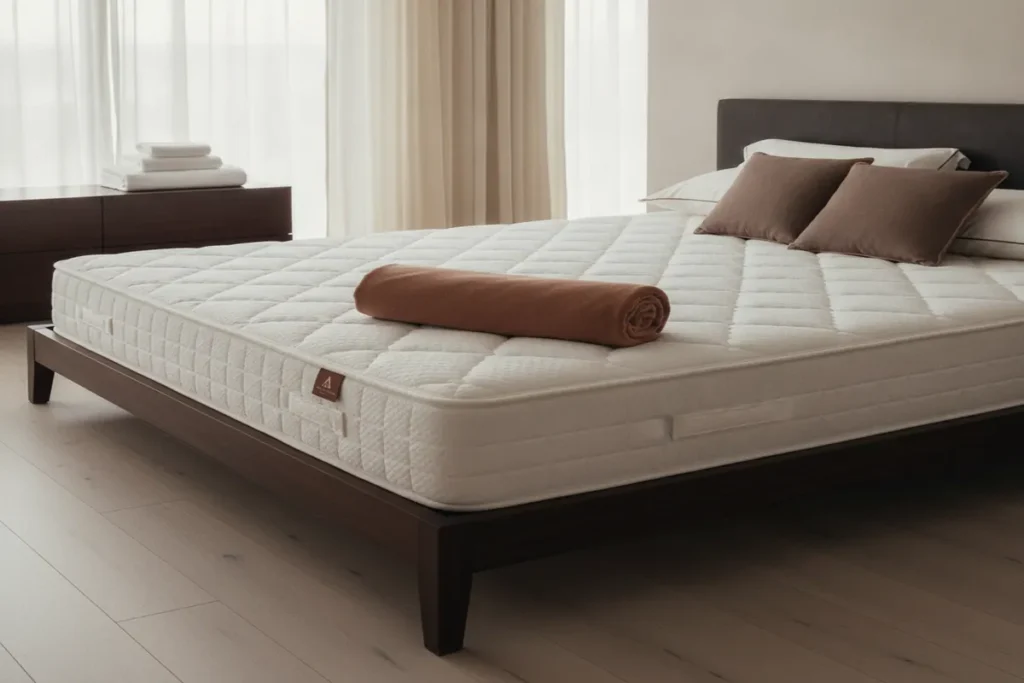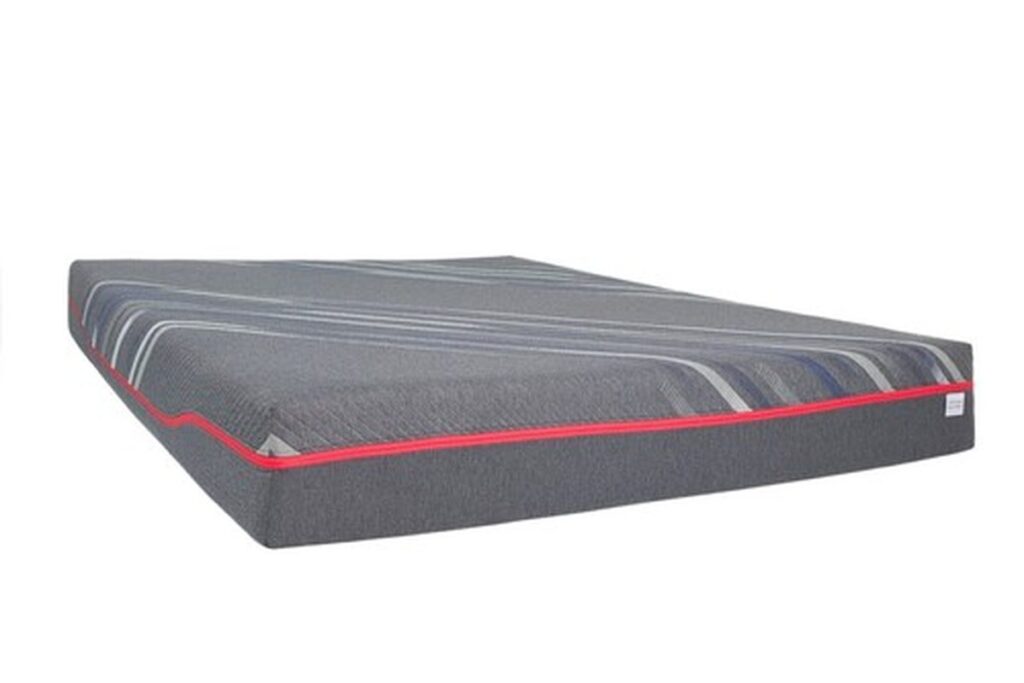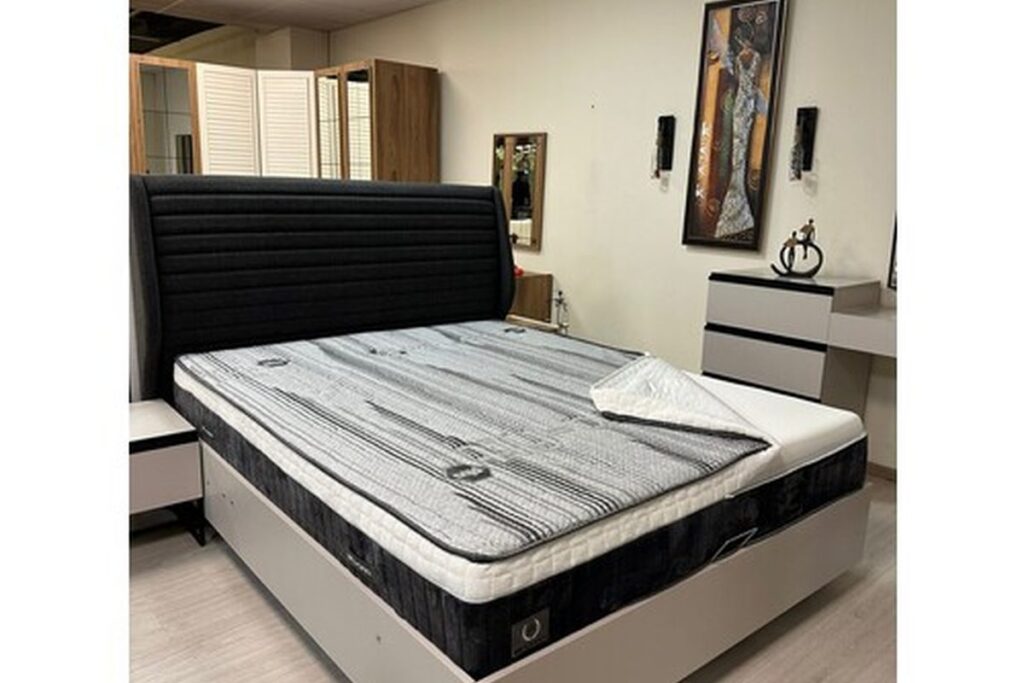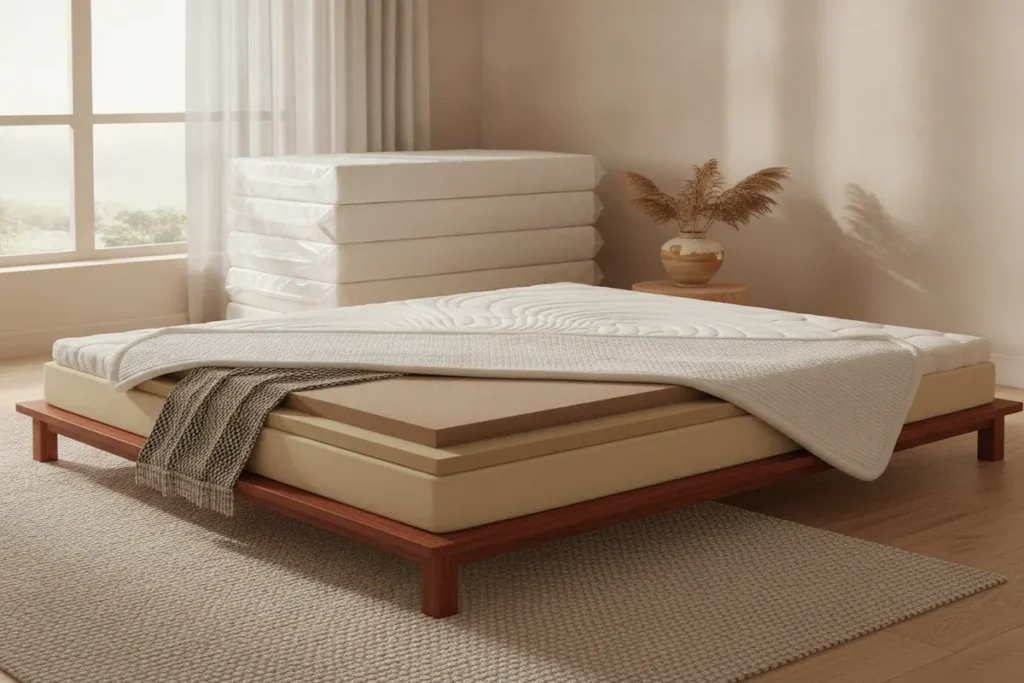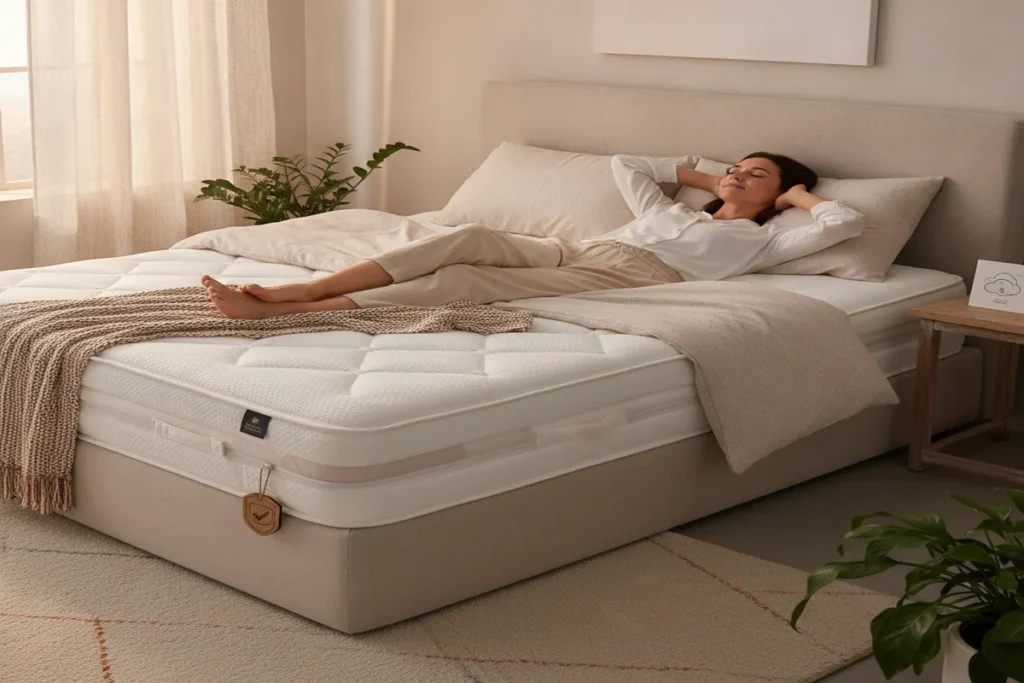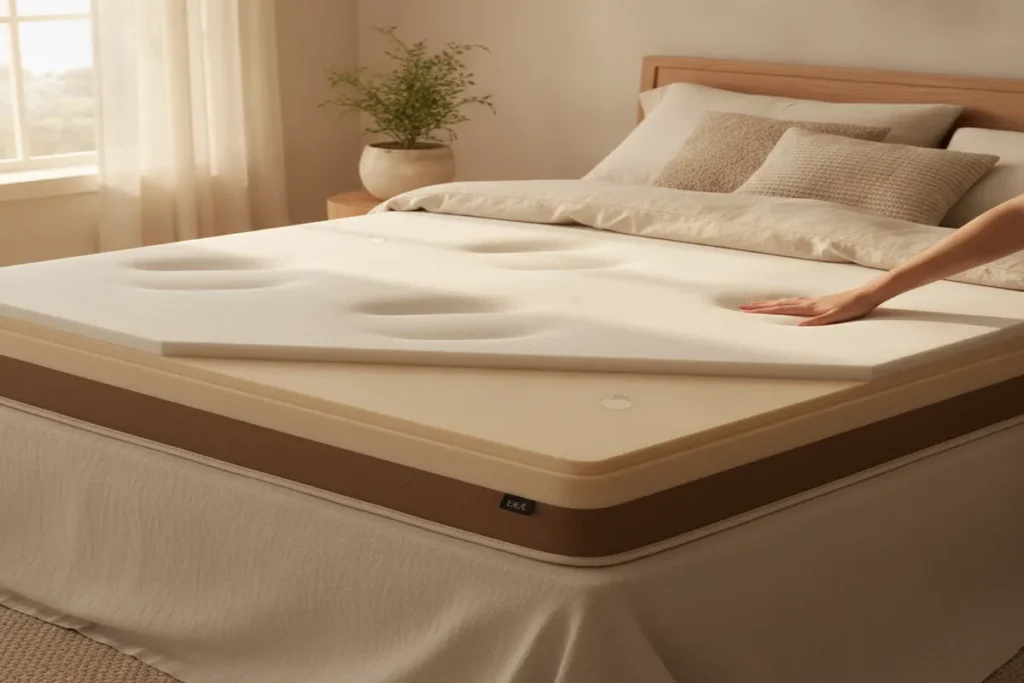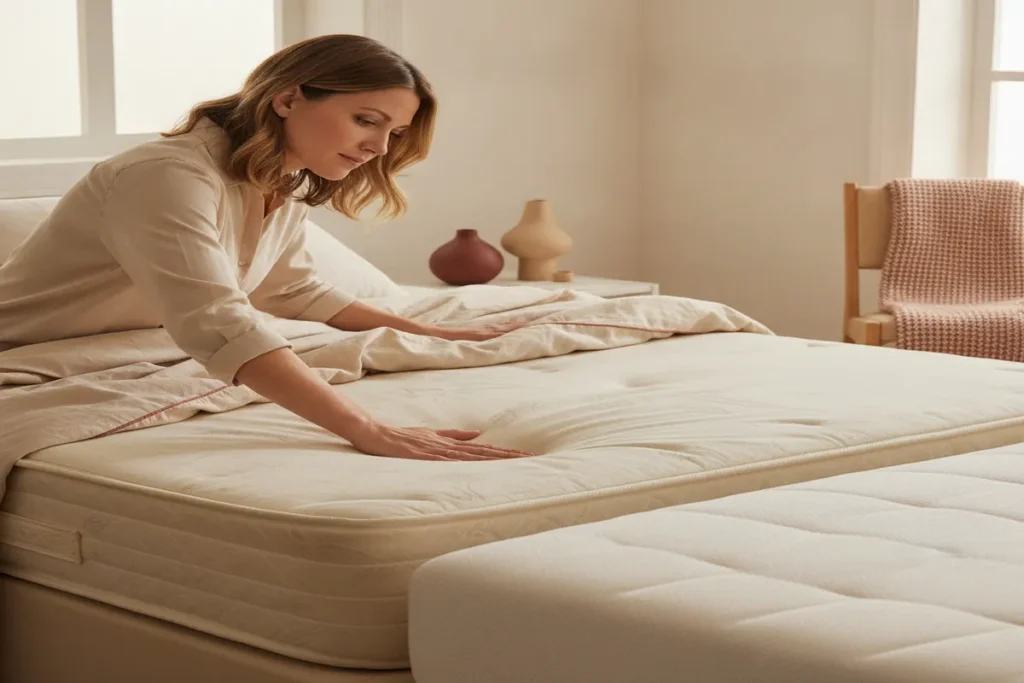

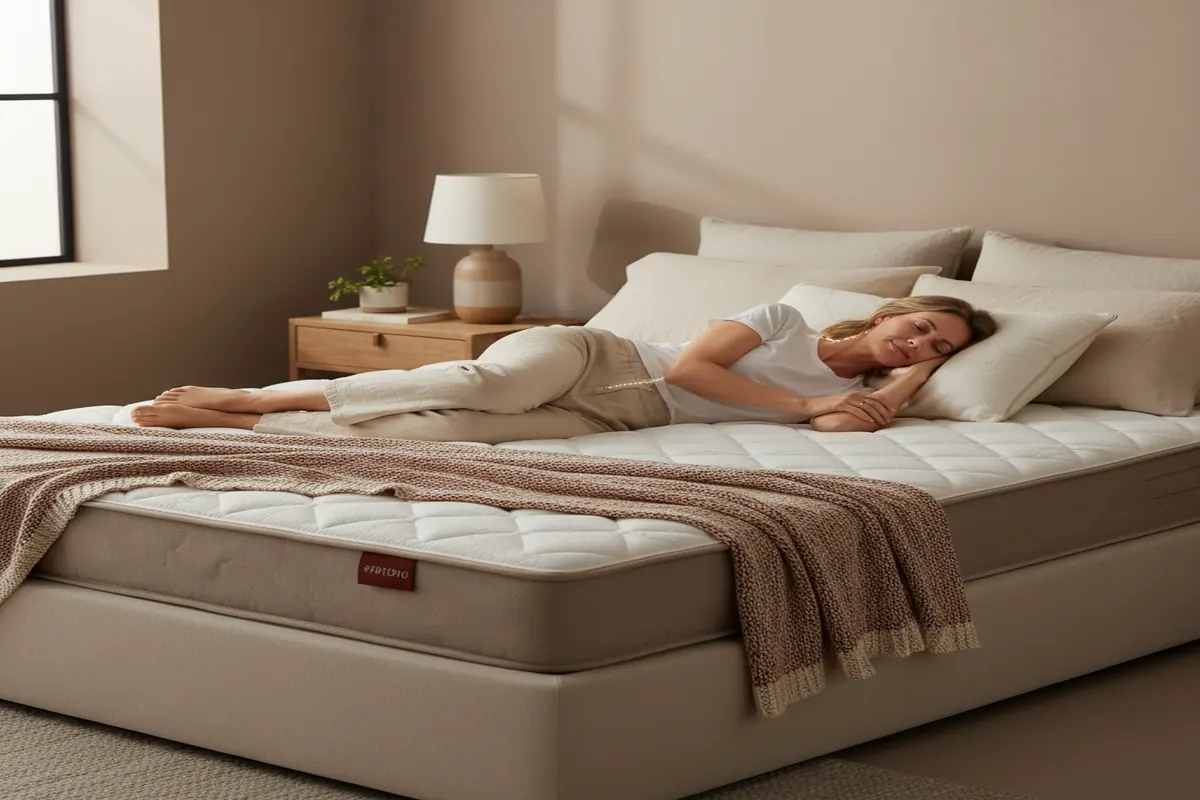
For individuals suffering from sciatica, a foam mattress can be a transformative investment in sleep quality and pain management. These mattresses excel at providing targeted pressure relief and conforming support, which are critical for alleviating nerve compression and maintaining optimal spinal alignment throughout the night. By distributing body weight evenly and reducing pressure points, a well-chosen foam mattress helps soothe inflamed sciatic nerves, facilitating deeper, more restorative sleep and contributing significantly to overall comfort and mobility.
Quick Summary
- Foam mattresses offer superior pressure relief and contouring, crucial for sciatica pain
- optimal density and firmness are vital for spinal alignment
- memory foam and latex foam are top choices due to their supportive properties
- proper mattress selection prevents nerve compression and reduces inflammation
What Exactly is Sciatica and How Does Sleep Influence It?
Sciatica refers to pain that radiates along the path of the sciatic nerve, which branches from your lower back through your hips and buttocks and down each leg. It typically affects only one side of your body and often results from a herniated disk, bone spur on the spine, or narrowing of the spine (spinal stenosis) that compresses part of the nerve. The characteristic symptoms include:
-
Radiating pain: Often described as a sharp, shooting, or burning sensation.
-
Numbness or tingling: Along the nerve pathway.
-
Muscle weakness: In the affected leg or foot.
-
Aggravation with movement: Especially sitting, standing, or twisting.
Sleep plays a profound role in sciatica management. An unsupportive or overly soft mattress can exacerbate symptoms by:
-
Misaligning the spine: Leading to increased pressure on the sciatic nerve.
-
Creating pressure points: Concentrating body weight in specific areas, triggering pain.
-
Limiting restorative rest: Preventing muscles from relaxing and tissues from repairing, hindering the body’s natural healing processes.
Conversely, a mattress that promotes proper spinal alignment and evenly distributes body weight can significantly reduce pain, allowing muscles to relax, inflammation to subside, and the body to recover more effectively overnight.
Why Are Foam Mattresses Often Recommended for Sciatica Sufferers?
Foam mattresses, particularly those made with memory foam or latex foam, have emerged as a top recommendation for individuals grappling with sciatica duefor their unique ability to cradle the body and alleviate pressure. Unlike traditional innerspring mattresses that can create pressure points, foam mattresses offer a more adaptive and contouring sleep surface.
Here’s why foam mattresses stand out for sciatica relief:
-
Exceptional Pressure Relief: Foam mattresses, especially memory foam, are designed to redistribute body weight evenly, eliminating pressure points that can aggravate the sciatic nerve. This gentle cradling effect minimizes stress on the lower back and hips.
-
Superior Contouring: The material molds to the unique curves of your body, filling gaps around the lumbar spine and hips. This personalized contouring ensures continuous support, preventing the spine from sagging or twisting into unnatural positions.
-
Spinal Alignment: By maintaining the natural curvature of the spine, foam mattresses help keep the sciatic nerve pathway clear and uncompressed. Proper alignment reduces tension and allows the nerve to heal without constant irritation.
-
Motion Isolation: For those who share a bed, foam’s ability to absorb motion means that movements from a partner won’t disturb your sleep, which is crucial for staying in a comfortable, pain-free position.
-
Durability and Consistency: High-quality foam mattresses maintain their supportive properties over time, providing consistent relief night after night without sagging prematurely.
These benefits combine to create a sleep environment where the body can truly relax and recover, making foam mattresses a practical choice for long-term sciatica management.
Which Key Features Define the Best Foam Mattress for Sciatica Relief?
Selecting the ideal foam mattress for sciatica involves understanding specific features that contribute to optimal support and pain relief. It’s not just about “foam” but the type and engineering of that foam.
Optimal Foam Densities and Firmness Levels
The density and firmness of a foam mattress are paramount for sciatica sufferers.
-
Density: Refers to the weight of the foam per cubic foot, indicating its durability and ability to maintain support.
- High-density foam (5 lbs/ft³ or more): Offers excellent durability and robust support, preventing excessive sinkage that can misalign the spine. It’s often preferred for heavier individuals or those needing firm, consistent support.
- Medium-density foam (3.5-5 lbs/ft³): Provides a balance of contouring comfort and support, suitable for a wider range of body types and preferences.
-
Firmness: Describes how soft or hard the mattress feels, typically measured on a scale from 1 (very soft) to 10 (very firm).
- Medium-firm (5.5-7.5 on the firmness scale): This is often the sweet spot for sciatica. It’s firm enough to keep the spine aligned but soft enough to cushion pressure points. Too soft, and the spine sags; too firm, and it creates new pressure points.
Pressure Relief Zones and Spinal Alignment
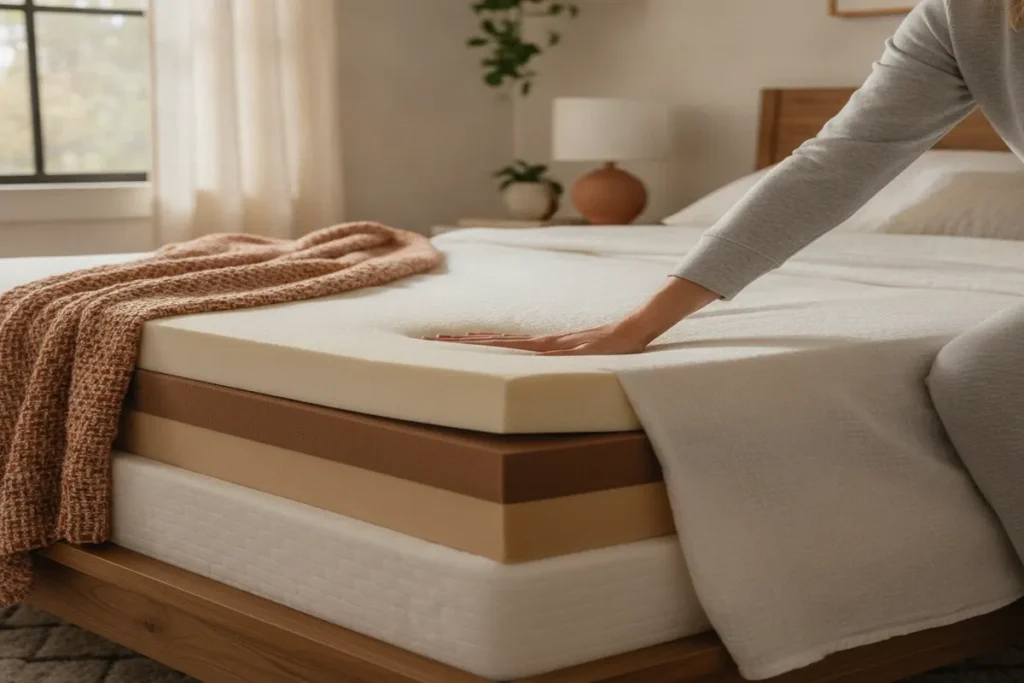
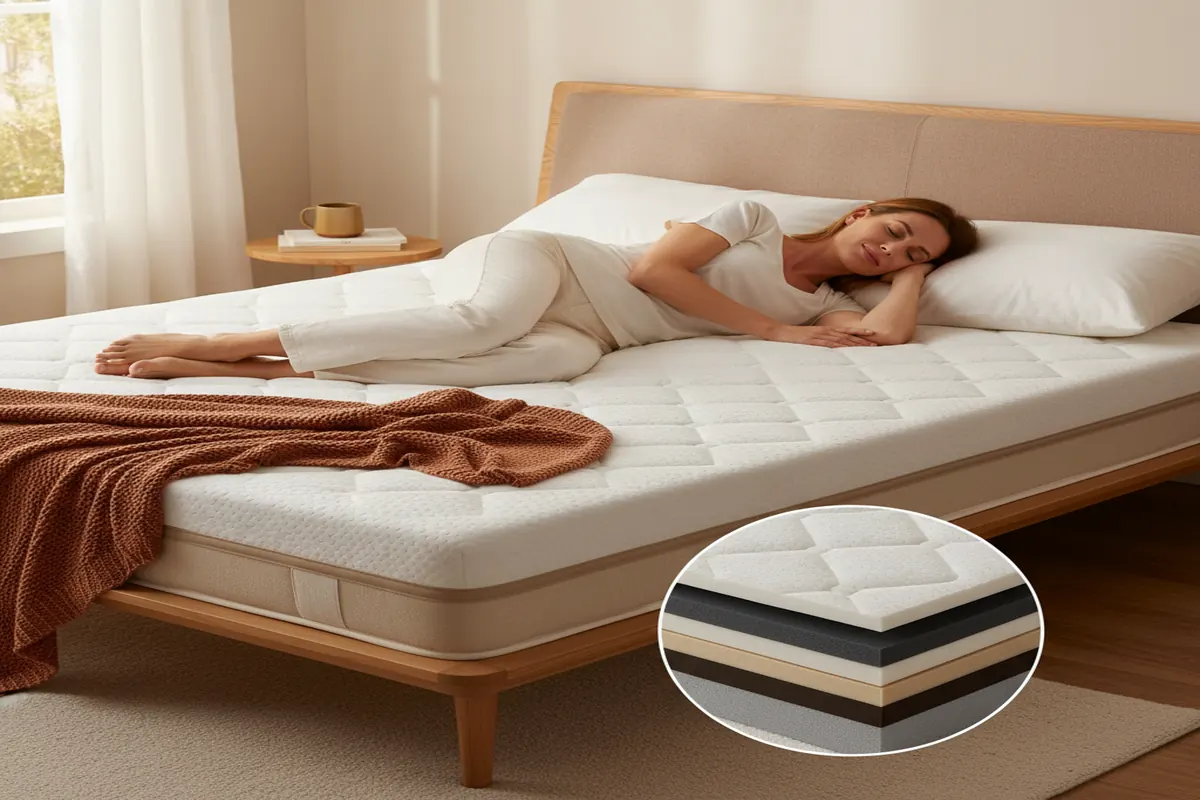
A mattress designed with pressure relief zones can be highly beneficial. These zones are engineered to provide varying levels of firmness across the mattress surface, offering targeted support where the body needs it most (e.g., softer under the shoulders and hips, firmer under the lumbar region). This intelligent design ensures proper spinal alignment by supporting the natural “S” curve of the spine, preventing the lower back from flattening or arching excessively. Look for mattresses that specifically mention zoned support or multi-layered foam constructions.
Material Composition: Memory Foam vs. Latex Foam
While both are excellent foam options, their properties differ:
-
Memory Foam (Visco Foam Mattress):
- Pros: Exceptional contouring and pressure relief, superior motion isolation, adapts to body heat. Ideal for those who need deep cradling and slow response.
- Cons: Can sometimes trap heat (though modern foams often include cooling technologies), slower to respond to movement.
-
Latex Foam (Latex Foam Mattress):
- Pros: More responsive and bouncy than memory foam, naturally cooling, highly durable, hypoallergenic. Offers a buoyant support that keeps you “on top” of the mattress rather than “in” it. Excellent for those who need support with easier movement.
- Cons: Generally more expensive, can be heavier.
Many Sinyora Yatak mattresses, such as our Visco Foam Mattress and Latex Foam Mattress, are crafted with these specific considerations to cater to diverse needs and provide optimal support.
Foam vs. Other Mattress Types: What’s the Real Difference for Sciatica?
Understanding how foam mattresses compare to other popular types is crucial for making an informed decision, especially when sciatica is a concern. Each type offers distinct benefits and drawbacks.
Here’s a comparison:
For sciatica, the key takeaway is that both memory foam and latex foam mattresses offer a superior sleep environment compared to traditional innerspring options. While innerspring mattresses might be more affordable, their inability to adequately contour and relieve pressure often exacerbates sciatic pain. Hybrid mattresses can be a good compromise, combining the bounce of springs with the pressure relief of foam, but pure foam options typically provide more consistent, body-conforming support.
Common Mistakes When Choosing a Foam Mattress for Sciatica
Navigating the mattress market can be tricky, and even more so when you’re seeking relief from a specific condition like sciatica. Avoiding these common pitfalls can save you discomfort and expense.
-
Prioritizing Softness Over Support: Many believe a softer mattress is better for pain. While cushioning is important, a mattress that’s too soft allows the body to sink excessively, disrupting spinal alignment and potentially worsening sciatic nerve compression.
- Correction: Aim for a medium-firm feel. The mattress should feel supportive, not like a hammock.
-
Ignoring Foam Density: Focusing solely on “memory foam” or “latex” without considering density is a mistake. Low-density foams, while cheaper, break down faster and lose their supportive qualities, leading to sagging and inadequate pressure relief.
- Correction: Look for higher density foams (e.g., 5 lbs/ft³ for memory foam, or natural latex with a high ILD rating) for durability and consistent support.
-
Not Testing the Mattress Adequately: A quick sit or lie-down in a showroom isn’t enough. You need to spend at least 15-20 minutes in your typical sleeping position to truly gauge comfort and support.
- Correction: Take advantage of generous home trial periods offered by reputable brands like Sinyora Yatak. This allows your body to adjust and you to assess long-term comfort.
-
Forgetting About Your Sleeping Position: Your preferred sleeping position significantly impacts what firmness and contouring you need.
- Correction:
- Side Sleepers (Turkish Mattress for Side Sleepers): Need more contouring for hips and shoulders to maintain spinal alignment. A slightly softer medium-firm might be better.
- Back Sleepers: Benefit from consistent support to maintain the natural curve of the spine. Medium-firm is often ideal.
- Stomach Sleepers: Generally need a firmer surface to prevent the hips from sinking too low, which can strain the lower back.
- Correction:
-
Neglecting the Bed Base: Even the best foam mattress can underperform on an inadequate or old bed base. A weak or unsupportive foundation can lead to premature sagging and poor spinal alignment.
- Correction: Ensure your Bed Base and Headboard provides sturdy, even support, often a solid platform or closely spaced slats.
-
Not Considering Complementary Accessories: A great mattress is only part of the solution. The right pillow and topper can significantly enhance comfort and support.
- Correction: Evaluate your Pillow Collection – a Visko Pillows Neck Support or Latex Pillows Neck Support can maintain cervical alignment. A Sponge Topper Mattress, Latex Topper, or Visco Topper can fine-tune the feel of your existing mattress if it’s almost right but needs a tweak.
By being aware of these common errors, you can make a more informed decision and find a foam mattress that genuinely helps manage your sciatica pain.
Beyond the Mattress: Complementary Sleep Strategies for Sciatica Management
While a well-chosen foam mattress is foundational, achieving optimal sciatica relief often requires a holistic approach to your sleep environment and habits.
The Role of Pillows in Spinal Alignment
Your pillow is just as crucial as your mattress for maintaining proper spinal alignment, particularly for the neck and upper spine. Misalignment here can trickle down and affect the entire spine, exacerbating lower back pain and sciatica.
-
For Side Sleepers: A Latex Pillow (Natural) or Visco Pillow with sufficient loft (thickness) is essential to fill the gap between your head and the mattress, keeping your neck aligned with your spine.
-
For Back Sleepers: A thinner pillow that cradles the neck without pushing the head too far forward is ideal. Visko Pillows Neck Support or Latex Pillows Neck Support are excellent choices that provide ergonomic support.
-
For Stomach Sleepers: A very thin pillow or no pillow at all is often recommended to prevent neck strain.
Consider placing a small pillow between your knees if you’re a side sleeper, or under your knees if you’re a back sleeper. This can further alleviate pressure on the lower back and sciatic nerve.
Mattress Toppers: Fine-Tuning Comfort and Support
If your current mattress is almost right but needs a bit more pressure relief or a slight adjustment in firmness, a high-quality mattress topper can be a cost-effective solution.
-
Visco Topper: Adds a layer of conforming pressure relief, softening a too-firm mattress and enhancing cradling.
-
Latex Topper: Provides resilient, responsive support, adding a buoyant feel and natural cooling.
-
Sponge Topper Mattress: A more basic option for adding a layer of softness.
Toppers can extend the life of a slightly worn mattress or customize the feel of a new one without investing in an entirely new bed.
Optimizing Your Sleep Habits and Environment
Beyond bedding, daily habits and your sleep environment play a significant role:
-
Maintain a Consistent Sleep Schedule: Go to bed and wake up at the same time daily, even on weekends, to regulate your body’s natural sleep-wake cycle.
-
Gentle Stretching Before Bed: Light stretches for the lower back and hamstrings can relax muscles and improve flexibility, reducing nerve compression.
-
Ergonomic Seating: During the day, ensure your chair supports your lower back, and take frequent breaks to stand and move.
-
Manage Stress: Stress can increase muscle tension, worsening pain. Practice relaxation techniques like deep breathing or meditation.
-
Consider a Bed Base and Headboard upgrade: A sturdy, supportive base ensures your mattress performs optimally.
By integrating these strategies, you create a comprehensive approach to managing sciatica, where your foam mattress works in concert with your lifestyle for lasting relief.
How to Evaluate and Test a Foam Mattress for Sciatica Comfort: A Practical Checklist
Choosing the right foam mattress for sciatica isn’t just about reading specifications; it’s about how the mattress feels and performs for your body. This practical checklist will guide you through the evaluation process.
The Sciatica-Specific Mattress Evaluation Checklist:
-
Lie Down in Your Preferred Sleeping Position: Don’t just sit on the edge. Spend at least 15-20 minutes in the position you typically sleep in (side, back, stomach).
- Check: Does your spine feel straight? Is there any noticeable dip or arch in your lower back?
-
Assess Pressure Relief: Pay close attention to your hips, shoulders, and lower back.
- Check: Do you feel any pressure points? Does the mattress contour gently around your curves without feeling too soft or too hard?
-
Evaluate Spinal Alignment: Have someone observe your posture while you lie down, or use a mirror if possible.
- Check: Is your spine in a neutral, straight line from head to hips? For side sleepers, is your head aligned with your spine, not tilting up or down?
-
Test for Motion Isolation (if applicable): If you share your bed, have your partner lie down and move around.
- Check: Do you feel their movements significantly? Good motion isolation is key for undisturbed sleep with sciatica.
-
Consider Edge Support: If you use the edge of the bed to get in and out, or if you tend to sleep near the edge.
- Check: Does the edge sag excessively when you sit or lie near it? Strong edge support indicates a well-constructed mattress.
-
Assess Temperature Regulation: Some foam mattresses can retain heat.
- Check: Does the mattress feel excessively warm after a few minutes? Look for cooling features like open-cell foam, gel infusions, or breathable covers.
-
Review the Trial Period and Warranty: A generous home trial is crucial for sciatica sufferers.
- Check: Does the manufacturer offer a risk-free trial (e.g., 90-120 nights)? What are the terms of the Warranty Information and Return Policy? This allows you to truly test the mattress over time.
-
Match to Your Body Weight and Type: Heavier individuals generally need firmer, denser foam for adequate support, while lighter individuals might prefer slightly softer options for better contouring.
- Check: Does the mattress feel appropriately supportive for your body, preventing excessive sinkage?
By systematically going through this checklist, you can move beyond general advice and find a foam mattress that specifically addresses your sciatica pain, leading to truly restorative sleep.
Expert Insight
“The primary goal for anyone with sciatica is to reduce nerve compression and inflammation. In the context of sleep, this translates directly to achieving optimal spinal alignment and eliminating pressure points. While individual preferences vary, industry experts confirm that high-quality memory foam or latex mattresses, specifically those with a medium-firm feel and good density, consistently provide the necessary support and contouring to achieve this. It’s an investment in your musculoskeletal health.”
Key Terms
-
Sciatica: Pain radiating along the sciatic nerve, typically from the lower back down one leg, often caused by nerve compression.
-
Pressure Relief: The ability of a mattress to distribute body weight evenly, reducing concentrated force on specific points like hips and shoulders.
-
Spinal Alignment: Maintaining the natural curvature of the spine (neutral position) during sleep to prevent strain and nerve compression.
-
Foam Density: A measure of foam’s weight per cubic foot, indicating its durability, support, and quality. Higher density generally means better support and longevity.
-
Contouring: The mattress’s ability to mold to the unique curves of the body, providing personalized support and filling gaps.
A short comparison to help you make a better decision.
How Can You Upgrade to More Comfortable Sleep with Sinyora Yatak?
At Sinyora Yatak, we understand the profound impact a quality mattress has on your well-being, especially when managing conditions like sciatica. Our expertise in crafting premium Turkish Foam Mattress options positions us uniquely to help you find the perfect sleep solution. We combine generations of Turkish mattress-making tradition with modern foam technology to deliver unparalleled comfort and support.
Explore our diverse Mattress Collection, featuring advanced Visco Foam Mattress and Latex Foam Mattress designs engineered for optimal pressure relief and spinal alignment. Whether you’re seeking the deep cradle of memory foam or the responsive buoyancy of latex, our range is designed to cater to your specific needs. Discover What Makes Turkish Mattresses Special and why they are a preferred choice globally.
For a truly customized experience, consider pairing your new mattress with our Pillow Collection or Topper Collection, including specialized Visko Pillows Neck Support and Latex Topper options, to complete your therapeutic sleep system. We offer Mattress Wholesale in Turkiye and Ship Turkish Mattresses Internationally, making our exceptional quality accessible worldwide.
Don’t let sciatica dictate your sleep quality. Invest in a Sinyora Yatak mattress and experience the difference that expert craftsmanship and dedicated support can make. Visit our Shop All Products page or Contact Us for Support to begin your journey to more comfortable, pain-free nights.
Frequently Asked Questions
Q: Is a firm or soft foam mattress better for sciatica?
Q: Can a foam mattress worsen sciatica?
Q: How long does it take to adjust to a new foam mattress for sciatica?
Q: What type of foam is best for sciatica – memory foam or latex?
Q: Should I use a mattress topper with a foam mattress for sciatica?
Q: How often should I replace my foam mattress if I have sciatica?