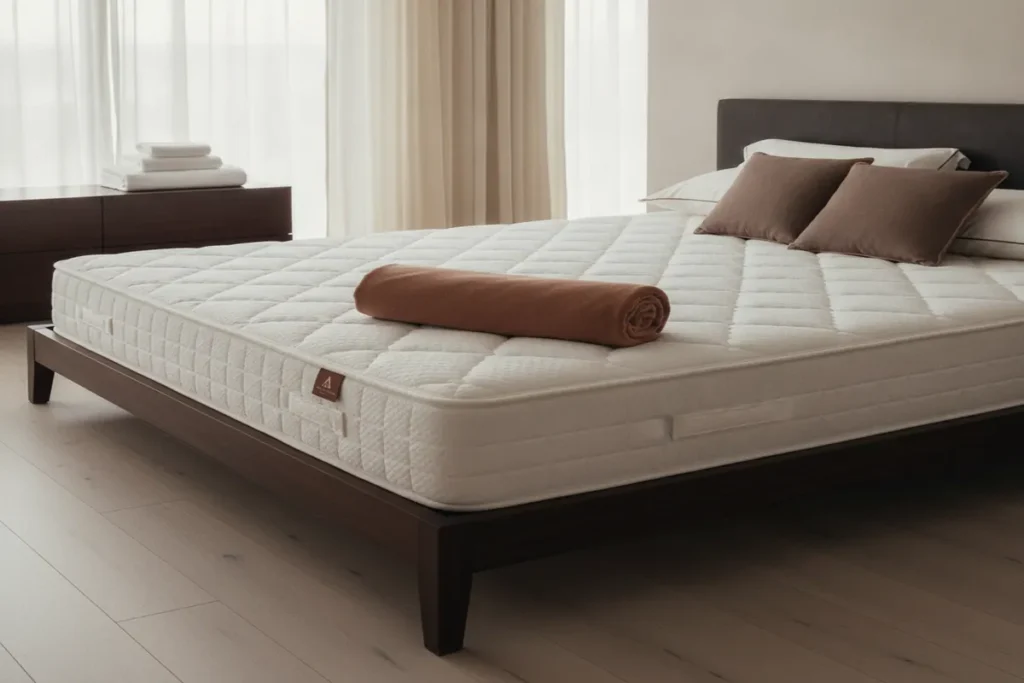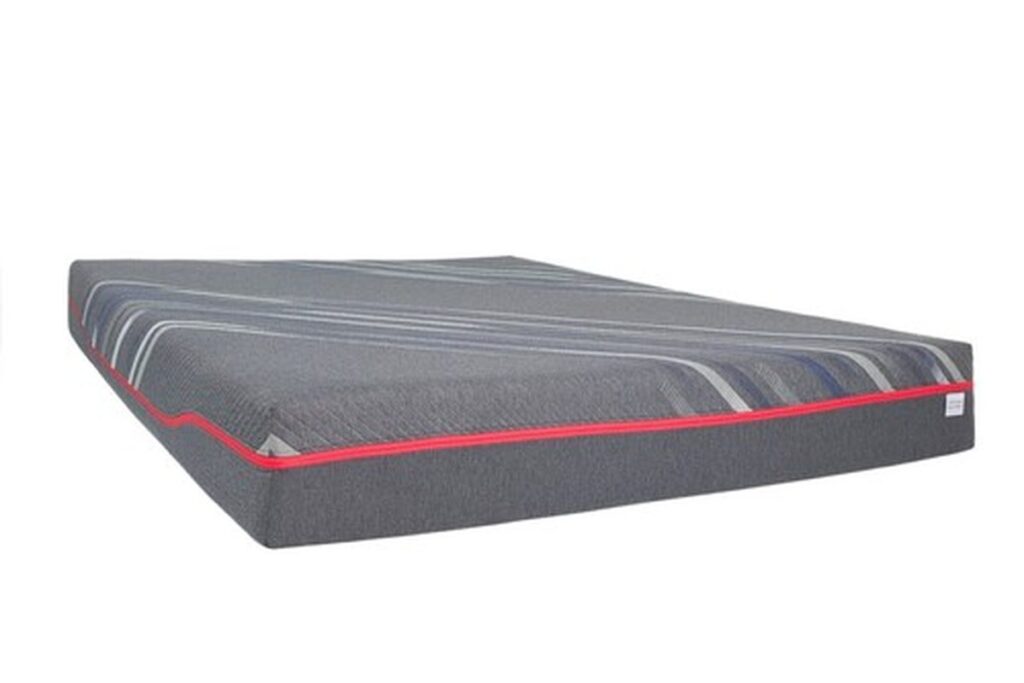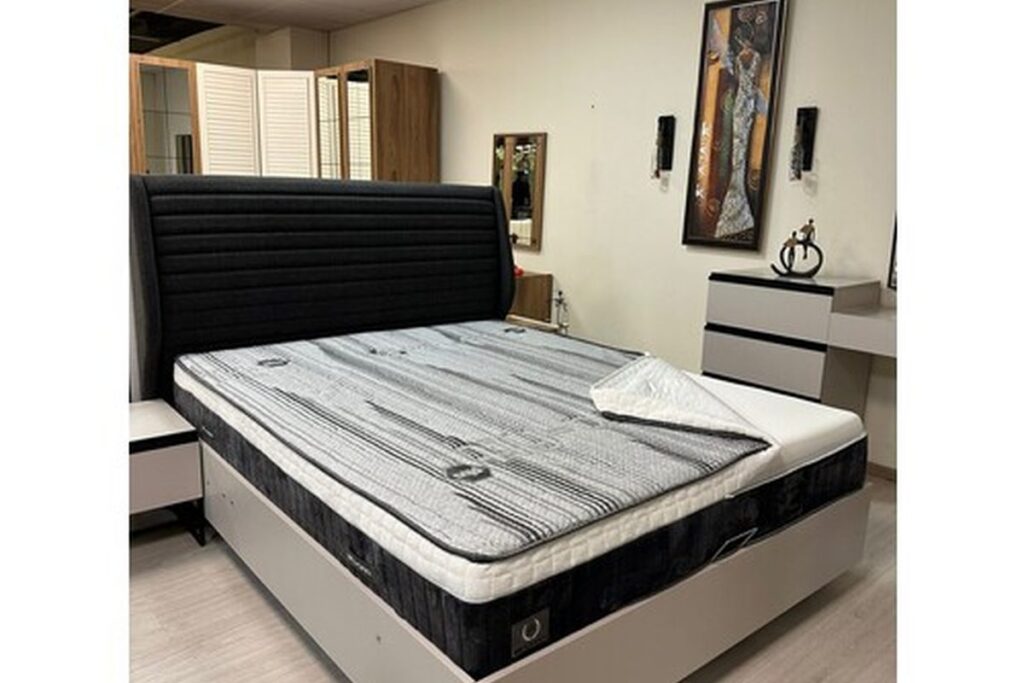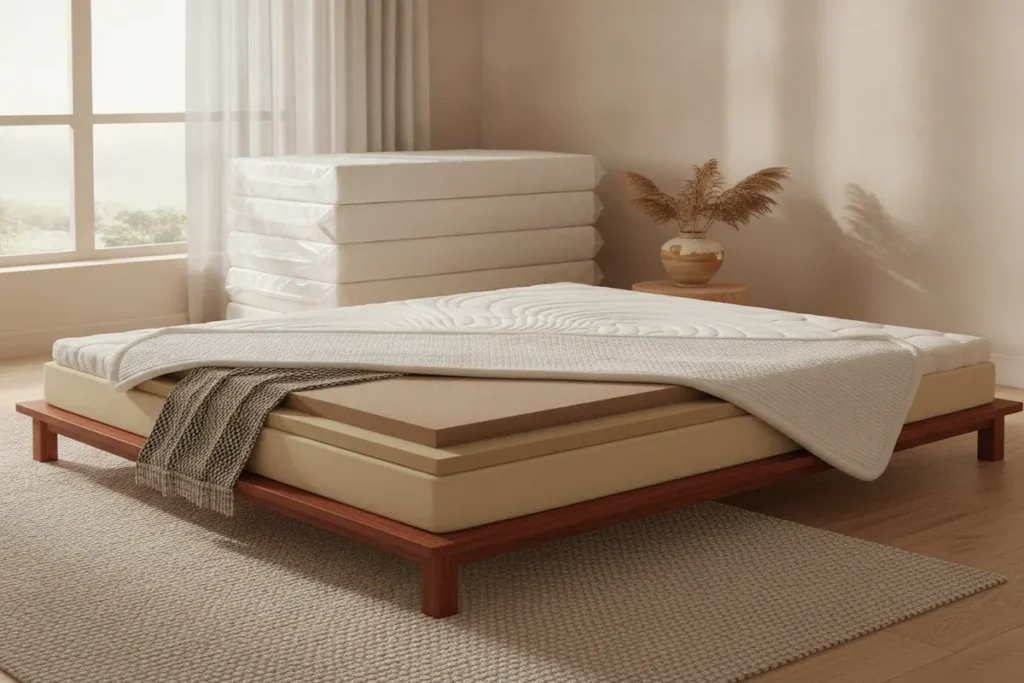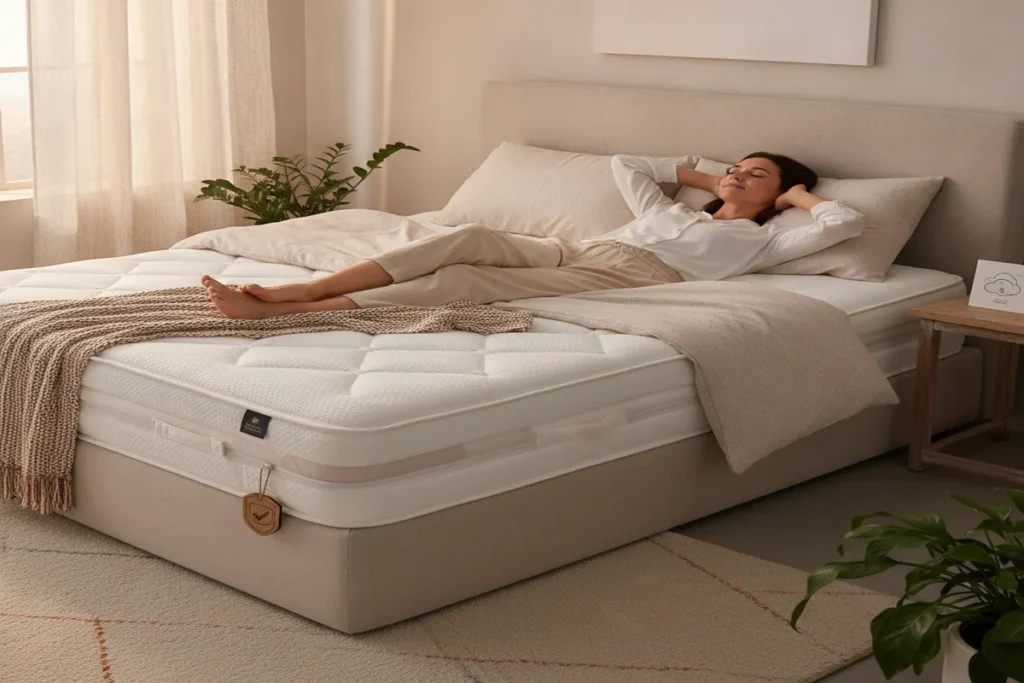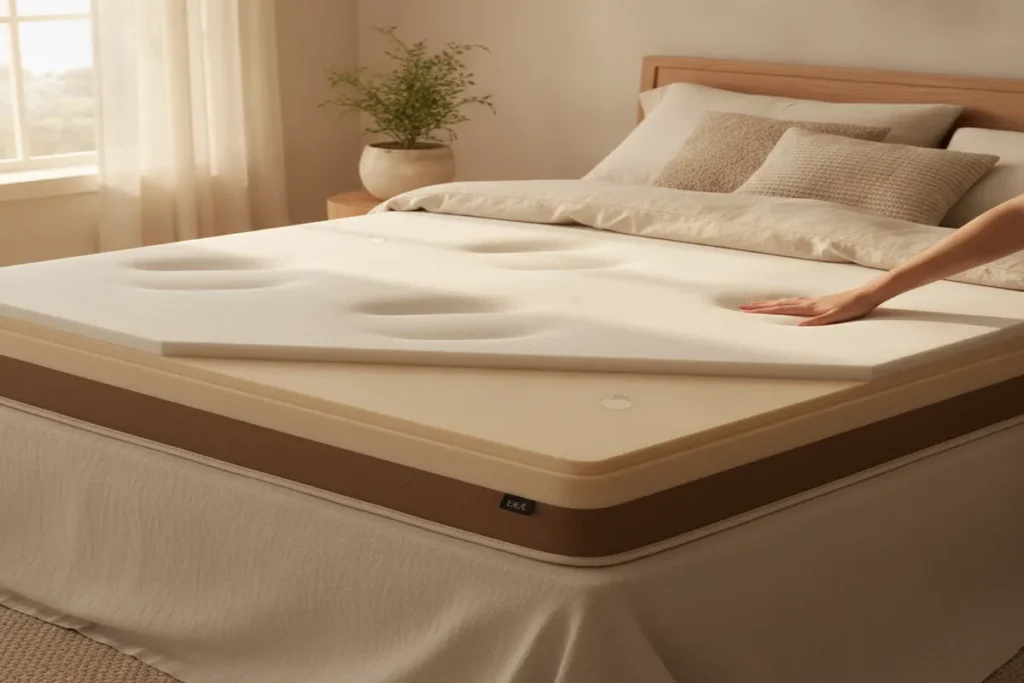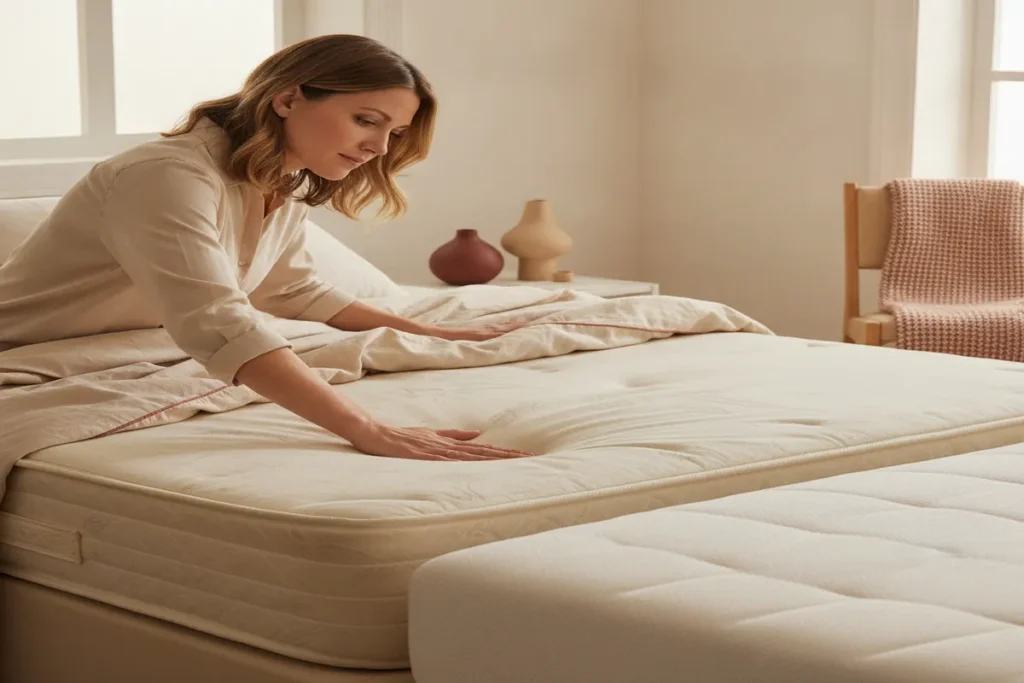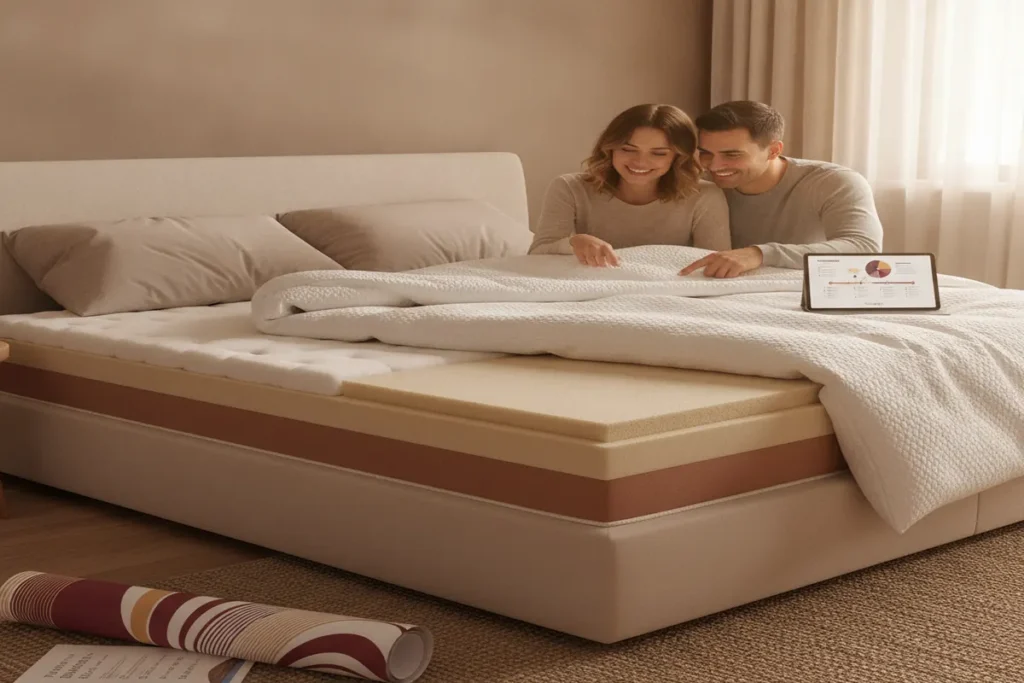

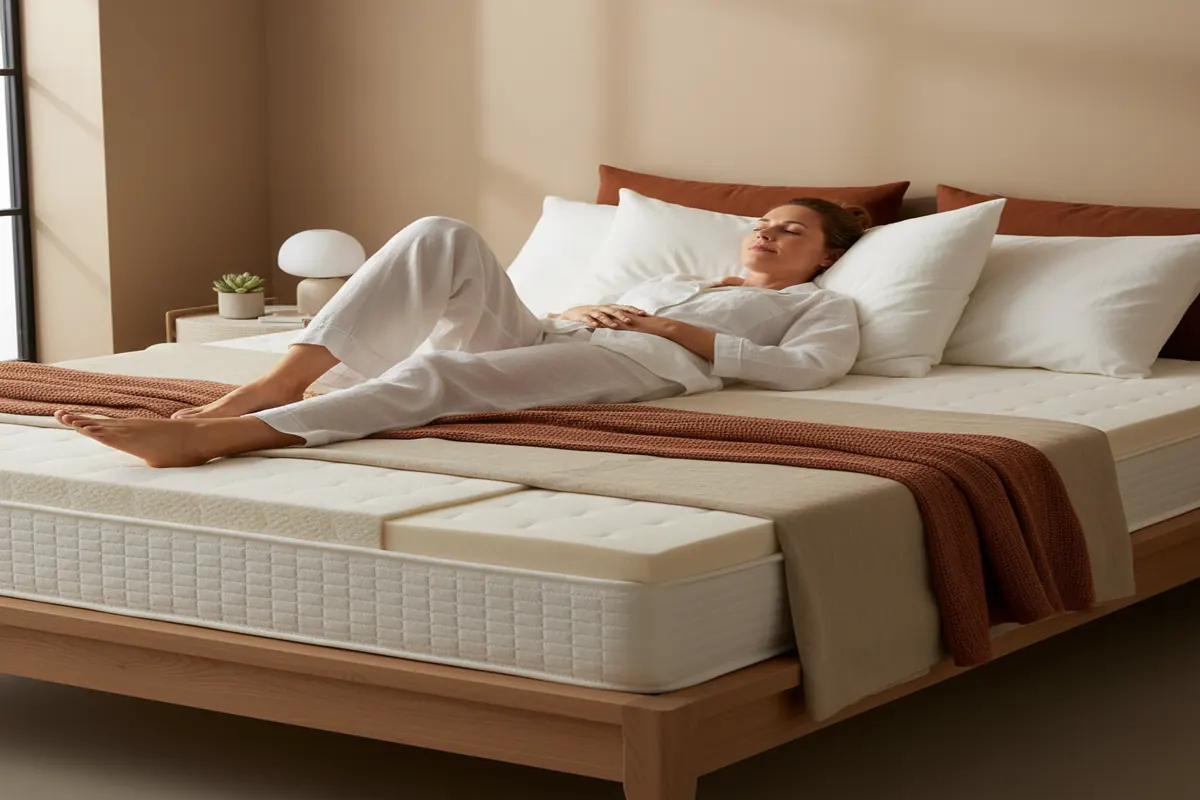
For back sleepers seeking optimal support and comfort, a medium-firm foam mattress is frequently the recommended choice. This firmness level ensures the spine maintains its natural S-curve, preventing sagging in the hips or arching in the lower back, which are common sources of discomfort. The best foam mattresses for back sleepers deliver a balanced blend of contouring pressure relief and steady support, promoting healthy spinal alignment throughout the night without creating pressure points.
Quick Summary
- Back sleepers thrive on medium-firm foam mattresses
- proper spinal alignment is crucial for comfort
- memory foam offers contouring, latex provides responsive support
- consider mattress density and thickness for durability
Why is a Foam Mattress Often the Best Choice for Back Sleepers?
Back sleepers require a mattress that offers balanced support to maintain the natural curvature of the spine. Unlike side sleepers who need significant pressure relief at the shoulders and hips, or stomach sleepers who need a firmer surface to prevent spinal arching, back sleepers benefit most from a uniform, supportive plane that contours just enough to fill the lumbar curve. Foam mattresses excel in this regard, providing a consistent surface that adapts without creating dips or valleys.
Here’s why foam mattresses are particularly advantageous:
-
Superior Spinal Alignment: High-quality foam, especially Visco Foam Mattress (memory foam) or Latex Foam Mattress, gently conforms to the body’s natural curves. This prevents the lower back from arching excessively or sinking too deeply, promoting neutral spinal alignment crucial for preventing aches and pains.
-
Pressure Point Relief: While supporting the spine, foam mattresses also distribute body weight evenly, alleviating pressure on key points like the shoulders, hips, and lower back. This targeted pressure relief enhances comfort and reduces tossing and turning.
-
Motion Isolation: Foam’s inherent structure absorbs motion, meaning if you share your bed, you’re less likely to be disturbed by a partner’s movements. This is a significant comfort factor, contributing to uninterrupted sleep.
-
Durability and Consistency: Modern foam mattresses are engineered for longevity, maintaining their supportive properties over many years. Unlike some traditional spring mattresses that can develop soft spots, a well-constructed foam mattress offers consistent support across its surface.
How Do You Choose the Right Foam Mattress for Optimal Back Support?
Selecting the ideal foam mattress for back sleepers involves evaluating several key factors beyond just the “foam” label. The right choice hinges on understanding the nuances of firmness, material composition, and overall construction. This decision framework helps ensure your investment leads to years of comfortable, supportive sleep.
Consider these critical criteria:
-
Firmness Level: For most back sleepers, a medium-firm mattress is the sweet spot. This provides enough resistance to keep the spine aligned without being uncomfortably hard or too soft, which can lead to hip sinkage and lower back strain. Some heavier individuals may lean towards a firm mattress for enhanced support.
-
Material Composition:
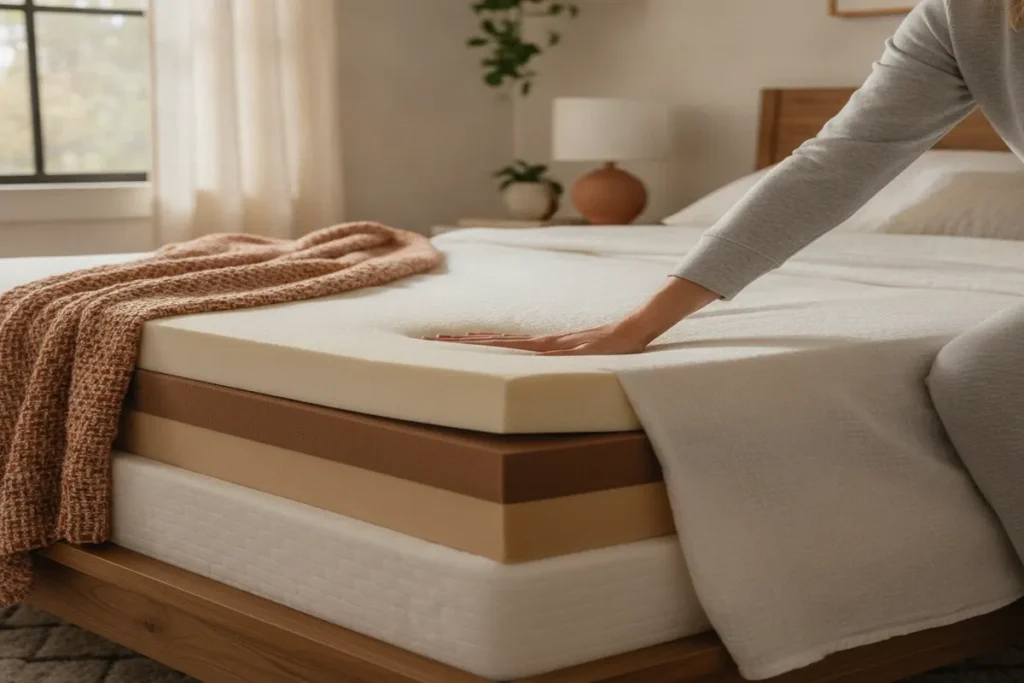
- Memory Foam (Visco Foam): Known for its excellent contouring and pressure relief. It softens with body heat, cradling the sleeper. For back sleepers, a medium-firm memory foam prevents excessive sinking while still providing that signature hug.
- Latex Foam: Offers a more responsive and buoyant feel than memory foam, with natural elasticity. It contours well but provides a “push-back” that keeps you more “on top” of the mattress. Natural latex is also durable and often hypoallergenic.
- High-Density Polyfoam: Often used as a support core in foam mattresses. While less conforming than memory or latex foam, it provides foundational stability and durability.
-
Density and Thickness: Higher density foam generally means better durability and support. For back sleepers, look for mattresses with a higher density support core (often polyfoam or base latex) and a medium-density comfort layer. Thickness also plays a role; a thicker mattress can offer more layers for varied support and comfort.
-
Zoned Support Systems: Some advanced foam mattresses feature different firmness zones to provide targeted support to various parts of the body, such as firmer support for the lumbar region and softer conforming for the shoulders. This can be particularly beneficial for back sleepers with specific needs.
Comparing Foam Mattress Types for Back Sleepers
To help you decide, here’s a comparison of common foam types and their suitability for back sleepers:
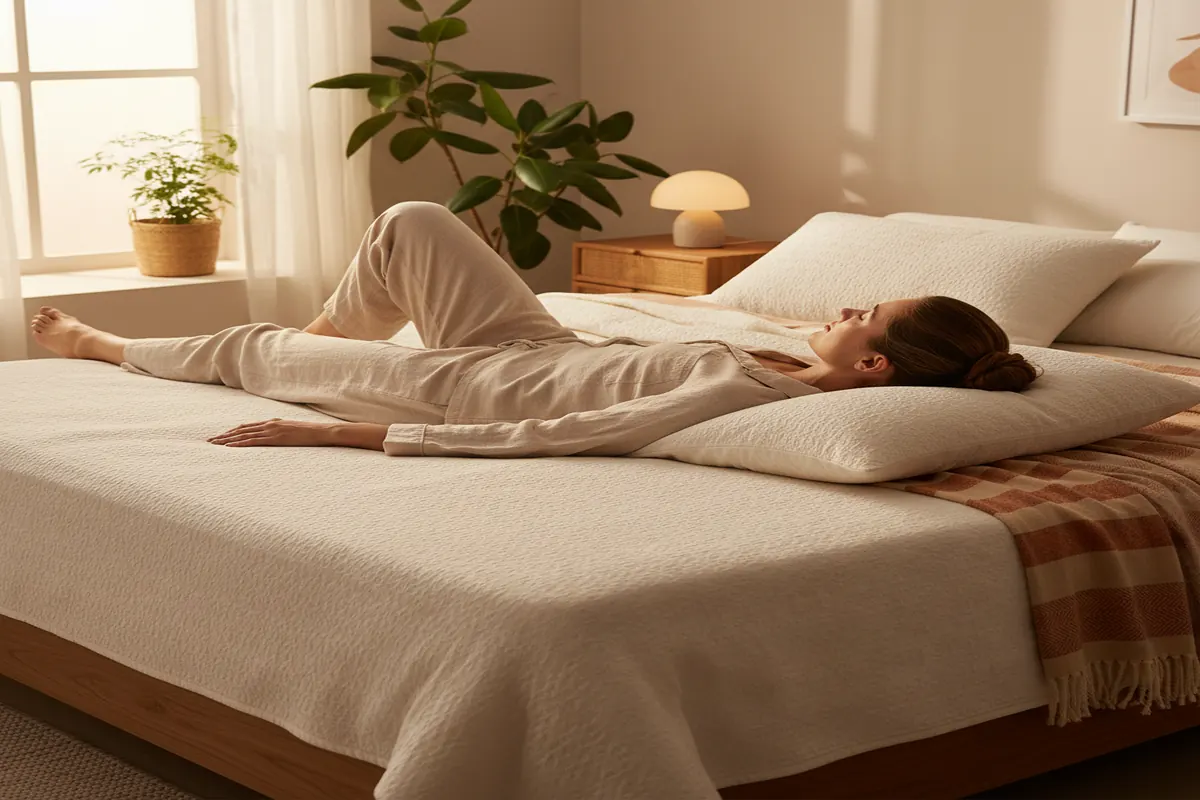
Addressing Specific Needs: Can a Foam Mattress Comfortably Support Both Back and Side Sleepers?
Many individuals are combination sleepers, meaning they switch between back and side sleeping positions throughout the night. Finding a foam mattress that caters to both positions requires a careful balance of support and pressure relief. The good news is that many modern foam mattresses are designed with this versatility in mind.
Here’s what to look for when a mattress needs to accommodate both back and side sleeping:
-
Medium-Firm Feel: This remains the most versatile firmness. For back sleepers, it provides the necessary lumbar support. For side sleepers, it allows enough sinkage at the shoulders and hips to prevent pressure points, while still supporting the waist.
-
Excellent Contouring: A foam mattress that contours effectively can adapt to the wider profile of a side sleeper’s shoulders and hips, as well as the lumbar curve of a back sleeper. Memory foam is particularly adept at this, softening precisely where body heat is applied.
-
Responsive Transition Layers: Underneath the top comfort layer, a good transition layer (often a slightly firmer polyfoam or latex) prevents a side sleeper from “bottoming out” and provides resilient support for a back sleeper.
-
Zoned Support: As mentioned earlier, zoned mattresses can be a game-changer for combination sleepers. These mattresses offer varying degrees of firmness across different sections: softer for the shoulders and hips (ideal for side sleeping) and firmer for the lumbar area (beneficial for back sleeping).
-
Material Blends: Some mattresses combine different foam types, such as a top layer of memory foam for pressure relief and a core of latex for responsiveness and durability. This blend can offer the best of both worlds, adapting to diverse sleeping positions.
When considering options, look for descriptions that emphasize “balanced support,” “universal comfort,” or “hybrid foam designs.” Brands like Leesa or Dreamcloud are often cited for their versatile designs, though exploring Sinyora Yatak‘s diverse Mattress Collection can provide high-quality Turkish alternatives tailored to these needs.
Navigating Foam Mattress Types: Memory Foam vs. Latex Foam for Back Sleepers
While both memory foam and latex foam are excellent choices for back sleepers, their distinct properties cater to slightly different preferences. Understanding these differences is key to making an informed decision.
Memory Foam (Visco Foam) for Back Sleepers
Memory foam, or Visco Foam, is renowned for its unique viscoelastic properties. It reacts to body heat and pressure, softening and molding precisely to your shape.
-
Pros for Back Sleepers:
- Exceptional Contouring: Provides a custom cradle, filling the lumbar curve and supporting the entire spine.
- Superior Pressure Relief: Distributes weight very effectively, reducing pressure points on the shoulders, hips, and lower back.
- Motion Isolation: Minimizes disturbances from a partner’s movements.
- Hypoallergenic: Often resistant to dust mites and allergens.
-
Cons for Back Sleepers:
- Heat Retention: Traditional memory foam can trap heat, though modern open-cell designs and gel infusions have significantly improved temperature regulation.
- “Stuck” Feeling: Some users report a sensation of sinking in or difficulty changing positions quickly.
- Off-Gassing: A temporary chemical smell upon unboxing, which usually dissipates within a few days.
Best For: Back sleepers who prioritize deep contouring, significant pressure relief, and a “hugged” feeling. It’s also an excellent choice for those with chronic back pain who need targeted support.
Latex Foam for Back Sleepers
Latex foam is derived from rubber tree sap (natural latex) or synthetic polymers. It offers a more responsive and buoyant feel than memory foam.
-
Pros for Back Sleepers:
- Responsive Support: Contours to the body but quickly springs back into shape, making it easier to move around.
- Excellent Spinal Alignment: Provides consistent, resilient support that keeps the spine neutral without excessive sinking.
- Durability: Natural latex is incredibly durable and long-lasting, often outperforming other foam types.
- Temperature Neutrality: Generally sleeps cooler due to its open-cell structure and often pin-core ventilation.
- Eco-Friendly (Natural Latex): A more sustainable and natural option.
- Naturally Hypoallergenic: Resistant to dust mites, mold, and mildew.
-
Cons for Back Sleepers:
- Higher Cost: Especially for natural latex, it can be more expensive.
- Heavier: Latex mattresses can be quite heavy, making them harder to move.
- Less “Hug”: Offers less of the deep, conforming feel that memory foam provides.
Best For: Back sleepers who prefer a more buoyant and responsive feel, want excellent support with ease of movement, prioritize natural materials, and are willing to invest more for durability and coolness.
Ultimately, the choice between memory foam and latex foam for back sleepers comes down to personal preference for feel and specific needs. Both can provide the essential steady support and comfort required for a healthy back.
Common Pitfalls to Avoid When Selecting Your Foam Mattress
Even with clear guidance, it’s easy to make mistakes when choosing a new mattress. For back sleepers, certain errors can undermine the benefits of a foam mattress and lead to discomfort. Being aware of these common pitfalls can save you time, money, and back pain.
-
Choosing the Wrong Firmness Level:
- Too Soft: A mattress that’s too soft will allow your hips to sink too deeply, causing your spine to bow and leading to lower back pain. This is a very common mistake for those seeking “comfort.”
- Too Firm: A mattress that’s too firm won’t allow enough contouring to fill the natural curve of your lower back, creating gaps and pressure points. It can feel like sleeping on a hard floor.
- The Fix: Always aim for a medium-firm feel unless advised otherwise by a medical professional or personal preference dictates a slight variation.
-
Ignoring Mattress Density and Quality: Not all foam is created equal. A low-density foam mattress might feel comfortable initially but will quickly break down, leading to sagging and loss of support.
- The Fix: Invest in a mattress with high-density foam layers, especially in the support core. This ensures durability and consistent support over time. Look for reputable brands and check specifications.
-
Overlooking the Importance of a Proper Foundation: Even the best foam mattress needs a solid, supportive foundation. Using an old, sagging box spring or an incompatible bed frame can negate the benefits of your new mattress.
- The Fix: Ensure your bed base provides stable, even support. Most foam mattresses require a slatted foundation with narrow gaps (no more than 3 inches apart) or a solid platform base. Sinyora Yatak offers various Bed Base and Headboard options designed to complement their mattresses.
-
Neglecting the Trial Period: Many reputable mattress companies offer generous in-home trial periods. Failing to take advantage of this crucial time is a missed opportunity.
- The Fix: Allow yourself at least 30 nights to adjust to a new mattress. Your body needs time to adapt, and only then can you truly assess if it’s the right fit. Pay attention to any new aches or pains, or improvements in existing ones.
-
Forgetting About Your Pillow: A mattress provides foundational support, but your pillow completes the spinal alignment puzzle. An unsupportive or incorrect pillow can undermine even the best mattress choice.
- The Fix: For back sleepers, a medium-loft pillow that supports the natural curve of the neck without pushing the head too far forward or letting it drop back too much is ideal. Explore Sinyora Yatak’s Pillow Collection, including Visco Pillow and Latex Pillow (Natural), for options like Visko Pillows Neck Support designed for proper alignment.
Your Checklist for Finding the Ideal Foam Mattress for Back Sleepers
Making an informed decision about a new foam mattress can feel overwhelming. This practical checklist distills the essential steps and considerations to guide back sleepers toward their perfect match. Follow these points to ensure you cover all bases.
-
Assess Your Current Sleep Habits and Needs:
- Do you primarily sleep on your back?
- Do you experience any existing back pain or stiffness upon waking?
- Do you tend to sleep hot or cold?
- Do you share your bed, and does your partner’s movement disturb you?
- What is your body weight (this influences firmness needs)?
-
Determine Your Ideal Firmness Level:
- Medium-Firm: The gold standard for most back sleepers, offering balanced support and contouring.
- Firm: Potentially suitable for heavier back sleepers or those who prefer a very sturdy feel.
- Avoid: Soft mattresses, which can lead to spinal misalignment.
-
Choose Your Preferred Foam Type:
- Memory Foam (Visco Foam): For deep contouring, pressure relief, and motion isolation.
- Latex Foam: For responsive bounce, natural coolness, and superior durability.
- Hybrid (Foam + Coils): If you desire the benefits of foam with the added bounce and airflow of pocketed coils (see Pocket Coils Mattress for more).
-
Evaluate Mattress Construction and Quality:
- Density: Look for higher density foams in the support layers for longevity.
- Thickness: Ensure adequate thickness (typically 10-14 inches) for sufficient comfort and support layers.
- Zoned Support: Consider if targeted support for your lumbar region would be beneficial.
- Certifications: Check for certifications (e.g., CertiPUR-US for foams, GOLS/GOTS for organic latex) indicating safety and material quality.
-
Consider Additional Features:
- Cooling Technology: If you sleep hot, look for gel-infused memory foam, open-cell designs, or natural latex.
- Edge Support: Important if you use the edge of the bed or sit on it frequently.
- Hypoallergenic Properties: Beneficial for allergy sufferers, especially with natural latex.
-
Budget and Value:
- Set a realistic budget, but remember that a mattress is a long-term investment in your health.
- Compare features and warranties across different brands. Sinyora Yatak offers Mattress Wholesale in Turkiye and Ship Turkish Mattresses Internationally, providing high-quality options at competitive values.
-
Understand Trial Periods and Warranty:
- Opt for mattresses with at least a 90-night sleep trial to ensure it’s the right fit.
- Review the warranty details carefully (typically 10+ years for quality foam mattresses).
-
Don’t Forget Your Pillow and Foundation:
- Select a pillow that supports your neck in neutral alignment while back sleeping.
- Ensure your bed frame and foundation are compatible and provide adequate support for your new foam mattress.
By systematically working through this checklist, you can confidently navigate the options and select a foam mattress that provides the perfect blend of support, comfort, and durability for your needs as a back sleeper.
Special Considerations for Back Sleepers with Back Pain
For back sleepers who experience chronic or occasional back pain, the mattress choice becomes even more critical. The goal is to find a mattress that not only prevents pain but actively contributes to its alleviation by promoting optimal spinal health.
-
Prioritize Spinal Alignment Above All Else: A mattress that allows the spine to curve unnaturally (either sinking too much or being too rigid) will exacerbate back pain. The ideal foam mattress will keep your ears, shoulders, and hips aligned when lying on your back.
- Action: Look for medium-firm mattress options with excellent contouring capabilities, such as high-density memory foam or natural latex.
-
Targeted Lumbar Support: Many individuals with back pain suffer from issues in the lumbar region. Some advanced foam mattresses incorporate specific zones that are firmer under the lower back and pelvis, providing extra lift and support where it’s most needed.
- Action: Inquire about mattresses with zoned support systems or those specifically engineered to support the lumbar spine.
-
Avoid Excessive Sinkage: While contouring is good, too much sinkage can be detrimental. If you feel like you’re “bottoming out” or sinking into a hammock-like depression, the mattress is too soft and will worsen back pain.
- Action: Test mattresses carefully during a trial period. If possible, lie down for at least 15-20 minutes to assess how your body settles into the foam.
-
Pressure Relief Without Sacrificing Support: Back pain sufferers need significant pressure relief, but this must come hand-in-hand with robust support. High-quality Visco Foam Mattress can excel here by distributing weight evenly across the surface.
- Action: Choose a foam type known for good pressure distribution, ensuring the underlying support layers are firm enough to prevent sag.
-
Consider a Mattress Topper (Initially): If you’re unsure about committing to a new mattress, a high-quality Visco Topper or Latex Topper can sometimes temporarily improve the feel of an existing mattress, providing extra cushioning and pressure relief. However, this is a temporary fix and not a substitute for a truly supportive mattress.
-
Consult a Professional: If your back pain is severe or persistent, always consult a healthcare professional or physical therapist. They can offer personalized recommendations that may influence your mattress choice.
Remember, the goal is to find a mattress that provides a therapeutic sleep surface, allowing your back muscles to relax and your spine to decompress overnight.
Expert Insight
“The long-term health of a back sleeper’s spine is directly tied to the consistent, neutral alignment offered by their mattress. While many factors contribute to sleep quality, selecting a medium-firm foam mattress that contours without allowing excessive sinkage is paramount. It’s not just about comfort; it’s about preventative care for your musculoskeletal system.” – Industry experts confirm that a balanced approach to firmness and support is key for back health.
Key Terms
-
Spinal Alignment: The natural S-curve of the spine, which should be maintained while sleeping to prevent pain and promote healthy posture.
-
Medium-Firm Mattress: A firmness level that offers a balanced blend of support and cushioning, ideal for most back sleepers.
-
Visco Foam (Memory Foam): A viscoelastic polyurethane foam that responds to heat and pressure, conforming closely to the body for pressure relief.
-
Latex Foam: A resilient foam made from natural or synthetic rubber, known for its buoyant support, durability, and breathability.
-
Pressure Relief: The ability of a mattress to distribute body weight evenly, reducing concentrated force on sensitive areas like the hips, shoulders, and lower back.
A short comparison to help you make a better decision.
How Can You Upgrade to More Comfortable Sleep with Sinyora Yatak?
At Sinyora Yatak, we understand that a truly restorative night’s sleep begins with the right mattress. As experienced field specialists and manufacturers of premium Turkish mattresses, we are dedicated to crafting sleep solutions that cater to your unique needs, especially for back sleepers seeking optimal support and comfort. Our diverse Mattress Collection features a range of high-quality foam mattresses, including advanced Visco Foam Mattress and resilient Latex Foam Mattress options, meticulously engineered to provide the balanced support and pressure relief essential for healthy spinal alignment.
Whether you’re exploring our Avant-Garde Bed series for cutting-edge design, or our 4 Seasons Bed for adaptable comfort, each Sinyora Yatak mattress is a testament to superior craftsmanship and durable materials. We pride ourselves on What Makes Turkish Mattresses Special – a heritage of quality, innovation, and an unwavering commitment to your well-being. Don’t settle for restless nights; explore our Buying Guides and discover how a Sinyora Yatak foam mattress can transform your sleep. For personalized assistance or to learn more about Ship Turkish Mattresses Internationally, please Contact Us for Support. Elevate your sleep experience with Sinyora Yatak today.
Frequently Asked Questions
Q: What firmness level is best for back sleepers in a foam mattress?
Q: Can a soft foam mattress work for back sleepers?
Q: What is the difference between memory foam and latex foam for back sleepers?
Q: How long do foam mattresses typically last?
Q: Do I need a special foundation for a foam mattress?
Q: What if I am a back sleeper but also experience back pain?