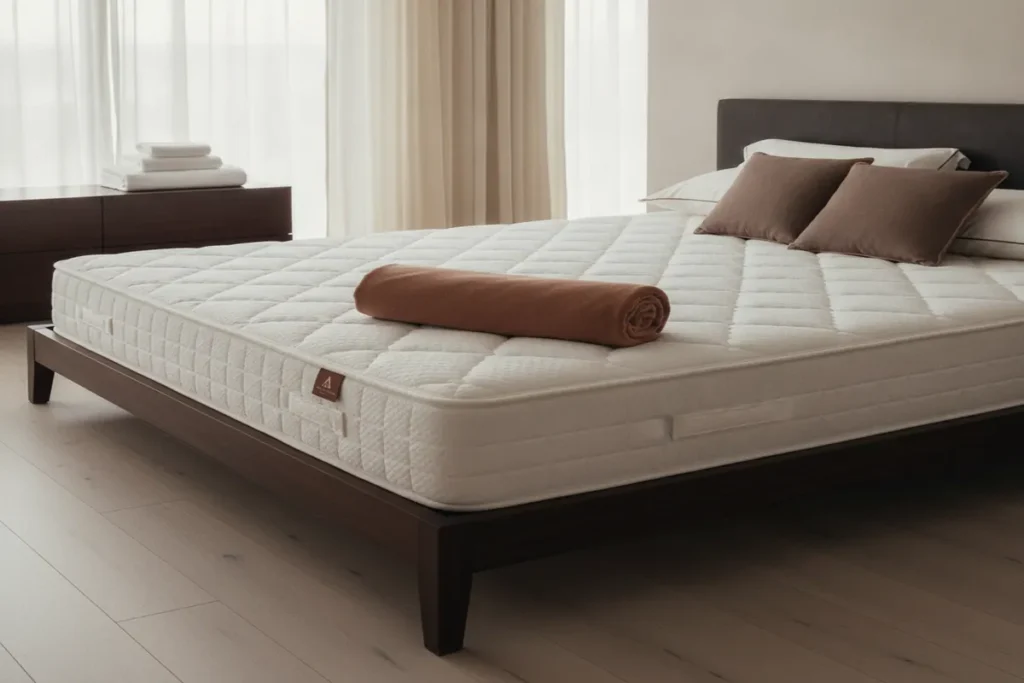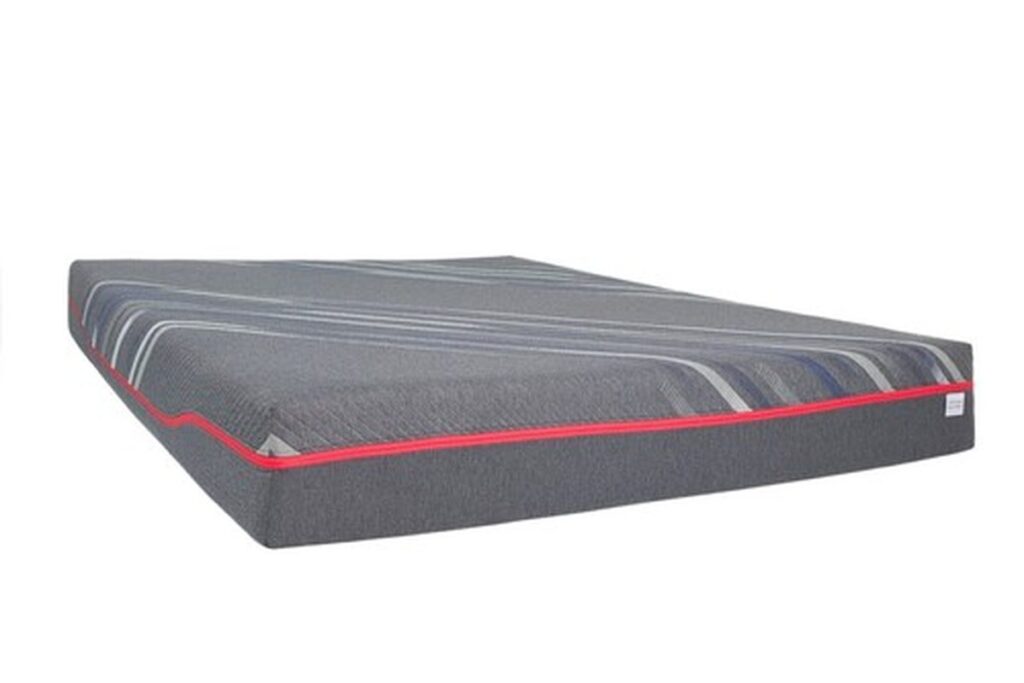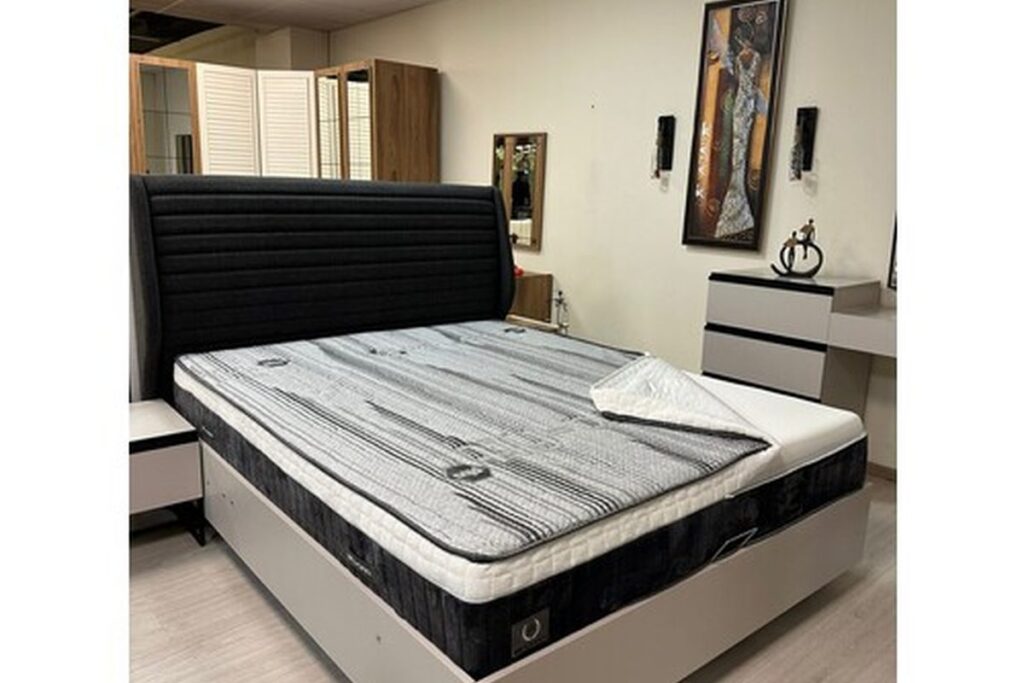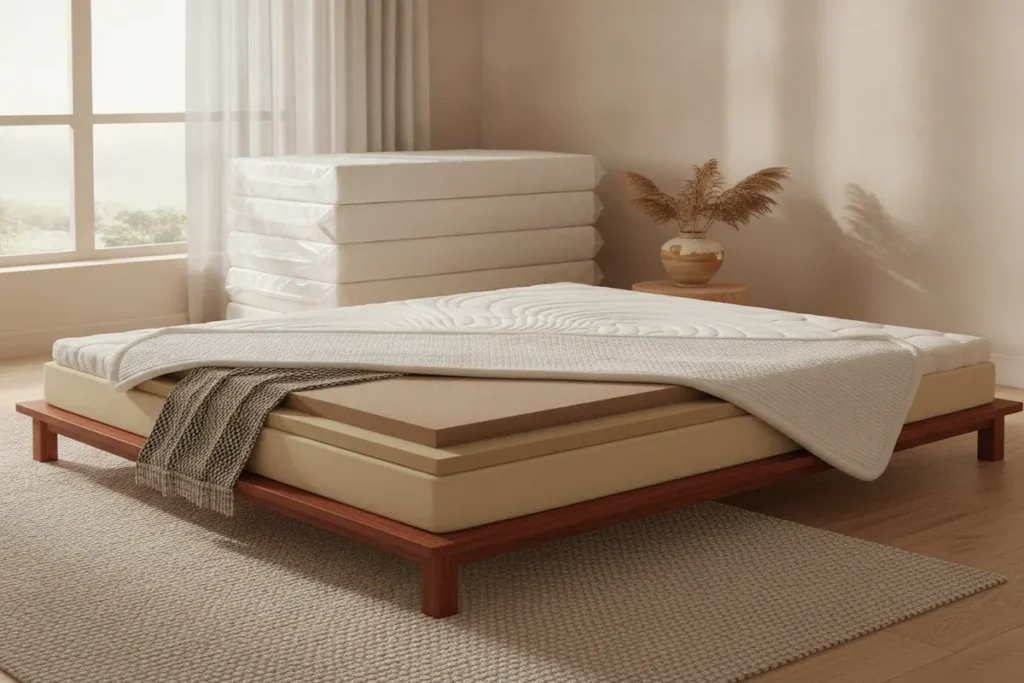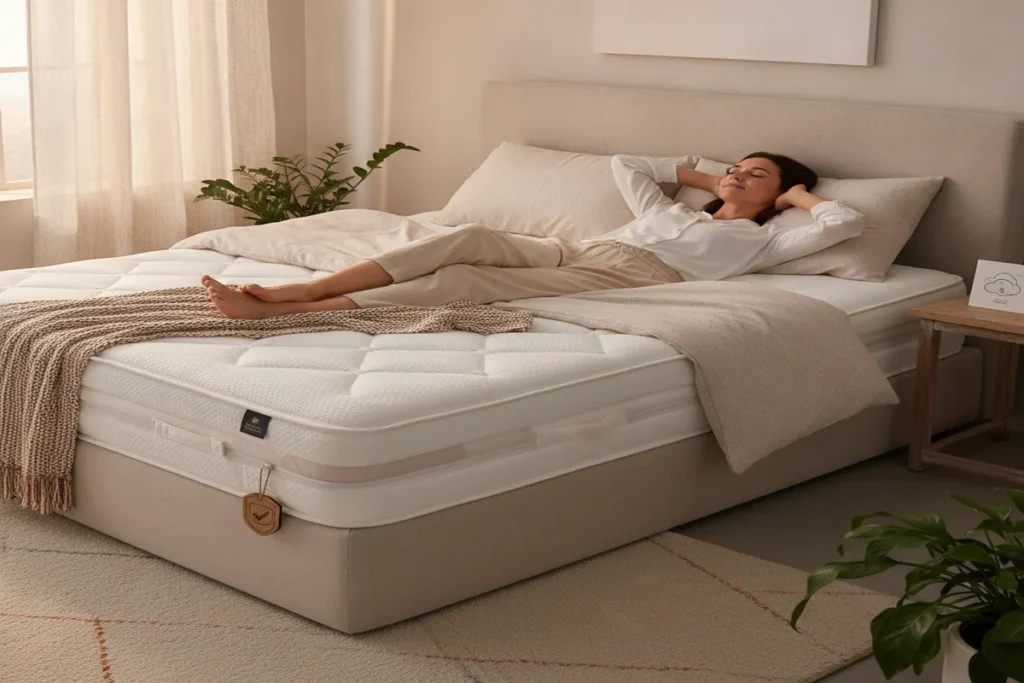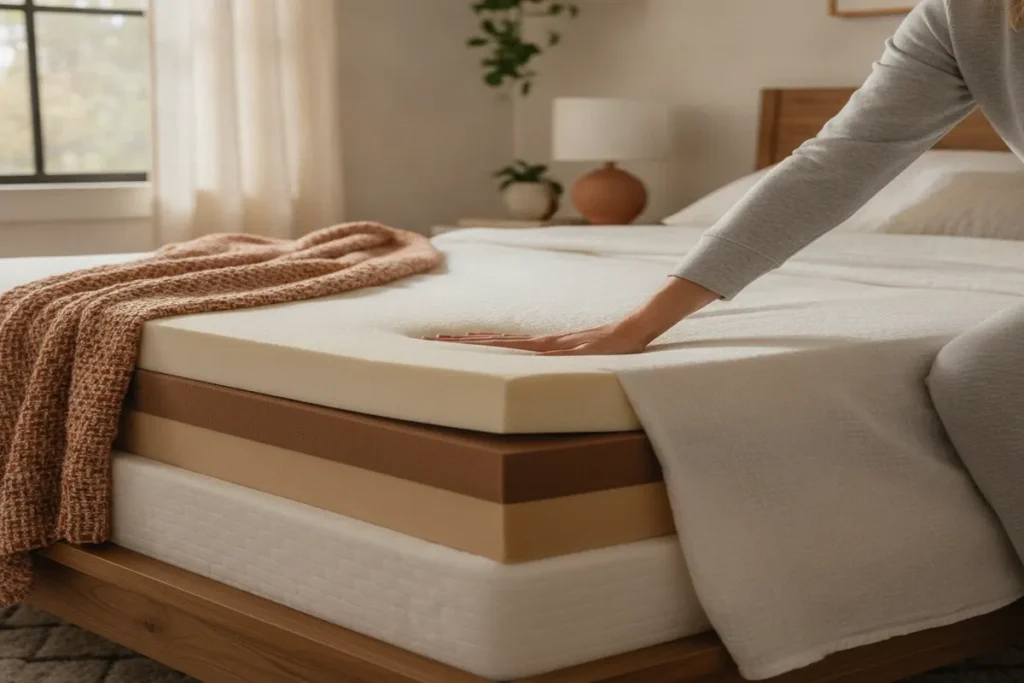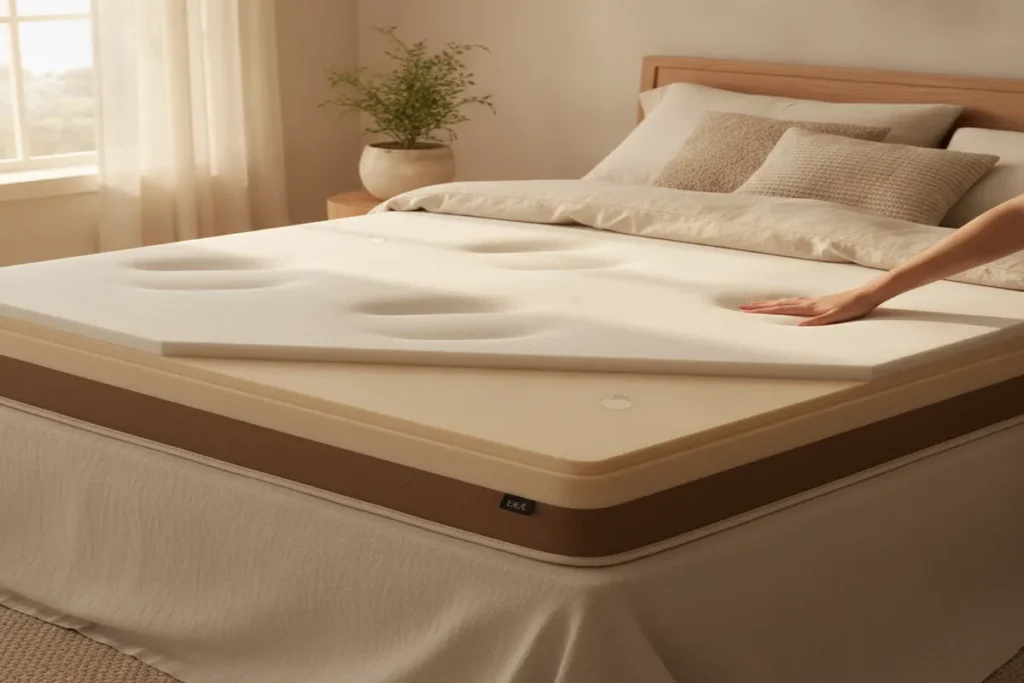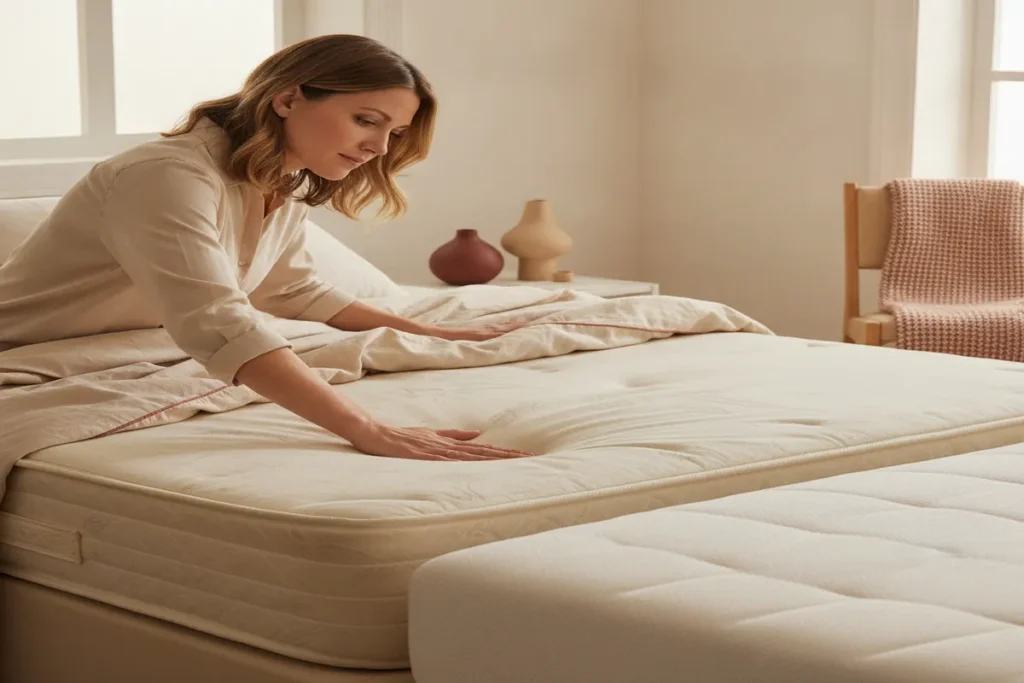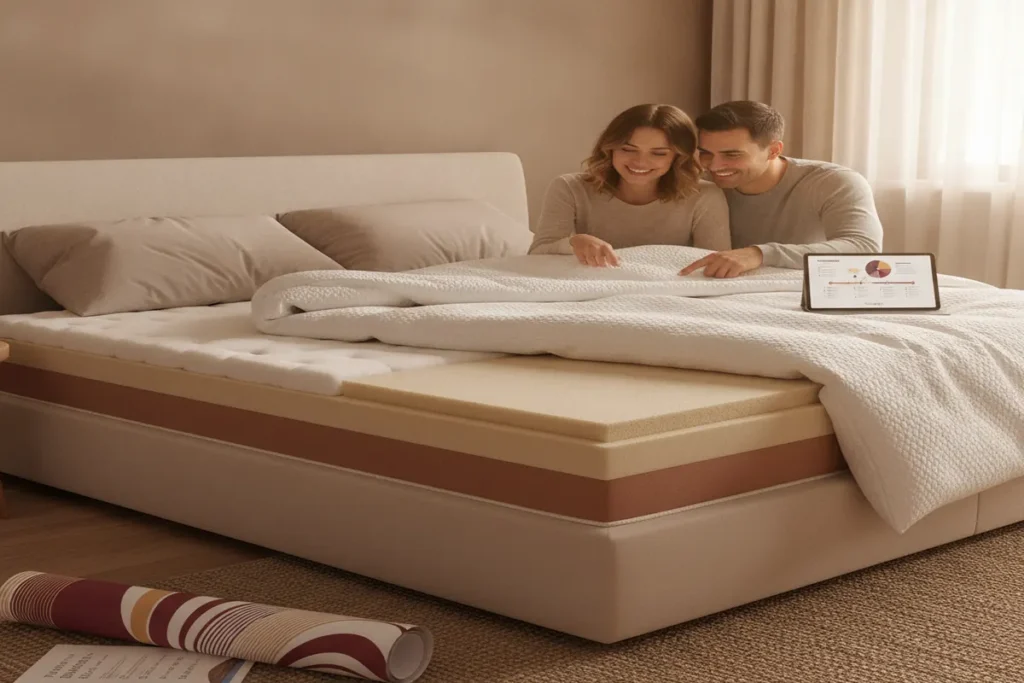

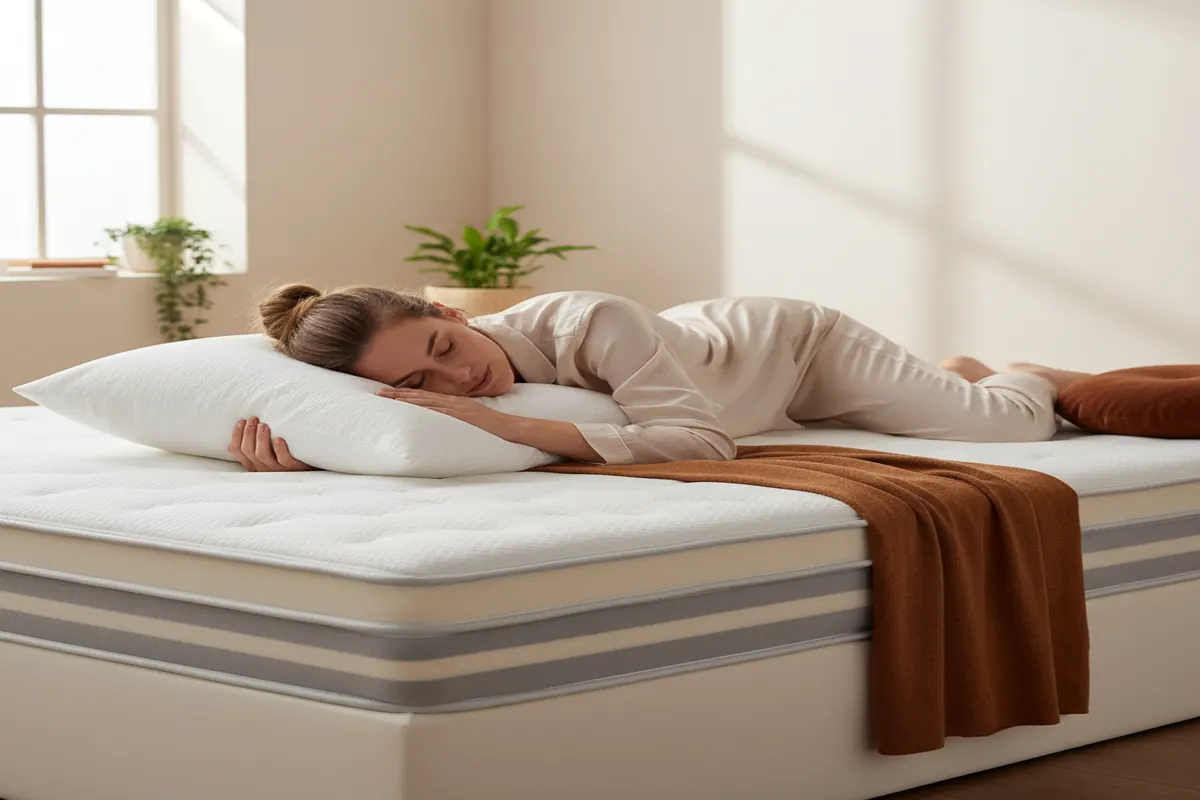
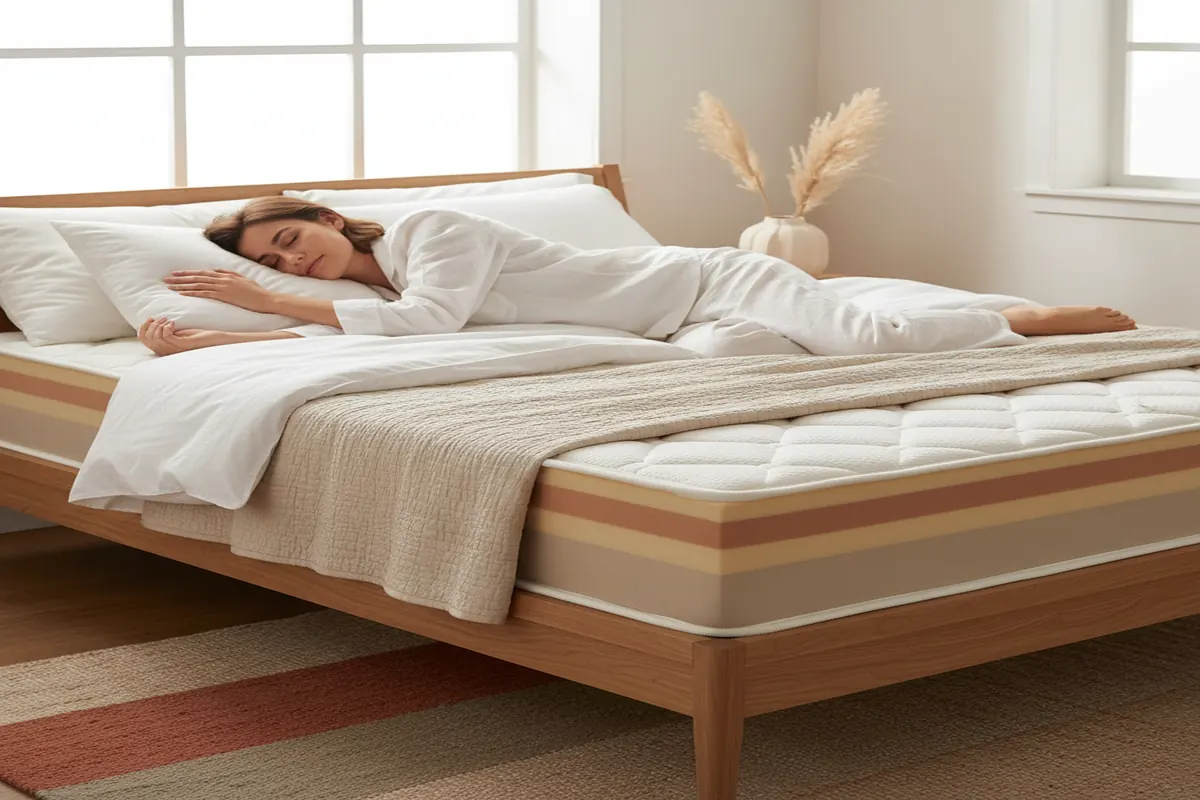
For stomach sleepers, selecting the right foam mattress is crucial for maintaining spinal alignment and preventing discomfort, particularly in the lower back and neck. The ideal foam mattress for this sleep position typically features a medium-firm to firm feel, providing robust support beneath the hips and abdomen to prevent them from sinking too deeply. This balanced support ensures the spine remains in a neutral position, mitigating pressure points and fostering restorative sleep without compromising posture.
Quick Summary
- Stomach sleepers require a medium-firm to firm foam mattress for optimal spinal alignment
- Memory foam offers contouring but can be too soft if not dense enough, leading to hip sinkage
- Latex foam provides more resilient, responsive support without excessive sink, making it an excellent option
- Key buying tips include prioritizing firmness, breathability, and considering hybrid alternatives
What Makes a Foam Mattress Ideal for Stomach Sleepers? The Core Principles of Support and Alignment
Stomach sleeping, while comfortable for some, presents unique challenges for spinal alignment. Unlike back or side sleepers, the primary concern for stomach sleepers is preventing the hips and abdomen from sinking too far into the mattress, which can hyperextend the lower back and strain the neck. A well-chosen foam mattress addresses this by offering a supportive yet conforming surface.
Here’s why foam, specifically, can be an excellent choice when selected correctly:
-
Targeted Support: High-density foam layers can provide the necessary resistance to keep the body on an even plane. This is critical for stomach sleepers, whose heaviest body parts (hips and pelvis) need firm elevation to align with the shoulders and head.
-
Pressure Relief Without Excessive Sink: While firmness is key, foam’s inherent ability to distribute body weight helps alleviate pressure points. The goal is relief without significant sinkage, which would counteract spinal alignment efforts.
-
Contouring for Comfort (with caveats): Certain foams, like memory foam mattress, can gently contour to the body’s curves, offering a sense of cradling. For stomach sleepers, this contouring must be minimal and paired with substantial underlying support to prevent a hammock effect.
-
Motion Isolation: Foam mattresses are excellent at absorbing motion, meaning movements from a partner are less likely to disturb sleep, a benefit for any sleeper, including those on their stomach.
The core principle for stomach sleepers is achieving a flat, neutral spinal alignment from head to toe. This means avoiding any mattress that allows the midsection to dip, which puts undue stress on the lumbar spine.
Navigating Foam Types: Memory Foam vs. Latex for Stomach Support
When considering a foam mattress for stomach sleepers, the type of foam used in its construction is paramount. Each foam type offers distinct properties that can either enhance or detract from the ideal support needed for stomach sleeping.
Memory Foam: The Contouring Conundrum for Stomach Sleepers
Memory foam mattress, also known as viscoelastic foam, is renowned for its body-conforming properties. It softens in response to body heat and pressure, molding precisely to your shape.
-
Pros for Stomach Sleepers (with the right density):
- Excellent Pressure Relief: Can distribute body weight evenly, reducing pressure on the chest and hips.
- Contouring Support: Adapts to the body’s natural curves, which can be comfortable if the underlying layers are firm enough.
- Motion Isolation: Minimizes disturbances from partner movement.
-
Cons for Stomach Sleepers (if too soft or low density):
- Excessive Sinkage: If the memory foam is too soft or not adequately supported by firmer base layers, the hips can sink too deeply, leading to an arched lower back.
- Heat Retention: Traditional memory foam can trap body heat, which might be uncomfortable for some, though newer open-cell designs and gel infusions aim to mitigate this.
- “Stuck” Feeling: The slow response time can make it harder to change positions, which might be a minor issue for stomach sleepers who occasionally shift.
For stomach sleepers, if opting for memory foam, it’s crucial to look for higher density foams (typically 4-5 lbs/cu ft or more) combined with a firm support core. This ensures the mattress offers sufficient resistance to keep the spine aligned.
Latex Foam: The Resilient Alternative
Latex foam mattress is derived from rubber tree sap (natural latex) or synthetic compounds. It’s known for its buoyancy, responsiveness, and durability.
-
Pros for Stomach Sleepers:
- Responsive Support: Latex offers a “push-back” feel that keeps the body elevated rather than allowing it to sink. This is highly beneficial for maintaining a flat spinal alignment.
- Durability: Latex is incredibly resilient and long-lasting, resisting impressions and sagging over time.
- Temperature Neutrality: Natural latex is inherently breathable due to its open-cell structure, making it a cooler option than traditional memory foam.
- Hypoallergenic: Natural latex is resistant to dust mites and mold, making it a good choice for allergy sufferers.
-
Cons for Stomach Sleepers:
- Higher Cost: Quality latex mattresses often come with a higher price tag.
- Weight: Latex mattresses can be quite heavy, making them challenging to move.
- Firmness Variation: While generally supportive, latex also comes in varying firmness levels, so selecting the right one is still essential.
Many stomach sleepers find the buoyant support of latex foam to be ideal, as it prevents the hips from sinking while still offering comfortable pressure relief. It’s often considered a superior choice for those seeking a foam mattress for stomach sleepers due to its inherent firmness and responsiveness.
Here’s a quick comparison of how these foam types generally perform for stomach sleepers:
Choosing the Right Firmness: Your Guide to Spine Alignment on a Foam Mattress
For stomach sleepers, mattress firmness isn’t just a preference; it’s a critical factor in spinal health. The goal is to keep your spine in a neutral, straight line from your neck down to your hips, avoiding any unnatural curves.
Why Firmness is Paramount for Stomach Sleepers:
-
Preventing Hip Sinkage: The heaviest part of a stomach sleeper’s body is typically the hips and pelvis. If the mattress is too soft, these areas will sink excessively, causing the lower back to arch uncomfortably. This hyperextension can lead to significant lower back pain over time.
-
Maintaining Neck Alignment: While less directly related to mattress firmness, a properly aligned lower back also contributes to better neck alignment. If the spine is curved, the neck often has to compensate, leading to strain.
-
Even Weight Distribution: A firmer surface ensures that your weight is distributed more evenly across the mattress, rather than concentrating it on certain pressure points.
Understanding Firmness Scales:
Mattress firmness is often rated on a scale of 1 to 10, where 1 is extremely soft and 10 is extremely firm.
-
Soft (1-3): Definitely too soft for stomach sleepers. Will cause significant hip sinkage.
-
Medium (4-5): Might work for very light stomach sleepers, but generally still too soft for most adults.
-
Medium-Firm (6-7): This is the sweet spot for many stomach sleepers. It provides enough resistance to keep the hips elevated while still offering a degree of comfort and pressure relief.
-
Firm (8-9): A good option for heavier stomach sleepers or those who prefer a very solid feel. It offers maximum support.
-
Extra Firm (10): Typically too rigid and can be uncomfortable, creating new pressure points rather than alleviating them.
Practical Considerations:
-
Body Weight: Heavier individuals generally require a firmer mattress to prevent excessive sinkage. A person weighing 250 lbs will need a firmer mattress than someone weighing 120 lbs to achieve the same level of support.
-
Build: Individuals with broader shoulders or hips might find a slightly less firm mattress more accommodating, but the core principle of preventing hip sinkage remains.
-
Personal Preference: While spinal alignment is paramount, personal comfort plays a role. If a mattress is too firm for your liking, you might not sleep well. Aim for the firmest mattress you can comfortably sleep on that still supports your spine.
When testing a mattress, lie on your stomach and have someone observe your spine. It should appear relatively straight, without a noticeable dip in your lower back. This visual check is often the most reliable indicator of proper firmness for a foam mattress for stomach sleepers.
Beyond Firmness: Essential Buying Tips for Stomach Sleepers
While firmness is paramount, several other factors contribute to finding the perfect foam mattress for stomach sleepers. Considering these aspects ensures a comfortable, healthy, and durable sleep solution.
Prioritizing Firmness and Support
As discussed, a medium-firm to firm feel is non-negotiable. Look for mattresses specifically designed with stomach sleepers in mind, which often feature denser core foams or zoned support to reinforce the midsection. Don’t be swayed by marketing that emphasizes plushness if it comes at the expense of proper support.
Considering Pressure Relief Without Excessive Sink
Even a firm mattress needs to offer some pressure relief. For stomach sleepers, this means cushioning around the chest and hips without allowing them to sink.
-
High-density foams: These can provide both support and pressure relief.
-
Responsive foams: Latex, in particular, offers a springy feel that prevents deep body impressions while still contouring subtly.
-
Zoned support: Some foam mattresses incorporate different firmness levels across the surface, with firmer support in the lumbar region and slightly softer areas for shoulders.
Breathability and Temperature Regulation
Stomach sleepers often have a larger surface area in contact with the mattress, making heat retention a potential issue.
-
Open-cell memory foam: Designed with a more porous structure to allow air circulation.
-
Gel-infused memory foam: Contains cooling gel beads to dissipate heat.
-
Latex foam: Naturally more breathable due to its open-cell structure.
-
Mattress covers: Look for covers made from breathable fabrics like cotton, Tencel, or even phase-change materials.
Understanding these material differences is key. Sinyora Yatak offers Visco Foam Mattress options with advanced cooling properties and Latex Foam Mattress choices known for their natural breathability.
Durability and Material Quality
A mattress is a significant investment. For stomach sleepers, continuous firm support is essential, which means the mattress must resist sagging over time.
-
High-density foams: Generally more durable and less prone to body impressions. Look for foam densities of 1.8 lbs/cu ft or higher for polyfoam base layers and 4-5 lbs/cu ft for memory foam comfort layers.
-
Quality construction: Research the manufacturer’s reputation and warranty. A good warranty (10+ years) often indicates confidence in durability.
-
Edge support: Strong edges prevent premature sagging and provide a stable surface if you sit on the side of the bed.
Trial Periods and Returns
Always prioritize mattresses with a generous in-home sleep trial (e.g., 90-120 nights). It takes time for your body to adjust to a new mattress, and you need to ensure it truly supports your stomach sleeping position without causing discomfort. Understand the return policy and any associated fees.
By focusing on these key buying tips, stomach sleepers can confidently navigate the market and find a foam mattress that promotes healthy sleep and prevents pain. Explore the Mattress Collection at Sinyora Yatak for various options and detailed product specifications.
Common Pitfalls: What Stomach Sleepers Should Avoid When Selecting a Foam Mattress
Choosing the wrong mattress can exacerbate existing pain or create new issues for stomach sleepers. Being aware of common mistakes can save you discomfort and regret.
Here are the pitfalls to actively avoid:
-
Opting for an Overly Plush or Soft Mattress: This is perhaps the most significant mistake. A mattress that feels luxuriously soft initially will likely allow your hips and abdomen to sink too far, creating an unhealthy arch in your lower back. This often leads to chronic lower back pain.
-
Ignoring Firmness Recommendations Based on Body Weight: Lighter individuals might get away with a slightly softer mattress than heavier individuals, but the principle of proper spinal alignment remains. Assuming a “medium” firmness will work for everyone regardless of weight is a misstep.
-
Prioritizing Pressure Relief Over Support: While pressure relief is important, for stomach sleepers, it must never come at the expense of core support. Too much “give” in the comfort layers, even if it feels good initially, will compromise spinal alignment.
-
Failing to Check for Zoned Support: Many modern mattresses feature zoned support systems, offering different firmness levels across the bed. For stomach sleepers, a mattress that is firmer in the lumbar and hip region is ideal. Overlooking this feature means potentially missing out on tailored support.
-
Not Considering Temperature Regulation: Stomach sleepers have more body surface contact with the mattress, which can lead to overheating, especially with traditional memory foam. Ignoring features like gel infusions, open-cell foam, or naturally breathable latex can lead to uncomfortable, sweaty nights.
-
Skipping the Sleep Trial: Buying a mattress without a substantial in-home trial is risky. What feels good for a few minutes in a showroom might not translate to a full night’s sleep, especially for a sensitive position like stomach sleeping.
-
Relying Solely on Online Reviews Without Understanding Context: While reviews are helpful, remember that a “comfortable” mattress for a side sleeper might be detrimental for a stomach sleeper. Filter reviews for those from individuals with similar sleep positions and body types.
-
Neglecting Your Pillow Choice: Even with the perfect mattress, an improper pillow can ruin spinal alignment for stomach sleepers. A very thin pillow, or no pillow at all, is often recommended to keep the neck as neutral as possible. A thick pillow will crane the neck upwards.
By actively avoiding these common mistakes, stomach sleepers can significantly increase their chances of finding a foam mattress that promotes healthy, pain-free sleep.
Is Memory Foam the Best Choice for Stomach Sleepers? A Deeper Look
The question of whether memory foam is the “best” choice for stomach sleepers is nuanced. While its pressure-relieving qualities are undeniable, its inherent contouring nature can be a double-edged sword for this specific sleep position.
Understanding the Memory Foam Challenge:
Traditional, softer memory foam excels at deep contouring. This is fantastic for side sleepers who need significant cushioning for their hips and shoulders, allowing them to sink in without pressure points. However, for stomach sleepers, this same deep contouring can lead to:
-
Hammocking Effect: The hips and midsection, being the heaviest parts, can sink excessively into softer memory foam. This creates a “hammock” or “U” shape in the spine, hyperextending the lower back and leading to pain.
-
Heat Trapping: The dense structure that allows for deep contouring can also restrict airflow, leading to heat buildup, which is often more pronounced for stomach sleepers due to increased body contact.
When Memory Foam Can Work for Stomach Sleepers:
Memory foam isn’t entirely off-limits for stomach sleepers, but specific characteristics are essential:
-
High-Density Memory Foam: Look for memory foam with a density of at least 4-5 lbs/cubic foot. Higher density foams are firmer and more supportive, resisting deep sinkage.
-
Firm Support Core: The memory foam comfort layer must be paired with a very firm base layer, typically high-density polyfoam, to provide the necessary resistance against hip sinkage.
-
Thin Comfort Layer: A thinner layer of memory foam (1-2 inches) on top of a firm support core might offer just enough pressure relief without allowing the body to sink too far.
-
Zoned Support: Memory foam mattresses with targeted firmer zones in the lumbar region can provide crucial support where stomach sleepers need it most.
-
Advanced Cooling Features: Gel infusions, open-cell structures, or phase-change materials in the memory foam can help mitigate heat retention.
Why Latex is Often Preferred:
Many experts and stomach sleepers find that latex foam mattress is often a more inherently suitable choice. Its natural elasticity and responsiveness mean it supports the body on the surface rather than allowing it to sink into it. This provides a more consistent, buoyant lift that is ideal for maintaining spinal alignment in the stomach position.
Conclusion on Memory Foam for Stomach Sleepers:
While a carefully selected, high-density, firm memory foam mattress can work for some stomach sleepers, it often requires more specific scrutiny than other foam types. If you love the conforming feel of memory foam, ensure it’s paired with robust underlying support to prevent spinal misalignment. For a more straightforward and often more effective solution for spinal alignment, latex foam or a firm hybrid mattress (combining coils and foam) might be a safer bet. Sinyora Yatak’s Visco Foam Mattress range includes options engineered with varying densities to cater to specific support needs.
When to Consider Alternatives: Hybrid or Innerspring for Stomach Sleepers
While foam mattresses offer compelling benefits, they aren’t the only solution for stomach sleepers. Understanding when to consider hybrid mattress or innerspring mattress options can broaden your search and lead to an even better sleep experience.
Hybrid Mattresses: The Best of Both Worlds?
A hybrid mattress combines the support of an innerspring coil system with the comfort of foam layers (memory foam, latex, or polyfoam). For stomach sleepers, this combination can be particularly advantageous.
-
Pros for Stomach Sleepers:
- Enhanced Support: The coil base (often pocketed coils) provides strong, consistent support that prevents hip sinkage more effectively than an all-foam mattress might, especially for heavier individuals.
- Targeted Firmness: Many hybrid mattresses feature zoned coil systems, offering firmer support in the lumbar area where stomach sleepers need it most.
- Improved Airflow: The coil layer allows for significant airflow, making hybrids generally cooler than all-foam mattresses.
- Responsive Feel: The coils add bounce and responsiveness, making it easier to change positions compared to deep-sinking memory foam.
- Pressure Relief: The foam comfort layers still provide contouring and pressure relief, but with the robust support of coils underneath.
-
When to Consider a Hybrid:
- If you find all-foam mattresses too warm or struggle with the “stuck” feeling of deep memory foam.
- If you need exceptionally firm and durable support, especially if you are a heavier stomach sleeper.
- If you appreciate the pressure relief of foam but require the robust push-back of coils.
Sinyora Yatak offers Pocket Coils Mattress options designed to combine the resilient support of springs with the comfort of foam.
Innerspring Mattresses: The Traditional Choice
Innerspring mattress designs are the traditional mattress type, featuring a core of steel coils with minimal comfort layers.
-
Pros for Stomach Sleepers:
- Exceptional Firmness: Traditional innerspring mattresses, particularly those with a higher coil gauge (thicker wire) and lower coil count, can be very firm, offering excellent resistance against hip sinkage.
- Excellent Airflow: The open coil structure ensures maximum breathability, making them the coolest mattress type.
- Affordability: Often more budget-friendly than foam or hybrid options.
-
Cons for Stomach Sleepers:
- Limited Pressure Relief: The thin comfort layers mean less contouring and pressure relief, which can lead to pressure points for some.
- Motion Transfer: Older or less advanced innerspring systems can transfer motion easily.
- Noise: Can become squeaky over time.
- Durability Concerns: Cheaper models may sag faster.
-
When to Consider an Innerspring:
- If you prioritize maximum firmness and a very cool sleeping surface above all else.
- If you are on a strict budget and need a basic, firm support.
- If you prefer a very traditional, bouncy mattress feel.
Sinyora Yatak’s Bonnel Spring Mattress range provides robust innerspring options for those who prefer this classic construction.
Making the Right Choice:
The best mattress for a stomach sleeper ultimately comes down to individual preference, body type, and specific needs. While a firm foam mattress (especially latex) is an excellent choice, hybrids offer a compelling blend of foam comfort and coil support, and traditional innerspring mattresses remain a viable option for those seeking maximum firmness and breathability. Always consider a sleep trial to ensure the chosen alternative meets your unique requirements.
Your Expert Checklist for a Supportive Foam Mattress
Navigating the market for the perfect foam mattress for stomach sleepers can feel overwhelming. Use this expert checklist to evaluate your options and ensure you’re making an informed decision that prioritizes your spinal health.
-
Confirm Firmness Level:
- Is the mattress rated medium-firm to firm (6-8 on a 1-10 scale)?
- Does it visibly prevent your hips and abdomen from sinking when you lie on your stomach?
- (Self-test) Does your lower back feel flat and supported, not arched, after 15-20 minutes?
-
Evaluate Foam Type and Density:
- If memory foam, is it high-density (4-5 lbs/cu ft or more) in the comfort layers?
- If latex, is it natural or blended latex, known for its responsive support?
- Are the base layers high-density polyfoam (1.8 lbs/cu ft or more) for robust support?
-
Assess Support Structure:
- Does the mattress offer zoned support, with extra firmness in the lumbar region?
- Does it have strong edge support to prevent roll-off and provide a consistent sleeping surface?
- Is the overall construction designed to keep the spine in a neutral alignment for stomach sleepers?
-
Consider Temperature Regulation:
- Does the foam incorporate cooling technologies (gel infusion, open-cell design, phase-change materials)?
- If latex, is it naturally breathable?
- Are the cover materials breathable (e.g., organic cotton, Tencel)?
-
Check for Durability and Warranty:
- What is the mattress’s expected lifespan, based on material quality?
- Does it come with a substantial warranty (10+ years) that covers sagging beyond 1 inch?
- Are there consistent reports of the mattress holding its shape over time in reviews?
-
Review Trial Period and Return Policy:
- Is there an in-home sleep trial of at least 90-120 nights?
- Are there any hidden fees for returns or exchanges?
- How easy is the return process if the mattress doesn’t work out?
-
Pair with the Right Pillow:
- Are you also using a very thin pillow, or no pillow, to maintain neck alignment while on your stomach? (This is crucial for overall spinal health).
By systematically going through this checklist, you can confidently identify a foam mattress that provides the necessary support and comfort for healthy stomach sleeping, ensuring you wake up refreshed and pain-free.
Expert Insight
“For stomach sleepers, the primary enemy is excessive sinkage, particularly around the hips and abdomen. Industry experts confirm that a mattress that is too soft will inevitably lead to an arched lower back, causing strain and potential long-term discomfort. The goal is to find a surface that provides unwavering support, keeping the spine as straight as possible from head to toe, effectively floating the midsection rather than letting it dip.”
Key Terms
-
Spine Alignment: The maintenance of the natural curvature of the spine, ensuring it remains straight and neutral during sleep, crucial for preventing back and neck pain.
-
Firmness (Mattress): A measure of how hard or soft a mattress feels, typically rated on a scale of 1-10. For stomach sleepers, medium-firm to firm (6-8) is generally recommended.
-
Pressure Relief: The ability of a mattress to distribute body weight evenly, reducing concentrated pressure on specific points like hips, shoulders, and chest.
-
Hip Sinkage: The undesirable phenomenon where a sleeper’s hips and midsection sink too deeply into a mattress, causing the lower back to arch and leading to discomfort.
-
Visco Foam (Memory Foam): A type of polyurethane foam that responds to body heat and pressure by softening and conforming to the sleeper’s shape, offering contouring pressure relief.
How Can You Upgrade to More Comfortable Sleep with Sinyora Yatak?
At Sinyora Yatak, we understand the unique needs of every sleeper, including the often-misunderstood requirements of stomach sleepers. Our extensive Mattress Collection is meticulously crafted in Turkiye, renowned for its quality and durability, to provide the perfect balance of support and comfort. Whether you’re seeking the responsive buoyancy of a Latex Foam Mattress or the contouring support of a high-density Visco Foam Mattress, we have options engineered to keep your spine in optimal alignment.
We invite you to explore our Buying Guides which delve deeper into mattress selection, ensuring you make an informed decision. With Sinyora Yatak, you’re not just buying a mattress; you’re investing in years of healthier, more restorative sleep. Discover What Makes Turkish Mattresses Special and experience the difference of expert craftsmanship designed for international standards. Shop All Products today and begin your journey to a truly comfortable night’s rest.
Frequently Asked Questions
Q: What firmness level is best for stomach sleepers in a foam mattress?
Q: Can memory foam mattresses be good for stomach sleepers?
Q: What specific materials should I look for in a foam mattress as a stomach sleeper?
Q: How does a foam mattress help with spine alignment for stomach sleepers?
Q: What are common mistakes stomach sleepers make when buying a foam mattress?
Q: Should stomach sleepers use a pillow, and if so, what kind?