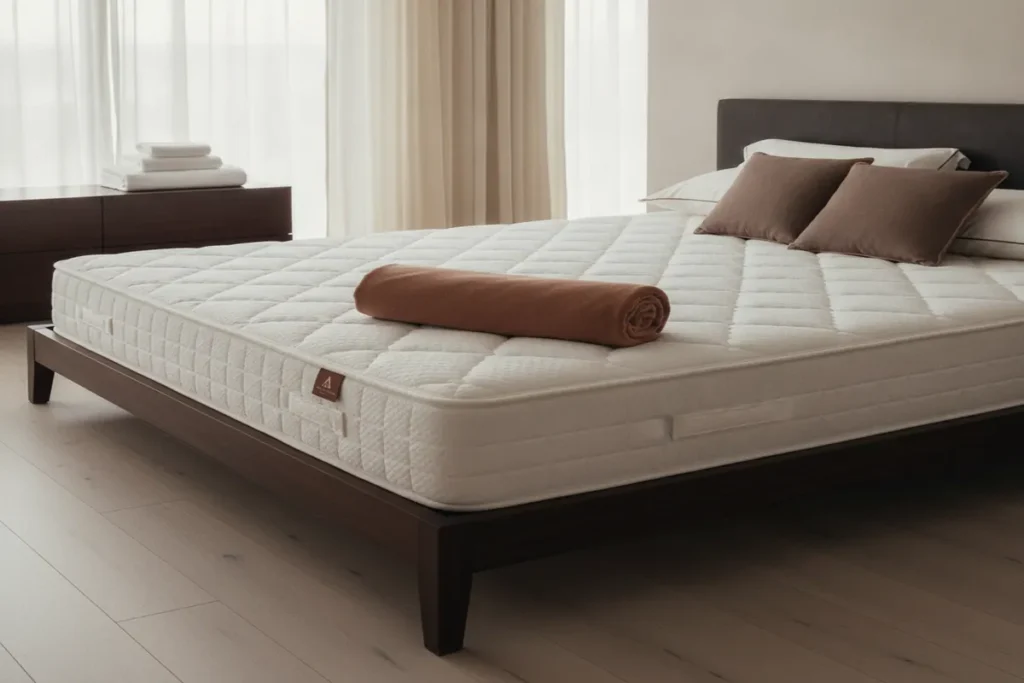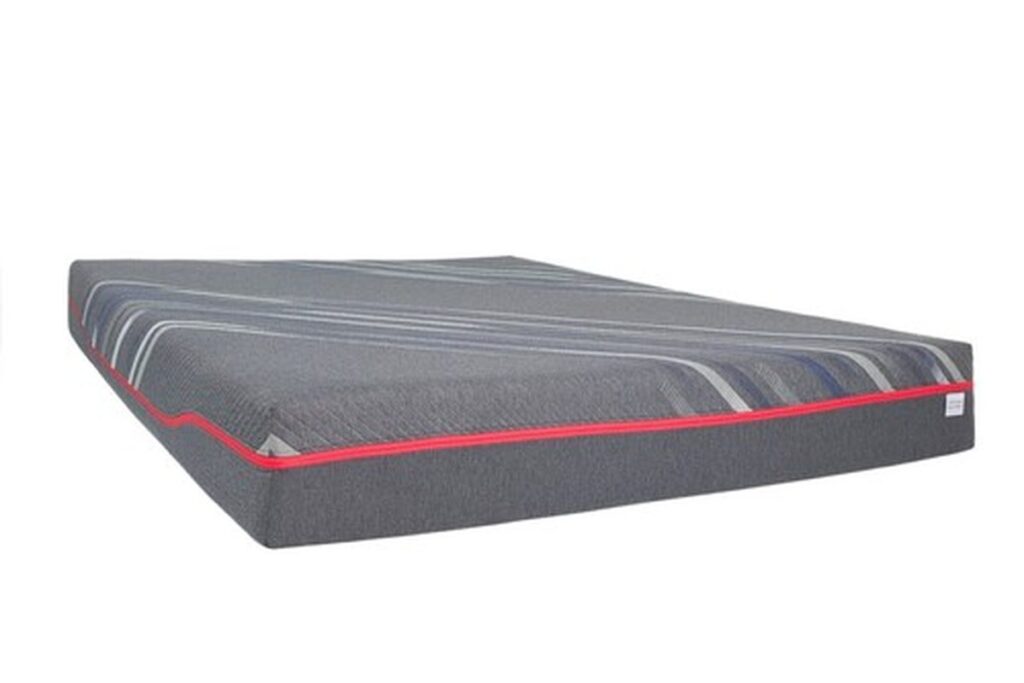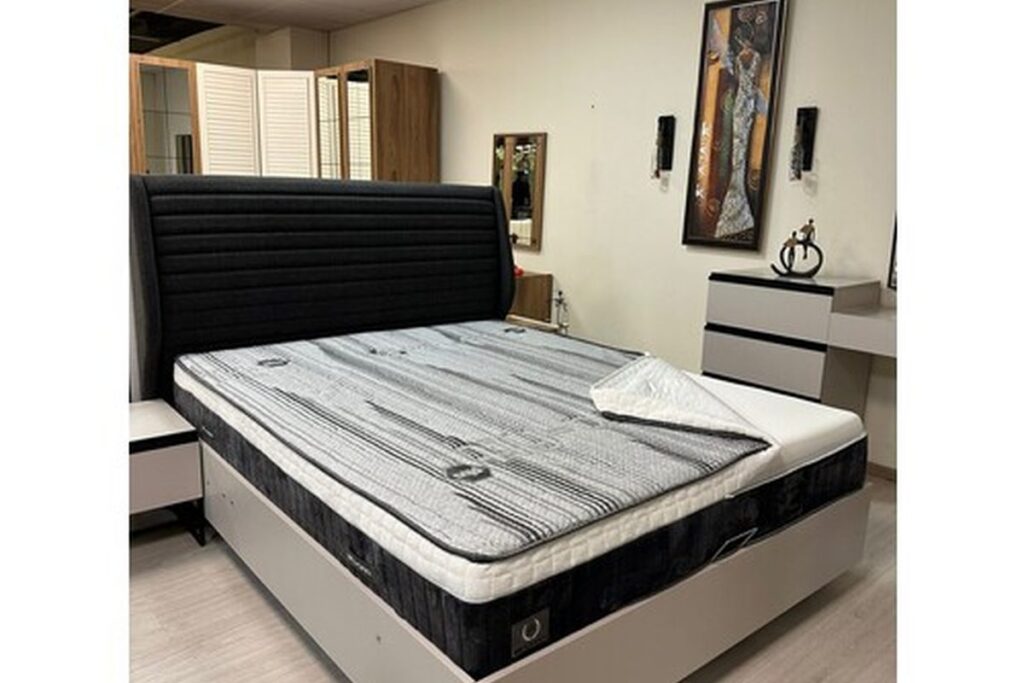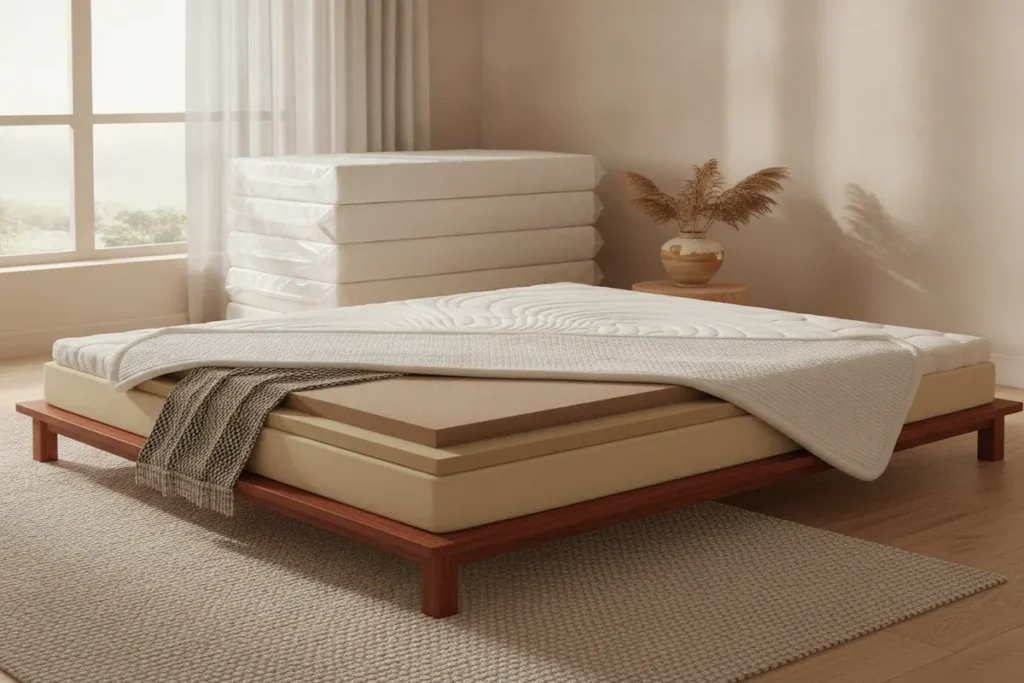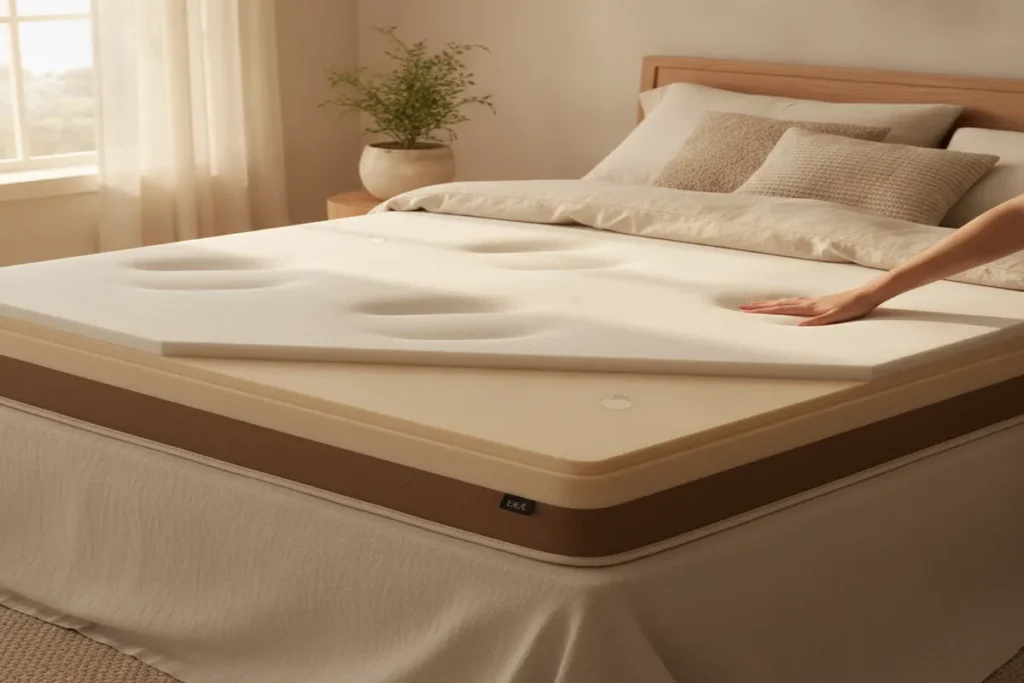

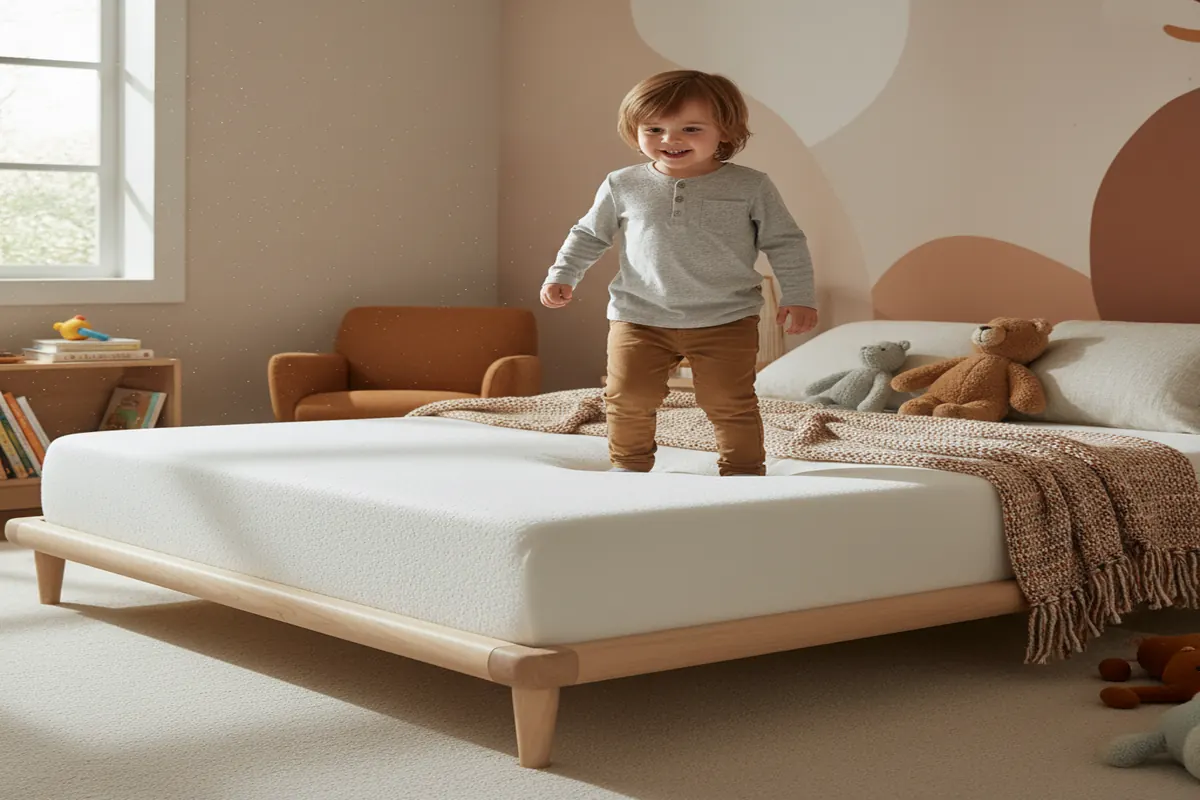
A foam mattress for children stands out due to its unique ability to combine optimal ergonomic support for developing spines with crucial safety features like low VOC emissions and hypoallergenic properties. Unlike adult mattresses, children’s foam options are specifically engineered to accommodate rapid growth stages, providing consistent firmness that prevents sagging, ensures proper spinal alignment, and offers a durable, hygienic sleep surface essential for their overall health and cognitive development.
Quick Summary
- Foam mattresses for children offer targeted support for growing bodies
- they prioritize safety with non-toxic, hypoallergenic materials
- exceptional durability ensures longevity through various growth stages
- superior motion isolation minimizes sleep disturbances
What Makes a Foam Mattress for Children the Right Choice for Growing Bodies?
Choosing the right mattress for a child is a foundational decision for their long-term health, and foam mattresses often emerge as a superior option compared to traditional innerspring models. The uniqueness of a foam mattress for children lies in its specialized construction and material properties, which are meticulously designed to meet the distinct physiological needs of developing bodies.
Here’s why foam mattresses are an excellent choice:
-
Adaptive Support and Spinal Alignment: Children’s bodies are constantly growing and changing. Foam, particularly high-density polyfoam or certain types of memory foam, can conform gently to the contours of a child’s body without being overly soft. This ensures proper spinal alignment, which is critical for preventing future back issues and supporting healthy skeletal development. Unlike spring mattresses that can create pressure points or lack consistent support across the entire surface, foam provides uniform weight distribution.
-
Durability and Longevity: A child’s mattress needs to withstand years of use, from toddlerhood through adolescence. High-quality foam is remarkably durable and resistant to sagging, maintaining its supportive properties over time. This means parents can invest in a mattress that will last through growth spurts and daily wear and tear without compromising comfort or support. This characteristic is particularly important when considering the long-term value, as detailed in our guide on Turkish Mattress Lifespan.
-
Hypoallergenic and Hygienic Properties: Children are often more susceptible to allergies and respiratory issues. Many foam mattresses are naturally hypoallergenic or treated to resist dust mites, mold, and mildew. Their dense structure also makes them less hospitable to allergens compared to spring mattresses with open coils. Furthermore, many foam mattresses come with removable, washable covers, making them easy to clean and maintain a hygienic sleep environment, a key aspect of Care and Maintenance.
-
Motion Isolation for Undisturbed Sleep: While children may not have partners, they often toss and turn. Foam excels at absorbing motion, meaning if a child shifts positions or gets in and out of bed, the rest of the mattress surface remains undisturbed. This contributes to more restful, uninterrupted sleep, which is vital for cognitive function and mood regulation.
-
Safety and Material Certifications: Reputable foam mattresses for children undergo rigorous testing for harmful chemicals and VOCs (Volatile Organic Compounds). Certifications like CertiPUR-US ensure the foam is made without ozone depleters, heavy metals, formaldehyde, and certain phthalates. This commitment to non-toxic materials is paramount for a child’s health, offering parents peace of mind.
Tailoring Sleep Solutions: Best Foam Mattresses for Toddlers vs. Older Kids
The sleep needs of a toddler are distinctly different from those of an older child or pre-teen. Recognizing these differences is crucial when selecting the best foam mattress for children, ensuring optimal support, safety, and comfort for each developmental stage.
Toddler-Specific Considerations: Finding the Best Foam Mattress for Toddlers
For toddlers transitioning from a crib to a “big kid” bed, the primary concerns revolve around safety, firmness, and hygiene.
-
Firmness is Key: The best foam mattress for toddlers should be firm. While it might seem counterintuitive, a firmer surface is safer for toddlers, reducing the risk of suffocation or SIDS (Sudden Infant Death Syndrome) in younger children. It also provides essential support for their rapidly developing bones and muscles. Look for high-density foam that offers a consistent, unyielding surface.
-
Low Profile and Edge Support: Toddler beds often sit lower to the ground, and a mattress that isn’t too thick can make it easier for them to get in and out independently. Good edge support is also beneficial, preventing falls if they roll close to the edge.
-
Waterproof or Water-Resistant Covers: Accidents happen. A foam mattress with a removable, washable, and ideally waterproof or water-resistant cover is a non-negotiable feature for toddlers. This protects the foam core from spills, potty training accidents, and general wear, prolonging the mattress’s life and maintaining hygiene.
-
Hypoallergenic Materials: Toddlers have developing immune systems. Choosing a mattress made with hypoallergenic foam and covers minimizes exposure to common allergens like dust mites and pet dander.
Kids’ Growth and Mattress Longevity: The Best Foam Mattress for Older Children
As children grow into school-age and beyond, their mattress needs evolve towards greater support for increased weight and height, along with continued durability to last through their teenage years.
-
Balanced Support: For older children, a foam mattress that offers a balance of support and comfort is ideal. While still requiring firm foundational support, a slight degree of contouring can be beneficial for pressure relief, especially for active kids. Medium-firm options are often a good compromise.
-
Size Considerations: As children grow, they’ll need larger mattresses. Moving from a toddler bed to a twin, twin XL, or even a full-size mattress allows them ample space to stretch out. Consider a mattress that will accommodate their growth for several years, rather than needing an upgrade too soon. Our Mattress Collection offers various sizes suitable for growing kids.
-
Breathability: Older children can generate more body heat during sleep. Opt for foam mattresses that incorporate cooling technologies, such as open-cell structures, gel infusions, or breathable covers, to prevent overheating and ensure comfortable sleep. This is where options like a [Latex Foam Mattress] or a specialized Visco Foam Mattress can be particularly beneficial.
-
Durability for Active Lifestyles: Kids are tough on their belongings. A durable foam mattress made from high-quality materials will withstand jumping, playing, and years of nightly use without losing its integrity or support.
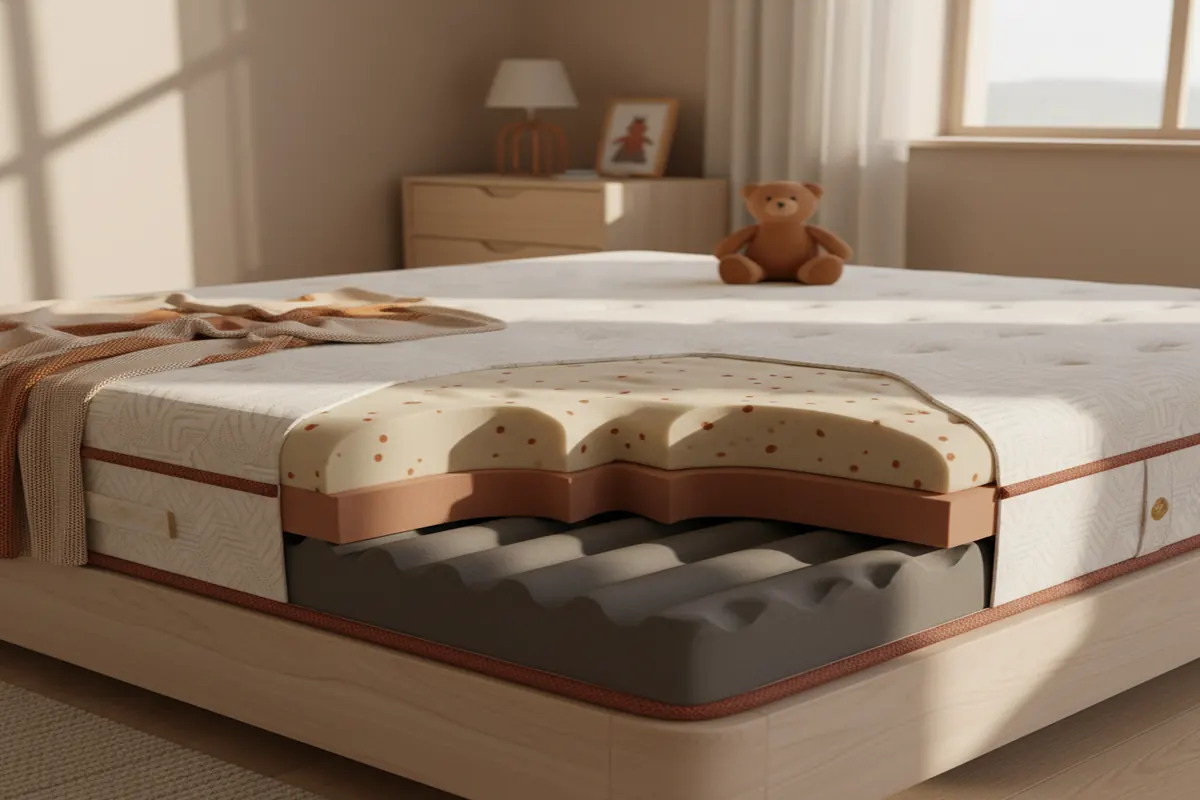
Comparing Foam Technologies: Which Type is Best for Your Child?
When searching for the ideal foam mattress for children, you’ll encounter several distinct foam types, each with unique properties. Understanding these differences is key to making an informed decision, especially when considering options like the best memory foam mattress for children or alternatives like latex.
Let’s break down the most common foam types suitable for kids:
1. Memory Foam (Visco Foam)
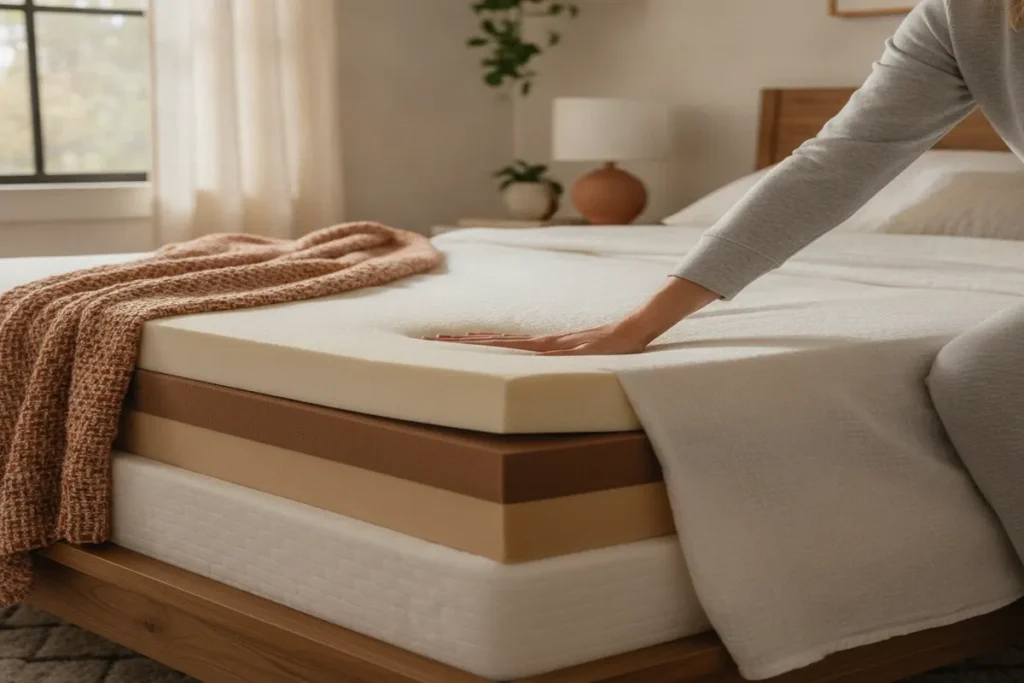
Memory foam, or Visco Foam Mattress, is renowned for its ability to contour closely to the body, providing excellent pressure relief and support. Originally developed by NASA, its viscoelastic properties allow it to soften in response to body heat and pressure, then slowly return to its original shape.
-
Pros for Children:
- Excellent Pressure Relief: Cradles the body, distributing weight evenly and relieving pressure points. This can be very comfortable for active kids who might have sore muscles.
- Superior Motion Isolation: Minimizes disturbances from movement, promoting uninterrupted sleep.
- Hypoallergenic: Often resistant to dust mites and allergens, particularly if certified.
-
Cons for Children:
- Heat Retention: Traditional memory foam can sometimes trap body heat, which might be uncomfortable for children who sleep hot. Newer formulations often include gel infusions or open-cell structures to mitigate this.
- Off-gassing: Lower-quality memory foam can release VOCs initially, though certified products (like CertiPUR-US) significantly reduce this concern.
-
Best For: Children needing significant pressure relief, those who sleep relatively still, or those with specific joint sensitivities. Brands like Tempur-Pedic (which is a high-end memory foam brand, hence the user question “best Tempurpedic mattress for kids”) exemplify this technology.
2. Latex Foam (Natural or Synthetic)
Latex foam is known for its responsiveness, durability, and natural properties. It comes in two main forms: natural latex (derived from rubber trees) and synthetic latex (petroleum-based). Blended latex combines both.
-
Pros for Children:
- Responsive Support: Offers a buoyant feel that supports without sinking too deeply, making it easier for children to move and change positions.
- Exceptional Durability: Natural latex is one of the most durable mattress materials, lasting for many years without sagging.
- Excellent Breathability: Its open-cell structure allows for superior airflow, keeping the sleeping surface cool.
- Naturally Hypoallergenic: Natural latex is inherently resistant to dust mites, mold, and mildew.
- Eco-Friendly (Natural Latex): A sustainable and renewable resource.
-
Cons for Children:
- Higher Cost: Natural latex mattresses tend to be more expensive.
- Weight: Latex mattresses can be quite heavy, making them harder to move.
- Allergy Risk (Rare): While rare, some individuals have latex allergies.
-
Best For: Children who need a responsive, breathable, and highly durable mattress, especially those with allergies or parents prioritizing natural materials. Our [Latex Foam Mattress] options highlight these benefits.
3. High-Density Polyfoam (Polyurethane Foam)
High-density polyfoam is a foundational type of foam often used in the core of mattresses or as a support layer. It’s a versatile and cost-effective option.
-
Pros for Children:
- Firm Support: Provides a solid, stable base, which is ideal for younger children and toddlers who require a very firm sleeping surface.
- Affordability: Generally less expensive than memory foam or latex.
- Durability: High-density polyfoam is quite durable and resistant to impressions, especially when chosen with a higher density rating.
-
Cons for Children:
- Less Contouring: Doesn’t offer the same level of pressure relief or contouring as memory foam or latex.
- Breathability: Can be less breathable than latex, though better than traditional memory foam.
-
Best For: Toddlers and younger children who need a very firm and supportive mattress, or as a durable base layer in a multi-layered foam mattress.
Here’s a quick comparison table to help visualize the differences:
Essential Features: What to Look for in a Quality Foam Mattress for Children
Selecting a foam mattress for children involves more than just picking a foam type. A truly quality mattress will incorporate several key features that enhance safety, comfort, and longevity. Paying attention to these details ensures you’re investing in a sleep solution that genuinely supports your child’s well-being.
Here’s a practical checklist of essential features:
-
1. Optimal Firmness Level:
- For Toddlers: Firm is non-negotiable. It provides crucial support for their developing spine and reduces entrapment risks.
- For Older Children: Medium-firm to firm. While slight contouring is fine, avoid excessively soft mattresses that can lead to poor spinal alignment and sagging over time. The mattress should feel supportive, not like a cloud they sink into.
-
2. Certifications for Safety and Health:
- CertiPUR-US: This is paramount for foam mattresses. It certifies that the foam is made without ozone depleters, PBDEs, TDCPP or TCEP flame retardants, mercury, lead, other heavy metals, formaldehyde, and phthalates, and has low VOC (Volatile Organic Compound) emissions for indoor air quality.
- OEKO-TEX Standard 100: Certifies that every component of the product, from the fabric to the thread, has been tested for harmful substances and is harmless in human ecological terms. This is particularly relevant for mattress covers and fabrics.
- GREENGUARD Gold: Indicates products have been tested for over 10,000 chemical emissions and meet stringent third-party chemical emissions standards, ensuring healthier indoor air quality.
-
3. Breathability and Temperature Regulation:
- Children, especially active ones, can overheat during sleep. Look for foam mattresses with features that promote airflow:
- Open-cell foam structures: Allow air to move more freely within the foam.
- Gel infusions: Help dissipate heat away from the body.
- Copper infusions: Can also aid in temperature regulation.
- Breathable covers: Materials like organic cotton, Tencel, or bamboo are excellent choices for wicking away moisture and promoting air circulation.
- Children, especially active ones, can overheat during sleep. Look for foam mattresses with features that promote airflow:
-
4. Durable and Washable Cover:
- A high-quality mattress cover is crucial for hygiene and protection.
- Removable and Washable: Essential for easy cleaning of spills, accidents, and general upkeep.
- Water-Resistant/Waterproof: A waterproof layer underneath the main cover or an integrated waterproof cover is a lifesaver for younger children, protecting the foam core from damage and odors.
- Durable Fabric: The cover should withstand frequent washing without losing its shape or integrity.
-
5. Edge Support:
- Good edge support ensures the mattress maintains its shape and doesn’t sag prematurely at the sides. It also provides a stable surface if a child sits on the edge of the bed or rolls close to it during sleep, enhancing safety.
-
6. Warranty and Trial Period:
- A robust warranty (typically 10+ years) reflects the manufacturer’s confidence in their product’s durability.
- A generous trial period (e.g., 90-120 nights) allows your child to genuinely test the mattress at home, ensuring it’s the right fit for their sleep needs without commitment.
Avoiding Common Mistakes When Choosing a Child’s Foam Mattress
Navigating the world of mattresses can be complex, and for children, the stakes are even higher. Parents often make several common mistakes that can inadvertently compromise their child’s comfort, safety, or the longevity of the mattress. Being aware of these pitfalls can save you time, money, and potential headaches.
Here are the common mistakes to avoid:
-
1. Prioritizing Softness Over Support:
- Mistake: Believing a softer mattress equals more comfort for a child.
- Why it’s wrong: While adults might enjoy a plush feel, children’s developing spines need firm, consistent support to maintain proper alignment. An overly soft mattress can lead to sinking, poor posture, and even breathing issues for younger children.
- Correction: Always opt for a medium-firm to firm foam mattress, especially for toddlers and younger kids. The mattress should feel supportive, not like a hammock.
-
2. Ignoring Material Certifications (e.g., CertiPUR-US, OEKO-TEX):
- Mistake: Focusing solely on price or brand name without checking for safety certifications.
- Why it’s wrong: Non-certified foams can contain harmful chemicals (VOCs, heavy metals, flame retardants) that off-gas into your child’s bedroom, potentially affecting their respiratory health and overall well-being.
- Correction: Always verify that the foam is CertiPUR-US certified (for foam) and that the fabrics carry OEKO-TEX Standard 100 or GREENGUARD Gold certifications. These ensure a non-toxic sleep environment.
-
3. Buying a Mattress That’s Too Thin or Low-Density:
- Mistake: Opting for a cheaper, thinner, or lower-density foam mattress to save money.
- Why it’s wrong: Thin or low-density foam mattresses will sag quickly, lose their support, and offer inadequate pressure relief. They simply won’t last as long or provide the necessary support for a growing child.
- Correction: Look for a mattress with an adequate thickness (typically 6-8 inches for children’s beds) and a reputable foam density that indicates durability and support.
-
4. Not Considering the Bed Base:
- Mistake: Placing a new foam mattress on an old, unsupportive, or slatted bed base.
- Why it’s wrong: Foam mattresses require a solid, flat, and evenly supportive surface. Slatted bases with wide gaps can cause the foam to sag between the slats, compromising support and voiding warranties. An old box spring designed for innerspring mattresses might not offer the necessary rigidity.
- Correction: Ensure the bed frame has a solid platform or closely spaced slats (no more than 2-3 inches apart). If using a box spring, ensure it’s a foundation designed for foam mattresses. Our Bed Base and Headboard options are designed to provide optimal support.
-
5. Overlooking Breathability:
- Mistake: Choosing a dense foam mattress without considering its temperature-regulating properties.
- Why it’s wrong: Children can sleep hot, and a mattress that traps heat can lead to discomfort, sweating, and disturbed sleep, impacting their overall rest quality.
- Correction: Prioritize foam mattresses with features like open-cell structures, gel infusions, or breathable covers to ensure adequate airflow and temperature regulation.
-
6. Neglecting a Waterproof Mattress Protector:
- Mistake: Not using a high-quality waterproof mattress protector, especially for younger children.
- Why it’s wrong: Accidents, spills, and general moisture can penetrate the foam, leading to odors, mold/mildew growth, and irreversible damage, significantly shortening the mattress’s lifespan.
- Correction: Invest in a breathable, soft, and completely waterproof mattress protector from day one. This simple addition is crucial for hygiene and mattress longevity.
Evaluating Brands & Reviews: Finding the Best Foam Mattress for Children
When searching for the best foam mattress for children brands, the sheer volume of options can be overwhelming. Beyond understanding foam types and features, knowing how to evaluate brands and interpret reviews is critical for making a confident purchase. This section will guide you through identifying trustworthy brands and making sense of customer feedback.
How to Identify Reputable Brands
A reputable brand doesn’t just sell mattresses; it stands behind its products with transparency, quality, and customer support. Here’s what to look for:
-
Transparency in Materials and Certifications:
- Clear Disclosure: A good brand will explicitly state the type of foam used (e.g., high-density polyfoam, natural latex, gel memory foam) and its density.
- Visible Certifications: They will prominently display certifications like CertiPUR-US, OEKO-TEX, or GREENGUARD Gold on their product pages. If you have to dig deep or can’t find them, it’s a red flag.
-
Strong Warranty and Trial Period:
- Generous Warranty: A standard for quality mattresses is a 10-year warranty, covering manufacturing defects and significant sagging.
- Risk-Free Trial: Look for brands offering a sleep trial (e.g., 90-120 nights). This demonstrates confidence in their product and allows your child ample time to adjust to the mattress.
-
Positive Customer Service Reputation:
- Check independent review platforms (not just the brand’s website) for feedback on their customer service. Are issues resolved promptly and fairly? Is it easy to contact them?
-
Established Presence and Specialization:
- Brands that specialize in children’s or family bedding, or those with a long history of mattress manufacturing (like Sinyora Yatak, with its roots in [Mattress Wholesale in Turkiye] and commitment to [What Makes Turkish Mattresses Special]), often have a deeper understanding of specific needs.
-
Clear Return Policy:
- A straightforward and fair return policy is essential. Understand the process, any associated fees, and how returns are handled.
Interpreting Foam Mattress for Children Reviews
Customer reviews, particularly foam mattress for children review sections, are invaluable, but they need to be read critically.
-
Look for Specificity, Not Just Stars:
- A 5-star review that says “Great mattress!” is less helpful than a 4-star review detailing how the mattress helped reduce their child’s allergies or provided excellent support for their growing teen.
- Pay attention to comments on firmness, breathability, durability, and any initial off-gassing.
-
Consider the Reviewer’s Context:
- Is the reviewer talking about a toddler or an older child? Their needs are different.
- What kind of sleeper is the child (side, back, stomach)? While foam is adaptable, some types might suit certain positions better.
-
Scan for Recurring Themes:
- If multiple reviews mention a particular issue (e.g., “sleeps hot” or “developed a dip quickly”), it’s a strong indicator of a potential flaw.
- Conversely, consistent praise for support, comfort, or lack of odors is a good sign.
-
Check Verified Purchase Reviews:
- These are more reliable as they come from actual customers who bought the product.
-
Don’t Be Afraid of Negative Reviews (But Read Them Critically):
- A few negative reviews are normal and can even be helpful. They might highlight specific scenarios where the mattress isn’t ideal, or they might be outliers. Look at how the brand responds to negative feedback.
-
Beware of Overly Enthusiastic, Generic Reviews:
- Some reviews can be incentivized or less genuine. Look for natural language and detailed experiences.
By combining a thorough understanding of foam technologies with a discerning eye for brand reputation and authentic customer feedback, you can confidently select the best foam mattress for children that truly meets your child’s needs.
Expert Insight
“The long-term health benefits of a properly supportive mattress for children cannot be overstated. A firm, high-quality foam mattress ensures optimal spinal alignment during crucial developmental years, which is a key factor in preventing musculoskeletal issues later in life. Furthermore, investing in certified, non-toxic materials is paramount for creating a healthy sleep environment, safeguarding children from harmful chemical exposures during their most formative years.” – Industry experts confirm that this holistic approach to children’s sleep health is vital.
Key Terms
-
Viscoelastic Foam (Memory Foam): A type of polyurethane foam that reacts to body heat and pressure, conforming closely to the body’s contours for pressure relief and motion isolation.
-
Latex Foam: Derived from rubber trees (natural) or petroleum (synthetic), known for its buoyant support, excellent breathability, and durability.
-
CertiPUR-US: A certification program for polyurethane foam used in bedding and upholstered furniture, ensuring it meets strict standards for content, emissions, and durability.
-
Off-gassing: The release of volatile organic compounds (VOCs) into the air, often associated with new foam products. Certified foams have significantly reduced or eliminated harmful off-gassing.
-
Spinal Alignment: The proper positioning of the spine, which is crucial for preventing back pain and supporting healthy growth, especially in children.
A short comparison to help you make a better decision.
How Can You Upgrade to More Comfortable Sleep with Sinyora Yatak?
At Sinyora Yatak, we understand the critical importance of a healthy and supportive sleep environment for children. Our commitment to quality, safety, and ergonomic design is deeply ingrained in every mattress we produce. As specialists in [Turkish Mattresses], we leverage generations of expertise to craft foam mattresses that are not only exceptionally comfortable but also built to support your child’s growth and well-being for years to come.
Explore our meticulously designed [Mattress Collection], which includes advanced foam options like our [Visco Foam Mattress] and [Latex Foam Mattress], specifically engineered for superior support, breathability, and durability. We ensure all our materials meet stringent international safety standards, providing you with peace of mind. Whether you’re looking for a mattress for a toddler or an older child, our diverse range, backed by our expertise in Turkish Foam Mattress vs Spring comparisons, offers tailored solutions. Visit our [Buying Guides] or [Contact Us for Support] to find the perfect foam mattress that will nurture your child’s sleep and contribute to their vibrant, healthy development. We also cater to [Mattress Wholesale in Turkiye] and [Ship Turkish Mattresses Internationally], ensuring our quality reaches families worldwide.
Frequently Asked Questions
Q: What is the ideal firmness level for a child’s foam mattress?
Q: Are foam mattresses safe for children regarding chemicals and off-gassing?
Q: How long does a foam mattress for children typically last?
Q: Can a foam mattress help with a child’s allergies?
Q: What’s the difference between memory foam and latex foam for kids?
Q: Do children’s foam mattresses require a special bed base?