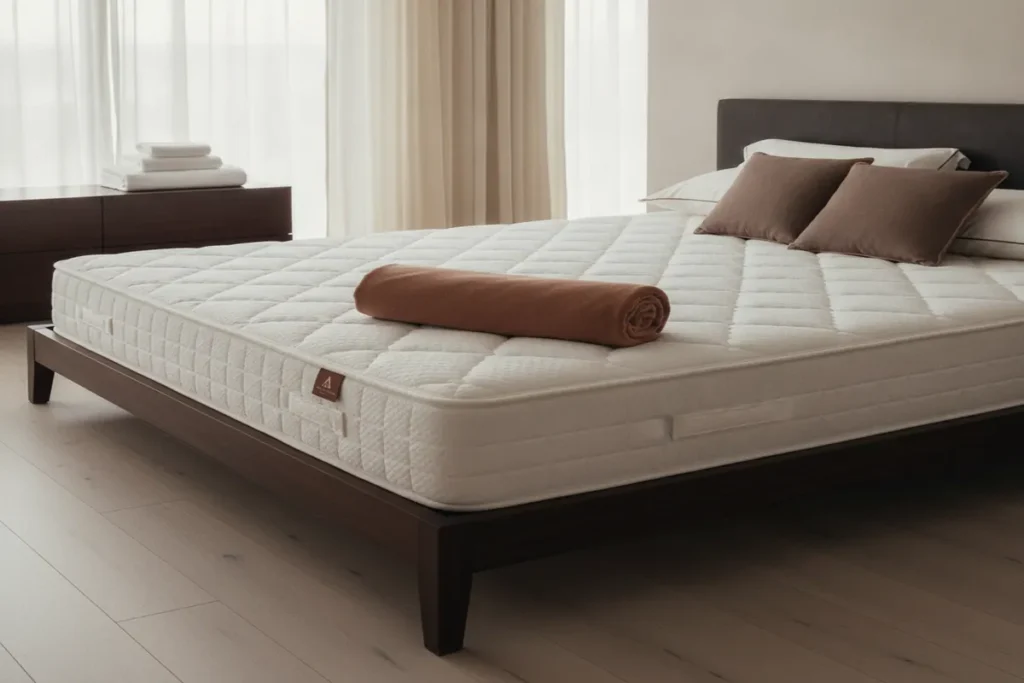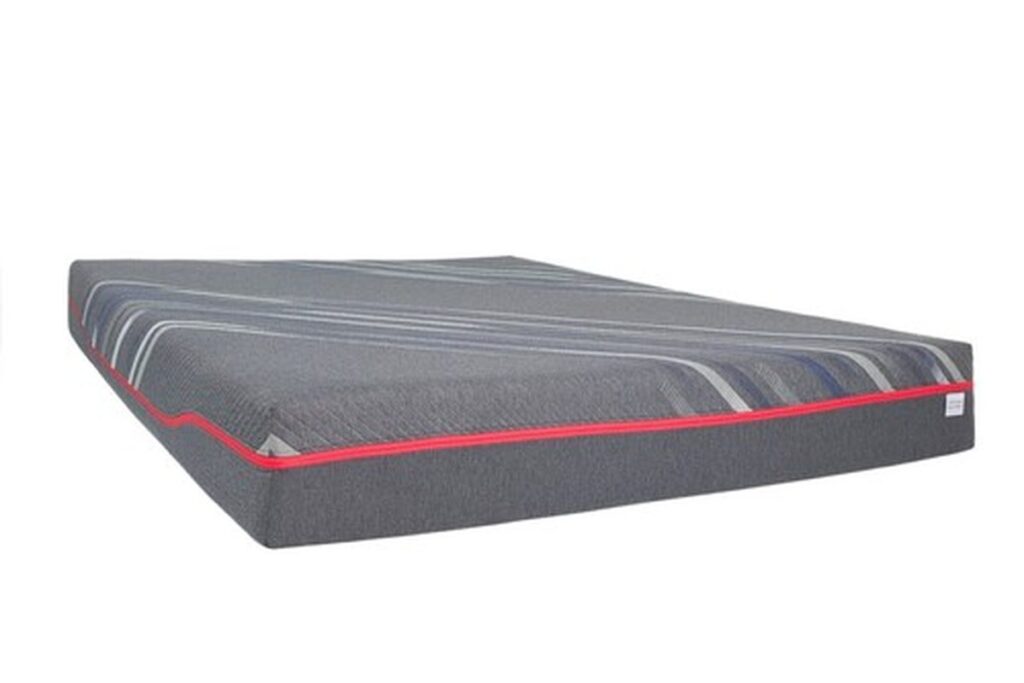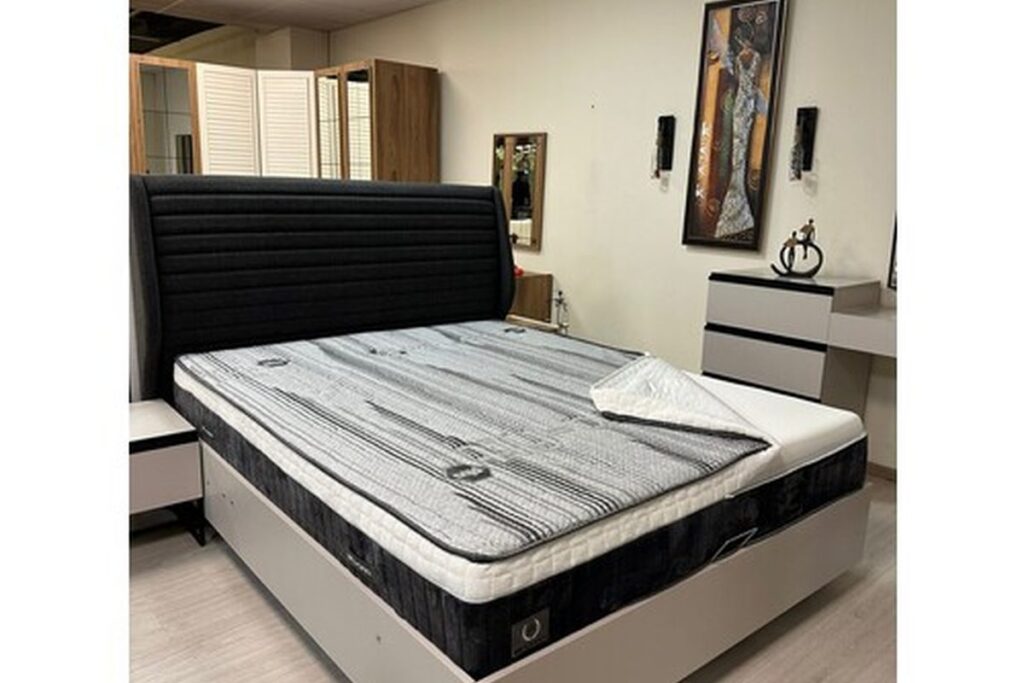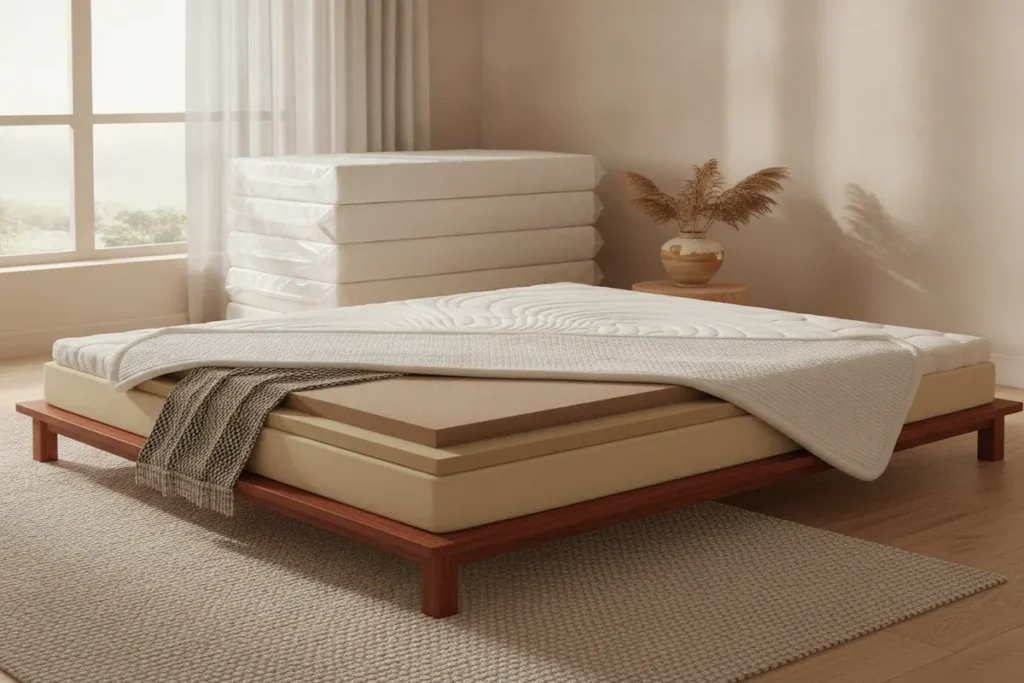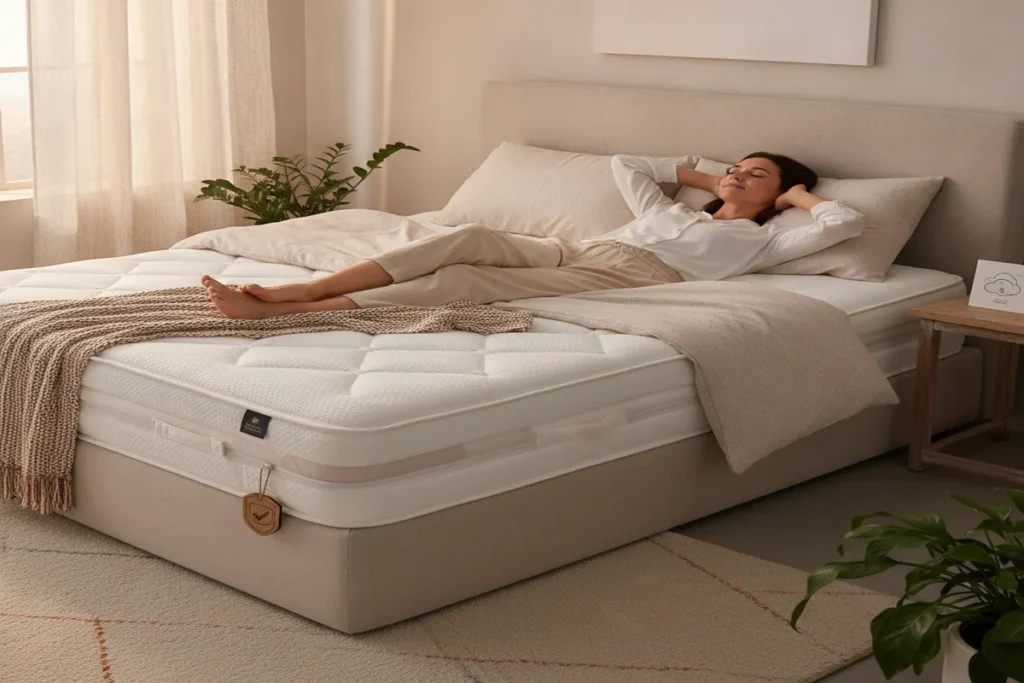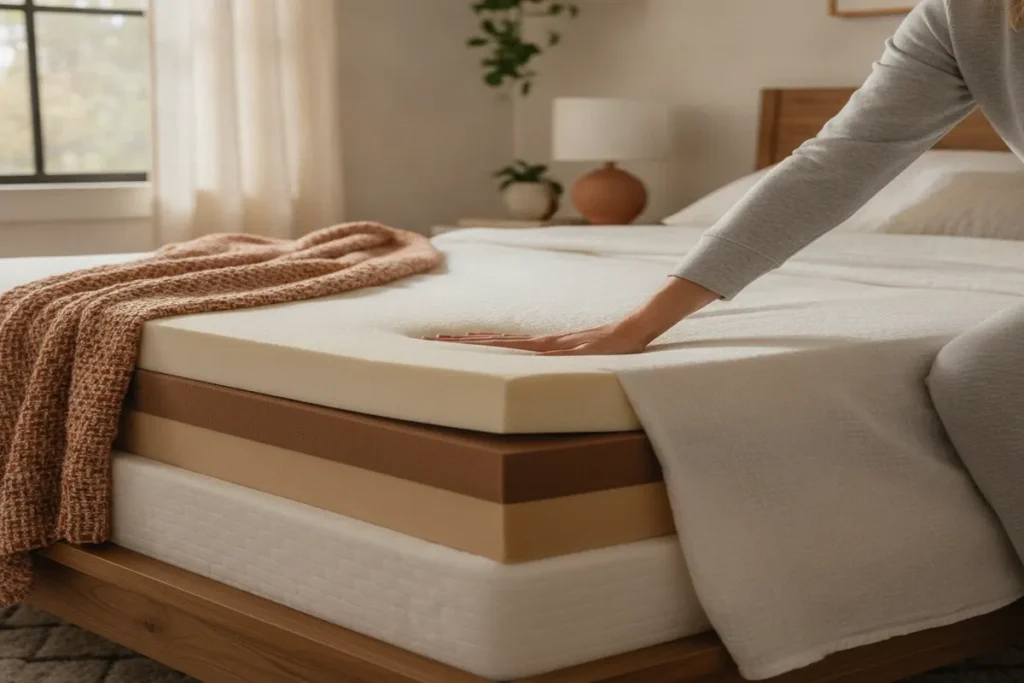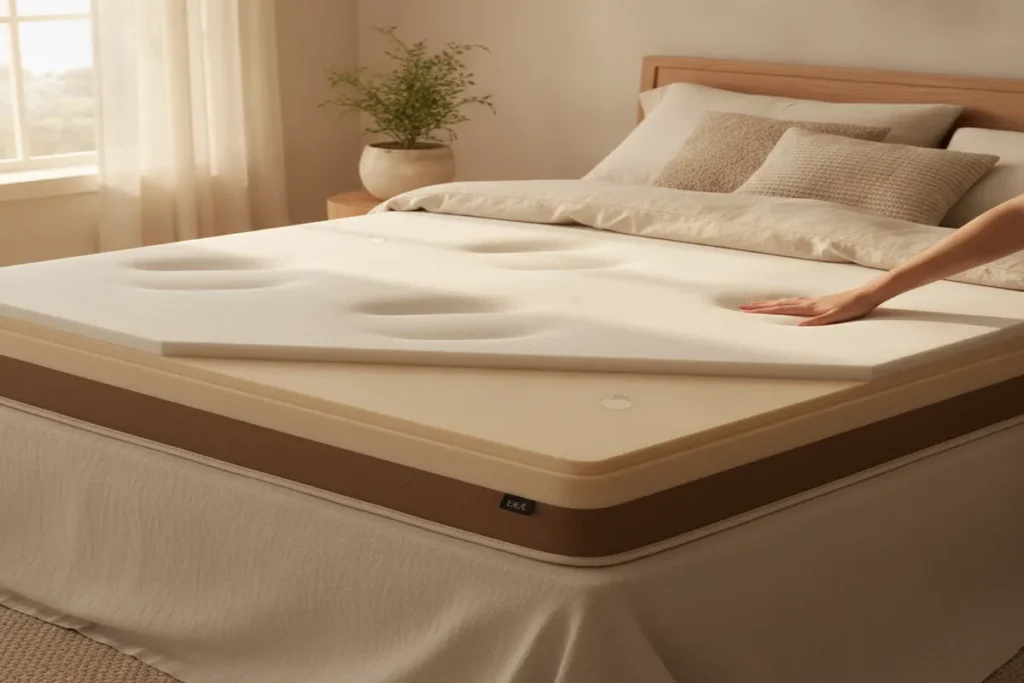

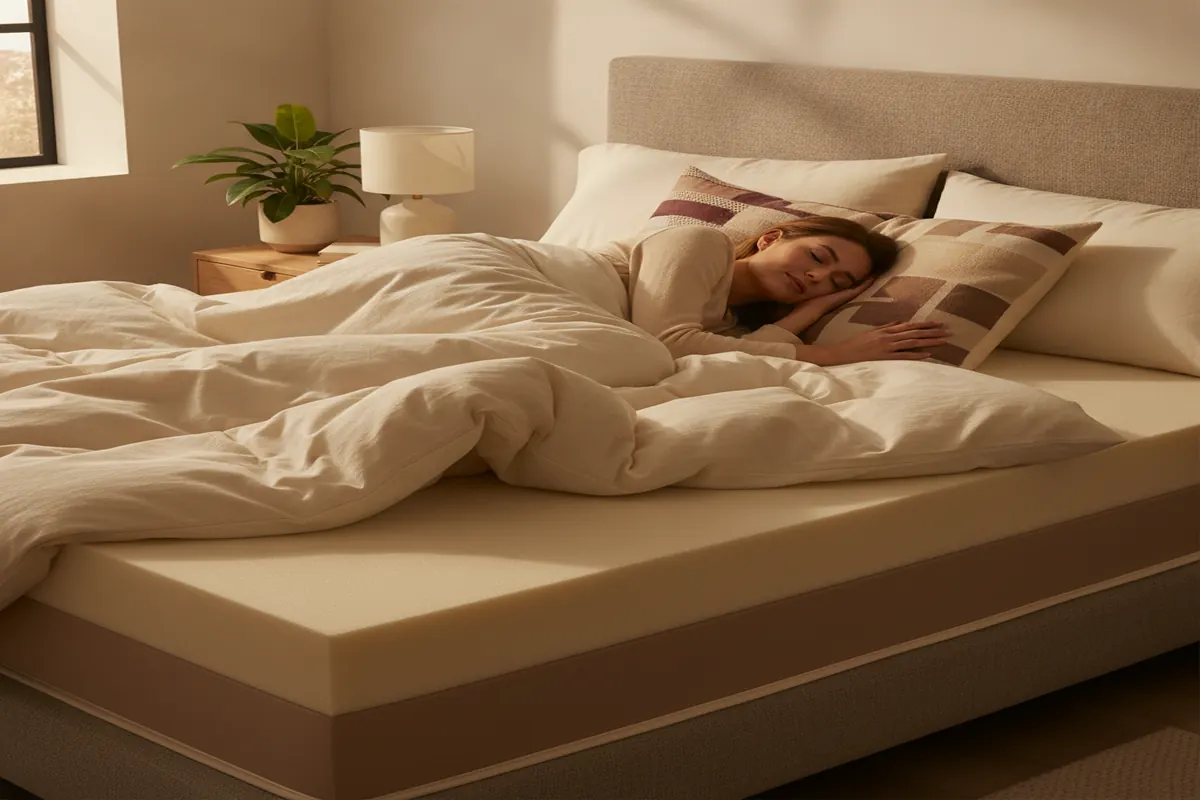
For side sleepers, the best foam mattress for side sleeping is one that masterfully balances contouring pressure relief with robust support, particularly around the shoulders and hips. This typically translates to a medium to medium-soft firmness level, allowing the body’s curves to sink in without misalignment, ensuring optimal spinal alignment and mitigating common pressure points that can lead to discomfort or pain. Key considerations include the foam type (memory foam or latex), its density, and cooling properties to maintain a comfortable sleep temperature throughout the night.
Quick Summary
- Side sleepers need a foam mattress that offers superior pressure relief for shoulders and hips
- optimal firmness for side sleepers is typically medium to medium-soft
- memory foam excels at contouring and pressure point cradling
- latex foam offers responsive support with natural properties
Why Foam Mattresses Are a Game-Changer for Side Sleepers
Traditional innerspring mattresses often struggle to provide the nuanced contouring necessary for side sleepers, leading to pressure build-up at the shoulders and hips. Foam mattresses, however, are engineered to adapt to the body’s unique shape, making them an ideal choice. Their ability to distribute weight evenly and absorb motion makes them particularly beneficial.
Here’s why foam mattresses stand out for those who prefer sleeping on their side:
-
Exceptional Pressure Relief: Foam, especially memory foam (also known as Visco Foam Mattress), excels at cradling the body’s curves. For side sleepers, this means less pressure on prominent areas like the shoulders and hips, which bear the brunt of body weight. This reduces the likelihood of waking up with aches or numbness.
-
Superior Spinal Alignment: A good foam mattress allows the shoulders and hips to sink just enough to keep the spine in a neutral, straight line from neck to tailbone. This is critical for preventing back pain and ensuring restorative sleep.
-
Motion Isolation: Foam mattresses absorb movement, meaning you’re less likely to be disturbed by a partner shifting or getting out of bed. This is a significant comfort factor, especially for light sleepers.
-
Durability and Support: High-density foams offer long-lasting support without sagging, maintaining their structural integrity over years of use. While Turkish Foam Mattresses are renowned for their durability and quality, understanding the specific foam composition is key.
-
Hypoallergenic Properties: Many foam mattresses are inherently resistant to dust mites and allergens, contributing to a healthier sleep environment.
Compared to hybrid or innerspring options, an all-foam construction often provides a more consistent, enveloping feel that many side sleepers find supremely comfortable. To delve deeper into the construction differences, you can explore our insights on Turkish Foam Mattress vs Spring.
Key Factors: What to Look For in the Best Foam Mattress for Side Sleeping?
Choosing the ideal foam mattress requires understanding several critical attributes that directly impact comfort and support for side sleepers. Don’t just look for “foam”; look for the right kind of foam with the right properties.
Essential factors to evaluate include:
-
Firmness Level: This is paramount for side sleepers.
- Medium-Soft to Medium: Generally considered the sweet spot. It allows enough sinkage for the shoulders and hips to relieve pressure, while still providing adequate support to keep the spine aligned. Too firm, and pressure points will develop; too soft, and the spine can sag, leading to back pain.
- Sinyora Yatak‘s Recommendations: Many of our Mattress Collection models are engineered with this balance in mind, often falling into the Medium mattress category.
-
Foam Type and Density:
- Memory Foam (Visco Foam): Known for its excellent contouring and pressure relief. Higher density memory foam (4-5 lbs/cu ft) typically offers better durability and support. It conforms closely to the body, creating a “hug” sensation.
- Latex Foam: Offers a more responsive, buoyant feel than memory foam. It contours well but springs back quickly. Natural latex is durable, breathable, and often hypoallergenic. Both Visco Foam Mattress and Latex Foam Mattress options are worth exploring.
-
Thickness of Comfort Layer: The top layer of foam that you directly sleep on is crucial. For side sleepers, a comfort layer of at least 2-3 inches, often more, is recommended to allow for adequate sinkage and pressure relief.
-
Cooling Technologies: Traditional memory foam can retain heat. Look for mattresses that incorporate cooling gels, open-cell structures, graphite, copper infusions, or breathable covers to dissipate heat. Brands like Casper Snow, for instance, are known for their cooling innovations.
-
Support Core: Beneath the comfort layers, a dense foam support core (typically polyfoam) is essential for maintaining the mattress’s structure and preventing sagging over time. This foundational layer ensures the mattress doesn’t bottom out.
-
Durability and Material Quality: Invest in a mattress made with high-quality, certified foams (e.g., CertiPUR-US®). This ensures the foam is free from harmful chemicals and will maintain its supportive properties for years. What Makes Turkish Mattresses Special is often their commitment to high-grade materials and robust construction.
By meticulously considering these factors, you can narrow down your choices and find a foam mattress that truly caters to the unique needs of a side sleeper.
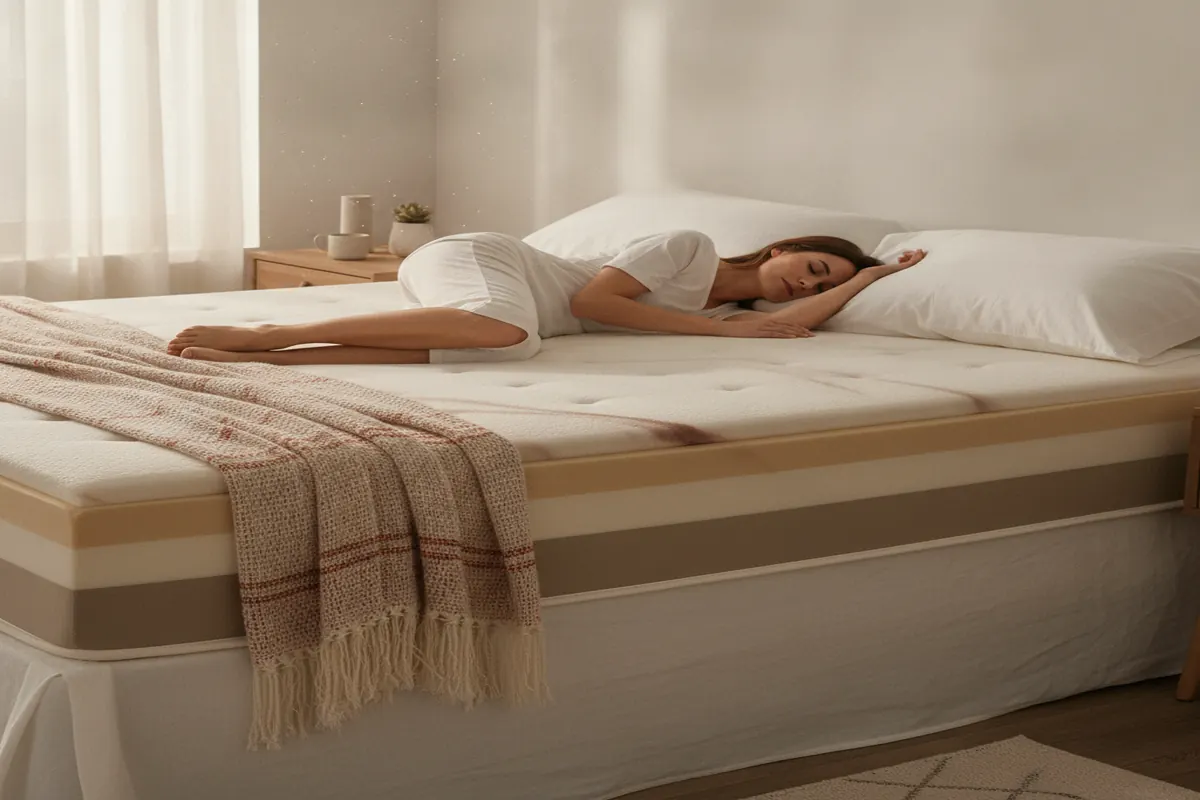
Navigating Foam Types: Memory Foam vs. Latex Foam for Side Sleepers
When it comes to foam mattresses, the two dominant types are memory foam (often referred to as Visco Foam) and latex foam. Each offers distinct characteristics that appeal to different preferences, especially for side sleepers. Understanding these differences is key to making an informed decision.
Memory Foam (Visco Foam)
Memory foam, originally developed by NASA, is renowned for its viscoelastic properties. It softens and molds to the body in response to heat and pressure, creating a deeply conforming cradle.
Pros for Side Sleepers:
-
Exceptional Pressure Relief: Its signature “hug” sensation is ideal for cushioning pressure points like shoulders and hips, distributing weight evenly.
-
Superior Motion Isolation: Excellent at absorbing movement, making it a great choice for couples.
-
Contouring Support: Adapts precisely to the curves of the body, promoting excellent spinal alignment.
Cons for Side Sleepers:
-
Heat Retention: Traditional memory foam can trap body heat. Look for open-cell, gel-infused, or copper-infused options.
-
“Stuck” Feeling: Some users feel a slight “stuck” sensation due to its slow response time.
-
Off-Gassing: New memory foam mattresses can emit a temporary chemical odor.
Latex Foam
Latex foam is derived from rubber trees (natural latex) or synthetically produced. It offers a more buoyant and responsive feel compared to memory foam.
Pros for Side Sleepers:
-
Responsive Pressure Relief: Contours to the body but springs back quickly, making it easier to change positions.
-
Excellent Durability: Natural latex is incredibly resilient and long-lasting.
-
Breathability: Generally sleeps cooler than traditional memory foam due to its open-cell structure.
-
Hypoallergenic: Natural latex is resistant to dust mites, mold, and mildew.
Cons for Side Sleepers:
-
Higher Price Point: Natural latex mattresses can be more expensive.
-
Less Motion Isolation: While good, it doesn’t isolate motion quite as effectively as memory foam.
-
Heavier: Latex mattresses can be quite heavy and difficult to move.
Here’s a comparison table to help you weigh your options:
Sinyora Yatak offers both Visco Foam Mattress and Latex Foam Mattress options, allowing you to choose the material that best aligns with your personal comfort preferences and needs.
Addressing Specific Needs: Side Sleepers with Back Pain and Beyond
Side sleepers, while benefiting from foam mattresses, often face specific challenges, especially if they experience back pain. The key is to ensure the mattress provides targeted support and adequate pressure relief to maintain healthy spinal alignment.
Best Foam Mattress for Side Sleepers with Back Pain
For side sleepers grappling with back pain, the mattress must achieve a delicate balance: soft enough to cushion the shoulders and hips, yet firm enough to prevent the midsection from sinking too far.
-
Targeted Support Zones: Look for mattresses with zoned support, where different areas of the mattress offer varying firmness levels. This means a softer zone for the shoulders and hips and a firmer zone for the lumbar region, providing crucial support where the spine naturally curves.
-
Medium-Firmness with Plush Top: A medium-firm core with a plush, conforming top layer of memory or latex foam can be ideal. This combination offers the necessary support to keep the spine straight while still providing the pressure relief needed for side sleeping.
-
Emphasis on Spinal Alignment: The goal is to keep the spine in a neutral line. If your mattress is too soft, your spine will sag; if too firm, your shoulders and hips won’t sink adequately, forcing your spine out of alignment.
-
Adjustable Bases: Pairing your foam mattress with an Adjustable Bed Base can further alleviate back pain by allowing you to elevate your head and/or feet, finding a position that reduces pressure on your lower back.
Best Tempur-Pedic Mattress for Side Sleepers (and alternatives)
Tempur-Pedic is synonymous with high-quality memory foam, known for its dense, conforming properties. For side sleepers, their mattresses (especially models like the TEMPUR-Cloud or TEMPUR-Adapt Medium Hybrid) are often recommended due to their exceptional pressure relief.
-
Dense Memory Foam: Tempur-Pedic mattresses use proprietary, high-density memory foam that offers deep contouring and excellent pressure absorption, making them suitable for side sleepers, particularly those with back pain.
-
Firmness Options: They offer various firmness levels, with medium options typically being the best fit for side sleepers.
-
Cost vs. Alternatives: While Tempur-Pedic is a premium brand, many other high-quality foam mattress brands, including those in the Sinyora Yatak Mattress Collection, offer comparable performance and pressure relief at different price points. Our Visco Foam Mattress models provide similar benefits tailored to different budgets.
The Role of Pillows
A mattress alone isn’t enough. The right pillow is equally crucial for side sleepers, especially those with neck or back pain.
-
Proper Neck Alignment: A pillow should fill the gap between your head and shoulder, keeping your neck aligned with your spine.
-
Foam Pillows: Visco Pillow (memory foam) and Latex Pillow (Natural) are excellent choices as they contour to your head and neck, providing consistent support. Visko Pillows Neck Support are specifically designed for this purpose.
-
Adjustable Loft: Some pillows allow you to add or remove fill, customizing the loft to your specific shoulder width and head position.
By considering both the mattress and the pillow as a cohesive sleep system, side sleepers can significantly improve their comfort and alleviate back pain.
Common Mistakes to Avoid When Choosing Your Side Sleeper Foam Mattress
Selecting the perfect foam mattress for side sleeping can be tricky, and many common pitfalls can lead to discomfort, wasted money, and restless nights. As experts in sleep solutions, we’ve identified key mistakes to help you navigate your purchase wisely.
1. Ignoring Firmness for Your Body Type
One of the most frequent errors is choosing a mattress that’s either too firm or too soft without considering individual body weight and shape.
-
Mistake: Lighter individuals choosing a firm mattress, or heavier individuals opting for a very soft one.
-
Why it’s a mistake:
- Too Firm: For lighter side sleepers, a firm mattress won’t allow enough sinkage for the shoulders and hips, leading to pressure points and spinal misalignment.
- Too Soft: For heavier side sleepers, a mattress that’s too soft will cause excessive sinkage, leading to a “hammock” effect where the spine sags, exacerbating back pain.
-
Solution: Aim for a medium-soft to medium firmness if you’re average weight. Lighter individuals might prefer softer, while heavier individuals might need a slightly firmer medium to prevent bottoming out. Always check the ILD (Indentation Load Deflection) rating if available, which measures foam firmness.
2. Overlooking the Trial Period and Return Policy
Many consumers rush into a purchase without fully understanding the importance of a home trial.
-
Mistake: Buying a mattress without a substantial in-home trial period or neglecting to read the return policy terms.
-
Why it’s a mistake: It takes time for your body to adjust to a new mattress – often 30 days or more. What feels good in a showroom might not feel right after a few nights.
-
Solution: Prioritize retailers offering at least a 90-night trial. Understand any return shipping fees, restocking fees, or conditions (e.g., keeping the mattress in good condition). Our Return Policy is designed to give you peace of mind.
3. Neglecting Proper Foundation and Support
A great mattress can only perform its best with the right foundation.
-
Mistake: Placing a new foam mattress on an old, sagging box spring or an incompatible bed frame.
-
Why it’s a mistake: Foam mattresses require a solid, even surface for optimal support. An inadequate foundation can cause premature sagging, void warranties, and diminish the mattress’s comfort and lifespan.
-
Solution: Ensure your bed frame has sufficient center support, and use a slatted foundation with slats no more than 2-3 inches apart, or a solid platform base. Explore our Bed Base and Headboard options for compatible solutions.
4. Prioritizing Price Over Quality
While budget is a factor, compromising too much on quality can be a costly mistake in the long run.
-
Mistake: Choosing the cheapest option without considering the density, type, and certifications of the foam.
-
Why it’s a mistake: Low-quality foams break down faster, lose support, and can off-gas more significantly. This leads to early replacement and potential health concerns.
-
Solution: Look for CertiPUR-US® certified foams. Understand that a quality foam mattress is an investment in your health and will last longer. Consider the Turkish Mattress Lifespan as an indicator of durability and value.
5. Forgetting About Cooling Features
Heat retention is a common concern with traditional foam mattresses.
-
Mistake: Buying a dense memory foam mattress without considering its cooling properties.
-
Why it’s a mistake: Overheating during sleep can disrupt your sleep cycle and lead to discomfort, even if the pressure relief is good.
-
Solution: Opt for mattresses with open-cell foam, gel infusions, graphite, copper, or breathable covers. Look for terms like “cooling memory foam” or “airflow design.”
By being aware of these common mistakes, you can approach your foam mattress purchase with greater confidence and ensure you select a mattress that truly enhances your sleep as a side sleeper.
Top Recommendations: Finding Your Ideal Foam Mattress for Side Sleeping
Choosing the “best” foam mattress is subjective, but based on extensive research and consumer feedback, certain characteristics consistently make a mattress ideal for side sleepers. Here, we provide categories of recommendations, helping you align features with your specific needs and budget. This addresses the “top rated best foam mattress for side sleeping” and “best foam mattress for side sleepers reddit” queries by focusing on what real users value.
1. For Ultimate Pressure Relief & Deep Contouring (Memory Foam Enthusiasts)
If you crave that deep, body-hugging sensation and maximum pressure point cushioning, high-density Visco Foam Mattress options are your go-to.
-
Key Features:
- High-Density Memory Foam: Often 4-5 lbs/cu ft in the comfort layers, providing superior contouring and durability.
- Medium-Soft to Medium Firmness: Allows shoulders and hips to sink in perfectly.
- Cooling Technology: Essential for memory foam. Look for gel-infused, open-cell, or phase-change material layers.
-
Why it Works for Side Sleepers: Molds precisely to your body, eliminating pressure points that can cause discomfort in the shoulders and hips. Excellent for those with joint pain.
-
Considerations: May have a slower response time, making it harder to change positions for some.
2. For Responsive Support & Natural Materials (Latex Foam Preference)
If you prefer a more buoyant feel, easier movement, and often a more natural sleep surface, a Latex Foam Mattress is an excellent choice.
-
Key Features:
- Talalay or Dunlop Latex: Natural latex offers responsive contouring and durability. Talalay tends to be softer and more breathable.
- Medium Firmness: Provides the right balance of gentle contouring and lift.
- Breathable Construction: Latex naturally dissipates heat well.
-
Why it Works for Side Sleepers: Offers a supportive cradle without the “stuck” feeling, making it great for active sleepers who still need pressure relief. Its natural properties appeal to eco-conscious buyers.
-
Considerations: Can be heavier and often comes at a higher price point, especially for 100% natural latex.
3. For Side Sleepers with Back Pain (Targeted Support)
When back pain is a primary concern, the mattress needs intelligent design to support spinal alignment while cushioning pressure points.
-
Key Features:
- Zoned Support System: Different firmness levels across the mattress, with softer zones for shoulders/hips and firmer for the lumbar spine.
- Medium-Firm Feel: A slightly firmer overall feel with a plush top comfort layer (2-3 inches of memory or latex foam).
- Excellent Edge Support: Prevents rolling off and provides a stable surface for getting in and out of bed.
-
Why it Works for Side Sleepers with Back Pain: Actively works to keep the spine aligned, reducing strain and pressure on the lower back while still accommodating the side sleeping posture.
-
Considerations: May require a higher budget due to advanced construction. Pairing with a Visko Pillows Neck Support is highly recommended.
4. For Budget-Conscious Side Sleepers (Value-Driven Options)
Quality doesn’t always have to break the bank. There are excellent value options that still deliver for side sleepers.
-
Key Features:
- CertiPUR-US® Certified Foams: Ensures safety and quality without harmful chemicals.
- Medium Firmness: A balanced feel that suits most side sleepers.
- Simpler Construction: Fewer layers, but still prioritizing a comfortable foam top and supportive base.
-
Why it Works for Side Sleepers: Provides essential pressure relief and support without premium features that drive up the cost.
-
Considerations: May not offer the advanced cooling or zoned support of higher-end models, but still a significant upgrade from unsuitable mattresses. For insights on cost, refer to How Much Does a Turkish Mattress Cost.
Remember that exploring options within the Sinyora Yatak Mattress Collection allows you to compare different foam types and firmness levels, many of which are specifically designed with side sleepers in mind. Our commitment to quality ensures that whether you choose a Cashmere Bed or an Avant-Garde Bed from our range, you’re investing in superior sleep.
Making the Right Choice: A Checklist for Side Sleepers
Before committing to a foam mattress, a systematic approach ensures you cover all bases and select the best fit for your unique sleep profile. Use this checklist as your final decision-making framework.
Your Ultimate Side Sleeper Mattress Checklist:
-
Assess Your Firmness Needs:
- Body Weight: Are you lighter (under 130 lbs), average (130-230 lbs), or heavier (over 230 lbs)?
- Preferred Feel: Do you like a “hug” (memory foam) or a “bounce” (latex)?
- Recommendation: Aim for medium-soft to medium for average weight; slightly softer for lighter; slightly firmer for heavier.
-
Evaluate Foam Type and Quality:
- Memory Foam (Visco Foam): Prioritize if you need deep contouring and motion isolation. Check for density (4-5 lbs/cu ft ideal for comfort layer).
- Latex Foam: Choose if you prefer responsiveness, natural materials, and cooler sleep.
- Certifications: Ensure foams are CertiPUR-US® certified for safety and quality.
-
Consider Pressure Relief & Spinal Alignment:
- Shoulder/Hip Sinkage: Does the mattress allow enough give for these areas without bottoming out?
- Spine Test: Lie on your side; is your spine straight from neck to tailbone? Get someone to check.
- Zoned Support: Is it available if you suffer from back pain?
-
Prioritize Cooling Features (Especially for Memory Foam):
- Material: Does it have gel infusions, open-cell structure, copper, or graphite?
- Cover: Is the cover breathable (e.g., Tencel, cotton)?
-
Review the Trial Period and Warranty:
- Trial Length: Is there at least a 90-night in-home trial?
- Return Policy: Understand all terms, including fees and conditions.
- Warranty: Does it cover sagging (typically >1 inch) for at least 10 years? Check our Warranty Information.
-
Ensure Proper Support System:
- Foundation: Is your current bed base suitable, or do you need a new platform or slatted foundation?
- Bed Frame: Does your frame have adequate center support?
-
Don’t Forget the Pillow:
- Neck Alignment: Do you have a Visco Pillow or Latex Pillow (Natural) that properly supports your neck and keeps it aligned with your spine?
-
Read Reviews and Expert Opinions:
- Real User Feedback: Look for reviews from other side sleepers. Sites like Reddit can offer unfiltered insights.
- Expert Insight: Consult independent mattress review sites for unbiased analysis.
By systematically going through this checklist, you can confidently select a foam mattress that will provide the comfort, support, and pressure relief essential for a side sleeper’s restorative sleep. Remember, this is an investment in your health and well-being.
Expert Insight
“The common misconception for side sleepers is that ‘softer is always better.’ While pressure relief is paramount, true comfort and spinal health come from a harmonious balance. A mattress that’s too soft will allow your heavier parts – your hips and shoulders – to sink excessively, leading to spinal misalignment and back pain. Conversely, a mattress that’s too firm will create painful pressure points. The sweet spot is a medium to medium-soft firmness that cradles your curves while maintaining a neutral spine. Always prioritize how your body feels after 15-20 minutes of lying in your preferred side position, not just the initial plushness.”
— Industry experts confirm that a balanced approach to firmness is crucial for long-term side sleeper comfort.
Key Terms
-
Pressure Relief: The ability of a mattress to distribute body weight evenly and reduce stress on pressure points like shoulders, hips, and knees.
-
Spinal Alignment: Maintaining the natural curve of the spine, from neck to lower back, to prevent discomfort and pain, especially crucial for side sleepers.
-
ILD (Indentation Load Deflection): A measurement used to quantify the firmness of foam. It indicates the force (in pounds) required to indent a 4-inch thick foam sample by 25% of its original thickness. Higher ILD means firmer foam.
-
Visco Foam (Memory Foam): A type of polyurethane foam known for its viscoelastic properties, meaning it softens and molds to the body in response to heat and pressure, offering deep contouring.
-
Latex Foam: A resilient and durable foam made from the sap of rubber trees (natural latex) or synthetic materials, known for its responsive support and breathability.
How Can You Upgrade to More Comfortable Sleep with Sinyora Yatak?
At Sinyora Yatak, we understand the unique demands of side sleepers. Our extensive Mattress Collection features a range of meticulously crafted foam mattresses designed to deliver unparalleled pressure relief and spinal alignment. From our conforming Visco Foam Mattress options that cradle your every curve to our responsive Latex Foam Mattress selections offering buoyant support and natural breathability, we have the perfect solution for your side sleeping needs.
Experience the difference of Turkish Mattresses Special quality, recognized for superior craftsmanship and durability. Pair your new mattress with our ergonomic Pillow Collection, including Visko Pillows Neck Support and Latex Pillows Neck Support, specifically engineered to complement side sleeping posture and alleviate neck pain. Explore our Buying Guides for more insights, or Contact Us for Support to speak with a sleep expert. Invest in a Sinyora Yatak mattress today and transform your nights into a deeply restorative sleep experience.
Frequently Asked Questions
Q: What firmness level is best for side sleepers?
Q: Is memory foam or latex foam better for side sleepers?
Q: Can a foam mattress help with back pain for side sleepers?
Q: How thick should the comfort layer be for a side sleeper’s foam mattress?
Q: Do foam mattresses sleep hot?
Q: How long should I test a new foam mattress before deciding if it’s right for me?
Help: FAQs · Sleep Science · Sleep Resources · Privacy Policy