
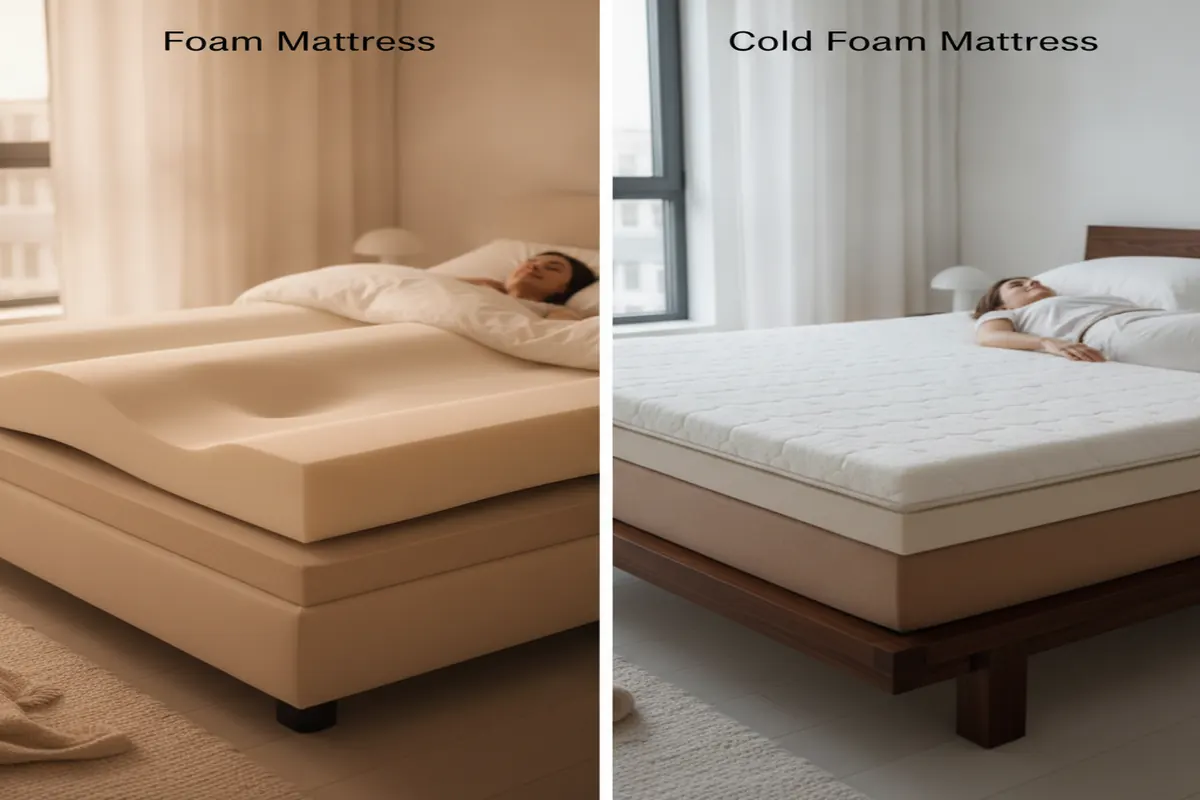
Choosing between a foam mattress and a cold foam mattress involves understanding their distinct properties, manufacturing processes, and how these translate into your sleep experience. While often grouped, a standard foam mattress typically refers to viscoelastic memory foam known for its deep contouring and pressure relief, while a cold foam mattress, a specific type of polyfoam, is characterized by its high resilience, open-cell structure, and superior breathability, offering a more responsive feel and better temperature regulation without the use of external heat during its production. Your ideal choice hinges on your personal preference for support, temperature sensitivity, and desired mattress feel.
Quick Summary
- Foam mattresses, including memory foam, conform closely, offering pressure relief and motion isolation
- Cold foam mattresses, a type of highly resilient polyfoam, provide responsive support, better airflow, and quick recovery
- The choice depends on personal preference for feel, temperature sensitivity, and desired support level
- Cold foam generally offers more breathability and bounce, while memory foam excels in deep contouring
What’s the Real Difference Between Foam and Cold Foam Mattresses?
The terms “foam mattress” and “cold foam mattress” can be confusing, as cold foam is, in fact, a type of foam. However, in the context of mattress comparisons, “foam mattress” often broadly refers to traditional memory foam or standard polyfoam, while “cold foam” denotes a specific, high-quality variant of polyfoam with unique characteristics. Understanding their fundamental differences in composition, manufacturing, and resultant feel is crucial for making an informed decision.
Memory Foam (Visco Foam)
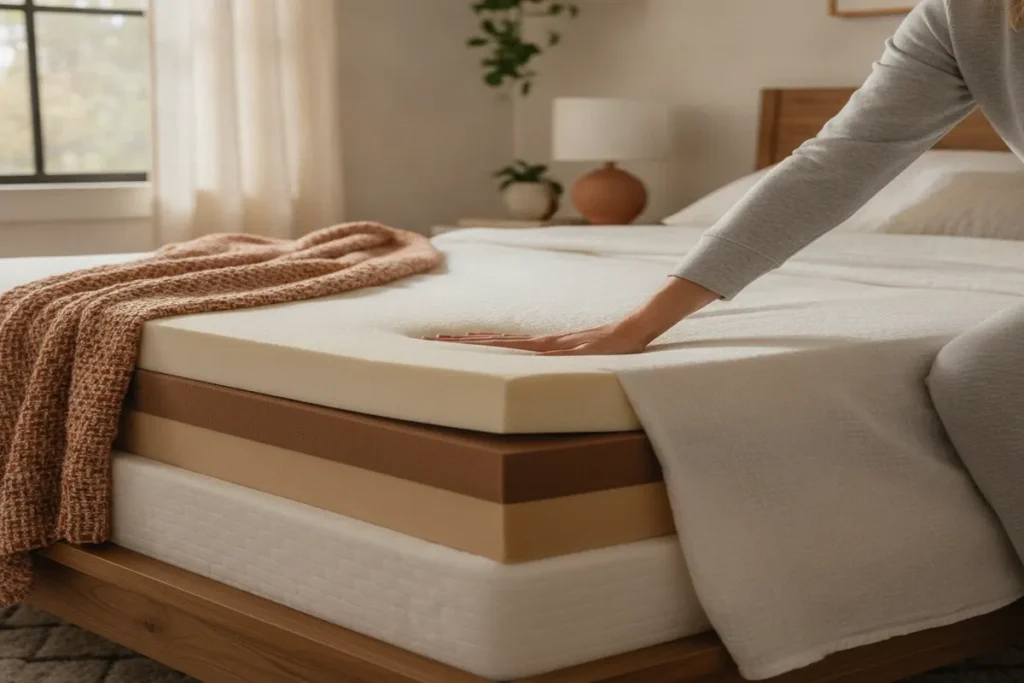
Memory foam, technically known as viscoelastic foam, is a synthetic material made primarily from polyurethane, along with various chemicals that increase its density and viscosity. It was originally developed by NASA in the 1960s.
-
Manufacturing Process: Memory foam is produced using a heating process that involves gas and chemicals, which creates an open-cell structure that is also temperature-sensitive. This sensitivity means the foam softens and molds to the body in response to body heat and pressure.
-
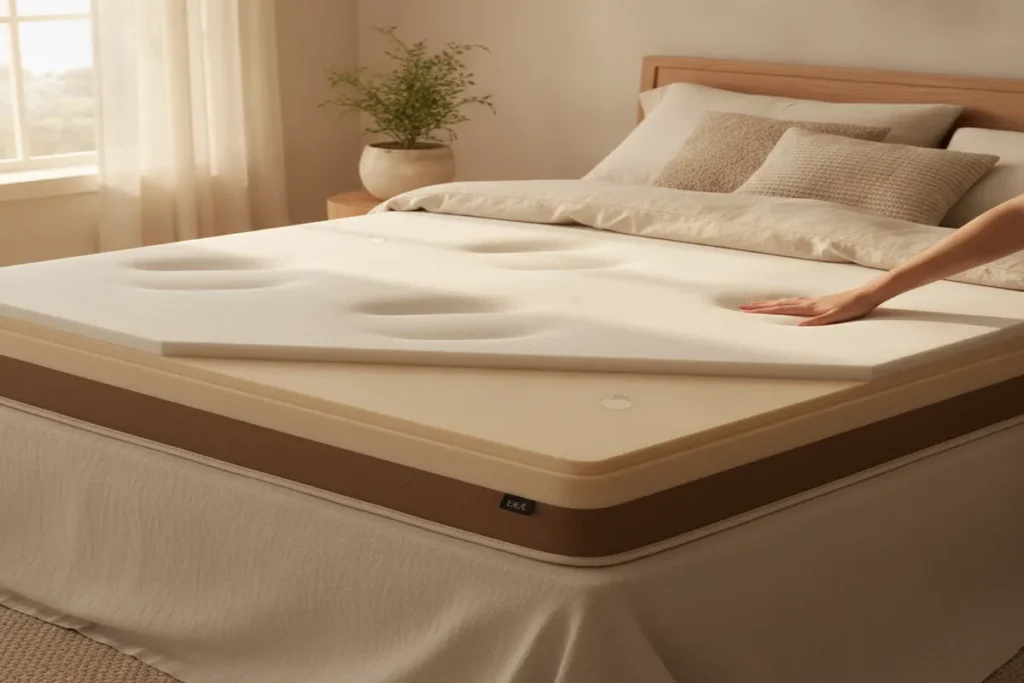
Feel and Support: It’s renowned for its signature “hug” or “sink-in” feel. When you lie on a memory foam mattress, it slowly conforms to your body shape, distributing weight evenly and relieving pressure points. This deep contouring provides excellent support, especially for side sleepers or those with joint pain.
-
Temperature Regulation: Traditional memory foam can sometimes retain body heat due to its dense, closed-cell structure (though modern versions often incorporate cooling gels or open-cell designs to mitigate this).
-
Motion Isolation: It excels at isolating motion, making it an excellent choice for couples as movement on one side of the bed is unlikely to disturb the other.
Cold Foam (High-Resilience Polyfoam)
Cold foam, despite its name, isn’t literally cold to the touch but rather refers to its manufacturing process where the foam mixture is poured into molds and allowed to cure at room temperature, without the application of external heat. This “cold” process results in a distinct foam structure.
-
Manufacturing Process: It’s a type of high-resilience (HR) polyurethane foam. The “cold” process creates a more irregular, open-cell structure compared to traditional polyfoam or memory foam. This unique cell structure is key to its performance.
-
Feel and Support: Cold foam offers a more responsive, buoyant feel. It springs back quickly when pressure is removed, providing an “on-the-bed” rather than “in-the-bed” sensation. It provides excellent, even support, distributing weight broadly without the deep contouring of memory foam.
-
Temperature Regulation: Its open-cell structure allows for significantly better airflow, making it inherently more breathable and cooler than traditional memory foam.
-
Motion Isolation: While good, it typically offers less motion isolation than memory foam due to its quicker responsiveness.
Key Distinctions at a Glance
For a deeper dive into specific foam types, explore our Visco Foam Mattress collection and compare it with the inherent properties of cold foam.
How Do You Choose Between Foam and Cold Foam Mattresses?
Selecting the right mattress is a deeply personal decision, influenced by your sleep style, body type, temperature preferences, and overall comfort needs. When comparing a foam mattress (primarily memory foam) and a cold foam mattress, consider these critical factors to ensure you make the best choice for your sleep health.
Your Sleep Position Matters
Your primary sleep position dictates where pressure points typically occur and what kind of support you need.
-
Side Sleepers: Often benefit most from the deep contouring and pressure relief offered by memory foam. It cradles the shoulders and hips, keeping the spine aligned and preventing pressure buildup. A Visco Foam Mattress can be particularly beneficial here.
-
Back Sleepers: Can find comfort in both. Memory foam provides excellent lumbar support by filling in the curve of the lower back. Cold foam, with its even support and quicker response, also maintains spinal alignment without excessive sinkage.
-
Stomach Sleepers: Generally prefer a firmer, more supportive surface to prevent the hips from sinking too deeply, which can strain the lower back. Cold foam mattresses often provide this firmer, more buoyant support, keeping the body on a more even plane.
-
Combination Sleepers: Those who change positions frequently might prefer the quicker response and easier movement allowed by a cold foam mattress. Memory foam’s slow response can sometimes make repositioning more effortful.
Temperature Sensitivity
If you tend to sleep hot, this factor is paramount.
-
Traditional Memory Foam: Can be a disadvantage for hot sleepers due to its heat-retaining properties. While many modern memory foams incorporate cooling gel foam mattress layers or open-cell designs, cold foam still generally outperforms in natural breathability.
-
Cold Foam: Its open-cell structure naturally allows for superior airflow, dissipating heat more effectively. This makes it an excellent choice for those who frequently overheat at night.
Desired Feel and Responsiveness
This is purely subjective but crucial for long-term satisfaction.
-
Memory Foam: If you love the feeling of being cradled or “hugged” by your mattress, with a slow, conforming embrace, memory foam is your preference. It offers a distinct sensation of pressure melting away.
-
Cold Foam: If you prefer a more responsive, buoyant feel that lets you move freely and doesn’t create the sensation of sinking, cold foam is likely a better fit. It provides a supportive surface that pushes back gently.
Body Weight and Type
Different body types interact with foam differently.
-
Lighter Individuals: May not sink deeply enough into a very dense memory foam to experience its full contouring benefits. A medium-firm cold foam might offer adequate support without feeling too hard.
-
Heavier Individuals: Can benefit from the deep support and pressure distribution of high-density memory foam, which prevents bottoming out. However, they might also appreciate the robust, even support and durability of a high-quality cold foam. Density is key for durability in both types.
Allergies and Off-Gassing
Consider the initial smell and hypoallergenic properties.
-
Off-Gassing: Memory foam is more prone to initial off-gassing (a temporary chemical smell) due to its composition. Cold foam typically has less, or a quicker dissipation of, any initial odor.
-
Hypoallergenic Properties: Both foam types are generally considered hypoallergenic as they don’t harbor dust mites as readily as traditional innerspring mattresses.
Practical Decision Checklist:
Before finalizing your choice, ask yourself these questions:
-
What is my primary sleeping position? (Side, Back, Stomach, Combo)
-
Do I tend to sleep hot or cold?
-
Do I prefer a “hugged” feeling or a more “on-the-bed” buoyant feel?
-
Am I sensitive to chemical odors?
-
Do I share my bed, and is motion isolation a priority?
-
What is my budget range? (Consider that quality in both types can vary widely)
-
What firmness level do I generally prefer?
By carefully evaluating these points against the characteristics of each foam type, you can confidently choose the mattress that best aligns with your sleep needs. For further guidance, refer to our comprehensive Buying Guides.
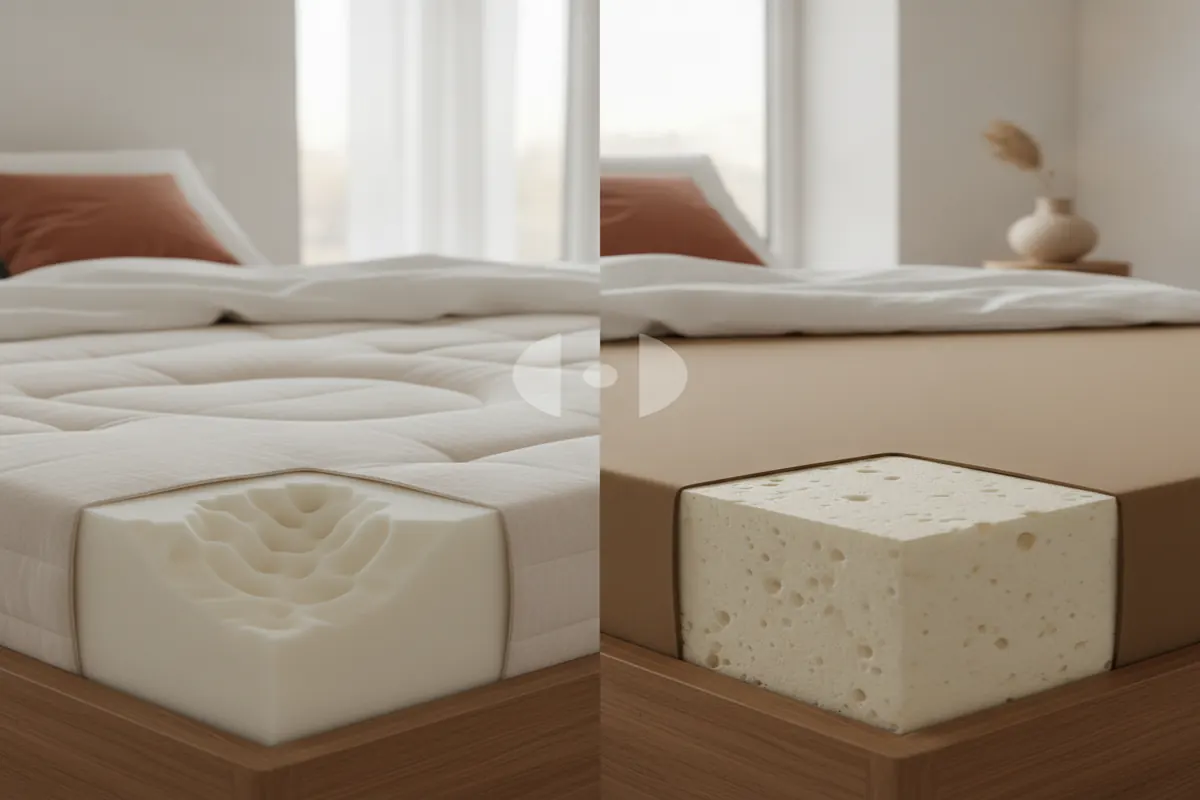
Understanding Durability: Foam Mattress vs Cold Foam Mattress Lifespan
When investing in a new mattress, durability is a critical factor that directly correlates with the longevity and consistent performance of your sleep surface. Both traditional foam mattresses (like memory foam) and cold foam mattresses can offer excellent durability, but it largely depends on the quality and density of the materials used, rather than just the foam type itself.
Factors Influencing Durability
-
Foam Density: This is arguably the most important indicator of a foam mattress’s durability.
- Memory Foam: Measured in pounds per cubic foot (PCF). Higher density memory foam (e.g., 5-6 PCF) is generally more durable and resistant to sagging and body impressions than lower density foam (e.g., 3-4 PCF). While higher density often means a firmer feel and potentially more heat retention, it significantly extends the mattress lifespan.
- Cold Foam: Also measured in density, but often expressed in kilograms per cubic meter (kg/m³) or in PCF. High-resilience cold foam typically has a density ranging from 30 kg/m³ to 60 kg/m³ (approximately 1.8 to 3.7 PCF). A higher density in cold foam means better cell structure integrity, greater resilience, and superior longevity.
- Expert Insight: “While the initial feel of a mattress is important, its long-term performance is largely dictated by the density and quality of its core materials. A higher density foam, whether memory or cold foam, will almost always outlast its lower-density counterparts, resisting body impressions and maintaining support for years.”
-
ILD (Indentation Load Deflection) or Firmness Rating: While density relates to durability, ILD relates to firmness. A foam can be high-density but soft, or high-density and firm. Both density and ILD play a role in how well the foam holds up under prolonged use. A well-balanced mattress will have appropriate density and firmness for its intended use.
-
Foam Type and Cell Structure:
- Memory Foam: Its viscoelastic nature means it softens with heat and pressure. Over time, lower quality memory foam can lose its ability to fully recover, leading to permanent body impressions. High-quality, high-density memory foam, however, can maintain its properties for many years.
- Cold Foam: The open-cell, irregular structure of cold foam makes it inherently more resilient and less prone to breaking down under repeated compression. It recovers quickly, which contributes to its long-term shape retention and durability.
-
Mattress Construction: The overall construction of the mattress, including base layers, support cores, and cover materials, also impacts durability. A robust base layer (often a firmer polyfoam or even pocket coils) is essential for supporting the softer comfort layers above it. Our Turkish Mattress Lifespan article provides insights into how construction contributes to longevity.
-
User Weight and Usage: Heavier individuals or those who use their mattress more frequently (e.g., sitting on the edge, jumping) will naturally exert more stress on the foam, potentially reducing its lifespan if the foam quality isn’t adequate.
Expected Lifespan
-
High-Quality Memory Foam Mattress: With proper care, a well-constructed, high-density memory foam mattress can typically last 8-12 years.
-
High-Quality Cold Foam Mattress: Due to its inherent resilience and open-cell structure, a premium cold foam mattress often boasts a similar or even slightly longer lifespan, generally 8-15 years, provided it’s of high density and well-engineered.
Maximizing Your Mattress Durability
To ensure your investment lasts, regardless of whether you choose memory foam or cold foam:
-
Invest in Quality: Always prioritize higher density foams. While they might cost more upfront, they offer superior longevity and consistent performance.
-
Use a Proper Foundation: A supportive, flat foundation or bed base is crucial. Slatted bases should have slats no more than 2-3 inches apart to prevent sagging. Explore our Bed Base and Headboard options.
-
Rotate Your Mattress: Though many foam mattresses are “no-flip,” rotating them head-to-foot every 3-6 months can help distribute wear evenly.
-
Protect Your Mattress: A good quality mattress protector shields against spills, stains, and allergens, extending the life of your mattress.
-
Follow Care Instructions: Adhere to the manufacturer’s specific Care and Maintenance guidelines.
By understanding these factors, you can better assess the long-term value of your chosen foam mattress. At Sinyora Yatak, we emphasize the use of high-quality, durable foams in our Mattress Collection to ensure lasting comfort and support.
What Are the Main Benefits of Each Foam Mattress Type?
Both memory foam and cold foam mattresses bring distinct advantages to the sleeping experience. Understanding these benefits can help align your choice with your specific sleep needs and preferences.
Benefits of Memory Foam Mattresses (Visco Foam)
Memory foam has revolutionized the mattress industry with its unique pressure-relieving capabilities.
-
Exceptional Pressure Relief: This is memory foam’s hallmark. It contours precisely to the body’s curves, distributing weight evenly and relieving pressure points, particularly at the shoulders, hips, and knees. This can significantly reduce aches and pains, making it ideal for individuals with chronic pain, arthritis, or fibromyalgia.
-
Superior Motion Isolation: The viscoelastic properties of memory foam mean it absorbs motion effectively. When one partner moves, the disturbance is localized, allowing the other to remain undisturbed. This is a major benefit for couples, especially those with different sleep schedules or restless partners.
-
Personalized Support: As it softens with body heat, memory foam creates a customized mold of your body, providing tailored support that adapts to your unique shape. This personalized fit can enhance spinal alignment.
-
Hypoallergenic Properties: The dense structure of memory foam makes it difficult for dust mites and other allergens to penetrate and thrive, contributing to a healthier sleep environment for allergy sufferers.
-
Durability (High-Density): High-density memory foam is highly durable and resistant to sagging, offering consistent support for many years.
Benefits of Cold Foam Mattresses
Cold foam offers a different set of advantages, particularly appealing to those seeking a more traditional feel with modern benefits.
-
Enhanced Breathability and Temperature Regulation: Thanks to its open-cell structure, cold foam promotes significantly better airflow compared to traditional memory foam. This helps dissipate body heat, leading to a cooler and more comfortable sleep surface, a major plus for hot sleepers.
-
Responsive and Buoyant Feel: Cold foam springs back quickly, offering a more responsive and buoyant feel. This makes it easier to change sleeping positions without feeling “stuck” and provides a sense of being “on top of” the mattress rather than sinking into it. This can be preferred by those who dislike the deep hug of memory foam.
-
Excellent, Even Support: Cold foam provides consistent and even support across the entire body. Its high resilience ensures that the mattress maintains its supportive properties over time, without excessive softening or indentations.
-
Durability and Longevity: High-quality cold foam is exceptionally durable and resistant to permanent body impressions. Its robust cell structure allows it to withstand years of use while retaining its shape and support characteristics, often outlasting lower-density memory foams.
-
Reduced Off-Gassing: Cold foam typically has less initial off-gassing (the temporary chemical odor) compared to some memory foam mattresses, making for a quicker transition to an odor-free sleep environment.
-
Versatility in Firmness: Cold foam can be manufactured in a wide range of firmness levels, from plush to extra-firm, making it versatile for various sleep preferences and body types.
Both types of foam offer distinct pathways to comfortable sleep. Your ideal choice will depend on which set of benefits resonates most with your personal sleep habits and preferences. For a range of options, explore our Mattress Collection at Sinyora Yatak, including our specialized Visco Foam Mattress and other foam constructions.
Practical Considerations: What Should You Check Before Buying a Foam or Cold Foam Mattress?
Purchasing a mattress is a significant investment in your sleep health. Before you commit, it’s crucial to go beyond surface-level comparisons and delve into the practical details that ensure you’re getting the best value and the right fit for your needs. This involves scrutinizing specifications, understanding warranties, and confirming logistical aspects.
1. Understand Foam Density and ILD/Firmness
As discussed, density is key to durability and support. Don’t just ask “is it foam?” or “is it cold foam?” Dig deeper.
-
For Memory Foam: Look for density ratings. A comfort layer of 3-5 lbs/cu.ft. and a support core of 1.8-2.0 lbs/cu.ft. or higher is generally considered good quality. Be wary of mattresses with very low-density comfort layers, as they tend to sag faster.
-
For Cold Foam: Inquire about the HR (High Resilience) rating and density, often expressed in kg/m³. Higher numbers indicate better quality and durability. For example, 40-50 kg/m³ is a good indicator of a high-quality, durable cold foam.
-
Firmness (ILD): ILD (Indentation Load Deflection) measures how much force is needed to indent a foam by 25%. A higher ILD means a firmer foam. Match the ILD to your preferred firmness level and body weight.
2. Research Material Composition and Certifications
Don’t assume all foams are created equal.
-
Polyurethane Quality: Ensure the foam used is high-quality polyurethane. Reputable manufacturers like Sinyora Yatak use premium materials.
-
Certifications: Look for certifications that guarantee the foam is free from harmful chemicals and has low VOC (Volatile Organic Compound) emissions.
- CertiPUR-US®: For polyurethane foams, this ensures they are made without ozone depleters, PBDEs, TDCPP, TCEP flame retardants, mercury, lead, heavy metals, formaldehyde, and phthalates regulated by the CPSC. It also certifies low VOC emissions for indoor air quality.
- OEKO-TEX® Standard 100: This certification applies to textiles and textile products at all stages of production, ensuring they are tested for harmful substances.
-
Cooling Technologies (for Memory Foam): If considering memory foam, check for infusions like gel, copper, graphite, or open-cell designs specifically engineered to address heat retention.
3. Trial Period, Warranty, and Return Policy
These are crucial consumer protections.
-
Sleep Trial: Most reputable online mattress companies offer a risk-free home trial, typically 90-120 nights. This allows you to truly test the mattress in your own environment.
-
Warranty: Understand what the warranty covers (e.g., sagging depth, manufacturing defects) and for how long. A good warranty for a foam mattress is usually 10-25 years. Be aware of exclusions, such as using an improper foundation. Our Warranty Information is transparent and readily available.
-
Return Policy: Know the terms of return, including any fees (restocking, shipping) and the process for initiating a return.
4. Shipping and Delivery Logistics
Especially important for international purchases or larger items.
-
Delivery Options: Does the company offer standard, white glove (setup, old mattress removal), or doorstep delivery?
-
Shipping Costs: Are there additional charges for shipping, especially for international orders? At Sinyora Yatak, we offer information on Ship Turkish Mattresses Internationally.
-
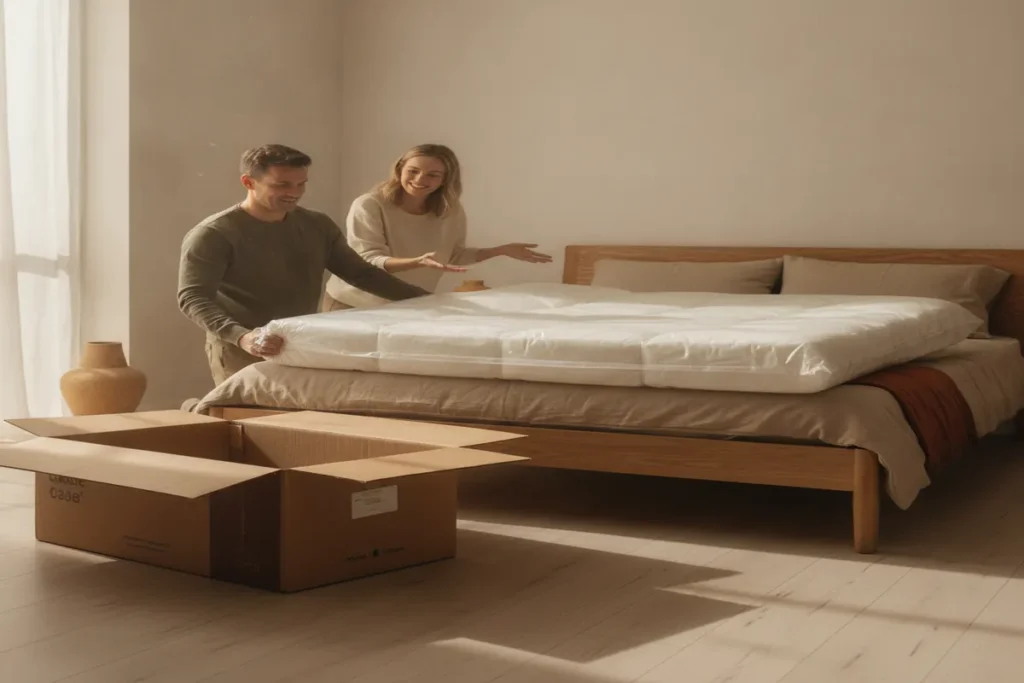
Packaging: Most foam mattresses are compressed and rolled into a box. Understand how long it takes for the mattress to fully expand and off-gas.
5. Read Customer Reviews and Expert Opinions
While personal experience is key, aggregate data can be very informative.
-
Customer Feedback: Look for reviews that mention specific aspects like firmness, heat retention, motion isolation, and durability over time. Pay attention to trends in both positive and negative feedback.
-
Independent Reviews: Consult reputable mattress review sites and publications for unbiased assessments.
By thoroughly checking these points, you can navigate the complexities of mattress shopping with confidence, ensuring your chosen foam or cold foam mattress delivers the comfort and support you expect for years to come.
Which Foam Mattress vs Cold Foam Mattress is Better for Specific Sleepers?
The “better” mattress isn isn’t a universal truth; it’s entirely dependent on individual needs. By matching the unique characteristics of memory foam and cold foam to specific sleeper profiles, we can identify which type offers the most advantageous sleep environment.
Ideal Match: Memory Foam (Visco Foam)
Memory foam excels in situations where deep contouring, pressure relief, and motion isolation are paramount.
-
For Side Sleepers: Memory foam’s ability to perfectly cradle the shoulders and hips, the body’s widest points, is unmatched. This reduces pressure buildup and maintains optimal spinal alignment, preventing morning aches. If you frequently wake up with numb arms or hip pain, a Visco Foam Mattress could be transformative.
-
For Those with Chronic Pain or Joint Issues: Individuals suffering from arthritis, fibromyalgia, back pain, or other chronic conditions often find significant relief with memory foam. Its pressure-distributing properties minimize stress on sensitive areas, promoting therapeutic sleep.
-
For Couples with Different Sleep Schedules or Restless Partners: The exceptional motion isolation of memory foam means that movement on one side of the bed is barely perceptible on the other. This ensures undisturbed sleep for both partners, regardless of how much one tosses and turns.
-
For Lighter Individuals Seeking Softness: Lighter sleepers who struggle to activate the pressure relief of firmer mattresses may find the conforming nature of softer memory foam more comfortable and supportive.
-
For Those Who Love a “Hugging” Sensation: If you enjoy the feeling of sinking into your mattress and being enveloped, memory foam provides that signature “hug” that many find incredibly comforting and secure.
Ideal Match: Cold Foam
Cold foam shines when responsiveness, breathability, and robust, even support are the top priorities.
-
For Hot Sleepers: If you consistently wake up feeling overheated, cold foam’s naturally open-cell structure and superior airflow make it an excellent choice. It helps regulate body temperature much more effectively than traditional memory foam.
-
For Back and Stomach Sleepers: These sleepers generally need a firmer, more even surface to prevent excessive sinking of the hips and maintain a neutral spinal alignment. Cold foam provides this buoyant support without the deep contouring that can sometimes misalign the spine in these positions.
-
For Combination Sleepers: If you frequently change sleeping positions throughout the night, cold foam’s quick responsiveness allows for effortless movement. You won’t feel “stuck” or have to exert extra effort to roll over, leading to less interrupted sleep.
-
For Those Who Prefer an “On-the-Bed” Feel: If you dislike the “sink-in” sensation of memory foam and prefer to feel more elevated on your mattress, cold foam’s buoyant resilience is the perfect fit.
-
For Individuals Seeking Enhanced Durability and Resilience: High-quality cold foam is known for its exceptional durability and ability to retain its shape and support over many years, resisting body impressions better than many other foam types. This can be a wise long-term investment.
-
For People with Mobility Issues: The easier movement on a cold foam mattress can be beneficial for individuals who struggle with mobility, as it requires less effort to get in and out of bed or reposition themselves.
Ultimately, the best choice is the one that allows you to achieve consistently restful and comfortable sleep. Consider your personal sleep habits, physical needs, and comfort preferences to determine whether the deep embrace of memory foam or the responsive support of cold foam is your ideal match. For a broader perspective on how different materials cater to specific needs, you might find our article on Turkish Mattress for Side Sleepers insightful.
How Much Does a Foam Mattress vs Cold Foam Mattress Cost?
The cost of both foam and cold foam mattresses can vary significantly, influenced by factors such as foam density, quality of materials, brand reputation, mattress thickness, and additional features like cooling layers or specialized covers. It’s important to view mattress pricing not just as an upfront expense but as an investment in years of quality sleep.
Pricing Tiers and Factors
Both foam mattress types generally fall into similar price brackets, though specific high-end models in either category can push the upper limits.
-
Entry-Level (Budget-Friendly): $300 – $800
- Typically feature lower-density foams (for both memory and cold foam).
- Thinner profiles, often 8-10 inches.
- May have simpler cover materials and fewer advanced features.
- While affordable, durability might be compromised compared to higher-tier options.
- Often available from online-only brands or big-box retailers.
-
Mid-Range (Good Value): $800 – $1,500
- This is where you’ll find a good balance of quality and affordability for both types.
- Higher density foams, offering better durability and support.
- Mattress thickness usually 10-12 inches.
- Memory foam options might include gel infusions or more breathable designs.
- Cold foam options will feature higher resilience and more refined comfort layers.
- Many reputable online brands and some store brands fall into this category.
-
Premium/Luxury (High Performance): $1,500 – $3,000+
- Features top-tier, high-density foams (both memory and cold foam).
- Often includes multiple sophisticated layers, specialized cooling technologies, and reinforced edge support.
- Thicker profiles, typically 12-14+ inches.
- Luxurious cover materials (e.g., cashmere, organic cotton).
- Brands with strong reputations for craftsmanship and advanced sleep technology.
- Expect superior durability, comfort, and support. Our Cashmere Bed and Avant-Garde Bed models, for example, represent premium quality.
Factors Driving Price Differences
-
Foam Density and Quality: Higher density foams, which translate to better durability and support, are more expensive to produce. This applies to both memory foam and cold foam.
-
Layer Complexity: Mattresses with multiple distinct layers (e.g., transition layers, specialized support cores, infused comfort layers) generally cost more due to increased material and manufacturing complexity.
-
Cooling Technologies: Memory foam mattresses that incorporate advanced cooling gels, copper infusions, or phase-change materials will typically be priced higher than basic memory foam models.
-
Cover Materials: Premium covers made from natural fibers like organic cotton, cashmere, or Tencel can add to the overall cost.
-
Brand Reputation and R&D: Established brands with a history of innovation and extensive research and development often have higher price points, reflecting their investment in superior product design and quality control.
-
Origin and Manufacturing Standards: Mattresses produced with high labor standards and quality control (like those from Turkish Mattresses Special) may have a different cost structure than those from regions with lower standards.
The Value Proposition
When considering the cost, it’s essential to think about the long-term value:
-
Lifespan: A more expensive, high-quality mattress that lasts 10-15 years often represents a better annual investment than a cheaper mattress that needs replacing every 5-7 years. Refer to our Turkish Mattress Lifespan guide.
-
Sleep Health: The benefits of consistent, comfortable sleep are immeasurable, impacting your overall health, productivity, and mood. Investing in a mattress that truly meets your needs can pay dividends in your quality of life.
While you can find excellent options in the mid-range for both foam and cold foam, prioritizing quality and density over the lowest price point will generally lead to a more satisfying and durable purchase. For a comprehensive look at pricing, consult our guide on How Much Does a Turkish Mattress Cost.
Where Can You Buy Foam Mattress vs Cold Foam Mattress Online?
In 2026, the online marketplace offers an unparalleled array of options for purchasing both foam and cold foam mattresses, making it easier than ever to compare, customize, and have your ideal sleep solution delivered directly to your door. From established global brands to specialized manufacturers, the choices are vast.
Dedicated Online Mattress Retailers
Many brands operate exclusively online, cutting out traditional showroom costs and often passing savings onto the consumer. These retailers typically offer:
-
Wide Selection: A broad range of models, firmness options, and sizes.
-
Direct-to-Consumer Pricing: Often more competitive pricing due to fewer intermediaries.
-
Generous Sleep Trials: Most offer 90-120 night in-home trials, allowing you to test the mattress without commitment.
-
Convenient Delivery: Compressed and boxed for easy shipping, often with free delivery.
When browsing, look for brands that clearly specify the foam types, densities, and certifications of their mattresses.
Major E-commerce Platforms
Large online marketplaces like Amazon, Wayfair, and others host numerous mattress brands, including both well-known names and smaller manufacturers.
-
Vast Choice: An overwhelming number of options from various sellers.
-
Customer Reviews: A wealth of user reviews to help inform your decision.
-
Competitive Pricing: Frequent sales and promotions.
-
Ease of Purchase: Streamlined checkout and shipping processes.
Be diligent in checking the seller’s reputation, return policies, and warranty information when purchasing through these platforms, as they can vary greatly between different vendors.
Manufacturer Websites (Like Sinyora Yatak)
Purchasing directly from a manufacturer’s website, such as Sinyora Yatak, offers several distinct advantages, especially when seeking specialized or high-quality products.
-
Expert Knowledge: Direct access to the manufacturer’s expertise, product details, and support staff.
-
Authenticity and Quality Assurance: You’re guaranteed to receive an authentic product, often with direct manufacturer warranties and quality control.
-
Specialized Collections: Manufacturers often highlight their unique technologies or material blends. For instance, Sinyora Yatak offers a curated Mattress Collection including our Visco Foam Mattress and other innovative designs.
-
International Shipping Capabilities: For those interested in premium Turkish craftsmanship, Sinyora Yatak provides specific information on how we Ship Turkish Mattresses Internationally and what Makes Turkish Mattresses Special.
-
Customization Options: Some manufacturers may offer more customization for firmness or specific features when buying direct.
-
Wholesale Opportunities: If you’re a business, direct manufacturer sites often have dedicated sections for Mattress Wholesale in Turkiye.
What to Look For When Buying Online: A Checklist
-
Clear Product Descriptions: Does the listing clearly define the foam types (memory foam, cold foam, polyfoam), their densities, and the mattress construction?
-
Certifications: Are CertiPUR-US®, OEKO-TEX®, or similar certifications prominently displayed?
-
Transparent Pricing: Is the price clear, and are there any hidden fees for shipping or returns?
-
Warranty and Return Policy: Are these easily accessible and understandable? Look for generous trial periods.
-
Customer Support: Is there a clear way to Contact Us for Support before and after purchase? (e.g., live chat, phone, email).
-
Shipping Details: How long will delivery take, and what is the process?
By leveraging the convenience and selection of online shopping while remaining vigilant about product details and consumer protections, you can confidently find and purchase the perfect foam or cold foam mattress to upgrade your sleep. Don’t forget to explore our Shop All Products page for our full range.
Expert Insight
“The evolution of foam technology in mattresses has been remarkable. What many consumers still think of as ‘foam’ is often traditional memory foam, but the advancements in cold foam and other high-resilience polyfoams have introduced a new paradigm of responsive support and breathability. True expertise in mattress selection now means understanding not just the ‘comfort’ layer, but the entire engineering of the foam core and how it interacts with the sleeper’s physiology. It’s about matching the right material science to the right sleep need, ensuring both immediate comfort and long-term spinal health.”
Key Terms
-
Memory Foam (Visco Foam): A viscoelastic polyurethane foam that softens and molds to the body in response to heat and pressure, offering deep contouring and pressure relief.
-
Cold Foam (High-Resilience Polyfoam): A type of polyurethane foam manufactured without external heat, resulting in an open-cell structure that provides high resilience, quick responsiveness, and superior breathability.
-
Density: A measure of how much material is in a given volume of foam, typically expressed in pounds per cubic foot (PCF) or kilograms per cubic meter (kg/m³). Higher density generally correlates with better durability and support.
-
ILD (Indentation Load Deflection): A measure of foam firmness, indicating the amount of force required to indent a foam sample by 25% of its original thickness.
-
Open-Cell Structure: A foam characteristic where the cell walls are broken, allowing air to flow freely through the material. This enhances breathability and can reduce heat retention.
A short comparison to help you make a better decision.
How Can You Upgrade to More Comfortable Sleep with Sinyora Yatak?
At Sinyora Yatak, we believe everyone deserves restorative sleep. With decades of expertise in crafting premium Turkish mattresses, we understand the nuances of foam technology and its impact on your well-being. Whether you’re drawn to the conforming embrace of a high-quality Visco Foam Mattress or the responsive, breathable support of a well-engineered cold foam core, our Mattress Collection offers meticulously designed options to meet your unique needs.
We invite you to explore our carefully curated selection, where each mattress is built with an unwavering commitment to durability, comfort, and the highest Turkish manufacturing standards. From our innovative foam designs to our luxurious covers, Sinyora Yatak mattresses are an investment in your health and happiness. Discover the difference that expert craftsmanship and superior materials can make. Visit our Shop All Products page today, or reach out to our Customer Service team for personalized guidance. Experience the Sinyora Yatak difference and transform your sleep.
Frequently Asked Questions
Q: Is cold foam actually cold?
Q: Which foam type is better for back pain?
Q: Do foam mattresses last as long as spring mattresses?
Q: What is foam mattress vs cold foam mattress?
Q: What should you check when choosing foam mattress vs cold foam mattress?
Q: How much does foam mattress vs cold foam mattress cost?
Help: FAQs · Sleep Science · Sleep Resources · Privacy Policy