
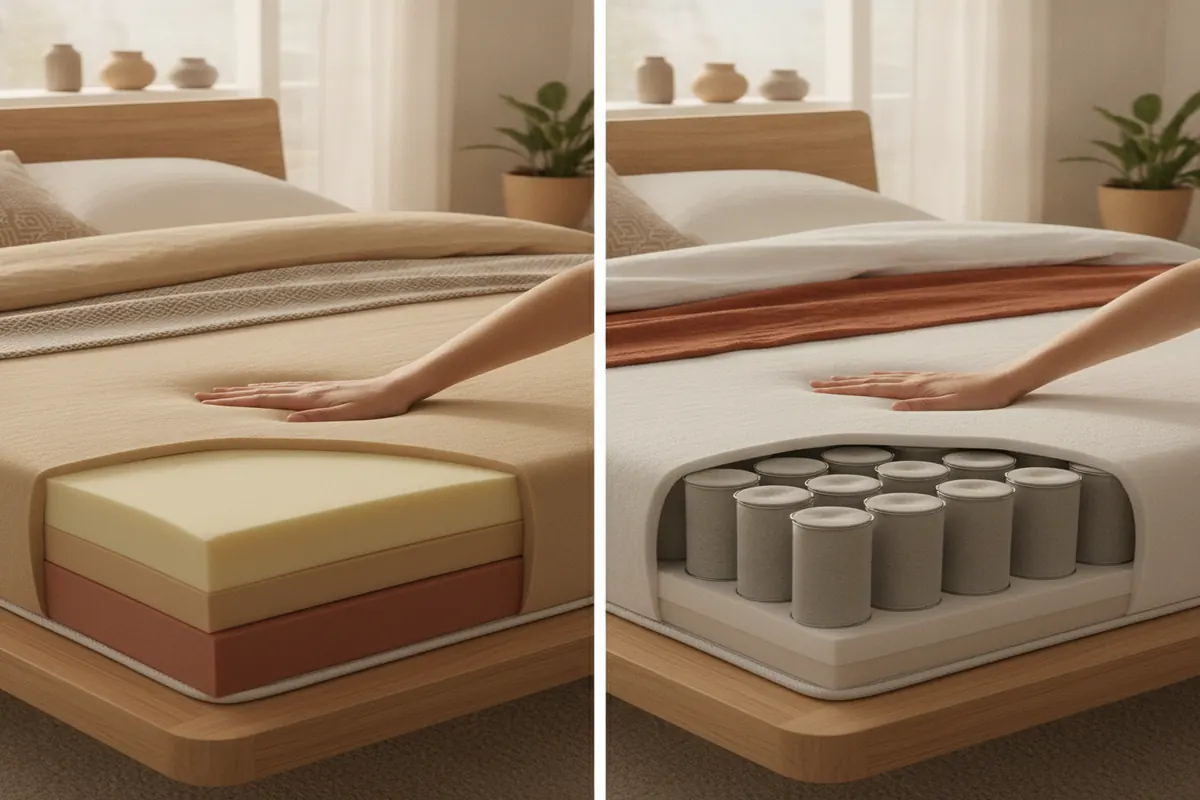
Choosing between a foam mattress and an innerspring mattress is a fundamental decision for anyone seeking better sleep, directly impacting comfort, support, and overall sleep quality. Foam mattresses, including memory foam mattress and latex mattress variants, are renowned for their body-conforming pressure relief and excellent motion isolation. In contrast, innerspring mattresses, built around a core of steel coils, offer robust, responsive support, superior airflow, and a traditional bouncy feel. Your ideal choice hinges on personal sleep preferences, body type, typical sleep position, and specific needs like cooling or joint pain relief.
Quick Summary
- Foam mattresses excel in pressure relief and motion isolation, ideal for contouring comfort
- Innerspring mattresses offer robust support, bounce, and superior airflow
- Hybrid mattresses combine the best of both for balanced performance
- Consider your sleep position, body type, and specific comfort needs to make the optimal choice
Foam Mattress vs. Innerspring Mattress: Understanding the Core Differences
At their heart, foam and innerspring mattresses represent two distinct approaches to sleep support and comfort. Understanding their fundamental construction and material differences is the first step in deciding which type aligns best with your needs.
Foam Mattresses: The Contouring Embrace
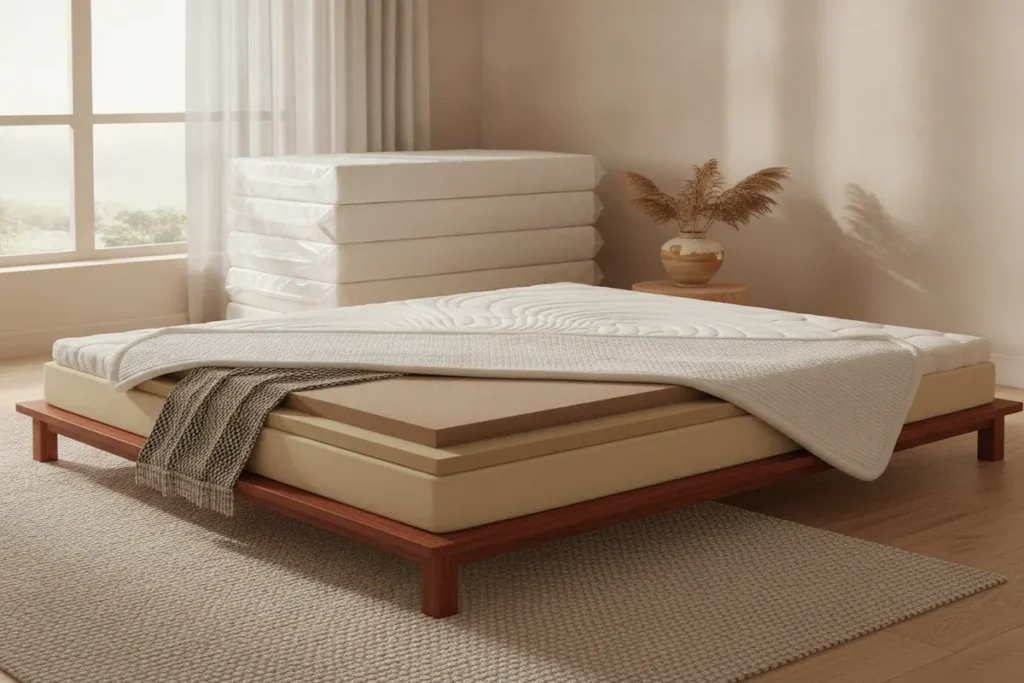
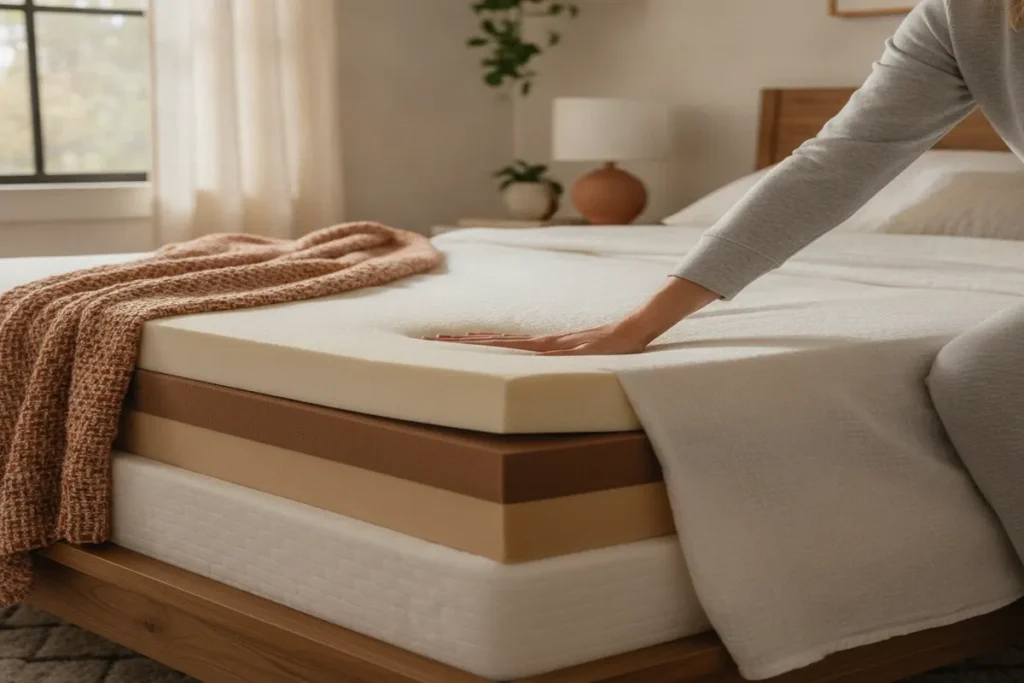
Foam mattresses are constructed primarily from layers of various foam materials, without a traditional spring core. These layers work in concert to provide support, comfort, and pressure relief.
-
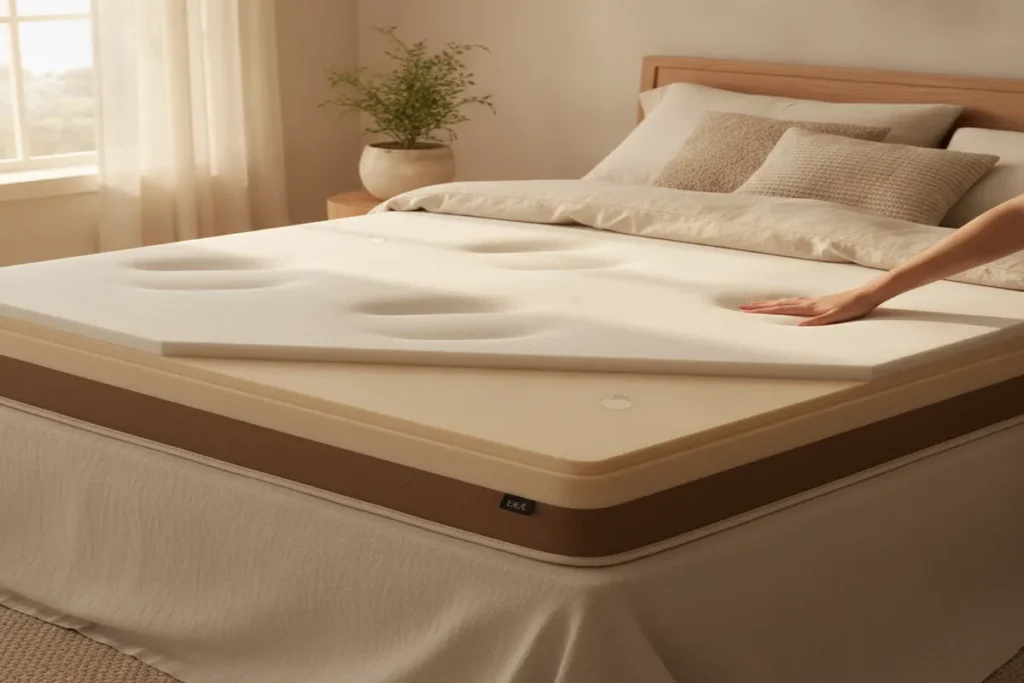
Memory Foam Mattress: Made from viscoelastic polyurethane foam, memory foam is known for its ability to soften and conform to the body in response to heat and pressure. This creates a cradling sensation that distributes body weight evenly, alleviating pressure points. Variations like gel memory foam incorporate cooling gels to mitigate heat retention, a common concern with traditional memory foam.
-
Latex Mattress: Derived from rubber tree sap (natural latex) or petroleum-based compounds (synthetic latex), latex foam is highly resilient, responsive, and durable. It offers a bouncier feel than memory foam while still providing excellent pressure relief and contouring. Natural latex is also prized for its breathability and hypoallergenic properties.
-
Polyfoam: Often used as a base layer or transition layer in foam mattresses, polyfoam provides foundational support and durability. Its density and firmness can vary widely.
Innerspring Mattresses: The Responsive Foundation
Innerspring mattresses have been a staple in bedrooms for decades, characterized by their steel coil support system. The type and arrangement of these coils significantly influence the mattress’s feel and performance.
-
Bonnel Spring Mattress: These are the oldest and most common type of innerspring coil. Bonnel coils are hourglass-shaped, interconnected with wire, forming a rigid and durable support system. They offer a firm, traditional bounce but can transfer motion easily.
-
Offset Coils: Similar to Bonnel coils but with hinges that allow them to conform better to body shape, reducing motion transfer slightly. They are generally quieter and more durable than Bonnel coils.
-
Continuous Coils: Made from a single piece of wire formed into s-shaped coils running head-to-toe. They are highly durable and stable but also prone to motion transfer.
-
Pocket Coils Mattress: Also known as encased coils, these are individually wrapped coils that operate independently. This design significantly reduces motion transfer, allows for better contouring to the body, and provides more targeted support. This is often considered the most advanced innerspring technology.
To provide a clearer picture, here’s a side-by-side comparison of the key aspects:
Unpacking the Benefits: Why Choose Foam or Innerspring?
Each mattress type brings a distinct set of advantages, making them suitable for different sleepers and preferences. Understanding these benefits in detail helps narrow down your choice.
The Advantages of Foam Mattresses
Foam mattresses have revolutionized the sleep industry by offering a unique blend of comfort and support.
-
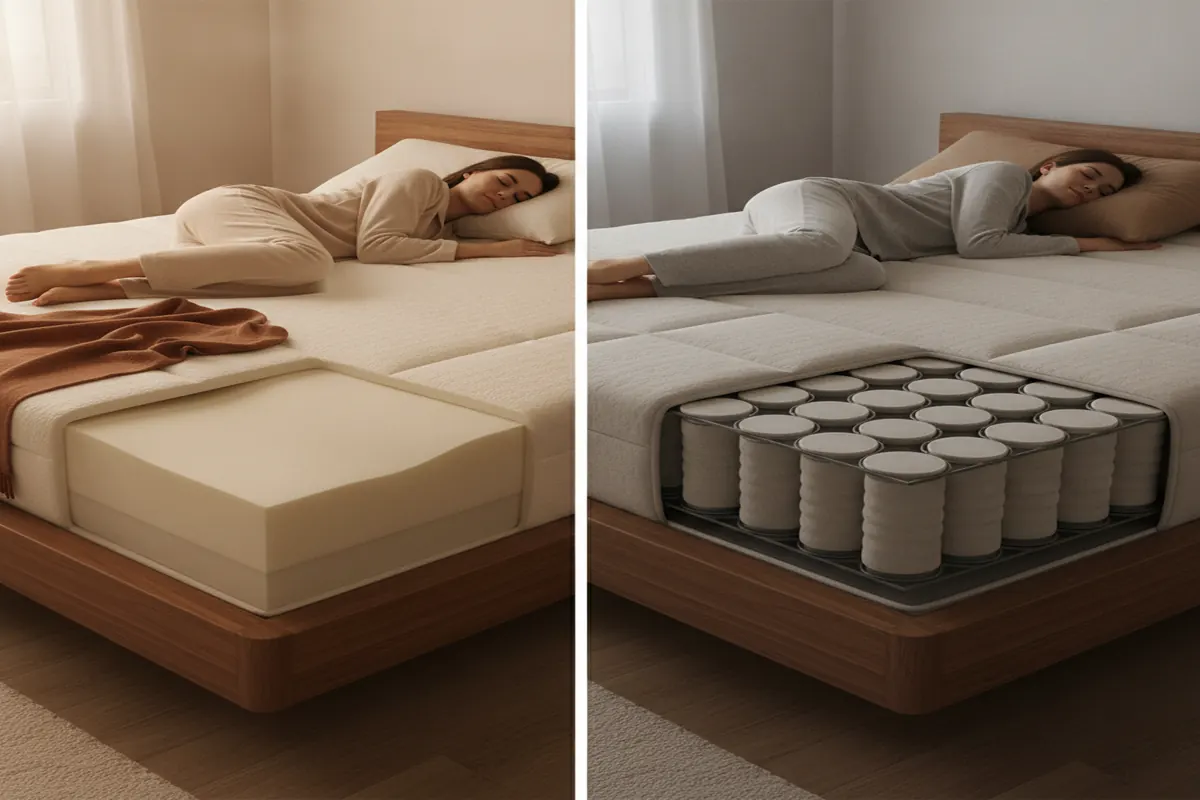
Exceptional Pressure Relief: The primary draw of foam, especially memory foam mattress varieties, is their ability to evenly distribute body weight. This reduces pressure points on areas like shoulders, hips, and knees, making them ideal for individuals with joint pain, arthritis, or fibromyalgia.
-
Superior Motion Isolation: Foam absorbs movement, meaning if your partner tosses and turns, you’re less likely to feel it. This makes foam mattresses an excellent choice for couples, ensuring undisturbed sleep.
-
Body Contouring and Spinal Alignment: By molding to your body’s natural curves, foam mattresses help maintain proper spinal alignment, which can alleviate back pain and promote healthier posture during sleep. This is particularly beneficial for side sleepers who need cushioning for their shoulders and hips.
-
Hypoallergenic Properties: Many foam mattresses, particularly latex mattress options, are naturally resistant to dust mites, mold, and mildew, making them a good option for allergy sufferers.
-
Durability and Longevity: High-density foam mattresses are designed to be durable, resisting sagging and indentations for many years, often outlasting lower-quality innerspring models.
The Advantages of Innerspring Mattresses
Innerspring mattresses maintain their popularity due to their traditional feel and specific performance benefits.
-
Excellent Airflow and Cooling: The open structure of the coil system allows for significant air circulation, which helps dissipate heat. This makes innerspring mattresses a preferred choice for hot sleepers or those in warmer climates.
-
Responsive Support and Bounce: The steel coils provide a buoyant, responsive feel that many sleepers enjoy. This bounce can make changing positions easier and is often preferred for activities beyond just sleeping.
-
Strong Edge Support: Many innerspring mattresses feature reinforced edges, providing a stable perimeter that prevents sagging when sitting on the edge and maximizes the usable sleep surface.
-
Traditional Firmness: Innerspring mattresses often offer a firmer, more supportive feel that can be beneficial for stomach and back sleepers who require a flatter, more even surface to maintain spinal alignment.
-
Cost-Effectiveness: Especially with traditional Bonnel coils, innerspring mattresses can be more budget-friendly upfront, offering a solid sleep solution without a high initial investment.
Who Benefits Most From Each Mattress Type?
Matching the mattress type to your specific needs is crucial for long-term satisfaction.
Foam Mattresses are often best for:
-
Side Sleepers: The contouring relief prevents pressure buildup on hips and shoulders.
-
Couples: Superior motion isolation minimizes disturbances from partner movement.
-
Individuals with Joint Pain: The pressure-relieving qualities can significantly reduce discomfort.
-
Those who prefer a “hugged” feeling: Memory foam especially offers a deep body contour.
Innerspring Mattresses are often best for:
-
Stomach and Back Sleepers: The firmer support helps maintain proper spinal alignment without excessive sinkage.
-
Hot Sleepers: Enhanced airflow helps regulate body temperature throughout the night.
-
Those who prefer a bouncy, responsive feel: Makes moving around in bed easier.
-
Budget-Conscious Buyers: Traditional innerspring options can be more affordable.
-
Individuals with Mobility Issues: The bounce can make getting in and out of bed easier compared to sinking into foam.
Navigating the Trade-offs: Common Challenges and What to Avoid
While both foam and innerspring mattresses offer compelling benefits, they also come with inherent trade-offs. Being aware of these potential downsides and common mistakes can prevent buyer’s remorse and ensure you make an informed decision.
Foam Mattress Considerations
Despite their popularity, foam mattresses aren’t without their drawbacks:
-
Heat Retention: Traditional memory foam can trap body heat, leading to a warmer sleep experience. While gel memory foam and open-cell foams aim to mitigate this, it remains a concern for very hot sleepers.
-
“Stuck” Feeling: The deep contouring of memory foam can sometimes make it feel difficult to move or change positions, particularly for individuals with mobility issues or those who prefer a more responsive surface.
-
Off-Gassing: New foam mattresses, especially those made with synthetic materials, can emit a chemical odor, known as off-gassing, for the first few days or weeks. This is generally harmless but can be unpleasant.
-
Weight Sensitivity: Foam mattresses can feel firmer in colder rooms and soften in warmer environments, slightly altering their feel based on ambient temperature.
-
Initial Cost: High-quality foam mattresses, especially latex mattress options, can have a higher upfront cost compared to basic innerspring models.
Innerspring Mattress Considerations
Innerspring mattresses, while reliable, also have their limitations:
-
Motion Transfer: With interconnected coils (like Bonnel or continuous coils), movement on one side of the bed can easily be felt on the other, disturbing sleep for partners. Pocket Coils Mattress designs significantly reduce this, but it can still be more noticeable than with foam.
-
Potential for Noise: Over time, the metal coils in an innerspring mattress can begin to squeak or creak, especially in older or lower-quality models.
-
Less Pressure Relief: While supportive, innerspring mattresses generally offer less contouring pressure relief than foam, which might lead to pressure points for side sleepers or those with sensitive joints.
-
Sagging Over Time: Like all mattresses, innerspring models can develop sagging, particularly in the center, which can diminish support and comfort. The quality of the coils and padding layers plays a big role here.
-
Dust Accumulation: The open coil structure can allow for dust and allergens to accumulate more readily within the mattress core, potentially affecting allergy sufferers.
Avoiding Buyer’s Remorse: Key Pitfalls to Sidestep
Making an informed choice requires looking beyond initial impressions and considering the long-term implications.
-
Not Considering Your Sleep Position: This is perhaps the biggest mistake. A side sleeper needs different support and pressure relief than a stomach sleeper. Matching the mattress to your primary sleep position is paramount.
-
Ignoring Trial Periods and Return Policies: Never buy a mattress without a substantial trial period (e.g., 90-120 nights). It takes time for your body to adjust and for you to truly evaluate comfort. Understand the return policy thoroughly before committing.
-
Overlooking Mattress Foundation Needs: The type of foundation (box spring, slatted base, adjustable base) can significantly impact a mattress’s feel and longevity. Ensure your chosen mattress is compatible with your existing or new bed base. For instance, foam mattresses typically require a solid or closely slatted foundation for optimal support.
-
Prioritizing Price Over Quality: While budgeting is important, opting for the cheapest mattress can lead to premature sagging, discomfort, and a shorter lifespan, costing you more in the long run. Invest in quality materials that align with your needs.
-
Neglecting Edge Support: If you frequently sit on the edge of your bed or sleep close to the edge, weak edge support can lead to premature wear and a feeling of rolling off.
-
Not Researching Brand Reputation and Warranty: Look for brands with a proven track record of quality and customer service. A strong warranty indicates a manufacturer’s confidence in their product.
How to Choose Your Ideal Mattress: A Practical Decision Framework
Choosing the “best” mattress isn’t about finding a universally superior product; it’s about finding the best fit for you. This decision framework will guide you through the critical factors to consider.
1. Evaluate Your Sleep Style and Preferences
Your primary sleep position dictates where you need support and pressure relief most.
-
Side Sleepers: Require a softer surface to cushion hips and shoulders, preventing pressure points. A foam mattress (memory foam or softer latex) that contours deeply is often ideal. Look for a Turkish Mattress for Side Sleepers in our collection.
-
Back Sleepers: Need a balance of support and contouring to maintain the natural curve of the spine. Medium-firm foam or pocket coils mattress with good lumbar support often works well.
-
Stomach Sleepers: Require a firmer mattress to prevent the hips from sinking too deeply, which can strain the lower back. Firmer innerspring or a dense foam mattress is usually preferred.
-
Combination Sleepers: Need a responsive mattress that allows for easy movement. Latex foam or a hybrid mattress (combining coils and foam) are excellent choices.
2. Consider Body Weight and Type
Body weight influences how much a mattress compresses and how it feels.
-
Lighter Individuals (under 130 lbs): May find even soft mattresses feel firm. Softer foams or innerspring with plush top layers are often suitable.
-
Average Individuals (130-230 lbs): Have the widest range of options. Medium-firm choices are generally well-balanced.
-
Heavier Individuals (over 230 lbs): Require more robust support to prevent excessive sinkage and ensure durability. Denser foams, stronger innerspring coils (like Bonnel or thicker pocket coils), or specifically designed Construction Mattress options are recommended to maintain proper spinal alignment and prevent premature sagging.
3. Prioritize Firmness and Support Needs
Firmness and support are often confused but are distinct. Support refers to the mattress’s ability to keep your spine aligned, while firmness relates to the initial feel.
-
Support: Both foam and innerspring can offer excellent support. The key is finding one that supports your spine.
-
Firmness: Ranges from plush to extra-firm. Test different firmness levels to see what feels best for your body and sleep position.
- Plush to Medium-Soft: Good for side sleepers and those needing maximum pressure relief.
- Medium-Firm: A popular choice for back sleepers and combination sleepers, offering a balance.
- Firm to Extra-Firm: Ideal for stomach sleepers and heavier individuals needing robust support.
4. Assess Cooling Requirements
If you sleep hot, this is a critical factor.
-
Innerspring Mattresses: Naturally provide better airflow due to their open coil structure, making them generally cooler.
-
Foam Mattresses: Opt for gel memory foam, latex mattress, or open-cell foam designs, which are engineered to dissipate heat more effectively than traditional memory foam. Consider a 4 Seasons Bed with reversible sides for different temperature needs.
5. Understand Motion Transfer Concerns
For couples, motion isolation is paramount for undisturbed sleep.
-
Foam Mattresses: Especially memory foam, excel at absorbing motion, making them ideal for partners with different sleep schedules or restless sleepers.
-
Pocket Coils Mattress: Offer significantly better motion isolation than traditional innerspring coils, making them a good compromise for couples who prefer some bounce.
6. Budgeting for Quality and Longevity
Consider the mattress an investment in your health. While price is a factor, prioritize value and durability.
-
Entry-Level: Basic innerspring or polyfoam.
-
Mid-Range: Quality foam mattresses, Bonnel Spring Mattress, or entry-level pocket coils mattress.
-
Premium: High-density latex, advanced memory foam, or luxury hybrid mattress options.
Remember to factor in the Turkish Mattress Lifespan and How Much Does a Turkish Mattress Cost when evaluating long-term value.
Decoding the Price Tag: Foam Mattress vs. Innerspring Cost Comparison
The cost of a mattress is a significant consideration for most buyers. While both foam and innerspring mattresses are available across a wide price spectrum, understanding the factors that influence their cost can help you budget effectively and recognize value.
Factors Influencing Mattress Price
Several elements contribute to the final price of any mattress:
-
Materials Used: Premium materials like natural latex, high-density memory foam, or individually wrapped pocket coils will naturally command a higher price than basic polyfoam or interconnected Bonnel coils.
-
Construction Complexity: The number of layers, specialized zoning for support, and intricate quilting can increase manufacturing costs. A Construction Mattress with advanced features will be more expensive.
-
Brand Reputation and Marketing: Well-known brands often have higher price points due to brand recognition, extensive research and development, and marketing efforts.
-
Size: Larger sizes (Queen, King, California King) are always more expensive than smaller ones (Twin, Full).
-
Origin and Craftsmanship: Mattresses made with high-quality, ethically sourced materials and expert craftsmanship, like those from Sinyora Yatak, may reflect this in their pricing. What Makes Turkish Mattresses Special often includes superior materials and traditional craft.
-
Technology and Features: Specialized cooling technologies (gel memory foam), adjustable firmness zones, or smart features will add to the cost.
Average Price Ranges (Queen Size, International Market, 2026)
It’s important to note that these are general ranges, and promotions, sales, and specific brands can cause significant variations.
-
Basic Innerspring (Bonnel Coils): \$300 – \$800
- Expect: Firm feel, basic support, noticeable motion transfer, shorter lifespan for lower-end models.
-
Mid-Range Innerspring (Offset/Continuous Coils, Entry-level Pocket Coils): \$700 – \$1,500
- Expect: Improved contouring, better motion isolation than Bonnel, good durability.
-
Basic Foam (Polyfoam, Entry-level Memory Foam): \$500 – \$1,200
- Expect: Decent pressure relief, moderate contouring, potential for heat retention in basic memory foam.
-
Mid-Range Foam (Quality Memory Foam, Gel Memory Foam, Entry-level Latex): \$1,000 – \$2,500
- Expect: Excellent pressure relief, good cooling features, superior motion isolation, better durability.
-
Premium Foam (High-Density Latex, Advanced Memory Foam): \$2,000 – \$4,000+
- Expect: Exceptional durability, superior comfort, advanced cooling, often natural and organic certifications for latex.
Hybrid Mattresses: A Balanced Option in Price and Performance
A hybrid mattress combines the best elements of both foam and innerspring designs. Typically, they feature a base layer of individually wrapped pocket coils for responsive support and airflow, topped with comfort layers of memory foam, latex, or polyfoam for pressure relief and contouring.
-
Price Range (Queen Size): \$1,200 – \$3,500+
-
Benefits:
- Balanced Feel: Offers the bounce and support of springs with the pressure relief of foam.
- Improved Cooling: Coils allow for better airflow than all-foam designs.
- Reduced Motion Transfer: Pocket coils minimize partner disturbance.
- Good Edge Support: Often reinforced due to the coil base.
-
Considerations: Hybrid mattresses are generally more expensive than pure foam or innerspring models due to their complex construction and combination of premium materials. However, they can offer exceptional value for those seeking a “best of both worlds” experience. Many of Sinyora Yatak’s premium offerings, like the Cashmere Bed or Avant-Garde Bed, feature hybrid constructions.
Long-Term Value and Warranty Considerations
When comparing prices, it’s crucial to consider the Turkish Mattress Lifespan and the warranty. A cheaper mattress that needs replacing every 3-5 years is a worse investment than a more expensive one that lasts 10-15 years.
-
Warranty: Look for warranties that cover sagging and manufacturing defects for at least 10 years. This indicates the manufacturer’s confidence in the product’s durability.
-
Trial Period: A generous trial period allows you to ensure the mattress is the right fit before committing.
Making Your Purchase: Where to Find Quality Mattresses Online
The digital age has transformed mattress shopping, offering unparalleled convenience and choice. When considering where to buy your next mattress, especially an investment like a foam or innerspring model, online retailers present a compelling option.
The Advantages of Online Mattress Shopping
-
Wider Selection: Online stores typically offer a much broader range of models, materials, and firmness levels than brick-and-mortar stores, allowing you to find a more precise match for your needs.
-
Competitive Pricing: Without the overheads of physical showrooms, online retailers can often offer more competitive prices and frequent promotions.
-
Convenience: Shop from the comfort of your home, compare specifications, read reviews, and make a purchase 24/7.
-
Generous Trial Periods: Most reputable online mattress companies offer risk-free in-home trial periods (e.g., 90 to 365 nights), giving you ample time to test the mattress in your own environment.
-
Direct-to-Consumer Models: Many brands, like Sinyora Yatak, operate on a direct-to-consumer model, cutting out middlemen and passing savings directly to you.
Key Checks Before Buying a Mattress Online
To ensure a smooth and satisfying purchase experience:
-
Read Customer Reviews: Look for patterns in reviews regarding comfort, support, durability, and customer service. Pay attention to reviews from people with similar body types and sleep preferences.
-
Understand the Trial Period and Return Policy: Confirm the length of the trial, any associated fees for returns (e.g., restocking, shipping), and the process for initiating a return. A truly risk-free trial is paramount.
-
Check the Warranty: A comprehensive warranty (typically 10+ years) protects against manufacturing defects and excessive sagging. Understand what voids the warranty (e.g., using an improper foundation).
-
Verify Shipping and Delivery: Confirm delivery timelines, whether white glove delivery (setup and old mattress removal) is available, and if there are any additional shipping costs, especially for international orders.
-
Material Transparency: Reputable brands will be transparent about the materials used in their mattresses, including foam densities, coil counts, and any certifications (e.g., CertiPUR-US for foam, GOLS/GOTS for organic latex).
Why Sinyora Yatak is a Trusted Choice for Your Next Mattress
As a leading producer and exporter of quality mattresses from Turkey, Sinyora Yatak combines traditional craftsmanship with modern sleep technology to deliver exceptional products worldwide.
-
Turkish Quality and Craftsmanship: What Makes Turkish Mattresses Special lies in our commitment to using high-quality materials and meticulous manufacturing processes, ensuring durability and superior comfort. We are proud to Ship Turkish Mattresses Internationally and offer Mattress Wholesale in Turkiye.
-
Diverse Product Range: Whether you’re seeking a contouring Visco Foam Mattress, a responsive Latex Foam Mattress, a traditional Bonnel Spring Mattress, or an advanced Pocket Coils Mattress, our Mattress Collection offers a solution for every sleeper. Explore our Shop All Products for a full overview.
-
Customer-Centric Approach: We prioritize your sleep health and satisfaction. Our Buying Guides help you make informed decisions, and our dedicated Customer Service team is ready to assist. You can find detailed Warranty Information and our Return Policy transparently on our site.
-
Innovation and Comfort: From our Cashmere Bed to the Avant-Garde Bed and specialized Hotel Mattress lines, we continuously innovate to bring you the best in sleep technology. We also offer a range of Pillow Collection and Topper Collection products to complete your sleep system, including Visco Pillow and Latex Pillow (Natural).
Choosing Sinyora Yatak means investing in a legacy of quality sleep, backed by expert knowledge and a commitment to customer satisfaction. Visit our website to explore our extensive range and Contact Us for Support with any questions.
Expert Insight
“The evolving landscape of mattress technology means that the ‘best’ choice is increasingly personalized. While innerspring mattresses remain champions of airflow and traditional support, advancements in foam — particularly with gel infusions and varied densities — have significantly improved their cooling and responsiveness. The rise of hybrid mattresses truly represents the industry’s understanding that combining the strengths of both core types often results in a superior sleep experience for a broader range of sleepers.”
— Industry experts confirm that individualized needs drive modern mattress innovation.
Key Terms
-
Memory Foam: A viscoelastic polyurethane foam that softens and conforms to the body in response to heat and pressure, offering excellent pressure relief and motion isolation.
-
Innerspring Coils: The steel spring units forming the core support system of an innerspring mattress, providing bounce and support. Types include Bonnel, Offset, Continuous, and Pocket Coils.
-
Hybrid Mattress: A mattress combining an innerspring core (typically pocket coils) with comfort layers of foam (memory foam, latex, or polyfoam) to offer a balanced feel.
-
Motion Isolation: The ability of a mattress to absorb movement, preventing it from transferring across the bed and disturbing a partner.
-
Off-Gassing: The release of volatile organic compounds (VOCs) from new foam products, resulting in a distinct, often temporary, chemical odor.
A short comparison to help you make a better decision.
How Can You Upgrade to More Comfortable Sleep with Sinyora Yatak?
At Sinyora Yatak, we understand that exceptional sleep is a cornerstone of a healthy life. Our extensive Mattress Collection, meticulously crafted in Turkey, offers a diverse range of foam and innerspring solutions designed to meet every unique sleep preference. Whether you’re seeking the contouring embrace of a Visco Foam Mattress for unparalleled pressure relief, the responsive bounce of a Pocket Coils Mattress for robust support, or the balanced luxury of a Cashmere Bed hybrid, we have engineered a solution for your ideal comfort. Explore our Buying Guides to help you make an informed decision, or dive directly into our Shop All Products to discover the Sinyora Yatak difference. Experience the superior quality and craftsmanship that What Makes Turkish Mattresses Special and transform your sleep starting tonight.
Frequently Asked Questions
Q: Is a foam mattress or innerspring mattress better for back pain?
Q: Do foam mattresses sleep hotter than innerspring mattresses?
Q: How long do foam and innerspring mattresses typically last?
Q: Can I use a foam mattress on a box spring designed for an innerspring mattress?
Q: What is a hybrid mattress, and how does it compare?
Q: Where can I try Sinyora Yatak mattresses before buying?
Help: FAQs · Sleep Science · Sleep Resources · Privacy Policy