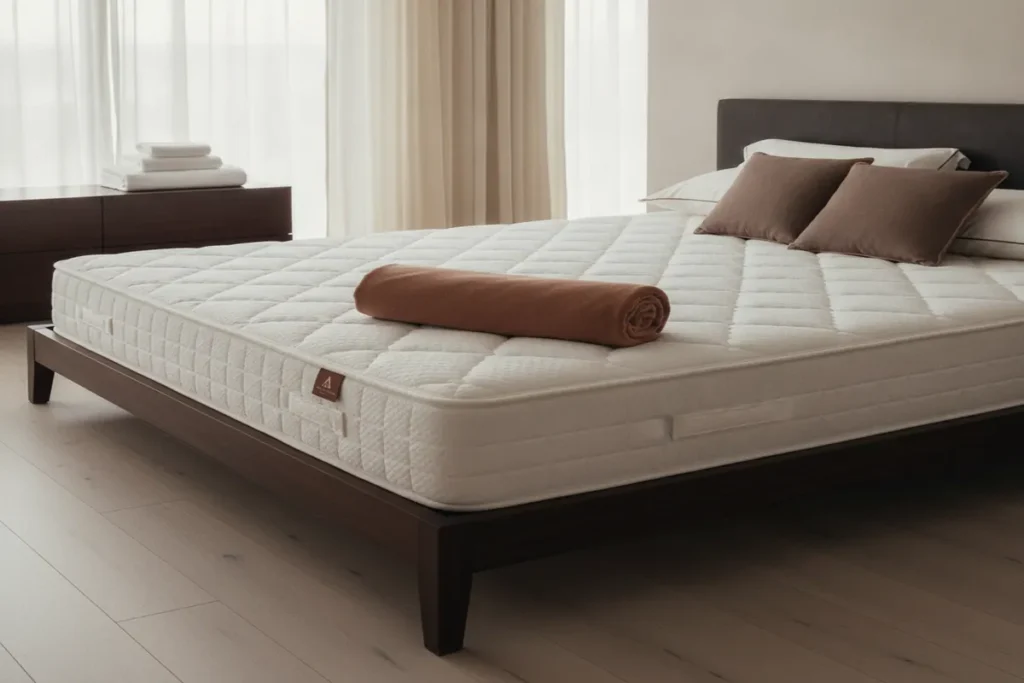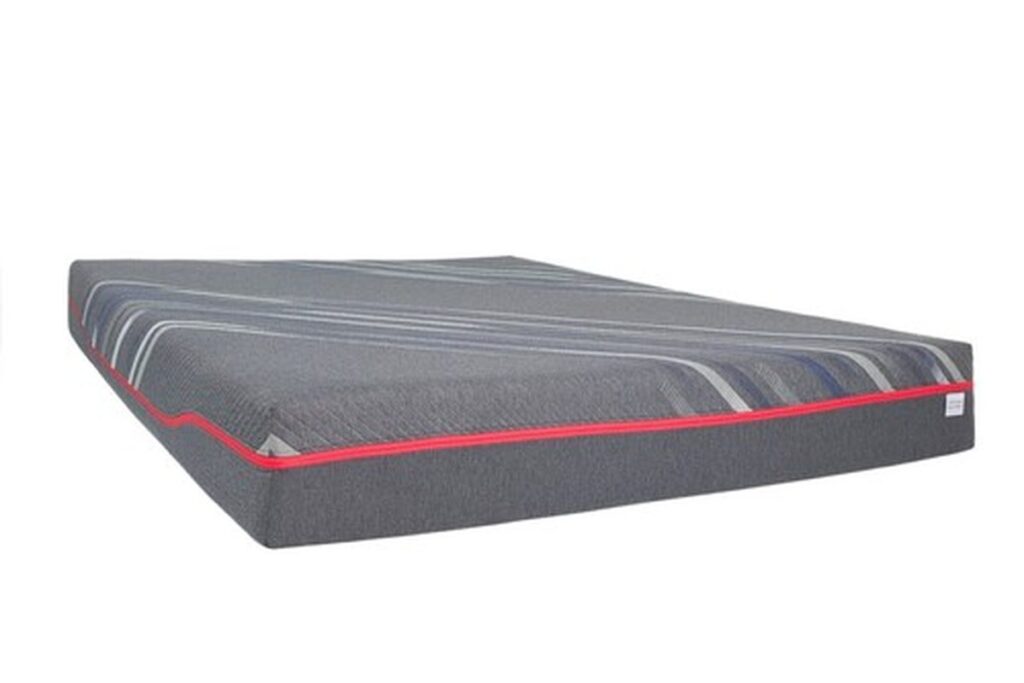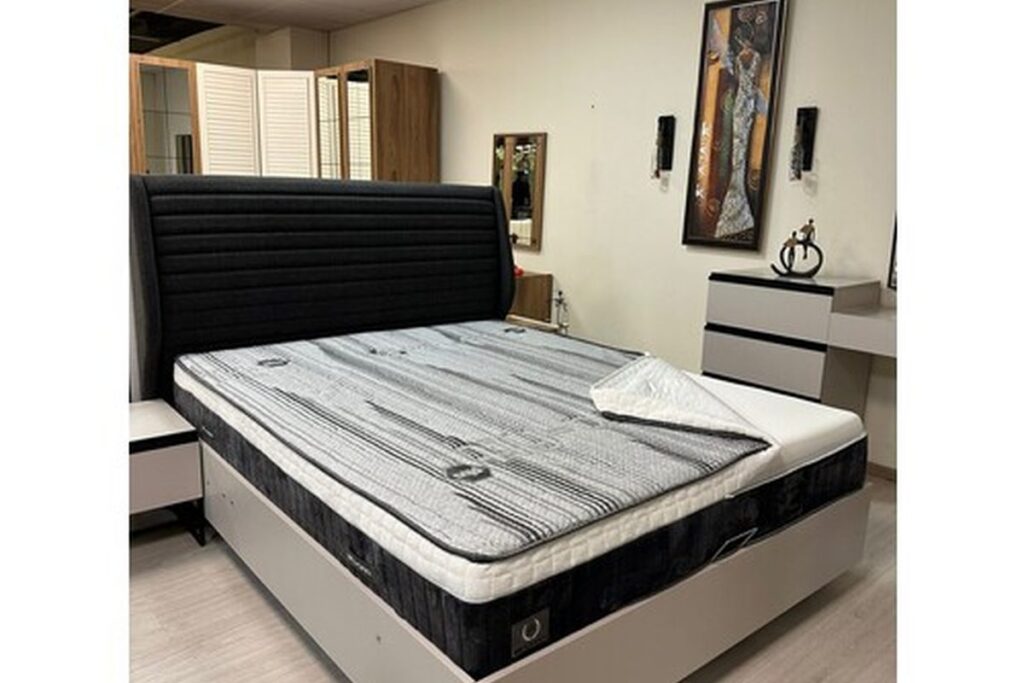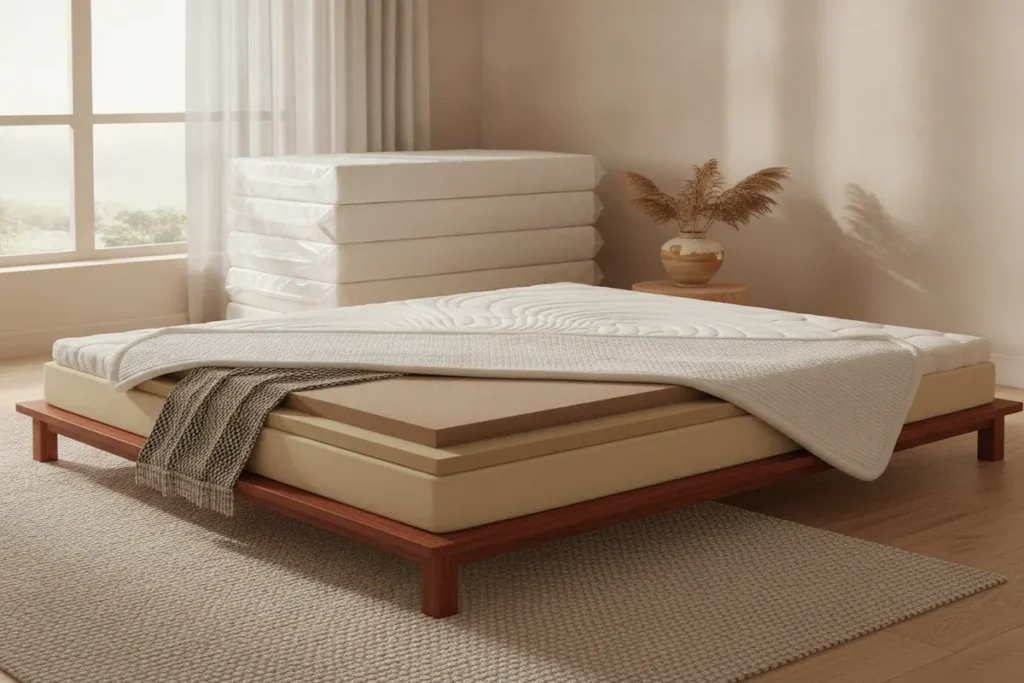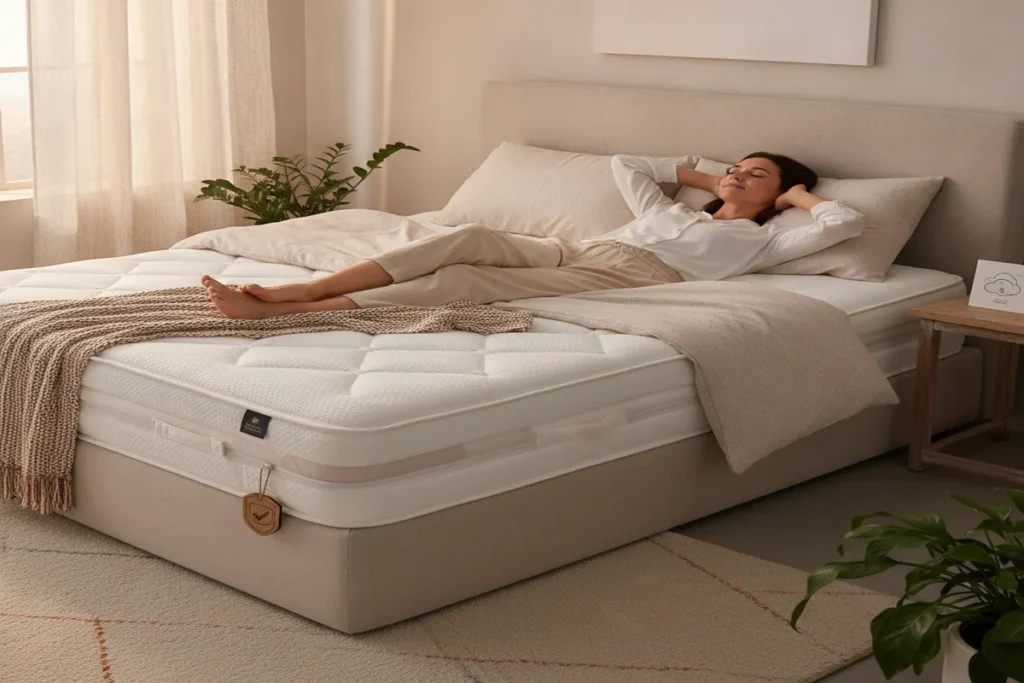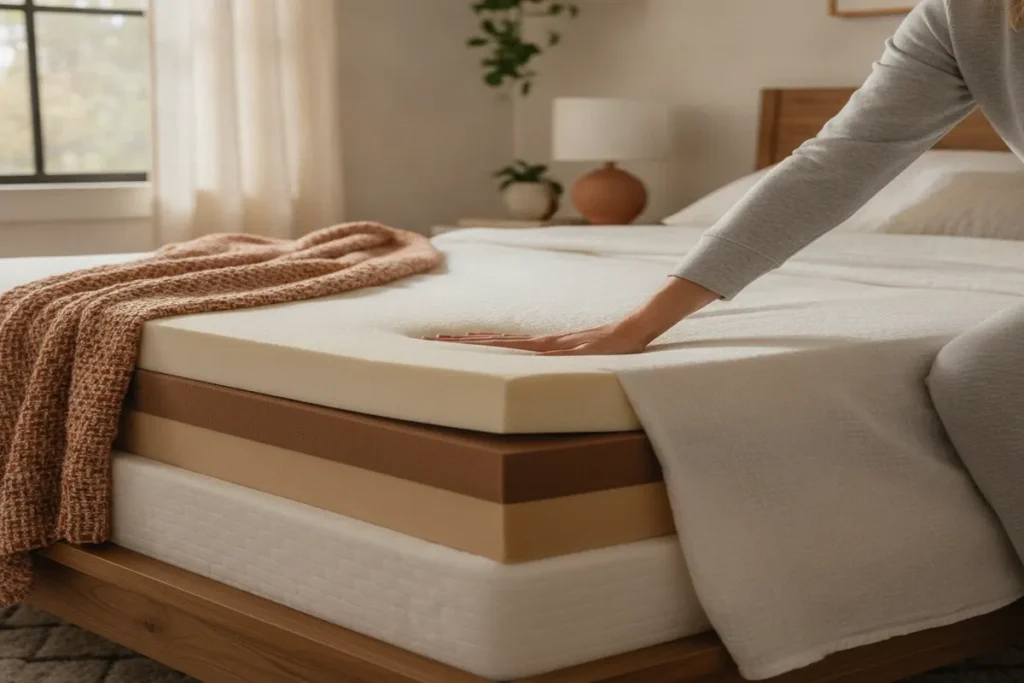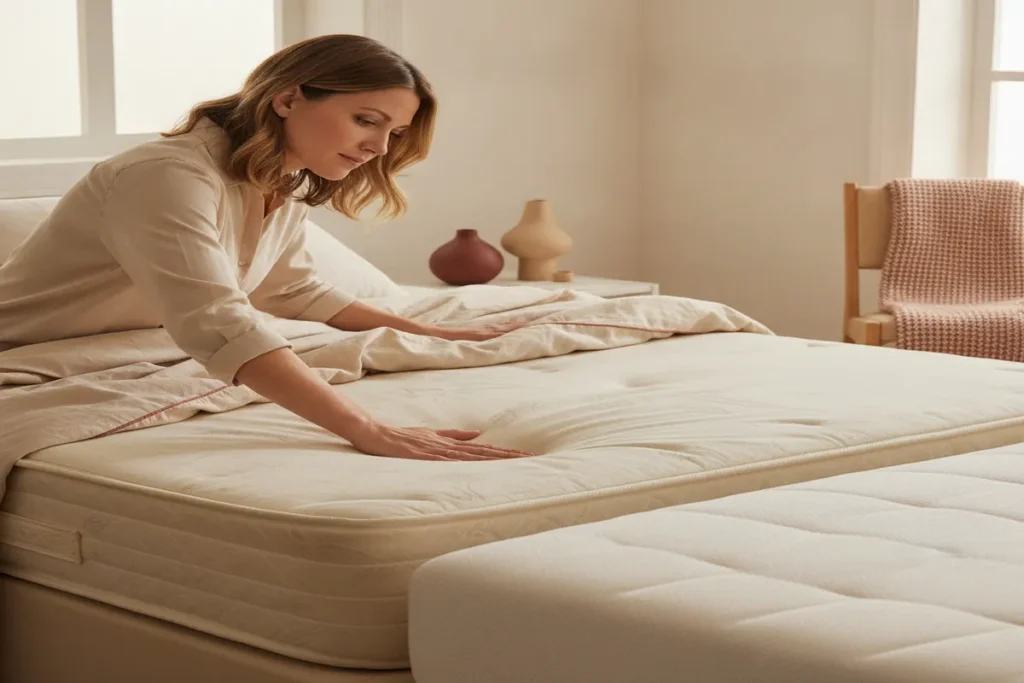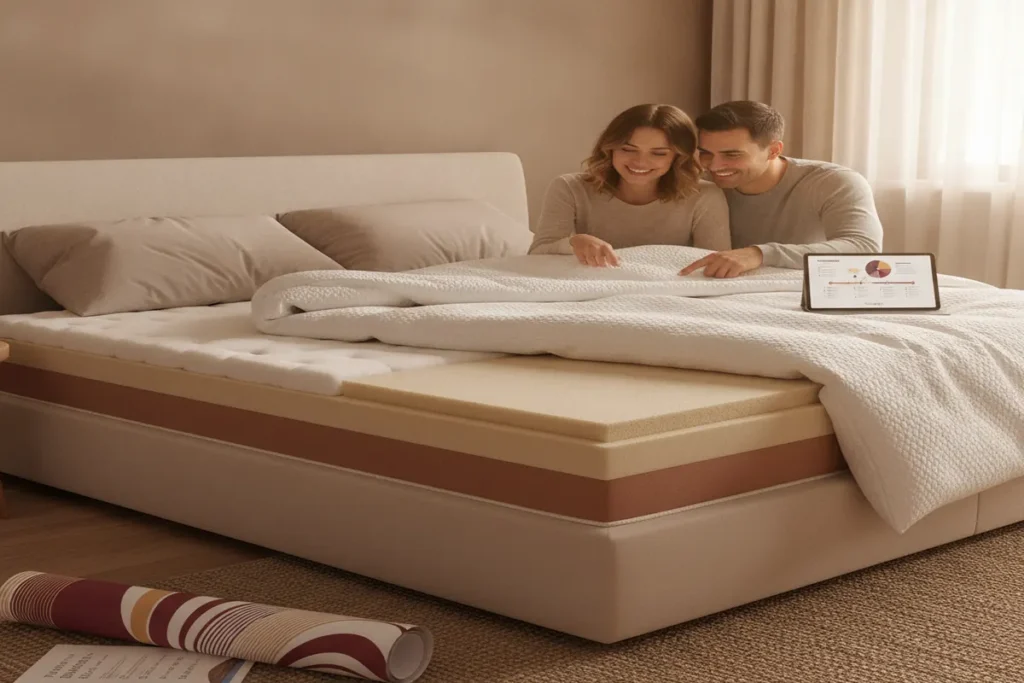


For stomach sleepers, selecting the best foam mattress is a critical decision that directly impacts spinal health and sleep quality. The ideal foam mattress must provide a delicate balance of firmness and support to prevent the hips from sinking too deeply, which can misalign the spine and lead to lower back pain. Prioritize medium-firm to firm options, often featuring high-density polyfoam or responsive latex-like layers, ensuring the body remains in a neutral, stable position throughout the night.
Quick Summary
- For stomach sleepers, a medium-firm to firm foam mattress is essential to prevent hip sinking and maintain spinal alignment
- responsive foams like high-density polyfoam or latex-like options are preferred over overly plush memory foam
- integrated cooling features are crucial for foam mattresses to regulate temperature
- always prioritize mattresses that offer robust core support to avoid back strain
Which Foam Mattress Firmness is Best for Stomach Sleepers?
The single most critical factor for stomach sleepers choosing any mattress, especially foam, is firmness. A mattress that is too soft will allow your hips and abdomen to sink excessively, creating a “hammock” effect that hyperextends your lower back. This misalignment is a primary cause of back pain for stomach sleepers. Conversely, a mattress that is too firm might not offer enough contouring to relieve pressure points, though this is less common for stomach sleepers than side sleepers.
The sweet spot for most stomach sleepers lies in the medium-firm to firm range on a 1-10 scale, typically a 6.5 to 8.5. This level of firmness ensures your body weight is evenly distributed, keeping your spine in a neutral alignment from head to toe.
-
Medium-Firm (6.5-7.5): Offers a good balance of support and slight contouring. Ideal for stomach sleepers who prefer a bit more pressure relief without sacrificing alignment, especially those with average body weights (130-230 lbs).
-
Firm (7.5-8.5): Provides robust support, minimizing sinkage. Often preferred by heavier stomach sleepers (over 230 lbs) or those who experience back pain on softer surfaces and need maximum stability.
-
Avoid Soft Mattresses (Below 6.5): These will almost certainly lead to hip sinkage and spinal misalignment, resulting in discomfort and pain over time.
Expert Insight:
“Sleep experts consistently emphasize that a neutral spinal alignment is paramount for stomach sleepers. A mattress that is too soft allows the hips to drop, creating an unnatural curve in the lower back. The goal is a surface firm enough to keep the spine straight, mimicking standing posture.”
Memory Foam vs. Latex Foam: Which is Better for Stomach Sleeping?
When considering foam mattresses, the two primary types stomach sleepers will encounter are memory foam and latex foam. Each offers distinct properties that can significantly impact comfort and support. Understanding these differences is key to making an informed choice.
Memory Foam (also known as Visco Foam) is renowned for its body-conforming properties. It softens with body heat, molding to your shape and offering excellent pressure relief. However, for stomach sleepers, this deep contouring can be a double-edged sword. While it cradles the body, overly soft or low-density memory foam can allow too much sinkage in the midsection, leading to spinal misalignment.
-
Pros: Excellent pressure relief, motion isolation, often more affordable than latex.
-
Cons: Can sleep hot (especially traditional formulations), can feel “stuck,” potential for excessive sinkage if not firm enough.
-
Best for Stomach Sleepers: High-density, firmer memory foams, often with a faster response time, or those incorporating cooling technologies like gel or open-cell structures. Explore our Visco Foam Mattress options for specialized designs.
Latex Foam (can be natural, synthetic, or blended) is known for its responsive, buoyant feel. Unlike memory foam, latex provides a more “on top of the mattress” feel and quickly regains its shape. This inherent responsiveness makes it an excellent choice for stomach sleepers, as it resists deep sinkage and helps maintain a stable, aligned sleeping posture.
-
Pros: Highly durable, excellent responsiveness, naturally breathable and cooling, hypoallergenic.
-
Cons: Generally more expensive than memory foam, can be heavier.
-
Best for Stomach Sleepers: Nearly all firmness levels of latex foam offer good support, but a medium-firm to firm latex mattress is ideal for preventing hip sinkage while providing comfortable pressure distribution. Discover our Latex Foam Mattress range for premium options.
Here’s a comparison table to help you decide:
For those interested in the unique qualities of Turkish Foam Mattress vs Spring options, it’s worth noting that Turkish foam technology often focuses on high-density formulations that can be particularly beneficial for stomach sleepers seeking robust support without the motion transfer of springs.

What Makes a Foam Mattress “Cooling” for Stomach Sleepers?
One of the most common concerns with foam mattresses, especially for stomach sleepers who have more body surface contact with the bed, is heat retention. Traditional memory foam can trap body heat, leading to uncomfortable nights. Fortunately, mattress manufacturers have developed several innovations to mitigate this. When looking for the best cooling mattress for stomach sleepers, pay attention to these features:
-
Open-Cell Structure: Standard memory foam has a dense, closed-cell structure. Open-cell foam is manufactured with tiny, interconnected air pockets that allow for increased airflow, dissipating heat more effectively. This is a fundamental improvement for cooling.
-
Gel Infusion: Gel beads or swirls are infused into the foam during manufacturing. These gel particles are designed to absorb and dissipate heat away from the body. While effective, the quantity and type of gel can vary, impacting performance.
-
Graphite or Copper Infusion: Similar to gel, these materials are excellent thermal conductors. Graphite can draw heat away, while copper also offers antimicrobial properties. They help to regulate temperature by transferring heat away from the sleeping surface.
-
Phase-Change Materials (PCMs): These materials are designed to absorb and release heat to maintain a consistent temperature. They can feel cool to the touch and actively regulate surface temperature throughout the night.
-
Breathable Covers: The mattress cover itself plays a role. Look for covers made from breathable fabrics like Tencel, organic cotton, or specialized cooling fabrics that wick away moisture and promote airflow.
-
Aerated or Pinhole Designs: Some foam layers are designed with perforations or pinholes to further enhance air circulation within the mattress core.
Key Cooling Features to Look For:
-
Open-cell foam technology in the comfort layers.
-
Gel, graphite, or copper infusions in the top foam layers.
-
Phase-change material (PCM) treatments in the cover or foam.
-
Highly breathable mattress cover materials.
-
Aerated or perforated foam layers for internal airflow.
A combination of these features will provide the most effective cooling for a foam mattress, ensuring a comfortable and sweat-free night, even for warm sleepers.
Beyond Firmness: Essential Features for a Supportive Stomach Sleeper Mattress
While firmness is paramount, several other construction and material considerations contribute to a foam mattress’s overall suitability for stomach sleepers. These features ensure not only comfort but also the longevity and consistent support needed for healthy sleep.
-
High-Density Base Foam: The core support layer of any foam mattress is crucial. For stomach sleepers, a high-density polyfoam base (typically 1.8 PCF or higher) is essential. This dense foam provides the foundational stability that prevents sagging and ensures the mattress maintains its structural integrity over time, supporting your weight evenly.
-
Responsive Transition Layers: Between the comfort layer and the base, a transition layer often exists. For stomach sleepers, this layer should ideally be responsive and slightly firmer than the top comfort layer. It acts as a buffer, preventing you from sinking too deeply into the base while still offering some pressure relief. Latex or a firmer polyfoam are excellent choices here.
-
Edge Support: While often overlooked, good edge support is valuable. A mattress with reinforced edges prevents premature sagging along the sides, which can be particularly noticeable if you tend to sleep near the edge or use the bed for sitting. This ensures a consistent sleep surface across the entire mattress.
-
Material Quality and Durability: Investing in high-quality foams, whether memory foam or latex, is crucial. Cheaper, lower-density foams tend to break down faster, leading to soft spots and reduced support within a few years. Look for certifications like CertiPUR-US for memory foam or GOLS/GOTS for organic latex, which indicate quality and safety. Our Construction Mattress designs prioritize durable, high-quality materials for lasting comfort.
Essential Features Checklist for Stomach Sleepers:
-
Medium-firm to firm feel (6.5-8.5 on a 1-10 scale).
-
High-density polyfoam core for robust foundational support.
-
Responsive transition layer to prevent deep sinkage.
-
Good edge support for a consistent sleep surface.
-
Quality foam materials (e.g., CertiPUR-US certified, organic latex).
-
Effective cooling technologies (open-cell, gel, graphite) if choosing memory foam.
-
Low-profile pillow compatibility to maintain head and neck alignment.
Common Mistakes Stomach Sleepers Make When Choosing a Foam Mattress
Even with the best intentions, stomach sleepers often make specific errors when mattress shopping that can lead to discomfort and regret. Being aware of these pitfalls can save you from a poor investment and ensure you achieve truly restorative sleep.
-
Choosing a Mattress That’s Too Soft: This is by far the most prevalent mistake. Drawn to the plush feel of soft memory foam, stomach sleepers often overlook the crucial need for spinal alignment. A mattress that allows the hips to sink too far will inevitably lead to lower back pain. Always prioritize firmness over immediate “cushy” comfort.
-
Ignoring Pillow Choice: A firm mattress is only half the battle. A thick, fluffy pillow will prop your head up too high, causing severe neck strain for stomach sleepers. The ideal pillow is very thin, or even flat, to keep your head and neck as close to neutral alignment with your spine as possible. Many stomach sleepers even opt for no pillow at all, or a specialized low-profile pillow. Explore our Pillow Collection for suitable options like a Visco Pillow or Latex Pillow (Natural) designed for neck support.
-
Not Utilizing Trial Periods: Most reputable mattress companies offer generous in-home trial periods (often 90-120 nights). Failing to take advantage of this to truly test the mattress in your own sleeping environment is a missed opportunity. Your body needs time to adjust, and initial impressions can be misleading.
-
Focusing Only on Brand Recognition (e.g., Tempur-Pedic): While brands like Tempur-Pedic are renowned for their memory foam, not every model from a popular brand will be ideal for stomach sleepers. Some Tempur-Pedic models, for instance, are designed to be very soft and contouring, which might not offer the firm support a stomach sleeper needs. Always evaluate the specific mattress’s firmness and construction, rather than just the brand name itself. For those specifically asking about the best Tempur-Pedic mattress for stomach sleepers or best Tempur-Pedic mattress for side and stomach sleepers, look for their firmer offerings, often labeled as “firm” or “support,” and be prepared to pair it with a very thin pillow.
-
Neglecting Cooling Features in Foam: Assuming all foam mattresses are hot is an outdated notion, but ignoring cooling technologies is still a mistake. If you sleep warm, choosing a traditional, dense memory foam without any cooling infusions or open-cell structure will likely lead to overheating.
-
Underestimating the Importance of a Solid Foundation: Even the best foam mattress won’t perform optimally on an old, sagging, or unsupportive bed base. Ensure your bed base provides a firm, flat surface to support the mattress evenly. Consider our Bed Base and Headboard options for proper support.
How to Avoid These Mistakes:
-
Prioritize firmness (medium-firm to firm) above all else.
-
Invest in a very thin or specialized low-profile pillow.
-
Always use the mattress trial period to ensure long-term comfort and alignment.
-
Evaluate specific mattress models based on firmness and construction, not just brand.
-
Look for advanced cooling features if you tend to sleep warm.
-
Ensure your bed base is sturdy and supportive.
Are Hybrid Foam Mattresses a Good Choice for Stomach and Side Sleepers?
For individuals who alternate between stomach and side sleeping—often referred to as combo sleepers—finding a mattress that accommodates both positions can be challenging. Stomach sleepers need firmness to prevent hip sinkage, while side sleepers require more pressure relief at the shoulders and hips to avoid discomfort. This is where hybrid foam mattresses often shine, providing a compelling solution.
A hybrid mattress combines the best of both worlds: a support core of individually wrapped pocket coils (like those found in our Pocket Coils Mattress options) with comfort layers made of various foams (memory foam, latex, or polyfoam).
Why Hybrids Can Be Good for Stomach and Side Sleepers:
-
Balanced Support and Pressure Relief: The pocketed coil support system offers robust, responsive support that prevents the deep sinkage problematic for stomach sleepers. Simultaneously, the foam comfort layers on top can provide the necessary contouring and pressure relief for side sleeping, cushioning the shoulders and hips without letting them bottom out.
-
Targeted Zoned Support: Many hybrid mattresses feature zoned coil systems, meaning different areas of the mattress have varying firmness levels. This can be incredibly beneficial for combo sleepers, offering firmer support under the lumbar region (good for stomach sleeping) and softer support under the shoulders (good for side sleeping).
-
Enhanced Responsiveness: The coil base gives hybrids a bouncier feel compared to all-foam mattresses. This makes it easier to change positions throughout the night, which is a major plus for active combo sleepers.
-
Superior Airflow: The open structure of the coil layer allows for much better airflow than an all-foam mattress, making hybrids an excellent choice for those concerned about sleeping hot. This addresses the best cooling mattress for stomach sleepers concern effectively.
Considerations for Combo Sleepers:
-
Firmness Level: Aim for a medium-firm hybrid (around 6.5-7.5). This provides enough support for stomach sleeping while offering sufficient give for side sleeping.
-
Comfort Layer Thickness: Ensure the foam comfort layer is thick enough (typically 2-4 inches) to provide adequate pressure relief for side sleeping, but not so thick that it negates the support of the coils for stomach sleeping.
-
Type of Foam: A responsive foam like latex or a firmer, quicker-responding memory foam in the comfort layers is often preferred over deeply contouring, slow-response memory foam.
For those seeking the best foam mattress for stomach and side sleepers or the best memory foam mattress for side and stomach sleepers, a well-designed hybrid mattress offers a versatile and supportive solution that can effectively cater to the diverse needs of both sleeping positions.
Upgrading Your Sleep: When a Foam Mattress Topper Makes Sense for Stomach Sleepers
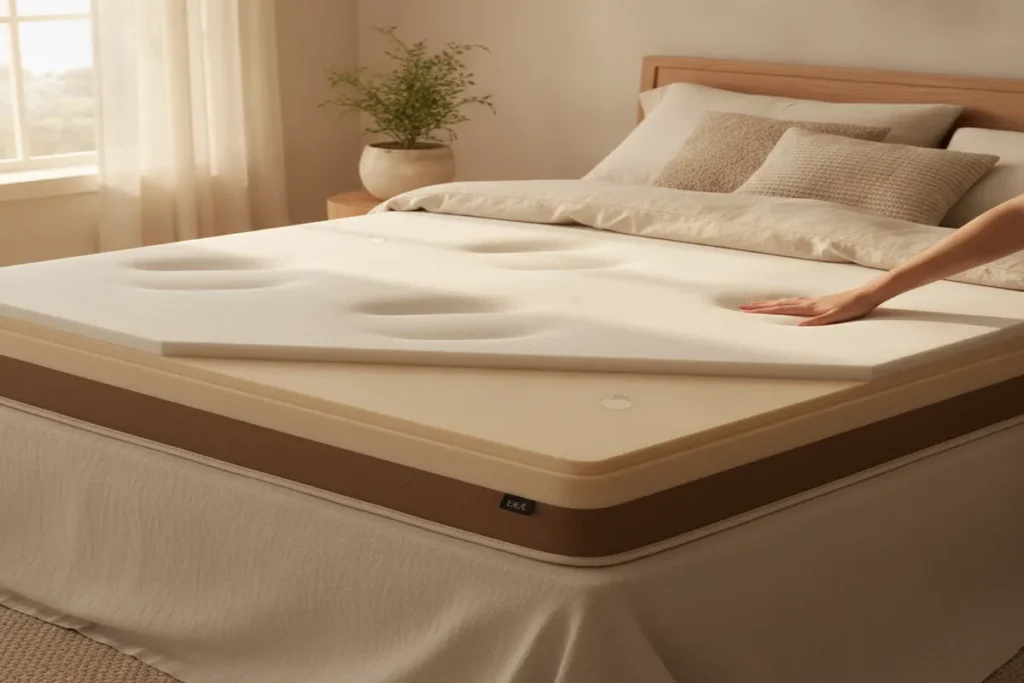
Sometimes, a full mattress replacement isn’t immediately feasible, or your current mattress is just a little off in terms of firmness. This is where a foam mattress topper can offer a targeted, cost-effective solution for stomach sleepers. However, it’s crucial to understand when a topper is beneficial and which type to choose.
When a Mattress Topper Makes Sense:
-
Your Current Mattress is Too Firm: If your existing mattress is very firm and causes pressure points, a soft-to-medium firm topper can add a layer of cushioning without compromising the underlying support. This is particularly relevant if your mattress is still relatively new and otherwise in good condition.
-
Minor Adjustments Needed: For those who find their mattress almost perfect but need a slight tweak in feel—perhaps a touch more pressure relief or a bit more responsiveness—a topper can provide that nuanced change.
-
Budgetary Constraints: A high-quality topper is significantly less expensive than a new mattress, making it an accessible way to improve sleep comfort without a major investment.
-
Extending Mattress Lifespan (with caution): A topper can protect the surface of a newer mattress from wear and tear. However, it cannot fix a sagging or unsupportive old mattress; it will only conform to its existing dips.
When a Mattress Topper Does NOT Make Sense:
-
Your Current Mattress is Sagging or Too Soft: A topper will only conform to the existing sag, exacerbating spinal misalignment. It cannot create support where none exists. If your mattress is already too soft for stomach sleeping, adding any topper will likely make the problem worse, as it will increase sinkage.
-
You Need Significant Support Improvement: Toppers are for comfort adjustments, not fundamental structural support.
Best Memory Foam Mattress Topper for Stomach Sleepers – Selection Criteria:
If you decide a topper is right for you, the type of foam and its firmness are paramount. For stomach sleepers, the goal is not to add excessive softness.
-
Firmness: Opt for a medium-firm to firm foam topper. A soft memory foam topper will simply allow your hips to sink further, worsening spinal alignment. The topper should complement, not counteract, the firmness needed for stomach sleeping.
-
Material:
- High-Density Polyfoam Topper: These are generally firmer and more supportive, offering a more resilient feel than traditional memory foam. They’re excellent for adding a layer of firm cushioning.
- Latex Topper: A latex topper provides excellent responsiveness and buoyancy, resisting deep sinkage while still offering pressure relief. It’s naturally cooling and durable.
- Firmer Memory Foam Topper: If you prefer memory foam, look for high-density, firmer options, potentially infused with cooling gels. Avoid plush, low-density memory foam.
-
Thickness: A 2-inch or 3-inch topper is usually sufficient. Thicker toppers (4+ inches) can introduce too much softness and compromise spinal alignment for stomach sleepers.
Explore our Topper Collection, including Sponge Topper Mattress, Latex Topper, and Visco Topper, to find the right solution to fine-tune your sleep surface for optimal stomach sleeping comfort.
Evaluating Your Options: A Buying Guide for Best Foam Mattresses
Choosing the best foam mattress for stomach sleeping involves more than just understanding foam types and firmness. It requires a structured approach to evaluate various options, considering practical aspects like reviews, pricing, and customer service. This buying guide will walk you through the process, helping you make a confident decision.
-
Define Your Specific Needs:
- Body Weight: Lighter sleepers (under 130 lbs) might find a medium-firm (6.5) sufficient, while heavier sleepers (over 230 lbs) will likely need a truly firm (7.5-8.5) mattress.
- Sleeping Warm? If you tend to overheat, prioritize mattresses with advanced cooling features (open-cell, gel, graphite, latex).
- Back Pain? If you already experience back pain, firmness and spinal alignment become even more critical. Consult with a healthcare professional if pain is severe.
- Combo Sleeper? If you also sleep on your side, consider a medium-firm hybrid for balanced support and pressure relief.
-
Research Foam Types and Construction:
- Revisit the Memory Foam vs. Latex Foam comparison.
- Look for descriptions of the mattress’s internal layers: base foam density, transition layer materials, and top comfort layer composition. High-density base foam and responsive transition layers are key.
-
Read “Best Foam Mattress for Stomach Sleeping Reviews”:
- Look for reviews specifically from other stomach sleepers. Pay attention to comments about hip sinkage, back pain (or lack thereof), and heat retention.
- Be wary of overly generic reviews. Seek out detailed feedback on firmness and support.
- Check for recurring complaints or praises about specific models.
-
Consider “Best Foam Mattress for Stomach Sleeping Prices” and Budget:
- Foam mattresses vary widely in price. Latex tends to be more expensive than memory foam.
- Set a realistic budget, but remember that a good mattress is an investment in your health. Don’t compromise essential support for a slightly lower price.
- Factor in potential delivery fees, old mattress removal, and any accessories (like a new low-profile pillow).
- Learn more about How Much Does a Turkish Mattress Cost for insights into our pricing.
-
Evaluate Trial Periods, Warranties, and Return Policies:
- Trial Period: A minimum of 90 nights is ideal. This gives you ample time to adjust to the new mattress and determine if it truly supports your stomach sleeping posture without pain.
- Warranty: Look for a 10-year warranty or longer, covering manufacturing defects and significant sagging (typically 1 inch or more). Understand what voids the warranty (e.g., using an improper bed base). See our Warranty Information.
- Return Policy: Ensure the return process is straightforward and transparent, with clear instructions and minimal fees. Refer to our Return Policy.
-
Check for Certifications:
- CertiPUR-US: For memory foam and polyfoam, this certification ensures the foam is made without harmful chemicals, heavy metals, and meets rigorous standards for emissions.
- GOLS (Global Organic Latex Standard) / GOTS (Global Organic Textile Standard): For natural latex and organic cotton covers, these indicate environmental and social responsibility throughout the supply chain.
-
Don’t Forget Your Pillow:
- As emphasized earlier, a low-profile pillow is non-negotiable for stomach sleepers. Plan to purchase one if you don’t already have it. Our Visko Pillows Neck Support or Latex Pillows Neck Support could be suitable if they offer low-profile options.
By systematically working through these steps, you can confidently navigate the options and select the best foam mattress for stomach sleeping that truly meets your needs and promotes healthy, pain-free sleep. For further assistance, our Customer Service team is always ready to help.
Expert Insight
“The biggest misconception among stomach sleepers is that a soft mattress is more comfortable. In reality, it’s a recipe for chronic back pain. Your spine needs to be as straight as if you were standing. This means a firm, supportive surface that prevents the midsection from sinking, combined with a virtually flat pillow for head and neck alignment. Prioritizing spinal health over momentary plushness is the key to long-term comfort.”
Key Terms
-
Spinal Alignment: The natural, neutral positioning of the spine from head to tailbone, free from excessive curves or dips, crucial for preventing back and neck pain.
-
Firmness Scale: A common rating system for mattresses, typically from 1 (extra soft) to 10 (extra firm), used to describe how hard or soft a mattress feels.
-
Off-Gassing: The release of volatile organic compounds (VOCs) from new foam products, often resulting in a temporary chemical odor, which dissipates over time.
-
Responsiveness: How quickly a mattress material springs back to its original shape after pressure is removed; highly responsive foams (like latex) make it easier to change positions.
-
Density (Foam): A measure of a foam’s weight per cubic foot, indicating its quality, durability, and supportiveness. Higher density generally means better quality and longevity.
A short comparison to help you make a better decision.
How Can You Upgrade to More Comfortable Sleep with Sinyora Yatak?
At Sinyora Yatak, we understand the unique needs of every sleeper, especially the critical requirements of stomach sleepers. Our commitment to quality, backed by generations of Turkish craftsmanship, means we design mattresses that prioritize both support and comfort.
For stomach sleepers, we encourage you to explore our Mattress Collection, where you’ll find meticulously engineered foam options that provide the essential firmness and stability needed to maintain neutral spinal alignment. Our Visco Foam Mattress range includes high-density, firmer models that contour without excessive sinkage, often incorporating advanced cooling technologies. If you prefer a more buoyant and naturally responsive feel, our Latex Foam Mattress options deliver exceptional support and durability, ideal for preventing hip misalignment.
We pride ourselves on what Makes Turkish Mattresses Special: a blend of traditional expertise and modern sleep science, resulting in products built to last and support your health. Whether you’re looking to Shop All Products or specifically need a mattress that can be Ship Turkish Mattresses Internationally, Sinyora Yatak is your trusted partner. Our team is dedicated to helping you find the perfect sleep solution. Contact Us for Support today and take the first step towards truly comfortable, pain-free sleep.
Frequently Asked Questions
Q: What is the single most important factor for a foam mattress for stomach sleepers?
Q: Is a Tempur-Pedic mattress good for stomach sleepers?
Q: What type of memory foam is best for stomach sleepers?
Q: Can a foam mattress work for both stomach and side sleepers?
Q: What should I look for in a memory foam mattress topper if I’m a stomach sleeper?
Q: How can I ensure my foam mattress stays cool as a stomach sleeper?
Help: FAQs · Sleep Science · Sleep Resources · Privacy Policy