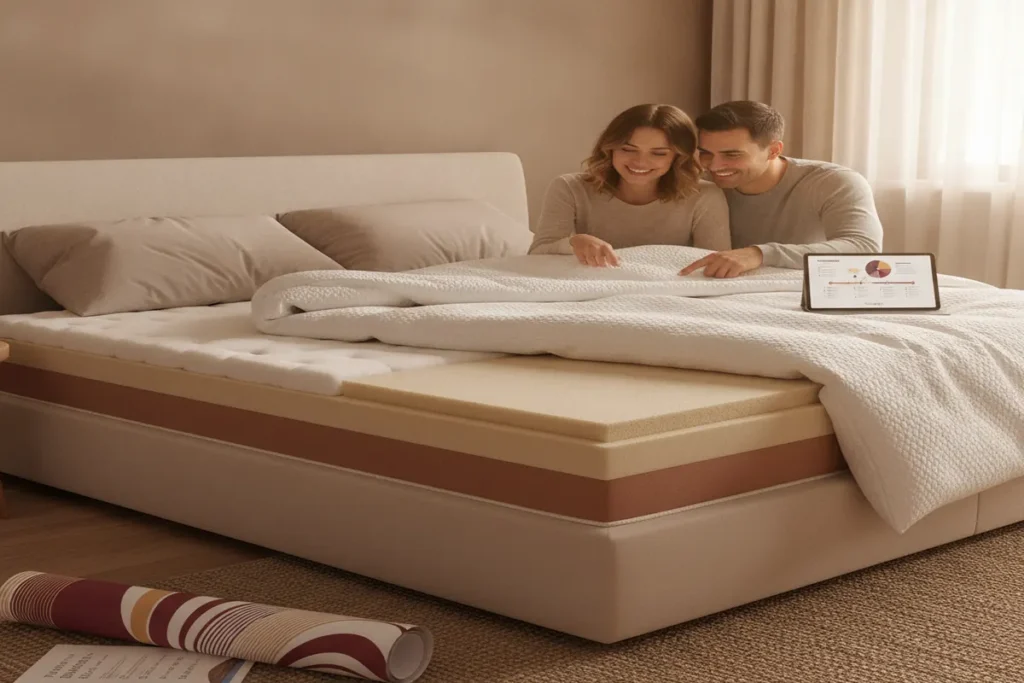
Choosing a new mattress is a significant investment in your sleep quality and overall well-being, and the core decision often boils down to a foam mattress vs pocket spring mattress. While both aim to provide comfort and support, they achieve this through fundamentally different constructions, leading to distinct sleep experiences. Foam mattresses, particularly memory foam and latex foam, are renowned for their contouring pressure relief and excellent motion isolation. In contrast, pocket spring mattresses, a sophisticated evolution of traditional innerspring designs, offer responsive support, enhanced airflow, and a more traditional, bouncier feel with minimized motion transfer compared to older spring systems. Your ideal choice will depend heavily on your personal sleep preferences, body type, typical sleep position, and specific needs regarding temperature regulation and motion isolation.
Quick Summary
- Foam mattresses offer conforming pressure relief and excellent motion isolation, ideal for those seeking a “hug” feel. Pocket spring mattresses provide responsive, individualized support and superior airflow, appealing to sleepers who prefer a bouncier, more traditional feel. Memory foam excels in pressure mapping, while latex foam is more resilient and naturally breathable. The best choice hinges on personal preferences, sleep position, body type, and specific comfort needs.
Understanding the Core Differences: Foam vs. Pocket Spring Mattresses
At the heart of the “foam mattress vs pocket spring mattress” debate lies their internal engineering. These differences dictate everything from how they feel to how they perform over time, profoundly impacting your sleep experience. Understanding these foundational distinctions is the first step toward making an informed decision.
- Construction Philosophy:
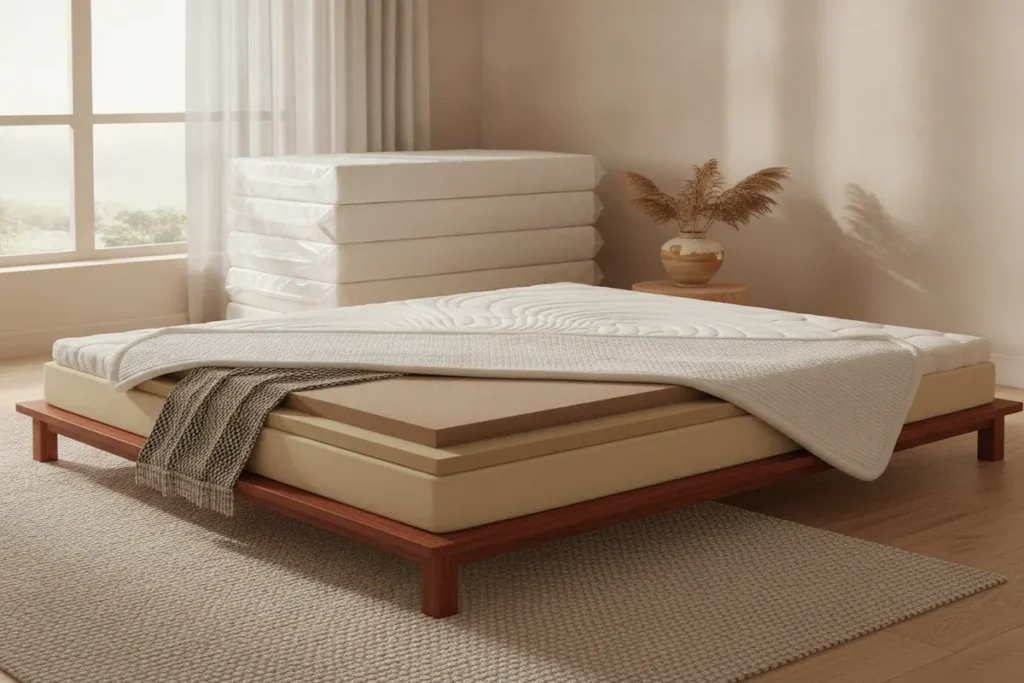
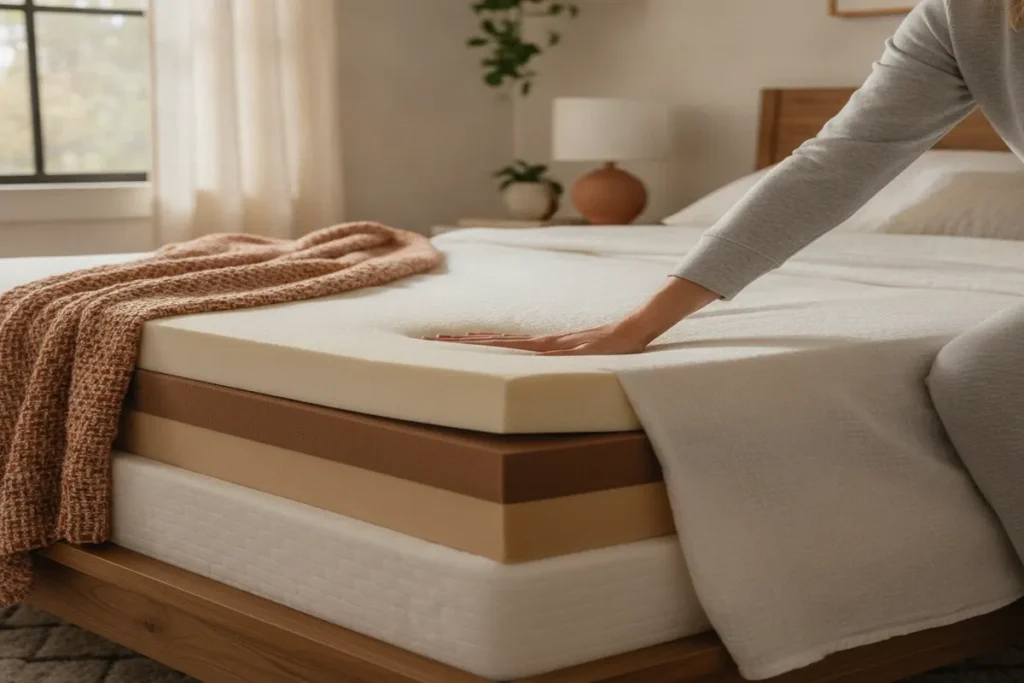
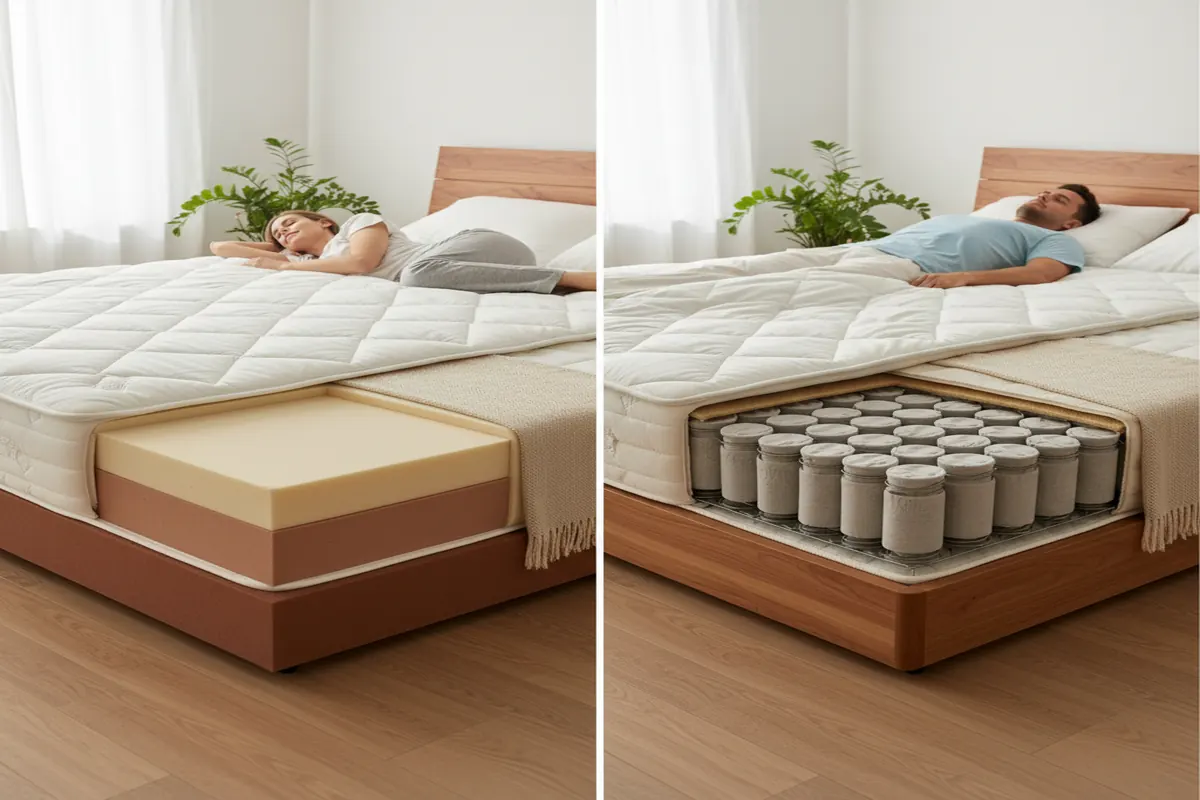
- Foam Mattresses: Built from layers of various foam types, these mattresses rely on a dense, uniform core that can be sculpted to provide specific comfort and support properties. They are typically solid blocks of material.
- Pocket Spring Mattresses: Composed of hundreds, or even thousands, of individual metal coils, each encased in its own fabric pocket. These independent units work together, allowing for targeted support and minimizing disturbance.
What is a Foam Mattress?
A foam mattress is constructed primarily from layers of different foam materials, designed to offer a consistent, supportive surface. The most common types you’ll encounter are:
-
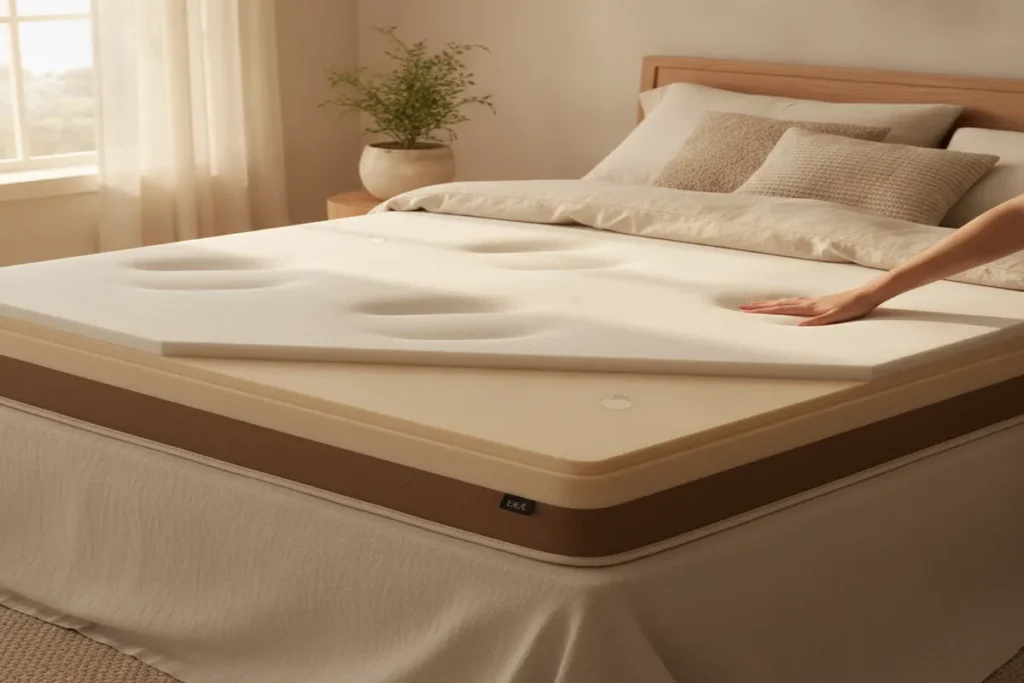
Memory Foam (Visco Foam): Originally developed by NASA, Visco Foam Mattress responds to body heat and pressure, molding precisely to your shape. This creates a “hug-like” sensation, distributing body weight evenly and relieving pressure points. It’s known for excellent motion isolation.
-
Latex Foam: Derived from rubber trees (natural latex) or synthesized (synthetic latex), Latex Foam Mattress is known for its resilience and responsiveness. It offers a bouncier feel than memory foam while still providing excellent pressure relief and conforming support. Natural latex is also inherently breathable and hypoallergenic.
-
Polyfoam (Polyurethane Foam): This is the most common type of foam used in mattresses, often forming the base layer for support or as a comfort layer in more affordable options. It comes in various densities and firmness levels.
Foam mattresses excel at:
-
Pressure Relief: Their ability to contour closely to the body’s curves significantly reduces pressure on sensitive areas like shoulders, hips, and lower back.
-
Motion Isolation: The dense, interconnected cell structure of foam absorbs movement, preventing disturbances from a restless partner.
-
Hypoallergenic Properties: Many foam types are naturally resistant to dust mites and allergens, making them a good choice for allergy sufferers.
You can explore Sinyora Yatak‘s diverse Foam Mattress options, including specialized Visco Foam Mattress and Latex Foam Mattress models, designed for superior comfort.
What is a Pocket Spring Mattress?
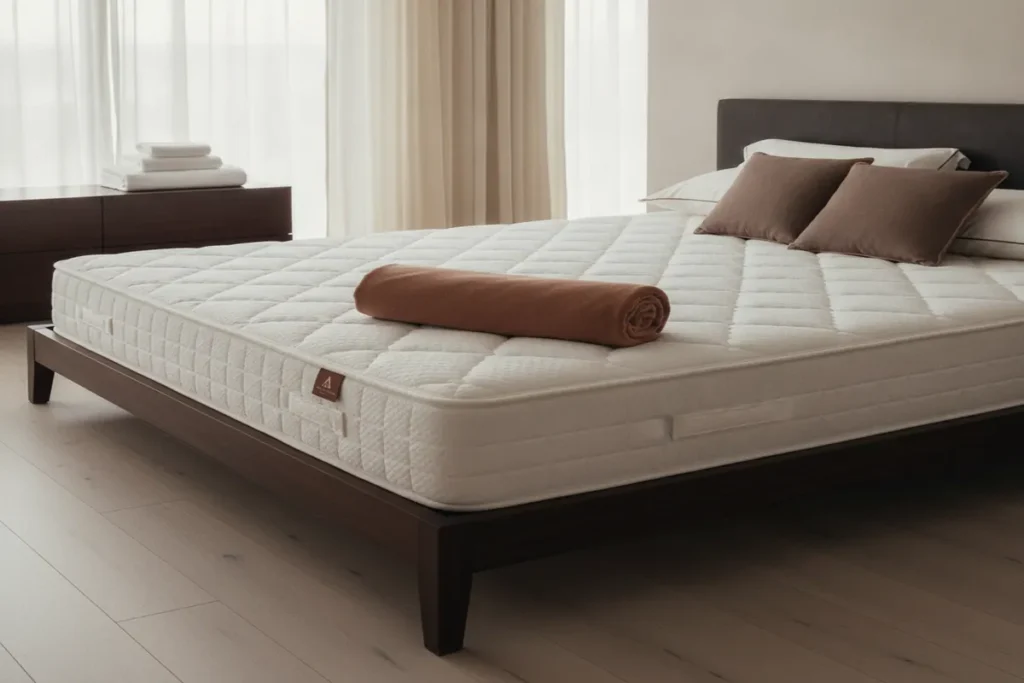
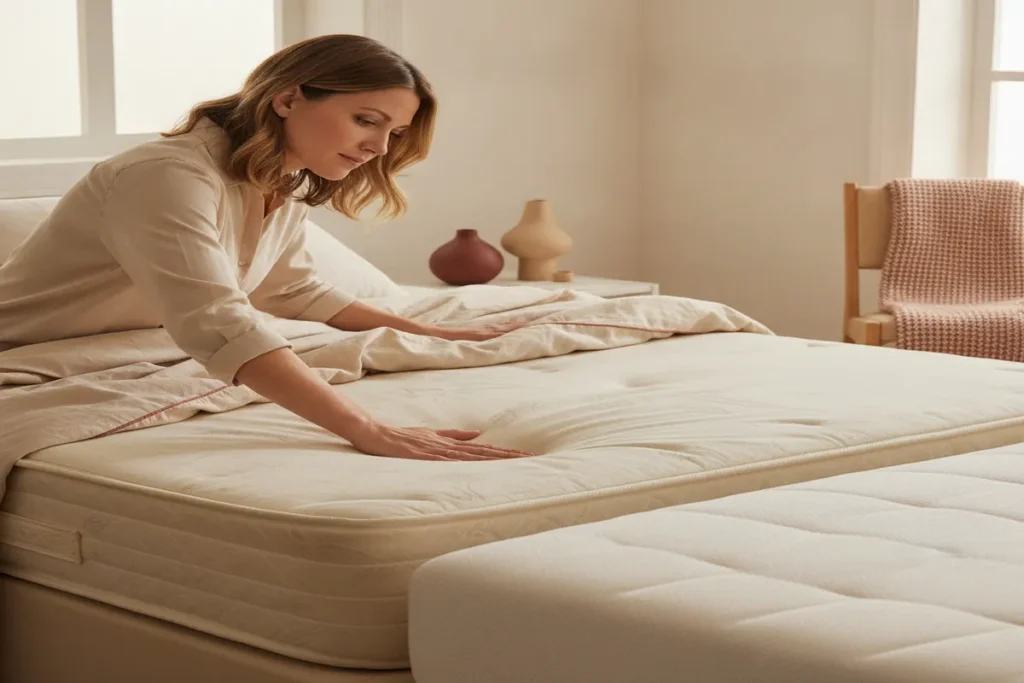
A pocket spring mattress, also known as a pocket coil mattress, represents a significant advancement over traditional innerspring designs (like Bonnel Spring Mattress). Instead of interconnected coils, each Pocket Coils Mattress features individual springs, typically barrel-shaped, encased in separate fabric pockets. This innovative design allows each spring to move independently.
Key characteristics and benefits of pocket spring mattresses:
-
Targeted Support: Because each spring reacts individually to pressure, a pocket spring mattress can contour to the body’s unique shape, providing precise support where needed and promoting proper spinal alignment.
-
Reduced Motion Transfer: The independent movement of each coil significantly minimizes the transfer of motion across the bed, making it an excellent choice for couples.
-
Enhanced Airflow: The spaces between the individually wrapped coils allow for better air circulation compared to solid foam blocks, which can contribute to a cooler sleep surface.
-
Responsive Feel: Pocket spring mattresses offer a more traditional, bouncy feel that many sleepers find appealing, making it easier to move around on the bed.
Sinyora Yatak’s Pocket Coils Mattress range embodies this advanced spring technology, offering robust support and comfort.
Which is Better for You: Foam, Memory Foam, or Pocket Spring?
The question of “which is better” isn’t about objective superiority but rather about finding the best match for your individual needs and preferences. While general foam mattresses, specific memory foam, and pocket spring mattresses share the goal of comfortable sleep, their approaches differ significantly. Let’s break down their core attributes to help you determine your ideal fit.
Here’s a detailed comparison of key attributes:
Interpreting the Comparison:
-
For the “hug” seekers: If you desire a mattress that truly cradles your body, distributing weight evenly and relieving pressure points, a memory foam mattress is likely your top contender. Its slow response and deep contouring are unparalleled for personalized comfort.
-
For the responsive yet supportive: If you appreciate a mattress that adapts to your movements without feeling stuck, offering good pressure relief but with more bounce, a latex foam mattress could be an excellent choice. It bridges the gap between memory foam’s contouring and springs’ responsiveness.
-
For the traditional feel with modern benefits: If you prefer a mattress with a familiar springy feel, excellent airflow, and individualized support that minimizes motion transfer, a pocket spring mattress is ideal. It’s a great option for those who find foam too “sinking” or warm.
Ultimately, the “better” mattress is the one that aligns most closely with your personal comfort preferences, support needs, and budget.
Evaluating Comfort & Support: What Each Type Offers
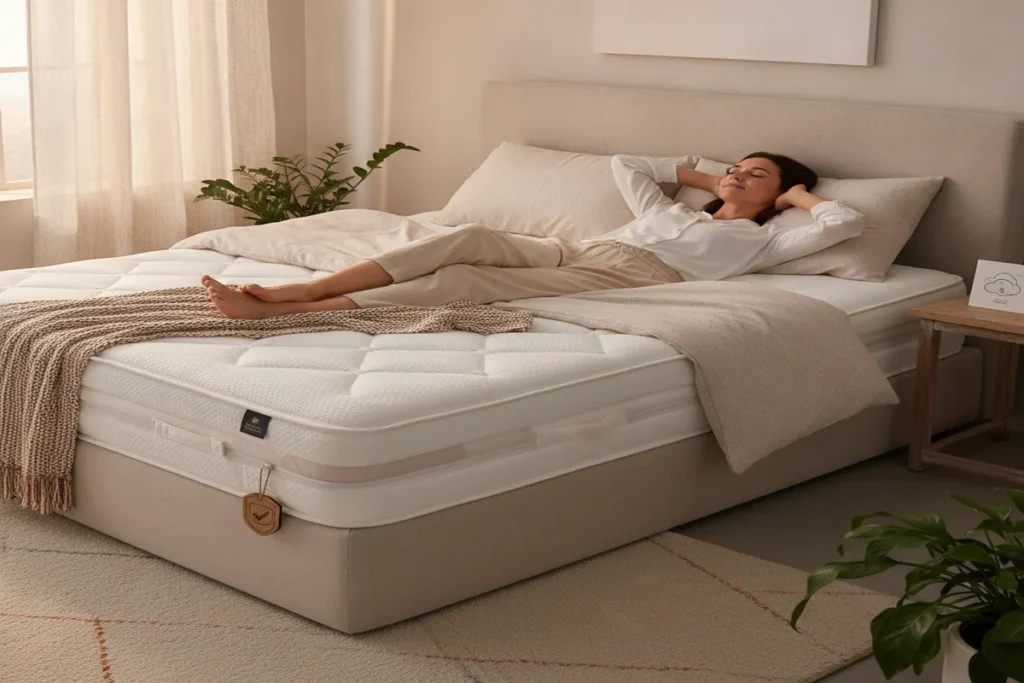
When evaluating a foam mattress vs pocket spring mattress, comfort and support are paramount. These two elements, though distinct, work in tandem to create a restorative sleep environment. Comfort refers to the initial feel and pressure relief, while support relates to proper spinal alignment and preventing aches and pains.
Comfort Profiles: The Feel of Your Sleep
-
Foam Mattresses (especially Memory Foam):
- Contouring & Pressure Relief: Foam excels at molding to the body’s unique curves, distributing weight evenly and eliminating pressure points. This “cradling” sensation is particularly beneficial for side sleepers and those with joint pain.
- “Sinking In” vs. “Sleeping On Top”: Memory foam offers a distinct “sinking in” feeling, where you gradually settle into the mattress. Latex foam provides a more “sleeping on top” sensation with greater buoyancy.
- No Partner Disturbance: The dense structure of foam absorbs movement, making it an excellent choice for couples.
-
Pocket Spring Mattresses:
- Responsive & Bouncy: Pocket springs offer a more traditional, springy feel. They quickly respond to movement, making it easier to change positions and preventing the “stuck” feeling some associate with memory foam.
- “Sleeping On Top” Sensation: Most pocket spring mattresses provide a feeling of sleeping on the mattress rather than in it.
- Localized Comfort: Each individual coil reacts to pressure independently, providing targeted comfort that adapts to your body’s specific pressure points without affecting the entire mattress.
Support Mechanisms: Spinal Alignment and Stability
Effective support is crucial for maintaining proper spinal alignment and preventing back pain. Both mattress types can provide excellent support, but through different means.
-
Foam Mattresses:
- Consistent Support: High-density foam layers provide a consistent, supportive base that prevents sagging and maintains spinal alignment. The contouring ability ensures that every part of your body, from the heaviest to the lightest, receives appropriate support.
- Edge Support: While traditional memory foam mattresses sometimes have weaker edge support, many modern foam designs incorporate reinforced foam perimeters to prevent roll-off and maximize the usable sleep surface.
-
Pocket Spring Mattresses:
- Individualized Support: The independent movement of pocket coils allows the mattress to adapt precisely to your body’s contours, providing targeted support to different zones of your body. This is particularly effective for maintaining natural spinal curvature.
- Zoned Support: Many high-quality pocket spring mattresses feature zoned support, where different coil gauges (thicknesses) or arrangements are used in specific areas (e.g., firmer in the lumbar region, softer at the shoulders) to optimize alignment and pressure relief.
- Robust Edge Support: Pocket spring mattresses generally offer superior edge support due to the inherent structure of the coil system, often reinforced with firmer springs or a foam perimeter.
The Role of Firmness in Both Types
Firmness is a subjective measure, but it’s critical for comfort and support. Both foam and pocket spring mattresses come in a range of firmness levels.
-
Soft: Ideal for lighter individuals and side sleepers needing deep contouring for shoulders and hips.
-
Medium: A versatile choice, suitable for most sleep positions and body types, offering a balance of comfort and support.
-
Firm: Preferred by stomach and back sleepers, as well as heavier individuals, to ensure adequate spinal alignment and prevent excessive sinking.
Zoned Support and Advanced Constructions
Modern mattress technology has enhanced both foam and pocket spring designs.
-
Foam: Many premium foam mattresses incorporate zoned foam layers with varying densities or cuts to provide targeted support to different body regions.
-
Pocket Spring: As mentioned, zoned pocket coils are common, optimizing support where it’s needed most (e.g., lumbar region) and offering softer comfort at pressure points (e.g., shoulders). This advanced construction ensures that a Sinyora Yatak Pocket Coils Mattress can cater to diverse ergonomic needs.
Addressing Common Concerns: Heat, Motion Transfer, and Durability
Beyond the immediate feel, practical considerations like temperature regulation, motion isolation, and long-term durability play a crucial role in mattress satisfaction. The “foam mattress vs pocket spring mattress” comparison reveals distinct advantages and disadvantages in these areas.
Cooling: Staying Comfortable All Night
-
Foam Mattresses (Traditional Challenge): Older generations of memory foam were notorious for trapping heat, leading to uncomfortable night sweats. This is because dense foam can restrict airflow.
- Modern Foam Solutions: Manufacturers like Sinyora Yatak have addressed this with innovations:
- Open-Cell Foam: Features a less dense, more porous structure that allows air to flow more freely.
- Gel Infusions: Gel particles or beads are mixed into the foam to absorb and dissipate heat.
- Graphite or Copper Infusions: These materials are highly conductive and help draw heat away from the body.
- Phase-Change Materials: Fabrics or foam layers treated with PCMs can absorb and release heat to maintain a stable temperature.
- Perforations and Air Channels: Holes or channels within the foam layers promote ventilation.
- Modern Foam Solutions: Manufacturers like Sinyora Yatak have addressed this with innovations:
-
Pocket Spring Mattresses (Inherent Advantage): The very structure of a pocket spring mattress naturally allows for superior airflow.
- Coil Structure: The spaces between the individually wrapped coils create natural air pockets, facilitating ventilation and preventing heat buildup.
- Breathable Layers: Often combined with breathable comfort layers (e.g., wool, cotton, or open-cell foam), pocket springs maintain a cooler sleep surface.
If you tend to sleep hot, a pocket spring mattress generally offers a more inherently breathable solution, though advanced cooling technologies in foam mattresses have significantly closed this gap.
Motion Transfer: Undisturbed Sleep for Couples
-
Foam Mattresses (Exceptional Isolation): Foam, particularly memory foam, is unparalleled in its ability to isolate motion.
- Energy Absorption: The dense, viscoelastic nature of foam absorbs kinetic energy, meaning movement on one side of the bed is almost completely dampened before it reaches the other side. This is a significant benefit for couples where one partner is a restless sleeper.
-
Pocket Spring Mattresses (Good Isolation): While not as absolute as memory foam, pocket springs offer excellent motion isolation compared to traditional interconnected spring systems.
- Independent Coils: Since each coil is individually wrapped and responds independently, movement is localized. A partner shifting or getting out of bed will disturb the other far less than on an old open-coil spring mattress.
For couples, both foam and pocket spring mattresses are strong contenders, with memory foam typically having a slight edge in complete motion absorption.
Durability and Lifespan Expectations
The lifespan of a mattress is a critical factor in its overall value. Both types, when well-made, can offer years of comfortable support.
-
Foam Mattresses:
- Density is Key: The durability of a foam mattress is largely dependent on the density of its foam layers. Higher density foams (especially memory and latex) tend to be more durable and resistant to sagging.
- Potential for Softening/Sagging: Over time, foam can soften or develop body impressions, especially in lower-quality or less dense foams.
- Lifespan: A high-quality foam mattress can last 7-10 years, sometimes more for premium latex. Sinyora Yatak’s Turkish Mattress Lifespan guide provides more specific insights into our products.
-
Pocket Spring Mattresses:
- Coil Gauge & Tempering: The durability of pocket springs depends on the quality of the steel (coil gauge, tempering process) and the total coil count. Higher quality steel and more coils generally equate to greater longevity.
- Resilience: Springs are inherently resilient and designed to bounce back, making them resistant to permanent body impressions.
- Potential for Coil Breakdown: While rare in high-quality pocket springs, individual coils can sometimes lose tension or break down over a very long period, though this is less common than with interconnected springs.
- Lifespan: A well-made pocket spring mattress typically lasts 8-12 years, often surpassing foam in raw durability.
The Impact of Manufacturing Quality
Regardless of the type, the quality of materials and manufacturing process significantly impacts a mattress’s performance and longevity. Sinyora Yatak, for instance, prides itself on producing Turkish Mattresses that meet high international standards. What Makes Turkish Mattresses Special often includes meticulous craftsmanship, use of premium materials, and adherence to rigorous quality control, ensuring that both our foam and pocket spring options offer exceptional value and durability.
Making the Right Choice: A Buyer’s Checklist for Your Sleep Needs
Navigating the options between a foam mattress vs pocket spring mattress requires a systematic approach. Instead of simply asking “which is better,” focus on “which is better for me.” Use this practical checklist to align your personal needs with the right mattress type.
-
Assess Your Primary Sleep Position:
- Side Sleepers: Need significant pressure relief for shoulders and hips to prevent pressure points. Memory foam is often highly recommended due to its deep contouring. Latex foam and softer pocket spring mattresses with plush comfort layers can also work well. Explore Sinyora Yatak’s Turkish Mattress for Side Sleepers for tailored options.
- Back Sleepers: Require a balance of support and contouring to maintain the natural curve of the spine. Both medium-firm foam and pocket spring mattresses with good lumbar support can be excellent choices.
- Stomach Sleepers: Need a firmer surface to prevent the hips from sinking too deeply, which can arch the back. Firm foam or firm pocket spring mattresses are generally preferred.
-
Consider Your Body Weight and Type:
- Lighter Individuals (under 130 lbs): May find firmer mattresses too unyielding and need softer options to engage the comfort layers. Softer foam or pocket spring mattresses will provide adequate contouring.
- Average Individuals (130-230 lbs): Have the widest range of options. Medium-firm is often a good starting point for either type.
- Heavier Individuals (over 230 lbs): Require more robust support to prevent excessive sinking and ensure durability. Higher-density foams or pocket spring mattresses with thicker coil gauges and higher coil counts are recommended.
-
Evaluate Your Temperature Preference:
- Sleep Hot: Prioritize mattresses with advanced cooling features. Pocket spring mattresses inherently offer better airflow. If opting for foam, look for gel-infused, open-cell, or latex foam options.
- Sleep Cool/Neutral: Most mattress types will be suitable, but still consider breathable materials in comfort layers.
-
Account for Partnership Considerations (if sleeping with a partner):
- Motion Transfer: If one partner is a restless sleeper, memory foam offers the best motion isolation. Pocket spring mattresses also perform very well in this regard, significantly better than traditional innerspring.
- Edge Support: Good edge support is vital for couples who use the full surface of the bed or sit on the edge. Both types can offer good edge support, but it’s worth checking specifications.
-
Determine Your Budget:
- Mattresses come in a wide price range. Generally, basic polyfoam mattresses are more affordable, while high-end memory foam, latex, and advanced pocket spring systems can be significant investments. Sinyora Yatak offers a range of options to fit various budgets without compromising on quality. You can see how much a Turkish Mattress Costs through our various collections.
-
Understand Trial Periods and Warranties:
- Always look for mattresses with a generous trial period (e.g., 90-120 nights) to ensure it’s the right fit for you. It takes time for your body to adjust.
- Check the Warranty Information and Return Policy carefully. A good warranty reflects the manufacturer’s confidence in their product.
-
Read Reviews and Consult Experts:
- Look for reviews from people with similar body types and sleep preferences.
- Don’t hesitate to Contact Us for Support or consult our Buying Guides for personalized advice from Sinyora Yatak specialists.
By systematically going through this checklist, you can narrow down your options and confidently choose between a foam mattress and a pocket spring mattress that truly meets your sleep needs.
Common Mistakes to Avoid When Comparing Mattress Types
The journey to finding the perfect mattress can be complex, and it’s easy to fall into common traps when comparing foam mattress vs pocket spring mattress. As experts in the field, we’ve identified several pitfalls that buyers frequently encounter. Avoiding these can save you time, money, and discomfort.
-
Mistake 1: Relying Solely on Firmness Ratings:
- Why it’s a mistake: “Firm” can feel different across brands and mattress types. A firm memory foam mattress will contour differently than a firm pocket spring mattress. What feels firm to one person might feel soft to another.
- How to avoid it: Focus on the feel and support rather than just the label. Consider how your body interacts with the material – does it relieve pressure, or does it push back uncomfortably?
-
Mistake 2: Ignoring Motion Transfer (Especially for Couples):
- Why it’s a mistake: If you share your bed, a mattress with poor motion isolation can lead to disturbed sleep.
- How to avoid it: If possible, test the mattress with your partner. Have one person lie down while the other moves around. Pay attention to how much movement is felt. Memory foam is generally superior here, but pocket spring mattresses are also excellent.
-
Mistake 3: Overlooking Temperature Regulation:
- Why it’s a mistake: Sleeping too hot or too cold can severely impact sleep quality. Traditional foam can retain heat.
- How to avoid it: If you’re a hot sleeper, specifically look for pocket spring mattresses (for natural airflow) or foam mattresses with advanced cooling technologies like gel infusions, open-cell designs, or latex foam.
-
Mistake 4: Not Considering Your Body Weight:
- Why it’s a mistake: A mattress that’s perfect for a lightweight individual might offer insufficient support for a heavier person, leading to premature sagging and discomfort.
- How to avoid it: Be honest about your body weight and seek recommendations tailored to your weight class. Heavier individuals generally need firmer, more durable constructions in both foam (higher density) and pocket spring (thicker coils, higher coil count) types.
-
Mistake 5: Skipping the Trial Period:
- Why it’s a mistake: A quick store test or online review cannot fully replicate weeks of sleeping on a mattress. Your body needs time to adjust.
- How to avoid it: Always choose a mattress that comes with a generous in-home trial period (e.g., 90-120 nights). This allows you to truly experience the mattress in your own sleep environment.
-
Mistake 6: Focusing Only on Price:
- Why it’s a mistake: While budget is a factor, prioritizing the cheapest option often leads to a short-lived, uncomfortable mattress that needs to be replaced sooner.
- How to avoid it: View a mattress as an investment in your health. Look for the best value that meets your specific needs and budget, considering durability and warranty. A slightly higher upfront cost for a quality Sinyora Yatak mattress often pays dividends in years of comfortable sleep.
By being aware of these common mistakes, you can approach your mattress comparison with greater clarity and make a choice that genuinely supports your sleep health.
Tailoring Your Sleep: Special Considerations for Side Sleepers and More
The “foam mattress vs pocket spring mattress” decision becomes even more nuanced when considering specific sleep positions and unique needs. What’s ideal for a side sleeper might not be the best for a back sleeper, and couples have their own set of priorities.
Best for Side Sleepers
Side sleepers require a mattress that offers significant pressure relief for their shoulders and hips, which bear the brunt of their body weight. Without adequate cushioning, these pressure points can become painful, leading to discomfort and restless nights.
-
Foam Mattresses (especially Memory Foam): Often the top recommendation for side sleepers. Memory foam mattress excels at conforming deeply to the body’s curves, cradling the shoulders and hips to reduce pressure and maintain spinal alignment. Softer latex foam mattresses can also be excellent, offering pressure relief with more responsiveness.
-
Pocket Spring Mattresses: A softer pocket spring mattress with a substantial comfort layer (e.g., plush foam or pillow top) can also work well. The independent movement of the coils can still provide targeted support and contouring, especially if the comfort layers are thick enough to allow the shoulders and hips to sink in appropriately. Sinyora Yatak’s Turkish Mattress for Side Sleepers guide offers specific recommendations within our collections.
Best for Back Sleepers
Back sleepers need a mattress that provides a balanced blend of support and contouring to maintain the natural “S” curve of their spine. Too soft, and the hips might sink too much; too firm, and the natural lumbar curve won’t be supported.
-
Foam Mattresses: A medium-firm foam mattress (either memory foam or latex) is often ideal. It should allow the shoulders and hips to sink slightly while providing firm support to the lumbar region, filling the small of the back.
-
Pocket Spring Mattresses: A medium-firm pocket spring mattress with good zoned support is an excellent choice. The individual coils can adapt to the spinal curvature, providing targeted support where needed, particularly in the lumbar area.
Best for Stomach Sleepers
Stomach sleepers require a firmer mattress to prevent their hips from sinking too deeply, which can cause the spine to arch unnaturally and lead to lower back pain.
-
Foam Mattresses: A firm foam mattress, typically with a high-density polyfoam base and a thinner comfort layer, can provide the necessary support to keep the body on a relatively even plane.
-
Pocket Spring Mattresses: A firm pocket spring mattress is often a preferred choice for stomach sleepers due to its inherently supportive and less conforming nature. The robust support from the coils helps keep the spine aligned without allowing the midsection to sink too much.
Best for Couples
For couples, motion isolation and edge support are key factors, alongside individual comfort preferences.
-
Motion Isolation: As discussed, memory foam mattresses are champions of motion isolation, ensuring minimal disturbance from a partner’s movements. Pocket spring mattresses also perform exceptionally well, significantly reducing motion transfer compared to traditional spring beds.
-
Edge Support: Good edge support is crucial for couples who utilize the entire mattress surface or sit on the edge of the bed. Both modern foam mattresses with reinforced perimeters and pocket spring mattresses generally offer excellent edge support, preventing roll-off and maximizing usable space.
-
Split Preferences: If partners have vastly different comfort preferences, a mattress with a split firmness or a hybrid design (combining foam and springs) can be an effective compromise.
By considering these specific sleep scenarios, you can refine your search and confidently choose a mattress that caters to your unique sleep needs and preferences, ensuring restorative sleep for years to come.
Expert Insight
“The choice between a foam and pocket spring mattress isn’t about one being inherently ‘better,’ but rather about alignment with individual biomechanics and lifestyle. We consistently see that sleepers prioritizing deep pressure relief and motion isolation often gravitate towards high-density memory foam or responsive latex. Conversely, those seeking a more traditional, buoyant feel with robust airflow and individualized support often find their perfect match in a quality pocket spring system. The key is to test thoroughly and understand how each construction interacts with your unique body shape and sleep habits.”
Key Terms
-
Memory Foam (Visco Foam): A viscoelastic polyurethane foam that responds to body heat and pressure, conforming closely to the sleeper’s shape for pressure relief and motion isolation.
-
Latex Foam: A resilient, durable foam made from the sap of rubber trees (natural) or synthetic materials, known for its responsiveness, breathability, and bounce.
-
Pocket Spring (Pocket Coil): A mattress construction featuring individual metal coils, each encased in its own fabric pocket, allowing for independent movement and targeted support.
-
Motion Isolation: The ability of a mattress to absorb movement on one side, preventing it from transferring to other areas of the bed, crucial for undisturbed sleep for couples.
-
Pressure Relief: The mattress’s capacity to distribute body weight evenly and reduce pressure on sensitive areas like shoulders, hips, and lower back, preventing discomfort and pain.
How Can You Upgrade to More Comfortable Sleep with Sinyora Yatak?
At Sinyora Yatak, we understand that exceptional sleep is not a luxury, but a necessity. Having explored the nuances of foam vs. pocket spring mattresses, you’re now equipped to make an informed decision. Whether you prioritize the deep contouring comfort of our Visco Foam Mattress or the responsive, breathable support of our advanced Pocket Coils Mattress, our Mattress Collection is meticulously crafted in Turkey to meet the highest standards of quality and comfort.
We invite you to experience the difference that premium materials and expert craftsmanship make. From our specialized Latex Foam Mattress options designed for natural resilience to our robust spring systems, Sinyora Yatak offers a diverse range to perfectly match your unique sleep profile. Don’t settle for restless nights; upgrade to the superior comfort and durability that our Turkish Mattresses provide. Visit our Shop All Products page, browse our Mattress Collection, or Contact Us for Support for personalized guidance from our sleep experts. Your journey to truly restorative sleep begins here.
Frequently Asked Questions
Q: Which is better for back pain, a foam or pocket spring mattress?
Q: Do foam mattresses sleep hot?
Q: How long do foam mattresses and pocket spring mattresses typically last?
Q: Is a pocket spring mattress good for couples?
Q: What is the main difference in feel between memory foam and pocket spring?
Q: Can I use a foam mattress on any bed base?