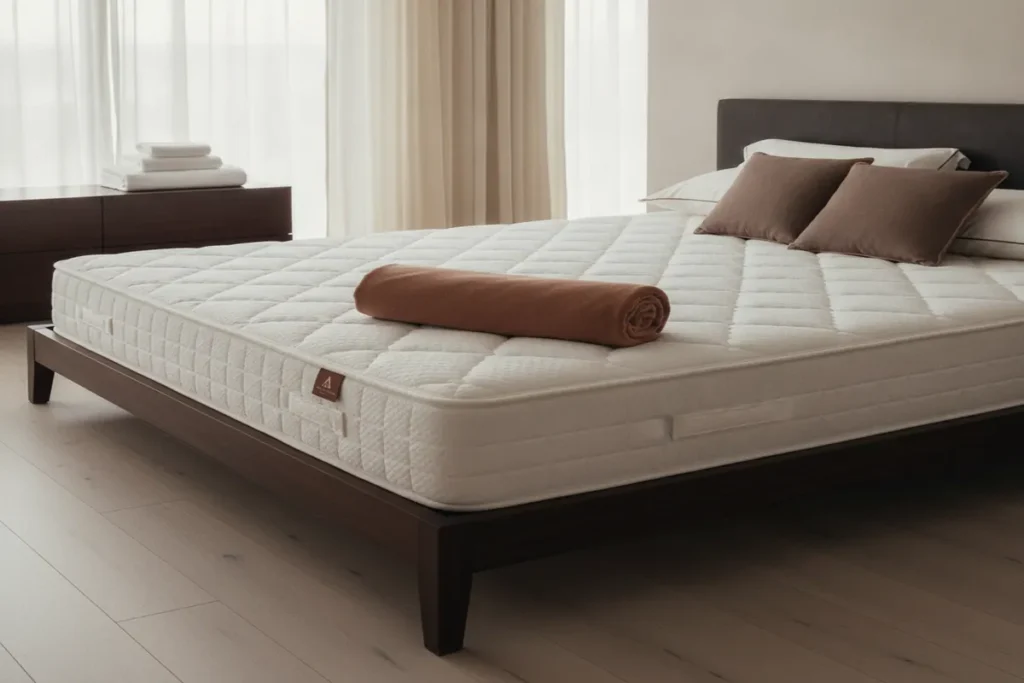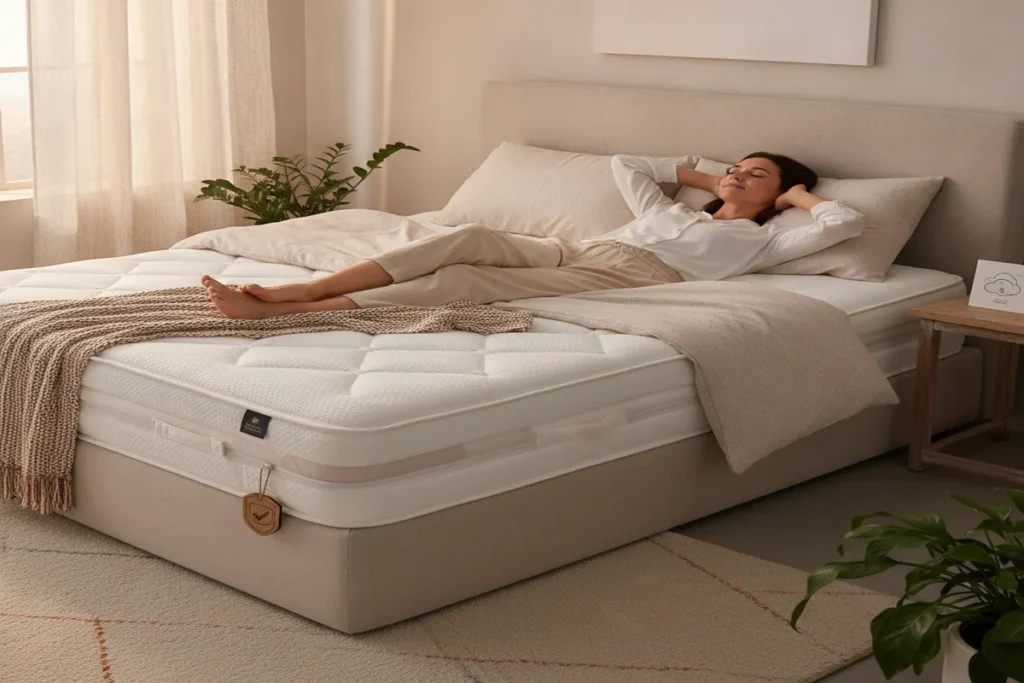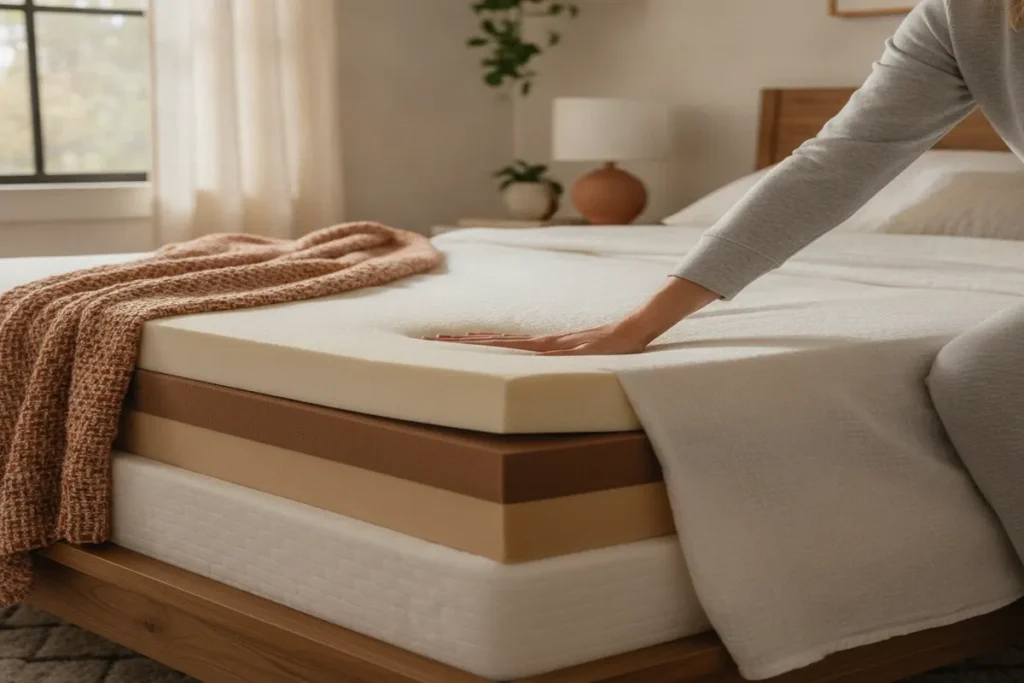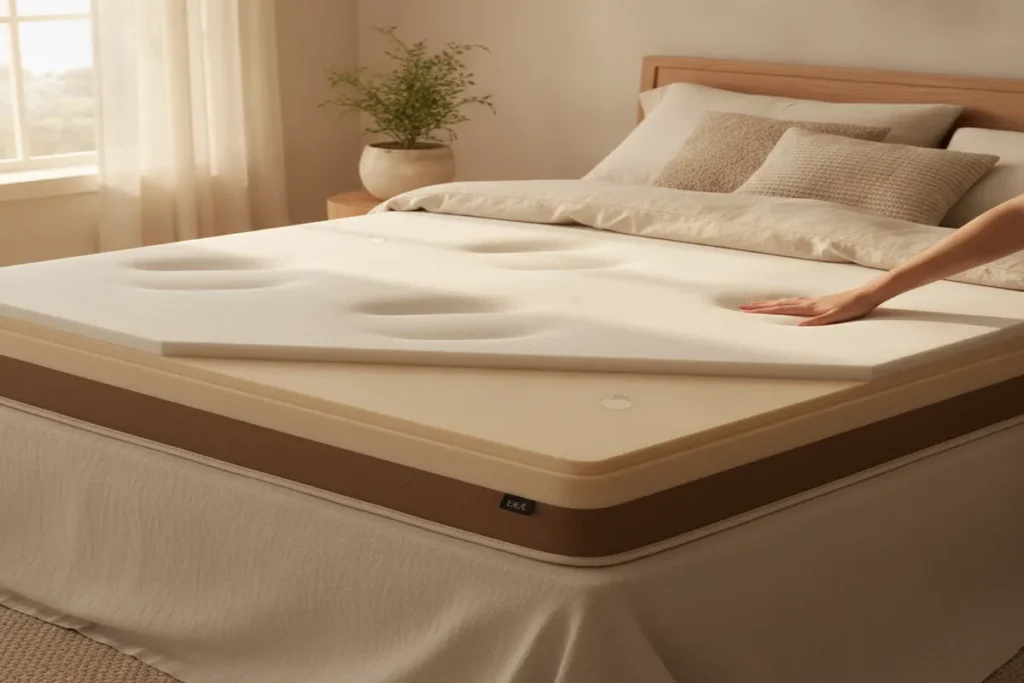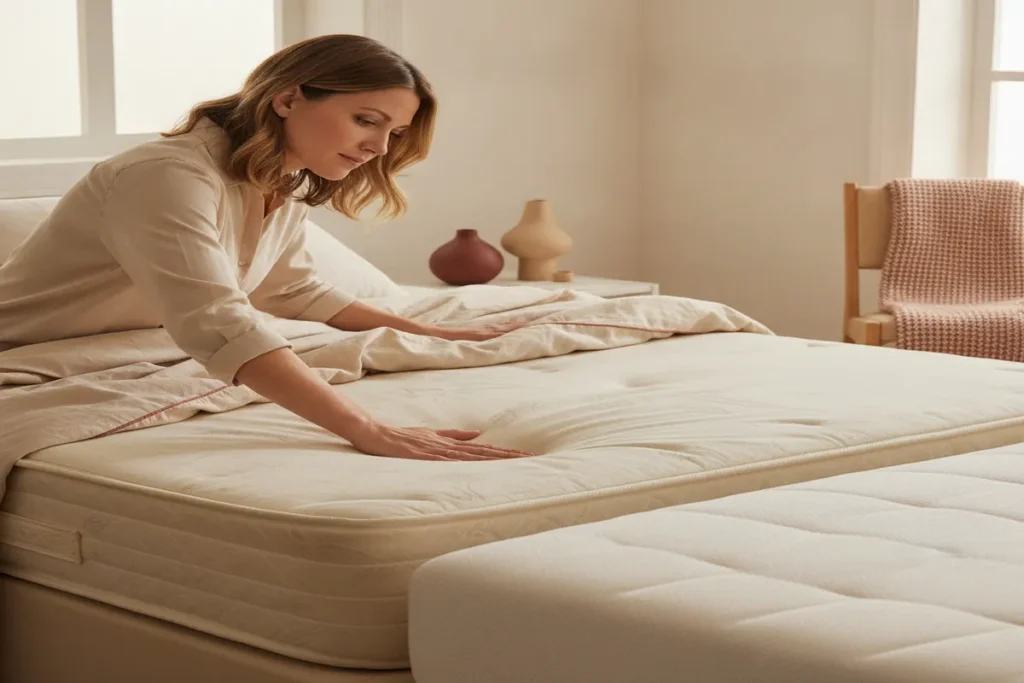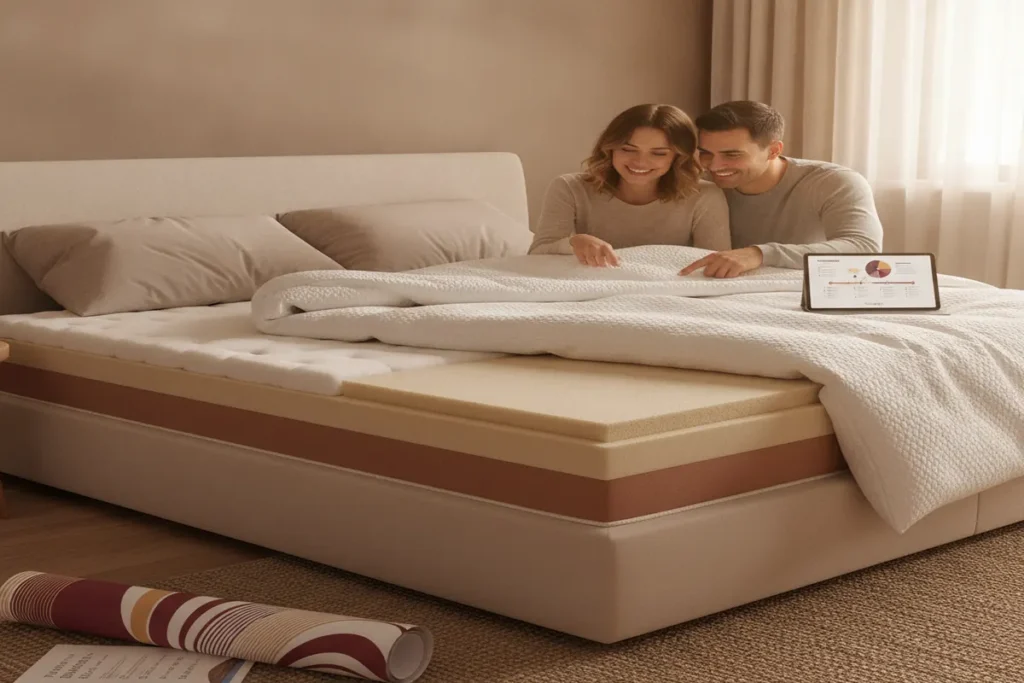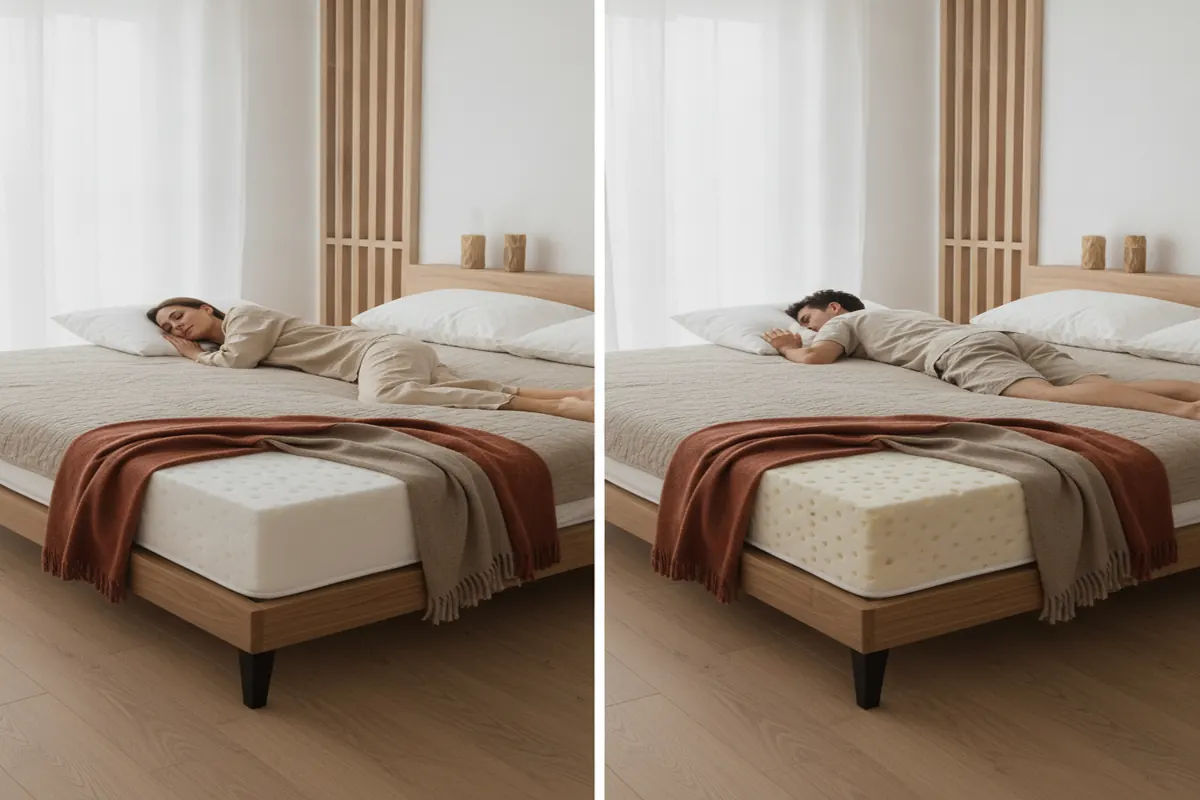
While both fall under the broad category of “foam mattresses,” the fundamental distinction between a standard foam mattress and a reflex foam mattress lies in their density, cell structure, and resulting performance characteristics. A standard foam mattress typically uses lower-density polyurethane foam, offering a softer, more generalized comfort, whereas a reflex foam mattress is engineered with a higher-density, open-cell polyurethane structure that provides superior firmness, immediate responsiveness, and exceptional supportive resilience, making it a durable choice for consistent pressure relief and spinal alignment.
Quick Summary
- Foam mattresses offer diverse comfort levels, often referring to standard polyfoam
- Reflex foam is a high-density, resilient polyurethane foam providing firm, responsive support
- Reflex foam excels in durability and consistent support, ideal for heavier individuals or those needing spinal alignment
- Standard foam mattresses can vary widely in quality, often prioritizing softness or lower cost
Unpacking the Essentials: What Exactly Separates Foam from Reflex Foam Mattresses?
The term “foam mattress” is often used broadly, encompassing a spectrum of materials from basic polyurethane foam to advanced memory foam and natural latex. For the purpose of this comparison, when we refer to a “foam mattress,” we’re primarily talking about a mattress constructed from conventional polyurethane foam (often simply called polyfoam) that doesn’t necessarily possess the specialized properties of reflex foam. Reflex foam, on the other hand, is a specific type of high-density polyurethane foam designed for enhanced support and durability.
Let’s break down their core attributes:
-
Standard Polyurethane Foam (General Foam Mattress):
- Composition: Made from synthetic polymers, offering a wide range of densities and firmness levels.
- Feel: Can range from very soft to medium-firm. Lower-density foams tend to feel softer and compress more easily.
- Responsiveness: Generally quick to rebound, but less robust than reflex foam.
- Support: Provides basic cushioning and contouring, but can lack robust, long-term support, especially in lower densities.
- Durability: Varies significantly with density. Lower-density polyfoam mattresses tend to soften and sag faster.
- Cost: Often the most budget-friendly option.
-
Reflex Foam (Specific Type of Polyurethane Foam):
- Composition: A specialized, high-density polyurethane foam with a unique open-cell structure.
- Feel: Characterized by its firm, springy, and highly resilient feel. It “rebounds” quickly to its original shape.
- Responsiveness: Extremely responsive; it immediately pushes back against pressure, providing a buoyant feel.
- Support: Offers excellent, consistent support, maintaining spinal alignment and distributing body weight effectively. It prevents “bottoming out.”
- Durability: Known for its exceptional longevity and resistance to impressions and sagging, often outperforming standard polyfoam.
- Cost: Typically more expensive than basic polyfoam due to its higher density and specialized manufacturing.
The key takeaway is that while both are technically “foam,” reflex foam is engineered for a specific performance profile: high resilience, firm support, and superior durability. It’s not just a denser version of standard foam; it’s a distinct material within the polyurethane family.
The Deep Dive: How Do Foam and Reflex Foam Mattresses Compare in Practice?
When evaluating these two mattress types, real-world performance metrics are crucial. Understanding their differences across key aspects like support, comfort, durability, and pressure relief helps clarify which might be the better fit for your sleep style and needs.
Here’s a detailed comparison:
Understanding the Role of Density and ILD
Beyond the general feel, two technical specifications significantly influence a foam mattress’s performance:
-
Density: Measured in pounds per cubic foot (PCF) or kilograms per cubic meter (kg/m³). Higher density generally means more material packed into the same space, leading to a more durable and supportive foam. Reflex foam inherently boasts a higher density than most standard polyfoams.
-
Indentation Load Deflection (ILD) / Indentation Force Deflection (IFD): This measures the foam’s firmness. It’s the force, in pounds, required to indent a 4-inch thick foam sample by 25% using a 50-square-inch disc. A higher ILD indicates a firmer foam. Reflex foam typically has a higher ILD, contributing to its firm, supportive feel.
When choosing, these metrics help you move beyond subjective descriptions to understand the material’s inherent quality and performance.
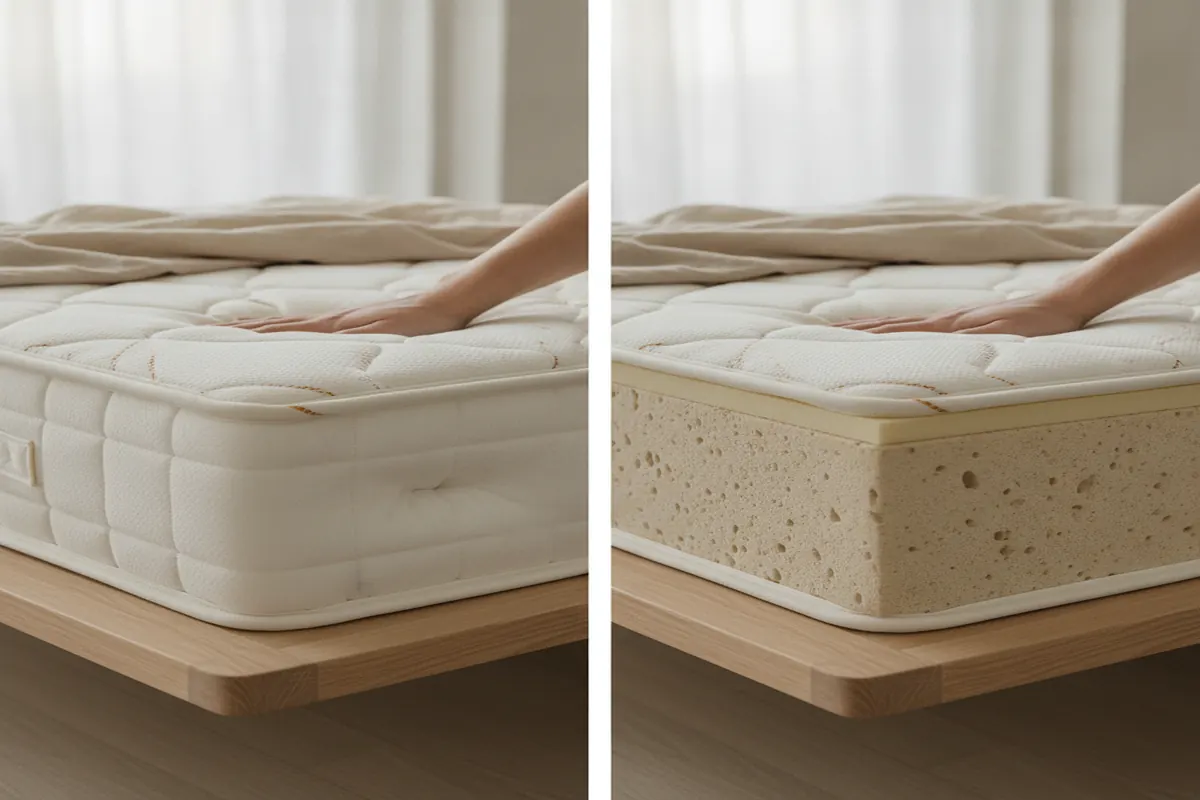
Who Sleeps Best on Which? Foam vs. Reflex Foam for Side Sleepers, Back Sleepers, and More
The ideal mattress is highly personal, and your preferred sleep position, body weight, and any existing aches or pains play a significant role in determining whether standard foam or reflex foam is best.
Reflex Foam: A Strong Contender For:
-
Back Sleepers: The firm, consistent support of reflex foam helps maintain the natural curvature of the spine, preventing the hips from sinking too deeply and promoting healthy spinal alignment.
-
Stomach Sleepers: Similar to back sleepers, stomach sleepers need a firm surface to prevent their hips from sinking, which can strain the lower back. Reflex foam provides the necessary resistance.
-
Heavier Individuals: Its high density and robust support prevent bottoming out and sagging, offering stable comfort that lighter foams simply cannot sustain.
-
Those Needing Firmer Support: If you prefer a mattress that you sleep “on top of” rather than “in,” and you value a resilient, push-back feel, reflex foam is an excellent choice.
-
Individuals with Back Pain: The consistent support and even weight distribution can be beneficial for alleviating and preventing back pain by ensuring proper alignment.
-
Budget-Conscious Buyers Seeking Durability: While the upfront cost might be higher than basic foam, its extended lifespan often makes it a more economical choice in the long run.
Standard Foam (Polyfoam): A Fit For:
-
Side Sleepers (with caveats): A softer polyfoam can offer good pressure relief for the shoulders and hips, which are key pressure points for side sleepers. However, it’s crucial to choose a polyfoam of sufficient quality and density to prevent premature sagging and ensure adequate support for spinal alignment. Often, memory foam or latex foam are superior choices for side sleepers due to their enhanced contouring and pressure relief capabilities. Sinyora Yatak offers specialized options like Turkish Mattress for Side Sleepers that combine different foam layers for optimal comfort.
-
Lighter Individuals: Lighter body weights exert less pressure, so lower-density foams may provide adequate support and comfort without quickly deteriorating.
-
Those Who Prefer a Softer, More Plush Feel: If a “cloud-like” or deeply sinking sensation is your priority, some softer polyfoams can deliver this, though often at the expense of long-term support.
-
Guest Rooms or Infrequent Use: For mattresses that won’t see daily, heavy use, a more affordable standard foam mattress can be a practical option.
-
Tight Budgets: When cost is the absolute primary driver, standard polyfoam mattresses offer an accessible entry point into the foam mattress market.
Expert Insight:
“The optimal mattress choice isn’t about one material being universally ‘better,’ but rather about matching the material’s properties to the individual’s unique physiological needs and comfort preferences. For many, the consistent, resilient support of reflex foam provides a foundational layer that promotes healthier sleep posture, especially when paired with a comfort layer of memory foam or latex for personalized contouring.”
Beyond the Purchase: Evaluating Durability and Long-Term Performance
Durability is a critical factor in mattress selection, directly impacting its lifespan and the consistent quality of your sleep. When comparing foam and reflex foam, reflex foam typically holds a significant advantage.
Why Reflex Foam Excels in Durability:
-
Higher Density: As discussed, higher density means more material per cubic foot, making the foam more resistant to compression and wear. This translates directly into a longer useful life.
-
Resilient Cell Structure: Reflex foam’s open-cell structure is designed to “bounce back” repeatedly without breaking down. This resilience prevents the formation of permanent body impressions or “sinks” that are common in lower-quality foams.
-
Consistent Support Over Time: Unlike standard foams that can soften and lose their supportive properties relatively quickly, reflex foam maintains its firmness and support consistency for many years. This is crucial for maintaining spinal alignment and pressure relief night after night.
Factors Affecting Durability for Both Types:
-
Density: This is the single most important factor. Always inquire about the foam’s density. For polyfoam, anything below 1.5 PCF (24 kg/m³) is generally considered low-density and will have a shorter lifespan. Reflex foam typically starts at much higher densities, often 2.0 PCF (32 kg/m³) or more.
-
ILD/IFD: While density relates to material quantity, ILD relates to firmness. A foam that is too soft for a heavier individual, regardless of its density, will likely break down faster.
-
Usage: A mattress used daily by two heavier individuals will naturally show wear faster than one used by a single lighter person.
-
Care and Maintenance: Proper care, including rotating the mattress regularly (if applicable), using a mattress protector, and avoiding harsh chemicals, can extend the life of any mattress. Sinyora Yatak provides comprehensive Care and Maintenance guides to help you maximize your mattress’s lifespan.
-
Manufacturing Quality: The quality of the raw materials and the manufacturing process itself play a role. Reputable brands like Sinyora Yatak invest in high-quality materials and processes to ensure longevity.
When considering Turkish Mattress Lifespan, it’s important to note that Turkish manufacturers, including Sinyora Yatak, are renowned for their commitment to quality materials and robust construction, often resulting in mattresses that exceed industry standards for durability. This applies particularly to foam mattresses, where the density and type of foam used are paramount.
Smart Shopping: Critical Checks and Common Pitfalls When Choosing Your Foam Mattress
Making an informed decision about a foam or reflex foam mattress goes beyond simply lying on it for a few minutes. Many factors can influence your long-term satisfaction. Here’s what to check and what mistakes to avoid.
Critical Checks Before Buying:
-
Foam Density (PCF/kg/m³): Always ask for this specification. For reflex foam, look for densities typically above 2.0 PCF (32 kg/m³). For standard polyfoam, anything below 1.8 PCF (29 kg/m³) should be approached with caution for daily use. Higher density usually means better durability and support.
-
ILD/IFD (Firmness Rating): Understand the firmness level. Reflex foam typically has a higher ILD, indicating its firm, supportive nature. For a balanced feel, some mattresses combine reflex foam with a softer top layer (e.g., memory foam or latex).
-
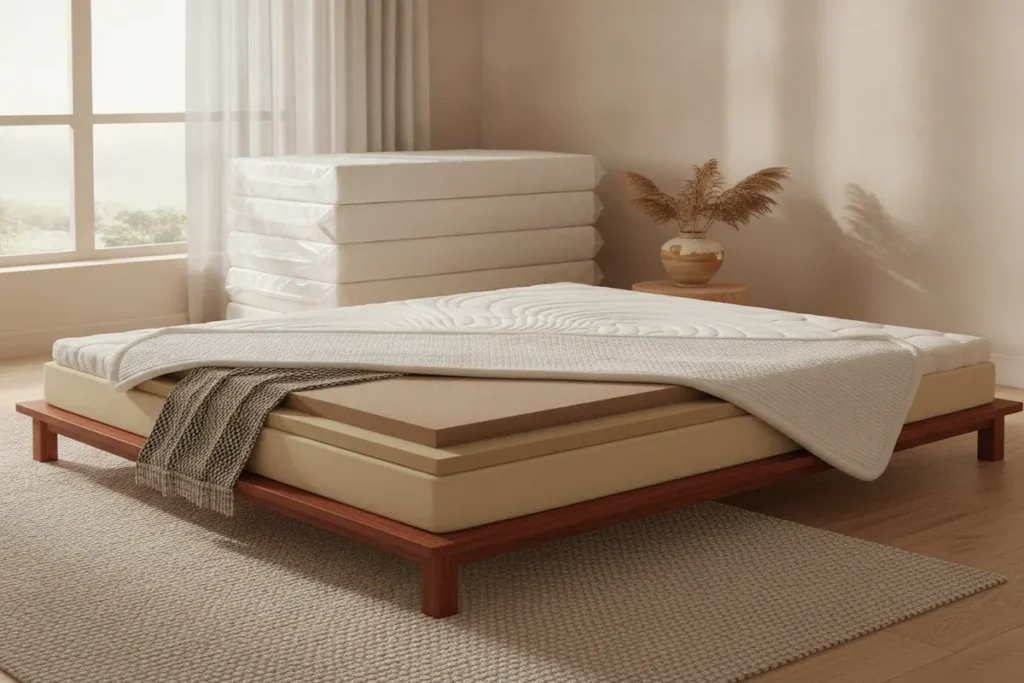
Layer Composition: Many foam mattresses are multi-layered. Understand each layer’s material and thickness. A common construction might be a reflex foam core for support, topped with a layer of memory foam (Visco Foam Mattress) for contouring, or a latex layer (Latex Foam Mattress) for natural resilience.
-
Certifications: Look for certifications like CertiPUR-US (for foams in the USA) or OEKO-TEX (international), which ensure the foam is free from harmful chemicals and VOCs (volatile organic compounds).
-
Trial Period and Warranty: A reputable manufacturer will offer a generous sleep trial (e.g., 90-120 nights) and a comprehensive warranty (e.g., 10-15 years). Understand what the warranty covers (e.g., impressions greater than a certain depth).
-
Brand Reputation: Research the brand’s history, customer reviews, and commitment to quality. Sinyora Yatak, with its deep roots in Mattress Wholesale in Turkiye and international shipping, is known for its quality Turkish Mattresses.
-
Off-Gassing: All new foam products can have a slight odor (off-gassing) when unboxed. High-quality foams generally have minimal and quickly dissipating off-gassing. Ensure you have a well-ventilated space for the first few days.
Common Mistakes to Avoid:
-
Buying Solely Based on Price: While budget is a factor, opting for the cheapest foam mattress often means sacrificing density and durability, leading to premature sagging and discomfort.
-
Confusing Softness with Comfort: A mattress that feels soft in the showroom might not provide adequate support for your spine over an entire night. True comfort comes from the right balance of support and pressure relief.
-
Ignoring Sleep Position: Your primary sleep position dictates where you need support and pressure relief most. A mattress unsuitable for your position can lead to aches and pains.
-
Not Reading the Fine Print on Warranties: Some warranties have exclusions or prorated coverage that can significantly diminish their value.
-
Assuming All “Foam” is the Same: This article highlights that “foam” is a broad term. Failing to differentiate between conventional polyfoam, reflex foam, memory foam, and latex can lead to an unsuitable purchase.
-
Overlooking the Base: The foundation or bed base plays a crucial role in the mattress’s support and longevity. An old or unsupportive base can compromise even the best mattress. Sinyora Yatak offers a range of Bed Base and Headboard options designed to complement their mattresses.
Understanding the Investment: Cost, Value, and What Influences Foam Mattress Pricing
The price of a foam mattress can vary significantly, from a few hundred dollars for a basic polyfoam model to several thousand for a premium, multi-layered design incorporating reflex foam, memory foam, or latex. Understanding what drives these costs helps you assess true value.
Factors Influencing Price:
-
Foam Type and Density:
- Standard Polyfoam: Generally the least expensive. Prices increase with higher density and quality of the polyfoam.
- Reflex Foam: Commands a higher price due to its specialized manufacturing, higher density, and superior performance characteristics.
- Memory Foam (Visco Foam): Often more expensive than standard polyfoam, especially high-density or gel-infused varieties.
- Latex Foam: Typically the most expensive foam type due to its natural origins (though synthetic latex exists) and complex processing.
-
Mattress Construction:
- Number of Layers: Multi-layered mattresses (e.g., a reflex foam core with a memory foam comfort layer) are generally more expensive due to more materials and complex assembly.
- Layer Thickness: Thicker layers of high-quality foam contribute to higher costs.
- Cover Material: Premium covers made from materials like organic cotton, Tencel, or even cashmere (like Sinyora Yatak’s Cashmere Bed series) add to the overall price.
-
Brand and Manufacturing: Established brands with a reputation for quality, research, and development (like Sinyora Yatak, known for What Makes Turkish Mattresses Special) often have higher prices, reflecting their investment in materials, processes, and customer service.
-
Size: Larger sizes (Queen, King, California King) naturally cost more due to increased material usage.
-
Features: Special features like zoned support, cooling technologies (e.g., gel infusions), or edge support can add to the price.
-
Distribution Channel: Buying directly from a manufacturer (online) can sometimes be more cost-effective than through a traditional retail showroom with higher overheads.
Assessing Value: It’s More Than Just the Sticker Price
When comparing How Much Does a Turkish Mattress Cost, consider the long-term value, not just the initial expense:
-
Lifespan: A more expensive reflex foam mattress that lasts 10-15 years might be a better value than a cheaper standard foam mattress that needs replacing every 3-5 years. Divide the cost by the expected years of use to get a true annual cost.
-
Health Benefits: Investing in a mattress that provides proper support and pressure relief can lead to better sleep, reduced pain, and improved overall well-being, which has an invaluable impact on your quality of life.
-
Warranty: A strong warranty protects your investment against manufacturing defects and premature wear.
-
Sleep Quality: The primary purpose of a mattress is to provide restorative sleep. If a slightly higher investment translates to significantly better sleep, it’s often worth it.
Sinyora Yatak is committed to offering exceptional value, blending traditional Turkish craftsmanship with modern foam technology to deliver durable, comfortable mattresses at competitive prices, whether you’re buying for personal use or exploring Mattress Wholesale in Turkiye.
Your Personalized Mattress Match: A Decision Framework for Optimal Sleep
Choosing between a standard foam and reflex foam mattress requires a systematic approach. Use this framework to guide your decision and ensure you select the mattress that best supports your sleep health and comfort preferences.
The Sinyora Yatak Mattress Decision Framework:
-
Identify Your Primary Sleep Position:
- Side Sleeper: You generally need more contouring and pressure relief for shoulders and hips. While some softer polyfoams might work, consider a reflex foam base with a memory foam or latex top layer for optimal comfort and alignment. (See: Turkish Mattress for Side Sleepers)
- Back Sleeper: Requires consistent, even support to maintain spinal alignment. Reflex foam’s firmness and resilience are often ideal.
- Stomach Sleeper: Needs a firm surface to prevent the hips from sinking and straining the lower back. Reflex foam is highly recommended.
-
Evaluate Your Body Weight:
- Lighter Individuals (under 130 lbs / 60 kg): May find even softer polyfoams adequate, but reflex foam will offer superior long-term support.
- Average Individuals (130-230 lbs / 60-105 kg): Reflex foam is a strong candidate for balanced support and durability. A multi-layered foam mattress with a reflex core is often excellent.
- Heavier Individuals (over 230 lbs / 105 kg): Absolutely prioritize high-density reflex foam or a robust hybrid (e.g., Pocket Coils Mattress with foam layers) to ensure sufficient support and prevent premature sagging.
-
Prioritize Your Comfort Preference:
- Firm & Supportive: Reflex foam is your go-to. You’ll feel like you’re sleeping on the mattress.
- Plush & Contouring: Consider a mattress with a reflex foam base for support, combined with a thick top layer of memory foam (Visco Foam Mattress) or latex (Latex Foam Mattress) for that cradling feel.
- Responsive & Buoyant: Reflex foam provides this naturally. Latex foam is another excellent option for buoyancy.
-
Consider Durability and Budget:
- Long-Term Investment: If you want a mattress to last 10+ years and maintain its support, invest in a high-density reflex foam or a premium multi-layer foam mattress. The higher upfront cost usually translates to better value over time.
- Short-Term / Budget-Conscious: For a guest room or temporary solution, a mid-density standard polyfoam might suffice, but be realistic about its lifespan.
-
Review Specific Mattress Specifications:
- Always check foam density and ILD/IFD ratings. Don’t rely solely on marketing terms.
- Look for CertiPUR-US or OEKO-TEX certifications for peace of mind regarding material safety.
By systematically working through these considerations, you can narrow down your options and confidently choose a foam mattress that aligns perfectly with your individual needs, ensuring years of comfortable, supportive sleep.
Expert Insight
“The common mistake many consumers make is underestimating the role of the core support layer in a foam mattress. While a plush top layer provides immediate comfort, it’s the density and resilience of the base foam – often reflex foam – that dictates the mattress’s ability to maintain proper spinal alignment and prevent premature sagging over its lifespan. Prioritizing a robust support core is key to long-term sleep health.” – Sleep Industry Analyst
Key Terms
-
Polyurethane Foam (Polyfoam): A synthetic foam material widely used in mattresses, known for its versatility in density and firmness. It forms the basis for many foam mattresses, including reflex foam.
-
Reflex Foam: A specific type of high-density, highly resilient polyurethane foam characterized by its firm, springy feel and excellent supportive properties, designed to “bounce back” quickly.
-
Memory Foam (Visco Foam): A viscoelastic polyurethane foam that responds to body heat and pressure, conforming closely to the body for personalized contouring and pressure relief.
-
ILD/IFD (Indentation Load/Force Deflection): A measure of a foam’s firmness, indicating the force required to indent a foam sample by 25%. Higher ILD means firmer foam.
-
Density: A measure of a foam’s mass per unit volume (e.g., pounds per cubic foot). Higher density generally indicates a more durable and supportive foam.
How Can You Upgrade to More Comfortable Sleep with Sinyora Yatak?
At Sinyora Yatak, we understand that exceptional sleep is a cornerstone of a healthy life. Our extensive collection of Turkish Mattresses is meticulously crafted to meet diverse sleep needs, blending traditional quality with innovative foam technologies. Whether you’re seeking the robust, enduring support of high-density reflex foam, the contouring embrace of Visco Foam Mattress (memory foam), or the natural resilience of Latex Foam Mattress, we have a solution designed for you.
Explore our Mattress Collection to discover options like the firm and supportive Construction Mattress, the luxurious Cashmere Bed, or specialized solutions for side sleepers. Every Sinyora Yatak mattress is a testament to superior craftsmanship and material integrity, ensuring unparalleled comfort and durability. We invite you to visit our Shop All Products page or Contact Us for Support to find your perfect sleep upgrade today. Experience the Sinyora Yatak difference – where quality sleep is not just a promise, but a reality.
Frequently Asked Questions
Q: What is the main benefit of reflex foam over standard foam?
Q: Is reflex foam good for back pain?
Q: Can I get a reflex foam mattress with a softer feel?
Q: How long does a reflex foam mattress typically last?
Q: Are reflex foam mattresses hot to sleep on?
Q: What should I look for in a reflex foam mattress’s specifications?