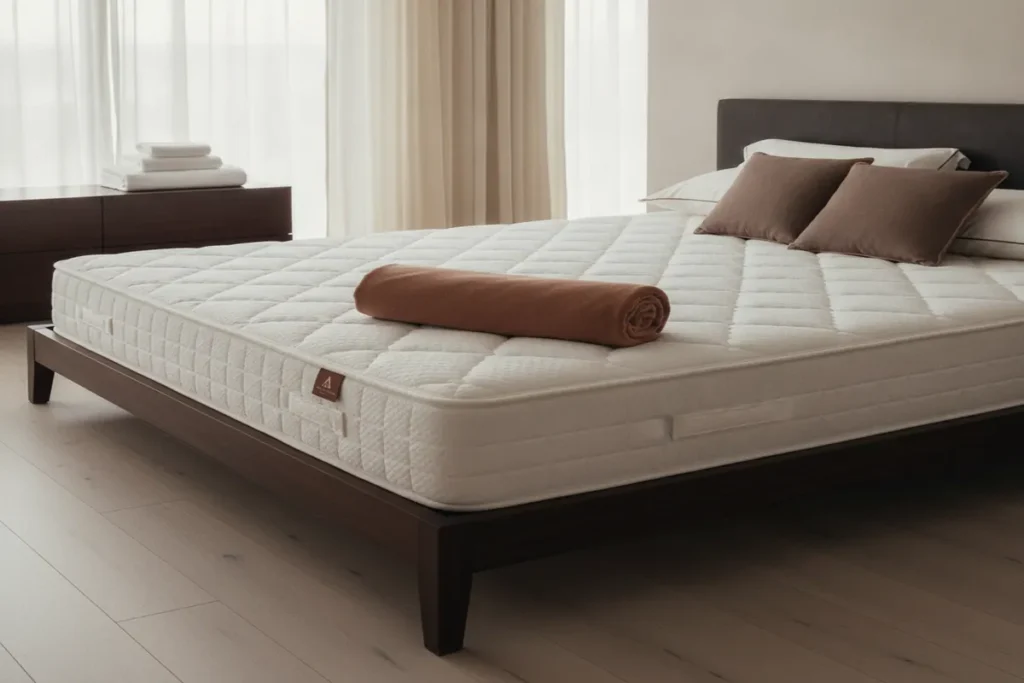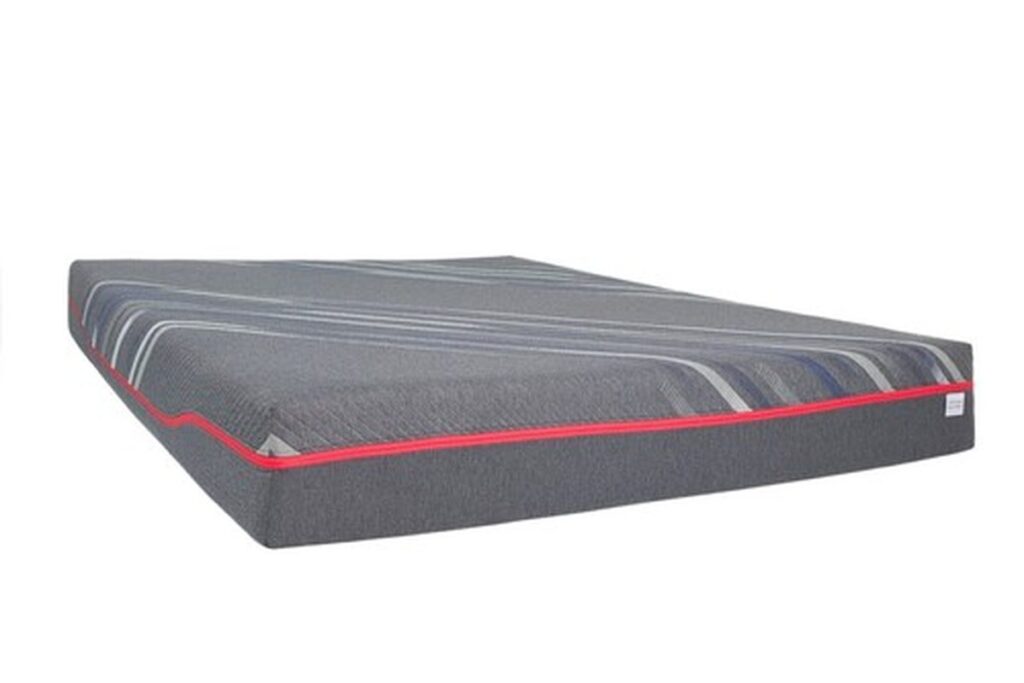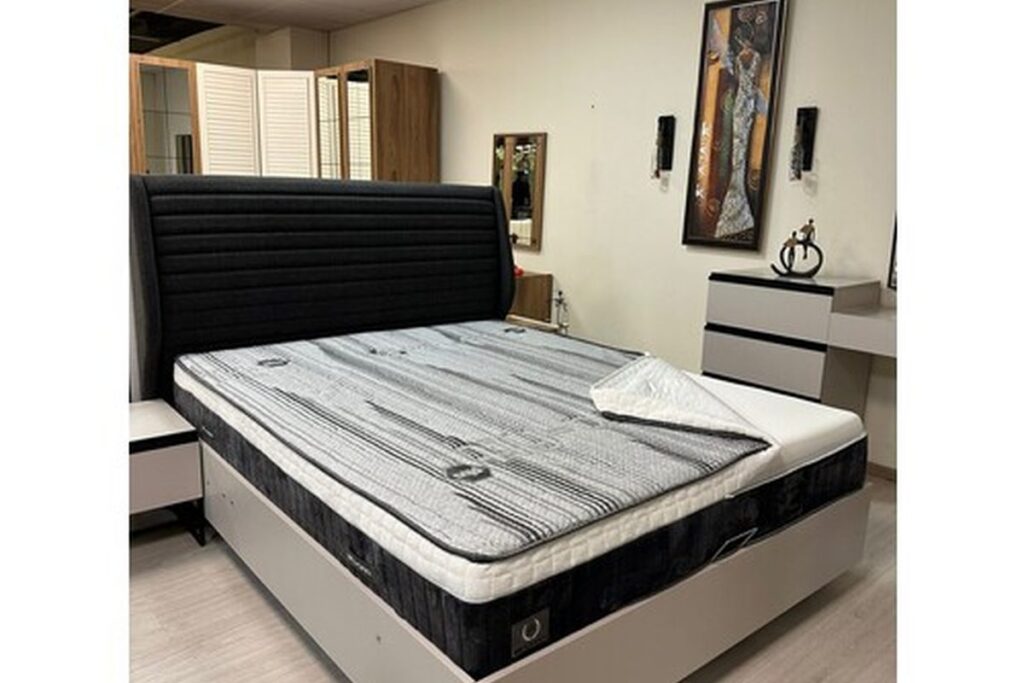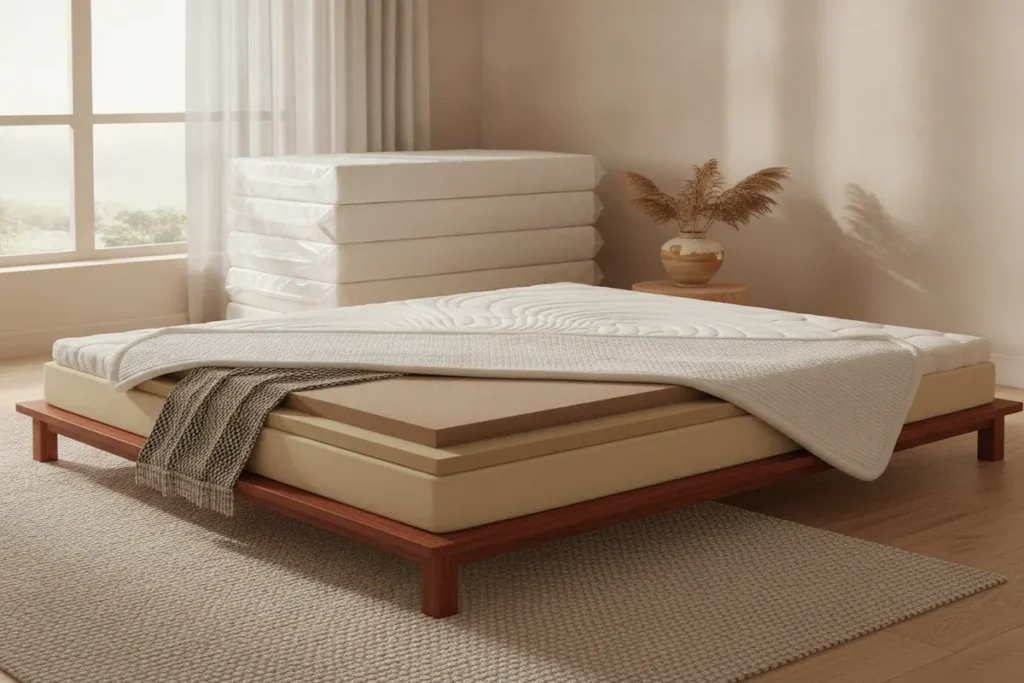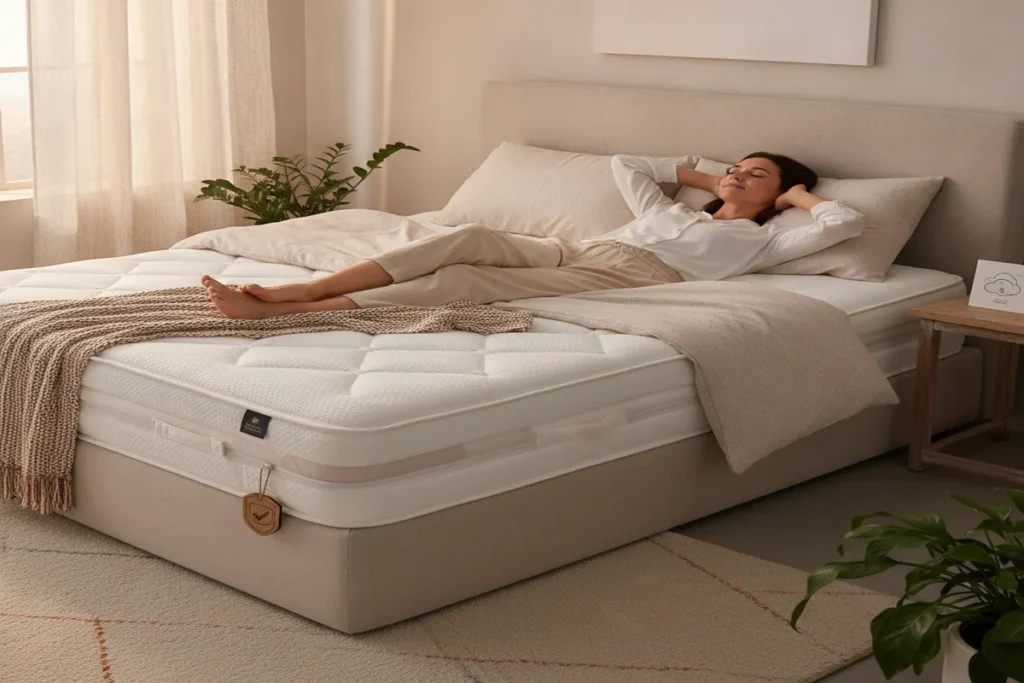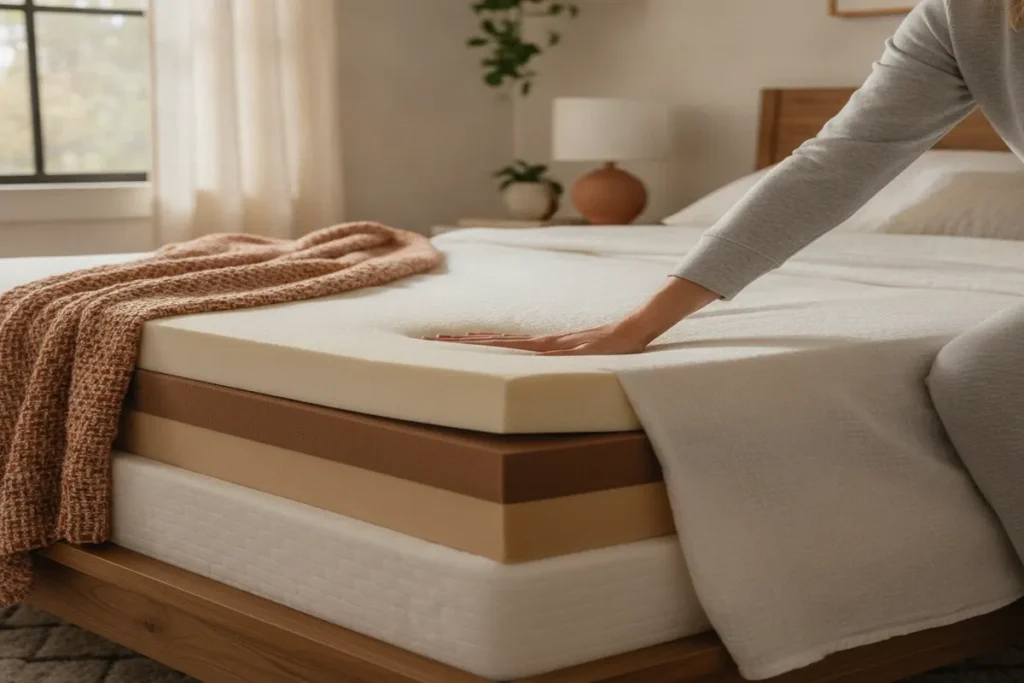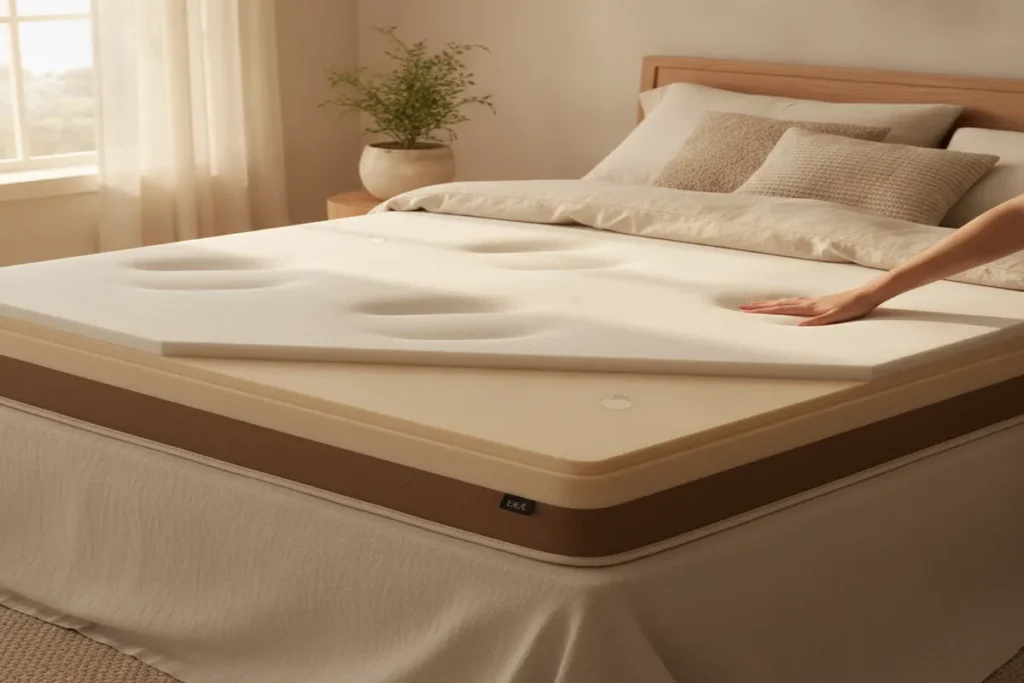


For back sleepers, selecting the best foam mattress is paramount for achieving optimal spinal alignment and alleviating potential back pain. The ideal foam mattress offers a supportive yet conforming surface, typically falling in the medium-firm to firm range, to cradle the natural curves of the spine while preventing excessive sinkage that could strain the lumbar region. Prioritize high-density memory foam for contouring pressure relief or latex foam for responsive support, both ensuring a stable foundation for a restful sleep experience.
Quick Summary
- Opt for a medium-firm to firm foam mattress for back sleeping
- Prioritize high-density memory foam or resilient latex for support
- Ensure excellent spinal alignment to prevent back pain
- Look for targeted pressure relief without excessive sinkage
What Makes a Foam Mattress Ideal for Back Sleepers?
Back sleeping, when properly supported, is often recommended by doctors for maintaining healthy spinal alignment and reducing pressure on internal organs. A well-chosen foam mattress excels in providing this crucial support, adapting to the body’s contours without creating uncomfortable pressure points. Unlike traditional innerspring mattresses that might offer less direct contouring or create gaps under the lumbar spine, foam mattresses distribute body weight more evenly.
Here’s why foam mattresses are a superior choice for back sleepers:
-
Exceptional Spinal Alignment: Foam mattresses, particularly those with adaptive layers, conform precisely to the natural ‘S’ curve of your spine. This ensures that your head, shoulders, lower back, and hips are all supported in a neutral position, preventing the spine from arching or sinking unnaturally. This is a critical factor in preventing and alleviating back pain.
-
Targeted Pressure Relief: Foam’s ability to distribute weight evenly means that pressure points, commonly felt at the shoulders and hips on less conforming surfaces, are significantly reduced. This leads to better blood circulation and less tossing and turning, contributing to a more restful sleep.
-
Motion Isolation: For those sharing a bed, foam’s inherent ability to absorb motion is a game-changer. Movement from a partner won’t transfer across the mattress, ensuring undisturbed sleep for both individuals.
-
Durability and Longevity: High-quality foam mattresses, especially those manufactured with advanced techniques like those found in Turkish production, offer remarkable durability. Their dense construction resists sagging over time, maintaining consistent support for years. To learn more about how our mattresses stand up, visit our Turkish Mattress Lifespan page.
-
Hypoallergenic Properties: Many foam types, particularly latex, are naturally resistant to dust mites, mold, and mildew, making them an excellent choice for allergy sufferers.
For a deeper dive into the differences between foam and traditional spring mattresses, explore our Turkish Foam Mattress vs Spring comparison.
How Do Different Foam Types Impact Back Sleepers?
The world of foam mattresses isn’t monolithic; various foam types offer distinct characteristics that can significantly influence a back sleeper’s experience. Understanding these differences is key to making an informed decision.
Memory Foam (Visco Foam)
Memory foam, also known as Visco Foam Mattress, is renowned for its viscoelastic properties. It softens in response to body heat and pressure, molding precisely to your shape. This creates a cradling sensation that is excellent for pressure relief.
-
Pros for Back Sleepers:
- Superior Contouring: Adapts perfectly to the spinal curve, providing customized support for every inch of the back.
- Excellent Pressure Relief: Minimizes pressure points, especially in the lumbar region and hips, which can be critical for those with hip pain or existing back issues.
- Motion Isolation: Nearly eliminates motion transfer, ideal for couples.
- Durability: High-density memory foam is very durable and resistant to sagging.
-
Cons for Back Sleepers:
- Heat Retention: Traditional memory foam can trap heat, though modern formulations often include cooling gels or open-cell structures to mitigate this.
- “Stuck” Feeling: Some sleepers dislike the slow response time, feeling as though they sink in too much or have difficulty changing positions.
Latex Foam
Latex foam mattresses, including natural and synthetic varieties, are known for their responsiveness and buoyancy. Unlike memory foam, latex offers a more “on top of the bed” feel, providing immediate bounce-back.
-
Pros for Back Sleepers:
- Responsive Support: Provides immediate push-back, supporting the spine without allowing excessive sinkage. This can be beneficial for those who need a bit more lift.
- Durability: Among the most durable mattress materials, often lasting 15+ years.
- Breathability: Natural latex is inherently breathable, offering a cooler sleep surface than traditional memory foam.
- Hypoallergenic: Naturally resistant to allergens.
-
Cons for Back Sleepers:
- Higher Cost: Especially for natural latex, the price point can be higher.
- Weight: Latex mattresses are often heavier, making them harder to move.
- Less Contouring: While supportive, it doesn’t offer the deep, personalized hug of memory foam.
Polyfoam (Polyurethane Foam)
Polyfoam is a more common and often more affordable foam type, found in many mattress comfort layers and support cores. It varies widely in density and quality.
-
Pros for Back Sleepers:
- Versatility: Can be engineered to various firmness levels and densities.
- Affordability: Generally less expensive than memory foam or latex.
- Lighter Weight: Easier to move than latex.
-
Cons for Back Sleepers:
- Less Durable: Lower density polyfoams can break down faster and lose support.
- Variable Quality: Quality can differ significantly, requiring careful inspection of specifications.
- Less Pressure Relief: Doesn’t offer the same level of contouring or pressure relief as high-quality memory foam or responsive support of latex.
To help you compare, here’s a breakdown:
Sinyora Yatak offers a range of options, including dedicated Visco Foam Mattress and Latex Foam Mattress choices, allowing you to select the foam type that best suits your back sleeping preferences.

Which Firmness Level is Best for Back Sleeping Support?
The firmness of your mattress is arguably the most critical factor for back sleepers. While personal preference plays a role, there’s a general consensus among sleep experts and doctors regarding the optimal range. The goal is to find a balance: firm enough to prevent the hips from sinking too deeply, yet soft enough to allow the natural curve of the lumbar spine to be gently supported.
For most back sleepers, a medium-firm to firm mattress is recommended. This translates to roughly a 6 to 8 on a 1-10 firmness scale, where 1 is extremely soft and 10 is extremely firm.
Here’s how to interpret firmness for back sleepers:
-
Too Soft (1-5): A mattress that is too soft will allow your hips to sink too deeply, causing your spine to arch unnaturally. This creates a “hammock” effect, leading to lower back pain and discomfort, as your lumbar region lacks proper support.
-
Medium-Firm (6-7): This is often the sweet spot. A medium-firm foam mattress offers enough give to cradle the natural curve of your lower back while providing robust support to keep your hips elevated and aligned with your shoulders. It offers a balance of pressure relief and support.
-
Firm (7-8): A firm mattress can also be excellent for back sleepers, especially those who prefer a very supportive feel or have a heavier body weight. It prevents excessive sinkage and ensures a flat, stable surface for spinal alignment. However, if it’s too firm, it might not offer enough contouring for the lumbar curve, potentially creating small unsupported gaps.
-
Too Firm (9-10): An overly firm mattress can be just as detrimental as one that’s too soft. It may not allow for any contouring, leaving gaps between your body and the mattress, particularly at the small of your back. This can lead to pressure points and discomfort.
Factors influencing firmness perception:
-
Body Weight: Heavier individuals generally require a firmer mattress to prevent excessive sinking. Lighter individuals might find a medium-firm mattress feels firmer to them.
-
Personal Preference: Ultimately, comfort is subjective. What feels medium-firm to one person might feel slightly softer or firmer to another.
-
Existing Conditions: Individuals with specific back pain issues might have particular needs that influence their ideal firmness level, sometimes leaning slightly firmer for more rigid support.
Always consider a mattress with a generous sleep trial period to ensure the chosen firmness truly supports your back sleeping posture over time.
What Are the Critical Quality Factors to Evaluate in a Foam Mattress?
Beyond foam type and firmness, several underlying quality factors dictate a foam mattress’s performance, durability, and overall value. Overlooking these can lead to premature sagging, diminished support, and a less than restful sleep.
Here’s a checklist of critical quality factors for your smart buyer’s journey:
-
Foam Density (for Memory Foam & Polyfoam):
- Definition: Density refers to how much material is packed into a given volume of foam, not its firmness.
- Importance: Higher density generally correlates with better durability, support, and longevity. For memory foam, look for densities of 4-5 lbs/cubic foot or higher in the comfort layer, and 1.8 lbs/cubic foot or higher for polyfoam support cores. Lower density foams break down faster.
-
Indentation Load Deflection (ILD) or Impression Load Deflection (IFD) (for all foams):
- Definition: ILD/IFD measures the firmness of foam. It’s the force in pounds required to indent a 4-inch thick foam sample by 25% using a 50-square-inch indenter.
- Importance: A higher ILD indicates a firmer foam. For back sleepers, comfort layers typically range from 10-20 ILD for softer foams (e.g., top memory foam layers) and 20-30 ILD for medium-firm support layers. Support cores can be 30 ILD or higher.
-
Layer Construction and Transition Layers:
- Importance: A well-designed foam mattress features multiple layers, each serving a specific purpose. A softer comfort layer (for pressure relief) should be supported by a firmer, high-density core. Crucially, look for effective “transition layers” between these, which prevent a sudden change in feel and ensure seamless support, preventing bottoming out.
-
Certifications:
- CertiPUR-US® (for Polyurethane Foams): This certification ensures that the foam is made without harmful chemicals like ozone depleters, mercury, lead, formaldehyde, and certain phthalates, and has low VOC (Volatile Organic Compound) emissions for indoor air quality.
- OEKO-TEX® Standard 100 (for Textiles & Latex): Guarantees that textiles and foams are free from harmful substances.
- Global Organic Latex Standard (GOLS) / Global Organic Textile Standard (GOTS) (for Natural Latex/Organic Fabrics): Certifies organic origin and processing standards.
- Importance: These certifications provide peace of mind regarding the safety and environmental impact of the materials used in your mattress.
-
Cover Material:
- Importance: The mattress cover plays a role in breathability, temperature regulation, and overall feel. Look for breathable, durable fabrics like organic cotton, Tencel, or even specialized cooling fabrics. Some Turkish mattresses, like our Cashmere Bed or 4 Seasons Bed, feature luxurious and functional cover materials designed for enhanced comfort.
-
Edge Support:
- Importance: While foam mattresses typically have less robust edge support than some innerspring or Hybrid Mattress options, good edge support prevents premature sagging along the sides and allows you to use the full surface area of the bed without feeling like you’ll roll off.
-
Warranty and Trial Period:
- Importance: A substantial warranty (10+ years) and a generous in-home trial period (90-120 nights) are indicators of a manufacturer’s confidence in their product. They also provide you with peace of mind. Familiarize yourself with our Warranty Information and Return Policy.
Sinyora Yatak prides itself on transparent quality and craftsmanship. You can explore our Mattress Collection to see how these factors are integrated into our designs, reflecting what makes Turkish Mattresses Special.
Common Mistakes Back Sleepers Make When Choosing a Foam Mattress (And How to Avoid Them)
Navigating the mattress market can be tricky, and back sleepers often fall into common pitfalls that compromise their sleep quality and spinal health. Being aware of these mistakes can save you discomfort, time, and money.
Here are the most frequent errors and how to steer clear of them:
-
Mistake 1: Choosing a Mattress That’s Too Soft.
- Why it’s a mistake: A mattress that’s too plush will allow your hips to sink excessively, disrupting your natural spinal alignment and creating an uncomfortable arch in your lower back. This is a primary cause of morning back pain.
- How to avoid: Prioritize a medium-firm to firm mattress. If you’re lighter, a medium-firm might suffice; if heavier, lean towards firm. Always check the ILD ratings if available, and read reviews from other back sleepers with similar body types.
-
Mistake 2: Assuming “Firm” Always Means “Supportive” or “Comfortable.”
- Why it’s a mistake: While back sleepers need firmness, an overly firm mattress that doesn’t offer any contouring can leave gaps under your lumbar spine, creating pressure points and discomfort. Support comes from alignment, not just rigidity.
- How to avoid: Look for a mattress that balances firmness with adaptive contouring. Memory foam or latex foam are excellent because they provide firm support while still conforming to your body’s curves. A truly supportive mattress will fill in the small of your back.
-
Mistake 3: Ignoring the Importance of Transition Layers.
- Why it’s a mistake: Many foam mattresses have a soft comfort layer directly on top of a very dense support core. Without a gradual “transition layer” in between, you can feel like you’re bottoming out or hitting a hard surface, which negates the benefits of the comfort layer and can create pressure points.
- How to avoid: Inquire about the mattress’s internal construction. A good foam mattress will feature deliberately designed transition layers that progressively firm up, providing seamless support and preventing that “hitting the bottom” sensation.
-
Mistake 4: Overlooking the Mattress’s Cooling Properties.
- Why it’s a mistake: Traditional memory foam can retain heat, leading to uncomfortable night sweats for some sleepers. Overheating disrupts sleep cycles and can make a great mattress feel unbearable.
- How to avoid: If you tend to sleep hot, look for foam mattresses with specific cooling features. This includes open-cell memory foam, gel infusions, graphite infusions, or breathable covers (like Tencel or specialized cooling fabrics). Latex foam is naturally more breathable.
-
Mistake 5: Not Taking Advantage of Sleep Trials and Return Policies.
- Why it’s a mistake: You can’t truly know if a mattress is right for you after just a few minutes in a showroom. It takes weeks for your body to adjust and for the mattress to settle.
- How to avoid: Always purchase from retailers offering a generous in-home sleep trial (typically 90-120 nights). Read the Return Policy carefully, understanding any fees or conditions. This allows you to test the mattress in your own environment and ensures you make a confident, long-term decision.
-
Mistake 6: Neglecting Your Pillow Choice.
- Why it’s a mistake: Even the best foam mattress can’t correct poor neck alignment caused by an unsuitable pillow. For back sleepers, a pillow that’s too high or too flat can strain the neck and upper back.
- How to avoid: Choose a medium-loft pillow that supports the natural curve of your neck without pushing your head too far forward or letting it drop too low. Consider a Visko Pillows Neck Support or a Latex Pillows Neck Support designed for optimal cervical alignment.
By avoiding these common missteps, back sleepers can significantly increase their chances of finding the perfect foam mattress for a truly restful sleep.
What Role Does Spinal Alignment Play in Back Sleeper Comfort?
For back sleepers, spinal alignment is not just a buzzword; it’s the cornerstone of comfortable, pain-free sleep and overall long-term spinal health. When your spine is properly aligned, it means it maintains its natural ‘S’ curve, from your neck down to your tailbone, without any unnatural bending, arching, or sagging.
Here’s why optimal spinal alignment is paramount for back sleepers:
-
Prevents Back Pain: The most direct benefit. When your spine is misaligned, even slightly, it puts undue stress on the ligaments, muscles, and discs, leading to stiffness, aches, and chronic back pain. A well-aligned spine allows these structures to relax and recover.
-
Reduces Pressure Points: Proper alignment ensures your body weight is evenly distributed across the mattress. This prevents specific areas, like your lower back or hips, from bearing excessive pressure, which can cause discomfort, numbness, or tingling.
-
Promotes Muscle Relaxation: When your spine is in a neutral position, your back muscles don’t have to work to hold it there. This allows them to fully relax and recuperate during the night, reducing tension and soreness.
-
Enhances Circulation: A neutral spinal posture helps maintain healthy blood flow throughout your body, preventing constricted blood vessels that can lead to discomfort or restless sleep.
-
Aids Restful Sleep: When your body is comfortable and pain-free, you’re more likely to fall asleep faster, stay asleep longer, and experience deeper, more restorative sleep cycles.
How a Foam Mattress Facilitates Spinal Alignment for Back Sleepers:
The unique properties of foam, especially memory foam and latex foam, make them particularly effective at promoting spinal alignment:
-
Contouring Support: They adapt to the subtle curves of your body, filling in the natural hollows (like the lumbar curve) that often go unsupported on traditional flat surfaces.
-
Even Weight Distribution: Foam distributes your body weight across a larger surface area, preventing your hips from sinking too far and keeping your spine in a neutral position.
-
Pressure Equalization: By reducing pressure on prominent body parts, foam ensures that no single area bears too much load, allowing the spine to rest naturally.
Practical Advice: How to Test for Good Alignment
When trying out a foam mattress, or even evaluating your current one, you can perform a simple check for proper spinal alignment:
-
Lie on your back in your natural sleeping position.
-
Have someone take a photo of you from the side.
-
Examine the photo:
- Ideal Alignment: Your spine should appear relatively straight, maintaining its natural ‘S’ curve. Your hips should be in line with your shoulders, and your head should be aligned with your neck (not tilted up or down). There should be no significant gaps between your lower back and the mattress.
- Poor Alignment (Too Soft): If your hips are sinking significantly lower than your shoulders, creating an exaggerated arch in your lower back, the mattress is likely too soft.
- Poor Alignment (Too Firm): If your lower back is visibly arched away from the mattress, or your shoulders and hips feel like they’re perched on top without any give, the mattress might be too firm.
Remember, your pillow also plays a crucial role in cervical (neck) spinal alignment. For complementary support, consider our Visko Pillows Neck Support or Latex Pillows Neck Support to complete your sleep system.
Best Foam Mattress Features for Alleviating Back Pain
For back sleepers who experience back pain, the right foam mattress isn’t just about comfort; it’s about therapeutic support that promotes healing and prevents further discomfort. Certain features are particularly beneficial when targeting pain relief.
Here are the essential foam mattress features to prioritize if you suffer from back pain:
-
Targeted Zoned Support:
- What it is: Mattresses with zoned support feature different firmness levels across the bed. They are typically firmer under the lumbar region and hips (where back sleepers need the most support to prevent sinking) and slightly softer under the shoulders (for pressure relief).
- Why it helps with back pain: This specialized design ensures that each area of your body receives the precise support it needs, maintaining optimal spinal alignment and relieving pressure on sensitive areas. Our Construction Mattress often incorporates advanced zoning principles.
-
High-Density Memory Foam Comfort Layer:
- What it is: A top layer of at least 4-5 lbs/cubic foot memory foam.
- Why it helps with back pain: High-density memory foam offers superior contouring and pressure distribution. It cradles the body, filling in the lumbar curve and evenly distributing weight, which is critical for reducing pressure on vertebral discs and alleviating muscle tension.
-
Responsive Latex Foam Core (or Transition Layer):
- What it is: A durable, resilient layer of latex foam either as the primary support core or as a crucial transition layer.
- Why it helps with back pain: Latex provides a buoyant, lifting sensation that prevents excessive sinkage, which can worsen back pain. Its natural elasticity ensures immediate response to movement, making it easier to change positions without disturbing spinal alignment.
-
Medium-Firm to Firm Feel (6-8 on a 1-10 scale):
- What it is: The overall firmness level of the mattress.
- Why it helps with back pain: This range provides the ideal balance of support and contouring. It’s firm enough to keep the spine aligned and hips elevated, yet soft enough to cushion the natural curves and relieve pressure.
-
Breathable and Cooling Technologies:
- What it is: Features like open-cell foam, gel infusions, graphite, copper, or breathable cover materials.
- Why it helps with back pain: While not directly solving back pain, sleeping hot can exacerbate discomfort and lead to restless nights. Staying cool allows for deeper, more restorative sleep, which is essential for the body’s healing processes.
-
Certifications for Healthy Materials (e.g., CertiPUR-US®, OEKO-TEX®):
- What it is: Third-party verification that the foams are free from harmful chemicals.
- Why it helps with back pain: While not directly related to mechanical support, sleeping on a mattress free of VOCs and other irritants contributes to overall health and well-being, which is crucial when your body is trying to heal.
When selecting a mattress for back pain, it’s always wise to consult with doctors or a physical therapist, as they can offer personalized recommendations based on your specific condition. However, equipping yourself with knowledge of these features will significantly aid your search for relief.
The Smart Buyer’s Checklist for Your Ideal Foam Mattress
Making a significant investment in a foam mattress requires a systematic approach. This checklist consolidates all the crucial considerations for back sleepers, ensuring you make a confident and informed decision for years of restful sleep.
Here is your smart buyer’s checklist:
-
Define Your Ideal Firmness:
- Action: Aim for a medium-firm to firm feel (6-8 on a 1-10 scale).
- Consider: Your body weight (heavier individuals need firmer), and any existing back pain.
- Check: Ask about ILD ratings if possible, and read reviews from sleepers with similar preferences.
-
Choose Your Preferred Foam Type:
- Action: Decide between memory foam (deep contouring, pressure relief) or latex foam (responsive, buoyant support).
- Consider: Do you prefer to sink “into” or lie “on top of” the mattress? Do you sleep hot?
- Check: Review the pros and cons of each foam type in relation to your needs. Explore Sinyora Yatak’s Visco Foam Mattress and Latex Foam Mattress options.
-
Evaluate Foam Quality and Construction:
- Action: Prioritize high-density foams and thoughtful layer design.
- Consider: For memory foam, look for 4-5 lbs/cubic foot or higher in comfort layers. For polyfoam cores, 1.8 lbs/cubic foot or higher. Ensure well-designed transition layers.
- Check: Inquire about specific foam densities and the construction of the various layers within the mattress.
-
Verify Certifications and Safety:
- Action: Look for reputable third-party certifications.
- Consider: Prioritize CertiPUR-US® for polyurethane foams and OEKO-TEX® for textiles. GOLS/GOTS for natural latex.
- Check: Confirm these certifications on the product page or by contacting customer service.
-
Assess Cooling Features (If You Sleep Hot):
- Action: Identify specific cooling technologies.
- Consider: Gel infusions, open-cell foam, graphite, copper, or naturally breathable materials like latex or specific cover fabrics.
- Check: Product descriptions for cooling claims and read reviews from sleepers who tend to overheat.
-
Review Warranty and Sleep Trial:
- Action: Understand the terms before purchasing.
- Consider: A minimum 10-year warranty and a 90-120 night in-home sleep trial are industry standards.
- Check: Read the Warranty Information and Return Policy thoroughly.
-
Don’t Forget Your Pillow:
- Action: Select a pillow that complements your mattress and sleeping position.
- Consider: For back sleepers, a medium-loft pillow that supports the cervical curve is ideal.
- Check: Explore our Pillow Collection, including Visko Pillows Neck Support and Latex Pillows Neck Support, for optimal head and neck alignment.
-
Set Your Budget:
- Action: Determine a realistic price range.
- Consider: Quality foam mattresses are an investment in your health. Don’t always go for the cheapest option, but don’t overspend unnecessarily.
- Check: Compare prices across reputable brands and consider what our How Much Does a Turkish Mattress Cost guide suggests for value.
-
Read Expert and User Reviews:
- Action: Gather insights from diverse sources.
- Consider: Look for patterns in feedback regarding firmness, durability, and comfort for back sleepers.
- Check: Pay attention to reviews specifically mentioning spinal alignment and back pain relief.
By systematically working through this checklist, you’ll be well-equipped to choose the foam mattress that perfectly supports your back sleeping posture and contributes to years of rejuvenating sleep.
Expert Insight
“Industry experts consistently highlight that for back sleepers, the primary goal of any mattress should be to maintain the natural S-curve of the spine, preventing both excessive sinking and unsupported gaps, especially in the lumbar region. This is achieved through a balanced combination of responsive support and conforming pressure relief, typically found in medium-firm foam or Hybrid Mattress designs.”
Key Terms
-
Spinal Alignment: The maintenance of the natural curves of the spine in a neutral position, crucial for preventing back pain and ensuring comfortable sleep.
-
Pressure Relief: The mattress’s ability to distribute body weight evenly, reducing concentrated force on pressure points like shoulders, hips, and the lower back.
-
ILD (Indentation Load Deflection): A measurement indicating the firmness of foam, representing the force needed to indent a foam sample by 25%.
-
Memory Foam (Visco Foam): A viscoelastic polyurethane foam that responds to heat and pressure, conforming closely to the body’s shape for deep contouring and pressure relief.
-
Latex Foam: A resilient foam derived from rubber trees (natural) or synthetic compounds, known for its responsiveness, buoyancy, and durability.
How Can You Upgrade to More Comfortable Sleep with Sinyora Yatak?
At Sinyora Yatak, we understand that exceptional sleep is a cornerstone of a healthy life, especially for back sleepers seeking relief and optimal support. Our commitment to traditional Turkish craftsmanship, combined with advanced foam technologies, ensures that every mattress is engineered for supreme comfort and lasting durability.
We invite you to explore our carefully curated Mattress Collection designed to meet the precise needs of back sleepers:
-
Experience the Difference of Turkish Foam: Our Foam Mattress selections are crafted using high-quality materials, ensuring the ideal balance of firmness and contouring support essential for spinal alignment. Discover what What Makes Turkish Mattresses Special and why they are revered globally.
-
Visco Foam Mattresses for Personalized Comfort: Dive into the deep, conforming comfort of our Visco Foam Mattress range. Engineered to cradle your body and alleviate pressure relief, these mattresses are perfect for back sleepers seeking a customized, pain-relieving embrace.
-
Responsive Support with Latex Foam: For those who prefer a more buoyant and responsive feel, our Latex Foam Mattress options provide natural elasticity and exceptional durability, preventing excessive sinkage while supporting every curve of your back.
-
Complement Your Sleep System: Don’t forget the importance of proper pillow support. Explore our Pillow Collection, including specialized Visko Pillows Neck Support and Latex Pillows Neck Support, designed to maintain perfect cervical alignment for back sleepers.
-
Wholesale & International Shipping: For businesses or international customers, learn about our Mattress Wholesale in Turkiye and how we Ship Turkish Mattresses Internationally, bringing quality sleep solutions to a global audience.
Ready to transform your sleep experience? Visit our Shop All Products page or Contact Us for Support to speak with a sleep specialist who can guide you to the perfect Sinyora Yatak foam mattress for your back sleeping needs. Your journey to a truly restful sleep begins here.
Frequently Asked Questions
Q: Is memory foam good for back pain in back sleepers?
Q: What firmness is best for back sleepers?
Q: How often should I replace my foam mattress?
Q: Can a foam mattress cause back pain?
Q: What’s the difference between memory foam and latex for back sleepers?
Q: Do I need a special pillow with a foam mattress if I’m a back sleeper?