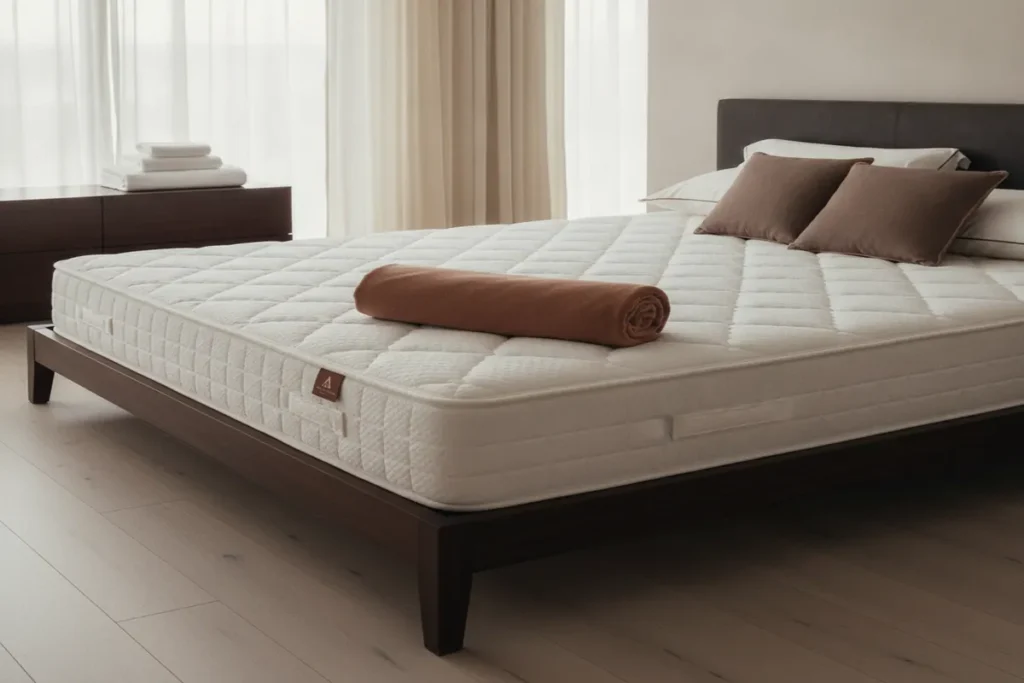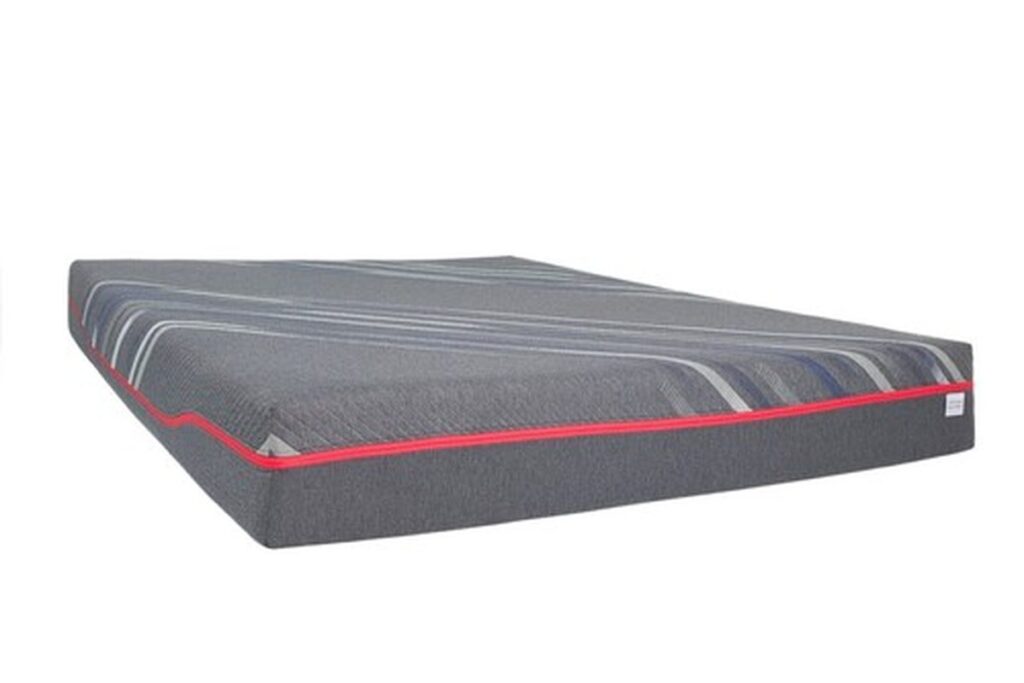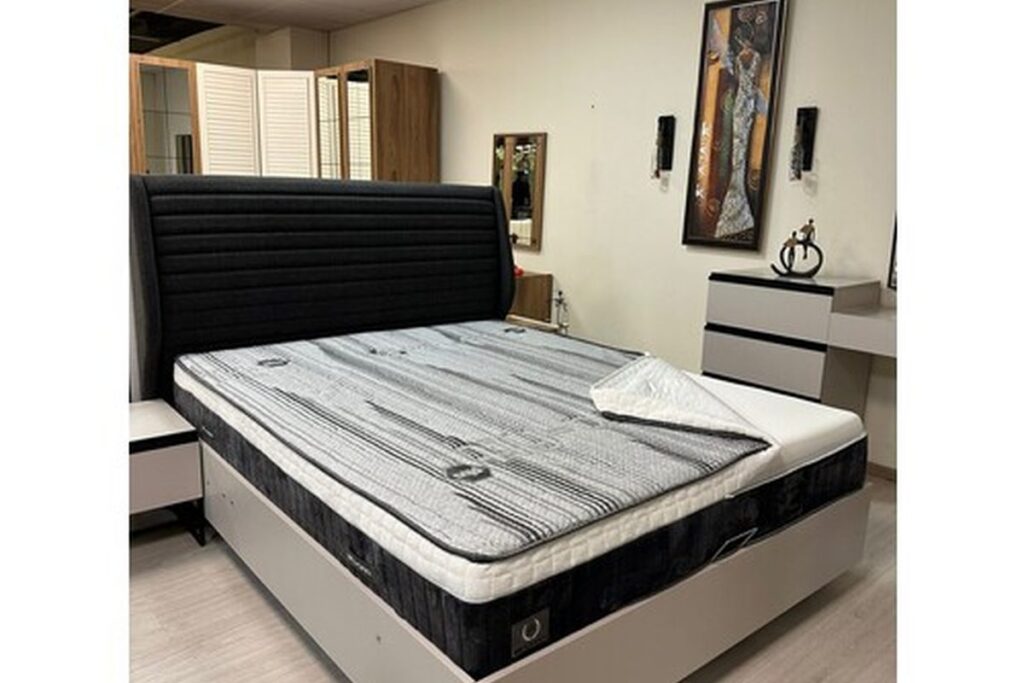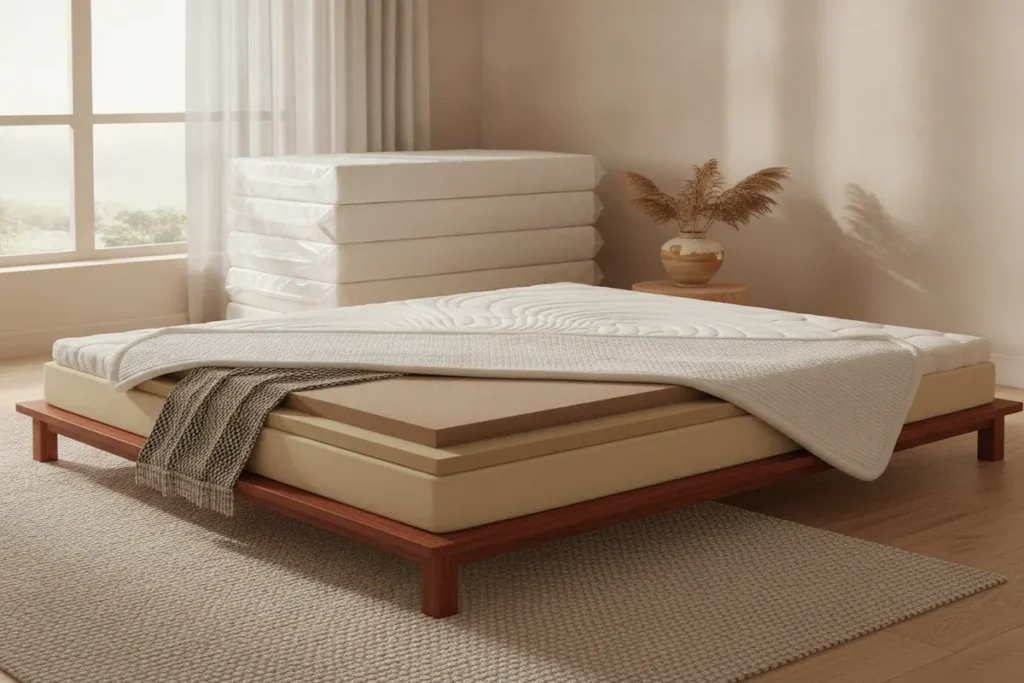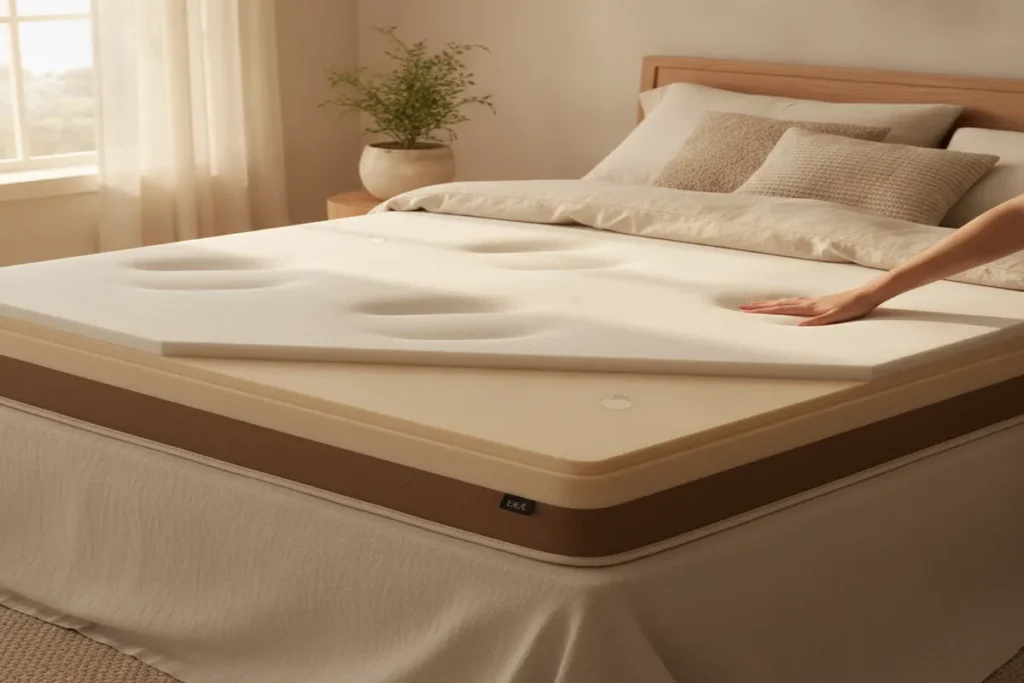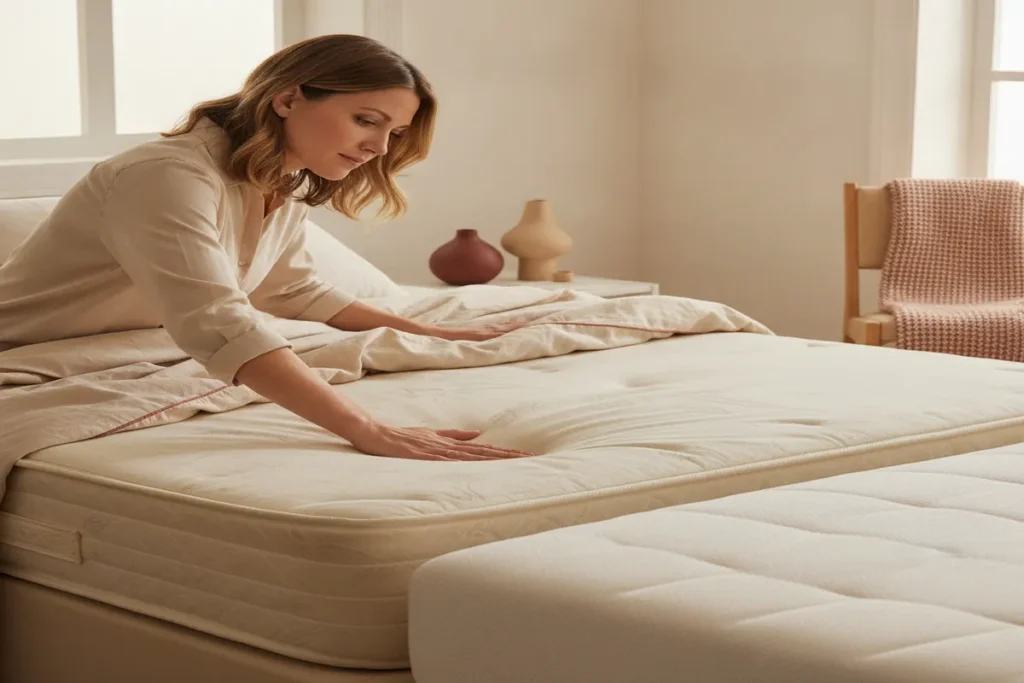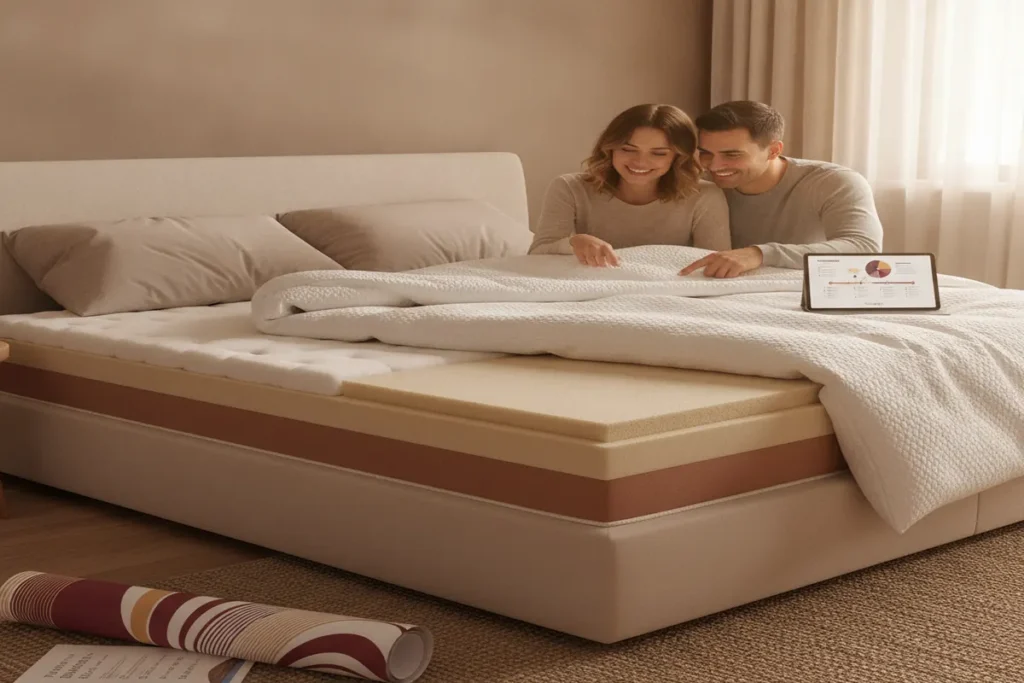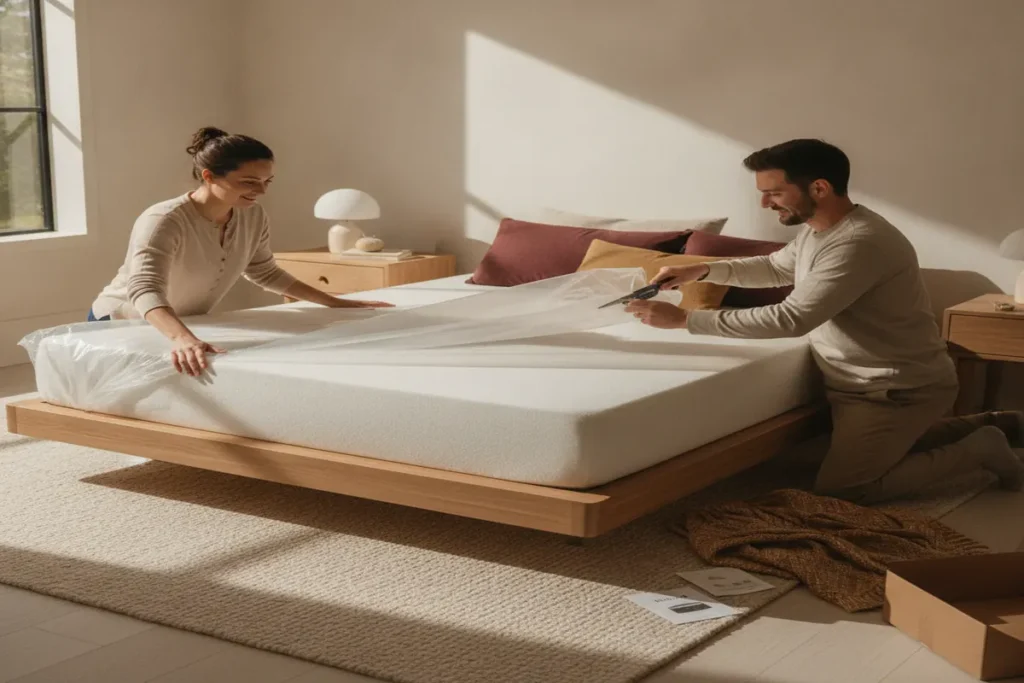

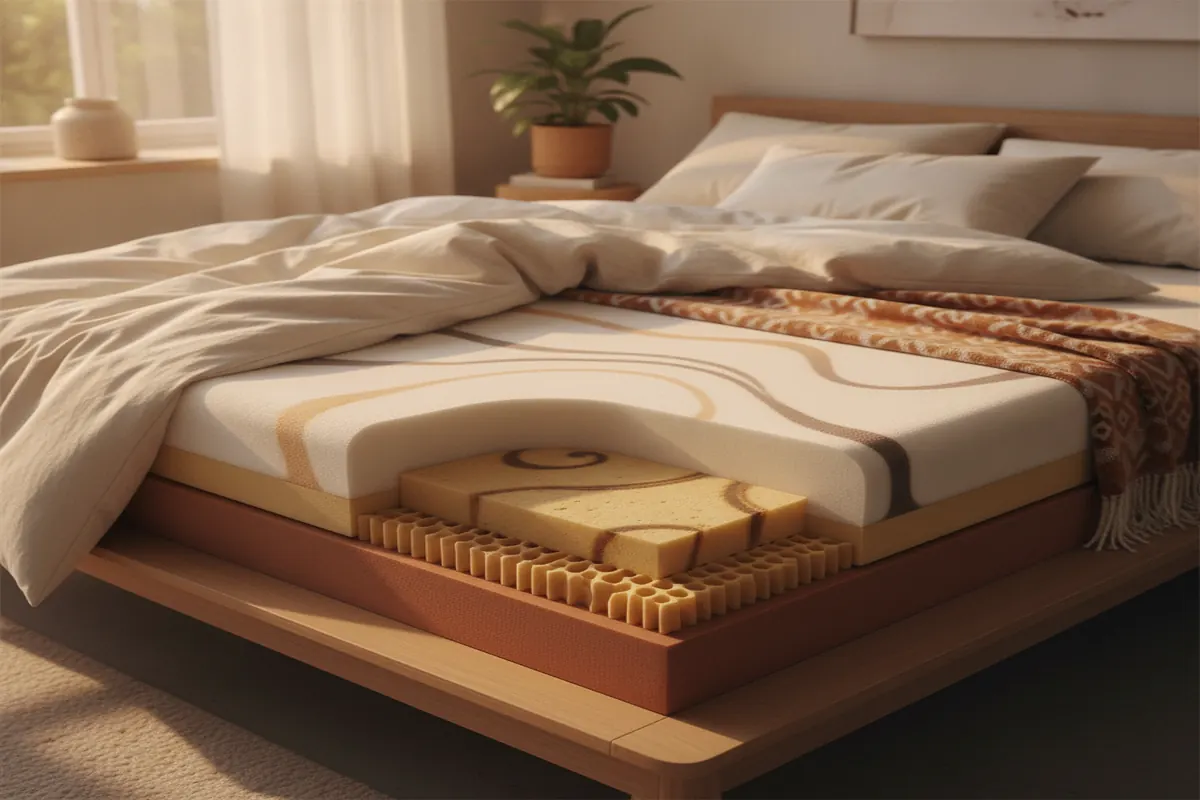
Choosing the ideal foam mattress involves understanding the nuanced differences in materials, construction, and comfort profiles to align with your personal sleep needs. A high-quality foam mattress, whether memory foam, latex, or high-density polyfoam, offers exceptional pressure relief, superior motion isolation, and durable support, contributing significantly to restorative sleep. This guide will walk you through essential considerations, helping you invest wisely in a mattress that promises years of comfortable, healthy rest.
Quick Summary
- Understand foam mattress materials and their unique properties
- Evaluate comfort levels and firmness for your sleep style
- Learn key benefits like motion isolation and pressure relief
- Navigate pricing to find lasting value
What Makes a Foam Mattress the Right Choice for Your Sleep?
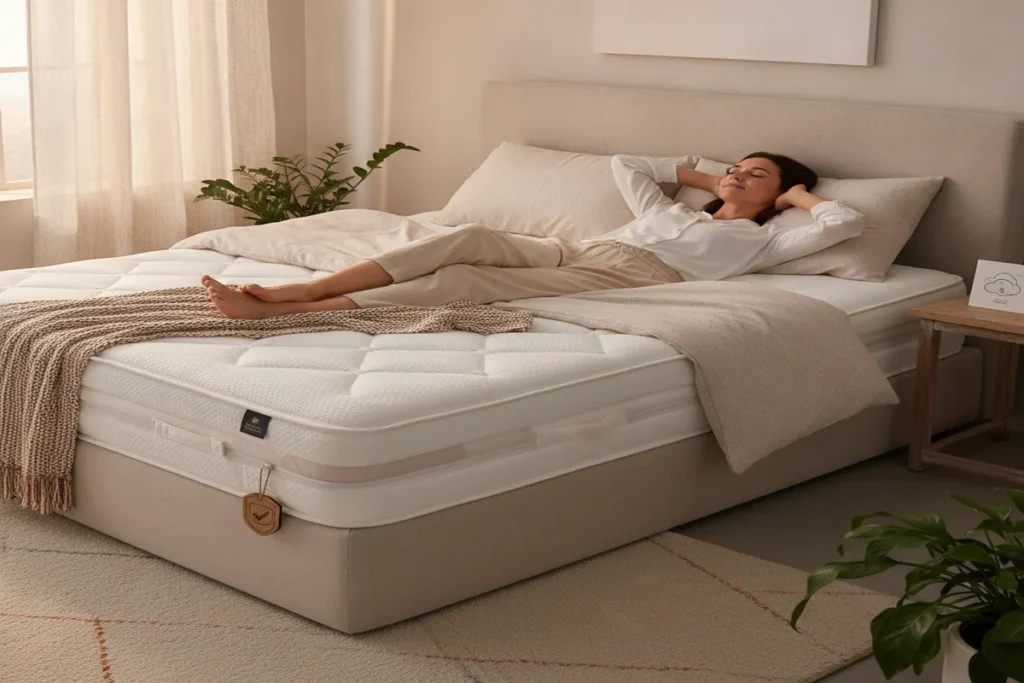
A good foam mattress is defined by its ability to provide consistent support, alleviate pressure points, and adapt to the sleeper’s body shape, promoting spinal alignment and reducing discomfort. Unlike traditional spring mattresses, foam options, particularly advanced designs, excel in minimizing motion transfer and offering a quiet sleep surface. This makes them an excellent choice for couples or individuals sensitive to movement.
Key characteristics that define a high-quality foam mattress include:
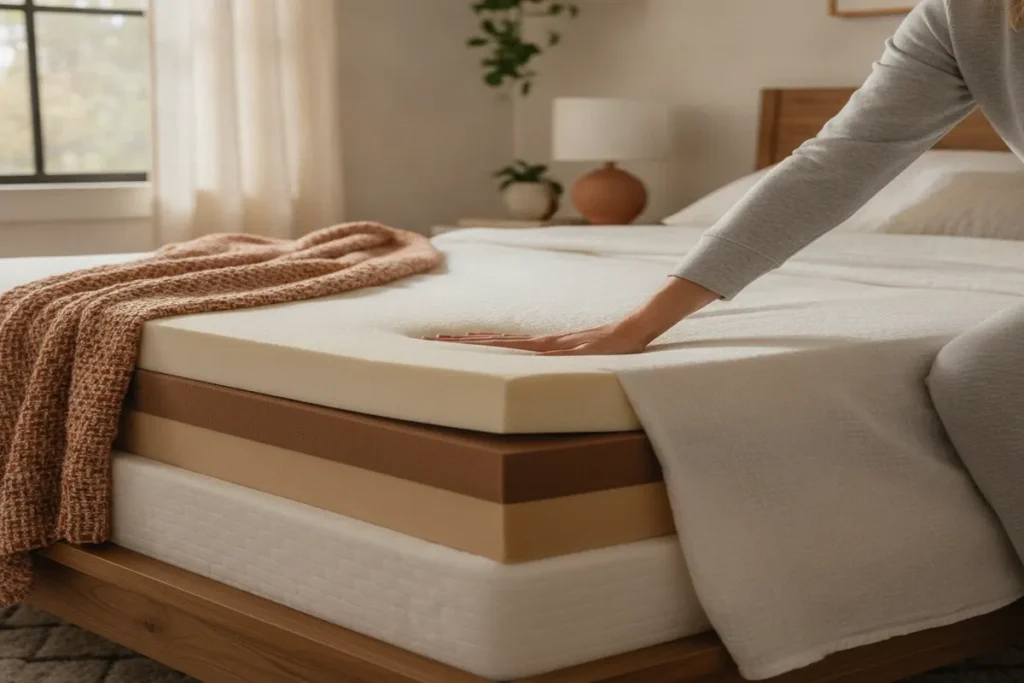
Pressure Relief: Foam’s ability to contour closely to the body distributes weight evenly, reducing pressure on joints like hips, shoulders, and back. This is particularly beneficial for side sleepers and those with chronic pain.
Motion Isolation: The dense, absorbent nature of foam prevents movement from spreading across the mattress. If your partner shifts during the night, you’re less likely to feel it, ensuring undisturbed sleep.
Support and Spinal Alignment: Quality foam mattresses offer resilient support that keeps the spine naturally aligned. This prevents sagging and ensures proper posture throughout the night, crucial for preventing back pain.
Durability: High-density foams are inherently durable, resisting impressions and maintaining their structural integrity for many years. This longevity translates to a better return on your investment.
Hypoallergenic Properties: Many foam types, especially natural latex, are naturally resistant to dust mites, mold, and mildew, making them a healthier choice for allergy sufferers.
Quiet Operation: Without springs or metal components, foam mattresses are virtually silent, eliminating squeaks and creaks that can disrupt sleep.
For those seeking a sleep solution that cradles the body, isolates movement, and offers consistent support, a foam mattress often stands out as the superior choice, adaptable to various sleep preferences and needs.
Comparing Foam Mattress Materials: Which Type Offers the Best Sleep?
When considering a foam mattress, the type of foam used is paramount, directly influencing its feel, support, durability, and temperature regulation. There isn’t a single “best” type; rather, the ideal choice depends on individual preferences for firmness, contouring, and specific needs.
Here’s a breakdown of the primary foam mattress materials:
Memory Foam (Visco Foam Mattress):
- Composition: Viscoelastic polyurethane foam that responds to body heat and pressure, softening and molding to your shape.
- Feel: A distinct “hug” or cradling sensation, slow response to pressure, excellent pressure point relief.
- Pros: Superior pressure relief, excellent motion isolation, good for pain relief, adapts well to body curves.
- Cons: Can retain heat (though modern designs often incorporate cooling gels or open-cell structures), may have an initial “off-gassing” odor, slower recovery time.
- Ideal For: Side sleepers, individuals with joint pain, couples who value motion isolation.
- Internal Link Opportunity: Explore our Visco Foam Mattress collection for advanced memory foam technology.
Latex Foam (Latex Foam Mattress):
- Composition: Derived from rubber tree sap (natural latex) or synthetic compounds. Can be made via Dunlop or Talalay processes, affecting density and feel.
- Feel: Bouncier and more responsive than memory foam, provides a floating sensation, good pressure relief without the deep hug.
- Pros: Highly durable, naturally hypoallergenic and resistant to dust mites, excellent airflow for cooler sleep, responsive support.
- Cons: Can be heavier and more expensive, distinct natural rubber scent (for natural latex), firmer feel might not suit everyone.
- Ideal For: Back and stomach sleepers, those who prefer a bouncier feel, allergy sufferers, eco-conscious buyers.
- Internal Link Opportunity: Discover the natural comfort of our Latex Foam Mattress options.
High-Density Polyfoam (HD Polyfoam):
- Composition: A standard polyurethane foam, often used as a base layer in many foam mattresses or as the core in more affordable models.
- Feel: Generally firmer and less conforming than memory or latex foam, offers solid foundational support.
- Pros: Cost-effective, good support, lighter weight than latex.
- Cons: Less pressure relief and contouring compared to specialty foams, shorter lifespan for lower density versions, can feel less luxurious.
- Ideal For: Budget-conscious buyers, guest rooms, those who prefer a very firm, less conforming feel.
Hybrid Foam Mattresses:
- Composition: Combines layers of foam (memory, latex, or polyfoam) with an innerspring coil system, often pocketed coils.
- Feel: Offers the best of both worlds – the pressure relief and motion isolation of foam with the responsiveness, breathability, and robust support of springs.
- Pros: Excellent airflow, strong edge support, good bounce, balanced comfort and support.
- Cons: Can be heavier and more expensive than all-foam options, may have some motion transfer depending on coil type.
- Internal Link Opportunity: Consider the best of both worlds with our Pocket Coils Mattress or explore the comparison of Turkish Foam Mattress vs Spring.
Foam Mattress Material Comparison Table
To help you decide which foam type aligns best with your preferences, here’s a detailed comparison:
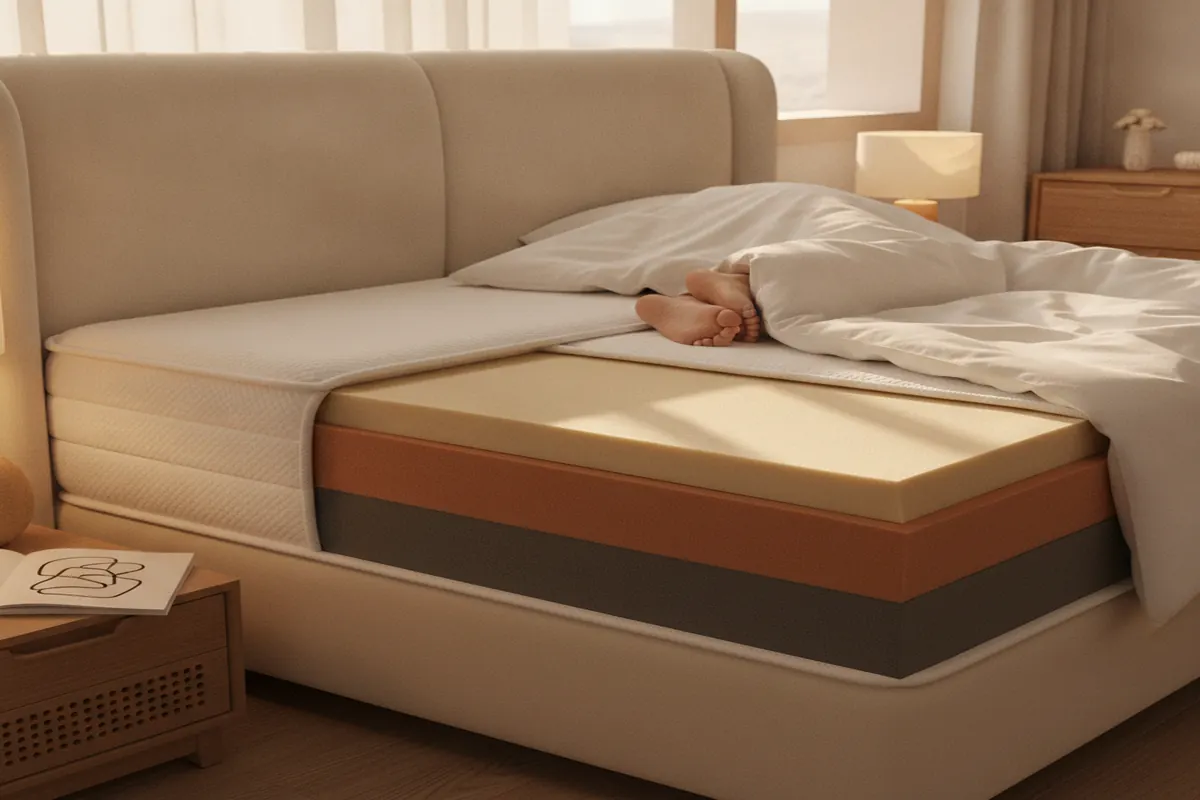
Decoding Foam Mattress Firmness and Support: How to Match Your Comfort Level
The “comfort level” of a foam mattress is a subjective yet critical factor, primarily determined by its firmness and support. These aren’t interchangeable; firmness refers to how hard or soft the mattress feels, while support relates to its ability to keep your spine aligned. A truly good foam mattress offers both appropriate firmness for your comfort and robust support for your posture.
Understanding Firmness Levels
Mattress firmness is typically rated on a scale of 1 to 10, where 1 is extremely soft and 10 is extremely firm. Most foam mattresses fall between 3 and 8.
Soft (3-4): Deep contouring, feels like sleeping “in” the mattress. Best for lightweight individuals and strict side sleepers who need maximum pressure relief on shoulders and hips.
Medium (5-6): A balanced feel, offering both contouring and support. The most popular choice, suitable for a wide range of sleepers, including combination sleepers.
Firm (7-8): Minimal contouring, feels like sleeping “on” the mattress. Ideal for stomach and back sleepers, heavier individuals, or those who prefer a very solid surface.
Extra Firm (9-10): Very little give, primarily for specialized needs or preferences.
Matching Firmness to Your Sleep Style and Body Type
Choosing the right firmness involves considering your primary sleep position and body weight.
Side Sleepers: Typically require a softer to medium-soft mattress (3-5) to allow shoulders and hips to sink in, maintaining spinal alignment and alleviating pressure points. A mattress that’s too firm can cause pain in these areas.
- Internal Link Opportunity: See our recommendations for Turkish Mattress for Side Sleepers.
Back Sleepers: Generally do well with a medium-firm mattress (5-7). This provides a balance of support for the lower back and gentle contouring to fill the lumbar curve without excessive sinking.
Stomach Sleepers: Need a firmer mattress (6-8) to prevent their hips from sinking too deeply, which can arch the spine and lead to lower back pain. A firm surface keeps the body on a more even plane.
Combination Sleepers: A medium-firm mattress (5-7) is often the best compromise, offering enough pressure relief for side sleeping and sufficient support for back or stomach positions. Responsive foams like latex or hybrids are also good choices as they make it easier to change positions.
Heavier Individuals (over 230 lbs / 104 kg): Tend to need a firmer mattress (7-8) with higher density foams or robust hybrid designs to prevent excessive sinking and ensure proper support and durability over time.
Lighter Individuals (under 130 lbs / 59 kg): Might find even a medium-firm mattress too hard and generally prefer softer options (3-5) to experience adequate pressure relief and contouring.
Importance of Support
Regardless of firmness, the underlying support core of a foam mattress is crucial. This is usually a high-density polyfoam layer or a coil system in hybrids. Good support means the mattress prevents hammocking or sagging, keeping your spine in a neutral position from head to toe. Without adequate support, even the softest, most comfortable top layers won’t prevent aches and pains. Always look for mattresses with high-quality, dense base foams for long-term support and durability.
Navigating the Price Tag: Why Do Quality Foam Mattresses Cost More?
“Why are foam mattresses so expensive?” is a common question, especially when comparing them to traditional innerspring options. The cost of a foam mattress is influenced by several factors, primarily the quality and type of materials, manufacturing processes, and brand reputation. While some entry-level foam mattresses are quite affordable, high-end models can represent a significant investment.
Factors contributing to the cost:
Material Quality and Density:
- Memory Foam: Higher density memory foams (e.g., 4-5 lbs/cu ft) provide better durability, pressure relief, and contouring, but are more expensive to produce than lower density foams.
- Latex: Natural latex, especially certified organic latex, is a premium material. Its harvesting, processing, and inherent durability contribute to a higher price point. Synthetic latex is less expensive but may not offer the same longevity or natural properties.
- Proprietary Foams: Many brands develop unique foam formulations (e.g., gel-infused memory foam, open-cell foams for cooling) that involve extensive research and development, increasing their cost.
Manufacturing and Technology:
- Complex Layering: Mattresses with multiple distinct foam layers, each designed for a specific function (support, comfort, cooling, transition), require more complex manufacturing and material costs.
- Cooling Technologies: Infusions like gel, copper, or graphite, along with specialized open-cell structures, are added to mitigate heat retention in memory foam, adding to the expense.
- Certifications: Certifications like CertiPUR-US (for polyurethane foams) or GOLS/GOTS (for organic latex/textiles) ensure safety and environmental standards, which can impact production costs.
Durability and Lifespan: While the initial cost might be higher, quality foam mattresses often have a longer lifespan than many traditional spring mattresses. A premium foam mattress can easily last 8-10 years or more, distributing its cost over a longer period.
- Internal Link Opportunity: Learn more about Turkish Mattress Lifespan and what to expect.
Brand Value and Warranty: Established brands often invest in customer service, research, and extensive warranties, which are factored into the price. A longer warranty period reflects the manufacturer’s confidence in their product’s durability.
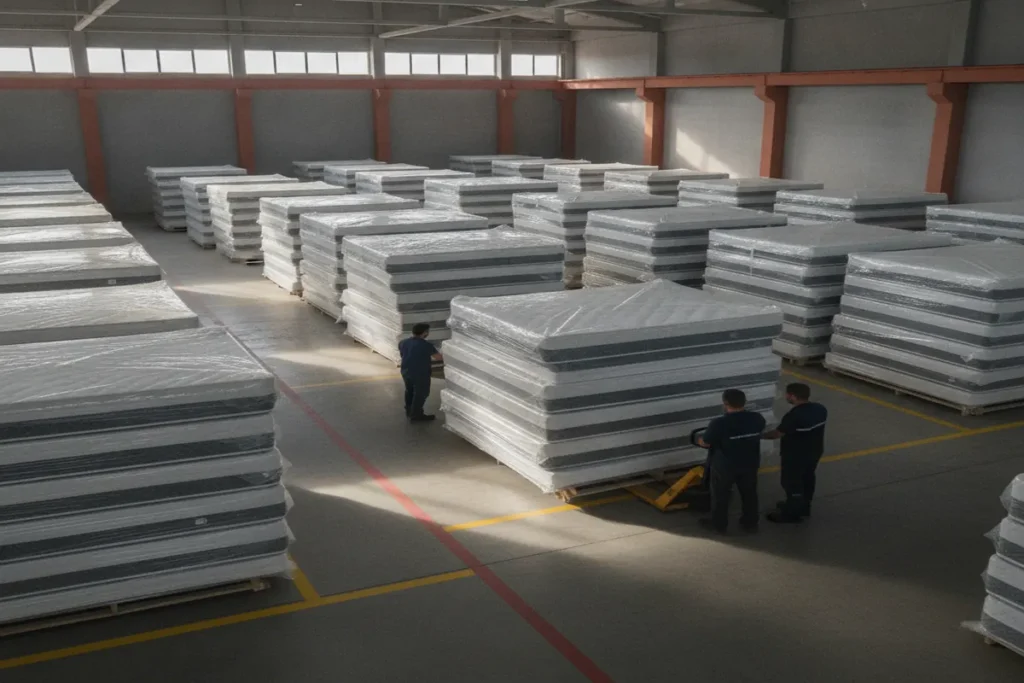
International Shipping and Logistics: For brands like Sinyora Yatak, offering international shipping and ensuring product quality across different regions also adds to the operational costs.
- Internal Link Opportunity: Discover our capabilities for Ship Turkish Mattresses Internationally and Mattress Wholesale in Turkiye.
Investing in a quality foam mattress is an investment in your health and daily well-being. While the price may seem steep upfront, the benefits of improved sleep, reduced pain, and long-term durability often justify the expense. Consider the cost per night over the mattress’s lifespan rather than just the sticker price.
Common Pitfalls to Avoid When Buying a Foam Mattress
Navigating the foam mattress market can be tricky, and several common mistakes can lead to buyer’s remorse. Being aware of these pitfalls can save you time, money, and ensure you make a choice you’ll be happy with for years.
Mistake 1: Not Understanding Foam Density vs. Firmness.
- Pitfall: Many confuse foam density with firmness. A dense foam doesn’t automatically mean it’s firm, and a firm foam isn’t necessarily dense. Density refers to the amount of material in a given space (affecting durability and support), while firmness is about how hard or soft the mattress feels.
- Avoid It: Always check both specifications. High-density foam (e.g., 4-5 lbs/cu ft for memory foam) generally indicates better durability, regardless of its firmness level. Read product descriptions carefully or ask for clarification.
Mistake 2: Ignoring Off-Gassing Concerns.
- Pitfall: Many new foam mattresses, especially memory foam, release a distinct chemical odor (off-gassing) when first unpacked. While generally harmless, it can be unpleasant and bothersome for sensitive individuals.
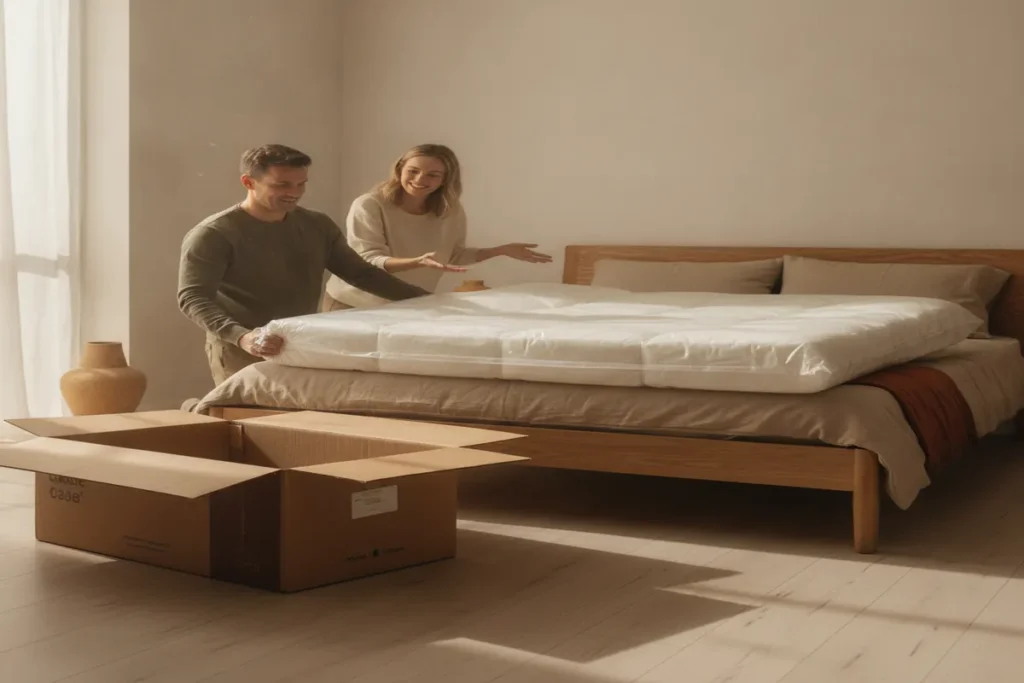
- Avoid It: Look for CertiPUR-US certified foams, which have lower emissions. Plan to air out your new mattress in a well-ventilated room for 24-72 hours before sleeping on it.
Mistake 3: Overlooking Return Policies and Sleep Trials.
- Pitfall: Buying a mattress without a substantial trial period. It takes time for your body to adjust to a new mattress, and for the mattress itself to “break in.” A quick try in a showroom is rarely enough.
- Avoid It: Prioritize brands offering generous sleep trials (e.g., 90-120 nights or more) and clear, hassle-free return policies. Understand any fees associated with returns.
Mistake 4: Not Considering Your Bed Base.
- Pitfall: Placing a foam mattress on an unsuitable or old bed base. Foam mattresses require a solid, even foundation to perform optimally and prevent sagging. Slatted bases need slats no more than 2-3 inches apart.
- Avoid It: Ensure your existing bed base is compatible or invest in a new one, such as a sturdy Bed Base and Headboard, designed to support foam mattresses.
Mistake 5: Focusing Only on Price.
- Pitfall: Opting for the cheapest foam mattress available. While budget is a factor, extremely low prices often indicate low-density, less durable foams that will sag prematurely and offer poor support.
- Avoid It: View a mattress as a long-term investment in your health. Prioritize quality materials, construction, and a good warranty over just the lowest price. A slightly higher upfront cost for a durable mattress often saves money in the long run.
Mistake 6: Neglecting Temperature Regulation.
- Pitfall: Memory foam has a reputation for sleeping hot. While many modern foams are designed with cooling features, some still retain heat more than others.
- Avoid It: If you’re a hot sleeper, specifically look for mattresses with cooling technologies like gel infusions, open-cell structures, copper, or consider latex or hybrid foam options known for better airflow.
By being mindful of these common missteps, you can approach your foam mattress purchase with greater confidence and make an informed decision that truly benefits your sleep.
Your Practical Checklist for a Confident Foam Mattress Purchase
Making an informed decision about a foam mattress requires a systematic approach. Use this checklist to guide you through the process, ensuring you cover all essential aspects before committing.
Step 1: Assess Your Personal Sleep Needs
Sleep Position: Are you primarily a side, back, stomach, or combination sleeper? (This dictates ideal firmness.)
Body Type: Are you lightweight, average, or heavier? (Influences firmness and density requirements.)
Pain Points: Do you experience back, hip, or shoulder pain? (Highlights need for pressure relief.)
Temperature Preference: Do you tend to sleep hot or cold? (Guides choice of cooling features or foam type.)
Allergies: Do you suffer from allergies to dust mites or mold? (Steers you towards hypoallergenic options like latex.)
Partner’s Needs: If sleeping with a partner, consider their preferences and the need for motion isolation.
Step 2: Research Foam Material Types
Memory Foam (Visco): Prioritize if you seek deep contouring, pressure relief, and excellent motion isolation. Look for gel-infused or open-cell options if you sleep hot.
Latex Foam: Choose if you prefer a bouncier, more responsive feel, natural materials, cooling, and superior durability.
High-Density Polyfoam: Consider for budget-friendliness or as a firm support core.
Hybrid (Foam + Coils): Best if you want a balance of foam comfort with the bounce, airflow, and robust support of springs.
Step 3: Evaluate Firmness and Support
Firmness Scale: Understand what firmness level (e.g., soft, medium, firm) typically suits your sleep position and body weight.
Density: For foam layers, especially memory foam, higher density usually means better durability and support. Look for 4 lbs/cu ft or higher for top layers.
Support Core: Ensure the base layer (polyfoam or coils) is robust enough to provide long-term spinal alignment and prevent sagging.
Step 4: Consider Additional Features and Certifications
Cooling Technologies: Gel infusions, copper, graphite, open-cell foams, breathable covers.
Edge Support: Important if you sit on the edge of the bed or need the full surface area. Hybrids often excel here.
Certifications:
- CertiPUR-US: Guarantees foam is made without harmful chemicals and has low VOC emissions.
- GOLS (Global Organic Latex Standard): For organic latex.
- GOTS (Global Organic Textile Standard): For organic cotton or wool covers.
Adjustable Base Compatibility: If you plan to use an adjustable bed, ensure the mattress is flexible enough.
Step 5: Review Practical Considerations
Budget: Determine your comfortable spending range, remembering that a higher price often correlates with better quality and durability.
Sleep Trial: Look for brands offering at least a 90-night sleep trial to properly test the mattress at home.
Warranty: A minimum 10-year warranty is standard for quality mattresses. Understand what it covers (e.g., sagging depth).
Delivery and Setup: Check if white glove delivery, old mattress removal, or international shipping is available and what the associated costs are.
Bed Base Compatibility: Confirm your current bed frame or base is suitable for a foam mattress.
By systematically going through this checklist, you’ll gather all the necessary information to make a well-informed decision and find a foam mattress that truly enhances your sleep quality.
Expert Insight
“The evolution of foam mattress technology has fundamentally changed how we approach sleep comfort. What was once a simple block of foam is now a sophisticated layering of materials engineered for specific outcomes – from targeted pressure relief to enhanced cooling and motion isolation. The key for consumers isn’t just to choose ‘foam,’ but to understand which specific foam composition and construction best addresses their unique physiological needs and sleep preferences. Investing in a mattress that aligns with your body’s requirements is one of the most impactful decisions you can make for your long-term health and daily performance.” – Industry experts confirm that personalized mattress selection is crucial for optimal well-being.
Key Terms
Density: A measure of how much material is packed into a given volume of foam, usually expressed in pounds per cubic foot (lbs/cu ft). Higher density generally indicates greater durability and support.
Firmness: The subjective feel of a mattress, indicating how soft or hard it is. Often rated on a scale of 1-10.
Indentation Load Deflection (ILD): A technical measure of foam firmness, indicating how much force (in pounds) is required to indent a 4-inch thick foam sample by 25%. Higher ILD means firmer foam.
Off-Gassing: The release of volatile organic compounds (VOCs) from new foam products, resulting in a distinct odor that typically dissipates within a few days or weeks.
Motion Isolation: The ability of a mattress to absorb movement at one point without transferring it to other areas, preventing disturbances to a sleeping partner.
A short comparison to help you make a better decision.
How Can You Upgrade to More Comfortable Sleep with Sinyora Yatak?
At Sinyora Yatak, we understand that exceptional sleep is not a luxury, but a necessity. As a leading manufacturer of Turkish mattresses, we combine generations of expertise with cutting-edge foam technology to create mattresses that truly transform your sleep experience. Our diverse collection, including advanced Visco Foam Mattresses and natural Latex Foam Mattresses, is meticulously crafted to provide unparalleled pressure relief, superior support, and lasting comfort for every sleeper.
Whether you’re a side sleeper seeking cradling softness, a back sleeper needing robust lumbar support, or a couple desiring undisturbed rest through superior motion isolation, our range has a solution tailored for you. We pride ourselves on the quality of our materials, adhering to stringent international standards, and offering products that reflect the unique craftsmanship of Turkish bedding. Explore our Mattress Collection today, learn What Makes Turkish Mattresses Special, and take the first step towards a healthier, more restorative night’s sleep. From our factory to your bedroom, we ensure a seamless experience with our commitment to excellence and international shipping capabilities. For personalized guidance or to discuss your specific needs, please Contact Us for Support.
Frequently Asked Questions
Q: How long do foam mattresses typically last?
Q: Can I use a foam mattress on any bed base?
Q: Do foam mattresses sleep hot?
Q: Is there a break-in period for a new foam mattress?
Q: How do I clean my foam mattress?
Q: What is motion isolation, and why is it important in a foam mattress?
Help: FAQs · Sleep Science · Sleep Resources · Privacy Policy