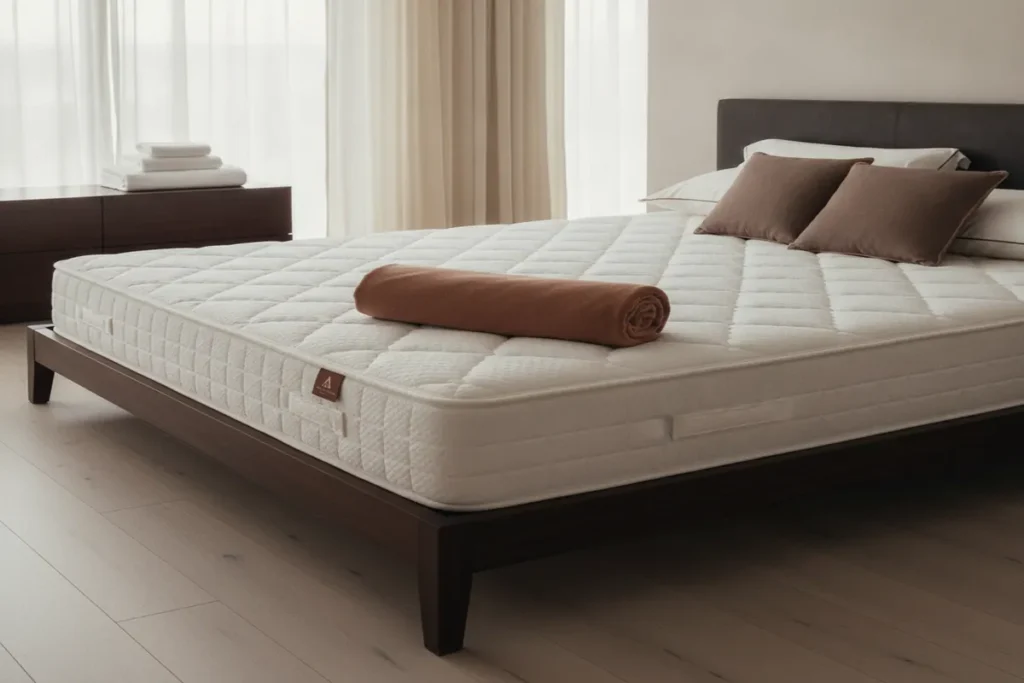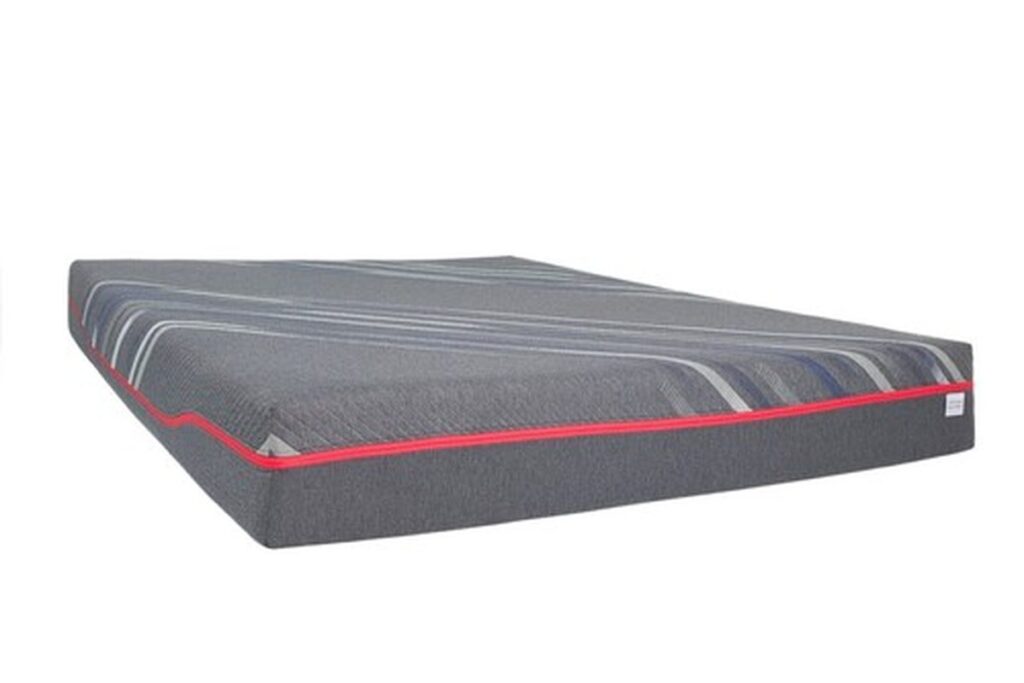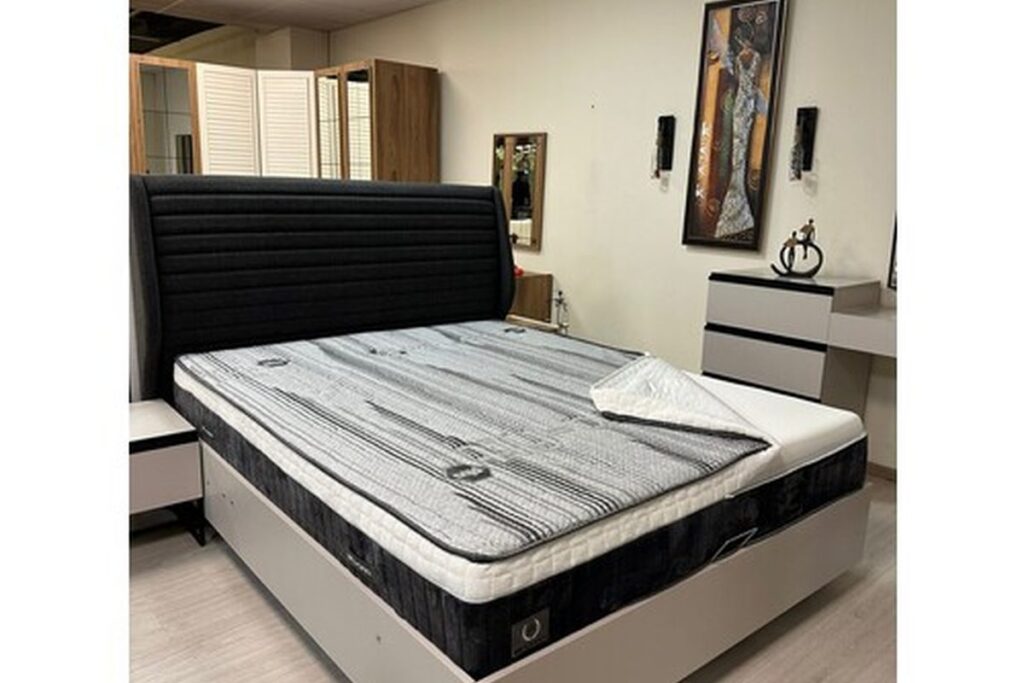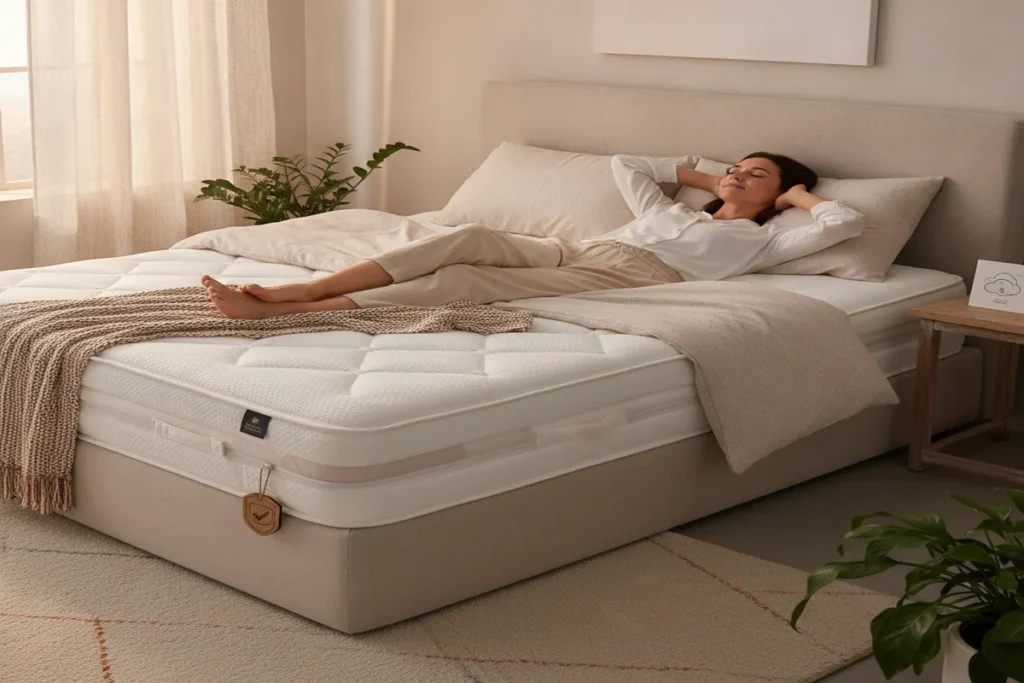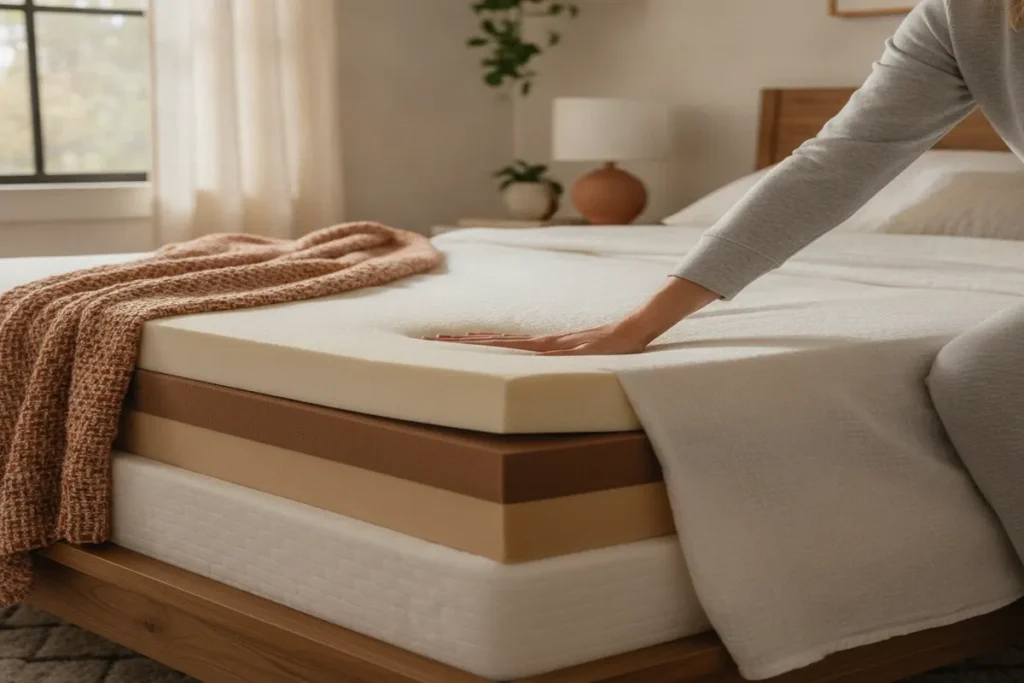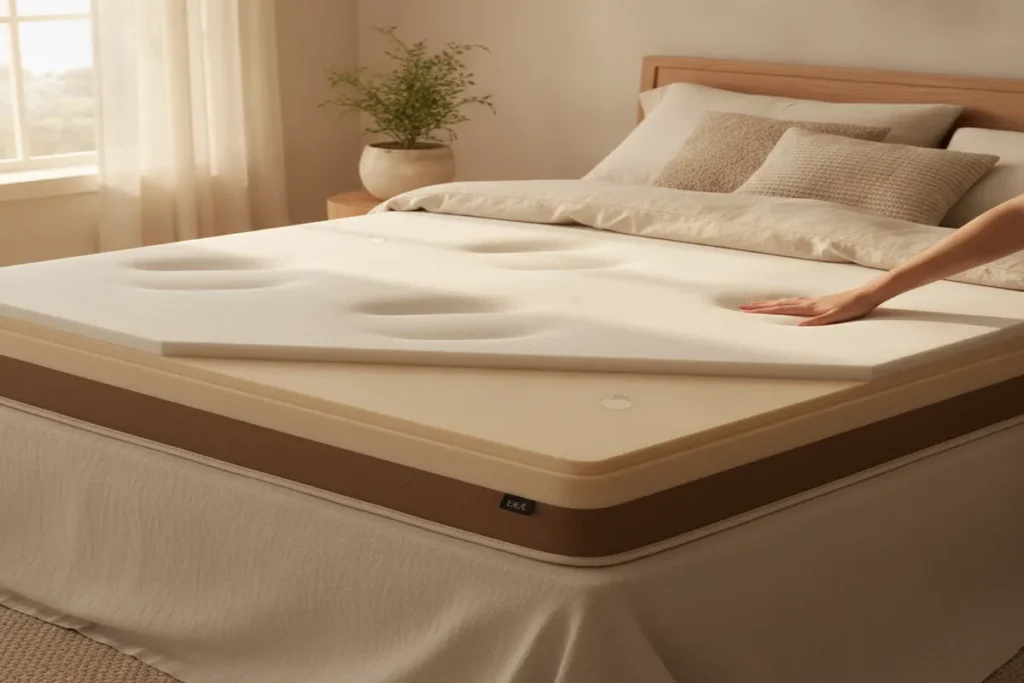

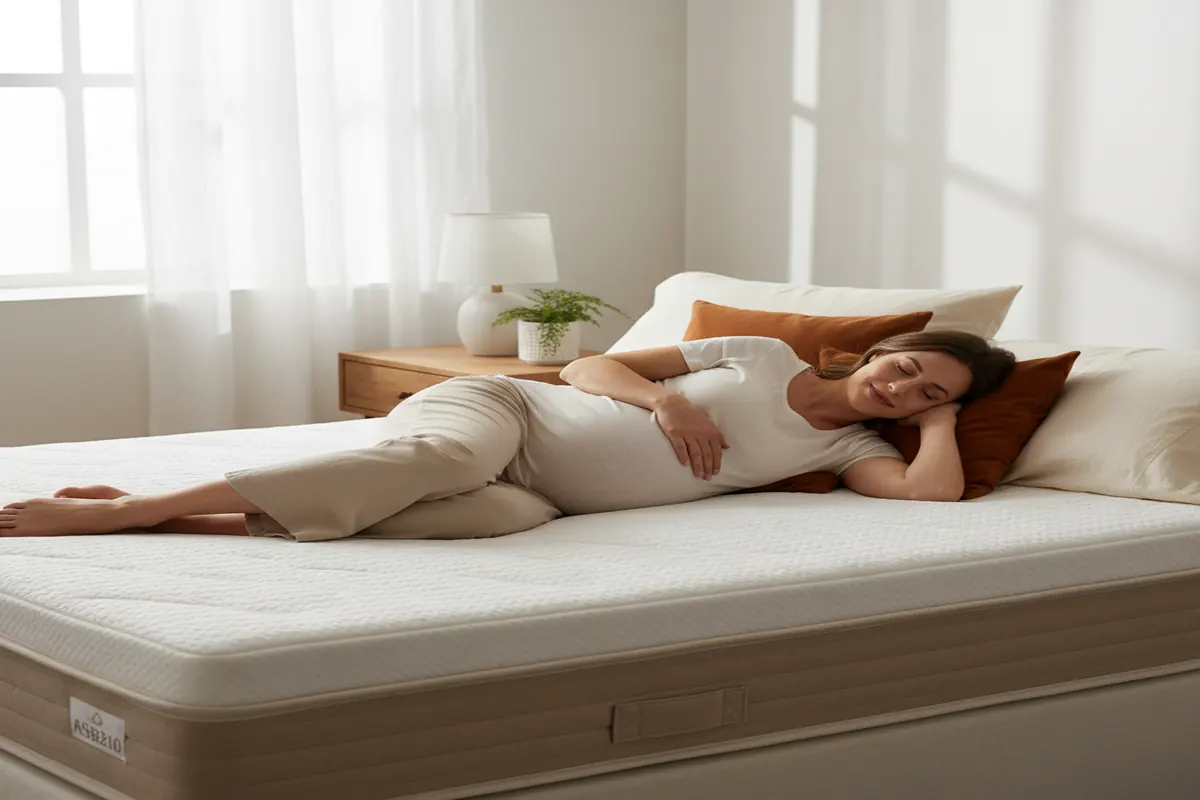
For pregnant women, selecting the right mattress is paramount for ensuring restorative sleep and alleviating common discomforts. A foam mattress for pregnant women stands out as an excellent choice, offering superior contouring, targeted pressure relief, and adaptable support that accommodates the significant bodily changes throughout pregnancy. Its ability to cradle the body, maintain spinal alignment, and minimize motion transfer makes it a highly recommended option for expectant mothers seeking comfort and improved sleep quality.
Quick Summary
- Foam mattresses offer superior contouring and pressure relief, crucial for pregnant women
- Visco and latex foams are top choices due to their supportive and adaptable properties
- Key considerations include firmness, cooling features, and material certifications for safety
- Proper spine alignment and reduced pressure points are vital for alleviating pregnancy-related aches
Why is a Foam Mattress an Excellent Choice for Pregnant Women?
Pregnancy brings a myriad of physical changes that profoundly impact sleep quality. From hormonal shifts to increased weight and shifting centers of gravity, the body requires specialized support to achieve comfortable rest. A foam mattress is uniquely equipped to address these evolving needs, making it a standout option for expectant mothers.
Here’s why foam mattresses excel for pregnant women:
-
Exceptional Pressure Relief: As the body gains weight, particularly around the abdomen and hips, pressure points intensify. Foam, especially Visco Foam Mattress (memory foam) and Latex Foam Mattress, excels at distributing body weight evenly, reducing pressure on sensitive areas like the hips, shoulders, and lower back. This relief is critical for preventing aches and pains that can disrupt sleep.
-
Superior Contouring and Support: Foam molds to the unique curves of the body, providing personalized support that adapts as the pregnancy progresses. This contouring ensures proper spine alignment, which is vital for preventing back pain and promoting overall comfort, particularly for side sleepers who need support between their knees and hips.
-
Reduced Motion Transfer: Many pregnant women experience restless nights, and a partner’s movements can easily disturb their sleep. Foam mattresses significantly absorb motion, ensuring that movements on one side of the bed are not felt on the other, promoting undisturbed rest for both individuals.
-
Hypoallergenic Properties: High-quality foam, particularly natural latex, is often resistant to dust mites and allergens. This is a significant benefit for pregnant women who may experience heightened sensitivities or respiratory issues.
-
Durability and Longevity: A well-constructed foam mattress offers excellent durability, maintaining its supportive properties throughout the entire pregnancy and beyond. Investing in a quality mattress ensures comfort for years to come.
Which Types of Foam Mattresses Offer the Best Support During Pregnancy?
When considering a foam mattress for pregnant women, not all foams are created equal. The material composition plays a crucial role in delivering the specific benefits required during this sensitive period. Understanding the characteristics of different foam types helps in making an informed decision for optimal comfort and sleep quality.
The primary foam types recommended for pregnant women are:
Visco Foam (Memory Foam) Mattresses
Visco foam, commonly known as memory foam, is celebrated for its unique viscoelastic properties. It softens in response to body heat and pressure, meticulously molding to the contours of the body.
-
Benefits for Pregnancy:
- Unrivaled Pressure Point Relief: Memory foam’s defining characteristic is its ability to cradle the body, eliminating pressure points that can lead to soreness and discomfort, especially in the hips, shoulders, and lower back. This is paramount for alleviating pain associated with pregnancy.
- Excellent Motion Isolation: Its dense structure absorbs movement, ensuring that a partner’s tossing and turning won’t disturb an expectant mother’s sleep.
- Customized Support: As the body changes shape throughout pregnancy, memory foam adapts, providing consistent, personalized support that maintains spine alignment.
-
Considerations:
- Heat Retention: Traditional memory foam can sometimes trap body heat, which can be a concern for pregnant women who often experience an increase in body temperature. Modern memory foam mattresses, however, often incorporate cooling technology such as gel infusions, open-cell structures, or breathable covers to mitigate this.
- “Stuck” Feeling: Some users report a feeling of being “stuck” in the foam, making it harder to change positions. This can be a minor issue for pregnant women who need to shift frequently.
Latex Foam Mattresses
Latex foam, derived from the sap of rubber trees (natural latex) or manufactured synthetically, offers a distinct feel compared to memory foam. It’s known for its responsiveness, durability, and natural properties.
-
Benefits for Pregnancy:
- Buoyant Support and Responsiveness: Latex provides a more resilient and “bouncy” feel than memory foam, offering immediate response to movement. This makes it easier for pregnant women to change positions without feeling bogged down.
- Superior Breathability: Natural latex inherently has an open-cell structure that promotes airflow, making it an excellent choice for cooling technology and preventing heat buildup, a common concern during pregnancy.
- Durability and Longevity: Latex mattresses are exceptionally durable, often outlasting other foam types, providing long-term value.
- Hypoallergenic and Eco-Friendly: Natural latex is naturally resistant to dust mites, mold, and mildew, making it ideal for those with allergies or sensitivities. It’s also a more environmentally conscious choice.
- Excellent Pressure Relief and Spinal Alignment: While different from memory foam, latex still offers superb pressure distribution and maintains proper spine alignment due to its inherent elasticity and support.
-
Considerations:
- Higher Cost: Natural latex mattresses tend to be more expensive upfront due to their natural sourcing and manufacturing process.
- Weight: Latex mattresses can be quite heavy, making them difficult to move.
Other Foam Types (Polyfoam, Hybrid Foams)
While Visco and Latex are primary choices, other foam types also play a role:
-
Polyfoam (Polyurethane Foam): Often used as a base layer in mattresses, polyfoam provides foundational support. It’s less dense and less contouring than memory foam or latex but serves as a cost-effective support layer. For pregnant women, it’s best when combined with a comfort layer of memory foam or latex.
-
Hybrid Foam Mattresses: These combine layers of different foams (e.g., memory foam over polyfoam) to leverage the benefits of each. A Sponge Topper Mattress or a Visco Topper can also enhance an existing mattress by adding a layer of supportive foam without replacing the entire bed.
Choosing the best foam type depends on individual preferences for feel, budget, and specific needs related to heat regulation and ease of movement.
How Does a Foam Mattress Address Common Pregnancy Sleep Challenges?
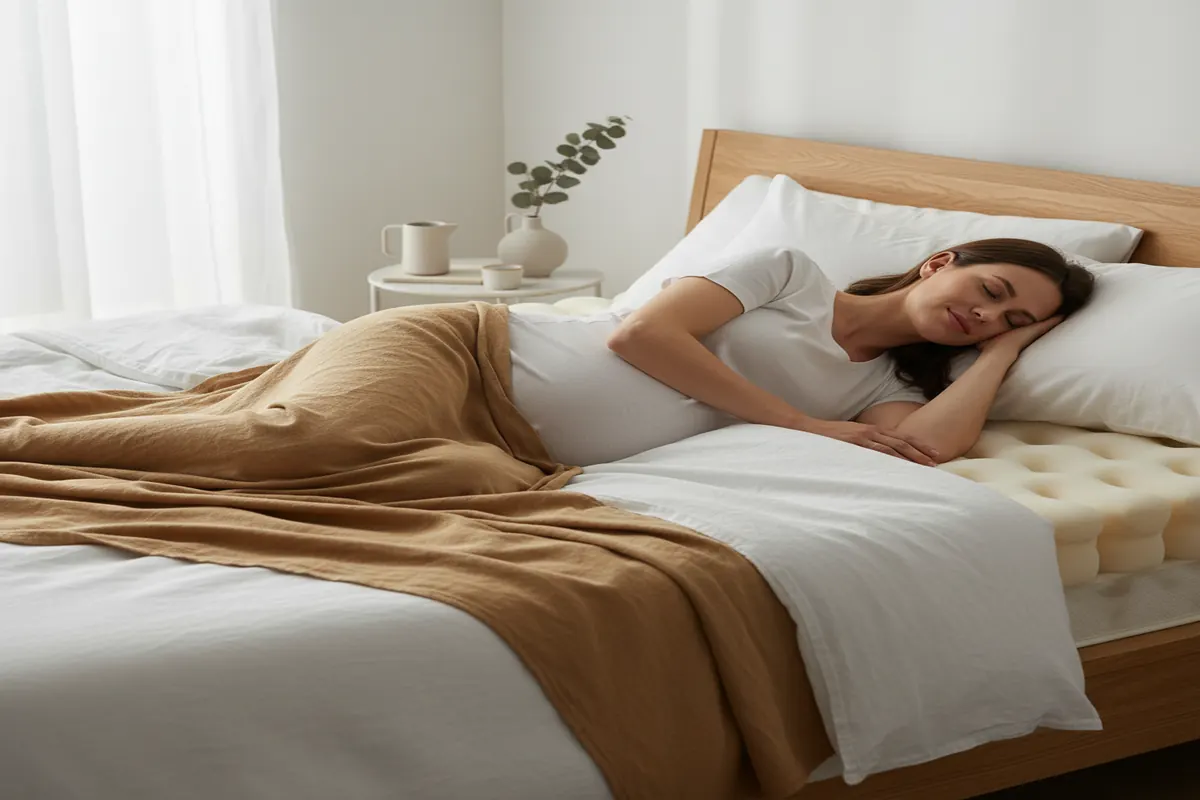
Pregnancy is often accompanied by a range of sleep disturbances, from restless legs to heartburn and frequent urination. The right mattress can’t cure all these issues, but it can significantly mitigate discomfort and improve the chances of restful sleep. A foam mattress for pregnant women is particularly adept at addressing several key challenges:
-
Back and Hip Pain: As the uterus grows, it shifts the center of gravity, putting strain on the lower back and hips. The contouring ability of foam mattresses, especially memory foam and latex, helps maintain the natural curve of the spine and evenly distribute weight, effectively reducing pressure on these vulnerable areas. This helps to alleviate pain.
-
Discomfort from Side Sleeping: Doctors often recommend side sleeping (especially on the left side) during pregnancy to improve blood flow to the baby. Foam mattresses provide the necessary cushioning for hips and shoulders, preventing pressure points that can develop when lying on your side for extended periods. They also support the natural spine alignment in this position.
-
Frequent Waking and Difficulty Changing Positions: While some memory foams can make it harder to move, responsive latex foams or medium-density memory foams allow for easier repositioning. The consistent support across the entire mattress surface ensures comfort regardless of the sleeping position, reducing the urge to constantly shift.
-
Overheating: Many pregnant women experience “hot flashes” or generally feel warmer due to increased blood volume and metabolism. As discussed, modern foam mattresses incorporate cooling technology through gel infusions, open-cell designs, or breathable covers, which can significantly help regulate body temperature and prevent overheating.
-
Restless Legs Syndrome (RLS): While a mattress cannot cure RLS, the superior pressure relief and comfort provided by foam can help soothe aching limbs and reduce overall discomfort, making it easier to relax and fall asleep.
-
Pelvic Girdle Pain (PGP): This common pregnancy complaint involves pain in the pelvic joints. A supportive foam mattress can help stabilize the pelvis and reduce strain on these joints by maintaining proper alignment and minimizing twisting during sleep.
By actively countering these common issues, a foam mattress contributes significantly to an expectant mother’s overall well-being and ability to achieve the restorative sleep critical for both her health and the baby’s development.
What Key Factors Should Pregnant Women Consider When Choosing a Foam Mattress?
Selecting the ideal foam mattress for pregnant women involves more than just picking a foam type. It requires a nuanced understanding of how various mattress characteristics intersect with the unique physiological demands of pregnancy. This decision framework helps prioritize what truly matters.
Decision Framework: Choosing Your Pregnancy Foam Mattress
-
Firmness Level is Paramount:
- Medium-Firm: Generally the most recommended firmness for pregnant women. It offers a balance of support and cushioning, preventing excessive sinking while providing enough give to relieve pressure points. Too soft, and you risk poor spinal alignment; too firm, and it can create new pressure points.
- Consider Body Weight: As pregnancy progresses, body weight increases. What felt medium-firm initially might feel softer later. Test mattresses with this in mind if possible.
-
Pressure Relief Capabilities:
- Prioritize mattresses explicitly designed for excellent pressure relief. This is where Visco Foam Mattress and Latex Foam Mattress truly shine. They cushion the hips, shoulders, and lower back, areas most susceptible to discomfort during pregnancy.
- Look for descriptions like “pressure mapping technology” or “targeted support zones.”
-
Cooling Technology and Breathability:
- Overheating is a common complaint. Seek out mattresses with integrated cooling technology.
- Gel-infused memory foam: Helps dissipate heat.
- Open-cell foam structures: Promote airflow.
- Natural latex: Inherently breathable.
- Breathable covers: Materials like organic cotton or Tencel can enhance airflow.
-
Edge Support:
- Good edge support allows you to utilize the entire mattress surface, which is beneficial as mobility becomes more challenging. It also makes it easier to get in and out of bed.
- Look for reinforced edges or higher-density foam around the perimeter.
-
Material Safety and Certifications:
- Given the sensitivity of pregnancy, inquire about the materials used.
- CertiPUR-US® certification: Ensures foams are made without harmful chemicals, heavy metals, or ozone depleters.
- OEKO-TEX® Standard 100: Certifies that textiles and fabrics are free from harmful substances.
- GOLS (Global Organic Latex Standard): For natural latex, ensures organic content and sustainable processing.
- These certifications provide peace of mind regarding indoor air quality and chemical exposure.
-
Motion Isolation:
- If sharing a bed, motion isolation is crucial for undisturbed sleep. Foam mattresses generally excel here.
- Test by having a partner move around while you lie on the mattress.
-
Durability and Longevity:
- A mattress is a significant investment. Choose one that will maintain its supportive properties throughout your pregnancy and for years beyond. High-density foams and quality latex are known for their durability. Consider the Turkish Mattress Lifespan.
-
Trial Period and Warranty:
- A generous sleep trial (e.g., 90-120 nights) is essential, as it takes time for your body to adjust and for pregnancy needs to evolve.
- A comprehensive warranty (e.g., 10+ years) reflects the manufacturer’s confidence in their product.
By systematically evaluating these factors, pregnant women can confidently select a foam mattress that provides the optimal blend of support, comfort, and safety throughout their pregnancy journey.
Comparing Foam Mattress Options: Visco vs. Latex for Expectant Mothers
When it comes to selecting a foam mattress for pregnant women, the choice often narrows down to two primary contenders: Visco foam (memory foam) and Latex foam. Both offer significant advantages over traditional spring mattresses, but their distinct characteristics cater to different preferences and needs. Understanding these differences is crucial for making the best decision for your unique pregnancy journey.
Here’s a detailed comparison to help guide your choice:
Which to choose?
-
If your primary concern is deep, customized cradling and maximum pressure point relief, especially if you experience significant aches, a Visco Foam Mattress with effective cooling features might be your best bet.
-
If you tend to sleep hot, prefer a more responsive surface that makes it easier to move, or prioritize natural and hypoallergenic materials, a Latex Foam Mattress would likely be more suitable.
-
Consider a hybrid foam mattress if you want a blend of both, often featuring memory foam comfort layers over a responsive base. (You can explore our Mattress Collection for various options).
Common Mistakes to Avoid When Selecting a Pregnancy Mattress
Choosing a mattress during pregnancy is a significant decision, and overlooking certain aspects can lead to discomfort and regret. As specialists in sleep solutions, we’ve identified several common pitfalls that expectant mothers often encounter. Avoiding these can save you discomfort, money, and precious sleep.
Here are the mistakes to steer clear of:
-
Prioritizing Softness Over Support: Many assume a softer mattress equals more comfort, especially with a growing belly. However, a mattress that is too soft will lack the necessary support for proper spine alignment, leading to increased back, hip, and pelvic pain. The goal is contouring pressure relief with robust support. Always aim for a medium-firm feel.
-
Ignoring Cooling Properties: Pregnancy often brings increased body temperature and night sweats. Overlooking a mattress’s cooling technology can lead to restless, sweaty nights. Don’t assume all foam is hot; actively seek out gel-infused, open-cell, or natural latex options.
-
Neglecting Mattress Certifications: During pregnancy, exposure to chemicals is a heightened concern. Choosing a mattress without certifications like CertiPUR-US® or OEKO-TEX® means you might be exposed to potentially harmful volatile organic compounds (VOCs) from mattress off-gassing. Always verify safety standards.
-
Not Considering Future Needs: While the mattress needs to support you through pregnancy, it will also serve you post-delivery and potentially for years to come. Don’t buy a mattress that’s only suitable for a few months. Think about its long-term comfort and durability. A quality Turkish Foam Mattress is built for longevity.
-
Skipping the Trial Period: You can’t truly know if a mattress is right for you after just a few minutes in a showroom. A generous in-home sleep trial (at least 90 nights) is crucial to allow your body (and your pregnant body’s changing needs) to adapt and evaluate the mattress properly.
-
Underestimating Edge Support: As mobility becomes more challenging, especially in the third trimester, good edge support is vital. It provides a stable surface for getting in and out of bed and allows you to use the full width of the mattress without feeling like you’re rolling off.
-
Failing to Research Reputable Brands: Stick with established manufacturers known for quality, customer service, and transparent material sourcing. Reviews, warranties, and company history (like About Us for Sinyora Yatak) offer insights into reliability.
-
Forgetting About Pillows: A great mattress can be undermined by inadequate pillows. Pregnancy often requires specific pillow support, such as a full-body pillow or a Visko Pillows Neck Support to maintain alignment. Consider a Latex Pillow (Natural) for its supportive and hypoallergenic properties.
By being aware of these common missteps, pregnant women can navigate the mattress buying process with greater confidence, ensuring they invest in a sleep solution that truly supports their well-being.
Maximizing Comfort and Longevity: Care Tips for Your Pregnancy Foam Mattress
Investing in a high-quality foam mattress for pregnant women is just the first step. To ensure it provides optimal comfort throughout your pregnancy and maintains its supportive properties for years to come, proper care and maintenance are essential. These practical tips will help you protect your investment and continue enjoying restorative sleep.
Here’s how to care for your foam mattress:
-
Use a High-Quality Mattress Protector:
- Why it’s crucial: Pregnancy can lead to increased sweating, potential spills, or even unexpected leaks. A waterproof and breathable mattress protector shields your mattress from moisture, stains, and allergens, extending its lifespan significantly.
- Recommendation: Look for protectors made from natural, breathable materials like cotton or Tencel on the top surface, with a thin waterproof layer underneath.
-
Support with a Proper Bed Base:
- Why it’s crucial: Foam mattresses require a solid, even foundation to perform optimally and prevent sagging. Slatted bases should have slats no more than 2-3 inches apart to provide continuous support.
- Recommendation: Ensure your bed frame is sturdy and your Bed Base and Headboard system is compatible with a foam mattress.
-
Rotate, Don’t Flip:
- Why it’s crucial: Most modern foam mattresses are designed with specific comfort and support layers that are meant to be on top. Flipping can damage these layers or place the wrong layers in contact with your body.
- Recommendation: Rotate your foam mattress 180 degrees every 3-6 months. This helps distribute wear evenly and prevents permanent body impressions.
-
Spot Clean Gently:
- Why it’s crucial: Accidents happen. Prompt and gentle cleaning prevents stains from setting and avoids harsh chemicals that could damage the foam or leave residues.
- Recommendation: Use a mild soap and water solution with a clean cloth. Blot the stain, do not rub. Ensure the area is thoroughly dry before replacing bedding to prevent mold or mildew growth. Refer to the manufacturer’s Care and Maintenance guidelines.
-
Allow for Air Circulation:
- Why it’s crucial: Foam mattresses, especially denser ones, benefit from good airflow to prevent moisture buildup and keep them fresh.
- Recommendation: Occasionally remove all bedding and let the mattress air out for a few hours. Ensure your bedroom is well-ventilated.
-
Avoid Jumping or Excessive Weight:
- Why it’s crucial: While durable, foam mattresses are not designed for concentrated, impactful weight. This can compress the foam prematurely or damage the internal structure.
- Recommendation: Advise children or pets to avoid jumping on the mattress.
-
Address Off-Gassing (if applicable):
- Why it’s crucial: New foam mattresses (especially memory foam) can sometimes release a harmless “new mattress smell” (VOCs) for a short period.
- Recommendation: If you notice off-gassing, ventilate the room thoroughly for a few days after unboxing the mattress. This typically dissipates quickly, especially with certified foams.
By following these simple care practices, you can significantly extend the life and performance of your foam mattress, ensuring it remains a comfortable and supportive haven throughout your pregnancy and beyond.
Expert Insight
“The physiological changes during pregnancy demand a dynamic sleep surface. A well-chosen foam mattress—particularly those with advanced memory foam or natural latex—offers the critical combination of adaptable pressure relief, consistent spinal alignment, and superior motion isolation. These features are not just about comfort; they are foundational to mitigating common pregnancy-related discomforts and fostering the restorative sleep essential for maternal and fetal well-being.”
Key Terms
-
Visco Foam (Memory Foam): A viscoelastic polyurethane foam that softens in response to body heat and pressure, contouring closely to the body for exceptional pressure relief and motion isolation.
-
Latex Foam: A resilient and durable foam made from rubber tree sap (natural latex) or synthetic materials, known for its buoyant support, responsiveness, and excellent breathability.
-
Spine Alignment: The proper positioning of the spinal column, crucial for preventing back pain and ensuring optimal body function, especially important as a pregnant woman’s center of gravity shifts.
-
Pressure Relief: The ability of a mattress to distribute body weight evenly, reducing concentrated pressure on sensitive areas like hips, shoulders, and the lower back, thereby preventing aches and discomfort.
-
Cooling Technology: Features integrated into mattresses (e.g., gel infusions, open-cell structures, phase-change materials) designed to dissipate heat and regulate body temperature for a cooler sleep environment.
A short comparison to help you make a better decision.
How Can You Upgrade to More Comfortable Sleep with Sinyora Yatak?
At Sinyora Yatak, we understand the profound importance of restful sleep, especially during pregnancy. Our meticulously crafted foam mattresses, designed with decades of expertise in Turkish mattress manufacturing, offer the perfect blend of support, comfort, and durability that expectant mothers need. Whether you’re seeking the contouring embrace of Visco Foam Mattress or the buoyant, breathable support of Latex Foam Mattress, our Mattress Collection is engineered to adapt to your changing body, alleviate pressure points, and ensure optimal spinal alignment. We pride ourselves on using high-quality, certified materials, offering innovative cooling technology, and providing exceptional value. Explore our range, including specialized options like the 4 Seasons Bed or Construction Mattress, and discover why What Makes Turkish Mattresses Special is their commitment to enduring comfort. Invest in a Sinyora Yatak foam mattress today and experience the difference that expert craftsmanship and dedicated support can make to your pregnancy sleep journey. Shop All Products or Contact Us for Support to find your ideal sleep solution.
Frequently Asked Questions
Q: Is memory foam safe for pregnant women?
Q: What firmness level is best for a pregnant woman’s foam mattress?
Q: How does a foam mattress help with pregnancy back pain?
Q: Do foam mattresses get too hot for pregnant women?
Q: Should I get a mattress topper instead of a new mattress during pregnancy?
Q: How often should I rotate my foam mattress during pregnancy?