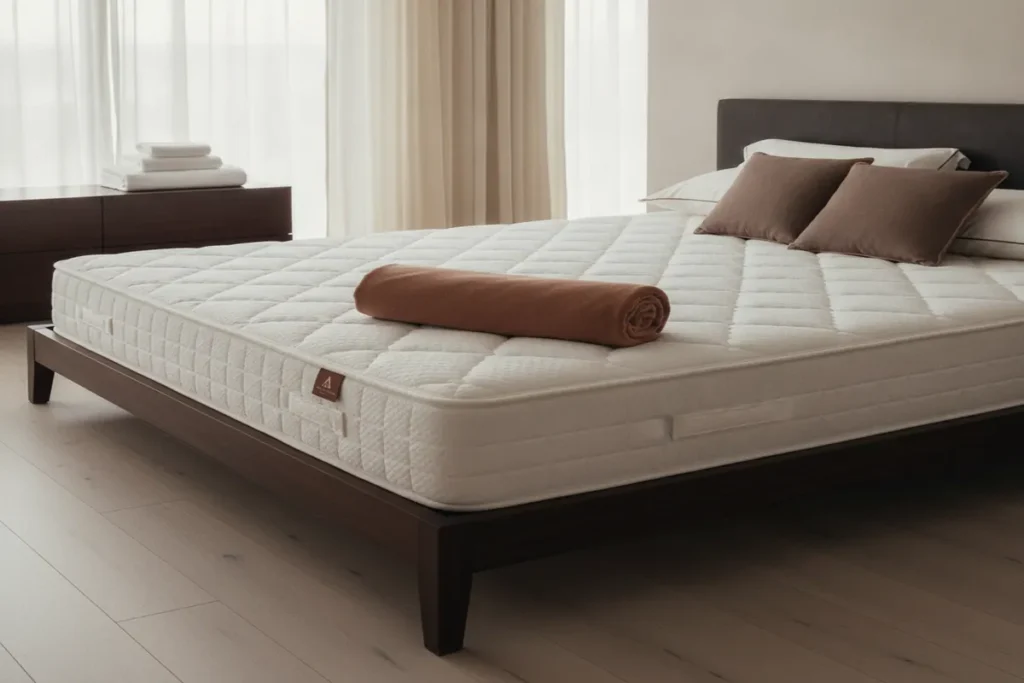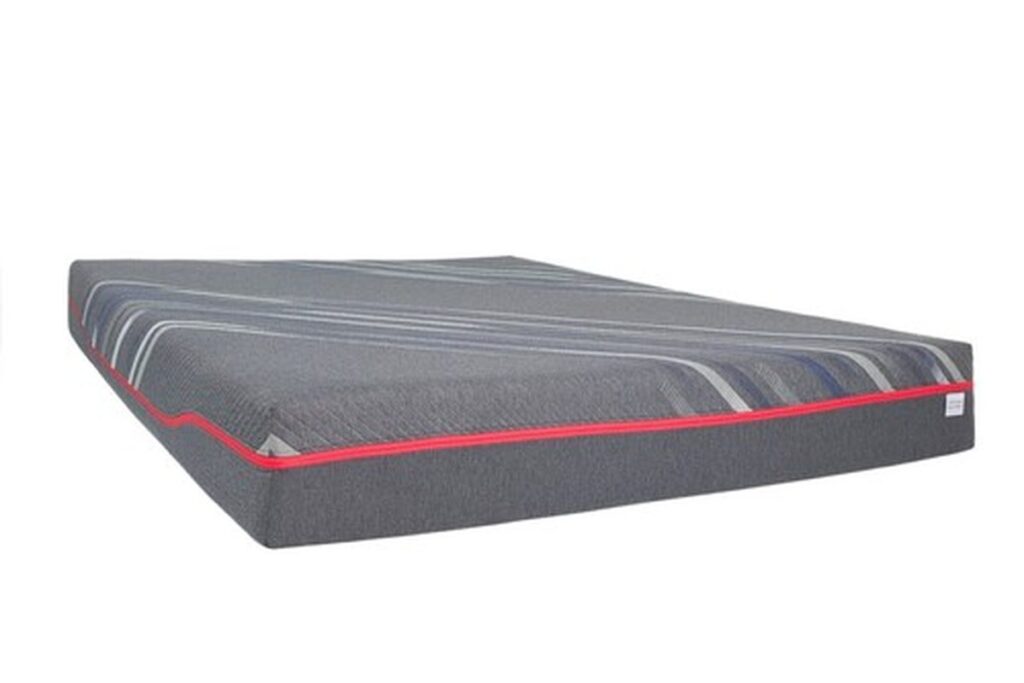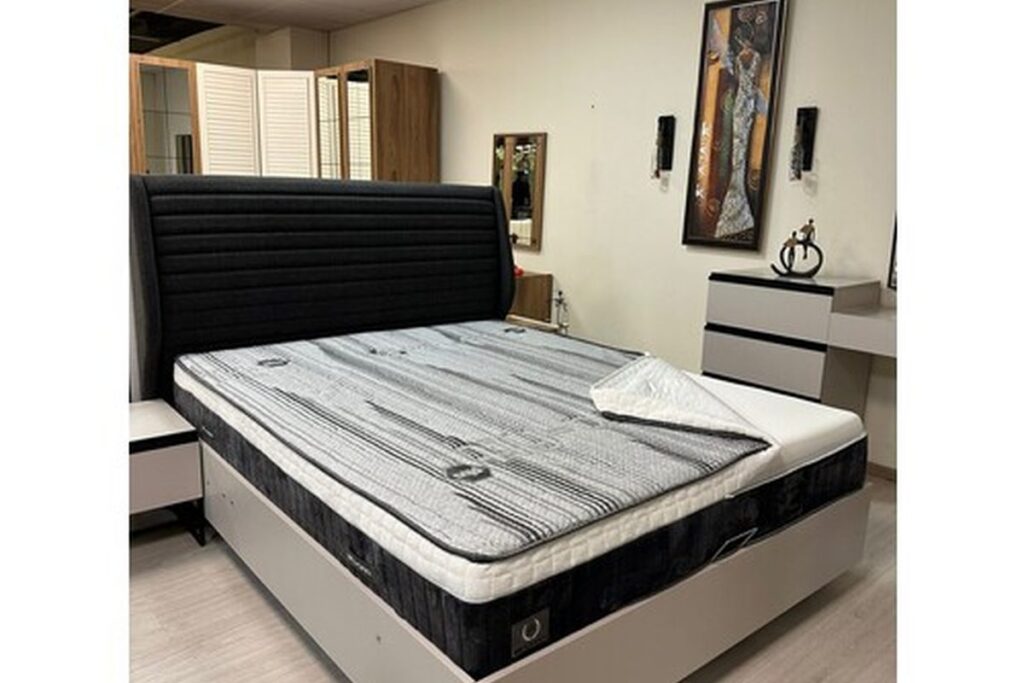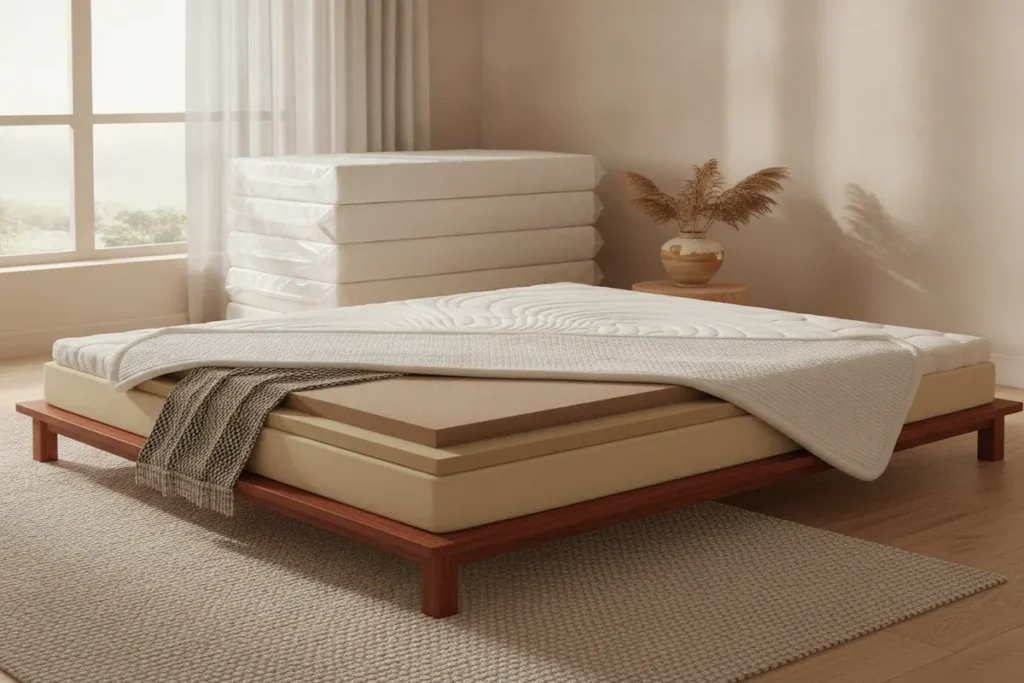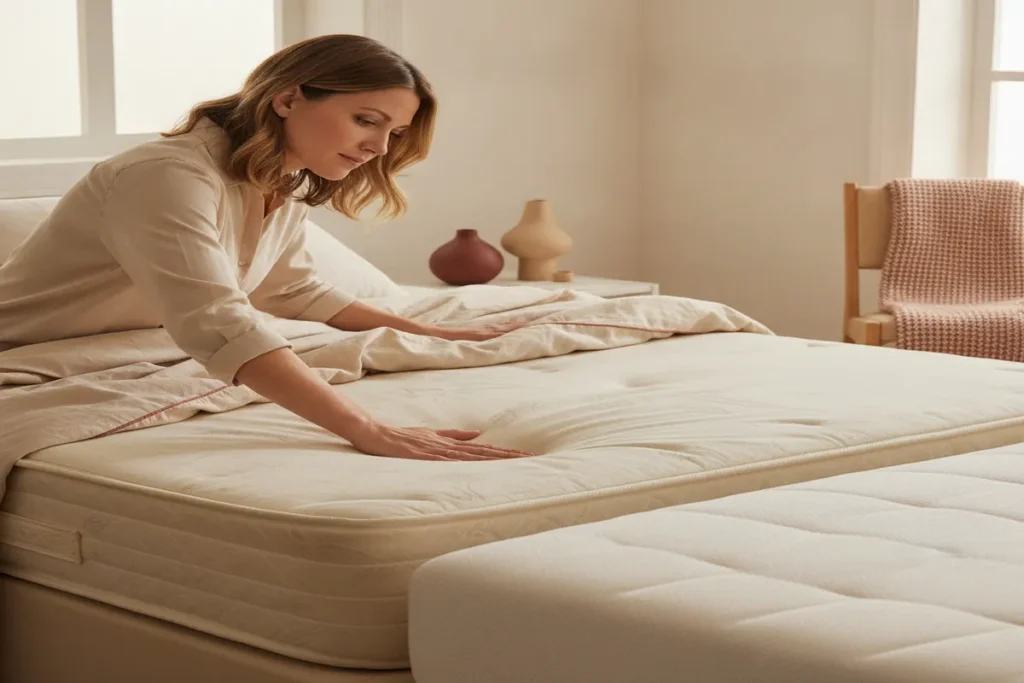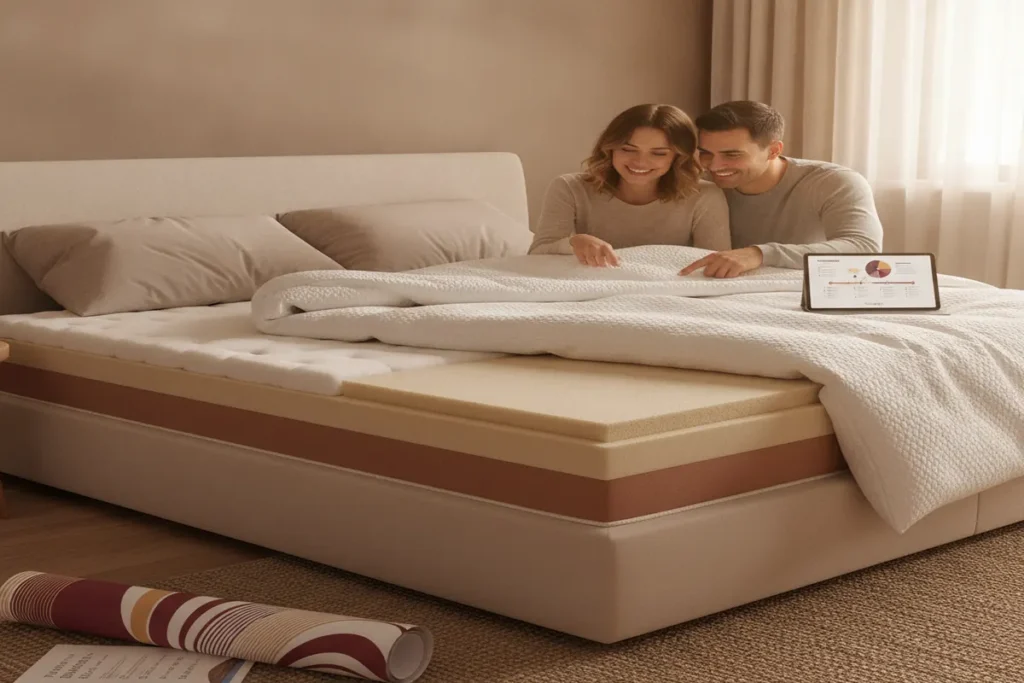

Foam mattress thickness refers to the overall depth of the mattress, which is a critical factor influencing comfort, support, and durability. It’s not just about the total height, but how that height is distributed between the crucial comfort layers (often memory foam or latex) and the foundational support core. Understanding these options allows sleepers to tailor their choice to their unique body weight, sleeping position, and desired feel, ultimately leading to improved sleep quality and spinal alignment.
Quick Summary
- Foam mattress thickness refers to the overall depth, comprising comfort and support layers
- Optimal thickness varies significantly based on body weight, sleeping position, and personal comfort preferences
- Thicker mattresses generally offer enhanced pressure relief, superior support, and increased durability
- While thickness often correlates with cost, material quality and foam density are equally crucial price drivers
What Exactly Are Foam Mattress Thickness Options?
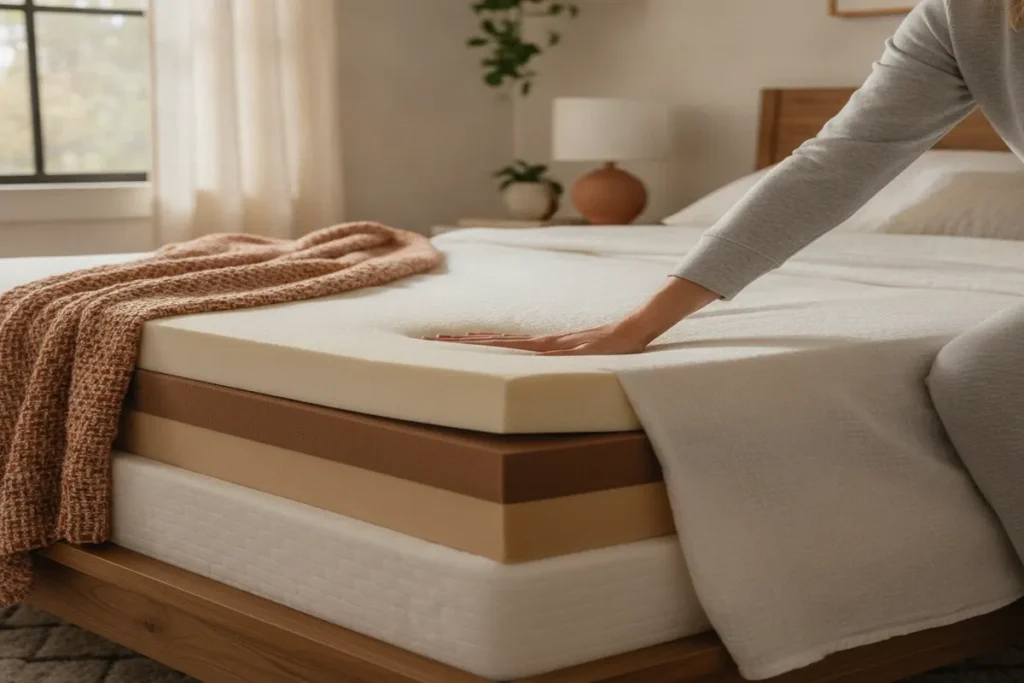
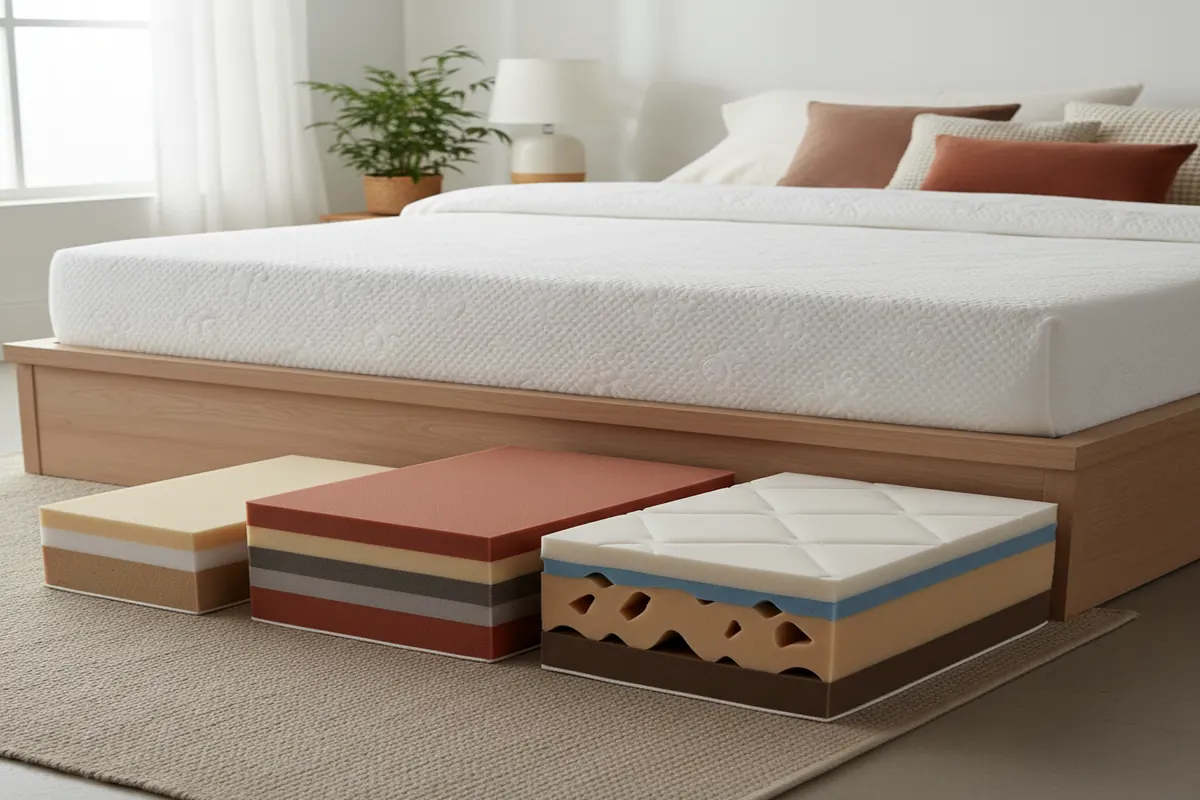
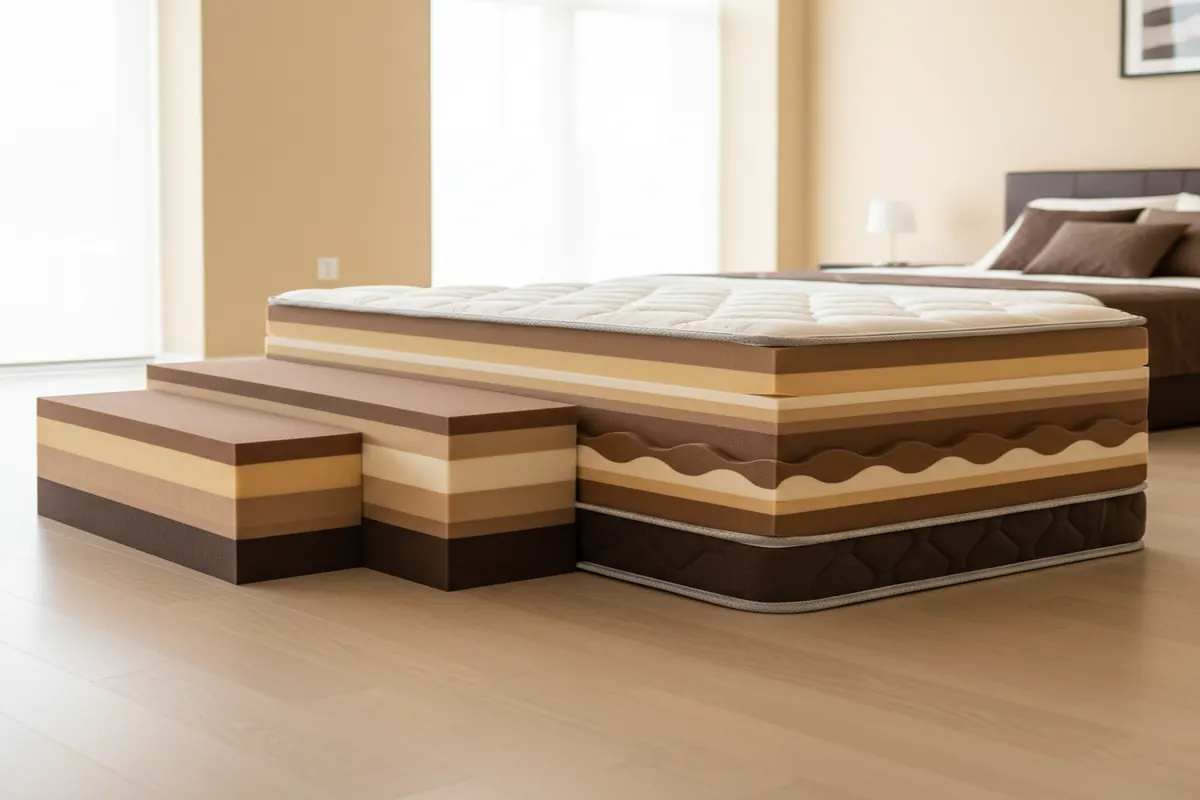
When discussing foam mattress thickness options, we’re referring to the total height of the mattress, typically measured in inches or centimeters. This measurement isn’t arbitrary; it dictates the composition and performance of the mattress. A foam mattress is generally constructed from several distinct layers, each serving a specific purpose, and their combined height determines the overall thickness.
The primary components contributing to thickness are:
-
Comfort Layer: This is the top layer, or layers, designed for immediate pressure relief and contouring. It’s often made from materials like memory foam mattress, Visco Foam Mattress, or Latex Foam Mattress. Thicker comfort layers tend to offer a softer, more “hugging” feel, allowing for deeper contouring around the body’s curves.
-
Support Core: This forms the base of the mattress, providing structural integrity, preventing sagging, and offering robust support for spinal alignment. It’s typically made from denser, firmer foam. A thicker support core ensures longevity and adequate lift, especially for heavier individuals.
The interplay between these layers at various thicknesses creates distinct sleeping experiences. Here’s a general breakdown of common thickness categories and what they typically offer:
-
Thin Mattresses (6-8 inches):
- Ideal For: Children, guest rooms, bunk beds, individuals with very light body weight (under 130 lbs), or those who prefer a very firm, minimalist feel.
- Feel: Firmer, less contouring, closer to the bed frame.
- Key Consideration: May lack sufficient pressure relief and long-term support for average adults.
-
Medium Mattresses (10-12 inches):
- Ideal For: The majority of sleepers, including average body weights (130-230 lbs), couples, and those seeking a balanced blend of comfort and support.
- Feel: Versatile, offering good contouring without excessive sinkage. Often considered the “sweet spot” for many.
- Key Consideration: A popular choice for its adaptability to various sleeping positions.
-
Thick Mattresses (14 inches and above):
- Ideal For: Heavier individuals (over 230 lbs), those seeking luxurious plushness, side sleepers needing significant pressure relief, or anyone desiring a taller bed profile.
- Feel: Deeply conforming, often very soft and luxurious, with excellent pressure point relief.
- Key Consideration: Requires a sturdy bed frame and foundation to prevent premature sagging and ensure proper support. Can be heavier and more challenging to move.
Understanding these categories is the first step in navigating the wide array of foam mattress thickness options available, allowing you to narrow down choices that align with your initial expectations for feel and function.
How to Choose the Optimal Foam Mattress Thickness for Your Body and Sleep Style
Choosing the optimal foam mattress thickness is a highly personal decision that significantly impacts your sleep quality. It’s not a one-size-fits-all scenario. To make an informed choice, you must consider several critical factors related to your individual needs and preferences.
Body Weight Considerations
Your body weight is perhaps the most crucial factor in determining the ideal mattress thickness.
-
Lightweight Individuals (Under 130 lbs):
- Often find sufficient comfort and support in thinner mattresses (8-10 inches).
- They don’t sink as deeply into the foam, so excessive thickness can feel overly plush or even unsupportive if the comfort layers are too deep.
- A medium-firm feel with adequate pressure relief is usually ideal.
-
Average Weight Individuals (130-230 lbs):
- Typically benefit from medium-thickness mattresses (10-12 inches).
- This range provides a good balance of contouring comfort and robust support from the deeper layers.
- It allows for enough sinkage for pressure relief without “bottoming out” or feeling swallowed by the mattress.
-
Heavier Individuals (Over 230 lbs):
- Require thicker mattresses, generally 12-14 inches or more.
- A substantial comfort layer (at least 3-4 inches) combined with a dense, thick support core is essential to prevent bottoming out and ensure long-term durability.
- Thicker mattresses distribute weight more effectively, reducing pressure points and providing necessary spinal alignment.
Sleeping Position Matters
Your preferred sleeping position dictates where your body needs the most pressure relief and support.
-
Side Sleepers:
- Need significant pressure relief at the shoulders and hips, which are the widest points of the body.
- A mattress with a thicker comfort layer (12-14+ inches total thickness) allows these areas to sink in adequately, keeping the spine aligned.
- Internal Link: Consider our Turkish Mattress for Side Sleepers for specialized contouring.
-
Back Sleepers:
- Require a balance of support and contouring to maintain the natural curve of the spine.
- Medium-thickness mattresses (10-12 inches) often work well, offering enough support to prevent the hips from sinking too far while still cradling the lower back.
-
Stomach Sleepers:
- Generally need a firmer, thinner mattress (8-10 inches) to prevent the hips from sinking too deeply, which can cause an unnatural arch in the lower back.
- Too much plushness can lead to misalignment and discomfort.
Personal Preference and Firmness
Beyond objective factors, your subjective preference for firmness and feel is vital. Some people simply prefer a very plush, enveloping feel, while others prefer a firmer, more “on top of the bed” sensation. While thickness often correlates with plushness, the density and type of foam also play a significant role. A very dense, firm foam can still be part of a thick mattress without feeling overly soft.
Bed Frame and Foundation Compatibility
Don’t forget the practical aspects of your existing bed frame and foundation.
-
Ensure your current frame can accommodate the height and weight of a thicker mattress. Some frames, especially older ones or those designed for a specific mattress type, might not be suitable.
-
A thick foam mattress requires a solid, supportive foundation (like a slatted platform bed or a sturdy box spring designed for foam mattresses) to provide consistent support and prevent sagging. An inadequate foundation can negate the benefits of a well-chosen mattress thickness.
Here’s a decision framework to guide your choice:
-
Assess Your Body Weight: Are you lightweight, average, or heavier? This is your primary filter.
-
Identify Your Primary Sleeping Position: Side, back, or stomach? This refines your need for pressure relief vs. firm support.
-
Consider Your Desired Feel: Do you prefer plush, balanced, or firm?
-
Check Your Existing Setup: Can your bed frame and foundation accommodate the chosen thickness?
-
Read Reviews and Compare Materials: Look at foam types (e.g., Visco Foam Mattress, Latex Foam Mattress) and their densities within your preferred thickness range.
-
Take Advantage of Trial Periods: If possible, test the mattress or ensure a generous trial period to confirm your choice.
By systematically evaluating these factors, you can confidently select a foam mattress thickness that provides optimal comfort and support for your unique sleep profile. Explore our full Mattress Collection to see the diverse options Sinyora Yatak offers.
Unlocking Superior Comfort: The Benefits of Varied Foam Mattress Thickness
The thickness of a foam mattress is directly linked to the quality of sleep it can provide. Investing in the right thickness, particularly with the premium materials and craftsmanship found in Sinyora Yatak products, offers a range of significant benefits that extend beyond mere comfort.
Enhanced Pressure Relief
One of the most celebrated benefits of foam mattresses, especially those with generous thickness, is their ability to provide superior pressure relief.
-
Deeper Contouring: Thicker comfort layers, often composed of high-quality memory foam mattress or Visco Foam Mattress, allow the foam to conform more deeply to the body’s natural curves. This distributes body weight evenly across the surface, eliminating common pressure points that can lead to aches and pains.
-
Targeted Support: For side sleepers, thicker mattresses ensure that shoulders and hips can sink in just enough, preventing misalignment and discomfort. For back sleepers, it cradles the lumbar region, maintaining the spine’s natural curvature.
Superior Support and Alignment
While comfort layers relieve pressure, the thickness of the support core is paramount for spinal alignment and overall structural integrity.
-
Robust Foundation: A thicker, denser support core provides a more stable and durable base for the comfort layers. This prevents sagging over time and ensures consistent support across the entire mattress surface.
-
Prevents Bottoming Out: Especially crucial for heavier individuals, a thick support core ensures that sleepers don’t sink through the comfort layers and feel the hard foundation beneath, which can lead to significant discomfort and misalignment.
-
Internal Link: Our Foam Mattress options are engineered with durable support cores for lasting alignment.
Increased Durability and Lifespan
Generally, a thicker mattress implies more material, and often, higher quality and density of foam.
-
Material Volume: More foam means more material to withstand daily wear and tear. This helps the mattress retain its shape and supportive properties for a longer period.
-
Density and Resilience: Sinyora Yatak’s commitment to quality ensures that our thicker mattresses use high-density foams in both comfort and support layers. This density is key to preventing premature softening or breakdown, contributing to a longer Turkish Mattress Lifespan.
-
Internal Link: Learn more about the longevity benefits in our Turkish Mattress Lifespan guide.
Reduced Motion Transfer
Thicker foam mattresses, particularly those with dense memory foam or latex layers, are exceptionally good at isolating motion.
-
Minimized Disturbances: The dense foam absorbs movement at its source, preventing it from rippling across the mattress. This is a huge advantage for couples, as one partner’s movements are less likely to disturb the other’s sleep.
-
Undisturbed Sleep Quality: Reduced motion transfer contributes significantly to uninterrupted sleep quality, allowing both partners to enjoy deeper, more restorative rest.
These combined benefits underscore why carefully considering foam mattress thickness features is essential for anyone seeking to optimize their sleep environment. With Sinyora Yatak, you’re not just buying thickness; you’re investing in meticulously crafted comfort and support designed for years of rejuvenating sleep.
Understanding the Investment: How Foam Mattress Thickness Impacts Cost
The cost of a foam mattress is influenced by several factors, and foam mattress thickness is certainly a prominent one. While it’s tempting to assume “thicker equals more expensive,” the reality is more nuanced. Understanding this relationship can help you allocate your budget wisely when exploring foam mattress thickness options.
Generally, there is a direct correlation: thicker foam mattresses tend to be more expensive than thinner ones. This is primarily due to:
-
Material Volume: More foam, by weight and volume, translates to higher raw material costs. This includes not only the comfort and support foams but also the fabric for the cover, which must be larger.
-
Material Quality and Density: As mattresses get thicker, manufacturers often use higher-density foams to ensure durability and prevent sagging over time. High-density memory foam or natural latex, while contributing to superior performance, also come with a higher price tag.
-
Layer Complexity: Thicker mattresses may incorporate more specialized layers, such as gel-infused foams for cooling, transitional layers for progressive support, or zoned support systems, each adding to the manufacturing complexity and cost.
However, it’s crucial to remember that thickness isn’t the sole determinant of price. A thin mattress made from premium, high-density natural latex could still be more expensive than a thick mattress made from lower-density, conventional polyfoam. When evaluating how much does foam mattress thickness options cost, consider the overall value proposition, including the quality of materials and the reputation of the manufacturer like Sinyora Yatak. Our Turkish Mattresses are known for their exceptional material quality and craftsmanship, offering superior value.
Here’s a general comparison of how thickness levels might influence cost and suitability:
Please note: The cost ranges are relative to Sinyora Yatak’s premium quality products and industry standards, not absolute figures.
When budgeting for your new mattress, remember that the initial cost is an investment in your sleep quality and long-term well-being. A thicker, high-quality mattress from Sinyora Yatak, while potentially a higher upfront investment, often provides superior comfort, support, and a longer lifespan, leading to better value over time. For more information on pricing, visit our How Much Does a Turkish Mattress Cost guide.
Common Pitfalls to Avoid When Selecting Your Mattress Thickness
Navigating the various foam mattress thickness options can be complex, and it’s easy to make mistakes that compromise your comfort and investment. As experts in the field, we’ve identified several common pitfalls that sleepers often encounter. Avoiding these can save you from discomfort, buyer’s remorse, and the hassle of returns.
Ignoring Body Weight and Sleeping Position
This is arguably the most significant mistake. Many people choose thickness based purely on aesthetics or a vague idea of “more is better” without considering how their unique body interacts with the mattress.
-
The Consequence: A lightweight side sleeper on a very thick, plush mattress might sink too deeply, misaligning their spine, while a heavier back sleeper on a thin mattress might bottom out, feeling inadequate support and developing pressure points.
-
The Fix: Always prioritize your body weight and sleeping position as discussed previously. Use these as your primary filters before considering other factors.
Prioritizing Price Over Performance or Quality
While budget is a real concern, opting for the cheapest thick mattress available can be a false economy.
-
The Consequence: A thick mattress made with low-density, poor-quality foams will likely sag prematurely, lose its support, and offer little in the way of true pressure relief or durability. You’ll end up replacing it sooner, costing more in the long run.
-
The Fix: Look for a balance. A medium-thickness mattress (10-12 inches) from a reputable brand like Sinyora Yatak, using high-density Visco Foam Mattress or Latex Foam Mattress, will often outperform a very thick, cheap alternative. Focus on material composition and density as indicators of quality, not just height.
Overlooking Foundation Compatibility
Many people focus solely on the mattress itself and forget about the crucial role of the bed frame and foundation.
-
The Consequence: Placing a thick, heavy foam mattress on an old, unsupportive box spring or a bed frame with wide, flimsy slats can lead to premature sagging, uneven support, and voiding your warranty. It can also create an uncomfortably high bed.
-
The Fix: Ensure your foundation is firm, flat, and robust enough to support the weight of a thick foam mattress and its occupants. A slatted foundation should have slats no more than 2-3 inches apart. Consider a new Bed Base and Headboard if your current one isn’t suitable.
Forgetting About Room Aesthetics and Bed Height
While less about comfort and more about practicality, the overall height of your bed can impact daily life.
-
The Consequence: A very thick mattress combined with a tall foundation can result in a bed that’s difficult to get into and out of, especially for shorter individuals or those with mobility issues. It can also visually overwhelm a small bedroom.
-
The Fix: Measure your existing bed height (including foundation) and consider how much higher a new mattress will make it. Visualize the mattress in your room and ensure it fits your aesthetic and practical needs.
Not Taking Advantage of Trial Periods
Many reputable mattress companies, including Sinyora Yatak, offer generous in-home trial periods. Failing to utilize this can lead to being stuck with an unsuitable mattress.
-
The Consequence: You might realize after a few weeks that the thickness or feel isn’t quite right for your body, but without a trial period, you’re left without recourse.
-
The Fix: Always choose a mattress with a clear Return Policy and a sufficient trial period (ideally 30-100 nights) to allow your body to adjust and truly test the mattress.
By being aware of these common pitfalls and actively avoiding them, you can make a more confident and effective decision when selecting the right foam mattress thickness for your ultimate sleep comfort.
Key Considerations Before Making Your Final Foam Mattress Thickness Choice
Before you finalize your decision on foam mattress thickness, it’s vital to consider a few more nuanced elements that contribute to the overall feel, performance, and longevity of your investment. These factors, alongside thickness, form a comprehensive picture of what makes a truly great mattress.
Material Composition
The type of foam used in each layer heavily influences the mattress’s characteristics, regardless of its thickness.
-
Memory Foam (Visco Foam Mattress): Known for its deep contouring, pressure relief, and motion isolation. A thicker memory foam comfort layer offers a more “hugging” feel.
-
Latex Foam (Latex Foam Mattress): Offers a more buoyant, responsive feel than memory foam, with excellent durability and natural breathability. Thicker latex layers can provide both soft comfort and robust support.
-
Polyfoam: Often used in support cores or transitional layers. Its density and firmness vary widely, impacting the overall feel and support.
-
Gel-Infused Foam: Incorporates gel beads or swirls to help dissipate heat, a common concern with traditional memory foam.
The combination and thickness of these materials are what create the unique feel of each mattress. Sinyora Yatak utilizes high-quality foams, including Visco Foam Mattress and Latex Foam Mattress, expertly layered to optimize comfort and support.
Density of Foam Layers
Beyond just thickness, the density of the foam layers is a critical indicator of quality, durability, and support. Density refers to how much material is packed into a given volume of foam.
-
Higher Density: Generally means a more durable, supportive, and often heavier foam. It resists impressions better and lasts longer. In comfort layers, high-density foam offers sustained pressure relief; in support cores, it provides robust, long-lasting support.
-
Lower Density: Tends to be softer, lighter, and less durable. While it might feel plush initially, it can break down faster, leading to premature sagging and loss of support.
When evaluating foam mattress thickness features, always inquire about the density of the different foam layers, not just the overall height. A thicker mattress with low-density foam might feel luxurious initially but won’t offer the longevity or sustained support of a slightly thinner mattress with higher-density materials. This is a key aspect of What Makes Turkish Mattresses Special – our focus on material integrity.
Trial Periods and Warranties
A mattress is a significant investment, and you need assurance that it will meet your needs.
-
Trial Period: A generous in-home trial period (e.g., 90-120 nights) allows your body to fully adjust to the new mattress and for you to truly assess its comfort and support. It takes time to know if the thickness is right for you.
-
Warranty: A comprehensive Warranty Information protects your investment against manufacturing defects. Understand what is covered (e.g., sagging beyond a certain depth) and for how long.
Environmental Factors
Consider your sleeping environment, especially temperature.
-
Heat Retention: Traditional memory foam can sometimes retain body heat. If you tend to sleep hot, a very thick memory foam mattress might exacerbate this. Look for mattresses with cooling technologies like gel infusions, open-cell designs, or breathable covers, or consider Latex Foam Mattress which naturally sleeps cooler.
-
Room Height: Reiterate the importance of considering the overall height of the bed, including the mattress, foundation, and any toppers you might add, to ensure it fits comfortably and aesthetically within your room.
Here’s a final checklist to guide your purchase:
-
Confirm Material Quality: Are the foams high-density and reputable (e.g., CertiPUR-US certified)?
-
Understand Layer Composition: How are the comfort and support layers structured, and what is their individual thickness and density?
-
Check Warranty & Trial Period: Is there a clear trial period and a robust warranty that covers potential sagging?
-
Verify Foundation Compatibility: Is your current bed frame and foundation suitable for the chosen mattress thickness and weight?
-
Consider Sleep Environment: Does the mattress’s material composition address any concerns like heat retention?
-
Read Customer Reviews: Look for feedback from users with similar body types and sleeping preferences regarding the specific thickness.
By meticulously evaluating these points, you’re not just buying a mattress; you’re making an informed choice for years of restorative sleep. Explore our Buying Guides for more in-depth information.
Beyond the Basics: Specialized Thickness Needs and Sinyora Yatak Solutions
While the general guidelines cover most sleepers, certain situations or preferences call for a more specialized approach to foam mattress thickness options. Sinyora Yatak, with its extensive range and expertise in Turkish mattress craftsmanship, offers solutions for these unique requirements.
For Adjustable Bed Frames
If you own an adjustable bed frame or plan to purchase one, the mattress thickness becomes even more critical.
-
Flexibility is Key: Thicker, very rigid mattresses may not flex properly with the adjustable base, potentially damaging the mattress or hindering the base’s functionality.
-
Ideal Thickness: Mattresses in the 10-12 inch range are often ideal for adjustable bases, offering enough flexibility to contour while still providing robust support. Some thinner (8-inch) or moderately thicker (14-inch) options can also work if explicitly designed for adjustable bases.
-
Sinyora Yatak Solution: Many of our Foam Mattress and Visco Foam Mattress options are engineered to be compatible with adjustable bases, ensuring seamless operation and maintaining their structural integrity.
For Added Plushness or Firmness with Toppers
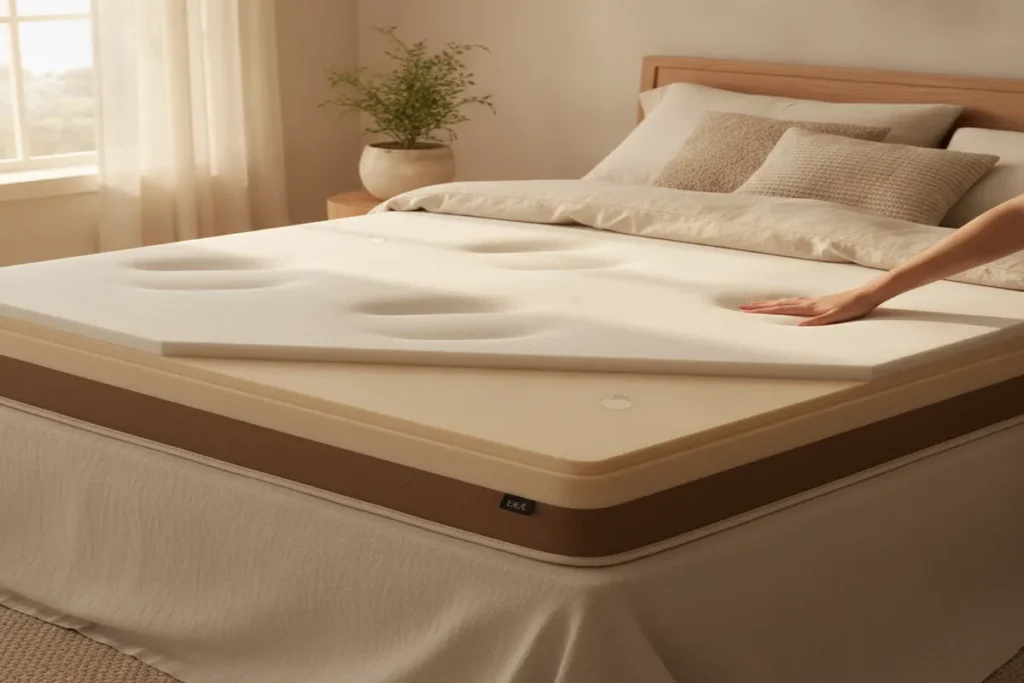
Sometimes, you might find a mattress that’s almost perfect, but you need a little extra softness or a touch more firmness. This is where toppers come into play, effectively adding to the overall thickness.
-
Sponge Topper Mattress: Can add an extra layer of soft comfort, increasing the overall plushness and thickness of your sleep surface.
-
Visco Topper: Offers additional memory foam contouring and pressure relief, ideal for enhancing an existing mattress that feels too firm.
-
Latex Topper: Provides a responsive, breathable layer that can either soften a firm mattress or add a buoyant, supportive feel.
-
Strategic Use: If your current mattress is, for example, 10 inches and you need more pressure relief as a side sleeper, adding a 2-3 inch topper can effectively transform it into a 12-13 inch sleep system without buying a whole new mattress.
-
Internal Link: Explore our Topper Collection for high-quality options to customize your mattress thickness and feel.
For Hotel Mattresses and Commercial Applications
Businesses, particularly hotels, have unique requirements for mattress thickness, balancing comfort, durability, and ease of maintenance.
-
Durability and Universal Comfort: Hotel Mattress options often lean towards medium-firmness and durable construction, with thicknesses typically in the 10-14 inch range, to accommodate a wide variety of guests.
-
Longevity: High-traffic environments demand mattresses that can withstand constant use without quickly losing their support or comfort. Thicker, high-density foam mattresses are often preferred for their enhanced lifespan.
-
Sinyora Yatak Advantage: As specialists in Mattress Wholesale in Turkiye and Ship Turkish Mattresses Internationally, Sinyora Yatak provides robust, comfortable, and long-lasting foam mattresses that meet the rigorous demands of the hospitality industry, often featuring substantial thickness for premium guest experiences.
Addressing Specific Health Needs
Certain health conditions can benefit from specific mattress thicknesses.
-
Arthritis or Joint Pain: Thicker comfort layers (12-14+ inches) can provide superior cushioning and pressure relief, reducing pain on sensitive joints.
-
Back Pain: Depending on the type of back pain, a balanced 10-12 inch thickness with excellent lumbar support (often achieved through zoned support or specific foam densities) can be beneficial. Too soft or too firm, or an inappropriate thickness, can exacerbate pain.
-
Internal Link: Consult our Sleep Health Blog for more insights on choosing the right mattress for specific health concerns.
By understanding these specialized applications, you can leverage the versatility of foam mattress thickness options to address even the most specific sleeping requirements. Sinyora Yatak is committed to providing tailored solutions, ensuring everyone can find their ideal sleep surface.
Expert Insight
“The true measure of a foam mattress’s effectiveness isn’t just its overall thickness, but the intelligent layering and density of its components. A well-engineered 10-inch mattress with high-density foam layers can often outperform a 14-inch mattress made with lower-quality, less dense materials. It’s about the science of sleep support and pressure relief, not just height for height’s sake.” — Industry experts confirm that quality and construction are paramount.
Key Terms
-
Comfort Layer: The topmost layer(s) of a mattress, typically made of softer foams (like memory foam or latex), designed to cushion the body and relieve pressure points.
-
Support Core: The foundational layer(s) of a foam mattress, usually made of denser, firmer foam, providing structural integrity, preventing sagging, and ensuring proper spinal alignment.
-
Density: A measure of the mass per unit volume of foam, indicating its durability, supportiveness, and quality. Higher density generally means a more durable and supportive foam.
-
Motion Transfer: The degree to which movement on one part of the mattress is felt on another part. Foam mattresses, especially thicker ones, are excellent at isolating motion.
-
Overall Thickness: The total height of the mattress from its base to its top surface, encompassing all comfort and support layers.
How Can You Upgrade to More Comfortable Sleep with Sinyora Yatak?
Now that you understand the profound impact of foam mattress thickness options on your sleep, it’s time to experience the Sinyora Yatak difference. As a leading specialist in Turkish mattresses, we combine centuries of craftsmanship with modern foam technology to create sleep solutions tailored to your unique needs.
Whether you’re seeking the plush embrace of a thick Visco Foam Mattress for ultimate pressure relief, the responsive support of a Latex Foam Mattress for optimal spinal alignment, or a balanced Foam Mattress that caters to diverse sleeping positions, Sinyora Yatak has an expertly designed option for you. Our mattresses are crafted with high-density, durable foams that ensure longevity and consistent comfort, embodying the superior quality What Makes Turkish Mattresses Special.
Don’t compromise on your sleep quality. Explore our comprehensive Mattress Collection and utilize our detailed Buying Guides to find the perfect thickness and feel. For personalized assistance, our Customer Service team is ready to help you navigate our selections. Invest in a Sinyora Yatak mattress today and discover the unparalleled comfort and support that will transform your nights and energize your days. Shop All Products and begin your journey to truly restorative sleep.
Frequently Asked Questions
Q: What is the most common foam mattress thickness?
Q: Does a thicker foam mattress mean it’s softer?
Q: Is a 6-inch foam mattress enough for an adult?
Q: How does body weight affect ideal mattress thickness?
Q: Can I add a topper to increase my foam mattress thickness?
Q: What thickness is best for side sleepers?
Help: FAQs · Sleep Science · Sleep Resources · Privacy Policy