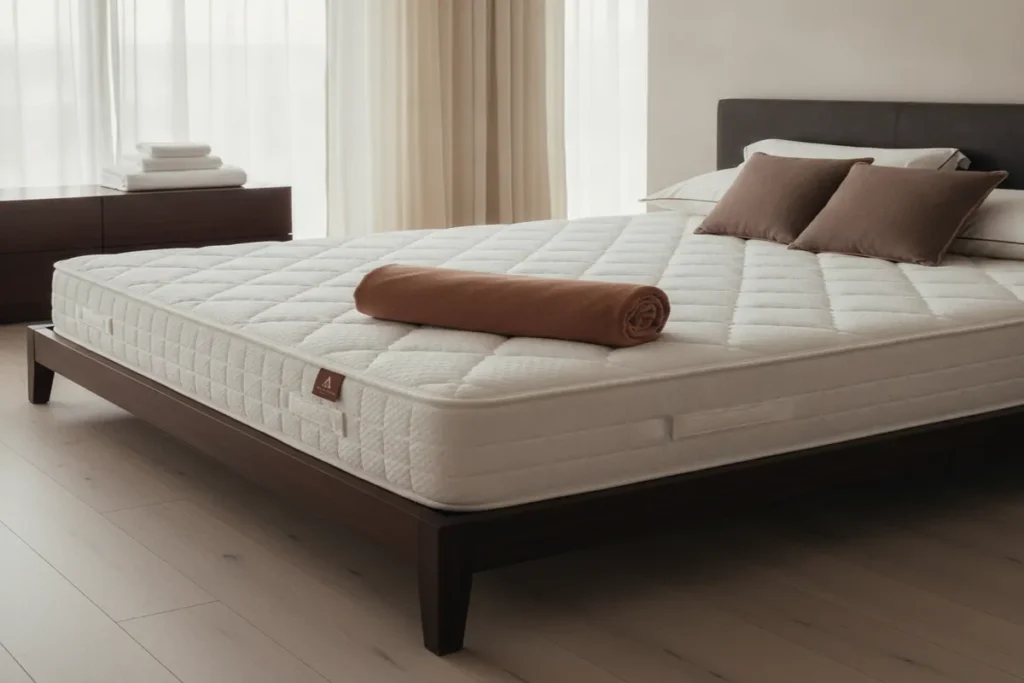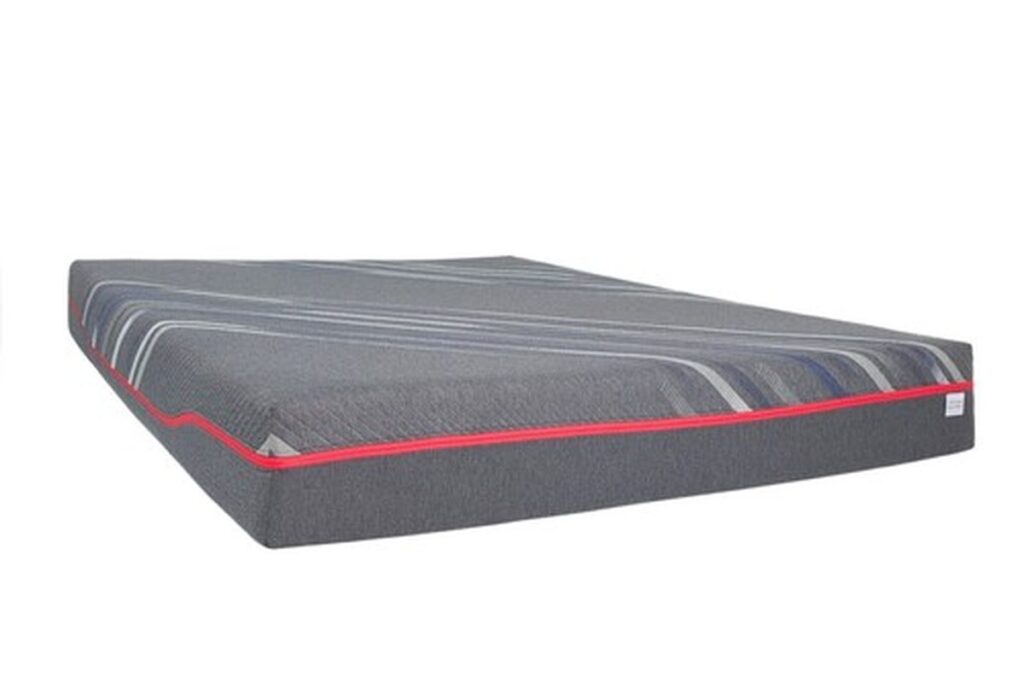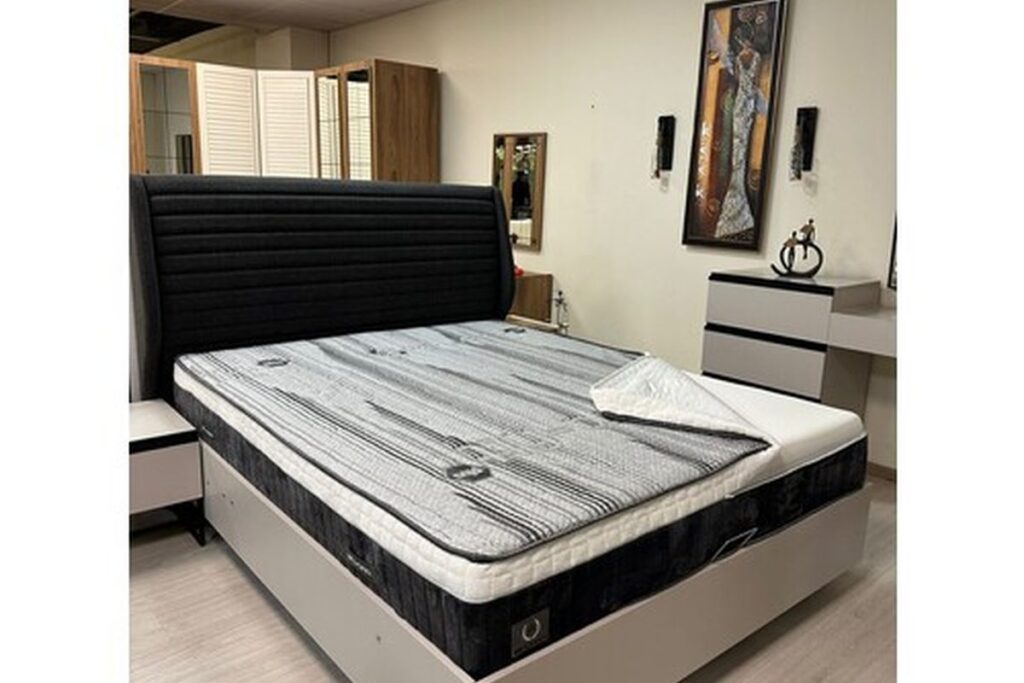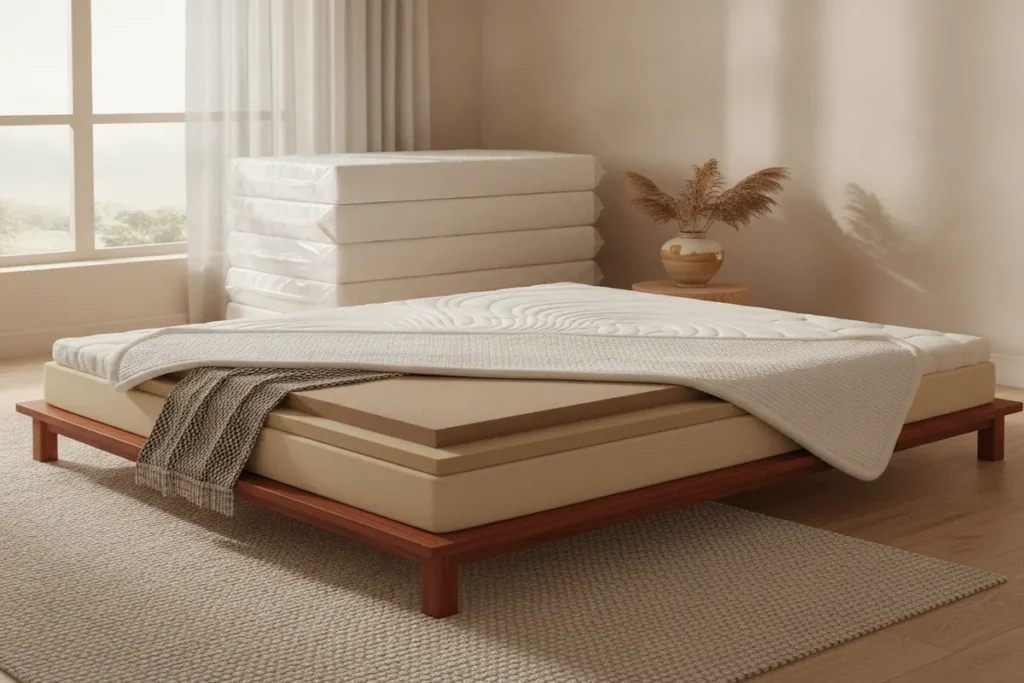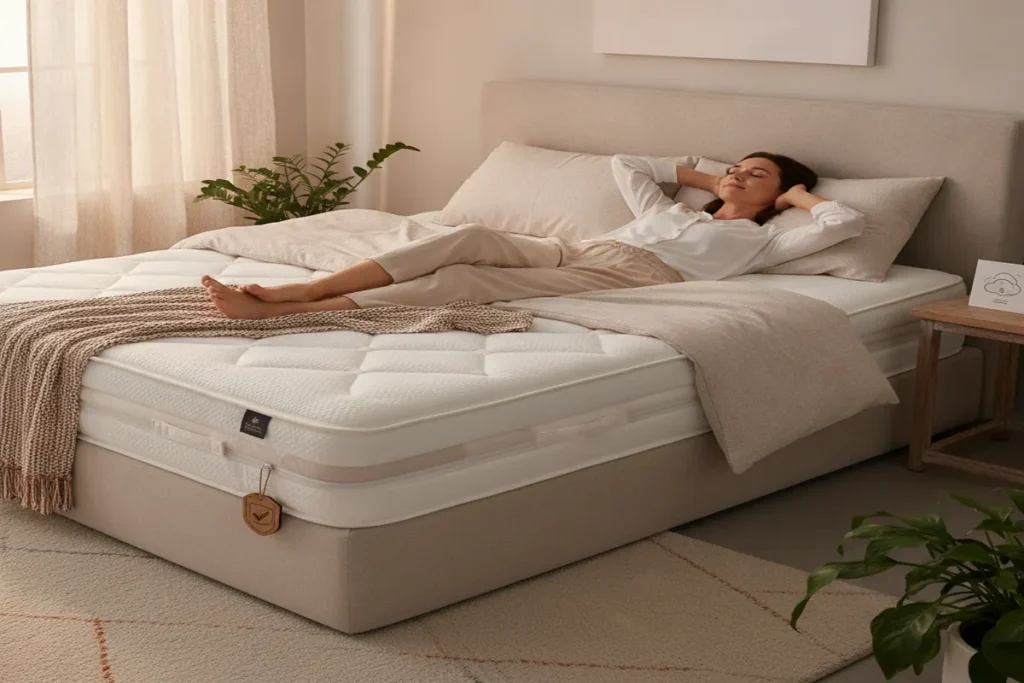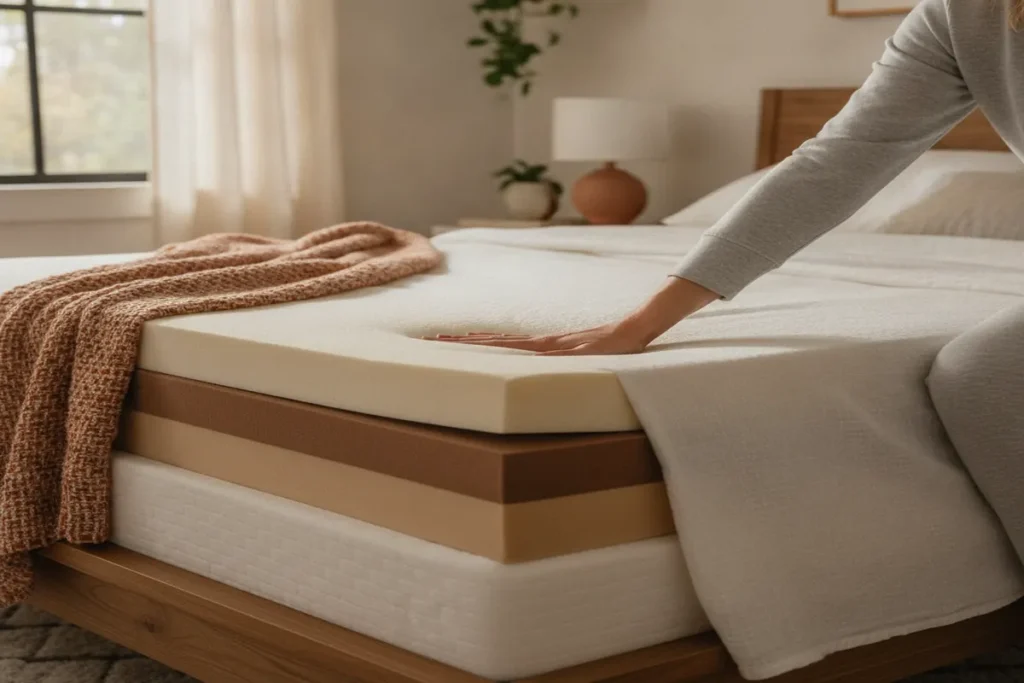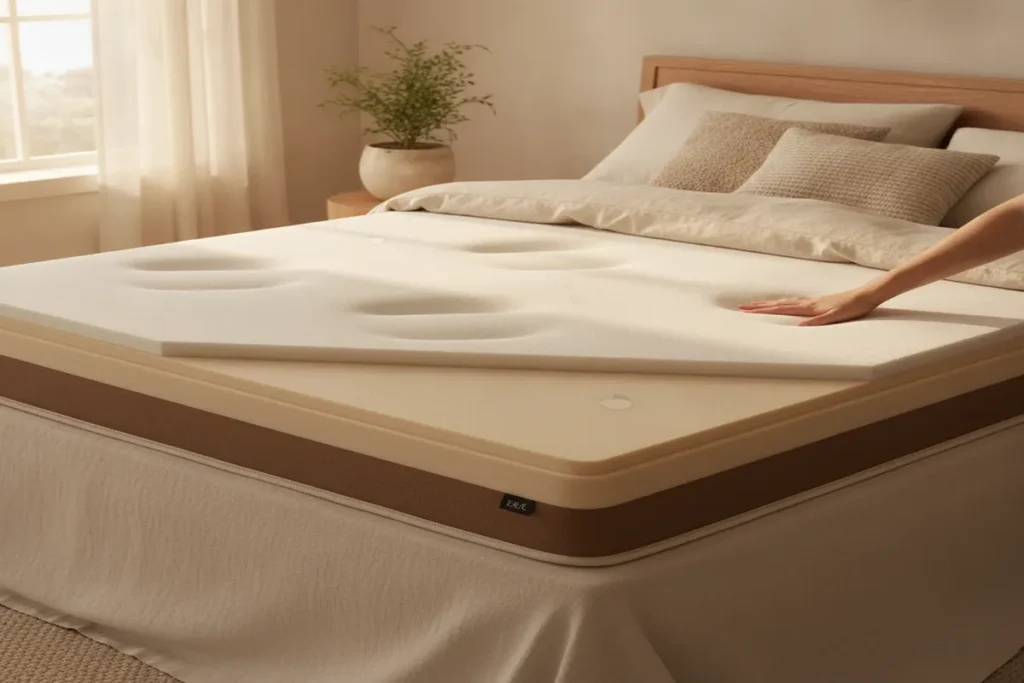

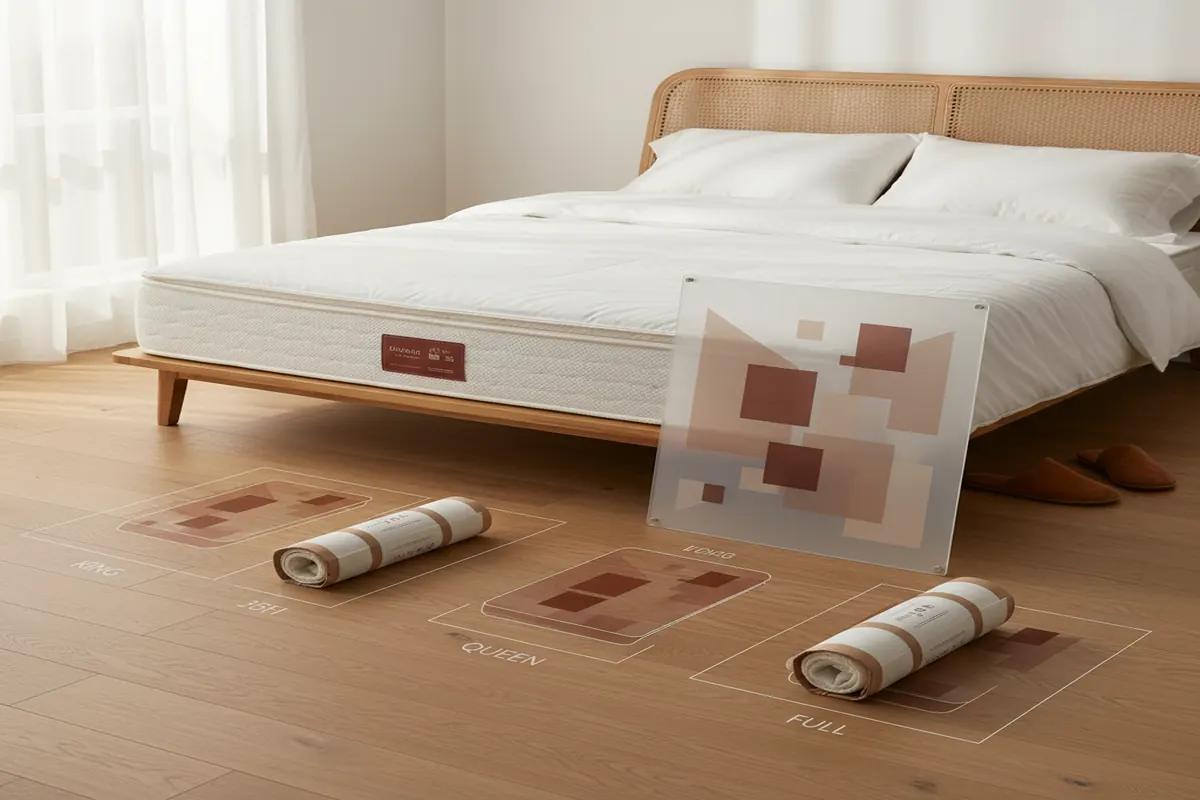
A foam mattress sizes and dimensions chart is an essential reference tool outlining the precise length, width, and occasionally depth of various foam mattress types, from memory foam to latex. Understanding this chart is critical for consumers to select a mattress that perfectly fits their bedroom, accommodates their sleeping habits, and ensures optimal comfort. It empowers buyers to make informed decisions, preventing common pitfalls like purchasing a mattress too large for a room or too small for comfortable sleep, ultimately contributing to a better sleep experience.
Quick Summary
- Foam mattress sizes vary significantly, impacting comfort and room fit
- standard dimensions are crucial for informed buying decisions
- factors like room size, sleeper count, and individual needs dictate the ideal mattress size
- a detailed dimensions chart helps compare options like Twin, Queen, and King
What is a Foam Mattress Size and Dimensions Chart, and Why Does it Matter for Your Sleep?
At its core, a foam mattress sizes and dimensions chart is a standardized guide detailing the physical measurements of mattresses. Unlike traditional spring mattresses, foam mattresses (including popular types like Visco Foam Mattress and Latex Foam Mattress) maintain consistent sizing conventions across the industry, making these charts highly reliable. These dimensions are typically expressed in both inches and centimeters, catering to an international audience, and cover everything from the compact Twin to the expansive California King.
Why is this seemingly straightforward chart so profoundly important for your sleep quality and overall satisfaction?
-
Ensuring the Perfect Fit for Your Space: The most immediate concern is fitting the mattress into your bedroom. A chart allows you to compare mattress dimensions against your room’s layout, ensuring adequate space for movement, furniture, and walkways. Misjudging this can lead to cramped living spaces and regret.
-
Optimizing Comfort for All Sleepers: The amount of personal space on a mattress directly impacts comfort. A chart helps you visualize if a particular size will provide enough room for you, your partner, children, or even pets, without feeling confined. More space often translates to less disturbance from a partner’s movement and greater freedom to change positions, crucial for achieving better sleep.
-
Compatibility with Existing Bedding and Frames: If you’re upgrading your mattress but keeping your existing bed frame or bedding, the chart is indispensable. It ensures your new foam mattress will seamlessly integrate with your current setup, saving you the expense and hassle of purchasing new accessories.
-
Budgetary Planning: Generally, larger mattresses come with higher price tags. By understanding the size options, you can balance your need for space with your financial constraints, making a more informed investment.
-
Long-Term Satisfaction: A mattress is a significant investment. Choosing the right size from the outset, guided by a comprehensive chart, contributes significantly to long-term satisfaction, avoiding the need for costly replacements or compromises on sleep quality.
Ultimately, the foam mattress sizes and dimensions chart serves as your foundational guide in the journey to finding the perfect fit for your sleep sanctuary.
Choosing the Perfect Foam Mattress Size: Key Factors and Expert Considerations
Selecting the ideal foam mattress size goes far beyond simply picking the largest option your budget allows. It involves a thoughtful assessment of several critical factors that directly impact your comfort, room aesthetics, and practical living. As specialists in sleep solutions, we emphasize a holistic approach to choosing the right size.
Here are the key considerations and a practical decision framework:
-
Your Bedroom’s Dimensions and Layout:
- Measure Accurately: This is non-negotiable. Measure the length and width of your bedroom, noting any architectural quirks like alcoves, doors, windows, and built-in furniture.
- Allow for Walkways: Experts recommend at least 24-30 inches (60-76 cm) of clear space on three sides of the bed (or two sides if against a wall) for comfortable movement. Don’t forget space for opening dresser drawers or closet doors.
- Visual Balance: A king-size mattress in a small room can overwhelm the space, making it feel cramped. Conversely, a tiny mattress in a vast room can feel lost. Aim for visual harmony.
-
Number of Sleepers and Their Habits:
- Single Sleeper: A Twin XL or Full might suffice. If you’re tall or like to spread out, a Queen offers luxurious space.
- Couples: Queen is the most popular choice, offering enough room for two. However, if either partner is restless, larger, or prefers ample personal space, a King or California King is highly recommended to minimize disturbance and enhance comfort level.
- Children/Pets: Factor in whether children or pets frequently join you in bed. This often necessitates a larger size than initially planned.
-
Individual Body Size and Height:
- Height: If you’re over 6 feet (183 cm) tall, a standard Twin or Full might be too short, leading to your feet dangling off the end. A Twin XL, Queen, King, or especially a California King (which is longer but slightly narrower than a King) provides crucial extra length.
- Build: Larger individuals often benefit from wider mattresses to prevent feeling constrained or rolling off.
- Sleeping Style: Side sleepers might curl up more, but back and stomach sleepers tend to sprawl, requiring more width.
-
Budgetary Constraints and Long-Term Value:
- Mattress Cost: Larger sizes inherently cost more. Factor this into your overall budget.
- Associated Costs: Remember that larger mattresses also mean larger, more expensive bedding (sheets, duvets) and potentially a new bed frame.
- Investment in Sleep: View your mattress as an investment in your health and well-being. Sometimes, spending a bit more for the right size pays dividends in better sleep over many years.
-
Existing Bed Frame and Accessories:
- Check Dimensions: If you have an existing bed frame, measure its interior dimensions carefully. A foam mattress needs to fit snugly without excessive gaps or overhang.
- Bedding Inventory: Consider your current collection of sheets, blankets, and duvets. Will they fit a new, larger size?
-
Future Needs and Lifestyle Changes:
- Are you planning to get married, have children, or move to a larger home in the next 5-7 years? Thinking ahead can help you choose a size that will grow with your needs, maximizing the lifespan of your mattress investment.
Decision Checklist for Your Ideal Foam Mattress Size:
-
Measure your bedroom: _ (length) x _ (width)
-
Desired walkway space: ___ (at least 24 inches/60 cm)
-
Number of primary sleepers: ___
-
Are co-sleepers (kids/pets) frequent? Yes / No
-
Tallest sleeper’s height: ___
-
Preferred sleeping style: Sprawler / Curler / Minimal Movement
-
Current bed frame dimensions: ___ (match new mattress)
-
Budget for mattress + bedding: ___
-
Anticipated future needs: ___
By systematically addressing these points, you can confidently navigate the options and select a foam mattress size that offers optimal comfort and functionality for your unique situation.
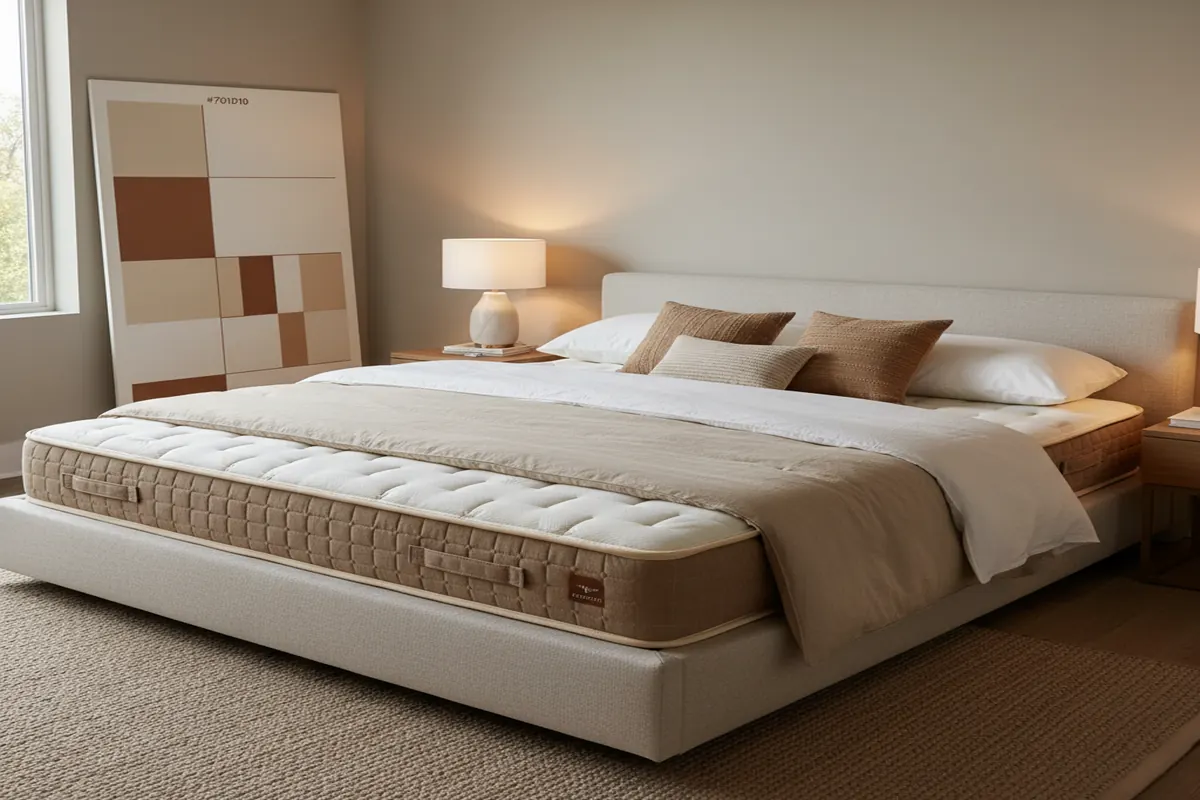
Comparing Standard Foam Mattress Sizes: A Detailed Dimensions Chart for Informed Decisions
Understanding the precise measurements of standard foam mattress sizes is fundamental to making an informed purchase. While the core materials of a foam mattress (like the supportive layers of a Construction Mattress or the specialized properties of a Visco Foam Mattress) can vary, the external dimensions for each size category remain consistent across the industry. This allows for clear comparison and planning.
Here’s a comprehensive foam mattress sizes and dimensions chart, detailing the most common options available internationally, along with their ideal applications:
| Size | Dimensions (Inches) | Dimensions (cm) | Ideal Use Case A Queen mattress, with its dimensions of 60 inches wide by 80 inches long (152 cm x 203 cm), is the most popular mattress size. It offers a comfortable balance of space for couples without overwhelming an average-sized master bedroom. This size is particularly well-suited for those who appreciate ample personal space but aren’t looking for the expansive footprint of a King. For single sleepers, a Queen provides luxurious room to sprawl, making it a favorite for guest rooms or individuals who prioritize spaciousness. When considering a Queen size, remember that its popularity means a wide variety of bedding and accessories are readily available.
The King mattress, measuring 76 inches wide by 80 inches long (193 cm x 203 cm), is the widest of the standard sizes, often referred to as an “Eastern King.” It’s designed for couples who desire maximum personal sleeping space, ensuring minimal disturbance from a partner’s movements. This extra width is invaluable for restless sleepers or those who share their bed with children or pets. A King mattress requires a substantial bedroom to look proportionate and function effectively, typically needing a room that is at least 12 feet by 12 feet (3.66m x 3.66m) to accommodate the bed and allow for comfortable movement around it. The generous surface area also allows for diverse foam mattress constructions, from plush Visco Foam Mattress options to firm Latex Foam Mattress designs, without compromising the feeling of expansive comfort.
For taller individuals or those with narrower bedrooms, the California King offers a unique solution. At 72 inches wide by 84 inches long (183 cm x 213 cm), it is 4 inches narrower but 4 inches longer than a standard King. This makes it ideal for sleepers over 6 feet tall who often find their feet hanging off shorter mattresses. While still providing ample width for couples, its slightly reduced width compared to a King can be advantageous in rooms where a standard King might feel too wide, or where the room’s shape better accommodates a longer, narrower bed. Like the King, it demands a significant room size to maintain balance and functionality.
The Full or Double mattress, measuring 54 inches wide by 75 inches long (137 cm x 191 cm), was once the standard for couples but is now more commonly chosen for single adults who desire more space than a Twin, or for teenagers. While it technically accommodates two adults, it offers only 27 inches (68.5 cm) of width per person, which is less than a crib mattress. This can feel quite cramped for two adults, especially if one is a restless sleeper or larger in build. It’s an excellent choice for guest rooms, smaller master bedrooms, or individuals who frequently share their bed with a pet but don’t need the full expanse of a Queen.
A Twin XL mattress, at 38 inches wide by 80 inches long (97 cm x 203 cm), maintains the width of a standard Twin but adds 5 inches (13 cm) to its length. This extra length makes it the preferred choice for taller single adults, particularly common in college dorm rooms or smaller studio apartments. It provides essential legroom for individuals over 6 feet tall who might find a standard Twin too short. Its compact footprint means it can fit into narrow spaces, offering a comfortable sleep solution without taking up excessive floor area.
Finally, the Twin mattress, measuring 38 inches wide by 75 inches long (97 cm x 191 cm), is the smallest standard size, making it perfect for children’s rooms, bunk beds, or small guest rooms. It’s designed for single sleepers and is an economical choice when space and budget are primary concerns. While suitable for most children and average-height adults, taller individuals may find its length restrictive. Its small size allows for easy maneuverability, which can be a plus when moving or rearranging furniture.
Choosing from these standard sizes involves balancing personal comfort preferences, room dimensions, and future needs, guided by this precise mattress dimensions chart.
Beyond Standard: Exploring Non-Standard and Specialty Foam Mattress Sizes
While the standard foam mattress sizes cover the majority of consumer needs, the world of sleep is diverse, and sometimes a unique situation calls for a non-standard or specialty size. These options cater to specific lifestyles, architectural constraints, or personal preferences that the traditional Twin, Full, Queen, and King cannot fully address.
When Standard Sizes Just Don’t Cut It
Specialty foam mattresses are not just about unusual dimensions; they often involve unique constructions like Sponge Topper Mattress or Visco Topper options for added comfort, or even specialized bases like a Static Bed or Bed Base and Headboard designed for specific room layouts.
Here are common scenarios and types of non-standard foam mattress sizes:
-
Split King: This is essentially two Twin XL mattresses placed side-by-side on a King-sized bed frame. The total dimensions match a standard King (76″ x 80″), but the split design offers incredible versatility.
- Ideal for: Couples with vastly different firmness preferences (each can choose their preferred foam type, e.g., one side Visco Foam Mattress, the other Latex Foam Mattress). It’s also perfect for adjustable bed bases, allowing each partner to elevate their head or feet independently without disturbing the other.
-
Split California King: Similar to the Split King, but with two narrower, longer mattresses to match the California King dimensions (two 36″ x 84″ mattresses).
- Ideal for: Taller couples who desire individualized comfort and adjustability on a longer bed.
-
RV (Recreational Vehicle) Mattresses: RVs and campers have unique, often irregular, spaces. RV mattresses come in a variety of sizes designed to fit these confined and sometimes oddly shaped areas. Common RV sizes include RV King, RV Queen, Short Queen, and often custom cuts.
- Ideal for: Anyone needing a comfortable sleep surface for their mobile home, where standard home mattress sizes simply won’t fit. Foam is often preferred here due to its lighter weight and flexibility.
-
Olympic Queen: A less common size, the Olympic Queen measures 66 inches wide by 80 inches long (168 cm x 203 cm). This offers 6 inches of extra width compared to a standard Queen, without the full width of a King.
- Ideal for: Couples who want a little more room than a Queen but whose bedroom can’t quite accommodate a King. It’s a good middle-ground option for those who find a Queen too snug.
-
Custom Sizes: Many manufacturers, including Sinyora Yatak, offer the ability to create custom-sized foam mattresses. This can involve adjusting length, width, or even specific corner cuts.
- Ideal for: Antique bed frames with non-standard dimensions, built-in beds, unique architectural spaces (e.g., boat berths, alcoves), or individuals with very specific personal requirements.
Pros and Cons of Opting for Non-Standard Sizes
Pros:
-
Tailored Fit: Solves specific space challenges and unique needs where standard sizes fail.
-
Enhanced Comfort: Allows for personalized comfort solutions, especially with split options for couples.
-
Optimized Space Utilization: Maximizes sleeping area in unconventional spaces.
Cons:
-
Higher Cost: Specialty and custom sizes are almost always more expensive than their standard counterparts due to lower production volume and customization labor.
-
Limited Bedding Options: Finding sheets, mattress protectors, and bed frames for non-standard sizes can be challenging and often requires custom orders, adding to the expense.
-
Resale Value: A custom-sized mattress or bed frame may be harder to sell in the future.
When to Consider Specialty Sizes:
-
You own an antique bed frame with unique dimensions.
-
You live in an RV, boat, or tiny home with specific space constraints.
-
You and your partner have drastically different sleep preferences and require a Split King/Cal King.
-
Your bedroom layout is unconventional, making standard sizes impractical.
-
You are exceptionally tall and even a California King feels too short.
Always weigh the benefits of a perfect fit against the potential challenges and costs associated with non-standard options. For custom inquiries, contacting customer service directly, like Sinyora Yatak’s Contact Us for Support, is the best first step.
Common Mistakes When Selecting Foam Mattress Sizes and How to Avoid Them
Even with a detailed foam mattress sizes and dimensions chart at hand, it’s surprisingly easy to make missteps that can lead to years of uncomfortable sleep or regret. As experienced field specialists, we’ve observed common pitfalls that consumers encounter. Understanding these mistakes and proactively avoiding them is crucial for a successful mattress purchase, especially when investing in quality foam options like a Visco Foam Mattress or Latex Foam Mattress.
Here are the most frequent errors and practical strategies to prevent them:
-
Neglecting to Measure the Bedroom (and Entryways!):
- Mistake: Many buyers assume a certain size will fit or simply eyeball the space. They also often forget to measure doorways, stairwells, and hallways. The result? A mattress that physically cannot be moved into the room or leaves no space for other furniture.
- How to Avoid:
- Measure Everything: Before you even start browsing, measure your bedroom’s length and width. Map out where your existing furniture sits.
- Measure the Path: Don’t forget the journey! Measure the width and height of all doorways, stairwell clearances, and tight turns from your home’s entrance to the bedroom. Foam mattresses, while flexible, still have rigid dimensions that must clear these obstacles.
- Use a Template: For critical decisions, use painter’s tape or old newspaper to outline the mattress dimensions on your bedroom floor. This provides a visual representation of how much space it will occupy.
-
Underestimating Personal Space Needs, Especially for Couples:
- Mistake: Couples often opt for a Full (Double) mattress, believing it’s sufficient for two. However, a Full offers only 27 inches of width per person – less than a Twin. This leads to cramped sleep, disturbed rest, and reduced comfort level.
- How to Avoid:
- Prioritize Individual Space: For couples, a Queen is the minimum recommended size. If you or your partner are restless, larger, or simply value personal space, a King or California King is a wise investment.
- Consider Sleep Habits: Do you sprawl? Do you toss and turn? Do pets or children frequently join you? These factors demand more space.
- Test Together: If possible, “test drive” different sizes in a showroom with your partner to get a real feel for the available space.
-
Forgetting About Bedding and Frame Compatibility and Costs:
- Mistake: Buying a new, larger mattress only to realize your current bed frame is too small or your existing sheets don’t fit. New bedding for larger sizes can be surprisingly expensive, adding an unforeseen cost.
- How to Avoid:
- Check Frame Compatibility: If keeping your old frame, verify its interior dimensions against the new mattress size.
- Budget for Bedding: Factor in the cost of new sheets, mattress protectors, duvets, and pillows if you’re upgrading to a larger size. Larger sizes often require specialized bedding.
- Consider a Set: Sometimes buying a new Bed Base and Headboard along with the mattress can be a cost-effective solution, ensuring perfect compatibility.
-
Prioritizing Price Over Practicality and Comfort:
- Mistake: Choosing a smaller, cheaper mattress simply to save money, even if it means sacrificing adequate space and comfort.
- How to Avoid:
- Long-Term Investment Mindset: A mattress is an investment in your health and daily well-being. The few hundred dollars saved on a smaller size might cost you years of poor sleep.
- Balance Budget with Needs: Use the decision framework discussed earlier to find the sweet spot between what you need for optimal sleep and what you can afford. Look for sales or financing options on the right size, rather than compromising on size itself.
- Explore Different Foam Types: Sometimes, a slightly less expensive foam type (e.g., a high-quality traditional foam vs. a premium Latex Foam Mattress) in the correct size is better than a top-tier foam in an inadequate size.
-
Ignoring the Mattress Depth/Height:
- Mistake: Focusing only on length and width, but forgetting that foam mattresses come in various depths (e.g., 8-inch, 10-inch, 12-inch, 14-inch). A very thick mattress can make the bed too high, especially when paired with a tall foundation, or prevent certain fitted sheets from working.
- How to Avoid:
- Check Depth Specifications: Always note the mattress depth.
- Consider Overall Bed Height: Add the mattress depth to your bed frame/foundation height to determine the total sleeping height. Ensure it’s comfortable for you to get in and out of bed.
- Deep Pocket Sheets: If opting for a very thick foam mattress, you’ll need “deep pocket” fitted sheets.
By being mindful of these common mistakes, you can approach your foam mattress purchase with confidence, ensuring you select a size that truly enhances your sleep environment and provides lasting comfort.
How Foam Mattress Size Impacts Comfort Level and Sleep Quality
The size of your foam mattress plays a far more significant role in your comfort level and overall sleep quality than many people realize. It’s not just about fitting into a room; it’s about providing the optimal environment for your body and mind to fully relax and rejuvenate. Foam mattresses, whether they are contouring Visco Foam Mattresses or responsive Latex Foam Mattresses, excel at providing personalized support, but that support needs adequate space to be fully effective.
Here’s how foam mattress size directly influences your sleep:
-
Freedom of Movement and Reduced Restriction:
- Adequate Space: A mattress that is too small forces sleepers into constrained positions. This restricts natural movement during sleep, leading to discomfort, stiffness, and frequent waking.
- Sprawling Comfort: Larger mattresses, like a Queen or King, allow you to stretch out fully, change positions easily, and find your most comfortable posture without hitting the edge or disturbing a partner. This freedom is crucial for spinal alignment and muscle relaxation.
- Example: A tall individual on a Twin mattress might sleep curled up or with their feet dangling, preventing full spinal extension and leading to back or hip pain. On a Twin XL or California King, they can stretch out, promoting better posture and deeper sleep.
-
Minimizing Partner Disturbance (Motion Isolation):
- Foam mattresses are renowned for their motion isolation properties – the ability to absorb movement at the source rather than transferring it across the bed. However, even with excellent motion isolation, if two people are crammed onto a Full-size mattress, they are still likely to bump into each other.
- Physical Separation: A wider mattress, such as a King or Split King, physically separates sleepers, reducing the likelihood of accidental contact. This amplifies the benefits of foam’s motion isolation, ensuring that one partner’s tossing and turning doesn’t disrupt the other’s sleep.
- Example: On a Queen, a restless sleeper might still cause the mattress to slightly shift or make contact with their partner. On a King, the increased distance often eliminates these minor disturbances, leading to more uninterrupted sleep for both.
-
Temperature Regulation:
- While foam mattresses have made advancements in breathability (e.g., open-cell foams, gel infusions), body heat can still accumulate.
- More Surface Area: A larger mattress provides more surface area for heat to dissipate. When you’re not pressed against your partner or the edge of the bed, there’s more room for air circulation around your body, contributing to a cooler sleep environment.
- Less Body Contact: Less direct body contact between partners on a larger mattress also means less combined body heat, which can be a significant factor in achieving comfortable sleep, especially for “hot sleepers.”
-
Psychological Comfort and Sense of Security:
- Unrestricted Feeling: A spacious mattress can provide a psychological sense of freedom and security. Knowing you have ample room to move without fear of falling off or disturbing a partner can reduce subconscious anxiety and promote deeper relaxation.
- Personal Retreat: A well-sized bed transforms your sleep space into a personal retreat, enhancing the overall ambiance of your bedroom and making it a more inviting place for rest.
-
Support and Durability:
- While size doesn’t directly alter the inherent support properties of the foam itself, using a mattress that is too small for its occupants can prematurely wear down certain areas. If two larger individuals consistently sleep in the center of a Full mattress, that area will experience more concentrated pressure and wear compared to a larger mattress where weight is more evenly distributed.
- Even Weight Distribution: A properly sized mattress allows for more even weight distribution, which can contribute to the mattress’s longevity and consistent support over its lifespan.
Benefits of Choosing the Right Foam Mattress Size for Comfort:
-
Enhanced Personal Space: Essential for comfort, especially for couples.
-
Reduced Sleep Disturbances: Less contact with partners, better motion isolation.
-
Improved Temperature Regulation: More surface area for heat dissipation.
-
Optimal Spinal Alignment: Freedom to find natural sleeping positions.
-
Psychological Well-being: A sense of openness and relaxation.
-
Increased Mattress Lifespan: Even weight distribution reduces premature wear.
Ultimately, investing in the right foam mattress size is an investment in your daily well-being, translating directly into a more restorative and genuinely comfortable sleep experience.
Evaluating Cost by Foam Mattress Size: What to Expect and How to Budget
The cost of a foam mattress is influenced by numerous factors, but its size is arguably one of the most significant. As you move up the foam mattress sizes and dimensions chart, you’ll generally see a corresponding increase in price. This is due to the greater volume of materials required for larger mattresses, as well as increased manufacturing and shipping costs. Understanding these price variations and how to budget effectively is key to a smart purchase.
General Price Trends by Size
While prices can vary wildly based on brand, foam type (e.g., Visco Foam Mattress vs. Latex Foam Mattress), density, thickness, and special features, here’s a general overview of how size impacts cost:
-
Twin & Twin XL: These are the most budget-friendly options, requiring the least material. They are excellent entry points for quality foam comfort.
- Typical Range (Mid-tier Quality): $300 – $800
-
Full (Double): A moderate step up from Twin XL, offering more width without a dramatic price jump.
- Typical Range (Mid-tier Quality): $450 – $1,100
-
Queen: The most popular size, representing a significant jump in material and often features. This is where you see the widest range of options.
- Typical Range (Mid-tier Quality): $600 – $1,800
-
King & California King: These represent the premium price points due to their expansive dimensions. The cost difference between a King and a Queen can be substantial.
- Typical Range (Mid-tier Quality): $900 – $2,500+
Note: These ranges are illustrative for quality foam mattresses in 2026 and can be influenced by sales, promotions, and specific brand positioning (e.g., luxury vs. budget-friendly).
Factors Beyond Size That Influence Cost
While size is a primary driver, other elements contribute to the final price tag:
-
Foam Type and Quality:
- Memory Foam (Visco Foam Mattress): Costs vary based on density, layering, and cooling technologies. Higher density generally means higher cost and durability.
- Latex Foam (Latex Foam Mattress): Often more expensive, especially natural latex, due to the raw material and production process. It’s known for its durability and responsiveness.
- Hybrid Foam: Mattresses combining foam layers with Pocket Coils Mattress or Bonnel Spring Mattress systems can be more expensive due to the complexity of construction.
-
Mattress Thickness/Depth: Thicker mattresses (e.g., 12-14 inches) use more material than thinner ones (e.g., 8-10 inches), leading to higher costs.
-
Brand Reputation and Warranty: Established brands with longer warranties often command higher prices, reflecting perceived quality and customer support.
-
Special Features: Cooling technologies, zoned support, organic certifications, and specialized covers can all add to the cost.
-
Origin and Craftsmanship: For instance, mattresses like those found in the Sinyora Yatak Mattress Collection, which are often associated with high-quality Turkish craftsmanship, might reflect this in their pricing, offering superior materials and construction. (What Makes Turkish Mattresses Special)
Smart Budgeting Tips for Your Foam Mattress Purchase
-
Prioritize Needs vs. Wants: Determine your non-negotiable requirements (e.g., King size for couples) versus “nice-to-have” features. Don’t compromise on size if it impacts comfort.
-
Set a Realistic Budget (and Stick to It): Research average prices for your desired size and foam type to set a realistic range. Remember to factor in associated costs like a new bed frame, Bed Base and Headboard, or premium bedding.
-
Shop During Sales Events: Major holidays (e.g., Black Friday, New Year’s, national holidays) are excellent times to find significant discounts on mattresses.
-
Consider Direct-to-Consumer Brands: Online retailers often have lower overheads than traditional brick-and-mortar stores, which can
A short comparison to help you make a better decision.
How Can You Upgrade to More Comfortable Sleep with Sinyora Yatak?
Quality sleep is the foundation of a healthier life. Since 2014, Sinyora Yatak has helped thousands of customers enjoy more comfortable sleep with mattresses, toppers, and pillows manufactured in Istanbul.
-
A trusted Turkish brand for both wholesale and retail mattress solutions.
-
Orthopedic, visco, and latex mattress options designed for different sleep needs.
-
Custom-size mattress production and practical shipping options.
Explore Sinyora Yatak products or contact the team directly to find the right sleep solution for your needs.
Frequently Asked Questions
Q: What is foam mattress sizes and dimensions chart?
Q: What should you check when choosing foam mattress sizes and dimensions chart?
Q: How much does foam mattress sizes and dimensions chart cost?
Q: How many years can foam mattress sizes and dimensions chart last?
Q: Where can wholesale foam mattress sizes and dimensions chart be sourced?
Q: What is the difference between foam mattress sizes and dimensions chart and a mattress topper?
Help: FAQs · Sleep Science · Sleep Resources · Privacy Policy