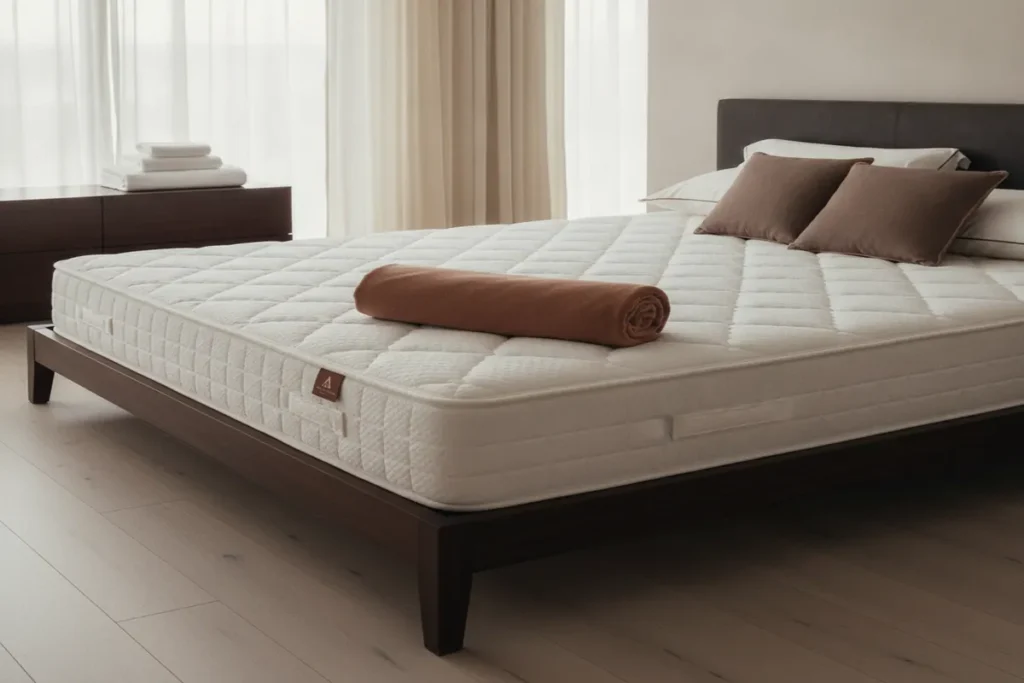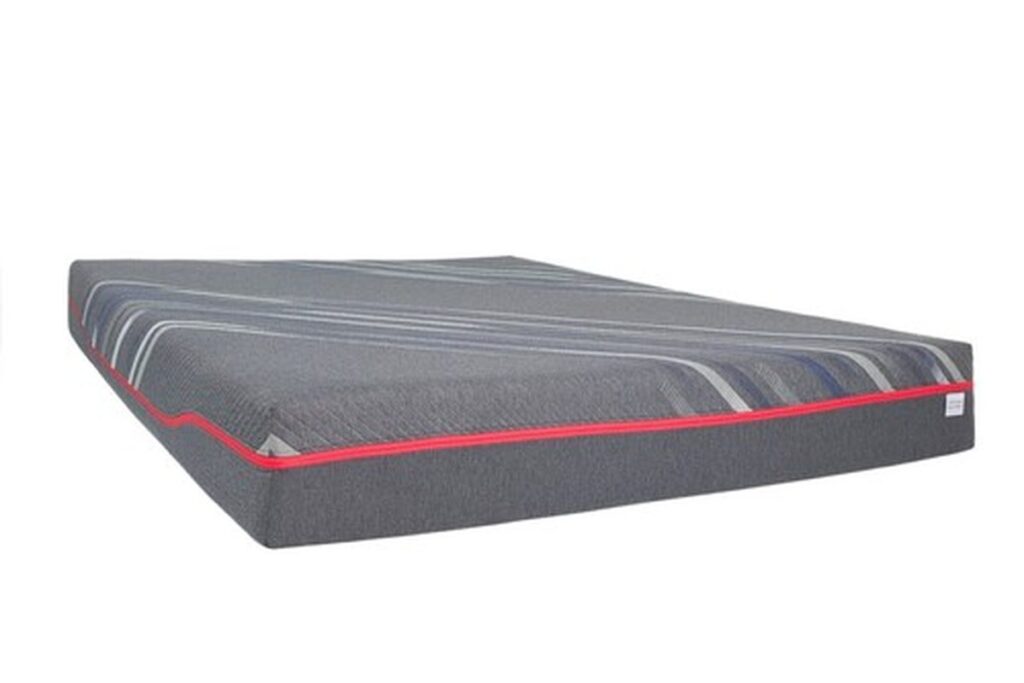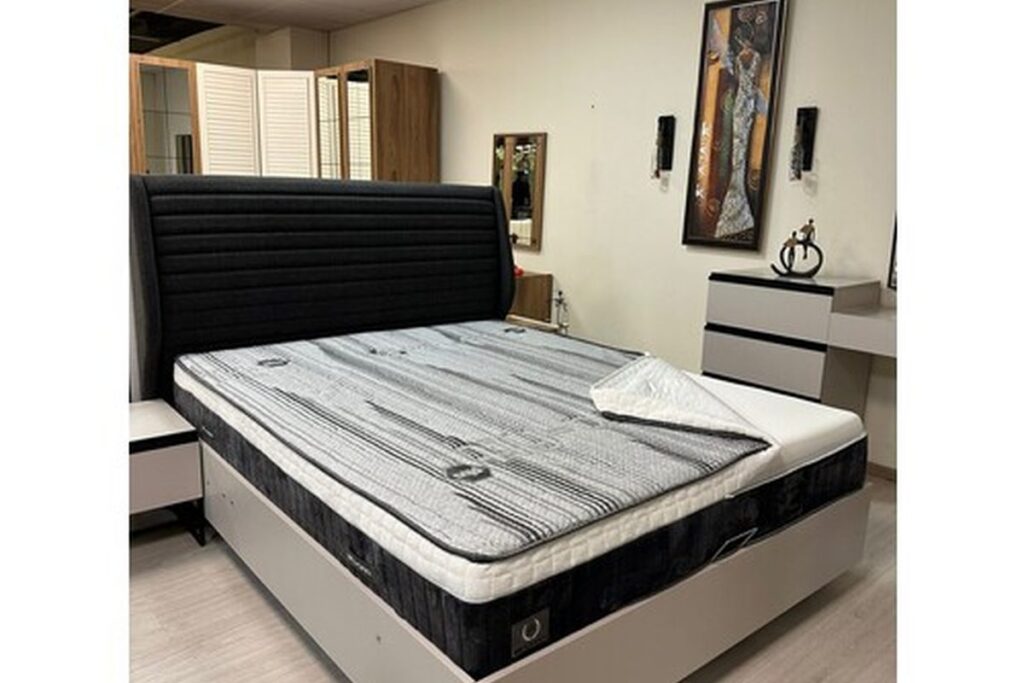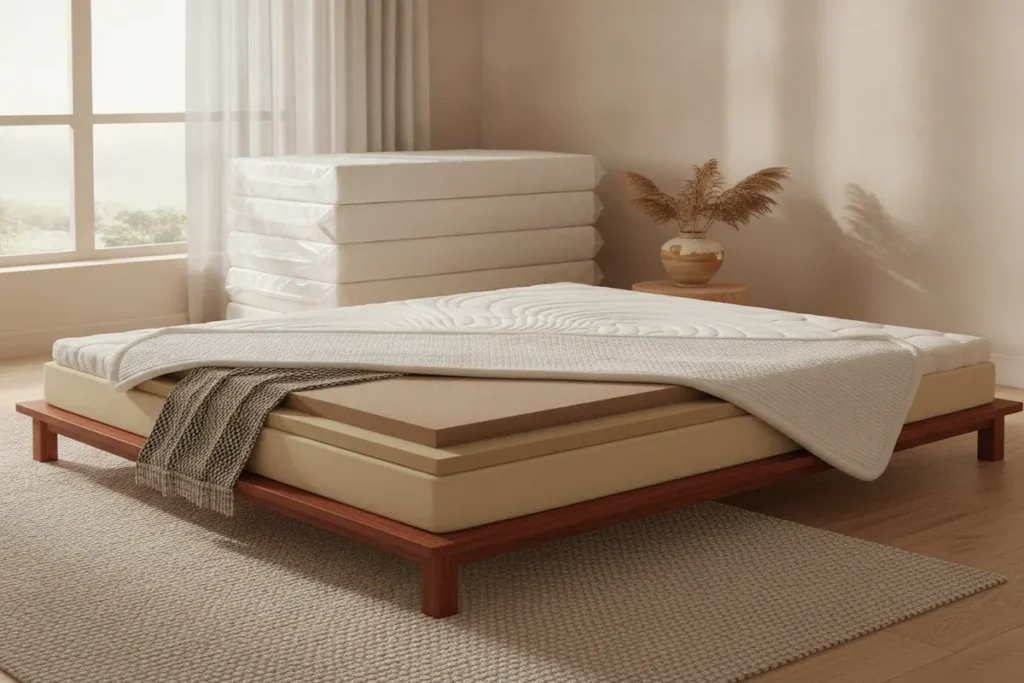

Foam mattress weight capacity refers to the maximum weight a mattress is designed to comfortably support without compromising its structural integrity, comfort, or lifespan. This critical specification directly impacts how long your mattress will last, how well it maintains its supportive properties, and ultimately, the quality of your sleep. Understanding these limits, which are primarily influenced by the foam’s density and construction, is essential for preventing premature sagging, maintaining warranty validity, and ensuring optimal comfort for all sleepers, especially those with higher body weights.
Quick Summary
- Foam mattress weight capacity is crucial for longevity, comfort, and proper support, preventing premature sagging
- It’s determined by foam density, type (memory, latex, polyfoam), and overall mattress construction
- Higher density foam generally equates to higher weight capacity and increased durability
- Exceeding recommended limits can void warranties and lead to poor sleep quality and material breakdown
How Does Foam Mattress Weight Capacity Impact Your Sleep and Mattress Lifespan?
The weight capacity of a foam mattress is far more than just a number; it’s a fundamental determinant of your long-term sleep health and the return on your investment. Ignoring this crucial factor can lead to a cascade of issues that diminish both comfort and durability, ultimately shortening the life of your mattress significantly.
When a mattress is consistently subjected to weight beyond its intended capacity, several problems invariably arise:
-
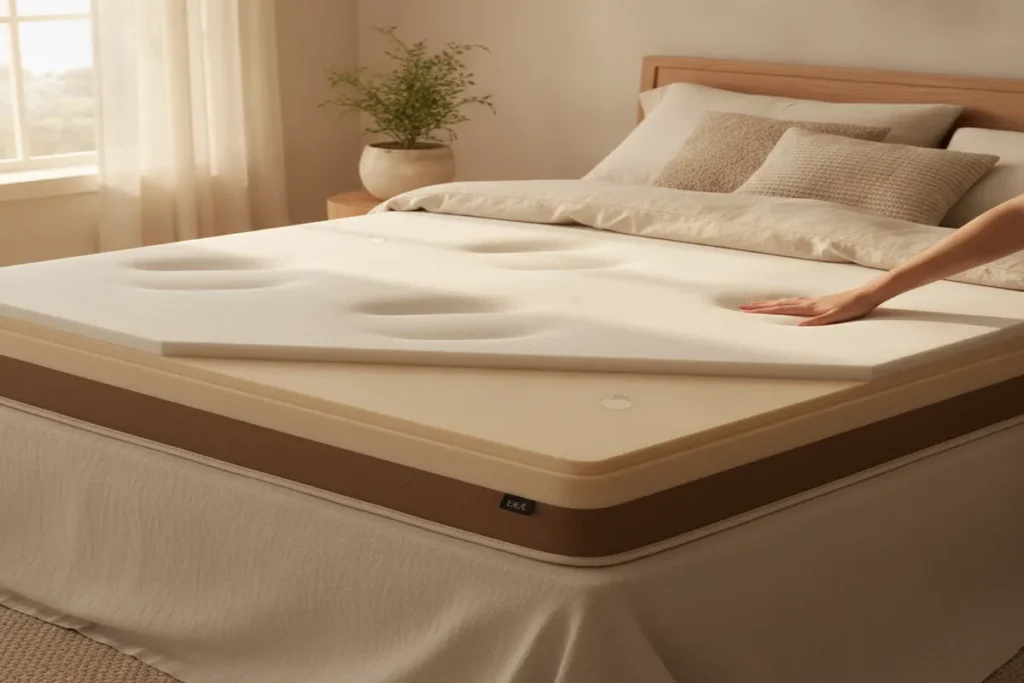
Premature Sagging and Indentations: The most common and immediate consequence. Foam, especially lower-density varieties, will compress and lose its ability to rebound effectively. This leads to permanent body indentations that compromise spinal alignment and create uncomfortable pressure points.
-
Reduced Support and Comfort: A sagging mattress fails to provide the necessary support for your spine, hips, and shoulders. This can result in:
- Increased back pain and stiffness.
- Disrupted sleep cycles due to discomfort.
- A feeling of “bottoming out” or sinking too deeply into the mattress.
-
Accelerated Material Degradation: Beyond visible sagging, the internal foam structure breaks down faster. Cells within the foam can rupture, leading to a permanent loss of elasticity and resilience. This internal damage is often irreversible.
-
Voided Warranty: Most mattress manufacturers explicitly state weight limits in their warranty terms. Exceeding these limits can void your warranty, leaving you without recourse if the mattress prematurely fails. This is a significant financial risk.
-
Compromised Hygiene and Airflow: Excessive compression can reduce the mattress’s ability to breathe, potentially trapping heat and moisture. This creates a less hygienic sleep environment and can accelerate the growth of allergens or mildew in humid conditions.
Choosing a mattress with an appropriate weight capacity ensures that the foam layers can effectively distribute weight, provide consistent support, and maintain their original shape and feel for their expected lifespan. This translates directly to better sleep quality, fewer aches, and a mattress that truly stands the test of time.
Decoding the Numbers: What Do Weight Capacity Ratings Really Mean?
Understanding foam mattress weight capacity requires looking beyond a single advertised number. Manufacturers often provide guidance per individual sleeper or for the total combined weight on the mattress. These ratings are not arbitrary; they are derived from a combination of scientific testing and the inherent properties of the materials used.
Key factors influencing these ratings include:
-
Foam Density (Pounds per Cubic Foot – PCF): This is arguably the most critical factor. Density measures how much material is packed into a given volume of foam.
- Low Density Foam (under 3.5 PCF): Generally offers less support and durability, suitable for lighter individuals or guest rooms. Lower weight capacity.
- Medium Density Foam (3.5 – 5.0 PCF): A good balance of comfort and support, suitable for a wider range of sleepers. Moderate weight capacity.
- High Density Foam (5.0 PCF and above): Offers superior support, durability, and resilience. Ideal for heavier individuals or those seeking maximum longevity. Highest weight capacity.
-
Type of Foam: Different foam formulations have varying inherent strengths.
- Polyurethane Foam (Polyfoam): Versatile and widely used. Its density varies greatly, impacting capacity.
- Memory Foam (Visco Foam): Known for contouring. Higher-density memory foam provides better support and durability for heavier individuals. Sinyora Yatak‘s Visco Foam Mattress offers excellent contouring with robust support.
- Latex Foam (Natural or Synthetic): Exceptionally resilient and durable, offering excellent support. Latex generally has a higher inherent weight capacity and faster response time than memory foam. Our Latex Foam Mattress is a prime example of this durability.
-
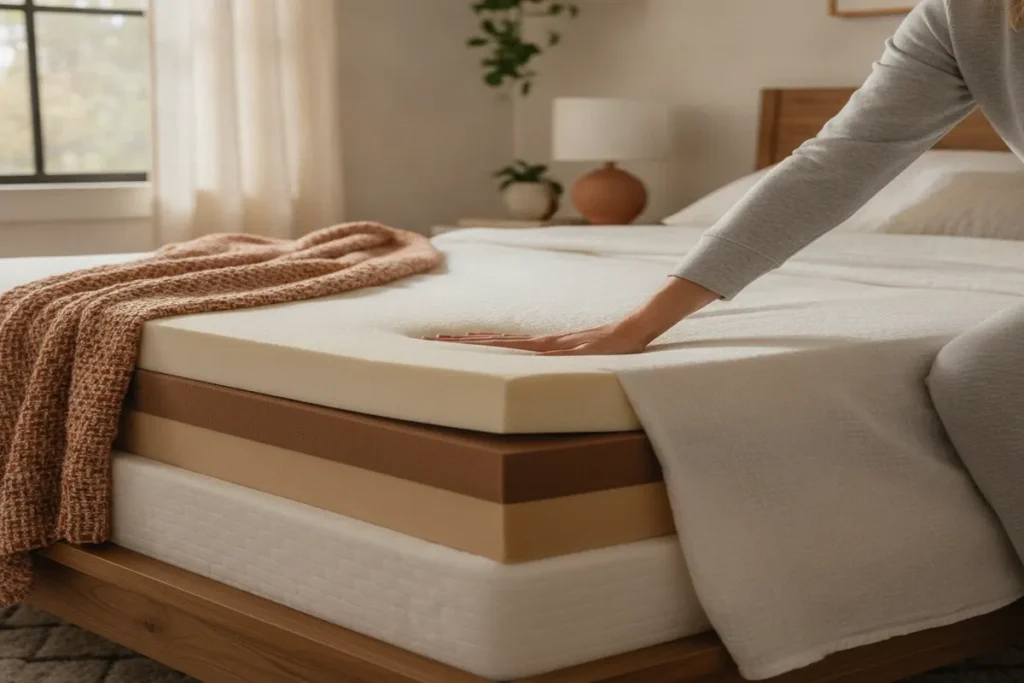
Mattress Construction and Layering: The way different foam layers are combined, along with other components, significantly impacts overall capacity.
- Base Layer: A firm, high-density foam base is crucial for providing foundational support and preventing sagging.
- Transition Layers: These layers gradually transfer weight from the comfort layers to the base, enhancing durability.
- Hybrid Mattresses: These combine foam layers with a pocket coil or Bonnel spring system, offering the contouring of foam with the robust support and airflow of springs. Sinyora Yatak’s Pocket Coils Mattress or Bonnel Spring Mattress are excellent examples, often featuring higher weight capacities due to their spring core.
-
Cover Material and Quilting: While less impactful than foam density, durable covers and quilting can contribute to the overall resilience and longevity of the mattress.
When evaluating a mattress’s weight capacity, always look for specific numbers provided by the manufacturer. If a brand offers a range (e.g., “up to 250 lbs per side”), consider your individual body weight and whether you’ll be sleeping alone or with a partner. For couples, the combined weight is paramount.
How Much Does a Foam Mattress Weigh, and Why Does it Matter for Capacity?
The actual weight of a foam mattress is a distinct metric from its weight capacity, yet the two are intrinsically linked. Understanding a mattress’s physical weight can offer indirect insights into its construction and potential durability, which, in turn, relates to its capacity.
Typical Foam Mattress Weights:
The weight of a foam mattress varies significantly based on its size, foam type, and density.
-
Twin: 40-70 lbs (18-32 kg)
-
Full: 60-90 lbs (27-41 kg)
-
Queen: 70-120 lbs (32-54 kg)
-
King/California King: 90-160+ lbs (41-73+ kg)
Why Mattress Weight Matters for Capacity:
-
Indicator of Density: Generally, a heavier foam mattress (of the same size and thickness) suggests higher density foam layers. As discussed, higher density foam is more durable and capable of supporting greater weight over time. Lighter mattresses might use lower-density foams or less material overall, which could imply a lower weight capacity and shorter lifespan.
-
Structural Integrity: A heavier mattress often indicates a more substantial construction, potentially with thicker base layers or more robust transition foams. This contributes to the overall stability and ability to handle consistent pressure.
-
Ease of Movement and Installation: While not directly related to capacity, a mattress’s weight influences how easy it is to move, rotate, or set up. This is a practical consideration for delivery, setup, and routine maintenance. For instance, a Sinyora Yatak Construction Mattress, designed for robust support, might be heavier due to its dense materials.
-
Foundation Compatibility: The total weight of a heavy mattress combined with the sleepers’ weight places significant demands on the bed base and headboard. It’s crucial to ensure your chosen foundation can adequately support this combined load. Sinyora Yatak offers durable Bed Base and Headboard options designed to complement our high-quality mattresses.
While a heavier mattress often correlates with better durability and higher weight capacity, it’s not a sole indicator. Always prioritize the manufacturer’s stated weight capacity and foam density specifications over just the mattress’s overall weight. However, when comparing two similar mattresses, a significantly heavier option might signal a more robust internal structure.
Choosing the Right Foam Mattress: Density, Type, and Your Body’s Needs
Selecting the ideal foam mattress involves a careful balance between understanding material science and recognizing your personal sleep requirements. When focused on foam mattress weight capacity, the decision criteria become even more specific.
Here’s a practical guide to making the right choice:
-
Assess Your Individual and Combined Weight:
- Single Sleeper: If you sleep alone, identify your body weight. Look for mattresses that comfortably support this weight with a buffer.
- Couples: Crucially, add your combined body weight. Many mattresses specify weight limits per side or per sleeper, while others give a total combined limit. Always clarify this with the manufacturer. If one partner is significantly heavier, consider a mattress with a higher overall capacity to prevent uneven wear.
-
Prioritize Foam Density:
- For Lighter Individuals (under 150 lbs / 68 kg): Medium-density foams (3.0-4.0 PCF) can offer excellent comfort and sufficient support without feeling too firm.
- For Average Individuals (150-230 lbs / 68-104 kg): Medium-to-high density foams (4.0-5.0 PCF) in memory foam or polyfoam, or medium-firm latex, provide a great balance of contouring and durable support.
- For Heavier Individuals (230+ lbs / 104+ kg) or Couples with High Combined Weight: High-density foams (5.0 PCF and above for memory foam/polyfoam) or firm latex are highly recommended. These materials offer superior longevity, prevent premature sagging, and provide the robust support needed for proper spinal alignment.
-
Consider Foam Type and Its Characteristics:
- Memory Foam: Offers deep contouring and pressure relief. For heavier individuals, high-density memory foam (like in Sinyora Yatak’s Visco Foam Mattress) is essential to prevent sinking too far.
- Latex Foam: Known for its responsiveness, durability, and natural elasticity. Latex generally handles higher weights exceptionally well and provides a “floating on top” sensation. Our Latex Foam Mattress is a top choice for those seeking resilient support.
- Polyfoam: Often used in base layers or as support foam. Its quality and density vary widely. Ensure base polyfoam is high-density for optimal support.
- Hybrid Mattresses: Combine foam with pocket coils or springs. This construction often results in a higher overall weight capacity due to the robust support core. A Sinyora Yatak Pocket Coils Mattress, for example, combines the best of both worlds.
-
Evaluate Mattress Construction:
- Look for a mattress with a thick, high-density support core (base layer). This is the foundation that bears the primary load.
- Consider the total thickness of the mattress. Thicker mattresses often have more substantial support layers, which can contribute to higher weight capacity.
-
Read Reviews and Check Warranties:
- Look for specific mentions of durability and support from users with similar body types in foam mattress weight capacity review sections.
- Always review the warranty details carefully, paying close attention to weight limits and what constitutes “normal” sagging versus a manufacturing defect. Sinyora Yatak provides comprehensive Warranty Information to ensure peace of mind.
By systematically evaluating these factors, you can confidently select a foam mattress that not only meets its weight capacity but also delivers the comfort, support, and durability you expect for years to come.
Understanding Different Foam Types: Which One Supports You Best?
The world of foam mattresses is diverse, with each type offering distinct characteristics that influence its weight capacity, feel, and overall performance. Making an informed choice requires understanding these differences.
Here’s a comparison of common foam types and their suitability for various weight capacities:
Key Takeaways for Weight Capacity:
-
Latex Foam is often considered the gold standard for durability and high weight capacity due to its natural resilience and ability to maintain shape without deep impressions.
-
High-Density Memory Foam is crucial for heavier individuals who prefer the contouring feel of memory foam. Lower-density memory foam will break down quickly under significant weight.
-
Hybrid Mattresses inherently offer higher weight capacities because the coil system provides a strong, durable foundation that distributes weight effectively and prevents excessive sinking into the foam layers. This makes them a versatile choice for a wide range of sleepers, including those with higher body weights or couples with disparate weights.
When reviewing foam mattress weight capacity features, always inquire about the specific foam densities used in different layers of the mattress. A mattress might have a plush, low-density comfort layer, but if its support core is high-density, it can still offer excellent capacity.
Common Mistakes to Avoid When Considering Foam Mattress Weight Limits
Navigating the world of foam mattress weight capacity can be tricky, and several common misconceptions or oversights can lead to a suboptimal purchase or premature mattress failure. As experts in sleep solutions, Sinyora Yatak wants to help you avoid these pitfalls.
Here are the most frequent mistakes and how to prevent them:
-
Ignoring Combined Weight for Couples:
- Mistake: Assuming a mattress rated for “250 lbs” means 250 lbs total, when it might mean “250 lbs per side.” Or, conversely, misinterpreting “500 lbs total” as sufficient when one partner significantly exceeds the “per side” recommendation if applicable.
- Avoid: Always clarify if the weight capacity is per person or total. If it’s per person, ensure both individuals are within that limit. If it’s a total, ensure your combined weight doesn’t exceed it. For high combined weights, consider hybrid options or very high-density foam.
-
Underestimating the Impact of Sleep Style:
- Mistake: Believing that as long as you’re under the weight limit, any mattress will do. A heavier stomach sleeper, for instance, puts more concentrated pressure on certain areas than a lighter side sleeper.
- Avoid: Consider how your weight is distributed. Heavier stomach sleepers or those who tend to sleep in one spot may need firmer, higher-density foams to prevent excessive sinking and maintain spinal alignment. Side sleepers might need a balance of pressure relief and support. Our Turkish Mattress for Side Sleepers guide offers tailored advice.
-
Focusing Only on Comfort Layers, Not Support Core:
- Mistake: Being swayed by the plushness of a top comfort layer without investigating the density and quality of the underlying support foams.
- Avoid: The true weight capacity and durability come from the base and transition layers. Always inquire about the density of all foam layers, particularly the core. A high-density base is non-negotiable for longevity.
-
Assuming All “Firm” Mattresses Have High Capacity:
- Mistake: Firmness and density are related but not identical. A low-density foam can be made to feel firm with certain additives, but it won’t have the same durability or weight capacity as a high-density foam.
- Avoid: Don’t rely solely on the “firmness rating.” Always ask for the foam density (PCF) to truly understand the material’s ability to support weight over time.
-
Neglecting Your Bed Base:
- Mistake: Placing a new, high-capacity foam mattress on an old, sagging, or unsupportive bed base. This negates the benefits of a good mattress and can even void its warranty.
- Avoid: Ensure your bed base and headboard are sturdy, flat, and specifically designed to support the weight of a foam mattress and its occupants. Slatted bases should have narrow gaps (typically 3 inches or less) to provide continuous support.
-
Ignoring Warranty Details Regarding Sagging:
- Mistake: Not understanding what constitutes a warranty-covered sag versus normal wear and tear. Many warranties only cover sags beyond a certain depth (e.g., 1 inch or 1.5 inches).
- Avoid: Read the warranty carefully. A mattress chosen for appropriate weight capacity is less likely to experience warranty-voiding sagging. Sinyora Yatak’s Warranty Information details our coverage.
By being aware of these common mistakes, you can make a more informed decision and invest in a foam mattress that truly meets your long-term needs for support, comfort, and durability.
A Practical Checklist for Selecting Your High-Capacity Foam Mattress
Choosing a mattress that perfectly aligns with your needs, especially when weight capacity is a primary concern, requires a systematic approach. This checklist will guide you through the essential considerations to ensure you make an informed decision for lasting comfort and support.
Your High-Capacity Foam Mattress Selection Checklist:
-
Determine Total Sleeper Weight:
- My individual weight: ___ lbs (kg)
- Partner’s individual weight (if applicable): ___ lbs (kg)
- Combined total weight: ___ lbs (kg)
- Goal: Find a mattress that meets or exceeds this combined total, or individual limits if specified per side.
-
Identify Preferred Foam Type and Feel:
- Memory Foam: (Deep contouring, pressure relief, slower response) — If choosing memory foam, prioritize high density.
- Latex Foam: (Responsive, buoyant, durable, often natural) — Excellent for higher capacities.
- Hybrid (Foam + Coils): (Combines contouring with robust spring support, good airflow) — Often ideal for highest capacities.
- Polyfoam: (Versatile, often used in base layers) — Ensure high density for support layers.
-
Verify Foam Density (PCF):
- Comfort Layers: (e.g., 3.5-5.0 PCF for memory foam, 4.0-6.0 PCF for latex)
- Support/Base Layers: (Aim for 1.8 PCF+ for polyfoam, 5.0 PCF+ for memory foam, 5.0 PCF+ for latex)
- Goal: Higher density generally means better durability and weight capacity.
-
Confirm Mattress Thickness and Construction:
- Total Mattress Thickness: ___ inches (cm) — Thicker often means more substantial support layers.
- Base Layer Thickness: ___ inches (cm) — A robust base is critical.
- Are there multiple transition layers? (Yes/No) — Good transition helps distribute weight.
- Goal: Ensure a well-built structure with a strong foundation.
-
Check Manufacturer’s Stated Weight Capacity:
- Is it per person or total combined? ____________________
- Does it comfortably exceed my/our total weight by at least 10-20%? (Yes/No)
- Goal: Match or exceed your actual needs with a safety margin.
-
Evaluate Warranty Terms:
- What are the specific weight capacity clauses?
- What depth of sagging is covered? ___ inches (cm)
- What is the warranty length? ___ years
- Goal: Understand your protection and ensure it aligns with your usage.
-
Assess Bed Base Compatibility:
- Is my current base sturdy and supportive for a foam mattress? (Yes/No)
- If slatted, are the gaps 3 inches (7.5 cm) or less? (Yes/No)
- Do I need a new bed base and headboard? (Yes/No)
- Goal: Provide a solid, flat foundation for optimal mattress performance.
-
Read Customer Reviews (Specific to Body Type):
- Look for reviews from individuals or couples with similar weight profiles.
- Pay attention to comments on long-term durability and sag.
- Goal: Gain real-world insights into the mattress’s performance.
By diligently working through this checklist, you will be well-equipped to select a foam mattress that not only provides exceptional comfort but also delivers the robust support and longevity required for years of restful sleep.
Expert Insight
“The long-term performance and user satisfaction of a foam mattress are inextricably linked to its weight capacity. It’s not just about initial comfort; it’s about how the mattress maintains that comfort and support over years of daily use. High-density foams, particularly in the core layers, are the unsung heroes here. They provide the resilience needed to prevent premature body impressions and ensure spinal alignment, especially for heavier individuals or couples. Investing in a mattress with a robust weight capacity is, quite simply, an investment in durable sleep health.” – Industry experts confirm that foam density is the most critical factor for mattress longevity.
Key Terms
-
Weight Capacity: The maximum weight a mattress is designed to support without compromising its structure, comfort, or lifespan.
-
Foam Density (PCF – Pounds per Cubic Foot): A measure of how much material is packed into a cubic foot of foam. Higher density generally indicates greater durability and support.
-
Memory Foam (Visco Foam): A viscoelastic polyurethane foam that softens in response to body heat and pressure, contouring closely to the sleeper’s shape for pressure relief.
-
Latex Foam: A highly resilient foam derived from rubber trees (natural) or synthetic compounds, known for its buoyancy, durability, and quick response time.
-
Hybrid Mattress: A mattress that combines a spring or coil support system with layers of foam (memory, latex, or polyfoam) for a blend of support and comfort.
How Can You Upgrade to More Comfortable Sleep with Sinyora Yatak?
At Sinyora Yatak, we understand that a truly restful night’s sleep begins with a mattress engineered for your specific needs, including robust weight capacity and enduring comfort. As specialists in Turkish mattresses, renowned for their quality craftsmanship and premium materials, we are dedicated to providing sleep solutions that stand the test of time.
Whether you’re seeking the deep contouring comfort of our high-density Visco Foam Mattress, the resilient support of our natural Latex Foam Mattress, or the balanced stability of our advanced Pocket Coils Mattress, Sinyora Yatak offers a diverse collection designed to accommodate every sleeper. Our mattresses are crafted with meticulous attention to foam density and structural integrity, ensuring they meet rigorous weight capacity standards for optimal longevity and consistent support.
Explore our Mattress Collection to discover options like the luxurious Cashmere Bed or the robust Construction Mattress, each built to deliver superior sleep. We offer exceptional quality for both individual purchases and Mattress Wholesale in Turkiye, with the ability to Ship Turkish Mattresses Internationally. Don’t compromise on your sleep health; let Sinyora Yatak guide you to the perfect mattress that truly supports you, night after night. Our Buying Guides and dedicated Customer Service team are ready to assist you in making the best choice for your sleep needs.
Frequently Asked Questions
Q: What is the typical weight capacity of a foam mattress?
Q: Can exceeding a foam mattress’s weight capacity damage it?
Q: Does foam density directly relate to weight capacity?
Q: Are hybrid mattresses better for higher weight capacities?
Q: How can I find the weight capacity of a specific mattress?
Q: What happens if I put a heavy mattress on an old bed frame?
Help: FAQs · Sleep Science · Sleep Resources · Privacy Policy