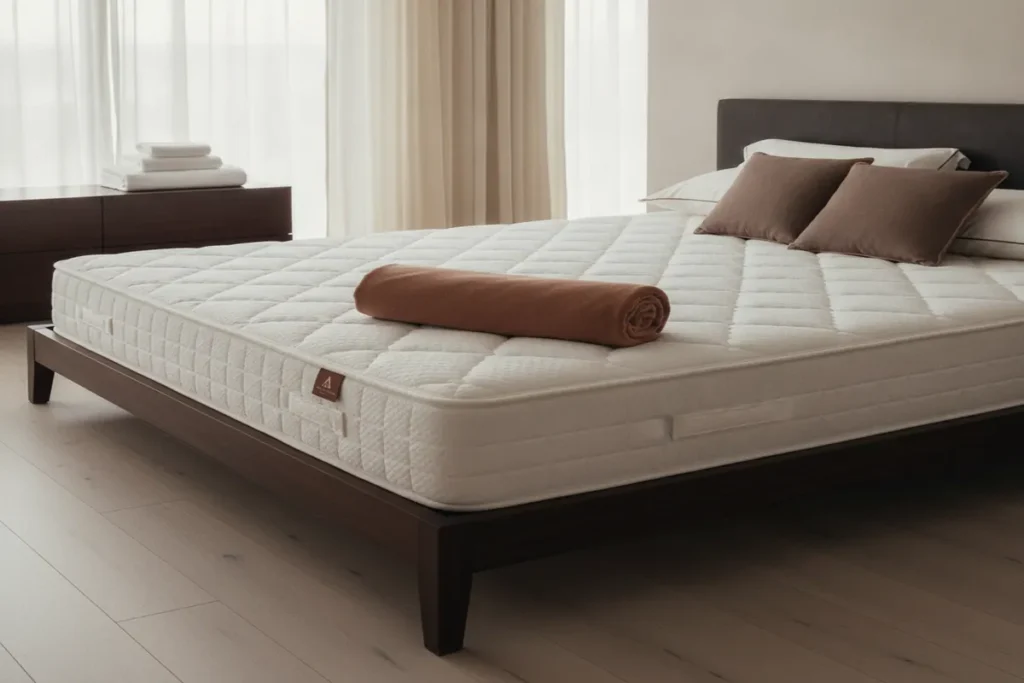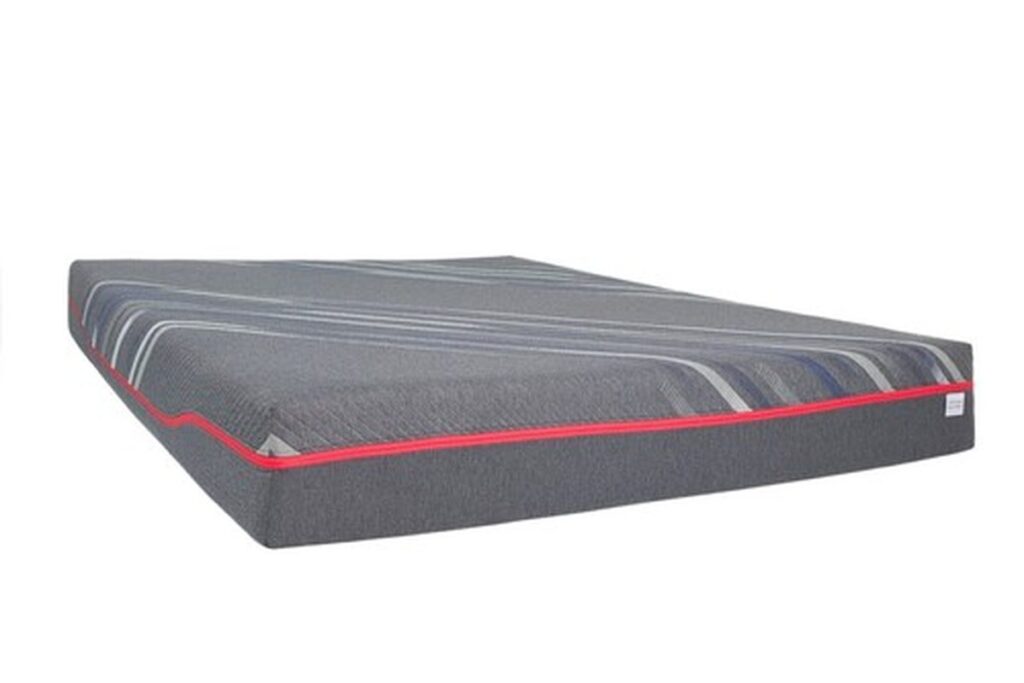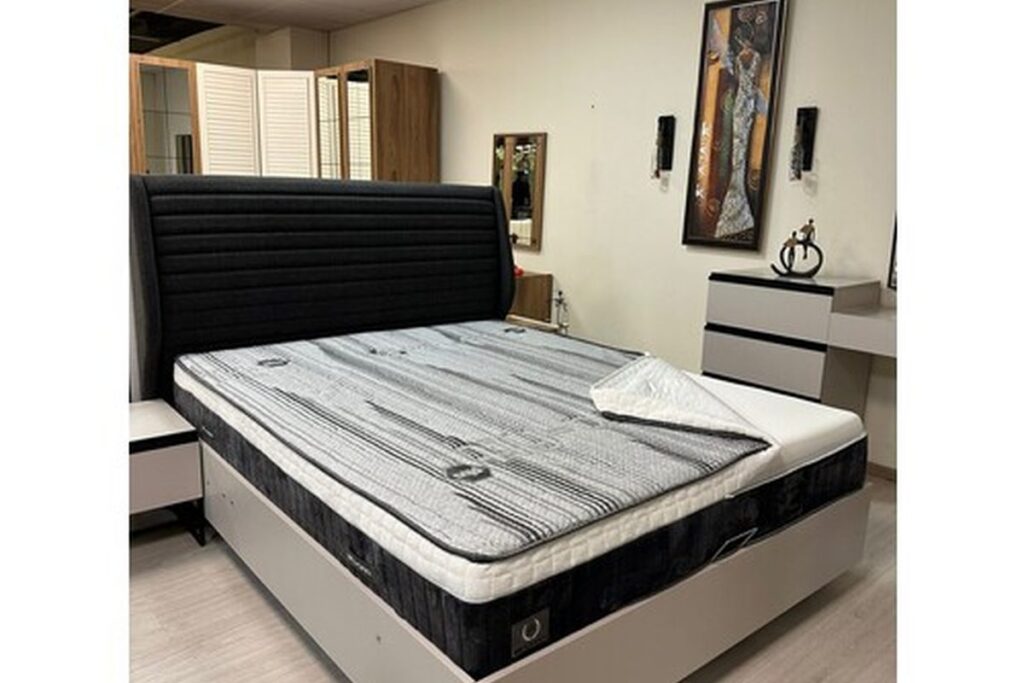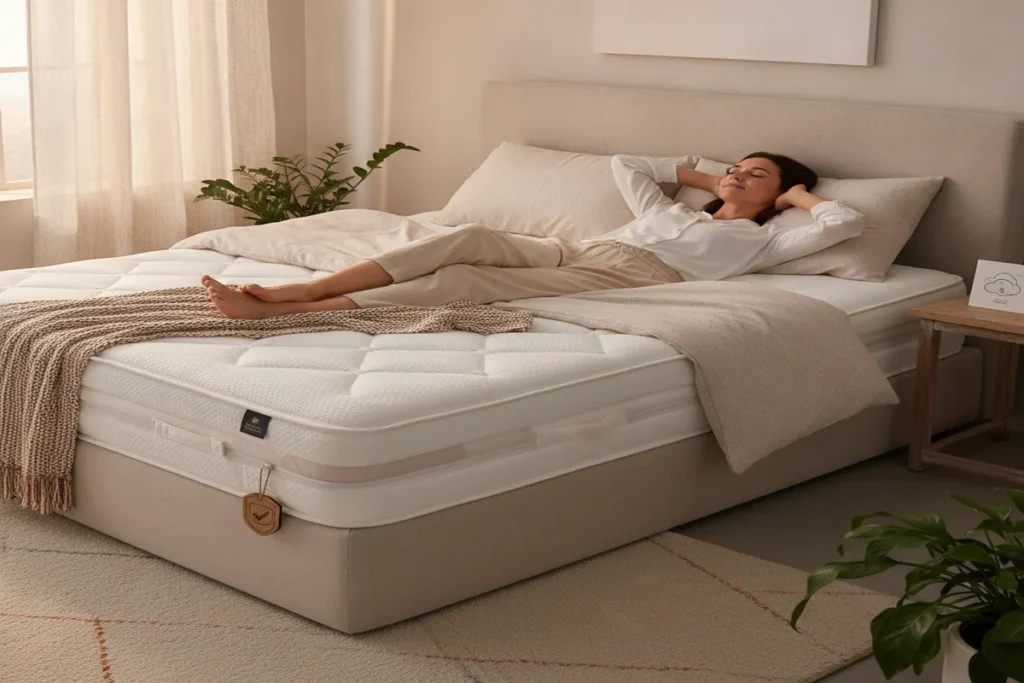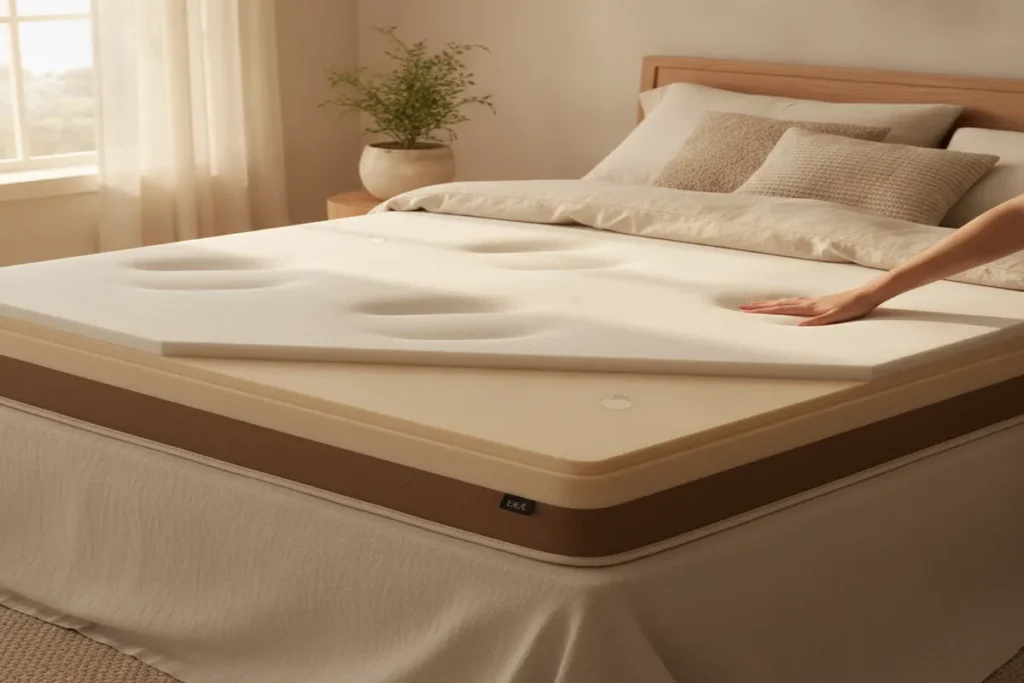


For individuals grappling with arthritis, a foam mattress can be a game-changer, offering targeted support and crucial pressure relief that mitigates joint pain and enhances sleep quality. These mattresses excel at conforming to the body’s natural curves, distributing weight evenly to reduce stress on sensitive joints, and minimizing motion transfer to ensure undisturbed rest. By understanding the nuances of different foam types and key buying considerations, arthritis sufferers can find a mattress that provides both comfort and therapeutic benefits.
Quick Summary
- Foam mattresses offer superior pressure relief and contouring support crucial for arthritis sufferers
- memory foam and latex foam are top choices due to their ability to alleviate joint pain
- choosing the right firmness and material density is key for personalized comfort
- proper mattress selection can significantly improve sleep quality and reduce morning stiffness
Why Are Foam Mattresses Often Recommended for Arthritis Sufferers?
Foam mattresses, particularly those made from memory foam or latex foam, are frequently endorsed by healthcare professionals and sleep experts for individuals experiencing arthritis due to their unique properties that directly address common pain points. Unlike traditional innerspring mattresses, foam mattresses do not create localized pressure points, which can exacerbate joint pain. Instead, they cradle the body, offering a responsive surface that adapts to individual contours.
Here’s why they stand out:
-
Superior Pressure Point Relief: The hallmark of foam mattresses is their ability to distribute body weight evenly. This means less pressure on sensitive joints like hips, shoulders, and knees, which are often targets for arthritic inflammation.
-
Conforming Support: Foam molds to your body’s shape, providing customized support that maintains proper spinal alignment. This is critical for reducing back and neck pain often associated with arthritis.
-
Excellent Motion Isolation: For those sharing a bed, foam mattresses significantly reduce motion transfer. This means a partner’s movements are less likely to disturb your sleep, which is vital when pain already makes falling and staying asleep challenging.
-
Durability and Longevity: High-quality foam mattresses retain their supportive properties over time, providing consistent relief night after night. This consistency is important for managing chronic pain.
-
Hypoallergenic Properties: Many foam types, especially natural latex, are inherently resistant to dust mites, mold, and mildew, creating a healthier sleep environment that can be beneficial for overall well-being.
The goal is not just comfort, but therapeutic support that actively works to alleviate symptoms and improve the quality of restorative sleep.
Which Types of Foam Mattresses Offer the Best Relief for Joint Pain?
When selecting a foam mattress for arthritis, the material composition is paramount. Different foam types offer varying degrees of pressure relief, support, and other characteristics that can impact comfort for sensitive joints. The two primary contenders are memory foam and latex foam, with polyurethane foam often serving as a base layer.
Memory Foam (Visco Foam Mattress)
Memory foam, also known as visco-elastic foam, is celebrated for its remarkable ability to contour precisely to the body. It reacts to body heat and pressure, softening and molding to your unique shape, creating a “hug” sensation. This deep contouring is exceptionally effective at relieving pressure points.
-
Pros for Arthritis:
- Exceptional Pressure Relief: Unparalleled at distributing weight and cushioning sensitive joints.
- Motion Isolation: Virtually eliminates motion transfer, ideal for couples.
- Customized Support: Molds to every curve, promoting spinal alignment.
-
Cons for Arthritis:
- Heat Retention: Traditional memory foam can trap heat, though newer generations incorporate cooling technologies (e.g., gel infusions, open-cell structures).
- “Stuck” Feeling: Some users report a feeling of sinking in or being “stuck” due to slower response time.
- Off-Gassing: New memory foam mattresses can emit a temporary chemical odor.
For those with severe, localized joint pain, the deep cradling of a Visco Foam Mattress can provide immense relief.
Latex Foam Mattress
Latex foam is derived from the sap of rubber trees (natural latex) or synthetically produced. It offers a more responsive, buoyant feel compared to memory foam, providing pressure relief without the deep sink. Latex springs back to shape almost instantly.
-
Pros for Arthritis:
- Responsive Support: Contours to the body but provides a gentle lift, making it easier to move.
- Excellent Durability: One of the most durable mattress materials, often lasting 15+ years.
- Breathability: Naturally more breathable than memory foam, reducing heat retention.
- Hypoallergenic: Natural latex is inherently resistant to dust mites, mold, and mildew.
-
Cons for Arthritis:
- Higher Cost: Often more expensive than memory foam.
- Weight: Latex mattresses can be very heavy.
- Firmness Variability: While available in various firmness levels, some find even softer latex firmer than memory foam.
A Latex Foam Mattress is often preferred by those who need significant pressure relief but also value ease of movement and a cooler sleep surface.
Polyurethane Foam
Polyurethane foam is a versatile petroleum-based foam that forms the core of many mattresses. It’s less dense and less conforming than memory foam or latex, but it provides foundational support. It’s usually found in the base layers of foam mattresses or as a comfort layer in more budget-friendly options.
-
Pros for Arthritis:
- Cost-Effective: Generally the most affordable foam type.
- Versatile: Can be engineered to various densities and firmness levels.
- Good Base Support: Provides a stable foundation for other comfort layers.
-
Cons for Arthritis:
- Less Pressure Relief: Does not contour as closely as memory or latex foam.
- Lower Durability: Can degrade faster than higher-quality foams, leading to sagging.
- Potential for Off-Gassing: Similar to memory foam, but often less pronounced.
While polyurethane foam is essential for structural integrity, arthritis sufferers should prioritize mattresses with substantial comfort layers of memory or latex foam.
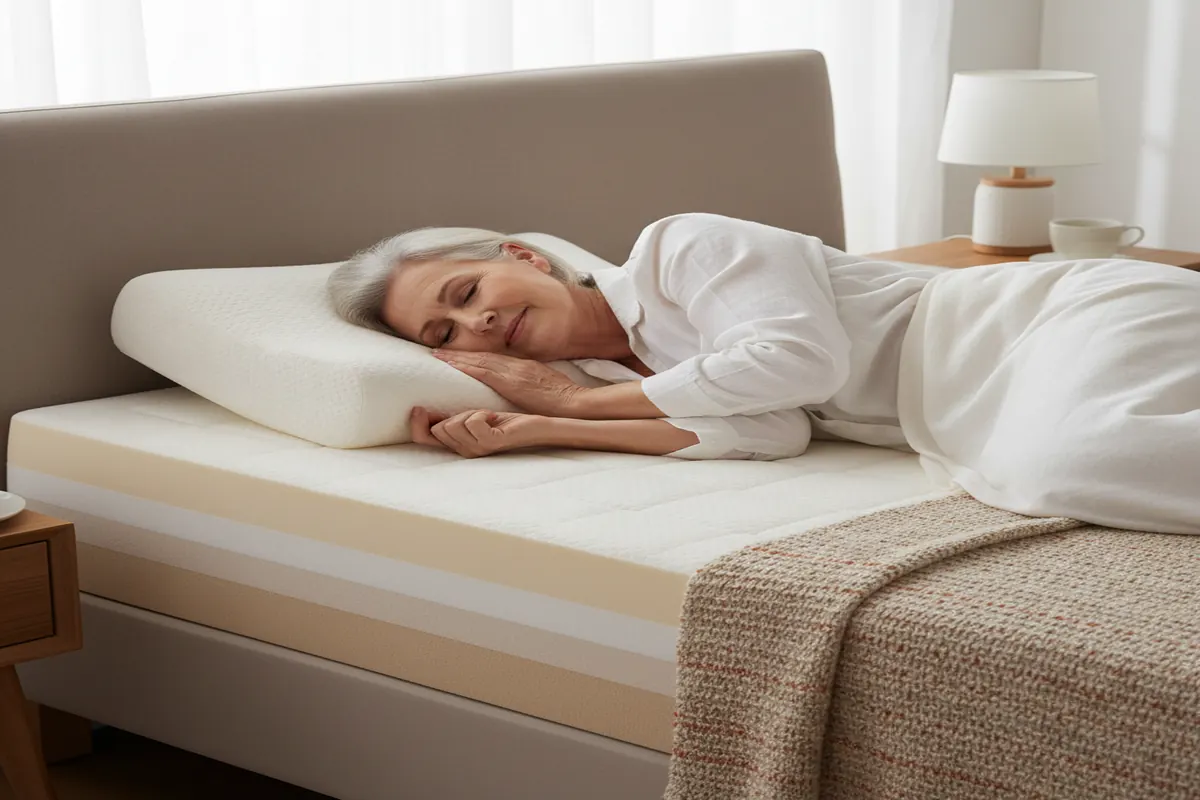
Here’s a comparison of these key foam types:
How Do You Choose the Right Foam Mattress for Arthritis: Key Buying Tips?
Choosing the ideal foam mattress for people with arthritis requires careful consideration of several factors beyond just the foam type. A truly beneficial mattress will align with your individual pain points, sleeping style, and personal preferences. Here are the crucial buying tips:
1. Prioritize the Right Firmness Level
The “best” firmness is subjective, but for arthritis, a medium-firm to medium-soft mattress is generally recommended.
-
Too Soft: A mattress that’s too soft might allow you to sink too deeply, misaligning your spine and offering insufficient support for heavier body parts. This can exacerbate back and hip pain.
-
Too Firm: A mattress that’s too firm won’t contour adequately, creating pressure points on prominent joints. This can worsen pain in shoulders, hips, and knees.
-
Medium-Firm to Medium-Soft: This range typically offers the best balance of contouring pressure relief and robust support, keeping the spine aligned while cushioning joints. However, heavier individuals may lean towards medium-firm, while lighter individuals might find medium-soft more comfortable.
2. Consider Your Primary Sleeping Position
Your preferred sleeping position dictates where pressure points typically occur and how your spine needs support.
-
Side Sleepers: Need a softer top layer to cushion shoulders and hips, which bear the most weight. A medium-soft memory foam or a plush latex foam is often ideal to prevent pressure buildup. Consider a Visco Pillow or Latex Pillow (Natural) for proper neck alignment.
-
Back Sleepers: Require a mattress that supports the natural curve of the spine. A medium-firm foam mattress that contours without excessive sinking is usually best.
-
Stomach Sleepers: Need a firmer surface to prevent the hips from sinking too low, which can strain the lower back. A medium-firm to firm latex or a denser memory foam can work, but stomach sleeping is generally discouraged for arthritis sufferers due to potential neck and back strain.
3. Evaluate Material Density and Quality
Higher density foam generally translates to better durability and more consistent support over time.
-
Memory Foam Density: Look for memory foam layers with a density of 3-5 lbs/cubic foot in the comfort layers. Lower density foams may feel soft initially but can break down quickly.
-
Latex Foam Density: Latex is often measured by its ILD (Indentation Load Deflection) rating. A lower ILD indicates a softer feel. For arthritis, consider comfort layers with a moderate ILD.
-
Certifications: Check for certifications like CertiPUR-US (for polyurethane and memory foams, ensuring they’re made without harmful chemicals) or GOLS/GOTS (for organic latex and textiles). These certifications indicate higher quality and safer materials.
4. Factor in Cooling Properties
If you tend to sleep hot, or if inflammation from arthritis makes you sensitive to heat, prioritize mattresses with cooling features.
-
Gel-Infused Memory Foam: Gel beads or particles help dissipate heat.
-
Open-Cell Memory Foam: Engineered with a more porous structure to improve airflow.
-
Latex Foam: Naturally more breathable due to its open-cell structure.
-
Hybrid Mattresses: Combine foam layers with pocketed coils for enhanced airflow and responsive support (e.g., Pocket Coils Mattress).
5. Understand Trial Periods and Warranties
A mattress is a significant investment, especially for health-related reasons.
-
Trial Period: A generous in-home sleep trial (e.g., 90-120 nights) is crucial. It takes time for your body to adjust to a new mattress and for you to truly assess its impact on your arthritis pain.
-
Warranty: Look for a comprehensive warranty (typically 10-20 years) that covers manufacturing defects and significant sagging. This protects your investment.
6. Read Reviews and Seek Expert Advice
While personal experience is key, reading reviews from other arthritis sufferers can provide valuable insights. Also, don’t hesitate to consult with your doctor or physical therapist for their recommendations, especially regarding specific support needs for your condition.
What Common Mistakes Should You Avoid When Buying an Arthritis-Friendly Mattress?
Navigating the mattress market can be overwhelming, and making the wrong choice, especially with arthritis, can lead to exacerbated pain and wasted investment. Being aware of common pitfalls can help you make a more informed decision.
Here are the mistakes to steer clear of:
-
Buying Based Solely on Price: While budget is a factor, prioritizing the cheapest option often means compromising on quality, durability, and the specific therapeutic properties needed for arthritis relief. A poorly constructed mattress will sag quickly, negating any initial benefits.
-
Assuming “Firm” Equals “Supportive”: This is a pervasive myth. A mattress can be firm without being supportive. For arthritis, support comes from contouring to your body’s natural alignment, not just from a hard surface. A mattress that’s too firm can create painful pressure points.
-
Ignoring the Trial Period: Many reputable mattress companies offer generous sleep trials. Failing to utilize this period fully, or rushing the decision, is a missed opportunity. Your body needs time to adjust, and arthritis pain can fluctuate, requiring a thorough assessment over several weeks.
-
Not Considering Your Sleeping Partner: If you share a bed, their needs and movements matter. Choosing a mattress with poor motion isolation (like some traditional innerspring beds) can disrupt your sleep, even if it feels good initially. Foam mattresses generally excel here.
-
Overlooking Mattress Dimensions and Bed Frame Compatibility: Ensure the mattress fits your existing bed frame or that you purchase a compatible Bed Base and Headboard. An ill-fitting mattress can lead to premature wear or discomfort.
-
Neglecting the Importance of a Good Pillow: A mattress provides body support, but a quality Visko Pillows Neck Support or Latex Pillows Neck Support is essential for maintaining proper cervical spine alignment, which directly impacts shoulder and neck pain. Don’t compromise on your pillow.
-
Not Checking Certifications: Especially for foam mattresses, certifications like CertiPUR-US are vital. They assure you that the foam meets strict standards for content, emissions, and durability, meaning it’s free from harmful chemicals.
-
Relying Only on Online Reviews Without Personal Testing (if possible): While reviews are helpful, everyone’s body and pain are unique. If possible, try lying on different foam types in a showroom to get a preliminary feel, even if the final decision is made after an in-home trial.
By avoiding these common errors, you significantly increase your chances of finding a foam mattress that truly alleviates your arthritis symptoms and improves your sleep.
Beyond Foam: Understanding Mattress Support and Firmness for Arthritis
While foam mattresses are excellent, it’s crucial to understand how they fit into the broader landscape of mattress technology, particularly concerning support and firmness. The best mattress for arthritis isn’t just about foam; it’s about how that foam integrates into the overall mattress construction to deliver optimal therapeutic benefits.
The Role of Support Cores
Many foam mattresses, especially those designed for robust support, feature multi-layered constructions. The core typically consists of denser polyurethane foam, or in the case of hybrid mattresses, Pocket Coils Mattress or Bonnel Spring Mattress systems.
-
Foam Core: High-density polyurethane foam provides the foundational support, preventing excessive sinking and ensuring the mattress remains stable. This is crucial for maintaining spinal alignment, especially for heavier individuals.
-
Hybrid Core (Foam + Coils): A hybrid mattress combines the pressure-relieving comfort of foam layers (memory or latex) with the responsive support and airflow of an innerspring system. The individually wrapped pocket coils in a Pocket Coils Mattress move independently, offering targeted support and excellent motion isolation, while also promoting better air circulation than an all-foam bed. This can be an excellent option for arthritis sufferers who prefer a more traditional “springy” feel but still need the contouring benefits of foam.
Understanding Firmness vs. Feel
It’s important to distinguish between a mattress’s firmness and its feel.
-
Firmness refers to how hard or soft the mattress is.
-
Feel describes the overall sensation – buoyant, cradling, responsive, slow-moving.
For arthritis, you generally want a mattress that is firm enough to support your spine in its natural alignment, but soft enough on the surface to cushion your joints and relieve pressure points. This is where the strategic layering of different foam densities and types comes into play in a Construction Mattress. A softer top layer of memory or latex foam can provide the plush comfort, while a firmer base layer of polyurethane foam or pocket coils offers the necessary structural support.
The Importance of Zoned Support
Some advanced foam mattresses incorporate zoned support systems. These mattresses feature different firmness levels in various areas to cater to the body’s varying weight distribution. For example:
-
Softer zones under the shoulders and hips to allow for deeper contouring and pressure relief.
-
Firmer zones under the lumbar region to provide extra support for the lower back, which is often a problem area for arthritis sufferers.
This specialized support can be highly beneficial for targeted pain relief and overall spinal health.
Turkish Foam Mattress vs Spring: A Crucial Distinction
When considering a Turkish Foam Mattress, it’s helpful to understand the traditional Turkish Mattress vs Spring debate. Historically, spring mattresses were dominant. However, modern Turkish mattress manufacturers like Sinyora Yatak have embraced advanced foam technologies, creating high-quality foam mattresses that rival or surpass traditional spring models in terms of pressure relief and motion isolation. While spring mattresses offer bouncy support, foam mattresses provide a more conforming and stable sleep surface, which is often preferred for chronic pain conditions like arthritis.
Ultimately, the best approach for arthritis sufferers is to seek a mattress that expertly combines the contouring pressure relief of foam with robust, stable support, whether that comes from a high-density foam core or a well-engineered hybrid system.
Maintaining Your Foam Mattress for Longevity and Continued Comfort
Investing in a high-quality foam mattress for arthritis relief is a significant step towards better sleep and reduced pain. To ensure your mattress continues to provide optimal support and comfort for years to come, proper care and maintenance are essential. Neglecting these steps can lead to premature wear, reduced effectiveness, and potentially a return of discomfort.
Here’s a practical guide to maintaining your foam mattress:
-
Use a Proper Foundation: A flat, sturdy foundation is crucial for foam mattresses. Slatted bases should have slats no more than 2-3 inches apart to provide consistent support and prevent sagging. Using an old, unsupportive box spring can cause the foam to break down prematurely. Ensure your Bed Base and Headboard are compatible and in good condition.
-
Protect with a Mattress Protector: A high-quality, breathable mattress protector shields your mattress from spills, stains, dust mites, and allergens. This is particularly important for foam, as liquids can degrade the material. Look for waterproof yet breathable options to maintain comfort and hygiene.
-
Rotate, Don’t Flip: Most modern foam mattresses are designed with specific top and bottom layers and should not be flipped. However, rotating your mattress 180 degrees every 3-6 months can help distribute wear evenly, preventing indentations in specific areas. Check the manufacturer’s guidelines, as some high-end foams may not require rotation.
-
Clean Spills Immediately: In case of a spill, blot it immediately with a clean cloth. Use a mild soap and water solution (or a specialized mattress cleaner) sparingly, and dab, do not rub. Allow the area to air dry completely before replacing bedding. Avoid harsh chemicals or saturating the foam.
-
Ensure Adequate Ventilation: Foam mattresses, especially denser ones, can benefit from occasional airing out. Strip the bed completely every few months and let the mattress breathe for a few hours. This helps dissipate moisture and odors.
-
Avoid Jumping or Excessive Weight: While durable, foam mattresses are not designed for concentrated, high-impact stress. Avoid jumping on the bed, as this can compress and damage the foam layers over time.
-
Follow Manufacturer’s Care Instructions: Always refer to the specific care and maintenance guidelines provided by Sinyora Yatak or your mattress manufacturer. These instructions are tailored to the unique materials and construction of your particular mattress. You can often find general advice on our Care and Maintenance page.
By diligently following these maintenance tips, you can significantly extend the lifespan of your foam mattress, ensuring it continues to provide the pressure relief and support crucial for managing your arthritis pain and promoting restful sleep.
When Is It Time to Replace Your Foam Mattress If You Have Arthritis?
Even the highest quality foam mattress has a finite lifespan. For individuals with arthritis, recognizing the signs that your mattress is failing is particularly important, as a worn-out mattress can negate its therapeutic benefits and even worsen joint pain. Replacing your mattress at the right time is crucial for maintaining sleep quality and pain management.
Here’s a checklist to help you determine if it’s time for a new mattress:
-
Increased Pain and Stiffness: This is the most significant indicator. If you wake up more frequently with increased joint pain, stiffness, or new aches, your mattress may no longer be providing adequate support and pressure relief. This often manifests as worsening back, hip, or shoulder pain.
-
Visible Sagging or Indentations: Inspect your mattress surface. If you see permanent body impressions, dips, or sagging that don’t rebound, especially in areas where your body rests heaviest, the foam has lost its integrity. This leads to improper spinal alignment.
-
Lumps or Unevenness: Over time, foam layers can shift or break down unevenly, creating lumps or inconsistent support. Run your hand across the surface; any noticeable irregularities are a red flag.
-
Poor Sleep Quality: If you find yourself tossing and turning more, struggling to get comfortable, or waking up frequently throughout the night without a clear external reason, your mattress could be the culprit.
-
Age of the Mattress: While high-quality foam mattresses can last 10-15 years, their performance for arthritis sufferers might diminish sooner. If your mattress is approaching or exceeding the 7-10 year mark, even if it looks okay, its supportive properties may be compromised. Refer to our Turkish Mattress Lifespan guide for general expectations.
-
Allergy Symptoms Worsen: Older mattresses can accumulate dust mites, allergens, and mold, even with protectors. If your allergies or respiratory issues seem worse at night, it might be time for a fresh, hypoallergenic sleep surface.
-
You Sleep Better Elsewhere: If you find yourself sleeping more soundly and waking with less pain when staying at a hotel (Hotel Mattress) or a friend’s house, it’s a strong sign your home mattress is no longer serving its purpose.
Decision Framework for Replacement:
-
Assess Your Pain: Track your pain levels upon waking for a week. Is it consistently worse than when you first got the mattress?
-
Visual and Tactile Inspection: Look for visible wear and feel for unevenness.
-
Consider Age vs. Performance: Even if it’s not “old” by general standards, if it’s failing to relieve your arthritis pain, it’s old enough to replace.
-
Budget for Health: View a new mattress as an investment in your health and well-being, not just an expense. The cost of a How Much Does a Turkish Mattress Cost can be offset by improved quality of life.
Don’t wait until your pain is unbearable. Proactively replacing your foam mattress when it shows signs of wear will ensure you continue to receive the maximum therapeutic benefit for your arthritis, leading to more restful nights and more comfortable days.
Expert Insight
“Industry experts emphasize that the ideal mattress for arthritis pain provides a balance of contouring support and pressure point relief, adapting to the body’s natural curves without creating new areas of stress. The choice between memory foam and latex often comes down to personal preference for feel, but both offer significant advantages over traditional spring systems in mitigating joint discomfort.”
Key Terms
-
Arthritis: A condition characterized by inflammation of one or more joints, causing pain, stiffness, and reduced mobility.
-
Visco-elastic Foam (Memory Foam): A type of polyurethane foam that reacts to body heat and pressure, conforming closely to the body’s shape for exceptional pressure relief.
-
Latex Foam: A resilient and durable foam derived from rubber tree sap (natural) or synthetic compounds, known for its buoyant support and breathability.
-
Motion Isolation: The ability of a mattress to absorb movement, preventing disturbances from a sleeping partner’s shifting or getting in and out of bed.
-
Pressure Point Relief: The mattress’s capacity to distribute body weight evenly, reducing concentrated pressure on sensitive areas like hips, shoulders, and knees.
How Can You Upgrade to More Comfortable Sleep with Sinyora Yatak?
At Sinyora Yatak, we understand the profound impact a supportive and comfortable mattress can have on individuals living with arthritis. Our commitment to crafting high-quality Turkish Mattresses means we combine traditional expertise with cutting-edge foam technology to create sleep solutions specifically designed for therapeutic relief.
Explore our diverse Mattress Collection, featuring advanced Visco Foam Mattress and Latex Foam Mattress options engineered to provide exceptional pressure relief, optimal spinal alignment, and superior motion isolation. Whether you prefer the deep contouring hug of memory foam or the responsive buoyancy of natural latex, Sinyora Yatak offers a range of firmness levels and constructions to cater to your unique needs.
Consider our Sponge Topper Mattress, Latex Topper, or Visco Topper for an immediate, cost-effective upgrade that adds an extra layer of plush comfort and pressure relief to your existing mattress. Don’t forget to pair your new mattress with a supportive Visco Pillow or Latex Pillow (Natural) to ensure complete head and neck alignment.
We are dedicated to helping you achieve restorative sleep. Visit our Shop All Products page or contact our Customer Service team today. Experience the Sinyora Yatak difference – where comfort meets relief, and every night is an opportunity for healing. Learn more about What Makes Turkish Mattresses Special and our commitment to quality.
Frequently Asked Questions
Q: Can a foam mattress truly alleviate arthritis pain?
Q: Is memory foam or latex foam better for arthritis?
Q: What firmness level should I look for in a foam mattress for arthritis?
Q: How often should I replace my foam mattress if I have arthritis?
Q: Do foam mattresses sleep hot, and is that an issue for arthritis?
Q: What certifications should I look for when buying a foam mattress?