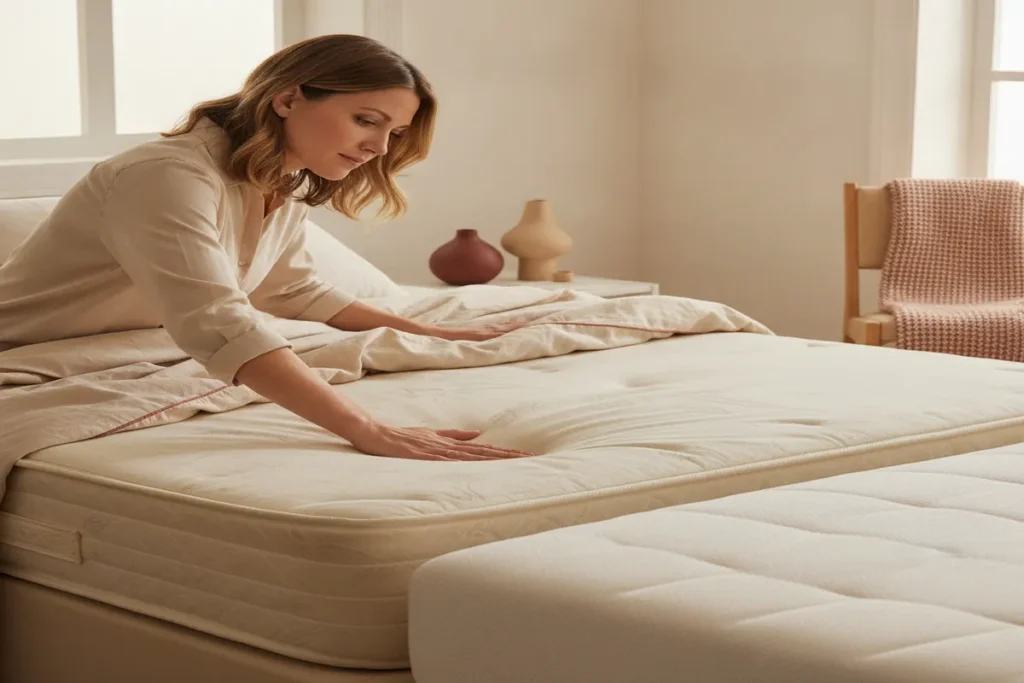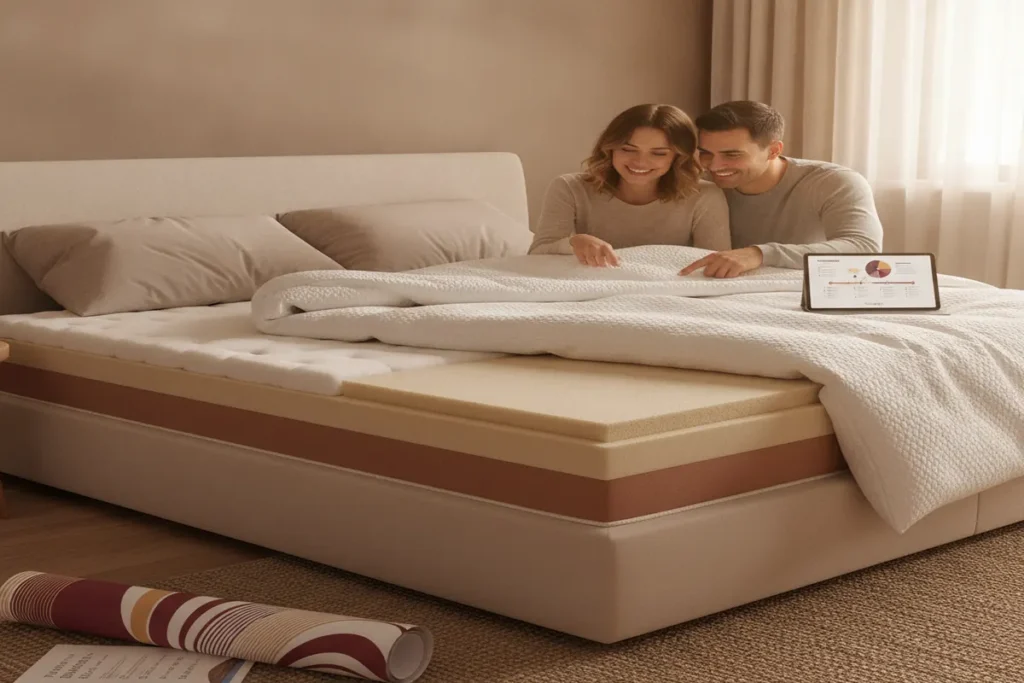

Understanding foam mattress density and firmness options is paramount for anyone seeking truly restorative sleep. Density refers to the material’s weight per cubic foot, primarily dictating the mattress’s durability and overall support structure. Firmness, conversely, measures the initial feel and resistance to compression, directly impacting comfort, pressure relief, and spinal alignment. A balanced comprehension of both is essential, allowing sleepers to select a mattress that perfectly aligns with their unique body type, sleep preferences, and health requirements, ensuring a personalized and long-lasting sleep solution.
Quick Summary
- Foam mattress density measures material weight per cubic foot, influencing durability and support, while firmness describes the initial feel, affecting comfort and pressure relief
- both are crucial for personalized sleep
- choosing involves matching body type, sleep position, and health needs
- quality materials and construction impact cost and lifespan
What are Foam Mattress Density and Firmness Options? Unpacking the Core Concepts
When evaluating a foam mattress, two terms consistently emerge: density and firmness. While often used interchangeably by mistake, they represent distinct characteristics that profoundly influence your sleep experience. Grasping these differences is the first step towards choosing an ideal mattress.
Decoding Foam Density
Density in a foam mattress refers to the amount of material packed into a cubic foot of foam. It’s measured in pounds per cubic foot (PCF). This metric is a primary indicator of a mattress’s quality, durability, and how well it will support your body over time. Higher density foam generally means a more robust, longer-lasting mattress that resists impressions and sagging more effectively.
-
Low Density Foam (under 3 PCF): Often found in budget-friendly mattresses or toppers. Offers a softer initial feel but tends to break down faster and may not provide adequate support for heavier individuals.
-
Medium Density Foam (3-5 PCF): A common sweet spot for many sleepers. Balances comfort and durability, offering good support and a reasonable lifespan. Many quality memory foam mattresses fall into this range.
-
High Density Foam (over 5 PCF): Typically found in premium mattresses, especially those designed for heavier individuals or for maximum durability. Provides excellent support, superior pressure relief, and a significantly longer lifespan. While often associated with firmness, a high-density foam can still be manufactured to feel soft.
Understanding Foam Firmness
Firmness, unlike density, describes the initial feel and resistance of the foam when pressure is applied. It dictates how soft or hard the mattress feels to lie on and how much it cradles or supports your body. Firmness is typically measured using the Indentation Load Deflection (ILD) or Indentation Force Deflection (IFD) rating. A higher ILD/IFD number indicates a firmer foam.
-
Soft (ILD 10-18): Ideal for side sleepers or those who prefer a plush, contouring feel. Offers deep pressure relief for shoulders and hips.
-
Medium (ILD 19-30): A versatile option suitable for most sleep positions and body types. Provides a balance of cushioning and support, often a good choice for couples with differing preferences.
-
Firm (ILD 31+): Preferred by stomach and some back sleepers who need robust support to maintain spinal alignment. Prevents excessive sinking, which can cause back pain.
Common Foam Mattress Materials and Their Density/Firmness Ranges
The type of foam material also plays a crucial role in how density and firmness manifest. Sinyora Yatak offers a range of high-quality foam options, each with distinct characteristics:
-
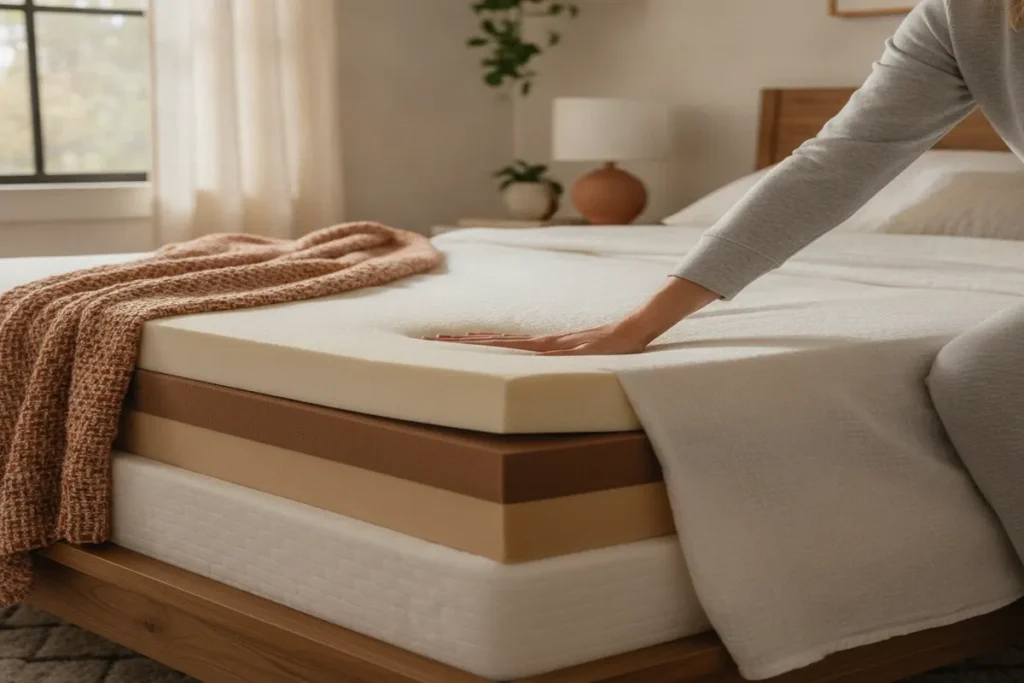
Memory Foam (Visco Foam Mattress): Known for its viscoelastic properties, memory foam softens with body heat and pressure, contouring closely. It typically ranges from 3-8 PCF in density. Higher density memory foam offers more profound contouring and durability, while firmness can vary widely from soft to firm.
-
Latex Foam (Latex Foam Mattress): Derived from rubber trees (natural latex) or synthetically produced. Latex is highly resilient, offering a buoyant, responsive feel. It generally has a density range of 4-6 PCF and is known for its durability and natural breathability. Latex foam can be manufactured in a wide array of firmness levels, from soft to extra firm.
-
Polyurethane Foam (Sponge Topper Mattress): A versatile and cost-effective foam. Often used as a base layer in mattresses or in toppers. Its density can range from 1.5-3 PCF, and it can be engineered for various firmness levels.
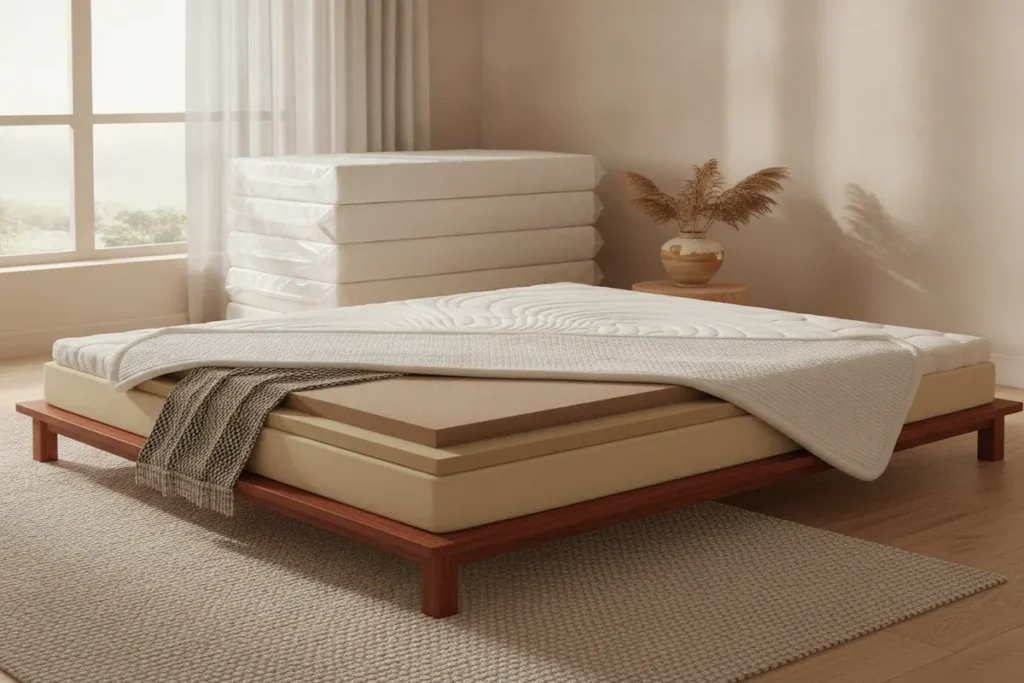
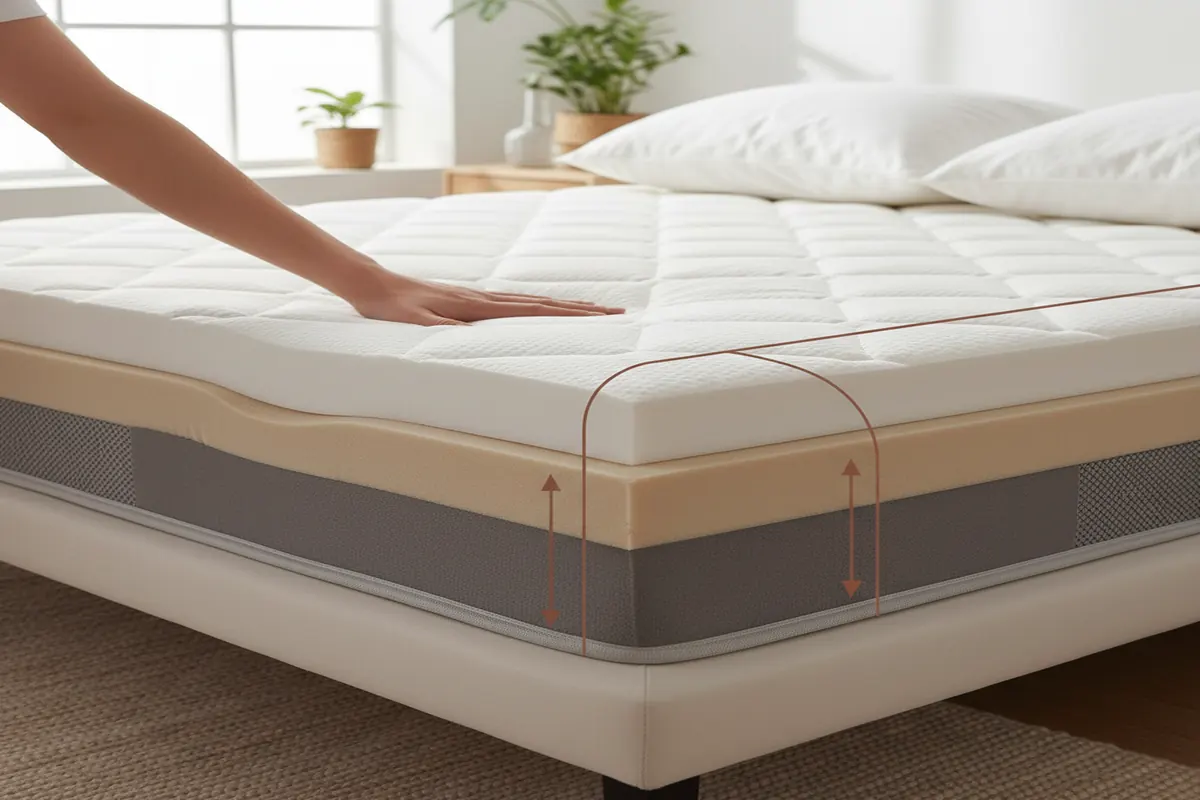
Understanding these foundational concepts is critical. While a mattress might be high-density, its specific construction and foam layers can still result in a soft feel. Conversely, a lower-density foam might be engineered to feel quite firm initially but may lack long-term durability.
Density vs. Firmness: Understanding the Crucial Distinction for Your Sleep
One of the most common misconceptions in mattress shopping is confusing density with firmness. While they are related and both contribute to the overall feel and performance of a mattress, they are not interchangeable. A clear understanding of their independent roles is vital for making an informed decision.
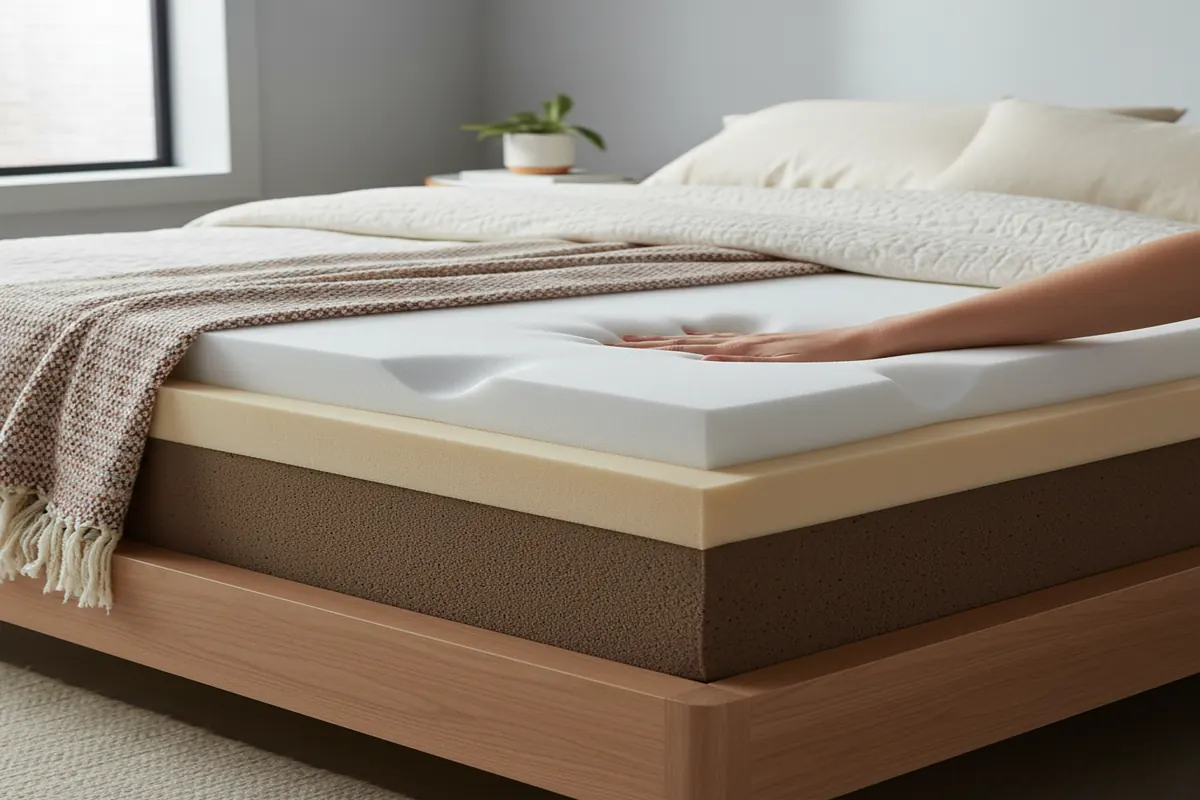
Think of it this way: Density is about “what’s inside” – the amount of material. Firmness is about “how it feels” – the springiness or resistance. A heavy, high-density foam block can be engineered to feel quite soft if it has a low ILD rating, just as a lighter, lower-density foam block can feel firm if its ILD is high. The key is that density primarily influences durability and support structure, while firmness dictates immediate comfort and pressure relief.
Key Differences Between Density and Firmness
To illustrate this distinction more clearly, consider the following comparison:
Real-World Implications
-
A “Soft, High-Density” Mattress: This combination is achievable and often desirable. A high-density foam base provides excellent foundational support and longevity, while a top layer of soft, high-density memory foam (like a premium Visco Foam Mattress) offers luxurious contouring and pressure relief without compromising the mattress’s structural integrity or durability. This can be perfect for someone needing both deep cushioning and robust support.
-
A “Firm, Low-Density” Mattress: This might feel firm initially, offering good pushback. However, because of its lower density, it will likely break down faster, sag sooner, and lose its supportive qualities much quicker than a higher-density alternative. This is a common characteristic of cheaper mattresses or basic polyurethane foam options. While it might meet immediate firmness needs, it will likely disappoint in the long run.
Understanding that these two properties work independently yet in concert is crucial. When shopping, don’t just ask “Is it firm?” or “Is it dense?” Instead, inquire about both metrics and how they are balanced within the mattress layers to achieve the overall feel and performance. This nuanced approach will guide you to a mattress that not only feels right initially but also maintains its integrity and comfort for years to come, offering exceptional Turkish Mattress Lifespan.
How Do You Choose the Right Foam Mattress Density and Firmness for Your Needs?
Selecting the ideal foam mattress density and firmness options is a highly personal decision, influenced by various factors unique to each sleeper. There’s no one-size-fits-all answer, but by considering your individual characteristics and preferences, you can narrow down the choices and find your perfect match. This section provides a practical framework for making that crucial decision.
Key Factors Influencing Your Choice
-
Your Body Weight:
- Lighter Individuals (under 130 lbs / 60 kg): Often prefer softer mattresses (lower ILD) as they don’t exert enough pressure to compress firmer foams effectively. Medium to low density foam (3-4 PCF) can provide ample support and durability.
- Average Weight Individuals (130-230 lbs / 60-105 kg): A medium firmness (ILD 20-30) and medium-to-high density (4-5 PCF) often offers a good balance of comfort and support. This range typically provides excellent spinal alignment and pressure relief.
- Heavier Individuals (over 230 lbs / 105 kg): Require firmer mattresses (higher ILD) and higher density foam (5 PCF+) to prevent excessive sinking and ensure proper support and durability. High-density foam is crucial here to resist premature sagging and maintain mattress integrity over time.
-
Your Primary Sleep Position:
- Side Sleepers (Turkish Mattress for Side Sleepers): Need significant pressure relief for their shoulders and hips. Softer to medium-soft mattresses (ILD 10-25) are typically best, allowing these pressure points to sink in while supporting the waist.
- Back Sleepers: Require a balance of support and contouring to maintain the natural curve of the spine. Medium-firm mattresses (ILD 25-35) are often ideal, preventing the hips from sinking too far while still cushioning the lower back.
- Stomach Sleepers: Need a firmer mattress (ILD 30+) to keep their hips from sinking too low, which can arch the back and cause pain. A firmer surface helps maintain a flat, aligned posture.
-
Specific Health Conditions and Comfort Levels:
- Back or Joint Pain: Often benefits from a medium-firm mattress that supports spinal alignment without creating new pressure points. Memory foam (Visco Foam Mattress) can be particularly effective due to its contouring properties.
- Circulation Issues: Softer mattresses that distribute weight evenly can help alleviate pressure on sensitive areas.
- General Comfort Preference: Some simply prefer a plush feel, while others like a very firm bed. Always prioritize your personal foam mattress density and firmness comfort level during testing.
-
Partner Considerations:
- If you share a bed, consider a mattress with excellent motion isolation, a hallmark of many memory foam designs. You may also need to compromise on firmness or consider a mattress with zoned support or even adjustable firmness on each side.
Practical Checklist: Choosing Your Ideal Foam Mattress Settings
Use this checklist to guide your decision-making process:
-
Determine Your Primary Sleep Position: Side, back, or stomach? (If mixed, prioritize the one you spend most time in).
-
Assess Your Body Weight: Are you lighter, average, or heavier?
-
Identify Any Health Concerns: Do you have back pain, joint issues, or other specific needs?
-
Consider Your Current Mattress Experience: What did you like/dislike about your previous mattress’s density and firmness?
-
Research Foam Types: Are you leaning towards the contouring of memory foam (Visco Foam Mattress) or the responsiveness of latex (Latex Foam Mattress)?
-
Test in Person (if possible): Lie on various mattresses for at least 10-15 minutes in your preferred sleep position.
-
Review ILD/PCF Ratings: Ask retailers for specific density and firmness numbers for each layer of the mattress.
-
Check Trial Periods: Ensure the mattress comes with a generous home trial period (e.g., 90-120 nights) to truly assess its suitability.
By systematically addressing these points, you’ll be well-equipped to select a foam mattress with the optimal density and firmness to deliver years of comfortable, supportive sleep.
Optimizing Comfort and Support: The Benefits of Tailored Foam Mattress Density and Firmness
Choosing the right foam mattress density and firmness options isn’t just about personal preference; it’s about unlocking a host of benefits that directly contribute to better sleep quality, improved health, and a longer-lasting investment. A mattress tailored to your specific needs can transform your nightly rest.
Enhanced Pressure Relief
One of the most significant advantages of correctly chosen foam density and firmness is superior pressure relief.
-
Contouring and Cushioning: Softer to medium-firm foam mattresses, especially those with high-quality memory foam (Visco Foam Mattress), excel at distributing body weight evenly. This prevents pressure points from building up in areas like the shoulders, hips, and knees, which are common pain points for side sleepers.
-
Improved Circulation: By reducing pressure, these mattresses can also promote better blood flow throughout the night, minimizing tossing and turning and contributing to deeper, more uninterrupted sleep.
Superior Spinal Alignment
Maintaining proper spinal alignment is crucial for preventing back pain and ensuring overall musculoskeletal health.
-
Supportive Core: A mattress with appropriate density provides the foundational support needed to keep the spine in a neutral position. For back sleepers, a medium-firm mattress prevents the hips from sinking too deeply, while for stomach sleepers, a firmer surface keeps the spine from arching.
-
Customized Contouring: The right firmness level allows the mattress to conform to the natural curves of your body without creating gaps, offering targeted support where it’s needed most, particularly for the lumbar region. This is a hallmark of expertly crafted mattresses, including many in our Mattress Collection.
Durability and Longevity
Density is a direct indicator of a foam mattress’s lifespan.
-
Resistance to Sagging: Higher-density foams (typically 4 PCF and above) are inherently more resistant to compression and body impressions. This means your mattress will maintain its supportive structure and comfort level for a significantly longer period, delaying the need for replacement. This contributes positively to the overall Turkish Mattress Lifespan.
-
Consistent Performance: A durable, high-density foam mattress ensures that the support and comfort you experience on day one remain consistent for years, offering excellent value for your investment.
Exceptional Motion Isolation
For those who share a bed, motion isolation is a game-changer.
- Undisturbed Sleep: Memory foam (Visco Foam Mattress) is particularly renowned for its ability to absorb motion. A high-density memory foam mattress will effectively isolate movement, meaning you won’t feel your partner tossing, turning, or getting in and out of bed. This translates to fewer sleep disturbances and a more peaceful night for both individuals.
Reduced Allergens and Hypoallergenic Properties
Certain foam types, especially latex foam, offer inherent benefits for allergy sufferers.
-
Natural Resistance: Natural latex (Latex Foam Mattress) is naturally resistant to dust mites, mold, and mildew, making it an excellent choice for those with allergies or asthma.
-
Breathability: While foam can sometimes be associated with heat retention, modern manufacturing techniques and open-cell structures, especially in quality latex and some memory foams, improve breathability, creating a cooler sleep environment.
By carefully considering your ideal foam mattress density and firmness comfort level, you’re not just buying a mattress; you’re investing in a personalized sleep system designed to support your health, enhance your comfort, and provide lasting value.
Avoiding Common Pitfalls: What to Check Before Buying Foam Mattress Density and Firmness Options
The journey to finding the perfect foam mattress can be fraught with missteps if you’re not well-informed. Many consumers make common mistakes when evaluating foam mattress density and firmness options, leading to dissatisfaction and potentially costly returns. As experienced specialists, we want to equip you with the knowledge to navigate these challenges effectively.
Common Mistakes to Avoid
-
Confusing Density with Firmness: This is arguably the most frequent error. As discussed, a mattress can be high-density (durable) but soft (comfortable), or low-density (less durable) but firm (initially supportive). Assuming high density automatically means firm, or vice-versa, can lead to choosing a mattress that doesn’t meet your long-term needs. Always inquire about both PCF and ILD/IFD ratings.
-
Relying Solely on Online Reviews Without Understanding Personal Needs: While reviews are valuable, they reflect individual experiences. What feels like “medium-firm” to one person might be “too soft” to another, especially given differences in body weight and sleep position. Use reviews as a guide, but prioritize information about material quality, density, and firmness ratings that you can cross-reference with your own requirements.
-
Ignoring Trial Periods and Return Policies: A mattress can feel great for a few minutes in a showroom, but it takes weeks for your body to fully adjust and for you to truly know if it’s the right fit. Always ensure the retailer or manufacturer offers a generous in-home trial period (e.g., 90-120 nights) and understand the specifics of their Return Policy and associated fees before purchasing.
-
Overlooking Mattress Base Compatibility: The foundation your mattress rests on significantly impacts its feel and longevity. An old, sagging box spring or an incompatible bed base can undermine even the best foam mattress, affecting both its firmness and support. Ensure your Bed Base and Headboard is suitable for a foam mattress, typically requiring a solid platform or closely spaced slats.
-
Not Checking Material Certifications: The quality and safety of foam materials are crucial. Look for certifications like CertiPUR-US (for polyurethane foams) or OEKO-TEX (for textiles and latex) to ensure the foam is free from harmful chemicals and meets rigorous standards for content, emissions, and durability. This ensures you’re investing in a healthy sleep environment.
-
Prioritizing Price Over Value: While budget is a factor, opting for the cheapest option often means compromising on density and material quality, leading to a shorter lifespan and diminished comfort. Consider the mattress as a long-term investment in your health and well-being, focusing on the overall value, durability, and support it offers.
Practical Checklist: Pre-Purchase Verification
Before you finalize your purchase, use this checklist to ensure you’re making an informed decision:
-
Confirm PCF (Density) and ILD/IFD (Firmness) Ratings: Get these specific numbers for each foam layer, not just vague descriptions.
-
Verify Foam Type and Quality: Understand if it’s Visco Foam Mattress, Latex Foam Mattress, or high-quality polyurethane. Ask about the origin and manufacturing processes.
-
Inquire About Layer Construction: How are the different foam layers (e.g., comfort layer, transition layer, support core) combined, and what are their individual specifications?
-
Review Warranty and Trial Period Details: What does the Warranty Information cover, how long is the trial, and what are the return procedures and costs?
-
Check for Certifications: Look for CertiPUR-US, OEKO-TEX, or similar third-party assurances of material safety and quality.
-
Assess Base Compatibility: Does your current bed base support a foam mattress, or will you need to upgrade?
-
Read Customer Service Reviews: A good Customer Service team is vital for addressing any issues that may arise.
-
Compare Across Brands: Don’t settle for the first option. Compare similar products from reputable manufacturers like Sinyora Yatak to ensure you’re getting competitive pricing and superior quality.
By diligently following this advice, you can confidently navigate the market for foam mattress density and firmness options and secure a mattress that genuinely meets your needs and expectations.
Investing Wisely: Understanding Foam Mattress Density and Firmness Costs and Where to Buy
The investment in a quality foam mattress is an investment in your daily well-being. The cost of foam mattress density and firmness options can vary significantly, depending on a multitude of factors. Understanding these elements, alongside knowing where to purchase, empowers you to make a smart, value-driven decision.
Factors Influencing Foam Mattress Costs
Several elements contribute to the overall price of a foam mattress:
-
Material Quality and Type:
- Natural Latex Foam (Latex Foam Mattress): Often the most expensive due to the natural harvesting process and inherent durability.
- High-Quality Memory Foam (Visco Foam Mattress): Premium memory foams, especially those with advanced cooling technologies or higher densities, command a higher price.
- Polyurethane Foam: Generally more affordable, but costs increase with higher densities and specialized formulations.
-
Density Level: Higher density foams, regardless of type, require more raw material and often more sophisticated manufacturing processes, leading to a higher price point. This is a direct correlation with the mattress’s durability and lifespan.
-
Mattress Construction and Layers: Mattresses with multiple distinct foam layers, specialized zoning for targeted support, or integrated cooling features will naturally be more expensive than simpler constructions. For example, a mattress like the 4 Seasons Bed with its unique design, will reflect its advanced construction in its pricing.
-
Brand Reputation and Research & Development: Established brands with a history of innovation and quality, like Sinyora Yatak, invest heavily in R&D to produce superior products, which is reflected in their pricing.
-
Certifications: Mattresses with certifications like CertiPUR-US or OEKO-TEX indicate adherence to strict standards, often adding to the cost but guaranteeing safety and quality.
-
Country of Origin: What Makes Turkish Mattresses Special often includes a commitment to quality materials and craftsmanship, which can influence pricing compared to mass-produced alternatives from other regions.
General Price Ranges for Foam Mattresses (Queen Size, 2026 Estimates):
-
Entry-Level (Basic Polyfoam, Lower Density): $300 – $800
-
Mid-Range (Quality Polyfoam, Medium Density Memory Foam): $800 – $1,500
-
Premium (High-Density Memory Foam, Natural Latex, Advanced Hybrids): $1,500 – $3,000+
It’s important to view these as general guidelines. Sales, promotions, and the specific retailer can significantly impact the final price. For detailed pricing on our diverse offerings, exploring our Shop All Products and Mattress Collection is recommended.
Where Can You Buy Foam Mattress Density and Firmness Options Online?
The digital marketplace offers unparalleled convenience and selection when purchasing a foam mattress.
-
Direct-to-Consumer (DTC) Brands (Like Sinyora Yatak):
- Pros: Often offer competitive pricing by cutting out intermediaries, provide extensive product information, and typically have robust trial periods and direct Customer Service. You can explore our options directly through Sinyora Yatak.
- Cons: No physical showroom to test the mattress beforehand, though trial periods mitigate this.
- Considerations: Look for clear details on Warranty Information, Return Policy, and Ship Turkish Mattresses Internationally if outside Turkey.
-
Large Online Retailers (e.g., Amazon, Wayfair):
- Pros: Vast selection, competitive pricing, and often fast shipping.
- Cons: Can be overwhelming, less specialized customer service, and varying return policies depending on the specific seller.
- Considerations: Always check the seller’s reputation and the specific mattress’s return policy.
-
Specialty Online Sleep Stores:
- Pros: Curated selections, knowledgeable customer service, and often offer more detailed product comparisons and Buying Guides.
- Cons: Selection might be narrower than general retailers, prices can sometimes be higher.
When buying online, it’s crucial to meticulously review product specifications, paying close attention to the stated density (PCF) and firmness (ILD/IFD) of each foam layer. Don’t hesitate to reach out to the company’s support team (via Contact Us for Support) with any questions. Remember, a higher price often correlates with higher density and superior material quality, translating to better durability, support, and ultimately, a more satisfying sleep experience.
Expert Insight
“Industry experts confirm that understanding the interplay between density and firmness is paramount for a truly personalized sleep experience, directly impacting long-term comfort and mattress longevity. A mattress might feel soft, but if it lacks adequate density, it will quickly lose its support. Conversely, a high-density mattress can still offer a plush feel if engineered correctly. The key is balance and matching these properties to the sleeper’s unique physiological needs.”
Key Terms
-
Density (PCF): A measure of how much material is packed into a cubic foot of foam, expressed in pounds per cubic foot (PCF). It primarily indicates the durability, lifespan, and foundational support of the mattress.
-
Firmness (ILD/IFD): Indentation Load Deflection (ILD) or Indentation Force Deflection (IFD) quantifies the resistance of foam to compression. A higher ILD/IFD number indicates a firmer feel, determining the initial comfort and pressure relief characteristics.
-
Memory Foam (Visco Foam): A viscoelastic polyurethane foam that responds to body heat and pressure, contouring closely to the sleeper’s shape for personalized support and pressure relief.
-
Latex Foam: A highly resilient and durable foam derived from rubber tree sap (natural latex) or synthetic compounds. It offers a buoyant, responsive feel and is often praised for its breathability and hypoallergenic properties.
-
Polyurethane Foam: A versatile and widely used foam type, often serving as a base layer in mattresses or in toppers. Its density and firmness can vary significantly based on manufacturing.
A short comparison to help you make a better decision.
How Can You Upgrade to More Comfortable Sleep with Sinyora Yatak?
At Sinyora Yatak, we understand that selecting the perfect mattress is a deeply personal decision, one that impacts your health and well-being every single night. Our commitment to traditional Turkish craftsmanship, combined with cutting-edge sleep technology, ensures that every mattress we create offers unparalleled quality, support, and comfort. We meticulously design our foam mattress density and firmness options to cater to a diverse range of sleepers, guaranteeing a truly restorative experience.
Whether you’re seeking the contouring embrace of a premium Visco Foam Mattress, the resilient buoyancy of a natural Latex Foam Mattress, or the versatile support of our expertly crafted Sponge Topper Mattress and Topper Collection, Sinyora Yatak has a solution for you. We pride ourselves on the Turkish Mattress Lifespan and the superior materials that go into every product, ensuring your investment in a Sinyora Yatak mattress pays dividends in years of comfortable, healthy sleep.
Explore our comprehensive Mattress Collection today to discover how our expertly balanced density and firmness options can transform your sleep. From the plush embrace of our Cashmere Bed to the robust support of our Construction Mattress, each product is a testament to our dedication to excellence. For side sleepers, back sleepers, or those with specific needs, our Buying Guides and dedicated Customer Service team are here to help you navigate our offerings and find your ideal sleep solution. Experience the difference of What Makes Turkish Mattresses Special with Sinyora Yatak – where comfort, durability, and expert craftsmanship meet.
Frequently Asked Questions
Q: Can a high-density foam mattress be soft?
Q: What is ILD in foam mattresses?
Q: Is a firmer mattress always better for back pain?
Q: How does foam mattress density affect its lifespan?
Q: What is the ideal density for a memory foam mattress?
Q: Should I consider a foam topper if my mattress isn’t the right firmness?
Help: FAQs · Sleep Science · Sleep Resources · Privacy Policy